Repair & maintenance guides
Plain-English, step by step, written for owners. Pick your engine to see the guides that apply to it.
131 of 459 guides · page 1 of 6
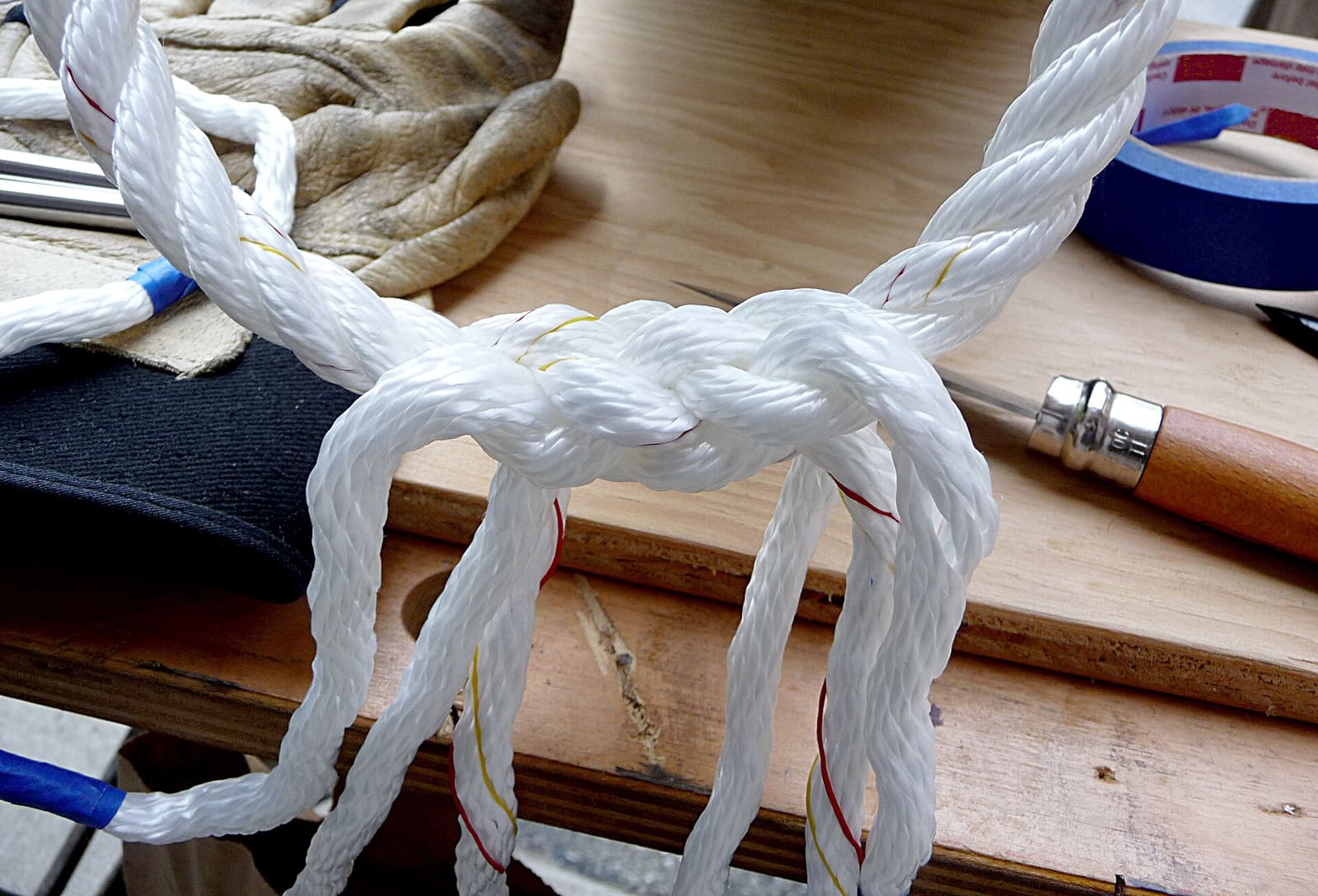
Basic Rope Work for Boat Owners - Eye Splices, Whipping and Sealing Line Ends
Learn the rope skills every owner uses: put an eye splice in three-strand dock or anchor line, stop line ends from unraveling with a whipping or by melting them, know when double-braid splicing is worth it or when to buy pre-spliced line, and inspect splices so you retire a line before it fails.

Bottom Paint (Antifouling): Do You Need It, Which Type, and How to Repaint
Learn whether your boat needs antifouling bottom paint, how ablative and hard paints differ, and how to prep and roll on a fresh coat safely, without poisoning yourself or the water and without ruining an aluminum hull.

Carrying Your Dinghy: Davits, Swim Platform Mounts and Safe Towing
How to check davits and swim-platform dinghy mounts against the maker's load limit, secure the tender so it can't swing or fill with water, and tow it safely when you have to, with the right bridle, line length and speed, and the outboard off.

Ceramic and Polymer Coatings for Boats: What They Do and How to Apply Them
Understand what ceramic and polymer coatings really do compared with wax, how to prep gelcoat so a coating bonds, how to apply a DIY coating, and how long you can realistically expect it to last.
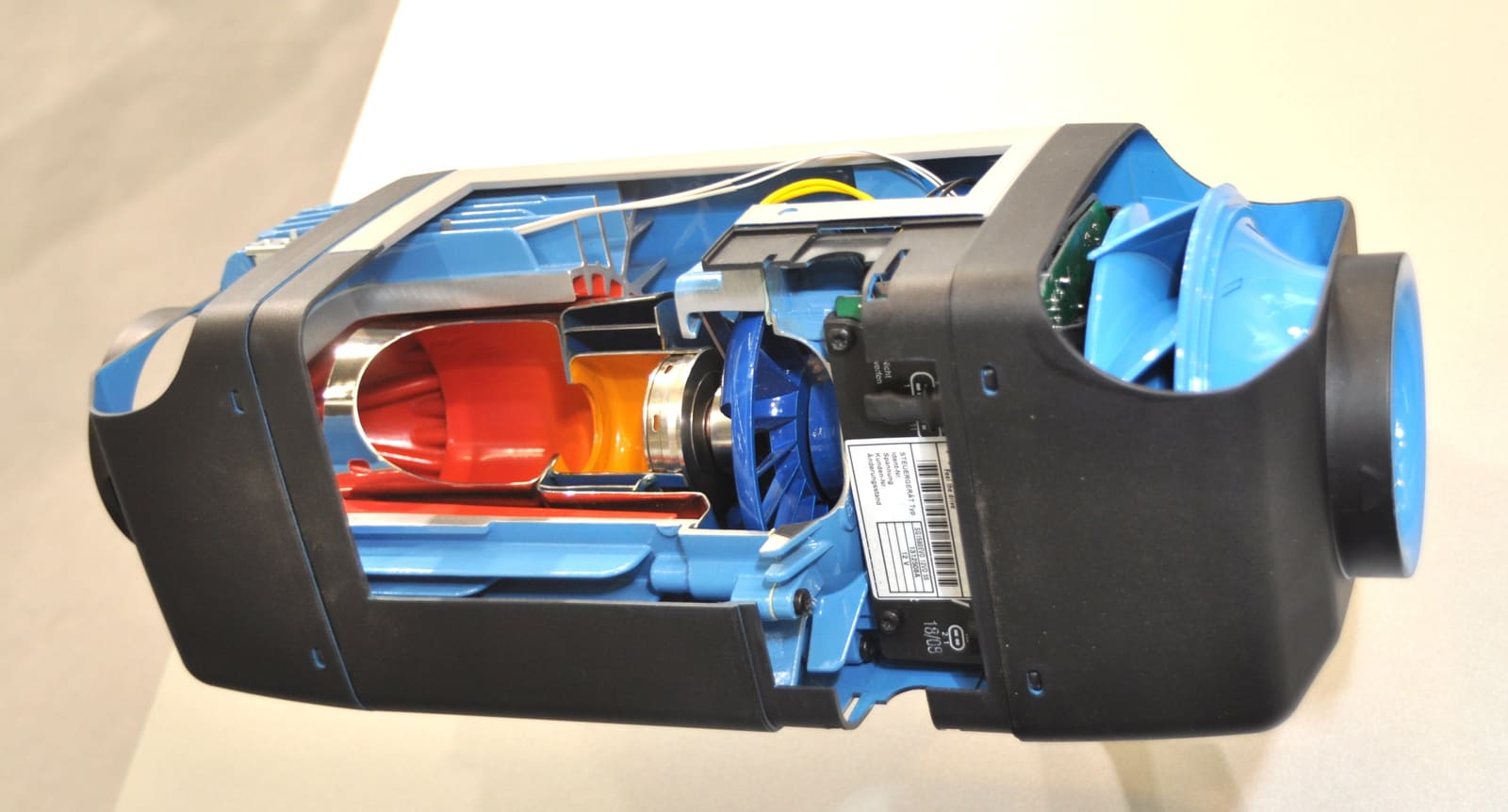
Diesel Cabin Heaters: What a Forced-Air or Bulkhead Heater Install Involves
Understand what goes into installing a diesel cabin heater (fuel pickup, exhaust or chimney, combustion air, ducting, power and CO alarms) so you can plan it with an installer, check the work, and keep the heater safe with monthly runs and regular service.
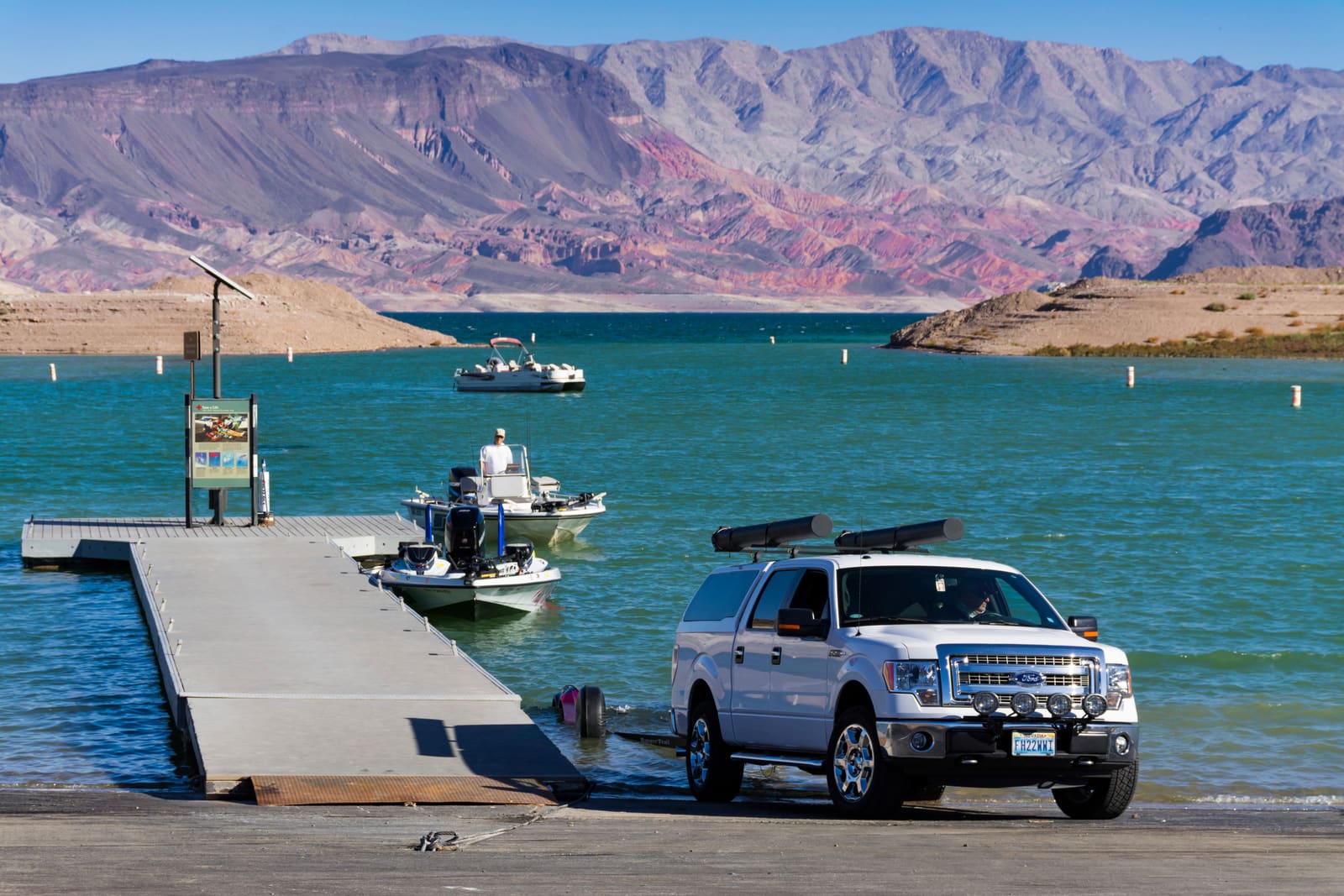
Drain Plugs: Types, Pre-Launch Checks, Spares and Replacing a Garboard Drain
A forgotten or worn drain plug is one of the most common ways a boat floods at the ramp. Learn the plug types, a launch routine that makes it hard to forget, how to look after plugs and fittings, how to replace a garboard drain, and when the plug should come out for storage.

Electric and Hydraulic Headsail Furlers: Care, Manual Override and Safety
Keep a powered headsail furler working with simple care: furl the right way, rinse the swivels, check the wiring, breaker and switches, and practice the manual override before you need it.
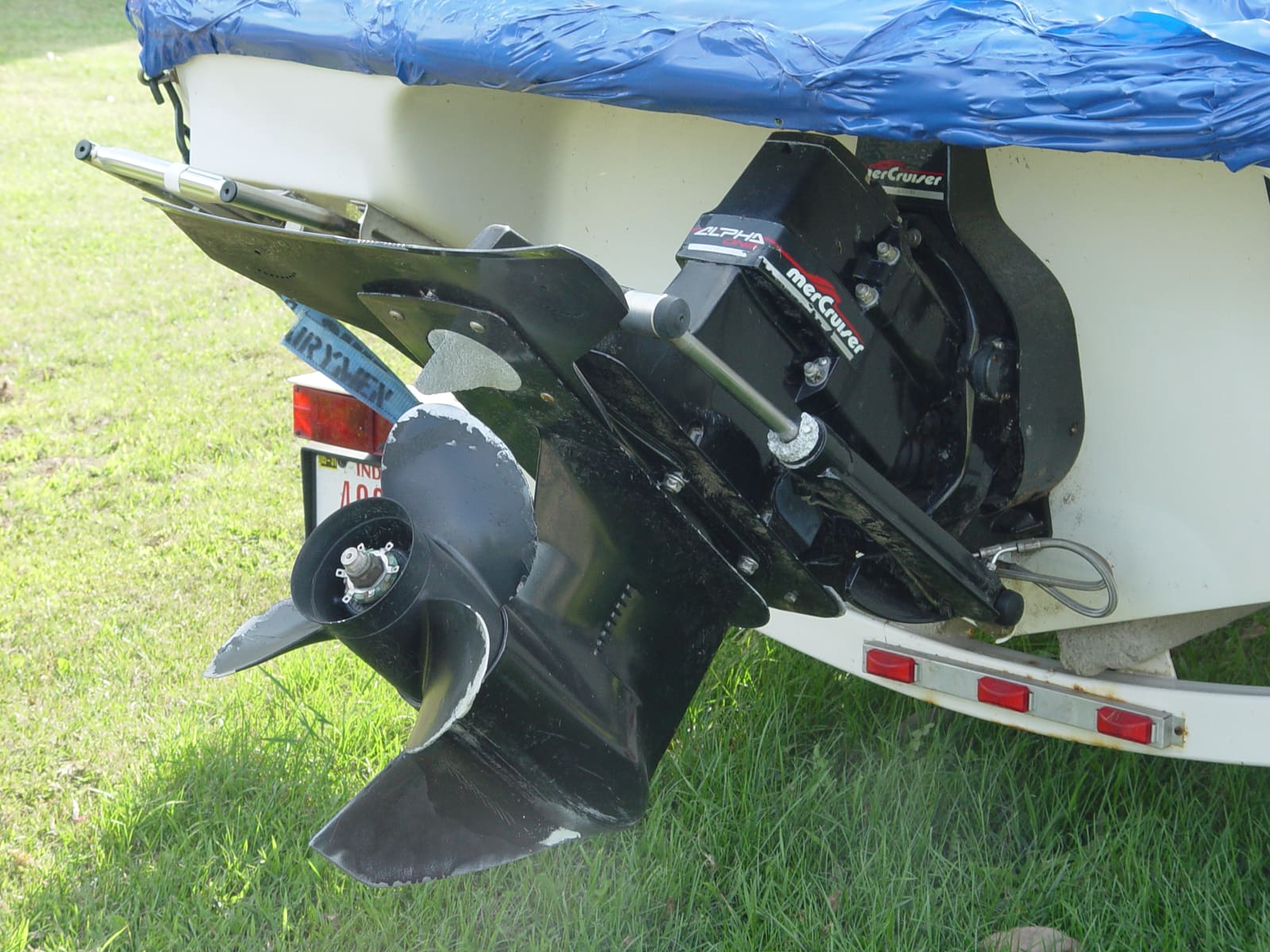
Engine Alignment on Sterndrives and Inboards: What to Check and When
A sterndrive engine must line up with its gimbal bearing and coupler, and an inboard engine with its prop shaft. When it drifts out of line you get vibration, noise and worn-out couplers, bearings and seals. Learn the warning signs, the checks you can do yourself and why the alignment itself is a job for a pro with special tools.
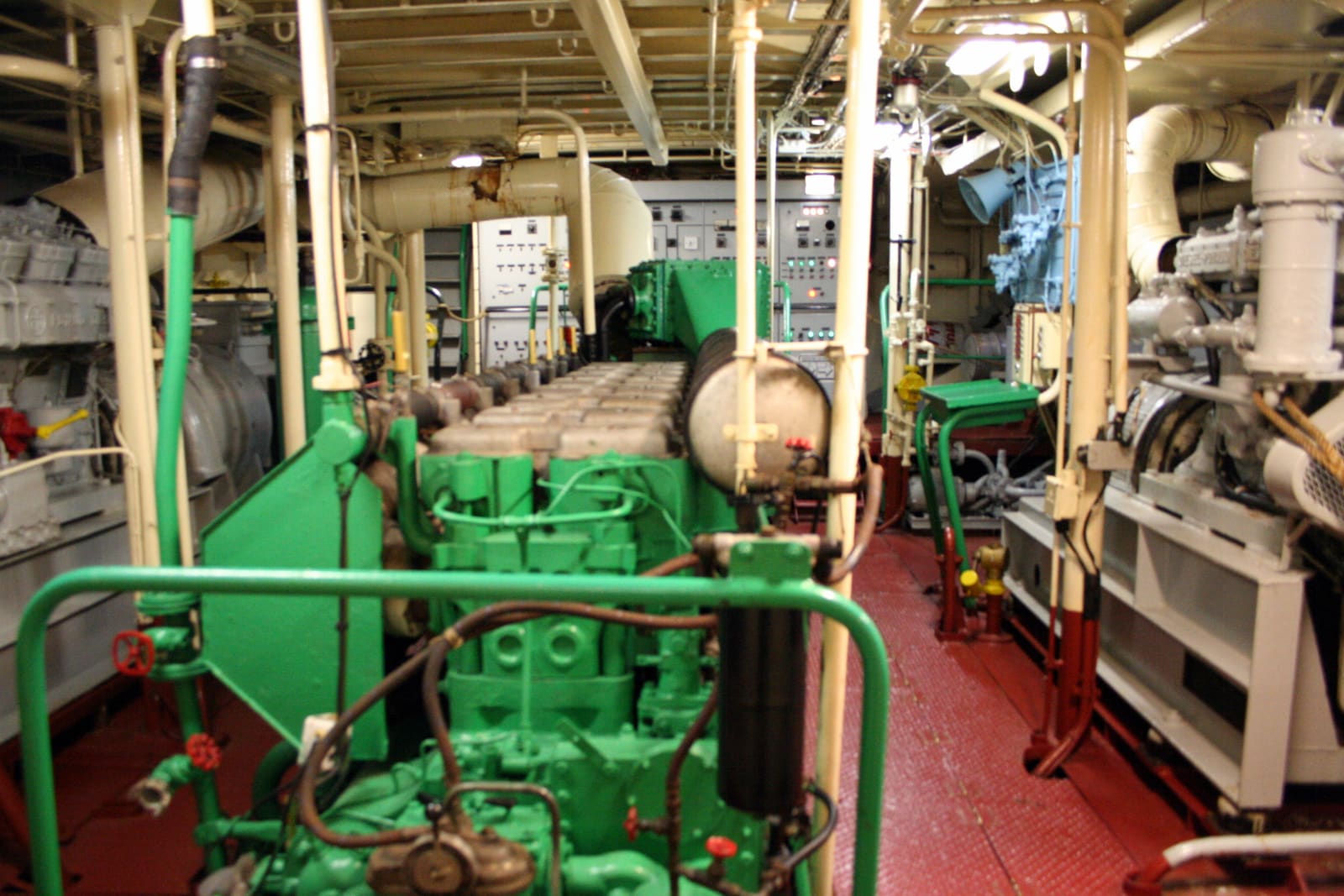
Engine Room Ventilation: Combustion Air, Blowers and Keeping Salt Out
Inboard engines, diesels above all, breathe huge amounts of air, and a hot or starved engine room quietly costs power, fuel and turbo life. Learn how engine-room air works, how to inspect vents, ducts, fans and salt-spray filters, the warning signs of too little air, and the separate gasoline blower rule.

Fish Box Drains and Macerator Pumps: Clogs, Check Valves and Odor Control
Keep insulated fish boxes draining and smelling clean by clearing scale and slime clogs, checking the macerator pump, check valve and fuse, rinsing after every trip and making sure the water goes overboard instead of into the bilge.
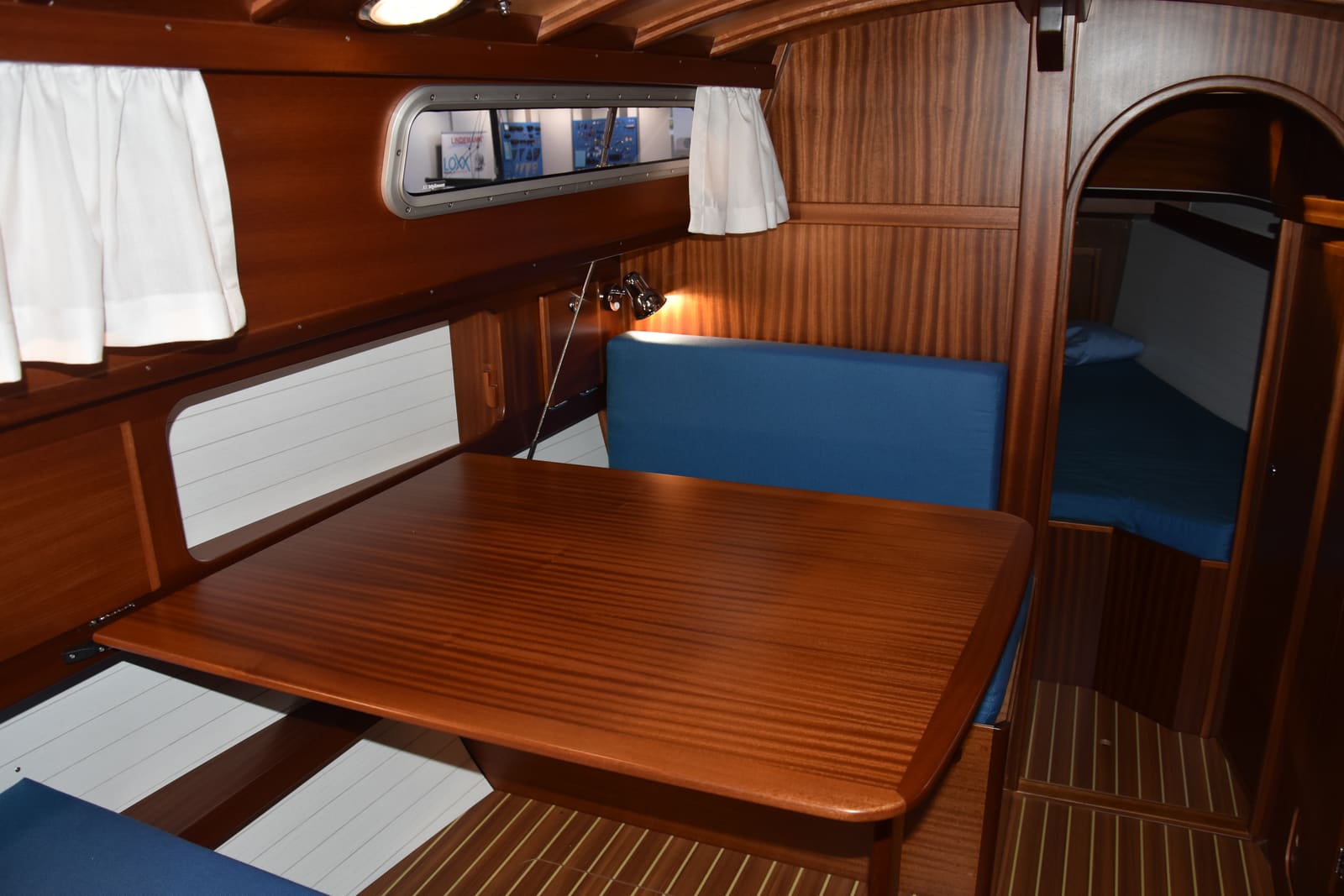
Fixing a Sagging Cabin Headliner: Re-glue, Battens or Replace
Find out why cabin headliners sag, when a quick re-glue is worth trying, how wood battens make a lasting fix, and how to replace fabric, vinyl or panel liners safely with good ventilation and without drilling through the deck.
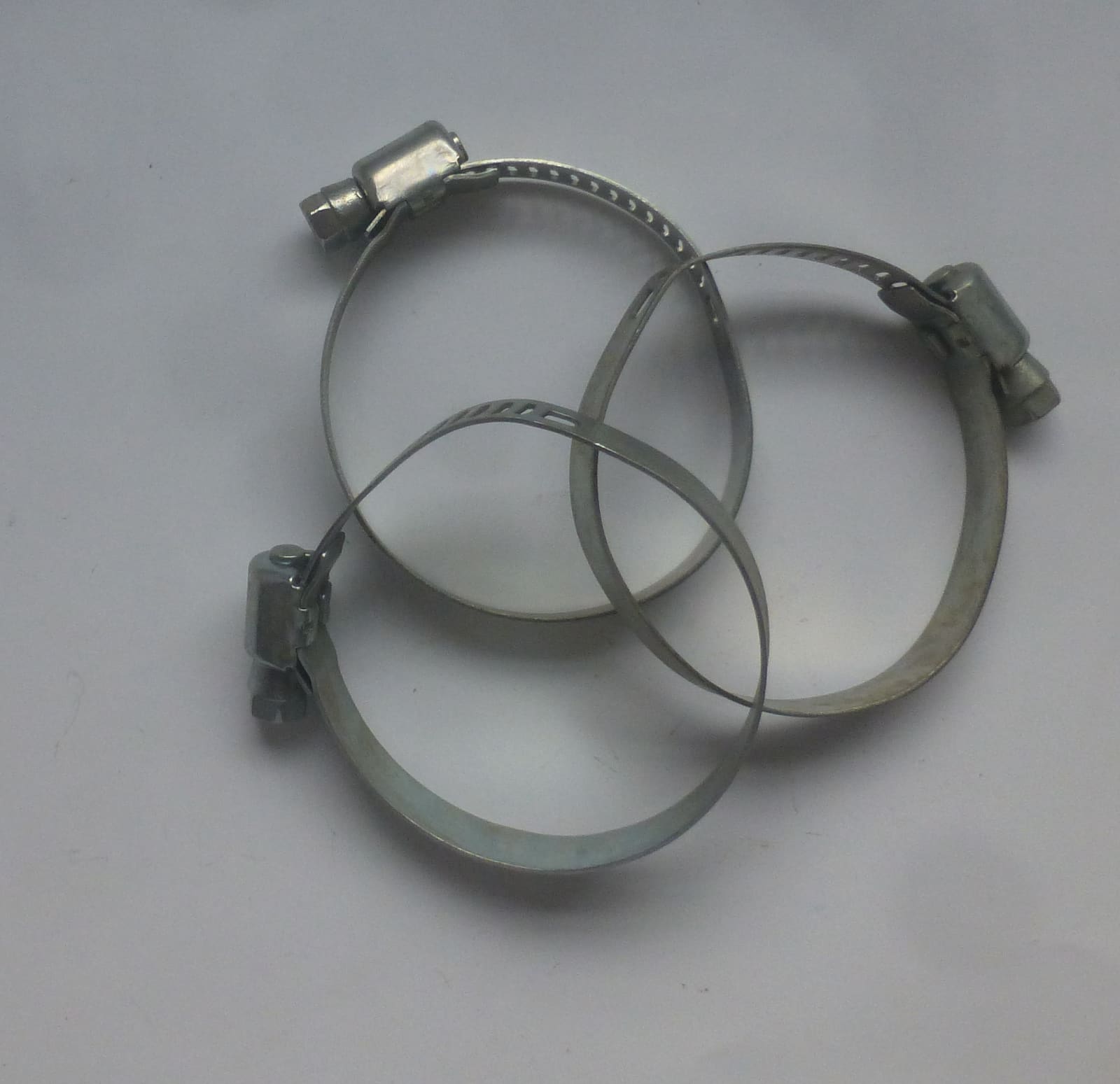
Hose Clamps on Boats: Choosing, Installing and Inspecting Them
A rusted or wrong hose clamp can sink a boat at the dock, leak fuel or let exhaust into the cabin. Learn which clamps belong on a boat (all-316 stainless, embossed band, T-bolt where needed), when to double them, how tight is tight enough, and how to find the ones that are about to fail.

How to Add or Replace a Swim Platform on Your Boat
A swim platform makes swimming, fishing and climbing back aboard far easier, but it hangs off the most heavily loaded part of the hull, right next to the propeller and the exhaust. Learn the bolt-on options, how to check the transom and engine clearance, how to through-bolt with real backing plates, and the propeller and carbon monoxide rules that come with it.
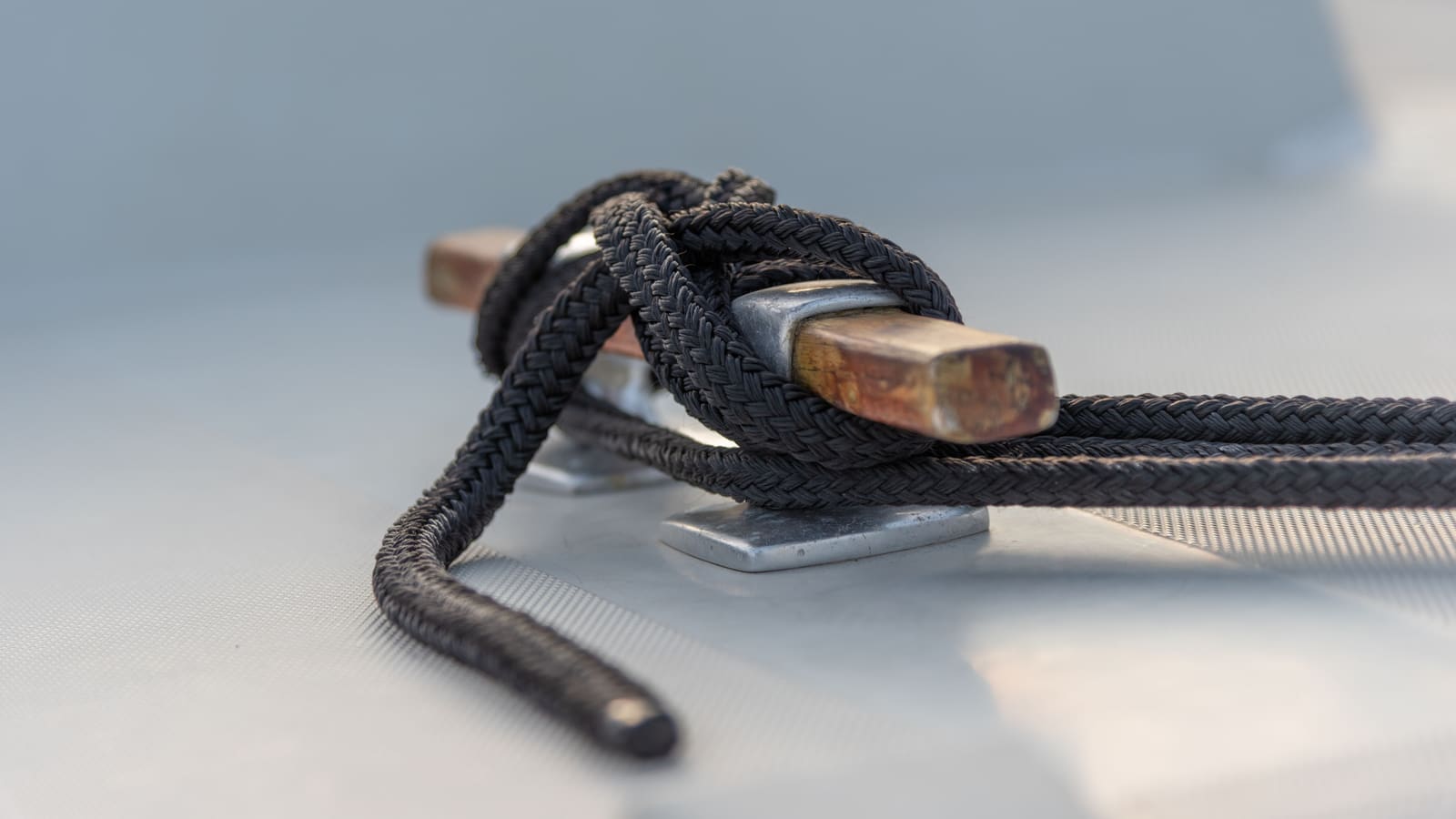
How to Add or Upgrade Boat Cleats (Sizing, Placement and Backing Plates)
Most cleats that fail don't break; they pull out of the deck. Learn how to size a cleat to your dock lines, where to put new cleats for docking and spring lines, how to through-bolt them with real backing plates, how to protect a cored deck, and what's different about pop-up and pull-up cleats.

How to Care for a Hydraulic Jack Plate (Fluid, Pump, Leaks, Grease and Height)
Keep a hydraulic jack plate (Bob's Machine Shop, T-H Marine Atlas, CMC, SeaStar style) lifting smoothly: check and top up the right fluid, keep the pump and relays dry, find leaks and slow drift, lubricate only the way your model calls for, set running height safely and prepare it for winter. Mounting and setback changes are dealer work.

How to Care for a Pontoon Deck, Flooring, Fence and Furniture
Keep a pontoon's carpet or vinyl floor clean and dry, find soft spots in the plywood deck before they spread, check fence rails, gates and seat bases, care for furniture vinyl, and cover and store the boat so mildew and sun do not win.
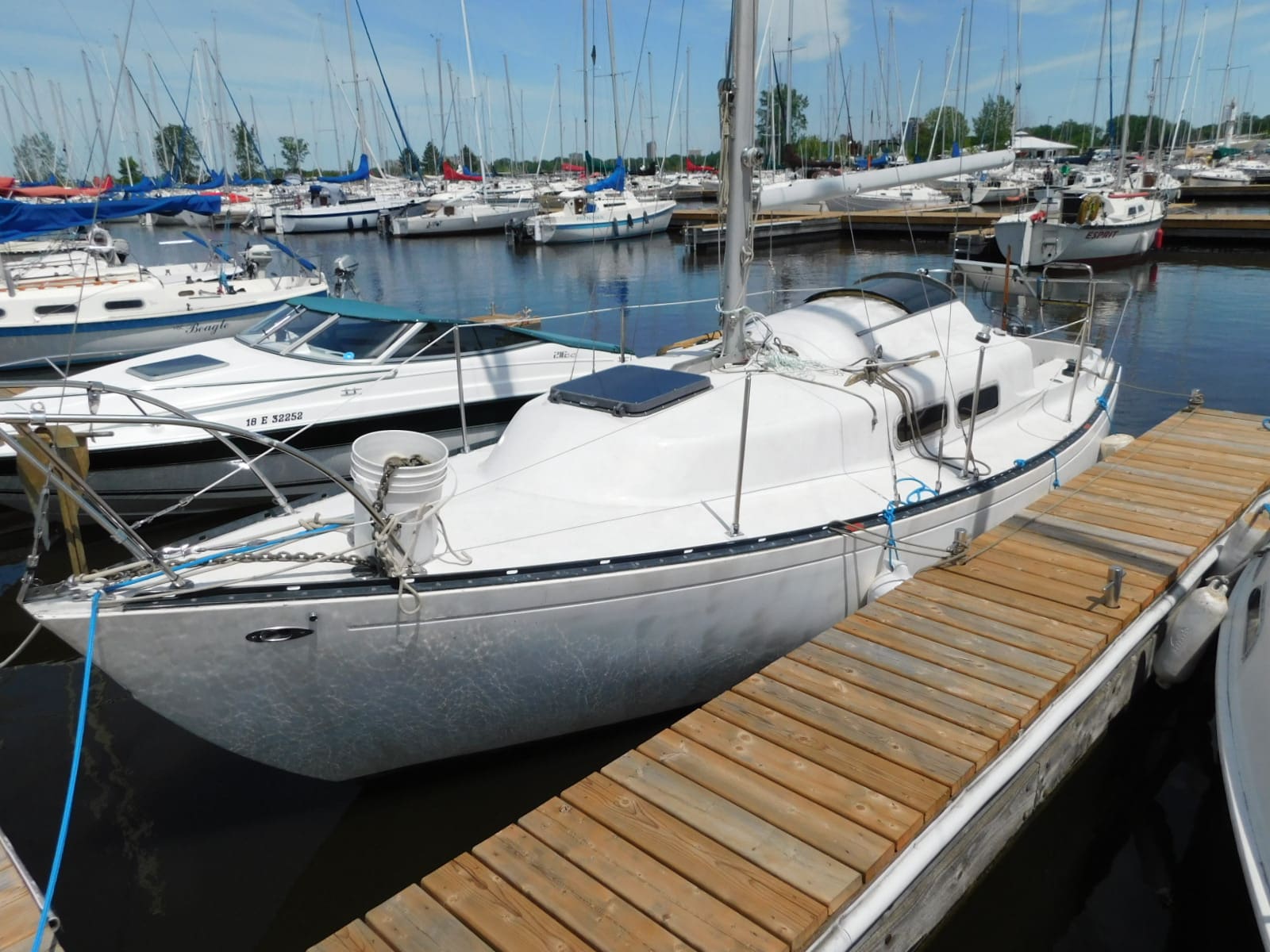
How to Care for Your Anchor Locker and Keep the Chain Running Free
Empty, clean and drain the anchor locker, untwist and restow the rode so it runs out without jamming, tie the bitter end so it can be cut free in an emergency, and decide whether you really need a swivel. A tidy locker keeps the anchor ready when you need it fast.
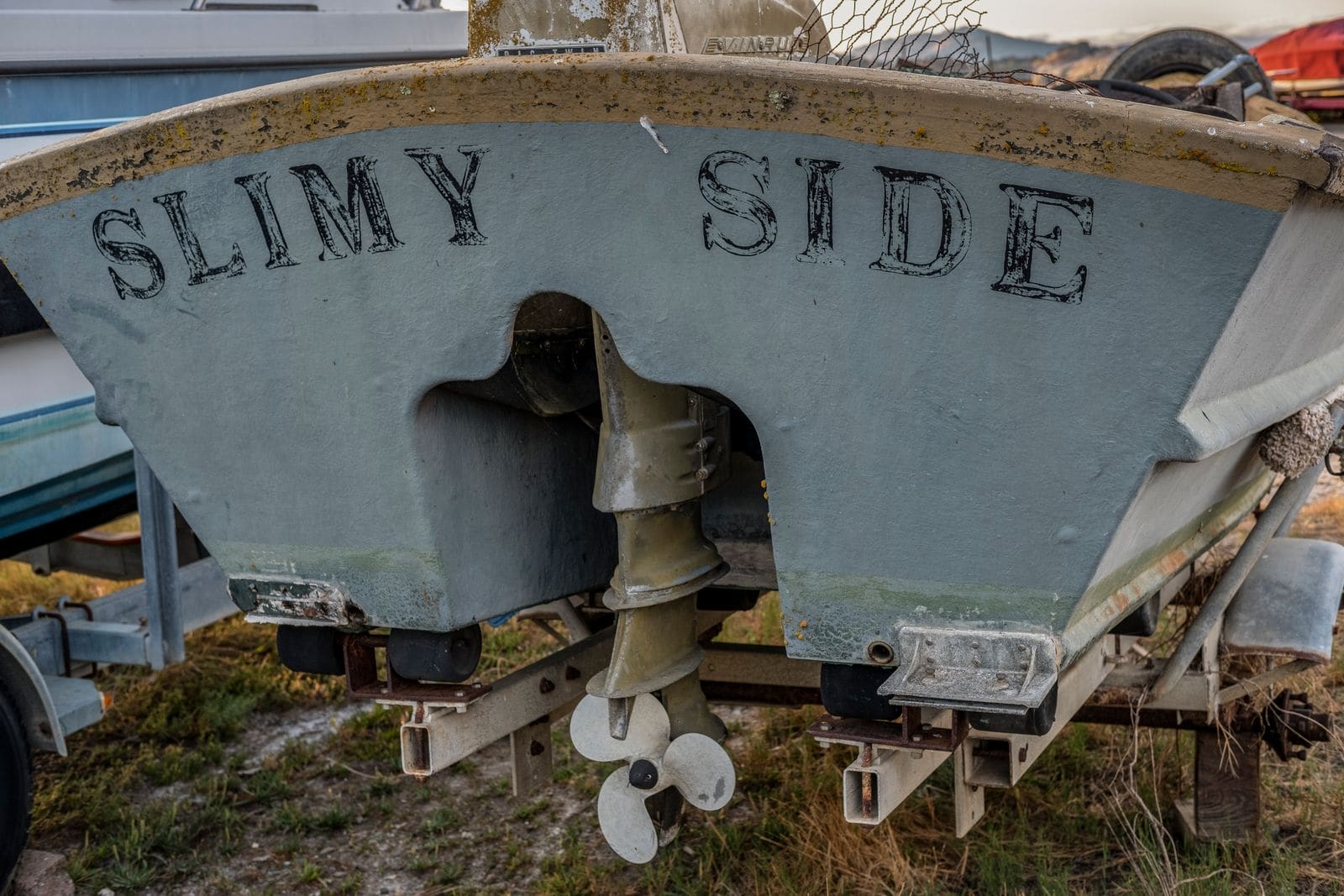
How to Check a Boat for Transom and Stringer Rot
Many older fiberglass boats have wood inside the transom, stringers and deck, and water that gets in slowly rots it. Learn the tap test, the flex test, how to read a moisture meter and the other warning signs, and why a rotten transom or stringer is a structural job for a pro, not a weekend patch.

How to Check a Holding Tank Vent and Replace the Vent Filter
A blocked holding tank vent makes the head gurgle, pressurizes the tank every flush and can collapse it at the pump-out dock. Learn the warning signs, how to clear the vent fitting and hose, when and how to replace the carbon vent filter, and how to keep insects and overfills from plugging it again.

How to Check the Cutless Bearing, Prop Shaft and Strut
Find out if new vibration or rumbling from the stern is a worn cutless bearing, a bent shaft, a loose strut or poor engine alignment, using simple checks you can do at the dock and at haul-out. Catching bearing wear early protects the shaft, the seal and the transmission.
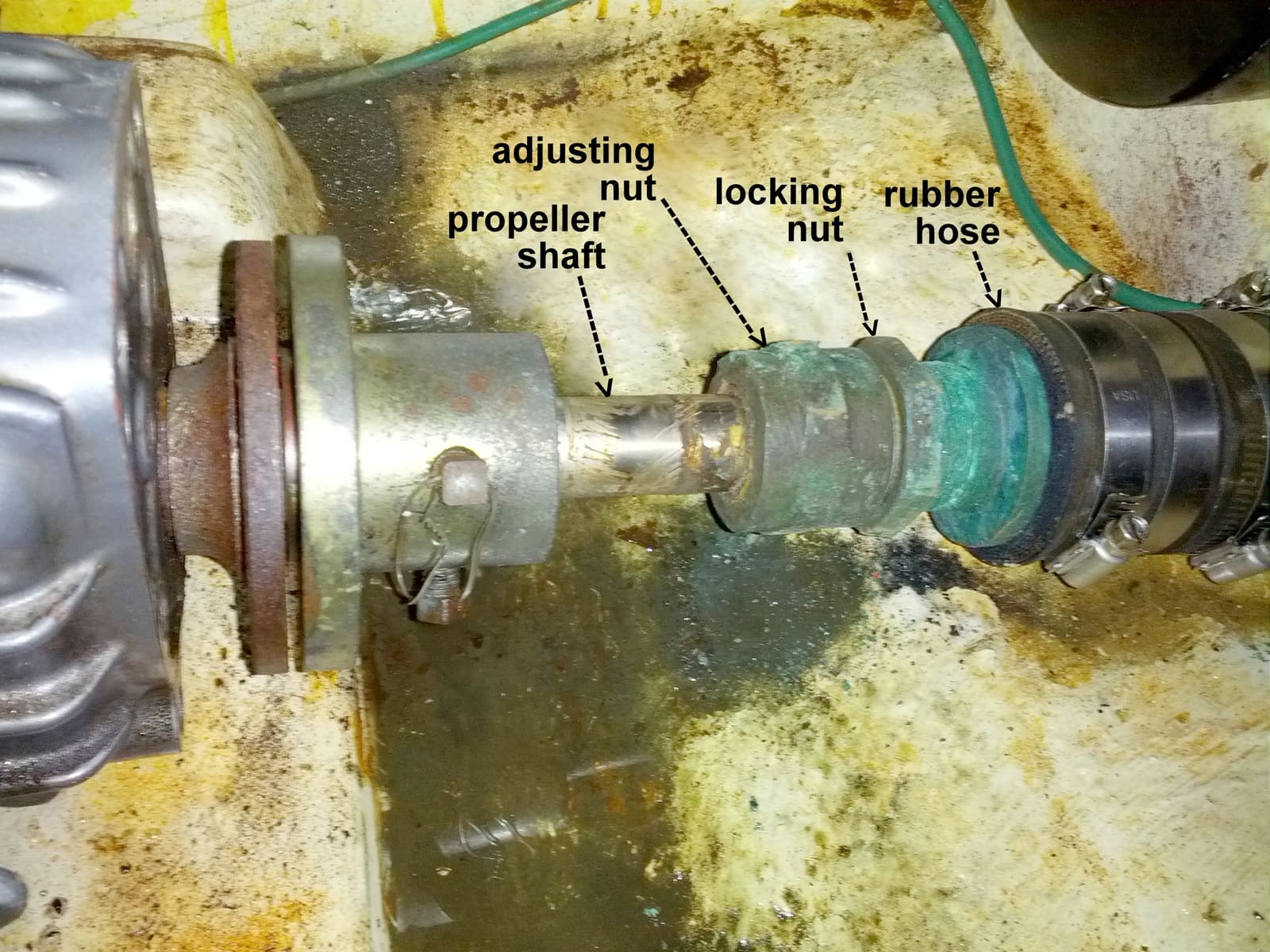
How to Check, Adjust and Repack a Stuffing Box (and Care for a Dripless Shaft Seal)
Learn the right drip rate for a traditional packing gland, how to adjust it safely, when to repack it, and how to inspect and service a dripless shaft seal. The shaft seal is one of the few holes in an inboard boat that moves, and a neglected one can sink a boat at the dock.
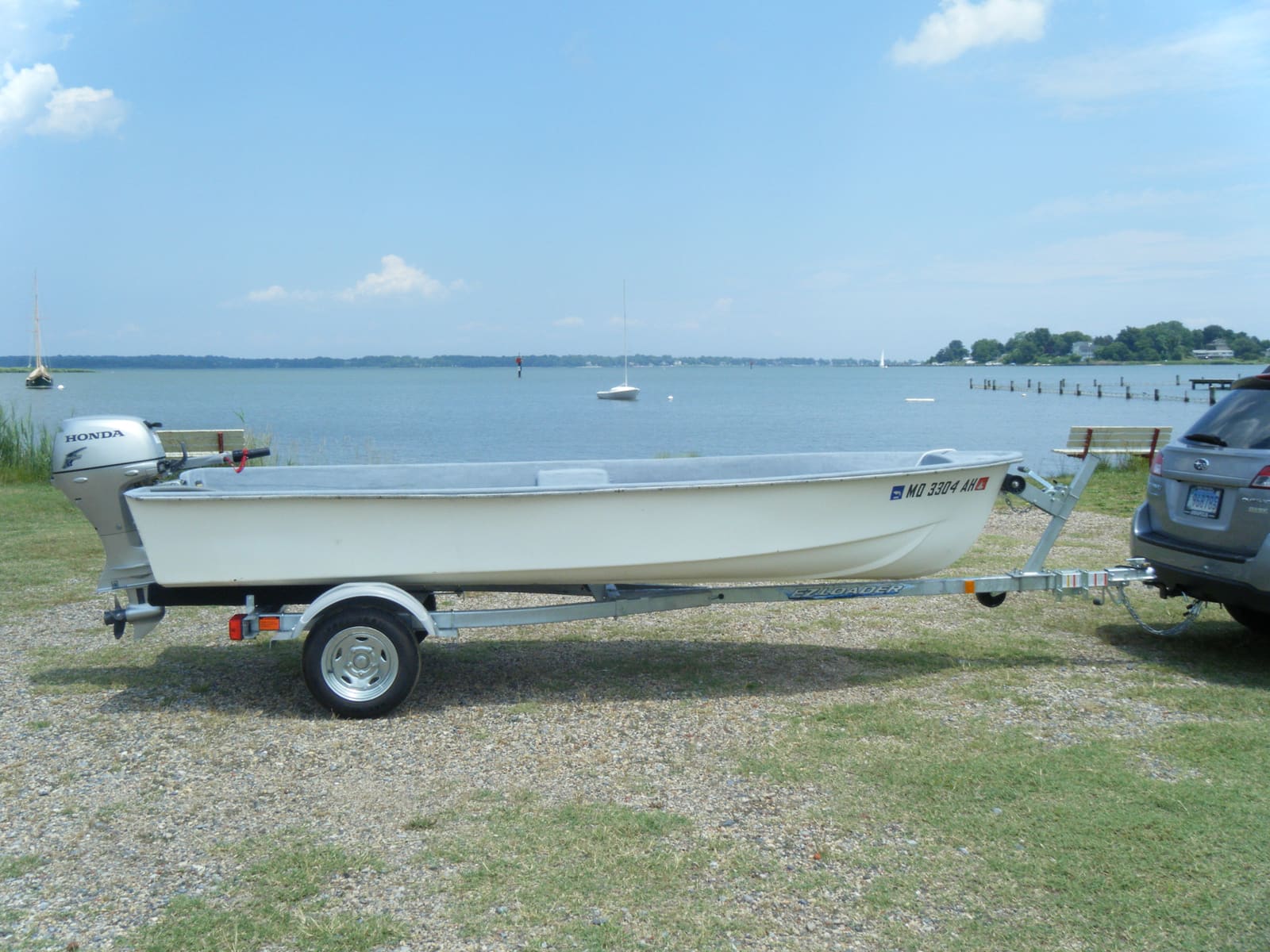
How to Choose the Right Outboard Shaft Length
Measure your transom, match it to a 15, 20, 25 or 30-inch shaft and check where the anti-ventilation plate ends up. The right length keeps the prop biting clean water and the cooling intakes fed; the wrong one means ventilation, overheating, drag or spray.
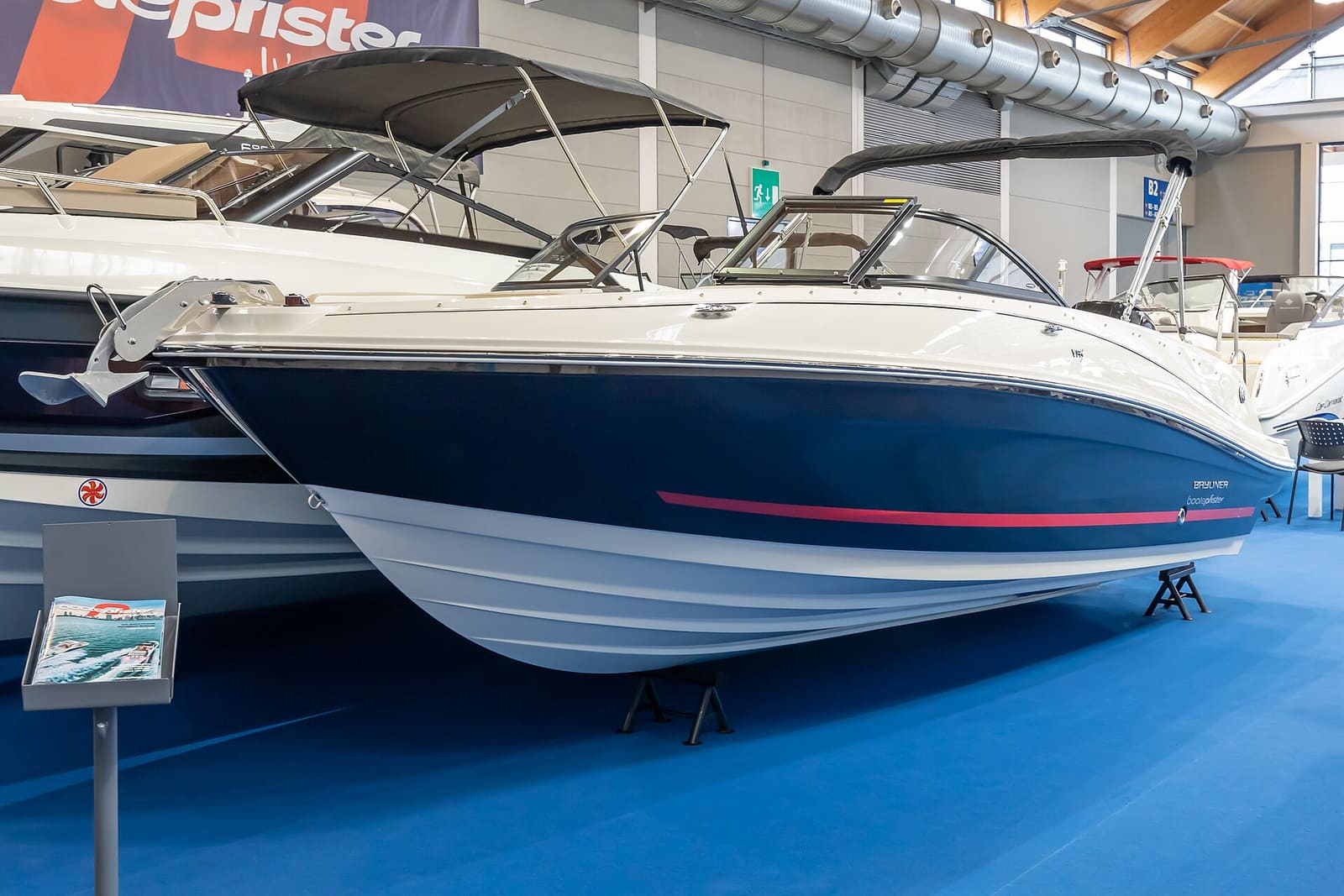
How to Clean and Care for a Boat Windshield (Acrylic, Polycarbonate or Glass)
Clean your windshield without scratching it, tell acrylic, polycarbonate and glass apart, deal with haze, crazing and small cracks, stop frame leaks, and keep wipers and the walk-through door working.
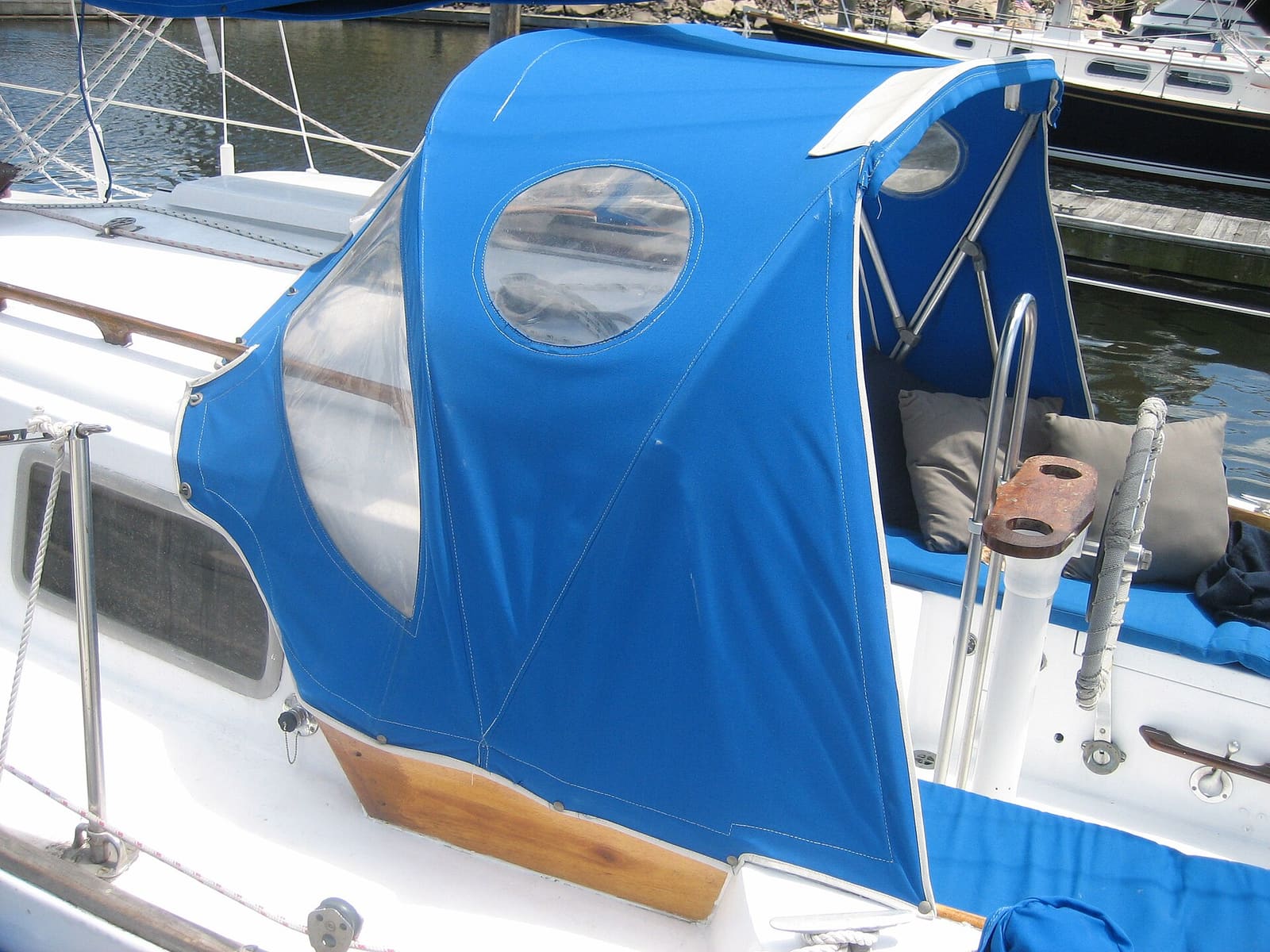
How to Clean and Care for Clear Vinyl (Isinglass) and Polycarbonate Enclosure Panels
Keep the clear windows in your dodger, bimini curtains or full enclosure clear for years by cleaning them the right way, storing them without scratches and avoiding the cold-weather and chemical mistakes that ruin them. Covers soft clear vinyl, coated vinyl like Strataglass, rigid panels and zippers.
Safety: BoatMend is for information only and does not replace a certified marine technician. You are responsible for your safety and your boat. Read the full disclaimer.