Carrying Your Dinghy: Davits, Swim Platform Mounts and Safe Towing
How to check davits and swim-platform dinghy mounts against the maker's load limit, secure the tender so it can't swing or fill with water, and tow it safely when you have to, with the right bridle, line length and speed, and the outboard off.
Time
1 h
Shop would charge
$150-600
Applies to
All engines · Cabin cruiser, Yacht, Sailboat
Safety first: Never exceed the davit or platform mount's rated load, and remember that rain water, the outboard and fuel all count toward it. Keep everyone clear of the space under a hanging dinghy and out of the path of a swinging one. When towing, keep the towline away from your propeller: shorten it or bring the dinghy alongside before you back down, and if a line ever wraps a prop, shut the engine off before anyone reaches for it. If a davit mount cracks the transom or starts to leak, or a towed dinghy breaks free in rough water, don't take risks to recover it: call your tow service or the Coast Guard on VHF 16.
Owners often ask
- How long should the towline be when I tow my dinghy behind the boat?
- My davits are rated for my dinghy's weight. Is it OK to leave the outboard on it?
This guide walks you through it. Still stuck? Ask the AI Mechanic about your engine.
Tools
- Tape measure and a bathroom or luggage scale (to estimate the dinghy's real weight)
- Wrenches and screwdrivers for the davit mounting bolts
- Flashlight and inspection mirror
- Sharp knife (kept handy whenever you tow)
Parts & supplies
- Davit or chock lashing straps, or stainless wire and turnbuckles, as the davit maker recommends
- Towing bridle line (nylon) and a small block or bowline loop for the bridle
- Two small floats for the bridle legs
- Safety cable or lanyard for the outboard if it stays on the dinghy
- Spare drain plug for the dinghy
Before you start
There are three ways to bring a tender along, and each has its own failure points:
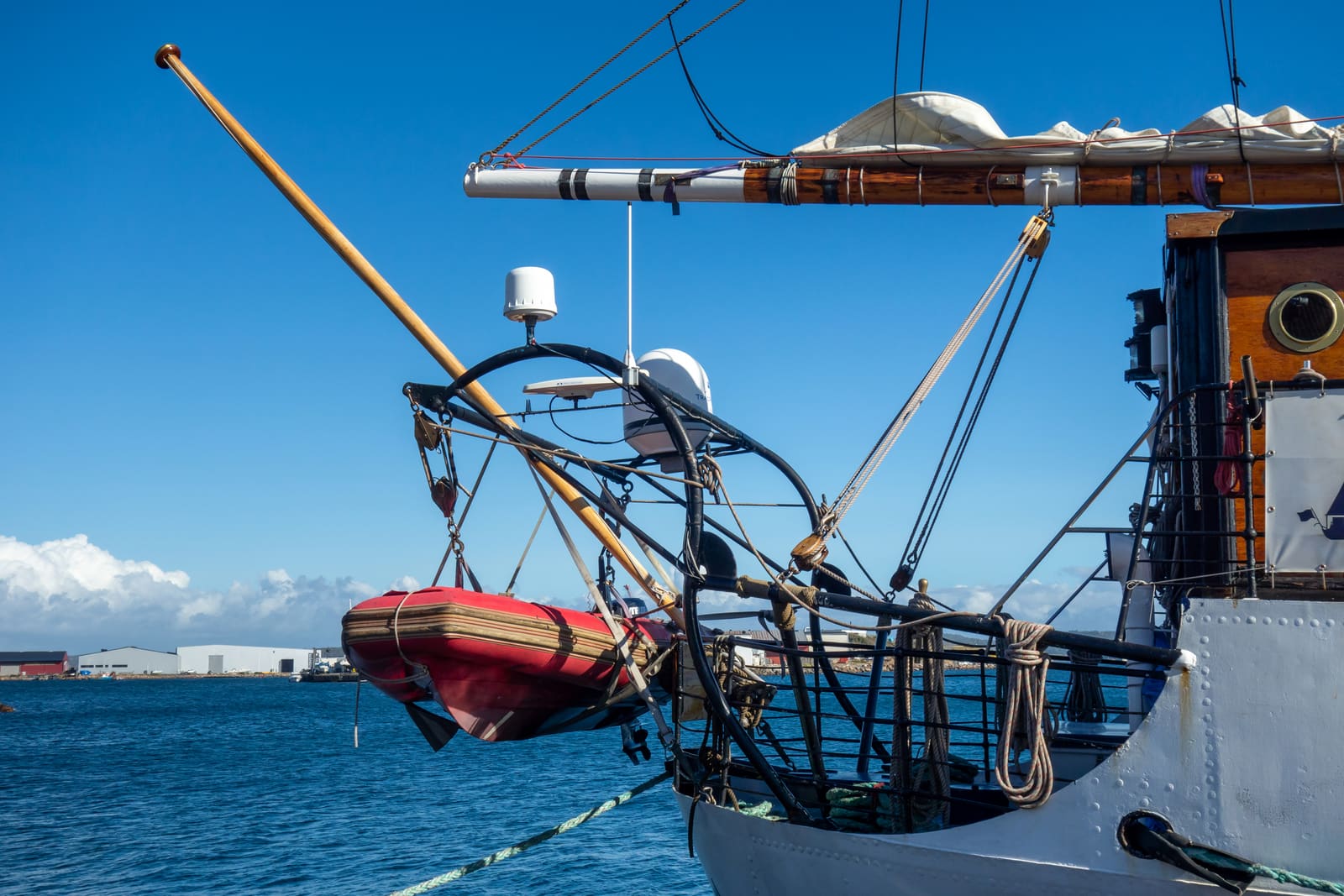
- Davits (stern arms that lift the dinghy clear of the water). Loads come through a few bolts into the transom or deck.
- Swim-platform mounts (chocks, snap-on brackets or a hydraulic platform). The platform and its brackets carry everything.
- Towing. Easy, but BoatUS calls towing a short-hop, calm-weather option only: for ocean passages and all but the shortest coastal runs, the dinghy belongs aboard.
Have ready: the davit or platform maker's manual (or the label on the arms), the dinghy's capacity plate or spec sheet, the outboard's weight from its manual, and a calm day at the dock.
Steps
Look for a rating label on the davit arms, the base or the platform brackets, or look it up in the maker's manual by model. Write the number down. Some makers rate the pair, some rate each arm, and some give a lower limit when the boat is underway than at anchor. If you can't find any rating, treat the system as unknown and have a rigger or surveyor look at it before you trust it.
Add up the dinghy, the outboard, the fuel tank, oars, pump, anchor and anything else that rides in it. A small scale and some arithmetic work: weigh yourself, then weigh yourself holding the item. Then allow for water: a gallon of water weighs roughly 8 pounds, so a few inches of rain in the bottom can add more than the outboard. Soundings' advice is to go for overkill because the real load is always heavier than the brochure weight.
Davit ratings are usually for a straight vertical lift. Underway, the boat rolls and pitches and slings the dinghy side to side, which puts big sideways and twisting loads on the arms and mounts. If most of the weight (the outboard end) hangs from one arm, that arm takes more than half. This is why a davit that holds the dinghy fine at the dock can bend or crack its mount offshore.
Do this every season, and after any rough passage:
- Arms and welds: look for bends, cracks at welds and bases, and rust bleeding from stainless joints.
- Mounting bolts and bases: check they're tight (no rocking when you push the arm) and that the sealant isn't cracked. Rust streaks or wet core around a bolt mean water is getting in.
- Inside the transom or deck: with a flashlight, look for backing plates under each base. Soundings recommends wide, heavy stainless or aluminum plates, and warns that cored decks often aren't strong enough to mount davits at all. Spider cracks in the gelcoat around a base are a sign the structure is flexing.
- Lifting gear: blocks, sheaves, falls (lifting lines) and hooks. Replace chafed or sun-faded line and any block that binds. Shackles should be the right size and have their pins secured.
- Power davits or hydraulic platforms: follow the maker's service schedule for fluid, hoses and seals.
Check the chocks or snap brackets for cracks and loose fasteners, and look at the platform brackets where they bolt to the transom. A platform that sags at the outer edge, or brackets with cracked gelcoat around them, is overloaded. Owners often find the platform needs reinforcing once a dinghy and outboard live there: ask the boat builder or a surveyor before adding weight.
- Lift with the bow slightly higher than the stern so rain drains aft and out the transom drain (pull the drain plug while it hangs, and tie the plug to the dinghy so it's there when you launch).
- Lift high enough that a following sea can't slap into it, but not so high that it makes the big boat tippy.
- Lift quickly and smoothly so the dinghy doesn't bang into the transom. Keep hands and feet clear of the falls and blocks.
Hanging from the falls alone isn't enough underway. Run straps (or stainless wire with turnbuckles, which stretches less than rope) from the dinghy to fixed points on the davits or transom so it can't swing side to side or fore and aft. Recheck the lashings after the first hour and after rough water. On a platform mount, make sure every latch or strap is locked before you get underway. Once it's up, pull the dinghy's drain plug so rain and spray can't collect.
Check your lights and numbers with the dinghy up. Soundings points out that a dinghy carried upright on swim-platform davits can hide the stern light and the boat's name. Look from astern at night: if the white stern light can't be seen across its full arc behind you, the light needs to move (ask a marine electrician) or the dinghy has to ride differently. The same goes for an inflatable carried on the foredeck or in the cockpit: it must not block the navigation lights or your view ahead.
Tow only for short, protected runs in good weather with a forecast that stays good. BoatUS's insurance files show towed dinghies swamping, flipping and breaking loose, so for any longer run, open water, or a forecast with wind, get the dinghy up on the davits or the deck. Never tow on long passages.
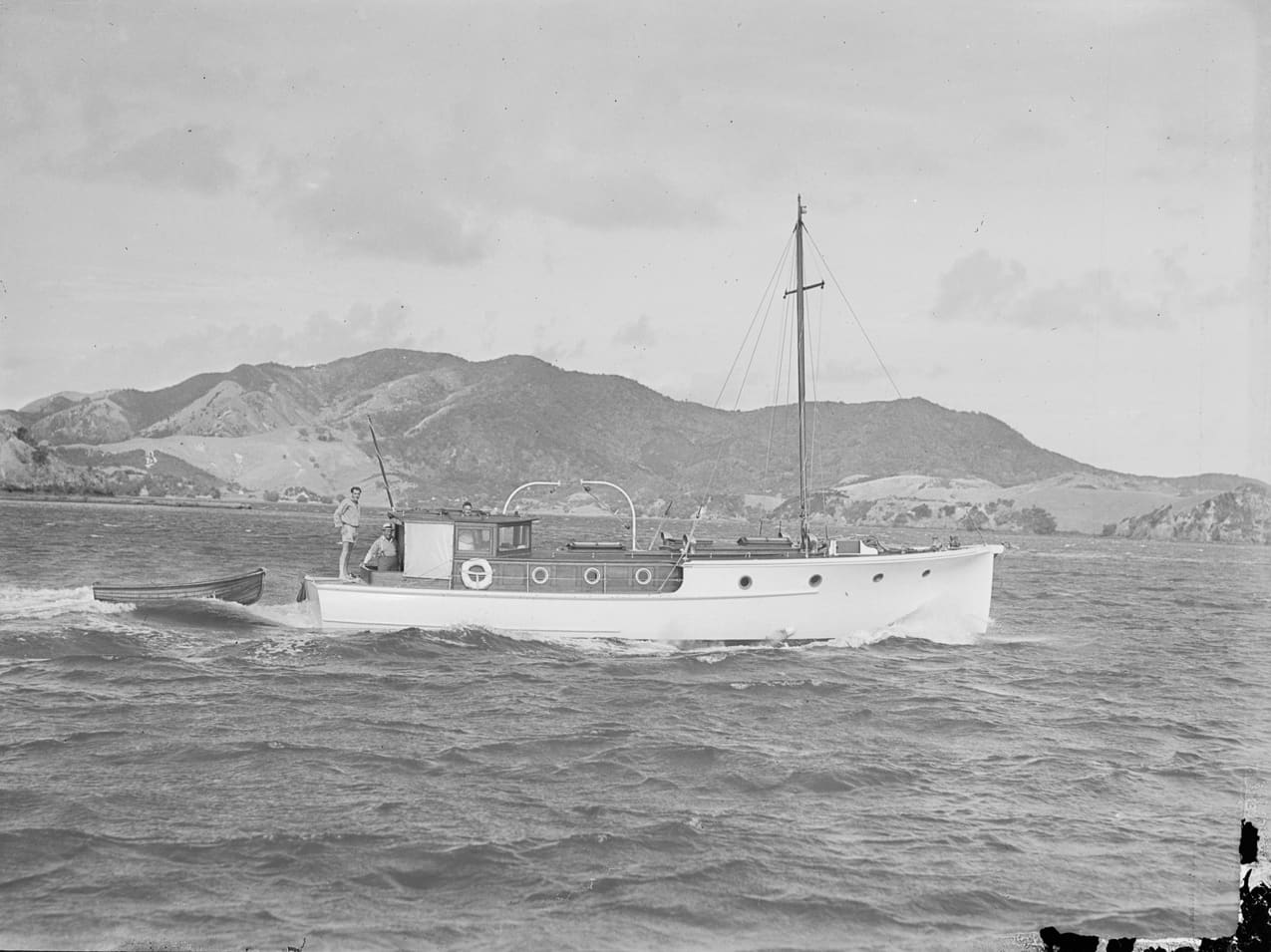
A hard dinghy on a single painter can track well on a short, calm run; inflatables and longer tows call for a bridle. Historic photo, 1946. Photo: Tudor Washington Collins (Auckland Museum) / Wikimedia Commons · CC BY 4.0 Take out everything loose: oars, cushions, life jackets, pump, fuel can. Put the drain plug in tight. Take the outboard off and stow it on the big boat if you can. BoatUS notes a 60-pound motor adds a lot of drag, strains the dinghy's transom and fittings, and turns into a projectile if things get rough. If the motor must stay on, tilt it fully up, lash the powerhead to both sides so it can't flop, attach a safety cable in case the clamps back out, and remove the fuel tank.
A single painter on one bow ring is only OK for a very short tow with a hard dinghy that tracks well and has a low towing eye on the stem. For everything else, especially inflatables, rig a bridle:
- Tie a line between the dinghy's two bow D-rings so it forms a triangle a few feet ahead of the bow.
- Pass that bridle through a bowline (or a small block) on the end of the towline so it can slide and share the load between both rings.
- Do the same at the big boat's stern, leading to two cleats.
- Slip a small float on the towline near the big boat so the line floats and stays out of the prop.
- Some inflatable makers suggest leading two lines from the stronger transom towing rings, under the hull, crossing at the bow eye, then to the yacht's cleats. Check your dinghy maker's advice.
Tie off the bitter end of the towline to a second strong point, as BoatUS suggests, in case a cleat hitch slips.
There's no single right length. For a sailboat or trawler at about 8 knots or less in small waves, BoatUS's rule of thumb is to put the dinghy two wave crests back, on the downhill (front) side of the second stern wave. Then watch it:
- Swerving from side to side: shorten the line to pull it into the flat part of the wake.
- Bouncing in the prop wash: lengthen it.
- At the right length it tracks straight behind you.
Shorten the line before entering a harbor or crowded channel, and bring the dinghy alongside before docking or backing down, so the line can't reach your propeller.
Go slowly. Planing speeds put huge strain on the fittings and can launch the dinghy into the air, and BoatUS does not recommend towing at high speed based on its claims. Look back often, especially if the wind picks up. A dinghy that is taking water gets heavy fast: BoatUS points out that a few inches of water in a small inflatable means hundreds of pounds of drag on its D-rings. If it's filling, slow down and deal with it in calm water, or get it aboard.
The dinghy is a boat too. Carry a life jacket for everyone in it, a light if you'll come back after dark, and a way to call for help (a handheld VHF or a phone in a waterproof pouch).
Lights after dark: under the U.S. Inland Navigation Rules, a dinghy you row must at least have a white flashlight or lantern ready to show in time to avoid a collision. Once the outboard is running it counts as a power-driven vessel, and the Inland Rules call for red and green sidelights plus an all-round white light (battery-powered clip-on sets are sold for small boats). Rules differ slightly on international waters, so check the Navigation Rules for where you boat. A small, low dinghy is hard to see at night even when lit, so stay out of channels where you can.
If the dinghy's outboard has an engine cut-off switch, the operator must wear the lanyard: the USCG rule covers motorized boats under 26 feet with 3 hp or more.
Common mistakes
- Using the dinghy's catalog weight and forgetting the outboard, fuel, gear and rain water when comparing with the davit rating.
- Towing with the outboard on and the fuel tank aboard, then losing both when the dinghy flips.
- Leaving the towline long while backing into a slip and wrapping it around the prop.
- Hanging the dinghy with the drain plug in, so rain fills it and overloads the davits.
- Davits through-bolted into a cored deck or thin transom with only washers, no backing plates.
- Towing "just a few miles" into a building sea instead of hauling the dinghy up before leaving.
When to call a pro
- No load rating can be found for your davits or platform, or you plan to carry a heavier dinghy or outboard
- Cracks around davit bases, platform brackets that sag, or water getting into the transom core around the bolts
- Installing new davits or a hydraulic platform (structure, backing plates and sealing are critical)
- Power davit or hydraulic platform faults, leaks or slow operation
- A towline is wrapped around the prop or shaft: shut down, and get a diver or your tow service rather than going in the water yourself in waves or current
Tips
- Mark the towline at the length that works for your boat at your normal speed, so you can set it quickly next time.
- Keep a knife at the helm whenever you tow, in case you have to cut the dinghy loose in an emergency.
- Paint or tape the dinghy's name and your phone number on it: lost dinghies often turn up.
- Practice lifting and lowering at the dock before your first trip, and decide who handles the falls and who steadies the dinghy.
Official references
We read these to write this guide. Your engine's own manual always wins.
- BoatUS – How To Safely Tow A Dinghy
- BoatUS – Murphy's Guide To The Slow Tow
- Soundings – Q&A, special considerations when buying stern davits
- Soundings – Managing a Dinghy (towing, davits and stowage)
- USCG Boating Safety – Engine/Propulsion Cut-Off Devices
- eCFR – 33 CFR 83.25, Sailing vessels underway and vessels under oars (Rule 25)
- eCFR – 33 CFR 83.23, Power-driven vessels underway (Rule 23)
Safety: BoatMend is for information only and does not replace a certified marine technician. You are responsible for your safety and your boat. Read the full disclaimer.
Last updated 2026-10-24
Related guides
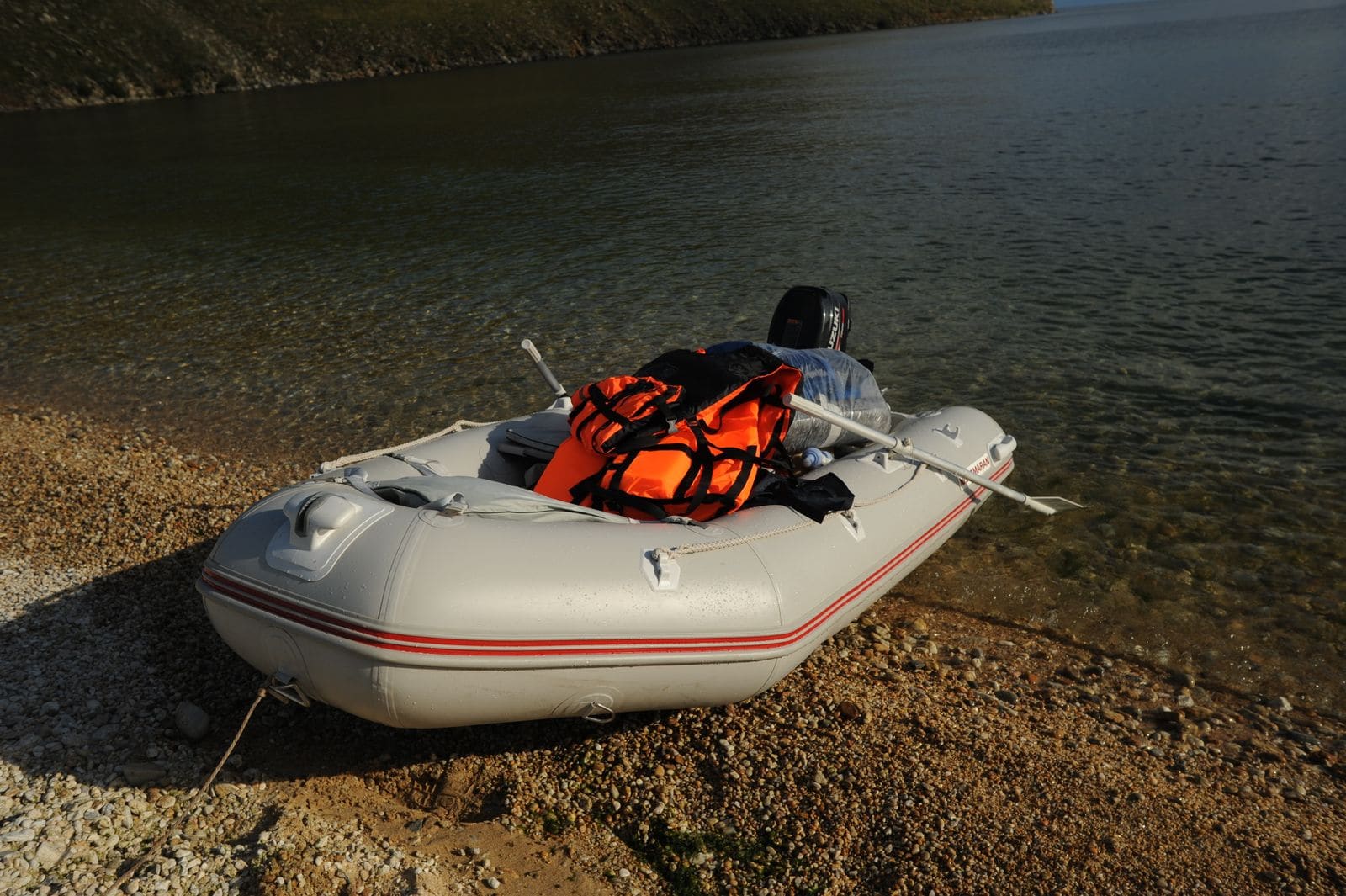
Inflatable Boat and Dinghy Care: Cleaning, UV Protection, Leaks and Storage
Keep your inflatable or RIB tender holding air for years. Rinse and clean it the right way, protect the tubes from sun, check pressure with a gauge, find slow leaks with soapy water, service the valves, patch small holes with the correct glue for PVC or Hypalon, and store it clean and dry.
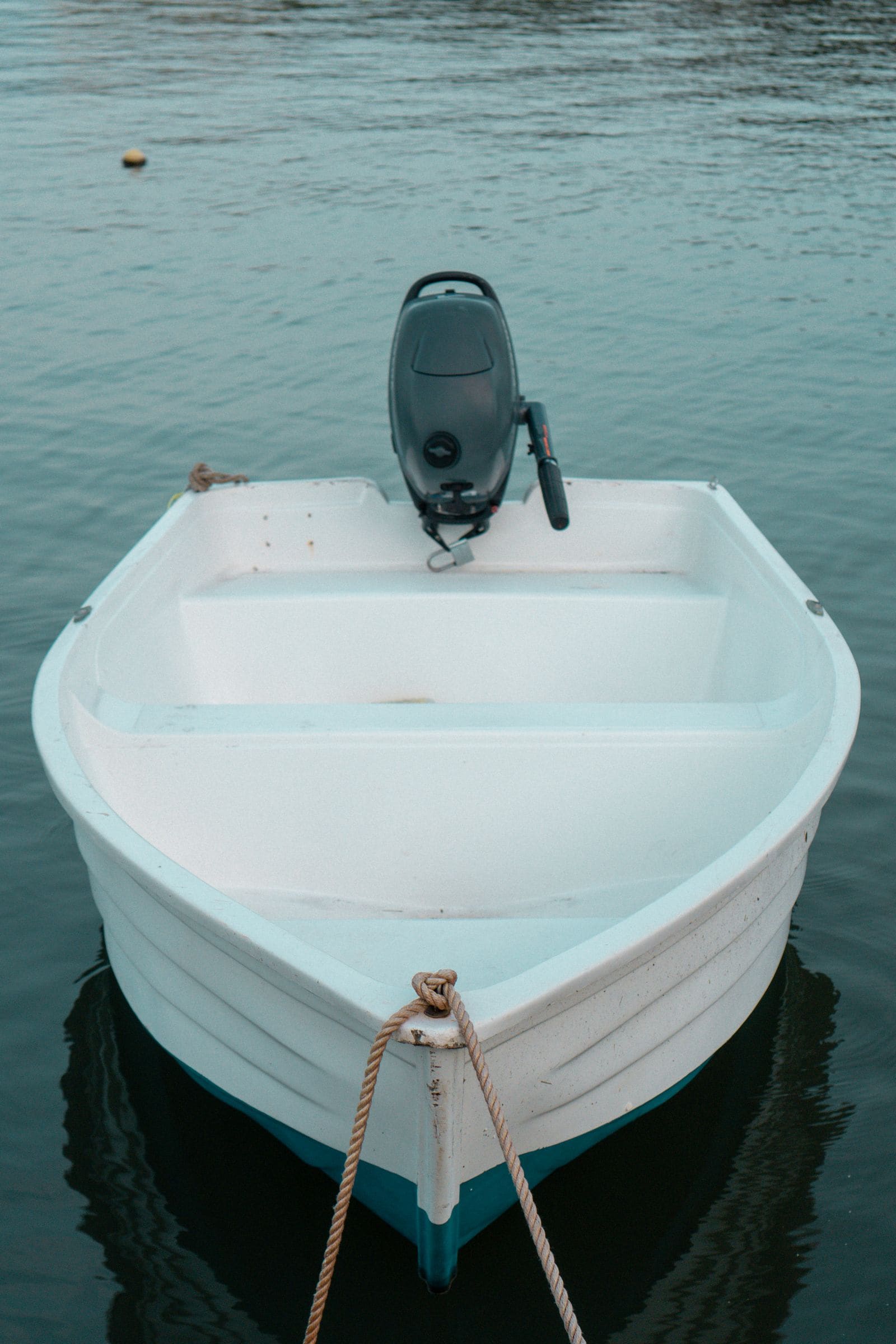
Small Portable Outboard Care (2.5 to 20 hp Kickers and Dinghy Motors)
Keep your dinghy motor or kicker starting on the first few pulls. Use fresh fuel, flush it, run the carburetor dry before you put it away, carry and lay it down on the correct side so oil doesn't flood the cylinders, and check the shear pin or prop, gear oil and engine oil on schedule.
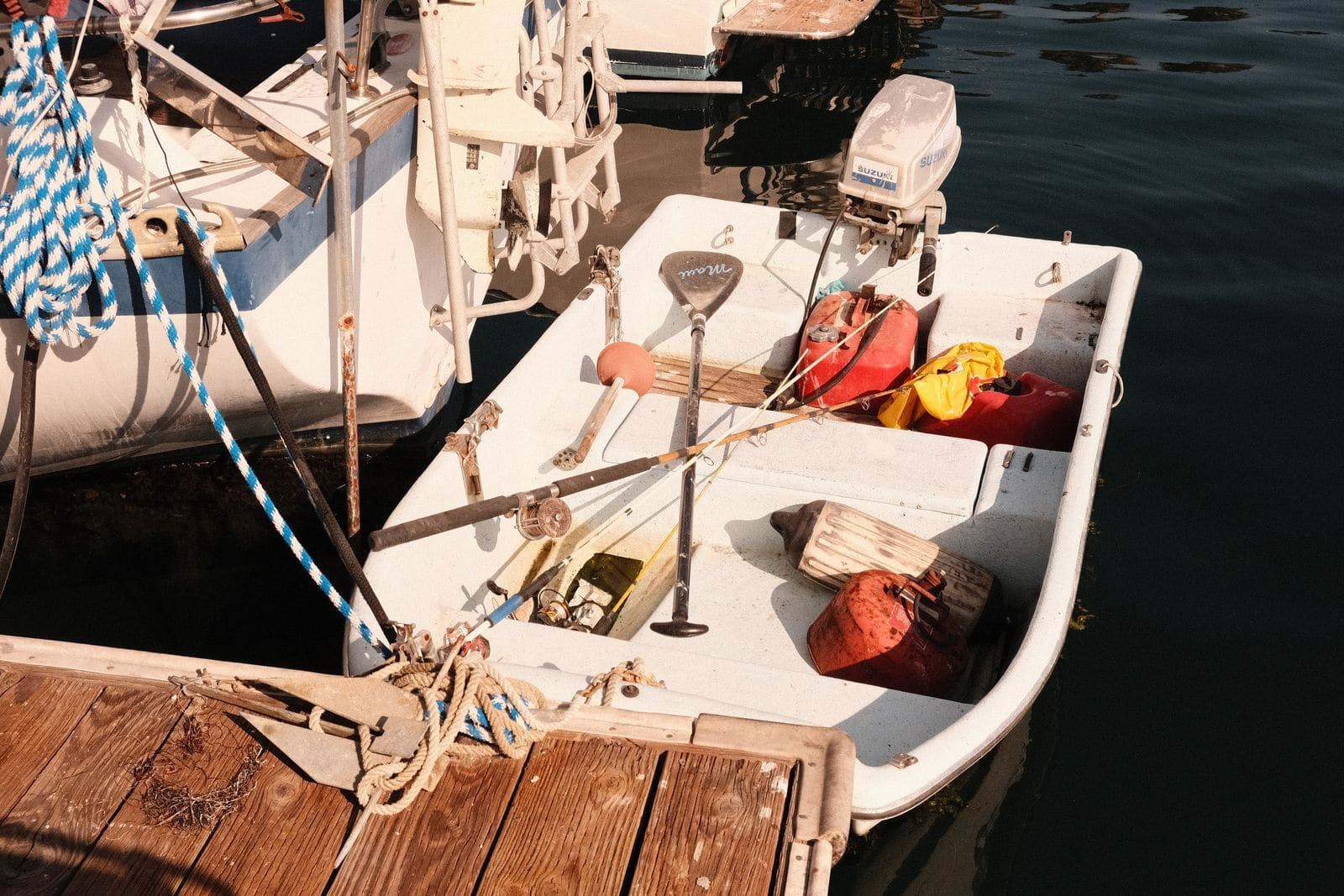
How to Mount or Re-Tighten an Outboard on the Transom
A loose outboard can steer badly, crack the transom or fall off the boat. Learn how to center the motor, check engine height, tighten clamp screws, seal and bolt through the transom with backing plates, add a safety cable on small motors and spot transom flex before it becomes a costly repair.
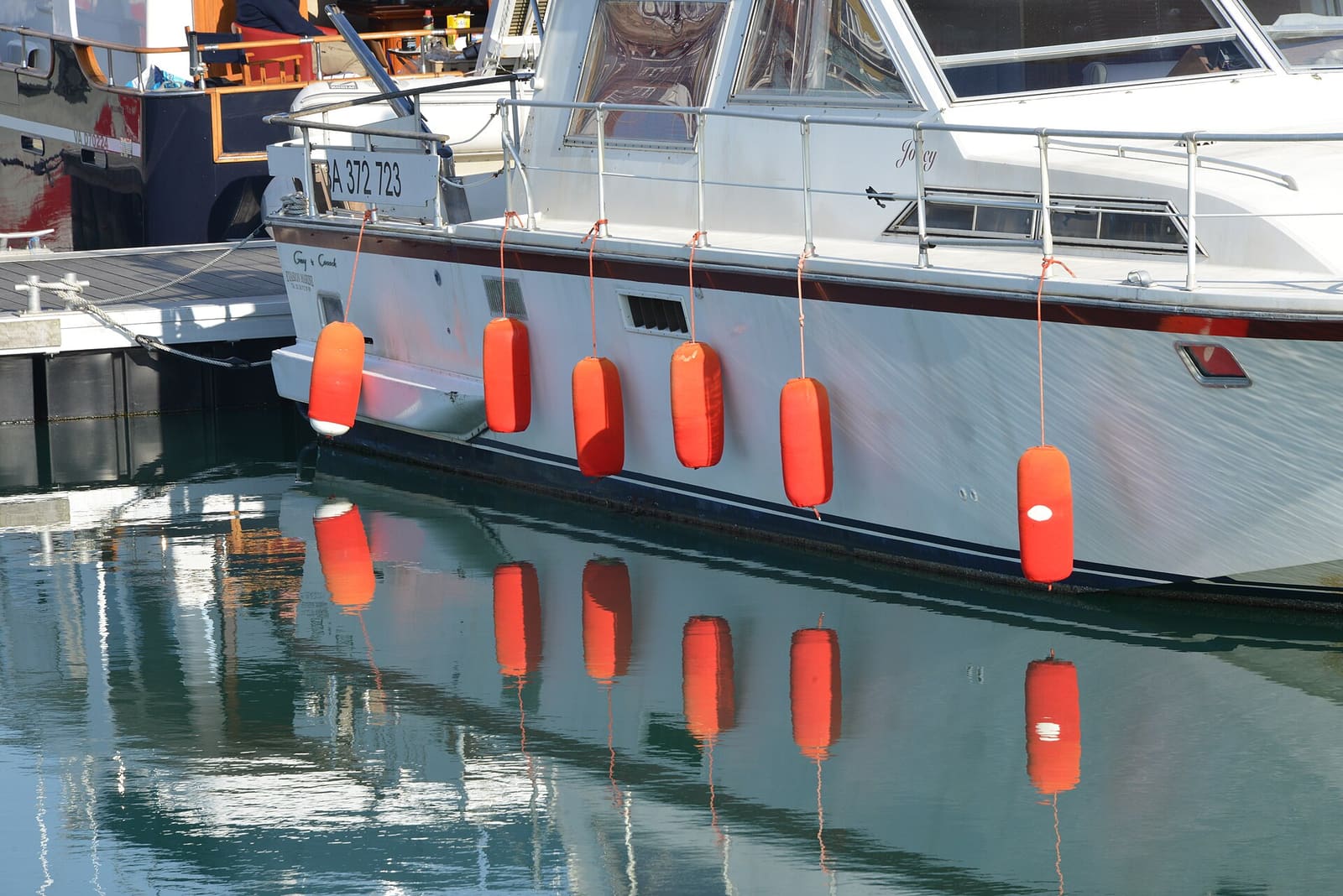
How to Size, Rig and Inspect Dock Lines and Fenders
Pick the right dock line diameter and fender size for your boat, set up bow, stern and spring lines in a slip, add chafe gear, inspect for wear and UV damage, and double everything up before a storm.
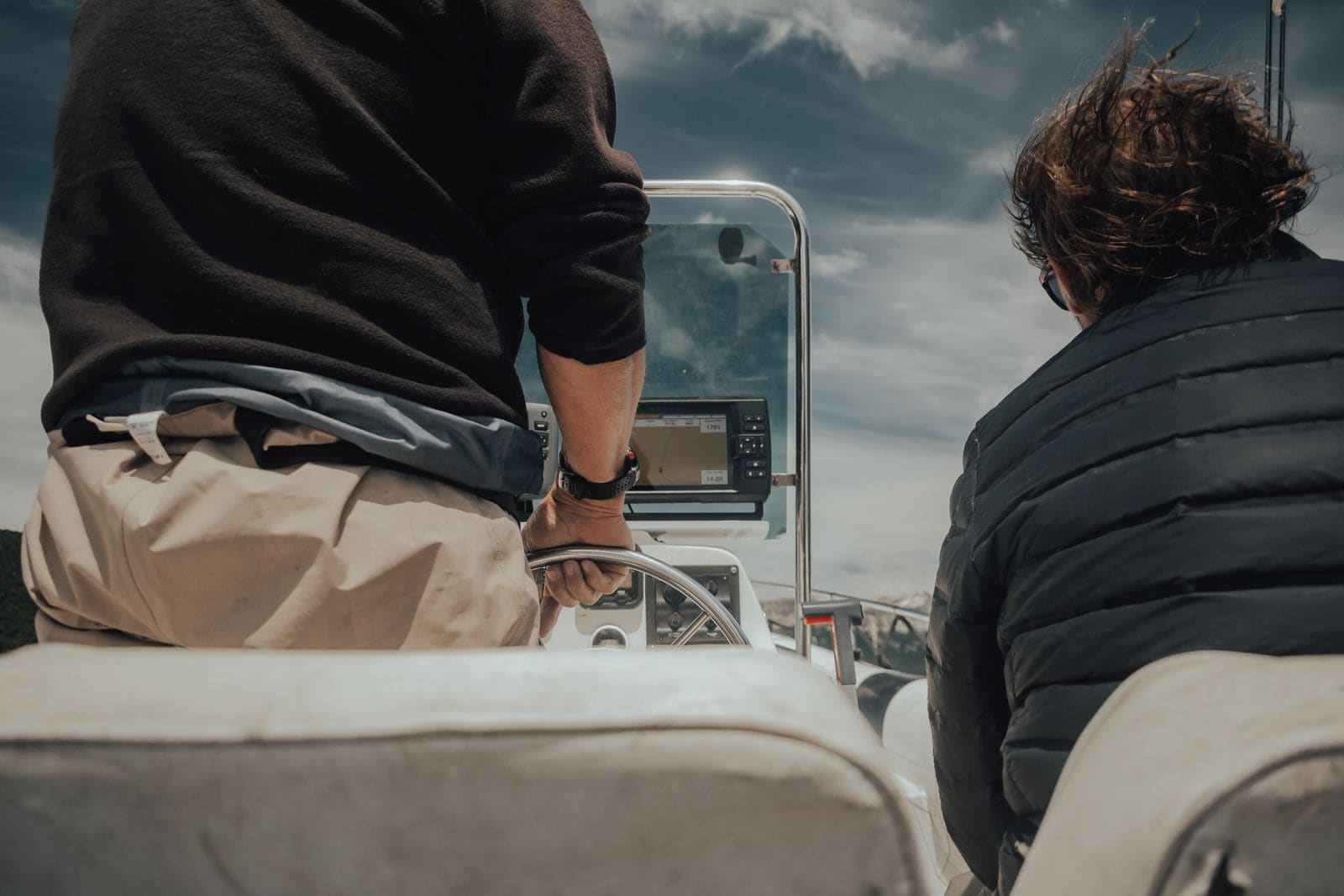
Engine Cut-Off Switch (Kill Switch) and Lanyard: The Law, Testing and Daily Use
How the engine cut-off switch (ECOS) and its lanyard or wireless fob work, when federal law requires you to wear it (boats under 26 feet, 3 hp or more, on plane), how to test it before every trip, and why a spare clip aboard matters.
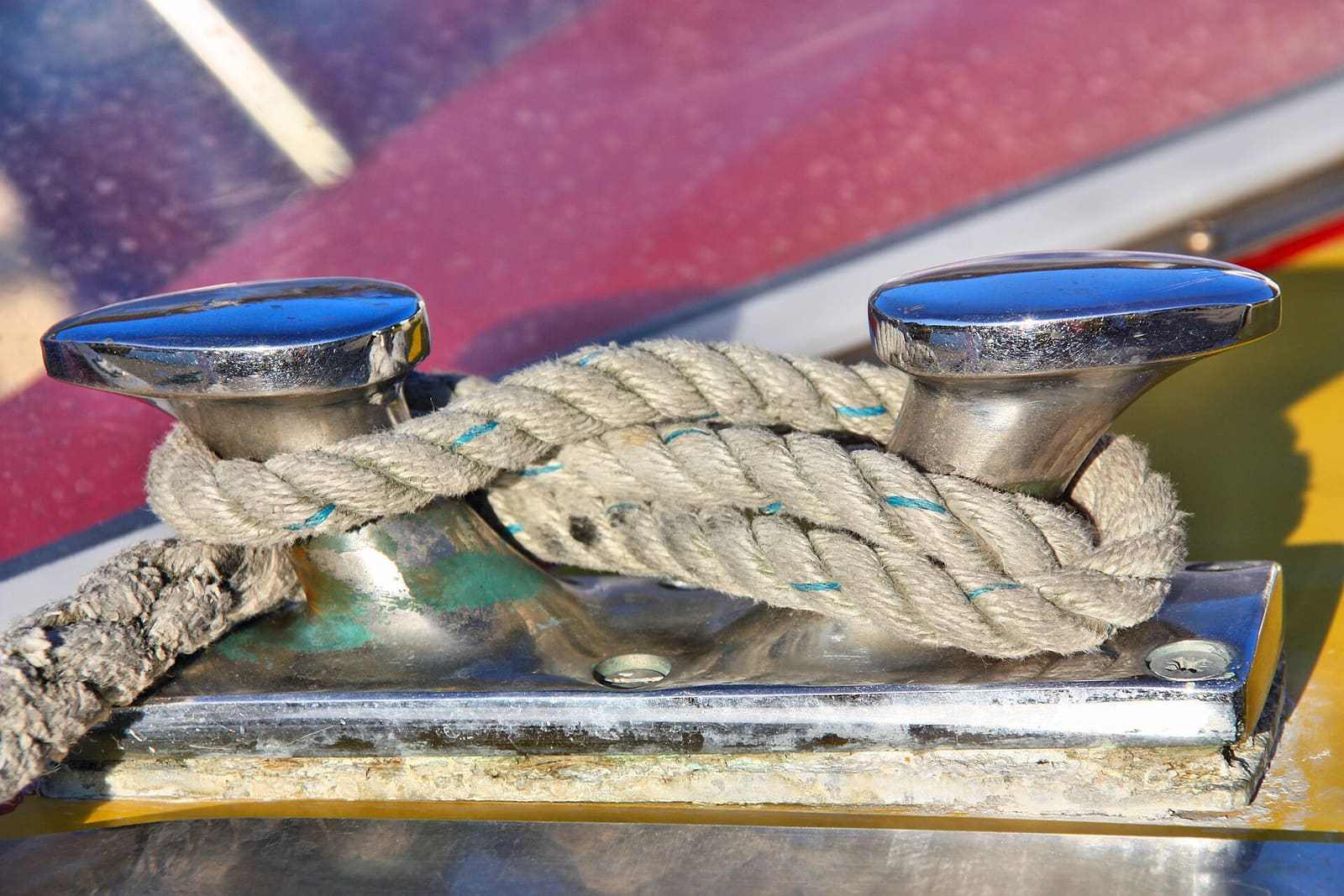
How to Find and Fix Leaking Deck Hardware (Rebedding Cleats, Stanchions and Tracks)
Track down the cleat, stanchion base or track that is dripping into the cabin, then remove it, seal the deck core and bed it again with the right sealant so the leak stops for years instead of weeks. Catching it early protects the deck core from rot.