Engine Alignment on Sterndrives and Inboards: What to Check and When
A sterndrive engine must line up with its gimbal bearing and coupler, and an inboard engine with its prop shaft. When it drifts out of line you get vibration, noise and worn-out couplers, bearings and seals. Learn the warning signs, the checks you can do yourself and why the alignment itself is a job for a pro with special tools.
Time
1 h
Shop would charge
$250-900
Applies to
Sterndrive (I/O), Gas inboard, Marine diesel
Safety first: Never touch a prop shaft, coupling or drive while the engine can start: remove the key, turn the battery switch off and tell everyone aboard. Turn shafts and props only by hand with the engine off and the gear in neutral. If a coupler or shaft coupling fails underway, the engine may race while the boat loses drive; throttle back, shut down and call TowBoatUS, Sea Tow or the Coast Guard on VHF 16 (911 in an emergency). Water coming in around a shaft seal or the bellows is an emergency: start the bilge pumps and call for help.
Owners often ask
- How do I know if my sterndrive engine is out of alignment?
- My inboard keeps wearing out cutless bearings and vibrates. Could it be shaft alignment?
This guide walks you through it. Still stuck? Ask the AI Mechanic about your engine.
Tools
- Bright flashlight and an inspection mirror
- Notebook or phone for notes and video
- A helper
- Clean rags
Parts & supplies
- None for the owner checks
- Engine mounts, coupler, gimbal bearing or shaft coupling insert only if a shop finds them worn
Before you start
What "alignment" means
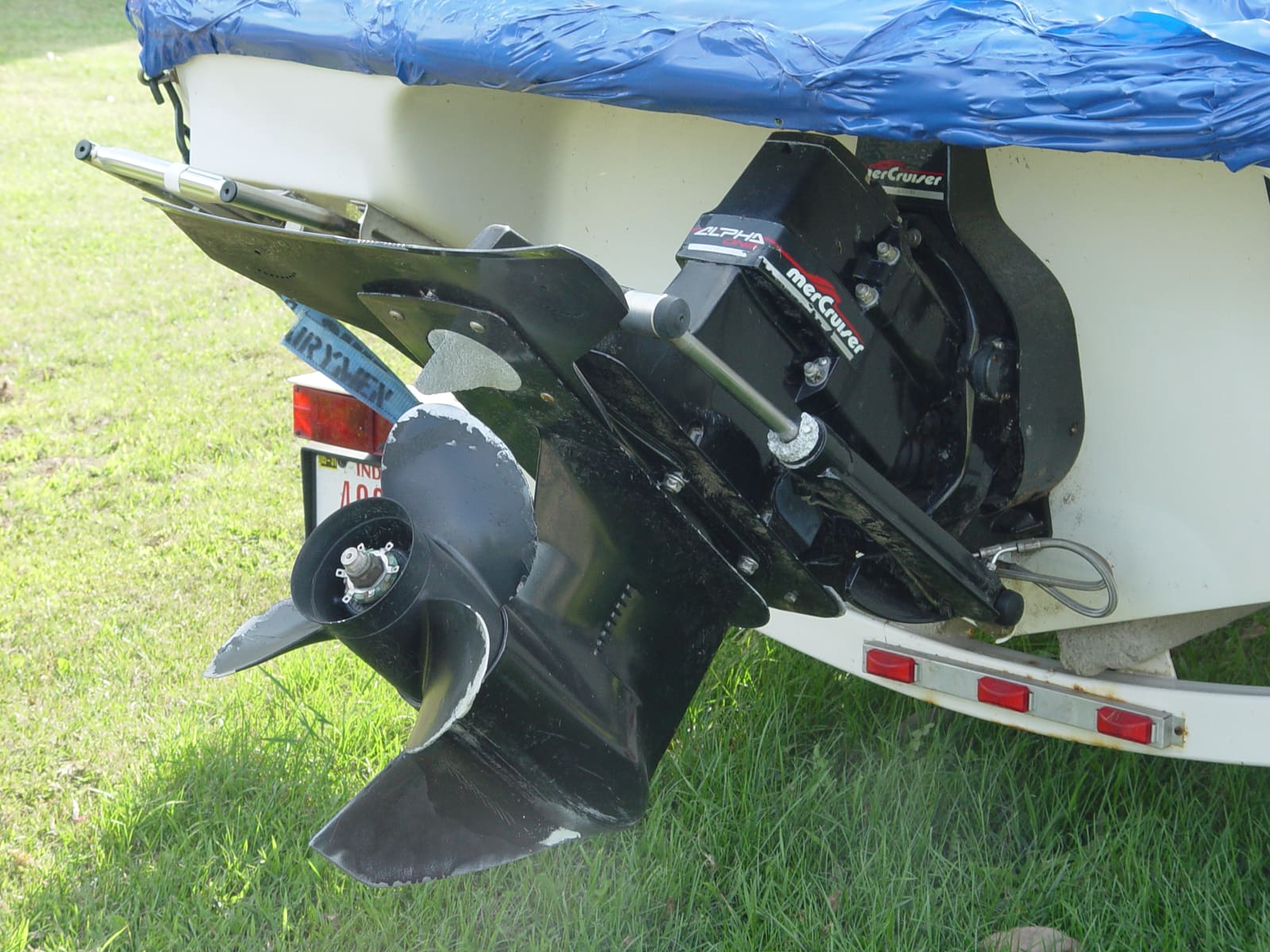
- Sterndrive (MerCruiser, Volvo Penta and others): the engine sits inside the boat on mounts. Its output goes through a coupler on the back of the engine. The drive's input shaft passes through the transom, through the gimbal bearing in the transom assembly, and slides into that coupler. The engine has to sit so the coupler is exactly centered on the gimbal bearing. Mercury's owner FAQ explains that engines can drift out of alignment over time, that accurate alignment is key to coupler life, and that damage caused by poor alignment or a dry coupler is not covered by its warranty.
- Inboard (gas or diesel, including sailboats): the transmission's output flange bolts to a matching shaft coupling on the prop shaft. The two faces must be parallel and centered. Boating Magazine quotes a builder who puts the tolerance in thousandths of an inch.
Why it matters. Misalignment makes parts fight each other on every turn of the shaft. BoatUS notes that because drivetrain parts are connected, one worn or misaligned part stresses the others. Typical damage: worn couplers and gimbal bearings, U-joint and bellows wear on sterndrives; worn cutless bearings, leaking shaft seals and stressed transmissions on inboards.
What you can and cannot do. You can spot the warning signs, inspect the mounts and know when to ask for a check. Measuring and setting alignment is a pro job: a sterndrive alignment needs the drive removed and a precision alignment tool, and an inboard alignment needs the coupling unbolted, feeler gauges and careful adjustment of the engine mounts.
Steps
- New or worse vibration, often felt in the deck or the wheel
- A growl, rumble or grinding from the transom area, sometimes louder when turning (sterndrive gimbal bearing or U-joints)
- A burning rubber smell from the engine compartment, or an engine that revs up while the boat stops pushing (a failing sterndrive coupler)
- On inboards, a shaft that visibly wobbles, a shaft seal that suddenly drips more, or a cutless bearing that wears out early
- Anything that started after an engine or mount replacement, a repower, a hard grounding or striking something
Write down when it happens (rpm, in gear or neutral, turning or straight). Your mechanic will use it.
Boat on its trailer (chocked) or securely in its slip. Engine off, key out, battery switch off. For sterndrives on the trailer, trim the drive down. Let a hot engine cool before reaching around the exhaust.
BoatUS and Boating Magazine both say props cause a lot of vibration. Look for bent, chipped or dinged blades and fishing line behind the prop, and check that the prop is tight (see the propeller guide). Boating Magazine notes that a bent blade tip can also mean a bent shaft. Fix any prop damage before you chase alignment.
Alignment depends on the mounts, and a failed mount lets its corner of the engine drop. Boating Magazine describes a damaged mount lowering one corner and opening the coupling gap on the opposite side. With a flashlight, look at every mount and its bracket for:
- Cracked, torn or separated rubber, or rubber swollen by oil or fuel
- Rust where rubber meets metal, a bent stud, or a bracket sagging low on its stud
- Disturbed grime, rubber crumbs or fiberglass dust around the base, which show movement (BoatUS tip)
- Loose mounting bolts, or lag bolts that spin without tightening, which can mean rotten wood in the stringers (see the transom and stringer rot guide)
BoatUS also suggests watching one mount at a time against the others: one that shakes more than its neighbors is suspect. On twin-engine boats, compare port and starboard.
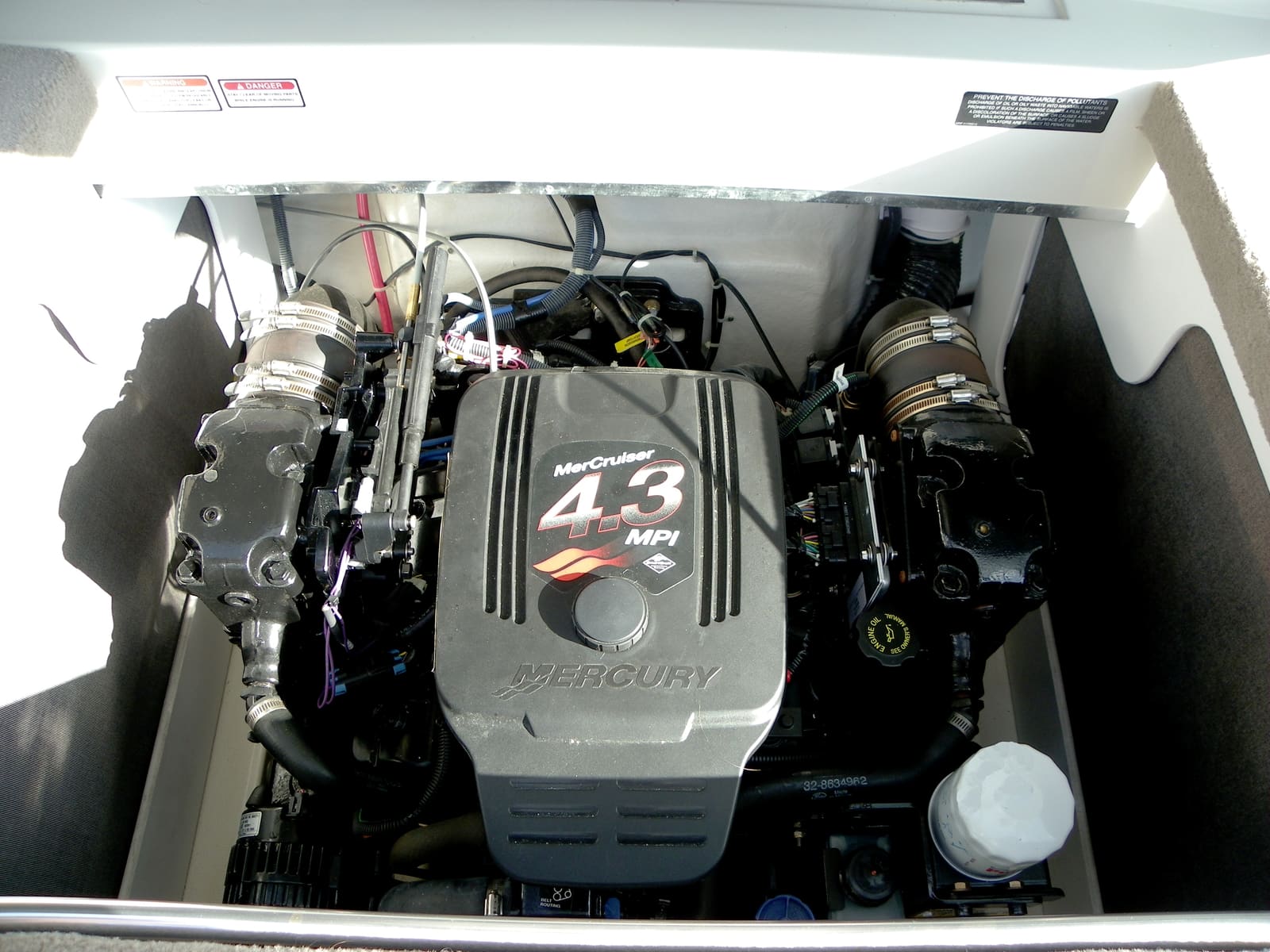
A sterndrive engine sits on its mounts; alignment is set by small adjustments at those mounts. Photo: Poxnar / Wikimedia Commons · Public domain BoatUS describes a "backdown test" that marine diesel pros use to stress the mounts: with the boat securely tied to a strong dock, run in reverse at moderate rpm while someone safely watches the engine, which should stay tight with little movement. Only do this if your dock lines and cleats are up to it, keep everyone clear of belts and moving parts, and stop if anything looks wrong. A shifting engine means mount trouble, and mount trouble means alignment trouble.
With the engine off, battery switch off and the drive in neutral, have a helper turn the prop slowly by hand while you listen at the transom inside the boat (or use a mechanic's stethoscope). A rough, grinding or clicking feel or sound can point to the gimbal bearing or the U-joints. Also look for water tracks at the transom and water in the bilge, which can mean worn bellows (see the bellows and gimbal guide).
BoatUS and Boating Magazine both describe pulling the drive as the time to inspect the bellows, U-joints and gimbal bearing, check the engine-to-drive alignment and grease the splines. A technician slides an alignment tool through the gimbal bearing into the coupler and moves the engine on its mounts until the tool slides freely. Boating Magazine quotes a repower installer who said Mercury wants the tool to slide in and out with fingertip effort, and that bad alignment can destroy a new coupler within about 40 hours. Ask your shop to check alignment and grease the coupler splines every time the drive is off for bellows, U-joints or a gimbal bearing.
DIY owners often ask about cheap or home-machined alignment bars. If a tool binds near the end, do not force it or start shimming: first make sure it is the right tool for your exact drive and transom assembly, then look for a mount problem. A common finding is one rear mount sitting lower than the other, or a front mount adjusting nut that has turned on its own because its locking tab was never bent back. Mount designs and washer stacks changed over the years on the same drive family, so check against the service manual for your transom serial number, or have a shop do it.
Mercury's FAQ ties coupler life to two things: alignment and lubrication with the spline grease it specifies. The coupler is usually greased through a fitting or with the drive off; your maintenance schedule says how often and how. On many engines this is a dealer job.
BoatUS suggests having a helper turn the shaft slowly by hand (engine off, transmission in neutral) while you watch it from several angles where it is exposed; a bent shaft or a misaligned coupling can show as a wobble. Run a finger around the shaft where it enters the stuffing box or shaft seal: a worn groove points to long-term misalignment or a worn bearing.
BoatUS: grab the prop and the shaft near the strut and push hard up and down and side to side. Noticeable movement inside the cutless bearing means it is worn. There should be no fore-and-aft movement at all; if there is, suspect a loose prop, a loose coupling or transmission wear. A cutless bearing that keeps wearing out is a classic sign of misalignment (see the cutless bearing guide).
Without unbolting anything, look at the coupling bolts (all present and tight, with safety wire or lock nuts if fitted) and at any flexible coupling or damper disc between the transmission and shaft for cracks, tears or distortion. BoatUS suggests removing such inserts to inspect them; that is part of the pro check.
For reference, so you know what to ask for: the mechanic unbolts the coupling, brings the two faces together and measures the gap all the way around with feeler gauges, then raises, lowers or shifts the engine on its adjustable mounts until the faces are parallel, and rechecks before bolting up. Boating Magazine recommends doing this with the boat floating, because a hull can change shape slightly between the trailer or jack stands and the water. BoatUS adds a quick clue: if the shaft turns much more easily once disconnected from the transmission, misalignment is likely. The exact tolerance comes from your engine or transmission maker.
- After replacing engine mounts, a coupler, a gimbal bearing, a shaft or a strut
- After a repower or any time the engine has been lifted
- After a hard grounding or hitting a submerged object
- When the warning signs in step 1 appear
- At the interval in your engine's maintenance schedule (Mercury describes it as a periodic check)
- On inboards, after launching a boat that was stored ashore, once it has settled in the water
Common mistakes
- Replacing a coupler, gimbal bearing or cutless bearing and not checking alignment, so the new part wears out the same way.
- Changing the bellows without checking the gimbal bearing and alignment while the drive is already off.
- Aligning an inboard on the trailer or on stands and assuming it stays the same in the water.
- Ignoring a sagging, oil-soaked or cracked engine mount because the engine "still runs".
- Blaming alignment for vibration that is really a dinged prop, or the reverse.
- Skipping coupler spline grease on a sterndrive.
- Running with a burning-rubber smell from the engine compartment.
When to call a pro
- Any alignment measurement or adjustment: it needs special tools, service data and, on sterndrives, removing the drive.
- Cracked, separated or collapsed engine mounts, or mount bolts that will not tighten.
- Grinding or growling from the gimbal bearing, or a coupler that slips (engine revs, boat does not push).
- A shaft that wobbles, a shaft seal that leaks more than it should, or a cutless bearing with play.
- Water entering around the bellows, shaft seal or transom: treat it as an emergency.
Tips
- Record a short video of the engine at idle and in gear when everything is healthy. It gives you a baseline to compare against later.
- Note in BoatMend each time the drive comes off and whether alignment was checked and the coupler greased.
- BoatUS suggests a surveyor's sea trial when buying a used boat, partly to catch abnormal vibration early.
- On twins, comparing one engine to the other is the fastest way to spot what is not normal.
Official references
We read these to write this guide. Your engine's own manual always wins.
- Mercury Marine – Owner FAQs (engine alignment and coupler lubrication)
- BoatUS – Check Your Boat Engine Mounts
- BoatUS – Troubleshooting Boat Vibrations
- Boating Magazine – How to Diagnose and Fix Inboard Shaft Vibration
- Boating Magazine – Inboard Drive Train Inspection Tips
- Boating Magazine – How to Repower Your Sterndrive Boat
- BoatUS – The Care and Feeding of Sterndrives
Safety: BoatMend is for information only and does not replace a certified marine technician. You are responsible for your safety and your boat. Read the full disclaimer.
Last updated 2026-10-24
Related guides
How to Inspect Sterndrive Bellows, Gimbal Bearing, U-Joints and Shift Cable
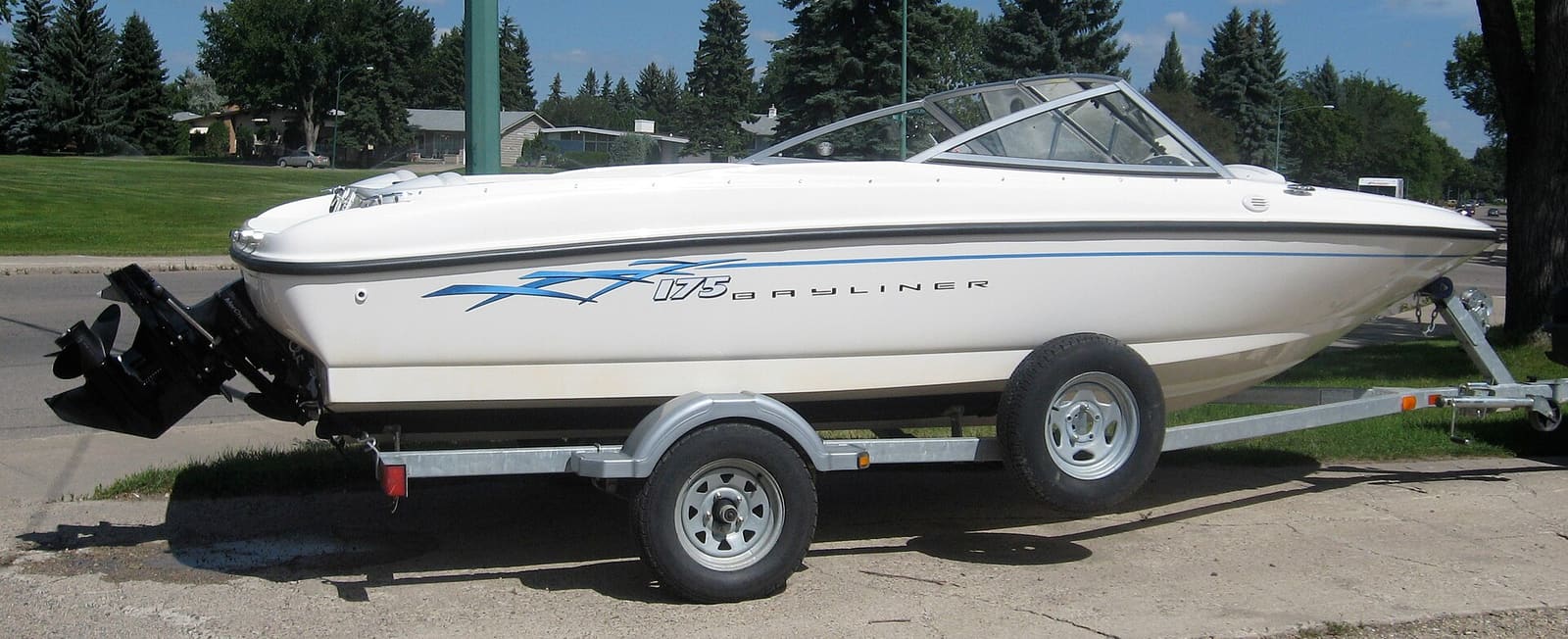
Learn to spot a cracked sterndrive bellows before it lets water into the boat, and to recognize the warning signs of a worn gimbal bearing, U-joints and shift cable. A failed bellows is one of the top reasons boats sink at the dock, and a 20-minute inspection can catch it.
How to Check the Cutless Bearing, Prop Shaft and Strut
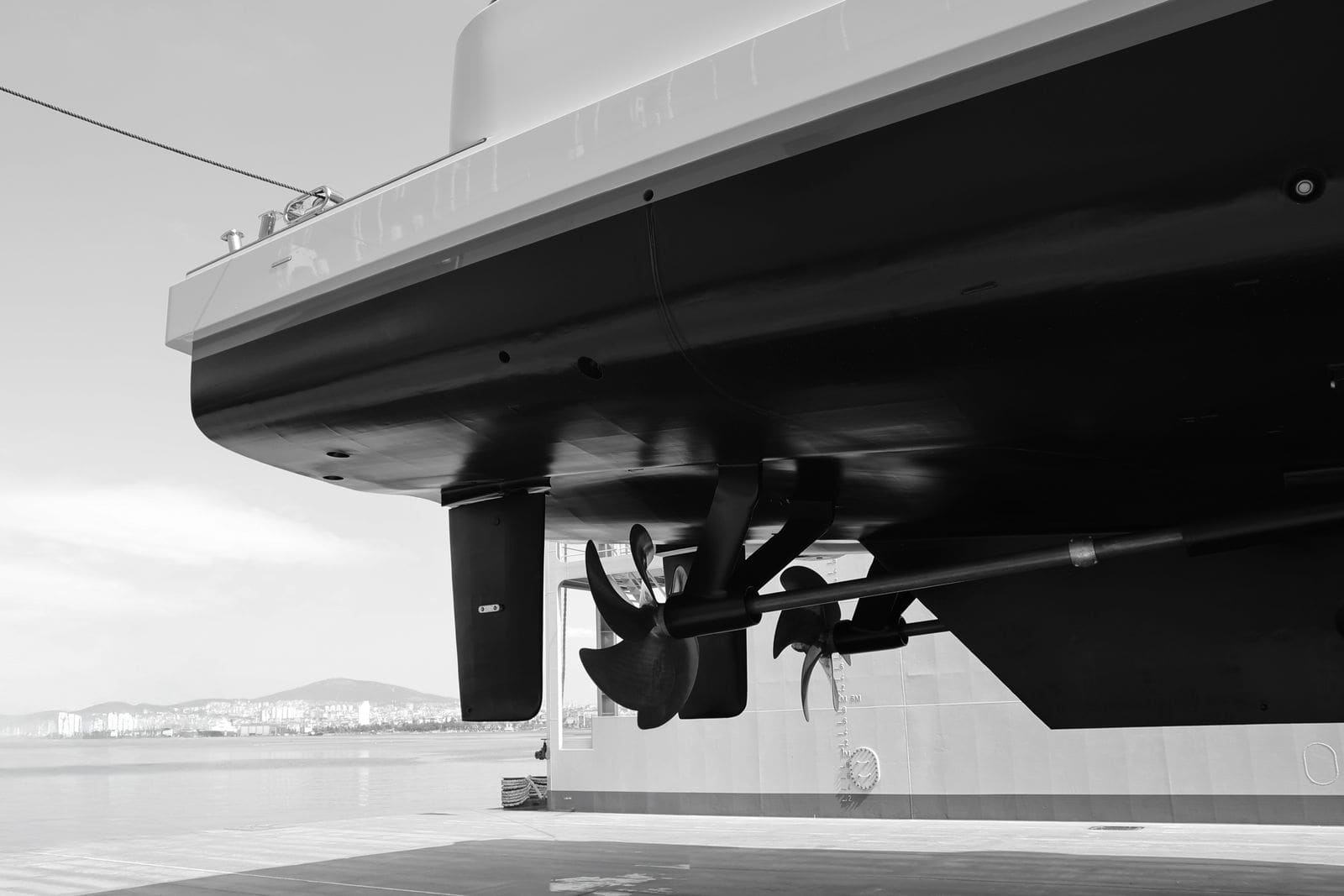
Find out if new vibration or rumbling from the stern is a worn cutless bearing, a bent shaft, a loose strut or poor engine alignment, using simple checks you can do at the dock and at haul-out. Catching bearing wear early protects the shaft, the seal and the transmission.
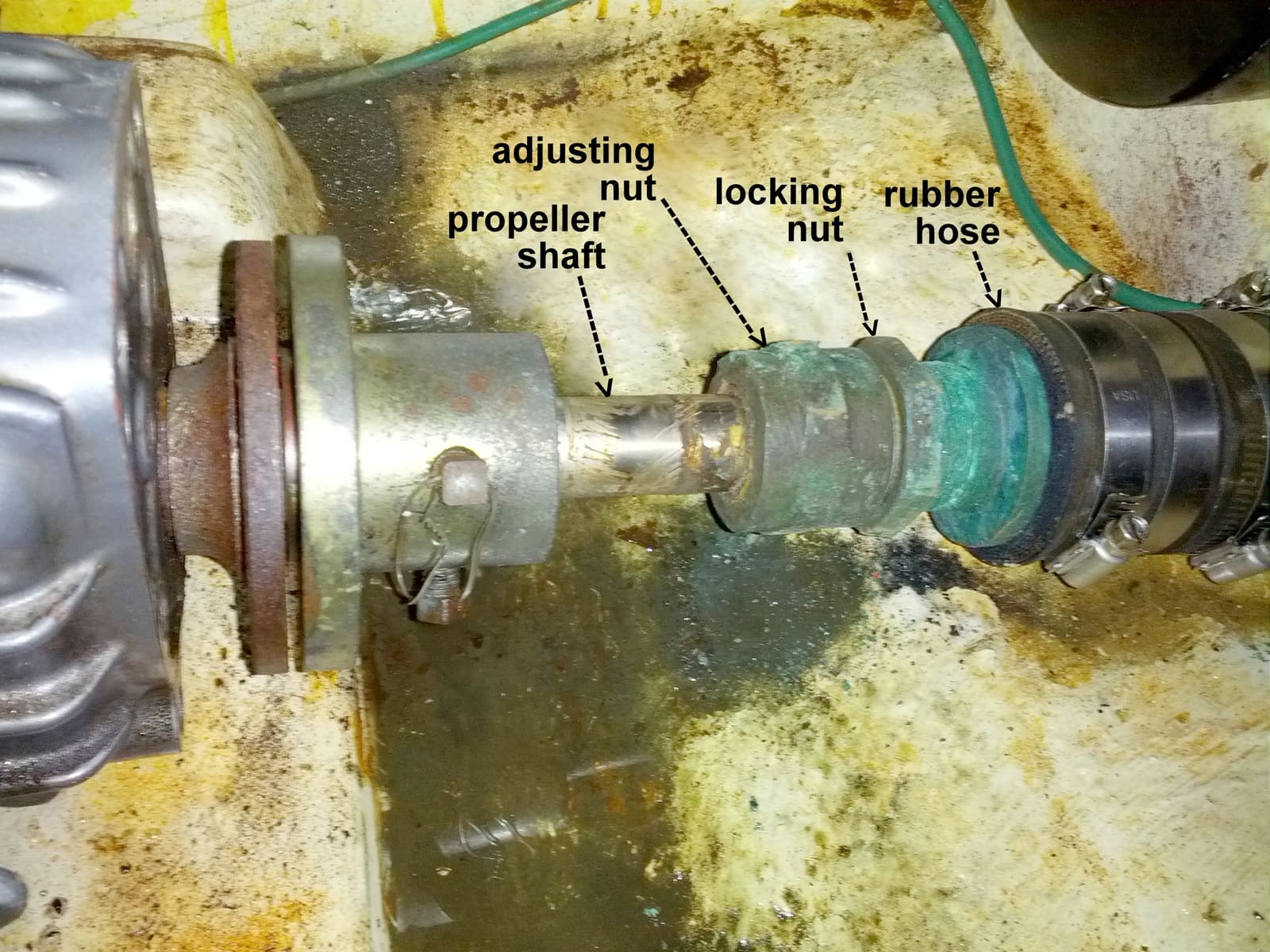
How to Check, Adjust and Repack a Stuffing Box (and Care for a Dripless Shaft Seal)
Learn the right drip rate for a traditional packing gland, how to adjust it safely, when to repack it, and how to inspect and service a dripless shaft seal. The shaft seal is one of the few holes in an inboard boat that moves, and a neglected one can sink a boat at the dock.
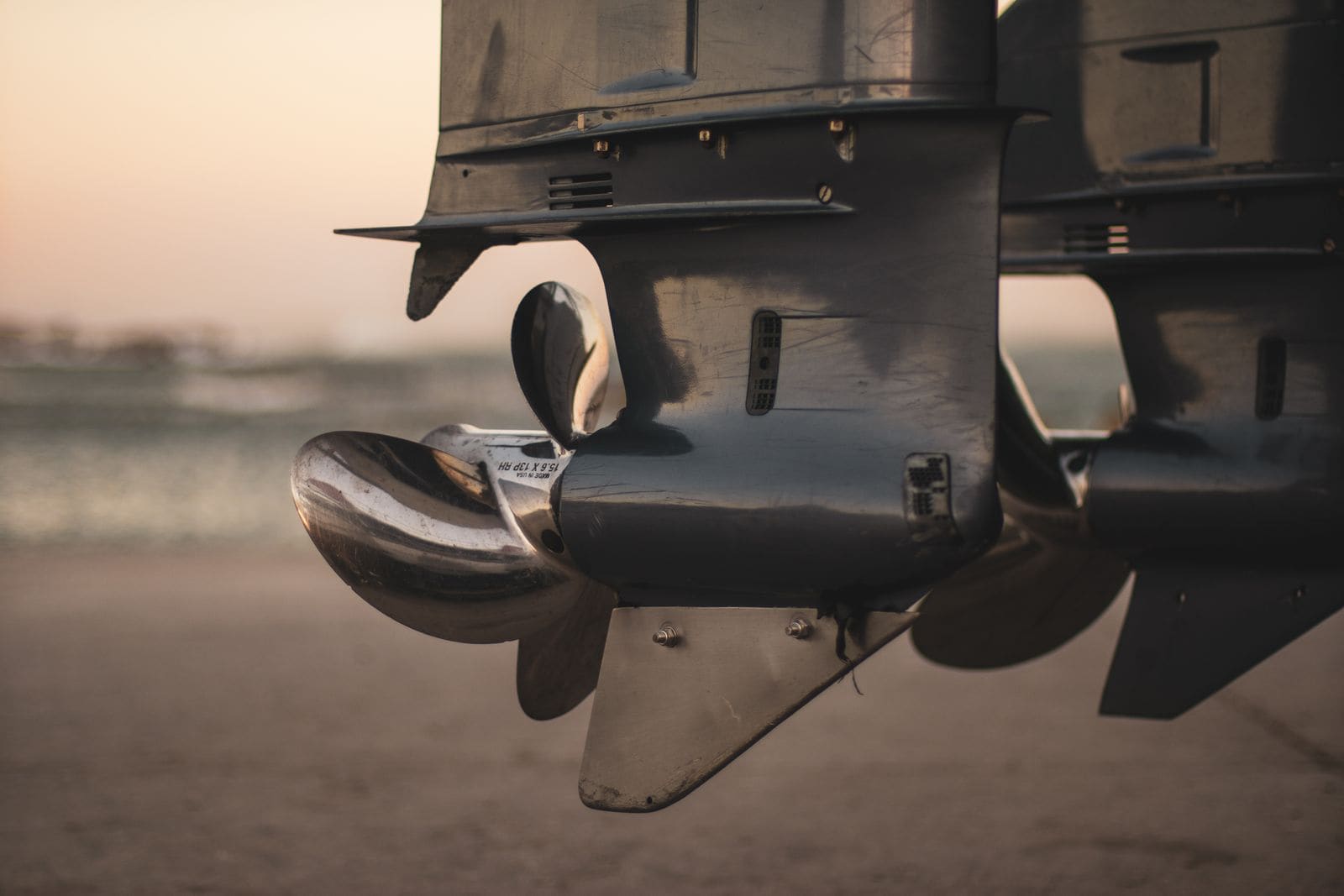
Propeller Care: Inspect, Remove, Replace and Choose the Right Pitch
Check your prop for damage, pull it to clear fishing line and grease the shaft, reinstall it correctly, and learn how pitch affects your engine's wide-open-throttle RPM. The right prop in good shape protects your engine and often makes the boat run better and use less fuel.
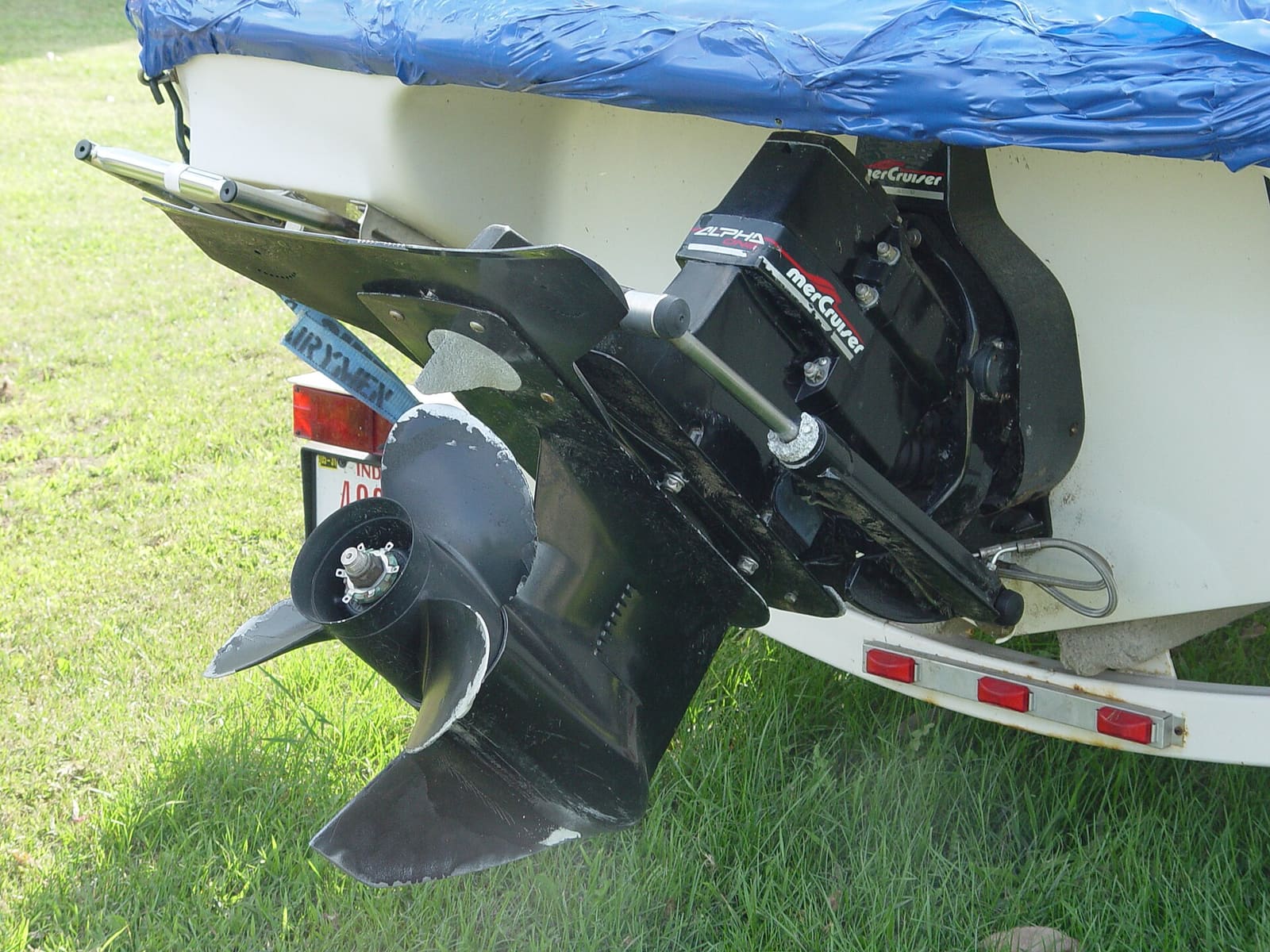
How to Winterize a Sterndrive (MerCruiser, Volvo Penta and Similar)
Get the water out of your sterndrive engine, protect it with antifreeze, and service the drive before storage. A cracked block or manifold from one missed drain plug can cost thousands, and doing it yourself saves a shop bill of several hundred dollars.
How to Check a Boat for Transom and Stringer Rot
Many older fiberglass boats have wood inside the transom, stringers and deck, and water that gets in slowly rots it. Learn the tap test, the flex test, how to read a moisture meter and the other warning signs, and why a rotten transom or stringer is a structural job for a pro, not a weekend patch.
How to Inspect a Used Boat Before You Buy
A step-by-step checklist for looking over a used boat, from paperwork and the hull ID number to the transom, engine, compression test, sea trial and trailer. Know what to check yourself, what the red flags mean, and when to pay a marine surveyor.