How to Check a Holding Tank Vent and Replace the Vent Filter
A blocked holding tank vent makes the head gurgle, pressurizes the tank every flush and can collapse it at the pump-out dock. Learn the warning signs, how to clear the vent fitting and hose, when and how to replace the carbon vent filter, and how to keep insects and overfills from plugging it again.
Time
1 h
Shop would charge
$100-300
Applies to
All engines · Cabin cruiser, Yacht, Sailboat, Pontoon
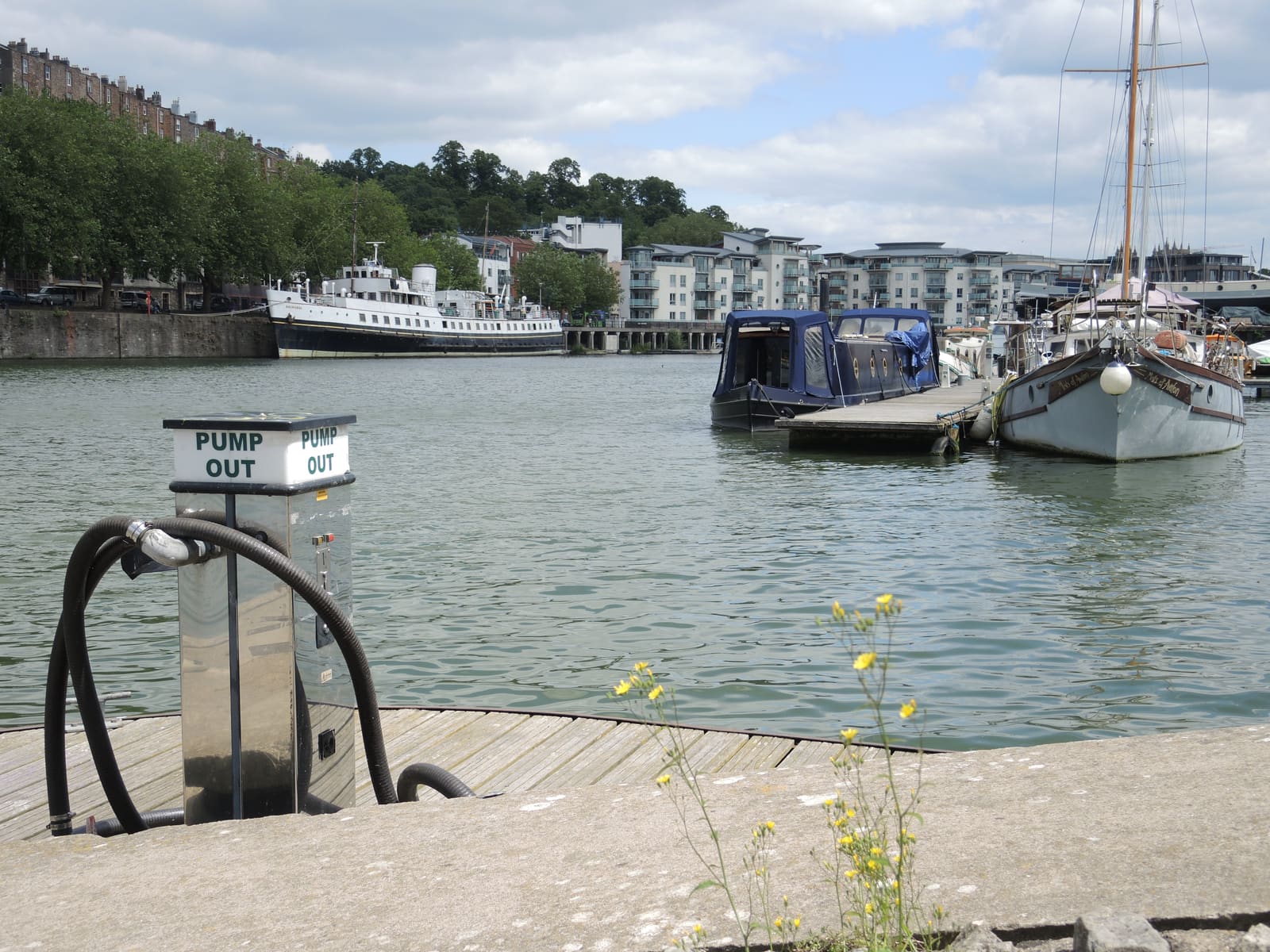
Safety first: Wear gloves and eye protection: a vent hose can hold sewage, and a pressurized tank can spray when you open a fitting or the deck pump-out cap. If the tank's sides start pulling in during a pump-out, stop pumping right away; BoatUS warns the tank can crack or implode. Never pump a holding tank overboard inside 3 miles or in a no-discharge zone; that's illegal under federal rules.
Owners often ask
- The holding tank sides sucked in during a pump-out. What does that mean?
- How often should I replace the holding tank vent filter?
This guide walks you through it. Still stuck? Ask the AI Mechanic about your engine.
Tools
- Flashlight
- Heavy rubber or nitrile gloves and eye protection
- Small bottle brush or pipe cleaners (for the vent fitting)
- Flexible plastic snake (a round plastic electrician's fish tape works)
- Screwdrivers or nut driver for hose clamps
- Rags, a bucket and trash bags
Parts & supplies
- Replacement vent filter or cartridge for your filter model
- Stainless steel hose clamps
- Sanitation hose in the vent size (if the vent hose is cracked or permeated)
- Small inline screen or replacement screen for the vent fitting (optional)
Before you start
What the vent does. BoatUS explains that a typical holding tank has three connections: the hose from the toilet, the pump-out hose to the deck fitting, and a smaller vent hose. The vent lets air in so waste can break down aerobically (with less smell) and lets air in to replace the waste as it's pumped out. It also lets air out every time you flush. The vent hose usually ends at a small through-hull fitting on the hull side or transom, often with a screen to keep insects out. Many boats also have a carbon vent filter in that hose to absorb odors before they leave the boat.
Signs the vent is blocked:
- The toilet gurgles, burps air back into the bowl or gets harder to pump as the tank fills
- The pump-out station runs but pulls little, or the tank sides suck in during pump-out
- Sewage or foul spray when you open the deck pump-out cap (built-up pressure)
- Strong odor inside the boat, or stains or residue around the vent fitting outside (a sign the tank was overfilled)
BoatUS's Flush the Funk article lists the usual culprits: mud dauber wasps and other insects that nest in vent fittings, and sewage that clogs the vent line when the tank is filled to overflowing. A clogged vent smells, and the pressure from each flush and the vacuum from each pump-out can damage the system.
Signs the filter is spent: you smell the tank on deck or at the dock even though the vent is clear. Practical Sailor found that filter makers suggest replacing the carbon every year, while real-world life averages about two years and varies a lot. Plan on every year or two (typical; follow your filter maker).
Steps
Look on the top of the holding tank for the smallest hose; that's the vent. Follow it to the hull. Note whether there's a filter (a canister or tube, often mounted on a bulkhead or the tank) and where the vent fitting is outside. Write down the filter brand and model so you can order the right cartridge.
BoatUS says the usual cause of a blocked vent is a clogged line or a clogged fitting where the vent leaves the hull, and to check the vent hole first. From the dock, a dinghy or a ladder on the hard, look into the fitting with a flashlight. Insect nests, salt crust and a corroded screen are common. Clear it gently with a bottle brush or pipe cleaner, wearing gloves and eye protection.
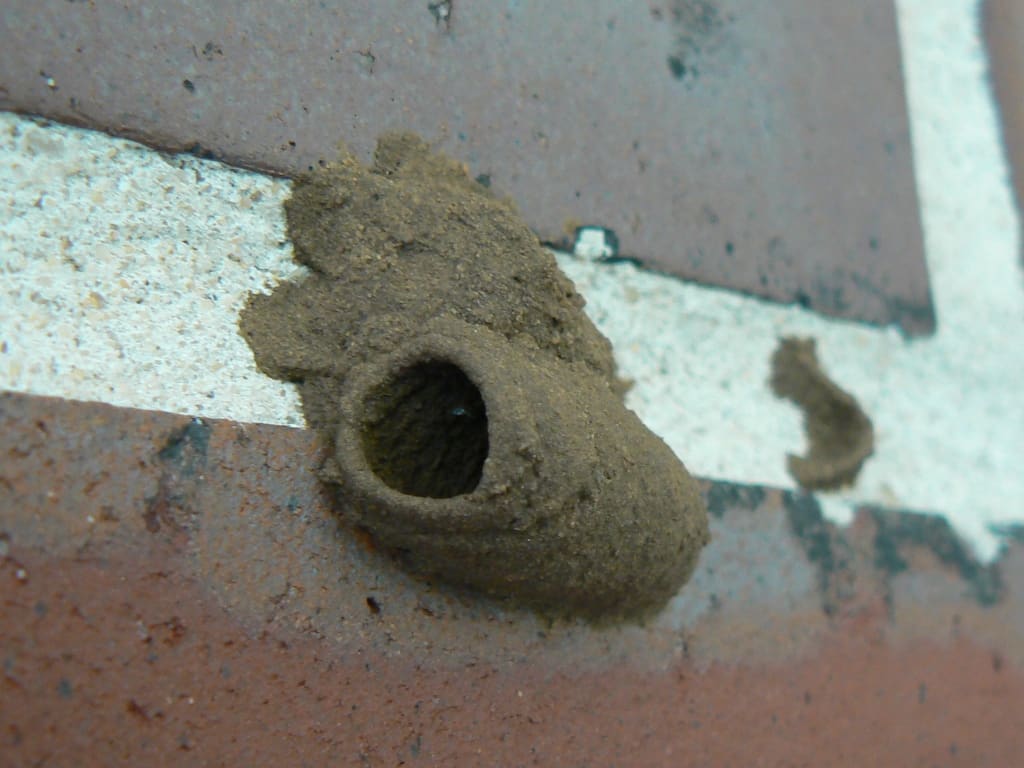
Mud dauber wasps build tube-shaped mud nests like this one, and a small vent fitting is a favorite spot. One nest is enough to block a holding tank vent. Photo: Keenan Pepper / Wikimedia Commons · CC BY-SA 2.0 If you can see the tank, have someone watch it while you pump out. If the sides pull in, BoatUS says the tank is under vacuum, which means not enough air is getting in through the vent (or the vent is too small). Stop the pump immediately and clear the vent before trying again.
Reach the vent hose where it connects to the through-hull or the top of the tank. Loosen the clamp, work the hose off the fitting into a bucket, and push a round plastic snake down the hose until you reach the clog, as BoatUS suggests. If the hose won't clear or is packed with dried sewage, replace it. If a carbon filter is in the line, take it out of the circuit first: Practical Sailor warns that water ruins the carbon, and salt water does permanent damage.
Many owners rinse the vent line with a garden hose from the outside fitting after each pump-out, which BoatUS recommends when possible to keep it clear. With a filter installed, protect it: Practical Sailor suggests a small valve on the outboard side of the filter that you close only while back-flushing, so the water goes to the tank and not into the carbon. Do this right after a pump-out, when the tank has room.
Follow the hose from tank to hull. Look for kinks, low sags where liquid can sit, cracks, and the gummy or permeated feel of old hose. BoatUS says to use proper sanitation hose for everything, tank vent hoses included, and that sanitation hose has an expected life of about 10 years. Check that every clamp is stainless and tight.
If the vent is clear but you still smell the tank outside, or the filter is more than a year or two old, replace the filter media. Also replace it right away if it ever got soaked with water or sewage. Practical Sailor's testing found that wet carbon loses its ability to absorb odors, that salt water leaves residue that is fatal to it, and that a plugged filter can cause the same vacuum and pressure problems as a blocked vent.
With gloves on, loosen the clamps or quick-connects and remove the old filter or cartridge. Dometic's DVF uses a replaceable cartridge; Perko's Odor Eater uses quick disconnects so the cartridge snaps out without tools. Install the new one following its instructions, with any flow arrow pointing the way the maker shows, and secure it in its bracket. Bag the old cartridge and put it in the trash.
Practical Sailor stresses that the filter must stay dry: mount it as high as you can above the tank and well above the heeled waterline, or put a high loop in the hose between the filter and the through-hull so splash can't reach it. Filter makers recommend mounting as high as possible. On some sailboats there's no good high spot; if so, Practical Sailor suggests rethinking whether a filter suits your boat, because a poorly placed filter plugs quickly.
Overfilling is the fastest way to plug a vent and ruin a filter. BoatUS's advice is to pump out well before the tank is full. Tank gauges on boats are often unreliable, so learn roughly how many days of use your tank holds and pump out early. Many tanks have no level gauge at all; a marine surveyor writing for BoatUS (who once watched an overfilled tank blow sewage out of its vent and pop the vent hose off) thinks every holding tank should have one. Sensors that sit inside the tank, such as float switches, eventually get coated and stick; sensors that stick to the outside of a plastic or fiberglass tank can't foul but cost more and need access to the tank wall. Some monitors can light a "do not flush" warning or cut power to an electric head when the tank is full. Fitting one is a reasonable owner project if you can reach the tank; follow the maker's instructions and check what is behind any panel before cutting. The EPA's rules mean that inside 3 miles and in no-discharge zones the tank has to go to a pump-out station or pump-out boat, so plan your trips around them.
Practical Sailor notes that newer tanks often have vacuum break valves but older ones don't, and that most vent filters lack one. A vacuum relief protects the tank if the vent or filter ever plugs during a pump-out. If your boat has neither, ask a marine plumber whether one can be added.
Look at the vent fitting and filter each spring, when insects are building nests, and again before you lay up the boat. Clear the fitting, check the hose and filter age, and pump out and rinse the tank before storage.
Common mistakes
- Pumping out with the tank sides visibly pulling in instead of stopping.
- Back-flushing the vent with a garden hose straight through a carbon filter, ruining it.
- Filling the tank until it overflows out the vent, then wondering why the filter stinks.
- Using a regular garden or vinyl hose for the vent instead of sanitation hose.
- Covering the smell with chemicals while a nest blocks the vent fitting.
- Mounting the filter low, right on top of the tank, where splash and slosh reach it.
- Forgetting the filter exists and never changing it.
When to call a pro
- The tank has collapsed, cracked or deformed, or a fitting pulled loose during a pump-out
- Sewage leaks into the bilge or cabin
- You can't reach the vent hose or through-hull without cutting into the boat
- You want to add a vacuum relief valve, a second vent or move the vent fitting
- A seacock or through-hull connected to the sanitation system leaks or won't move
Tips
- Write the date on the new filter cartridge with a marker.
- A small screen on the vent fitting keeps insects out, but check it often; BoatUS notes that corroded screens can block the vent themselves.
- Pump out a little early before a long weekend; a half-empty tank smells less and leaves room for guests.
- Keep a spare cartridge aboard if you cruise far from a chandlery.
- Vent clear, new filter, still smells? Raritan's FAQ says odor rarely comes from the toilet itself, and the smell tells you where to look. A rotten-egg smell usually means sea life decaying in a raw-water flush intake line or under the bowl rim. A waste smell points to the tank contents or to sanitation hose that odor has soaked through. Raritan's hose test: wrap a rag soaked in very hot water around the hose, let it cool, then sniff the rag. Raritan also points out that vent filters only cover up tank odor at the vent; treating the tank contents deals with the cause. Our head hose and manual head guides cover those fixes.
- Clean the tank, not just the vent. A BoatUS surveyor deep-cleans his holding tank about twice a year (once at fall layup) with tank-safe products, pumping out and refilling with fresh water a couple of times after. His cautions: use only products made for holding tanks and compatible with your tank's material, never household drain cleaners; never flush "flushable" wipes; and consider a lidded trash bin for toilet paper, since paper and salt-water scale are what build up inside. Practical Sailor adds that sterilizing chemicals work against the air-loving bacteria that keep a vented tank from smelling.
- Winterizing: Raritan notes antifreeze stops its bacterial tank treatment from working, so dilute and pump out the tank fully at spring commissioning before the season's first dose.
Official references
We read these to write this guide. Your engine's own manual always wins.
- BoatUS – Pump Outs, The Scoop On Poop
- BoatUS Magazine – Flush the Funk (2023)
- Practical Sailor – Holding Tanks, Getting the Stink Out
- Practical Sailor – Avoid Plugging with Proper Vent Installation
- Dometic – DVF Holding Tank Vent Filter
- Perko – Odor Eater Waste Tank Vent Filter launch
- BoatUS – Choosing the Correct Boat Hose
- Raritan – Frequently Asked Questions (odor sources, tank treatment and antifreeze)
- EPA – Vessel Sewage Frequently Asked Questions
- BoatUS – Holding Tank Monitoring Systems
- BoatUS – The Truth About Cleaning Holding Tanks
- Practical Sailor – Joker Valves for Marine Heads (cleaners and tank odor)
Safety: BoatMend is for information only and does not replace a certified marine technician. You are responsible for your safety and your boat. Read the full disclaimer.
Last updated 2026-10-24
Related guides
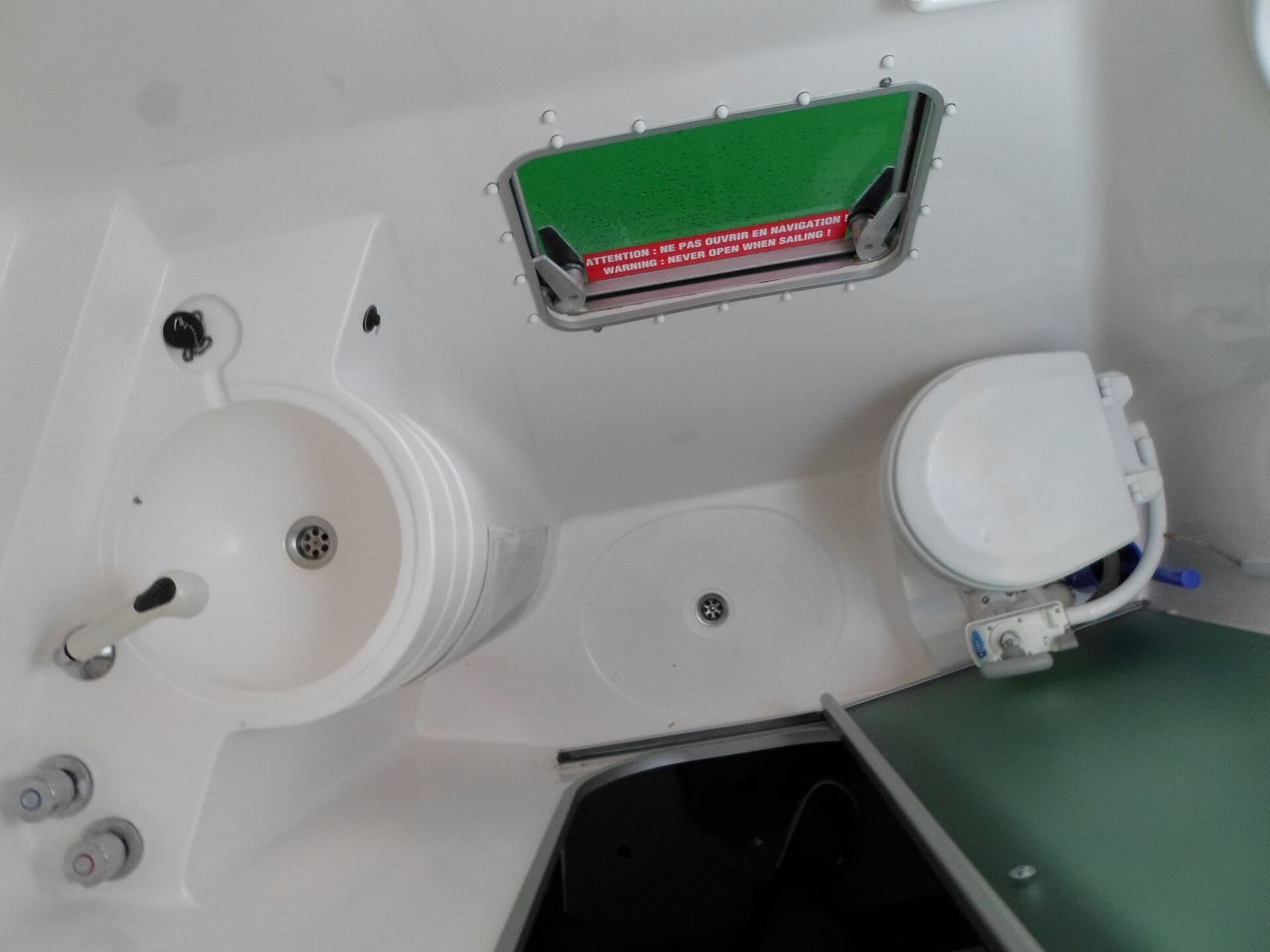
Marine Head and Holding Tank Care: Odors, Clogs, Pump-Outs and Winterizing
Keep your boat's toilet and holding tank working and odor-free, clear common clogs, pump out the right way, and winterize the system. Also covers the Y-valve and the federal no-discharge rules every owner with a head needs to follow.
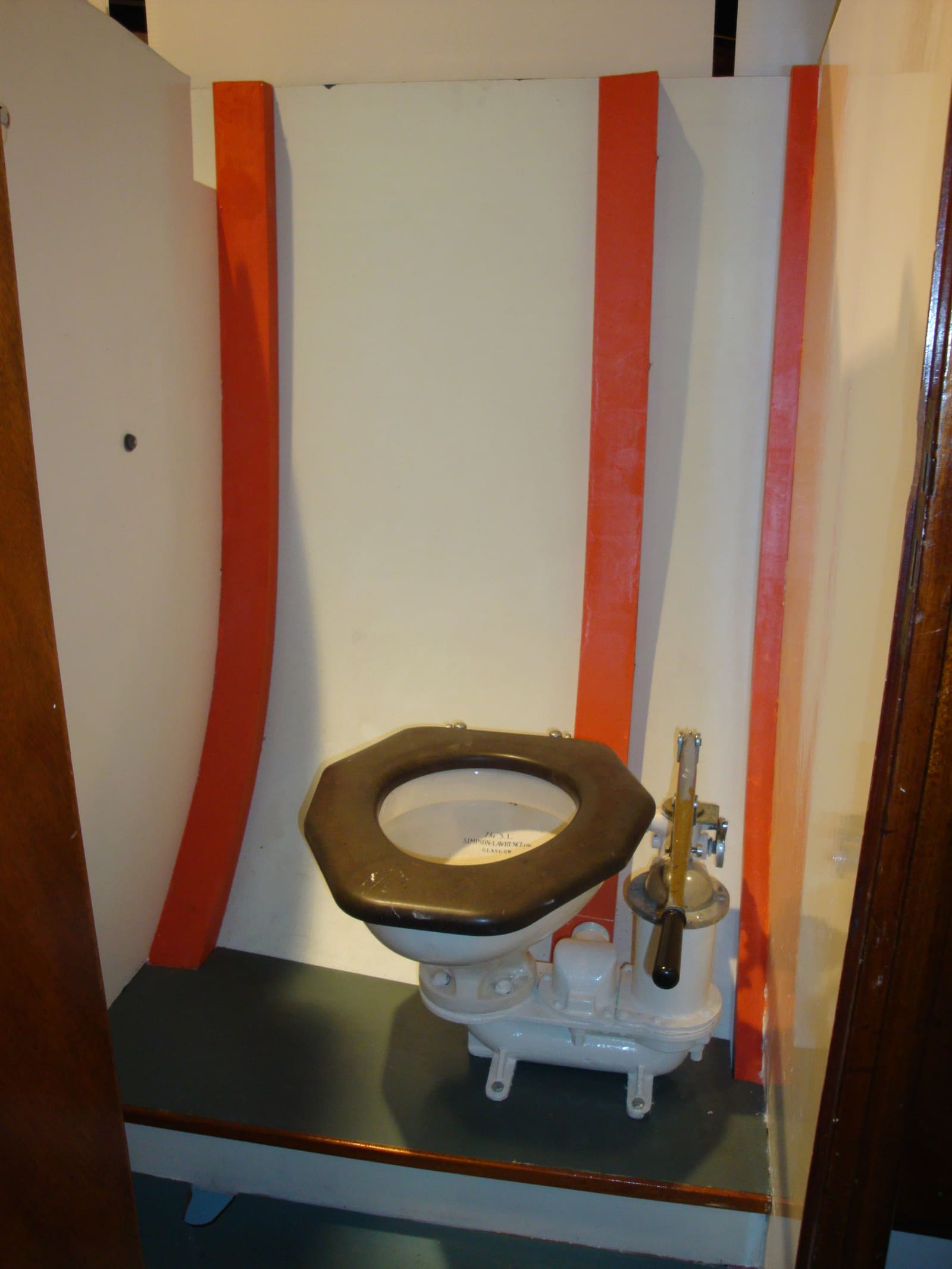
Smelly Head Hoses: How to Test, Choose and Replace Sanitation Hose
Find out if your toilet and holding-tank hoses are the source of that sewage smell with a simple hot-rag test, then pick the right sanitation hose, route and clamp it properly, and get rid of the old hose cleanly.
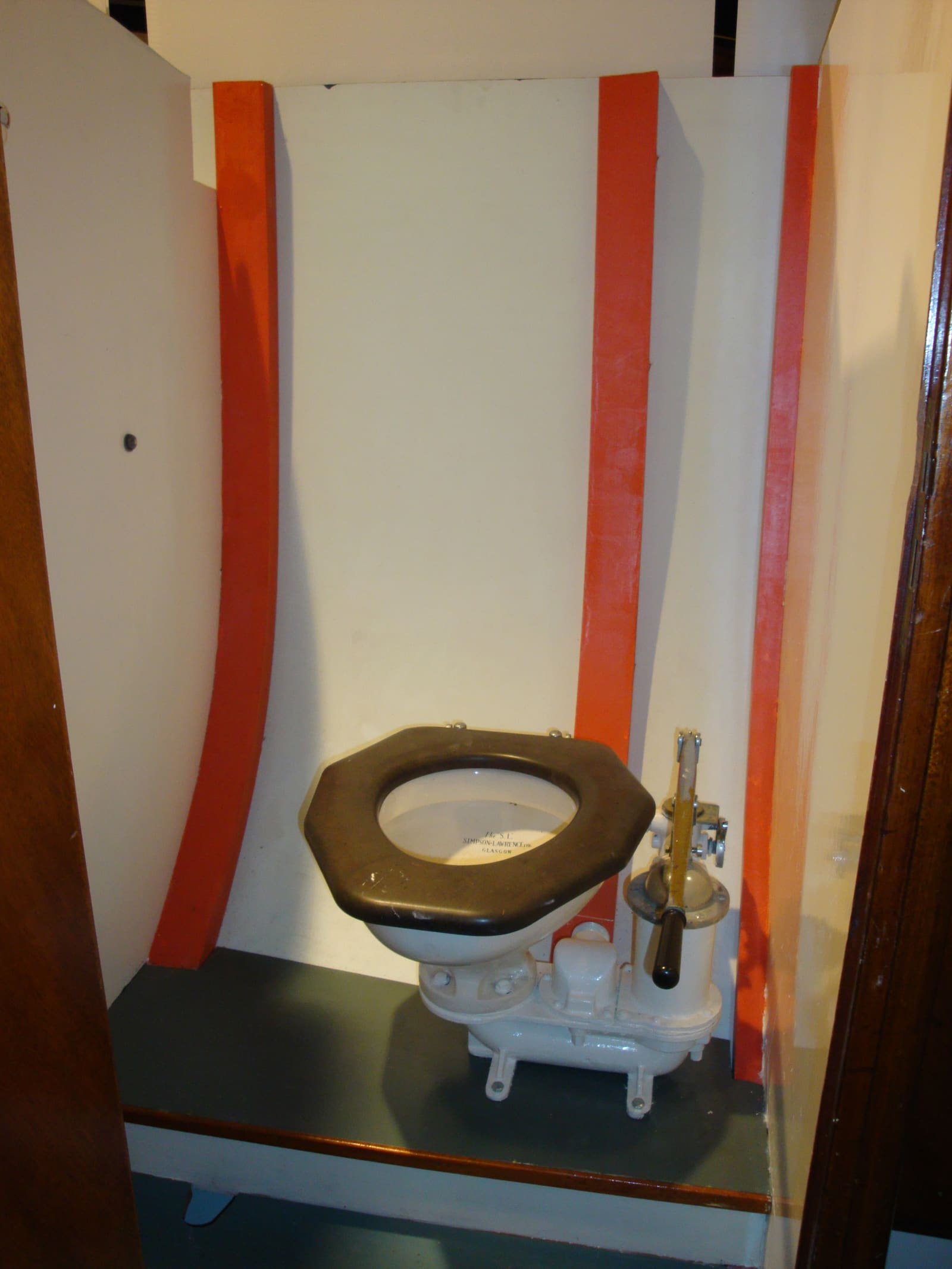
How to Rebuild a Manual Marine Toilet (Hand-Pump Head)
A manual head that's hard to pump, lets water flow back into the bowl or leaks at the pump shaft usually just needs new valves and seals. Learn how to diagnose the symptom, pick the right service kit, replace the joker valve, flapper and piston seals safely and hygienically, and keep the pump working afterward.
How to Clean and Maintain Shower Sump and Macerator Pumps (and Stay Legal)
The shower sump pump fights hair and soap scum every day, and the macerator empties the holding tank, but only where that is legal. Learn how to clean the sump and filter, test the float switch, avoid burning out pumps by running them dry, follow the 3-mile and no-discharge rules, and winterize both.

Spiders, Wasps and Insects on Your Boat: Prevention and Safe Cleanup
Why boats attract spiders, mud daubers, wasps and swarming lake insects, how to clean webs and droppings without harming gelcoat or canvas, and how to keep nests out of the vents, telltales and fittings your boat needs to breathe.

How to Inspect and Exercise Seacocks, Through-Hulls and Hose Clamps
Check every hole in your hull below the waterline, work each seacock open and closed, and inspect the hoses and clamps attached to them. A single failed fitting or hose is one of the most common reasons boats sink at the dock.

How to Prevent and Remove Mold and Mildew on Your Boat
Stop the musty smell and black spots before they start. Find and fix the water source, keep air moving, control humidity safely, and clean mold off gelcoat, vinyl and cabin surfaces with products that won't damage them.