How to Care for a Hydraulic Jack Plate (Fluid, Pump, Leaks, Grease and Height)
Keep a hydraulic jack plate (Bob's Machine Shop, T-H Marine Atlas, CMC, SeaStar style) lifting smoothly: check and top up the right fluid, keep the pump and relays dry, find leaks and slow drift, lubricate only the way your model calls for, set running height safely and prepare it for winter. Mounting and setback changes are dealer work.

Time
1 h
Shop would charge
$100-400
Applies to
Outboard · Fishing boat, Center console
Safety first: A jack plate carries the whole weight of your outboard. Never put hands, arms or tools between the plate, the motor bracket and the transom while anyone is near the switch, and unplug the pump or switch off its breaker before working around moving parts. Do not raise the motor so high that its water intake comes out of the water: watch the water pressure gauge or telltale, and if the engine alarm sounds or the temperature climbs, drop the plate and slow down right away. Cracked brackets, loose transom bolts or a plate that drops suddenly are stop-and-call-a-pro problems.
Owners often ask
- What fluid goes in my hydraulic jack plate, and how do I check it?
- My jack plate slowly creeps down while I run. Why?
This guide walks you through it. Still stuck? Ask the AI Mechanic about your engine.
Tools
- Wrenches or sockets for the fill plug and relay terminals
- Flashlight and inspection mirror
- Clean rags and a small funnel or squeeze bottle
- Grease gun (only if your plate has grease fittings)
- Digital multimeter
- Safety glasses and gloves
Parts & supplies
- Hydraulic fluid of the exact type your jack plate maker specifies
- Waterproof marine grease (only for models that call for it)
- Corrosion-inhibitor spray for metal and electrical parts
- Dielectric grease for connectors
Before you start
What a jack plate does. It moves the outboard back from the transom (setback) so the prop runs in cleaner water, and a hydraulic plate also lets you raise and lower the motor from the helm. Boating Magazine notes that they are most common on bass boats, bay boats, tunnel hulls and flats skiffs. Raising the motor helps in shallow water and can add top speed; lowering it gives a better hole shot and grip in rough water.
Know which type you have. Designs differ, and so does their care:
- Remote pump: an electric pump and reservoir mounted inside the boat, connected to a cylinder on the plate by hoses (for example, Bob's Machine Shop's Flats Jac style).
- Integral pump: pump, motor and reservoir built into the plate itself (for example, Bob's Action Jac, T-H Marine Atlas and CMC units). On some, the fluid is not serviceable by the owner.
- Manual: set with bolts or a screw; no fluid at all. Bob's Versa Jac, for example, can later be converted to hydraulic.
Find your plate's maker and model on the plate itself or in your boat's paperwork, and get its manual from the maker or your dealer. The fluid type and lube points in this guide vary by model: your manual wins.
Steps
Do not guess. Published care advice shows how much this varies: a Gulf Coast marine shop writing in Texas Saltwater Fishing Magazine says older Bob's Machine Shop pumps used a 20W non-detergent oil while newer ones call for ISO 32 hydraulic fluid; CMC units use a non-detergent oil; and several integral units use standard power trim and tilt fluid. Bob's self-contained Action Jac pump is described as not owner-serviceable. Buy the fluid named in your manual or on the reservoir label.
With the boat level and the plate in the position your manual specifies (often fully down), clean around the fill plug or cap so dirt can't fall in, then open it and check the level against the mark or the bottom of the fill hole. Top up slowly with the correct fluid. Don't overfill: the reservoir needs room as the cylinder moves.
If the fluid is milky or white, water has gotten in. The same shop advises flushing and refilling the system when that happens, for the life of the pump. That is a good dealer job if you've never done it.
Air in the system makes the plate jerky, noisy or slow. A common method (confirm with your manual) is to run the plate fully up and fully down a few times, finish fully down, let it sit so bubbles rise, and recheck the level. Some pumps have a specific bleed procedure.
Check the cylinder rod, the hose fittings (remote-pump units), the fill plug and the pump body for wet fluid or a dirt-caked film. Wipe everything clean, run the plate up and down, and look again.
A plate that slowly creeps down on its own while you run or when parked, with no visible leak, often has an internal problem: low fluid, a check valve held open by debris, or worn cylinder seals. Start with the fluid level. Cycling the plate up and down several times sometimes flushes debris out of a valve. If drift continues, the pump or cylinder needs service or replacement.
Moisture is the enemy of the pump motor, its relays and connectors. The Texas shop specifically warns that pumps mounted in a wet transom hatch suffer, and that the hydraulic power unit deserves the driest spot in the boat. Check that:
- The pump compartment drains and doesn't hold water.
- Connectors are tight, corrosion-free and coated with dielectric grease.
- Relays and their terminals are clean. A light corrosion-inhibitor spray on relays, solenoid connections and the plate body helps.
A plate that won't move, or moves only one way, is usually an electrical fault, much like trim:
- Check the breaker or fuse for the jack plate circuit.
- Listen for the relays clicking when you press up and down.
- Check battery voltage at the pump while someone presses the switch; a big drop points to a bad connection or ground.
- Moves one way only: suspect the relay or switch for that direction.
- Blowing fuses or a tired pump: T-H Marine warns against holding the switch once the plate reaches the end of its travel; the extra amp draw can damage the pump motor and blow the fuse. A dash position gauge helps you let go in time.
Our trim relay troubleshooting guide walks through the same kind of tests. Replace a bad relay with the same type.
This is where owners do the most damage with good intentions:
- Plates with grease fittings on their slides (Bob's Flats Jac and Action Jac, according to the Texas shop, and T-H's older Hydro-Jacker) need regular waterproof grease to keep the slides moving smoothly.
- Plates built on rollers or self-lubricating parts should not be packed with grease. T-H Marine describes the Atlas as made from self-lubricating material with no grease required, and the Texas shop says CMC and Atlas units should get a light spray lubricant instead. Packed grease traps sand and salt, wears the slides and loads the pump motor.
Note that the maker is stricter than the shop on the Atlas: T-H Marine's own care article says to put no grease or lubricant of any kind on its black polymer slide rods, because it collects grit and makes the plate stick or jump. If buildup forms, T-H suggests washing the rods with mild dish soap, a soft brush and fresh water while cycling the plate up and down, then rinsing well. Follow your plate maker over any general advice.
When in doubt, use what the manual says and nothing more.
Rinse the plate, the cylinder, the bracket and the transom area with fresh water after every saltwater trip, along with the rest of the boat. Then reapply a light coat of corrosion inhibitor to the plate and electrical parts; it washes off in normal use. Look for white powder on aluminum, bubbling powder coat and green corrosion on connectors.
Once a season, and after any hard grounding:
- Look at the transom bolts and the engine-to-plate bolts for movement, rust streaks or gaps. Do not just crank them tighter; loose or leaking bolts can mean the transom core is wet. Have a dealer check them.
- Inspect the plate and bracket for cracks, especially at welds.
- With the plate down, steer lock to lock and tilt the motor up. Boating Magazine and Dometic both warn that the steering cylinder, tie bars, hoses and rigging can hit the transom or the boat when the motor tilts. Any contact needs fixing before you run.
There is no single correct height; it depends on the hull, prop and engine. Make small changes, one at a time:
- Start with the plate down and get on plane.
- Raise the plate a little at a time while watching speed, rpm and the water pressure gauge (or the telltale stream).
- If rpm suddenly jumps and the boat slows (the prop starting to blow out or ventilate), lower the plate a step.
- If water pressure drops, or the overheat alarm sounds, lower the plate immediately.
Many owners mark a "sweet spot" with a height gauge or a strip of tape. Lower the plate before backing down, in rough water and before tight turns. If the motor needs to run very high, low-water pickups or engine changes are a dealer decision; see our prop ventilation guide for what blowout feels like.
Before storage:
- Wash the plate and bracket, dry them and apply corrosion inhibitor.
- Check fluid level and color, and fix leaks now rather than in spring.
- Grease the fittings if your model has them.
- Store the plate in the position your manual recommends (many owners store it down so the cylinder rod is protected), and turn off the breaker or disconnect the pump. T-H Marine tells Atlas owners to trailer and store with the plate fully down, because leaving it up puts the motor's weight on the hydraulics the whole time.
- Make sure the pump compartment can't fill with rain or snowmelt.
Winterize the outboard itself with our outboard winterizing guide.
Common mistakes
- Topping up with whatever fluid was on the shelf (motor oil, ATF, the wrong trim fluid) instead of the type on the label.
- Packing grease into a roller or self-lubricating plate, where it collects sand and wears parts faster.
- Mounting or leaving the pump in a transom hatch that fills with water.
- Running with the plate all the way up in open water until the engine overheats or the prop blows out.
- Retightening leaking transom bolts instead of finding out why they moved.
- Ignoring milky fluid until the pump fails.
- Not checking steering and hose clearance after adding setback or a new motor.
When to call a pro
- Installing a plate, changing setback, moving engine bolt holes or changing anything at the transom
- Cracks in the plate, bracket or welds, or loose or leaking transom bolts
- A plate that drops suddenly, or drifts down even with full fluid
- Milky fluid that needs a full flush, or a pump that runs but doesn't lift
- Overheating or loss of water pressure at your normal running height
- Any work that needs the motor supported by a hoist
Tips
- Keep a small bottle of the correct fluid in the boat, labeled with what it is.
- Add a jack plate height gauge if you don't have one; it makes repeating good settings easy.
- Write your best height for flat water and for chop in your BoatMend boat profile notes.
- Check the plate every time you check trim fluid; they wear for the same reasons.
- Keep your plate's model and serial number with the boat's paperwork for parts and warranty.
Official references
We read these to write this guide. Your engine's own manual always wins.
- Texas Saltwater Fishing Magazine – Jackplate Maintenance (Chris Mapp, Coastal Bend Marine)
- Texas Saltwater Fishing Magazine – What About Your Boat's Jack Plate? (Chris Mapp)
- Boating Magazine – Installing an Outboard Motor Jack Plate on a Boat
- T-H Marine – ATLAS Hydraulic Jack Plate (product page)
- T-H Marine – Customer Q&A, How Do I Choose a Jack Plate for an Outboard Motor?
- T-H Marine – Properly Caring for the ATLAS Jack Plate
- Bob's Machine Shop – Extreme Gen 3 Versa Jac (product page)
- Dometic – SeaStar Jackplates
Safety: BoatMend is for information only and does not replace a certified marine technician. You are responsible for your safety and your boat. Read the full disclaimer.
Last updated 2026-10-24
Related guides

How to Mount or Re-Tighten an Outboard on the Transom
A loose outboard can steer badly, crack the transom or fall off the boat. Learn how to center the motor, check engine height, tighten clamp screws, seal and bolt through the transom with backing plates, add a safety cable on small motors and spot transom flex before it becomes a costly repair.

How to Check and Top Up Power Trim and Tilt Fluid
Check and top up the hydraulic fluid in your power trim and tilt unit, then work through the simple checks when the motor won't go up, won't go down or slowly sinks. Most trim problems are a dead battery, a bad relay, low fluid or a release valve left open, and you can find those yourself.

Trim Leaks: When the Motor or Drive Won't Stay Up
Track down why your outboard or sterndrive slowly sinks, trails down on the trailer or leaks trim fluid. Work from the free checks (release valve, fluid level) to hoses, ram seals and internal leaks, and learn when a rebuild or a new cylinder makes more sense.

Power Trim Only Goes Up or Only Down: Relays, Switches and Wiring
When your outboard or sterndrive trims one way but not the other, the cause is usually electrical: a relay, a switch, a corroded plug or a wire. Learn how the up and down circuits work, how to swap-test the relays, how to tell the helm switch from the cowl switch, and how to tell an electrical fault from a hydraulic one.
How to Grease Your Outboard's Lubrication Points
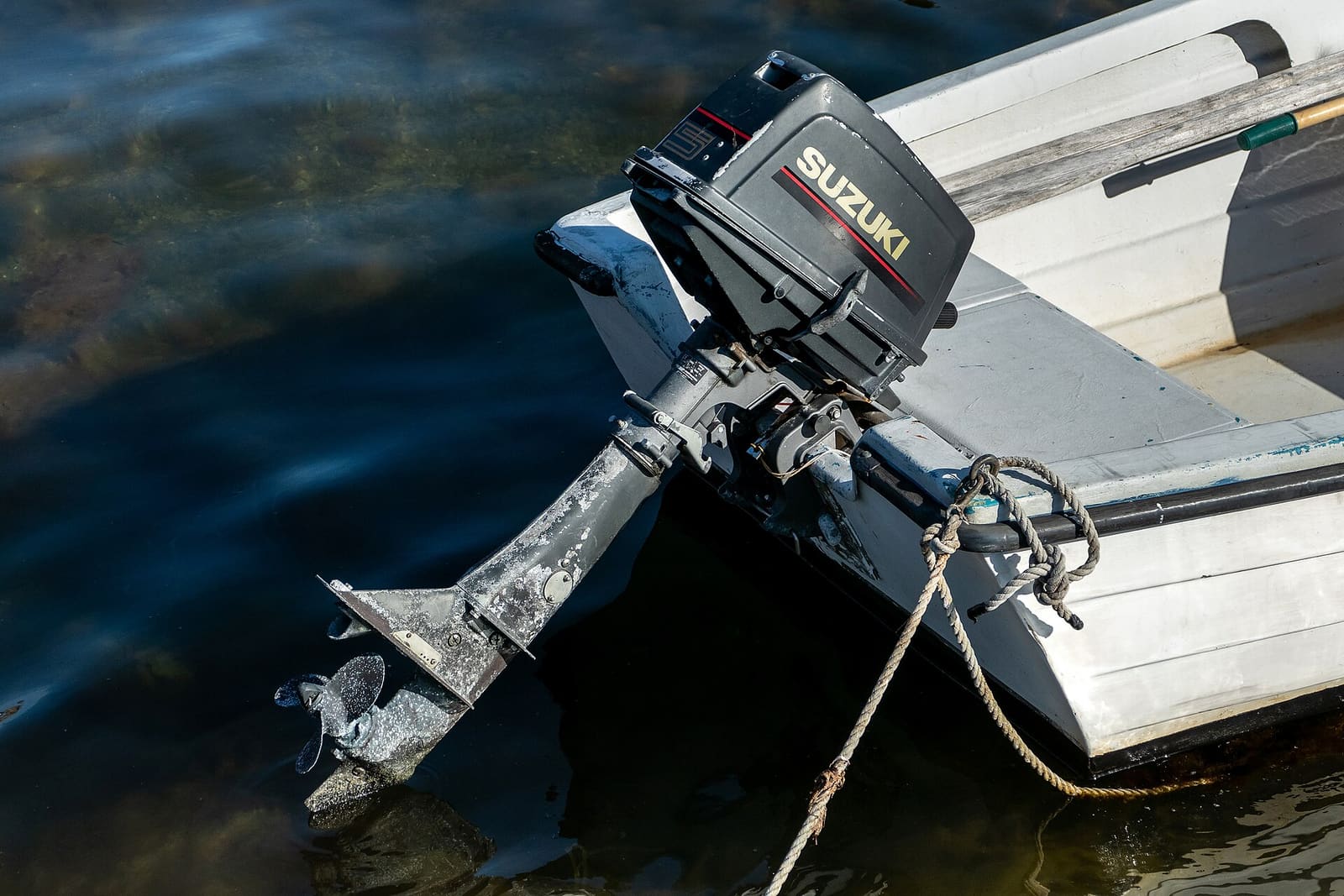
Grease the swivel bracket, tilt tube, steering and shift linkages, trim rams and prop shaft splines on your outboard. Grease keeps salt and water out of the moving joints. A 30-minute job once or twice a season prevents seized steering, stuck props and corroded brackets.

Engine Overheating - Troubleshooting Guide
Work through the most likely causes of a hot engine or overheat alarm, from a blocked water intake to a worn impeller or stuck thermostat. Acting fast and in the right order can save your engine and often gets you home without a tow.
Prop Ventilation vs. Cavitation - Why Your Engine Revs Up and the Boat Loses Grip
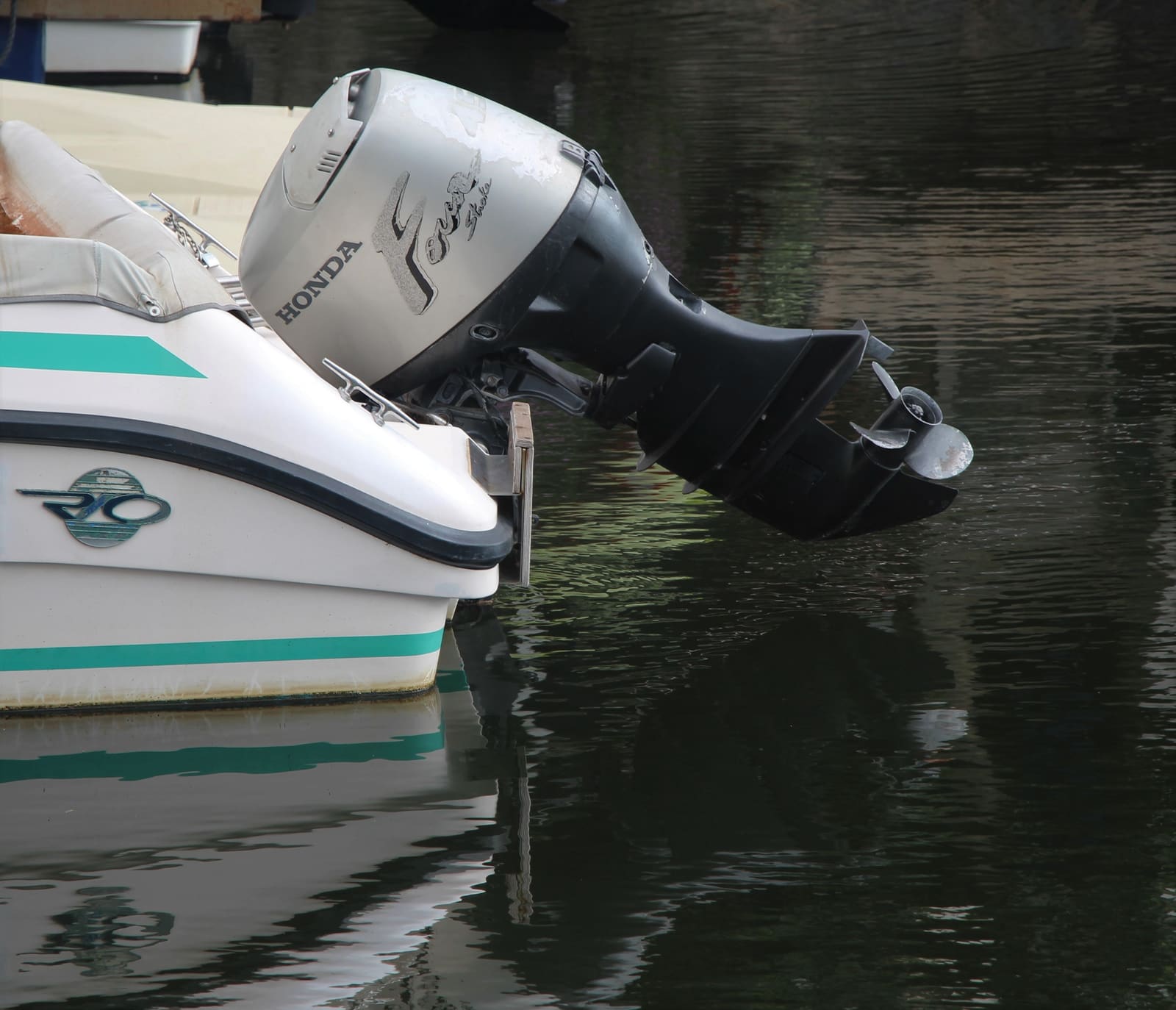
Sudden RPM spikes, blowouts in turns, or a prop that slips when you accelerate are usually ventilation, not cavitation. Learn to tell them apart, then work through the fixes in order: trim, load, prop damage, the hull ahead of the prop, engine height, and finally a different prop.

Saltwater Outboard Care: The After-Every-Trip and Monthly Routine
A simple routine that keeps salt from eating your outboard, built from Honda, Yamaha, Mercury and Suzuki advice. It covers flushing after every trip, washing, where to spray anticorrosion (and where never to), monthly greasing, anodes, and tilting up or storing out of the water.
How to Find and Fix Corroded Electrical Connections on a Boat
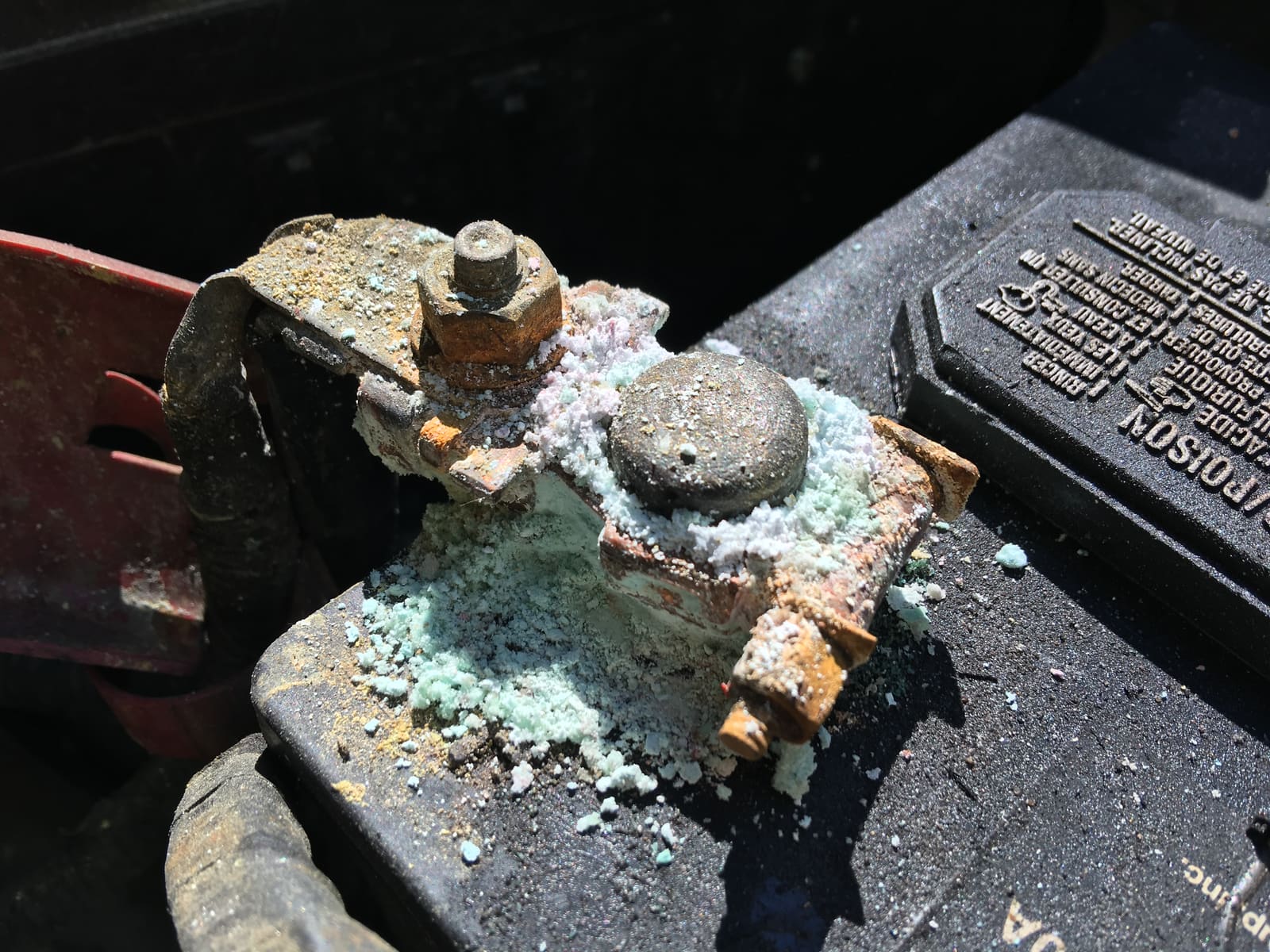
Track down the green crust and loose terminals behind flickering lights, dead gauges and slow cranking with a simple voltage-drop test, then remake the connection the marine way: tinned wire, a proper crimp, adhesive-lined heat shrink and a protective coating.
How to Winterize an Outboard Engine
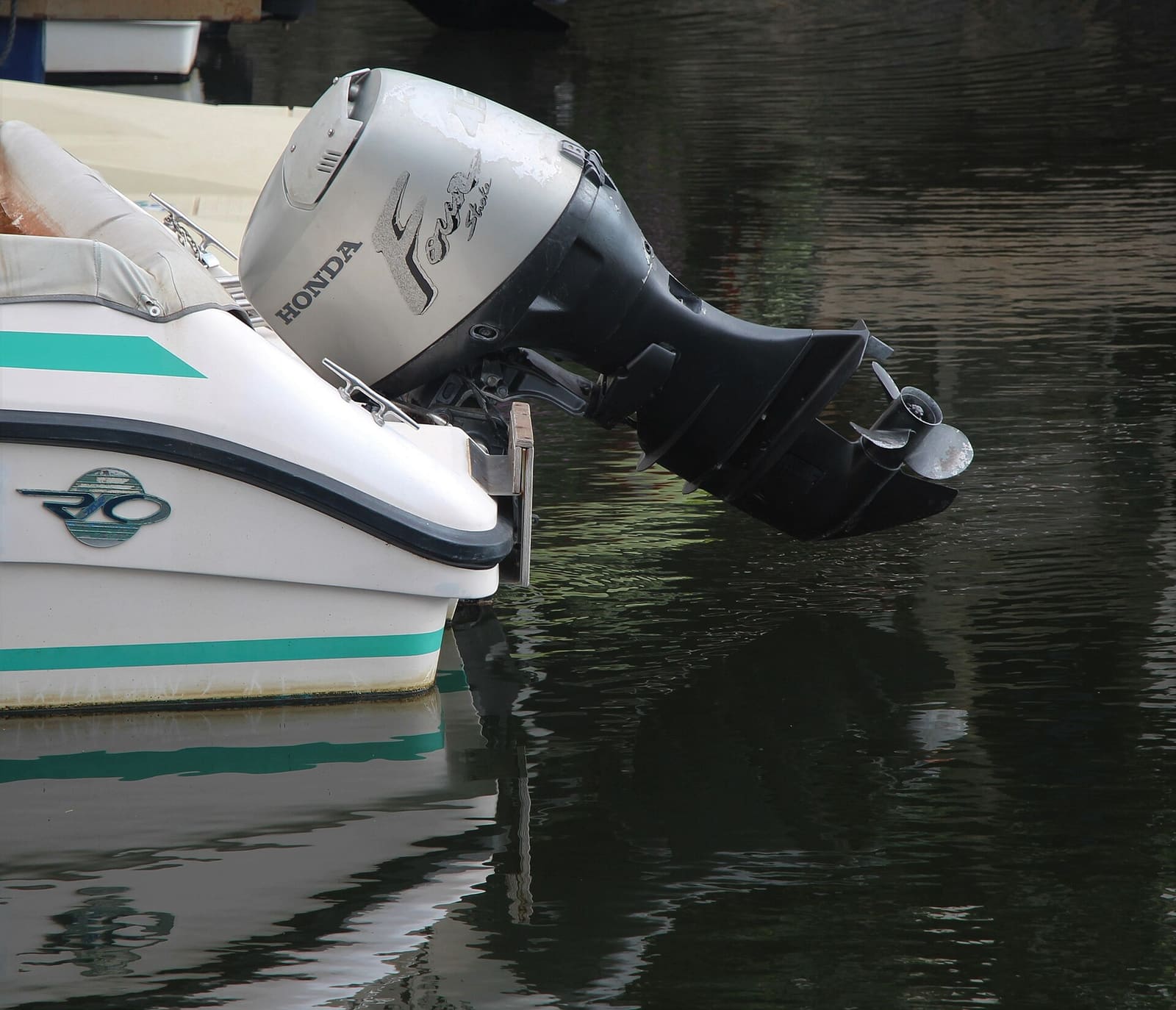
Protect your outboard from freeze damage, stale fuel and internal corrosion over the off-season. Most owners can do it in an afternoon with basic tools, compared with a shop bill that often runs several hundred dollars.