How to Care for a Pontoon Deck, Flooring, Fence and Furniture
Keep a pontoon's carpet or vinyl floor clean and dry, find soft spots in the plywood deck before they spread, check fence rails, gates and seat bases, care for furniture vinyl, and cover and store the boat so mildew and sun do not win.

Time
2 h
Shop would charge
$150-4000
Applies to
All engines · Pontoon
Safety first: A soft, spongy deck can give way under a foot, a seat or a heavy cooler. Mark any soft area, keep weight off it and get it repaired before the next outing. Fence rails and gates are what keep people from going over the side, so never head out with a loose rail or a gate that will not latch, and keep gates closed and latched while under way.
Owners often ask
- My pontoon floor feels soft in spots. Is the deck rotten and can I fix it myself?
- How do I clean pontoon carpet and vinyl seats without ruining them?
This guide walks you through it. Still stuck? Ask the AI Mechanic about your engine.
Tools
- Shop vacuum or wet/dry vacuum
- Soft-bristle brush, soft cloths and an old toothbrush
- Large screwdriver (the handle is your tapping tool)
- Screwdrivers and wrenches that fit your rail, gate and seat fasteners
- Flashlight
- Microfiber towels
Parts & supplies
- Mild boat soap
- Marine vinyl cleaner and a marine vinyl protectant (no silicone automotive dressings)
- Marine mildew remover recommended by your upholstery or flooring maker
- Stainless replacement fasteners to match the originals
- Vinyl repair kit matched to your seat color (optional)
Before you start
How a pontoon deck is built. On most pontoons the deck is plywood screwed down to aluminum crossmembers that sit on the tubes, covered with marine carpet or vinyl flooring glued on top. The fence (rail panels and gates) bolts or screws to the deck edge and frame. Some newer boats use composite or aluminum decking instead of plywood. Check your owner's manual for your floor type and the cleaners your builder approves.
What goes wrong. Water and sun. Epoxyworks explains that moisture gets into deck plywood along the screws that hold the deck and everything mounted on it, and from the damp air underneath, where the plywood is rarely sealed. Once it starts to delaminate, the deck feels spongy and will eventually rot. Sun and mildew attack carpet and furniture vinyl, and loose fasteners slowly work free with every wave.
When to do this. Clean after outings, give everything a full check at the start and end of each season, and look again after any hard knock against a dock or a rough day on big water.
Steps
- Marine carpet is soft and warm underfoot but holds water, sand and stains.
- Vinyl flooring (sheet or woven vinyl) sheds water, cleans easily and dries faster.
- Composite or aluminum decking shows up on some newer and higher-end boats.
The cleaning steps below are general. Follow your flooring maker's instructions if they differ.
Mercury Marine advises against using a hose or any high-pressure washer on glued-down carpet: a vacuum and a damp rag handle routine cleaning. For spills, gently scrub with lukewarm water, a mild detergent and a little white vinegar, then blot dry. If your carpet snaps in, take it out to clean the deck underneath, and make sure the deck is completely dry before you put it back. Shake out or vacuum sand often, because grit grinds the fibers down.
Most vinyl boat flooring only needs a sweep or vacuum and a wash with mild soap and water, using a soft brush in the textured spots. Rinse well so soap does not leave a slippery film. Avoid harsh solvents and strong household cleaners unless the flooring maker says they are safe. Dry the floor before you cover the boat.
Mercury points out that mold and mildew thrive in damp, dark places, so let the boat air out before the cover goes on. Lift seat cushions, open storage lids for a while, and use a wet/dry vacuum on soaked carpet. Covering a wet deck traps moisture against the plywood as well as the carpet.
Walk the whole deck slowly, feeling for any flex or sponginess. Then tap it with the handle of a big screwdriver, starting on a spot you know is solid so you learn the sound. A dull, hollow thud means delamination or rot. Check most carefully:
- Around seat bases, the helm console, the livewell and table posts
- At the gates, the boarding ladder and the bow and stern deck edges
- Anywhere a screw or bolt no longer tightens or holds
- Under carpet edges with dark stains or a musty smell
If you can safely get under the boat on a trailer or lift, look at the underside of the plywood between the crossmembers for dark, wet or crumbling wood.
Epoxyworks is blunt: once moisture damage has set in, the only real repair is replacing the affected plywood. A small area between two crossmembers can sometimes be cut out and replaced; a large or spreading soft area usually means a full deck replacement.
- Do not screw new plywood over the top of a soft deck. That traps the rot underneath and hides it.
- New plywood should be at least as thick as the original, with the underside, edges and every fastener hole sealed (Epoxyworks coats them with epoxy) so water cannot soak in again.
- While the deck is up, inspect the crossmembers and tube brackets underneath for corrosion and cracks.
A full re-deck means removing the furniture, fence and console, so many owners have a pontoon shop do it.
Replacing worn carpet? A common owner question is how to get old glued carpet off. Pull up an edge and peel what you can; the backing often lets go before the glue does. Then soften the remaining glue with a heat gun on low and lift it with a plastic or dull metal scraper, and clean up the residue with the solvent the new adhesive's maker recommends. Work slowly on aluminum decking so you do not gouge it, keep heat away from wiring, vinyl and the tubes, and do it outdoors with good airflow. Use only adhesive made for marine carpet on your deck type.
Grab each rail section and the posts at the corners and push and pull firmly. Look for:
- Loose or missing fasteners where the rail bases meet the deck
- Cracked welds, bent tubes or dented panels
- White powdery corrosion or rust stains around fasteners
- Rail bases that have pulled up, often a sign of soft plywood underneath
Tighten loose fasteners snugly, but stop if a screw just spins: that wood is stripped or rotten and needs a proper repair. Replace corroded fasteners with matching stainless ones. A cracked weld or a rail that will not firm up is a job for a pontoon shop.
Open and close each gate. It should swing freely, close fully and latch on its own without a hard slam. Check that the hinges are tight, the latch catches positively and any pinch guard or gate stop is in place. Rinse sand and salt out of latches and hinges, and use a marine lubricant your builder approves if they stick. Replace a latch that does not hold; a gate that pops open in a wave is a fall-overboard risk.
Crestliner's vinyl care advice:
- Wash seating regularly with mild soap and water, rinse after outings, and use a soft cloth to remove dirt, sunscreen and sweat. An old toothbrush loosens dirt in stitching.
- Dry it thoroughly with a towel; do not rely on air drying, because water hides in the piping and seams and grows mildew.
- Use a soft brush and a marine vinyl cleaner for tough stains.
- Never use bleach, a power washer, ammonia cleaners, degreasers or gasoline. They strip the vinyl's UV protection or damage its coating.
- After cleaning, apply a marine vinyl protectant and renew it on a schedule. Avoid automotive vinyl dressings with silicone.
Sunscreen is a big one. Barletta, a pontoon builder, calls it one of the worst things for boat vinyl: avobenzone, an ingredient in many sunscreens, can strip the vinyl's top coat and leave stains, and tanning oils do similar damage. Its suggestions: put sunscreen on before you board so it soaks in, skip spray-on sunscreen that drifts onto the seats, consider mineral (zinc oxide or titanium dioxide) products, sit on towels, and wipe the seats down often.
Small tears can be fixed with a color-matched vinyl repair kit. Bigger splits and seams that have let water into the foam are best handled by a marine upholsterer.
A common question from new pontoon owners is how to "restore" seat backs that have gone stiff, chalky and cracked. Once sun-baked vinyl hardens and cracks across the surface, no cleaner or dressing brings it back; the fix is new covers or new seats. That is why the cleaning and protectant routine above, plus a cover between trips, matters most on the seat backs and tops that face the sun.

Water hides in seams and piping. Towel vinyl dry and lift cushions so the seat bases can air out. Photo: Diana / Pexels Lift each seat and lid. Look for wet or moldy storage, broken hinges, weak gas struts and loose mounting screws where the seat bases attach to the deck. Clear the drain holes in storage compartments so water can get out, and leave lids propped open on dry days so the compartments can breathe.
- Rinse canvas with fresh water and clean it with a mild soap made for marine fabric; see our canvas and vinyl care guide.
- Lower and boot the Bimini when trailering and when the boat is stored, unless your builder says otherwise.
- Check the frame fittings, straps and hardware for cracks and missing pins.
- Mercury suggests support poles to remove low spots where rain pools. BoatUS warns that rain and snow can make a sagging cover tear or damage the boat, so rig it with a slope that sheds water.
- Use a fitted cover or shrink wrap with vents, and make sure everything is dry first.
- If you can, take cushions home or store them in sealed bins, which also keeps mice from nesting in them (see our rodent prevention guide).
- Prop storage lids slightly open under the cover for air flow, or use desiccant buckets in enclosed spaces.
- Check that rain cannot pool anywhere on the deck or cover. If water collects in one spot, adjust the cover supports or the trailer tilt so it runs off.
Note any soft spots (mark them on a phone photo of the deck), loose rails and repairs in your BoatMend log. A soft spot that grows from one season to the next is a clear sign it is time to re-deck.
Common mistakes
- Pressure washing glued-down carpet or vinyl seats.
- Covering the boat while the carpet, cushions or storage are still wet.
- Using bleach, ammonia or household degreasers on furniture vinyl.
- Screwing a new sheet of plywood over a soft deck to "fix" it.
- Tightening a rail screw that just keeps spinning instead of fixing the rotten wood under it.
- Riding with a gate that does not latch or a loose rail section.
- Drilling new holes for accessories without sealing them, letting water into the plywood.
When to call a pro
- A soft spot larger than your hand, or soft areas in several places
- Rail bases pulling out of the deck, cracked rail welds or a gate that will not latch securely
- Any re-decking job, or damage to the crossmembers or tube brackets under the deck
- Torn seams or soaked foam in furniture: a marine upholsterer
- The boat is still under the builder's warranty: contact your dealer before repairing deck, fence or furniture
Tips
- Seal every new screw hole you drill in the deck with a marine sealant so water cannot follow the screw into the plywood.
- A cheap outdoor mat at the boarding gate catches a lot of sand before it reaches the carpet.
- Keep a towel and a small bottle of vinyl cleaner aboard for sunscreen smudges; they come off much easier fresh.
- When shopping for a used pontoon, walk every inch of the deck and tap it. A soft floor is a costly surprise.
Official references
We read these to write this guide. Your engine's own manual always wins.
Safety: BoatMend is for information only and does not replace a certified marine technician. You are responsible for your safety and your boat. Read the full disclaimer.
Last updated 2026-10-24
Related guides
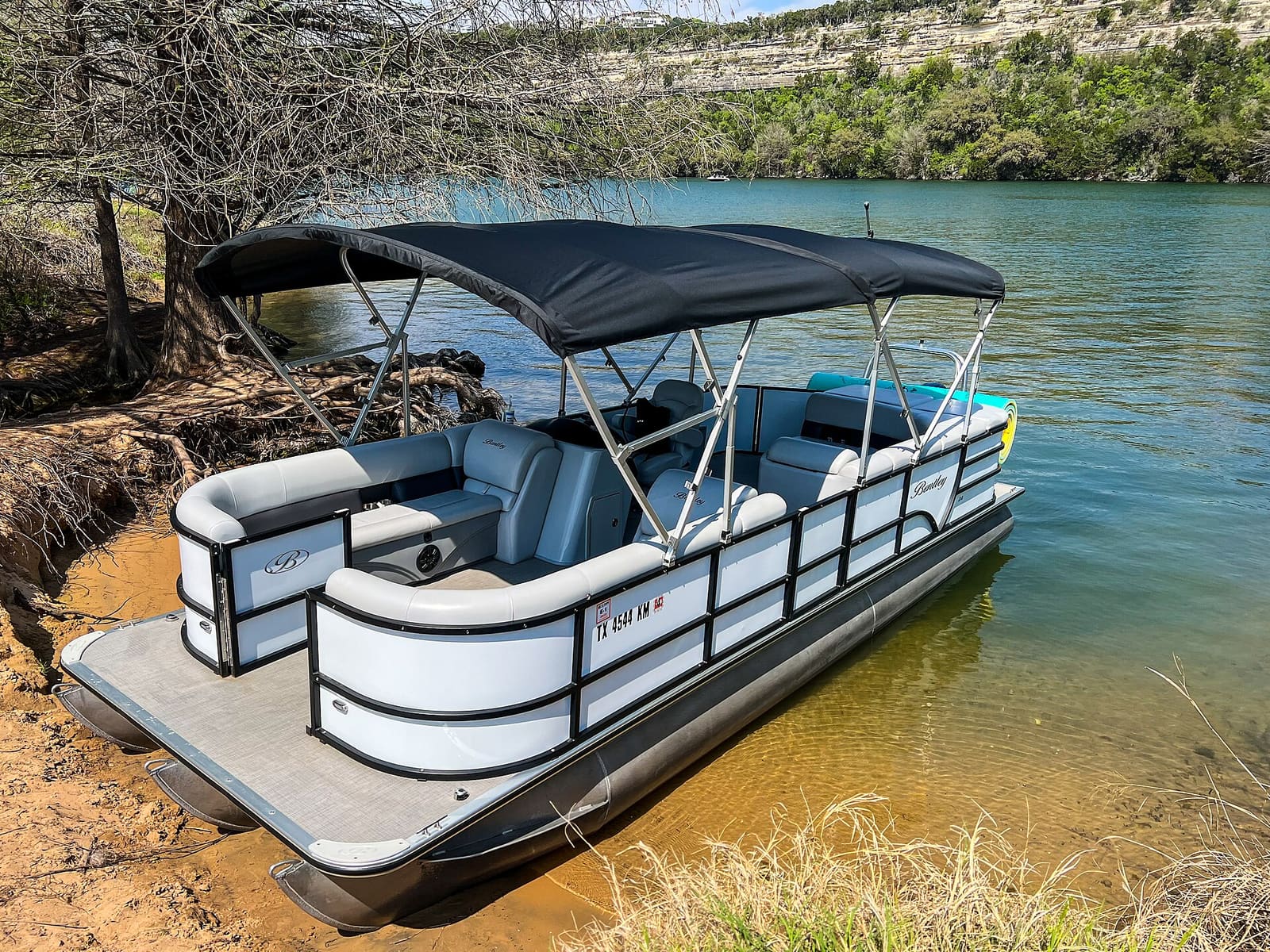
How to Find a Leak When Water Gets Into a Pontoon Tube
A pontoon that sits low on one side, lists or sloshes when you rock it probably has water in a tube. Learn how to confirm it, drain it, track down the pinhole or cracked weld, and choose between a temporary patch and a proper weld repair.
How to Clean and Protect Boat Canvas, Bimini Tops and Vinyl Seats
Wash your bimini, covers and enclosure the right way, beat mildew without wrecking the stitching, keep vinyl seats soft and stain-free, look after zippers and snaps, and store everything so it comes out clean next spring.
How to Prevent and Remove Mold and Mildew on Your Boat
Stop the musty smell and black spots before they start. Find and fix the water source, keep air moving, control humidity safely, and clean mold off gelcoat, vinyl and cabin surfaces with products that won't damage them.

Winter Boat Cover vs Shrink Wrap: Support, Ventilation, Safety and Spring Removal
Choose between a reusable winter cover and shrink wrap, build a support frame that sheds snow, vent it so the boat doesn't mildew, and know the fire risks before you try DIY shrink wrap. Includes spring removal and recycling.
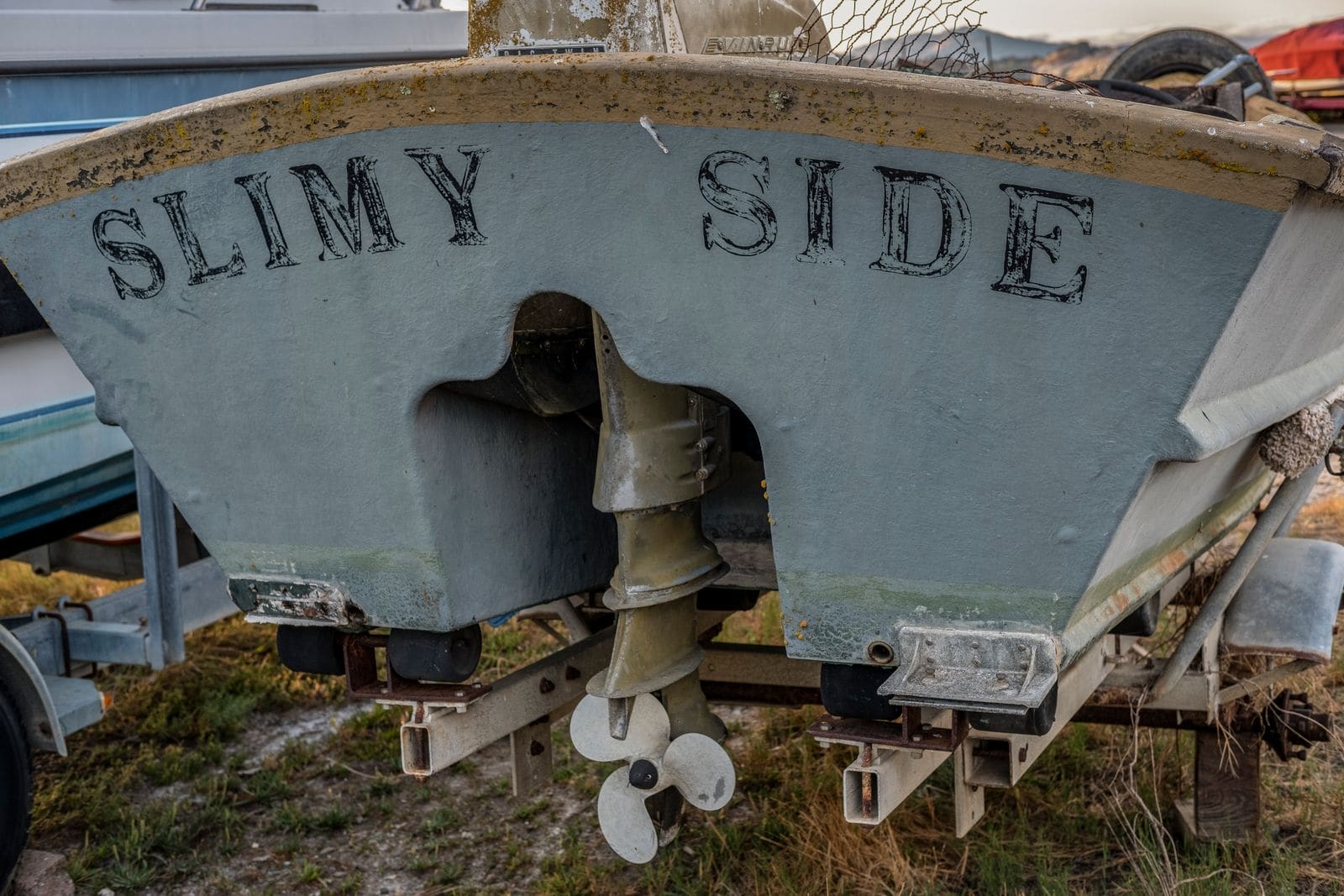
How to Check a Boat for Transom and Stringer Rot
Many older fiberglass boats have wood inside the transom, stringers and deck, and water that gets in slowly rots it. Learn the tap test, the flex test, how to read a moisture meter and the other warning signs, and why a rotten transom or stringer is a structural job for a pro, not a weekend patch.
How to Keep Mice and Rodents Off Your Stored Boat
Mice love a stored boat: dry, quiet and full of soft nesting material and tasty wire insulation. Learn how to remove what attracts them, close their way in, choose deterrents and traps that actually work, avoid the risks of poison, and check the wiring safely in spring.
How to Spot and Prevent Corrosion on an Aluminum Boat
Aluminum hulls and pontoon tubes are tough, but they lose almost every fight with other metals. Learn the warning signs of galvanic and stray current corrosion, keep copper and loose metal away from the hull, choose the right anodes, touch up paint with the proper primer and know when a repair needs a welder.

USCG Required Safety Equipment Check by Boat Length
Walk through your boat and confirm you carry every piece of safety gear the US Coast Guard requires for your boat's length and type, and that none of it is expired or worn out. Missing or expired gear is one of the most common tickets on the water, and it is the gear you need when things go wrong.