Repair & maintenance guides
Plain-English, step by step, written for owners. Pick your engine to see the guides that apply to it.
32 of 459 guides · page 1 of 2
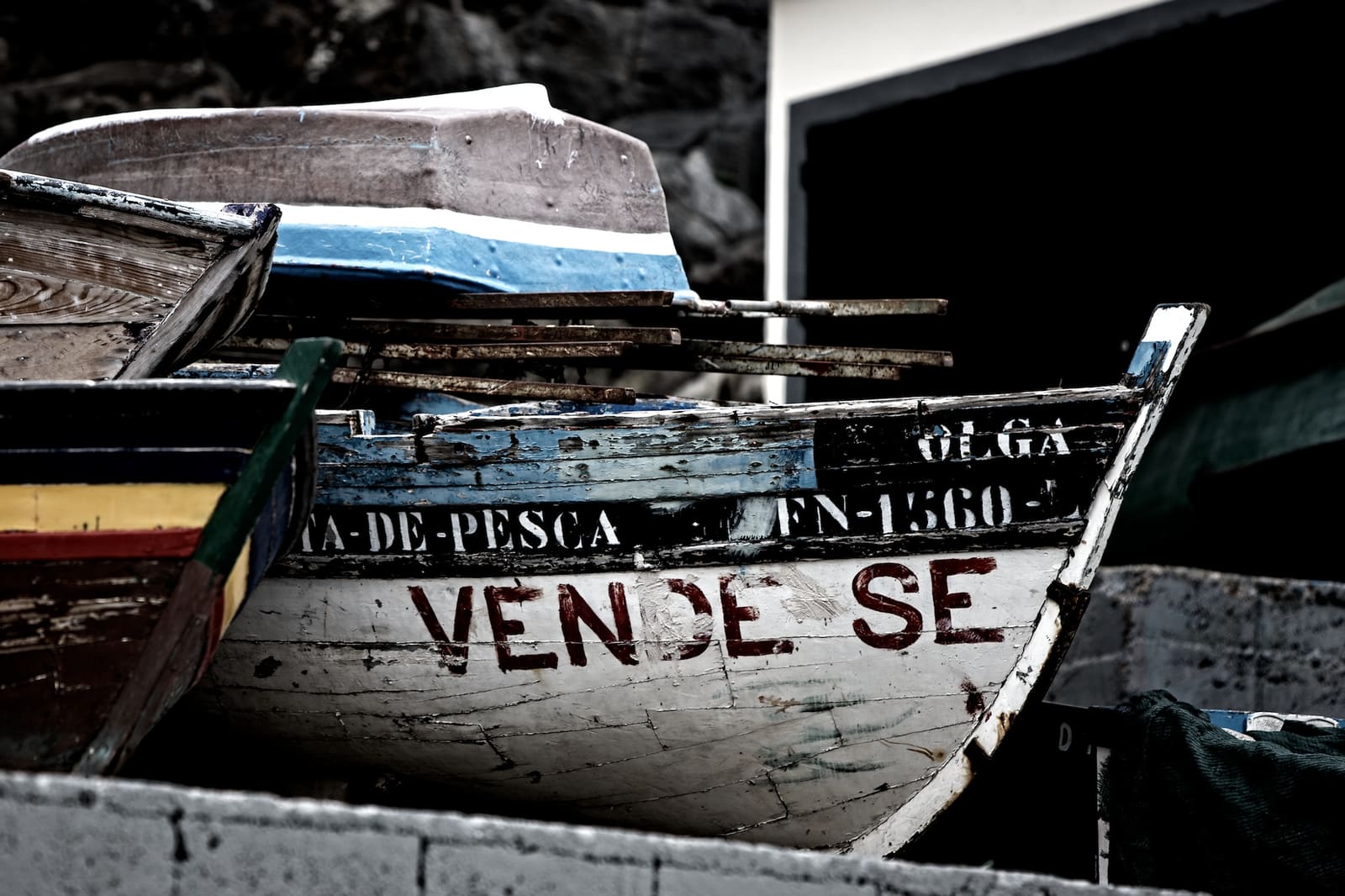
Avoiding Boat-Buying Scams: Fake Listings, Fake Escrow, Overpayment Checks and Safe Payment
How to spot and avoid the scams that target boat buyers and sellers: too-good-to-be-true listings, sellers who are always overseas, look-alike escrow and shipping websites, overpayment checks and fake payment notices. Covers verifying the boat, the title, the HIN and the seller, paying safely, and what to do fast if you already sent money. Practical help, not legal advice.
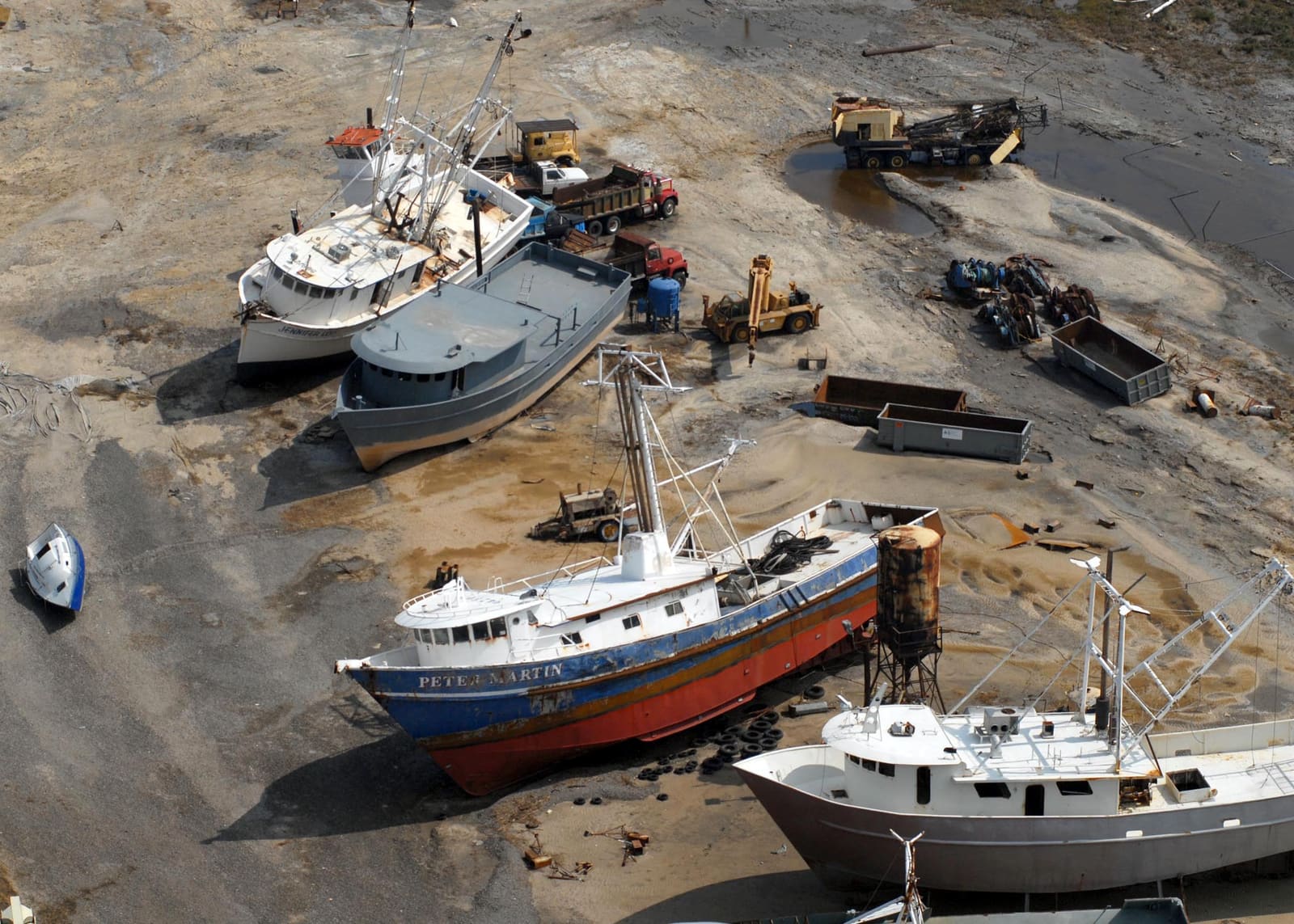
Boat Insurance Policy Basics: Agreed Value vs Actual Cash Value, Navigation Limits, Storm Deductibles and Exclusions
Learn to read a boat insurance policy before you need it: agreed value versus actual cash value, navigation limits and lay-up periods, named storm deductibles, towing, salvage and wreck removal, liability limits, and the exclusions that cause most claim surprises. General information, not legal or insurance advice.
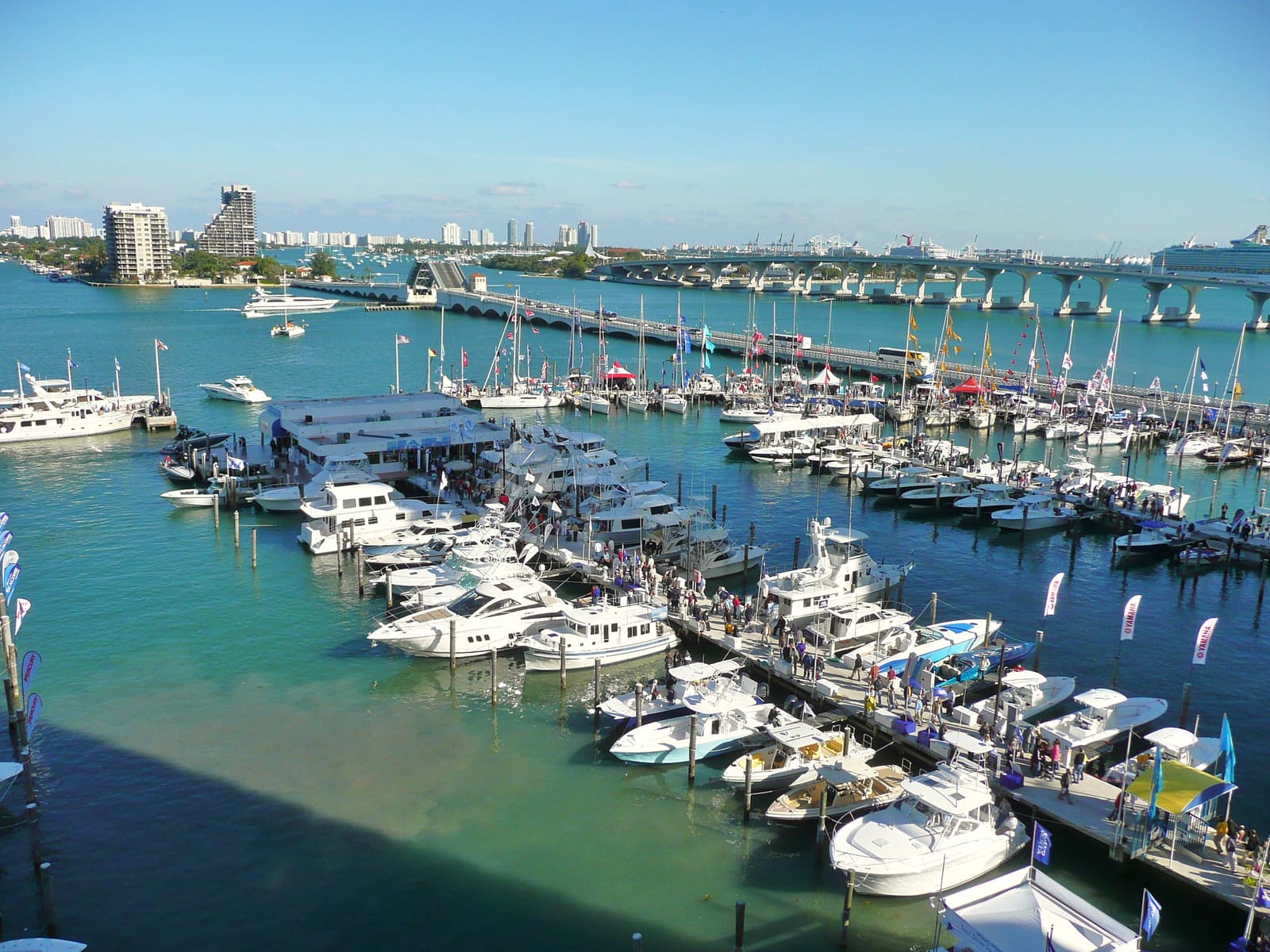
Boat Loan Add-Ons: GAP, Service Contracts and Credit Insurance, and How to Cancel Them
Understand the extras offered at the finance desk when you buy a boat (GAP coverage, extended service contracts and credit insurance), when one might make sense, what they really cost once financed, and how to decline, cancel or get a refund. General information, not financial or legal advice.
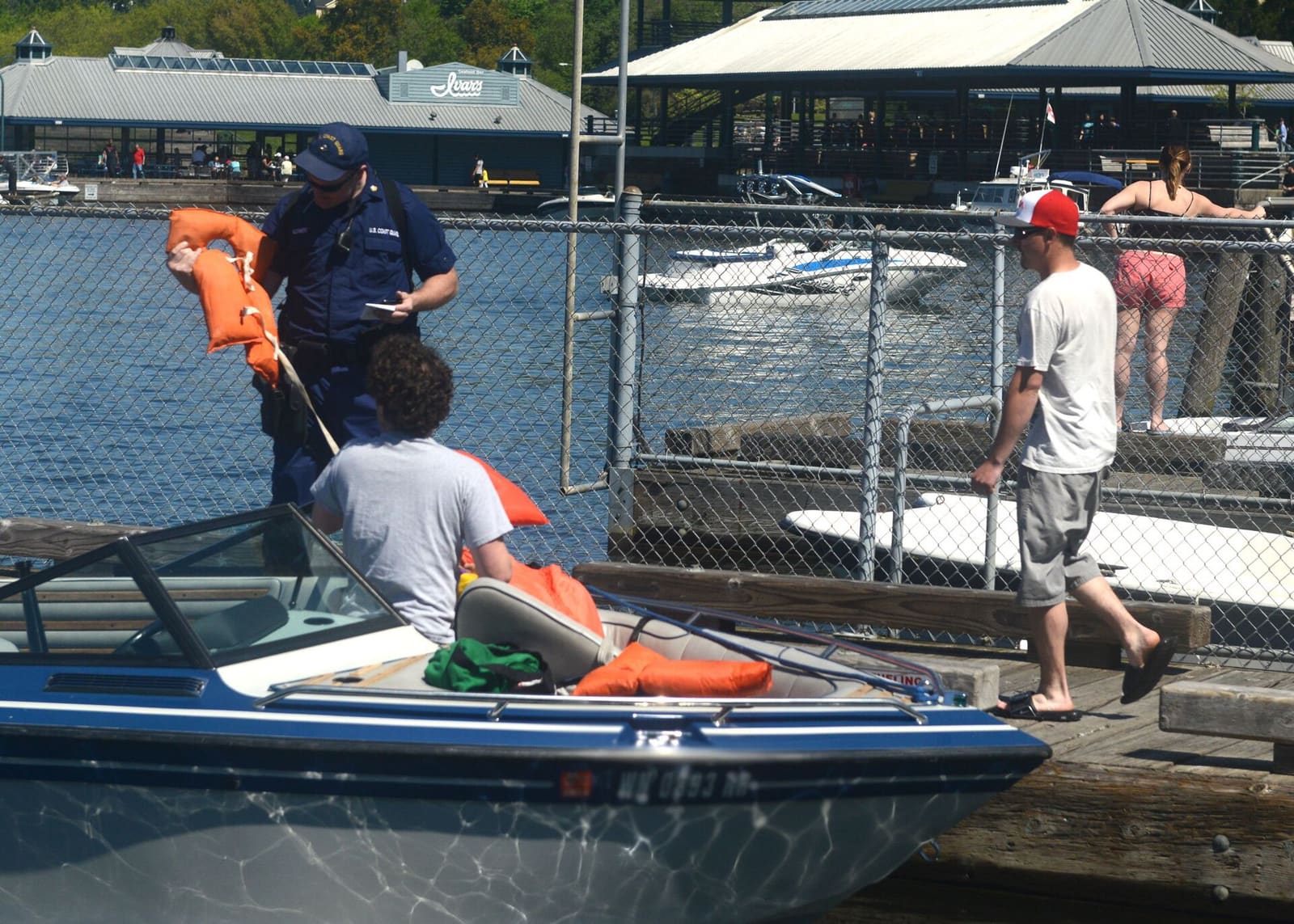
Boat Registration Numbers and Validation Decals: Federal Display Rules, State Placement and Renewals
Display your state registration number and validation decal the way federal rules (33 CFR 173 and 174) and your state require: size, block style, contrast, spacing, placement on the forward half, decal position, what documented boats show instead (name and hailing port), what to carry aboard, and how to never miss a renewal. States add their own details, so check your state boating agency.
Boat Taxes by State: Sales and Use Tax, Yearly Property or Excise Tax, Visiting Limits and Moving
Understand the taxes a boat can trigger in the US (sales or use tax when you buy, a yearly property or excise tax where you keep it, and deadlines when you visit or move to another state) so you can budget for them and avoid penalties. General information, not legal or tax advice.

Boats With No HIN: State-Assigned Hull Numbers for Homebuilt, Pre-1972 and Damaged-HIN Boats
What to do when a boat has no hull identification number, a homemade or kit boat needs one, an older boat predates the 1972 rule, or the number has been damaged or altered: the federal rules, how a state assigns a HIN, the inspection, the proof of ownership and build receipts to bring, how to fix the number to the hull, and the red flags that mean walk away. Practical help, not legal advice; every state runs its own process.
Buying a Boat at Auction: Insurance Salvage, Impound and Lien-Sale Boats Without Nasty Surprises
How insurance salvage, impound, lien-sale and government boat auctions work, what kind of title you'll actually get, why the engine warranty may not follow the boat, how to inspect when you can't sea trial, and how to budget for liens, fees and getting the boat home. General information, not legal advice.
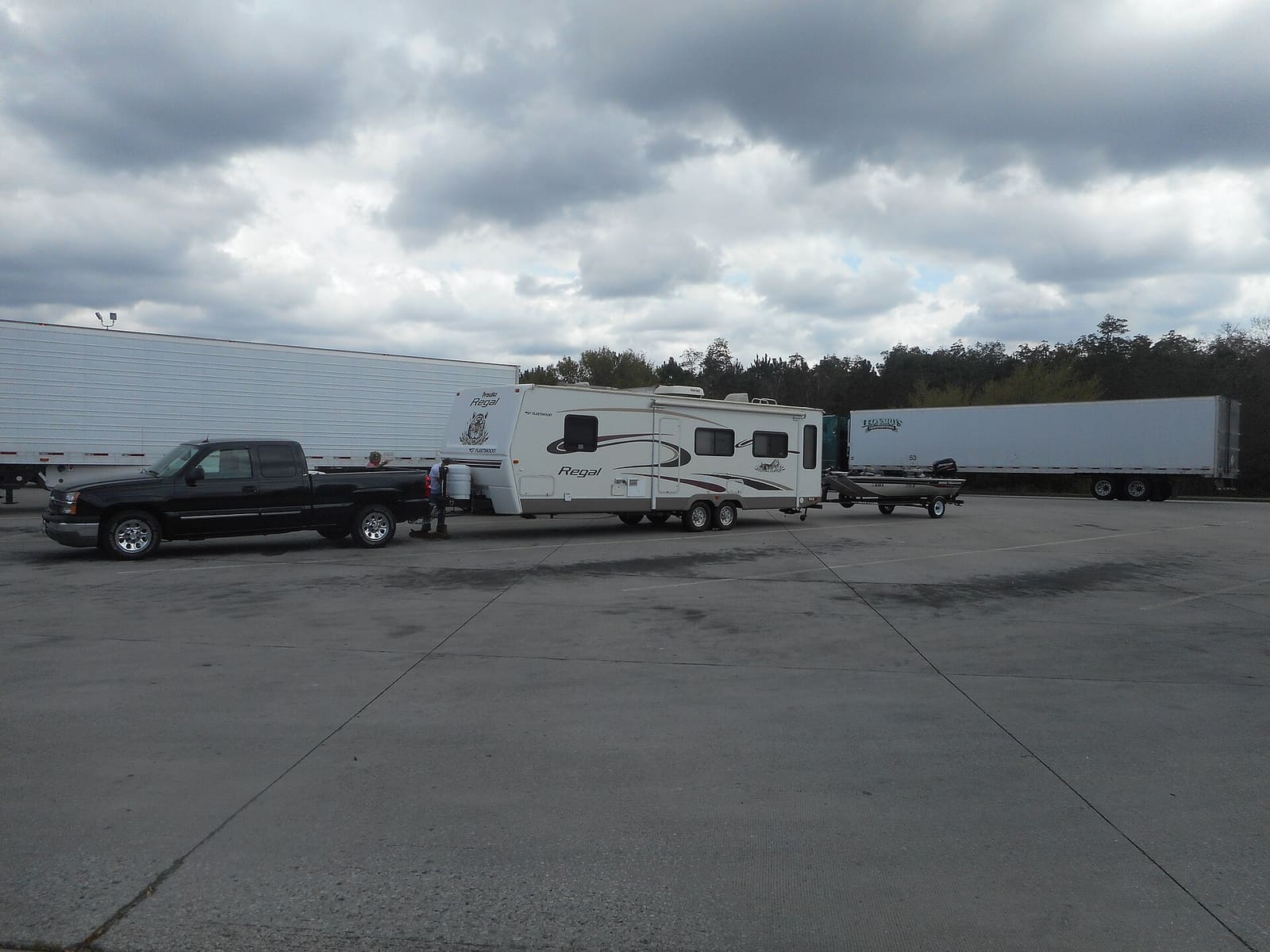
Buying a Boat in Another State: Survey, Paperwork, Taxes, Registration and Getting It Home
A step-by-step plan for buying a boat that is hundreds of miles away: checking it remotely with a local surveyor, matching the HIN and VIN to the title, avoiding long-distance scams, paying the right sales or use tax, registering in your home state, the trailer's own paperwork, temporary permits, and legal towing or professional transport for wide boats. Rules vary by state, so confirm each step with the agencies involved.
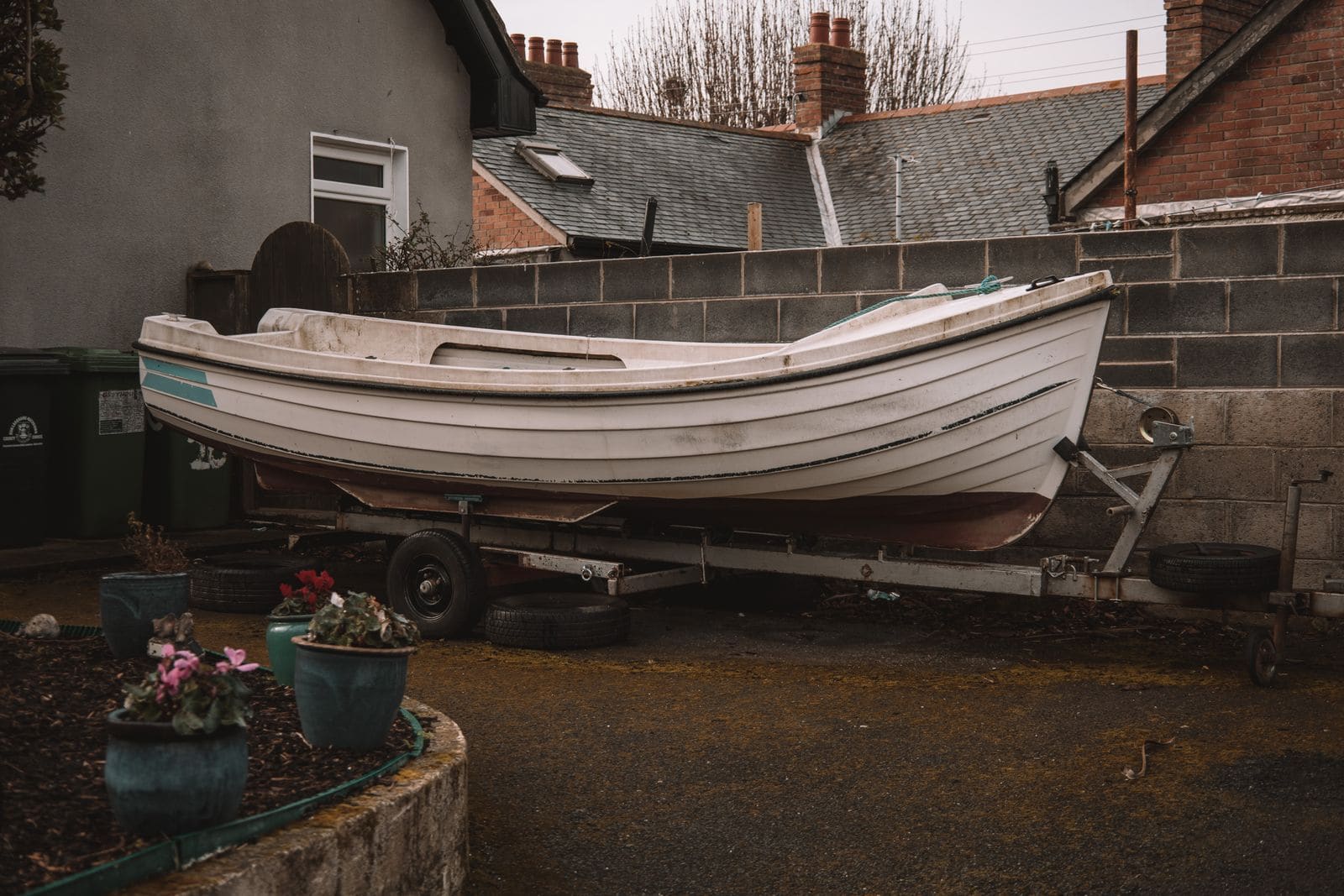
Buying a Boat That Sat Outside for Years: What Fails, How to Inspect It and What It Really Costs
A boat that sat in a yard for years can be a bargain or a money pit. Learn what usually fails (fuel system, waterlogged foam, stringers and transom, wiring, upholstery, trailer), how to inspect and weigh it, when to pay for a survey, and how to price the repairs before you make an offer.
Buying a Documented Boat With an Expired or Deleted Coast Guard Certificate
What an expired or deleted Certificate of Documentation means when you buy a used boat, how to check the record and any mortgage with an Abstract of Title, your two paths (keep it documented or move it to a state title), and how to spot private sites that look like the Coast Guard. General information, not legal advice.
Choosing How to Store Your Boat: Trailer at Home, Dry Stack, Lift, Wet Slip, Mooring or Indoors
Compare the main ways to keep a boat in season and over winter: on a trailer at home or in a lot, in a dry stack, on a lift, in a wet slip, on a mooring or indoors. See what each costs, how it affects growth, corrosion, UV and upkeep, what to check about insurance, HOA rules and security, and how winter changes the choice.
Extended Warranties and Service Plans for Boat Engines: Factory Plans vs Third-Party Contracts
Decide whether an extended service plan is worth it: how factory plans such as Mercury Product Protection and Yamaha Y.E.S. differ from third-party contracts, what they usually cover and exclude, why maintenance records decide claims, how deductibles, transfers and cancellations work, and the questions to ask before you sign. Practical guidance, not legal or financial advice.

Financing a Boat: Loan Terms, Survey and Insurance Requirements, Liens and the True Cost of Ownership
Understand a boat loan before you sign: typical terms and down payments, what lenders check, why they want a survey and insurance, how the lien is recorded (Coast Guard preferred mortgage for documented boats, state title for the rest), how the payoff works when you sell, and how to add up the real yearly cost beyond the monthly payment. Practical guidance, not financial advice.
How Much Is a Used Boat Worth? Pricing Guides, Comps and Condition
Work out a realistic price for a used boat, whether you're buying or selling: check sold and listed comps, read J.D. Power, BUCValu and ABOS values the right way, value the engines separately, adjust for hours, condition, upgrades and location, and know when a valuation survey is worth paying for.
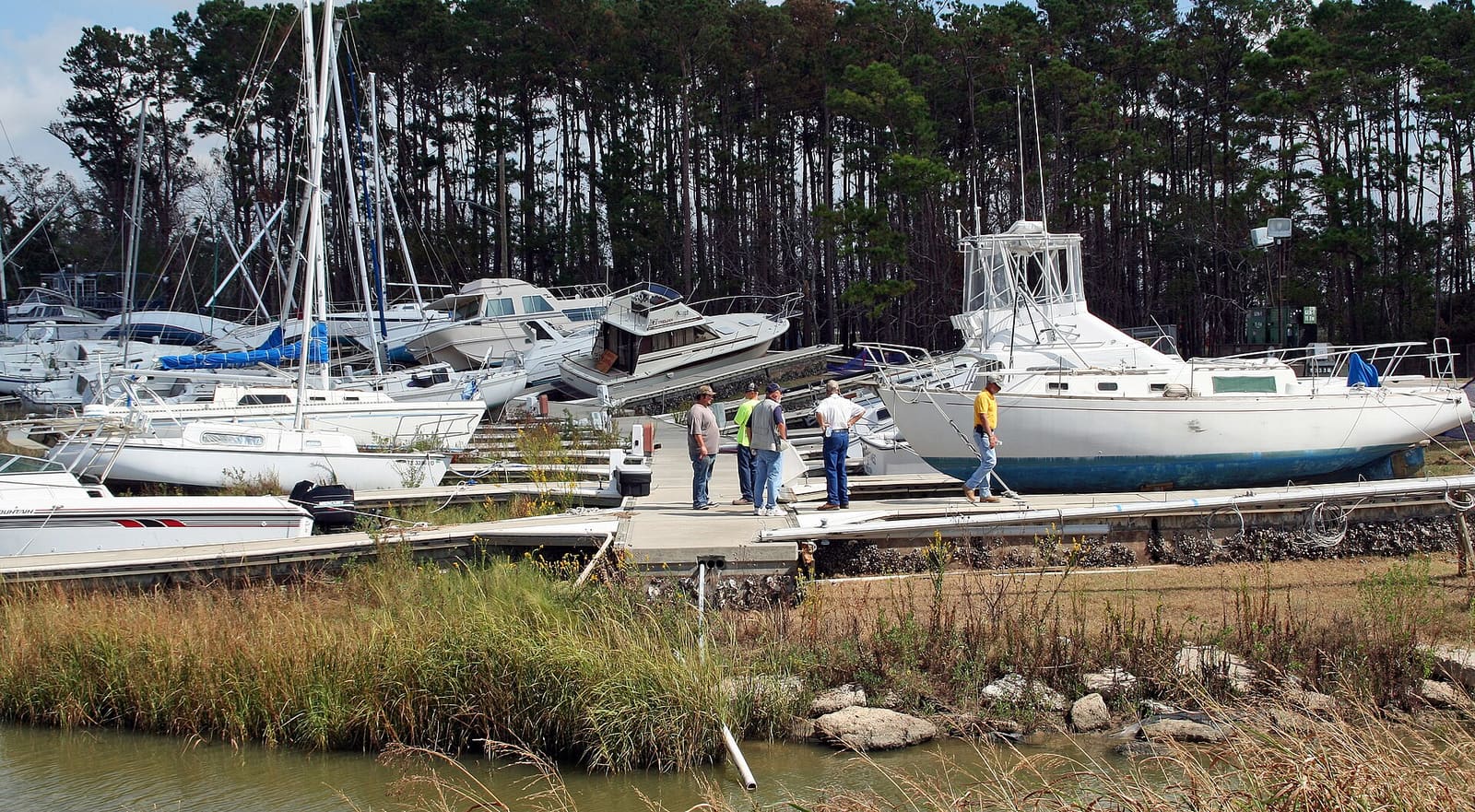
How to File a Boat Insurance Claim: Safety, Mitigation, Documentation and Settlement
What to do from the moment something goes wrong until the check arrives: make everyone safe, stop further damage, report right away, document with photos and your maintenance log, handle towing versus salvage, work with the adjuster or surveyor, and understand agreed value, actual cash value and the common exclusions. Policies differ, so your own policy wording always wins.

How to Get Rid of an Old Boat: Sell, Donate, Turn In or Scrap It the Right Way
An old boat nobody wants can cost you money for years. Learn your real options (selling as-is, donating, state vessel turn-in programs, landfill or dismantling), the tax rules on donations, how to cut your name off the registration and title, and why you should never abandon a boat.

How to Get Your Boat Ready to Sell (Records, Title and Prep)
Prepare your boat for sale the way buyers and surveyors expect: gather the title, registration and HIN paperwork, organize your maintenance records and receipts, fix the small stuff, detail the boat, get it ready for a sea trial and buyer's survey, and close the deal with the right documents.
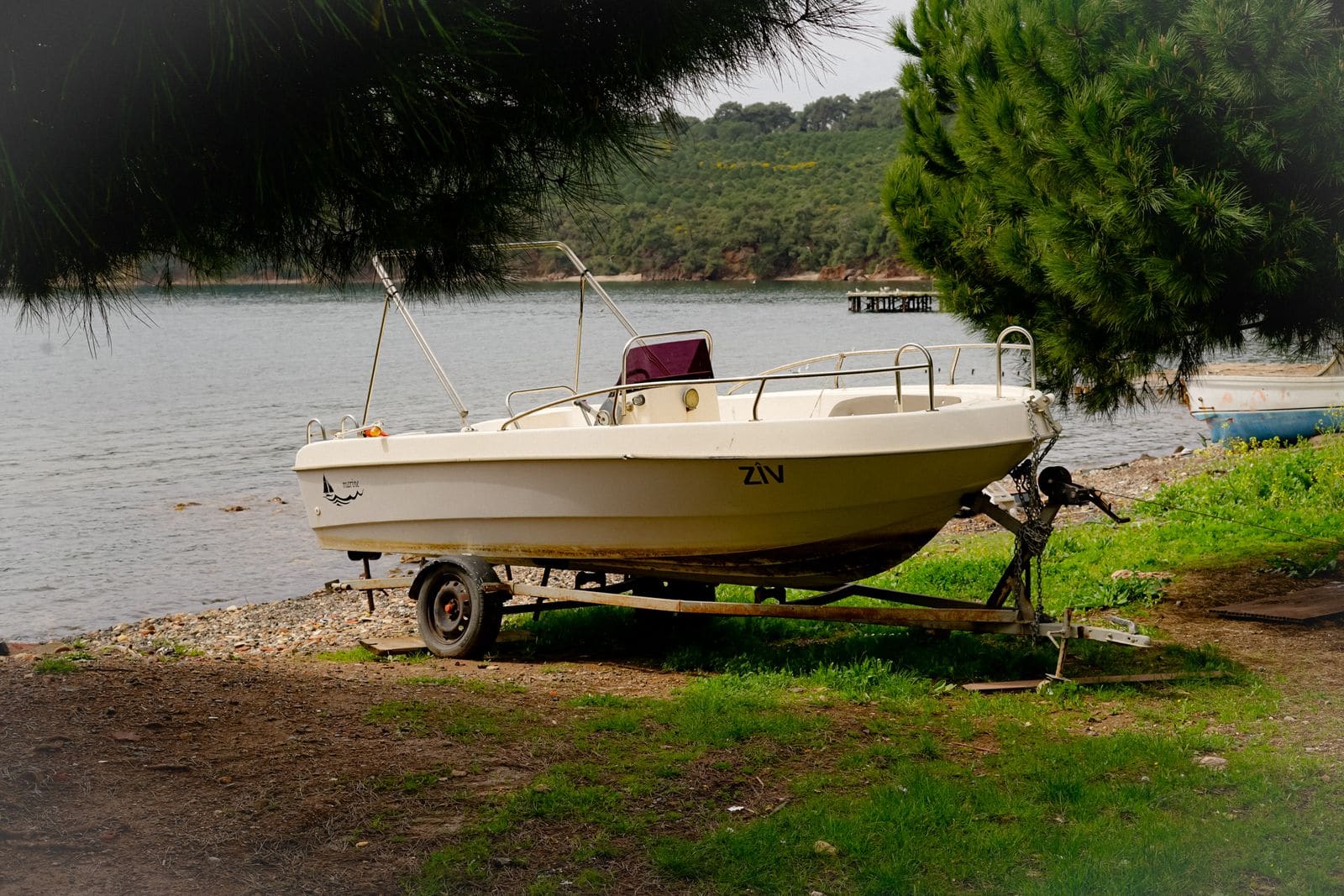
How to Inspect a Used Boat Before You Buy
A step-by-step checklist for looking over a used boat, from paperwork and the hull ID number to the transom, engine, compression test, sea trial and trailer. Know what to check yourself, what the red flags mean, and when to pay a marine surveyor.
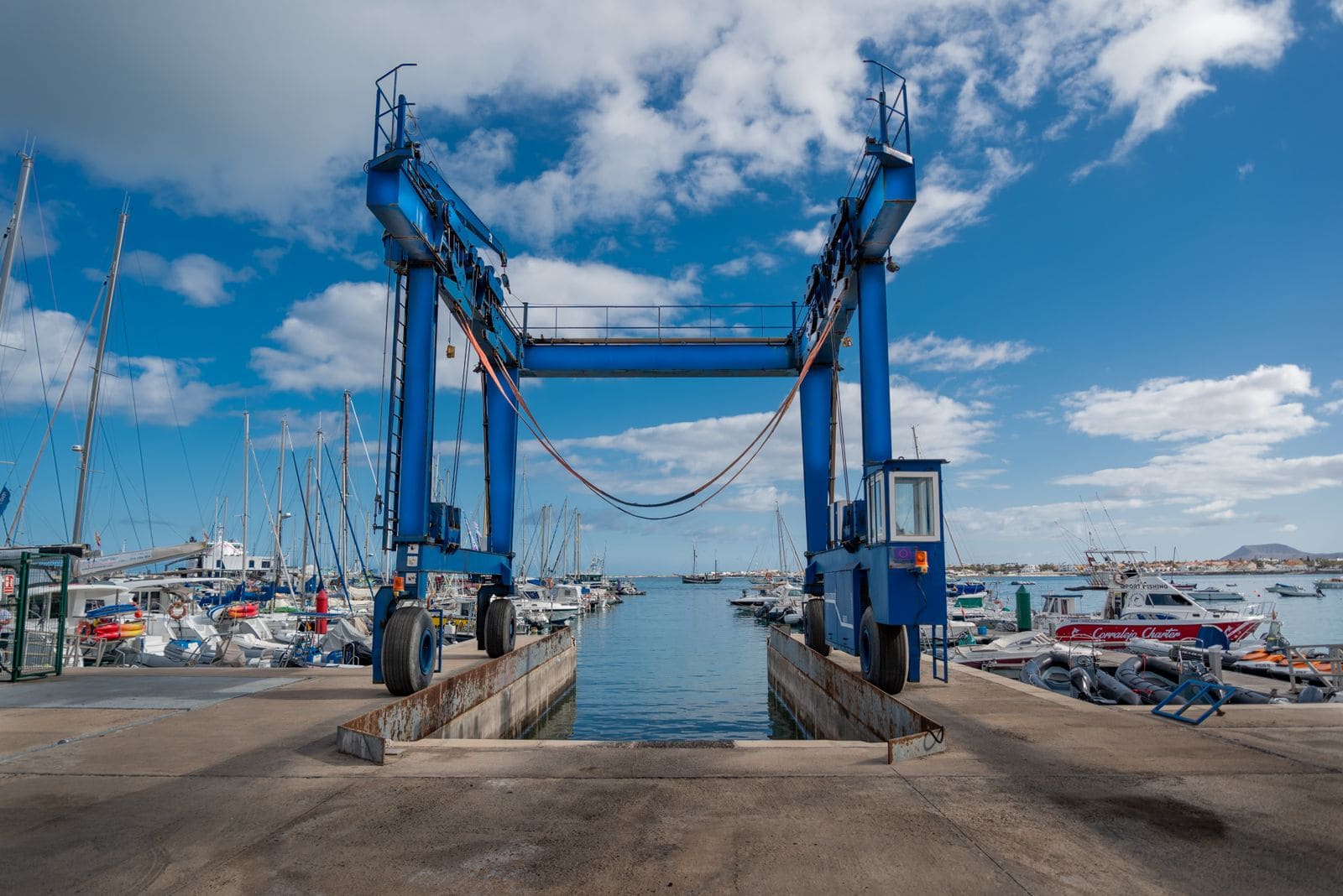
How to Prepare Your Boat for an Insurance or Condition Survey
Get ready for a marine survey your insurer or lender asked for: what a SAMS or NAMS surveyor looks at, the common findings you can fix beforehand (hose clamps, seacocks, bilge, fire extinguishers, wiring), the paperwork to have ready, and how to handle the recommendations afterward.
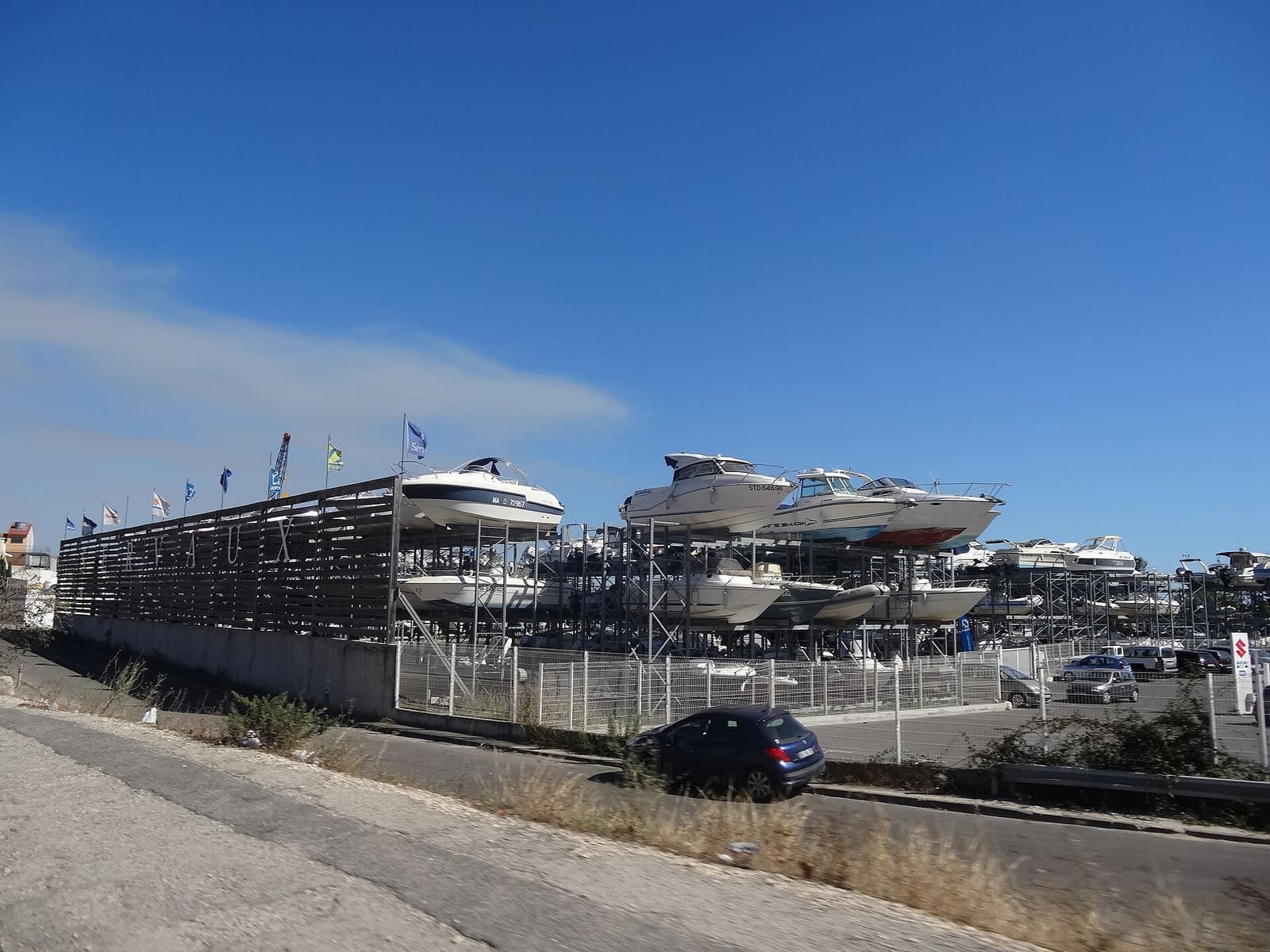
Marina and Storage Liens: How Lien Sales Work, Buying a Lien-Sale Boat, and Not Losing Yours
How unpaid slip, storage or repair bills turn into a lien and then a sale, using Florida and California as examples; what an owner can do to stop it; and how a buyer checks that a lien-sale or abandoned boat comes with paperwork the state will actually title. Every state has its own process and deadlines, so confirm with your state agency.
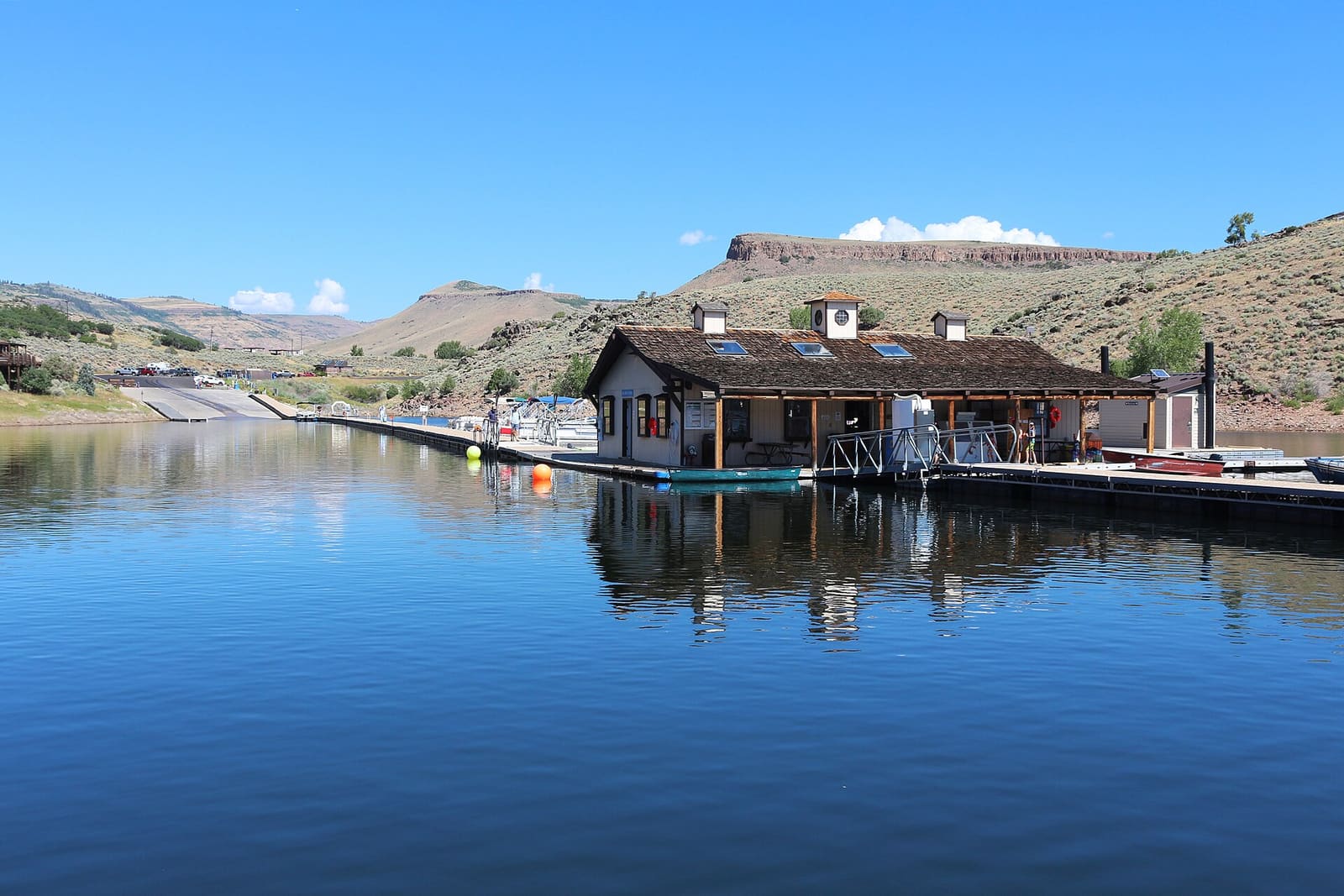
Marina Slip and Storage Contracts: What to Read Before You Sign
Walk through a slip, mooring or winter storage contract clause by clause: insurance and additional-insured requirements, hold-harmless and waiver-of-subrogation language, liveaboard and work rules, DIY and outside-contractor limits, storms, termination, refunds and lien rights, plus the questions to ask the marina and your insurer. Practical guidance, not legal advice.

On-Water Towing Plans: BoatUS vs. Sea Tow vs. Your Insurance Towing Coverage
Compare a BoatUS or Sea Tow towing membership with the towing coverage on an insurance policy: what each pays for (tows, soft ungroundings, jump-starts, fuel delivery), why hard groundings and sinkings are salvage that only hull insurance covers, how to call for help, and what to have ready when you do.
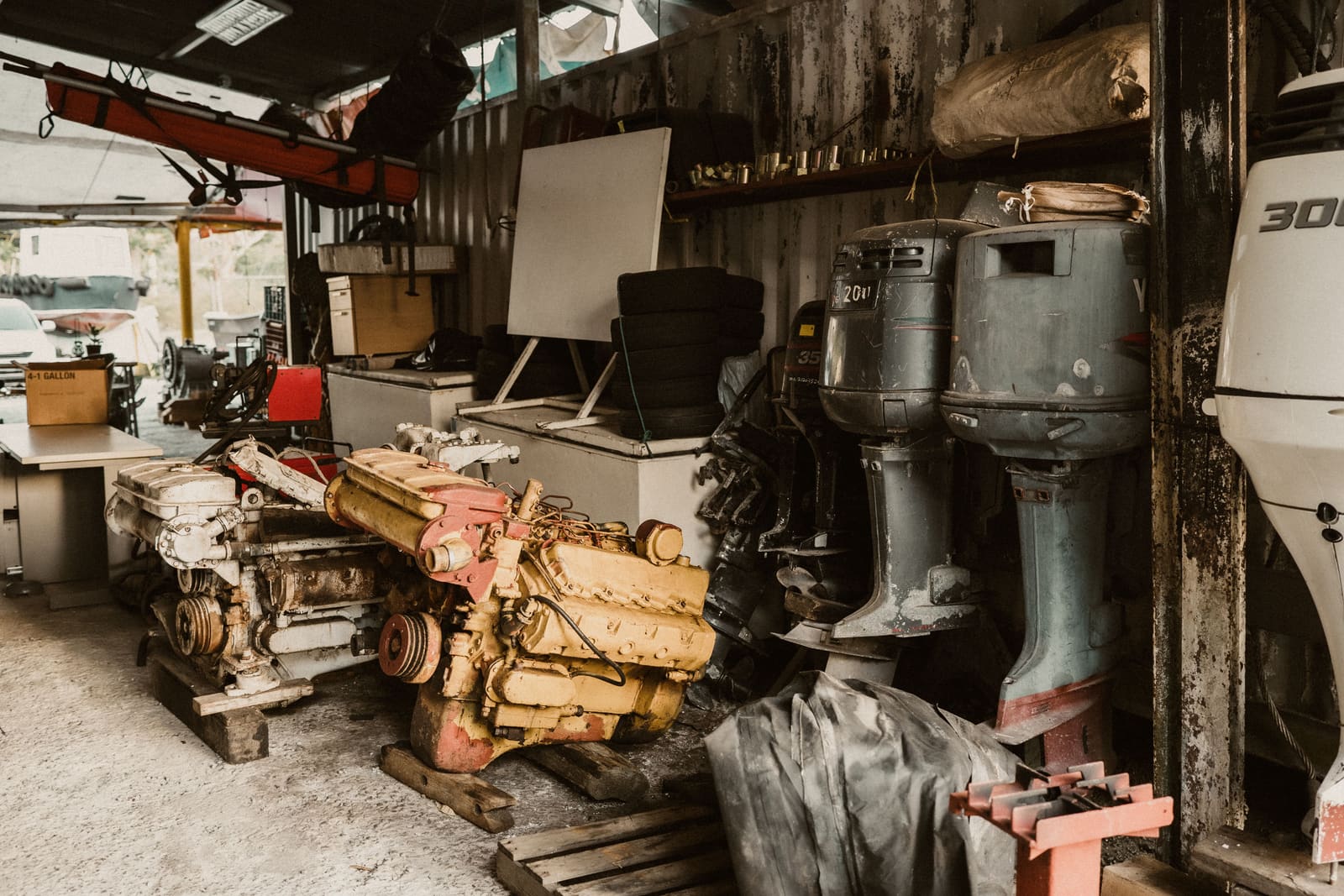
Planning a Repower: Horsepower Limits, Transom, Rigging, Prop and Costs
Putting a new engine on a boat you love can cost far less than a new boat, but only if the plan is right. Learn how to read the capacity plate for maximum horsepower and weight, check the transom, sort out controls, gauges and rigging, budget for the prop and the extras, and decide between a dealer installation and doing it yourself.
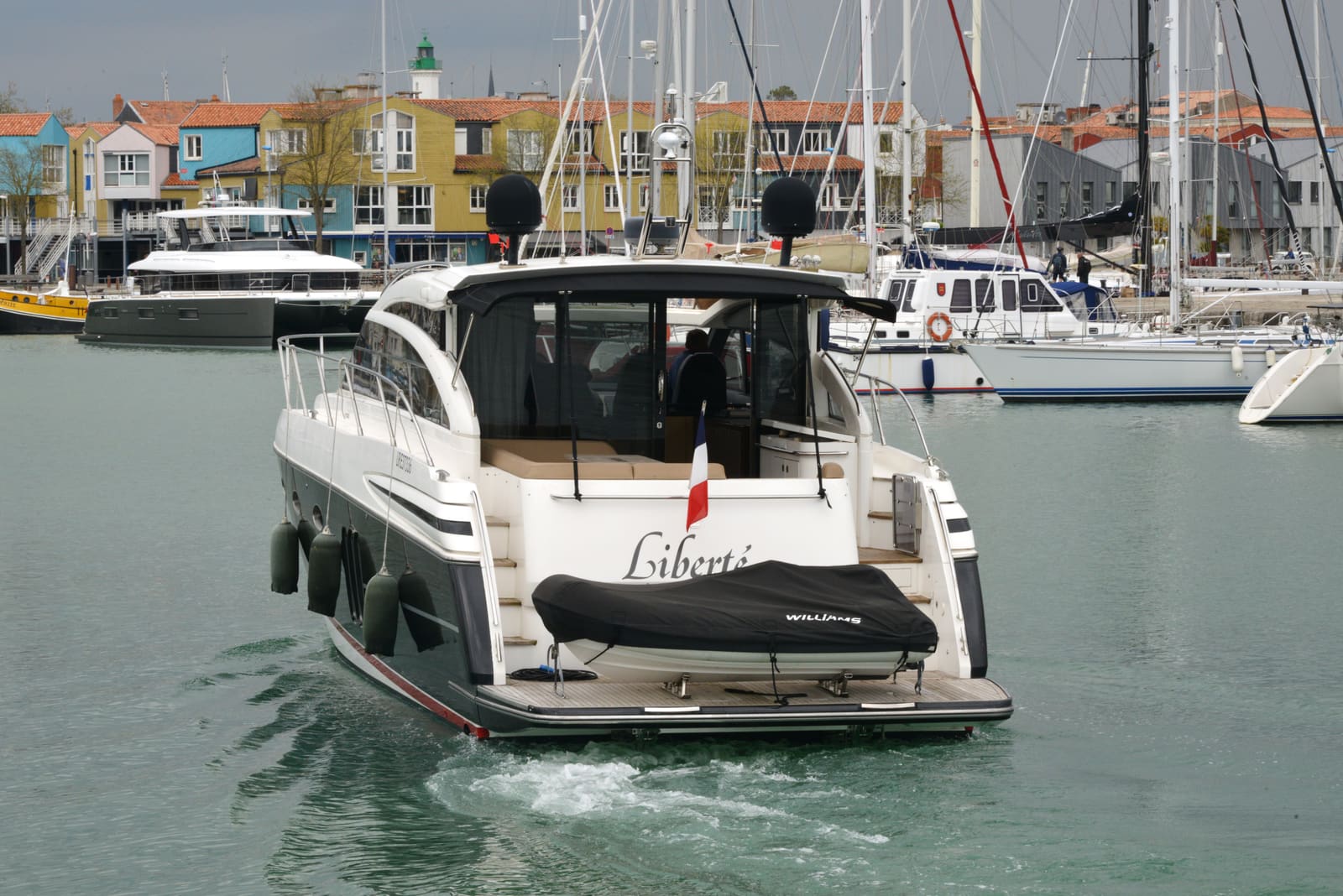
Renaming a Boat: Paperwork, Removing the Old Name and the Optional Ceremony
Change your boat's name the right way: what a state-registered boat needs versus a Coast Guard documented boat (name change and hailing port go through the NVDC before you letter the hull), getting every trace of the old name off, lettering rules for documented boats, who else to tell (insurer, marina, MMSI, EPIRB, AIS), and the traditional renaming ceremony if you want the fun.
Safety: BoatMend is for information only and does not replace a certified marine technician. You are responsible for your safety and your boat. Read the full disclaimer.