Repair & maintenance guides
Plain-English, step by step, written for owners. Pick your engine to see the guides that apply to it.
509 guides · page 15 of 22
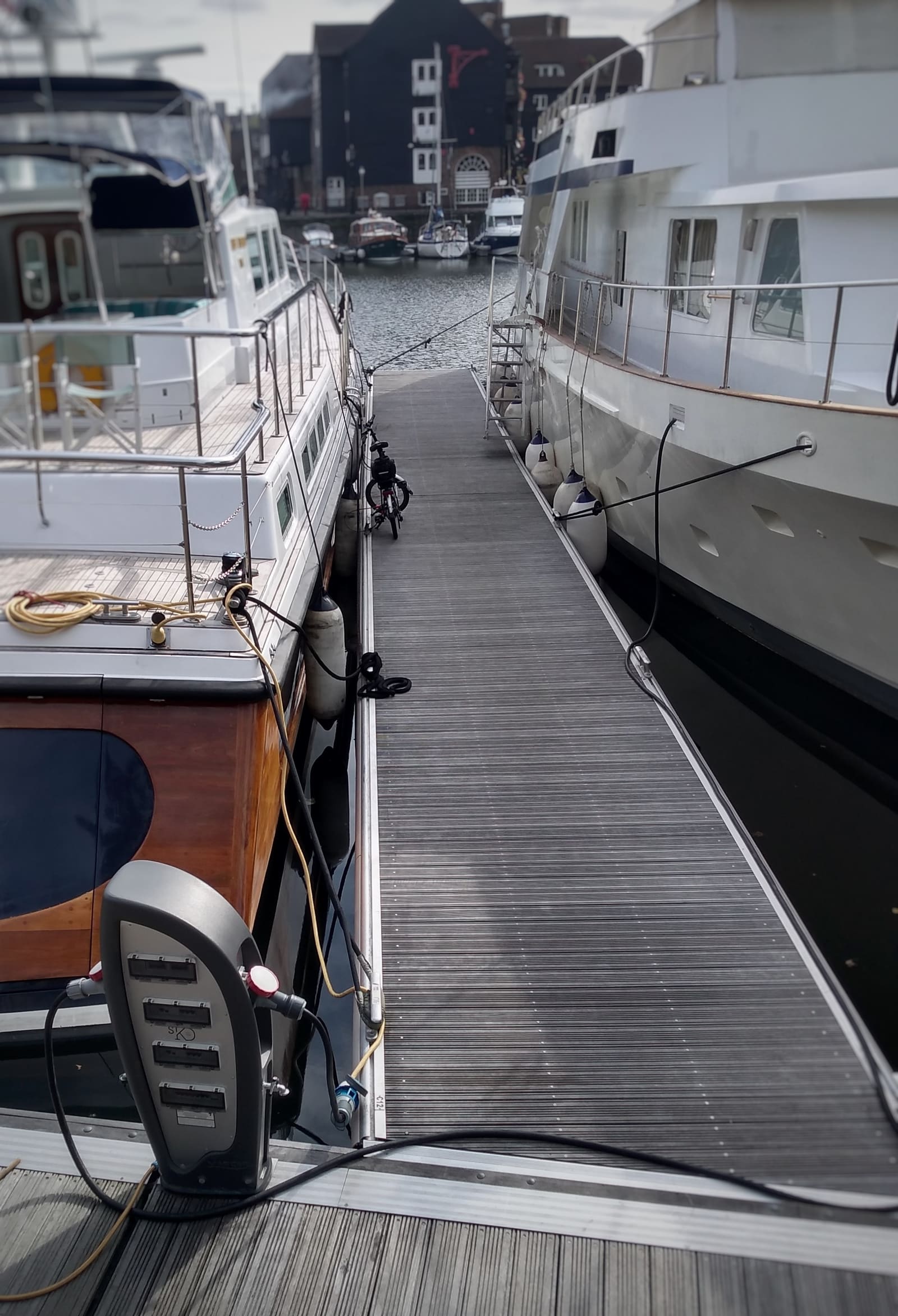
Isolation Transformer vs. Galvanic Isolator: Which Does Your Boat Need?
Understand how a galvanic isolator and an isolation transformer each protect a boat on shore power, when the heavier, pricier transformer is worth it (stray-current marinas, aluminum boats, liveaboards), and what to ask the ABYC-certified electrician who installs it.
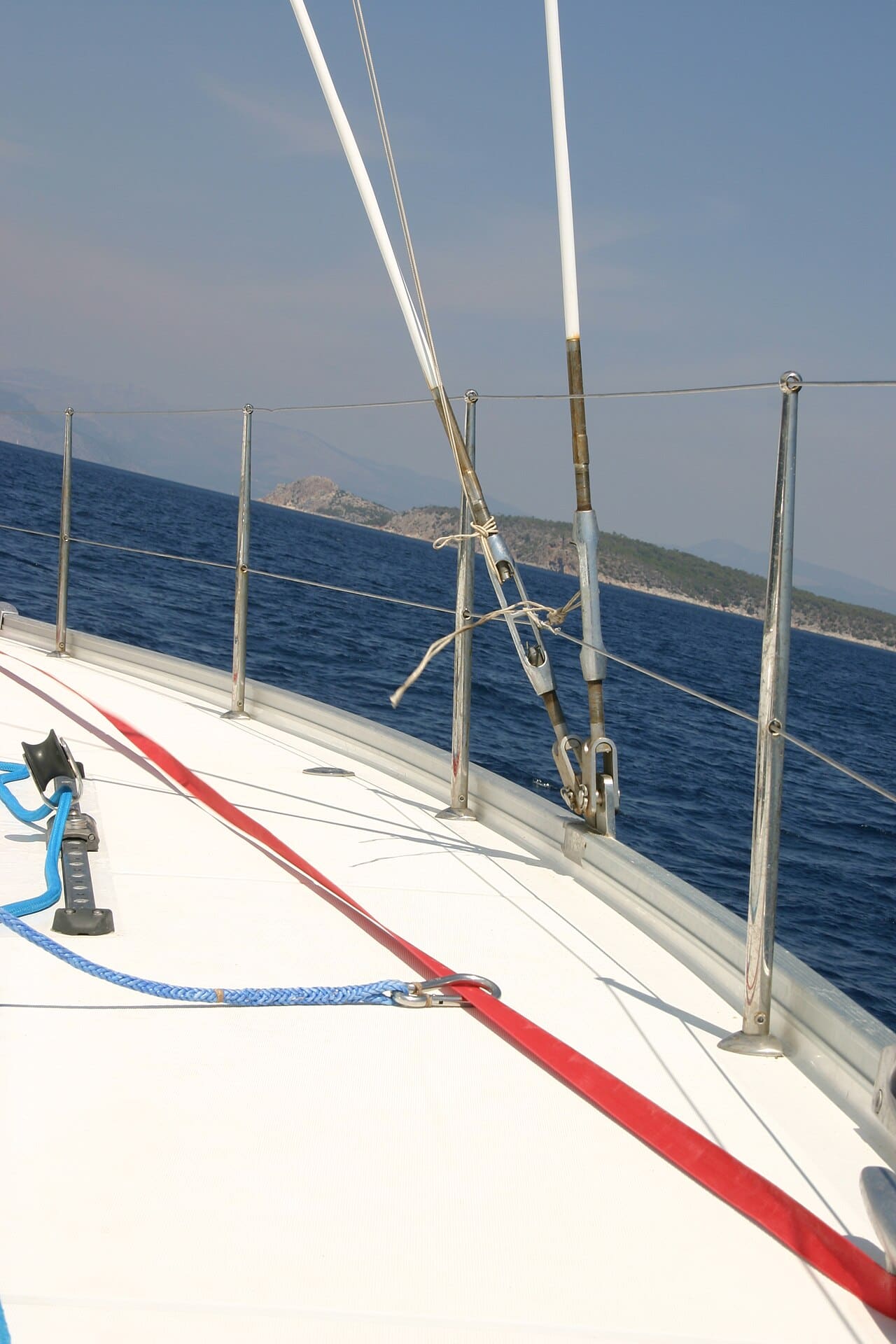
Jacklines and Tethers: How to Rig Them and Use Them So You Stay Aboard
Jacklines and a good tether keep you attached to the boat when you work on deck at night or in rough weather. Learn which jackline material to pick, where to run it and what to anchor it to, how to choose a double tether with safe hooks, and the clip-in habits that make the system work.
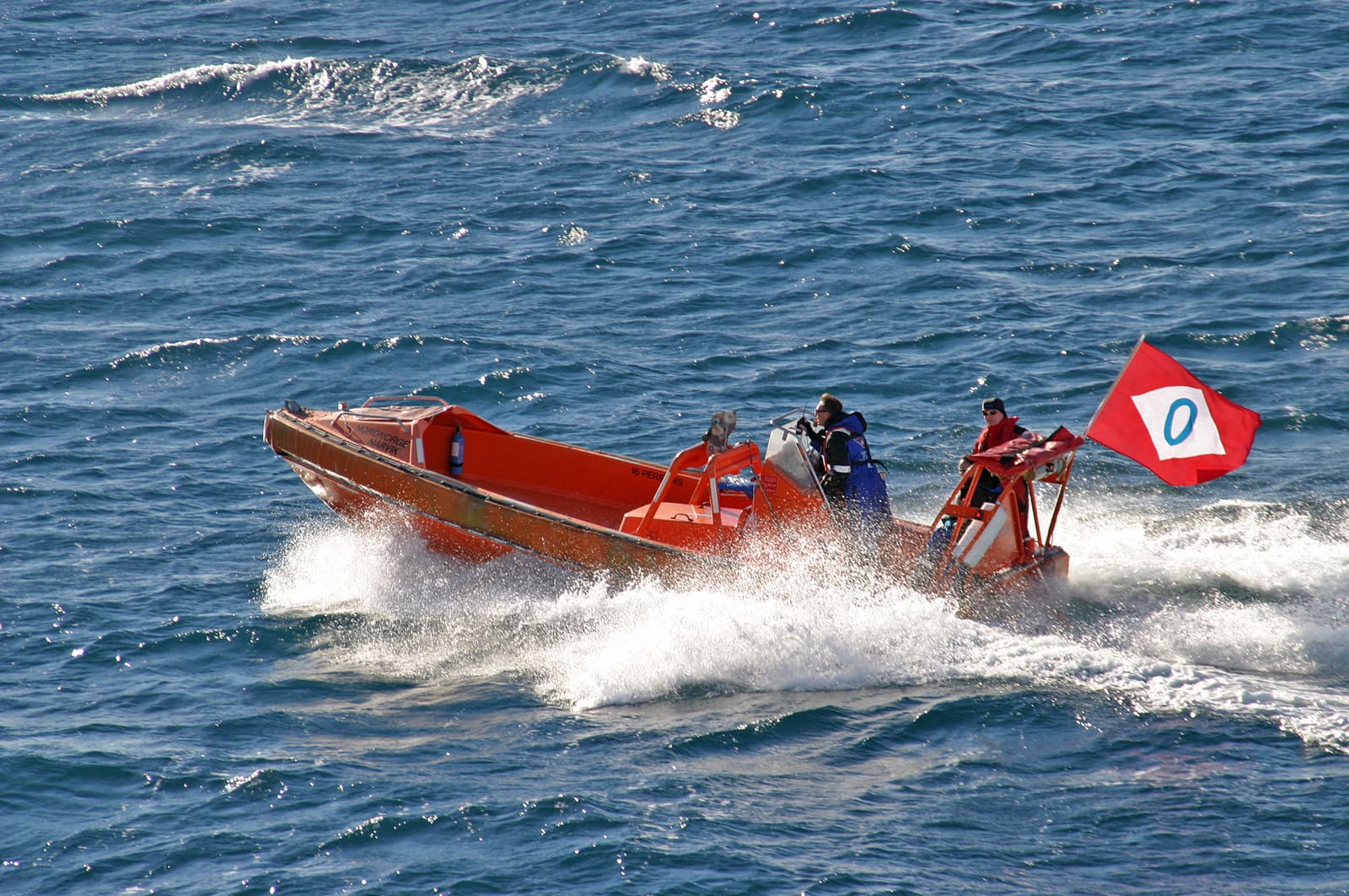
Jet Boat Care - Flushing, Clearing the Pump, Oil, Steering Nozzle and Storage
A practical care routine for twin-engine sport jet boats like Yamaha models: pre-ride and post-ride checks, flushing both engines the safe way, clearing debris from the pumps, spotting a worn wear ring, keeping the nozzle and reverse bucket working, and getting the boat ready for storage.
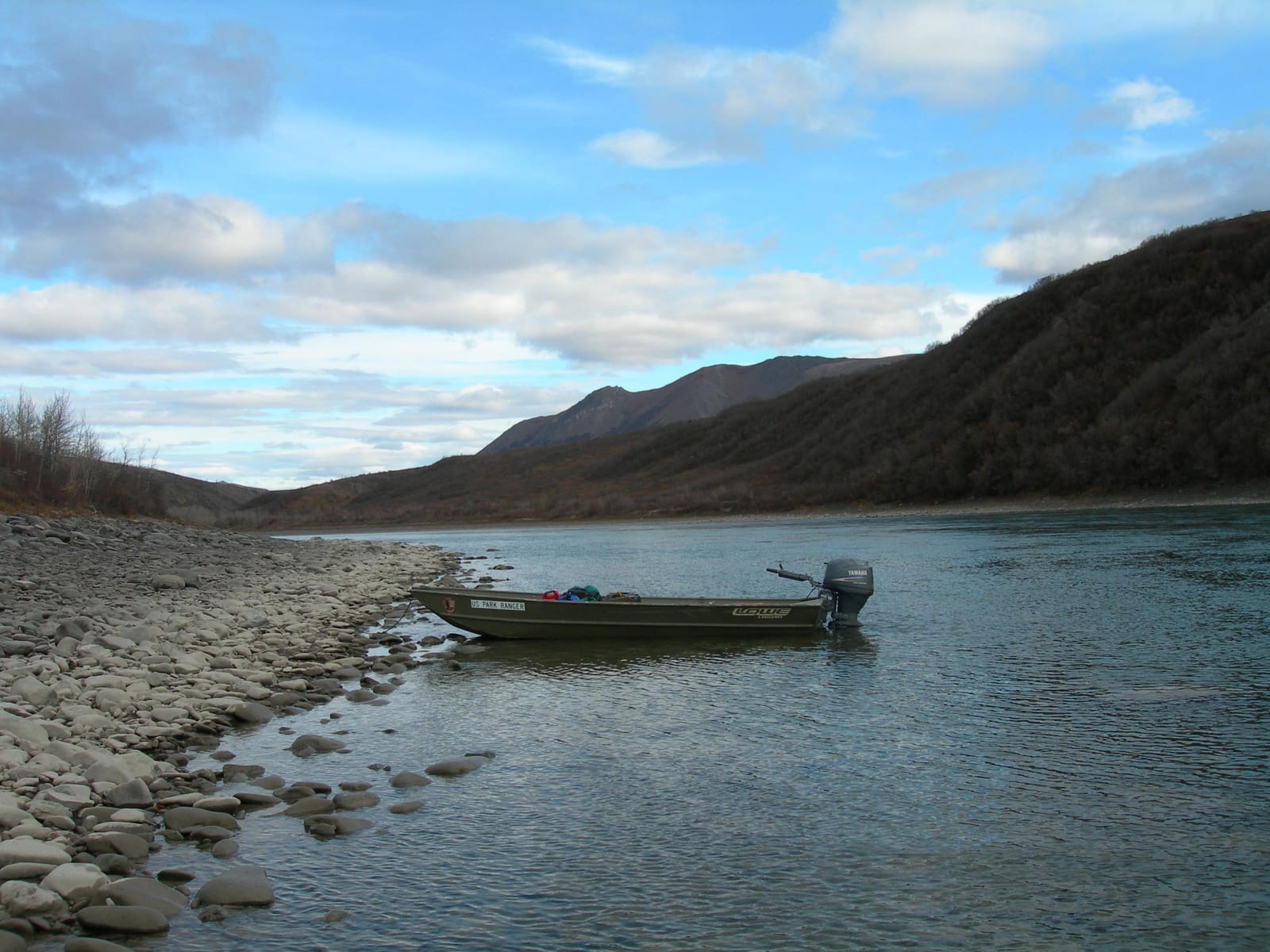
Jet Outboard Care: Grease, Intake Grate, Impeller Clearance and Shallow-River Habits
A jet outboard trades the propeller and gearcase for a pump, so it needs different care. Learn how mounting height works, why the pump bearing needs frequent grease, how gravel and a worn impeller steal thrust, how to clear the intake safely, and when an adjustment is a shop job.
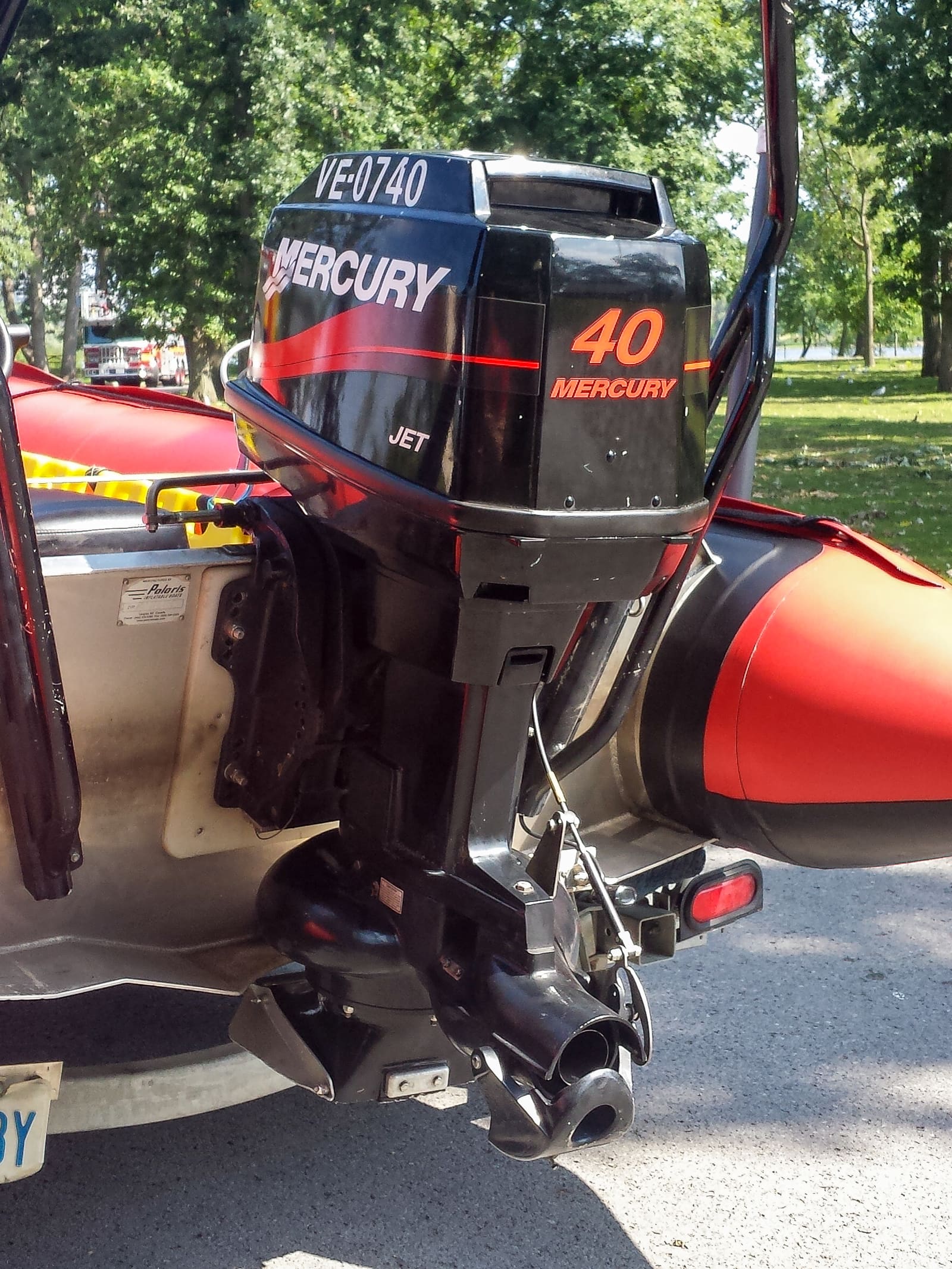
Jet Outboard Impeller Shimming and Sharpening: Win Back Lost Thrust
Gravel and sand slowly round off a jet impeller's edges and open the gap to its liner, and the boat loses push. Learn the signs, how to make the motor completely safe to work on, how moving thin shims closes the gap, and how a light touch-up on dull blade edges can restore performance.
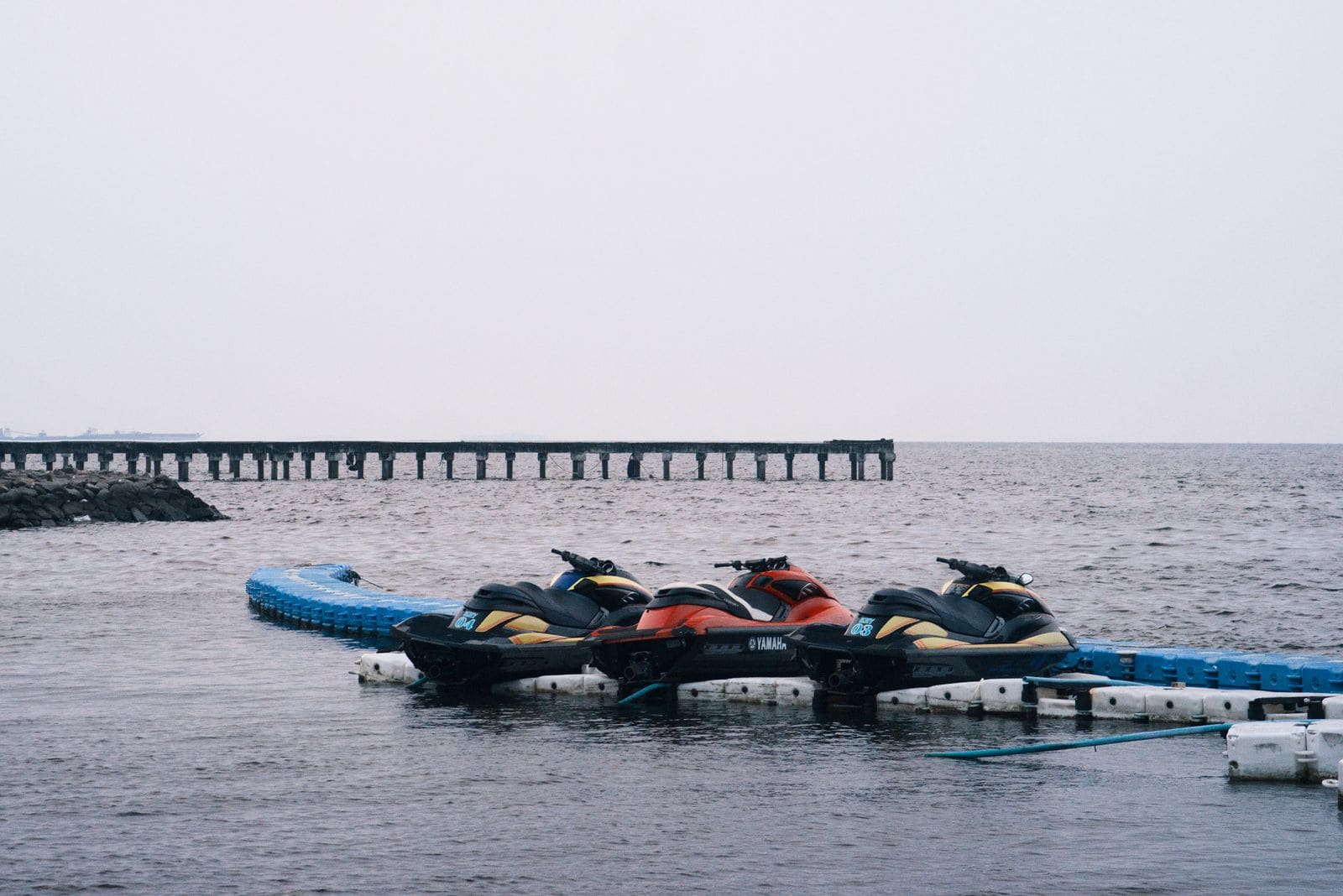
Jet Ski and Jet Boat Pump Care: Clearing the Intake Grate and Checking the Impeller and Wear Ring
Clear weeds, rope and rocks from the intake grate of a Sea-Doo, Yamaha WaveRunner, Kawasaki Jet Ski or jet boat, and learn to spot a damaged impeller or worn wear ring. A clogged or worn pump is the usual reason a jet craft revs high but goes slow.
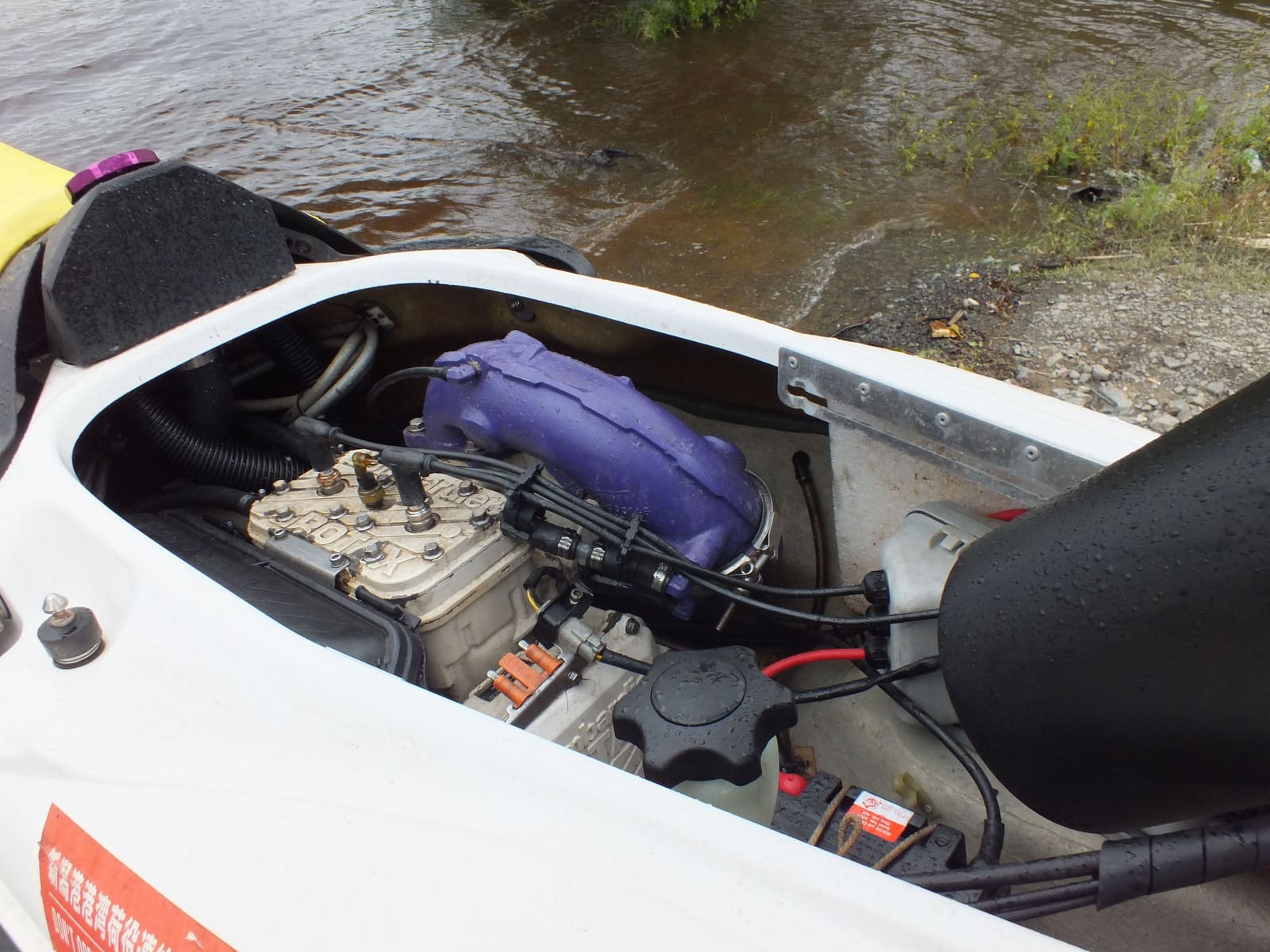
Jet Ski Electrical Problems: Dies in Waves, Low Voltage and Bad Connections
A personal watercraft that cuts out when it hits chop, shows low voltage, flickers its display or blows fuses usually has a corroded or loose connection, not a dead computer. Work from the battery and grounds to fuses, relays and module plugs, and learn when the job needs a dealer's diagnostic tool.
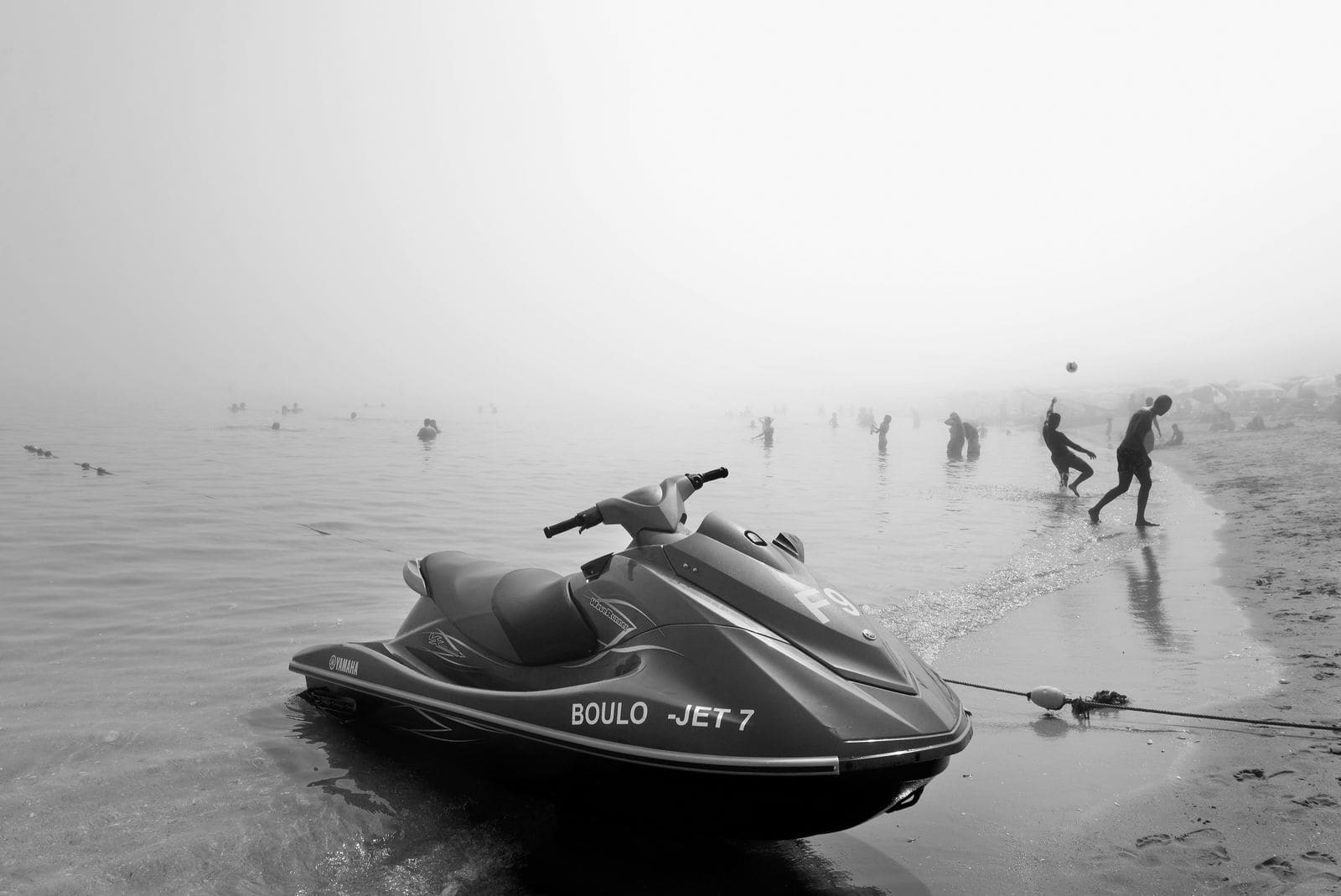
Jet Ski Hull Care and Repair: Scratches, Gouges, Keel Guards and Beaching Damage
Learn to tell cosmetic scratches from real hull damage on a personal watercraft, which fixes work on fiberglass versus Sea-Doo's Polytec plastic hulls, how a keel guard helps, and when a crack is a job for a pro.
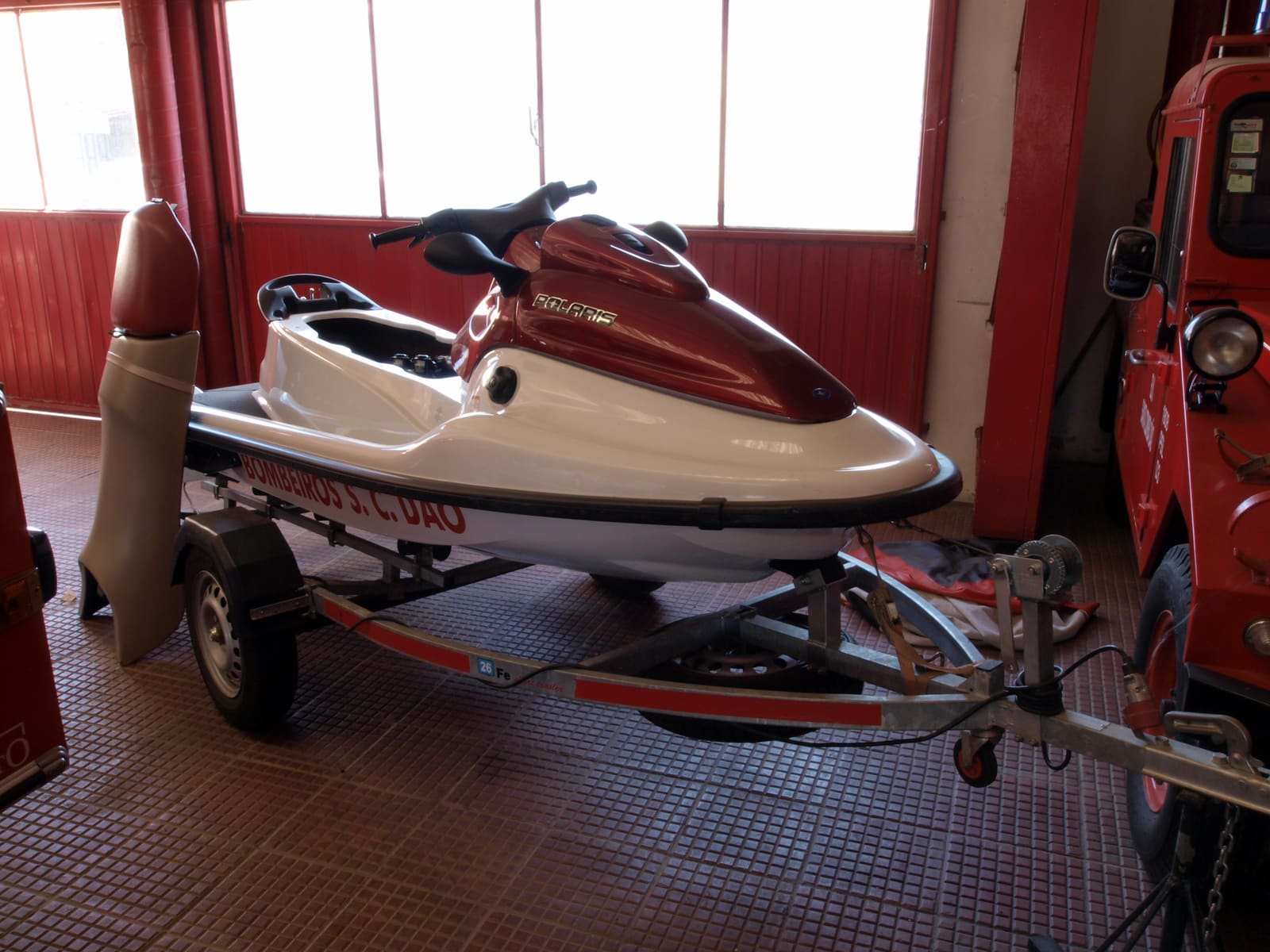
Jet Ski Impeller and Wear Ring Replacement (What's Involved)
Know when your PWC's impeller or wear ring is worn out, how to check it yourself, and what replacing them really involves: pulling the pump, special tools, the right clearance, fresh seals and the correct pump lube. Most owners do the diagnosis and leave the pump work to a dealer or jet-pump shop.
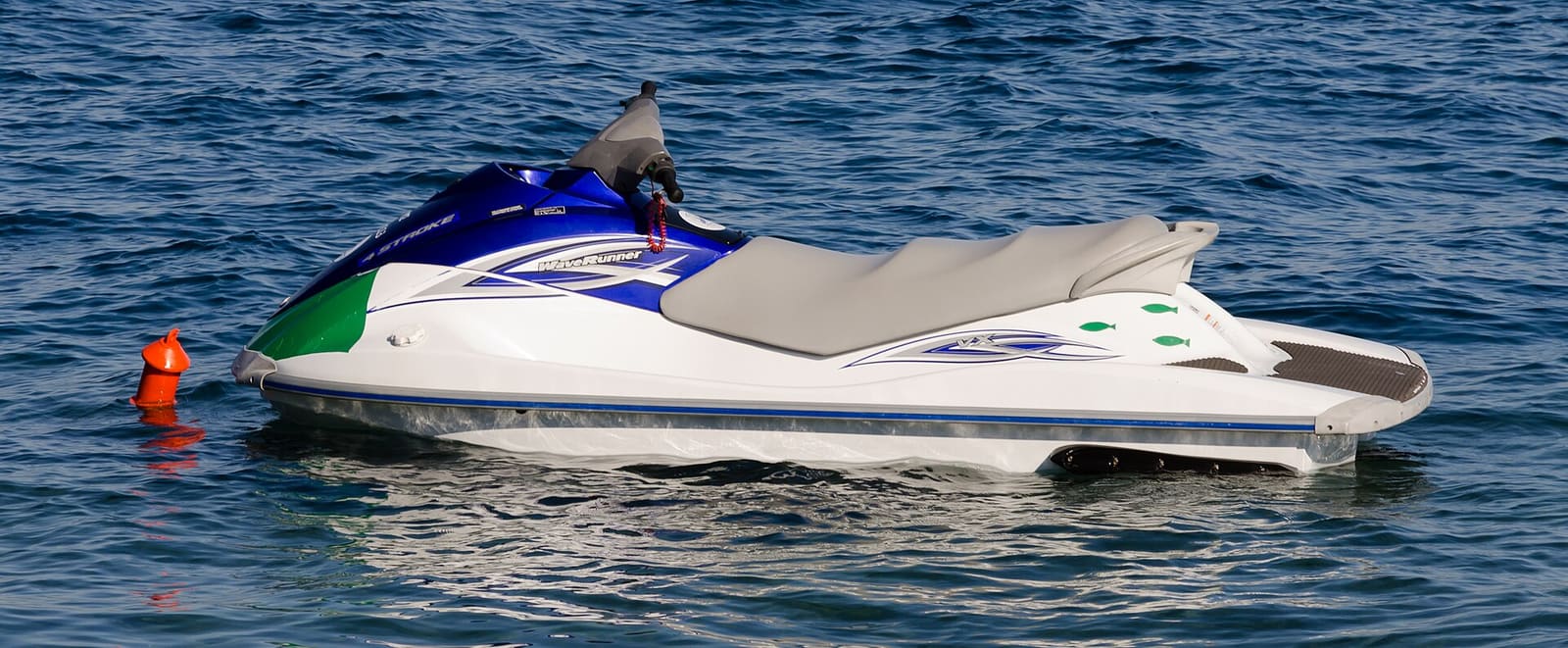
Jet Ski Intake Clogged with Weeds, Rope or Rocks: How to Clear It Safely
Engine revs high but the jet ski barely moves, or an overheat warning comes on? Something is probably stuck in the intake. Learn the symptoms, how to use iDF and similar features, how to clear the grate safely in the water, on the beach or on the trailer, and how to keep it from happening again.
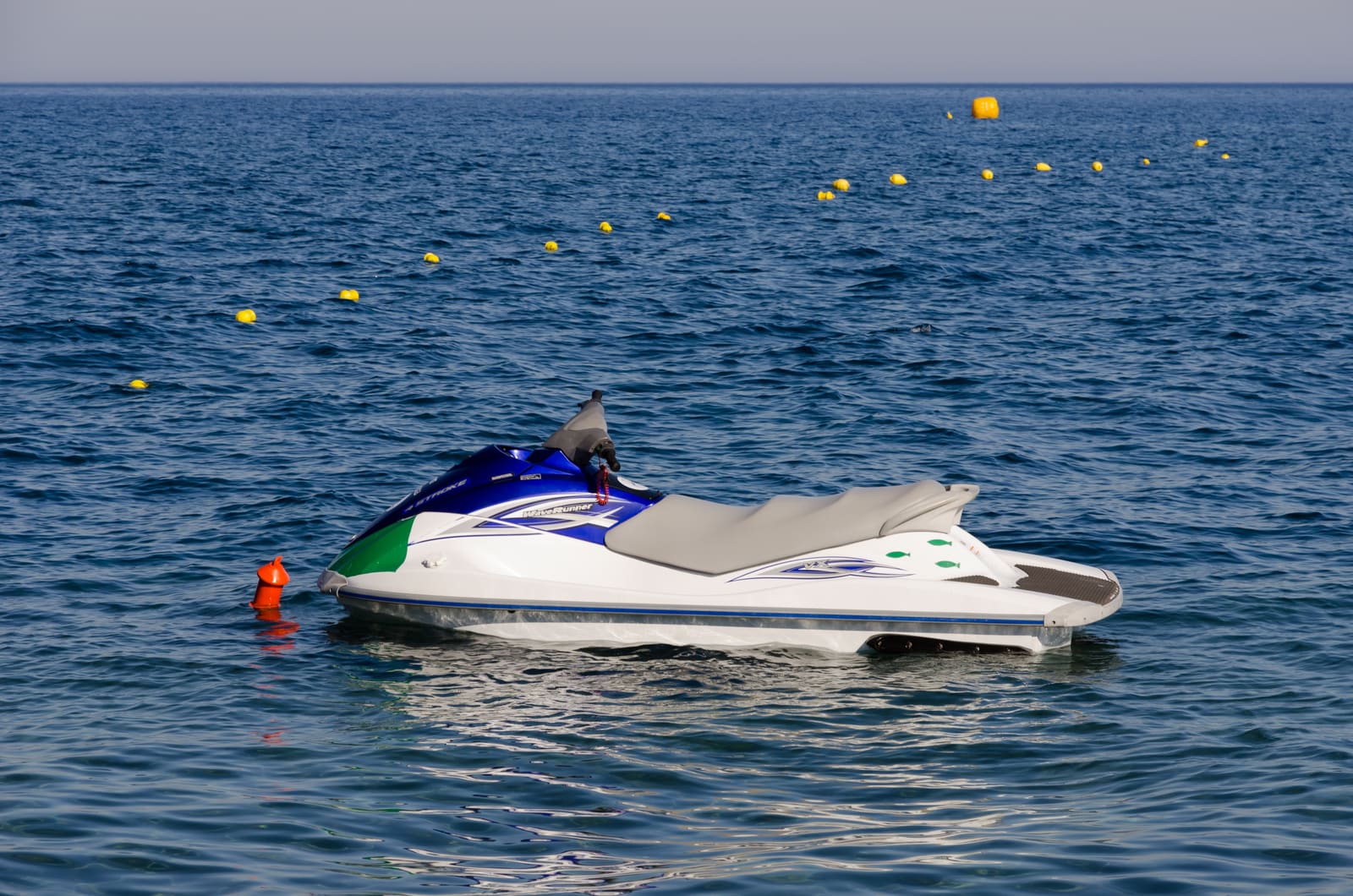
Jet Ski Saltwater Care: Flushing, Rinsing, Corrosion Protection and Storage
A simple after-every-ride routine for Sea-Doo, Yamaha WaveRunner and Kawasaki Jet Ski owners who ride in salt or brackish water. Flush in the right order, rinse the pump, hull and engine bay the gentle way, spray anticorrosion only where it belongs, and keep anodes, the battery and the trailer from rotting away.
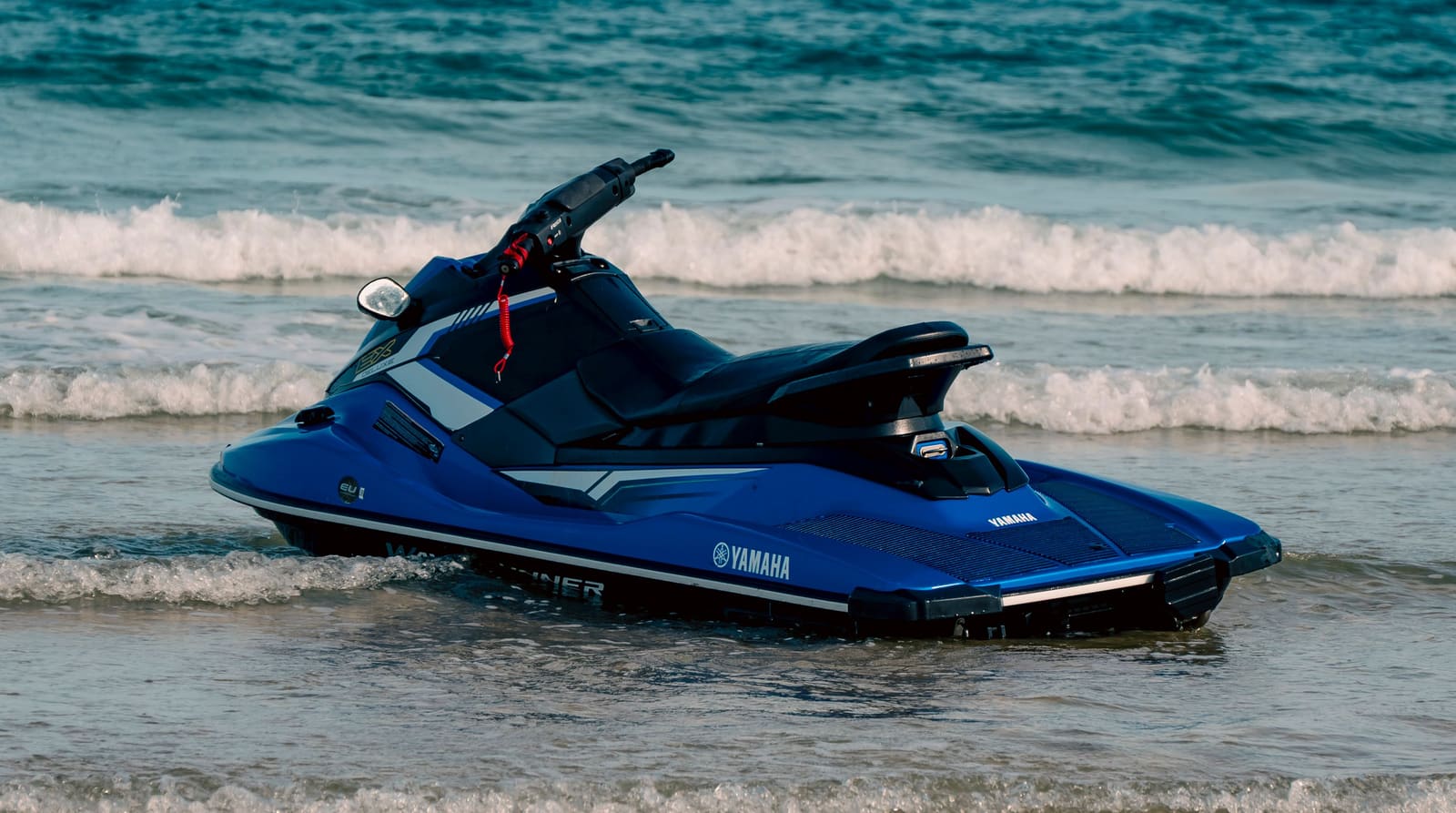
Jet Ski Taking On Water: Find the Leak and Drain It Safely
A little water in a personal watercraft's hull after a ride is normal; a lot is not. Learn how to tell the difference, drain the hull, and track the leak from the easy causes (drain plugs, seat and hatch seals, loose hose clamps) to the serious ones (driveshaft seal, exhaust, hull cracks), and when to stop riding.
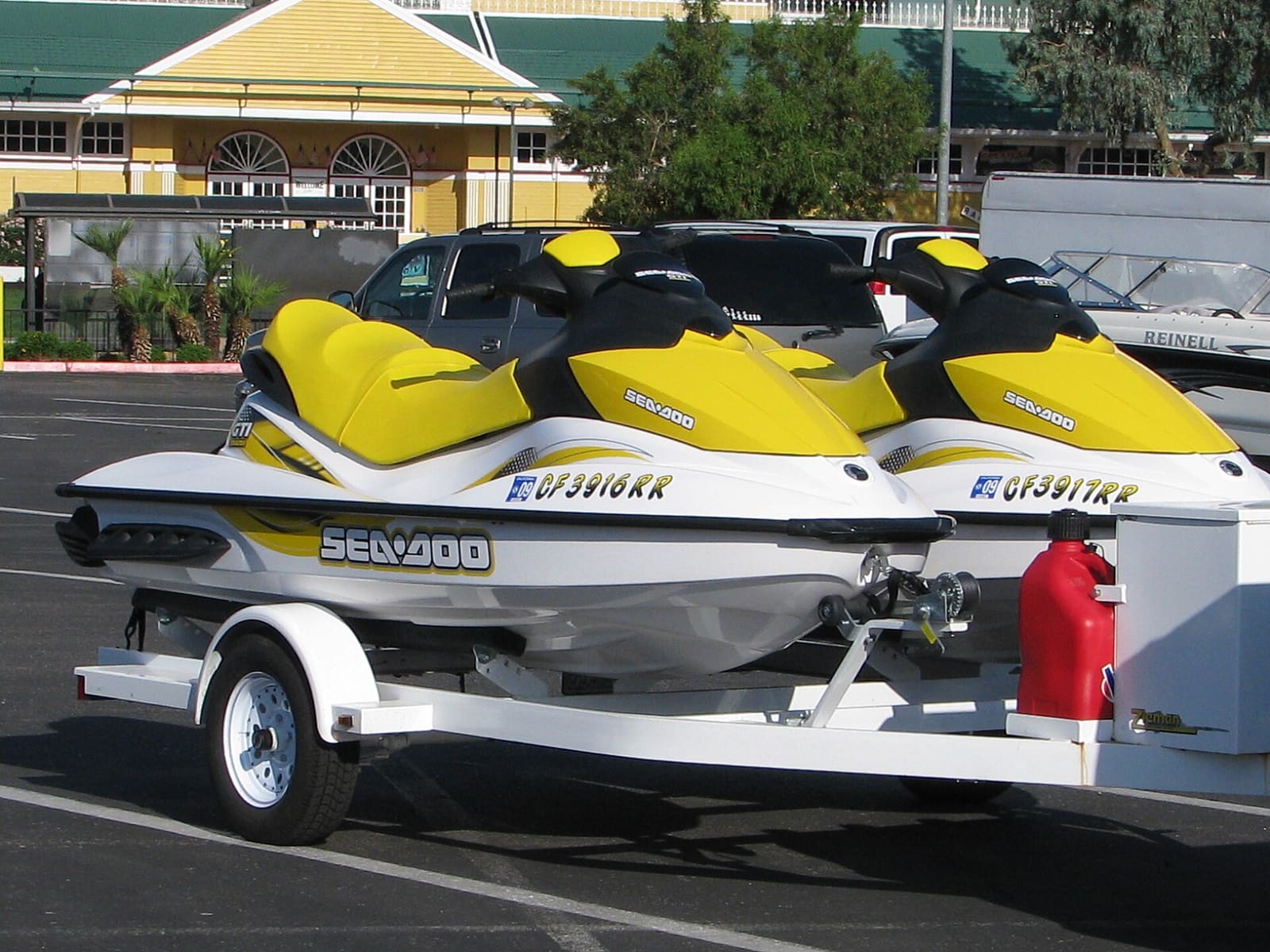
Jet Ski Won't Start or Won't Beep: A Step-by-Step Check
Most personal watercraft that refuse to start have a simple cause: the key or lanyard, a weak battery, a blown fuse, a security lock or a flooded engine. Work through these checks from the cheapest to the most involved and learn what each result means for Sea-Doo, Yamaha and Kawasaki models.
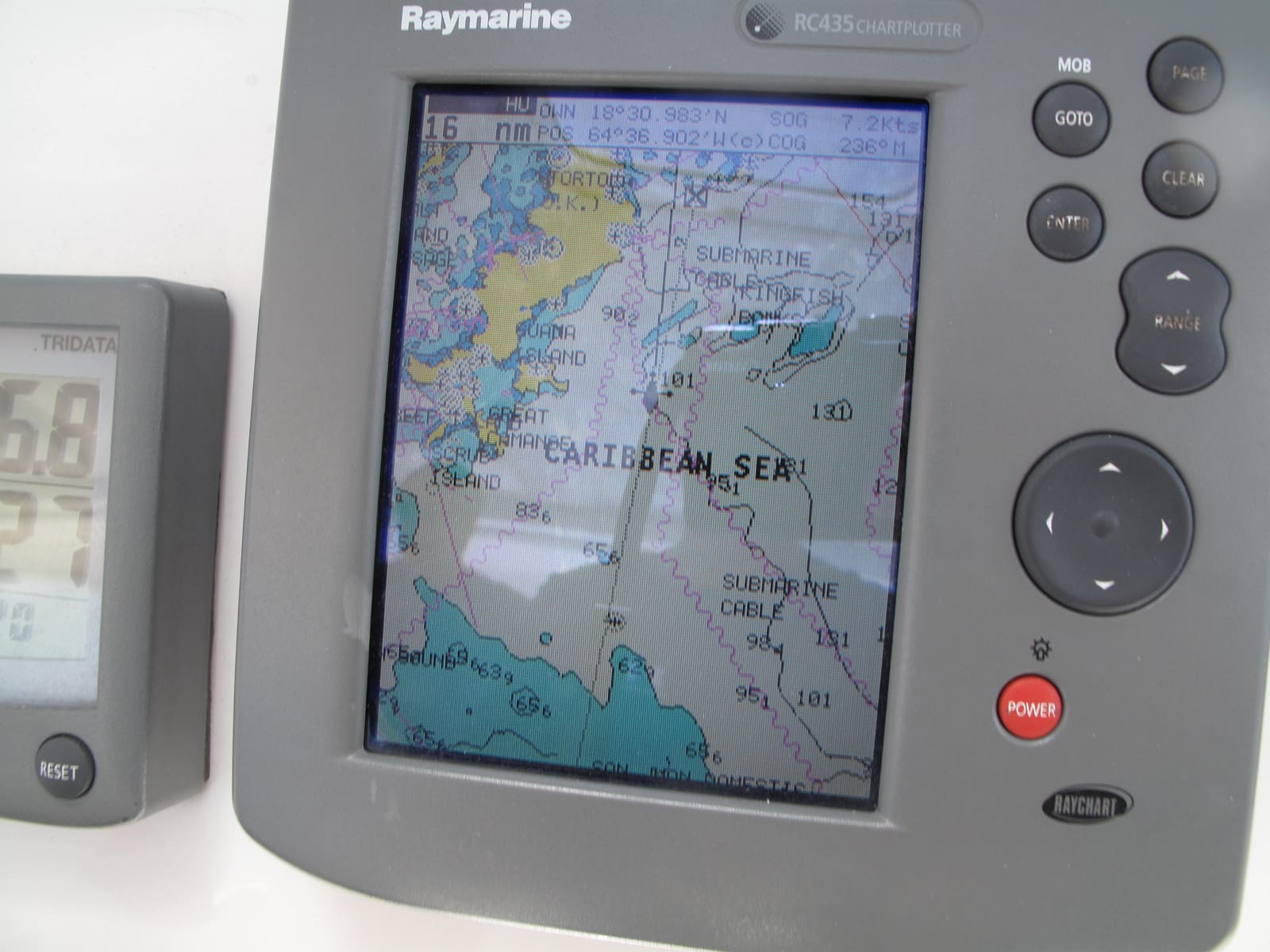
Keeping Chartplotter Charts and Software Current (Garmin, Raymarine, Simrad, Lowrance, Navionics, NOAA)
Old charts can show buoys that moved and shoals that grew. Learn how chart subscriptions and updates work across the big brands, where NOAA's free charts fit in, how to handle SD cards safely, how to back up your waypoints and routes before anything goes wrong, and a simple yearly routine.
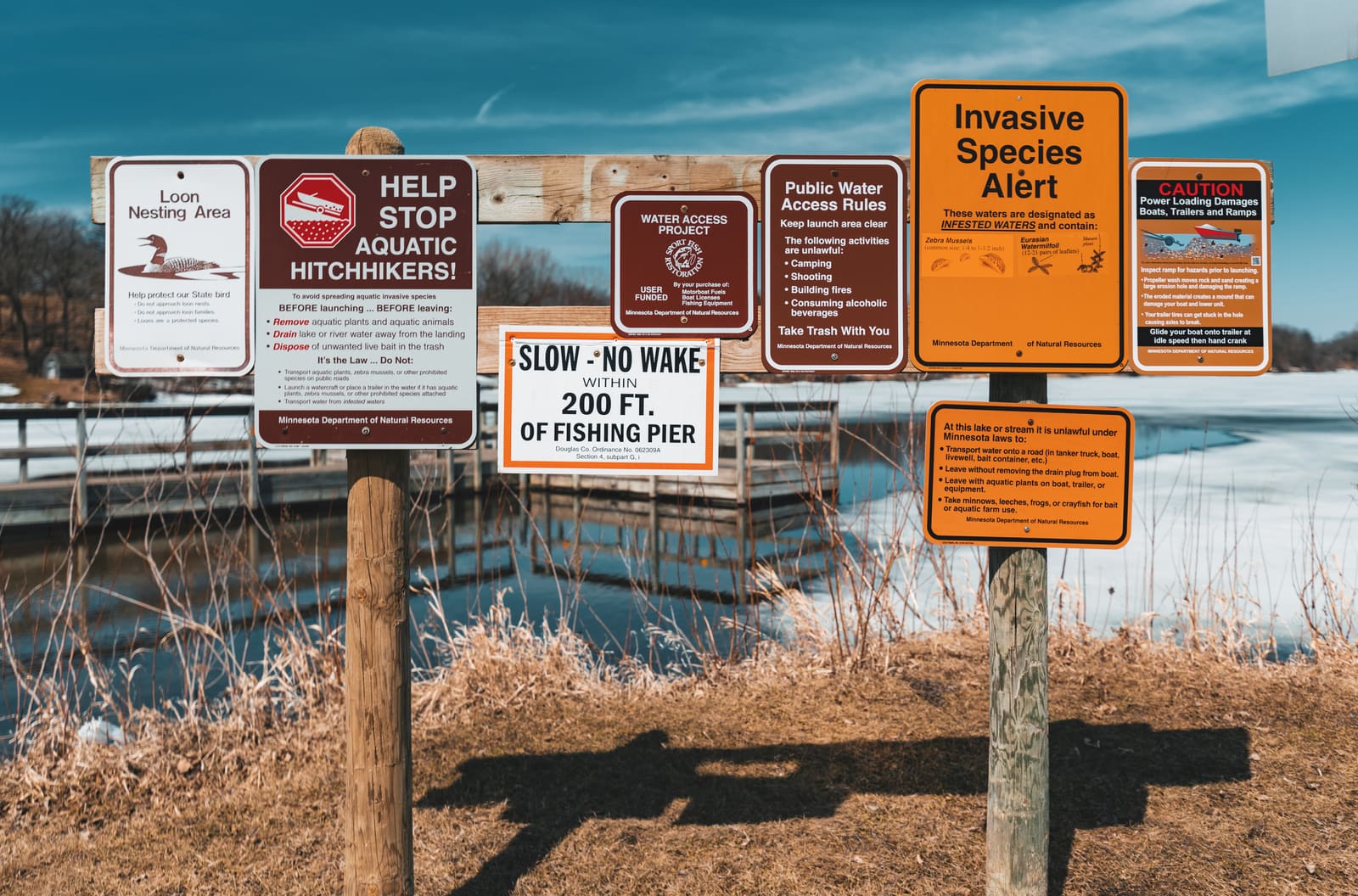
Lake Engine Restrictions: Two-Stroke Bans, Horsepower Limits, Electric-Only and No-Wake Lakes
Some lakes ban older two-stroke outboards, cap horsepower, allow only electric motors, or make the whole lake no-wake. Learn the common types of rules (with dated real examples like Lake Tahoe and Ohio's lake list), how to tell what kind of engine you have, and how to check before you tow the boat three hours to a ramp you can't use.
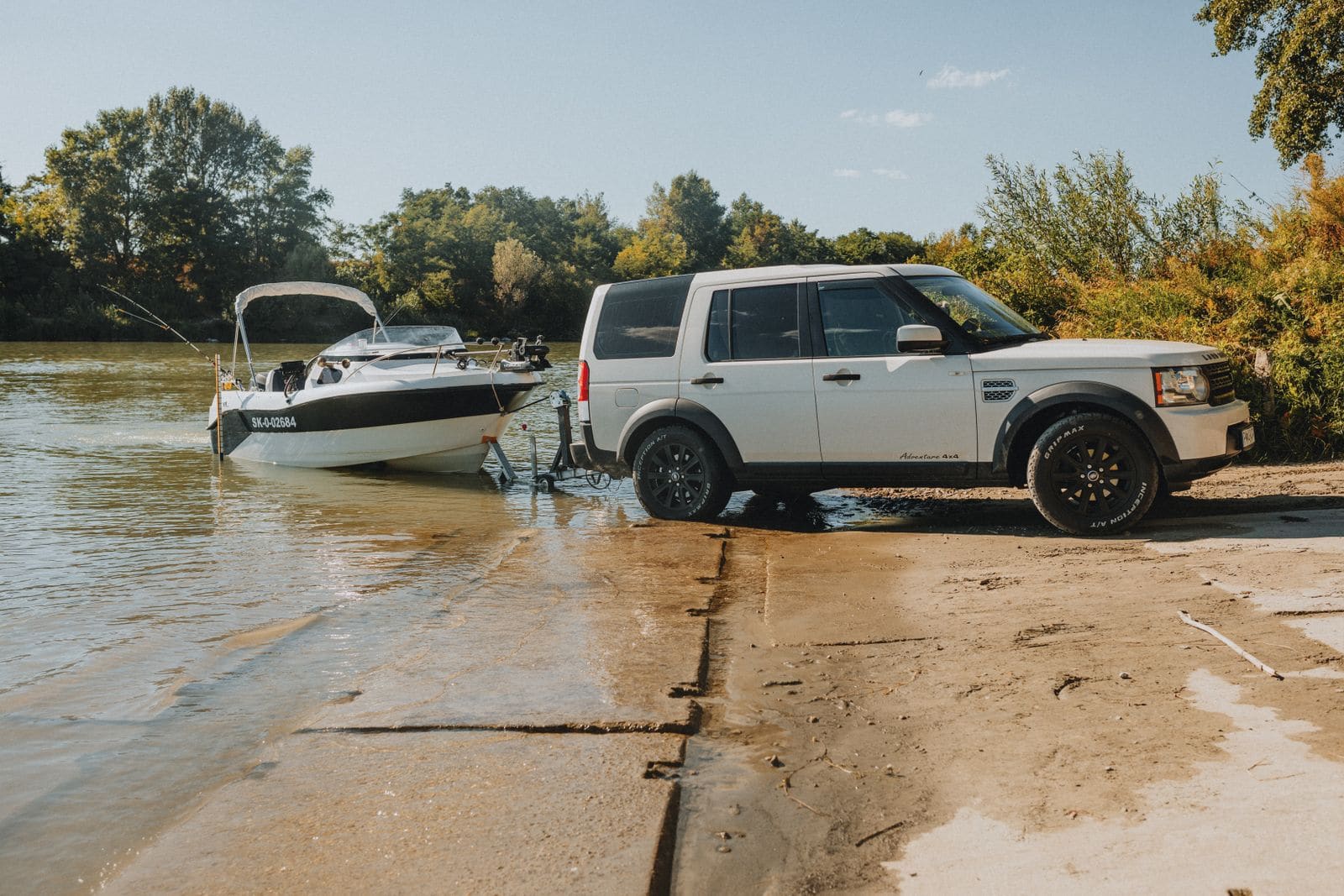
Launch Day and Haul-Out Checklist for Trailer Boats
A step-by-step checklist for getting your boat off the trailer and back on again safely and quickly, from the drain plug and tie-downs to the blower and ramp etiquette. Following it in order prevents the classic mistakes that sink boats and back up the ramp.
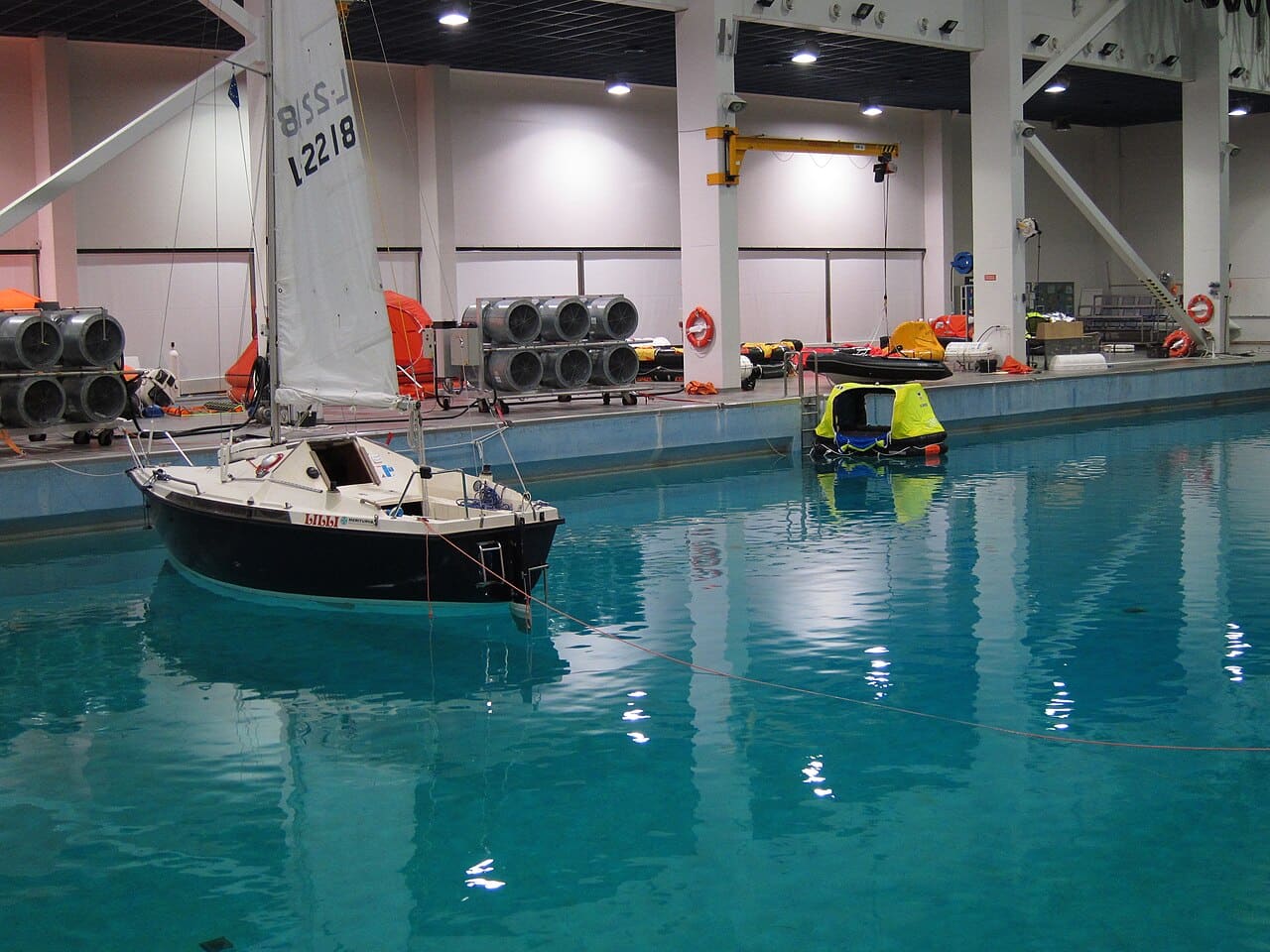
Life Raft Care: Service Intervals, Hydrostatic Releases, Mounting and the Grab Bag
A life raft you can't launch or that won't inflate is worse than none, because it gives false confidence. Learn how often rafts need professional service, how to pick a service station, when to replace the hydrostatic release, where to mount a canister or stow a valise, the checks you can do yourself, and what belongs in the grab bag instead of the raft.
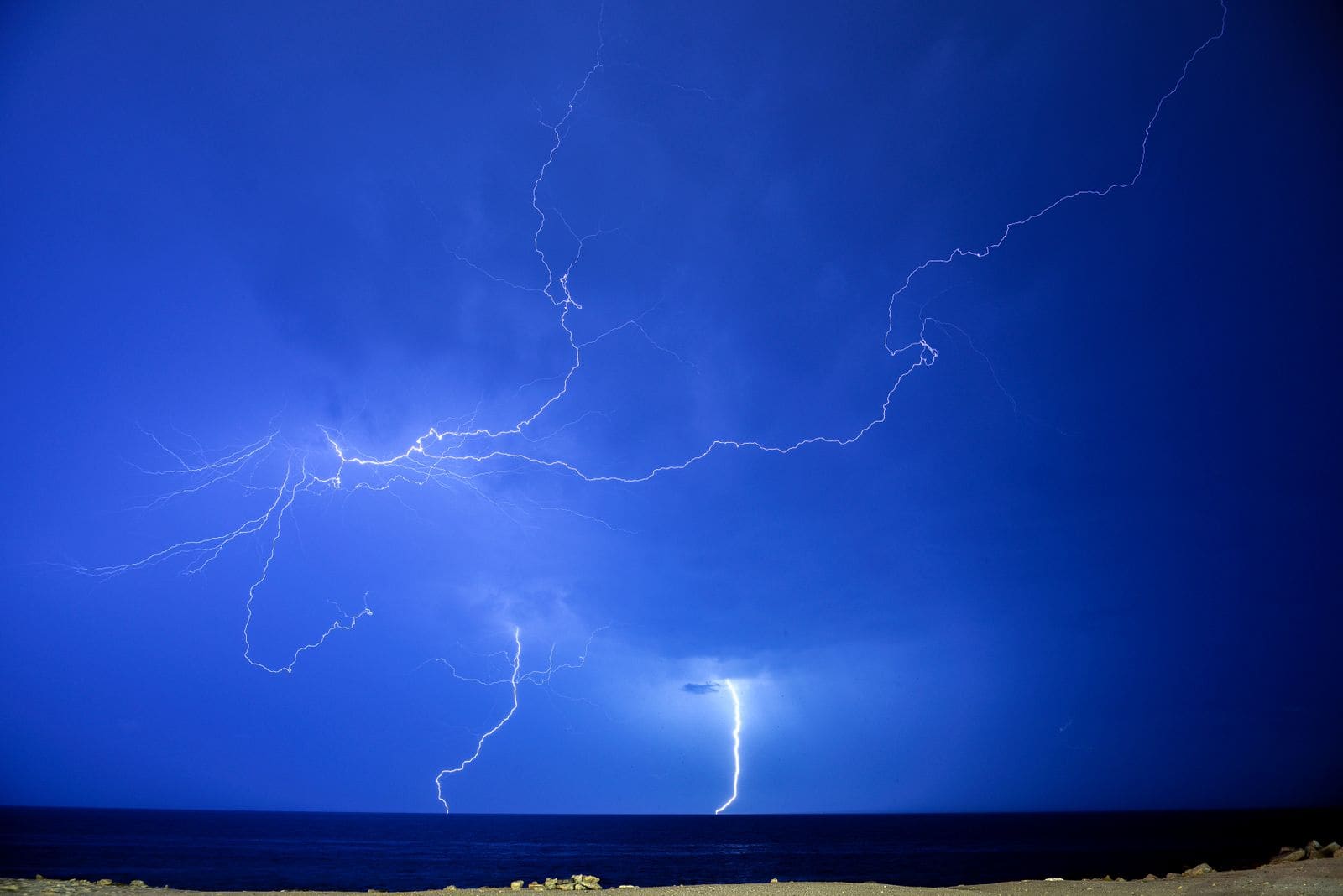
Lightning and Your Boat: Protection, Storm Safety and After-Strike Inspection
How lightning damages boats, what a professionally installed protection system (ABYC and NFPA 780 guidance) can and cannot do, what to do when a storm catches you on the water, and a step-by-step inspection checklist after a strike, including the haul-out, compass, electronics, through-hulls and the insurance claim.
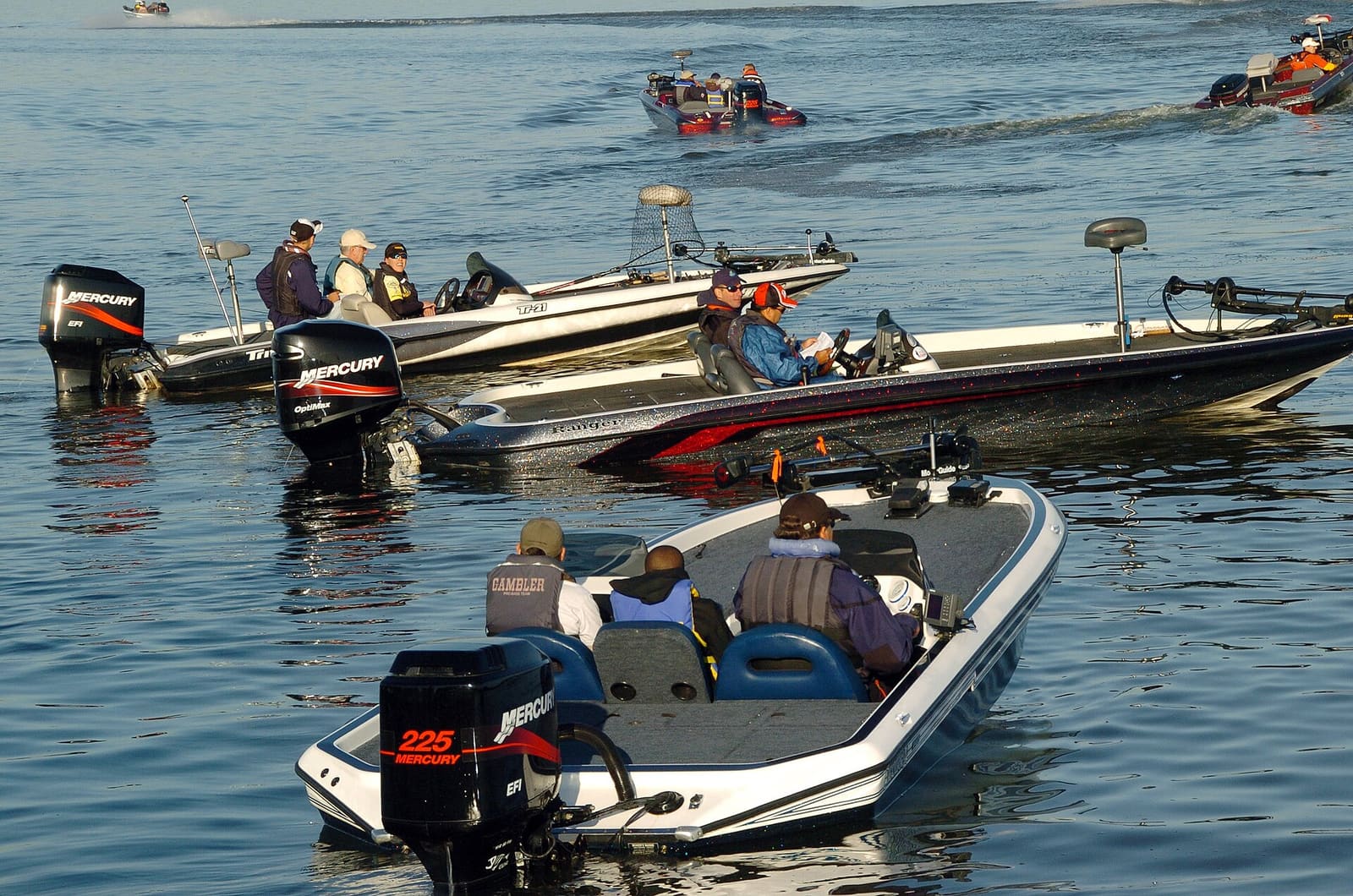
Livewell, Baitwell and Washdown Pumps - Clean, Troubleshoot and Winterize
Find out why a livewell or washdown pump runs but moves no water, from a closed valve or clogged pickup to an airlock, then clean the system and winterize both sides of every pump so nothing cracks over the winter.
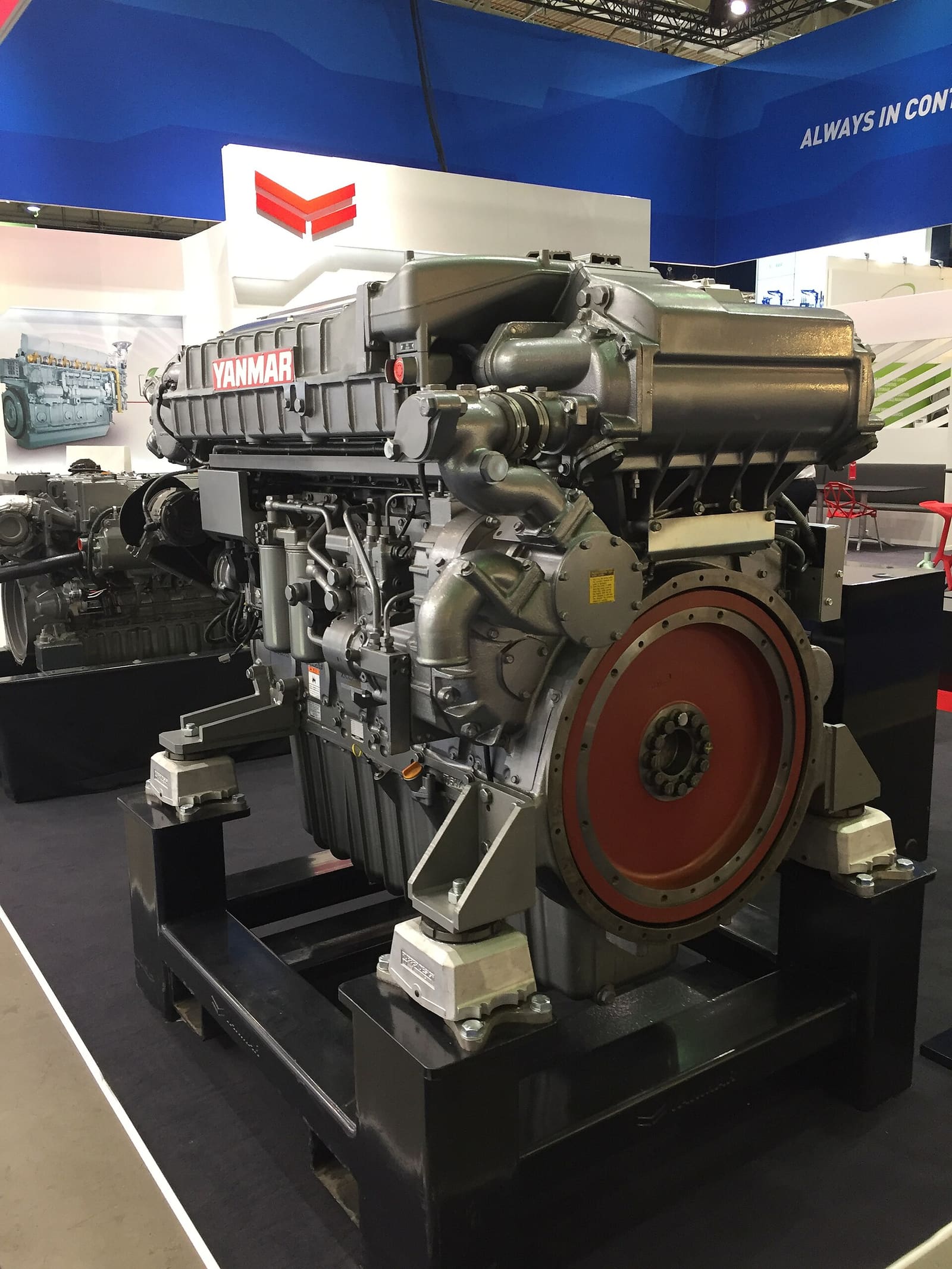
Losing Coolant With No Visible Leak? How to Pressure Test a Closed Cooling System and Its Cap
When the coolant level keeps dropping and you can't find a drip, a simple hand-pump pressure tester can show where it's going. Learn how to test the system and the pressure cap safely on a cold engine, isolate the heat exchanger and coolant-heated appliances, and recognize the signs of a head gasket or internal leak that need a mechanic.
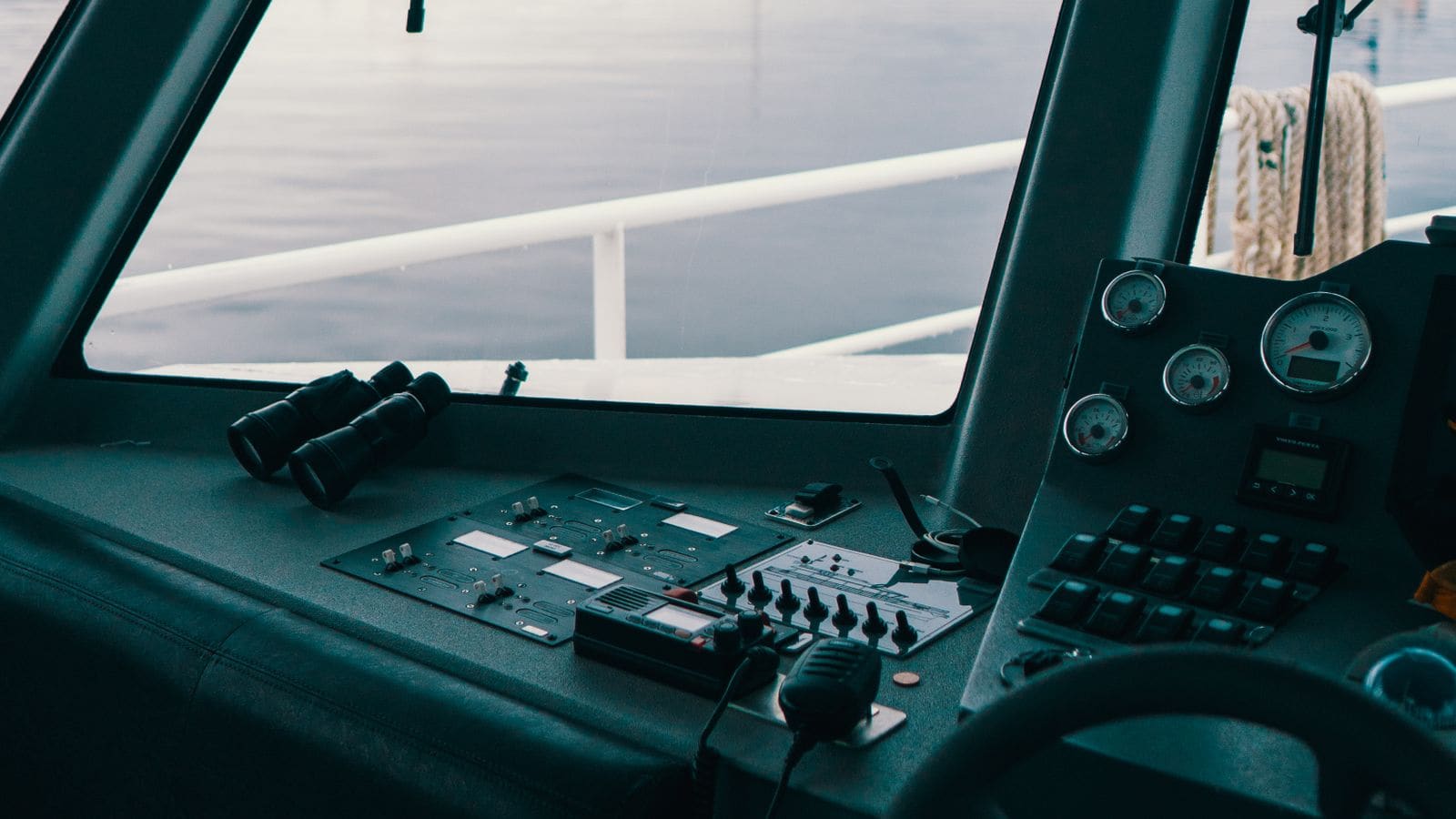
Loss of Power, Hesitation or Misfire - Troubleshooting Guide
Figure out why your engine bogs down, stumbles, will not reach full rpm or runs rough. Work from simple checks like trim, prop and fuel filter to ignition and engine protection modes before paying for diagnostics.
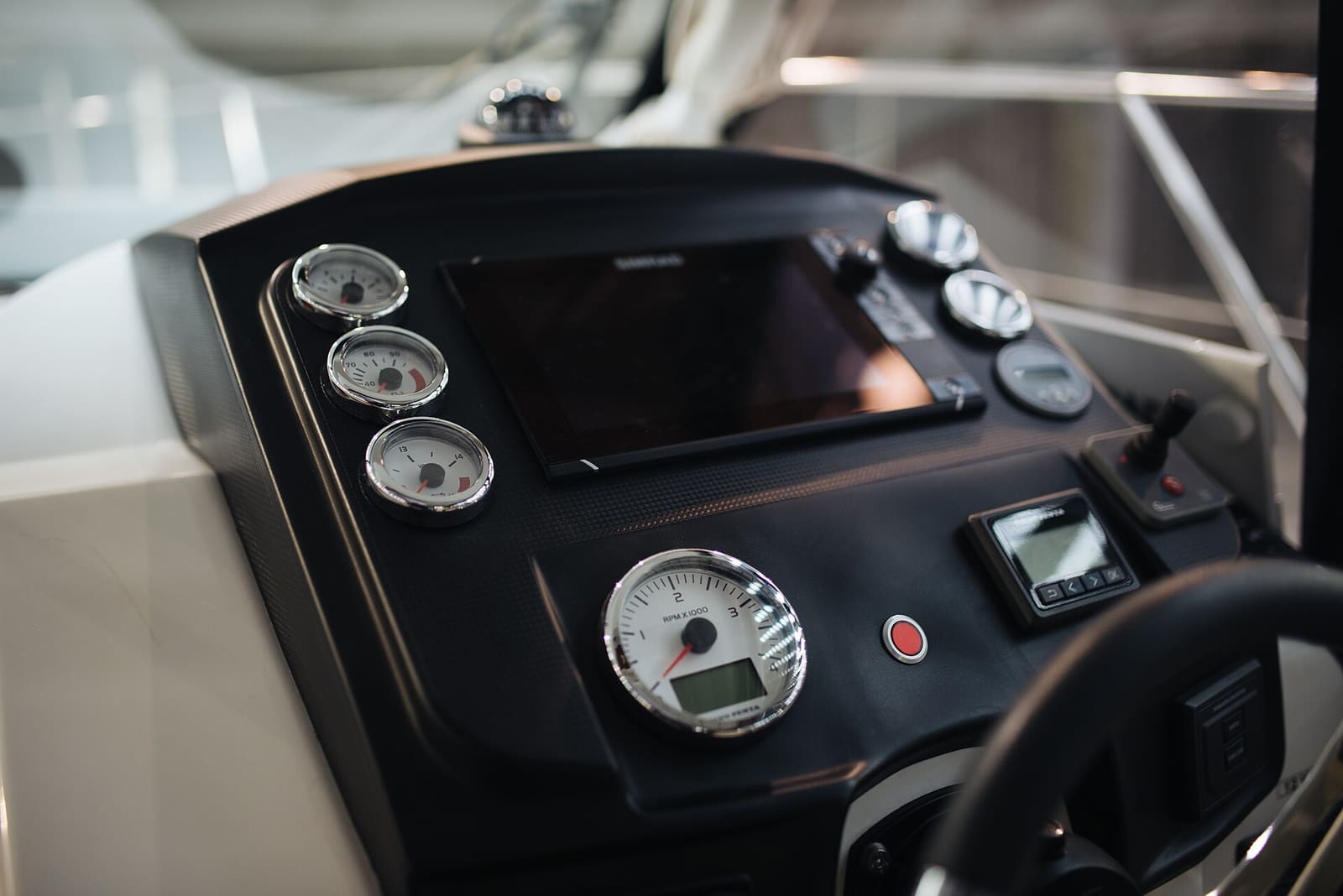
Low Oil Pressure Warning: What to Do on a Sterndrive, Inboard or Diesel
A low oil pressure alarm or a gauge that drops toward zero means the engine may be running without proper lubrication. Learn what to do in the first minute, the simple checks you can make yourself, how to tell a bad sender from a real pressure problem, and why you should never keep running on the alarm.
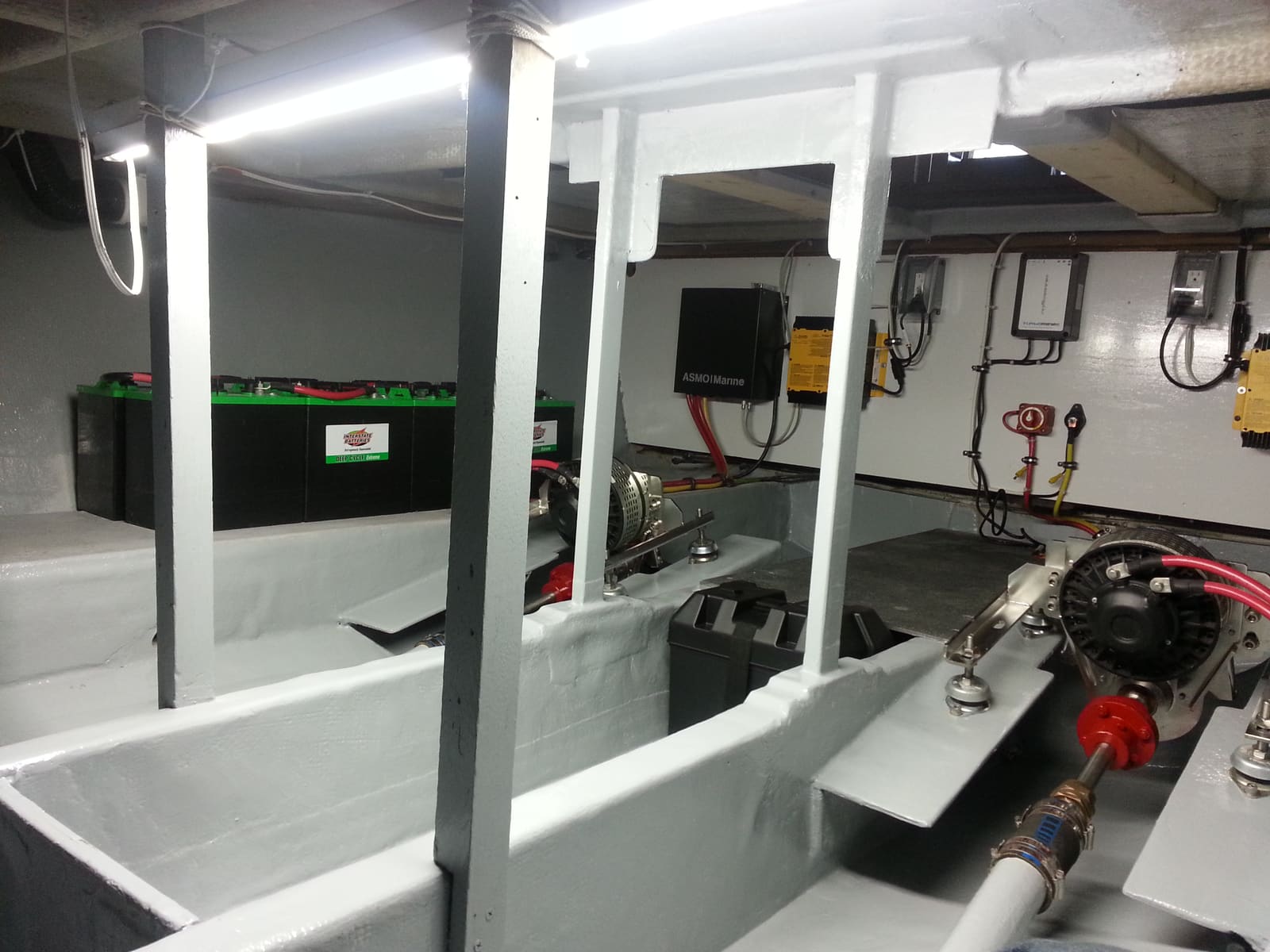
Low-Voltage Disconnects: Keep the Stereo and Fridge from Killing Your Battery
A low-voltage disconnect (LVD) automatically cuts non-essential loads like the stereo, fridge and cabin lights before they drain the battery you need to start the engine. Learn how these devices work, which loads belong behind one and which never do, how to pick the cut-off point for lead-acid or lithium, and how to install one safely.
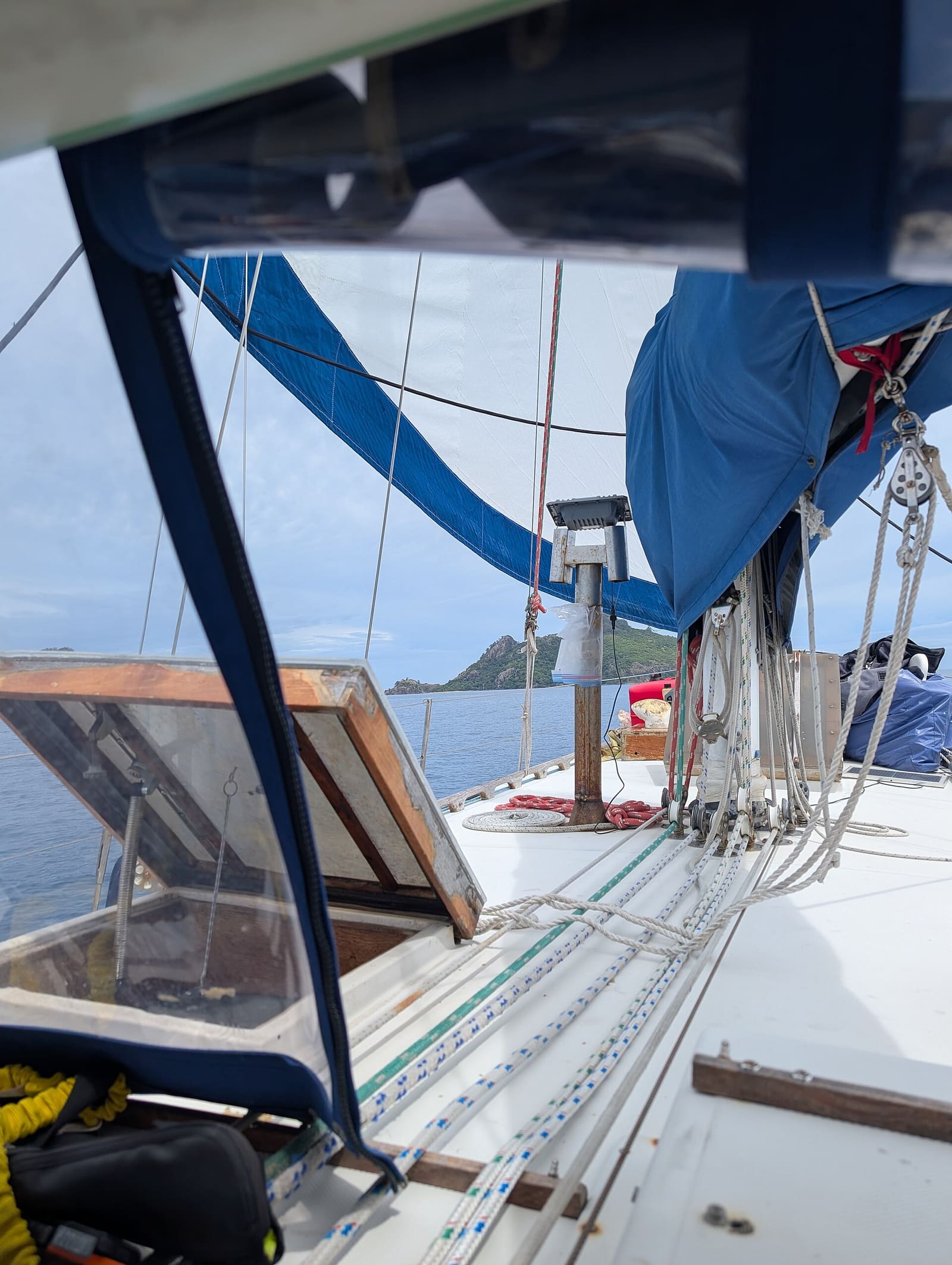
Make a Fire Escape Plan for Your Boat: Exits, Extinguishers, Roles and Shutoffs
Map two ways out of every cabin, put extinguishers where you can actually reach them, assign who does what, and practice shutting off fuel and power and getting everyone off upwind. A boat fire leaves only a few minutes, so the plan has to be made and walked through before you need it.
Safety: BoatMend is for information only and does not replace a certified marine technician. You are responsible for your safety and your boat. Read the full disclaimer.