Life Raft Care: Service Intervals, Hydrostatic Releases, Mounting and the Grab Bag
A life raft you can't launch or that won't inflate is worse than none, because it gives false confidence. Learn how often rafts need professional service, how to pick a service station, when to replace the hydrostatic release, where to mount a canister or stow a valise, the checks you can do yourself, and what belongs in the grab bag instead of the raft.
Time
45 min
Shop would charge
$400-1500
Applies to
All engines · Sailboat, Cabin cruiser, Yacht, Center console
Safety first: Never open, unpack or test-inflate your own packed raft; only an authorized service station should do that. In a real emergency, call the Coast Guard on VHF channel 16 or use the DSC distress button and activate your EPIRB or PLB before you abandon ship. Stay with the boat as long as it's safe to; a swamped boat often floats longer than you expect, and it's easier for rescuers to find.
Owners often ask
- How often does a recreational life raft really need to be serviced, and can I just keep it in a trash bag in the locker?
- When do I replace the hydrostatic release on my life raft cradle, and where does the painter attach?
- Do I legally have to carry a life raft on my boat offshore?
This guide walks you through it. Still stuck? Ask the AI Mechanic about your engine.
Tools
- Flashlight
- Phone camera (for photos of the raft and labels)
- Marker and tag for the hydrostatic release date
Parts & supplies
- Replacement hydrostatic release unit (HRU) of the type specified for your raft, when due
- Grating or raised tiles to keep a valise off a wet locker floor
- Waterproof grab bag (ditch bag)
Before you start
Who needs this. Life rafts are carried mainly by offshore anglers, coastal cruisers and passage-makers. They aren't on the Coast Guard's list of required equipment for recreational boats: the federal carriage rules for recreational boats (33 CFR Part 175) cover life jackets, visual distress signals, ventilation and fire extinguishers, and say nothing about rafts. (Boats carrying passengers for hire, offshore race entries and some insurers' offshore policies can be a different story; check those rules separately.) But if you carry one, it only helps if it's serviced, reachable and understood by everyone aboard.
Why service matters. Rafts sit sealed for years. PassageMaker reports that service technicians find leaking vacuum bags, corroded inflation cylinders and operating heads, and seams breaking down from moisture and heat; once water and then mold get inside the bag, they ruin fabric and gear. Marlin Magazine quotes a service-station owner who calls an unserviced raft "a false sense of security."
Gather your paperwork. Find the raft's make, model, serial number, last service date and the service label or certificate. Photograph them. You'll need them to book service and to judge when the hydrostatic release is due.
Steps
Intervals depend on the maker and model, so the label and the maker's literature are the final word:
- VIKING recommends servicing its RescYou recreational rafts every 3 years.
- Switlik says its newest compressed-air rafts are sold with a 5-year recommended interval. Marlin explains that compressed air avoids the temperature problems of CO2 and lets the owner check a pressure gauge before each trip.
- Compact coastal rafts that aren't vacuum-bagged need annual service and dry storage, according to the service-station owner Marlin interviewed.
- Older rafts were often on annual service; check yours.
Marlin notes many owners service more often than the maximum interval, especially when the raft lives on deck in the tropics. If your raft has been dropped, soaked, crushed or stored past its date, have it serviced now.
Service should be done by a station authorized by your raft's maker. VIKING, for example, lists more than 280 authorized stations worldwide and issues a service certificate and logbook entry at each service; makers' websites have station locators. Ask for a written report and the new service date label.
Practical Sailor reported a cautionary case from 2000: a former authorized repacker in Rhode Island was cited by the Coast Guard after rafts he "serviced" were found missing survival equipment, and in at least one case the raft had been replaced with an old sail. Use a station the maker currently lists and, if you can, be there when your raft is opened.
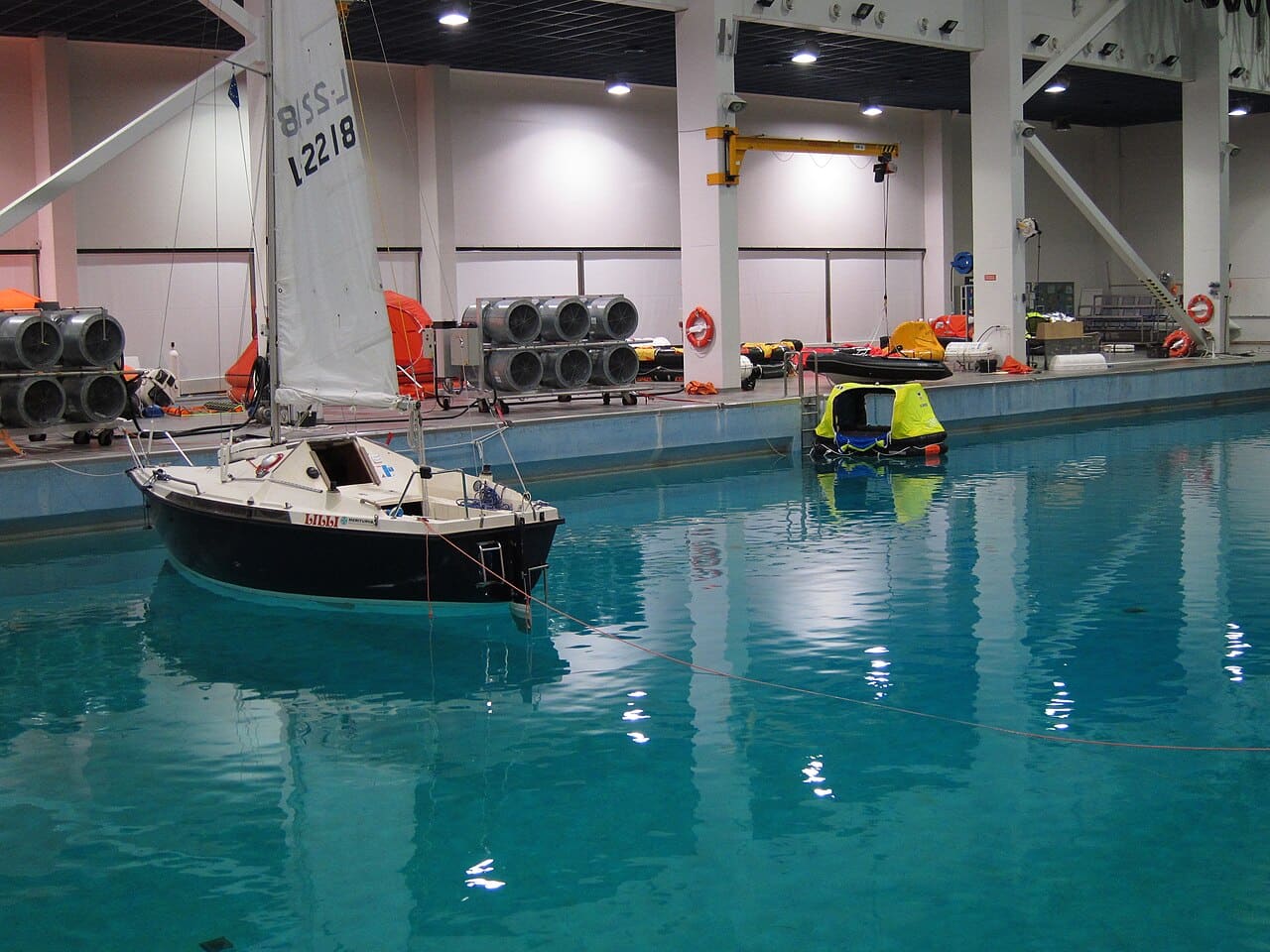
Both PassageMaker and Marlin suggest booking a time to watch your raft inflated at the station. You'll see how to launch it, right it if it inflates upside down, board it from the boat or the water, and where the knife, sea anchor, heaving line and other gear are kept. Stations may have used rafts for training, but PassageMaker quotes a technician who warns against inflating your own raft for practice. Bring the people who sail with you; the skipper may be the one injured.
VIKING describes its service as opening the container, disconnecting the inflation system, inspecting and testing the raft, cleaning and repairing the shell, updating the logbook, repacking and sealing, and relabeling. PassageMaker lists items stations inspect: floors, seams, canopy, zippers, arch tubes, ballast bags, righting straps, inflation cylinders and the operating head. Marlin adds that CO2 cylinders can only be confirmed full by weighing them on a calibrated scale. Survival-pack items such as flares, first aid supplies, water, food, batteries and pumps also expire. Ask what was replaced and what the next due dates are.
- Valise (soft bag): lighter and usually stowed in a locker or lazarette. It must stay dry and protected from chafe.
- Canister (hard shell): made to live on deck in a cradle, usually with a hydrostatic release so it can float free if the boat sinks.
Either way, PassageMaker and Marlin's sources stress that the raft must be reachable and launchable in seconds. Marlin points out a raft mounted on a hardtop surrounded by tower pipes, on a foredeck with no rails, or behind an engine room or galley fire may be impossible to reach in a real emergency. A compact raft you can get to beats the best raft that goes down with the boat.
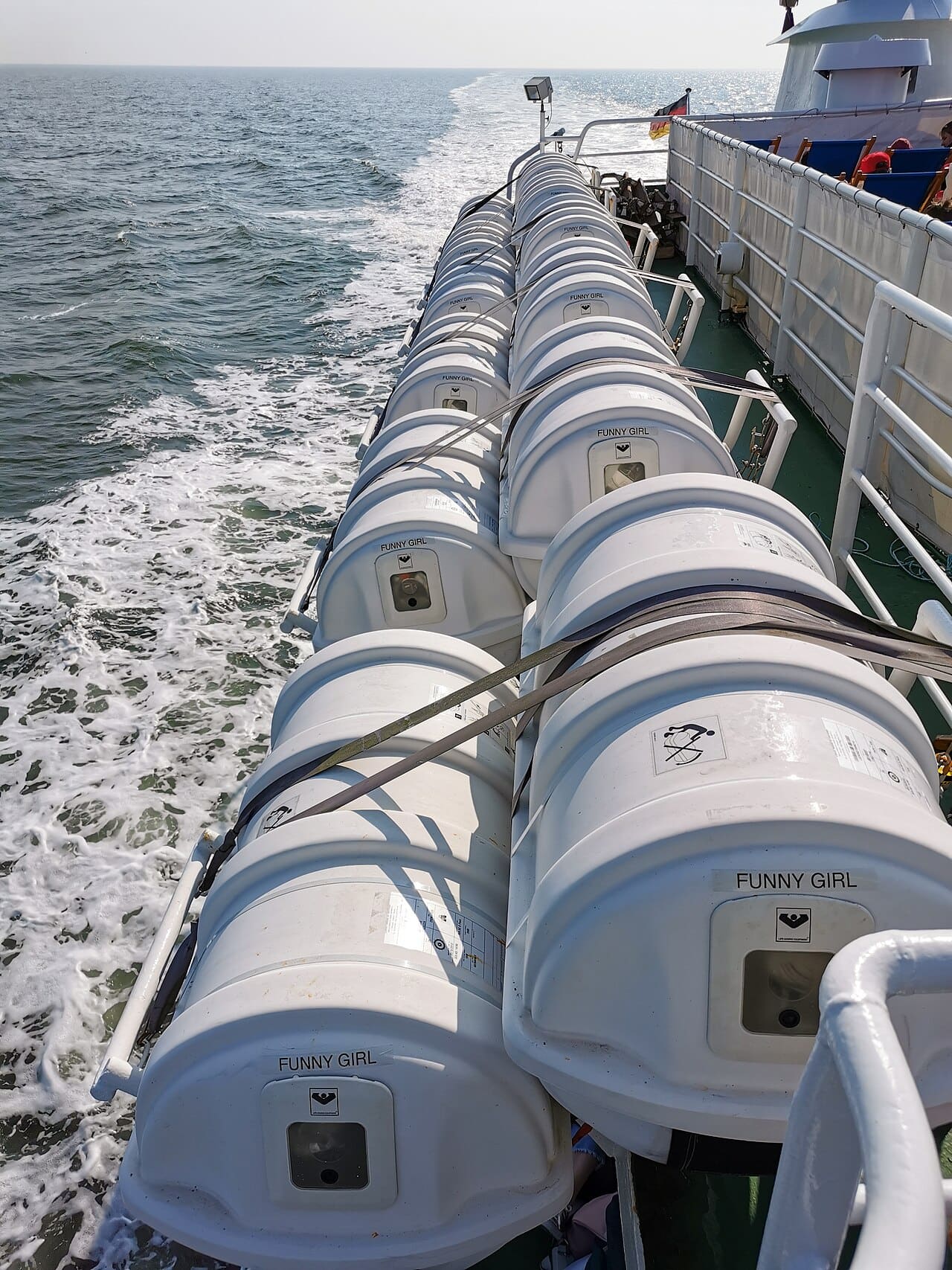
Hard canisters belong in cradles near the rail, strapped down and easy to release. Photo: Michael Brandtner / Wikimedia Commons · CC BY 4.0 - Canister cradle: bolted through with backing, positioned so the canister can be launched over the side by hand and can float clear if the boat sinks. Keep halyards, rails and canvas from trapping it.
- Valise locker: choose one near the helm or companionway with an opening large enough for the bag even if it has swollen. Marlin warns that a leaking vacuum bag can make the raft too big to get out of a small opening.
- Protect the bag: grind or cover protruding screws and sharp fiberglass edges, and raise the valise off wet floors on open tiles or grating. PassageMaker quotes a technician who says never wrap a valise in a trash bag, because it traps humidity; valises need air.
- Keep it aboard: the same technician says rafts are built to stay on boats year-round. A basement or barn invites mice.
Before each season and before any offshore trip:
- Read the service due date on the label.
- Valise: open the hook-and-loop closure and look at the inner vacuum bag; PassageMaker says if it has puffed up, it has leaked and needs prompt service.
- Canister: look for cracks, damage, and bulging between the halves. A service station quoted by PassageMaker says it's happy to look at photos and tell you whether it needs attention.
- Check that the painter (the line that triggers inflation) is attached where the maker specifies, and that cradle straps, buckles and the release are intact and not corroded.
The hydrostatic release unit (HRU) cuts the cradle lashing when the boat sinks, so the canister floats free and the painter pulls to inflate the raft.
- Replacement interval: the Australian Maritime Safety Authority (AMSA) says most disposable HRUs have a service life of 2 years from installation and that the installation or expiry date is marked on the unit. PassageMaker also advises replacing hydro releases every 2 years and marking the in-service date. Some units are rated differently, so follow the date on yours.
- Right part: AMSA stresses that an HRU must suit the raft it's fitted to.
- Fit it right: the raft painter must go to the HRU's weak link, which breaks after the raft inflates so the raft isn't pulled down with the boat. AMSA warns that if the painter is attached wrong, the raft may not inflate or may not release. Straps should be taut but not over-tight; both too much and too little tension can stop the HRU working.
- Reusable HRUs must be serviced annually by the maker's authorized agent, according to AMSA.
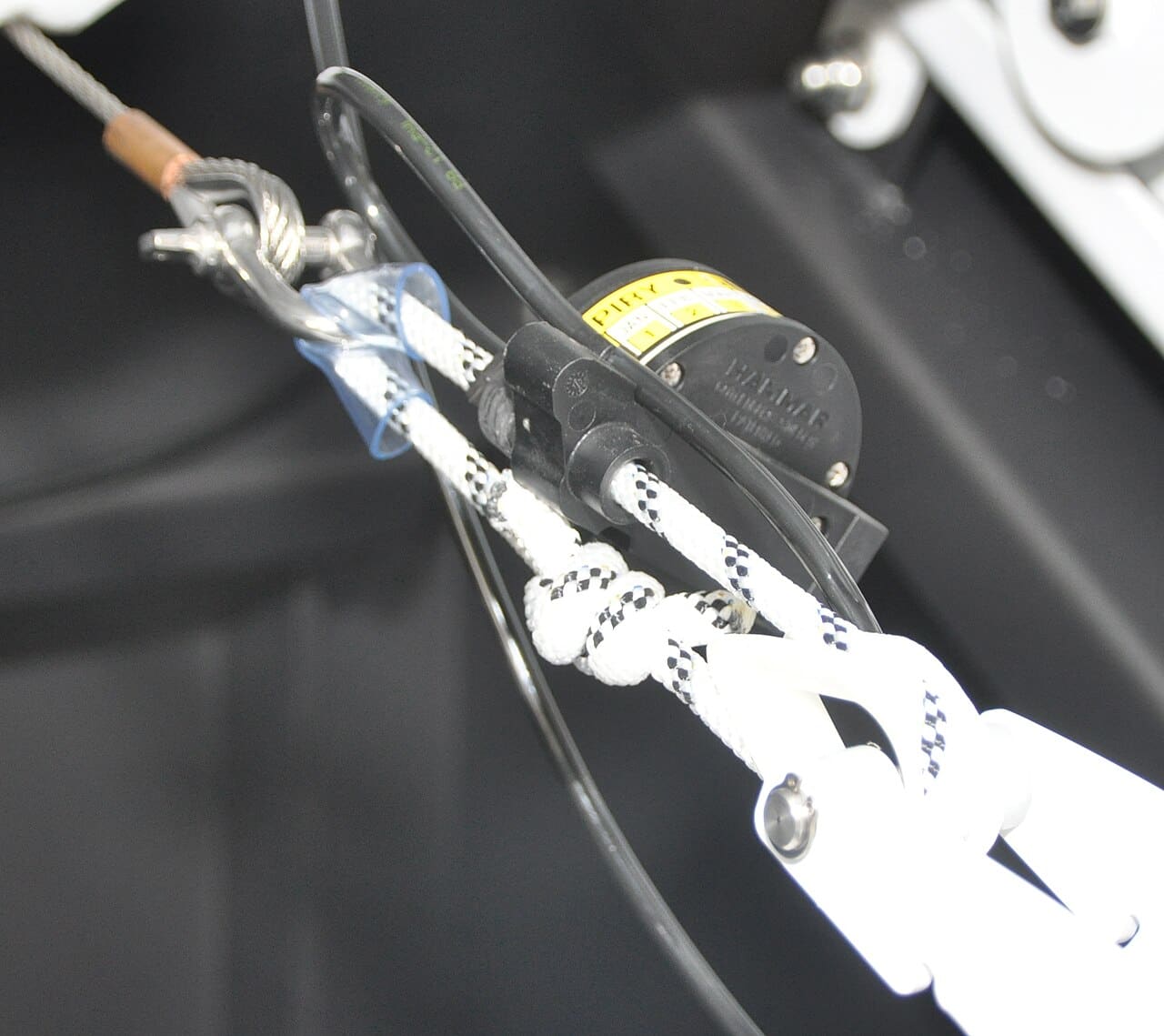
A disposable hydrostatic release shows its expiry date on the label; the painter goes to its weak link. Photo: S.J. de Waard / Wikimedia Commons · CC BY-SA 3.0 Follow the HRU maker's installation drawing exactly, or have the service station or a rigger install it.
PassageMaker quotes a technician who explains that gear packed inside a raft on a 3-year service cycle can't be checked or tested, so keep your important equipment in a grab bag. Their list, and Marlin's:
- PLB or satellite messenger, as a backup to the boat's EPIRB
- Waterproof handheld VHF with spare batteries
- Prescription glasses and medications
- First aid supplies and sunscreen
- Warm clothing, water and food
- Flares (pyrotechnic or electronic) to guide rescuers the last stretch
- Copies of passports and IDs, some cash and a card
Keep the bag next to the raft or the companionway, and give one person the job of grabbing it.
Talk through, with everyone aboard, the order of events: Mayday call, beacon on, life jackets on, grab bag ready, painter secured to a strong point on the boat, raft launched to leeward, then boarding, ideally staying dry. Know who cuts the painter and when (only once everyone is aboard and the boat is truly going down), and where the raft's knife is. Our flooding and fire-escape guides cover the decisions before that point.
Log the raft service date, the HRU expiry, the grab bag's expiry dates (flares, batteries, medications) and your beacon registration renewal in one place. PassageMaker reminds owners that NOAA beacon registrations must be renewed every 2 years, and NOAA's registration FAQ confirms it (NOAA sends a reminder starting two months before the date). NOAA's form also has an "Additional Data" box that goes to search and rescue crews if your beacon goes off: note there that the boat carries a life raft, with its color and capacity, so searchers know to look for one. See our EPIRB and PLB guide.
Common mistakes
- Letting service lapse because the raft "looks fine" from outside.
- Leaving an expired hydrostatic release on the cradle, or attaching the painter to the cradle instead of the HRU weak link.
- Over-tightening cradle straps so the canister can't float free.
- Mounting the raft where no one can reach or launch it in a hurry.
- Wrapping a valise in plastic or stowing it on a wet locker floor.
- Counting on gear packed in the raft years ago instead of a checked grab bag.
- Having only the skipper know how the raft launches.
When to call a pro
- Service is due, the vacuum bag has puffed up, the canister is cracked or bulging, or the raft got soaked, crushed or dropped: authorized service station.
- You're unsure about the HRU type or installation: the service station or the HRU maker's agent.
- You need a new cradle through a cored deck: a rigger or yard.
- Any real emergency: VHF channel 16 / DSC distress, EPIRB or PLB, then 911 if you have a signal.
Tips
- Take a sea-survival or safety-at-sea course; many include in-water raft practice.
- Stick a label next to the raft listing the service due date and HRU expiry.
- When buying a used boat with a raft, ask for the service certificate; an overdue raft may cost more to service than it's worth.
- Pair the raft service with your EPIRB battery date so you handle both in one trip.
Official references
We read these to write this guide. Your engine's own manual always wins.
- VIKING – Servicing your VIKING RescYou liferaft (yachting)
- Switlik – Frequently Asked Questions (life raft service intervals)
- Marlin Magazine – Life Raft Service
- PassageMaker – Life Raft Service and Maintenance
- Australian Maritime Safety Authority – Correct use of Hydrostatic Release Units (Safety Alert 02/2021)
- Practical Sailor – Safety Alert, Life Raft Repacker Cited
- eCFR – 33 CFR Part 175, Equipment Requirements (recreational boats)
- NOAA SARSAT Beacon Registration – Frequently Asked Questions (renewal every 2 years)
Safety: BoatMend is for information only and does not replace a certified marine technician. You are responsible for your safety and your boat. Read the full disclaimer.
Last updated 2026-11-06
Related guides
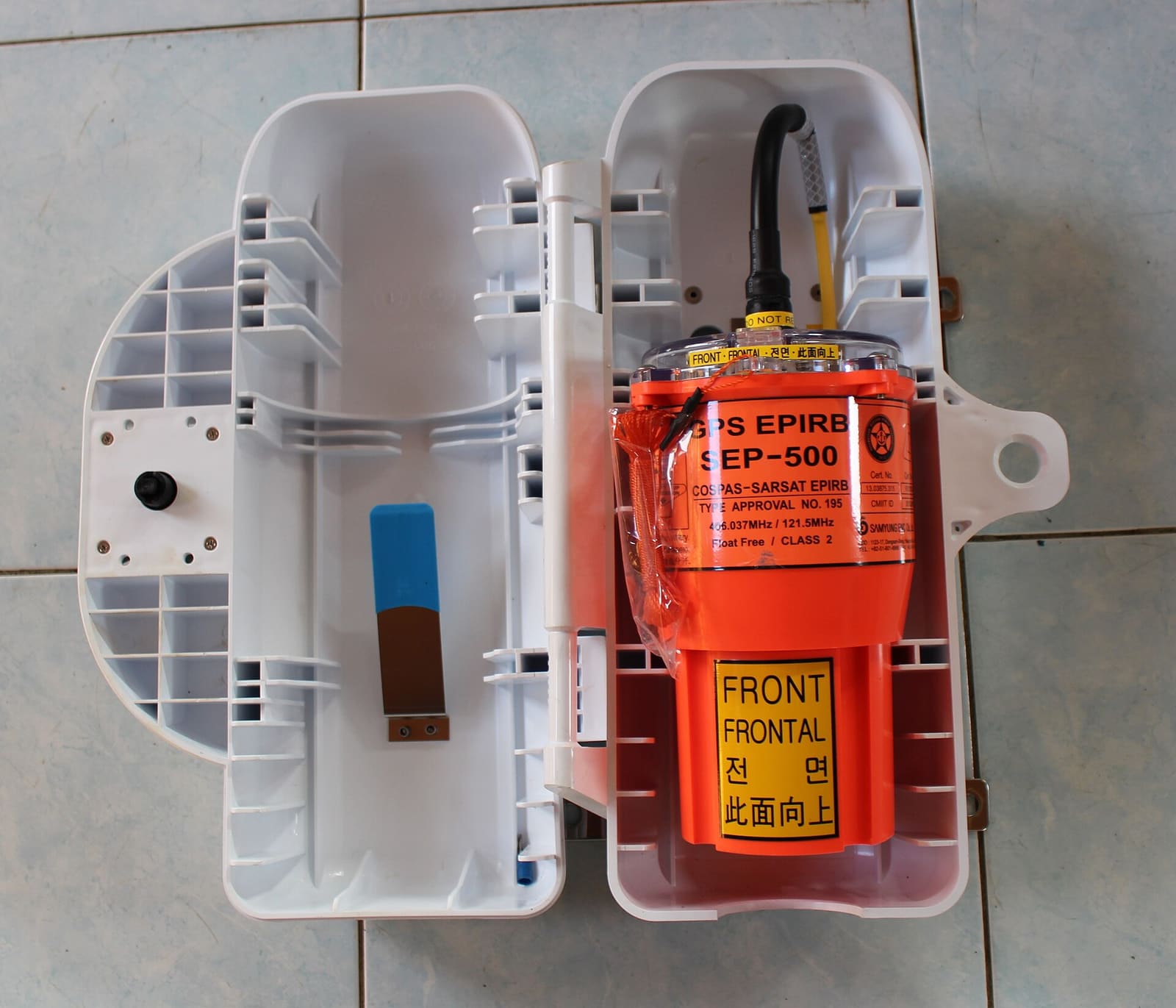
EPIRB and PLB Care: Registration, Batteries, Self-Test and Mounting
Keep your 406 MHz emergency beacon ready to work on the worst day of your life. Register it free with NOAA and renew every two years, track the battery and hydrostatic release dates, run the self-test without triggering a false alert, and know what happens after you press the button.
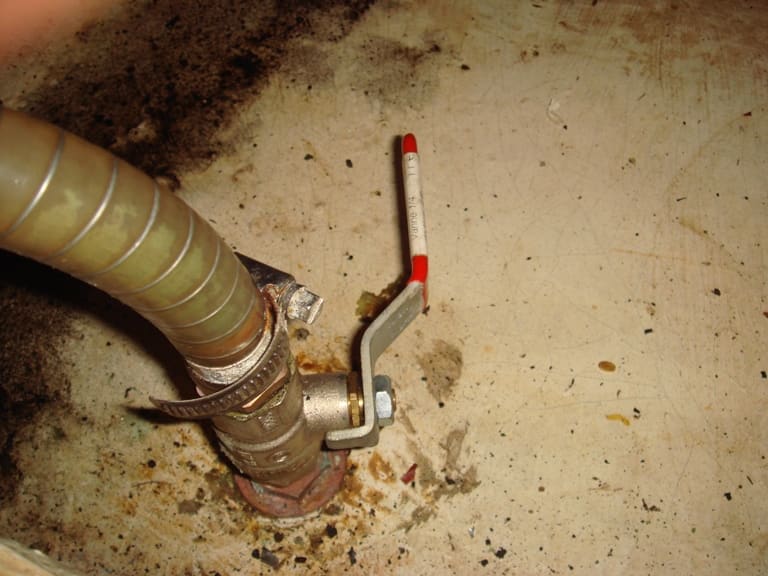
How to Build a Damage-Control Kit: Plugs, Patches and a Plan for Leaks
Put together a labeled kit that can slow or stop water coming into your boat - softwood plugs tied at every through-hull, rescue tape, spare clamps, rubber and plywood patches, plastic sheeting, underwater sealant, a manual pump and the tools to reach a hidden leak - and practice with it so your crew knows where everything is.
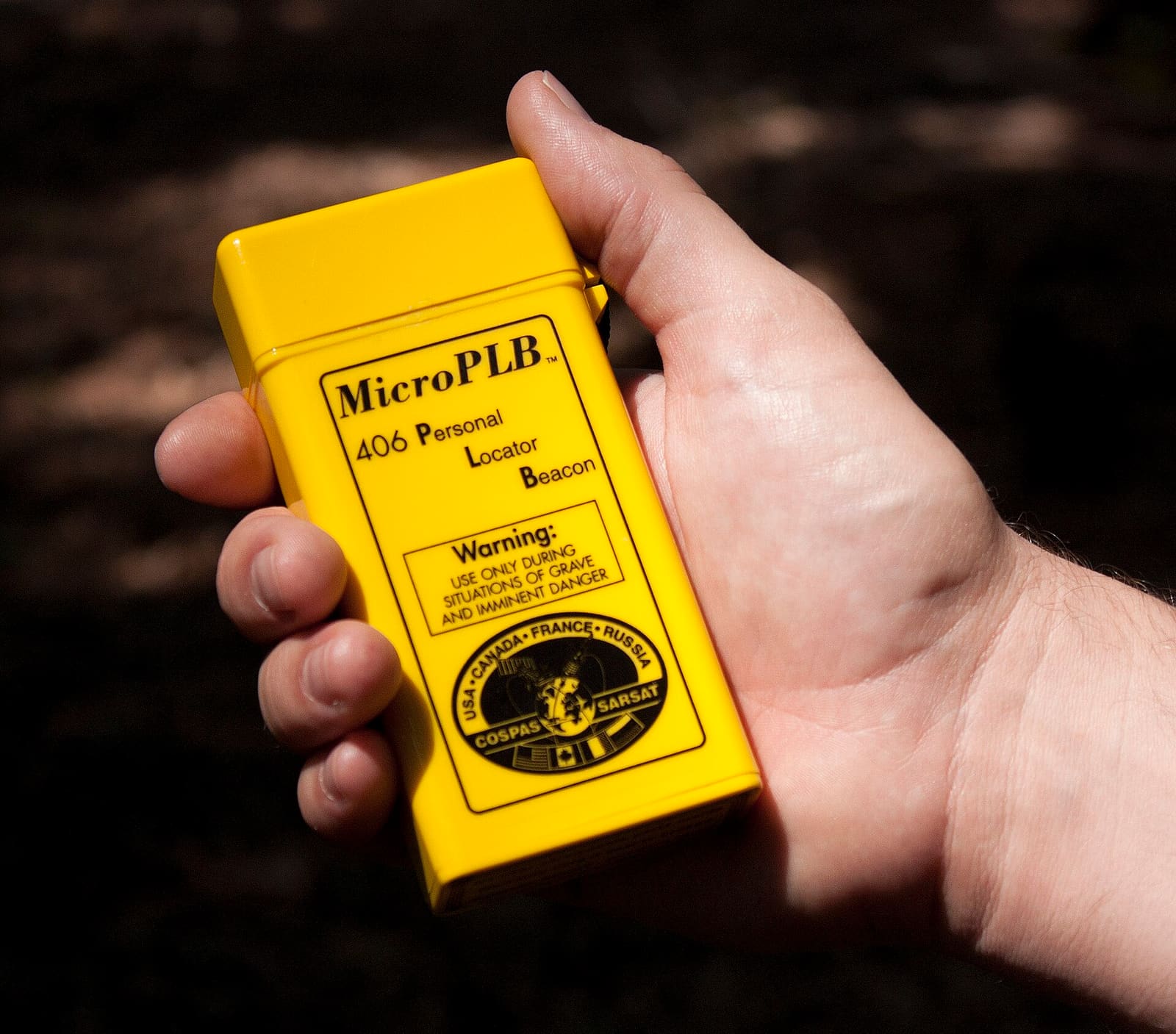
Satellite Messenger vs PLB vs EPIRB: Which Emergency Device Should You Carry?
A PLB or EPIRB calls government search and rescue through the 406 MHz Cospas-Sarsat satellites with no subscription; a satellite messenger like an inReach or SPOT sends an SOS through a private network and adds texting and tracking for a monthly or yearly fee. Learn how each one alerts rescuers, what registration, subscriptions and batteries they need, what to carry for lakes, coastal and offshore boating, and how to test without causing a false alarm.
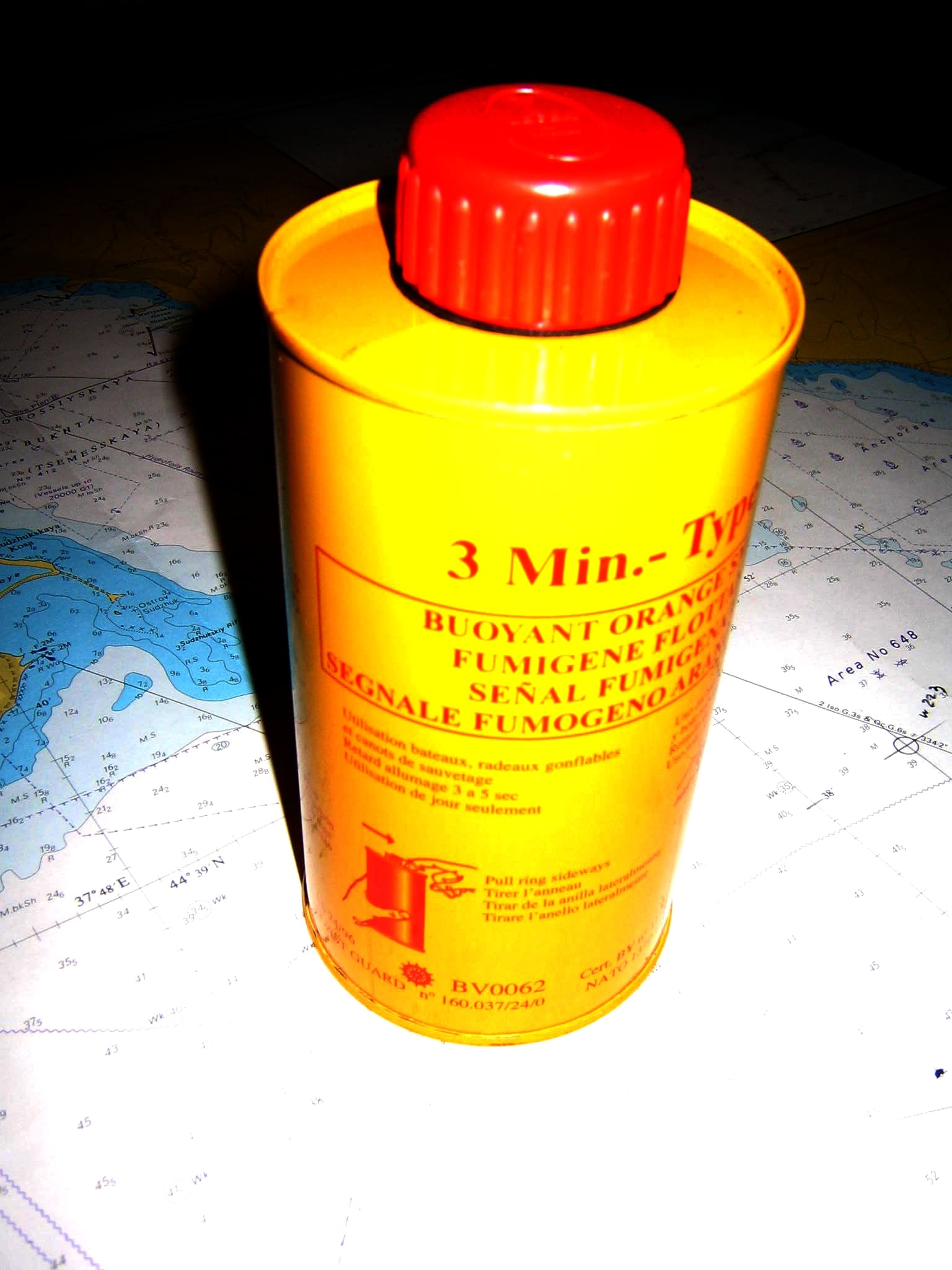
Visual Distress Signals: Flare Expiry, Storage, Practice and Safe Disposal
Make sure your flares, smoke signals, distress flag or electronic distress light meet the Coast Guard rules for day and night, are not past their 42-month date, and are stored where you can grab them. Then get rid of expired flares the safe and legal way instead of letting them pile up in a locker.

USCG Required Safety Equipment Check by Boat Length
Walk through your boat and confirm you carry every piece of safety gear the US Coast Guard requires for your boat's length and type, and that none of it is expired or worn out. Missing or expired gear is one of the most common tickets on the water, and it is the gear you need when things go wrong.
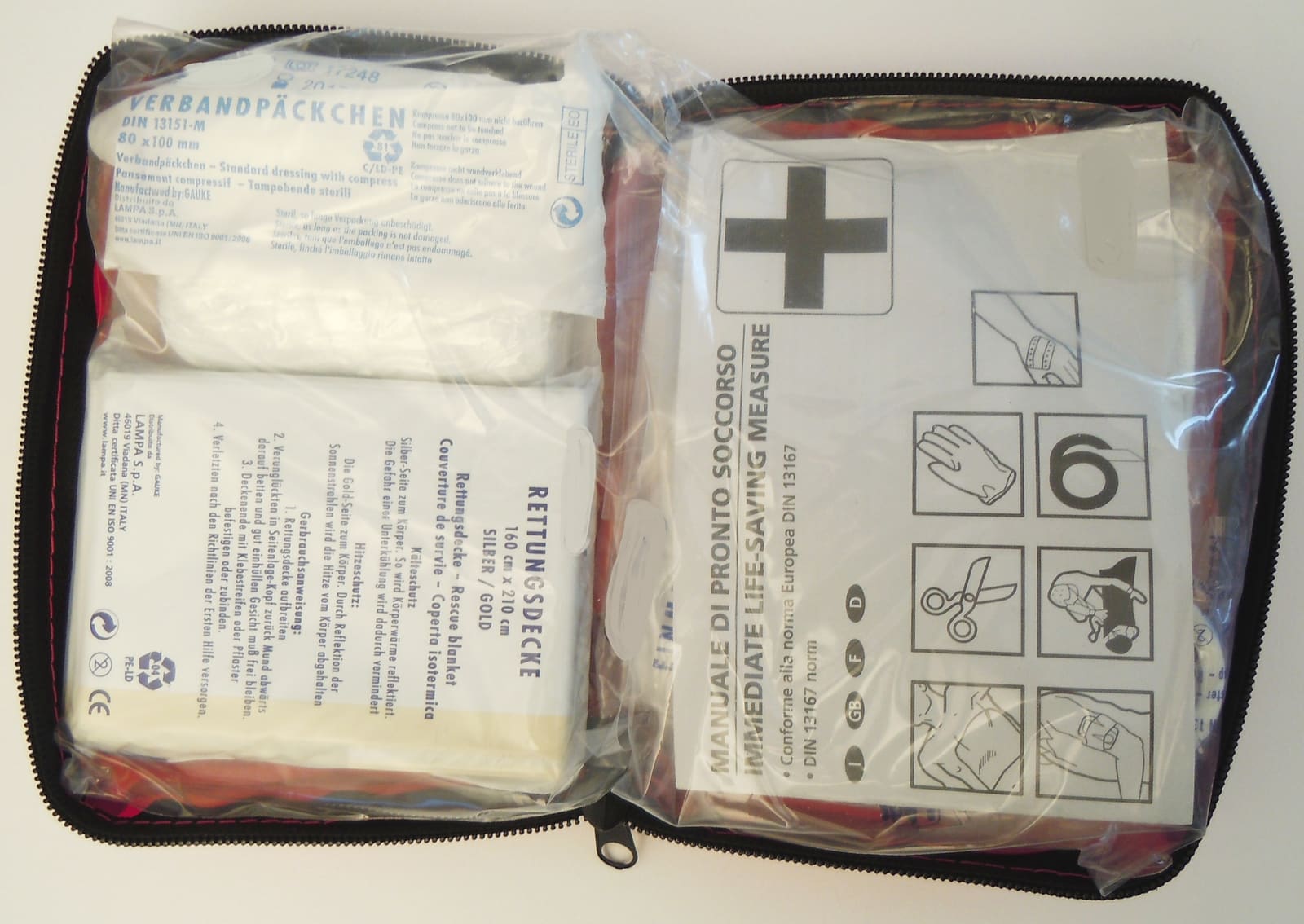
Boat First-Aid Kit and Medical Prep: What to Carry, Day Trips to Offshore
Build and maintain a boat first-aid kit that fits how far from help you go, with the extras boaters actually need for seasickness, fish hooks, cuts, burns, sun, heat and cold, plus a crew briefing, expiration-date checks and training. General preparation only, not medical advice.
What to Do When Your Boat Is Taking On Water: Emergency Steps and Prevention
A step-by-step emergency plan for water coming into the boat - life jackets on, call for help early on VHF 16, find and slow the leak, pump, and head for shallow water if needed - plus the maintenance checklist that prevents most sinkings.

Make a Fire Escape Plan for Your Boat: Exits, Extinguishers, Roles and Shutoffs
Map two ways out of every cabin, put extinguishers where you can actually reach them, assign who does what, and practice shutting off fuel and power and getting everyone off upwind. A boat fire leaves only a few minutes, so the plan has to be made and walked through before you need it.
Set Up Your VHF Radio: MMSI, DSC, GPS Hookup and Radio Checks
Get a free or low-cost MMSI number, program it into your DSC radio, connect your GPS so a distress alert sends your exact position, check the antenna, and learn the Channel 16 rules and the right way to do a radio check.