Launch Day and Haul-Out Checklist for Trailer Boats
A step-by-step checklist for getting your boat off the trailer and back on again safely and quickly, from the drain plug and tie-downs to the blower and ramp etiquette. Following it in order prevents the classic mistakes that sink boats and back up the ramp.
Time
45 min
Applies to
All engines
Safety first: Always set the tow vehicle's parking brake (and put it in park) before anyone gets out on the ramp, and never stand behind a trailer being backed down. Keep people clear of the winch strap or cable: if it snaps it can cause serious injury. On gasoline boats with an enclosed engine, run the blower at least 4 minutes and sniff the engine compartment before starting. If you smell fuel, do not start the engine. If the boat starts filling with water after launch, get it back on the trailer or, if it is out on the water, put on life jackets and call USCG on VHF 16 or 911.
Tools
- Bow and stern dock lines
- Fenders
- Wheel chock for the tow vehicle (handy on steep ramps)
- Waterproof shoes or boots
- Flashlight
Parts & supplies
- Spare drain plug (keep one in the tow vehicle and one in the boat)
- Spare trailer light bulb or fuse
Before you start
Most ramp problems happen because something was skipped in a hurry. Do all your prep in the staging area (the parking lot or prep lane), not on the ramp itself. The ramp is only for backing down, launching and pulling out.
Bring a helper for your first few launches, and pick a quiet weekday morning to practice. Walk down and look at the ramp before backing in: how steep it is, how deep the water is, and where the dock is.
Haul-out here means pulling the boat out at the ramp at the end of a trip or season. If your boat is lifted out by a marina or yard for storage, see the tips at the end.
Steps
Check tire pressure (including the spare), lug nuts and lights. Mercury calls underinflated tires the most common cause of trailer trouble: set them to the pressure on the tire sidewall or the trailer's capacity sticker, which is often much higher than a car tire, and check them carefully after the trailer has sat all winter. Make sure the coupler is latched and pinned, safety chains are crossed under the tongue and hooked, and the trailer plug is connected. Touch the hubs after the first few miles and at stops; one much hotter than the rest needs attention (see our wheel bearing guide).
Pay the launch fee. Load gear from the vehicle into the boat. Put fenders on the side that will face the dock. Attach bow and stern lines. Put the key in the ignition and check that the battery turns the gauges on, but do not crank the engine out of the water. On a personal watercraft, Sea-Doo suggests taking the seat off while you prep so any fuel fumes in the engine compartment can clear before you start it.
Screw or press the drain plug in firmly and tighten it. Then have a second person check it. This is the number-one launch mistake, and it sinks boats at the ramp every season. Some owners hang the plug on the key ring or steering wheel when the boat is stored, so it cannot be forgotten.
Take off the transom tie-down straps and any motor support bracket ("transom saver"). Leave the bow winch strap and safety chain attached for now. Raise the motor or drive enough to clear the ramp.
Life jackets for everyone, a throwable on boats 16 feet and up, fire extinguisher, sound device, and the engine cut-off lanyard. Put a life jacket on the person who will drive the boat off.
Unplug the trailer wiring from the tow vehicle before backing in. This protects the lights and the vehicle's circuit from the cold dunk.
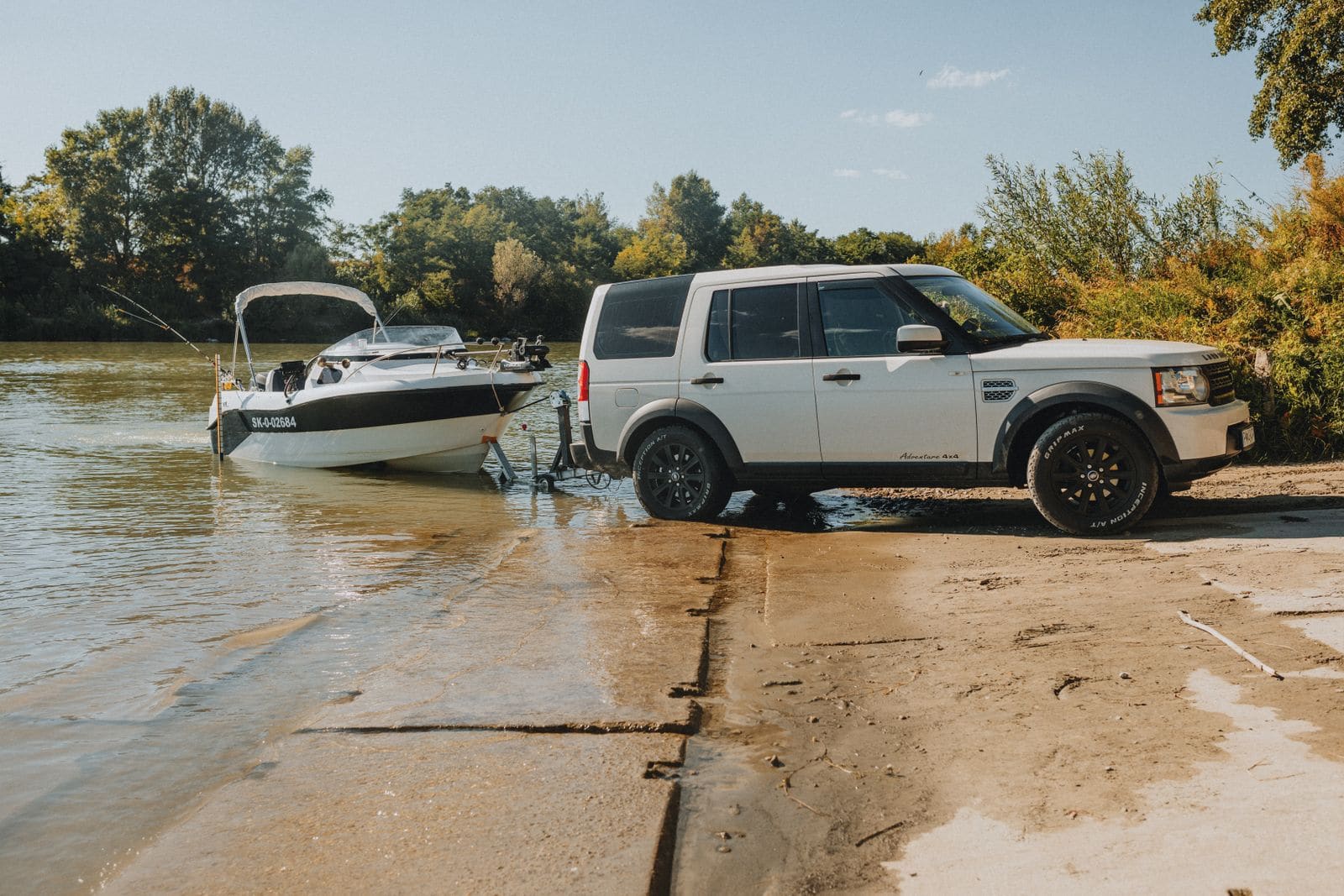
Go slowly and use your mirrors, with a spotter where you can see them. Back down until the boat's stern is deep enough to start floating. Keep the tow vehicle's rear wheels out of the water if you can. Set the parking brake and put the vehicle in park.
Lower the motor or drive into the water. On gasoline boats with an inboard or sterndrive engine compartment, run the blower at least 4 minutes and sniff for fuel before starting. Start the engine once the water intake is submerged and check that water is coming out of the tell-tale (outboards) or exhaust. Never run the engine on the trailer out of the water; the water pump can be ruined in seconds.
Unhook the safety chain and the winch strap from the bow eye. Back the boat off gently, or have a helper walk it off with the lines and move it down the dock, clear of the ramp. Drive the tow vehicle and trailer straight to a parking space. Do not stop at the top of the ramp to rearrange things.
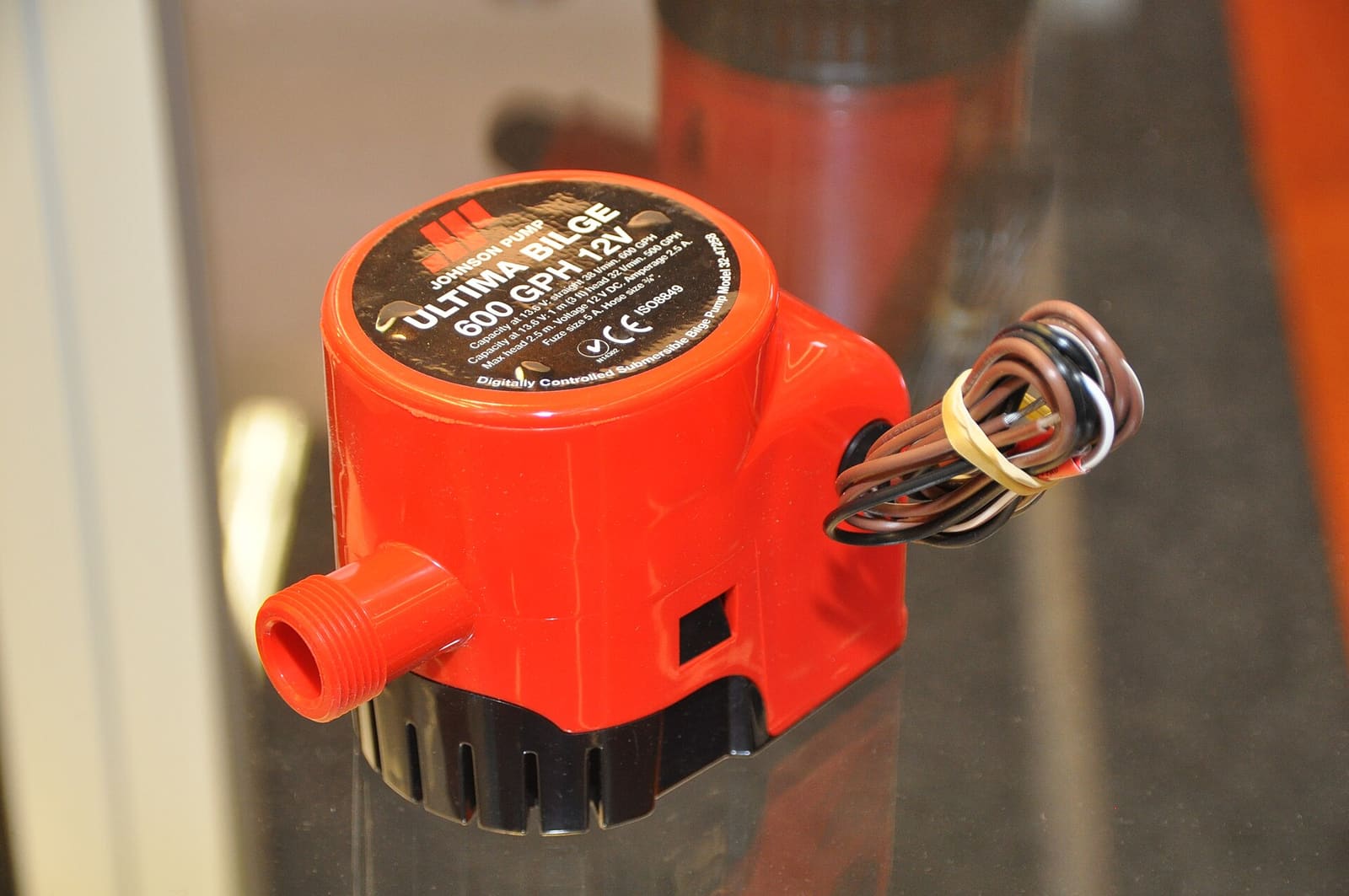
Open the bilge and engine hatches and look for water coming in, especially at the drain plug and any through-hulls. Confirm the bilge pump works. BoatUS recommends checking all through-hulls for leaks right after launch.
Drop off whoever will drive the tow vehicle at the dock so they can fetch it, then wait away from the ramp or at a courtesy dock until the trailer is in the water. Back the trailer in to about the same depth you launched from. Too deep and the boat floats off the bunks crooked; too shallow and it will not slide on.
Line the boat up with the center of the trailer and come on slowly. Many ramps ban "power loading" (using a lot of throttle to drive the boat up), so check the rules. Hook the winch strap to the bow eye, crank until the bow is snug against the bow stop, and attach the safety chain. Turn off the engine and raise the motor or drive.
Pull straight up the ramp and into the staging area before doing anything else. Do not unload or tie down at the bottom of the ramp.
Remove the drain plug and let the bilge drain fully. Drain livewells and bait wells. Pull every bit of weed and mussel off the boat, motor and trailer. Clean, drain and dry is the law in most states, to stop invasive species spreading. Rinse salt off the motor and trailer if you were in salt water.
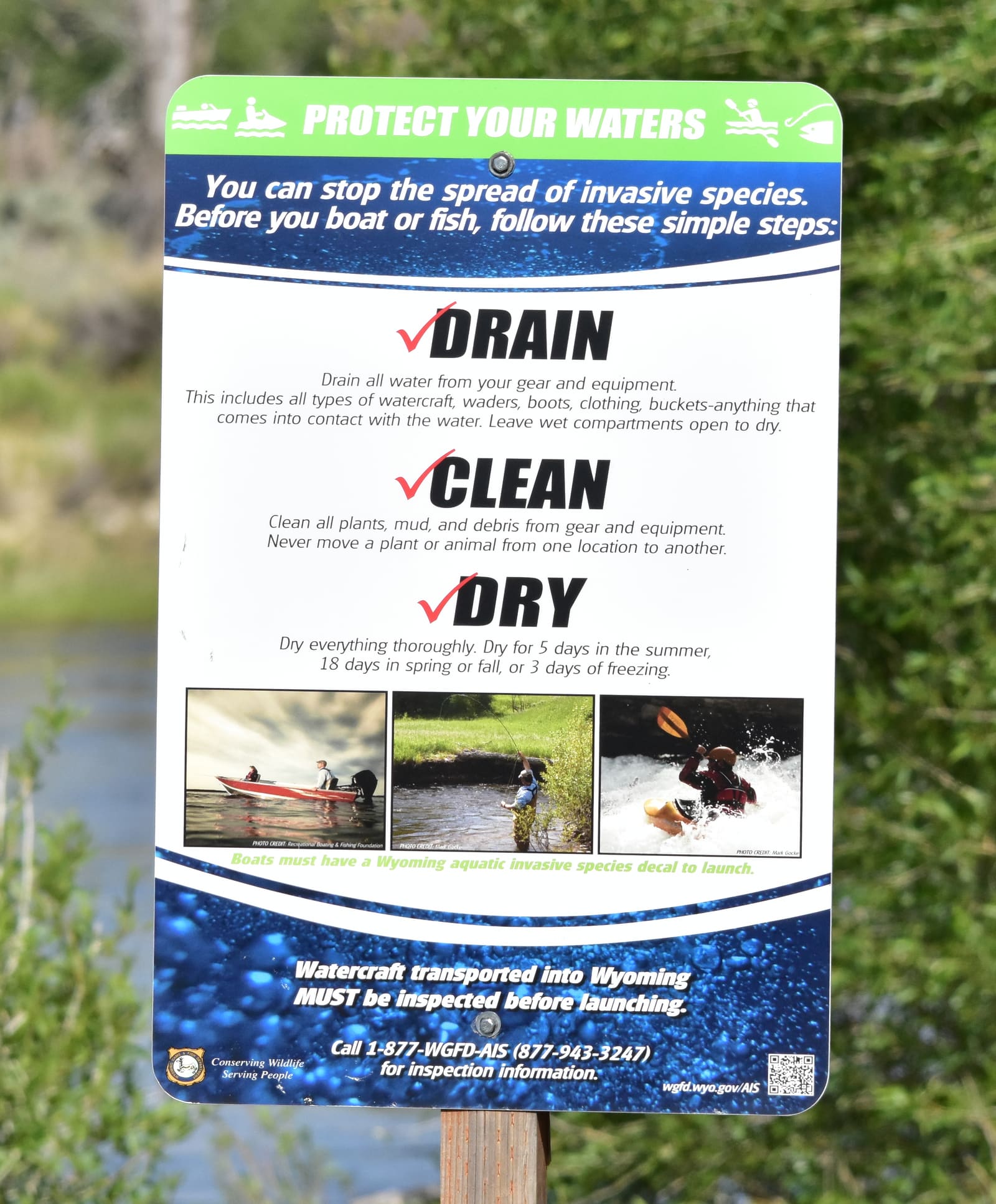
Signs like this one at a wildlife refuge launch spell out the routine; some states also require an inspection or decal before you launch. Photo: USFWS Mountain Prairie / Wikimedia Commons · Public domain Attach the transom straps, reinstall the motor support if you use one, and stow loose gear. Close the Bimini top. Plug the trailer lights back in and check brake, turn and tail lights with a helper. Walk around once more before pulling out.
Common mistakes
- Forgetting the drain plug. Check it, then have someone else check it.
- Taking off the winch strap before the trailer is in the water. The boat can slide off onto the concrete.
- Leaving the transom straps on. The boat will not float off and you will hold up the line.
- Prepping on the ramp. Load gear, attach lines and remove covers in the staging area.
- Starting the engine on the trailer out of the water "just to check it." It destroys the water pump impeller.
- Skipping the blower on gasoline inboards and sterndrives. Fuel vapors in the bilge can explode.
- Leaving the tow vehicle without the parking brake set. Vehicles and trailers do roll into the water.
When to call a pro
- The boat takes on water after launch and you cannot find or stop the leak
- You smell fuel in the bilge or engine compartment
- A trailer hub is smoking or very hot, a tire is badly worn, or the trailer frame or winch is cracked or rusted through
- The engine overheats or shows no cooling water once running
- For a marina or yard haul-out: let the yard's trained crew do the lifting with equipment rated for your boat's weight
Tips
- Keep a laminated copy of this checklist in the tow vehicle and use it every time.
- Keep a spare drain plug in the glove box and one in the boat.
- If a hub feels hot when you arrive, let it cool before backing in when you can; dunking hot bearings in cold water can draw water past the seals.
- Know your hubs. Dexter, a major axle maker, says its plain grease hubs (without its E-Z Lube system) aren't designed to be submerged and should be repacked after each immersion. If your trailer goes into the water every launch with plain dust caps, see the wheel bearing guide.
- Practice backing up with cones in an empty parking lot.
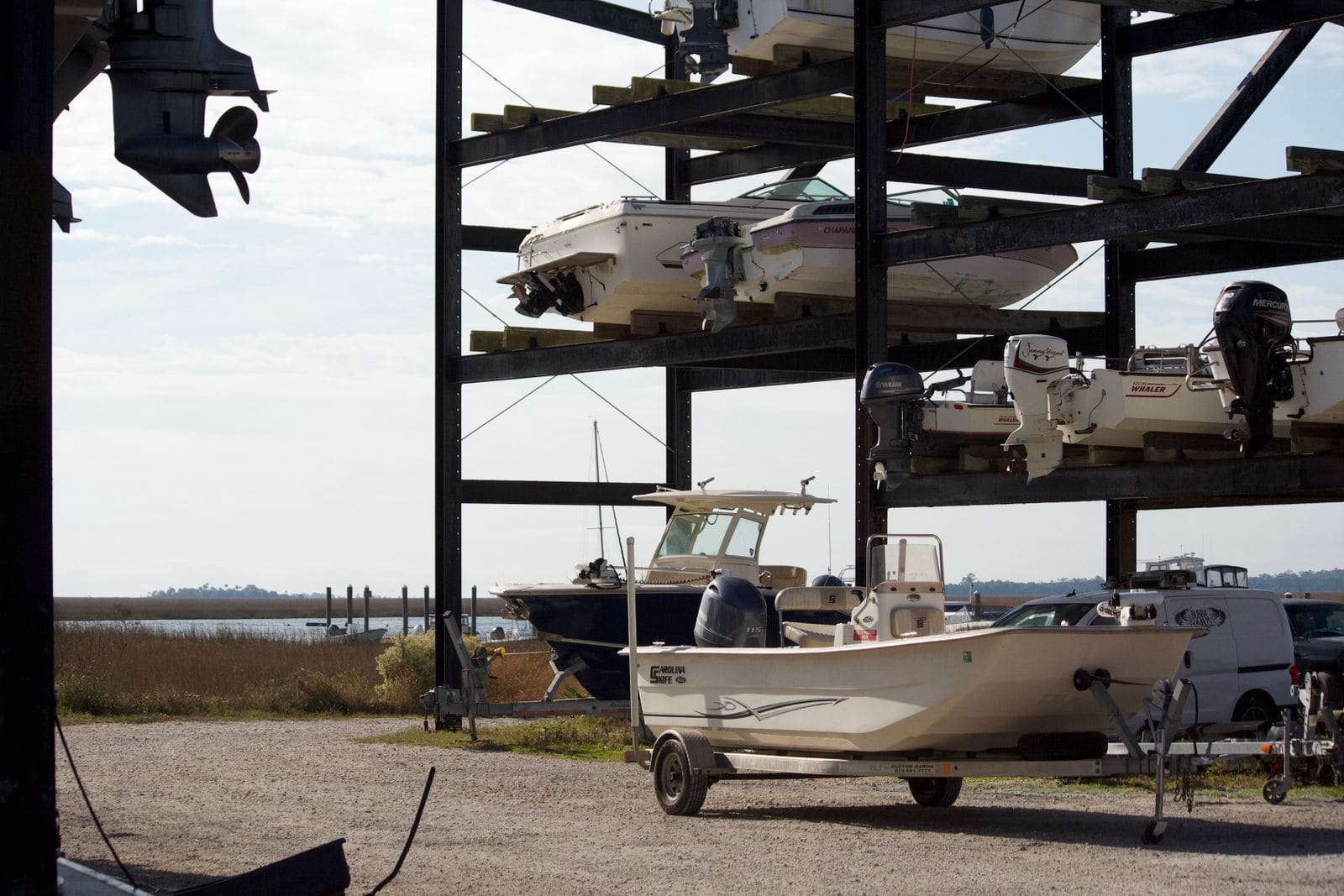
- For a marina or yard haul-out, give the yard your boat's make, model, length and weight in advance, ask what is included (blocking, pressure wash, storage), and haul out before freezing weather. Plan your winterization at the same time.
- Log each launch and haul-out in BoatMend. It helps you track trailer miles and bearing service.
Official references
We read these to write this guide. Your engine's own manual always wins.
- Discover Boating – How to Launch a Boat
- Discover Boating – Boat Ramp Etiquette, Dos and Don'ts for a Smooth Launch
- Discover Boating – Boat Trailer Tips
- Discover Boating – Boat Haul Out Tips
- BoatUS – Time-Tested Spring Boat Launch Checklist
- BoatUS Foundation – Required Equipment
- Mercury Marine – Basic Boat Trailer Maintenance
- Sea-Doo – How to Inspect Your Personal Watercraft
- Dexter Group – Proper Bearing Lubrication Type
Safety: BoatMend is for information only and does not replace a certified marine technician. You are responsible for your safety and your boat. Read the full disclaimer.
Last updated 2026-10-24
Related guides

USCG Required Safety Equipment Check by Boat Length
Walk through your boat and confirm you carry every piece of safety gear the US Coast Guard requires for your boat's length and type, and that none of it is expired or worn out. Missing or expired gear is one of the most common tickets on the water, and it is the gear you need when things go wrong.
How to Inspect and Repack Boat Trailer Wheel Bearings
Check, clean and repack your trailer's wheel bearings so a seized hub does not leave you stranded on the highway. Boat trailers get dunked in water every launch, which makes their bearings fail far more often than those on dry utility trailers.
How to Fix Boat Trailer Lights That Flicker, Dim or Don't Work
Track down the real cause of dead or flickering trailer lights, from a bad ground to a corroded plug, and fix it so the repair lasts. Working brake, turn and tail lights are required by law and keep the driver behind you from rear-ending your boat.
How to Test and Clean Your Bilge Pump and Float Switch
Make sure your bilge pump actually moves water overboard, both on the manual switch and automatically through the float switch. A working bilge pump is one of the most important safety systems on any boat that stays in the water.
Spring Commissioning - Getting Your Boat Ready for the Season
Wake your boat up after storage with a step-by-step check of the battery, fuel system, engine, drive and safety gear. Catching a cracked hose or dead battery in the driveway beats a tow on opening weekend, and saves a typical shop commissioning fee.
How to Winterize an Outboard Engine
Protect your outboard from freeze damage, stale fuel and internal corrosion over the off-season. Most owners can do it in an afternoon with basic tools, compared with a shop bill that often runs several hundred dollars.