Lightning and Your Boat: Protection, Storm Safety and After-Strike Inspection
How lightning damages boats, what a professionally installed protection system (ABYC and NFPA 780 guidance) can and cannot do, what to do when a storm catches you on the water, and a step-by-step inspection checklist after a strike, including the haul-out, compass, electronics, through-hulls and the insurance claim.
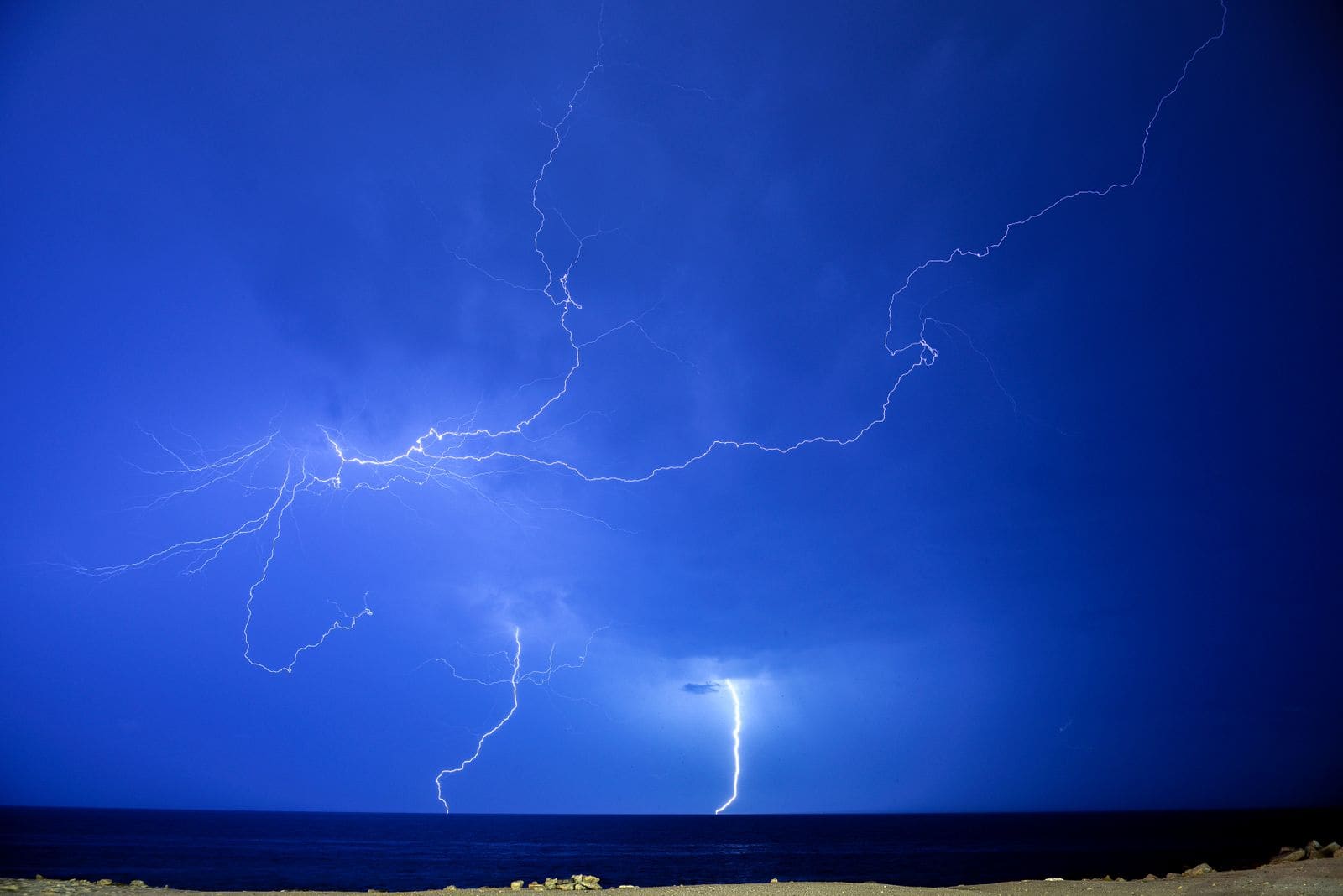
Time
2 h
Shop would charge
$500-5000
Applies to
All engines
Safety first: No boat is safe in a thunderstorm. If thunderstorms are possible, do not go out; if you see one building, head in early. If someone is struck, call for help right away (VHF channel 16 or DSC distress, or 911 near shore) and start CPR if they are not breathing: a person struck by lightning carries no electrical charge and is safe to touch. If the boat is struck and taking on water, put on life jackets, use the bilge pumps and call the Coast Guard on VHF 16. Lightning protection systems must be designed and installed by a qualified professional; this guide does not cover installing one.
Fuel smell, water coming in, CO alarm or smoke? Stop, get everyone in life jackets and call USCG on VHF 16 or 911. For a tow: Sea Tow or TowBoatUS.
Owners often ask
- What should I do if a thunderstorm catches me out on the water in an open boat?
- My boat was hit by lightning but it still floats and starts. What do I need to check?
This guide walks you through it. Still stuck? Ask the AI Mechanic about your engine.
Tools
- VHF radio (fixed and a handheld backup) and a NOAA weather app or weather radio
- Flashlight and inspection mirror
- Digital multimeter
- Phone or camera for damage photos
- Notebook for compass readings
Parts & supplies
- Fuses to replace any that blew (check ratings first)
- Spare handheld VHF and non-electronic distress signals (flares)
Before you start
Lightning strikes on boats are not common, but they are expensive and can be dangerous. BoatUS insurance claim files put the odds of a boat being struck in a given year at about 1 in 1,000 nationwide, with big differences by region and boat type:
- Florida accounts for about a third of BoatUS lightning claims, at about 3.3 boats per 1,000 per year.
- Sailboats are struck far more often (about 4 per 1,000) than powerboats (about 5 per 10,000). Trawlers have the highest rate among powerboats (about 2 per 1,000).
- Multihulls were struck more than twice as often as monohulls in the BoatUS data.
- Bass boats, houseboats and even personal watercraft have been struck.
The National Weather Service notes that most lightning deaths and injuries on boats happen on small boats with no cabin. Its list of the 20 U.S. lightning deaths in 2025 includes four people on boats (three fishing from a boat on rivers, creeks and lakes, one boating), plus others fishing from shore or standing in the water. There are no specific warnings or advisories for lightning, but every thunderstorm produces it.
This guide has three parts: understanding protection (steps 1 to 4), staying safe in a storm (steps 5 to 7) and inspecting the boat after a strike (steps 8 to 14).
Steps
Lightning is trying to reach the water. On a sailboat it usually hits the mast; on a powerboat, the VHF antenna, a T-top or a bimini frame. From there it takes every path it can find to the water: down the mast and rigging, through wiring and electronics, and out through through-hulls, props, the keel or even straight through a fiberglass hull. NOAA estimates a strike carries around 30 million volts, so a direct hit on any 12-volt device destroys it.
A nearby strike can also cause damage. BoatUS has claims where boats next to a struck boat had damaged electronics or a compass that was off by 50 degrees or more.
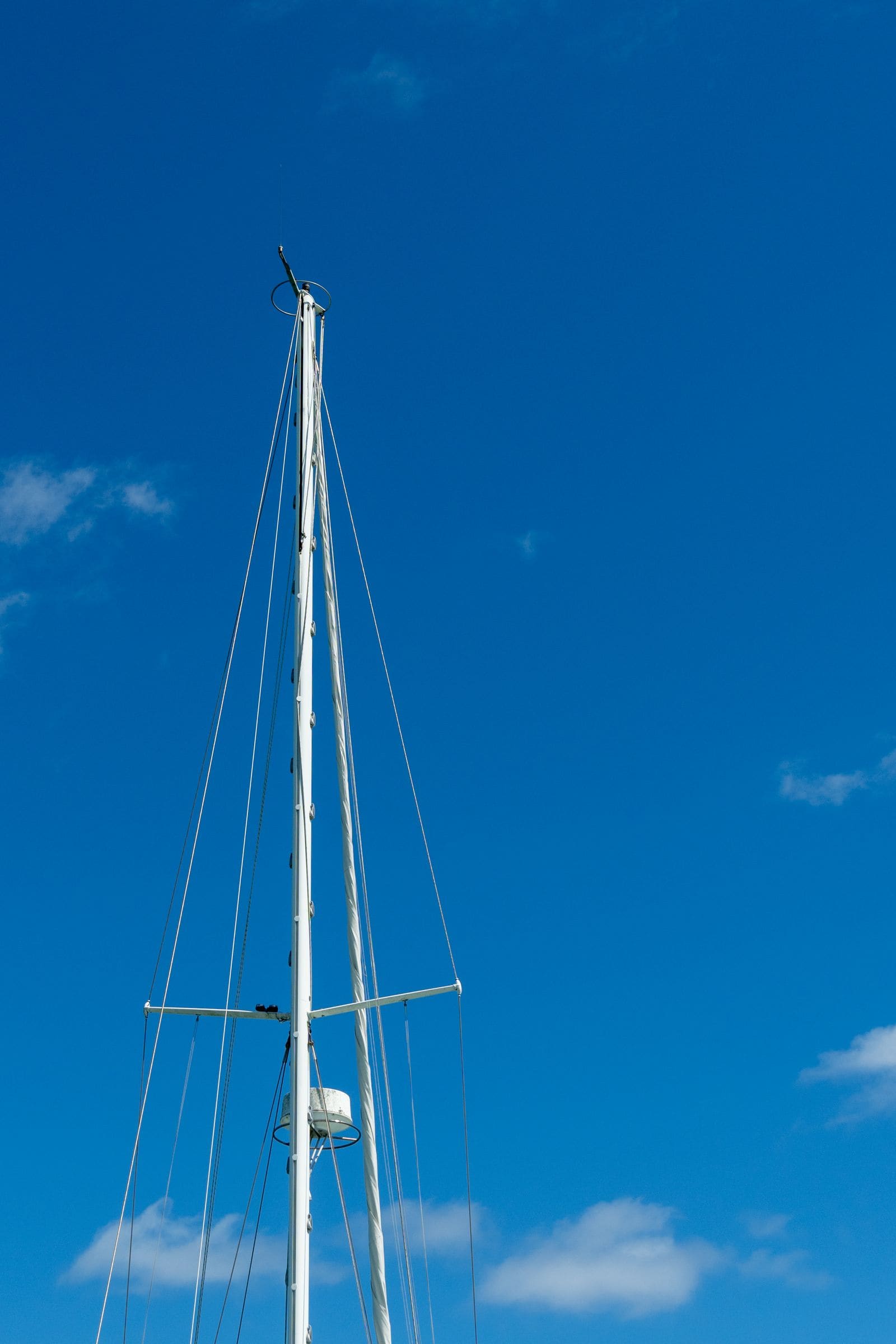
The masthead is the highest point on a sailboat and the usual strike point. Antennas and wind instruments up there are often the first things destroyed. Photo: David Rado / Pexels · Pexels License A lightning protection system does not prevent strikes. Its job is to give the strike a direct, low-resistance path to the water so the current goes around the boat and the people aboard instead of through them. The basic parts, as described in a BoatUS article on NFPA 780 by marine electrical engineer James Coté:
- Air terminal: a lightning rod at the highest point, taller than anything it protects, including the VHF antenna.
- Down conductor: a heavy, dedicated conductor from the air terminal to the water ground, run as straight as possible and kept apart from other wiring. An aluminum mast or tower can serve as the down conductor if it is properly connected.
- Grounding plate or terminal: a metal plate or a bare metal keel, strut or rudder in contact with the water.
- Surge protection devices: fitted to engine computers, chartplotters, autopilots and other critical electronics.
Most boats are not built with a full system from the factory, and BoatUS notes that the recreational boating industry has been slow to adopt the newer NFPA 780 recommendations.
Lightning protection is a design job, not a weekend project. A badly done system can make damage worse. BoatUS describes common installation mistakes: an air terminal lower than the antenna next to it, a down conductor tied into the bonding system instead of going straight to the ground plate, and lightning conductors bundled with other wiring, which induces surges in that wiring. In one claim, an owner bonded his through-hulls with heavy wire but one fitting was plastic; the strike jumped across it, destroyed it and partly sank the boat.
If you keep a larger boat, especially a sailboat, in a lightning-prone area like Florida or the Chesapeake Bay, ask an ABYC-certified marine electrician who knows NFPA 780 and the ABYC lightning protection guidance to assess your boat. Ask specifically about surge protection for the engine electronics.
"Fuzzy" or brush-style dissipaters and other devices sold to prevent strikes have no independent laboratory evidence that they work, according to the BoatUS article. BoatUS even records a boat with a dissipater at the masthead that was struck twice in one year. Spend the money on a properly designed protection system and surge protection instead.
Boating safety in storms starts at the dock. The National Weather Service advises:
- Check the forecast. If thunderstorms are possible, do not go out.
- Keep watching the sky and the radar while you are out, and listen to NOAA Weather Radio on your VHF.
- Have an escape plan: know the nearest safe harbor. Thunderstorms are usually brief, so waiting one out ashore beats riding it out on the water.
- Carry a handheld VHF and non-electronic signals (flares) in case a strike knocks out the boat's electronics.
Head for port or shelter as soon as you see a storm building. If you cannot get in:
- Put on life jackets. Storms bring sudden wind shifts, waves and poor visibility as well as lightning.
- Boat with a cabin: go inside and stay away from metal and electrical devices. NWS notes that large boats with cabins, especially those with properly installed protection systems, and metal boats are relatively safe.
- Open boat: get as low as possible in the boat. If you cannot reach land, drop anchor and get low.
- Keep away from the mast, shrouds, T-top legs, rails and other tall metal. The NWS explains that side flashes jump to people within a foot or two of a struck object.
- Keep arms and legs out of the water, and stay off the radio unless it is an emergency.
- Don't waste time pulling off watches, rings or phones. The NWS lightning myths page explains that metal doesn't attract lightning; height, a pointed shape and being isolated do, which is exactly what a boat on open water is. Metal does conduct a strike, though, which is why you stay off rails and rigging.
- Ashore, NWS advises waiting 30 minutes after the last rumble of thunder before going back out.
Call for help at once: VHF channel 16 or the DSC distress button, or 911 near shore. NWS stresses that calling 911, starting CPR and using an AED quickly can keep a victim alive. Victims do not carry an electrical charge, so you can touch them safely. Then get to shore as fast as you safely can.
The most urgent risk after a strike is a hidden leak. Lightning can exit through a through-hull fitting or blow a hole through the hull, sometimes at or below the waterline.
- Check the bilge immediately and keep checking. Run the bilge pumps and look at every through-hull and seacock.
- If water is coming in faster than the pumps can handle, call the Coast Guard on VHF 16 and see the taking on water guide.
- If you smell fuel or burning wiring, shut down the engine and electrical system, ventilate and get ready to leave the boat. BoatUS records a 25-foot boat with a little fuel in the bilge that exploded when struck at the dock.
BoatUS advises calling your insurance company first and getting the boat short-hauled (lifted briefly out of the water) as soon as possible so the hull and through-hulls can be inspected. A strike can leave a slow leak that sinks the boat days later. BoatUS Marine Insurance pays for this post-strike short haul without a deductible; ask your own insurer what they cover. Take photos of everything before anything is repaired.
On the haul-out, look for:
- Small holes, burn marks or blisters near the waterline, especially near through-hulls, the keel and chainplates
- Cracked, burned or loose through-hull fittings and seacocks (plastic fittings are especially vulnerable)
- Damaged bottom paint around props, struts, rudders and metal keels, where strikes often exit
Have a marine surveyor do this if you are not sure what you are looking at. Hidden damage to the hull laminate or a keel joint needs a professional.
A missing or damaged VHF antenna is often the first sign that an unattended boat was struck. Look for melted bits on deck, burn marks at the masthead, damaged wind instruments, lights and radar. Aluminum masts are rarely damaged, but BoatUS notes wood and carbon masts can be. Have a rigger inspect the rig and chainplates (see rigging inspection).
Turn things on one at a time and note what does not work.
- Fuses and breakers: surveyor Dewey Ives told BoatUS that more than a couple of blown fuses points to lightning.
- GFCI outlets: they are often destroyed but may still pass power without protecting you. Press the test button on each one; if it does not trip, replace it.
- Electronics: VHF, chartplotter, autopilot, depth and wind instruments, stereo, battery charger, inverter, bilge pumps, lights and fans.
- Engine: start it and check the gauges and alarms. Electronic engine controls are sometimes damaged.
BoatUS notes that equipment that works after a strike usually was not damaged, and that it is unusual for electronics to fail months later. Still, list everything for the insurer.
Lightning's magnetic field can throw a compass far off, sometimes by 50 to 100 degrees. Compare your compass with a GPS course on a few known headings. If it is off, it may slowly return to normal, but do not rely on it until it has been checked and, if needed, adjusted or replaced by a compass adjuster.
Keep every photo, invoice and survey from the strike. Have a qualified marine electrician repair wiring, and replace damaged electronics with surge protection where it makes sense. Add the strike and repairs to your boat records: insurers, surveyors and future buyers will ask.
Common mistakes
- Going out with thunderstorms in the forecast because "it's just a chance."
- Huddling against the mast, T-top legs or console rails during a storm.
- Assuming the hull is fine because the boat is still floating right after a strike.
- Not testing GFCI outlets after a strike. They can look fine and still not protect you.
- Disconnecting the VHF antenna cable and leaving it lying against the hull: BoatUS records a strike that jumped from a loose coax cable through a fiberglass hull.
- Bonding some through-hulls with wire without knowing one fitting is plastic.
- Buying a "strike prevention" gadget instead of a properly designed protection system.
- Waiting to tell the insurer and starting repairs before damage is documented.
When to call a pro
- Anyone struck or injured: VHF 16 or 911 immediately
- Water coming in, burned wiring, fuel smell or smoke after a strike: call the Coast Guard, Sea Tow or TowBoatUS
- Every boat that has been struck: a short haul and a marine surveyor's inspection
- Designing or installing a lightning protection system, surge protection or any change to bonding: an ABYC-certified marine electrician
- Mast, rigging and chainplate checks after a strike: a rigger
- A compass that stays off after a strike: a compass adjuster
Tips
- Keep a handheld VHF and a GPS in a metal box or bag aboard; they are your backup if the boat's electronics are hit.
- Register your EPIRB or PLB and keep flares current; they do not depend on the boat's power.
- After any nearby strike in your marina, check your boat even if it looks fine: antenna, fuses, GFCIs and bilge.
- Photograph your electronics and keep model and serial numbers in your boat records to speed up a claim.
Official references
We read these to write this guide. Your engine's own manual always wins.
- BoatUS – How Likely Is Your Boat To Be Struck By Lightning
- BoatUS – Lightning! Flash, BANG! Your Boat's Been Hit, Now What?
- BoatUS – Modern Lightning Protection On Recreational Watercraft (NFPA 780 basics)
- National Weather Service – Safe Boating, Thunderstorms
- National Weather Service – Lightning Safety Outdoors (boating)
- National Weather Service – How People Are Struck by Lightning
- National Weather Service – Lightning Safety
- National Weather Service – Lightning Fatalities in 2025
- National Weather Service – Lightning Myths
Safety: BoatMend is for information only and does not replace a certified marine technician. You are responsible for your safety and your boat. Read the full disclaimer.
Last updated 2026-10-24
Related guides
What to Do When Your Boat Is Taking On Water: Emergency Steps and Prevention
A step-by-step emergency plan for water coming into the boat - life jackets on, call for help early on VHF 16, find and slow the leak, pump, and head for shallow water if needed - plus the maintenance checklist that prevents most sinkings.
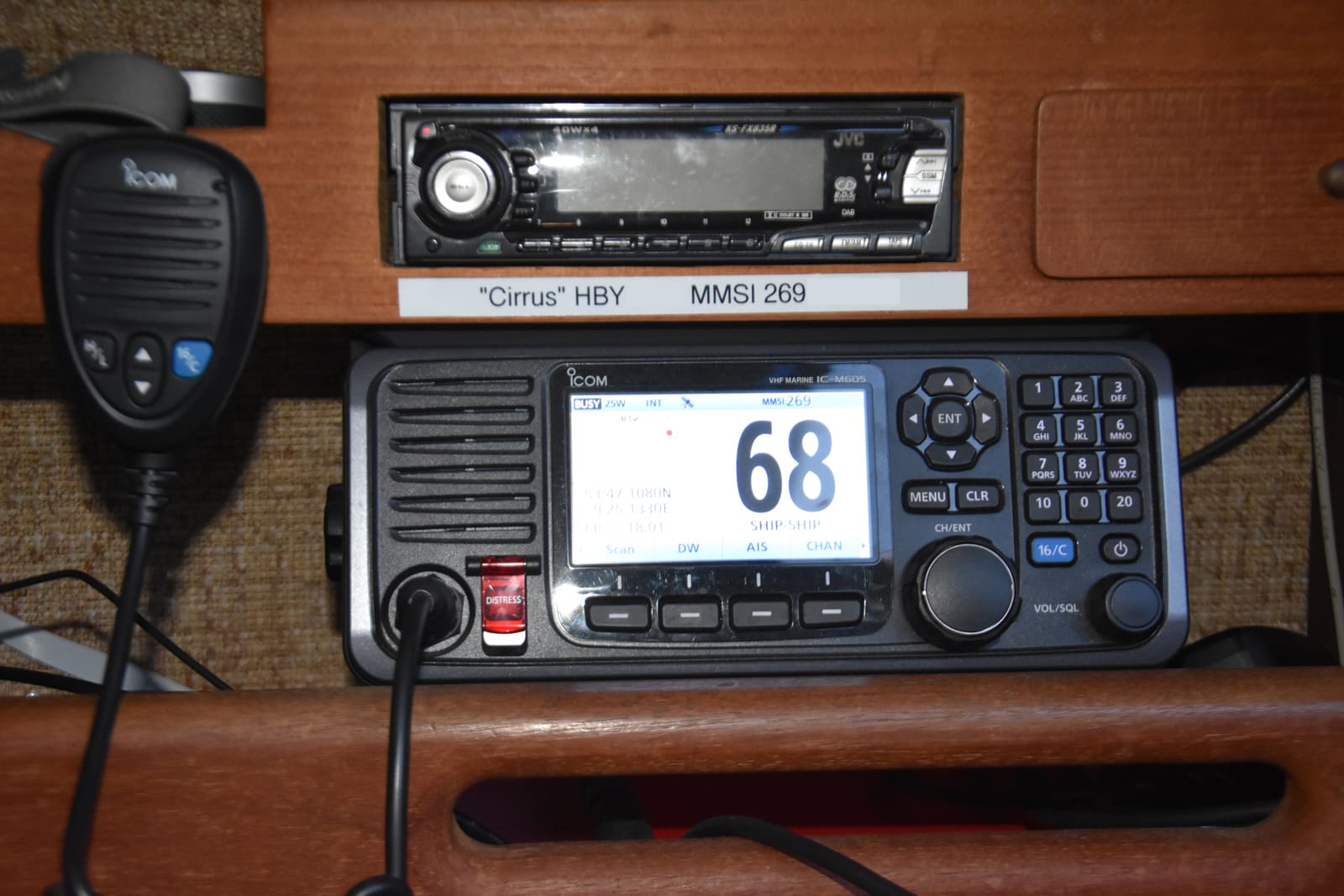
Set Up Your VHF Radio: MMSI, DSC, GPS Hookup and Radio Checks
Get a free or low-cost MMSI number, program it into your DSC radio, connect your GPS so a distress alert sends your exact position, check the antenna, and learn the Channel 16 rules and the right way to do a radio check.
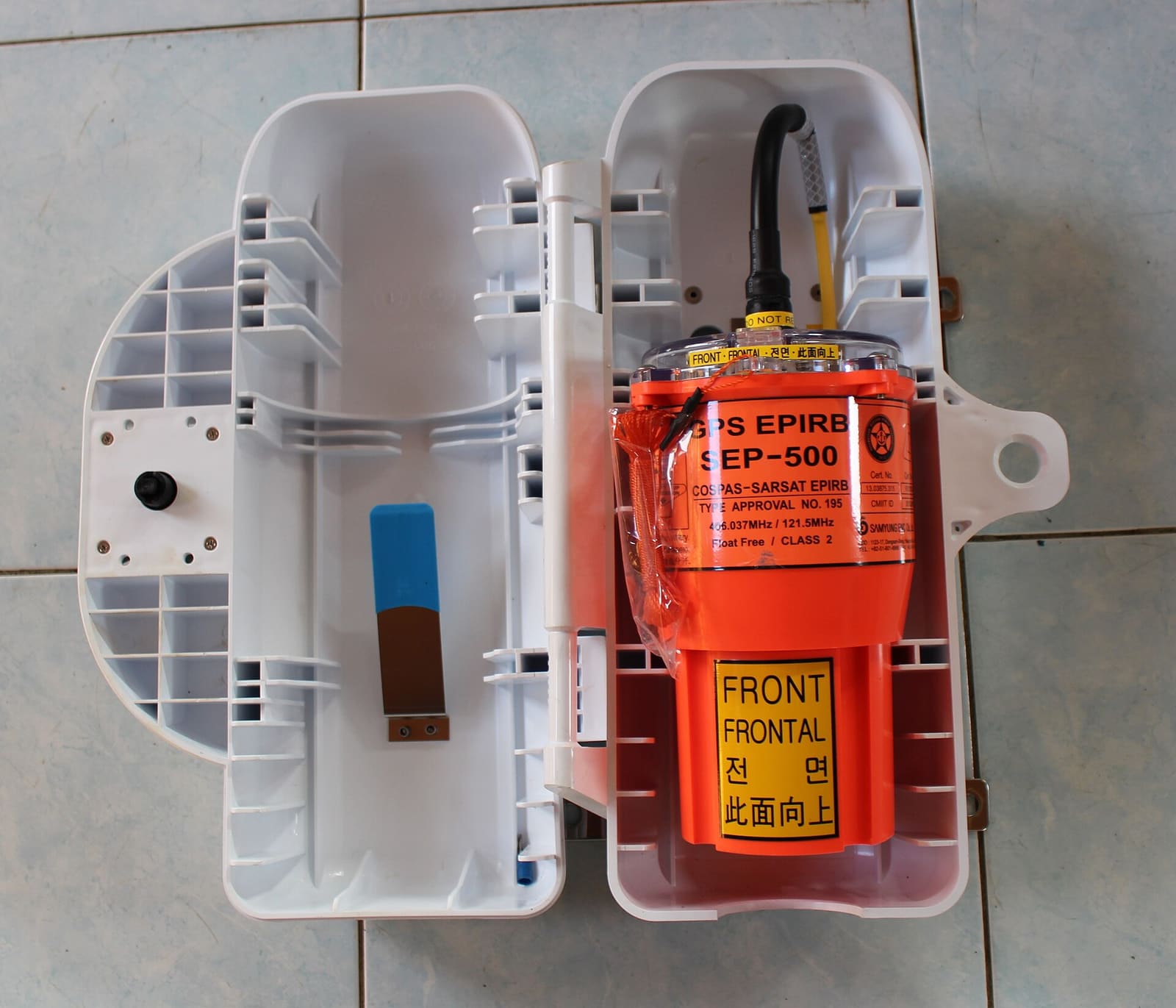
EPIRB and PLB Care: Registration, Batteries, Self-Test and Mounting
Keep your 406 MHz emergency beacon ready to work on the worst day of your life. Register it free with NOAA and renew every two years, track the battery and hydrostatic release dates, run the self-test without triggering a false alert, and know what happens after you press the button.
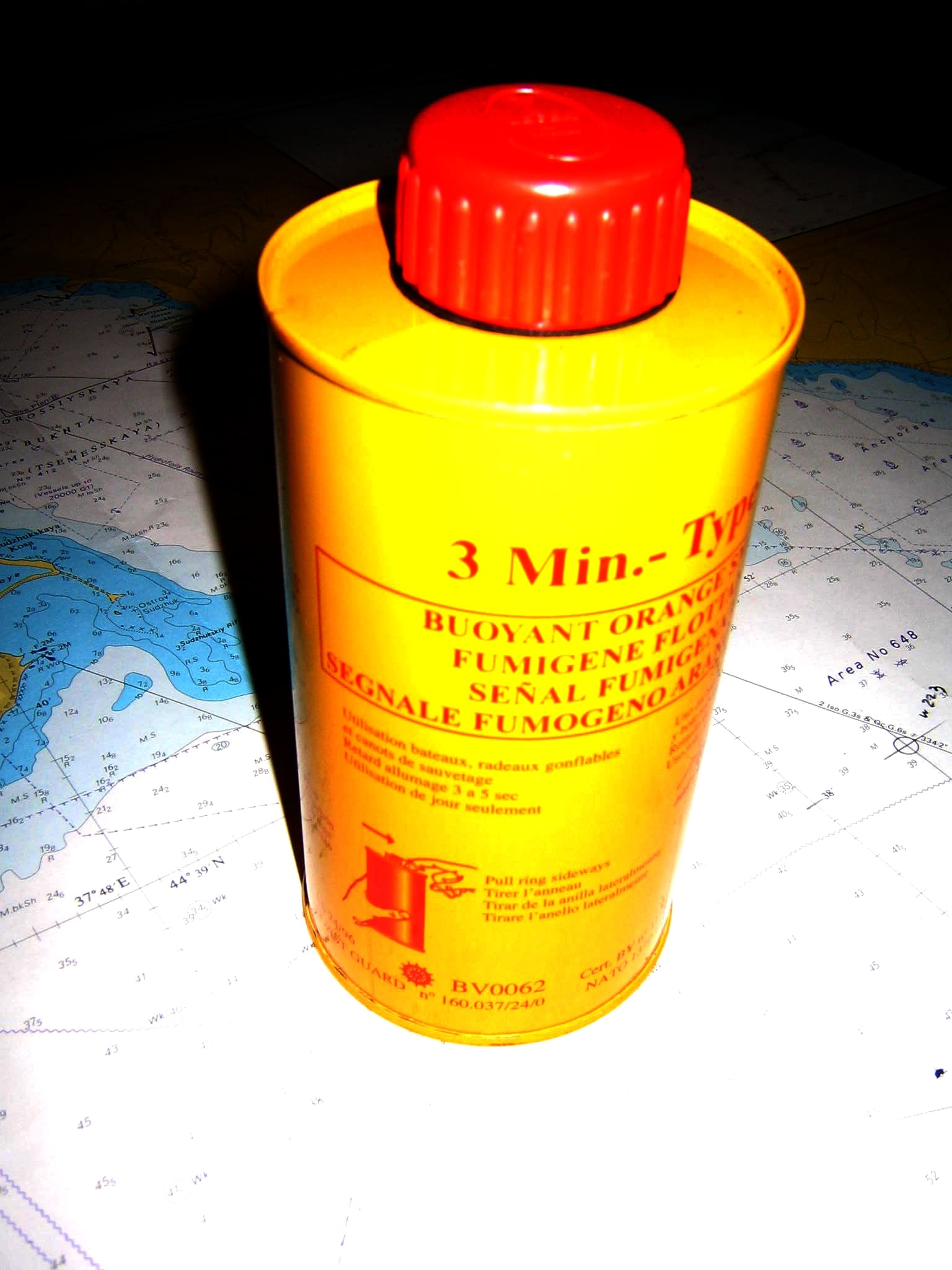
Visual Distress Signals: Flare Expiry, Storage, Practice and Safe Disposal
Make sure your flares, smoke signals, distress flag or electronic distress light meet the Coast Guard rules for day and night, are not past their 42-month date, and are stored where you can grab them. Then get rid of expired flares the safe and legal way instead of letting them pile up in a locker.
How to Inspect and Exercise Seacocks, Through-Hulls and Hose Clamps
Check every hole in your hull below the waterline, work each seacock open and closed, and inspect the hoses and clamps attached to them. A single failed fitting or hose is one of the most common reasons boats sink at the dock.
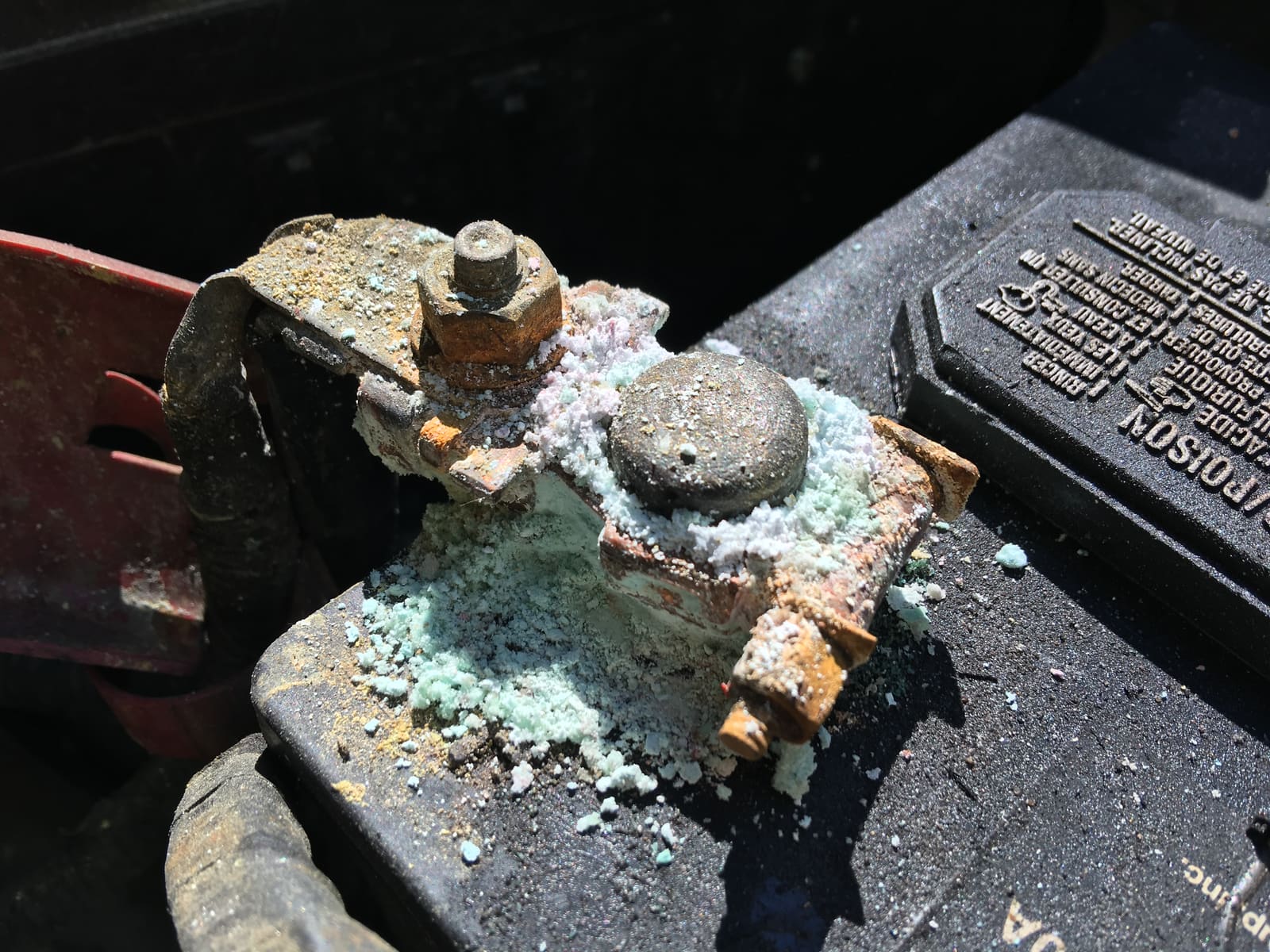
How to Find and Fix Corroded Electrical Connections on a Boat
Track down the green crust and loose terminals behind flickering lights, dead gauges and slow cranking with a simple voltage-drop test, then remake the connection the marine way: tinned wire, a proper crimp, adhesive-lined heat shrink and a protective coating.
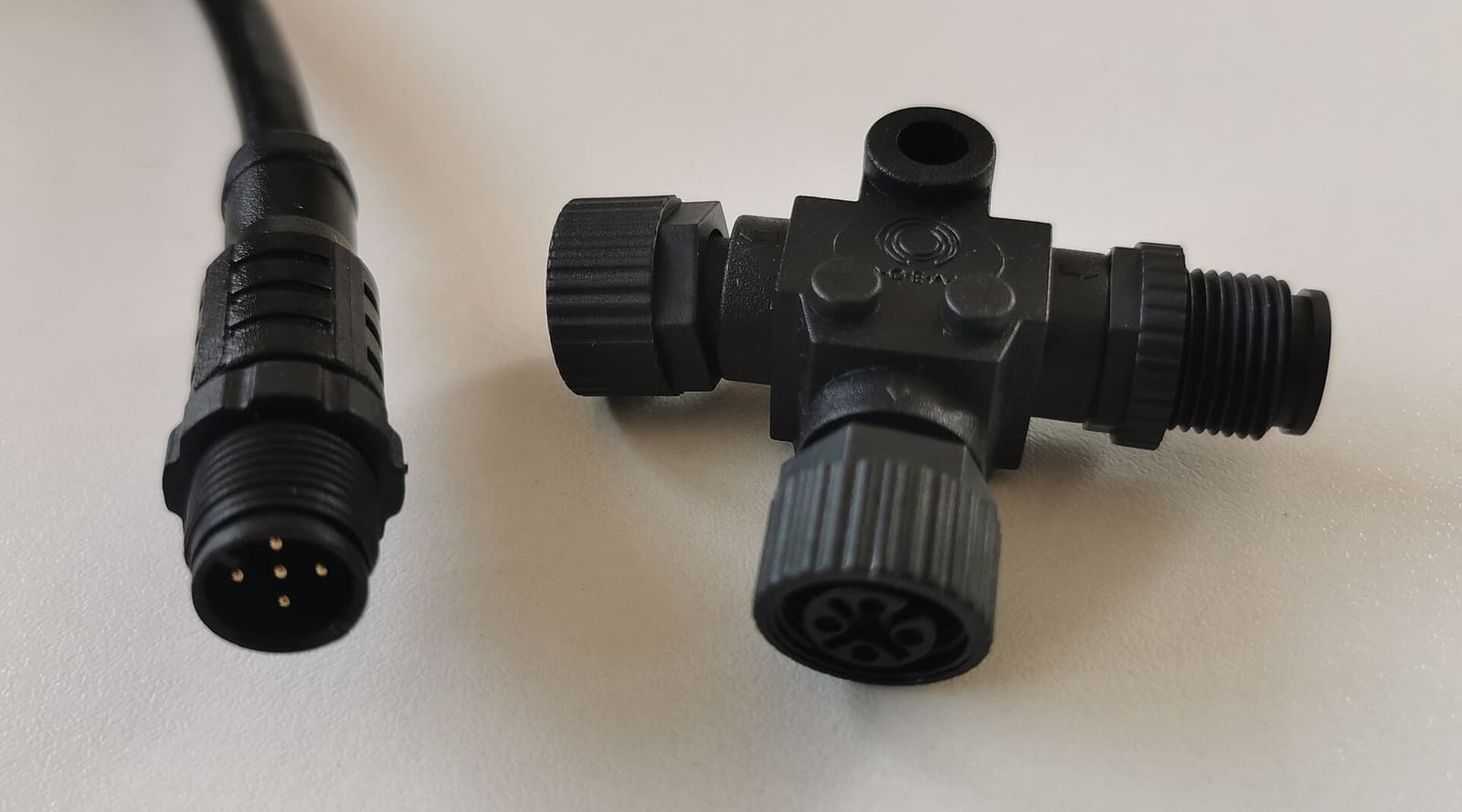
NMEA 2000 Network Basics and Troubleshooting (Plus Chartplotter Updates)
Understand the backbone, terminators, power tap and drop cables that tie your chartplotter, engine data, GPS, depth and autopilot together, then track down why a device keeps dropping off. Finish by updating chartplotter and device software the safe way.
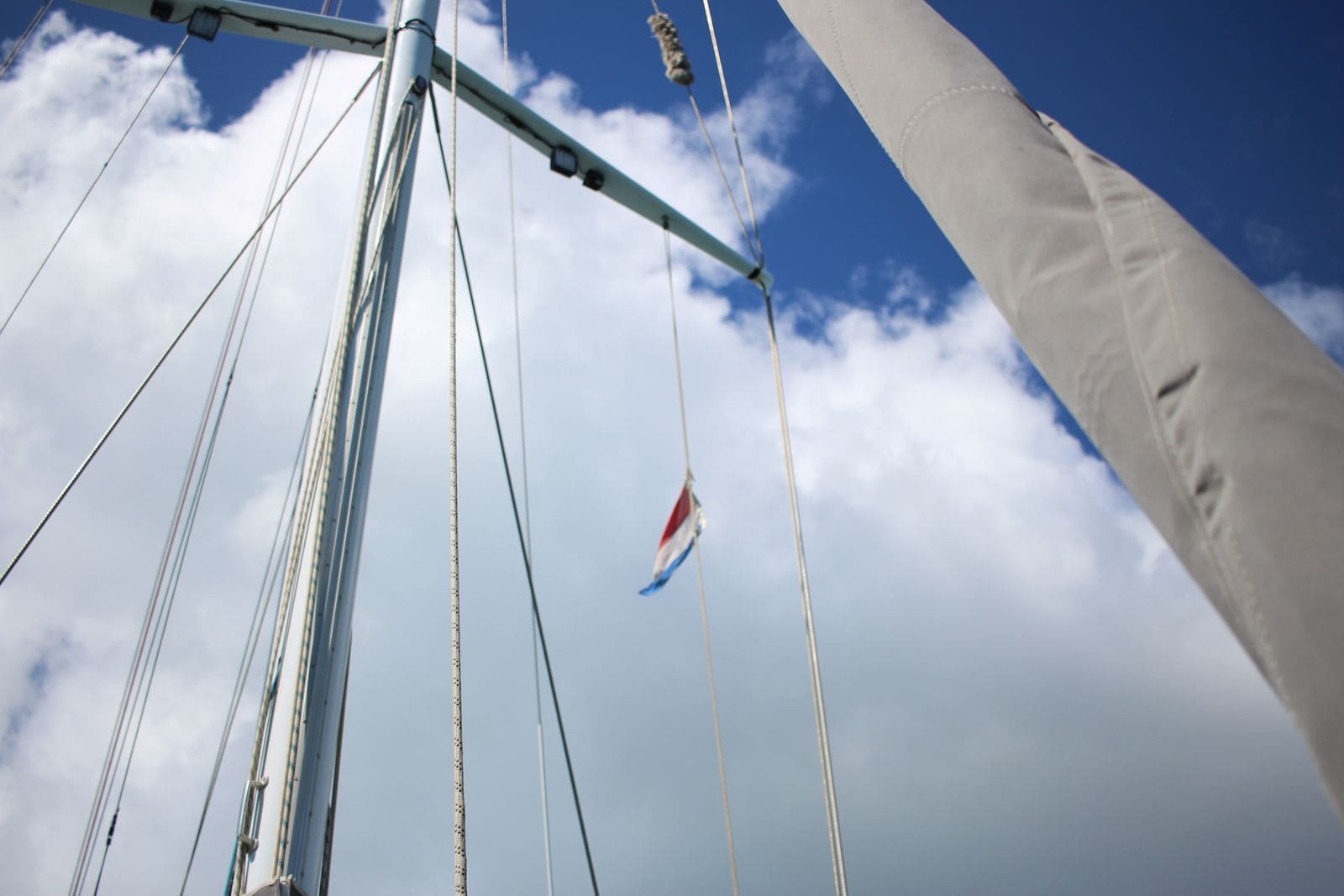
How to Inspect Your Sailboat's Standing Rigging
A step-by-step owner's inspection of the wires, fittings, turnbuckles, pins, chainplates and mast that hold your rig up, plus how to decide when it is time for a rigger and new rigging. Includes what insurers commonly expect for older rigs.
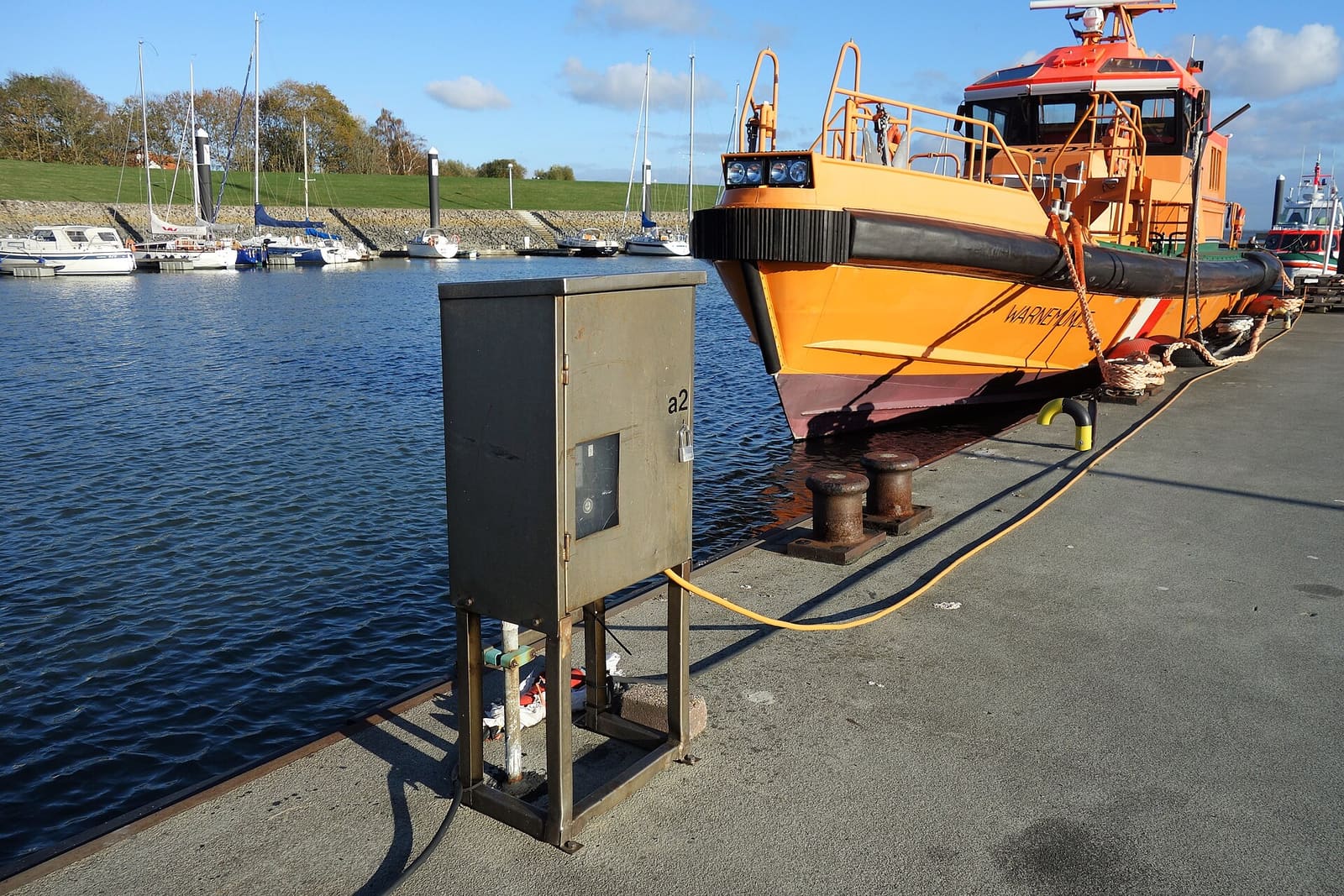
Shore Power Safety: Cords, Inlets, Burned Plugs and Electric Shock Drowning
An owner's inspection routine for your shore power cord, plugs, boat inlet, galvanic isolator and ground-fault protection, plus the right way to plug in and the facts about Electric Shock Drowning. This guide is for looking and testing only; any electrical repair belongs to an ABYC-certified marine electrician.
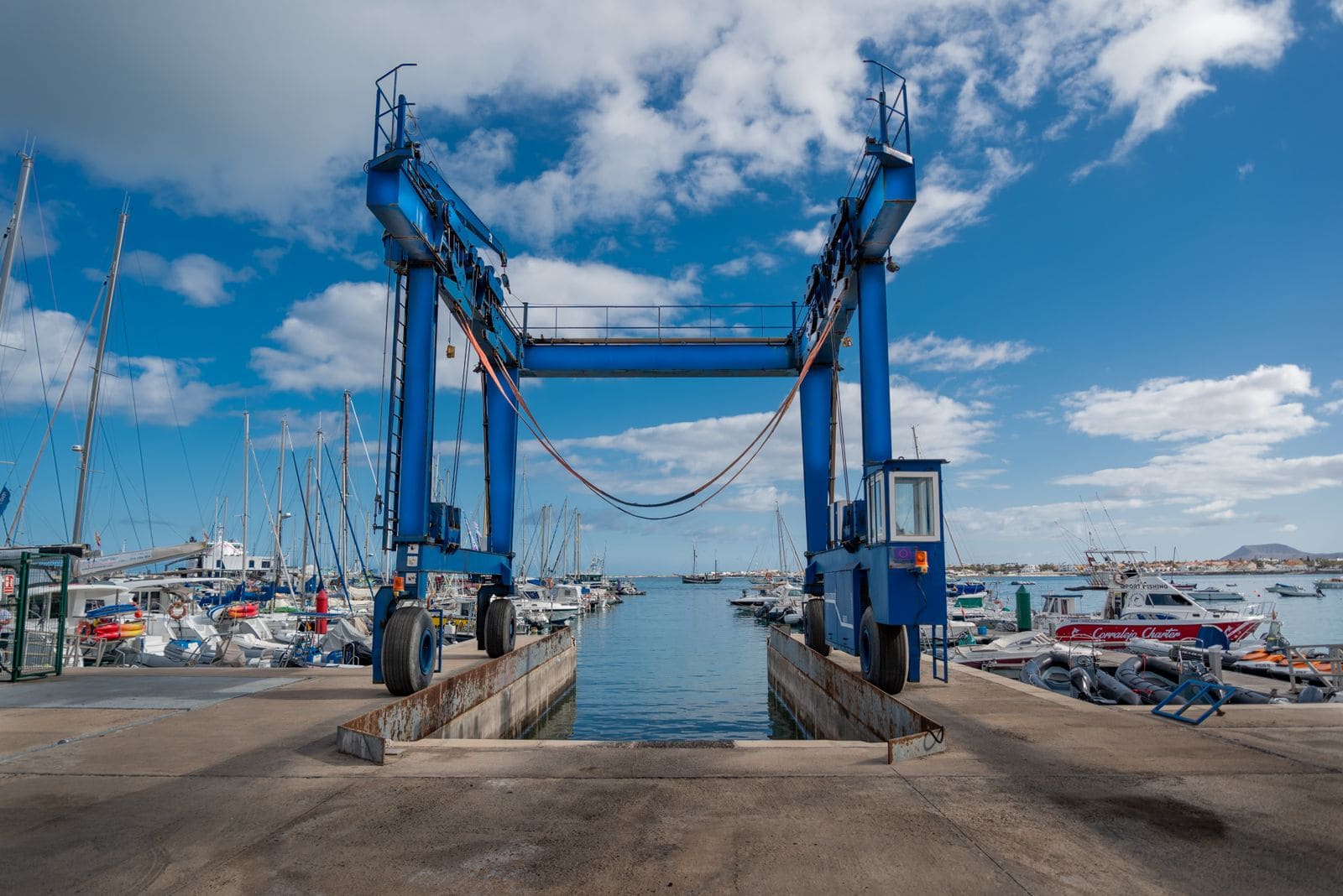
How to Prepare Your Boat for an Insurance or Condition Survey
Get ready for a marine survey your insurer or lender asked for: what a SAMS or NAMS surveyor looks at, the common findings you can fix beforehand (hose clamps, seacocks, bilge, fire extinguishers, wiring), the paperwork to have ready, and how to handle the recommendations afterward.