Jet Ski Won't Start or Won't Beep: A Step-by-Step Check
Most personal watercraft that refuse to start have a simple cause: the key or lanyard, a weak battery, a blown fuse, a security lock or a flooded engine. Work through these checks from the cheapest to the most involved and learn what each result means for Sea-Doo, Yamaha and Kawasaki models.
Time
1 h
Shop would charge
$100-400
Applies to
Jet ski / PWC · Jet ski / PWC
Safety first: Before you press start, open the seat or engine cover and sniff. If you smell gasoline or see fuel in the hull, do not crank: a spark can ignite the vapor. Let it air out and find the leak first, or call your dealer. Never charge or jump the battery while it is installed in the craft. If you are stuck on the water, stay with the craft, wear your life jacket, and call for a tow (TowBoatUS or Sea Tow) or the Coast Guard on VHF channel 16 or 911 in an emergency.
Owners often ask
- My Sea-Doo doesn't beep and won't start. What should I check?
This guide walks you through it. Still stuck? Ask the AI Mechanic about your engine.
Tools
- Your owner's manual or Operator's Guide (for beep codes and fuse locations)
- Digital multimeter
- Battery charger or maintainer suited to your battery type
- Small wire brush and electrical contact cleaner
- Screwdrivers and a small socket set
- Flashlight
- Clean rag and fresh water
Parts & supplies
- Fuses of the exact type and rating listed in your manual
- Replacement battery (if it fails a load test)
- Spare programmed key or lanyard from your dealer
Before you start
Read your manual's troubleshooting page first. Every brand, and often every model year, uses different beep patterns, display messages and fuse layouts. Sea-Doo notes that the Operator's Guide that comes with each craft includes common troubleshooting suggestions. If you no longer have yours, Sea-Doo guides are on the BRP Guides website and Yamaha WaveRunner manuals can be downloaded from Yamaha's owner site.
How the "key" works on each brand (general patterns; check your manual):
- Sea-Doo uses the D.E.S.S. (Digitally Encoded Security System) key on the end of the safety lanyard. Newer RF keys carry a coded chip paired to that one craft, and the same key acts as the engine kill switch. Spare and Learning Keys must be programmed by a Sea-Doo dealer, and a Learning Key can be set to limit top speed.
- Yamaha WaveRunners use a lanyard clip on the engine stop switch, and many newer models add the Yamaha Security System, which can be set to a lock mode from the display. The engine cannot start while lock mode is on.
- Kawasaki Jet Skis use a lanyard on the engine stop switch, and some models add a coded or learning key. Your manual lists which one you have.
Work through the steps in order. Note what the craft does (beeps, display, clicks, cranking) at each step. That record is gold if you end up at the dealer.
Steps
Remove the seat or open the engine cover and let it air out for a few minutes. Look for fuel or oil in the hull, loose or chewed wires (mice love stored jet skis), a disconnected battery cable, and water in the bilge. If the craft has water inside or recently flipped, read Step 10 before trying to start it.
- Make sure the lanyard clip or D.E.S.S. key is fully seated on its post or switch. On Sea-Doo, the key usually needs to click firmly onto the post.
- Clean the key and the post. Sand, salt and dried grime between them are a very common reason for no beep or the wrong beep. Rinse with fresh water, dry, and try again.
- Try your spare key. If the spare works, the first key or its lanyard is the problem.
- On a Yamaha with a security system, check the display for a lock symbol. Switching to unlock mode from the display (with your PIN) is covered in your manual.
- A brand-new or second-hand key that was never programmed to your craft will not start it. That needs the dealer.
Turn the system on as your manual describes and note the number and length of beeps and any message on the gauge. On many craft, one pattern means "key accepted" and another means "key not recognized" or "fault," but the exact meaning varies by brand and year. Look your pattern up in the manual rather than guessing from a forum.
No beep and a blank display at all usually points to power: battery, main fuse or a connection (Steps 4 to 6).
Personal watercraft batteries are small and go flat quickly from sitting, especially after winter storage. With a multimeter on the battery terminals, a reading well below a full charge means it needs charging (our marine battery guide explains the numbers).
Remove the battery to charge it. Sea-Doo's guidance is to disconnect the negative cable first, then the positive, and to charge the battery out of the craft on a dry, level surface. If it will not take or hold a full charge, replace it. A battery can show good voltage and still fail under the load of the starter, so have it load tested if you are unsure.
Corroded or loose battery terminals look like a dead battery. Clean both terminals and cable ends with a wire brush until shiny, reinstall positive first and negative last, and tighten firmly. Yamaha's WaveRunner maintenance guide warns that a terminal can be corroded between the surfaces and still look clean, so take each connection apart and clean both faces; it also calls for hex nuts and lock washers, not old-style wing nuts, which work loose. Follow the negative cable to where it bolts to the engine and check that end too. Inspect the plug connectors at the key post and the start/stop button for green corrosion or water, and treat them with contact cleaner. Yamaha's season-prep advice is to clean corrosion with a wire brush and a baking soda and water paste, then coat the finished connections lightly with dielectric grease. A craft that starts fine but dies or loses its display when it hits waves usually has a loose battery cable or ground, so check these first.
Find the fuse box using your manual (often near the battery or under the seat or a cover). Pull each fuse and look at the metal strip inside. Replace a blown fuse only with the same type and amp rating. If a new fuse blows again right away, there is a short circuit: stop and take it to the dealer. Never fit a bigger fuse or bridge it with wire.
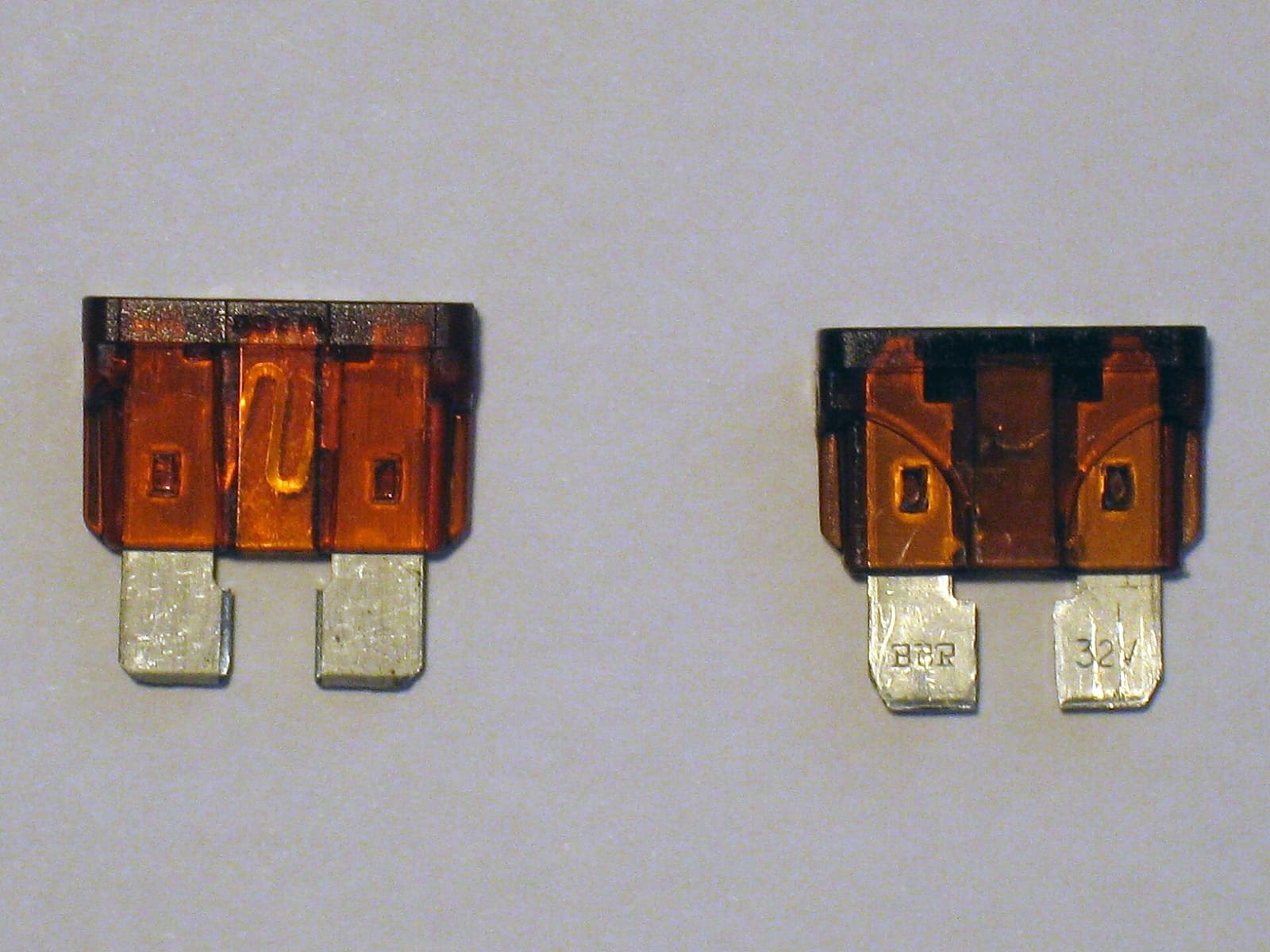
Good fuse (left) and blown fuse (right): the thin metal strip in the window is broken. Photo: Cqdx / Wikimedia Commons · CC BY-SA 3.0 - A weak battery is still the most likely cause: a click with no crank often means not enough current.
- Check the jet pump. With the lanyard removed and the battery disconnected, look into the intake grate from under the craft. Rope, weeds, sticks or a rock jammed in the impeller can stop the engine from turning. Clear it by hand only with everything switched off; our jet pump guide shows how.
- Some models only crank with the throttle fully released or the controls in a certain position. Check your manual's starting procedure.
- If the battery is strong and the pump is clear, the starter relay, starter or start button may have failed. That is a dealer or experienced DIY job. A relay or its plug that looks green or crusty, or feels hot after a start attempt, is a common culprit owners report; stop trying to start it and have it replaced, because a connection that heats up can melt.
- Did it crank slowly for weeks before it quit? Slow cranking is an early warning of a tired battery, a bad cable or ground, or a dragging starter. Fix the cause instead of waiting for the day it won't crank at all.
- Fuel: is there fuel in the tank, and is it fresh? Fuel that sat all winter without stabilizer may be stale. See our ethanol fuel guide.
- Flooded engine: cranking over and over, especially after a few short tries, can flood it. Many fuel-injected watercraft have a flood-clearing procedure in the manual (on some, holding the throttle while cranking cuts off fuel). Use only the procedure for your model, and crank in short bursts with rests between them so the starter does not overheat.
- Spark plugs: older two-stroke models foul plugs easily. If you are comfortable doing so, check them as in our spark plug guide.
- Testing on the trailer: once it cranks, do not let it run out of the water for more than the few seconds your manual allows. For a longer test, use the factory flush attachment and the order your manual gives; Yamaha's is to start the engine before turning the water on, and to turn the water off before stopping the engine.
A check-engine light with reduced power usually means the computer has detected a fault (overheating, low oil pressure or a sensor problem) and is protecting the engine. Two harmless causes to rule out first:
- A Learning Key or speed-limited key on a Sea-Doo, which is designed to cap top speed.
- A speed or acceleration limit set in the display, such as Yamaha's Drive Control settings on models that have it.
If neither applies, ride slowly back to the dock and have the dealer read the fault codes. Continuing at full throttle can turn a sensor warning into engine damage.
Do not try to start it. Water may be in the engine. Get it out of the water, drain the hull, and follow the capsized or submerged watercraft procedure in your manual if it has one; otherwise take it to a dealer as soon as possible. Cranking an engine with water in the cylinders can bend internal parts.
If you need a tow on the water, tow slowly. Manuals give a maximum towing speed because water can be forced into the engine through the exhaust at higher speed.
If the battery is good, the fuses are good, the key is clean and the craft still will not respond, or it shows a fault code you cannot clear, the next steps need the brand's diagnostic software. Bring your notes from each step, both keys, and the beep pattern or message you saw.
Common mistakes
- Assuming a major failure when the key and post just need cleaning, or the battery is flat after storage.
- Charging or jump-starting the battery while it is still in the craft.
- Buying a used or online D.E.S.S. key and expecting it to work without dealer programming.
- Replacing a blown fuse with a higher-amp one.
- Cranking a flooded or water-filled engine again and again.
- Forgetting a Learning Key or speed limit setting is active and thinking the engine is losing power.
- Following beep code lists from a different model year or brand.
When to call a pro
- Fuel smell or fuel in the hull
- A fuse that keeps blowing, or melted or burned wiring
- The craft was submerged, flipped and would not restart, or there is water in the engine
- Fault codes, a check-engine light or limp mode that is not caused by a limited key or setting
- Key programming or a lost key
- You are stranded on the water: TowBoatUS, Sea Tow, or VHF 16 and 911 in an emergency
Tips
- Keep the spare key at home, not on the craft, and test it once a season.
- Put the battery on a maintainer over the winter (off the craft, or as your manual allows) and it will start on the first day of summer.
- Yamaha suggests testing the start button, stop button and lanyard every time you ride: start the engine, stop it with the button, then start again and stop it by pulling the lanyard.
- Rinse the key post with fresh water after salt-water rides.
Official references
We read these to write this guide. Your engine's own manual always wins.
- Sea-Doo – What Is a Personal Watercraft Learning Key?
- Sea-Doo – Personal Watercraft Owner's Manual
- Sea-Doo – Prepping Your Watercraft for Summer Fun
- Yamaha WaveRunners – How to Perform a Pre-Ride Check
- Yamaha Motor – PWC Controls
- Yamaha Motor – Connext (Yamaha Security System)
- Yamaha WaveRunners – Getting Your PWC Ready for the Season
- Yamaha WaveRunners – Maintenance Matters (battery connections)
Safety: BoatMend is for information only and does not replace a certified marine technician. You are responsible for your safety and your boat. Read the full disclaimer.
Last updated 2026-10-24
Related guides
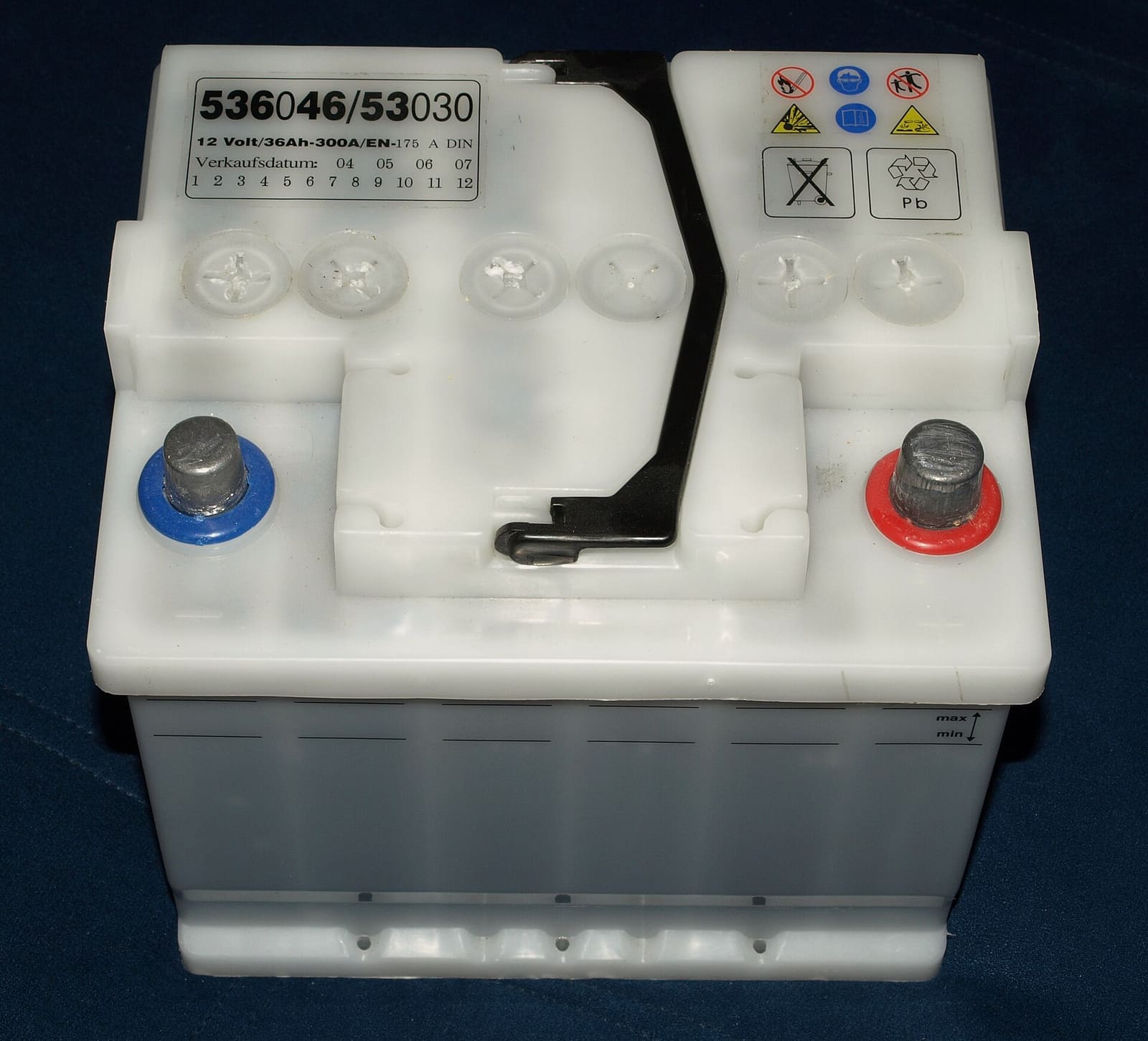
Marine Battery Care: Test, Charge and Store for Winter
Check your boat battery's health, charge it the right way for its type (flooded, AGM or lithium), and store it so it is ready in spring. Most "boat won't start" calls start with a neglected battery.
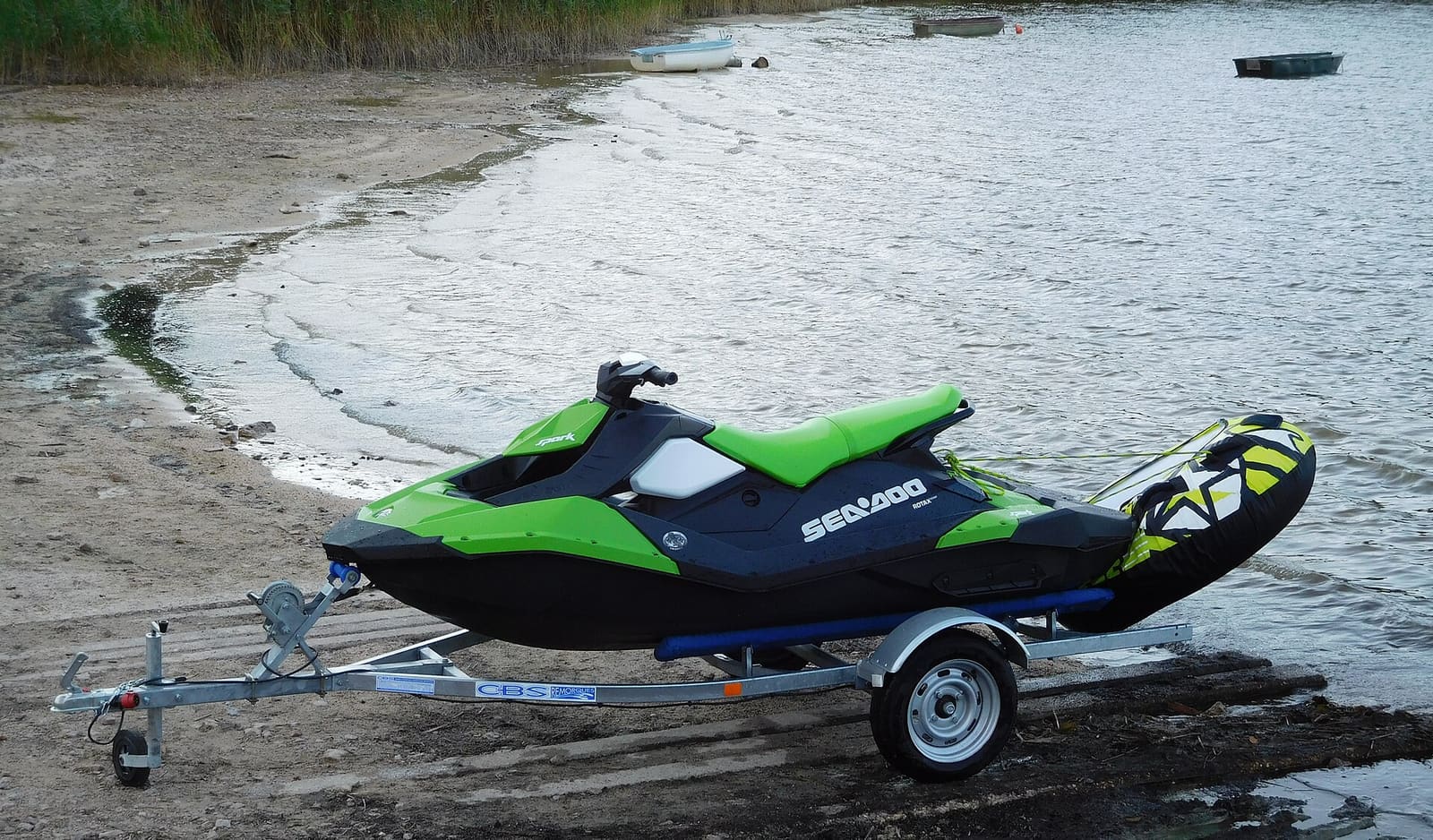
How to Winterize a Jet Ski or PWC (Sea-Doo, Yamaha WaveRunner, Kawasaki)
Get your personal watercraft ready for the off-season by flushing and draining the cooling and exhaust system, stabilizing fuel, changing oil, fogging, and storing the battery. Doing it yourself takes an afternoon and helps avoid freeze damage, corrosion and spring no-starts.
Jet Ski and Jet Boat Pump Care: Clearing the Intake Grate and Checking the Impeller and Wear Ring
Clear weeds, rope and rocks from the intake grate of a Sea-Doo, Yamaha WaveRunner, Kawasaki Jet Ski or jet boat, and learn to spot a damaged impeller or worn wear ring. A clogged or worn pump is the usual reason a jet craft revs high but goes slow.
How to Inspect and Replace Spark Plugs
Pull, read and replace the spark plugs on a gas outboard, sterndrive, inboard or PWC. Fresh, correctly gapped plugs help the engine start easily and run smoothly, and the old plugs tell you a lot about the engine's health.
Ethanol (E10) Fuel Care: Stabilizer, Phase Separation, Fuel Lines and Tank Vents
Keep E10 gasoline from damaging your boat engine. Learn how to use stabilizer, test for water and phase separation, and inspect the fuel lines, primer bulb, anti-siphon valve and tank vent. Most fuel-related breakdowns start with one of these.
Spring Commissioning - Getting Your Boat Ready for the Season
Wake your boat up after storage with a step-by-step check of the battery, fuel system, engine, drive and safety gear. Catching a cracked hose or dead battery in the driveway beats a tow on opening weekend, and saves a typical shop commissioning fee.
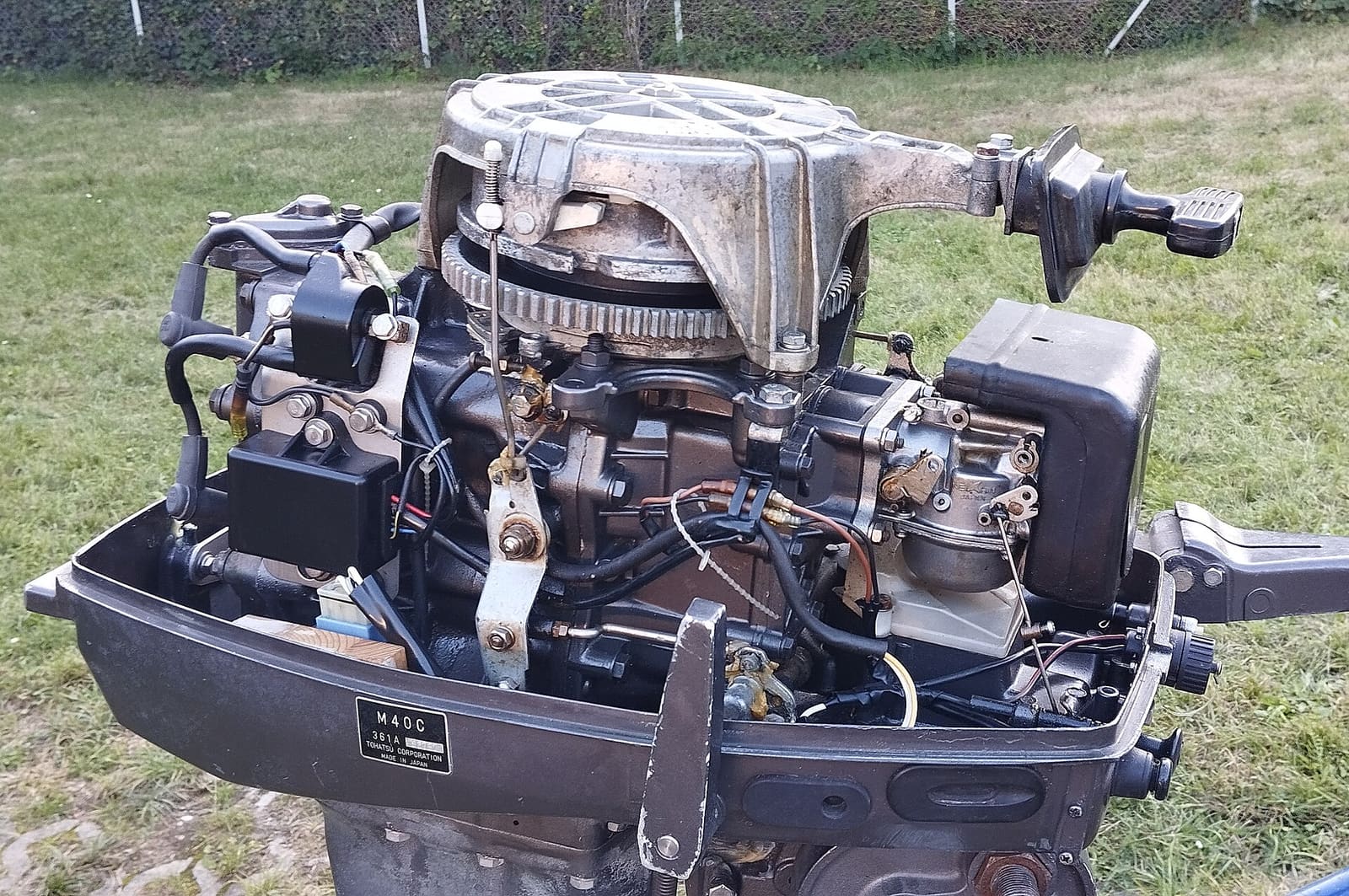
Engine Won't Start or Won't Crank - Troubleshooting Guide
Find out why your boat engine will not turn over or will not fire, starting with the simple things owners miss most, like the kill switch lanyard and battery switch. Many no-starts are fixed at the ramp in minutes without a tow.
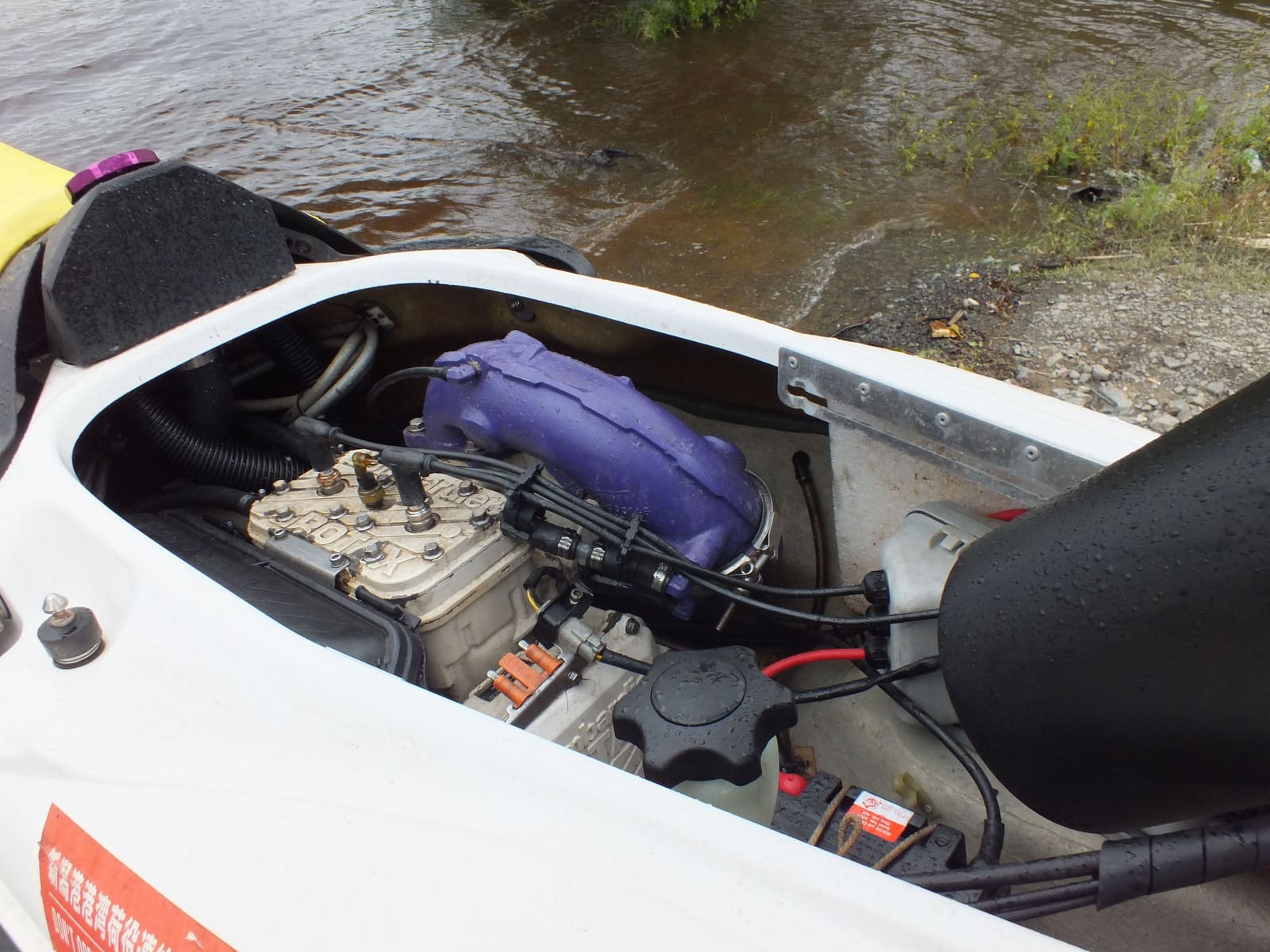
Jet Ski Electrical Problems: Dies in Waves, Low Voltage and Bad Connections
A personal watercraft that cuts out when it hits chop, shows low voltage, flickers its display or blows fuses usually has a corroded or loose connection, not a dead computer. Work from the battery and grounds to fuses, relays and module plugs, and learn when the job needs a dealer's diagnostic tool.
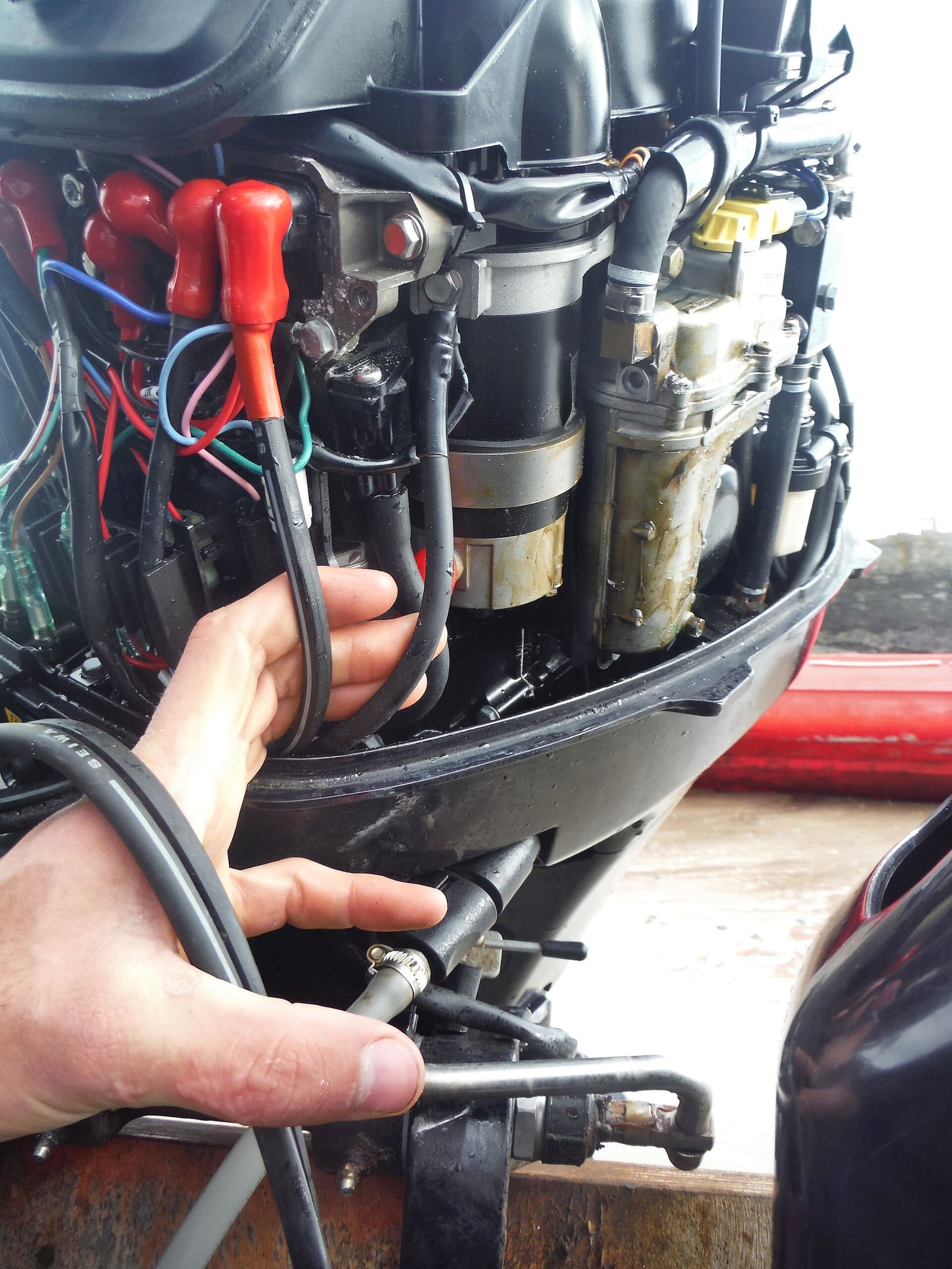
Engine Clicks but Won't Crank - Testing the Battery, Cables, Neutral Switch, Solenoid and Starter
A click (or nothing) when you turn the key is usually a power delivery problem, not a dead engine. Work from the battery and cables through the neutral switch, start relay and solenoid to the starter motor using simple voltage-drop tests, and learn how to jump-start safely when gasoline vapor may be around.