Make a Fire Escape Plan for Your Boat: Exits, Extinguishers, Roles and Shutoffs
Map two ways out of every cabin, put extinguishers where you can actually reach them, assign who does what, and practice shutting off fuel and power and getting everyone off upwind. A boat fire leaves only a few minutes, so the plan has to be made and walked through before you need it.
Time
1 h
Applies to
All engines
Safety first: In a real fire, people come first. Call the Coast Guard on VHF 16 (or press the DSC distress button) or 911, get life jackets on, and if one or two extinguishers don't put it out, get off the boat. Never open an engine hatch on a fire. If you smell fuel or propane, don't touch switches; shut the supply off and get everyone out and away.
Fuel smell, water coming in, CO alarm or smoke? Stop, get everyone in life jackets and call USCG on VHF 16 or 911. For a tow: Sea Tow or TowBoatUS.
Owners often ask
- If there is a fire in the cabin at night, how do we get out through the forward hatch?
- Where should fire extinguishers be mounted on a cabin cruiser?
This guide walks you through it. Still stuck? Ask the AI Mechanic about your engine.
Tools
- Paper and pen, or a simple drawing app, for the boat diagram
- Flashlight or headlamp
- Phone timer
- Your boat's fire extinguishers (to locate and handle, not discharge)
Parts & supplies
- Extra USCG-approved fire extinguisher for the helm or cockpit
- Smoke alarm for each sleeping and cooking area (marine or RV type)
- Labels for fuel, propane and battery shutoffs
- Waterproof handheld VHF with DSC
Before you start
In the BoatUS Foundation's staged boat fires, crews would have had only three or four minutes to make a Mayday call, find and use extinguishers, put on life jackets and get ready to abandon ship before likely being forced overboard. On a small center console, smoke turned black about four minutes after ignition; on a cuddy cabin with an engine fire, the only safe spot after four minutes was the bow.
That's not enough time to figure things out. A marine surveyor writing for BoatUS recommends a written fire plan: a diagram showing every extinguisher and fixed-system control, a primary and alternate escape route for every space (especially sleeping areas), and everyone knowing where the fuel, electrical and propane shutoffs are. This guide walks you through making one.
Plan an hour at the dock with your regular crew. Do it at night once, too.
Steps
A top-down sketch is fine. Mark:
- Every cabin, berth, head, galley and the engine space.
- Every hatch, door, companionway and the cockpit.
- Where each extinguisher is, plus the manual pull for any fixed engine-room system.
- The battery switch, fuel shutoff, propane solenoid switch and tank valve, and shore-power breaker.
- Life jackets, the grab bag and the handheld VHF.
Post a copy where guests will see it, such as inside the companionway or near the helm. BoatUS recommends posting the extinguisher diagram in prominent places.
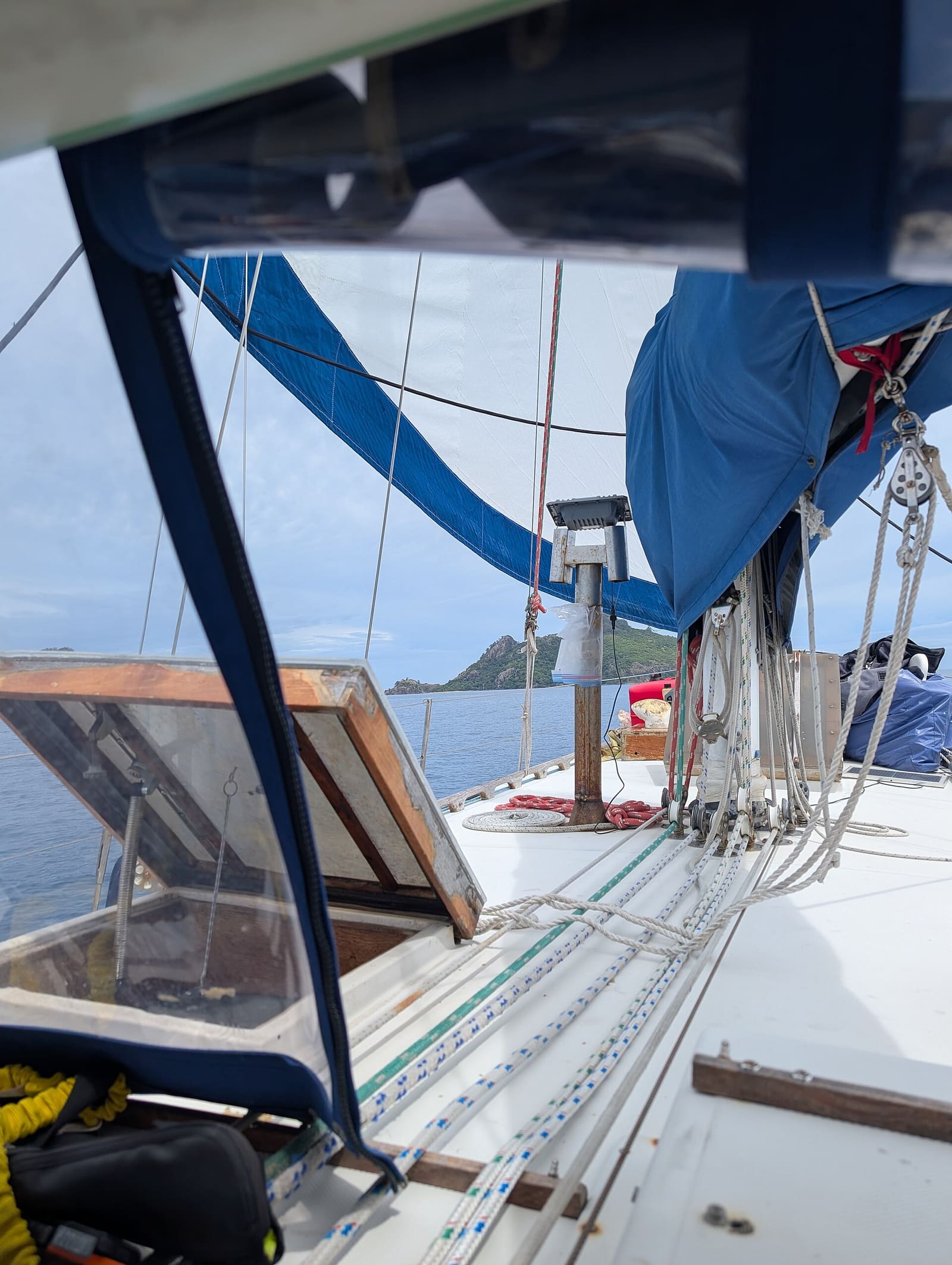
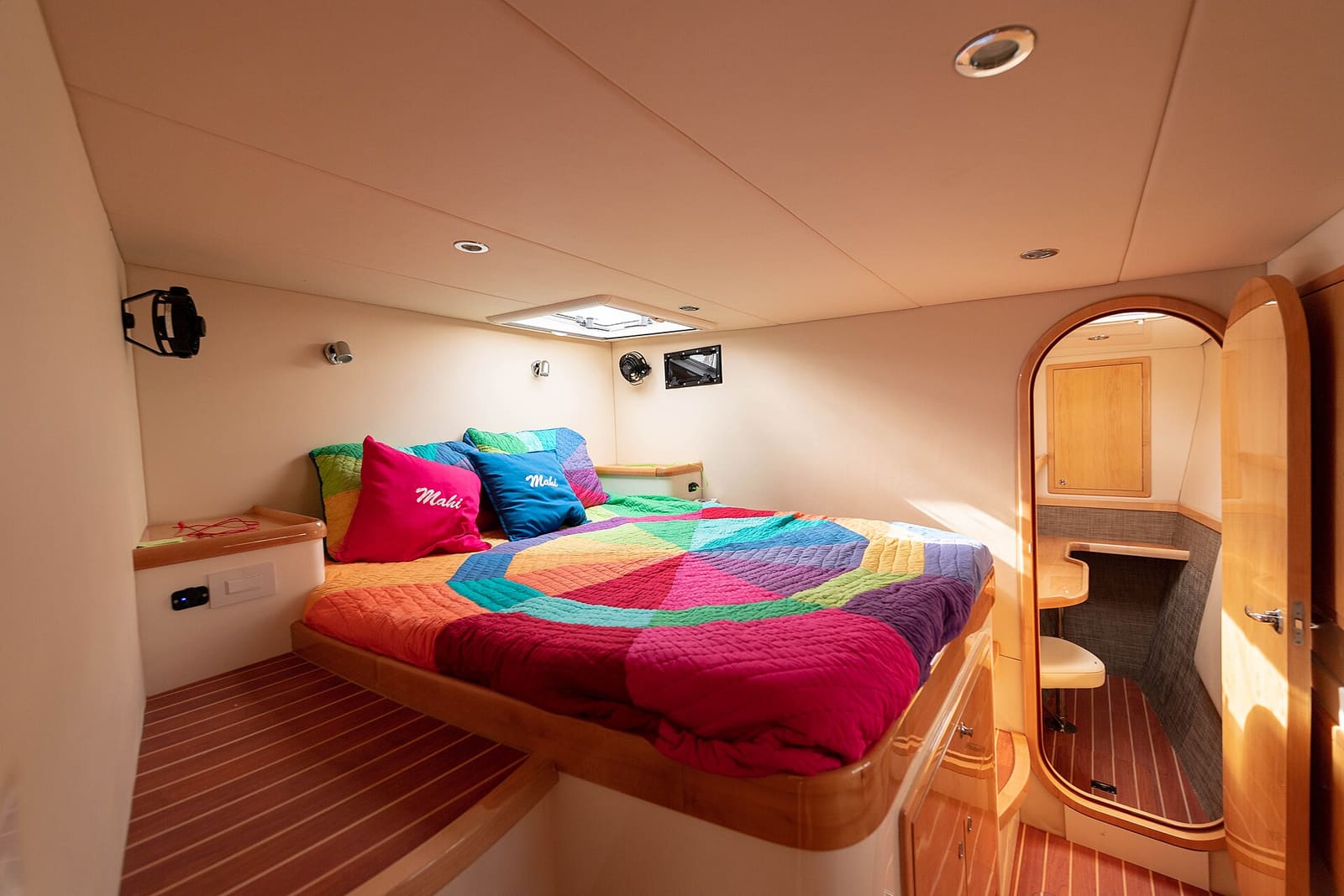
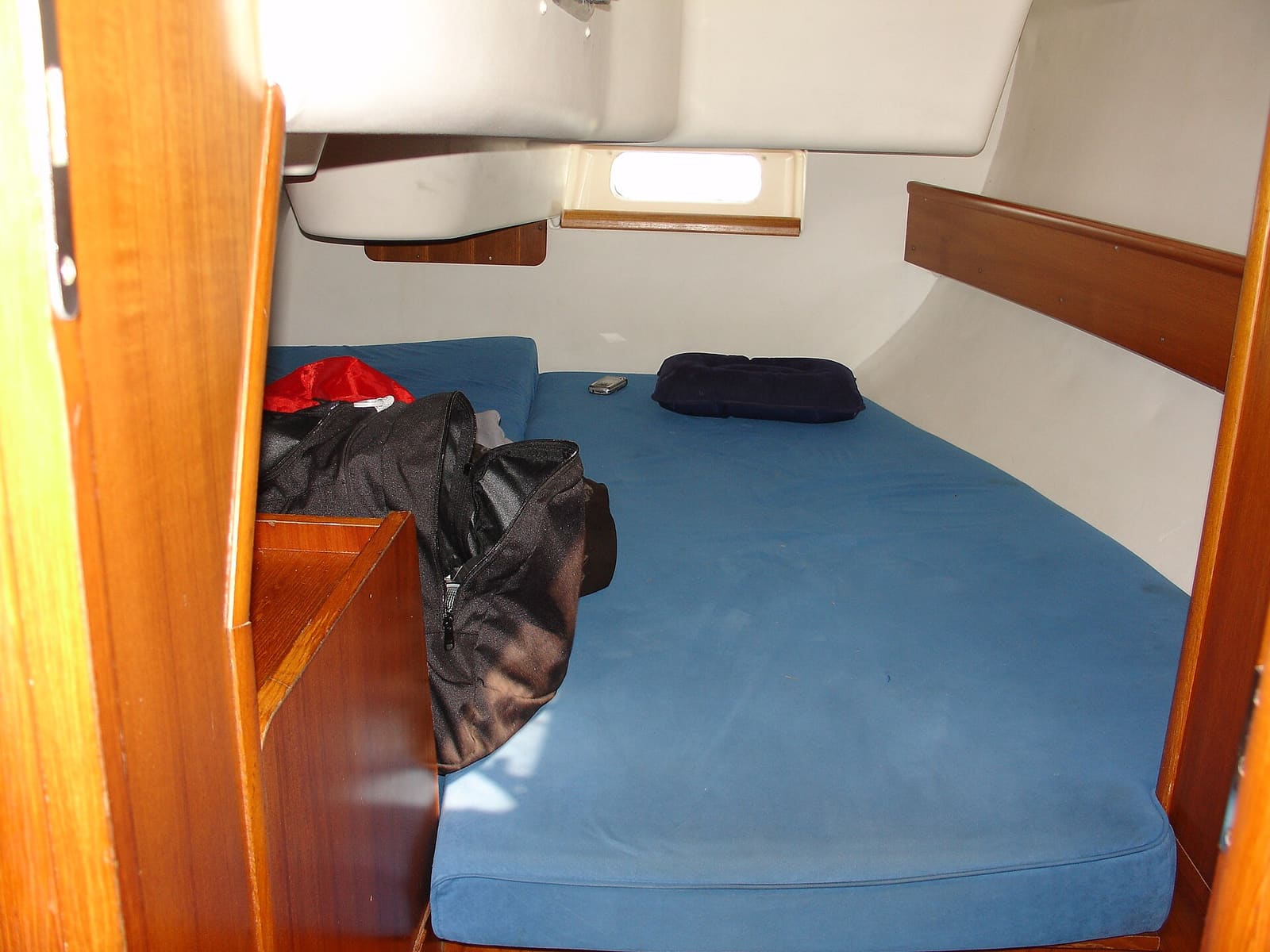
For each cabin and berth, find a main exit and a second exit if the first is blocked by fire or smoke. On most cabin boats, the second way out is a deck hatch.
On a center console or open boat there's no cabin to escape from, but think about where you'd go: usually forward and into the water upwind with a life jacket on. The BoatUS Foundation's small open-boat test showed there's truly nowhere to hide on a small boat.
This is the step most owners skip. The BoatUS surveyor's questions:
- Is the forward hatch big enough for each adult aboard to fit through?
- Can it be opened from inside, quickly, by someone half asleep? Are the latches stiff or painted over?
- Can it open with the dinghy, a paddleboard, or a pile of fenders stored on top of it?
Have each person actually climb out of their sleeping cabin through the second exit. If someone can't reach the hatch, add a sturdy step or handhold. Keep the deck above escape hatches clear when people are sleeping aboard.
BoatUS recommends smoke alarms in sleeping and cooking areas and in engine spaces, especially if anyone sleeps aboard. There are no UL-Marine listed smoke alarms; BoatUS suggests RV-rated units as a good second choice and says household units need monthly testing and replacement every couple of years. Some marine heat alarms can sound at the helm. See smoke and heat detectors, and add a CO alarm too (CO detector safety).
Have at least the number the Coast Guard requires, and more is better. For boats up to 65 feet, the federal rule (33 CFR 175.320) sets the minimum in 5-B extinguishers: one for boats under 26 feet, two for 26 to under 40 feet, and three for 40 to 65 feet, with one fewer required if the engine space has a fixed extinguishing system (boats under 26 feet with a fixed system need none). One 20-B unit can stand in for two 5-B units. The minimum is about what's legal, not what's smart for a fire plan: it doesn't tell you where to put them. BoatUS's surveyor often sees boats with enough extinguishers all mounted below, where a galley fire would cut them off from the helm. Place them:
- Near the galley, but not where you'd have to reach over the stove to grab one.
- Near the engine compartment.
- In or near each living and sleeping space.
- At the helm or in the cockpit, where the skipper can grab one the second a fire is spotted.
They must be easy to see and reach, not buried in a locker. See fire extinguisher care.
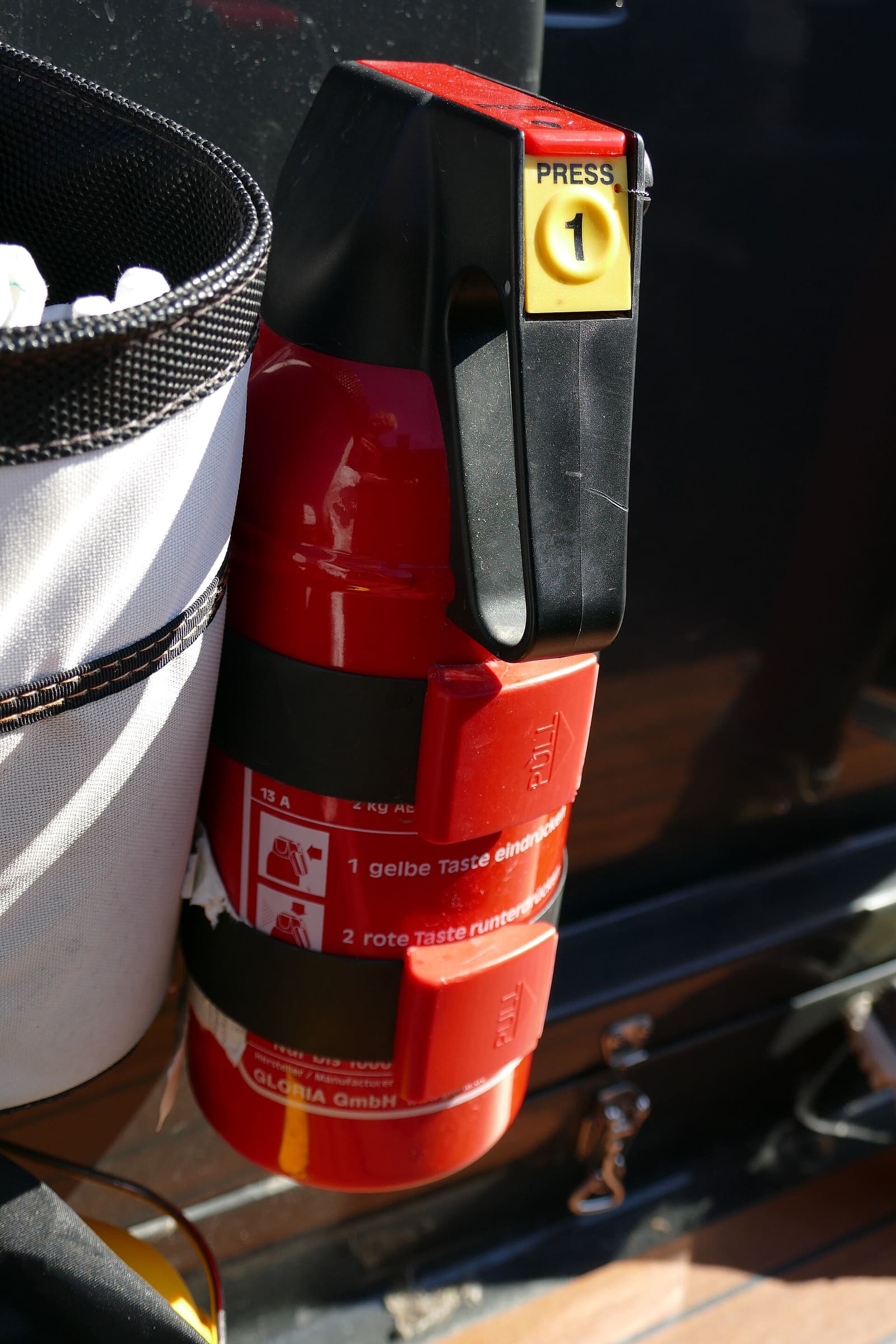
Mount extinguishers in plain sight where you can release them in seconds. Photo: Kritzolina / Wikimedia Commons · CC BY-SA 4.0 In a fire you'll want to cut off what's feeding it. Label and show everyone:
- Engine: how to stop it (key, stop button, kill-switch lanyard). BoatUS notes a running engine can pump extinguishing agent out of the engine space and keep feeding the fire air and fuel.
- Fuel: the fuel shutoff valve, if your boat has one.
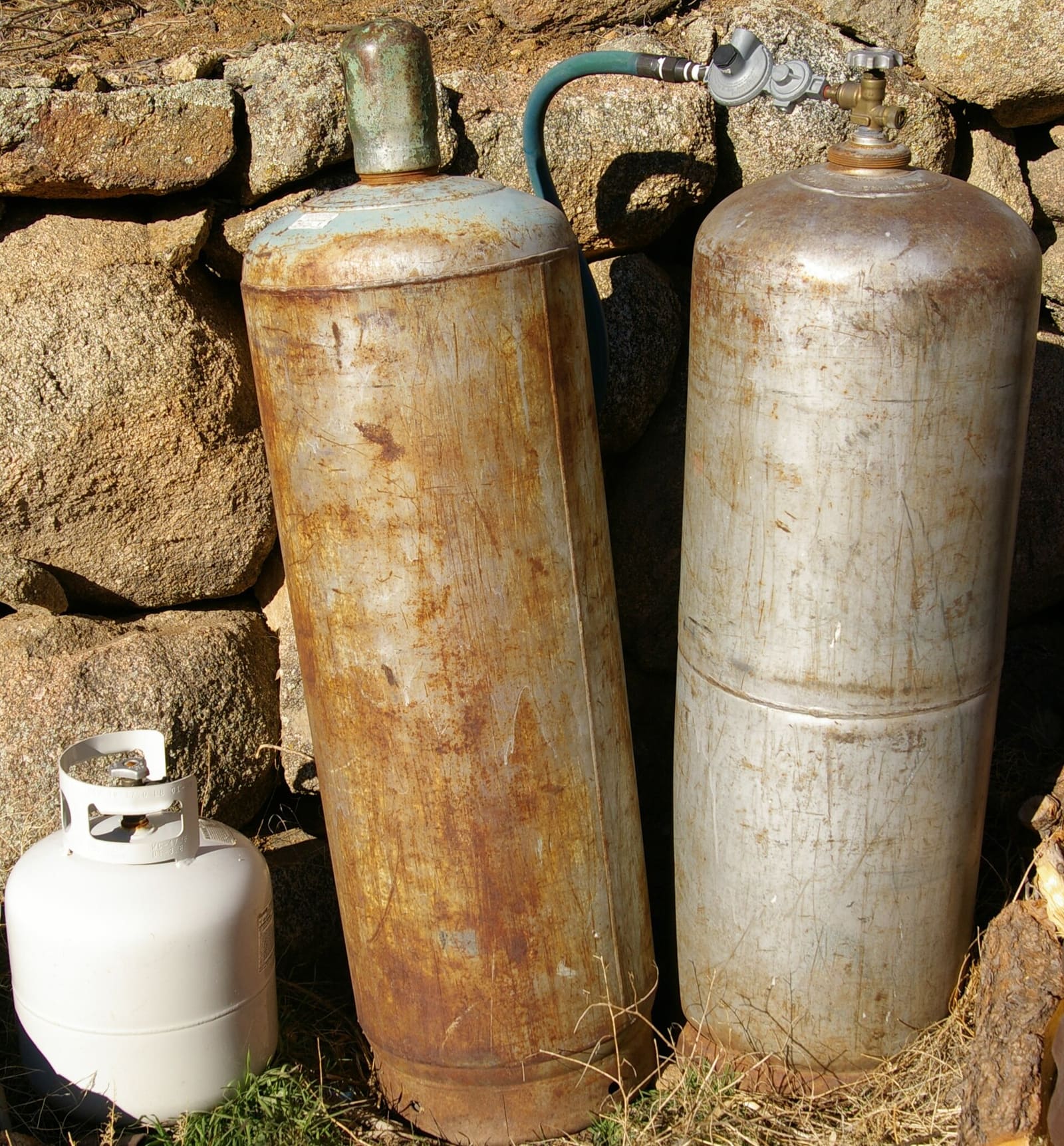
- Propane: the solenoid switch and the tank valve. The BoatUS surveyor asks whether you can reach the stove's remote shutoff without reaching over the flames. See propane system safety.
- Electrical: the main battery switch and the shore-power breaker. See battery switches.
The natural first reaction, opening the hatch to look, is the worst one: it feeds the fire oxygen. Instead:
- Shut down the engine.
- Discharge an extinguisher through the fire port if you have one, or pull the manual handle of a fixed system.
- Keep the hatch closed.
See engine room fire systems if your boat has neither.
Each regular crew member should know their job without being told:
- Skipper: stops the boat, shuts down the engine, decides fight or leave.
- Radio: sends the DSC alert and Mayday with position, boat name and number of people. A waterproof handheld VHF matters here: the BoatUS Foundation notes the installed radio may lose power or be cut off by the fire.
- Extinguisher: grabs the nearest one and fights the fire if it's small. Pull the pin, aim at the base, squeeze, sweep.
- Life jackets and people: makes sure everyone, especially kids, puts one on and heads to the meeting point.
With two aboard, combine roles. Make sure at least one other person can do every job if the skipper is hurt.
Choose where everyone gathers: usually the bow or the cockpit, whichever is upwind and away from the engine. If you have to leave:
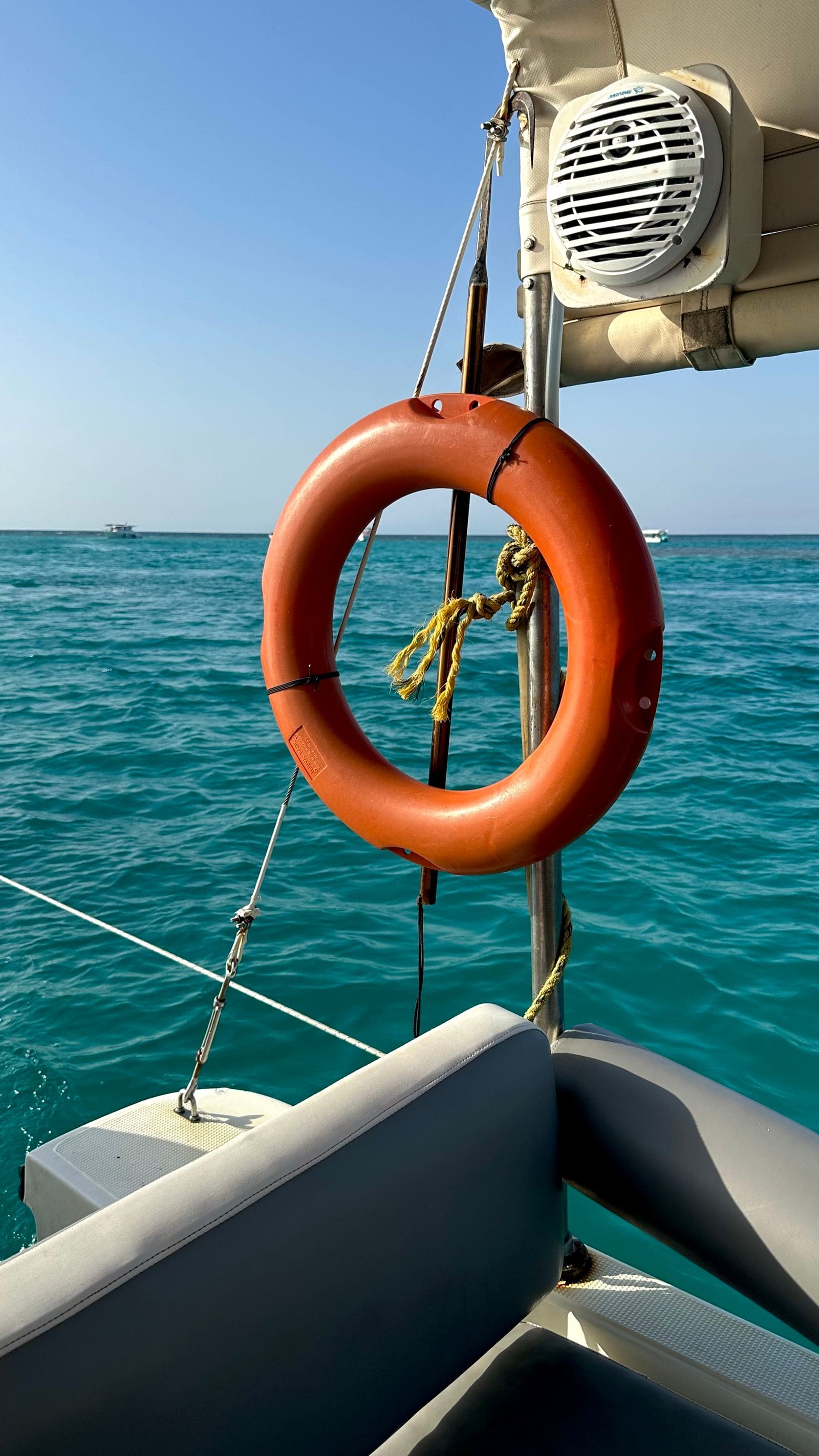
- Everyone wears a life jacket.
- Take the grab bag (handheld VHF, phone in a pouch, PLB, signaling devices).
- Get off on the side away from the fire and swim or drift upwind so smoke and burning fuel blow away from you.
- Stay together.
At a marina, BoatUS's advice is simpler: if one or two extinguishers don't put it out, get everyone off, call 911, and let firefighters handle it.
The BoatUS Foundation found a five-minute guest briefing improves fire safety. Show guests the extinguishers, how to use the radio, where life jackets are and how to shut off the electrical system. Overnight guests also need to see their cabin's second exit and how its hatch opens.
At the dock, with the engine off:
- Call out "Fire in the galley!" (or the engine room, or a cabin).
- Time the crew as they do their jobs: radio call practiced with the mic unkeyed, extinguisher handled but not discharged, life jackets on, shutoffs touched.
- Have the people in the sleeping cabin get out through the second exit.
- Repeat once at night with only flashlights.
Never send a real Mayday or DSC alert during practice. If you have an old extinguisher due for replacement, use it for a real practice discharge on shore, away from the boat.
Talk for five minutes: what was hard to reach, which hatch stuck, who froze. Fix it, update the map, and note the date in BoatMend. Repeat the drill at the start of each season and when new crew join.
Common mistakes
- All extinguishers below deck, none at the helm.
- An escape hatch that won't open with the dinghy on top of it.
- Opening the engine hatch to "check" a fire.
- Nobody but the skipper knowing where the battery switch and propane valve are.
- Smoke alarms that were never installed in the cabins, or have dead batteries.
- Staying aboard to fight a fire that's growing, after the extinguishers are empty.
- Relying only on the fixed VHF, which may be the first thing to lose power.
When to call a pro
- Any real fire: Coast Guard on VHF 16 or DSC, or 911; then get out if it isn't out quickly.
- After any fire aboard, even a small one, have the electrical and fuel systems inspected by a marine technician before using the boat again.
- If an escape hatch is too small, won't open, or a fire port or fixed engine-room system needs installing, have a qualified marine tech or ABYC-certified technician do the work.
- Fuel or propane smell: shut it off, get off the boat, and have the system checked by a pro.
Tips
- Tape the boat diagram inside a locker lid by the companionway.
- Keep a flashlight at each berth so people can find the hatch in smoke or dark.
- Thinking about smoke escape hoods for a cabin boat? Practical Sailor's review is clear that they're for getting out, not for fighting a fire or lingering: none it looked at were rated for oxygen-poor air or high carbon monoxide, and a government test found people struggled to put hoods on quickly without practice. If you carry them, practice putting them on during the drill, store them where you'd grab them on the way out (not under the tools), and add a pair of heavy leather gloves.
- Teach kids to "crawl low and go to the hatch" just like at home.
- BoatUS notes many fires start from electrical faults, battery wiring and the shore-power connection; regular checks prevent the fire you'd otherwise have to escape.
- Replace dry chemical extinguishers on schedule; BoatUS's surveyor treats them as disposable and suggests replacing them about every six years.
Official references
We read these to write this guide. Your engine's own manual always wins.
Safety: BoatMend is for information only and does not replace a certified marine technician. You are responsible for your safety and your boat. Read the full disclaimer.
Last updated 2026-10-25
Related guides
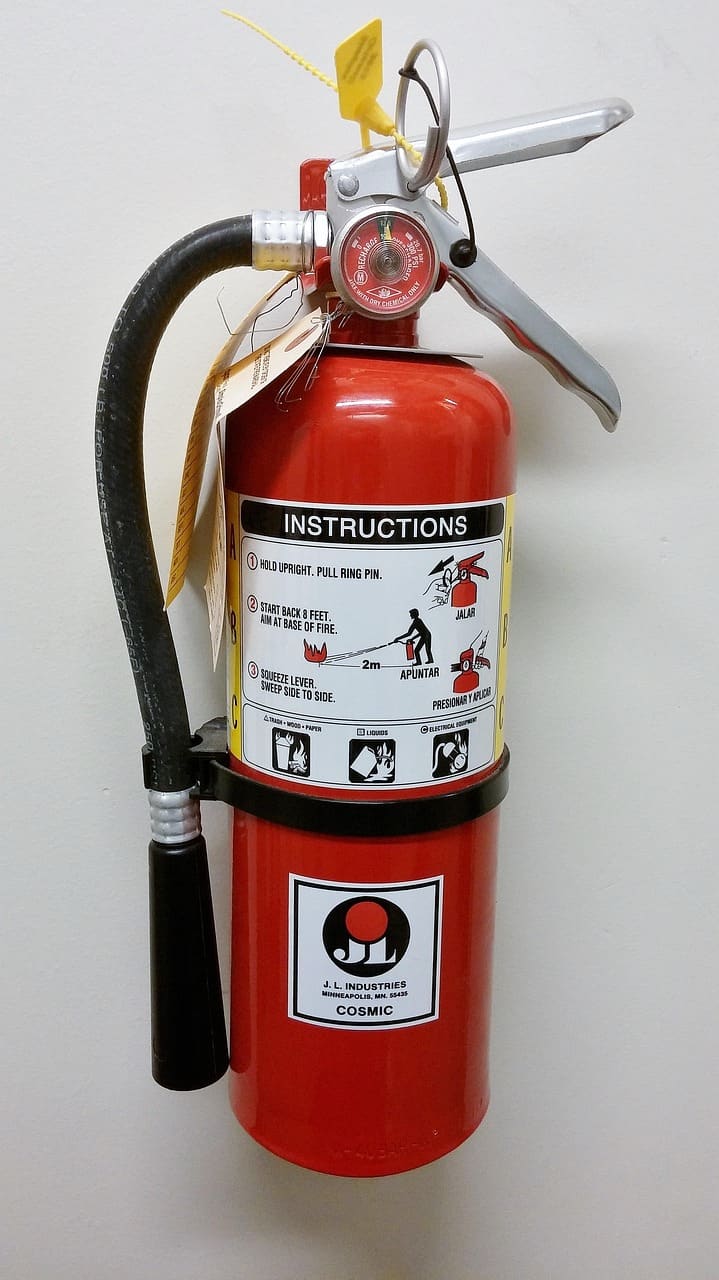
How to Check, Mount and Replace Boat Fire Extinguishers
A monthly five-minute check of every fire extinguisher aboard, plus how the 2022 Coast Guard rule changes affect you, where to mount them, and when to recharge or replace. A boat fire spreads in seconds, and an extinguisher with a dead gauge, missing pin or expired date will not help you or pass a boarding.
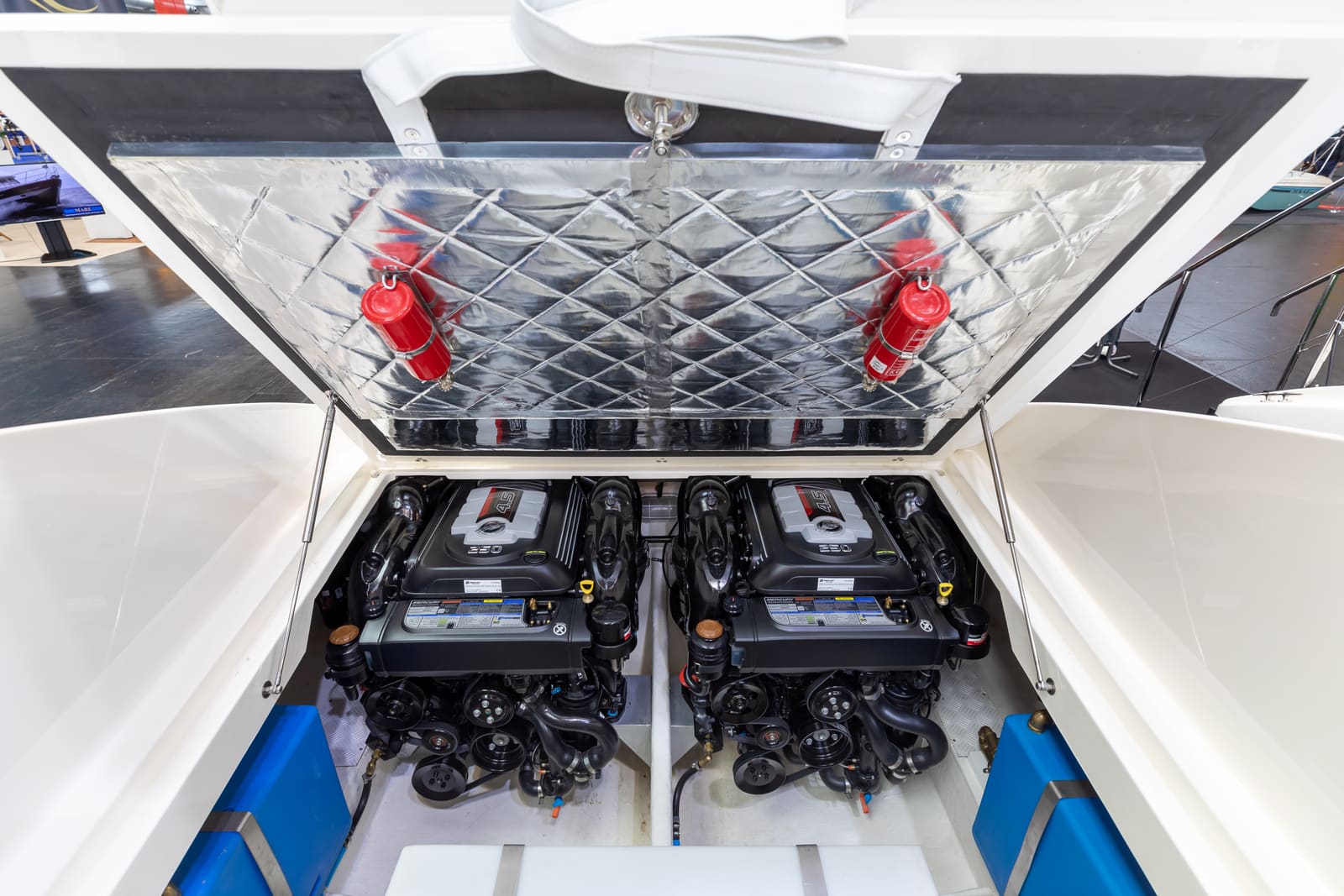
Engine Room Automatic Fire Suppression: How It Works, Checks and What to Do After a Discharge
Understand the fixed clean-agent extinguisher in your engine room - how it fires, why the engines must shut down, how to check the helm status light, gauge and cylinder weight, when it needs service - and the safe sequence to follow if it ever goes off, starting with keeping the hatch closed.
Smoke and Heat Detectors on a Boat: Where They Make Sense, What to Buy and How to Test
A fire in a closed cabin, engine room or lazarette can grow for minutes before anyone notices. Learn where smoke alarms and heat detectors make sense aboard, why boats are hard on household alarms, how to power and test them, how they fit with CO alarms, and how automatic engine-room extinguishers and engine shutdown tie in.
Emergency Drills for Your Crew: Engine Failure, Fire, Steering Loss and Man Overboard
Practice what everyone aboard does when the engine quits, a fire starts, the steering fails or someone falls in. A few short drills each season turn panic into a plan, and teach your crew to anchor, call for help on VHF 16 or DSC, and get a tow.
Propane (LPG) Safety on Boats - Locker, Solenoid, Sniffer and Leak Test
Learn why leaking propane sinks into the bilge, how to inspect the locker, cylinders, hoses, solenoid and gas alarm, and how to run a simple leak test. Repairs to a propane system belong to a qualified marine technician.
Cabin Heater Safety Aboard: Diesel, Propane and Electric Heaters
Heat your cabin without poisoning the crew or burning the boat. Covers carbon monoxide alarms, exhaust and through-hull checks for diesel and propane heaters, fuel and ventilation, why household and camping heaters don't belong in a closed cabin, and how to use electric space heaters on shore power safely.
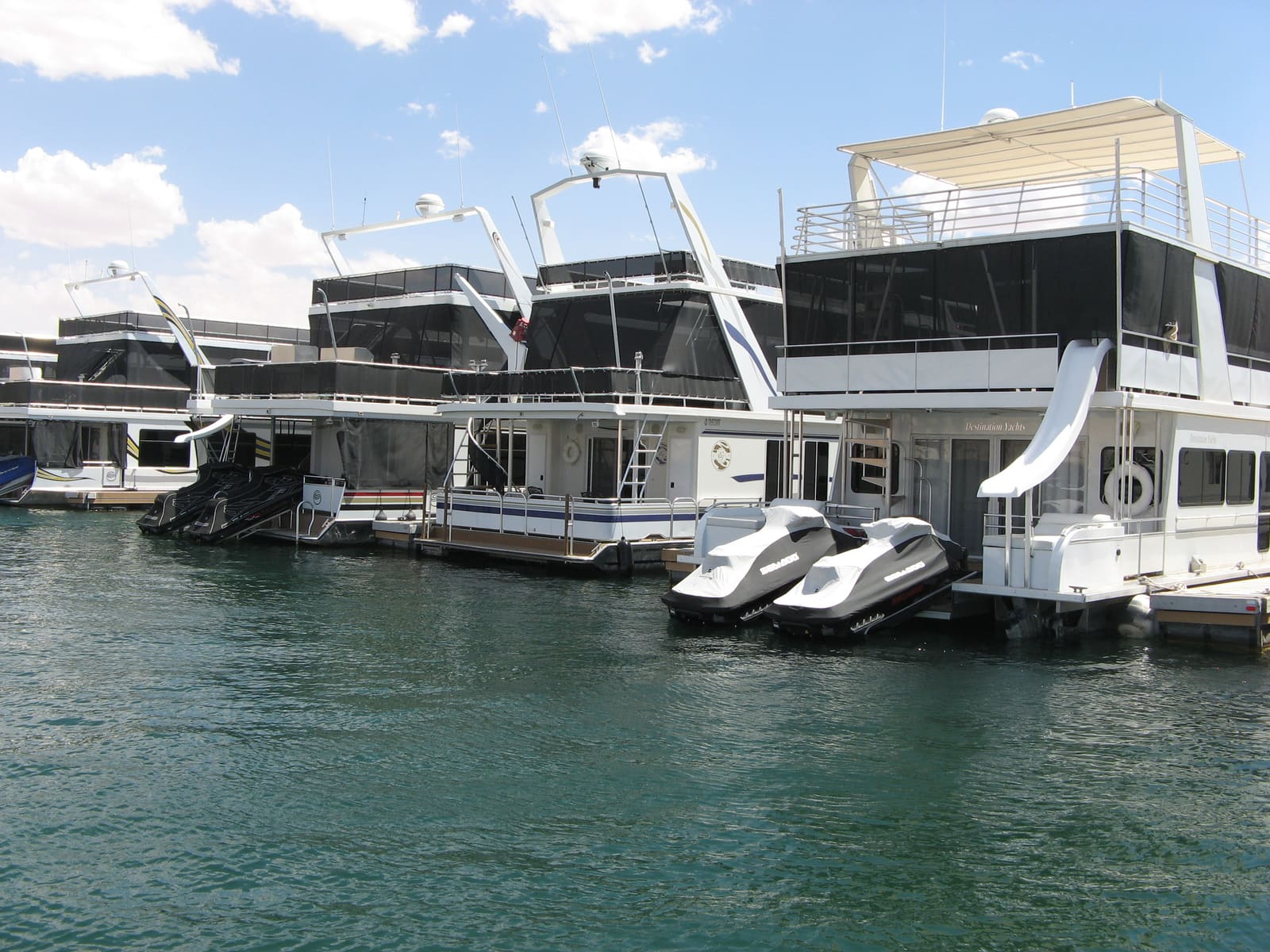
Carbon Monoxide on Boats: Where It Comes From, CO Alarms and Warning Signs
Carbon monoxide can build up in cabins, under canvas and around the swim platform, and its first symptoms look like seasickness. Learn the danger zones, where to mount marine CO alarms, how to test and replace them, and exactly what to do if an alarm sounds or someone feels sick.
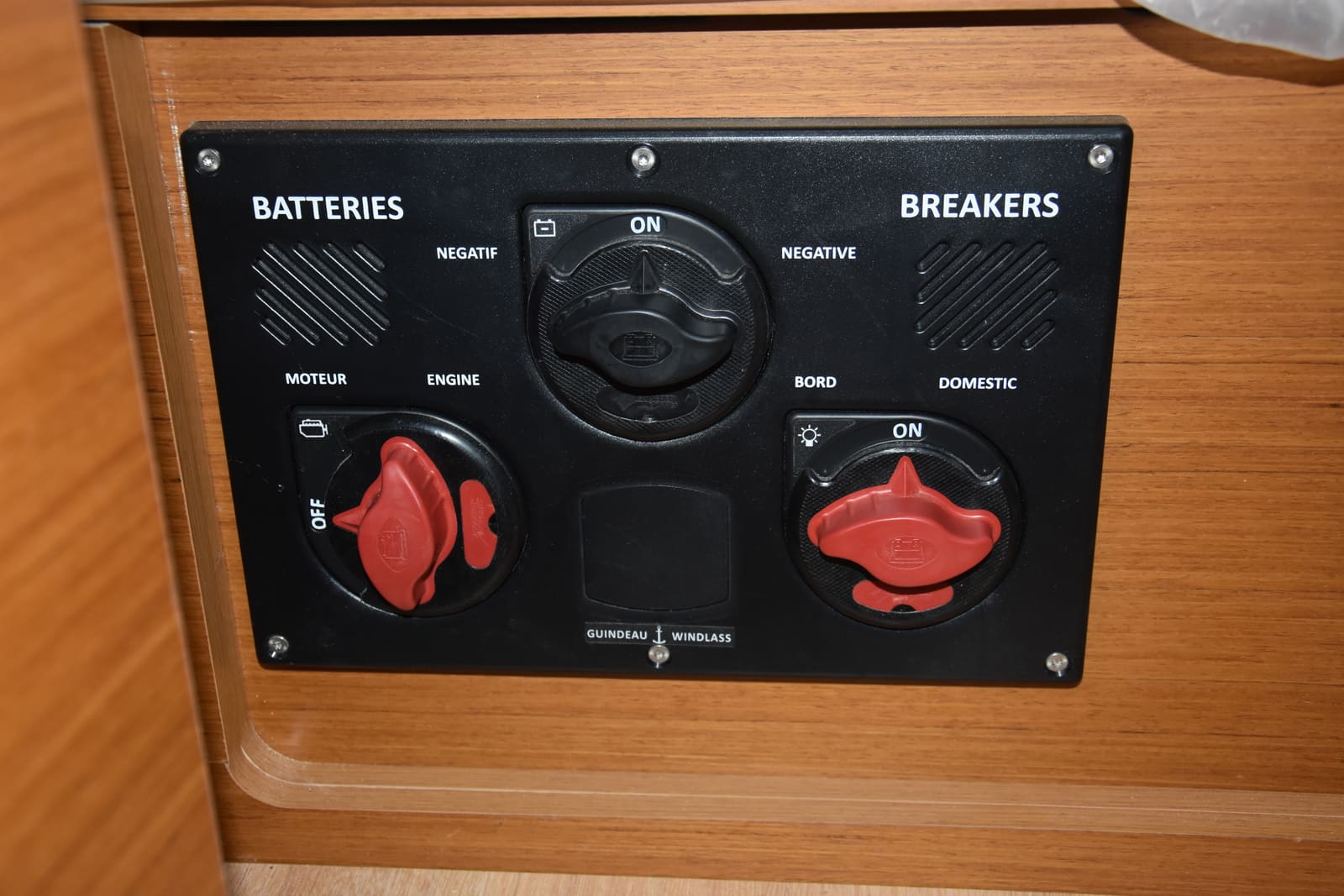
How to Use a 1-2-Both Battery Switch and Run Two Batteries
Learn what the 1, 2, Both and Off positions really do, a simple routine that keeps one battery ready to start the engine, how to check that both batteries are charging, and when an automatic charging relay makes life easier. Rewiring high-current cables is a job for a marine electrician.
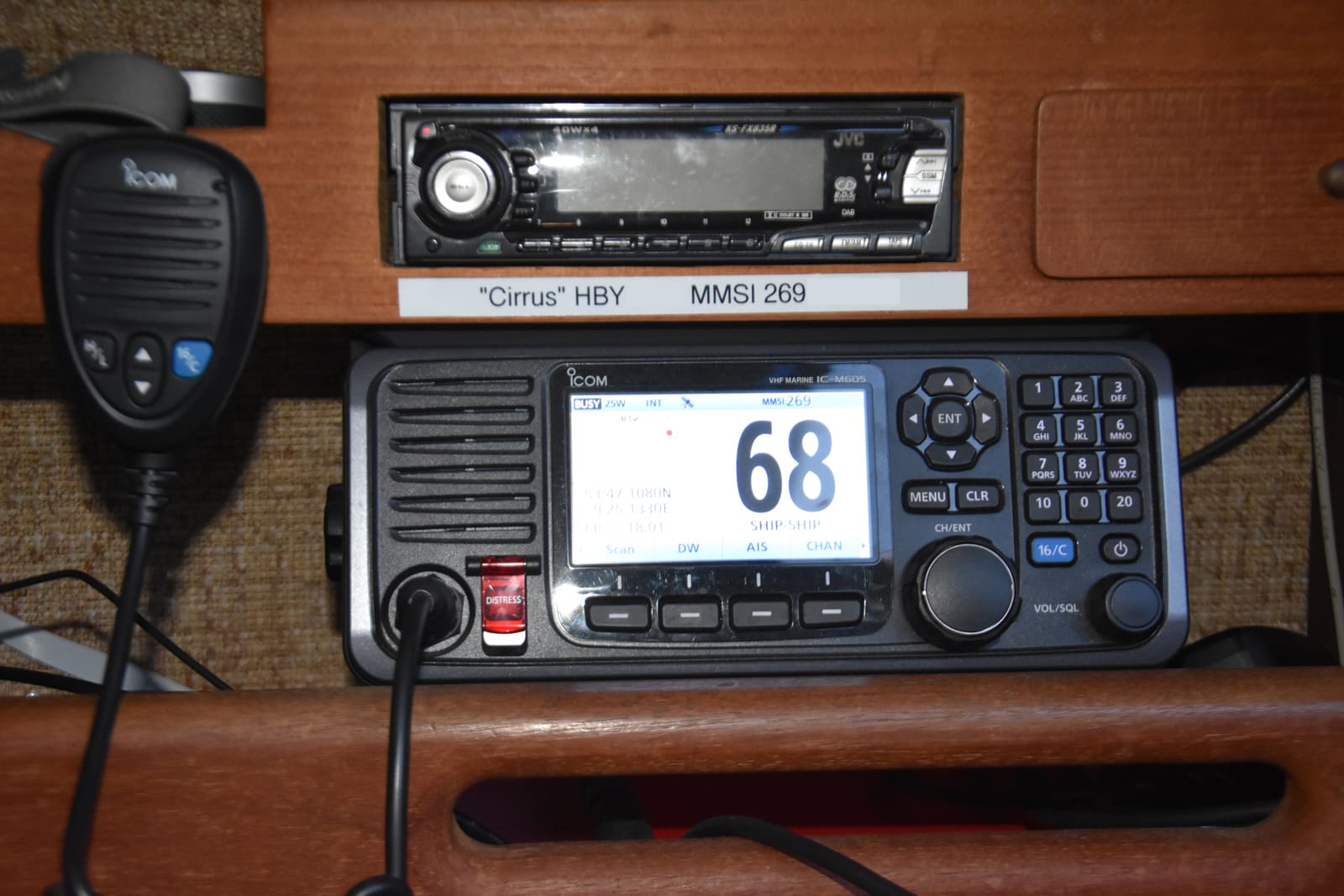
Set Up Your VHF Radio: MMSI, DSC, GPS Hookup and Radio Checks
Get a free or low-cost MMSI number, program it into your DSC radio, connect your GPS so a distress alert sends your exact position, check the antenna, and learn the Channel 16 rules and the right way to do a radio check.
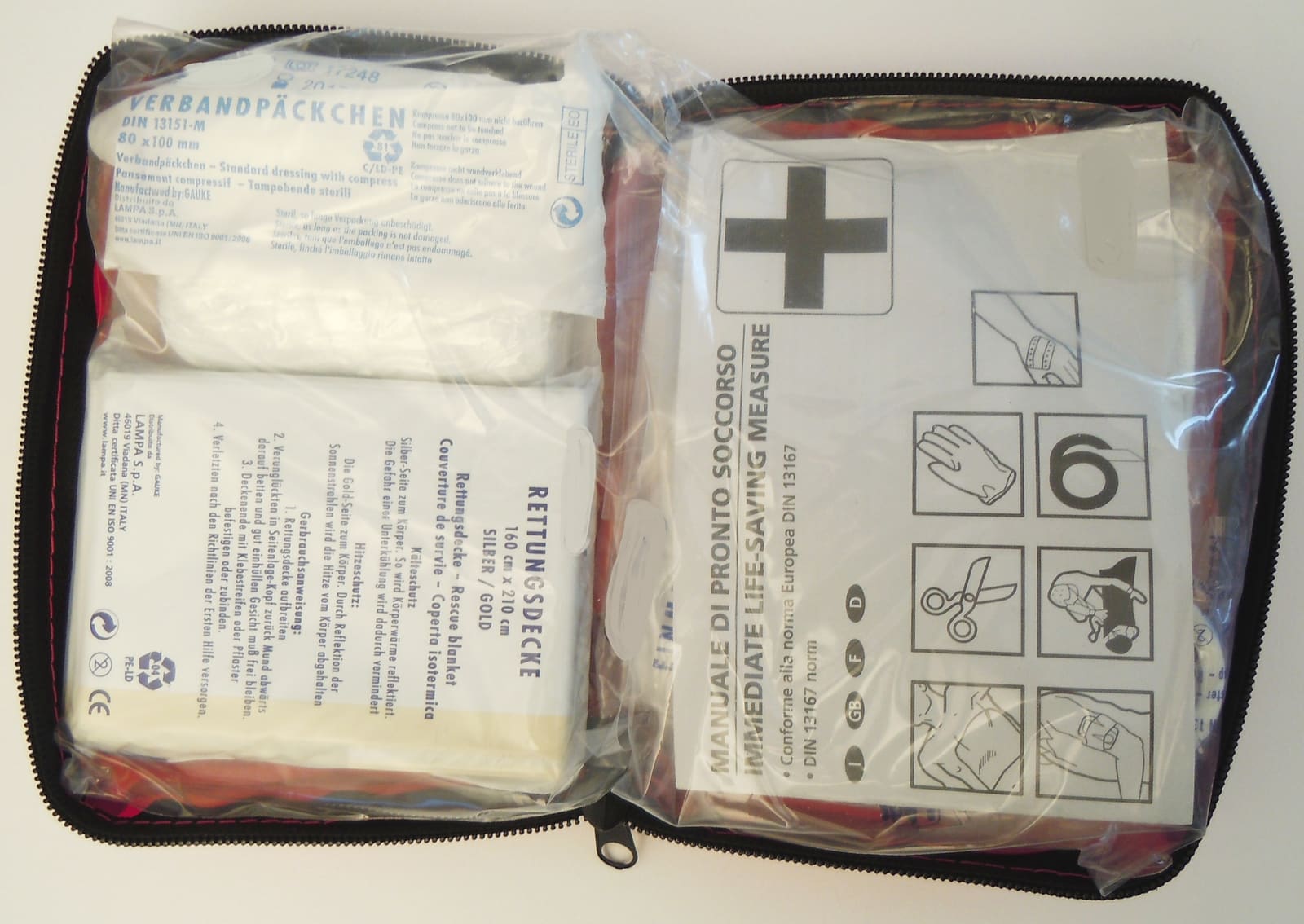
Boat First-Aid Kit and Medical Prep: What to Carry, Day Trips to Offshore
Build and maintain a boat first-aid kit that fits how far from help you go, with the extras boaters actually need for seasickness, fish hooks, cuts, burns, sun, heat and cold, plus a crew briefing, expiration-date checks and training. General preparation only, not medical advice.