Low Oil Pressure Warning: What to Do on a Sterndrive, Inboard or Diesel
A low oil pressure alarm or a gauge that drops toward zero means the engine may be running without proper lubrication. Learn what to do in the first minute, the simple checks you can make yourself, how to tell a bad sender from a real pressure problem, and why you should never keep running on the alarm.
Time
1 h
Shop would charge
$150-600
Applies to
Sterndrive (I/O), Gas inboard, Marine diesel · Bowrider / runabout, Cabin cruiser, Fishing boat, Yacht, Sailboat
Safety first: Treat a low oil pressure alarm as real until proven otherwise. Throttle back and shut the engine off as soon as it is safe to do so, then deal with the boat first: anchor or drift clear of traffic and hazards. If you are disabled in a channel, in weather or near a lee shore, call TowBoatUS or Sea Tow, and in an emergency call the Coast Guard on VHF channel 16 or 911. If you see oil spraying, smell burning oil or see smoke, keep the engine off and have a fire extinguisher ready.
Owners often ask
- My oil pressure gauge drops to almost zero at idle when the engine is hot. Is it the sender or is my engine in trouble?
- The low oil pressure horn went off but the dipstick is full. Can I keep running to get home?
This guide walks you through it. Still stuck? Ask the AI Mechanic about your engine.
Tools
- Clean rags or paper towels
- Flashlight
- Oil extractor pump or drain pan (if you need to correct the level)
- Multimeter (optional, for checking wiring)
- Phone camera for photos of wiring and the gauge reading
Parts & supplies
- Engine oil of the exact type and grade in your owner's manual
- New oil filter for your engine (if the oil is due or contaminated)
- Replacement sender or switch for your engine, only after a pro confirms the pressure is good
Before you start
What the warning means. Your engine's oil pump pushes oil under pressure to the crankshaft and camshaft bearings and the valve train. Without that pressure, metal parts rub on metal and can be destroyed in a short time. Most gas sterndrives, gas inboards and diesels watch oil pressure in one or both of two ways:
- An oil pressure gauge on the dash, fed by a sender on the engine. The sender changes its electrical resistance as pressure changes, and the gauge reads that.
- A low oil pressure switch that sounds a horn or lights a warning when pressure falls below a set point. On many engines the switch and the gauge sender are separate parts, and on newer engines the engine computer may reduce power as well.
The golden rule. BoatUS puts it plainly: believe the gauge and stop the engine. Plenty of owners have assumed "it's just the sender" and paid for an engine. A bad sender is a common cause, but the only safe way to find out is to stop, check the simple things, and have the real pressure measured.
What's normal for your engine. Oil pressure is usually lower at idle and when the engine is hot, and higher at cruise. Learn what your gauge normally shows at idle and at cruise once warm, and write it down. That baseline is what makes a drop obvious. The actual pressure specification is in your owner's or service manual; there is no single "right number" for all engines. On many engines the alarm sounds briefly at key-on before you crank, as a self-test. That is normal; an alarm with the engine running is not.
Steps
As soon as the alarm sounds or the gauge drops well below your normal reading, bring the throttle to idle and shut the engine down when it is safe. Do not "limp home" on a low-pressure warning unless staying where you are is more dangerous than risking the engine (for example, drifting onto rocks). Even then, run at the lowest speed that keeps you safe and only as long as you must.
Anchor or secure the boat. Then jot down, or say into your phone, what you saw: the RPM, the engine temperature, whether the gauge dropped slowly or suddenly, whether it flickered, and whether any noise came with it. A sudden drop with a knock or a rattle is very different from a needle that wanders on a rough day. Your mechanic will want these details.
Wait a few minutes for oil to drain back to the pan, then pull the dipstick, wipe it, reinsert it fully and read it. If the boat is rolling, the reading will be rough; do your best or wait for calmer water.
- Low on the stick: this is the most common real cause. Look for where it went (step 4) before adding oil.
- Over the full mark: too much oil can be whipped into foam by the crankshaft, and foam does not pump well. A level that has risen on its own can also mean fuel or water is getting into the oil (step 5).
- Normal: keep going down the list.
With a flashlight, look around the oil filter, the drain hose or plug, the valve covers, the oil cooler and its hoses (on engines that have one), the sender itself and the remote filter lines. Check the bilge under the engine for fresh oil. Discover Boating notes that the oil pan on many marine engines sits down in the bilge, where water can rust pinholes in it over the years. A loose or double-gasketed oil filter can dump oil quickly. If oil is pouring out, do not run the engine; call for a tow.
Rub a drop of oil from the dipstick between your fingers and smell it.
- Milky, gray or frothy oil means water is in the oil. Do not run the engine; see our water-in-engine-oil guide and call a mechanic.
- Thin oil that smells strongly of gasoline or diesel points to fuel dilution. Fuel thins the oil so it cannot hold pressure, and BoatUS notes it speeds up bearing and cylinder wear. On a gas engine, a leaking fuel pump diaphragm, a carburetor that floods, or lots of idling and short runs can cause it. On a diesel, injector or lift-pump problems can. This is a job for a pro, and an oil change alone will not fix the cause.
- Black, gritty oil that is long overdue for a change can clog the filter and pickup.
If the oil was simply low and you found no active leak, top up to the full mark with the exact oil type and grade in your owner's manual. Marine engines work harder than car engines, and the wrong (too thin) oil is a known cause of low pressure readings, especially when hot. Do not overfill. If the level was over full, remove the excess with an oil extractor pump. Go by the dipstick, not the bottle count: Mercury's owner FAQ explains that the capacity printed in the manual is approximate and covers the whole lubrication system, so an engine often takes less than that figure at a normal change. Read the stick with the engine level, ideally with the boat at rest in the water, and keep the level between the add and full marks.
Only if the oil level and condition were normal, or you corrected a simple low level, start the engine at idle and watch the gauge and warning light for the first few seconds. Pressure should come up quickly.
- Pressure comes up and the alarm stays quiet: run gently back to the dock or ramp, watching the gauge the whole way, and plan a check by a mechanic.
- Alarm sounds again, the gauge stays at zero, or you hear knocking or ticking: shut it off right away and call for a tow. Do not keep testing.
Once the boat is safely tied up or on the trailer, look at the sender on the engine (often near the oil filter or at the back of the block) and the wire attached to it. Corroded, loose or broken terminals, chafed wires and bad grounds are common and can make a gauge read zero, read full, or swing around. A gauge that jumps when you wiggle the wire, or that reads exactly zero with no movement at all while other gauges also act up, points to wiring or a shared ground. Our gauges troubleshooting guide covers the basic electrical checks. Clean and tighten connections, but do not assume the job is done: a wiring fix only counts once the real pressure has been confirmed.
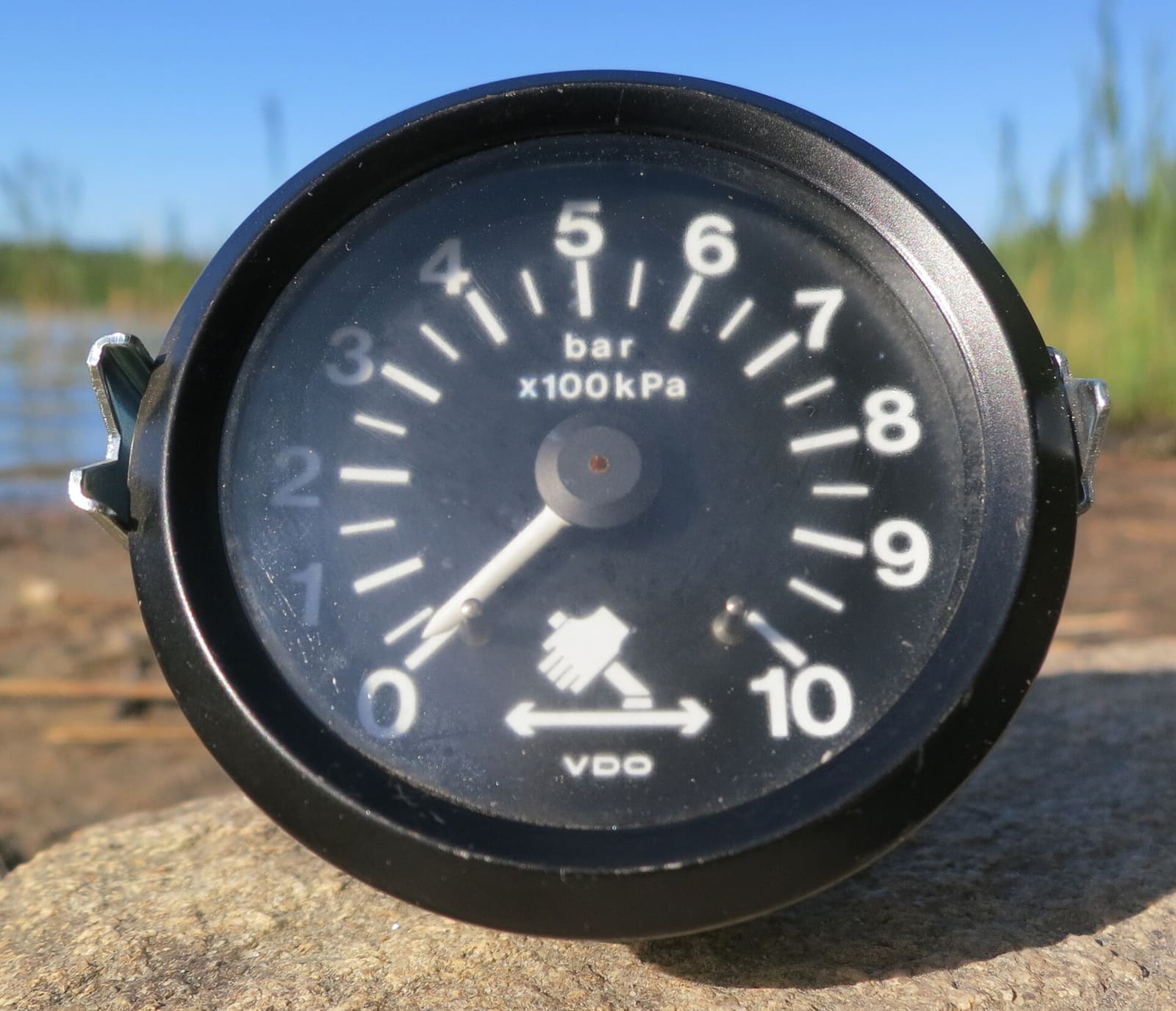
An analog oil pressure gauge. Know where your needle normally sits at idle and at cruise. Photo: R. Henrik Nilsson / Wikimedia Commons · CC BY 4.0 This is the test that separates a bad sender from a real problem. A mechanic removes the sender and screws in a calibrated mechanical oil pressure gauge, then runs the engine and compares the readings at idle and at higher RPM, warm, with the pressure specification for your engine. Fittings and thread sizes differ, and the engine must be run with proper cooling water, so this is best left to a shop unless you have the right adapter and experience.
- Mechanical gauge reads normal: the sender, switch, wiring or dash gauge is at fault. Replace the faulty part with one made for your engine, not a generic automotive part, since the sender must match the gauge.
- Mechanical gauge reads low: the engine really has low pressure. See the next step.
If the pressure is truly low with the correct oil at the correct level, the cause is inside the engine. Common ones:
- Wrong or diluted oil (too thin, or thinned by fuel)
- Clogged or wrong oil filter, or a stuck pressure relief valve
- A clogged oil pickup screen in the pan, often from sludge after long neglect
- A worn oil pump
- Worn main and rod bearings, common on high-hour engines. BoatUS also lists a clogged filter and a failing pump among the usual suspects.
A shop may suggest an oil analysis, a compression test or opening the engine. Get the diagnosis before buying parts.
Do not go back out with an engine that has a confirmed low pressure problem or an alarm you have not explained. Running even a short time without proper oil pressure can turn a modest repair into a full rebuild. Log what was found and fixed in your BoatMend maintenance record.
Common mistakes
- Deciding "it's just the sender" and running on with the alarm sounding.
- Turning off or disconnecting the alarm horn because it "goes off for no reason."
- Topping up with whatever oil is on hand. Too-thin oil is a known cause of low hot readings.
- Overfilling after a low reading, which can foam the oil.
- Replacing the sender without ever checking the real pressure with a mechanical gauge.
- Ignoring oil that smells like fuel. The level may look fine, or even high, while the oil is too thin to protect the bearings.
- Using a car sender or switch that does not match the boat's gauge.
When to call a pro
- The alarm sounds again after a restart, the gauge stays at zero, or you hear knocking, ticking or rattling
- Milky oil, oil that smells of fuel, or metal flakes on the dipstick
- An oil leak you cannot see the source of, or oil in the bilge
- Any time you need the real oil pressure measured with a mechanical gauge
- You are on the water and cannot get home safely at low speed: call TowBoatUS or Sea Tow (VHF 16 or 911 in an emergency)
Tips
- Write down your normal oil pressure at idle and cruise, warm, at the start of each season.
- Check the oil level before every outing. Discover Boating recommends checking it before every start and being suspicious of any level that is higher or lower than usual.
- Keep a spare quart of the correct oil and a spare oil filter on board.
- An oil analysis once a season can catch fuel dilution and bearing wear before the gauge ever drops.
Official references
We read these to write this guide. Your engine's own manual always wins.
- BoatUS – Troubleshooting Boat Gauges, Instruments and Meters
- Discover Boating – The Life Expectancy of the Marine Engine
- BoatUS – Oil Sample Analysis
- Practical Sailor – DIY Engine Oil Tests
- Boating Magazine – Five Inboard and Sterndrive Engine Checks
- BoatUS – Stern Drive Maintenance
- Mercury Marine – Service & Support FAQs
Safety: BoatMend is for information only and does not replace a certified marine technician. You are responsible for your safety and your boat. Read the full disclaimer.
Last updated 2026-10-25
Related guides
Engine Warning Horn and Dash Lights: What They Usually Mean and What to Do
Learn what a warning horn, beeps or a dash light usually mean on a boat engine, from overheating and low oil pressure to water in the fuel and reduced-power (limp) mode. Find out what to do right away and when to stop the engine. Patterns differ by brand, so match what you hear and see to your owner's manual.
How to Troubleshoot Dash Gauges, a Dead Tachometer or a Wrong Fuel Gauge
Work through dead or wrong dash gauges from the cheapest check to the most involved: fuses and breakers, power and ground, the gauge-versus-sender test, the tachometer's pulse setting and the extra checks for digital network gauges. Most gauge problems turn out to be a bad connection, not a bad gauge.
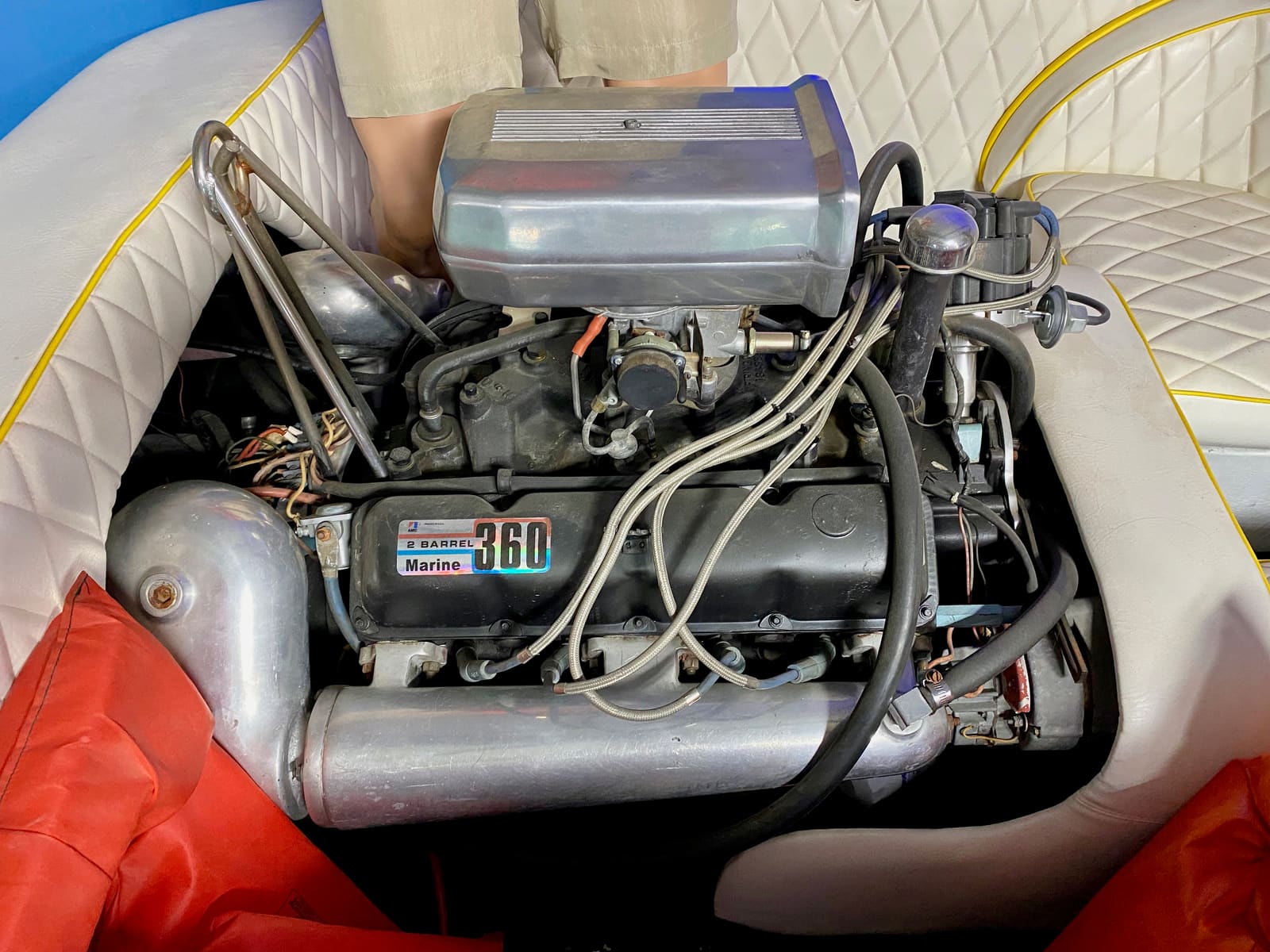
Milky Engine Oil or Water in the Oil - What It Means and What to Do
Milky, creamy or rising engine oil usually means water is getting into the engine. Learn why you should stop running it right away, how to tell harmless condensation from a real leak, and which parts are the usual suspects: head gaskets, exhaust risers and manifolds, intake manifold gaskets, oil coolers and freeze cracks.

Engine and Gearbox Oil Analysis: How to Take a Clean Sample and Read the Report
A lab oil analysis is like a blood test for your engine, transmission or lower unit. Learn how to pull a clean sample, what the lab measures, what wear metals, coolant, sea water and fuel in the oil can mean, and why the trend over several samples matters more than any one number.
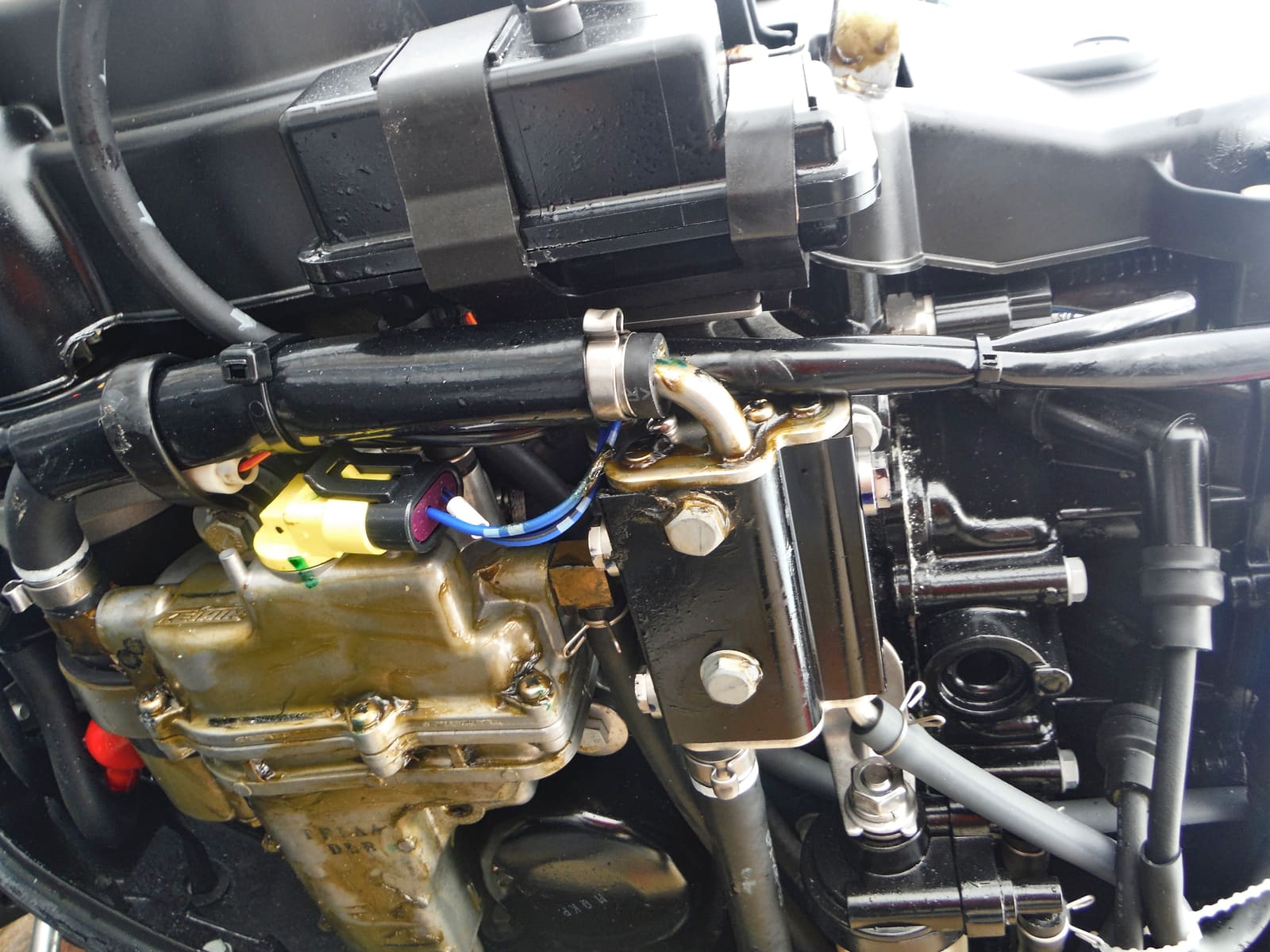
Four-Stroke Outboard Oil Level Rising or Smelling Like Gas: What It Means and What to Do
If the oil on your four-stroke outboard's dipstick keeps going up or smells like gasoline, fuel is probably getting into the crankcase. Learn how to check the level the right way, why lots of idling, trolling, short runs and cold water cause it, what you can do yourself, and when a fuel-system fault needs a dealer.
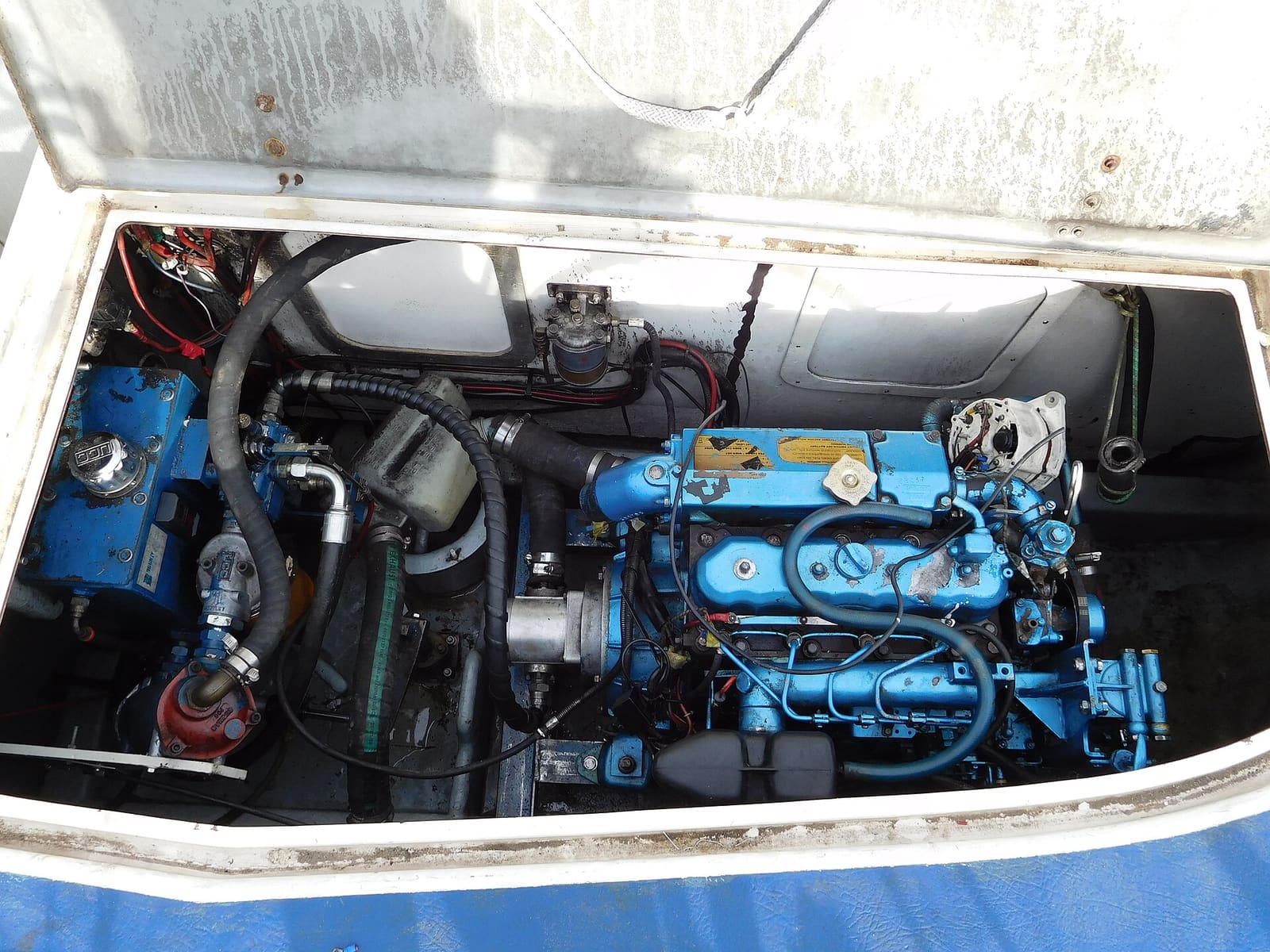
Marine Diesel Service: Oil Change, Fuel Filters and Bleeding Air
Change the oil and oil filter, replace the primary and secondary fuel filters, and bleed air from the fuel system on a Yanmar, Volvo Penta, Beta, Cummins or similar marine diesel. These three skills cover most routine diesel care and can get you out of trouble when the engine dies on a passage.
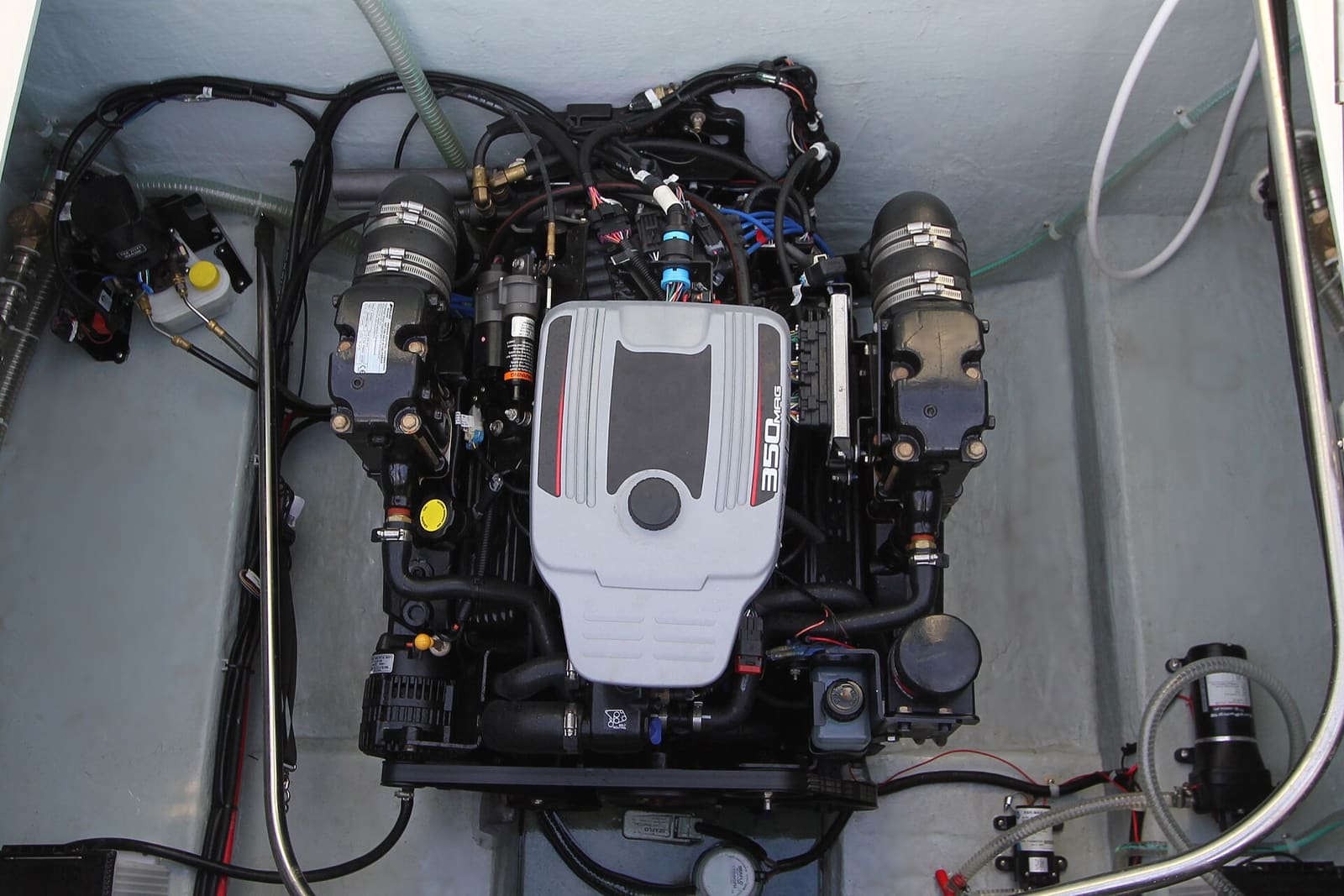
How to Use an Oil Extractor Pump for Boat Oil Changes
Change engine oil cleanly through the dipstick tube with a manual or electric extractor: know which engines it suits, warm the oil first, get as much out as you can, then refill to the dipstick, recycle the old oil and clean the pump so it's ready next time.

Strange Engine Noises - What a Knock, Tick, Rattle, Whine, Grind or Squeal Can Mean
Learn what common boat engine noises often point to, which ones mean shut down now, and the safe checks you can do yourself before describing the problem to a mechanic.