Repair & maintenance guides
Plain-English, step by step, written for owners. Pick your engine to see the guides that apply to it.
67 of 459 guides · page 2 of 3
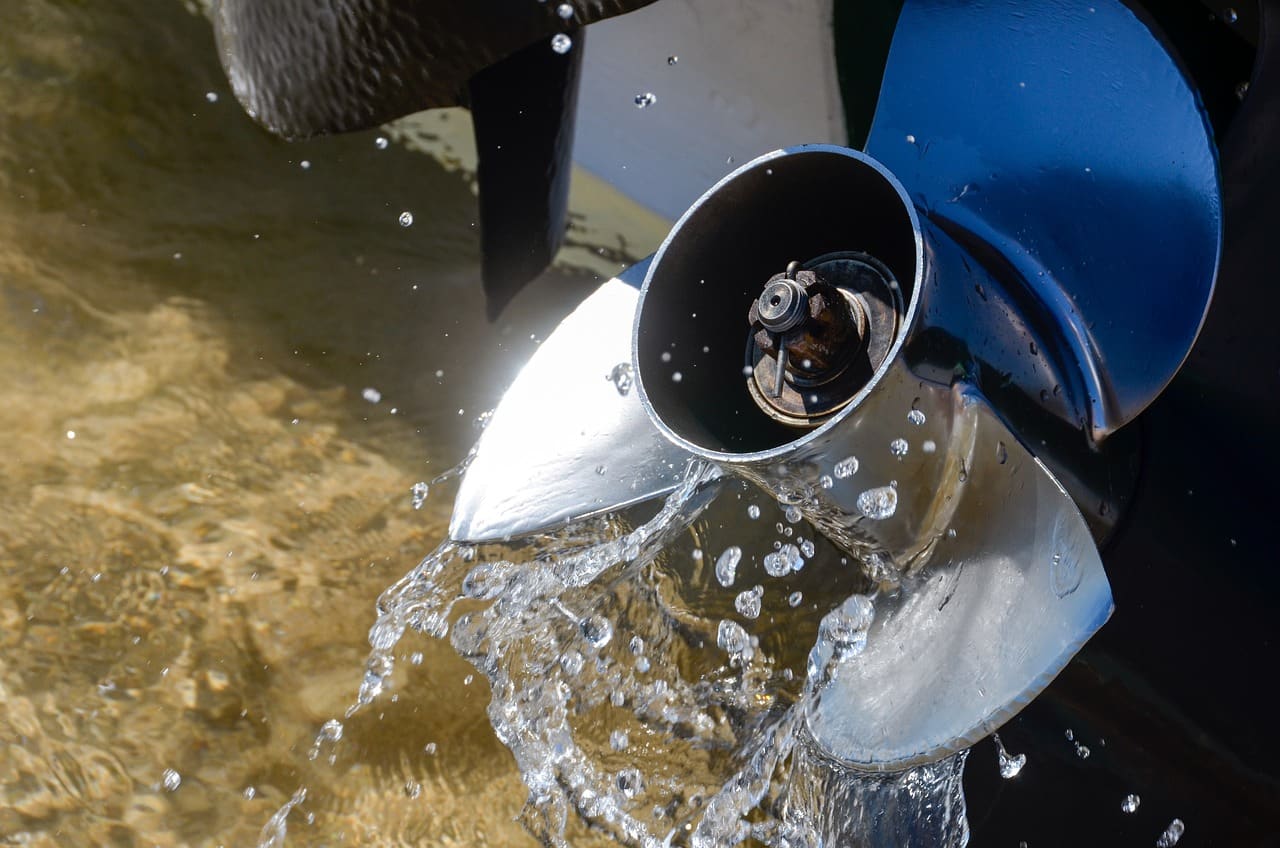
How to Flush Your Engine With Fresh Water
Rinse salt, silt and sand out of your outboard or sterndrive cooling system using the built-in flush port, flush muffs or a flush bag. Flushing after every saltwater trip is one of the easiest ways to prevent corrosion and overheating.

How to Get Better Fuel Economy From Your Boat
Boat fuel is expensive, but most owners can stretch every gallon further without buying anything. Learn how to find your boat's most efficient cruise RPM, why a clean bottom, the right prop, good trim and less weight matter most, which tune-up items count, how fuel flow data helps, and which fuel-saving myths to ignore.
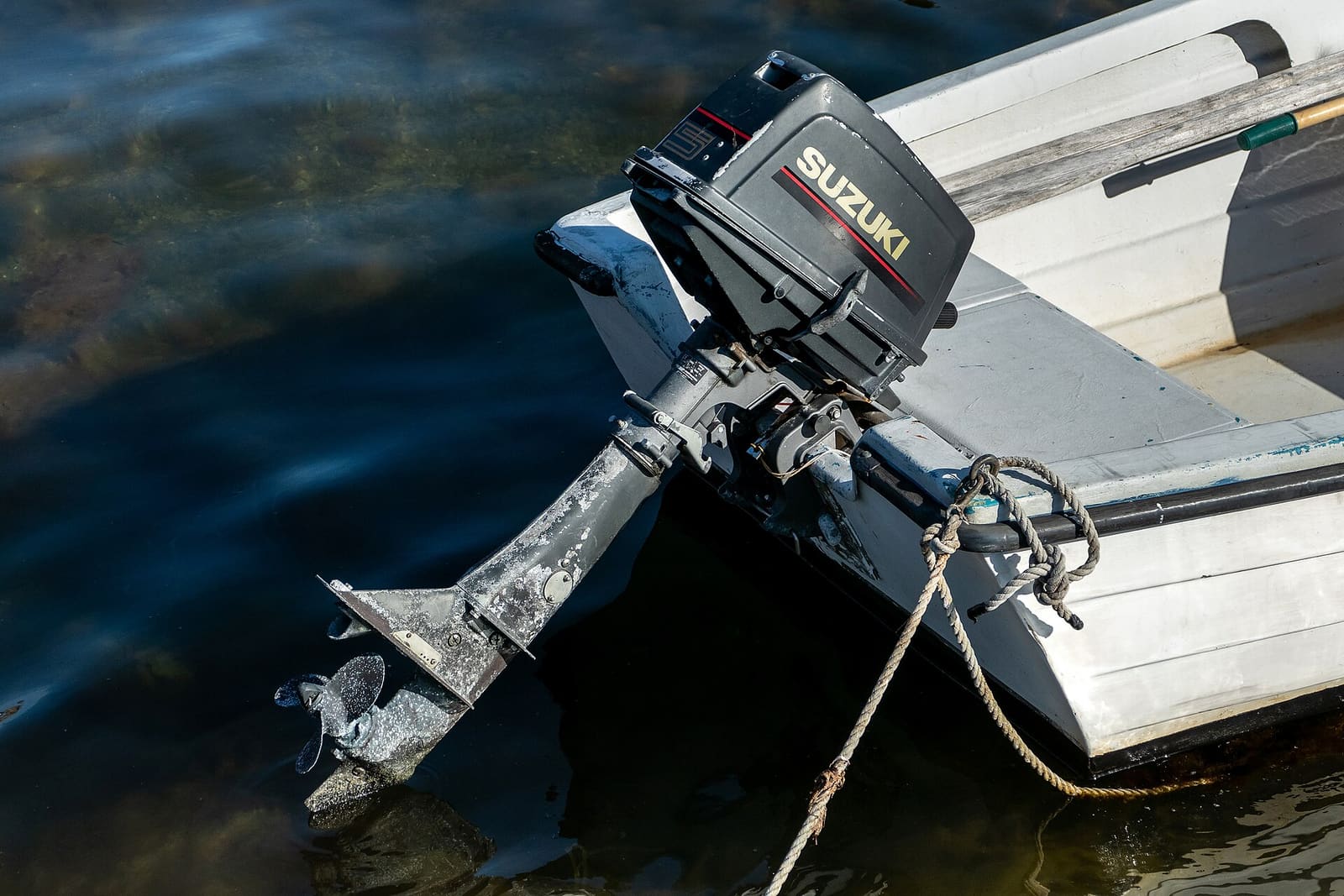
How to Grease Your Outboard's Lubrication Points
Grease the swivel bracket, tilt tube, steering and shift linkages, trim rams and prop shaft splines on your outboard. Grease keeps salt and water out of the moving joints. A 30-minute job once or twice a season prevents seized steering, stuck props and corroded brackets.
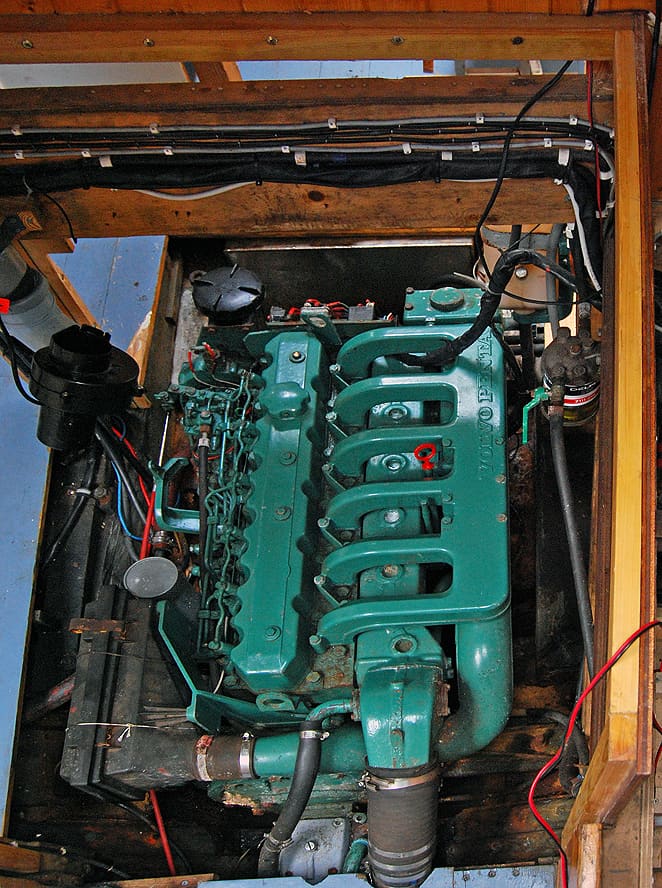
How to Inspect and Clean a Raw-Water (Sea) Strainer
The sea strainer is the cheap screen that keeps weeds, shells and plastic out of your engine, generator and A/C pumps. Learn how to clean it safely with the seacock closed, reseal the lid so it can't suck air, spot a cracked bowl before it floods the boat, and winterize it.
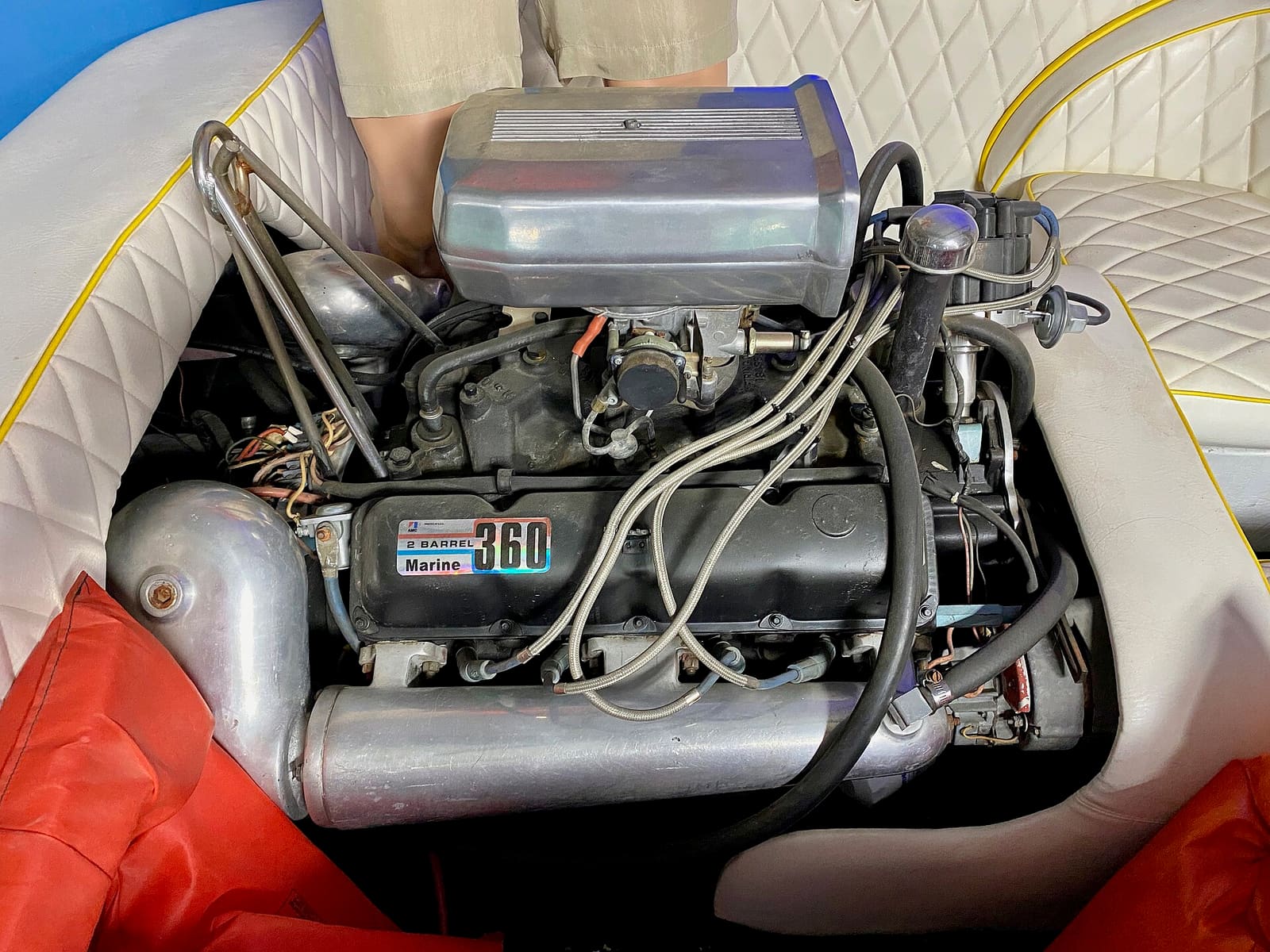
How to Inspect and Replace Exhaust Shutters and Flapper Valves
The rubber shutters inside a sterndrive's exhaust and the flappers at an inboard's exhaust outlet are one-way valves that keep water from washing back into the engine. Learn where they are, how they fail, how to check them every year, and why riser service is the perfect time to replace them.
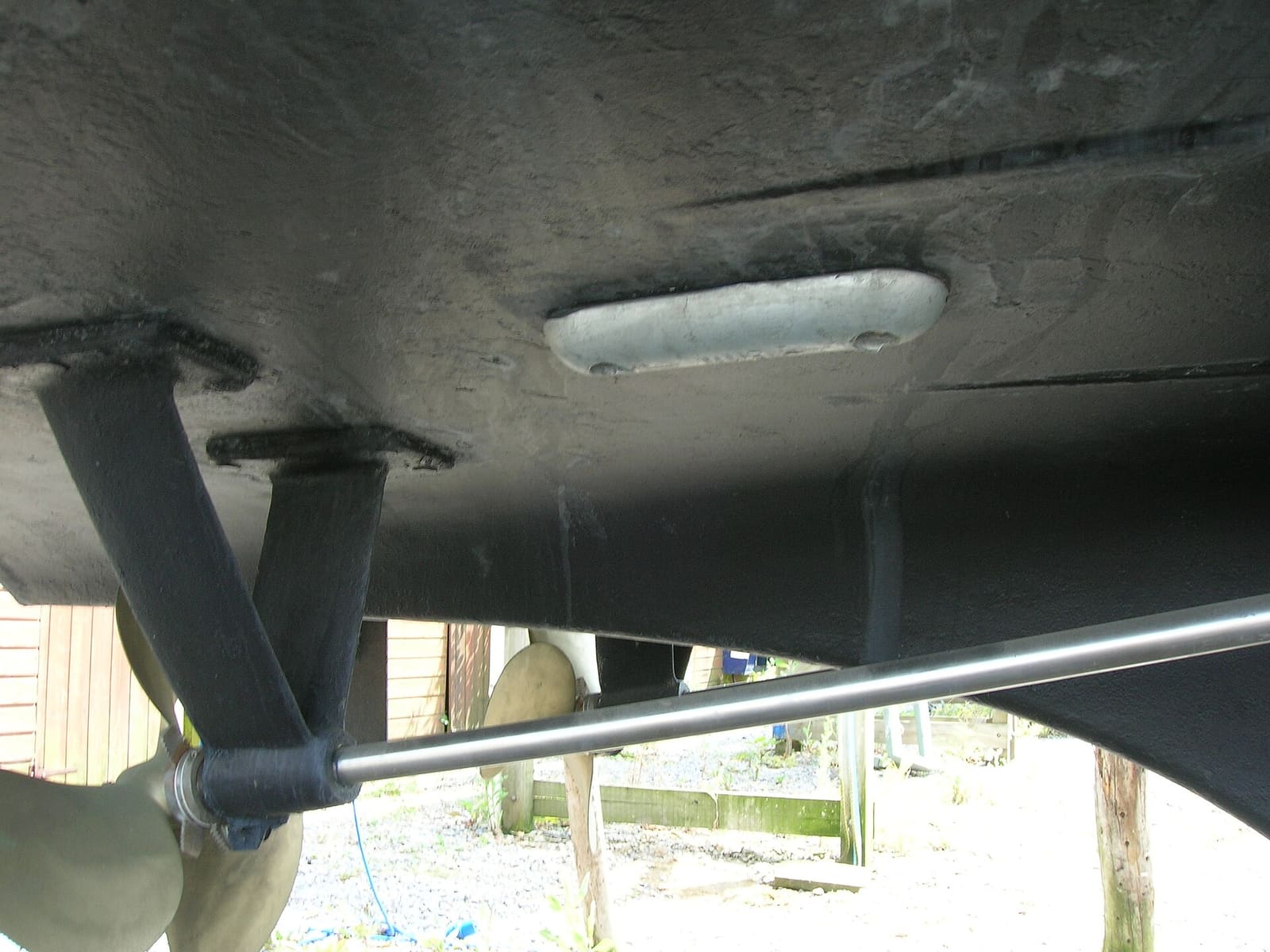
How to Inspect and Replace Sacrificial Anodes (Zincs)
Check the anodes on your outboard, sterndrive or inboard running gear, replace them when they are half gone, and choose the right metal for the water you boat in. Fresh anodes are cheap insurance against expensive corrosion damage to your lower unit, drive and prop.
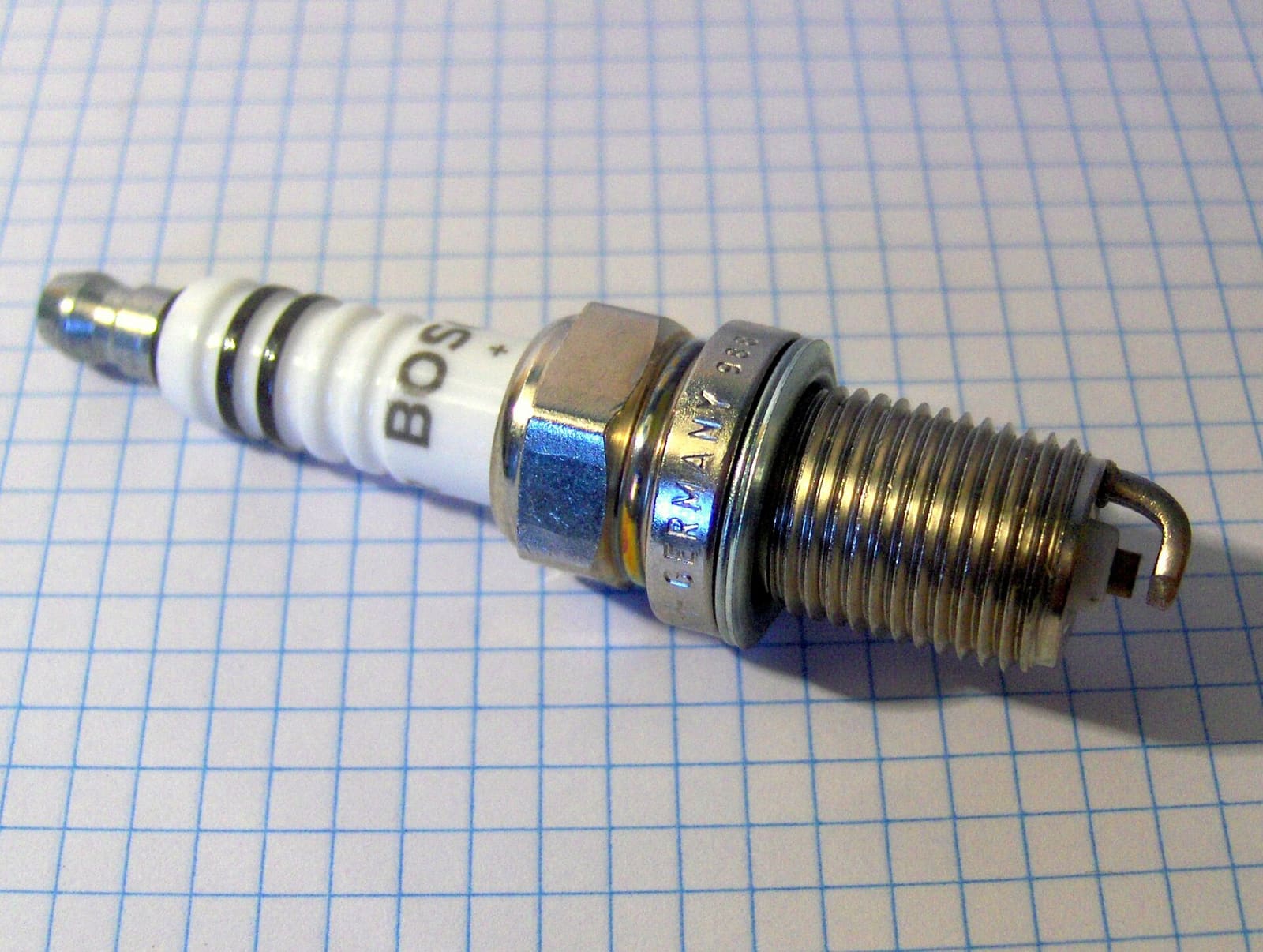
How to Inspect and Replace Spark Plugs
Pull, read and replace the spark plugs on a gas outboard, sterndrive, inboard or PWC. Fresh, correctly gapped plugs help the engine start easily and run smoothly, and the old plugs tell you a lot about the engine's health.
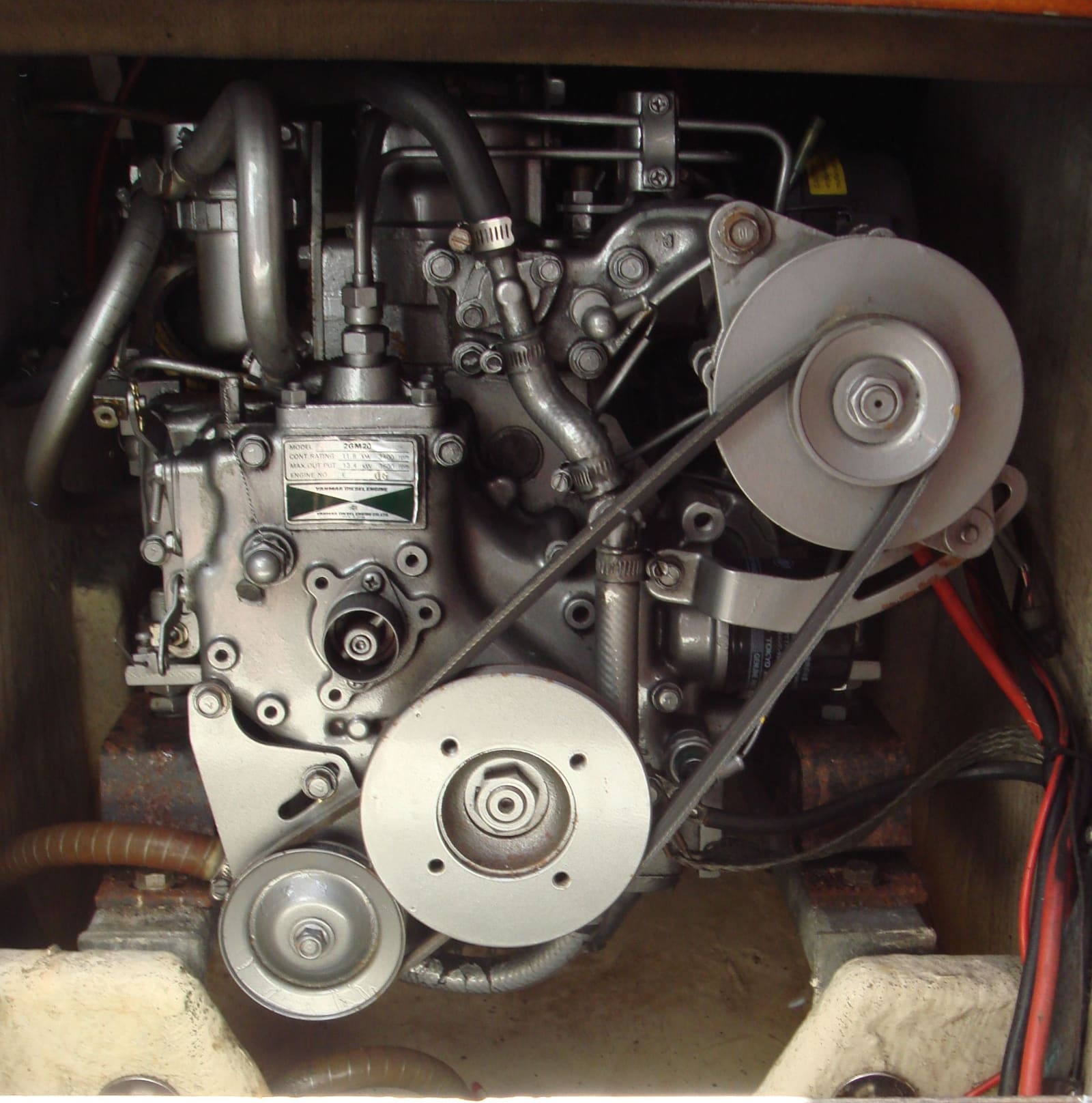
How to Inspect Engine Belts and the Tensioner on Sterndrives, Inboards and Diesels
On many inboard, sterndrive and diesel engines, one belt runs the water pump, the alternator and often the power steering. If it breaks or jumps off, the engine overheats and the steering goes heavy at the same moment. Learn how to inspect the belt, tensioner and pulleys, check tension, and carry the right spare.
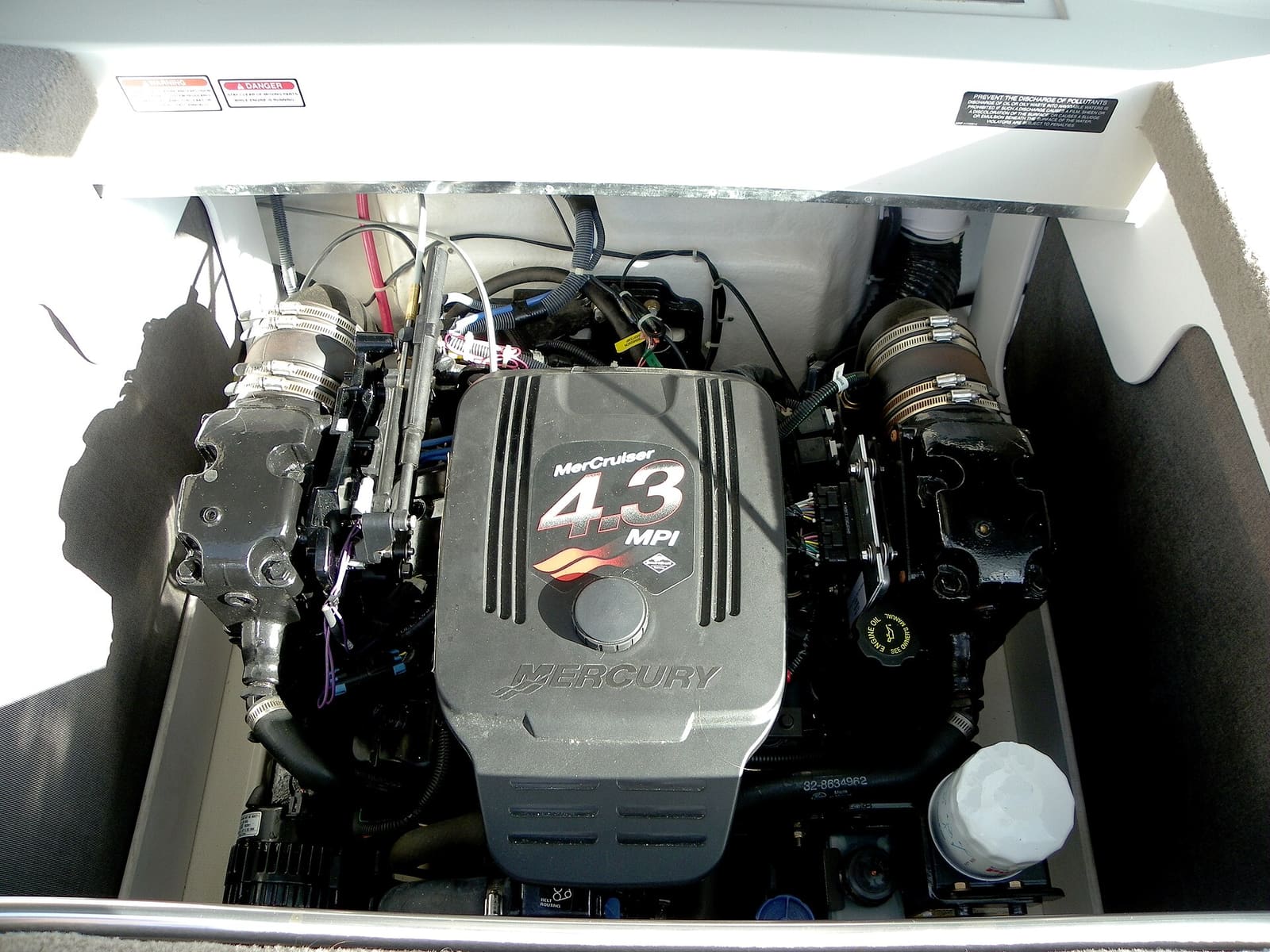
How to Inspect Exhaust Manifolds and Risers on a Sterndrive or Inboard
Cast-iron exhaust manifolds and risers rust from the inside, and when they fail they can let water into the cylinders and ruin the engine. Learn the warning signs, how often to inspect them in salt and fresh water, how to check a riser yourself, and when replacement is a job for a pro.

How to Keep a Boat Maintenance Log and Organize Your Receipts
Set up a simple maintenance log that records the date, engine hours, work done, parts and who did it, and keep receipts and photos organized. Good records help with warranty and insurance claims, show buyers the boat was cared for and reveal wear patterns before something fails.

How to Maintain Your Mainsail Reefing System and Practice a Reef at the Dock
Check the reef lines, blocks, hooks and cringles of a slab (jiffy) reefing system, keep in-mast and in-boom furling mains running smoothly, and practice tucking in a reef at the dock so it is quick and safe when the wind comes up.
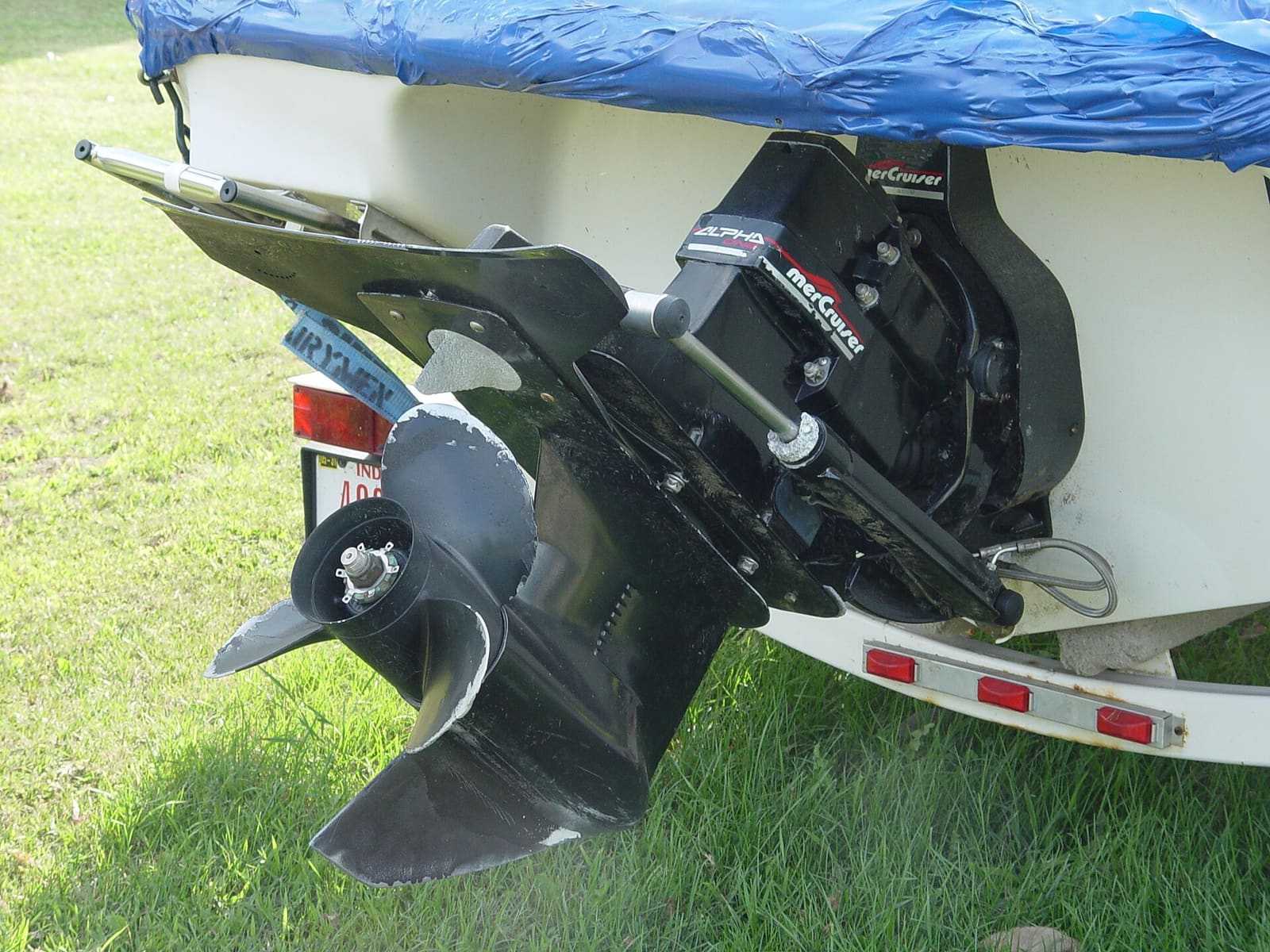
How to Remove and Reinstall a Sterndrive for Service
Pulling the drive off an Alpha-style sterndrive opens up the bellows, gimbal bearing, U-joints and engine alignment for inspection. Learn when it's a realistic DIY job and when to leave it to a shop, the overall sequence, what to inspect while it's off, and how to put it back without sinking the boat or wrecking the coupler.
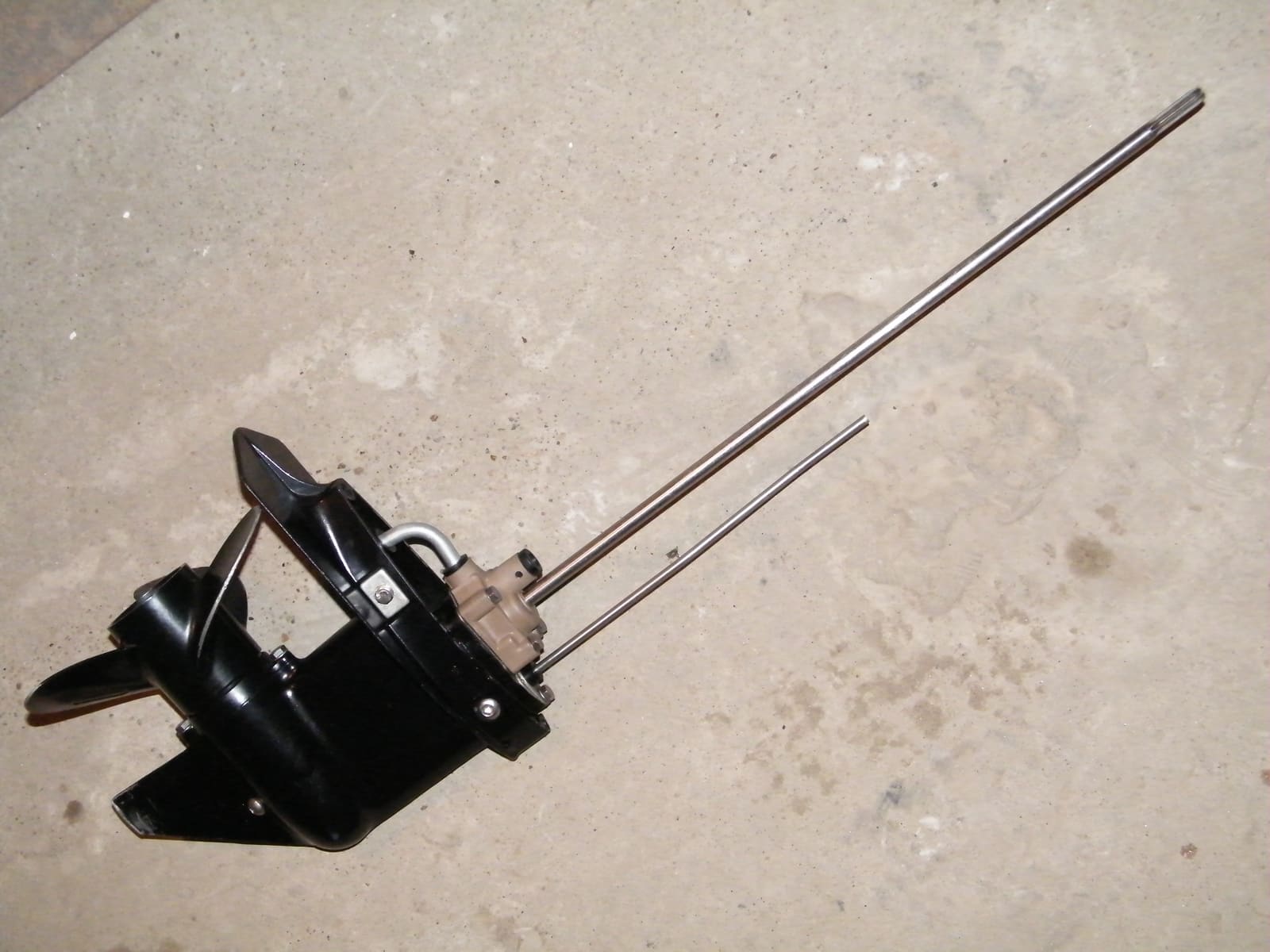
How to Remove and Reinstall an Outboard Gearcase (Lower Unit) Without Losing Shift
Dropping the lower unit is the first step of every outboard water pump job, and the reinstall is where most DIY trouble starts: no forward gear, no cooling water or a driveshaft that will not seat. Learn how to set the shift position, protect the water tube, line up the splines and test everything before the boat goes back in the water.
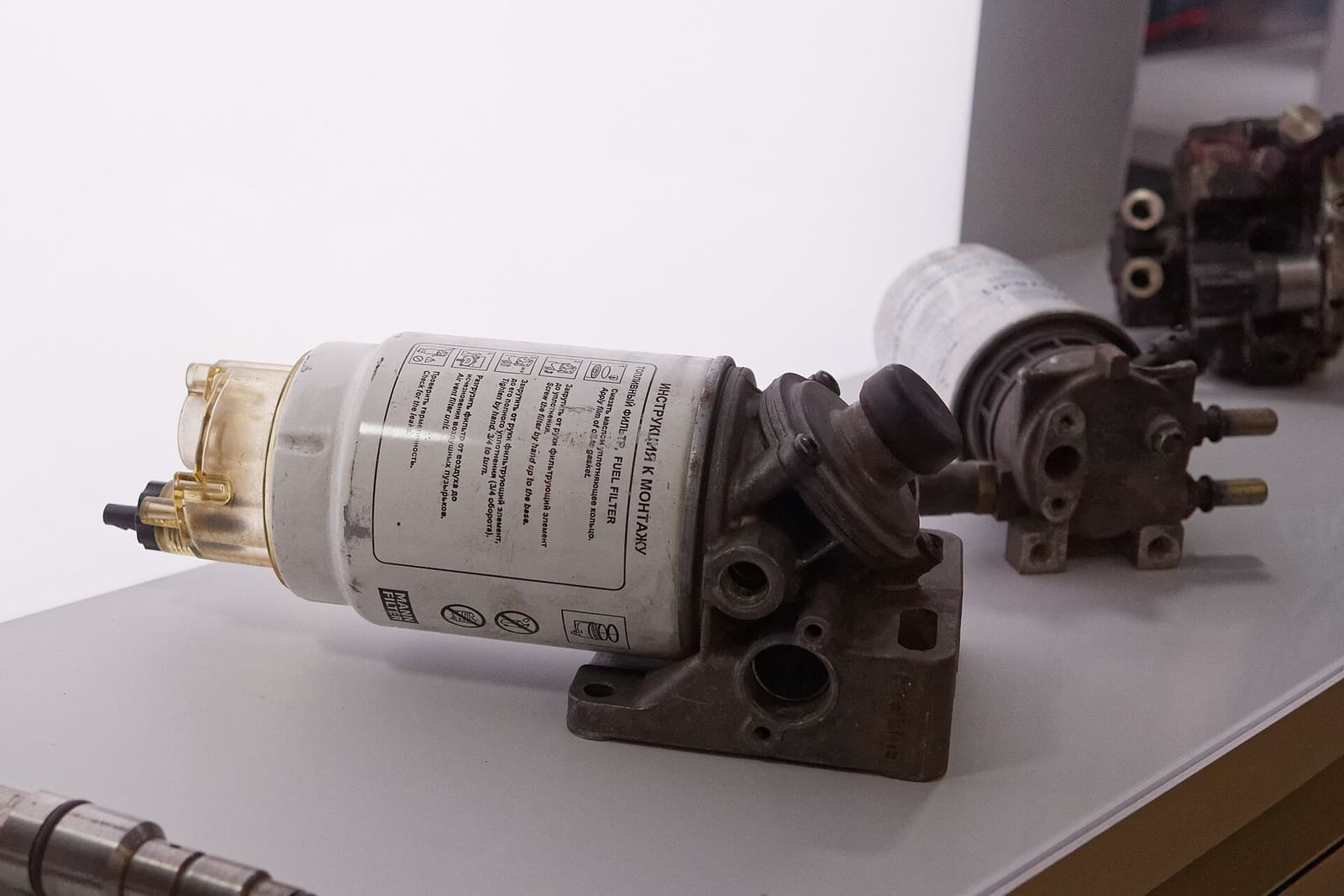
How to Replace a Fuel/Water Separating Filter (and Check for Water in Your Fuel)
Swap the spin-on fuel/water separator on your gas boat and learn to spot water and ethanol phase separation before it stalls the engine. It is one of the cheapest jobs on the boat and one of the best protections for a fuel-injected engine.
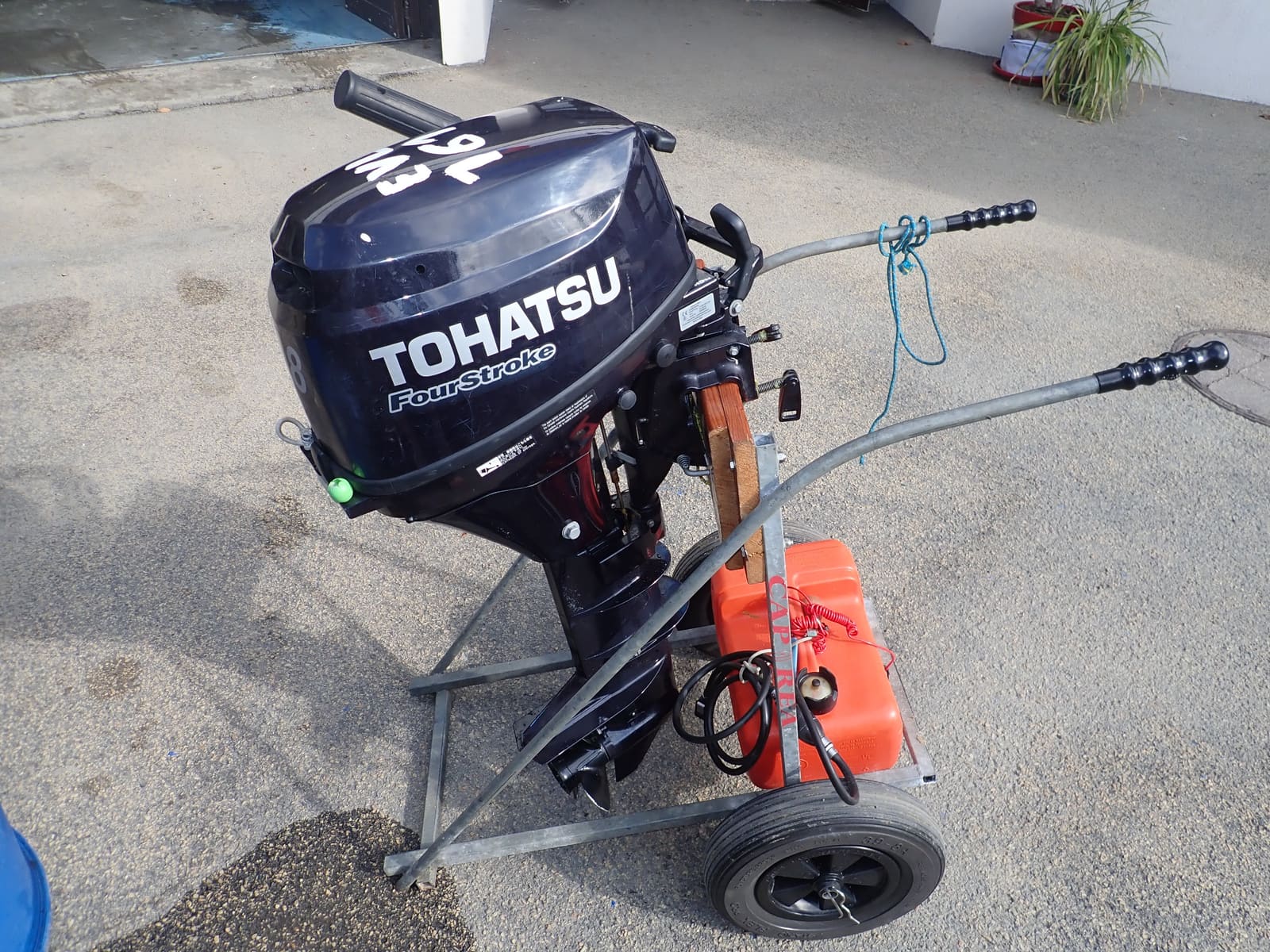
How to Replace an Outboard Fuel Line and Primer Bulb
A cracked hose or a stiff primer bulb can leak gasoline, starve your engine or shed rubber into the fuel. Learn how to choose Coast Guard-rated fuel hose, the right connectors for your engine brand and good stainless clamps, install the bulb pointing the right way, leak-test the job and get rid of the old parts safely.
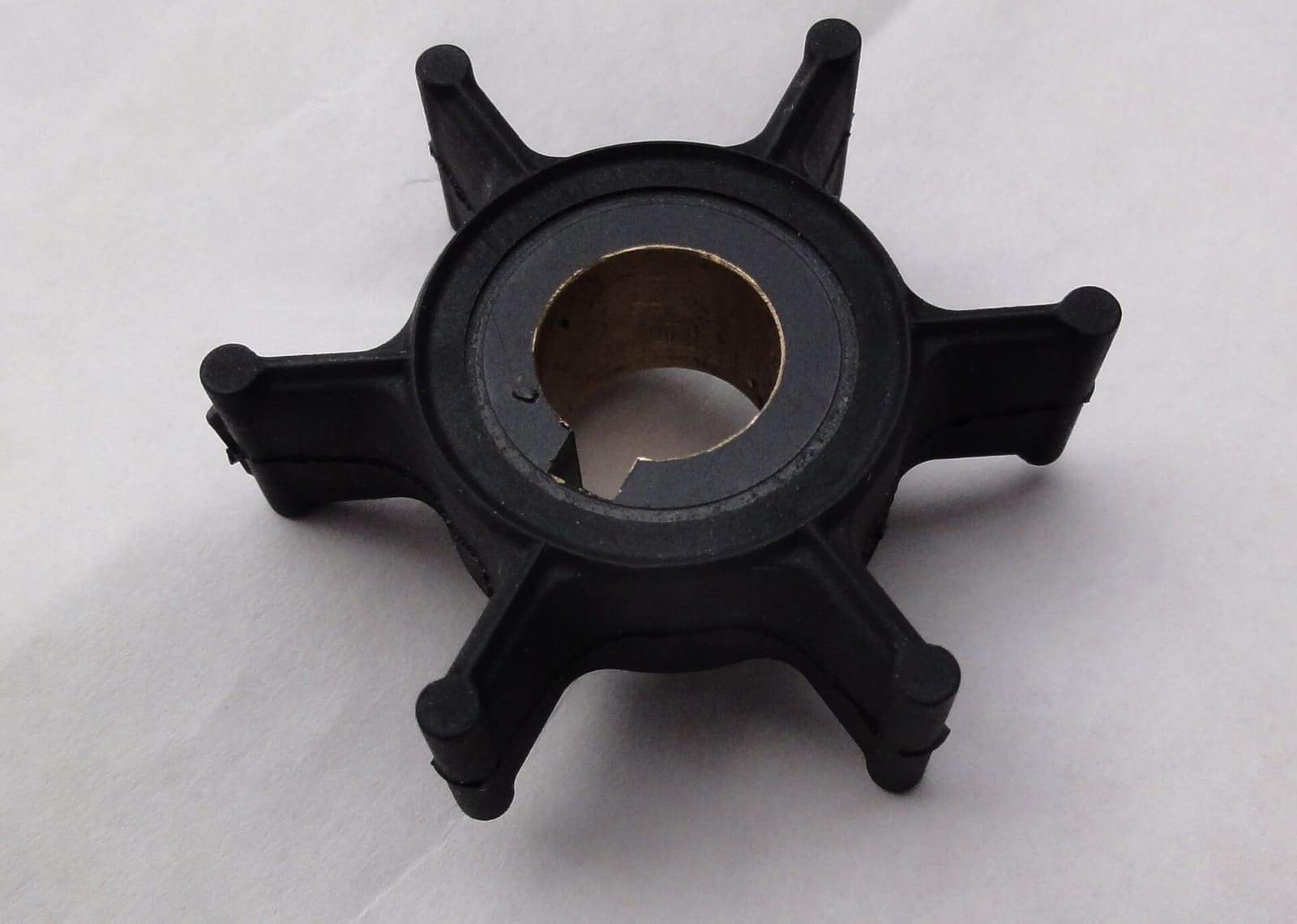
How to Replace the Water Pump Impeller
Replace the rubber impeller that pumps cooling water through your engine, the part most often behind overheating. On many outboards it is a two-hour driveway job that saves a shop bill of several hundred dollars and prevents far costlier heat damage.
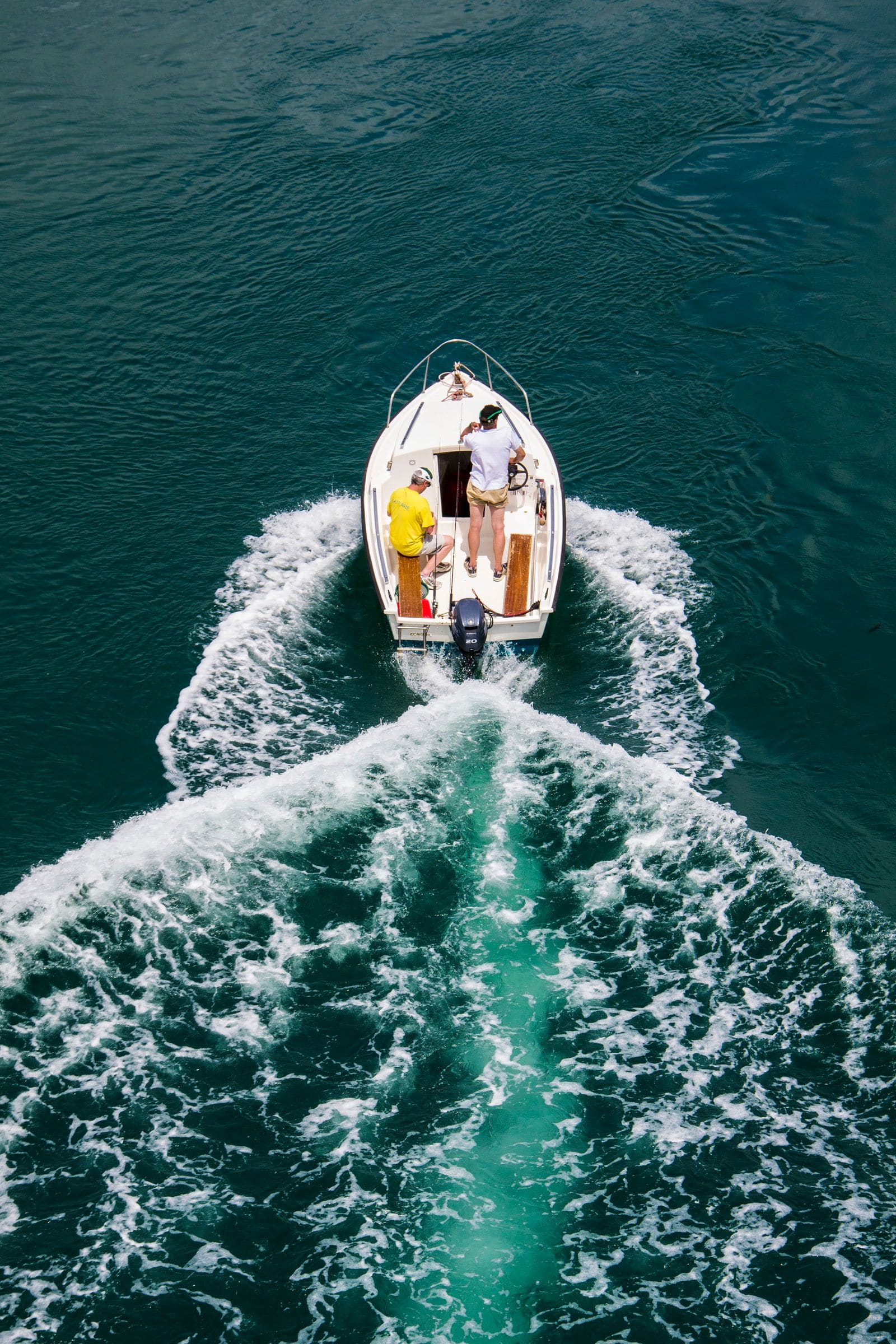
How to Sea Trial Your Boat After Maintenance or Repair
A step-by-step test run after service work: dock checks first (leaks, fluids, steering, kill switch), then a gradual climb through the RPM range while you watch temperature and pressure, a wide-open-throttle check against your engine's spec, shifting and trim tests, and a bilge check afterward. Catch a loose clamp or a missed step at the dock, not miles out.
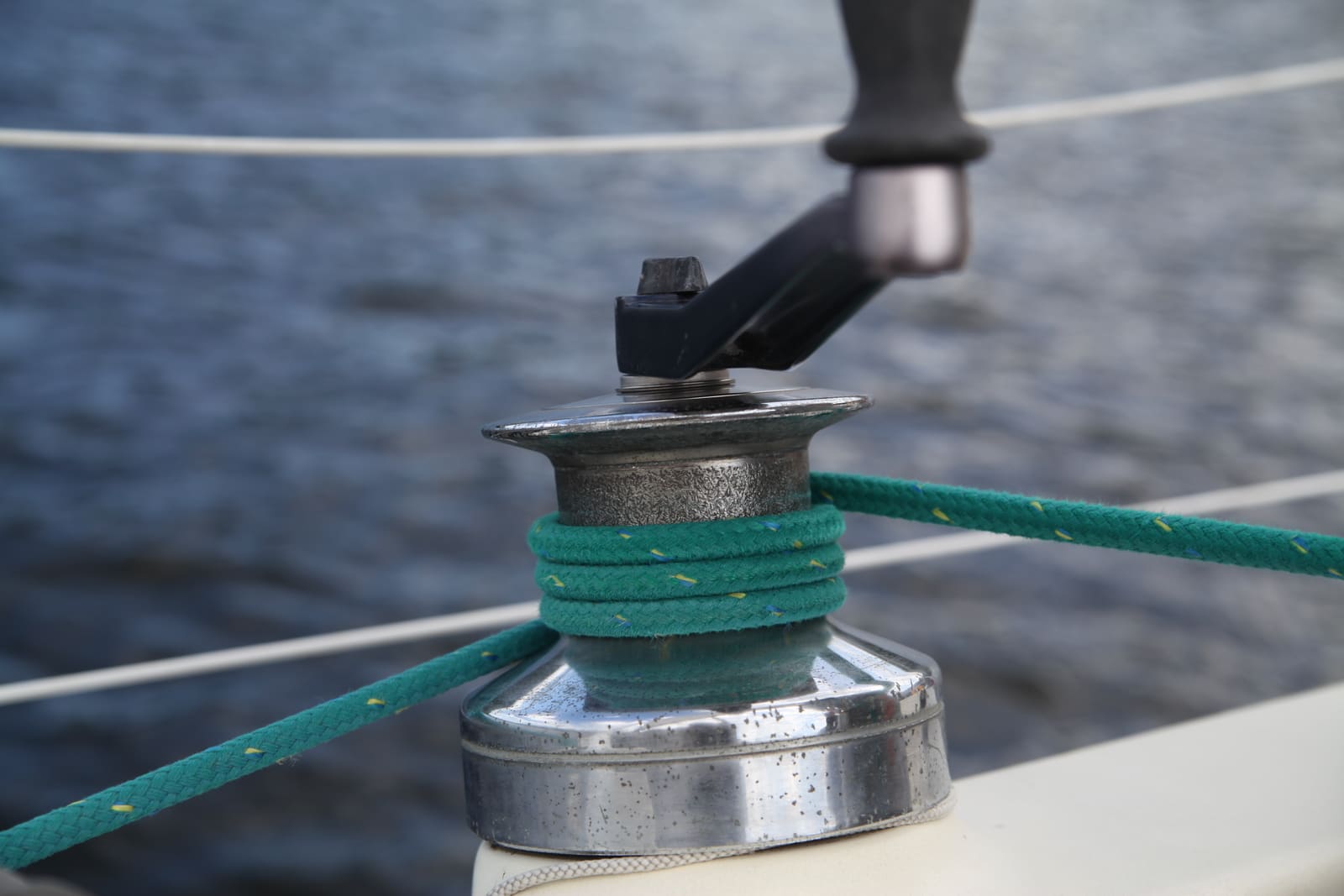
How to Service Sailboat Winches (Clean, Oil the Pawls, Grease the Gears)
Take your sheet and halyard winches apart, clean out old grease and salt, oil the pawls, lightly grease the gears and bearings, and put them back together. A serviced winch turns easily and, more importantly, its pawls catch every time so the drum can't spin backward under load.
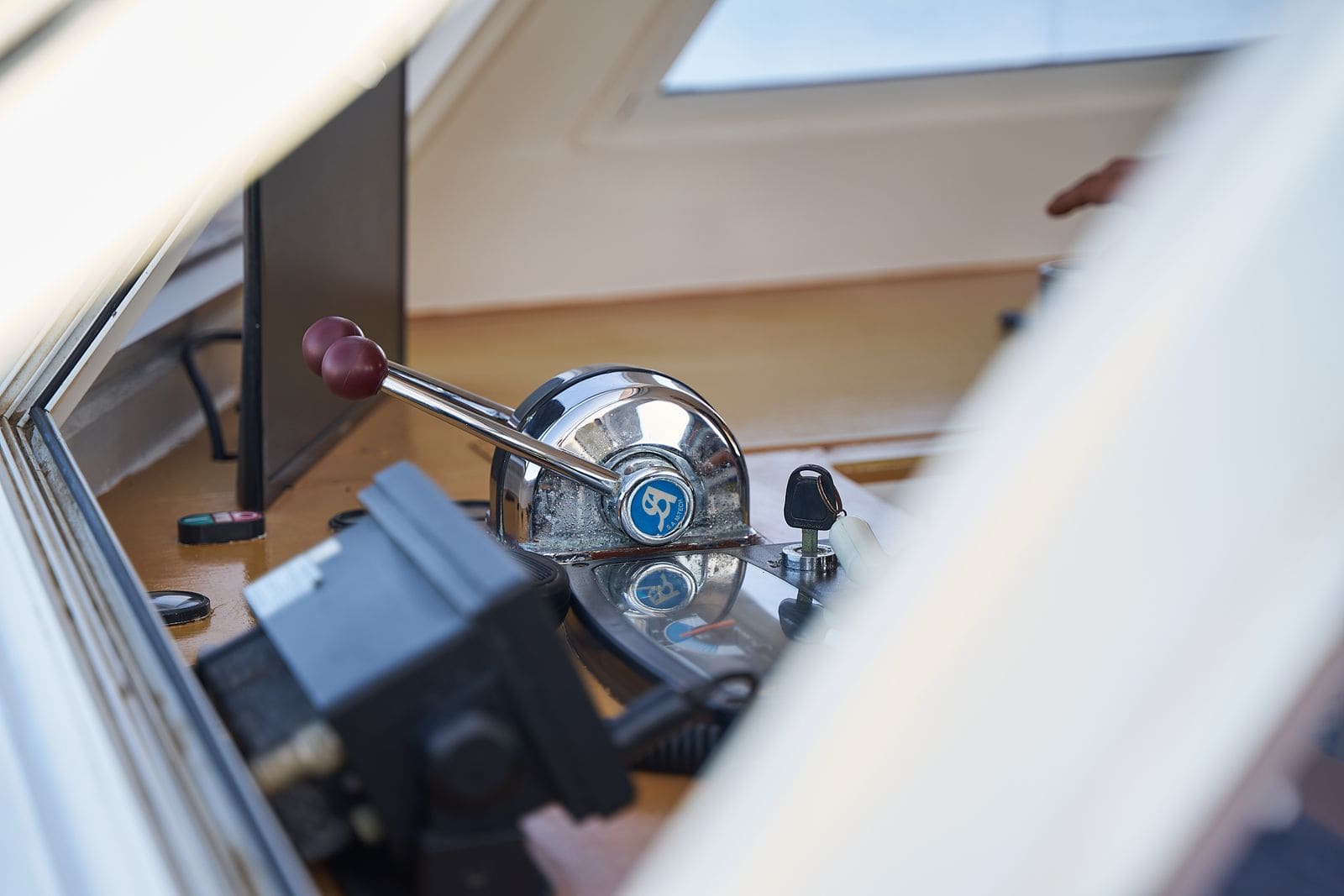
How to Synchronize Twin Engines (RPM and Trim)
Twin engines running at slightly different RPM cause a pulsing drone, extra vibration, uneven wear and wasted fuel. Learn how to sync them by tach, sync gauge or ear, use the one-button sync on digital controls, check that your tachs tell the truth, match trim, and know when uneven engines or cable adjustment are a dealer job.
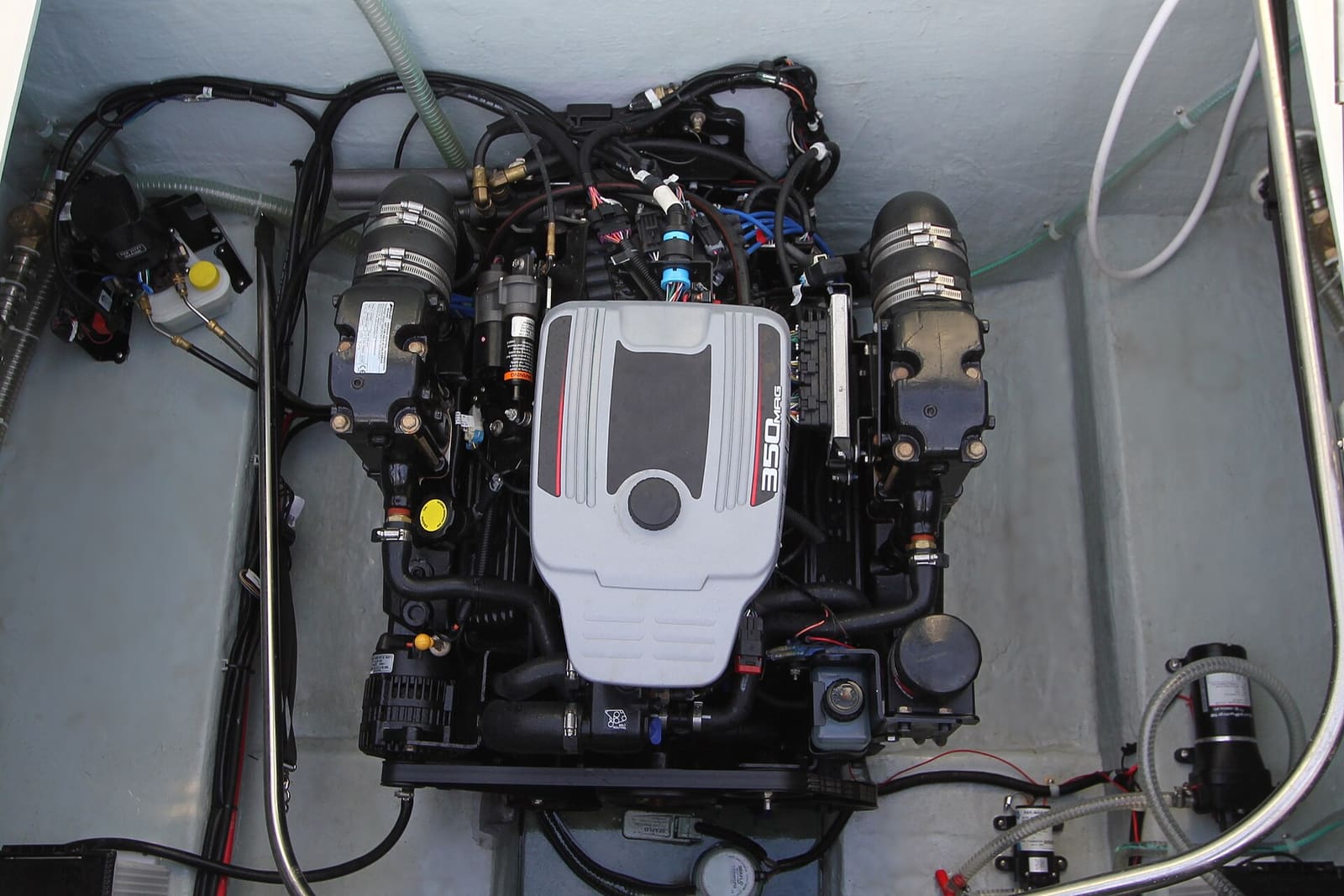
How to Test and Replace the Engine Thermostat
Find, test and replace the thermostat that controls your engine's operating temperature. A stuck thermostat can make an engine overheat or run too cold. On most outboards and many sterndrives it is a one-hour job with basic tools.
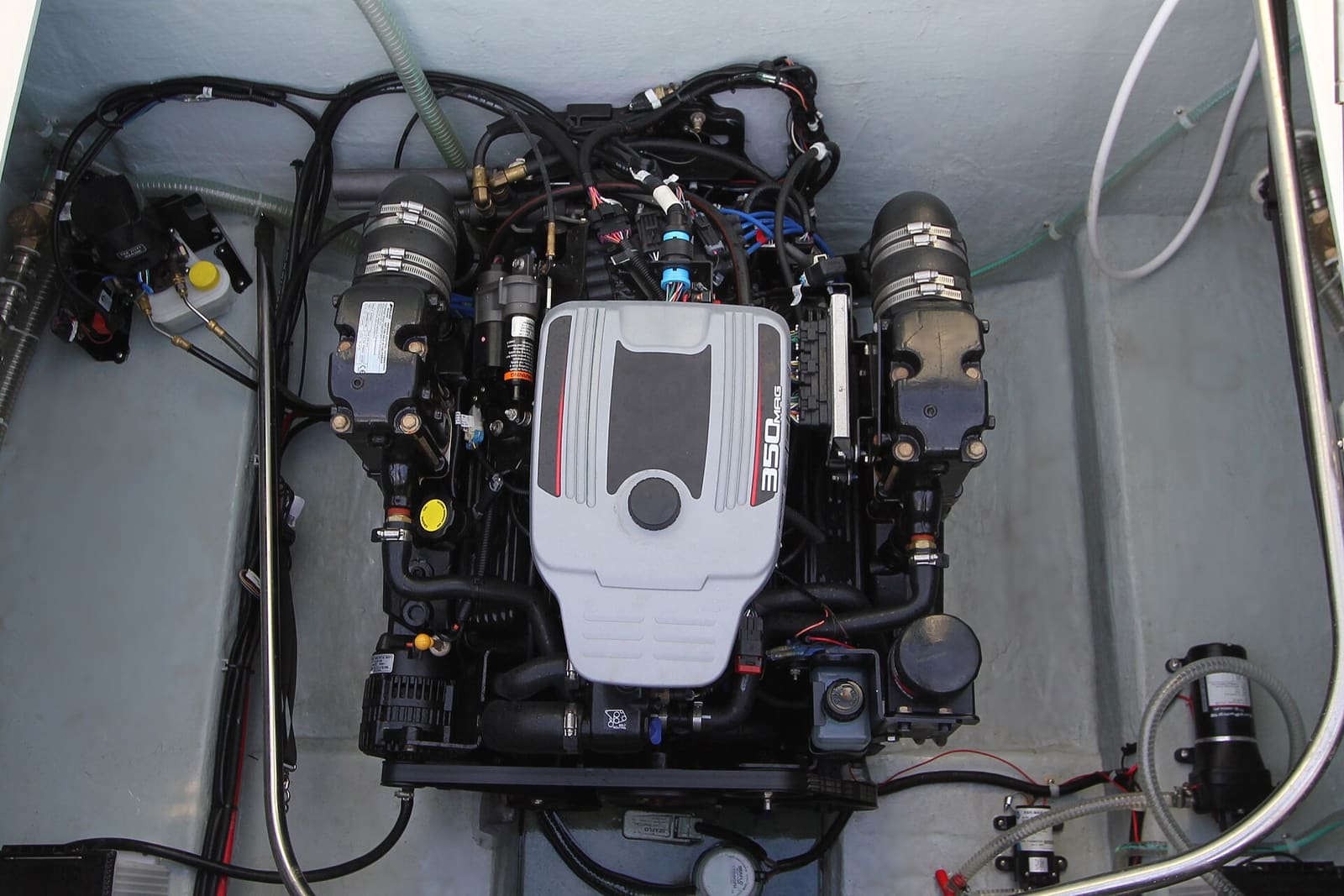
How to Use an Oil Extractor Pump for Boat Oil Changes
Change engine oil cleanly through the dipstick tube with a manual or electric extractor: know which engines it suits, warm the oil first, get as much out as you can, then refill to the dipstick, recycle the old oil and clean the pump so it's ready next time.
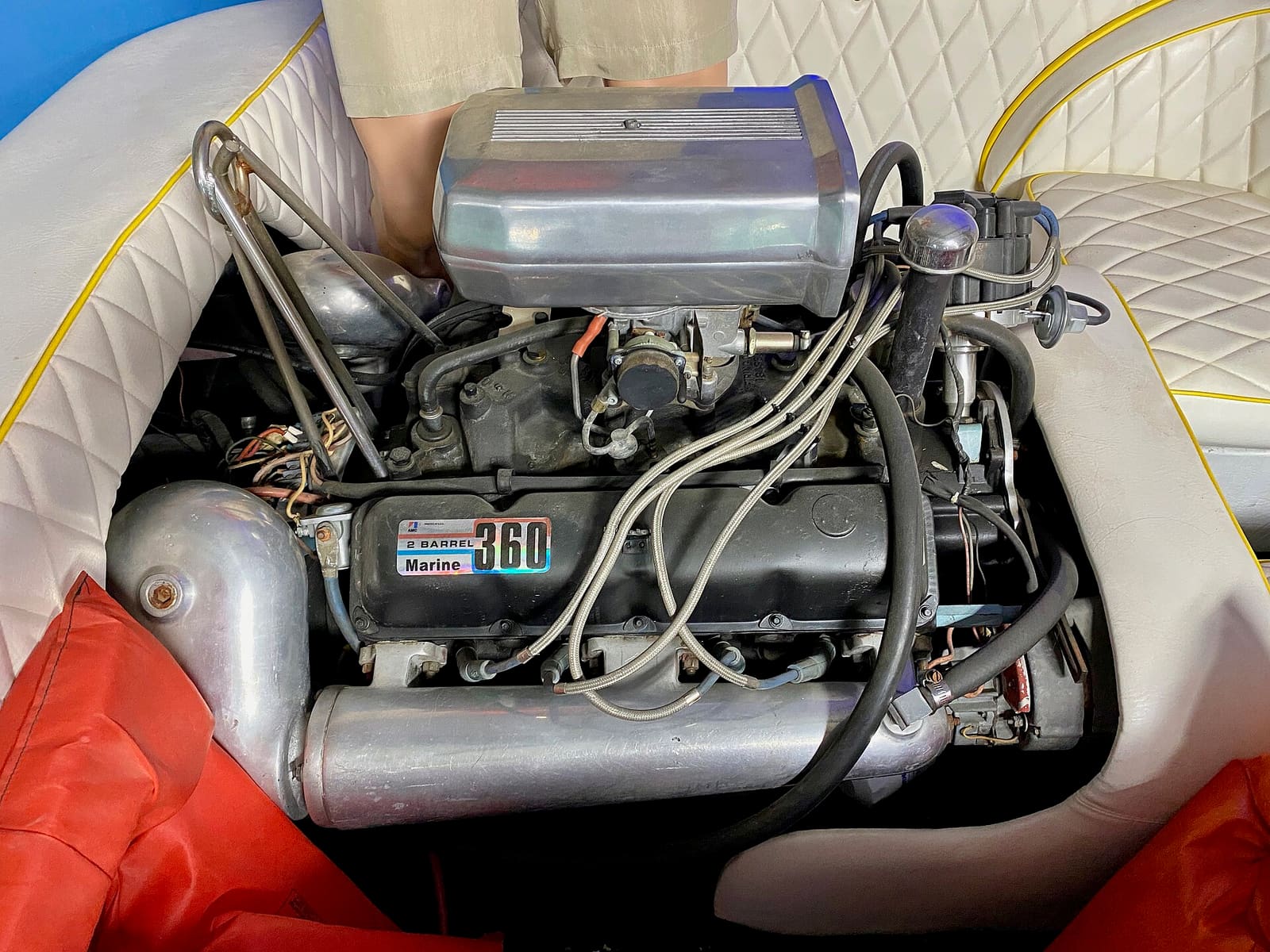
Ignition Tune-Up on an Older Sterndrive or Inboard V6/V8
Older carbureted sterndrive and inboard V6 and V8 engines need regular spark plugs, plug wires, distributor caps and rotors to start easily and run smoothly. Learn the signs a tune-up is due, how to replace these parts one at a time, why only marine ignition-protected parts belong in a gas engine bay, and why ignition timing is a job for a shop.
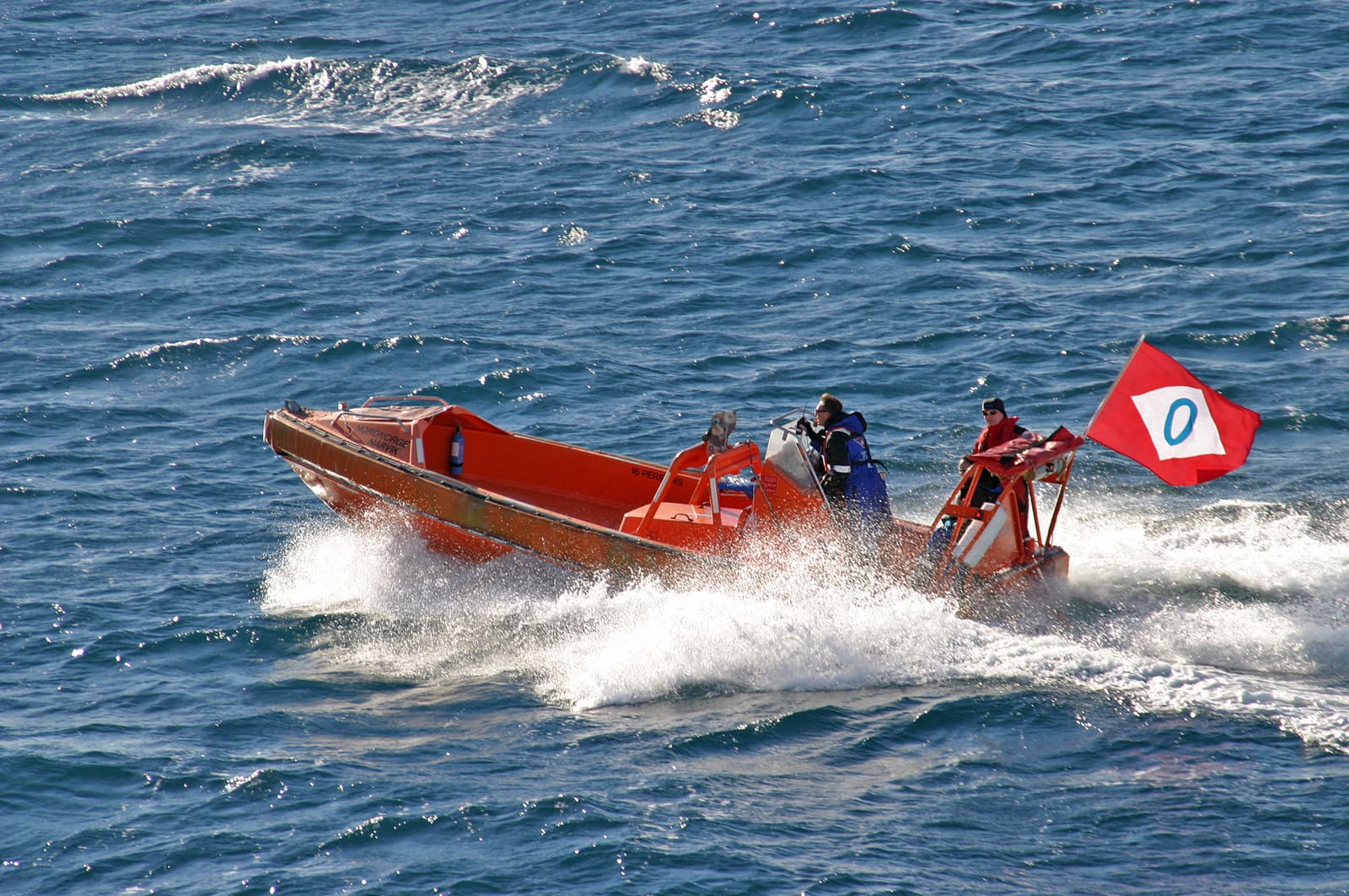
Jet Boat Care - Flushing, Clearing the Pump, Oil, Steering Nozzle and Storage
A practical care routine for twin-engine sport jet boats like Yamaha models: pre-ride and post-ride checks, flushing both engines the safe way, clearing debris from the pumps, spotting a worn wear ring, keeping the nozzle and reverse bucket working, and getting the boat ready for storage.

Jet Outboard Care: Grease, Intake Grate, Impeller Clearance and Shallow-River Habits
A jet outboard trades the propeller and gearcase for a pump, so it needs different care. Learn how mounting height works, why the pump bearing needs frequent grease, how gravel and a worn impeller steal thrust, how to clear the intake safely, and when an adjustment is a shop job.
Safety: BoatMend is for information only and does not replace a certified marine technician. You are responsible for your safety and your boat. Read the full disclaimer.