How to Inspect Exhaust Manifolds and Risers on a Sterndrive or Inboard
Cast-iron exhaust manifolds and risers rust from the inside, and when they fail they can let water into the cylinders and ruin the engine. Learn the warning signs, how often to inspect them in salt and fresh water, how to check a riser yourself, and when replacement is a job for a pro.
Time
4 h
Shop would charge
$1000-3500
Applies to
Sterndrive (I/O), Gas inboard · Bowrider / runabout, Cabin cruiser, Fishing boat, Yacht
Safety first: A leaking exhaust manifold, riser, gasket or hose can fill the boat with carbon monoxide (CO), which has no smell and can kill in minutes. If anyone aboard gets a headache, dizziness or nausea, shut the engine off, get everyone into fresh air and call 911 or the Coast Guard on VHF channel 16. Make sure the boat has working CO alarms. Never take a riser off with the boat in the water: an open exhaust hose is a direct path for water into the hull.
Fuel smell, water coming in, CO alarm or smoke? Stop, get everyone in life jackets and call USCG on VHF 16 or 911. For a tow: Sea Tow or TowBoatUS.
Owners often ask
- When should I replace the exhaust manifolds and risers on my MerCruiser?
This guide walks you through it. Still stuck? Ask the AI Mechanic about your engine.
Tools
- Flashlight and inspection mirror
- Infrared (IR) thermometer
- Large flat screwdriver or scraper
- Socket set and wrenches
- Gasket scraper (plastic or brass, not a grinder)
- Rags, drain pan and a bucket
- Phone camera and masking tape for labels
- Safety glasses and gloves
Parts & supplies
- New riser and manifold gaskets for your exact engine (never reuse old ones)
- Replacement risers or elbows and manifolds, if inspection says so
- New hose clamps (marine-grade stainless) for the exhaust hoses
- Fasteners and any sealant listed in your service manual
Before you start
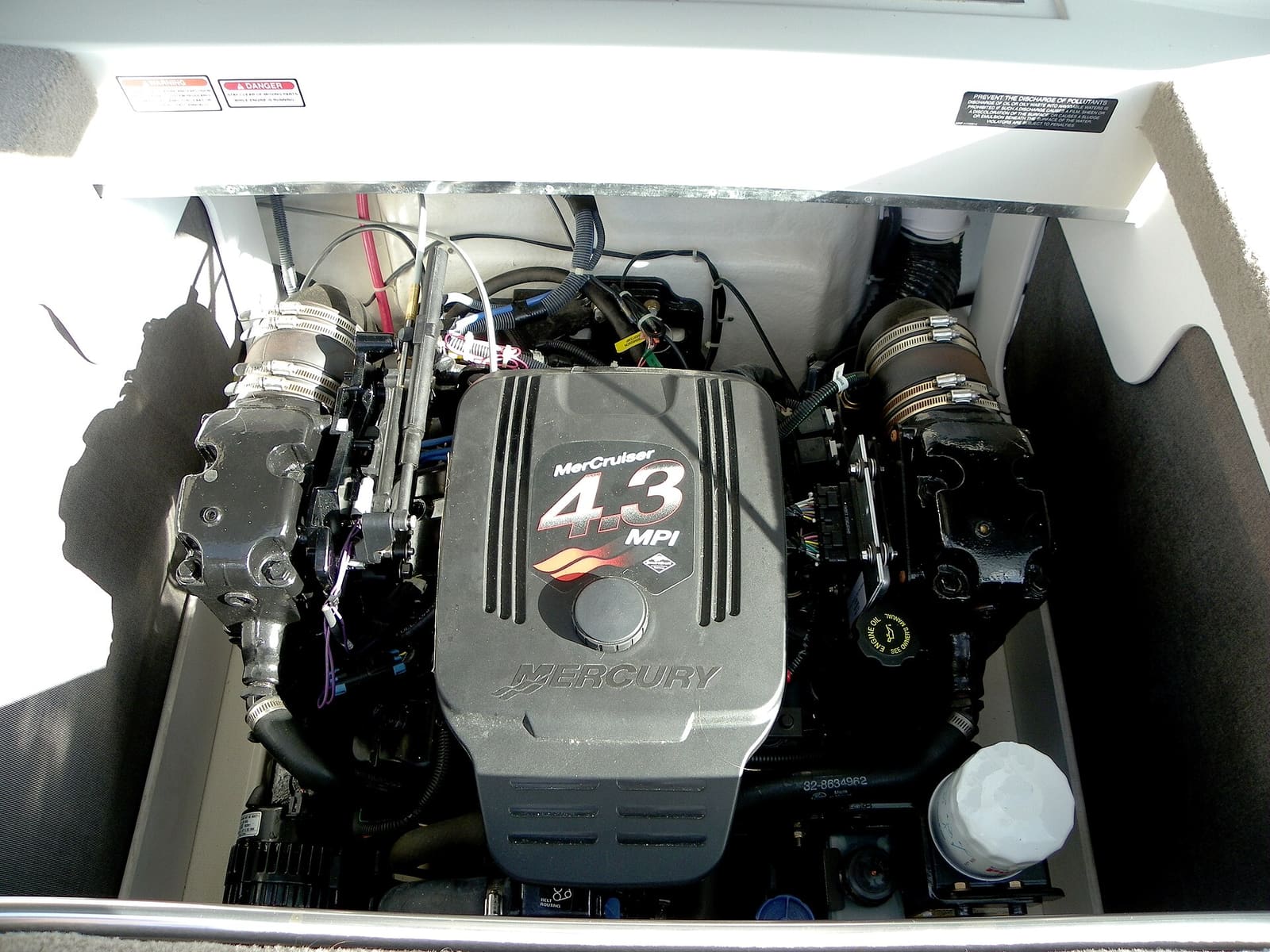
What these parts do. On most gasoline sterndrive and inboard engines (MerCruiser, Volvo Penta, Indmar, PCM, Crusader and others), an exhaust manifold bolts to each side of the engine and collects the hot exhaust. On top of or behind it sits a riser (often an upside-down U shape) or, on engines mounted higher, an elbow. The exhaust hose clamps to the end of the riser.
Each part is a pipe inside a pipe. Hot gas runs through the middle and cooling water runs through a jacket around it. The two only meet at the very end of the riser, where the water is dumped into the exhaust to cool it.
Why they fail. The castings are iron, and they live with hot acidic exhaust on one side and raw water (often salt water) on the other. Over the years they rust from the inside, the water passages clog with scale, and the gasket faces between manifold and riser pit and leak. Once the wall between the water side and the gas side rusts through, water can run into the exhaust ports and down into a cylinder while the engine sits. That can rust the pistons in place or hydrolock the engine (water cannot compress, so cranking bends parts). Both usually mean a rebuilt or replaced engine.
How long they last (typical; confirm with your dealer). There is no fixed expiration date. BoatUS reports that risers on boats in Florida may last only two or three years and manifolds not much longer, while boats in Maine may get five or six years, and freshwater boats a few years more. Warm salt water is the worst case. A rough inspection guide from the same article: every year once the parts are three to five years old in salt water, and about every other year in fresh water. An older BoatUS article on manifolds gives a wider picture: many experts expect six to eight years from a raw-water-cooled manifold, as little as about three with heavy salt-water use, and far longer on a lightly used freshwater boat. It also points out that corrosion damage is normally not covered by boat insurance, so treat these parts as service items you budget for, not "sealed for life."
Know your system. Engines with closed (freshwater) cooling run coolant through the manifolds, which helps them last much longer, but the risers or elbows are still raw-water cooled and still need inspection. On newer closed-cooled engines with temperature sensors in the exhaust, a scaled-up elbow can show up as an exhaust temperature fault and reduced power (Mercury's Engine Guardian, for example) after a few minutes at high speed, even though the engine coolant temperature looks normal. Look up your engine model and serial number before ordering anything: gaskets and risers differ between years, and some engines use special gaskets that block or restrict certain water holes. The wrong gasket can cause overheating or let water into the exhaust.
Diesel inboards have a similar part called a mixing elbow that fails the same way; the inspection ideas here apply, but follow your diesel's manual. Westerbeke's published maintenance schedule, for example, lists a check of the water-injected exhaust elbow every 500 hours and of the siphon break (if one is installed) every 250 hours (typical; confirm in your manual). A siphon break that sticks can let raw water siphon back into the exhaust and the engine while it sits.
Steps
Check your records or ask the previous owner when the manifolds and risers were last replaced. No records on an older boat means you should assume they are due for inspection now. Note whether the boat lives in salt, brackish or fresh water and whether it is kept in the water or on a trailer. Put the date and the next inspection in your BoatMend maintenance plan.
With a flashlight and mirror, look at each manifold, riser and the joint between them. Warning signs:
- Rust streaks, bubbling paint or flaking metal, especially at the top and aft end of the risers.
- Weeping, rust or white salt crust at the manifold-to-riser joint. That means the gasket is leaking to the outside, and a leak to the inside often follows. Do not wait on this one.
- Cracked, soft or scorched exhaust hoses, and rusty or loose clamps.
Rust on the outside is a strong hint that there is more rust on the inside.
Pull the dipstick: milky or gray oil means water has reached the oil (it can come from other leaks too, but it always needs a pro). Hard starting, a rough first few seconds, white smoke at start-up, or a knock or clunk when cranking after the boat has been sitting are classic signs of water in a cylinder.
If you pull the spark plugs, compare them. A plug that looks steam-cleaned, wet or rusty while the others are normal points to water getting into that cylinder.
Do not keep trying to start an engine that knocks, locks up or only turns part of a revolution. Each attempt can bend a connecting rod. Remove the key, disconnect the battery and call a marine mechanic. A pro can remove the plugs, clear the water and test the engine before more damage is done.
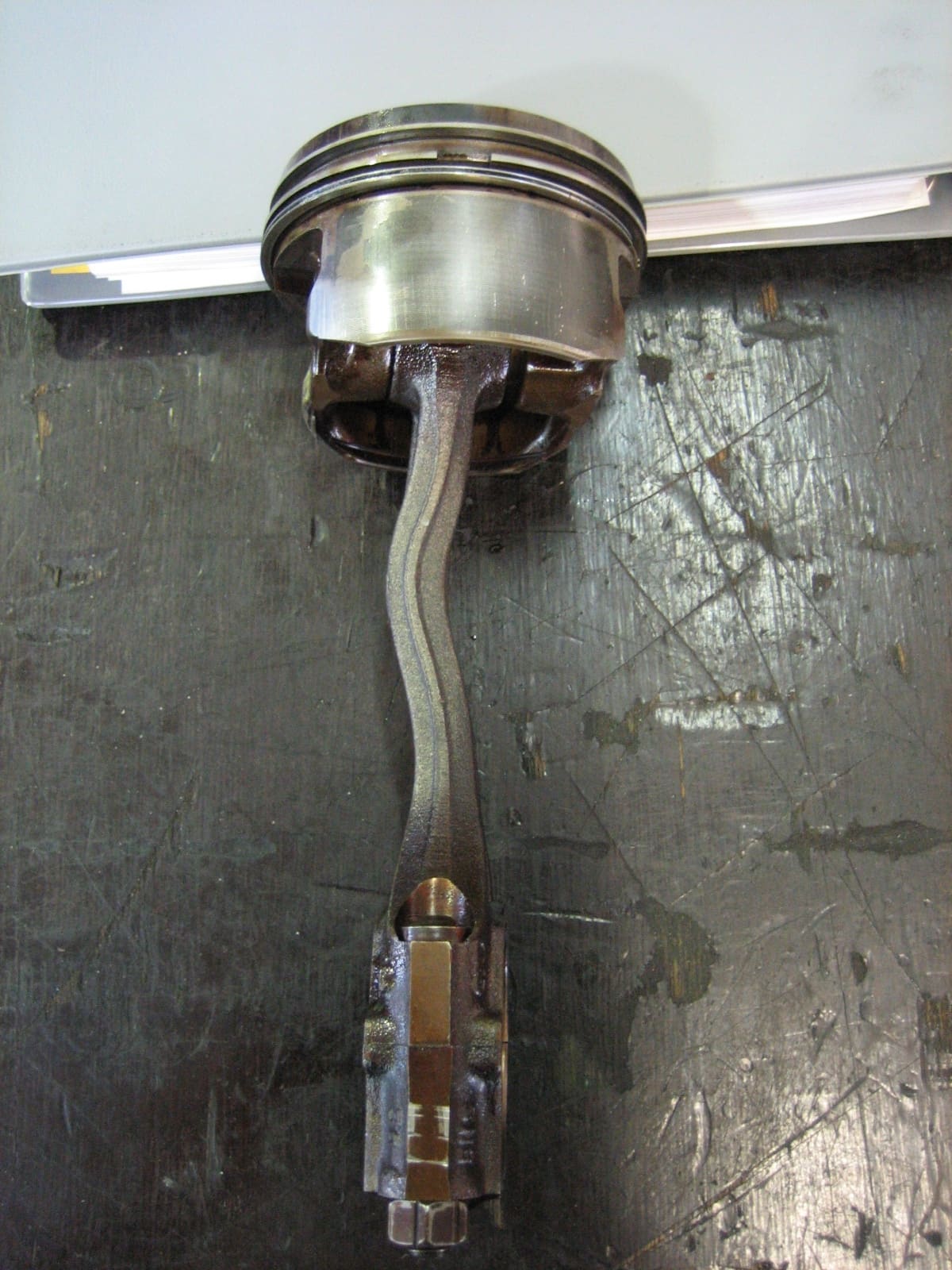
What hydrolock can do: a connecting rod bent by trying to compress water (this one is from a car engine). Photo: MichaelXXLF / Wikimedia Commons · CC BY-SA 3.0 With the engine running on the water (or on a flushing device approved for your drive), let it reach normal temperature. Flushing setups differ: Mercury notes that its MerCruiser flush kit for Alpha drives can only be used with the boat out of the water, Bravo and inboard kits work in or out of the water, and the engine must be running whenever a flush kit is used. Follow the instructions for your exact kit and keep clear of the propeller. Use an IR thermometer to compare the same spots on the port and starboard manifolds and risers. A side that reads much hotter than the other usually has clogged water passages. On engines with a separate exhaust outlet per side, less water coming out of one side is another clue.
Also watch for overheating at higher speed or under load. Clogged exhaust water jackets are one cause, though the impeller, a clogged sea strainer or intake and the thermostat are more common. Our engine overheating guide covers those.
Removing a riser for inspection is a reasonable DIY job on many engines if you are comfortable with tools: a handful of bolts and two hose clamps. It is not a beginner job on boats with tight engine bays, V-drives, closed cooling or rusted fasteners. If a bolt snaps in the manifold, the repair gets expensive. If in doubt, have a mechanic do the inspection and replacement together.
The boat must be out of the water. Disconnect the battery. Drain the water from the block and manifolds as described in your winterizing procedure (or your manual) so it does not pour into the exhaust when you lift the riser. Take photos from every angle and label the hoses, sensors and any brackets you remove.
Loosen the exhaust hose clamps and work the hose off the riser. Plug the open exhaust hose and tie it up above the waterline so you cannot forget it. BoatUS reports that owners and even mechanics sink boats every year by leaving exhaust openings unplugged, sometimes overnight. Remove the riser bolts in a criss-cross order and lift the riser off. Keep the old gaskets to compare with the new ones.
- Water passages: they should be open. Heavy scale or rust that blocks them means the casting is near the end of its life.
- Probe the metal with a large screwdriver. If you hit solid metal right away, that is a good sign. If chunks of rust flake off easily, replace it.
- Gas side (the center passage): expect black carbon. Any rust in the gas passage means water has been getting in. Replace the parts and have the engine checked.
- Mating faces: look for pitting or eroded spots, especially at the thin areas between water holes. A pitted face will leak again even with a new gasket. Replace the part or have the face machined by a shop. Owners who find a little water sitting in the manifolds after a hose flush, with gaskets that "looked fine," usually trace it to corroded sealing faces like these.
If one riser is bad, the other is usually close behind: replace risers in pairs. Manifolds cost more and are harder to remove, and their insides are hard to judge even when they are off. Many owners replace manifolds and risers together when the risers are due, especially in salt water, because a manifold failure can cost an engine. Use only parts listed for your engine's model and serial number, and always new gaskets.
Clean the mating faces carefully with a gasket scraper (not a grinder, which removes metal). Fit new gaskets in the exact orientation shown in your service manual; some are directional. Tighten bolts in the sequence and to the torque in your manual, not "as tight as possible." Reattach the exhaust hoses with new clamps. Remove the plug from the exhaust hose before you forget, and refill or reconnect the cooling system as your manual describes.
Run the engine on the water (or on approved flushing) with the engine hatch open and nobody in enclosed spaces. Check every joint for water drips, steam or exhaust leaks, and confirm normal temperature and water flow. Recheck the joints and clamps after the first couple of outings. Test your CO alarms and replace any that are out of date.
Common mistakes
- Assuming the parts are fine because there is no warning light. Manifolds and risers give little warning before they fail.
- Replacing only the riser on the side that leaked, or reusing old gaskets.
- Ignoring a rusty, weeping joint between manifold and riser because "it only drips outside."
- Cranking over and over when the engine knocks or will not turn, which turns a water problem into a bent rod.
- Using the wrong gasket for the engine's cooling setup, which can block water or let it into the exhaust.
- Leaving an exhaust hose disconnected while the boat is in the water.
- Skipping the block drain before winter. Water left in manifolds can freeze and crack them.
- Grinding the mating faces flat with an angle grinder instead of scraping them clean or having them machined.
When to call a pro
- Milky oil, water on a spark plug, a knock on start-up, or an engine that will not turn over fully
- Rust in the gas side of a riser or manifold
- Any exhaust or CO leak, or a CO alarm going off (get everyone into fresh air first; in an emergency call 911 or VHF 16)
- Broken or seized bolts, closed-cooling engines, V-drives or engine bays with little access
- You are on the water with a smoking, overheating or failing engine: call TowBoatUS or Sea Tow
- Buying a used sterndrive or inboard: have a mechanic or surveyor check the exhaust as part of the inspection
Tips
- Ask your mechanic to show you the old parts when they come off. Seeing how much rust was inside tells you how soon to plan the next set.
- Some engines can be converted to closed (freshwater) cooling, which protects the block and manifolds. The risers still need checking.
- Salt-water boats kept in the water all season wear exhaust parts fastest. Flushing with fresh water after use, if your engine allows it, helps slow internal scaling.
Official references
We read these to write this guide. Your engine's own manual always wins.
Safety: BoatMend is for information only and does not replace a certified marine technician. You are responsible for your safety and your boat. Read the full disclaimer.
Last updated 2026-10-24
Related guides
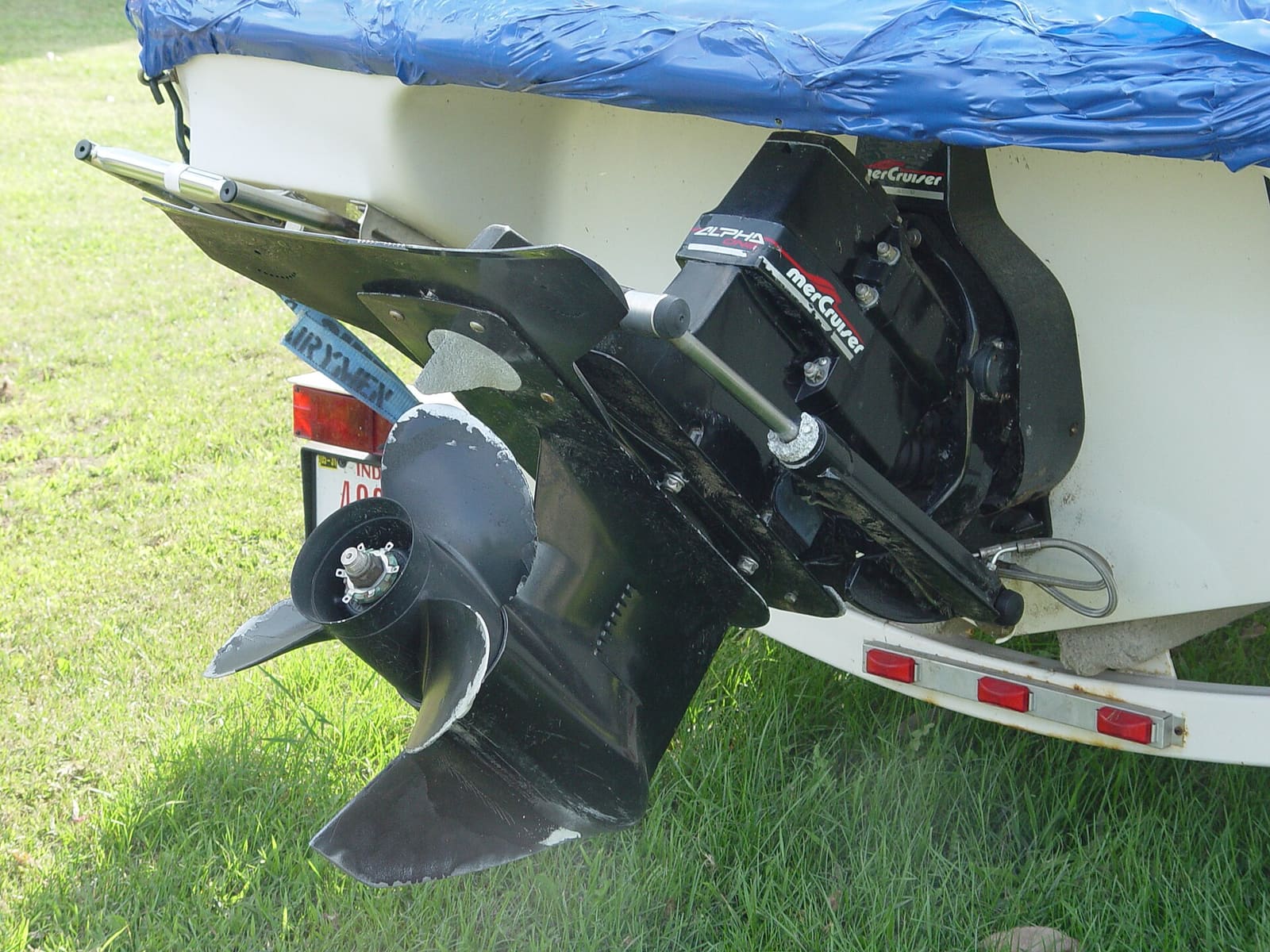
How to Winterize a Sterndrive (MerCruiser, Volvo Penta and Similar)
Get the water out of your sterndrive engine, protect it with antifreeze, and service the drive before storage. A cracked block or manifold from one missed drain plug can cost thousands, and doing it yourself saves a shop bill of several hundred dollars.
Engine Overheating - Troubleshooting Guide
Work through the most likely causes of a hot engine or overheat alarm, from a blocked water intake to a worn impeller or stuck thermostat. Acting fast and in the right order can save your engine and often gets you home without a tow.
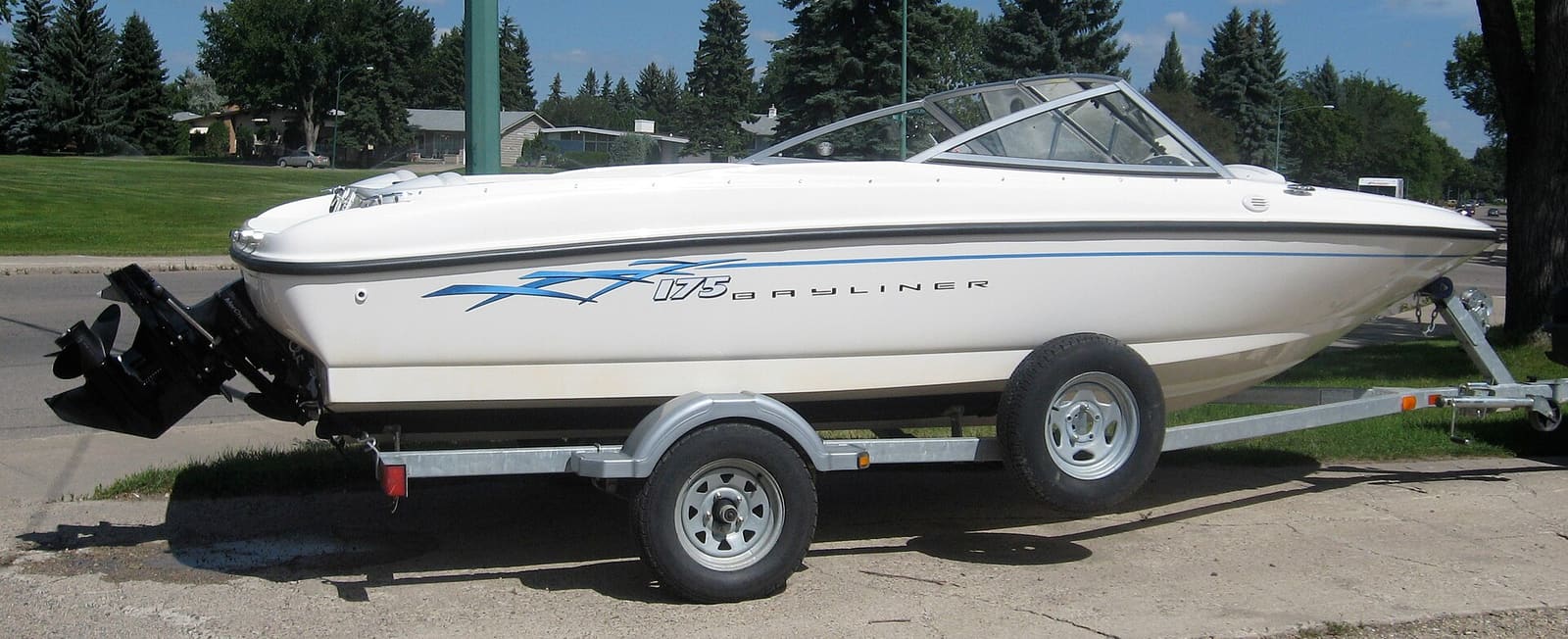
How to Inspect Sterndrive Bellows, Gimbal Bearing, U-Joints and Shift Cable
Learn to spot a cracked sterndrive bellows before it lets water into the boat, and to recognize the warning signs of a worn gimbal bearing, U-joints and shift cable. A failed bellows is one of the top reasons boats sink at the dock, and a 20-minute inspection can catch it.
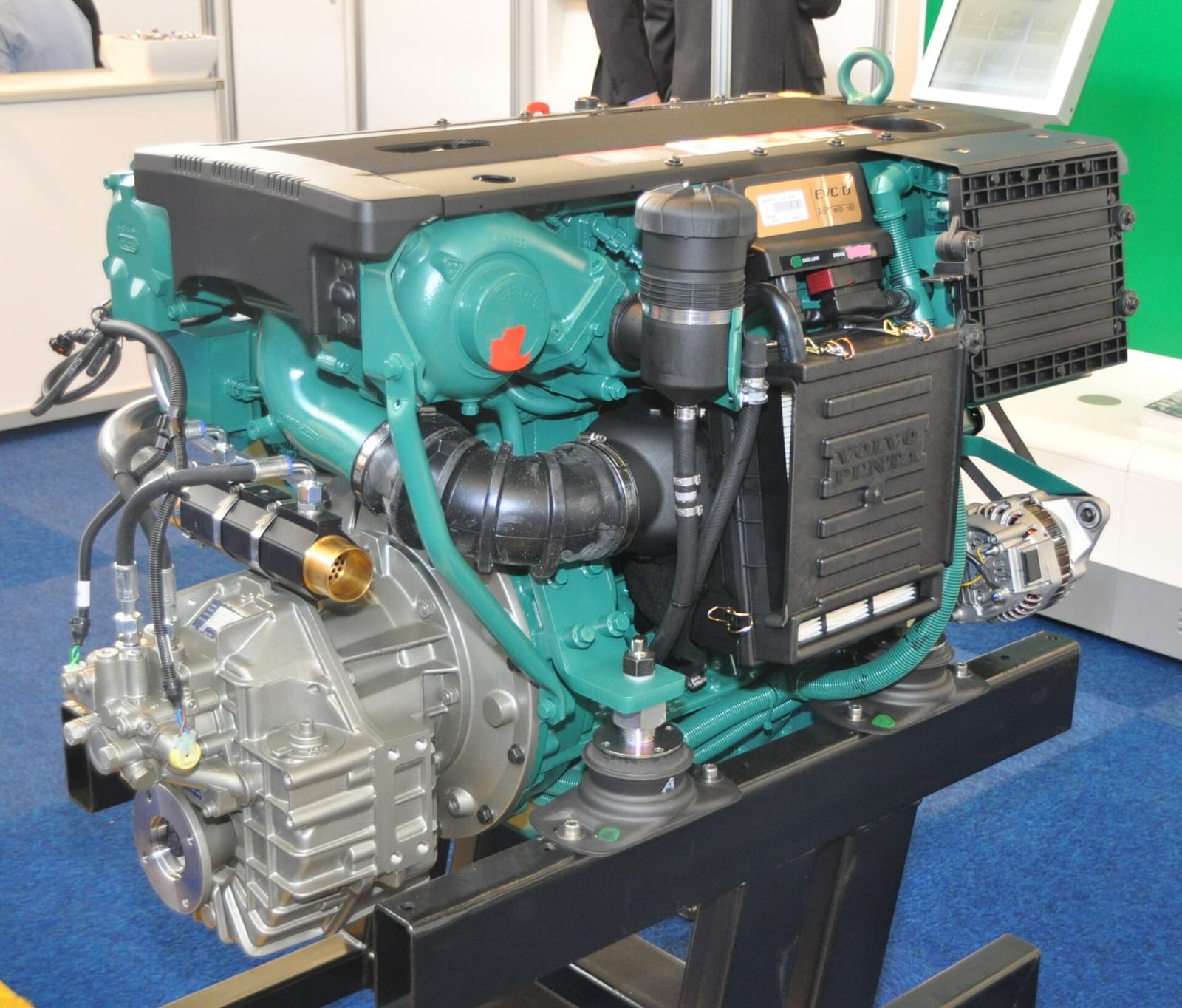
How to Check and Change Coolant in a Closed Cooling System
Check, test and change the coolant in a freshwater-cooled (closed cooling) inboard, sterndrive or diesel, and learn the heat exchanger basics that keep it working. Old coolant quietly eats hoses, pumps and engine passages, and many boats go a decade without a change.
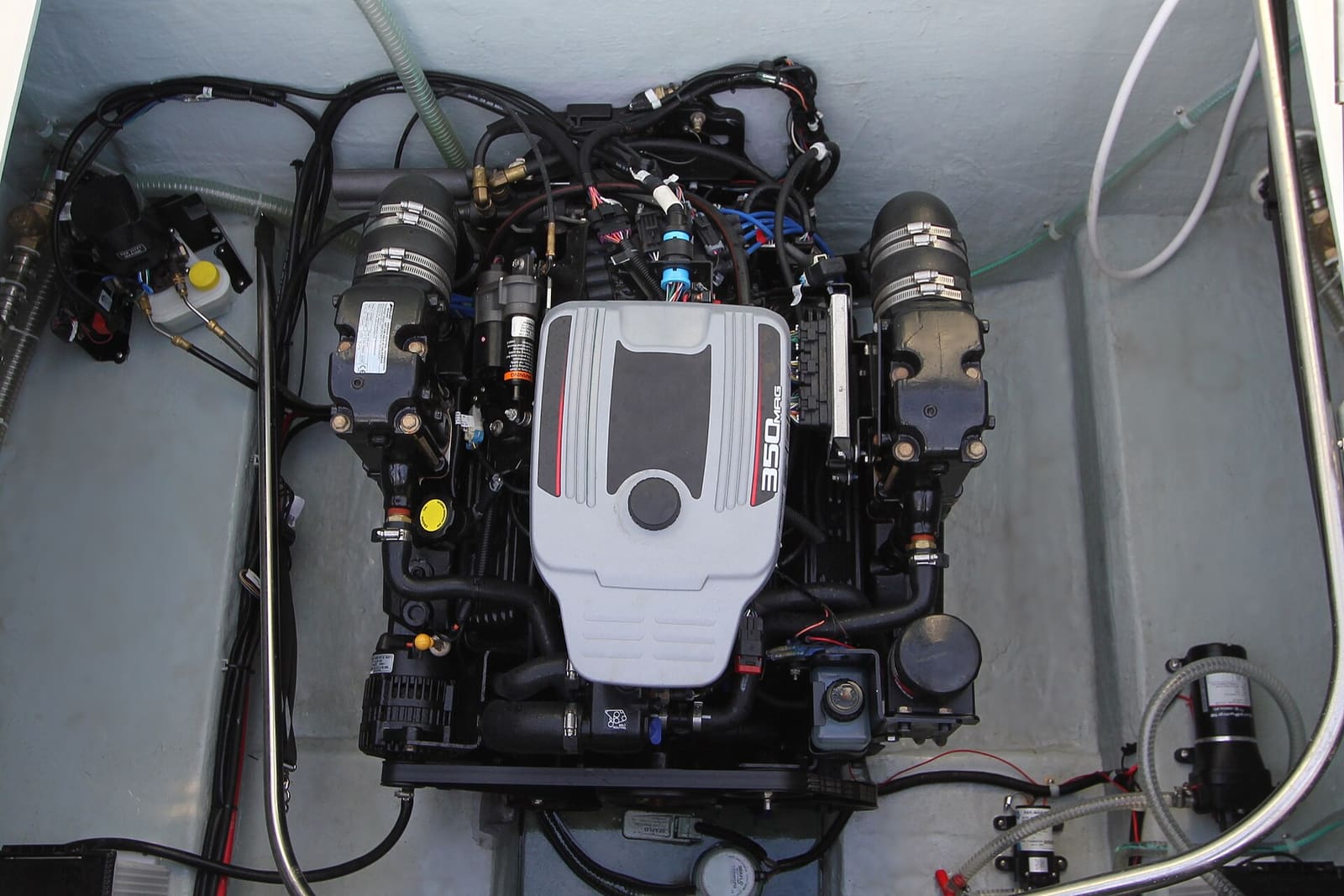
How to Test and Replace the Engine Thermostat
Find, test and replace the thermostat that controls your engine's operating temperature. A stuck thermostat can make an engine overheat or run too cold. On most outboards and many sterndrives it is a one-hour job with basic tools.
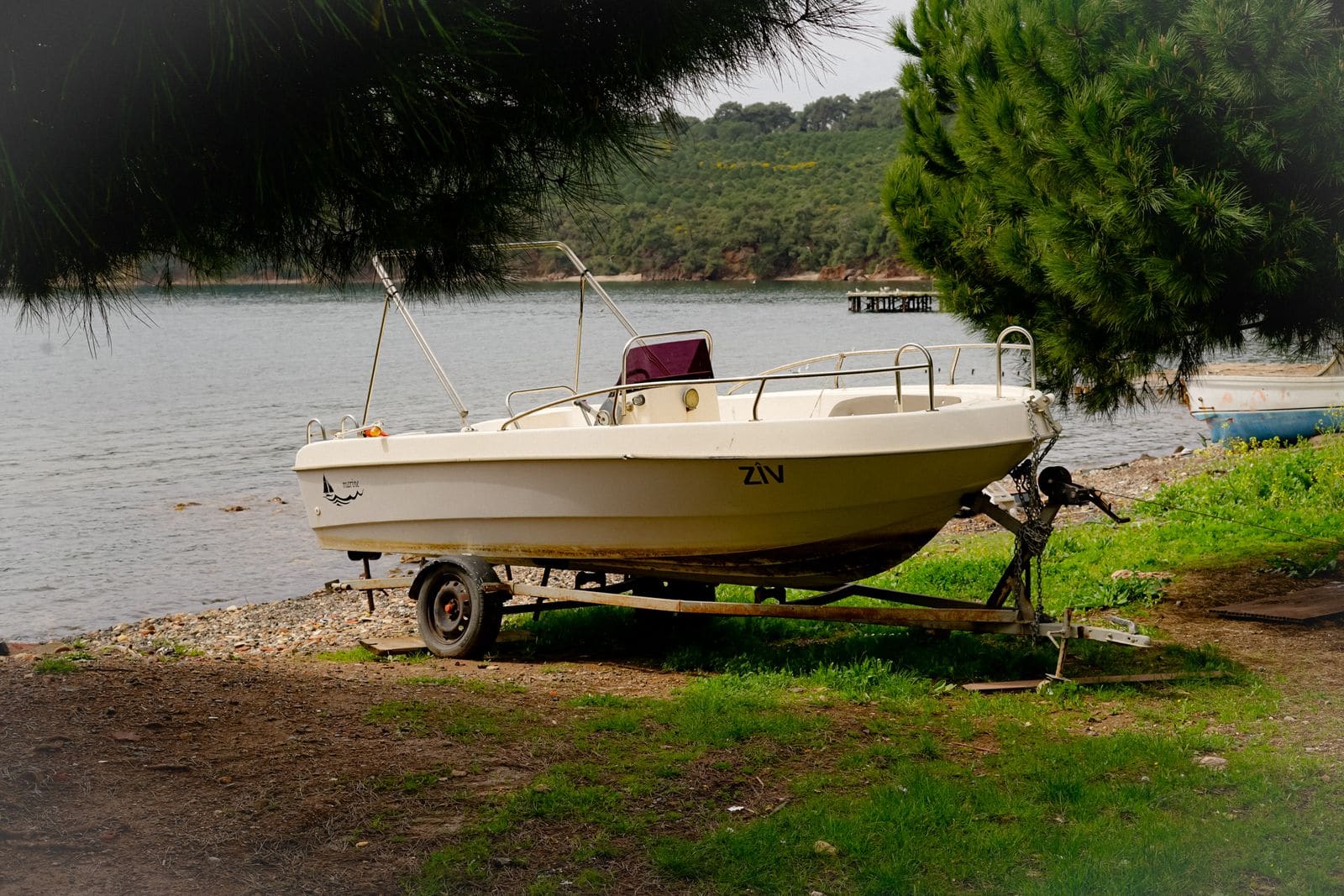
How to Inspect a Used Boat Before You Buy
A step-by-step checklist for looking over a used boat, from paperwork and the hull ID number to the transom, engine, compression test, sea trial and trailer. Know what to check yourself, what the red flags mean, and when to pay a marine surveyor.
Engine Won't Start or Won't Crank - Troubleshooting Guide
Find out why your boat engine will not turn over or will not fire, starting with the simple things owners miss most, like the kill switch lanyard and battery switch. Many no-starts are fixed at the ramp in minutes without a tow.