How to Test and Replace the Engine Thermostat
Find, test and replace the thermostat that controls your engine's operating temperature. A stuck thermostat can make an engine overheat or run too cold. On most outboards and many sterndrives it is a one-hour job with basic tools.
Time
1 h 15 min
Shop would charge
$150-400
Applies to
Outboard, Sterndrive (I/O), Gas inboard
Safety first: Work only on a cold engine. On closed-cooled (freshwater-cooled) engines, never open the coolant cap or thermostat housing while the engine is hot; the coolant is under pressure and can scald you. Disconnect the battery and, on inboards and sterndrives, close the raw-water seacock before opening any part of the cooling system, and remember to open it again before you start.
Tools
- Socket set and extensions, box-end wrenches
- Penetrating oil
- Plastic scraper and fine abrasive pad (do not gouge aluminum)
- Small pot, stove or hot plate, and a kitchen or candy thermometer (for the bench test)
- Infrared thermometer (optional, for checking a running engine)
- Torque wrench
- Drain pan, rags, gloves and safety glasses
Parts & supplies
- Thermostat for your exact engine model and serial number (correct temperature rating)
- New thermostat gasket, O-ring or grommet (and seal for the pressure relief/poppet valve if your outboard has one)
- Coolant of the type your manual specifies (closed-cooled engines only)
- Sealant only if your manual calls for it
Before you start
What it does: the thermostat is a small valve with a wax pellet inside. When the engine is cold it stays closed so the engine warms up quickly. As the engine reaches its operating temperature the wax expands and pushes the valve open, letting cooling water flow through. It also helps keep water pressure inside the block. Boating Magazine notes that today's low-emission engines depend on the correct temperature to run cleanly.
Symptoms of a bad thermostat:
- Stuck closed: the temperature climbs and the overheat alarm sounds, even with a good telltale stream at first.
- Stuck open: the engine runs cold, idles roughly, fouls plugs or uses more fuel. Some engines show a "check thermostat" or low-temperature warning. Yamaha says salt deposits or bits of debris can hold the valve open.
- Erratic gauge: a temperature that swings up and down for no reason.
- Slow creep upward, worse at higher RPM: usually a raw-water restriction first (strainer, impeller, heat exchanger), but Westerbeke notes that on freshwater-cooled engines a thermostat that sticks part-way open can do the same thing, so don't rule it out.
How often: Yamaha suggests watching for changes in operating temperature and checking your manual for replacement intervals. Its 300-hour service on large outboards includes a new thermostat. Many mechanics inspect it whenever they change the impeller, and Boating Magazine recommends replacing it after any overheat, because heat can damage it. Inspect more often in salt or muddy water: Honda's salt-water advice is to have the thermostat(s) and water pump serviced every year or every 200 hours when you run in salt or polluted water, and Yamaha explains that salt water can crystallize in hot cooling passages and leave deposits. Typical; confirm in your manual.
Where to find it:
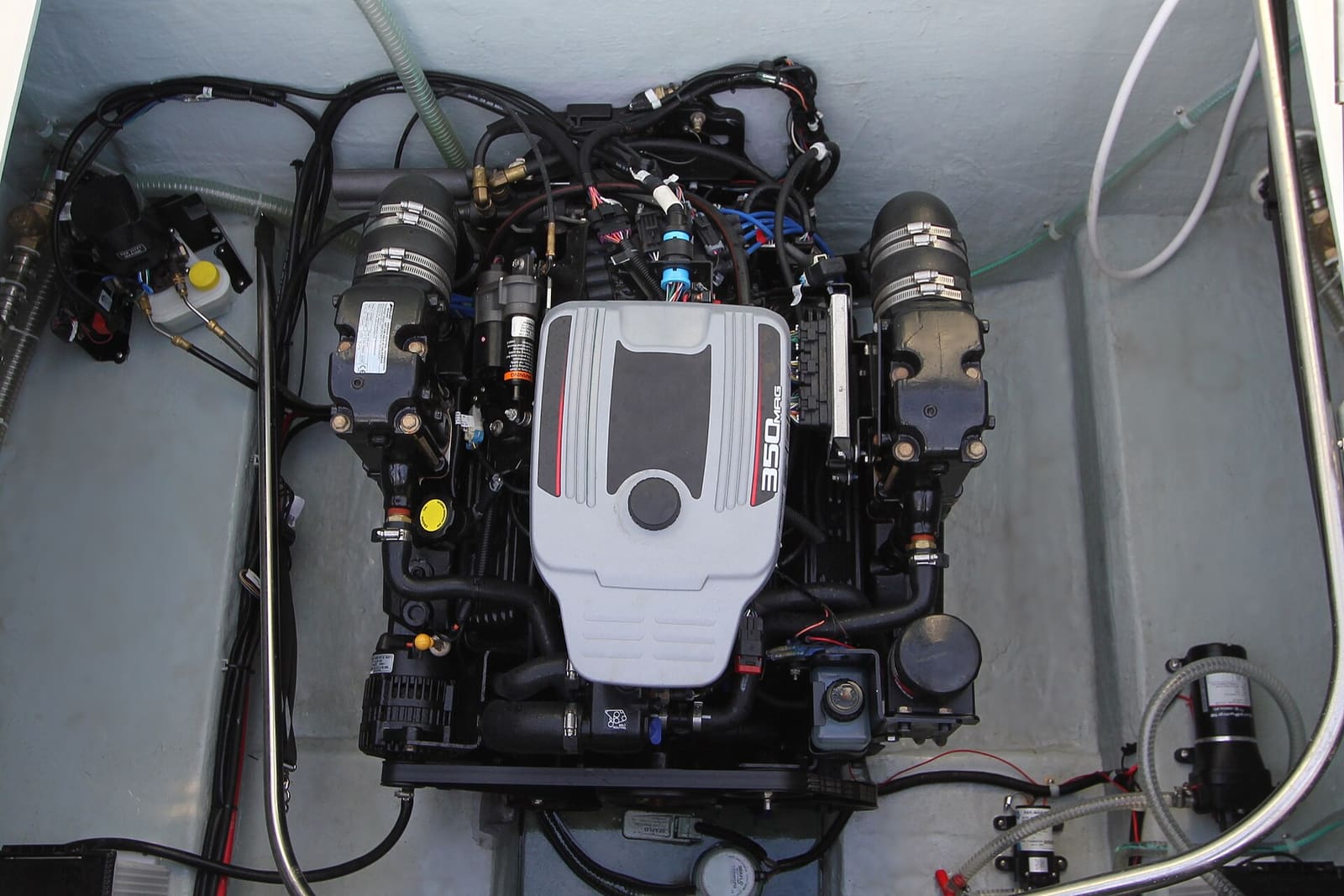
- Outboards: usually under a cover on the cylinder head, near the top of the powerhead. V-engines often have two, one per cylinder bank. Some outboards also have a pressure relief valve (often called a poppet valve) nearby that should be checked at the same time.
- Sterndrives and inboards: usually in a housing at the front of the engine where the large hose leaves the intake manifold. On closed-cooled engines it sits in the coolant circuit, so you'll lose some coolant when you open it.
Steps
Before you take anything apart, rule out the common overheat causes: a blocked water intake, weak telltale stream, worn impeller or clogged strainer (see the overheating guide). If the engine runs too cold instead, the thermostat is the prime suspect.
If you have an infrared thermometer, check the thermostat housing on a running engine in the water. Readings on flush muffs or a hose are not reliable, because the water pump, relief valves and thermostat don't work as designed there. Compare readings with the range in your service manual.
Order the thermostat and gaskets for your exact model and serial number. Thermostats come in different temperature ratings. A car thermostat or one with the wrong rating can make the engine run too hot or too cold. The rating is usually stamped on the thermostat.
Let the engine cool completely. Disconnect the battery (negative first) and remove the kill switch lanyard. On inboards and sterndrives, close the seacock if there is one. On closed-cooled engines, put a drain pan under the housing.
Spray the bolts with penetrating oil and let it soak. Remove the bolts with a box-end wrench or socket, turning them slowly. Outboard heads are aluminum and stainless bolts can seize; if a bolt feels like it will snap, stop. Tap the cover gently with a plastic mallet to break it free. Don't pry it off with a screwdriver against the sealing surface.
Take a photo before you pull anything out. Note which way the thermostat faces (usually the pellet end points into the engine) and where any grommet, spring or relief valve sits. Lift out the thermostat and any seal.
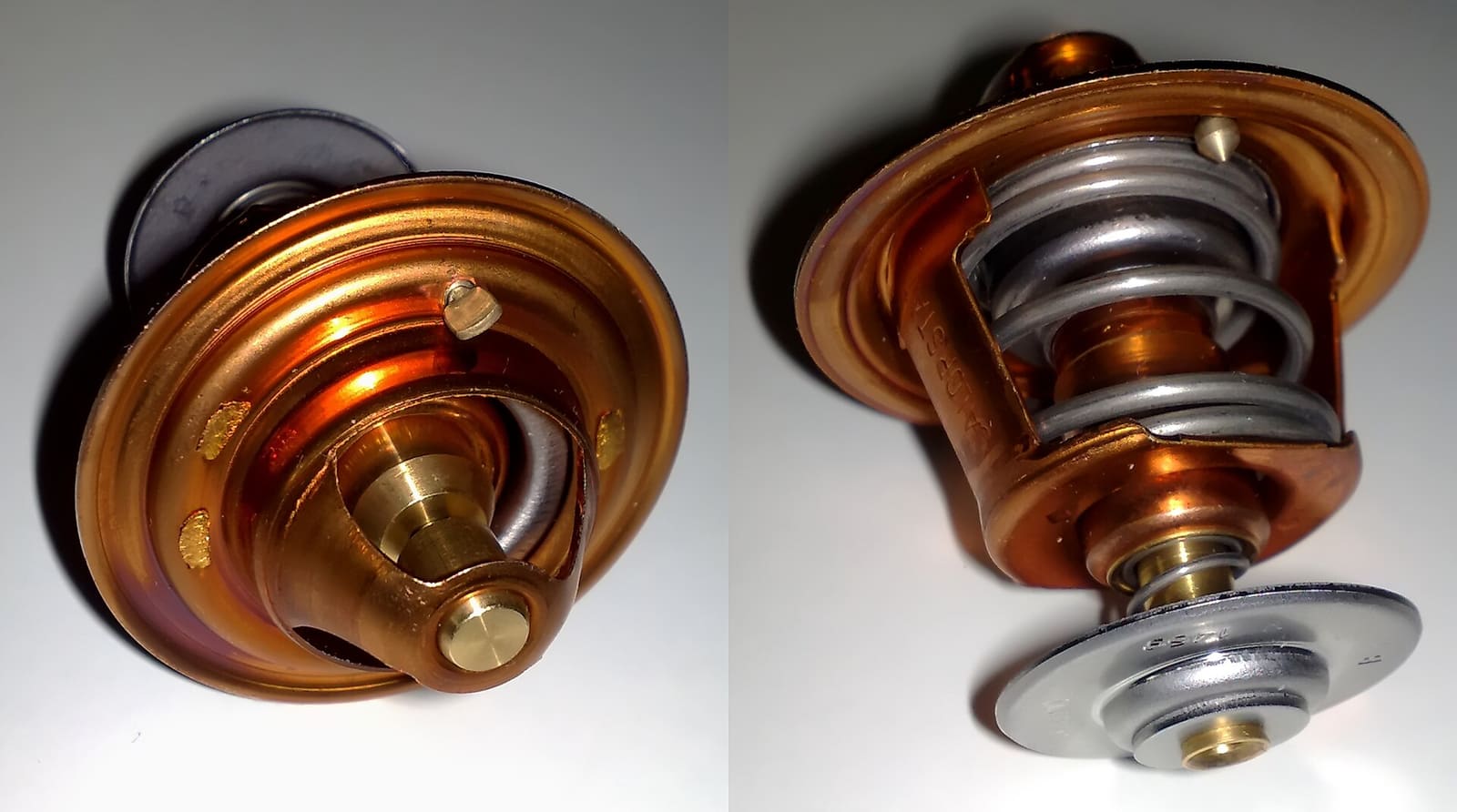
Photo: Hoikka1 / Wikimedia Commons · CC BY-SA 3.0 Look for:
- Salt crust, sand, shells or debris holding the valve open
- Corrosion on the thermostat or in the housing
- A valve that is open when cold (it should be closed at room temperature)
- Pieces of rubber in the passage, which may be bits of a failed impeller
Clean the housing and the cover with a plastic scraper. Don't use a sharp tool that can gouge the aluminum sealing surfaces.
Hang the thermostat on a wire in a pot of water so it doesn't touch the bottom. Put a kitchen thermometer in the water and heat it slowly on a stove. The valve should start to open close to the temperature stamped on it and open fully as the water gets hotter. Take it out and it should close again as it cools.
If it doesn't open, opens far off its rating, or doesn't close, replace it. Even if it passes, many owners simply replace an old thermostat while everything is apart, since the part is inexpensive.
Some outboards have a pressure relief (poppet) valve with a spring and rubber seal near the thermostat. Check that the seal isn't torn or hardened and that the valve moves freely and isn't held open by debris. Replace the seal or valve per your manual.
Use a new gasket, O-ring or grommet; old ones rarely seal again. Fit the thermostat the same way the old one came out. Make sure it sits flat in its recess. Use sealant only where your manual says. Install the cover and tighten the bolts evenly, in steps, to the torque in your manual. Overtightening can crack the cover or strip threads in the aluminum.
If coolant came out, top it up with the coolant your manual specifies and bleed out any air as your manual describes. See the closed cooling guide for details.
Open the seacock, reconnect the battery and run the engine. Ideally run it in the water so the cooling system works normally. If you must run an outboard out of the water, use a test tank or external flush muffs with the water on before you start; the built-in flush port on many outboards is only for flushing with the engine off, not for running it. Watch for leaks at the housing, check the telltale or exhaust water flow, and watch the gauge. It should warm up in a reasonable time and then hold steady. Recheck the cover bolts for leaks after the first run.
Common mistakes
- Leaving the thermostat out "to make it run cooler." Boating Magazine warns that it removes the pressure the block needs, can make emissions engines run poorly, and may violate emissions rules.
- Using an automotive thermostat or one with a different temperature rating.
- Installing the thermostat upside down.
- Reusing the old gasket or grommet.
- Judging the thermostat by running the engine on muffs and watching the gauge.
- Snapping a seized bolt in an aluminum cylinder head by forcing it.
- Forgetting to reopen the seacock before starting.
When to call a pro
- A cover bolt is seized, rounded or snapped
- The engine still overheats or runs cold with a new thermostat
- You find large amounts of scale or corrosion in the housing, which suggests the cooling passages need professional cleaning
- You find pieces of impeller in the thermostat housing and can't account for them all
- Coolant on a closed-cooled engine is rusty, oily or keeps dropping
Tips
- Keep a spare thermostat and gasket on board. BoatUS notes that in an emergency, removing a stuck-closed thermostat and refitting the cover can get you slowly home, but only as a get-home fix, and the engine will run cool. Install a new one right away.
- Flushing with fresh water after salt or brackish use helps keep salt from building up on the thermostat.
- Write the date, engine hours and thermostat part in your BoatMend log.
Official references
We read these to write this guide. Your engine's own manual always wins.
- Yamaha Outboards – Maintenance Matters, Additional Tasks (thermostats and pop-off valves)
- Yamaha Outboards – Midseason Maintenance Tips
- Boating Magazine – Understanding Your Engine's Thermostat
- BoatUS – What If Your Temperature Gauge Spikes?
- Suzuki Marine – FAQs
- Honda Marine – Salt Water Operation Tips
- Yamaha Outboards – Maintenance Matters, Corrosion Prevention
- Westerbeke – Troubleshooting FAQs
Safety: BoatMend is for information only and does not replace a certified marine technician. You are responsible for your safety and your boat. Read the full disclaimer.
Last updated 2026-10-24
Related guides
Engine Overheating - Troubleshooting Guide
Work through the most likely causes of a hot engine or overheat alarm, from a blocked water intake to a worn impeller or stuck thermostat. Acting fast and in the right order can save your engine and often gets you home without a tow.
How to Replace the Water Pump Impeller
Replace the rubber impeller that pumps cooling water through your engine, the part most often behind overheating. On many outboards it is a two-hour driveway job that saves a shop bill of several hundred dollars and prevents far costlier heat damage.
How to Check and Change Coolant in a Closed Cooling System
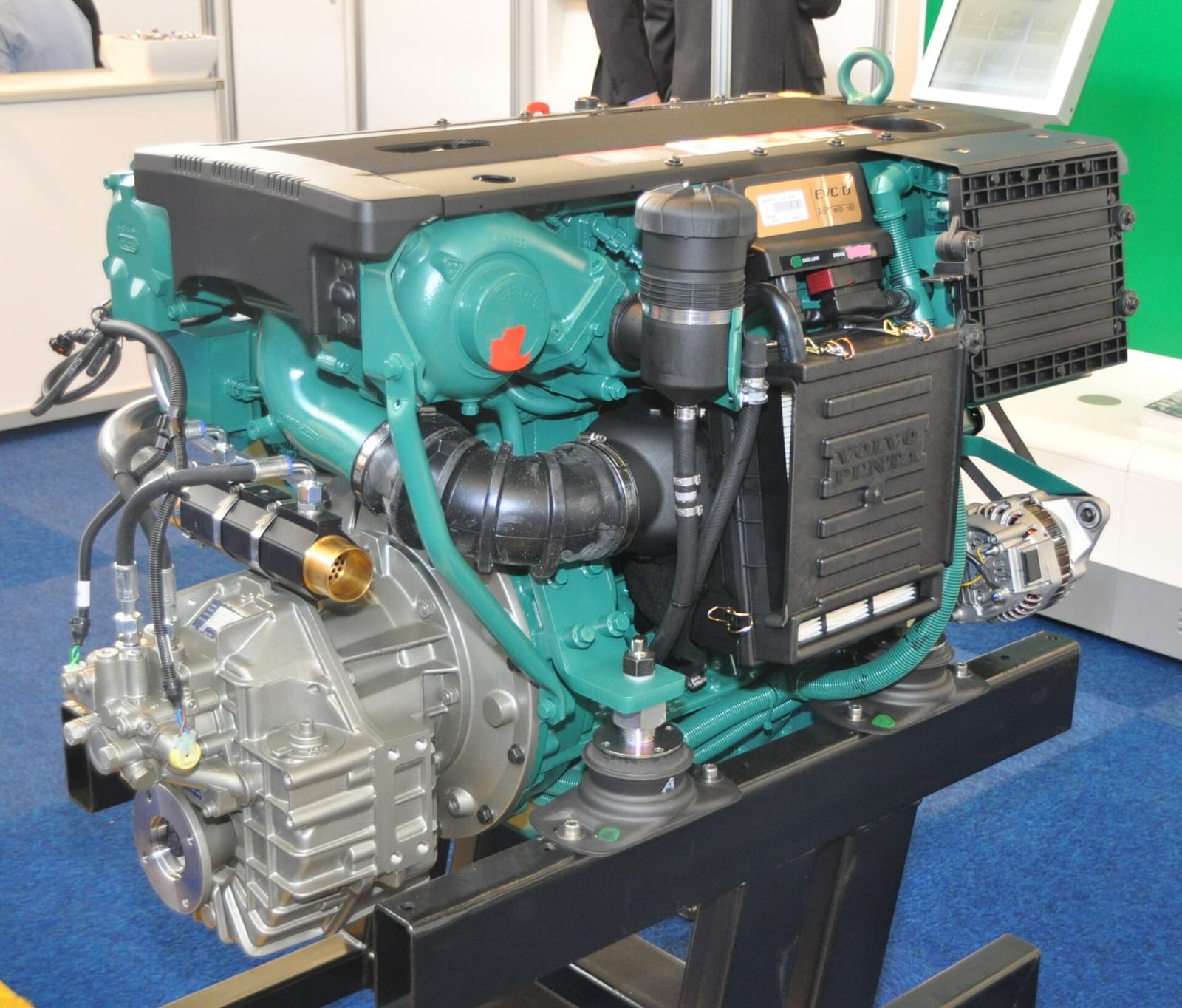
Check, test and change the coolant in a freshwater-cooled (closed cooling) inboard, sterndrive or diesel, and learn the heat exchanger basics that keep it working. Old coolant quietly eats hoses, pumps and engine passages, and many boats go a decade without a change.
How to Flush Your Engine With Fresh Water
Rinse salt, silt and sand out of your outboard or sterndrive cooling system using the built-in flush port, flush muffs or a flush bag. Flushing after every saltwater trip is one of the easiest ways to prevent corrosion and overheating.
Engine Warning Horn and Dash Lights: What They Usually Mean and What to Do
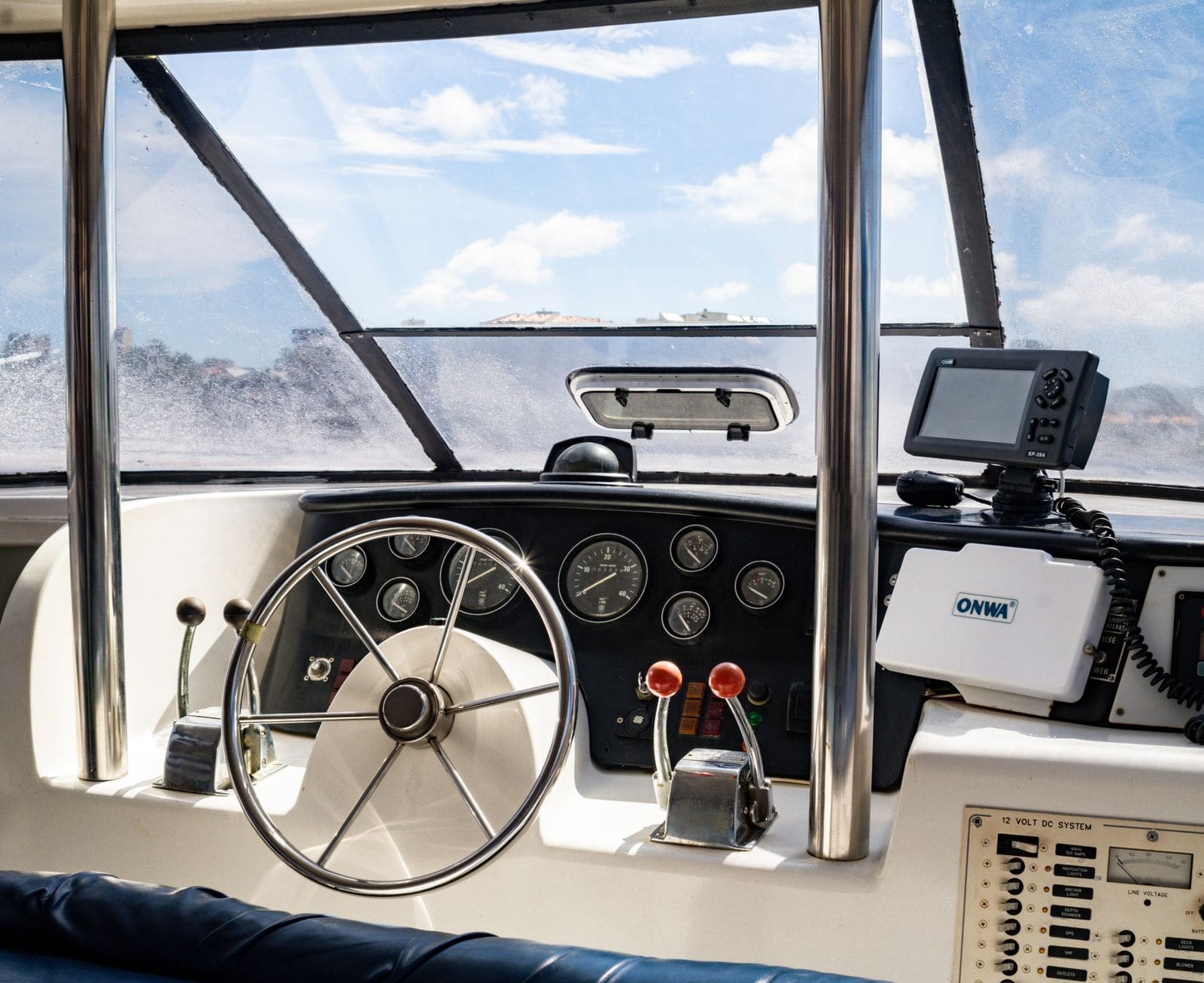
Learn what a warning horn, beeps or a dash light usually mean on a boat engine, from overheating and low oil pressure to water in the fuel and reduced-power (limp) mode. Find out what to do right away and when to stop the engine. Patterns differ by brand, so match what you hear and see to your owner's manual.