Repair & maintenance guides
Plain-English, step by step, written for owners. Pick your engine to see the guides that apply to it.
355 of 509 guides · page 10 of 15
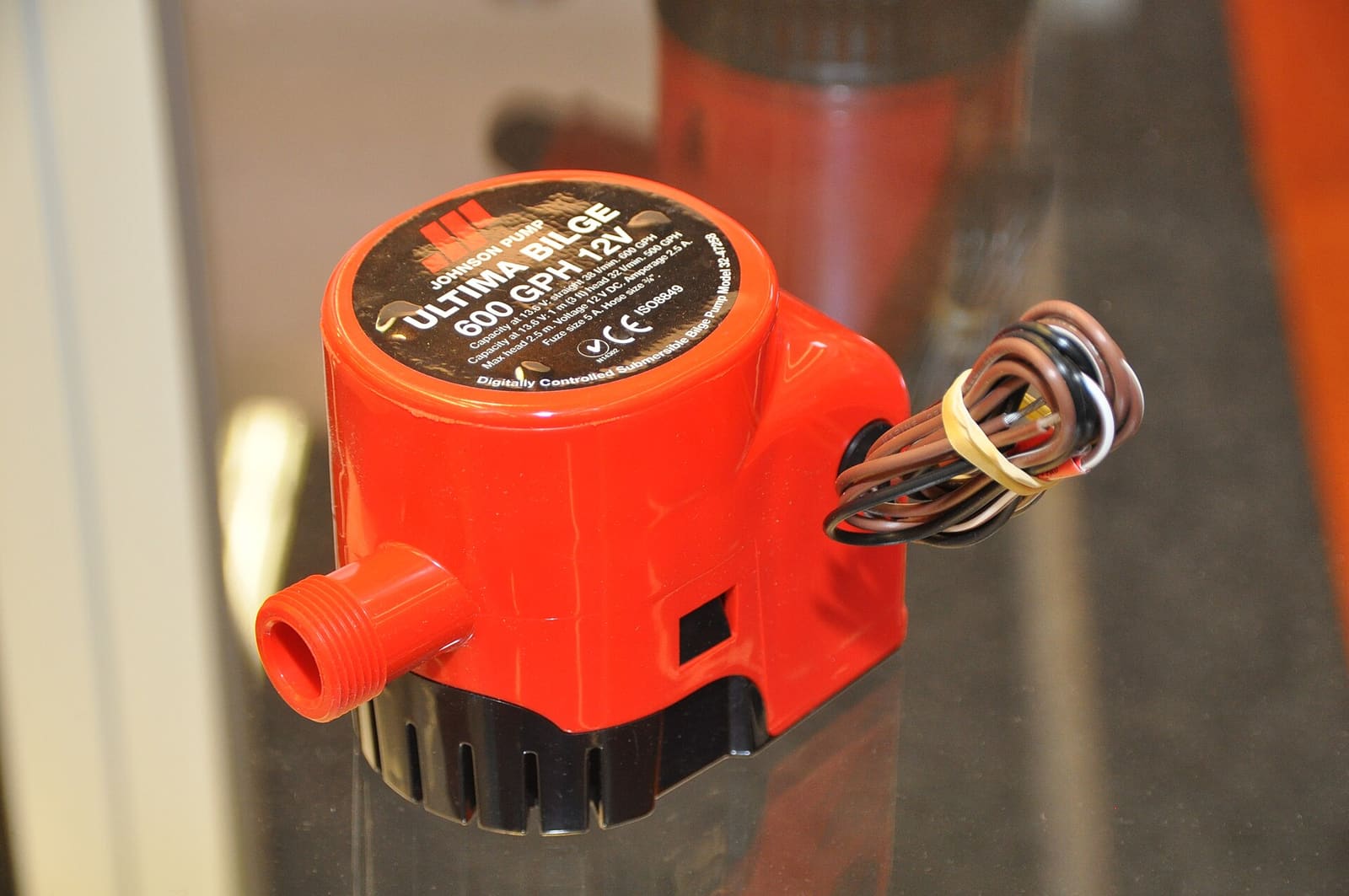
How to Test and Clean Your Bilge Pump and Float Switch
Make sure your bilge pump actually moves water overboard, both on the manual switch and automatically through the float switch. A working bilge pump is one of the most important safety systems on any boat that stays in the water.
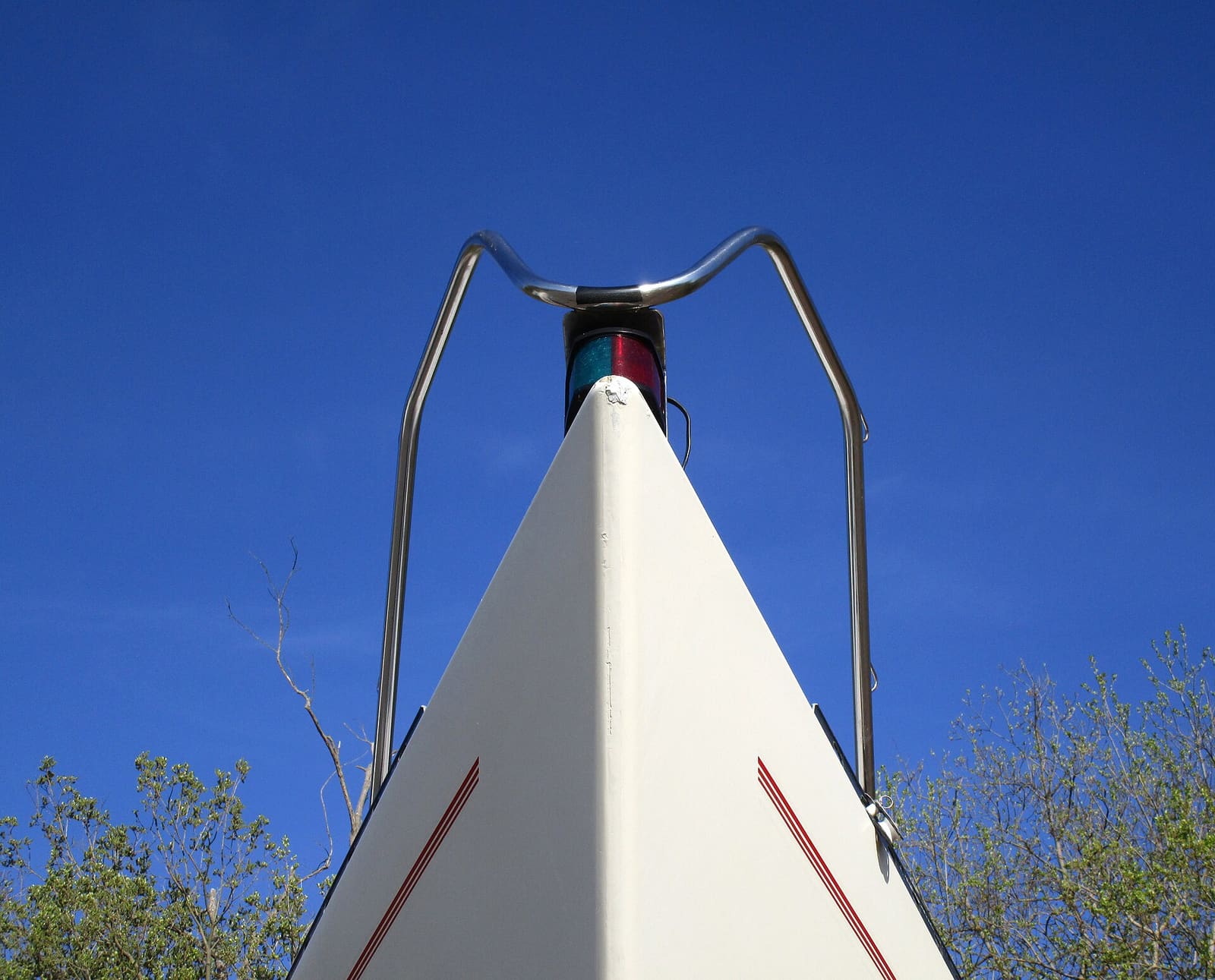
How to Test and Fix Your Boat's Navigation Lights
Learn which navigation lights your boat must show and when, then test them and fix the usual culprits such as corroded sockets, loose pole-light plugs and blown bulbs. Working lights are legally required at night and in poor visibility and are how other boats see which way you are heading.
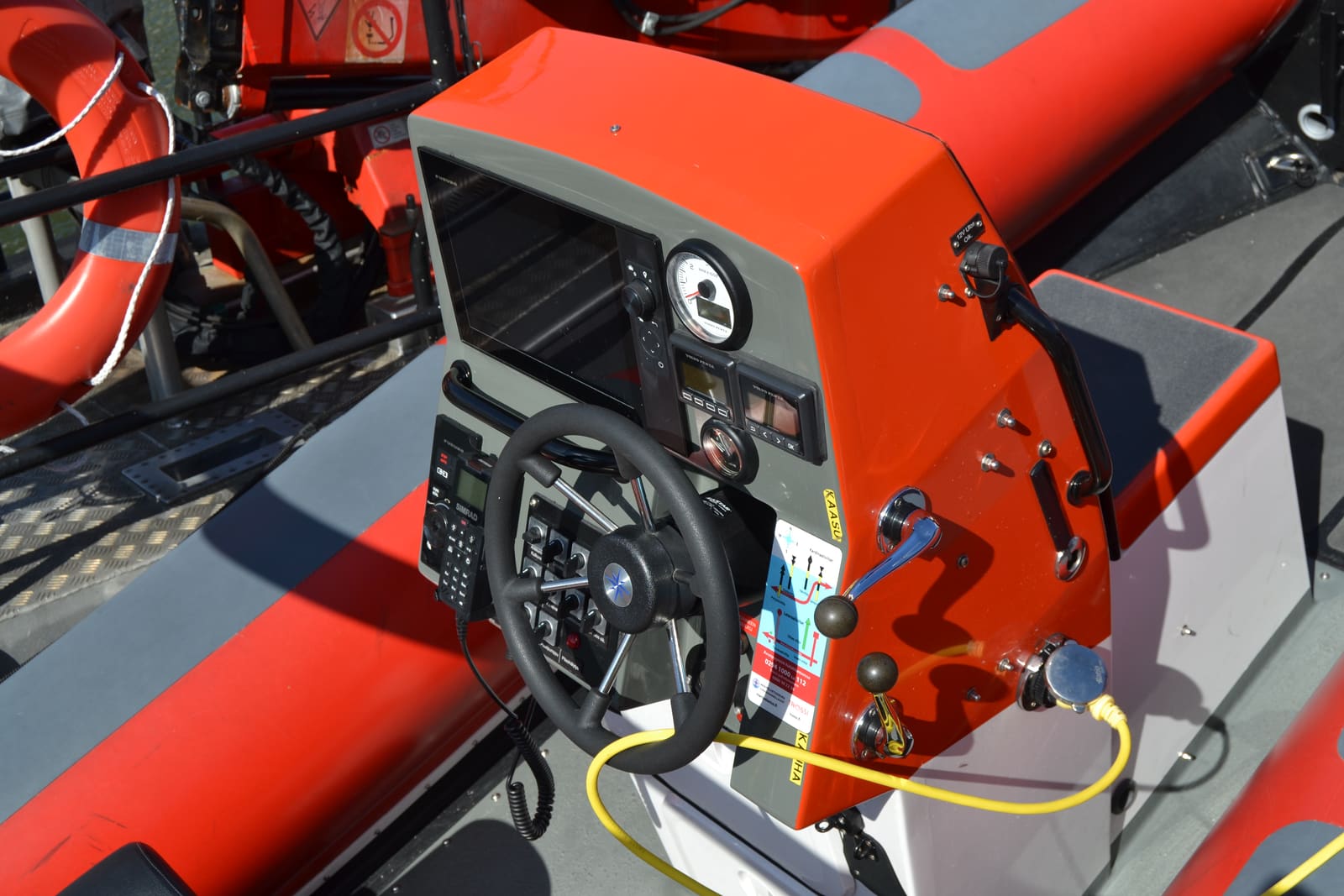
How to Troubleshoot Dash Gauges, a Dead Tachometer or a Wrong Fuel Gauge
Work through dead or wrong dash gauges from the cheapest check to the most involved: fuses and breakers, power and ground, the gauge-versus-sender test, the tachometer's pulse setting and the extra checks for digital network gauges. Most gauge problems turn out to be a bad connection, not a bad gauge.

How to Upgrade Your Boat's Lighting to LED (and Keep Your Nav Lights Legal)
Switch cabin, cockpit and courtesy lights to LED to cut battery drain and bulb changes, choose navigation lights that are actually USCG-certified (not just LED bulbs), check voltage range and dimmers, seal every connection, and run the Coast Guard's simple VHF test to make sure the new lights aren't deafening your radio or AIS.
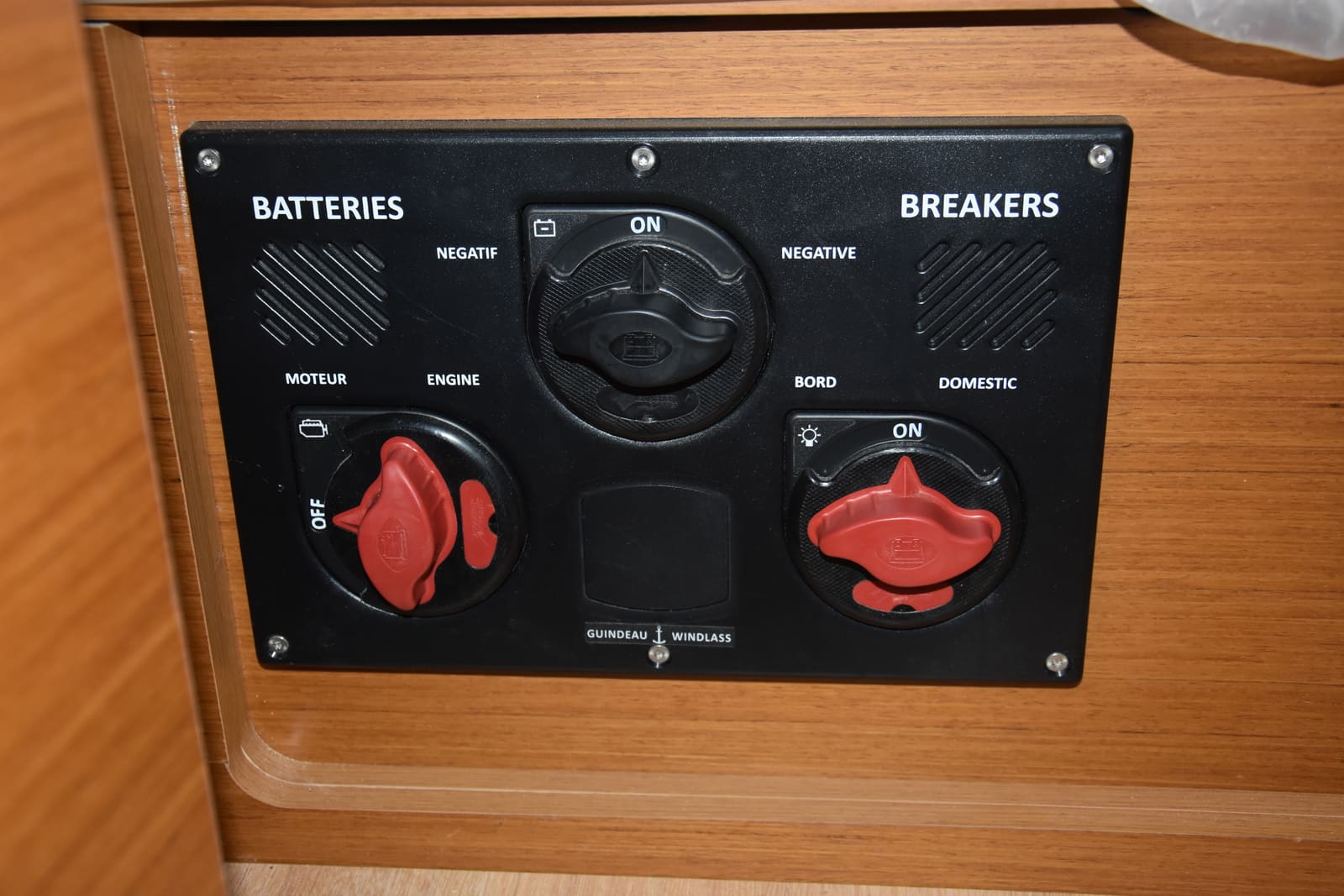
How to Use a 1-2-Both Battery Switch and Run Two Batteries
Learn what the 1, 2, Both and Off positions really do, a simple routine that keeps one battery ready to start the engine, how to check that both batteries are charging, and when an automatic charging relay makes life easier. Rewiring high-current cables is a job for a marine electrician.
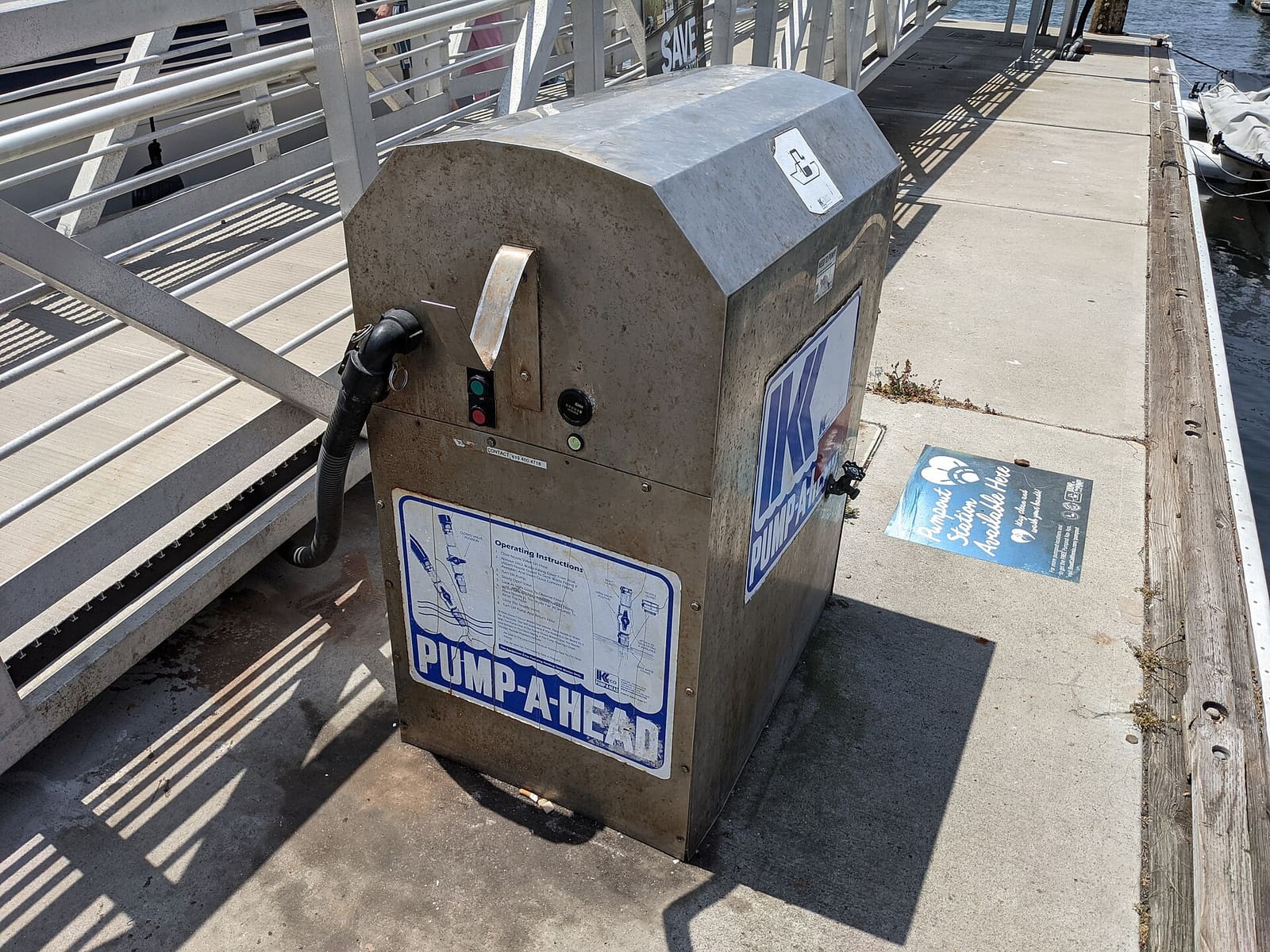
How to Use a Pump-Out Station: Finding One, Hooking Up and Rinsing the Tank
Find a pump-out near you with state maps and free apps, hook up to the deck fitting without spills, rinse the holding tank, leave the station clean for the next boat and know the rules for no-discharge zones and mobile pump-out boats.
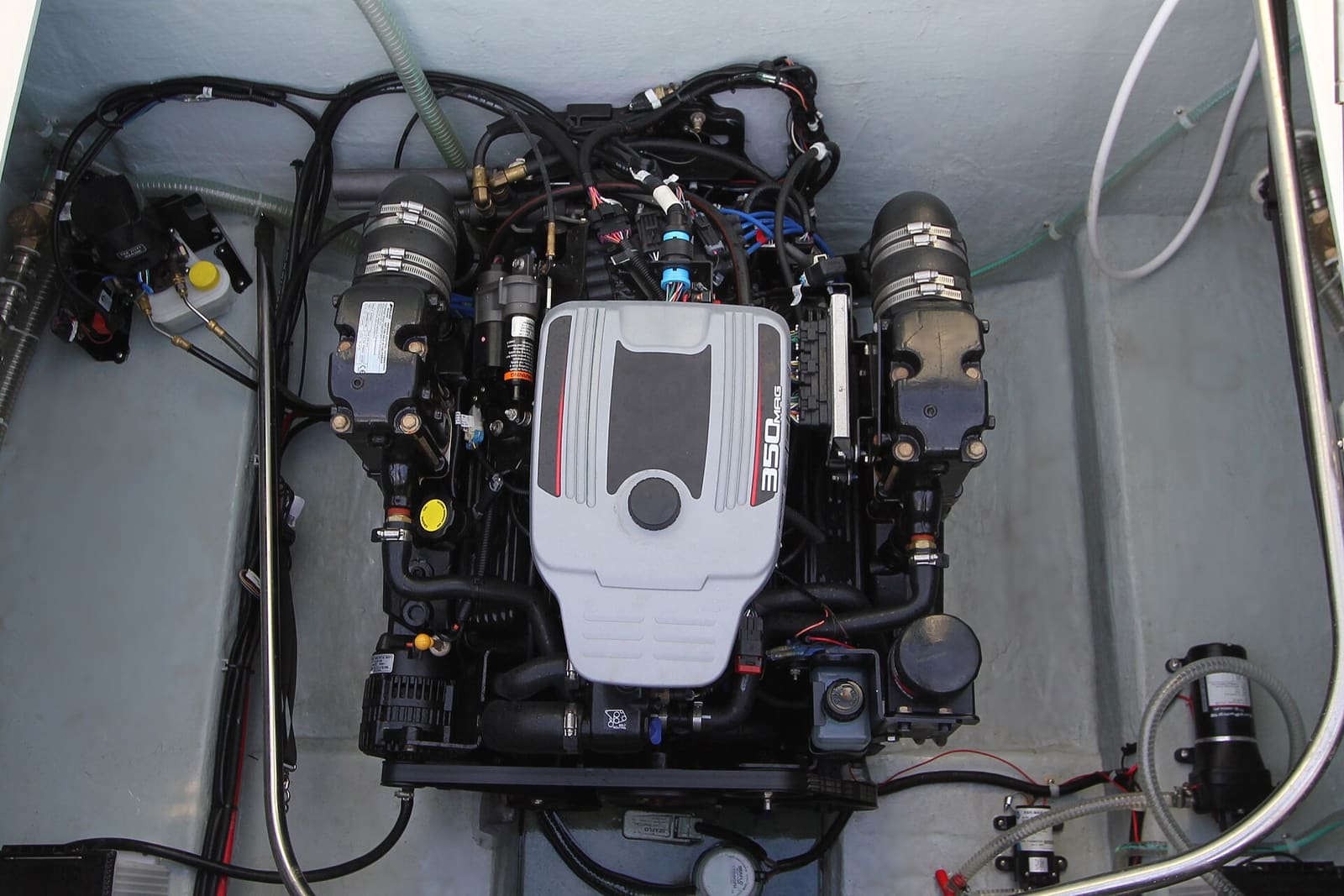
How to Use an Oil Extractor Pump for Boat Oil Changes
Change engine oil cleanly through the dipstick tube with a manual or electric extractor: know which engines it suits, warm the oil first, get as much out as you can, then refill to the dipstick, recycle the old oil and clean the pump so it's ready next time.

How to Winterize (and Recommission) Your Boat's Freshwater System
Protect the tank, pump, water heater, faucets and showers from freeze damage with non-toxic antifreeze, then flush and sanitize everything in the spring so the water is clean again. A cracked pump or split fitting is a common, avoidable winter repair bill.
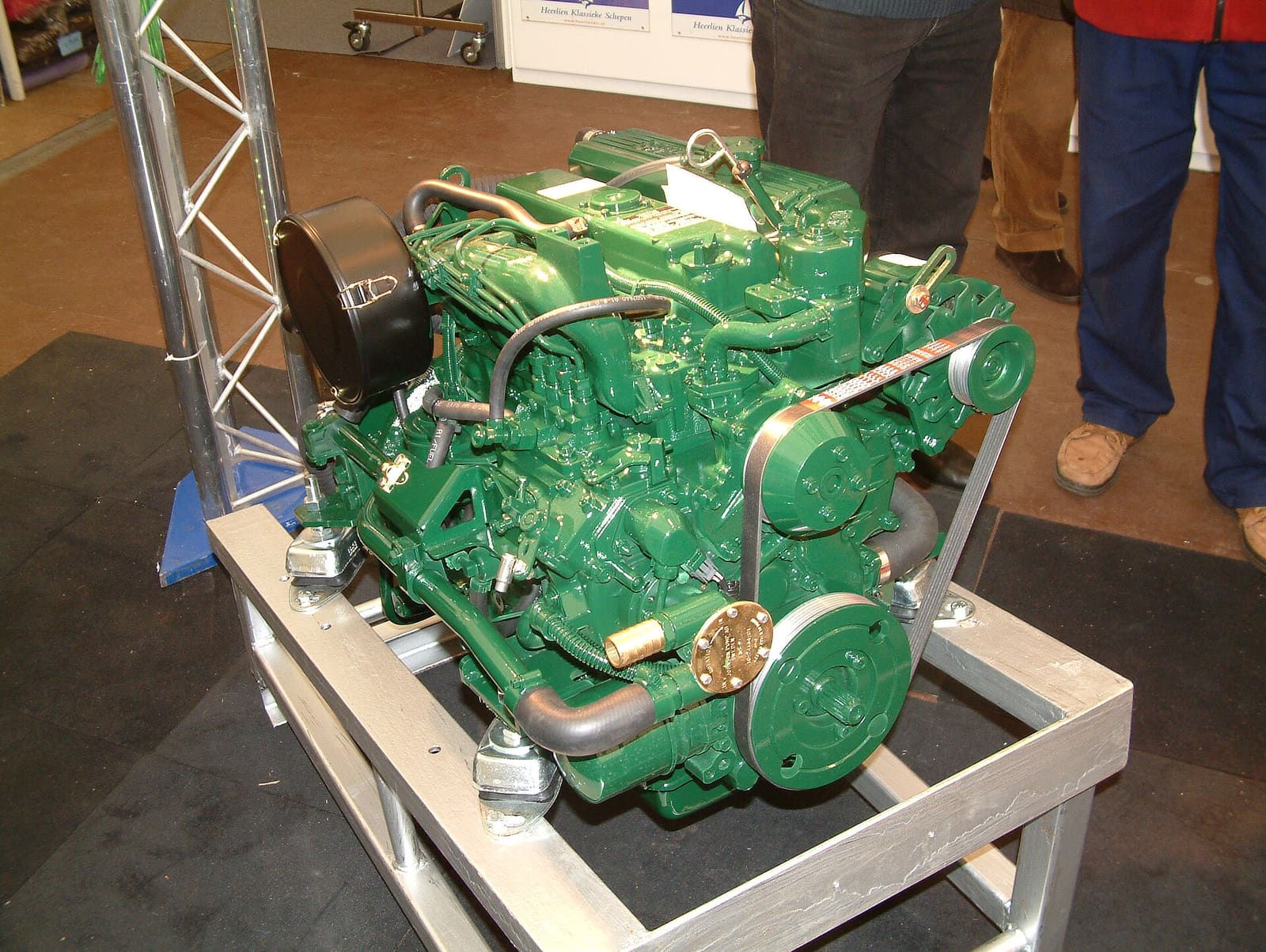
How to Winterize a Marine Diesel Inboard (Sailboat or Trawler)
Lay up a marine diesel for winter the way the engine makers describe it, covering fresh oil, a full and treated fuel tank, antifreeze through the raw-water side, the impeller out, the coolant checked, openings plugged and the battery cared for. Freeze damage to a diesel's raw-water circuit is one of the most expensive and most avoidable winter repairs.
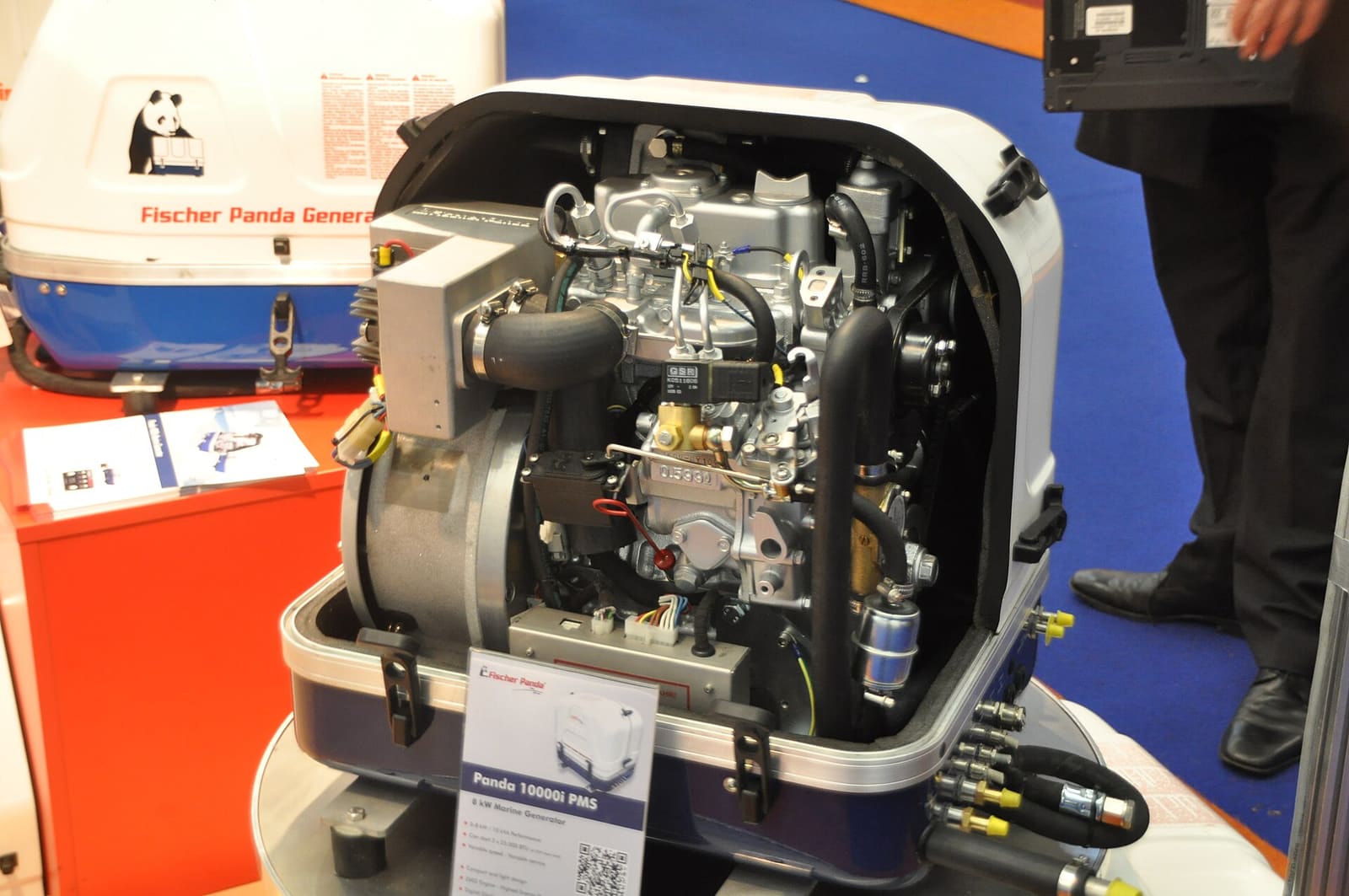
How to Winterize a Marine Generator (and Recommission It in Spring)
Lay up an onboard diesel or gasoline generator for winter with fresh oil, treated fuel the way your maker specifies, antifreeze through the raw-water side, the impeller out, the start battery cared for and the intake and exhaust sealed, then bring it back safely in spring. A generator's raw-water circuit freezes just like a main engine's.
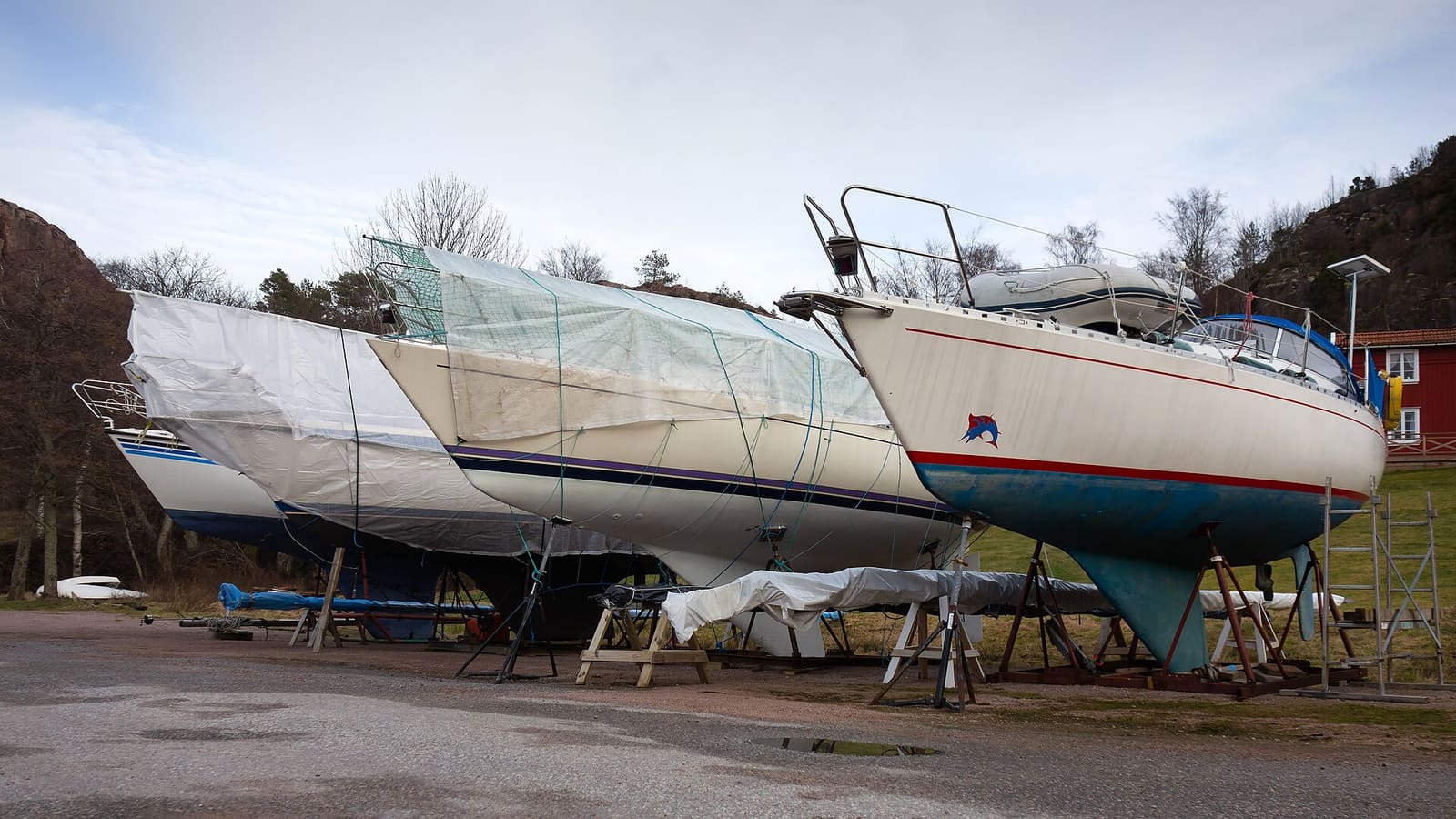
How to Winterize a Sailboat: Rig, Sails, Engine, Plumbing and Storage
A sailboat-specific winter layup plan, from deciding whether the mast comes down to getting sails, running rigging and canvas off, protecting the diesel or saildrive, plumbing and head, and leaving the boat well supported, covered and ventilated. Each engine and water job links to its detailed BoatMend guide.
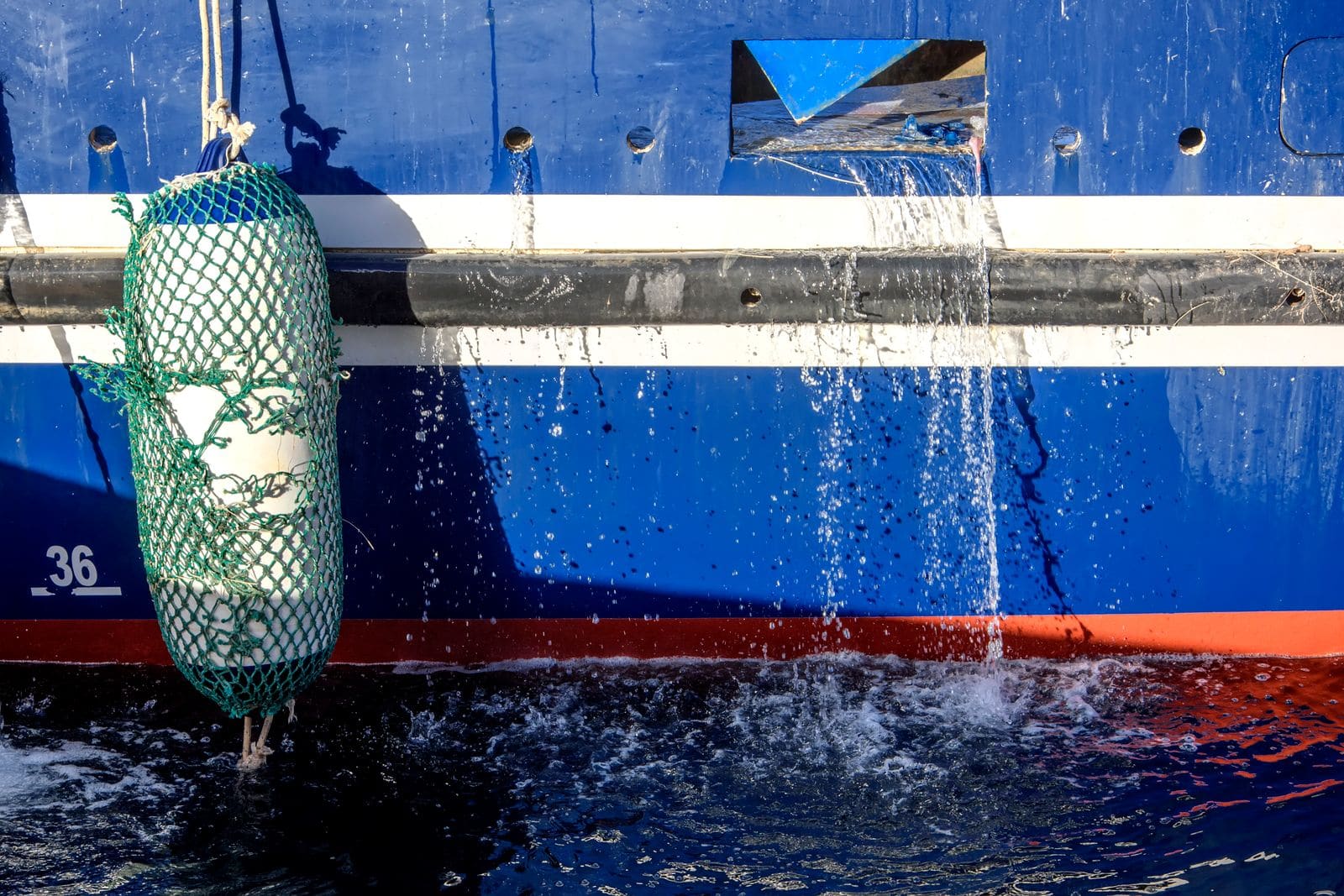
How to Wire a Bilge Pump Correctly (Automatic Float, Panel Switch and Fuse)
Wire your bilge pump so the automatic float works even with the battery switch off, the helm switch gives you a manual override, and every circuit has the right fuse, wire size and connections kept above the bilge water. A pump that is wired wrong can leave the boat unprotected exactly when nobody is aboard.
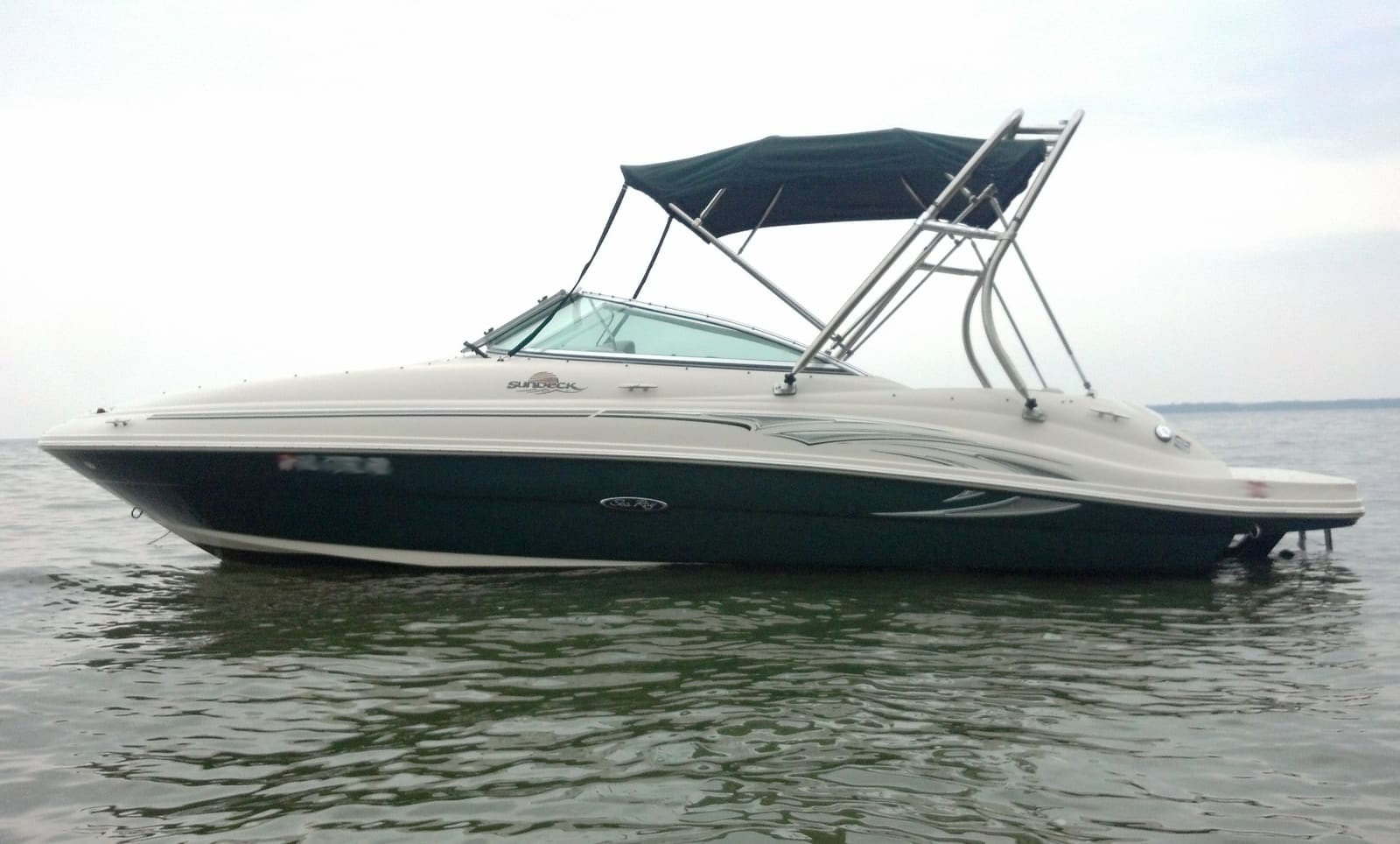
How to Wire a Marine Stereo, Speakers and Amplifier Safely
Install or fix a boat stereo the way that keeps it working and keeps your battery alive: marine-rated gear, a fused feed from the panel, a solid ground, a plan for the always-on memory wire, UV-proof speakers, and an amplifier fused right at the battery. Plus how to stop the stereo from messing with your VHF and compass.
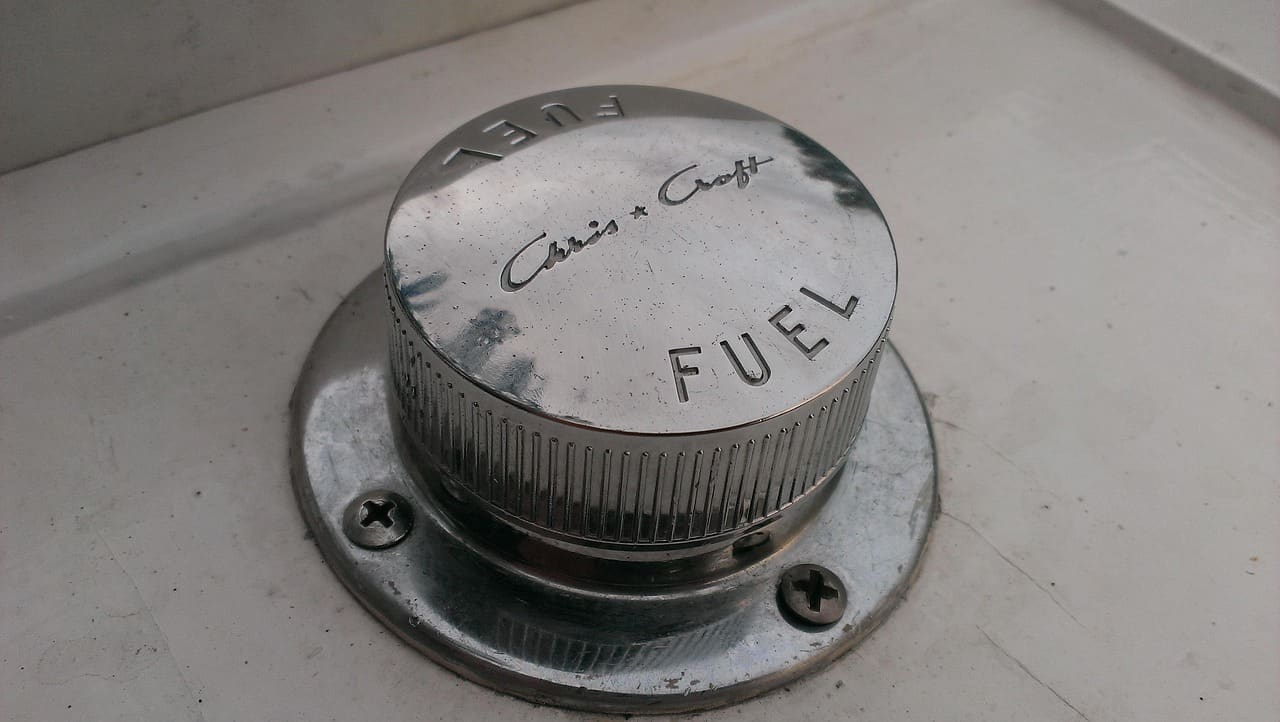
How Water Gets Into Boat Fuel (and How to Stop It)
Water in the fuel is one of the top causes of rough running and dead engines, and it almost always has an entry point you can find. Work from the jar test through the fill cap O-ring, a recessed deck fill, the tank vent, the sending unit gasket and your washdown habits, and learn how much condensation really matters.
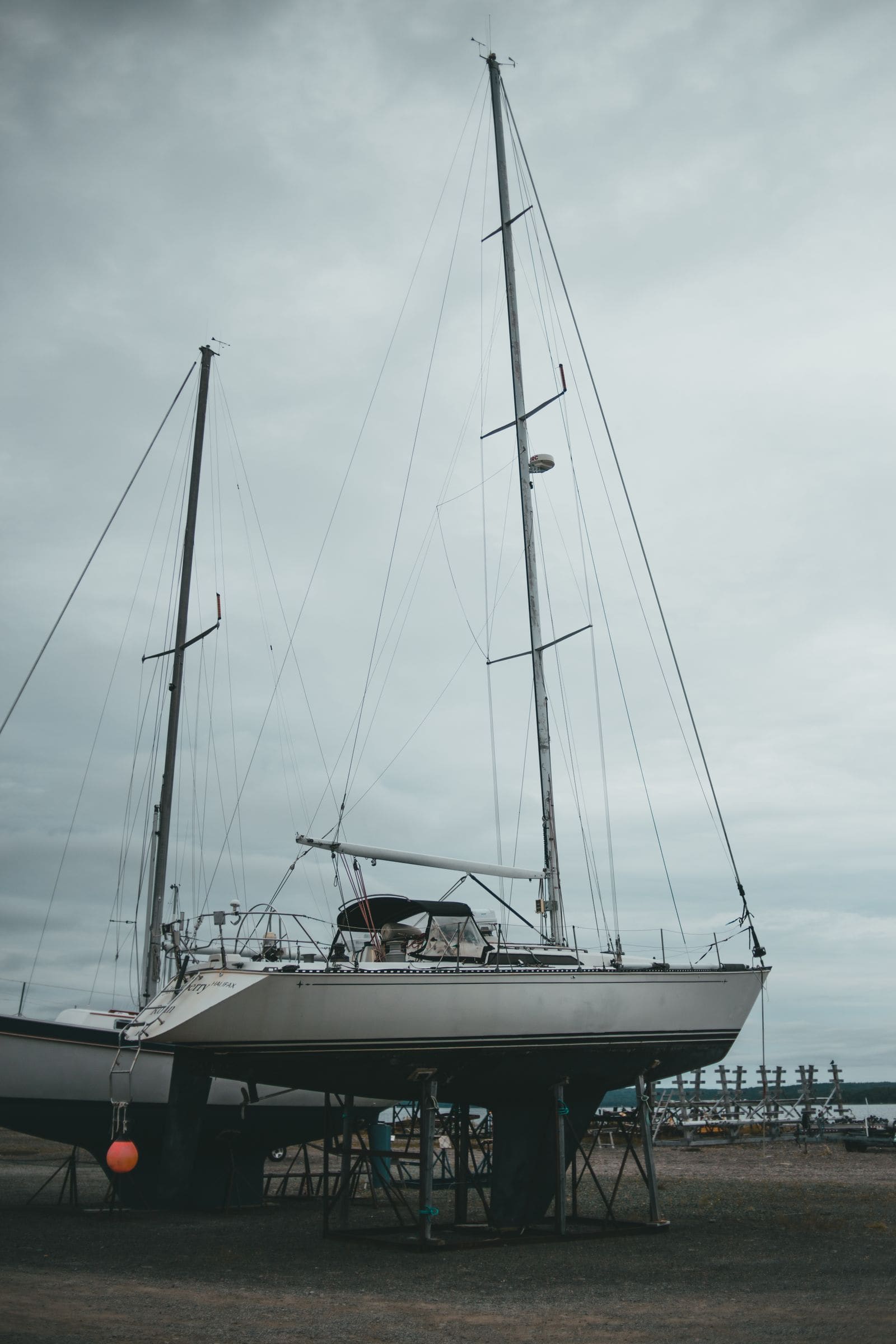
Hull Blisters (Osmosis): How to Tell Cosmetic Pimples From Serious Pox
Learn what osmotic blisters are, how to inspect a fiberglass bottom at haul-out, which blisters you can fix yourself with epoxy, what moisture meter readings can and can't tell you, and when to hire an independent surveyor.
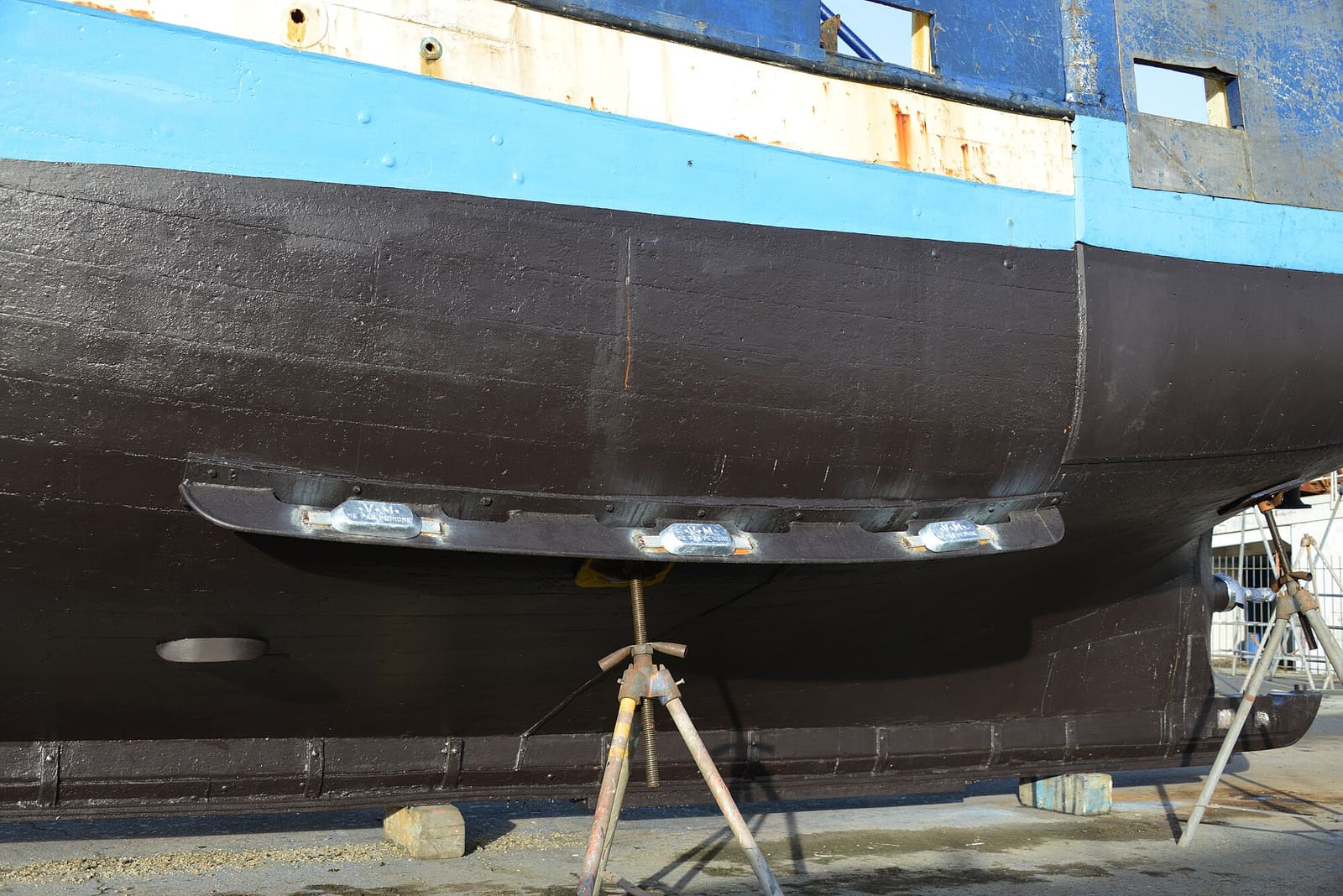
Hull Potential Survey: Checking Corrosion Protection with a Reference Electrode
A silver/silver-chloride reference electrode and an ordinary multimeter show whether your underwater metals are really protected by their anodes, whether every fitting is bonded, and whether shore power or the slip is upsetting things. Learn how to take the readings, what under- and over-protection mean in plain terms, and when to call a marine electrician or corrosion specialist.

Impressed Current Corrosion Protection on Yachts: How It Works and How to Keep an Eye on It
Larger aluminum and steel yachts often use an impressed current system instead of, or alongside, sacrificial anodes. Learn what the control panel, anodes and reference electrodes do, how to log and double-check the readings with a portable reference cell, why over-protection can strip paint and attack aluminum, what to do at haul-out, and when to call a corrosion specialist.
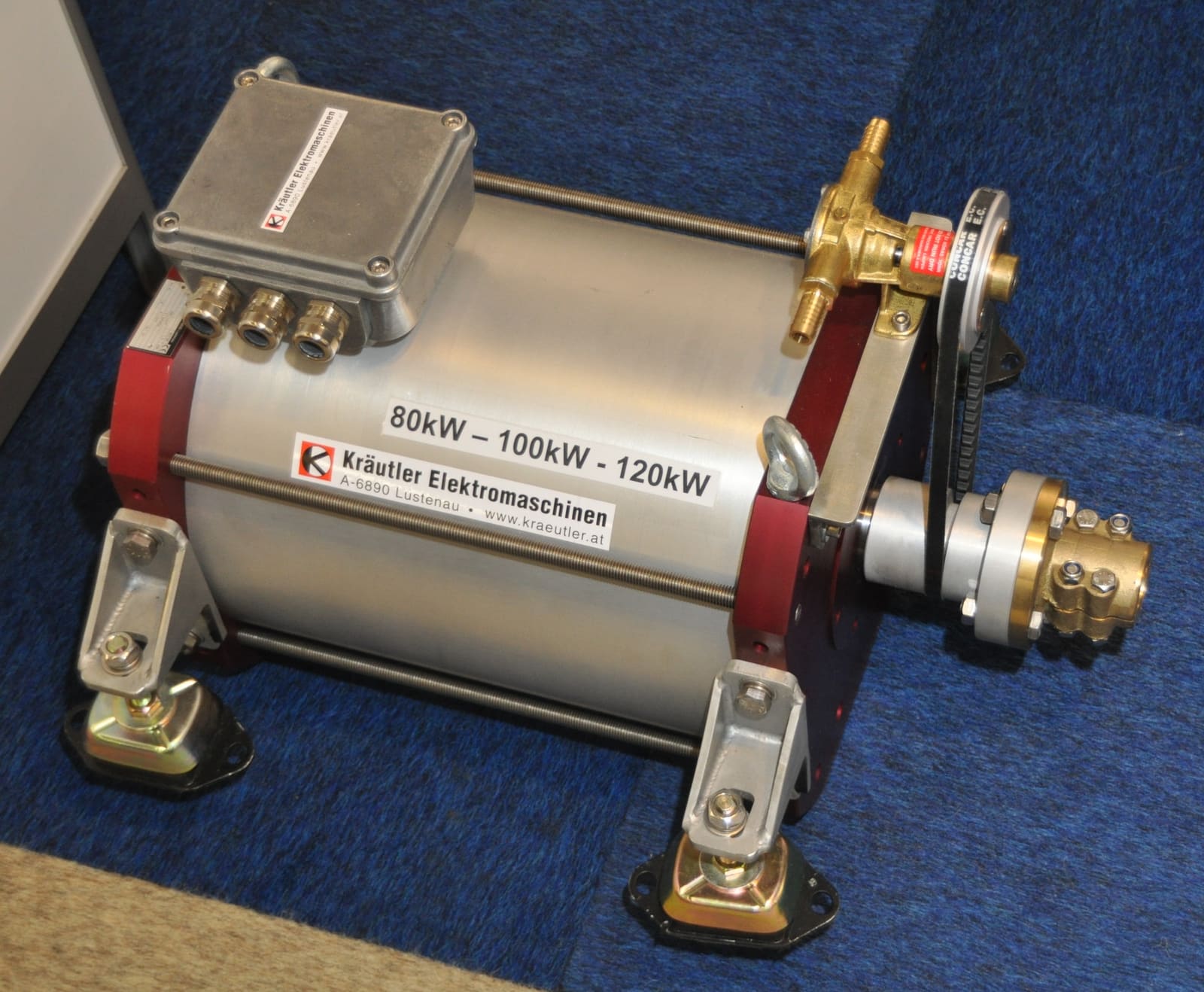
Inboard and Sterndrive Engine Mounts: Signs of Failure and How to Inspect Them
The rubber mounts under an inboard or sterndrive engine soak up vibration and hold the engine in line with the drive. Learn the warning signs of a failing mount, how to inspect all of them in under an hour, and why a mount replacement always ends with an alignment check.
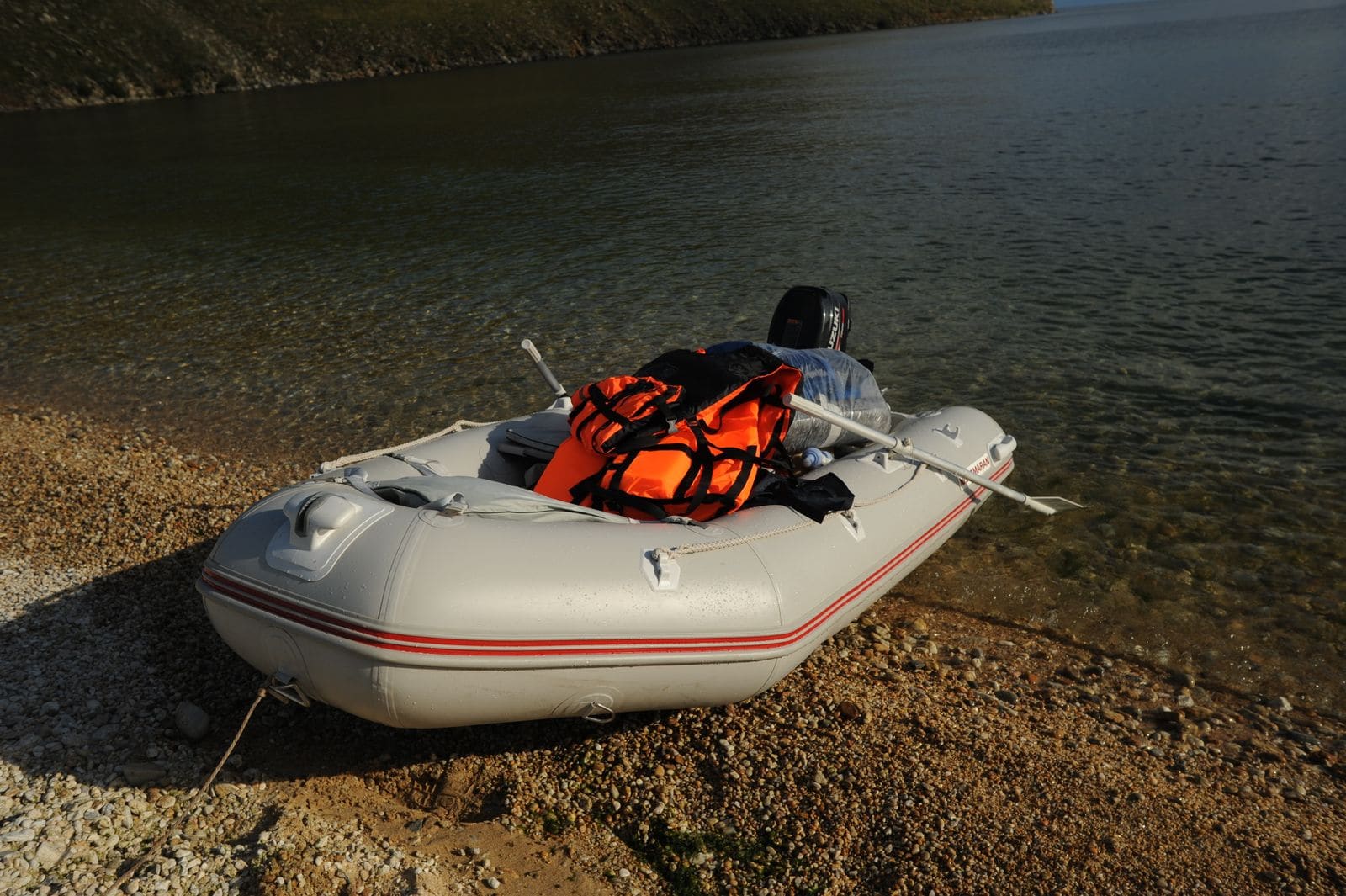
Inflatable Boat and Dinghy Care: Cleaning, UV Protection, Leaks and Storage
Keep your inflatable or RIB tender holding air for years. Rinse and clean it the right way, protect the tubes from sun, check pressure with a gauge, find slow leaks with soapy water, service the valves, patch small holes with the correct glue for PVC or Hypalon, and store it clean and dry.
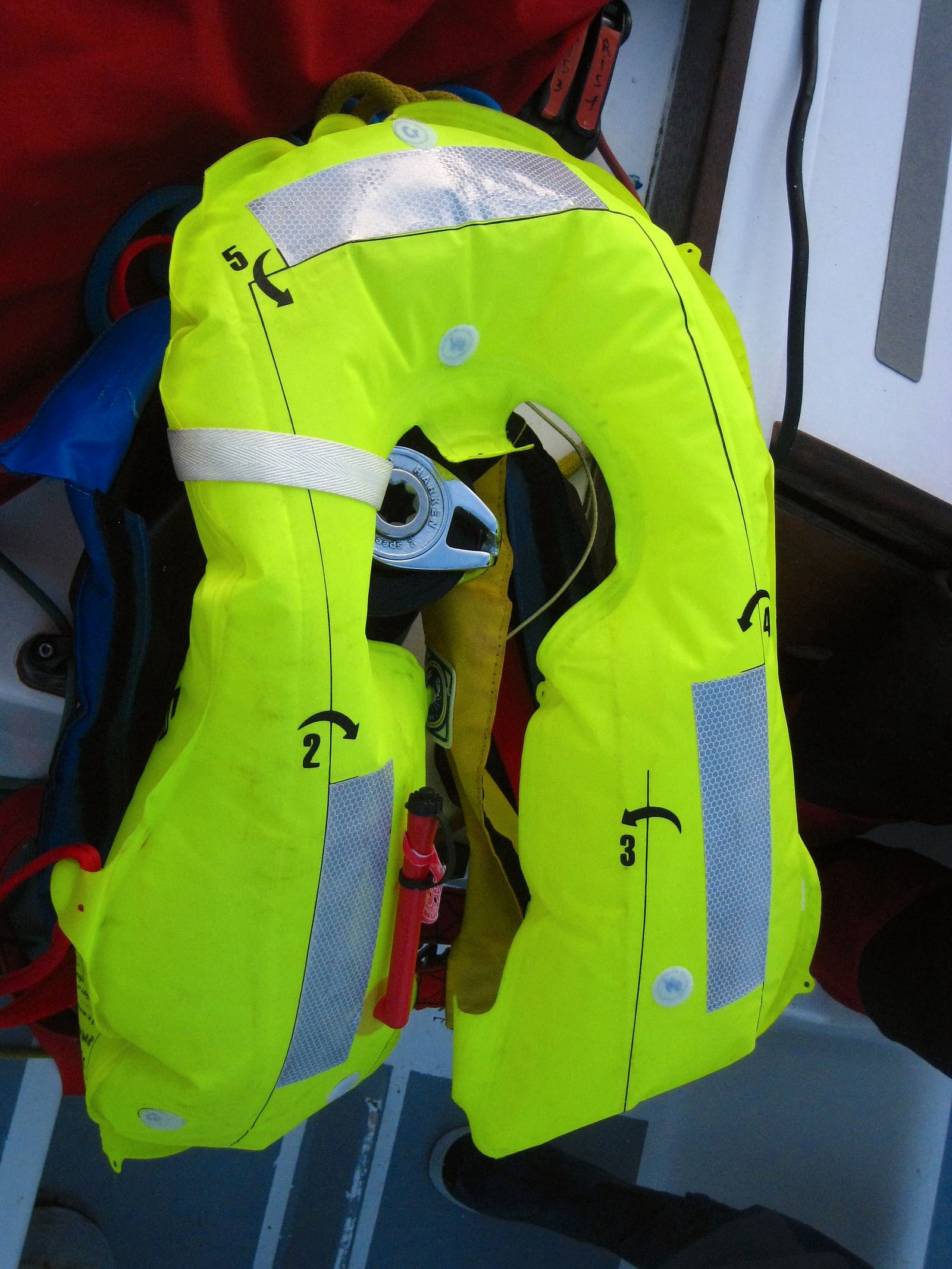
Inflatable Life Jacket Care: Inspect, Test and Rearm
An inflatable life jacket only saves a life if the cylinder is full, the inflator is armed and the bladder holds air. Learn the quick check before every trip, the overnight leak test, how to read replacement dates and how to rearm it after it fires.
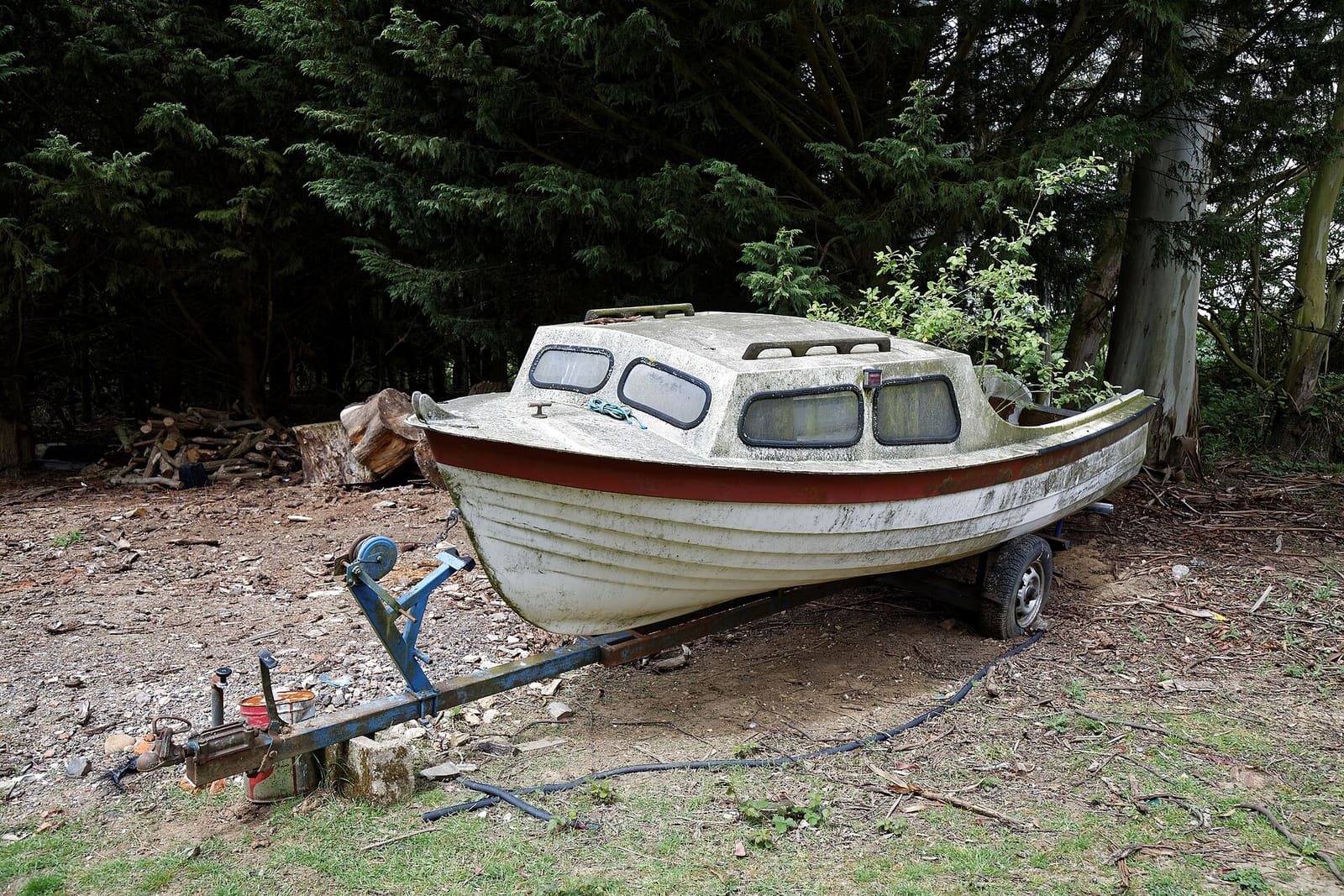
Inheriting a Boat: Title Transfer, Coast Guard Documentation, Insurance, Taxes and Keep-or-Sell
What to do when a boat comes to you from a relative's estate: secure it and keep it insured, find out how ownership passes (joint owner, transfer-on-death, probate or a small-estate affidavit), transfer a state title or a Coast Guard documented vessel, deal with the trailer, liens and taxes, and decide whether to keep or sell. General information, not legal or tax advice.
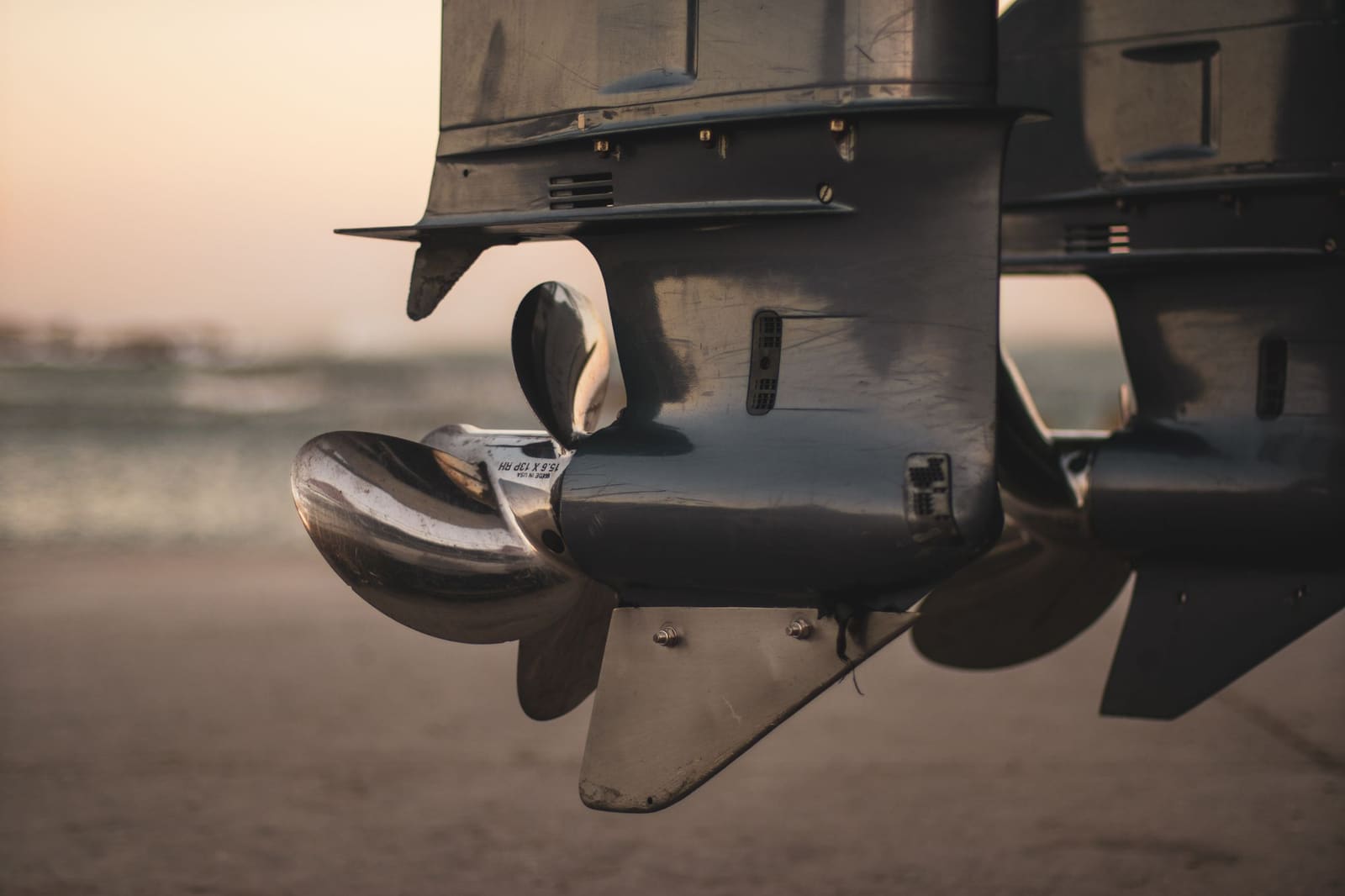
Installing a DC-to-DC Charger: Charging a Lithium or Second Battery Bank from Your Engine
A DC-to-DC charger lets the engine's alternator refill a lithium (or separate) house bank with the right charge profile while protecting the starting battery and the alternator. Learn why you need one, where it can and can't be mounted, how the fusing and cable sizing work, and which settings matter, so you can plan the job or check a technician's work.
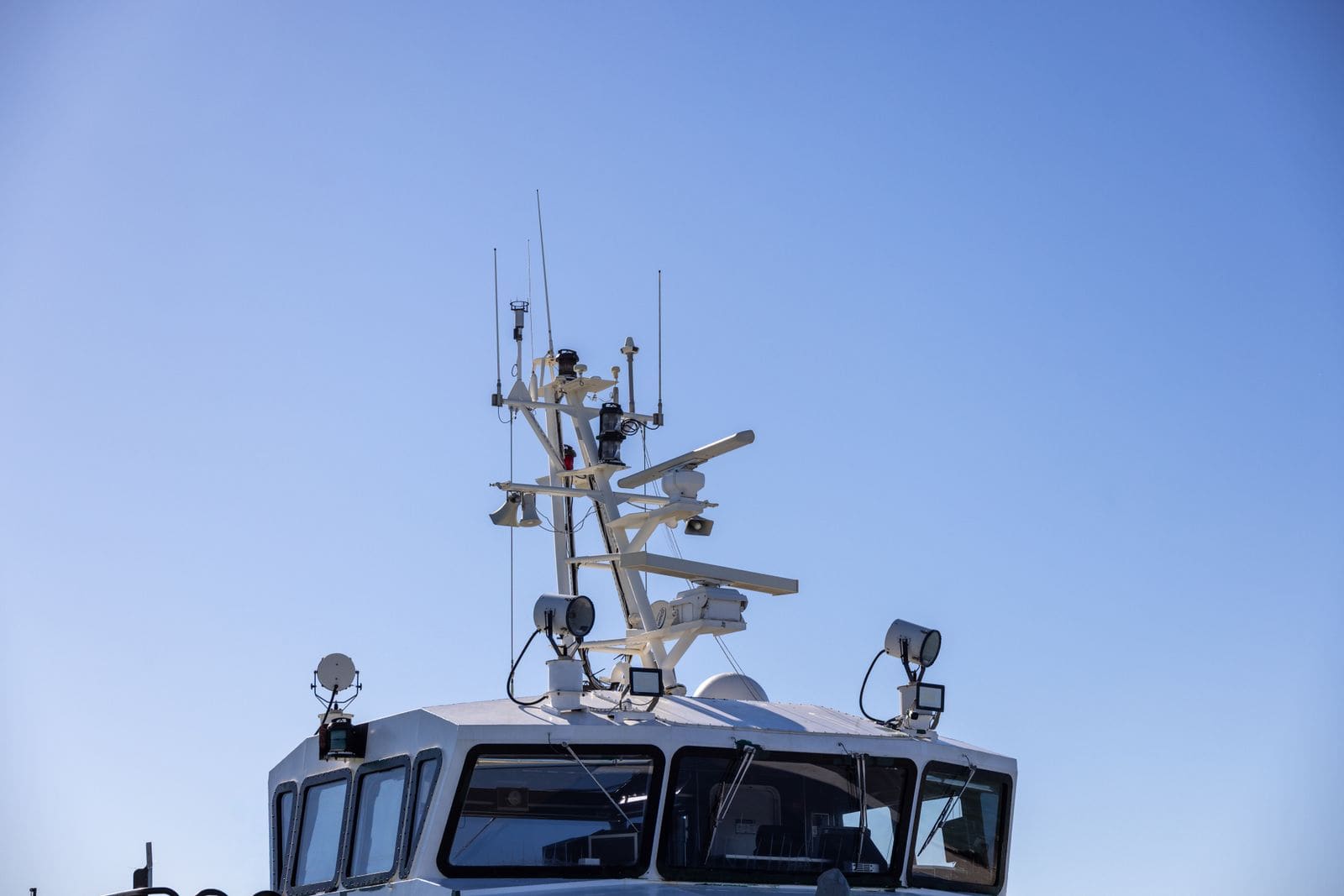
Internet Near Shore: Cellular Routers, Signal Boosters and Marina Wi-Fi Extenders
For boats that stay within sight of land, a cellular router, a legal signal booster or a marina Wi-Fi extender can be a cheaper alternative to satellite. Learn which one fits how you boat, why antenna placement and cable length matter, the FCC rules for boosters, how much power they use and how to test that it actually works.
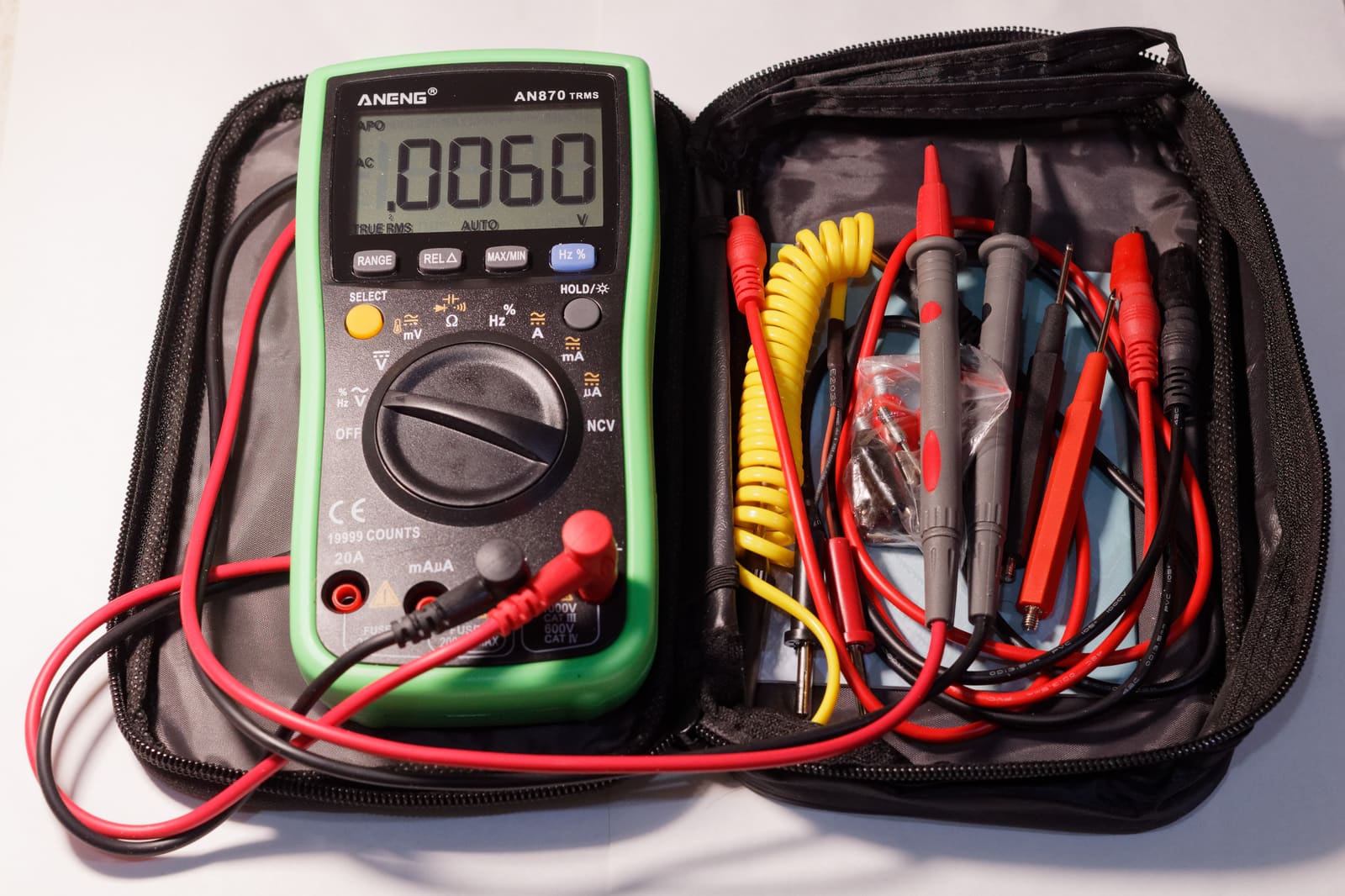
Is My Engine Charging the Battery? Test the Charging System With a Multimeter
A step-by-step way to find out whether your outboard's stator and rectifier/regulator or your inboard's alternator is really charging the battery, what the voltage readings usually mean, and when the problem is just a dirty connection. Exact test specs come from your engine's service manual.
Safety: BoatMend is for information only and does not replace a certified marine technician. You are responsible for your safety and your boat. Read the full disclaimer.