How Water Gets Into Boat Fuel (and How to Stop It)
Water in the fuel is one of the top causes of rough running and dead engines, and it almost always has an entry point you can find. Work from the jar test through the fill cap O-ring, a recessed deck fill, the tank vent, the sending unit gasket and your washdown habits, and learn how much condensation really matters.
Time
1 h
Shop would charge
$100-400
Applies to
Outboard, Sterndrive (I/O), Gas inboard, Marine diesel
Safety first: You'll be opening fuel fills, filters and deck plates over the tank. No smoking, sparks or running tools, and keep a fire extinguisher handy. If you smell gasoline in the bilge, see fuel in the bilge or find a wet, leaking tank, don't start the engine or flip switches: get everyone off and call a marine mechanic (or 911 for a large leak). A corroded tank that lets water in can also let fuel out.
Owners often ask
- I keep finding water in my fuel filter after it rains. Where is it getting in?
- Should I store my boat with a full tank or an empty one to stop condensation?
This guide walks you through it. Still stuck? Ask the AI Mechanic about your engine.
Tools
- Clean, clear glass jar with a lid
- Flashlight and inspection mirror
- Screwdrivers (for deck plates and the sending unit cover)
- Paint marker
- Spray bottle or garden hose (for a controlled water test)
- Oil-only absorbent pads and an approved fuel container
- Nitrile gloves and safety glasses
- Fire extinguisher within reach
Parts & supplies
- Replacement O-ring or gasket for your fuel fill cap
- Sending unit gasket for your tank (if the old one is hard or cracked)
- Fuel/water separator filter element (if water was found)
- Clamshell vent cover (optional, for a hull-side vent)
Before you start
Why it matters. BoatUS calls water in the fuel one of the top causes of engine trouble, and one of the most preventable. A gasoline engine runs rough, stumbles or quits; Don Casey warns that in a diesel, a droplet of water reaching an injector can flash to steam and damage it. Ethanol makes it worse: Yamaha explains that ethanol pulls water into the fuel, and once the water content passes about half of one percent, the water and alcohol drop out together to the bottom of the tank, right where the pickup is. That's phase separation.
Water only gets in a few ways. BoatUS lists them: the fill cap and its O-ring, a fill that sits in a puddle, the tank vent, the sending unit gasket, a corroded tank, and (on portable tanks) rain getting past the cap. Bad fuel from the dock is another. Your job is to find which one, fix it, and then clean up the water already inside.
Condensation: myth vs. reality. It's real, but usually small.
- Don Casey writes that a little moisture condenses inside a vented tank every day as it heats and cools, and more air space means more potential condensation.
- Mercury says the same for older boats with tanks vented to the open air: keep the tank filled between outings and for storage (about 95 percent, to leave room for expansion). Mercury also says newer boats with sealed, low-emission (EPA) fuel systems are less prone to condensation and can usually be stored with low fuel levels.
- The practical reading: condensation can slowly add moisture over weeks in a vented tank, which matters with ethanol fuel. But if you suddenly find a slug of water in the filter or a jar, look for a leak or bad fuel first. That much water almost never comes from condensation alone.
Engine running badly right now? If the engine is running badly right now, our fuel-water separator guide covers draining and changing the filter. Come back here to find out why the water got there.
Steps
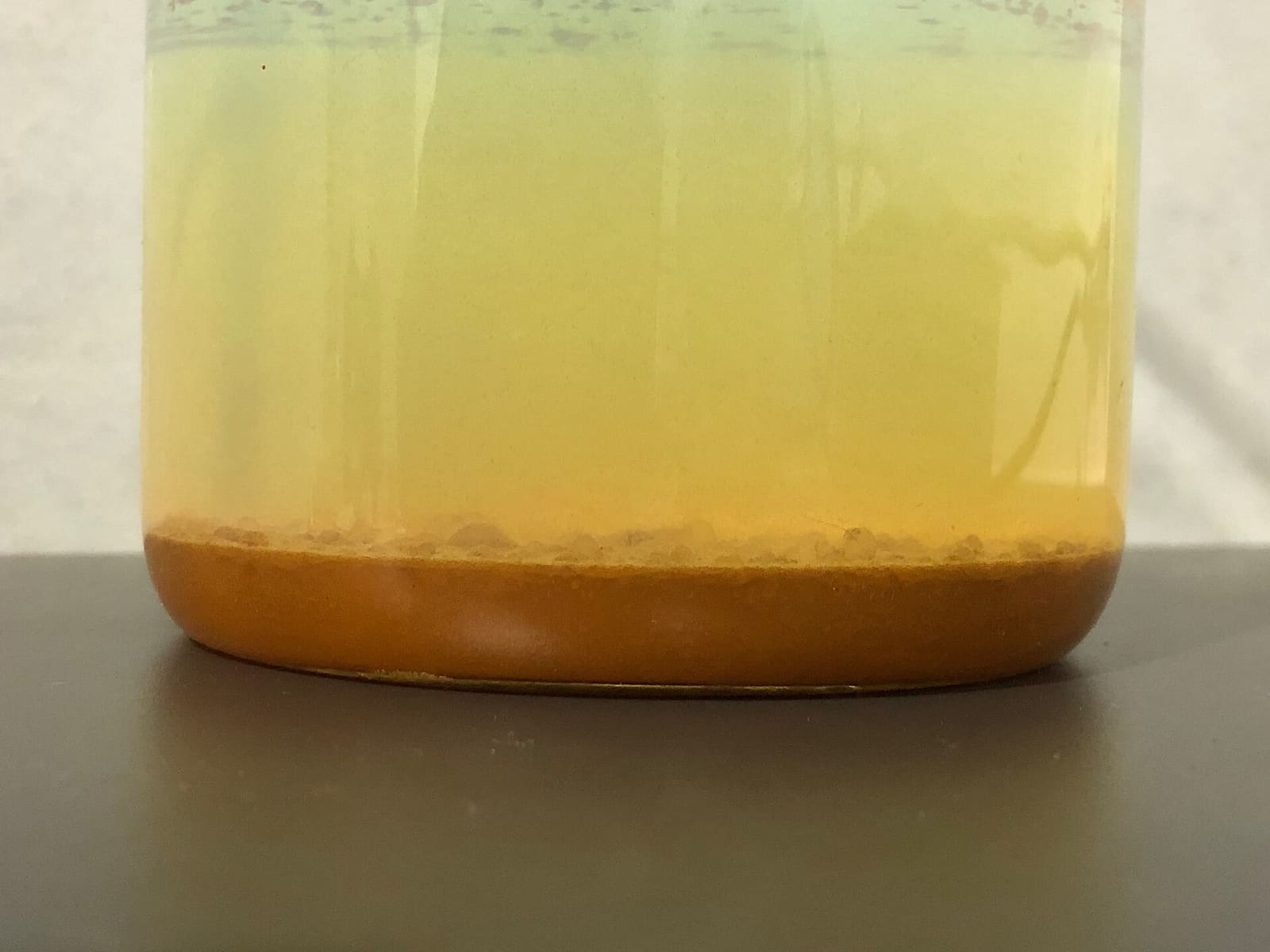
BoatUS describes the classic check: pump or drain a pint or so of fuel from the boat side of the system (or empty the fuel filter) into a clean, clear glass jar and let it sit a few minutes. Boating Magazine adds what to look for:
- Clear amber fuel, nothing at the bottom: no free water in this sample.
- A clear bubble or layer at the bottom: water (gas floats on water).
- A cloudy or whitish, gel-like layer: phase-separated ethanol fuel. Boating Magazine says this fuel can't be burned and may need professional disposal.
- Specks of dirt or rust: sediment from the tank or bad fuel.
Do it outdoors, away from ignition sources, and pour the sample into an approved container afterward.
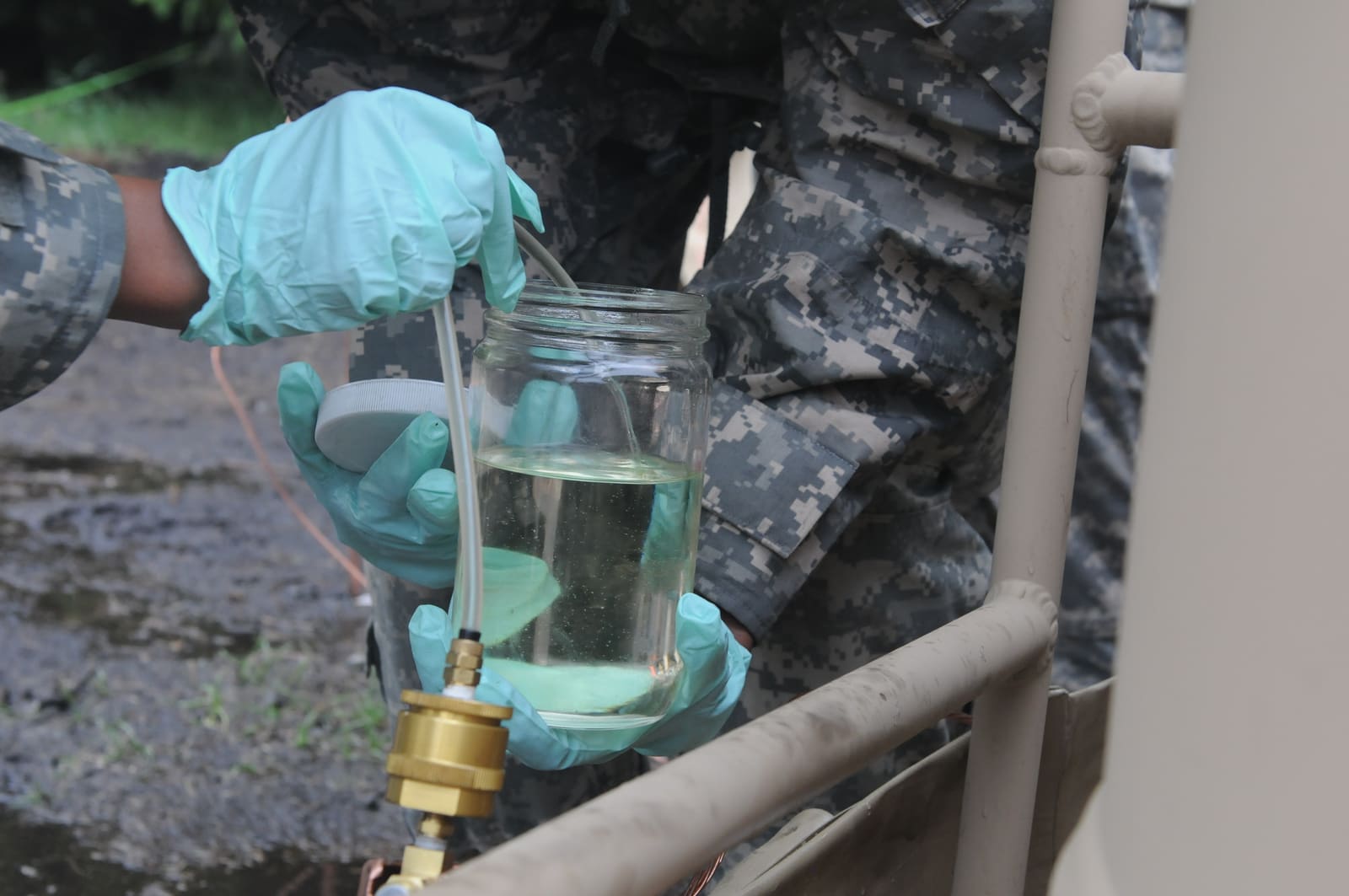
A clear jar sample shows water as a separate layer at the bottom. Photo: Spc. Thomas Crough, U.S. Army / Wikimedia Commons · Public domain Look in the clear bowl of your fuel/water separator, and on outboards, the small see-through filter on the engine. Yamaha notes its on-engine filter may have a red ring inside: if it's floating, there's water in the trap. Don Casey's rule of thumb for diesels: if you have to drain water from the primary filter bowl more often than about every 100 engine hours, the tank needs attention. Water every time means an active leak; a little once in a long while points to fuel quality or condensation.
If the water showed up right after you bought fuel, the dock's fuel may be the culprit. Don Casey suggests jar-testing doubtful fuel before it goes in your tank and buying elsewhere if you see water or dirt. Keep your receipt and tell the marina. Buy where boats fuel often so the fuel turns over.
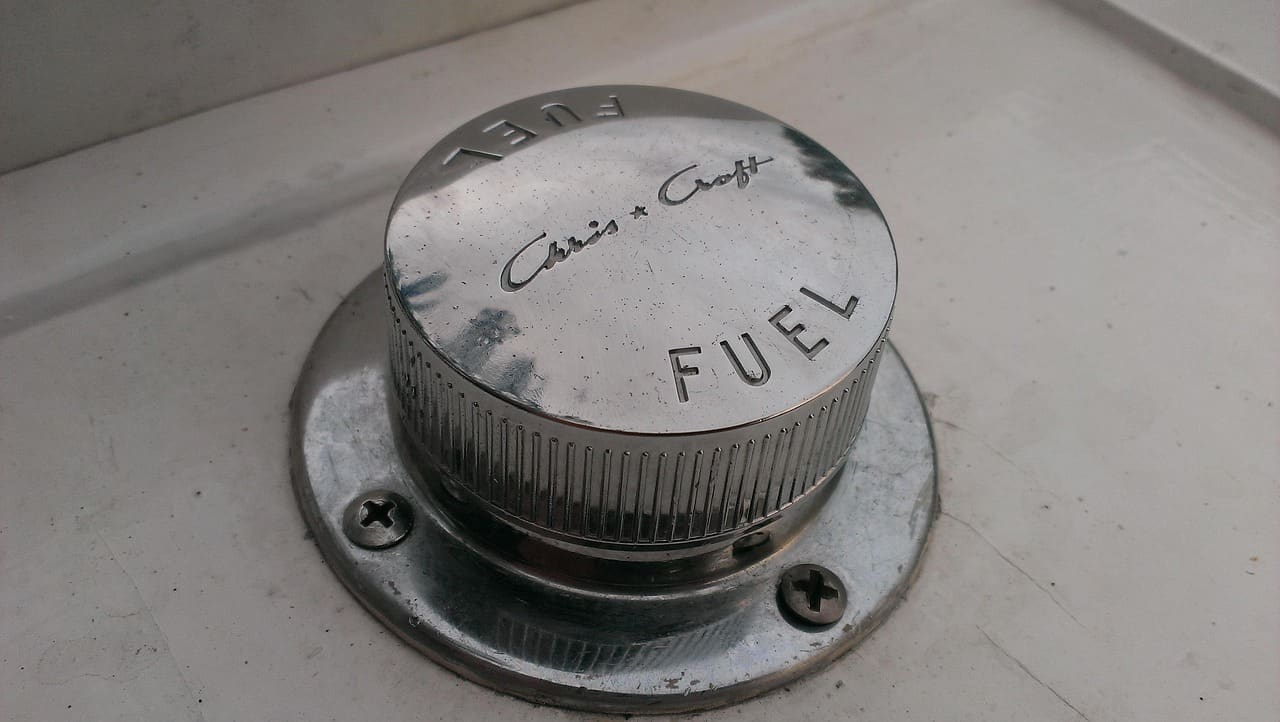
Unscrew the deck fill cap and look at the O-ring or gasket. BoatUS says most fills rely on a simple rubber O-ring that dries out, cracks and lets water through. Don Casey adds that some O-rings are simply missing. Replace it if it's flattened, cracked, hard, or loose in its groove. It's a cheap part; bring the cap or the old ring to the marine store to match it. Make sure the cap threads down fully and isn't cross-threaded.
Pour a cup of water around the closed fill on a calm day and watch. If it puddles around the cap instead of draining away, rain, spray and washdown water sit on your O-ring all the time. BoatUS notes that a fill should never be recessed so water collects around it, and that some makers sell spacers (thick washers between the fill flange and deck) to lift the cap above the puddle. Don Casey points out that side-deck fills on sailboats can spend a lot of time underwater when heeled. Raising or moving a fill means re-bedding it; see our deck hardware re-bedding guide.
Find the vent fitting, usually on the hull side or transom. BoatUS and Don Casey both warn that a hull-side vent can be pushed underwater by waves, heavy rolling or deep heeling, and a transom vent by a following sea. Check:
- Is the vent low enough to get dunked in normal use?
- Does the vent hose have a loop or rise to trap splashes before they reach the tank? BoatUS recommends one.
- Is the screen intact and the vent facing aft?
An aft-facing clamshell cover over the vent can help, according to BoatUS. Newer EPA-compliant systems may vent through a carbon canister instead; see our fuel fill and vent hose guide before changing anything on those.
Boating Magazine adds a few vent points worth checking:
- No sags in the vent hose between the tank and the fitting. A low spot traps fuel (or water), blocks venting and can make the pump nozzle keep shutting off at the dock. The hose should run across the top of the tank and then rise to the fitting so anything inside drains back.
- Point the hose aft when you wash the boat. Spraying forward along the hull side shoots water straight into the vent opening.
- Some replacement vents have a built-in splash guard or water trap. If you change one, use a vent the maker lists as Coast Guard compliant, and mount it high and angled aft and slightly down.
Open the deck plate or hatch over the tank. BoatUS calls the sending unit (the fuel gauge sensor on top of the tank) a common water entry point because its gasket and screws can let in water that pools on the tank top. Look for:
- Standing water, rust stains or salt crust on the tank top
- A hard, cracked or squeezed-out sending unit gasket, or loose screws
- Leaking deck plates or hatch seals right above it
If you remove the sender, BoatUS suggests marking its position first, since most have a barely noticeable irregular screw pattern. Our fuel gauge sender guide covers the job.
On a poly (plastic) tank, look across the top. BoatUS warns that these tanks can sag into a concave shape over time, holding a puddle and keeping the sender from sealing. Mild cases can be helped by keeping the area dry; severe cases may mean a new tank.
A lot of water arrives by hose:
- Don't aim a hose or pressure washer at the fuel fill, vent or sending unit cover.
- Keep the fill cap on tight and dry it before you open it to refuel.
- Portable tanks: BoatUS suggests taking them off the boat when not in use and storing them somewhere dry and ventilated, or covering them so rain can't reach the cap and vent screw. Close the vent when stored.
- Cover the boat, or at least the cockpit, so rain doesn't pool around the fill and tank hatch.
If water keeps appearing and every seal checks out, the tank may be the entry point. BoatUS explains that aluminum tanks set in foam can trap moisture against the metal and corrode through, especially in salt water. Warning signs are a fuel smell in the bilge, fuel in the bilge, or water in the fuel after rain or washing. A technician can drain and pressure-test the tank. BoatUS notes aluminum tanks usually aren't repairable once they leak. See our fuel tank inspection and replacement guides.
Once the entry point is fixed, deal with what's inside:
- Small amounts in a gasoline system: drain the separator bowl and replace the filter element; check the on-engine filter.
- Larger amounts or phase separation: the tank needs pumping out from the very bottom. Don Casey notes the pickup tube sits a bit above the bottom, so you can't get it all through the engine line. A marine shop or fuel polishing service can remove it.
- Diesels: polishing (filtering the whole tank) removes water and sediment. See our diesel fuel polishing guide.
Don't assume the fuel above a phase-separated layer is fine, either. Mercury explains that when the water and ethanol drop out, the gasoline left on top has much less ethanol, which can lower its octane by as much as 3 numbers and cause engine problems. Ask the shop whether the whole tank should be pumped out rather than just the bottom layer.
Additives won't rescue water-logged fuel. Yamaha says no additive will remove water or restore fuel that's gone bad, and Boating Magazine says stabilizers prevent fuel going bad but don't make bad fuel usable.
After repairs, recheck the separator bowl after a rainstorm and after your next few washdowns. Log what you found, the parts you replaced and the date in BoatMend, and add a reminder to inspect the fill O-ring every season.
Common mistakes
- Blaming condensation for a sudden slug of water and never checking the cap, vent or sender.
- Pouring in an additive and expecting it to "dry out" a tank full of water.
- Pressure-washing the deck right over the fuel fill and the tank access plate.
- Leaving a portable tank in the rain with the vent screw open.
- Replacing the filter but not draining the water from the bottom of the tank, so it comes back the next rough day.
- Reusing a hard, flattened sending unit gasket after removing the sender.
- Taping over or plugging the tank vent to keep water out. Mercury says not to cap the vent; a blocked vent starves the engine and can stress the tank. Fix the vent's position or add a proper cover instead.
- Filling a vented tank to the brim for storage; Mercury suggests about 95 percent to leave room for expansion.
When to call a pro
- Fuel smell or fuel in the bilge, or any sign the tank is leaking (stop and call; don't start the engine)
- Phase-separated fuel or a lot of water in the tank that needs pumping out and proper disposal
- Water keeps returning after the cap, vent, sender and habits are all checked (likely a tank problem)
- The sender or fill can only be reached by cutting a deck or removing a console
- A diesel that ingested water and now runs badly or smokes (injector or pump damage is possible)
Tips
- Keep a clean jar in the boat. A quick sample after a questionable fill-up takes two minutes.
- Check the fill cap O-ring each time you change the separator filter, so the two jobs become one habit.
- Carry a spare fill cap O-ring and a spare separator element.
- If you store a boat with an older vented tank, follow Mercury's advice: stabilized fuel, about 95 percent full. On a newer sealed EPA system, check your manual; low levels are usually fine.
Official references
We read these to write this guide. Your engine's own manual always wins.
- BoatUS – How To Stop Water From Entering Your Boat Fuel (2025)
- BoatUS – Fuel System Maintenance (Don Casey)
- Mercury Marine – Maintenance Made Easy, Fuel Basics (vented vs. low-emission tanks, 95 percent fill)
- Mercury Marine – Service and Support FAQs, Fuel and Fuel Systems (condensation and storage)
- Yamaha Outboards – Maintenance Matters, Fuel and Fuel System (ethanol and water, on-engine filter)
- Boating Magazine – Checking for Water in Your Boat's Fuel Tank
- Boating Magazine – Five Boat Fuel Vent Tips
Safety: BoatMend is for information only and does not replace a certified marine technician. You are responsible for your safety and your boat. Read the full disclaimer.
Last updated 2026-10-25
Related guides
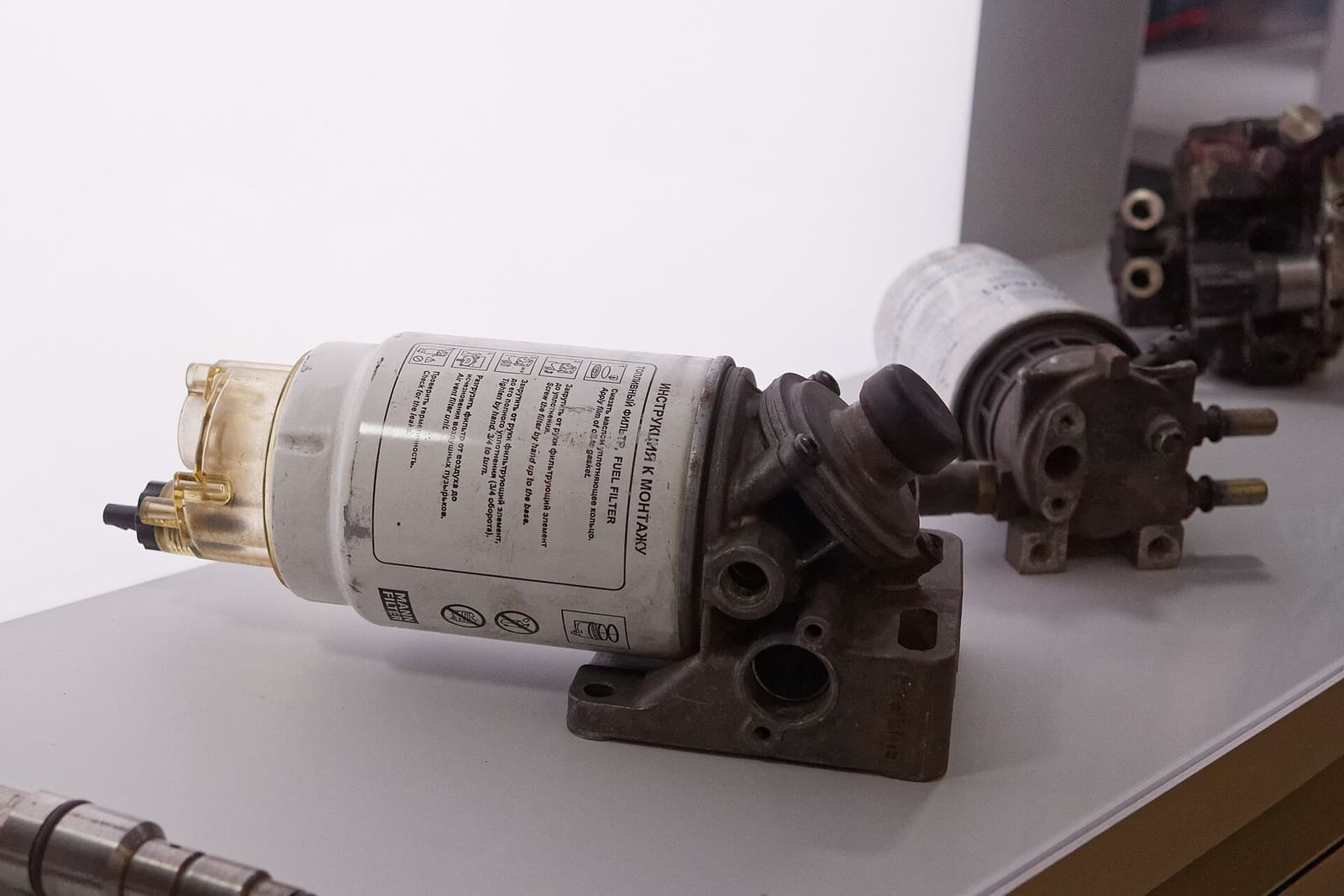
How to Replace a Fuel/Water Separating Filter (and Check for Water in Your Fuel)
Swap the spin-on fuel/water separator on your gas boat and learn to spot water and ethanol phase separation before it stalls the engine. It is one of the cheapest jobs on the boat and one of the best protections for a fuel-injected engine.
Ethanol (E10) Fuel Care: Stabilizer, Phase Separation, Fuel Lines and Tank Vents
Keep E10 gasoline from damaging your boat engine. Learn how to use stabilizer, test for water and phase separation, and inspect the fuel lines, primer bulb, anti-siphon valve and tank vent. Most fuel-related breakdowns start with one of these.
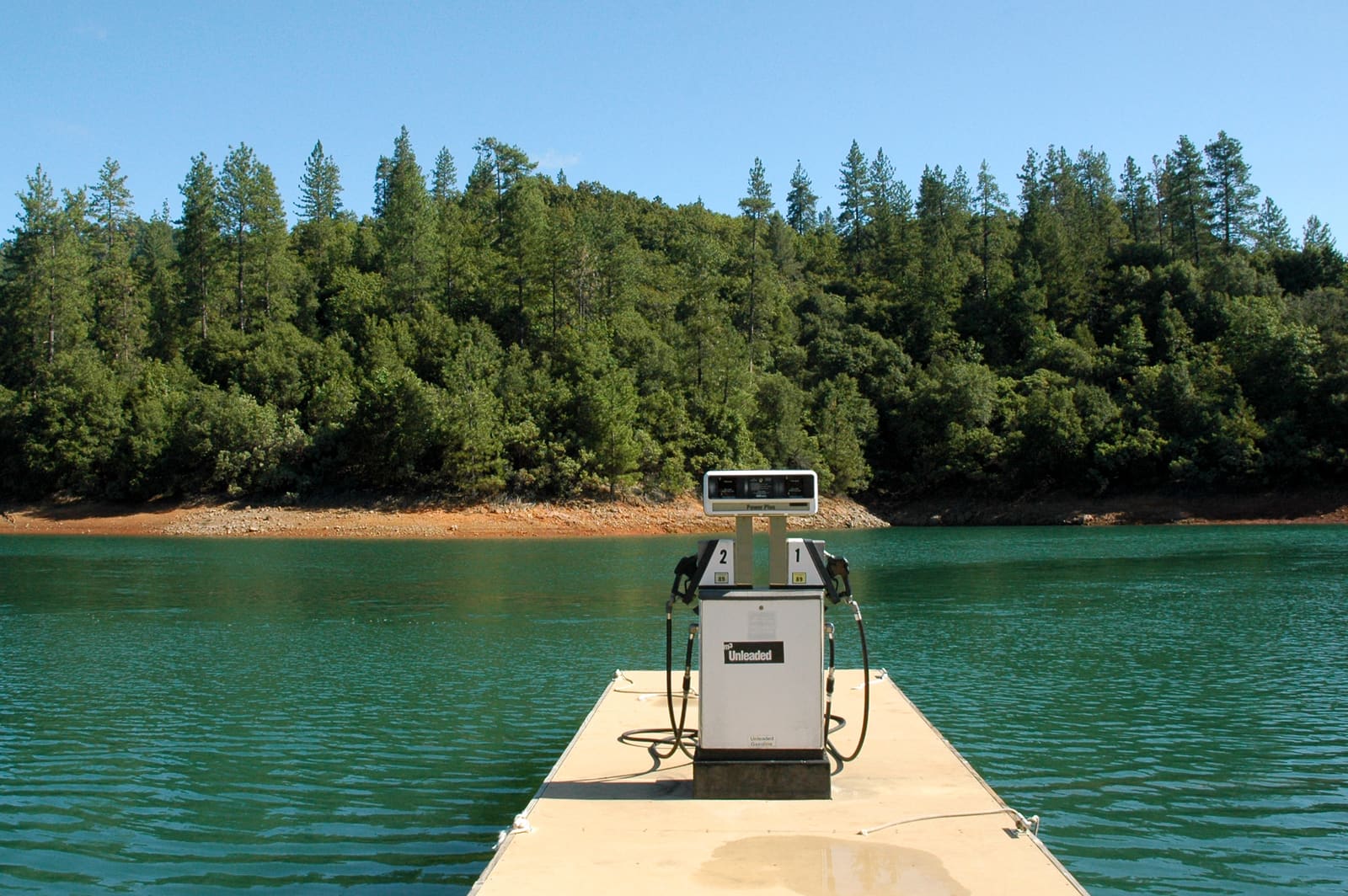
How to Inspect and Replace Boat Fuel Fill and Vent Hoses
Old fill and vent hoses crack, go soft and leak gasoline into the bilge, often where you can't see them. Learn the signs of aging, which USCG hose types (A1, A2, B1, B2) belong on fill and vent lines, why fill hoses need two clamps at each end, how to check the vent fitting, flame arrester and anti-spill devices, and how a careful replacement is done.
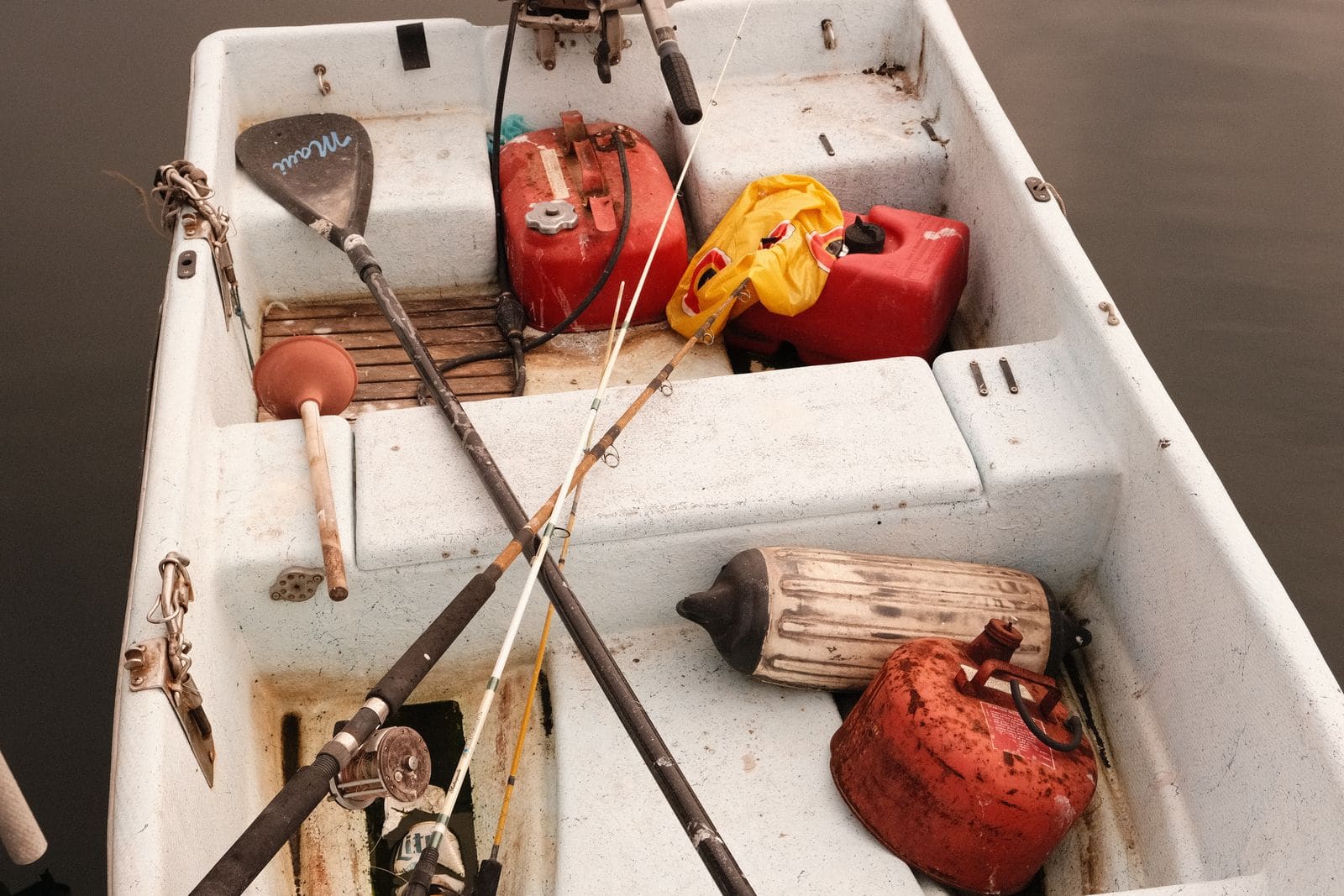
How to Inspect Your Boat's Fuel Tank, Fill, Vent and Hoses
A leaking gas tank is one of the most dangerous problems a boat can have, and it usually starts out of sight. Learn how to inspect portable and built-in tanks, spot aluminum tanks corroding from below, know the ethanol risk for old fiberglass tanks, and check the fill, vent, hoses, clamps and sender, plus why tank replacement is a job for a pro.
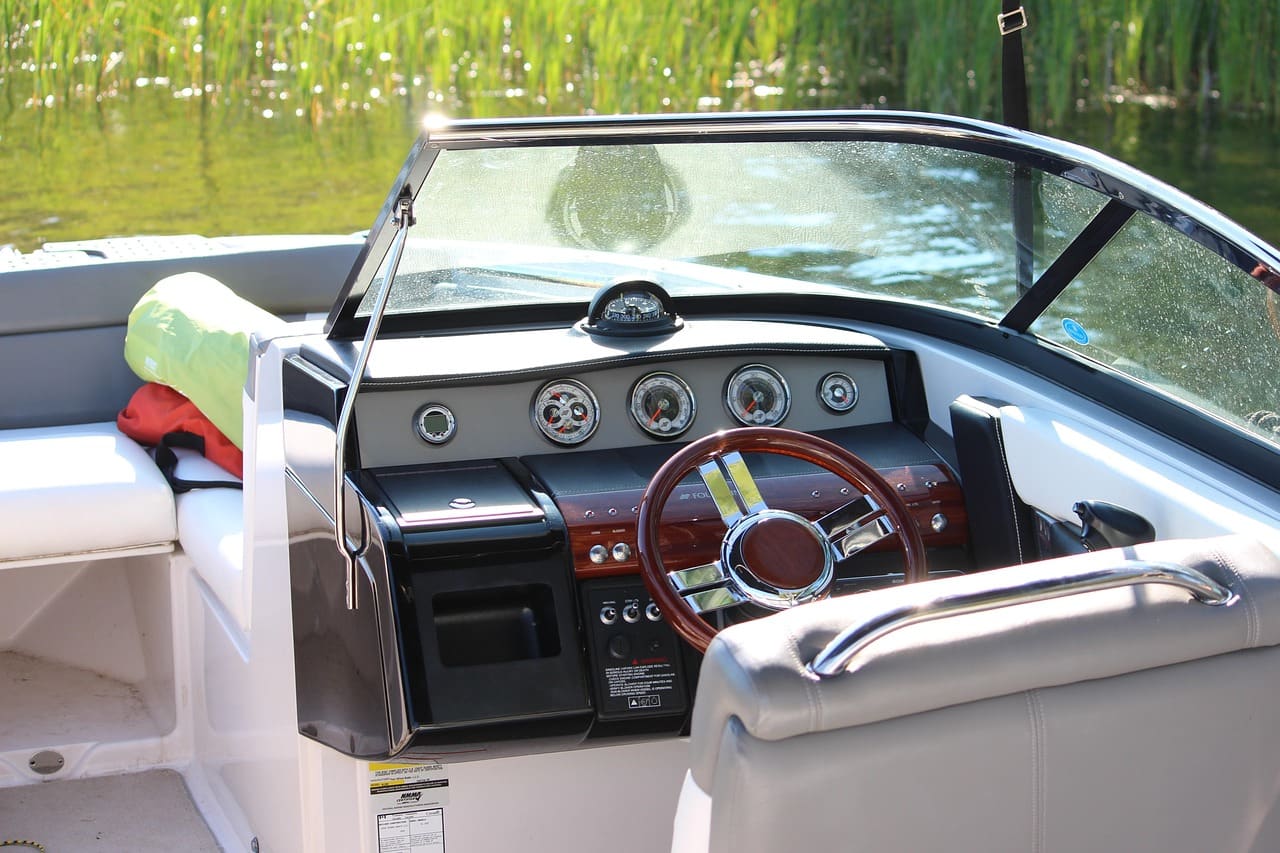
Fuel Gauge Reads Wrong or Empty? How to Test the Gauge, Sender and Wiring
Find out why your boat's fuel gauge reads empty, full, backward or jumps around, working from the free checks at the dash to testing the tank sender and replacing it safely. Most problems are a stuck float, a bad ground or a sender that doesn't match the gauge.
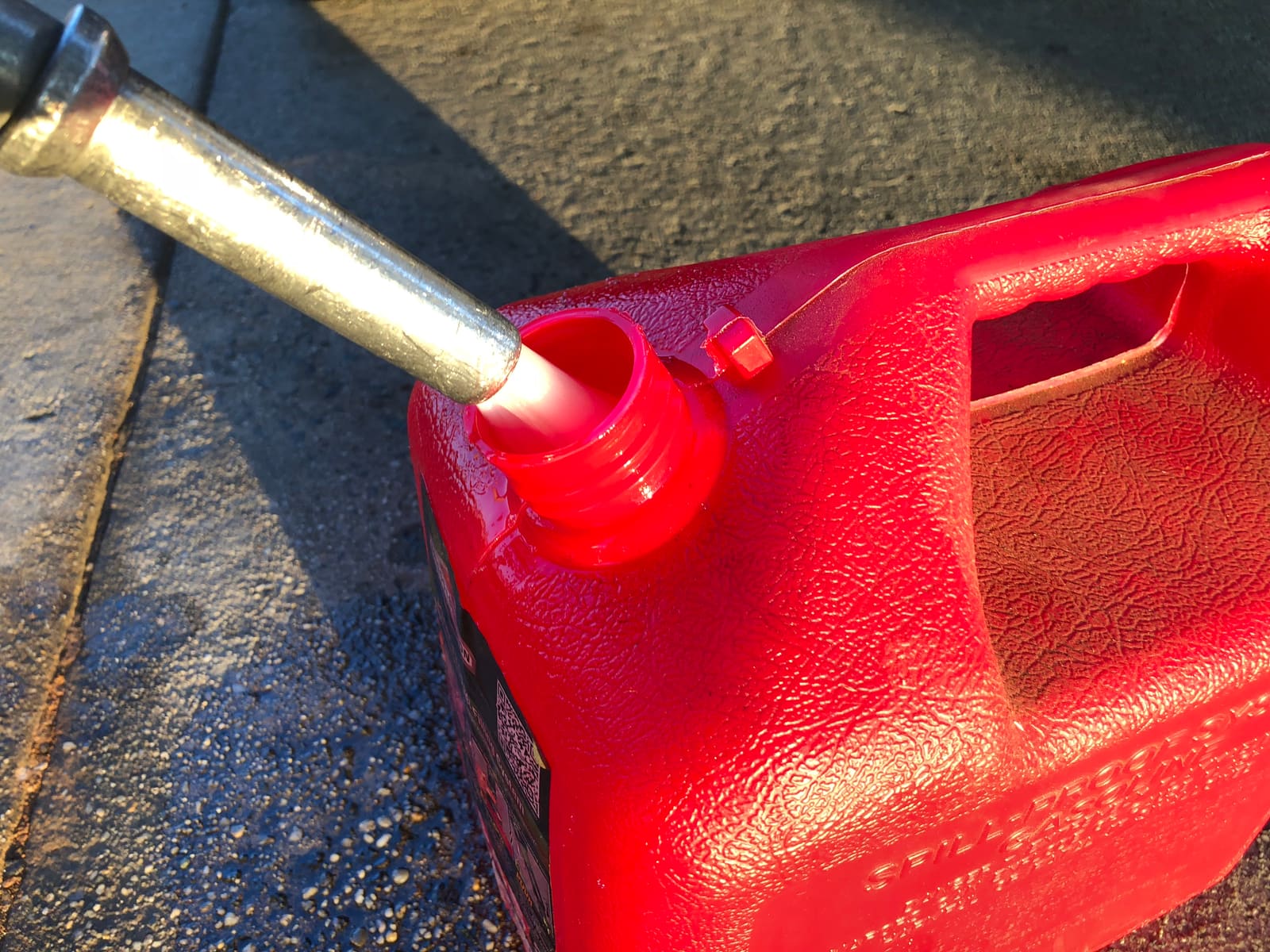
Portable Gas Cans and Fuel Storage: Filling, Storing at Home and Aboard, and Getting Rid of Old Gas
Gas cans and portable boat tanks are handy and dangerous in equal measure. Learn what makes a modern can compliant, why you always fill it on the ground, how to store gasoline at home and on the boat, how long ethanol fuel really lasts, and how to dispose of old gas legally.
How to Deal with Diesel Fuel Contamination, Diesel Bug and Fuel Polishing
Learn the signs of water, sludge and microbial growth ("diesel bug") in your diesel tank, how to check a fuel sample, when a biocide helps, and when the tank needs polishing or cleaning. Clean fuel prevents most diesel breakdowns.
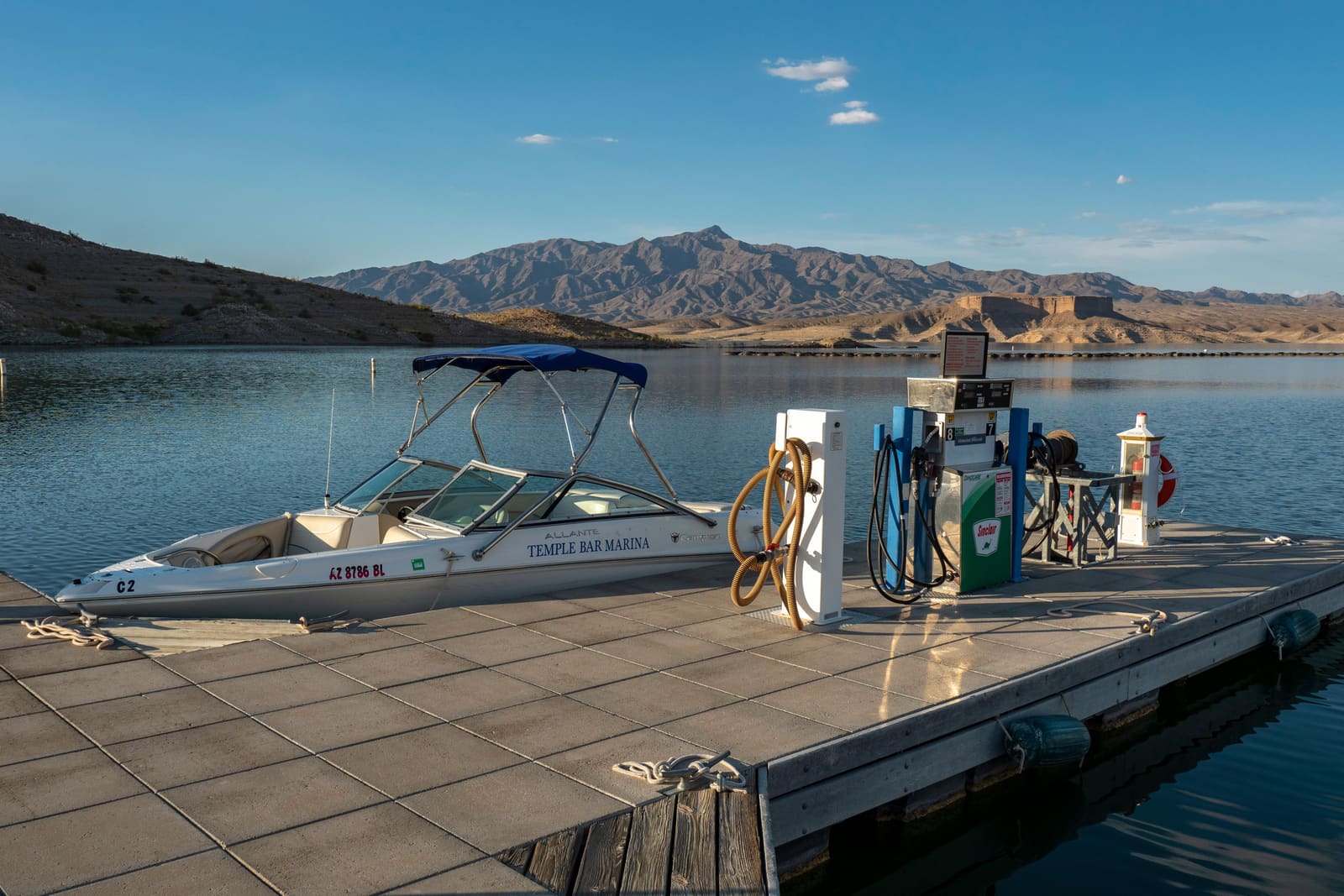
Boat Fuel Additives Explained: What Stabilizers, Ethanol Treatments and Boosters Really Do
The marine store shelf is full of bottles that promise to fix fuel problems. Learn what stabilizers, ethanol treatments, water removers, octane and cetane boosters, cleaners and diesel biocides actually do, what no additive can do, how to dose them by the label and why you should not stack several products in one tank.
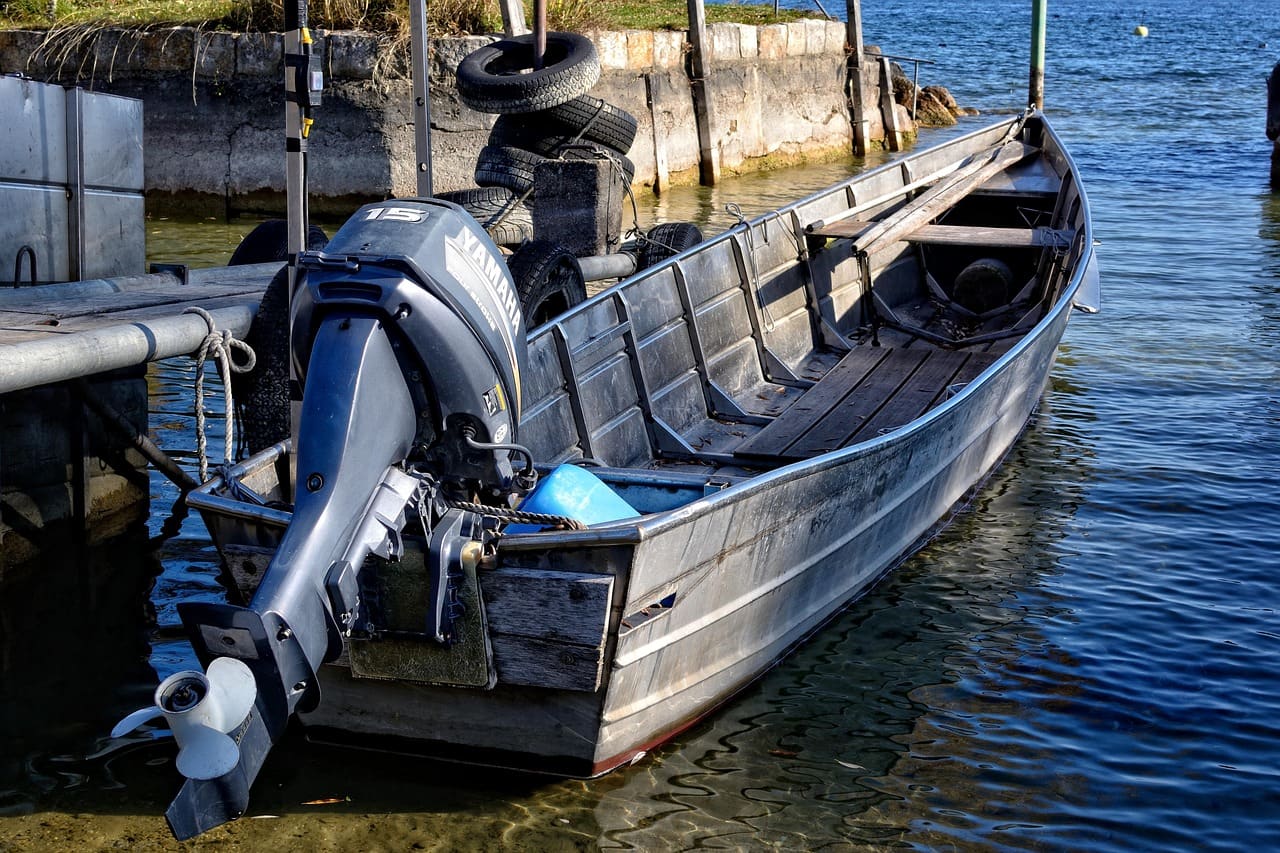
Engine Starts Then Dies - Troubleshooting Guide
Track down why your boat engine fires up and then stalls, whether at idle, when you shift into gear, or after a few minutes of running. Most causes are in the fuel supply and can be checked with no special tools.
Loss of Power, Hesitation or Misfire - Troubleshooting Guide
Figure out why your engine bogs down, stumbles, will not reach full rpm or runs rough. Work from simple checks like trim, prop and fuel filter to ignition and engine protection modes before paying for diagnostics.
Fuel Smell on Board: What to Do and How to Find the Source
A gasoline smell on a boat is a fire and explosion warning. Learn what to do in the first minutes, the most common sources (fill and vent hoses, tank fittings, fuel lines, carburetors and injectors, overfilling), how to look safely, and when to stop and call a pro.
Replacing a Built-In Boat Fuel Tank: What's Involved and Why It's Usually a Pro Job
A leaking built-in gas tank is a fire and explosion risk that has to be fixed, not patched. Learn the signs a tank needs replacing, why foamed-in aluminum tanks corrode, what a compliant replacement tank and label look like, how access, grounding, hoses, vents and foam should be handled, and how to plan and check the work.