How to Winterize a Marine Generator (and Recommission It in Spring)
Lay up an onboard diesel or gasoline generator for winter with fresh oil, treated fuel the way your maker specifies, antifreeze through the raw-water side, the impeller out, the start battery cared for and the intake and exhaust sealed, then bring it back safely in spring. A generator's raw-water circuit freezes just like a main engine's.
Time
2 h 30 min
Shop would charge
$250-600
Applies to
Marine diesel, Gas inboard · Cabin cruiser, Yacht, Sailboat
Safety first: Generator exhaust contains carbon monoxide. Only run the generator with a working CO alarm aboard, hatches arranged so exhaust can't drift in, and nobody swimming or working near the exhaust outlet. Never run it with the raw-water seacock closed and no bucket feeding the pump: the impeller destroys itself in seconds and the exhaust overheats. If you open a hose below the waterline with the boat afloat, close the seacock first; if water comes in faster than you can stop it, call the Coast Guard on VHF 16 or 911. Any fuel leak or strong fuel smell: stop and fix it before starting.
Owners often ask
- How do I winterize the generator on my boat?
- Does my boat generator need antifreeze in the raw-water side like the main engine?
This guide walks you through it. Still stuck? Ask the AI Mechanic about your engine.
Tools
- Oil extraction pump or drain hose, filter wrench and drain pan
- Clean 5-gallon bucket and a short hose to reach the raw-water intake
- Screwdrivers and wrenches for the pump cover, hose clamps and sound shield
- Coolant tester (closed-cooled sets)
- Multimeter or charger with a voltage display
- Rags, absorbent pads, nitrile gloves and safety glasses
- Masking tape and a marker for "remove before start" tags
Parts & supplies
- Engine oil and oil filter listed in the generator manual
- Fuel filter elements, and the fuel treatment your generator maker names
- Propylene glycol (pink "RV/marine") antifreeze for the raw-water side, rated for your winter low
- Coolant of the type and mix your manual specifies (closed-cooled sets)
- Raw-water pump cover gasket or O-ring, and a spare impeller
- Heavy plastic bags and desiccant packs for the intake and exhaust openings
Before you start
Your generator manual comes first. Westerbeke's FAQ points owners to the "Lay-Up and Recommissioning" section of each generator's operator's manual, and Northern Lights publishes its own short storage list. Cummins Onan, Kohler/Rehlko, Fischer Panda and others each have their own procedure and approved products. The steps below combine what Westerbeke and Northern Lights publish; where they differ, the text says so.
A generator is a small engine with the same weak spots as your main engine: oil, fuel, a raw-water pump and impeller, a water-cooled exhaust, often a closed coolant circuit and its own start battery (BoatUS notes a generator should have a dedicated one). Winterizing protects all of them.
Diesel or gasoline? Most yacht and sailboat generators are diesel. Gasoline generators (common on gas-powered cruisers) need extra fuel care against varnish and ethanol problems, and some makers call for fogging. Follow your manual.
Time it with the main engine. It's easiest to winterize the generator the same day as the engines, with one bucket of antifreeze mix ready and two people.
Steps
Start the generator with its seacock open and run it until it reaches normal temperature, ideally with some load on it (Westerbeke's monthly exercise routine runs it at 70 to 85% of its rating for an hour, then a short no-load cool-down). Northern Lights says to reach at least 140°F. Warm oil drains better. Listen for odd noises and look for leaks while it runs.
Makers differ here, so check your manual:
- Northern Lights says to run the engine from a small, clean fuel source dosed with a diesel fuel stabilizer or conditioner (it names specific brands in its tips) so treated fuel fills the injection system.
- Westerbeke says to top off the tanks and add additives to control algae and condition the fuel, making sure they're compatible with your filter/separator.
- Gasoline generators need a marine stabilizer run through the carburetor or fuel system; see the ethanol fuel care guide.
The fuel additives guide explains biocides, stabilizers and conditioners. On most boats the generator shares the main fuel tank, so treat the tank once for both.
Northern Lights and Westerbeke both say to change the oil and filter before storage. Westerbeke explains that used oil and combustion deposits form harmful chemicals that shorten the life of internal parts during a lay-up. Pump or drain the warm oil, fit a new filter (a film of oil on its gasket), refill with the oil your manual lists, run briefly and check for leaks.
Drain any water from the separator bowl and change the filter elements if due. Bleed the fuel system as your manual shows, then run the generator a few minutes so treated fuel fills the filters and lines. Westerbeke says to check every fitting you touched for leaks.
Most marine generators have a closed coolant circuit with a heat exchanger. Test the coolant's freeze protection. Westerbeke recommends a 50/50 mix year round (stronger in very cold areas). Northern Lights' storage list says to drain, flush and refill with a premixed 50/50 heavy-duty diesel engine coolant. Use only the coolant type your manual names in this closed side; pink RV antifreeze is for the raw-water side only. See the closed cooling guide.
Shut the generator off and close its raw-water seacock. Open the raw-water strainer, clean the basket and check the lid seal. Strainers left full of water can freeze and crack. Check the heat exchanger zinc too if your set has one.
With the seacock closed, take the intake hose off the seacock (or the strainer outlet, per your layout) and put it in a bucket of fresh water. Start the generator, let it pull the bucket through, and shut down before the bucket runs dry.
Refill the bucket with propylene glycol antifreeze mixed as the label says for your winter low; Westerbeke suggests mixing it slightly stronger than needed. Westerbeke says either propylene or ethylene glycol works in the raw-water side, but many owners use the pink RV type because it's less harmful, and none of it should go overboard. Start the generator and let it draw the mix until it comes out the exhaust colored, then stop before the bucket empties. Catch what comes out of the exhaust. A generator needs far less antifreeze than a main engine, but long exhaust runs and water-lift mufflers add up, so have extra. Reconnect the intake hose.
Westerbeke's lay-up routine says to take the impeller out of the raw-water pump (catch the antifreeze that comes with it), inspect it, buy a replacement and a cover gasket if needed, and leave it out until spring. Vanes left bent all winter take a set. Tape a note on the pump and the start switch: "IMPELLER OUT."
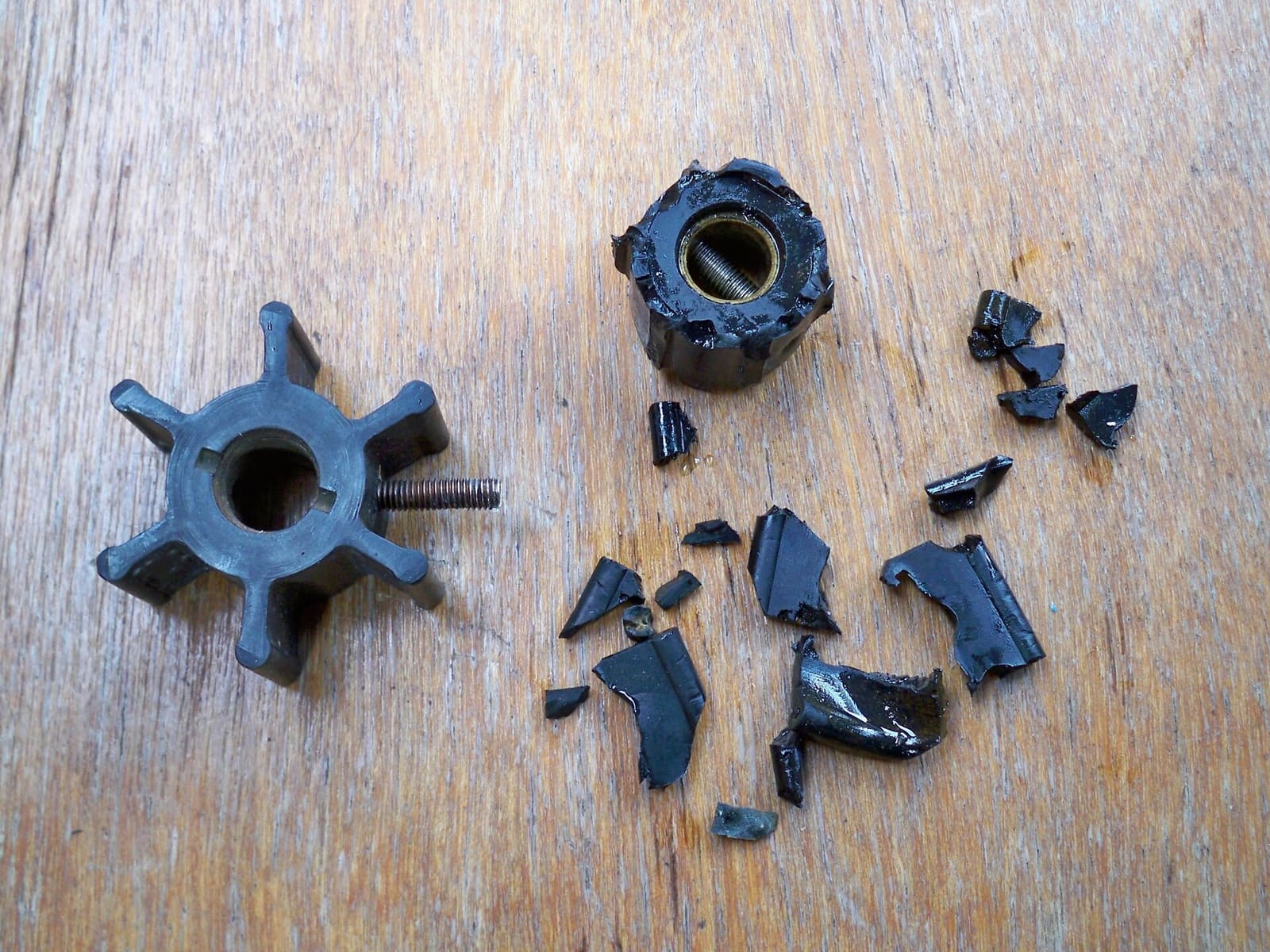
Photo: Ein Dahmer / Wikimedia Commons · CC BY-SA 3.0 Northern Lights' storage list includes loosening the alternator belt so it doesn't take a set or stress the bearings. Mark the belt tension or take a photo so you can set it back in spring. Check its condition and buy a spare if it's cracked or glazed.
Northern Lights says to seal the intake and exhaust openings with heavy plastic bags closed at the bottom, with a few desiccant packs inside to soak up moisture. Westerbeke describes a lightly oiled cloth in the intake opening and exhaust thru-hull, and warns never to push it out of sight. Yachting adds that sealing the openings also keeps out wasps and mice, which love an exhaust outlet. Tag every plugged opening on your "remove before start" list.
Sound shield: Fischer Panda's winter storage list says to leave its generator enclosure slightly open (one latch undone) so air can circulate and moisture doesn't stay trapped inside. Check what your maker says for its sound shield.
Charge the generator's start battery fully. Westerbeke says batteries left aboard must stay fully charged so they can't freeze; otherwise remove them. Westerbeke also says D-Net (digital) generators should have their DC breaker and NMEA 2000 power turned off for long storage so they don't drain the battery. Turn off the generator's DC breaker or battery switch.
BoatUS suggests using lay-up time to pull the sound shield panels and check for loose or corroded wiring, chafed hoses, cracked exhaust hose and clamps, and blocked ventilation. Order filters, impeller, belt and zinc now. Write down the date, hours, fluids used and every removed or plugged item.
Onan owners: Cummins' storage list for its Onan marine sets adds a few items worth copying on any brand: run the set under as much load as you can (up to its rating) before lay-up and note how it behaved, test the control and safety shutdowns where you safely can, replace coolant that's two years old or more, drain and clean the raw-water side of the heat exchanger (heavy scale may need a dealer), and lightly oil any parts that tend to rust. In spring, it says to clean or replace corroded terminals and, on sets that have them, clean and inspect the generator's brushes and slip rings before the first start. Write down any fault you noticed in the fall so it gets fixed before the season.
- Open your "remove before start" list: take out the intake and exhaust bags or rags, refit and tension the belt, install the impeller (lube it only with what the pump maker allows) and a new cover gasket.
- Check oil and coolant levels, reconnect and charge the battery, and inspect hoses and clamps.
- Open the raw-water seacock. Northern Lights' tips say to start with the AC load breaker off (and the shore power breaker off if you're at the dock), warm up for a minute, then connect the load. Confirm water flows from the exhaust within seconds, as the USCG CO checklist also asks. If it doesn't, shut down at once and find the cause.
- If it won't start after you changed the fuel filters, Northern Lights warns not to crank more than about 60 seconds in total: the raw-water pump keeps filling the muffler and can flood the engine with seawater. Re-prime the fuel system instead (and drain the muffler if needed).
- Run it until warm, then put a load on it and check voltage and frequency (BoatUS says US generators should hold their rated voltage and 60 Hz under load). Watch for leaks and the antifreeze being flushed out.
- Test your CO alarms before overnight use (USCG checklist).
Common mistakes
- Letting the bucket run dry during the antifreeze run, which pulls air back in and leaves water in low spots.
- Forgetting the generator altogether while winterizing the main engines.
- Leaving old oil in the sump over winter.
- Pink RV antifreeze in the closed coolant side.
- Pushing an intake rag out of sight, or forgetting the bags, impeller and belt in spring.
- Starting in spring with the seacock still closed.
- A start battery left half charged all winter.
When to call a pro
- Water in the oil, coolant loss you can't explain, or white smoke
- Any fuel leak, fuel smell or air you can't bleed out
- Seized pump cover screws, a cracked strainer or damaged hoses below the waterline
- Voltage or frequency that won't hold steady under load, or any AC wiring work
- Long lay-ups (a year or more), which may call for oiling the cylinders as the manual describes
- Not sure which fluids or drain points your model uses: an authorized dealer for your brand
Tips
- If you use the boat in winter, Westerbeke recommends exercising an unused generator at least once a month under load instead of fully laying it up.
- Keep the impeller, belt and filters in a labeled bag next to the generator over winter.
- Take photos of the pump, belt and strainer before you take anything apart.
- See the generator maintenance guide for the in-season routine and CO safety.
- Do the inspection and order parts in the fall. Yachting points out that yards and mechanics are swamped in spring, and a cracked hose found in April can delay launch.
- Check your warranty terms: Yachting notes some makers require an authorized dealer to do the winterization, or the warranty may be affected.
- Don't count on a heater instead of winterizing. BoatUS says around three-quarters of freeze claims involve cracked blocks or exhaust manifolds, and heaters left running aboard fail in exactly the storms and power outages when they're needed (and start fires). Even in mild southern states, winterize if a freeze is possible.
Official references
We read these to write this guide. Your engine's own manual always wins.
- Northern Lights – Tips for Winterizing Your Generator
- Westerbeke – Maintenance and Use FAQs (winterizing an engine or generator; raw-water antifreeze; exercising a generator)
- BoatUS – Don't Let Neglected Maintenance Sink Your Boat Generator
- Northern Lights – Top 10 Generator Maintenance Tips and Tricks
- USCG Boating Safety – Carbon Monoxide Checklist
- Fischer Panda – Preventative Maintenance (winter storage list)
- Yachting – How To Winterize A Boat's Engines and Generator
- BoatUS – Why You Should Winterize (freeze claims)
- Cummins – Onan Marine Generator Maintenance (storage and recommissioning FAQ)
Safety: BoatMend is for information only and does not replace a certified marine technician. You are responsible for your safety and your boat. Read the full disclaimer.
Last updated 2026-10-25
Related guides
Marine Generator Routine Maintenance and CO Safety
Keep an Onan, Kohler/Rehlko, Northern Lights, Westerbeke or similar marine generator reliable with regular checks of oil, raw-water cooling, fuel, exhaust and the start battery, plus a monthly run under load. Generator exhaust is a leading source of carbon monoxide on boats, so safety checks come first.
Marine Generator Won't Start or Keeps Shutting Down
A step-by-step troubleshooting guide for a boat generator (genset) that won't crank, cranks but won't start, starts and then dies, or runs without making power. Work from switches, battery and fuel to the safety shutdowns for low oil, high temperature and lost raw-water flow, without flooding the engine or risking carbon monoxide.
Running a Boat Generator at the Right Load: Switching Sequence, Balancing and Avoiding Wet Stacking
Get more life out of your marine generator by starting and stopping it with the AC loads off, switching sources in the right order, keeping it loaded enough to avoid wet stacking and carbon buildup, and moving small loads to the inverter. Includes a simple monthly exercise routine.
How to Clean the Raw-Water Strainer and Replace the Impeller on a Marine Diesel
Clean the sea strainer and swap the rubber impeller in the raw-water pump of a Yanmar, Volvo Penta, Westerbeke, Beta or similar inboard diesel. A worn impeller is one of the most common reasons a diesel overheats, and this job takes about an hour with basic tools.
How to Check and Change Coolant in a Closed Cooling System
Check, test and change the coolant in a freshwater-cooled (closed cooling) inboard, sterndrive or diesel, and learn the heat exchanger basics that keep it working. Old coolant quietly eats hoses, pumps and engine passages, and many boats go a decade without a change.
How to Inspect and Clean a Raw-Water (Sea) Strainer
The sea strainer is the cheap screen that keeps weeds, shells and plastic out of your engine, generator and A/C pumps. Learn how to clean it safely with the seacock closed, reseal the lid so it can't suck air, spot a cracked bowl before it floods the boat, and winterize it.
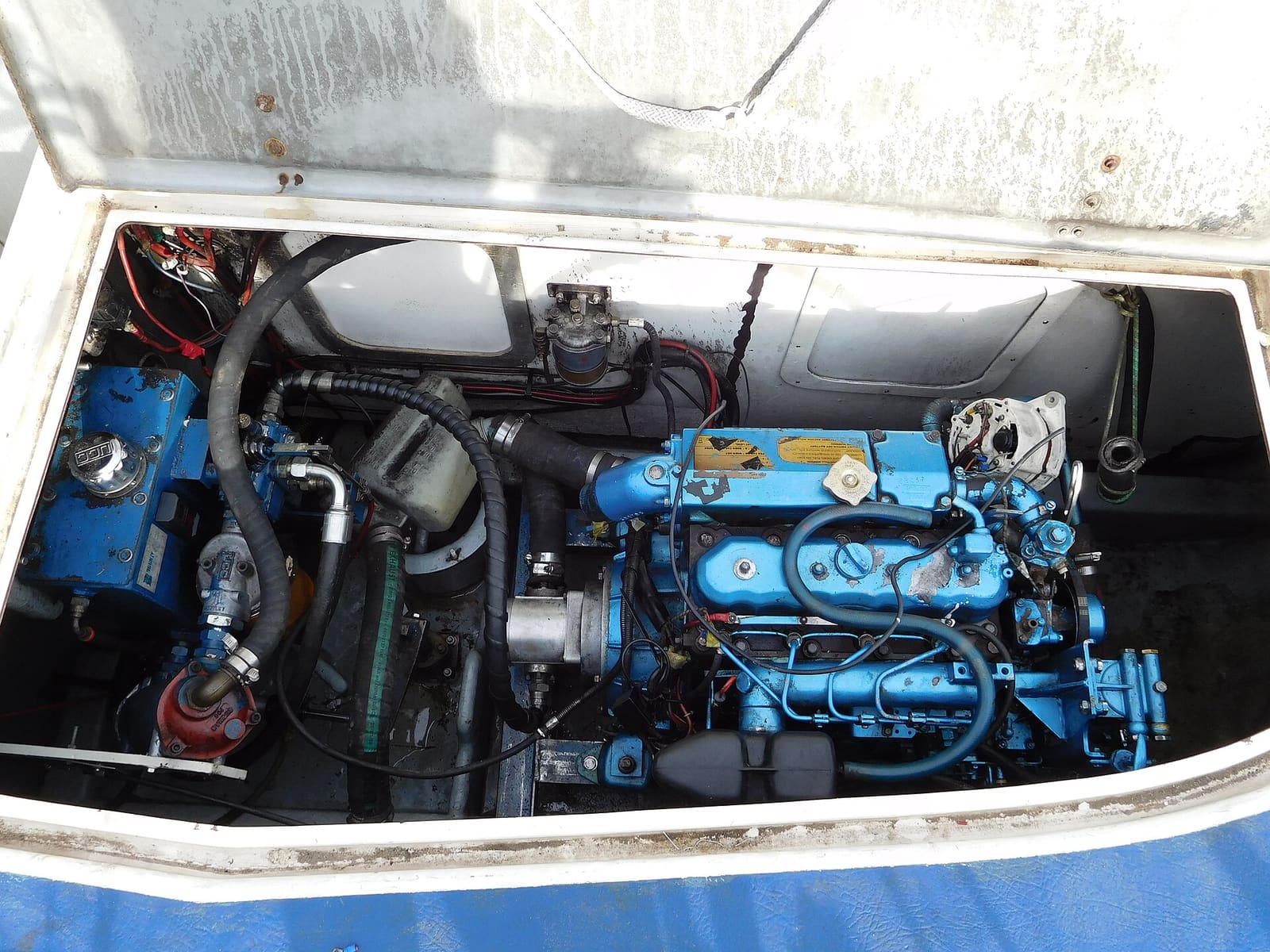
Marine Diesel Service: Oil Change, Fuel Filters and Bleeding Air
Change the oil and oil filter, replace the primary and secondary fuel filters, and bleed air from the fuel system on a Yanmar, Volvo Penta, Beta, Cummins or similar marine diesel. These three skills cover most routine diesel care and can get you out of trouble when the engine dies on a passage.
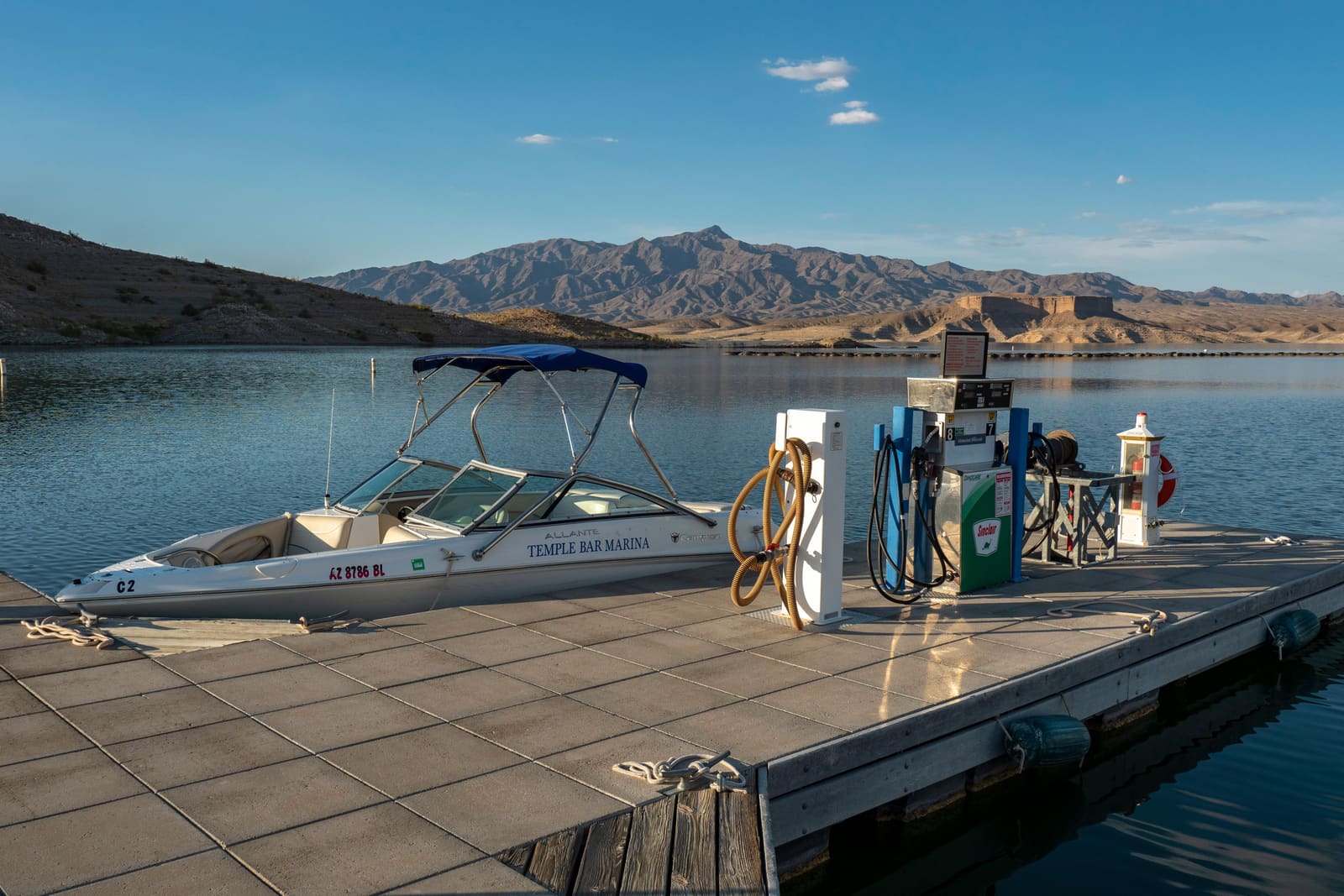
Boat Fuel Additives Explained: What Stabilizers, Ethanol Treatments and Boosters Really Do
The marine store shelf is full of bottles that promise to fix fuel problems. Learn what stabilizers, ethanol treatments, water removers, octane and cetane boosters, cleaners and diesel biocides actually do, what no additive can do, how to dose them by the label and why you should not stack several products in one tank.
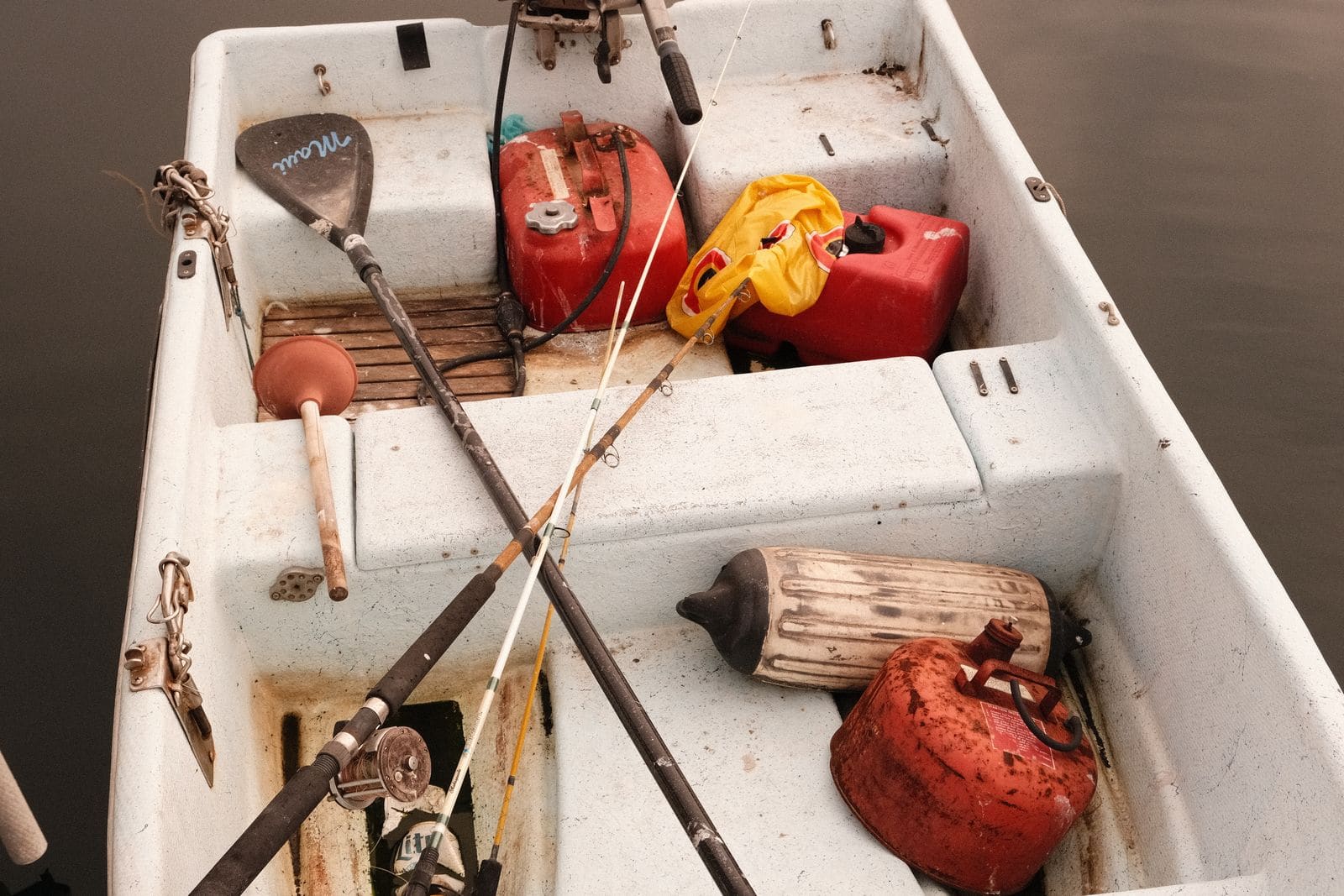
Ethanol (E10) Fuel Care: Stabilizer, Phase Separation, Fuel Lines and Tank Vents
Keep E10 gasoline from damaging your boat engine. Learn how to use stabilizer, test for water and phase separation, and inspect the fuel lines, primer bulb, anti-siphon valve and tank vent. Most fuel-related breakdowns start with one of these.
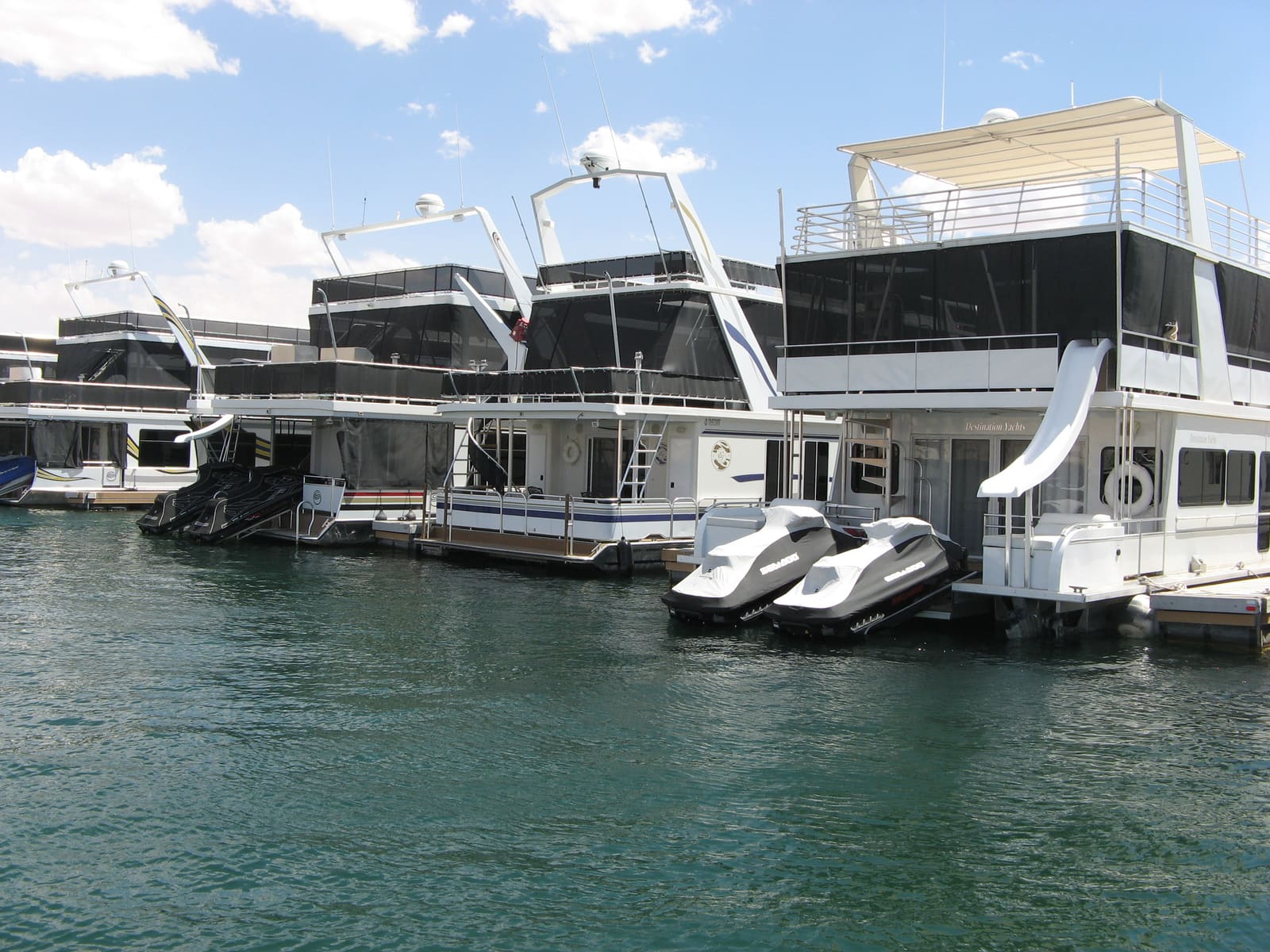
Carbon Monoxide on Boats: Where It Comes From, CO Alarms and Warning Signs
Carbon monoxide can build up in cabins, under canvas and around the swim platform, and its first symptoms look like seasickness. Learn the danger zones, where to mount marine CO alarms, how to test and replace them, and exactly what to do if an alarm sounds or someone feels sick.
Marine Battery Care: Test, Charge and Store for Winter
Check your boat battery's health, charge it the right way for its type (flooded, AGM or lithium), and store it so it is ready in spring. Most "boat won't start" calls start with a neglected battery.
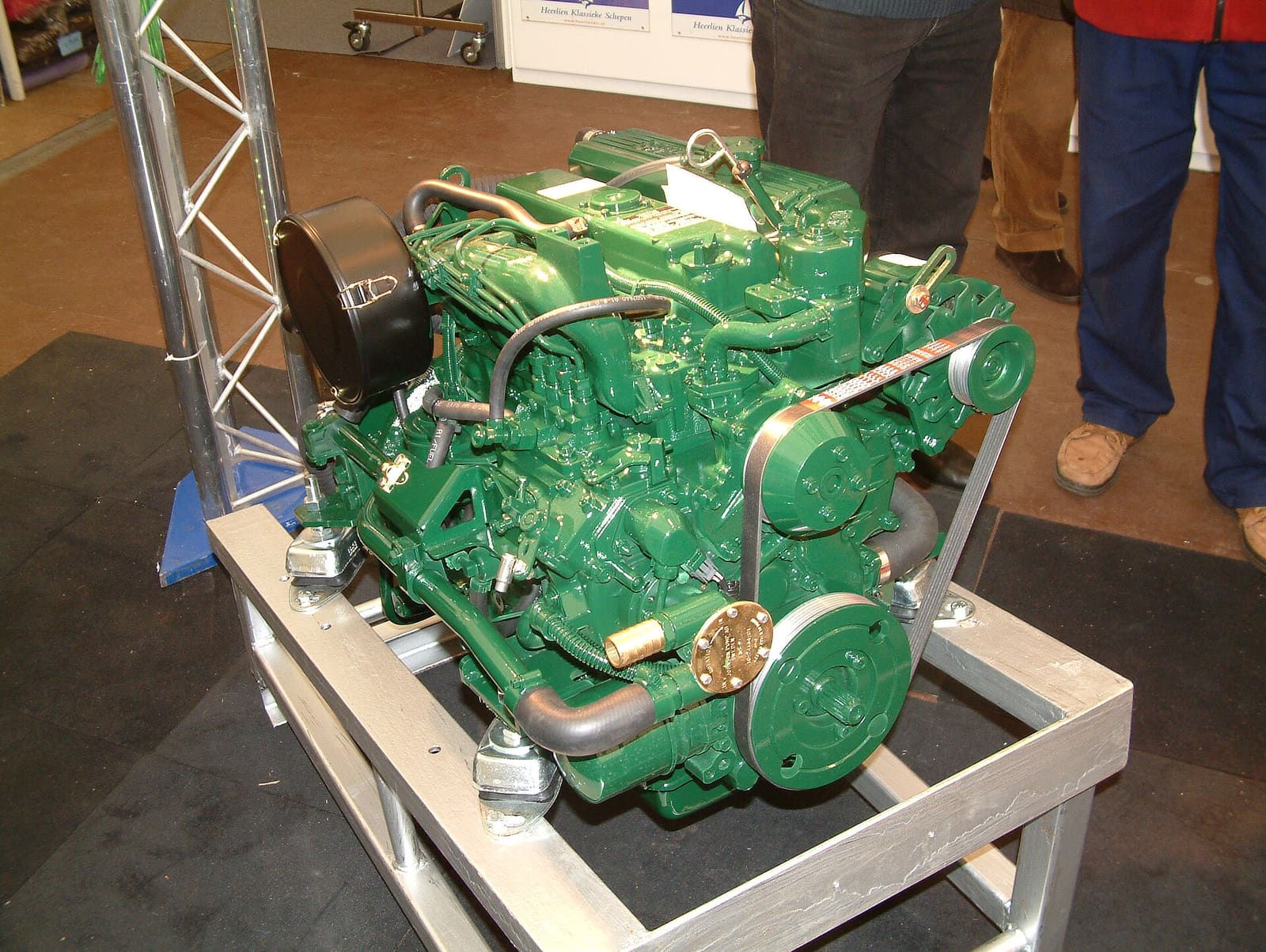
How to Winterize a Marine Diesel Inboard (Sailboat or Trawler)
Lay up a marine diesel for winter the way the engine makers describe it, covering fresh oil, a full and treated fuel tank, antifreeze through the raw-water side, the impeller out, the coolant checked, openings plugged and the battery cared for. Freeze damage to a diesel's raw-water circuit is one of the most expensive and most avoidable winter repairs.
Winter Layup Master Checklist (Step-by-Step, With Links to Each Job)
One ordered checklist for putting any boat away for winter, from booking storage and treating the fuel to winterizing the engine, water systems, head and batteries, then blocking, covering and securing the boat. Each step links to the detailed BoatMend guide for that job.