Repair & maintenance guides
Plain-English, step by step, written for owners. Pick your engine to see the guides that apply to it.
353 of 509 guides · page 4 of 15
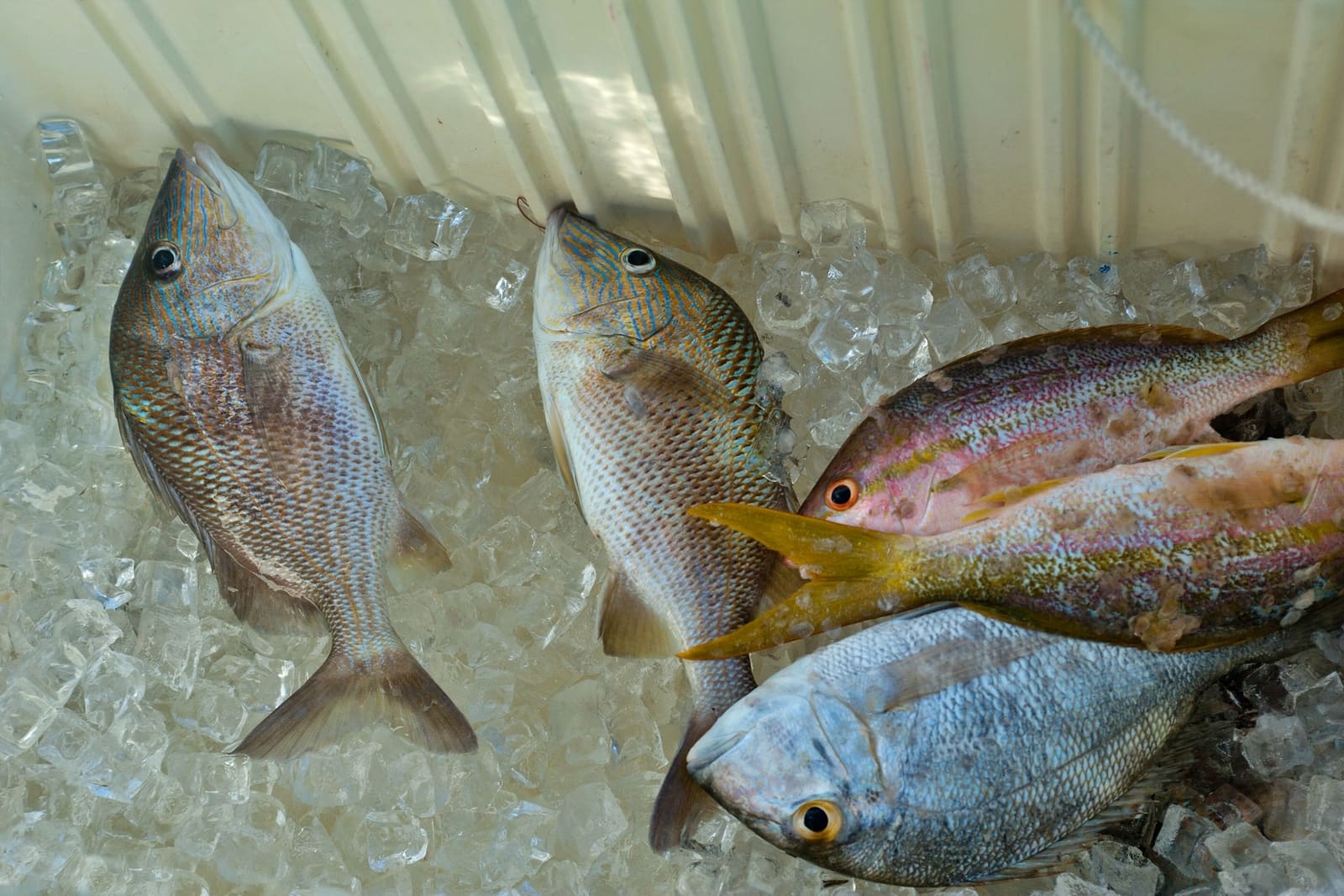
Fish Box Drains and Macerator Pumps: Clogs, Check Valves and Odor Control
Keep insulated fish boxes draining and smelling clean by clearing scale and slime clogs, checking the macerator pump, check valve and fuse, rinsing after every trip and making sure the water goes overboard instead of into the bilge.
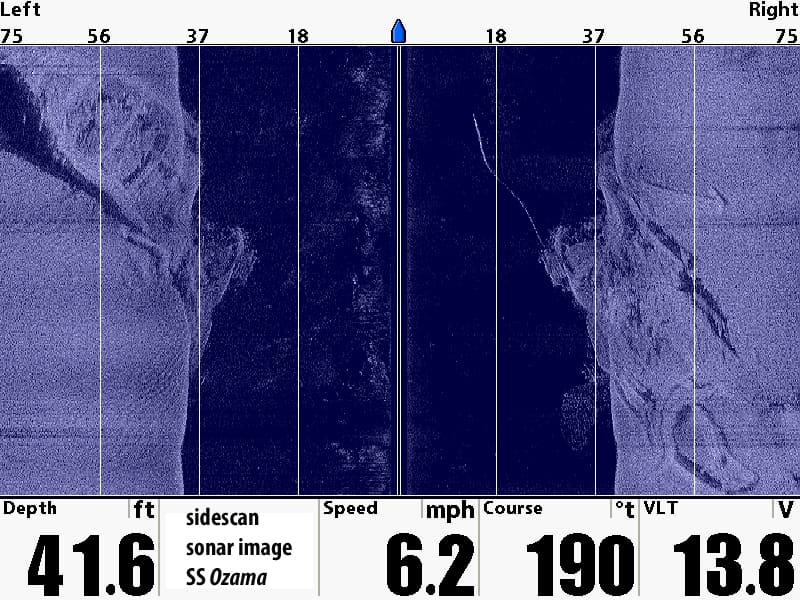
Fish Finder Settings: How to Tune Your Sonar for a Clearer Picture
Get more out of your fish finder by setting frequency, gain (sensitivity), range, contrast, color palette and noise filters on purpose instead of leaving everything on auto, plus how to set the depth offset and track down interference from other electronics.
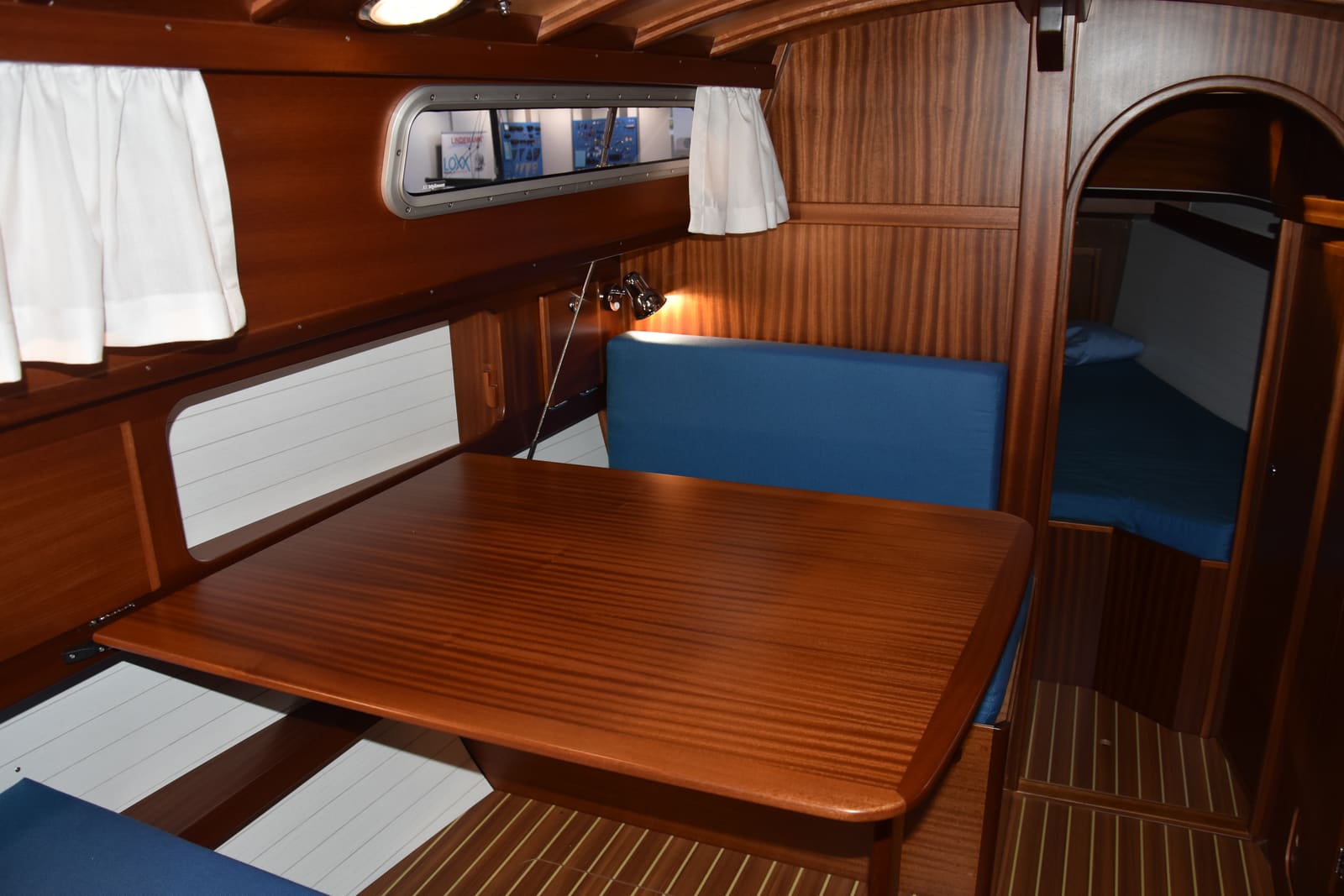
Fixing a Sagging Cabin Headliner: Re-glue, Battens or Replace
Find out why cabin headliners sag, when a quick re-glue is worth trying, how wood battens make a lasting fix, and how to replace fabric, vinyl or panel liners safely with good ventilation and without drilling through the deck.
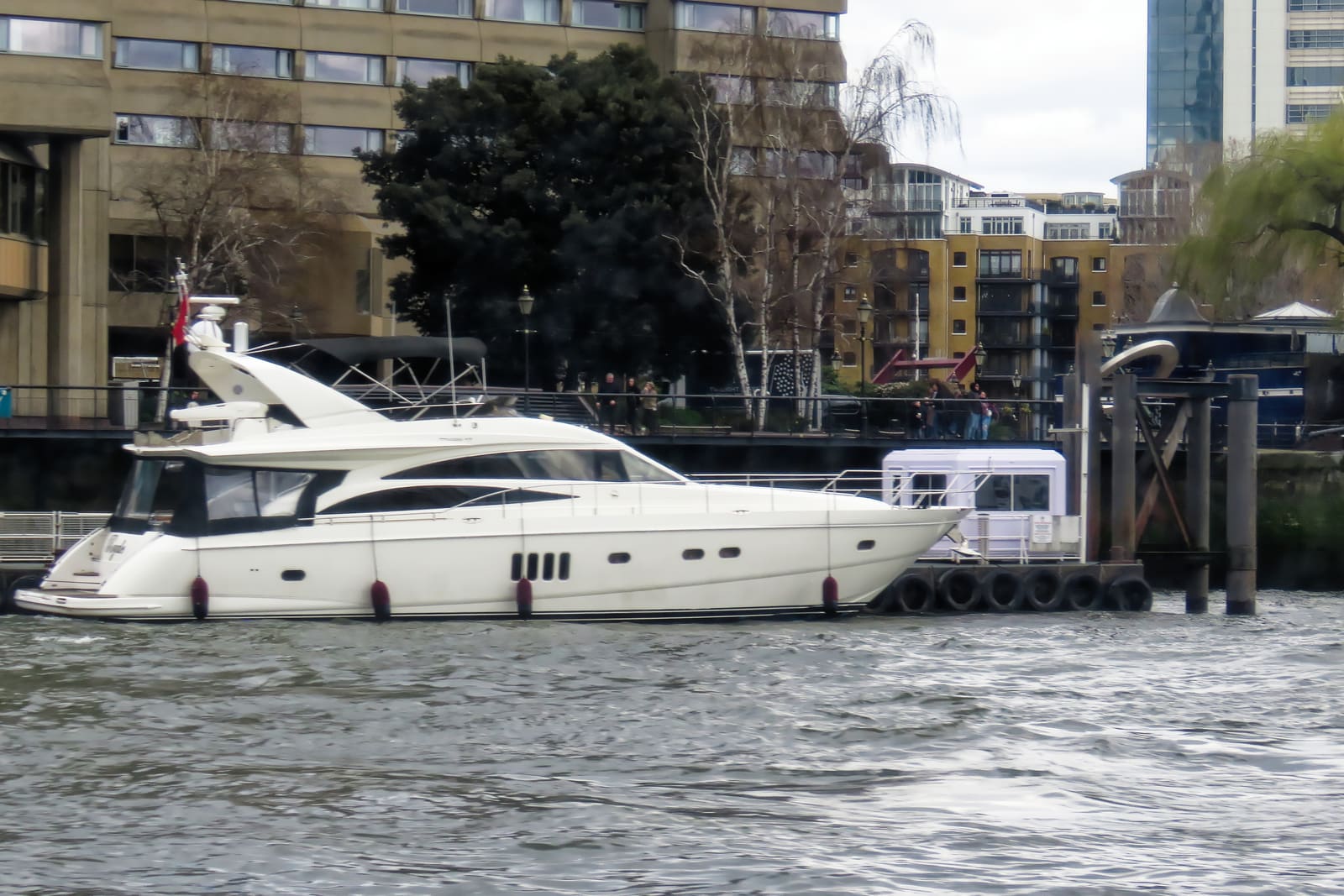
Flybridge and Upper-Deck Safety: Weight Up High, Rails, Ladders and CO
People and gear on a flybridge, tower or pontoon upper deck raise the boat's center of gravity and cut its reserve stability. Learn how many to allow up top, how to check rails, gates, ladders and hardtop or tower loads, how to get crew down safely in rough water, and why carbon monoxide can collect at the stern and even on the bridge.
Freshwater Pump Troubleshooting: Cycling, Won't Shut Off or No Water
When the pressure water pump keeps cycling at night, runs nonstop or sputters air, the cause is usually simple: an empty tank, a dripping fixture, a clogged strainer, air in the lines or a tired accumulator. Work from the cheapest checks to the pressure switch and pump, and learn the basics of replacing a pump.
Fuel Smell on Board: What to Do and How to Find the Source
A gasoline smell on a boat is a fire and explosion warning. Learn what to do in the first minutes, the most common sources (fill and vent hoses, tank fittings, fuel lines, carburetors and injectors, overfilling), how to look safely, and when to stop and call a pro.

Fuse Keeps Blowing? How to Troubleshoot a Boat Fuse Block or Breaker Panel
Work through a blown fuse or tripping breaker the safe way: confirm it, tell a short from an overload, isolate the device or wire at fault, replace a worn breaker or panel switch with the same rating, and label every circuit, without ever fitting a bigger fuse.
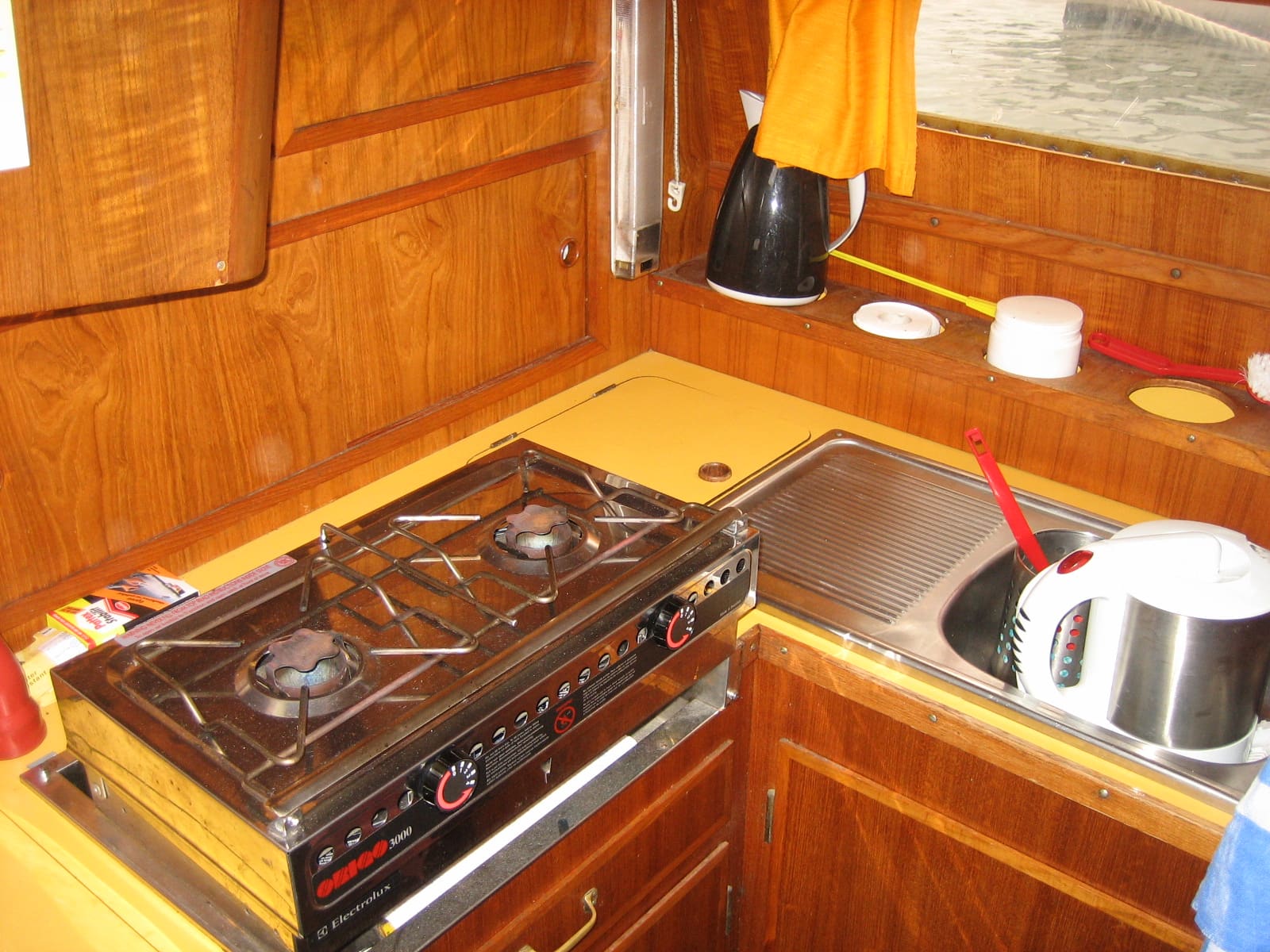
Galley Stove Safety: Propane, Alcohol and Electric Cooktops Aboard
Cook aboard without fires or carbon monoxide scares by ventilating the galley, storing fuel the right way, checking flame-failure devices, using gimbals and pot holders, keeping an extinguisher and fire blanket in reach and never using the stove to heat the cabin.
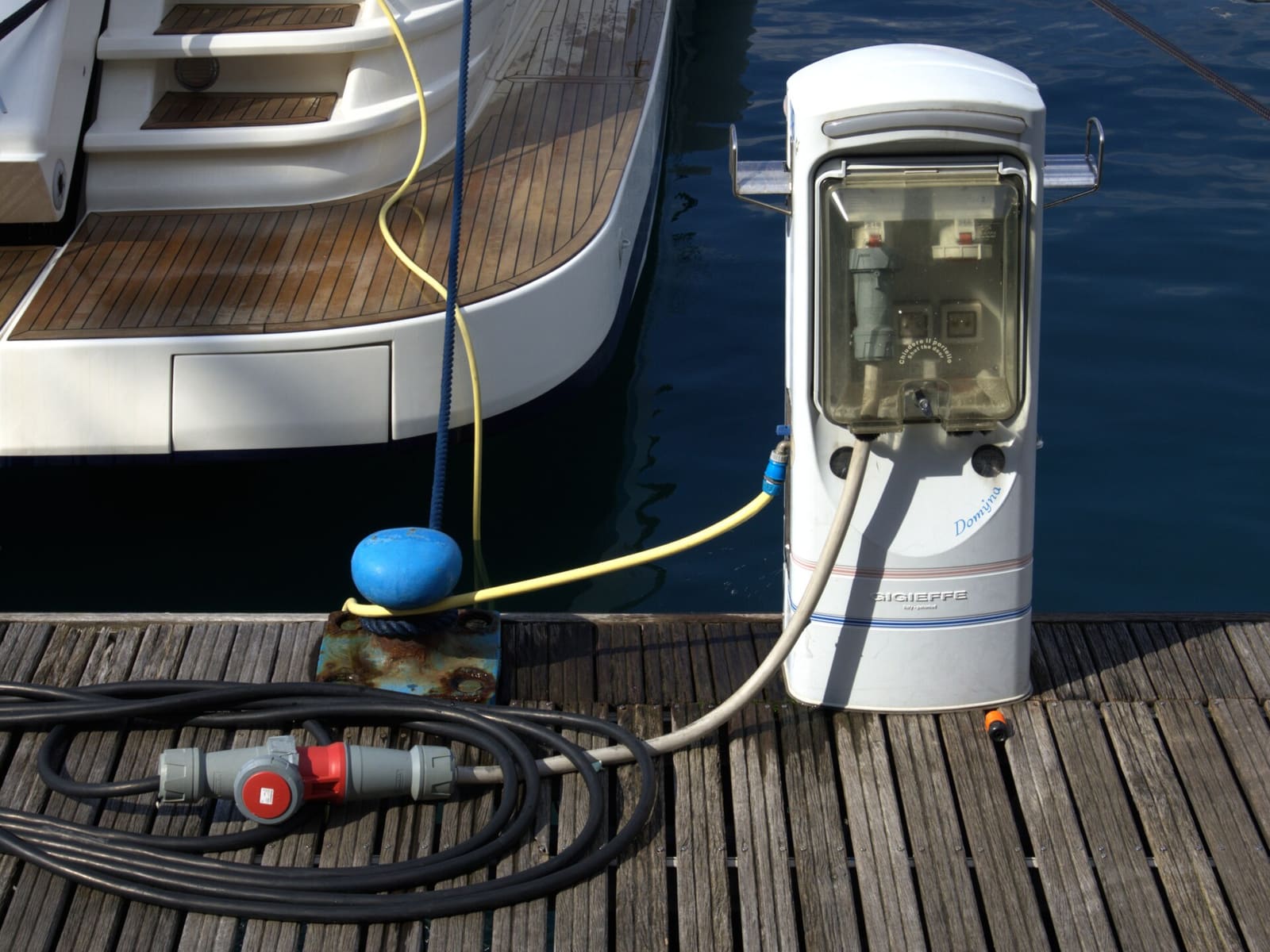
Galvanic Isolator: Why Shore-Powered Boats Need One and How to Tell If It's Working
A galvanic isolator (or an isolation transformer on bigger boats) keeps stray DC current from the marina's ground wire from eating your anodes, drive and running gear, without cutting the safety ground. Learn what it does, the owner-level checks you can do, what failure looks like, and why the actual meter test is usually a job for a marine electrician.
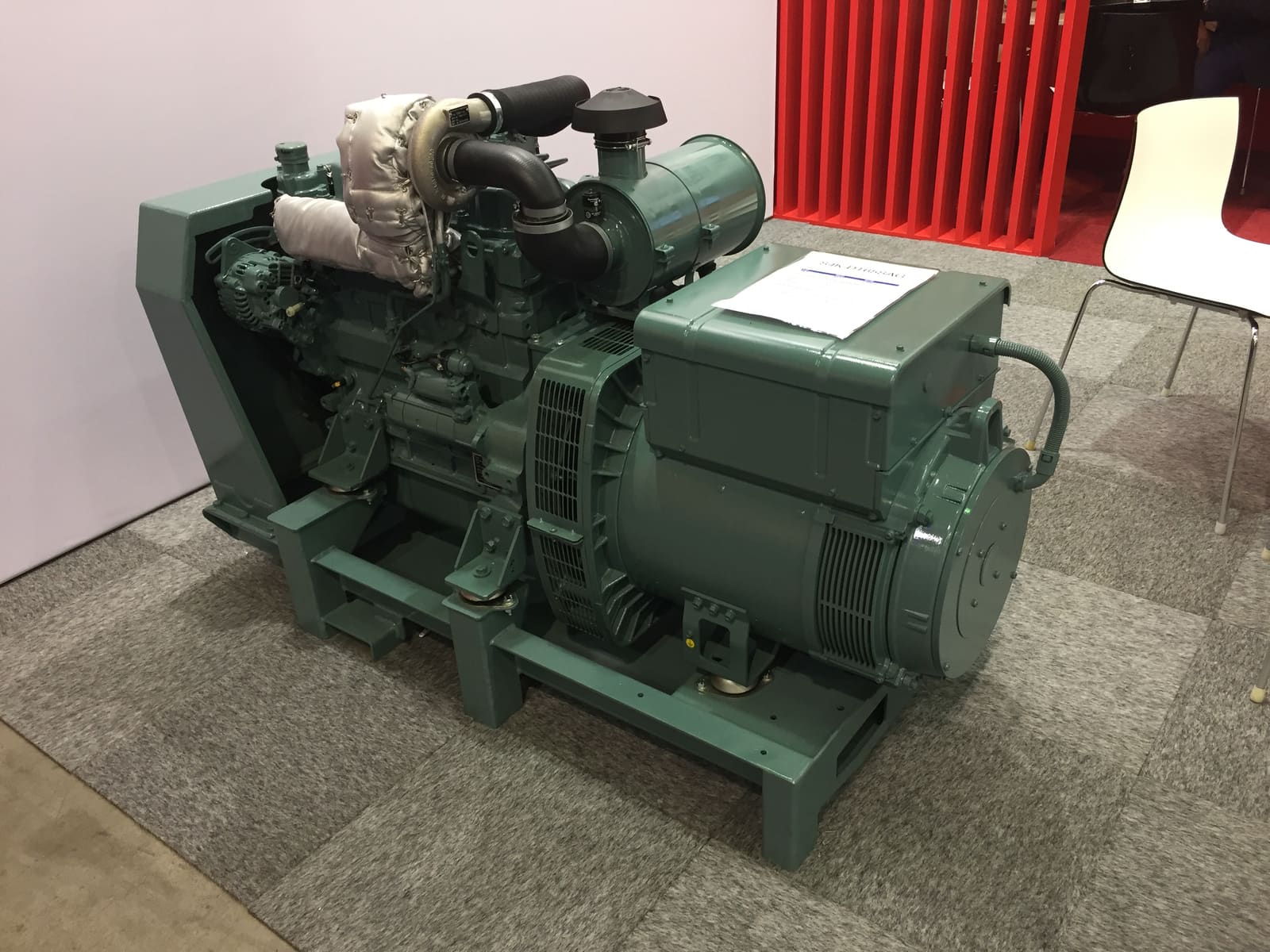
Generator Pre-Trip Check: What to Inspect and Test Before a Cruise
A marine generator that quits on the first hot night of a cruise usually gave warning signs at the dock. Use this pre-departure checklist, based on generator makers' own advice, to inspect the oil, coolant, belt, raw-water side, exhaust and CO alarms, run the set under real load, and pack the right spares.

Get Your Boat Ready for the Road: Pre-Trailering Checklist
Most trailering trouble starts in the driveway: an engine left without support, a loose strap, a cover that balloons at 60 mph, gear that blows out or tongue weight that makes the rig sway. Work through this checklist before every trip and do a quick walkaround at each stop.
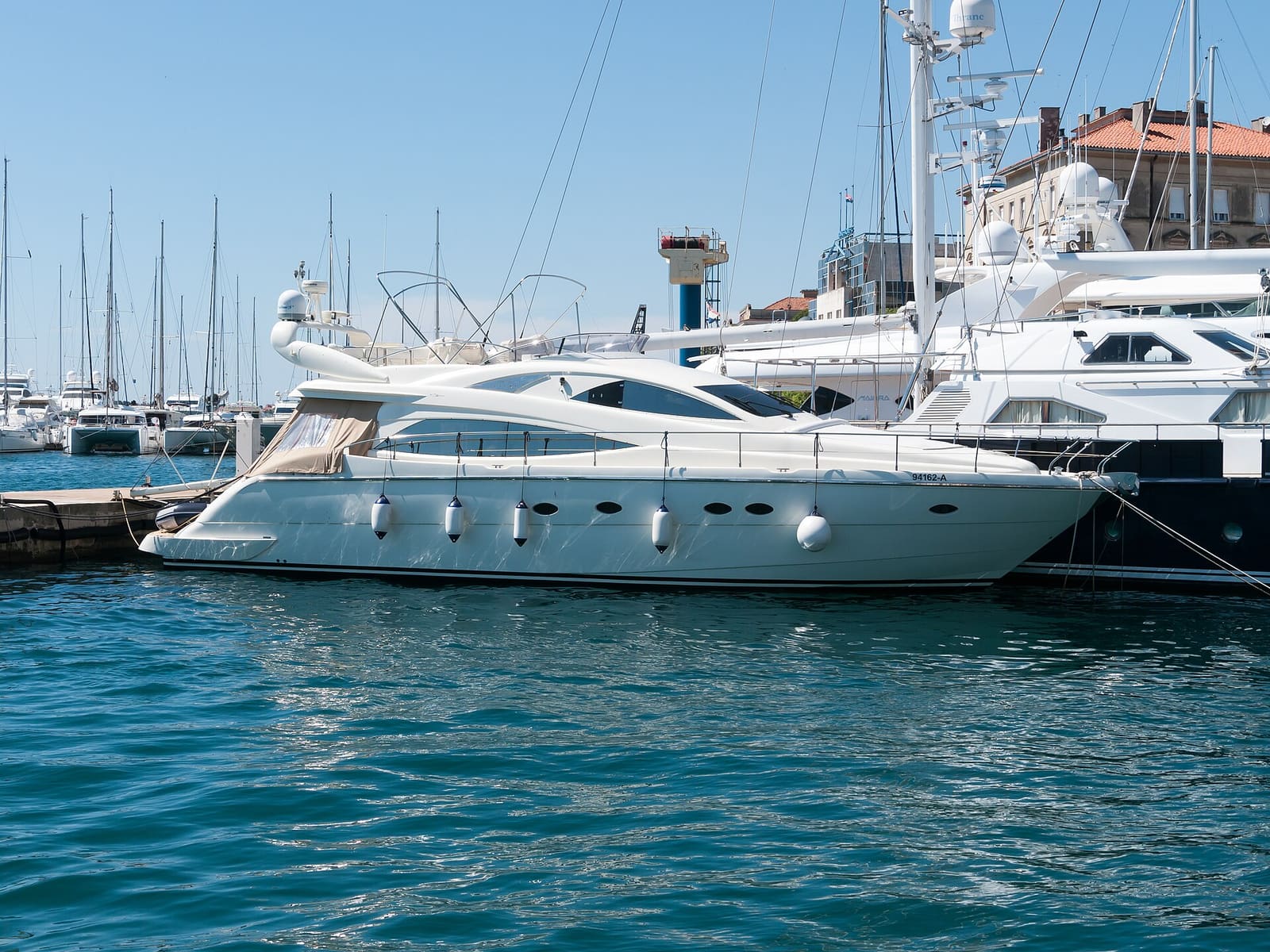
Gyro Stabilizer Care: Owner Checks for Seakeeper and Other Boat Gyros
A gyro stabilizer needs little from you, but what it needs matters. Learn how to start and shut it down correctly, keep its seawater cooling and zinc in shape, rinse it, read its hours and alarms, winterize it, and know which jobs belong to a certified dealer.
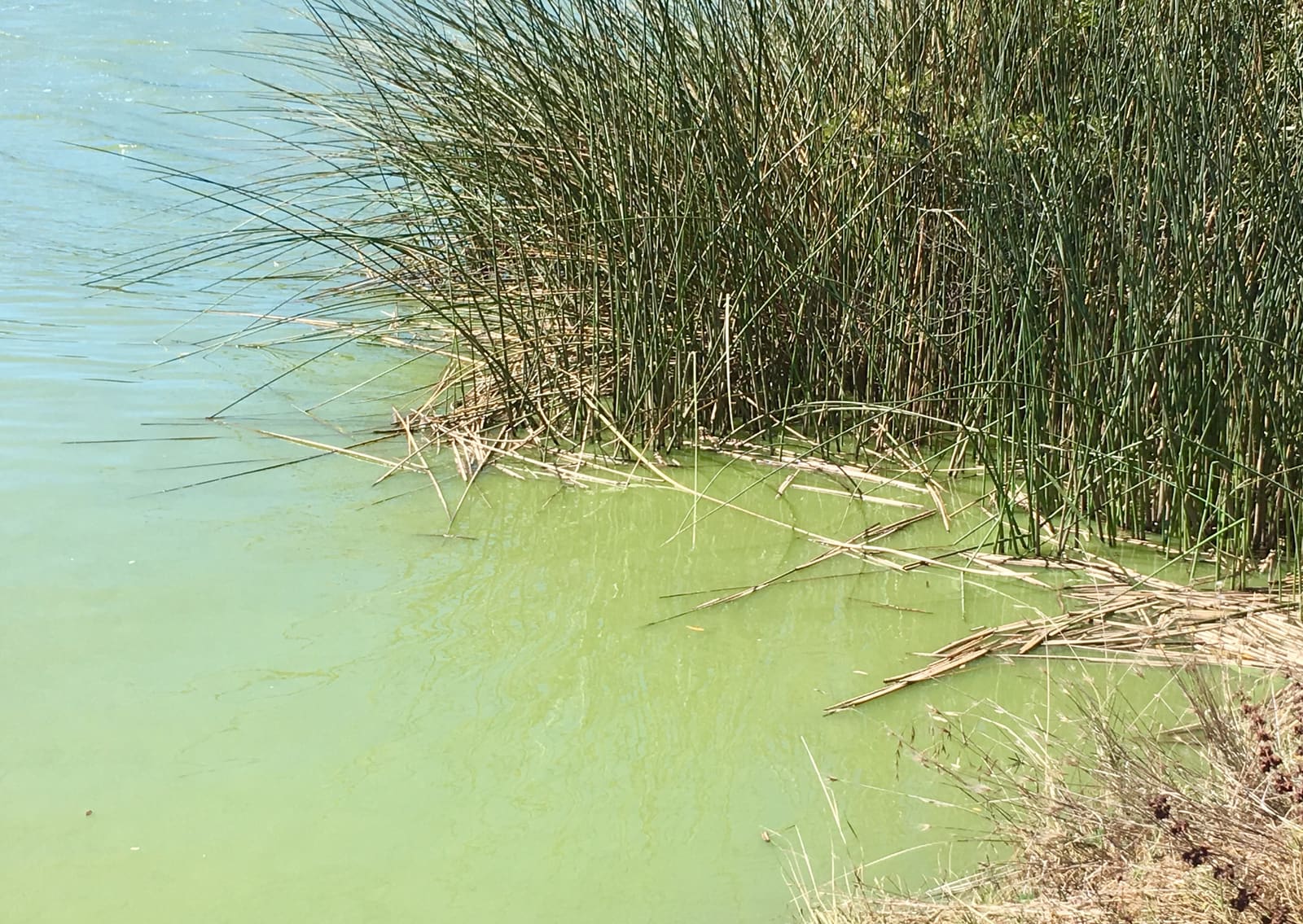
Harmful Algae Blooms: How Boaters Spot Them, Check Advisories and Clean Up Afterward
Blue-green algae and red tide can sicken people and kill dogs within hours. Learn what a bloom looks like, where to check state advisories before you launch, how to run the boat around one, and how to rinse the hull, trailer, gear and your dog afterward. Includes what health agencies say about eating fish from bloom areas.
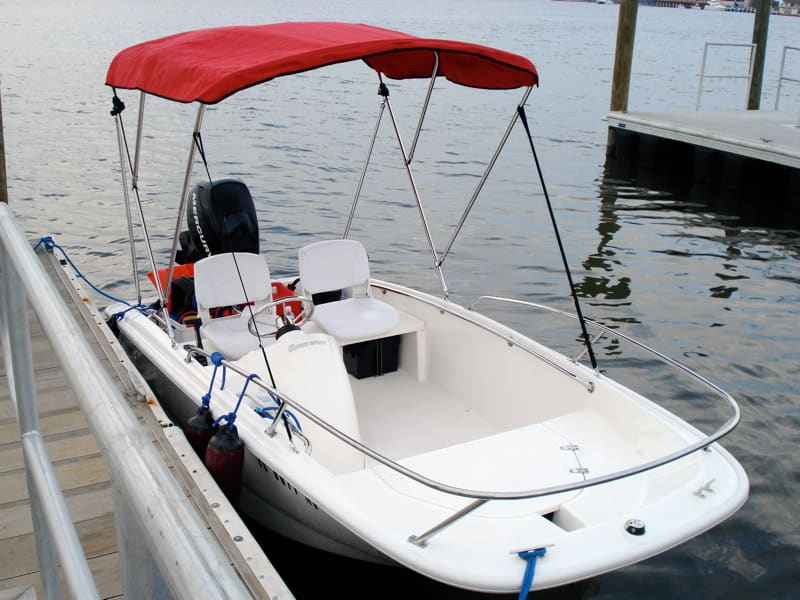
Heat Exhaustion and Heat Stroke on a Boat: Prevention, Warning Signs and What to Do
Sun, reflected glare, little shade and too little water make boats a classic place for heat illness. Learn how to prevent it, how to tell heat exhaustion from heat stroke, how to cool someone down aboard, how to protect kids and pets, and when to call 911 or the Coast Guard. General first-aid information only, not medical advice.
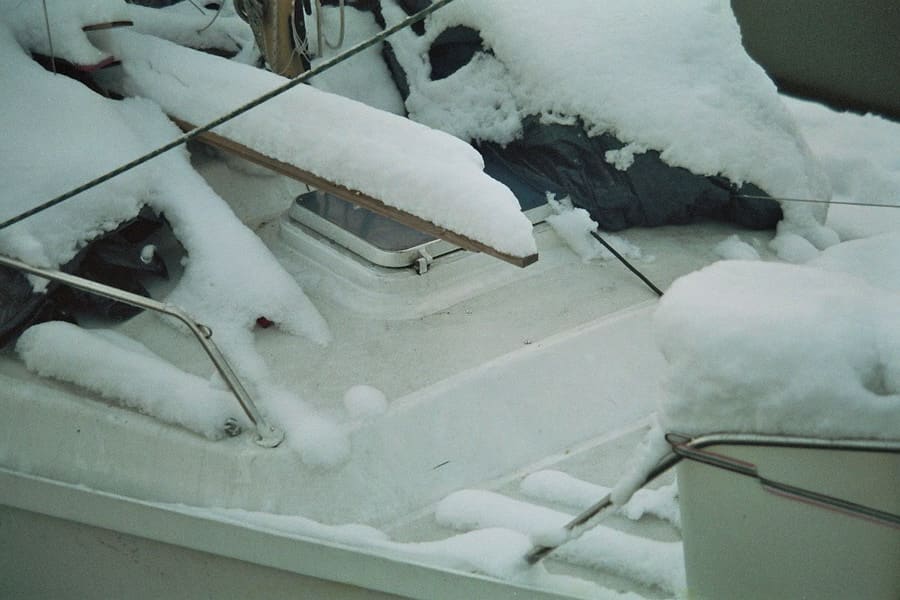
Heating an Engine Room or Bilge in Winter (Boats Kept in the Water)
If your boat stays in the water through cold snaps, an engine-room heater can add a margin of protection, but only an ignition-protected marine heater on a proper circuit, and never in place of winterizing. Household space heaters, heat lamps and extension cords are a leading cause of winter boat fires.

Helping Another Boater: Your Duty to Assist, Safe Approaches, and When Not to Tow
What the law expects when you come across a boater in trouble, how to approach a disabled or sinking boat safely, how to take people aboard, the basics of a short tow, and when to stand by and call the Coast Guard, Sea Tow or TowBoatUS instead. People first, boats second.
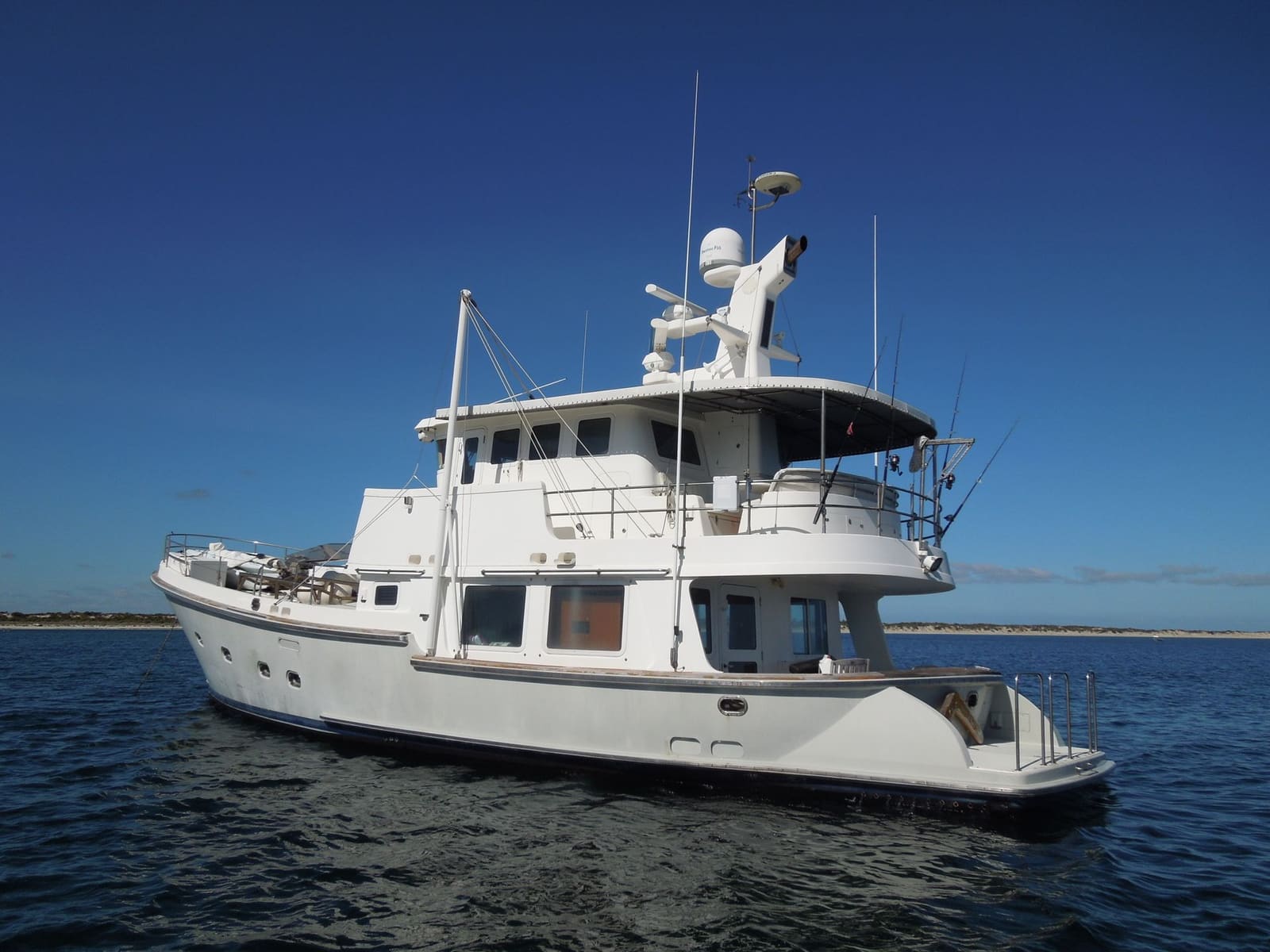
Hiring a Delivery Captain: Moving Your Boat by Water vs by Truck, Vetting, Contract, Costs and Owner Prep
Decide whether to move a boat on its own bottom with a hired delivery captain or on a truck, then vet the captain (Coast Guard credential, experience, references, insurance), put the job in a written contract, budget the day rate and expenses, and get the boat, paperwork and insurance ready before the lines come off.
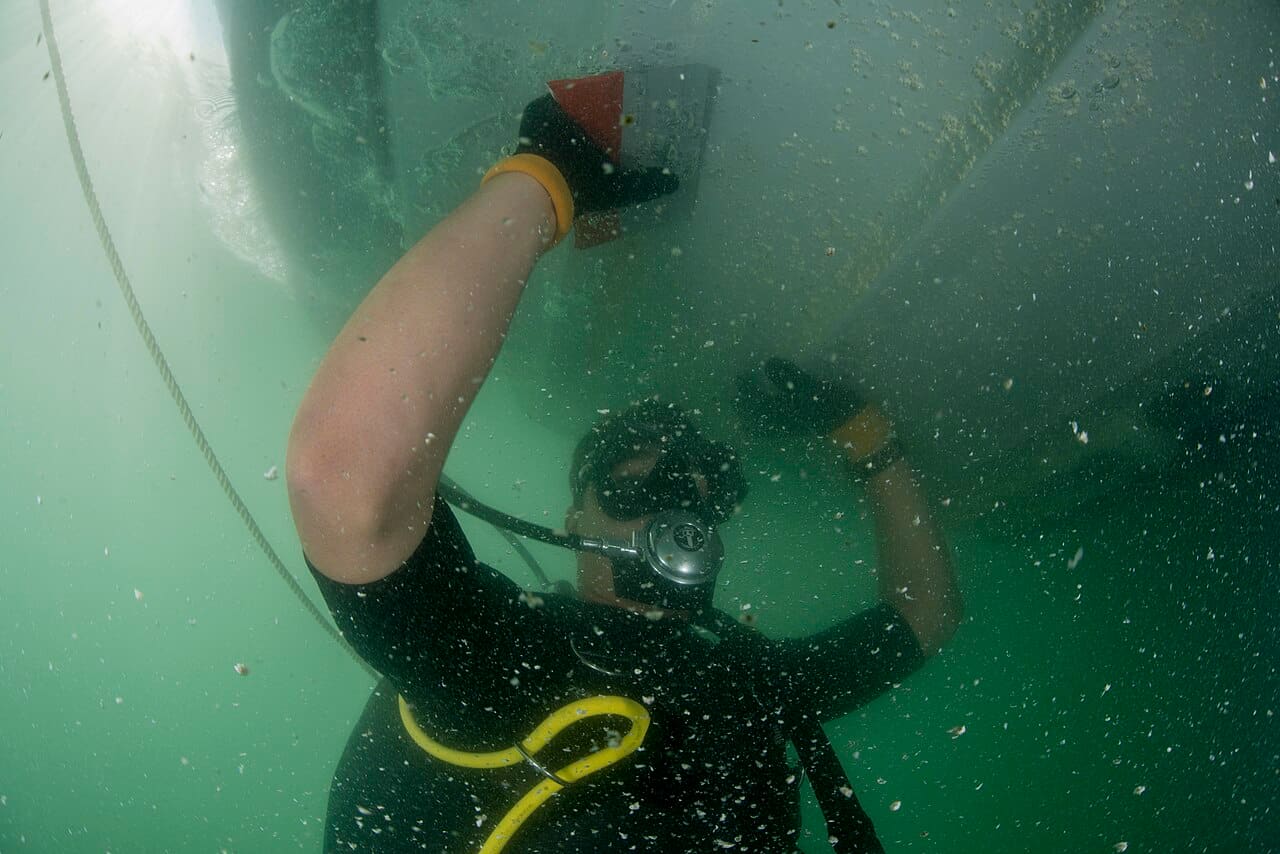
Hiring a Diver for In-Water Hull Cleaning: How Often, What It Does to Your Paint, and What to Ask
If your boat lives in the water, a hull-cleaning diver keeps growth off the bottom, prop and through-hulls between haul-outs. Learn how often to schedule cleanings, why scrubbing wears away ablative paint, the local rules some harbors (like San Diego and Marina del Rey) put on in-water cleaning, and what a good diver report should tell you about zincs, the prop and the paint.
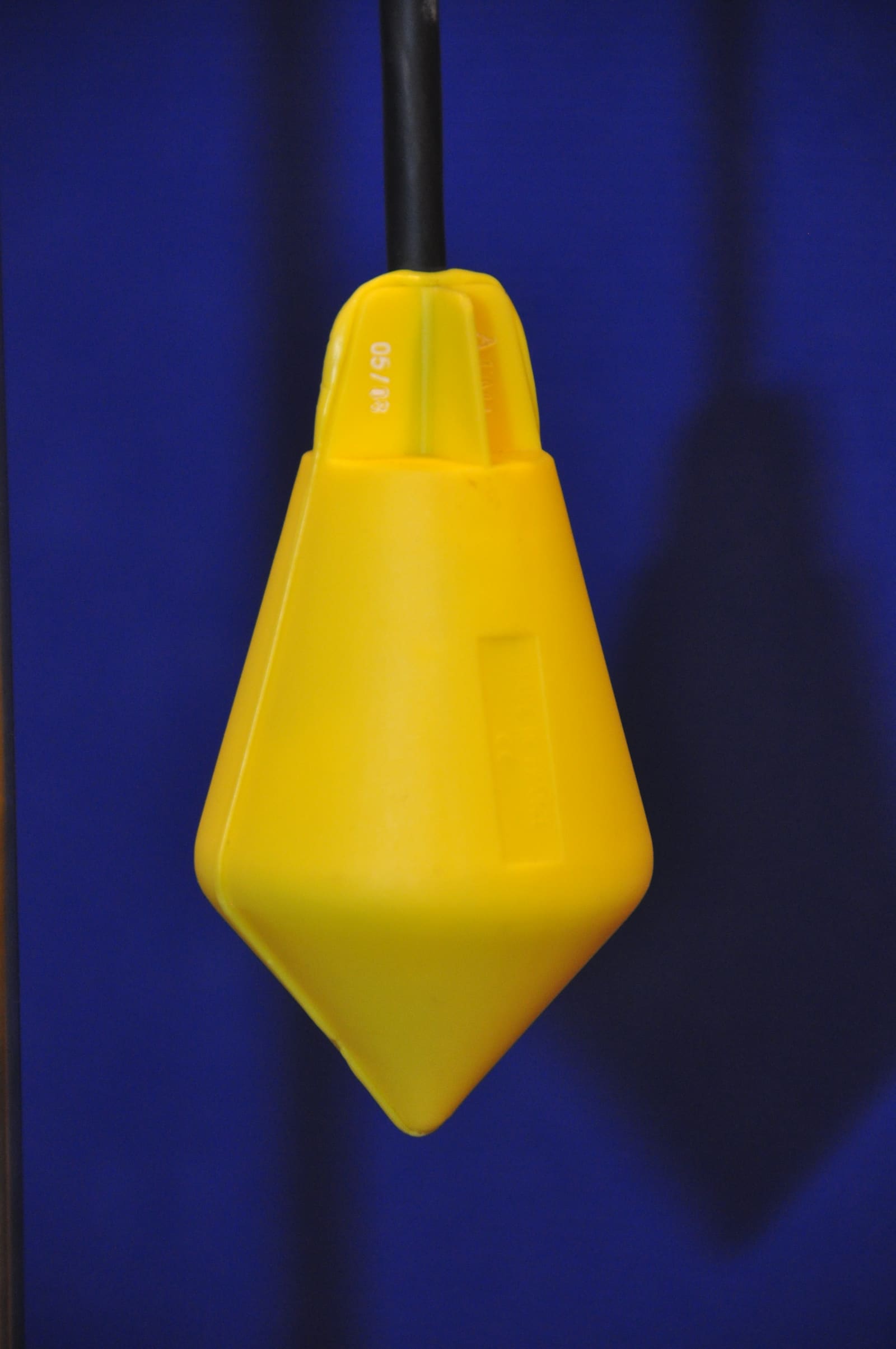
Holding Tank Level Monitors: Fix, Calibrate or Upgrade Your Tank Gauge
Find out why your holding tank gauge reads wrong, clean or calibrate the sensor, and choose a better internal or external monitor so you never overfill the tank and push sewage up the vent.
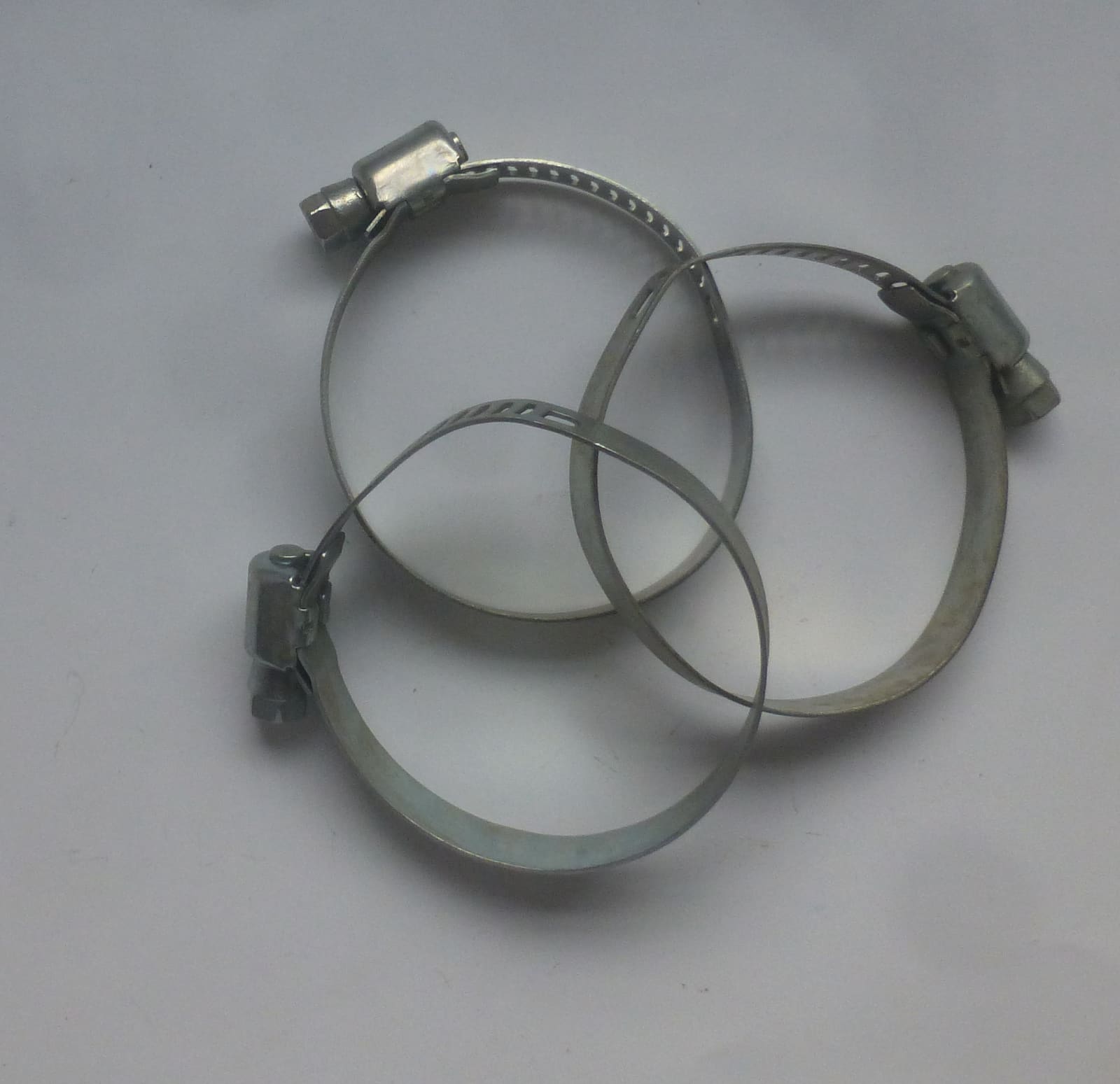
Hose Clamps on Boats: Choosing, Installing and Inspecting Them
A rusted or wrong hose clamp can sink a boat at the dock, leak fuel or let exhaust into the cabin. Learn which clamps belong on a boat (all-316 stainless, embossed band, T-bolt where needed), when to double them, how tight is tight enough, and how to find the ones that are about to fail.
How Much Is a Used Boat Worth? Pricing Guides, Comps and Condition
Work out a realistic price for a used boat, whether you're buying or selling: check sold and listed comps, read J.D. Power, BUCValu and ABOS values the right way, value the engines separately, adjust for hours, condition, upgrades and location, and know when a valuation survey is worth paying for.

How to Add or Replace a Swim Platform on Your Boat
A swim platform makes swimming, fishing and climbing back aboard far easier, but it hangs off the most heavily loaded part of the hull, right next to the propeller and the exhaust. Learn the bolt-on options, how to check the transom and engine clearance, how to through-bolt with real backing plates, and the propeller and carbon monoxide rules that come with it.
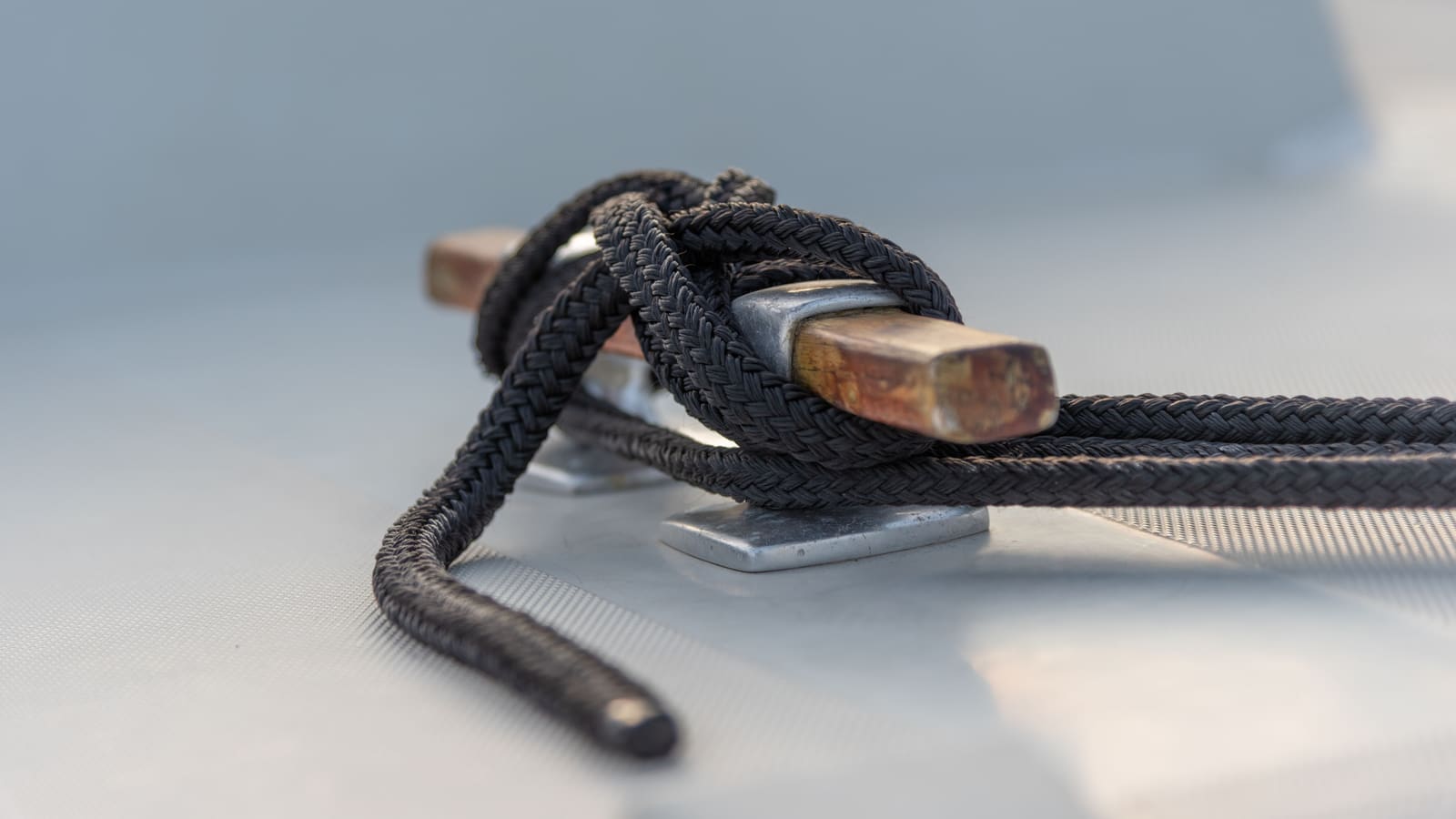
How to Add or Upgrade Boat Cleats (Sizing, Placement and Backing Plates)
Most cleats that fail don't break; they pull out of the deck. Learn how to size a cleat to your dock lines, where to put new cleats for docking and spring lines, how to through-bolt them with real backing plates, how to protect a cored deck, and what's different about pop-up and pull-up cleats.
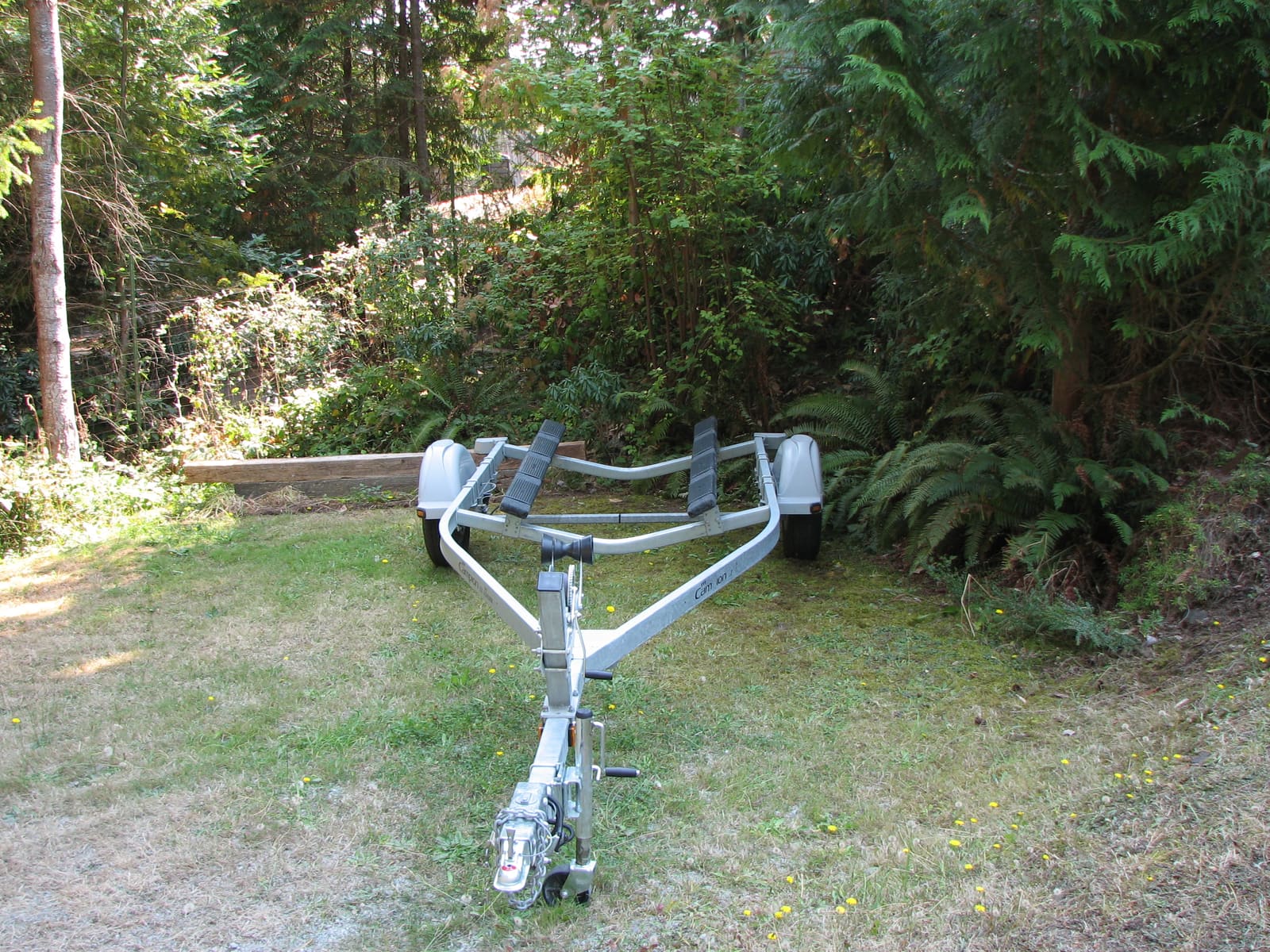
How to Adjust and Replace Trailer Bunks and Rollers So Your Boat Sits Right
Set up your boat trailer so the hull is supported in the right places: bunks and rollers clear of the strakes, the transom fully supported, the bow snug against the winch stop and the weight balanced on the tongue. Also covers replacing rotten bunk boards and worn carpet or rollers.
Safety: BoatMend is for information only and does not replace a certified marine technician. You are responsible for your safety and your boat. Read the full disclaimer.