Hiring a Delivery Captain: Moving Your Boat by Water vs by Truck, Vetting, Contract, Costs and Owner Prep
Decide whether to move a boat on its own bottom with a hired delivery captain or on a truck, then vet the captain (Coast Guard credential, experience, references, insurance), put the job in a written contract, budget the day rate and expenses, and get the boat, paperwork and insurance ready before the lines come off.
Time
3 h
Applies to
All engines · Cabin cruiser, Yacht, Sailboat, Center console, Fishing boat
Safety first: A delivery is often the hardest trip a boat will make: long days, unfamiliar water, and on a newly bought boat, systems nobody has tested under load. Hire a captain who will refuse to leave or will stop in bad weather, and never pressure them to keep a schedule. Make sure the boat carries current safety gear, a working VHF and a way to call for help offshore. If a problem comes up underway (fuel smell, water coming in, overheating, fire), the captain should stop, get people into life jackets and call TowBoatUS, Sea Tow or the Coast Guard on VHF 16 or 911. This guide is practical help, not legal advice; have a maritime attorney review the contract for an expensive boat or a long passage.
Owners often ask
- Does a delivery captain need a Coast Guard license to move my boat, and what does a delivery cost?
- How do I check that a delivery captain's Coast Guard license is real and current?
This guide walks you through it. Still stuck? Ask the AI Mechanic about your engine.
Tools
- Boat registration or Certificate of Documentation and insurance policy
- Owner's manuals, wiring and plumbing notes, list of known issues
- Written quotes from two or three captains (and a truck quote to compare)
- A credit card or cash fund for the captain's expenses
Before you start
You have three ways to get a boat from A to B:
- Run it yourself, if you have the experience for that boat, route and season.
- Hire a delivery captain (sometimes with a mate) to run it there on its own bottom, with or without you aboard.
- Ship it by truck with a professional transporter (our transporter guide covers that route).
Soundings notes there is no law requiring you to use a Coast Guard-licensed captain to move your own boat, but your insurer may require one, and most owners hire a captain with a Coast Guard Merchant Mariner Credential anyway. Owners hire captains because they're too busy, the boat is a size step up, a hurricane is coming, or they bought the boat far from home. The Great Loop Cruisers' Association adds a big plus: if you ride along, a delivery can double as hands-on training.
One legal line not to cross: a delivery captain moves the boat and its owner. If anyone else aboard pays (or must chip in) for the trip, it becomes a passenger-for-hire situation with its own rules (see our passengers-for-hire guide). The Coast Guard's August 2026 warning on illegal charters lists penalties of several thousand dollars per violation (for example, up to $9,624 when an operator isn't in a drug and alcohol testing program), and up to $117,608 a day for continuing after a Coast Guard order to stop.
Steps
Weigh these for your boat and route:
- Distance and route: a long coastal or river route may take many days by water; trucks can go direct, but wide or tall boats need permits and planned routes.
- Size and shape: big, beamy or tall boats are hard and expensive to truck; sailboats need the mast unstepped for the road.
- Condition: an untested boat (just bought, just repaired, long laid up) is a risk underway. A delivery can expose problems early, but far from home.
- Season and weather: hurricane season, winter and seasonal lock closures can stretch a water delivery.
- Wear: a delivery adds engine hours; a truck adds road stress and needs careful prep.
- Cost: compare the full water budget (step 6) with written truck quotes, including launching and hauling at each end.
Ask your broker, surveyor, marina or boat club for names, and check online captain directories, regional captains' associations and owners' groups (the Great Loop association lists delivery and training captains among its sponsors). Soundings points out that none of these directories vouch for a captain's competence; that's your job. Interview more than one, by phone or video, not just text.
Ask for the captain's Merchant Mariner Credential and check:
- Level and tonnage: captains moving yachts commonly hold 50- or 100-ton ratings, per Soundings. Ask your insurer which credential level it requires; some set a higher bar than the basic six-passenger (OUPV) license.
- Route: the credential is limited to Inland, Near Coastal or Oceans. It should cover where the boat is going.
- That it's current: the Coast Guard's National Maritime Center offers an online credential-verification tool that emails results when you enter the mariner's last name and reference number (from the credential). You can also email the NMC.
- The medical certificate too: the NMC's announcement says the same tool verifies both the merchant mariner credential and the mariner's medical certificate, which is a separate document with its own expiry. Check both, and note the NMC says its verification data updates on weekday mornings, so a renewal from yesterday may not show yet.
A license proves a test was passed and sea time was logged, not that the person is good. Soundings notes a credential can rest on as little as 360 days on the water.
Ask:
- How many deliveries, on what kinds of boats, over which routes? Experience with your type and size of boat matters.
- For three or more recent references, and call them.
- Who will crew with them, and what that adds to the cost.
- How they decide not to go, or to stop, for weather.
- How often they'll check in with you underway.
- Their policy on alcohol, drugs and smoking aboard (the Great Loop captains specifically recommend asking).
Be wary of rock-bottom prices. Soundings is blunt that a very cheap hourly quote is a reason to walk away.
Call your insurer early. Questions to get answered in writing:
- Does the policy cover the boat while a hired captain runs it, with or without you aboard? Does the insurer need to approve the captain by name, and what credential do they require?
- Is the route within your navigation limits and the season within any hurricane or ice restrictions? If not, can you get a temporary extension?
- Are the captain and any crew covered for injury? As the Great Loop article warns, the owner is generally responsible if the boat is damaged or a hired captain or crew member is hurt, outside cases of gross negligence.
- Does the captain carry their own liability or professional insurance? Ask for a certificate.
Delivery captains usually charge by the day (sometimes by the hour or mile), plus expenses. The Great Loop association's 2024 guide put typical delivery rates at roughly $400 to $750 a day plus expenses, with another $150 to $400 a day for a crew member. Then add:
- Fuel (from your boat's real burn rate and the route length)
- Marina nights and any lock or bridge fees
- Captain's and crew's meals and travel to the boat and home again
- Haul-out or launch at either end, and any pre-trip repairs
- A contingency for weather days and breakdowns
Ask each captain whether training is included if you're aboard; some include it at no extra charge, but don't assume it.
Soundings recommends a contract drawn up by an attorney who knows maritime law, not boilerplate. It should cover:
- The boat, start and end points, and a target window (not a hard deadline)
- Day rate, crew, expense rules and the payment schedule
- Weather days, delays for repairs, and cancellation by either side
- The captain's authority to refuse to sail, change route or stop for safety
- Who may be aboard (no paying riders), and alcohol rules
- How expenses and repairs are approved, and how damage is reported
- Proof of the captain's credential and insurance as attachments
Give the captain a way to pay for fuel and "necessaries" without running up debts against the boat: Soundings suggests a credit or debit card with a limited authorization plus a signed-for cash float, accounted for at the end. A mortgaged boat's lender may not allow debts other than the captain's wages, and some remote yards only take cash.
Before the captain arrives:
- Service the engines and generator (oil, filters, impellers, belts), and fix known problems
- Fill or plan fuel, check batteries and the charging system
- Check safety gear: life jackets, flares, extinguishers, horn, navigation lights, VHF, and an EPIRB or PLB for offshore legs
- Carry spare filters, impellers, belts, fuses and tools (see our spares guide)
- Update chartplotter software and charts, and make sure the depth sounder works
- Put the registration or documentation, insurance papers and a towing membership card aboard
- Write a one-page sheet: known quirks, where the seacocks, breakers and fuel shutoffs are, and any system that doesn't work
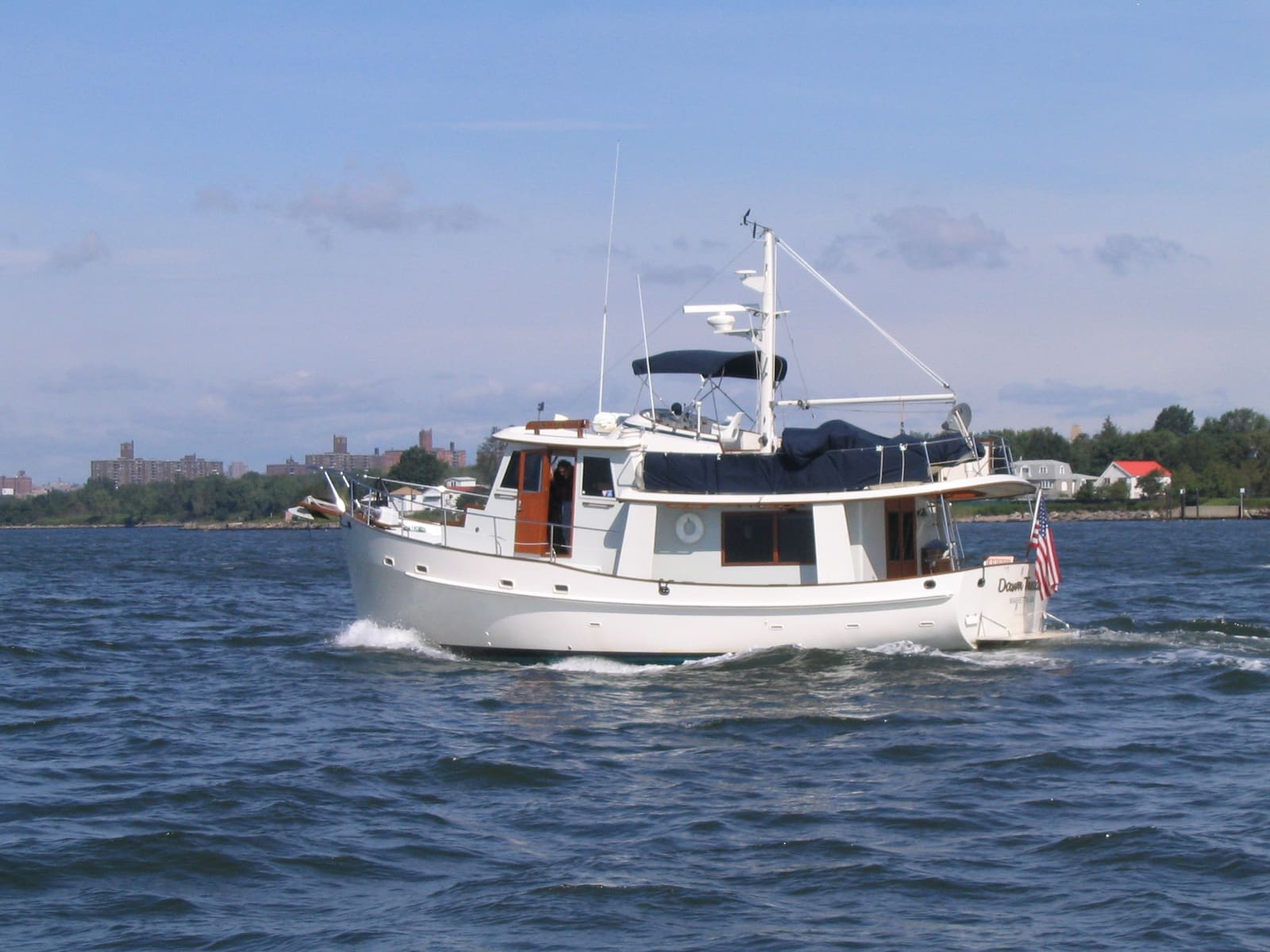
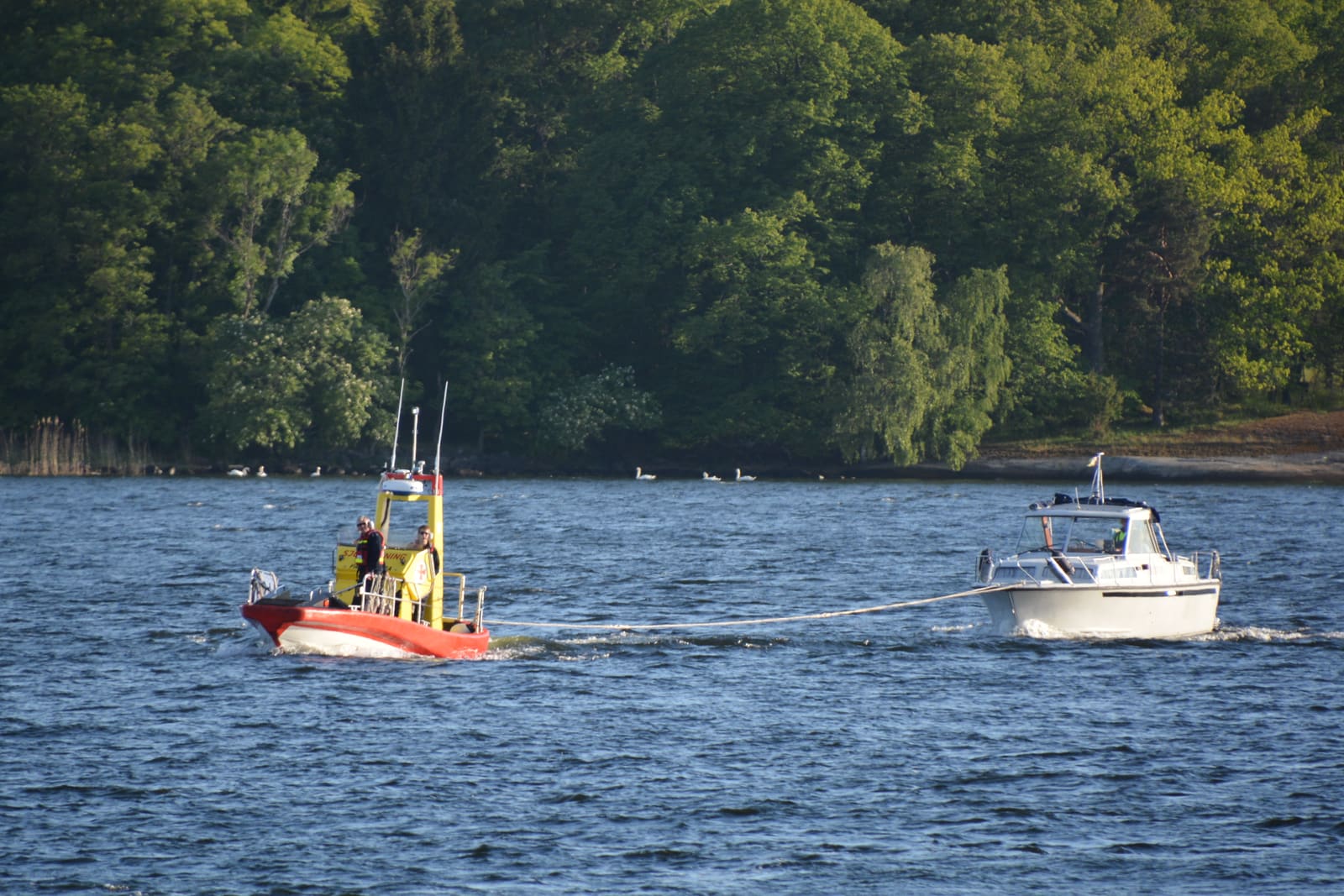
A water delivery means long days at cruising speed, often the first real test of a newly bought boat's engines and systems. Photo: Mustafa Ozturk / Wikimedia Commons · Public domain Go through the boat with the captain before departure: systems, quirks, paperwork, and where everything is. Take a short run together so the captain can see how the boat handles and you can see how the captain handles the boat. If you just bought the boat, the pre-purchase trial run is no substitute: the delivery may be the first time the engines run for hours at cruise.
Agree on daily check-ins (position, conditions, problems) and how decisions on repairs or delays get made. Trust the captain's weather calls. File the route and expected arrival with a family member or the marina at the destination.
At arrival, walk the boat with the captain: engine hours, fuel used, any damage, any equipment used or broken. Settle the expense account with receipts. Do your own short trial and check the bilge, engine room and hull before you sign off and make the final payment. Then log the trip in your maintenance records: hours, issues found and repairs made.
Common mistakes
- Hiring the cheapest "captain" from a social media post without checking credentials or references.
- Forgetting the insurer until the day before departure.
- Holding the captain to a fixed arrival date that pressures them to go in bad weather.
- Handing over a boat with untested systems and no list of known problems.
- No written agreement on expenses, weather days or cancellation.
- Not leaving the captain a way to pay for fuel or emergency repairs.
- Letting friends ride along who chip in for fuel, turning the trip into an illegal charter.
When to call a pro
- A maritime attorney: to write or review the delivery contract for a valuable boat or a long offshore passage
- Your insurance agent: to approve the captain, route and dates in writing
- A marine technician: to service and test the engines and systems before departure, especially on a newly bought boat
- A professional transporter: when the route, season or boat's condition makes a water delivery a poor bet
Tips
- If you can, ride along. It's the best training you'll get on your new boat, and it may save the cost of a hired mate.
- Ask the captain for a short trip report at the end with engine hours, fuel burn and anything that needs attention.
- Time water deliveries around seasons: before hurricane season in the South, and before lock closures and cold weather up north.
- Keep the captain's contact details; a good delivery captain is also a good resource for training, sea trials and hurricane moves.
Official references
We read these to write this guide. Your engine's own manual always wins.
- Soundings – The Smart Buyer, Hiring a Captain to Move Your Boat
- America's Great Loop Cruisers' Association – How to Choose a Delivery/Training Captain (2024)
- USCG National Maritime Center – New Application Status and Credential Verification Tools (2025 announcement)
- BoatUS – The Boat Survey (2026)
- BoatUS – Navigating the Asphalt Ocean (boat transport, 2013)
- U.S. Coast Guard News – Coast Guard warns boaters, passengers of illegal charter dangers (Aug. 17, 2026)
Safety: BoatMend is for information only and does not replace a certified marine technician. You are responsible for your safety and your boat. Read the full disclaimer.
Last updated 2026-11-06
Related guides
Shipping a Boat with a Professional Transporter: Quotes, Vetting, Prep and Claims
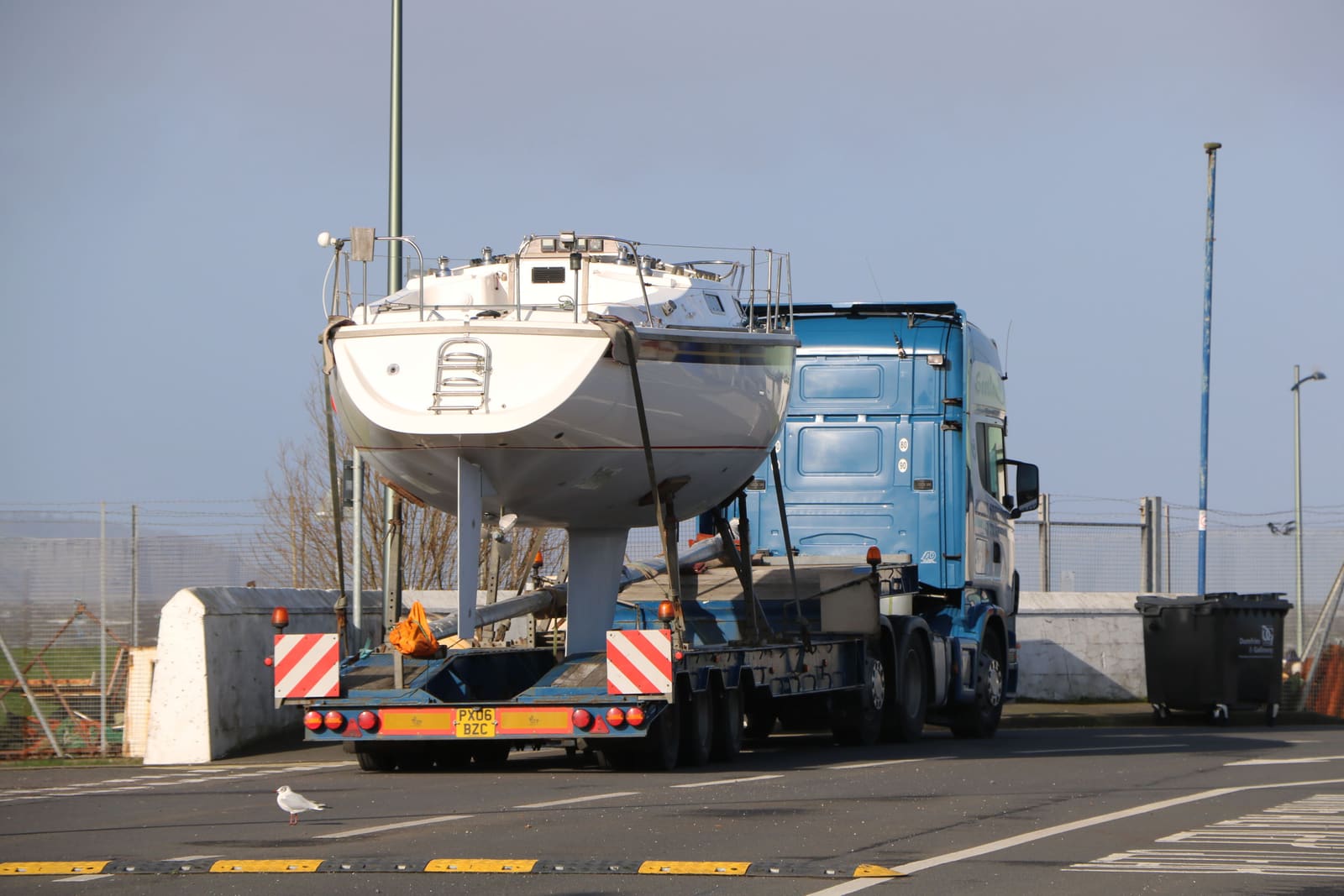
Most boat shipments go fine, but when they don't, the owner who checked the carrier's authority and insurance, prepped the boat properly and documented everything at pickup and delivery is the one who gets paid. Here's how to hire a transporter, prepare the boat and handle damage.
When Guests Chipping In Becomes an Illegal Charter: Passengers-for-Hire Rules for Boat Owners
Friends voluntarily sharing the gas money is fine, but if anyone must pay or bring something as a condition of the trip, your boat is carrying passengers for hire and needs a Coast Guard-credentialed captain, and more than six passengers needs an inspected boat. Learn the legal tests, the six-pack (OUPV) license, what a real bareboat charter looks like, the risks of renting through peer-to-peer apps, and the insurance questions to ask. Practical guidance, not legal advice.
Boat Insurance Policy Basics: Agreed Value vs Actual Cash Value, Navigation Limits, Storm Deductibles and Exclusions
Learn to read a boat insurance policy before you need it: agreed value versus actual cash value, navigation limits and lay-up periods, named storm deductibles, towing, salvage and wreck removal, liability limits, and the exclusions that cause most claim surprises. General information, not legal or insurance advice.
Reading Marine Weather Forecasts: Advisories, Wind, Waves and Go/No-Go
Learn where to get the official NOAA marine forecast for your waters, what small craft advisories and warnings really mean, how to read wind and wave numbers, and how to make a simple go/no-go call before you leave the dock.
On-Water Towing Plans: BoatUS vs. Sea Tow vs. Your Insurance Towing Coverage
Compare a BoatUS or Sea Tow towing membership with the towing coverage on an insurance policy: what each pays for (tows, soft ungroundings, jump-starts, fuel delivery), why hard groundings and sinkings are salvage that only hull insurance covers, how to call for help, and what to have ready when you do.
USCG Required Safety Equipment Check by Boat Length
Walk through your boat and confirm you carry every piece of safety gear the US Coast Guard requires for your boat's length and type, and that none of it is expired or worn out. Missing or expired gear is one of the most common tickets on the water, and it is the gear you need when things go wrong.
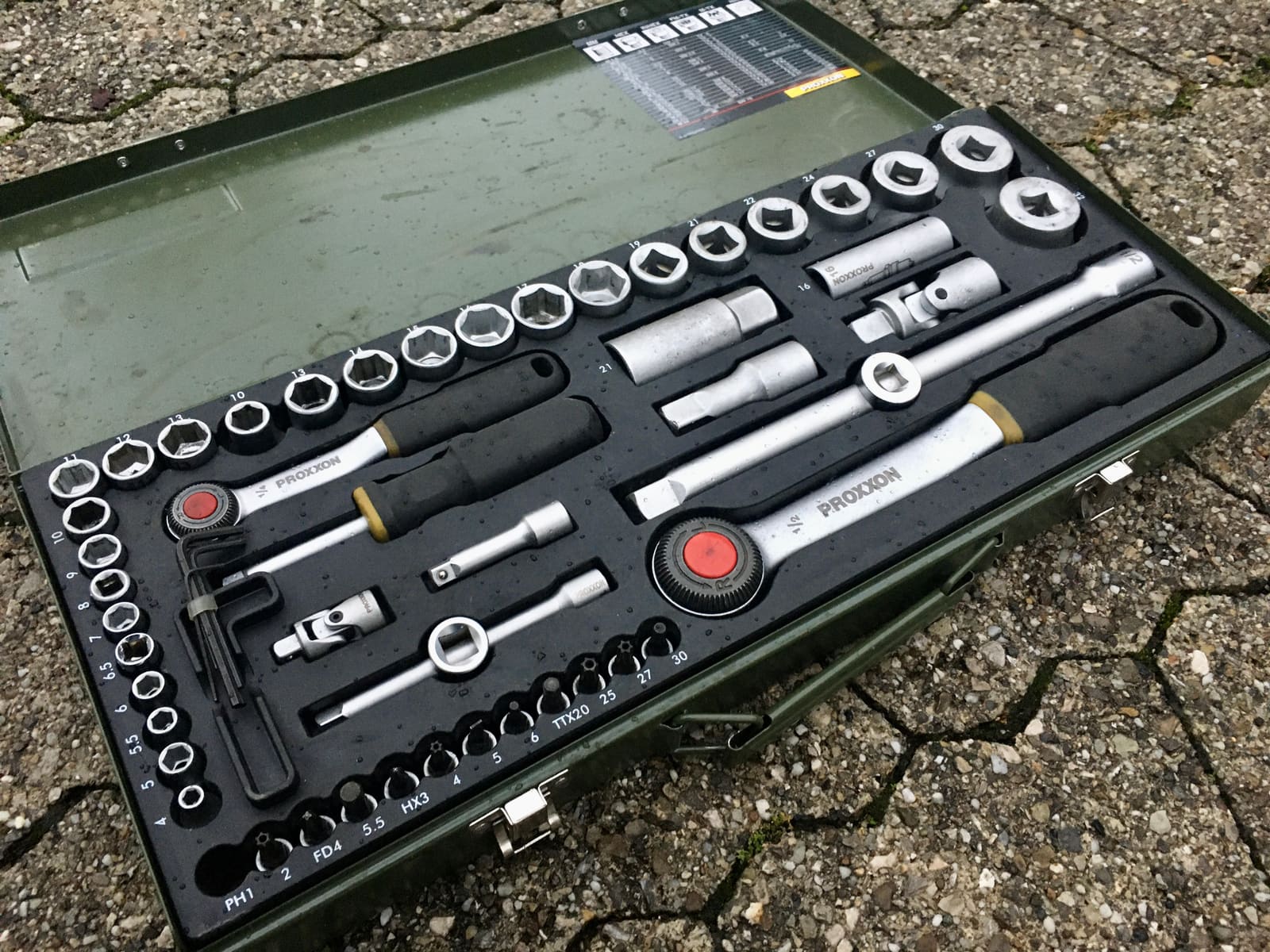
Onboard Tool Kit and Spare Parts: What to Carry on a Day Boat or a Cruiser
Build a tool kit and spares box that fits your boat and how far you go. A blown fuse, a clogged fuel filter or a dinged prop shouldn't end the day or turn into an expensive tow.
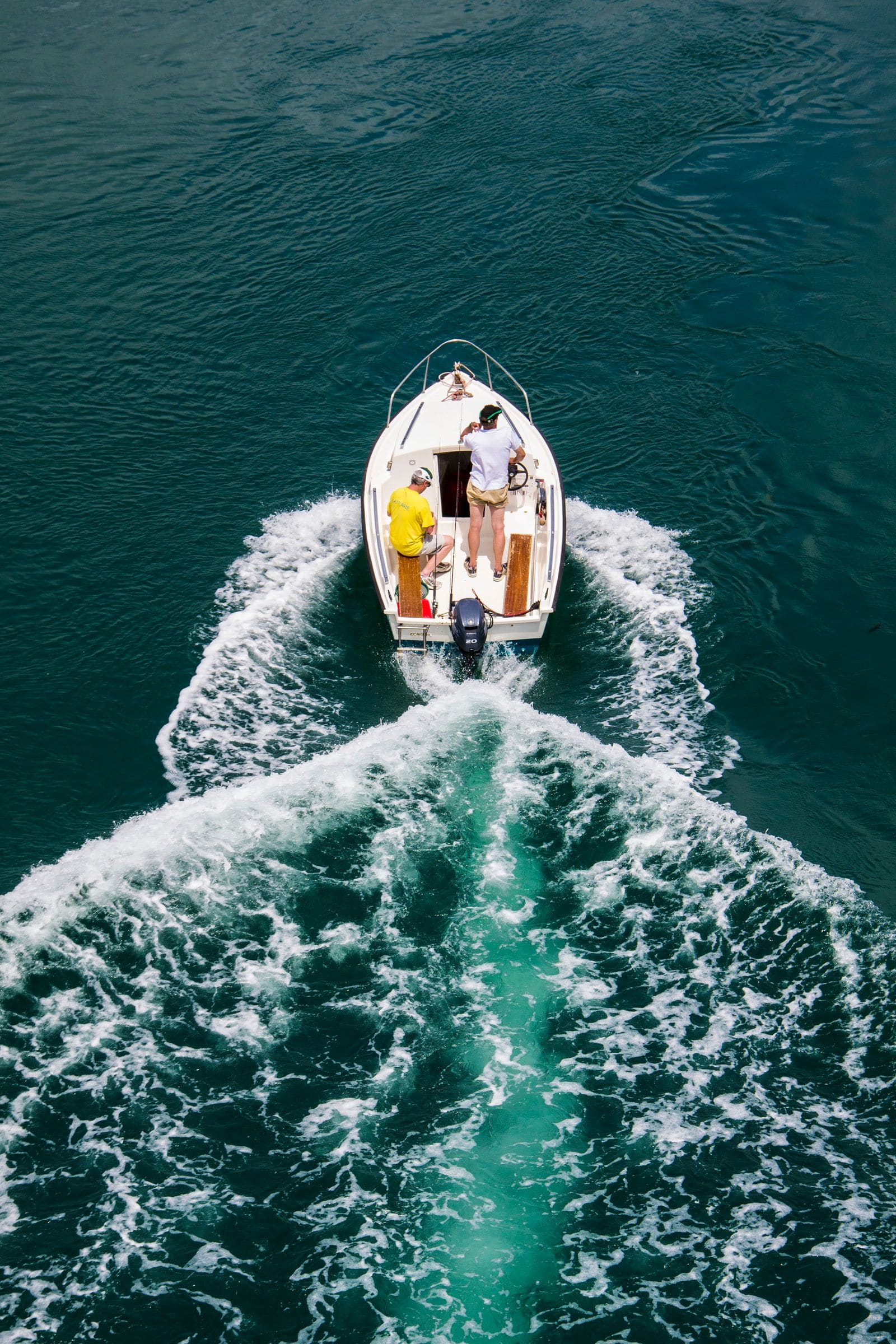
How to Sea Trial Your Boat After Maintenance or Repair
A step-by-step test run after service work: dock checks first (leaks, fluids, steering, kill switch), then a gradual climb through the RPM range while you watch temperature and pressure, a wide-open-throttle check against your engine's spec, shifting and trim tests, and a bilge check afterward. Catch a loose clamp or a missed step at the dock, not miles out.
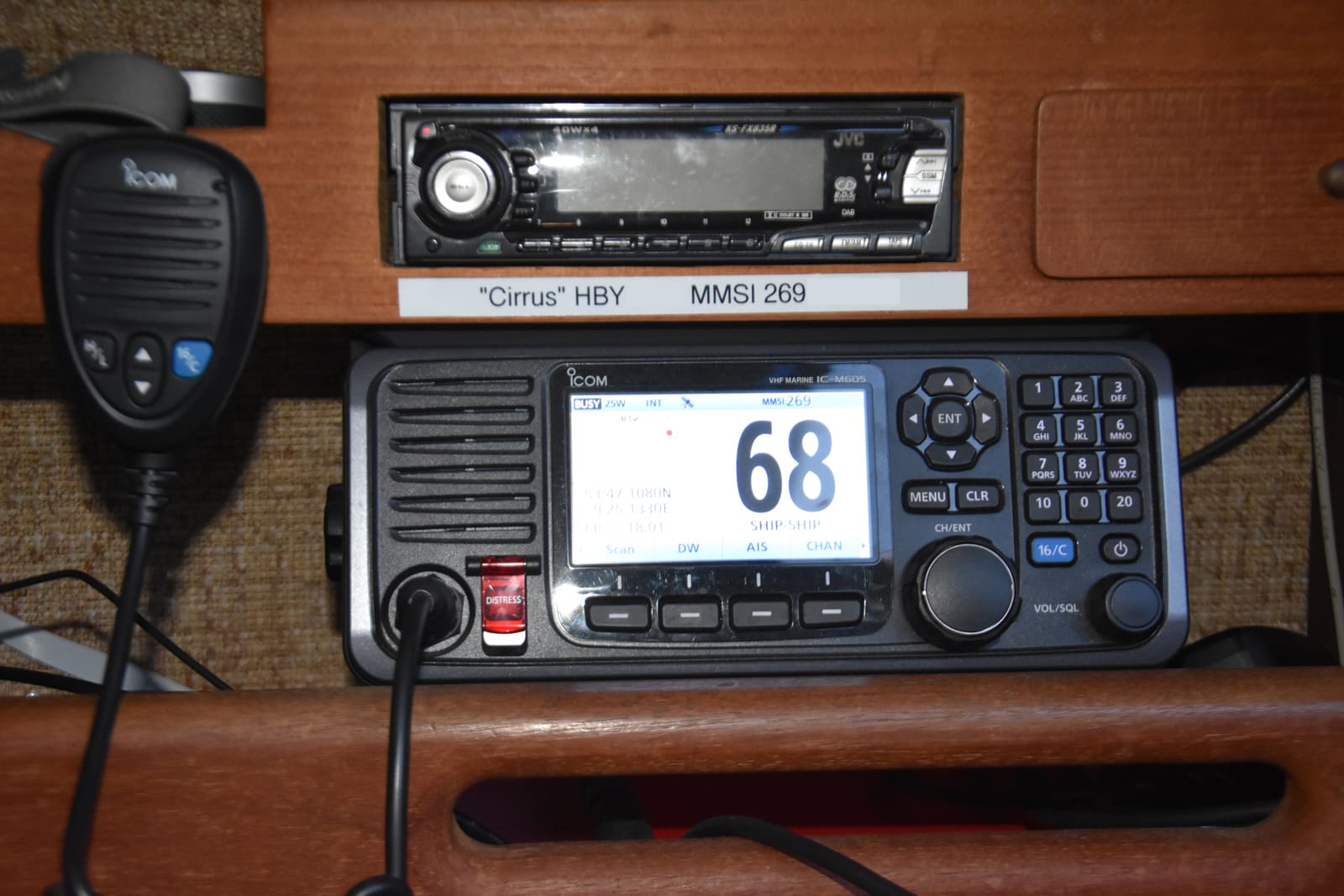
Set Up Your VHF Radio: MMSI, DSC, GPS Hookup and Radio Checks
Get a free or low-cost MMSI number, program it into your DSC radio, connect your GPS so a distress alert sends your exact position, check the antenna, and learn the Channel 16 rules and the right way to do a radio check.
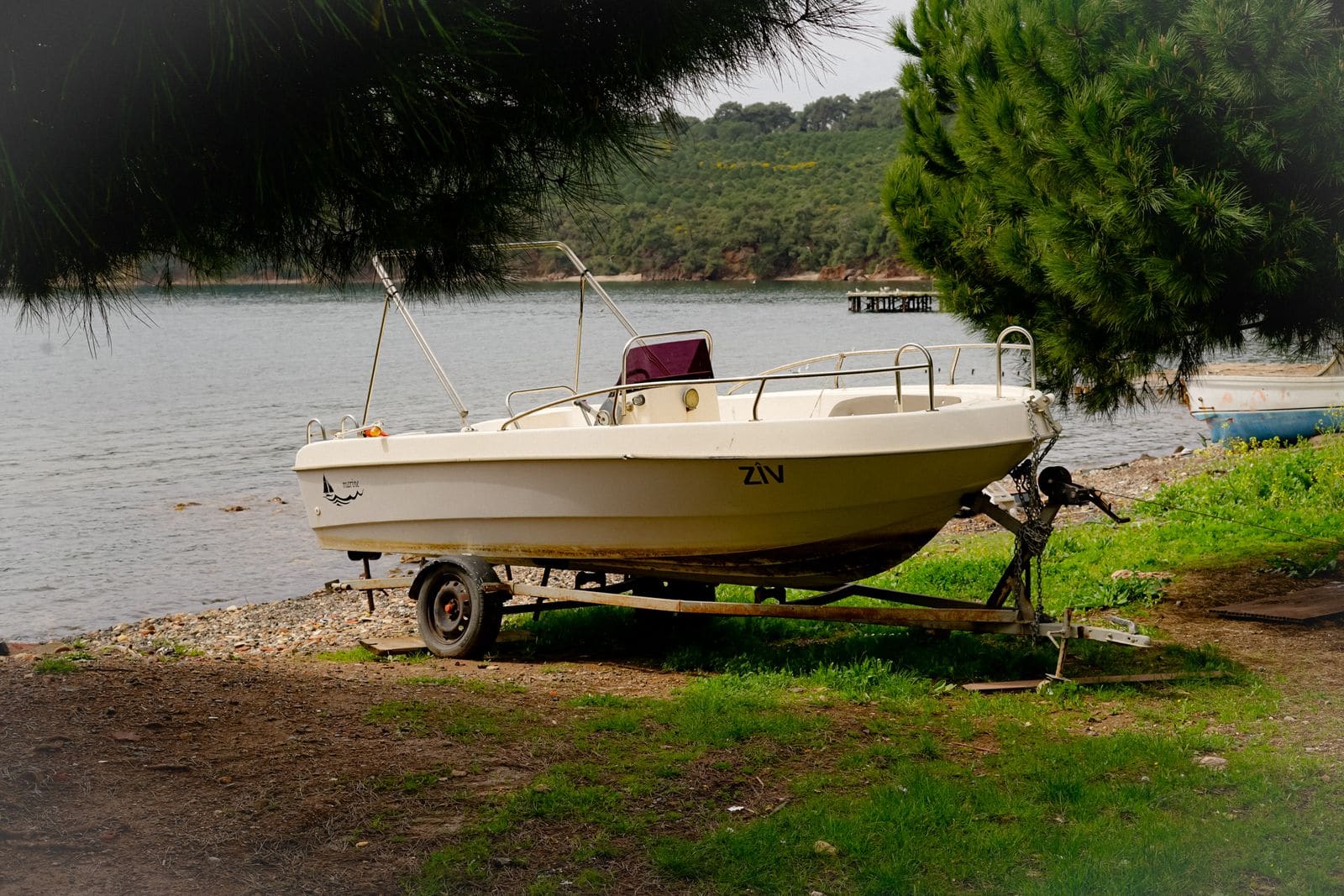
How to Inspect a Used Boat Before You Buy
A step-by-step checklist for looking over a used boat, from paperwork and the hull ID number to the transom, engine, compression test, sea trial and trailer. Know what to check yourself, what the red flags mean, and when to pay a marine surveyor.
Used Boat Purchase Agreement and Closing: Deposit, Contingencies, Bill of Sale and Who Pays What
A plain-English walk-through of buying a used boat on paper: getting ready before you offer, what the purchase and sale agreement should say, how the deposit is held and when it comes back, survey, sea trial, financing and insurance contingencies, paying off the seller's loan, the bill of sale, closing and transferring the paperwork, and the costs each side usually covers. Practical help, not legal advice; rules vary by state.