Flybridge and Upper-Deck Safety: Weight Up High, Rails, Ladders and CO
People and gear on a flybridge, tower or pontoon upper deck raise the boat's center of gravity and cut its reserve stability. Learn how many to allow up top, how to check rails, gates, ladders and hardtop or tower loads, how to get crew down safely in rough water, and why carbon monoxide can collect at the stern and even on the bridge.
Time
45 min
Applies to
All engines · Cabin cruiser, Yacht, Pontoon
Safety first: Too many people up high can roll a boat that would be perfectly stable with them down on deck, and it can happen in seconds when a big wake hits. If the boat starts to heel and is slow to come back, get people down and toward the centerline right away. If anyone feels dizzy, headachy or sick near the stern or under canvas, move them to fresh air and suspect carbon monoxide; call 911 or the Coast Guard on VHF 16 if symptoms are serious.
Owners often ask
- How many people can safely ride on my flybridge? There is no capacity plate on the boat.
- Why does my CO alarm go off on the aft deck when we cruise slowly with the canvas up?
This guide walks you through it. Still stuck? Ask the AI Mechanic about your engine.
Tools
- Flashlight
- Wrenches or sockets for rail and ladder fasteners
- Owner's manual and any builder load ratings for the flybridge, hardtop or tower
Parts & supplies
- Marine CO alarms (if not already installed or past their replacement date)
- Replacement rail fittings, gate latches or ladder treads, as needed
- Non-skid tape or treads for ladder steps
Before you start
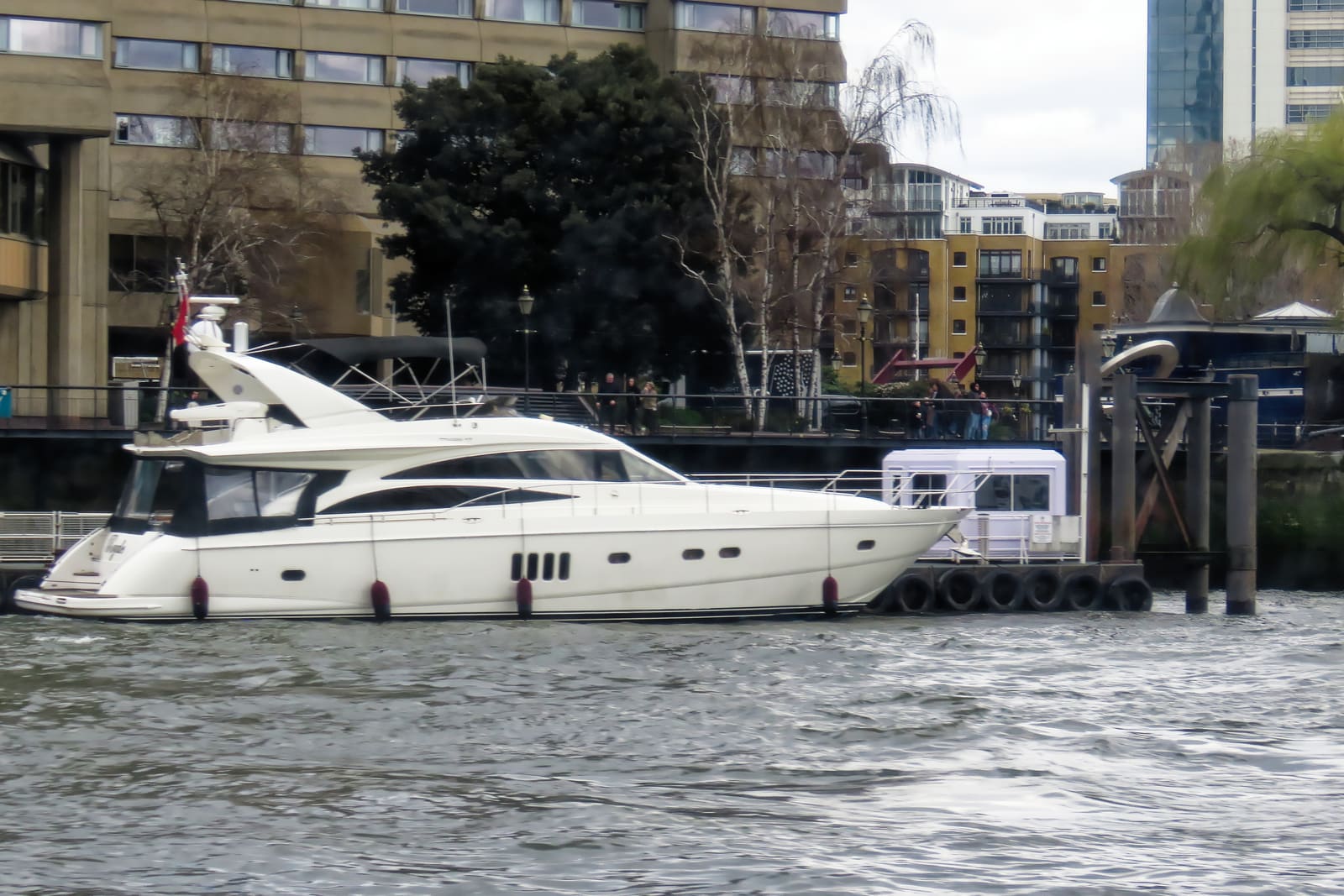
A real case. On July 4, 2012, a 34-foot flybridge cruiser leaving the fireworks on Long Island Sound rolled over with 27 people aboard, eight of them on the flybridge, and three children trapped in the cabin died. Naval architect Dave Gerr modeled the boat afterward for BoatUS: it was a stable, well-designed boat, but with that load it had "almost no reserve stability at all." His estimate was that it would have been fine with 15 or 16 people for ordinary trips, with no more than two or three on the flybridge. The Coast Guard's boating safety branch made the same point: where people sit matters as much as how many there are.
There's often no number to go by. Capacity plates are required only on most single-hull powerboats under 20 feet, so most flybridge boats and many large pontoons have no plate at all. The decision is up to the skipper.
Steps
Read the owner's manual and look for labels at the flybridge ladder, hardtop, tower or upper deck. Some builders give a maximum number of people or pounds for the flybridge or upper deck; some boats built to European (CE) rules carry a passenger capacity by design category. If you find nothing, call the builder or ask a marine surveyor. Write the number on a small sign at the bottom of the ladder.
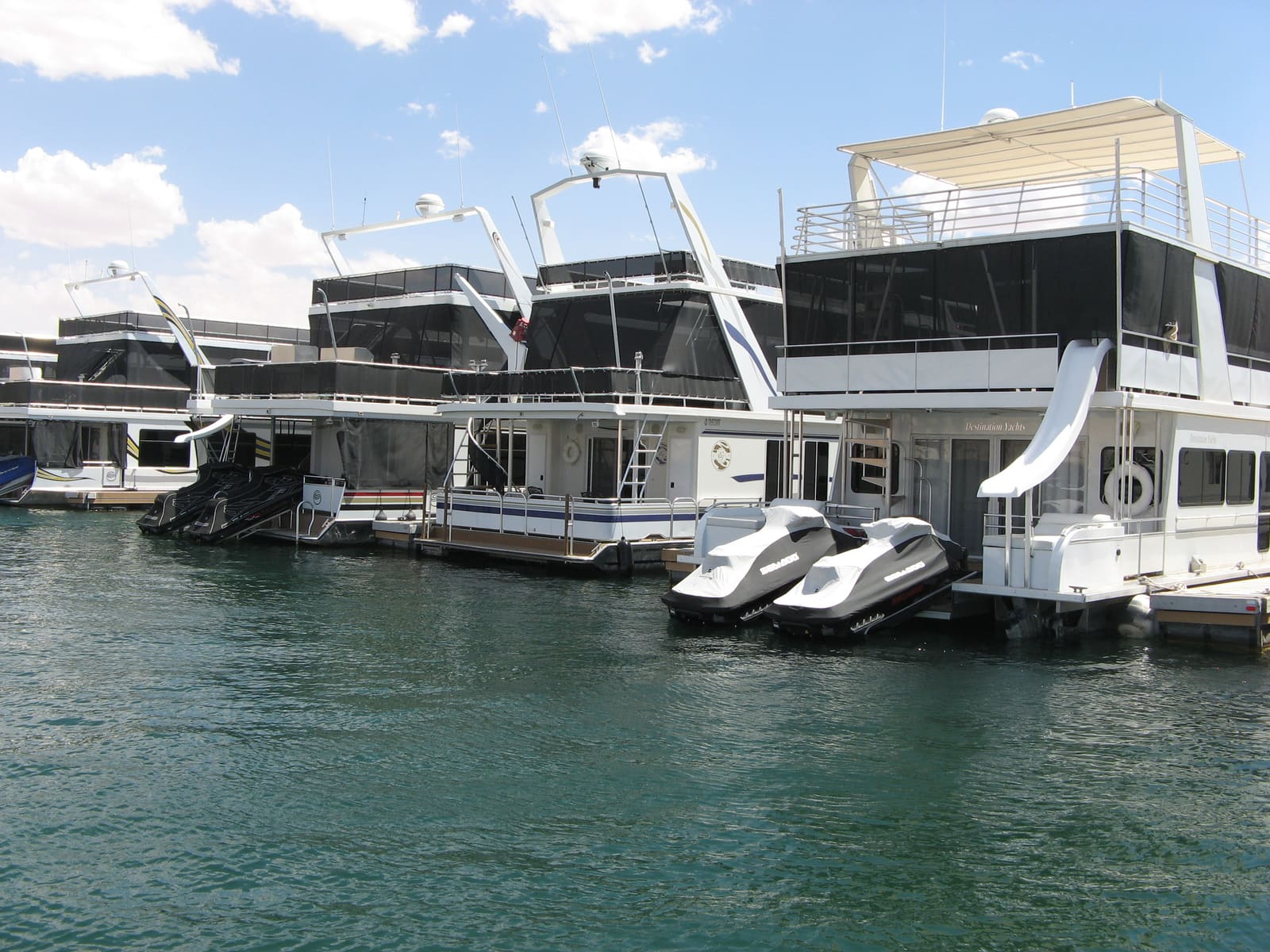
Without a builder figure, be conservative. Use Gerr's example as a gut check: on a mid-30-foot cruiser, two or three people on the bridge, not eight. BoatUS technical editor Tom Neale adds that four or five people on the flybridge with nobody below can capsize even a 35-foot boat, so have guests take turns up top and keep the number small enough that the boat doesn't lean as they move around. His rough rule for boats without a plate, used with caution: count only the fixed seats in the main cockpit, not the bow or flybridge seats. Keep the heaviest people and coolers on the main deck, low and near the centerline. On a pontoon with an upper deck or slide, treat everyone up top as a big shift in balance, not just added weight, and keep within the boat's capacity plate if it has one (see weight distribution and loading).
Fireworks, raft-ups, boat parades and inlets mean lots of boats, big crossing wakes and people who all move to one side to look. Before heading out in these conditions, bring people down from the bridge, slow down, and take big wakes at an angle rather than on the beam. The owner in the 2012 accident blamed a large wake; experts pointed to the overload. Either way, the two together are what roll boats.
Once a season and after any hard hit:
- Push and pull every rail and stanchion. Any movement, cracks in the gelcoat around the base or rust weeping from fasteners means it needs rebedding or repair.
- Check that rail fittings and set screws are tight and not cracked.
- Make sure any gate at the top of the ladder latches firmly and can't swing open if someone falls against it.
- Look for missing or broken lifelines or canvas side curtains that people might lean on as if they were rails. Canvas and clear enclosures are not barriers.
- Know what "high enough" looks like. BoatTEST quotes the ABYC standard for flybridges: the outer edge should have a rail, coaming or enclosure about 30 inches above the deck, or seatbacks at least 24 inches high, which is about 6 inches more than the standard asks of main-deck rails. If a builder relies on seatbacks as the barrier, don't let people sit on the seatbacks or stand on the seats, and keep small kids from climbing them; a person perched on top has no barrier at all. If a section of your bridge looks lower than that, or a rail was removed for a new enclosure or electronics, ask a surveyor before carrying guests up top.
Check treads for wear and slipperiness, and add non-skid where it's worn. Make sure the ladder is tight at top and bottom, handrails are solid all the way down, and nothing is stored on the steps. Fix a loose ladder before the next trip: it's a fall waiting to happen.
- Bring guests down before conditions get rough, not in the middle of it.
- Slow down and, if you can, put the bow into the seas while someone climbs.
- Face the ladder, keep three points of contact (two hands and a foot, or two feet and a hand), and don't carry things: hand bags and drinks down separately.
- One person on the ladder at a time.
- Kids and anyone unsteady wear life jackets on the flybridge and come down with an adult below them.
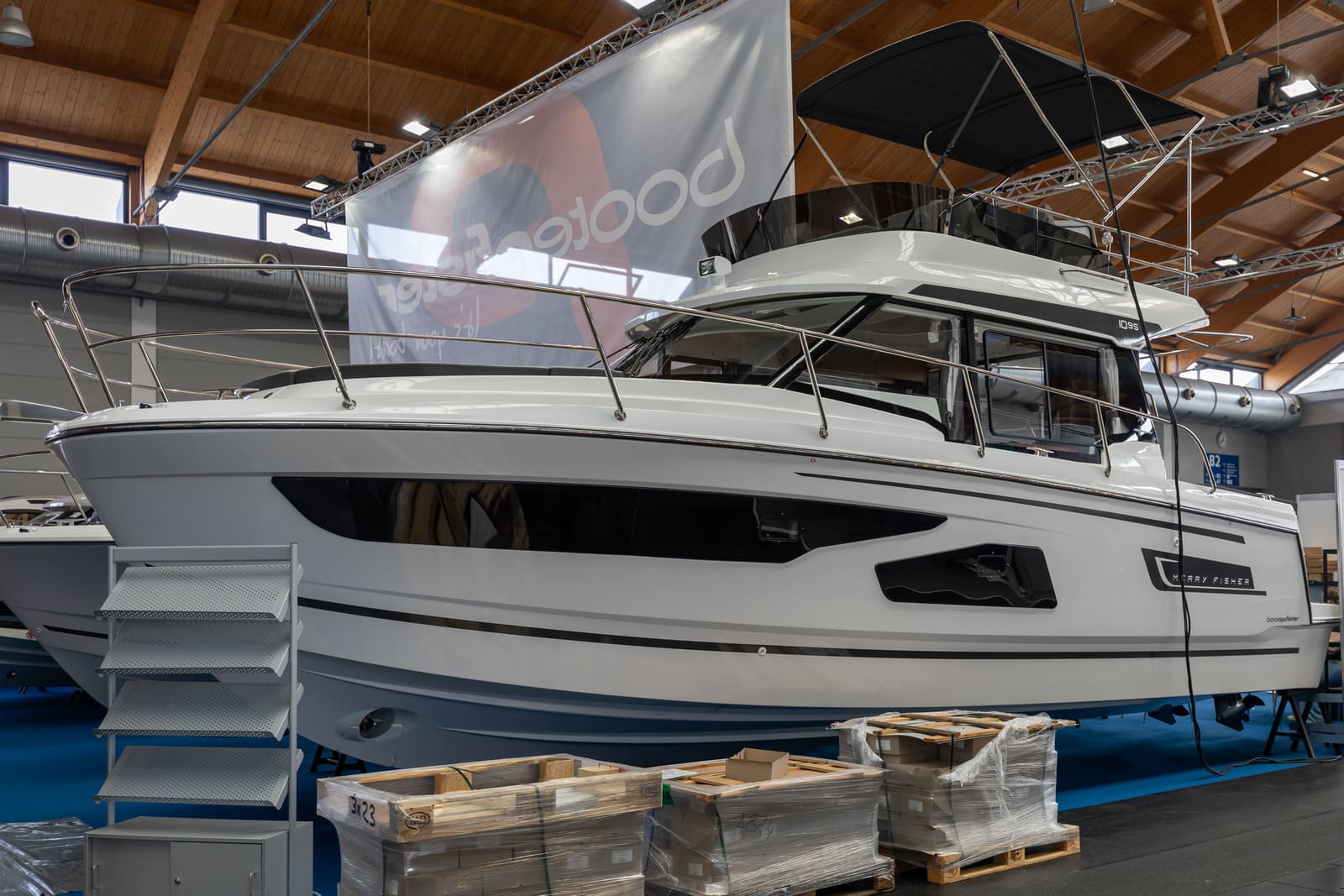
Photo: Matti Blume / Wikimedia Commons · CC BY-SA 4.0 Hardtops, radar arches and fishing towers are built for their own weight, the gear the builder planned for, and wind. They are not decks unless the builder says so. Don't let people sit or stand on a hardtop or arch, and don't add heavy electronics, kayaks, paddleboards or extra speakers up there without checking the builder's rating. Weight high up hurts stability the same way people do, and it loads the mounting bolts (see tower hardware check).
The Coast Guard lists the ways carbon monoxide builds up around boats, including exhaust trapped by canvas enclosures and the "station wagon effect" (back drafting), where a low-pressure area behind a moving boat pulls exhaust forward into the cockpit. It's worst at slow speed, idling or stopped, and CO can stay at dangerous levels after the engines shut off, including from a neighboring boat's engine or generator. On flybridge boats, a fully enclosed aft deck or bridge with canvas can trap fumes.
- Install marine CO alarms in the cabin and enclosed areas and test them before each trip (see CO detector safety).
- Open forward hatches or front canvas panels when running with the rear enclosure up, so air flows through.
- Nobody on the swim platform or in the water at the stern while engines or the generator run.
- Don't idle for long with the stern into the wind, and watch for boats rafted next to you running a generator.
Steering from the bridge, you can't see people on the swim platform or right below the bow. Before starting engines or shifting into gear, have someone confirm the swim platform and water at the stern are clear, and keep the engine cut-off lanyard or wireless fob on whoever is driving.
The higher you sit, the more every wave swings you around. In a Mercury Dockline piece, TV fishing host Peter Miller describes his own rules for the upper helm (tower) of his center console: run well below the boat's top speed, usually allow only one other person up there so the driver has room to brace and keep a firm grip, and drive from the lower helm once the seas reach about 3 feet. The same thinking applies to a flybridge: slow down and come down when it gets rough.
In one minute: how many people are allowed up top, hold the rail on the ladder, nobody sits on rails or the hardtop, come down when the skipper says so, and where the life jackets are.
Common mistakes
- Everyone up top for the fireworks, then everyone leaning to one side for the view.
- Assuming a big boat can't capsize. Bigger boats have more stability, but it can still run out.
- Treating canvas or clear vinyl as a railing.
- Climbing down with hands full in a seaway.
- Running with the full rear enclosure zipped up and the front closed, and ignoring a headache.
- Adding a kayak rack, a second radar or a crowd on the hardtop without a load rating.
When to call a pro
- Rails, stanchions, ladder mounts or the hardtop base move, crack the gelcoat or show rust: have them rebedded or repaired
- You want to add weight up high (tower, hardtop gear, an upper-deck slide) and the builder gives no rating: ask the builder, a naval architect or a surveyor
- The boat feels tender (slow to come back upright) even with a normal load
- Any CO alarm or symptoms: get to fresh air; call 911 or the USCG on VHF 16 for anyone seriously ill, and have a pro check the exhaust system before using the boat again
Tips
- A small sign at the ladder ("Max 3 on bridge, hold the rail") does more than a long briefing.
- Keep a handheld VHF and a throwable at the upper helm too.
- Look at your boat from another boat while it's loaded: an obvious list or a low stern tells you weight is in the wrong place.
- At night, make sure the ladder and its handrails are lit.
Official references
We read these to write this guide. Your engine's own manual always wins.
- BoatUS – Capacity, Stability And Safety, How Many Is Too Many? (2013)
- USCG Boating Safety – How Carbon Monoxide Can Accumulate
- BoatUS – Boat Capacity Tips (Tom Neale, 2015)
- Mercury Marine Dockline – Upper Helm Safety Tips with Peter Miller
- BoatTEST – Flybridge Safety Rail Heights (ABYC rail and seatback heights)
Safety: BoatMend is for information only and does not replace a certified marine technician. You are responsible for your safety and your boat. Read the full disclaimer.
Last updated 2026-10-25
Related guides

How to Load Your Boat Safely: Capacity Plate, Balance and Stability
Too much weight, or the right weight in the wrong place, is behind most small-boat capsizes and swampings. Learn to read the capacity plate (persons, weight and horsepower), add up your real load, balance it side to side and fore and aft, and adjust for rough water, water aboard and towing riders.
Carbon Monoxide on Boats: Where It Comes From, CO Alarms and Warning Signs
Carbon monoxide can build up in cabins, under canvas and around the swim platform, and its first symptoms look like seasickness. Learn the danger zones, where to mount marine CO alarms, how to test and replace them, and exactly what to do if an alarm sounds or someone feels sick.
How to Inspect Wakeboard Tower, T-Top and Bimini Hardware
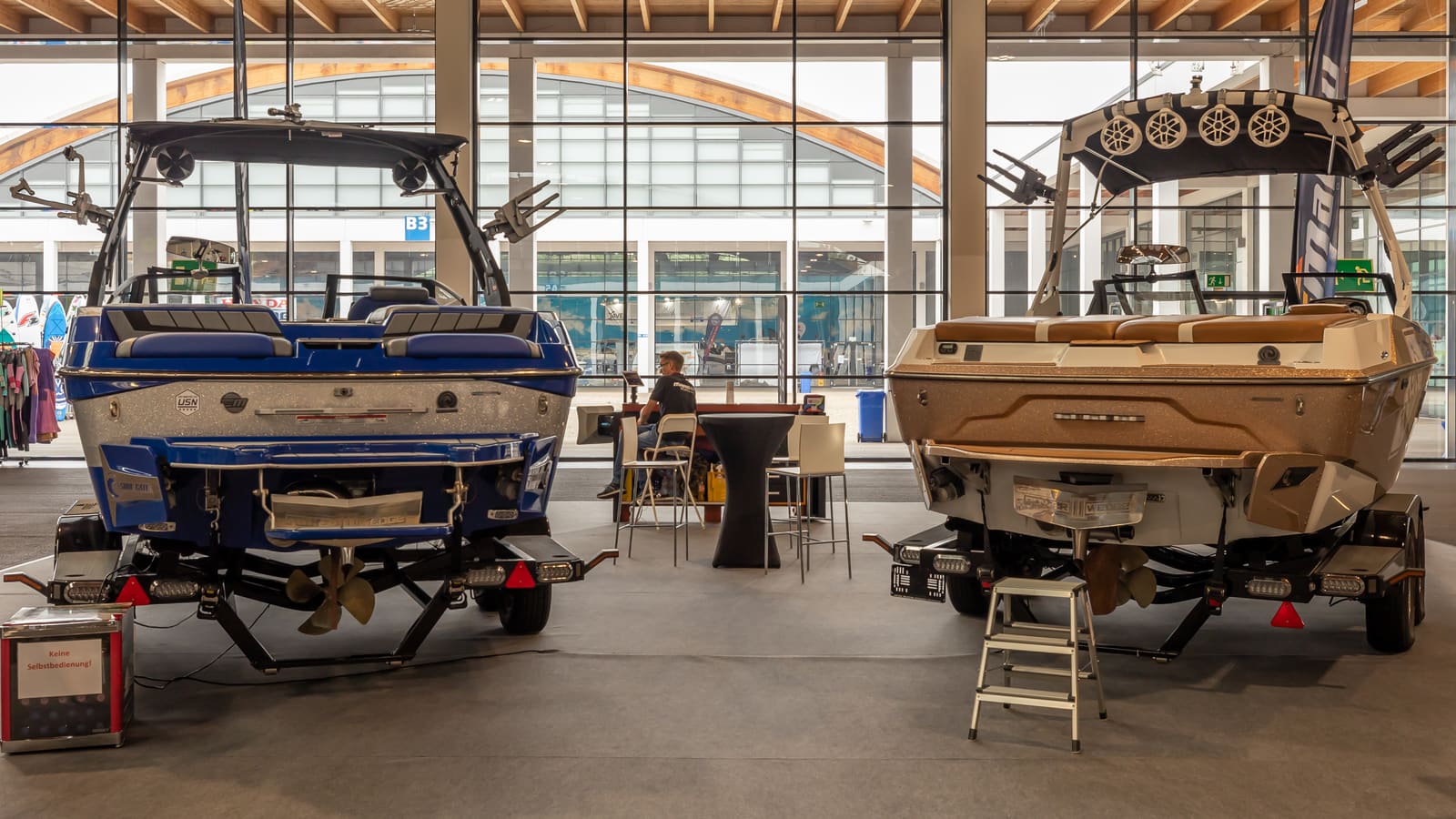
Towers, T-tops and biminis carry tow ropes, speakers, boards, electronics and wind loads, all on a handful of bolts. Learn how to check the welds, bases, backing plates, bolts, folding hinges and accessory loads before a crack or a loose bolt becomes an accident.
Man-Overboard Recovery Gear: Throwables, Lifesling, Ladders and MOB Alarms
Set up and check the gear that gets a person in the water back aboard - a throwable within reach, a floating rescue line or Lifesling-style sling, a boarding ladder someone in the water can pull down, and MOB alarms or AIS beacons - and practice the drill so it works when it counts.
How to Replace or Re-Cover a Bimini Top
Decide whether you need new canvas or a whole new top, measure your frame the right way, pick a fabric that will last in the sun, check the frame and hardware, and swap the canvas yourself or brief a canvas shop.
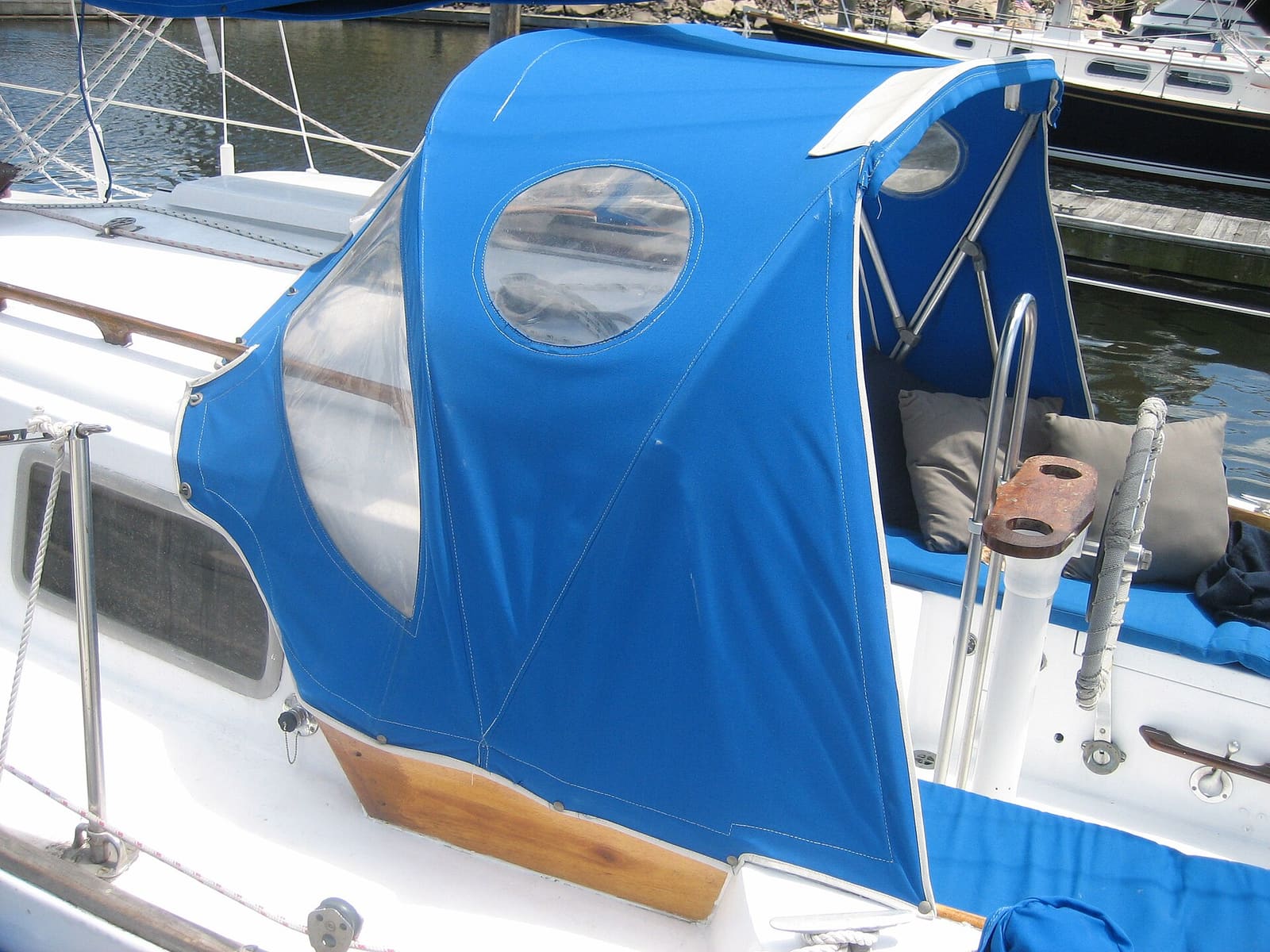
How to Clean and Care for Clear Vinyl (Isinglass) and Polycarbonate Enclosure Panels
Keep the clear windows in your dodger, bimini curtains or full enclosure clear for years by cleaning them the right way, storing them without scratches and avoiding the cold-weather and chemical mistakes that ruin them. Covers soft clear vinyl, coated vinyl like Strataglass, rigid panels and zippers.
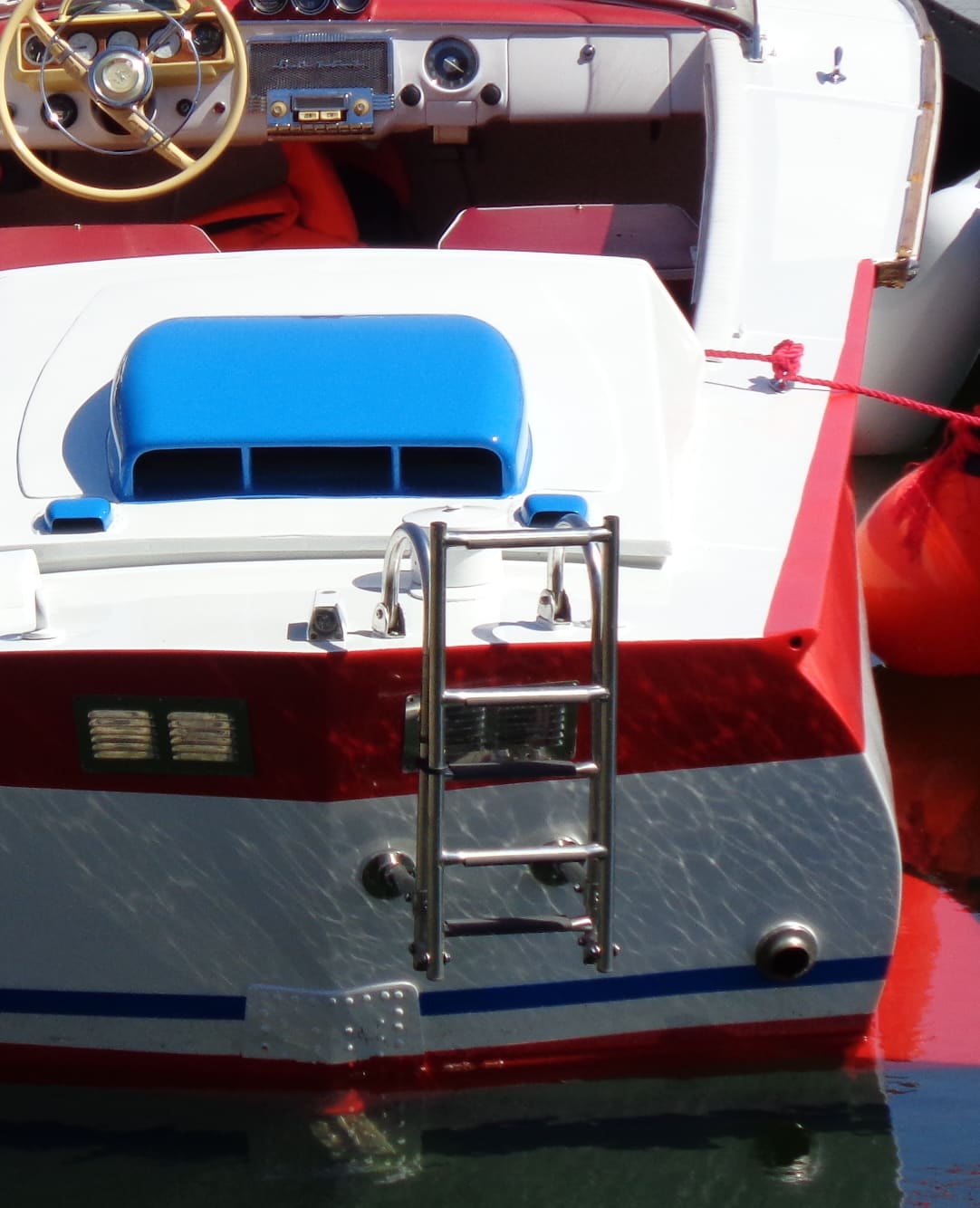
Boarding Ladder Upgrade: A Ladder You Can Reach and Use From the Water
Make sure anyone who ends up in the water - including you, alone - can pull down a ladder and climb back aboard. Compare ladder types, check how deep it reaches, mount it away from the propeller with proper backing, and test it from the water before you need it.