Heating an Engine Room or Bilge in Winter (Boats Kept in the Water)
If your boat stays in the water through cold snaps, an engine-room heater can add a margin of protection, but only an ignition-protected marine heater on a proper circuit, and never in place of winterizing. Household space heaters, heat lamps and extension cords are a leading cause of winter boat fires.
Time
1 h 30 min
Shop would charge
$150-500
Applies to
All engines · Cabin cruiser, Sailboat, Yacht, Center console
Safety first: Never put a household space heater, oil-filled radiator, heat lamp or work light in an engine room or bilge, especially on a gasoline boat: their switches and thermostats can spark and ignite fuel vapor. Never power a heater through a household extension cord. If you smell gasoline or see smoke or melted plastic, don't switch anything on or off aboard: get off the boat, call 911 and alert the marina. A heater is not a substitute for winterizing.
Fuel smell, water coming in, CO alarm or smoke? Stop, get everyone in life jackets and call USCG on VHF 16 or 911. For a tow: Sea Tow or TowBoatUS.
Owners often ask
- Is it safe to leave a space heater in the engine compartment over winter instead of winterizing?
- What kind of heater can go in a gas boat's engine room, and does it need to be ignition protected?
This guide walks you through it. Still stuck? Ask the AI Mechanic about your engine.
Tools
- Plug-in outlet tester with a GFCI test button
- Flashlight or headlamp
- Screwdrivers and a drill for mounting brackets
- Thermometer or wireless temperature sensor for the engine room
Parts & supplies
- Marine engine-compartment heater labeled ignition protected (USCG / UL 1500)
- Mounting hardware supplied by the heater maker
- Marine shore power cord in good condition (no household extension cords)
- Optional remote boat monitor with temperature, power-loss and high-water alerts
Before you start
Why owners do this. Boats that stay in the water through a mild-climate winter, or that are used year-round, can still see a hard freeze for a night or two. Water left in an engine block, manifold, strainer, water heater or plumbing can crack them. A small heater in the engine room can keep that space above freezing during a cold snap.
Why it's risky. BoatUS has seen boats destroyed when the heater itself caught fire, when it ignited something nearby, when a wake tipped it over, and when the extension cord feeding it shorted at old damage. In one claim a 27-foot cruiser in a slip burned and damaged the boat next to it and the dock. BoatUS also points out that power failures happen in exactly the storms that bring the freeze, so a boat relying on a heater can freeze anyway.
What BoatUS recommends. Winterize the engine and systems, even in "warm" states. BoatUS reports that Texas has led its freeze-claim list for years, and that in temperate areas claims come from boats that weren't winterized or whose heater lost power. Use a heater only as an extra margin for a boat you're still using, or after winterizing.
Check your insurance and marina rules. Some policies limit coverage for freeze damage or require winterization by a date; some marinas ban unattended heaters. Ask before you plug anything in.
Steps
A heater makes sense when:
- You still use the boat in winter and can't fully winterize between trips, or
- The boat is winterized and you want extra protection for gear that can't be drained.
It does not make sense as the only protection on an unattended boat. If you won't visit the boat for weeks, winterize it. Our winterizing guides walk you through it for each engine type.
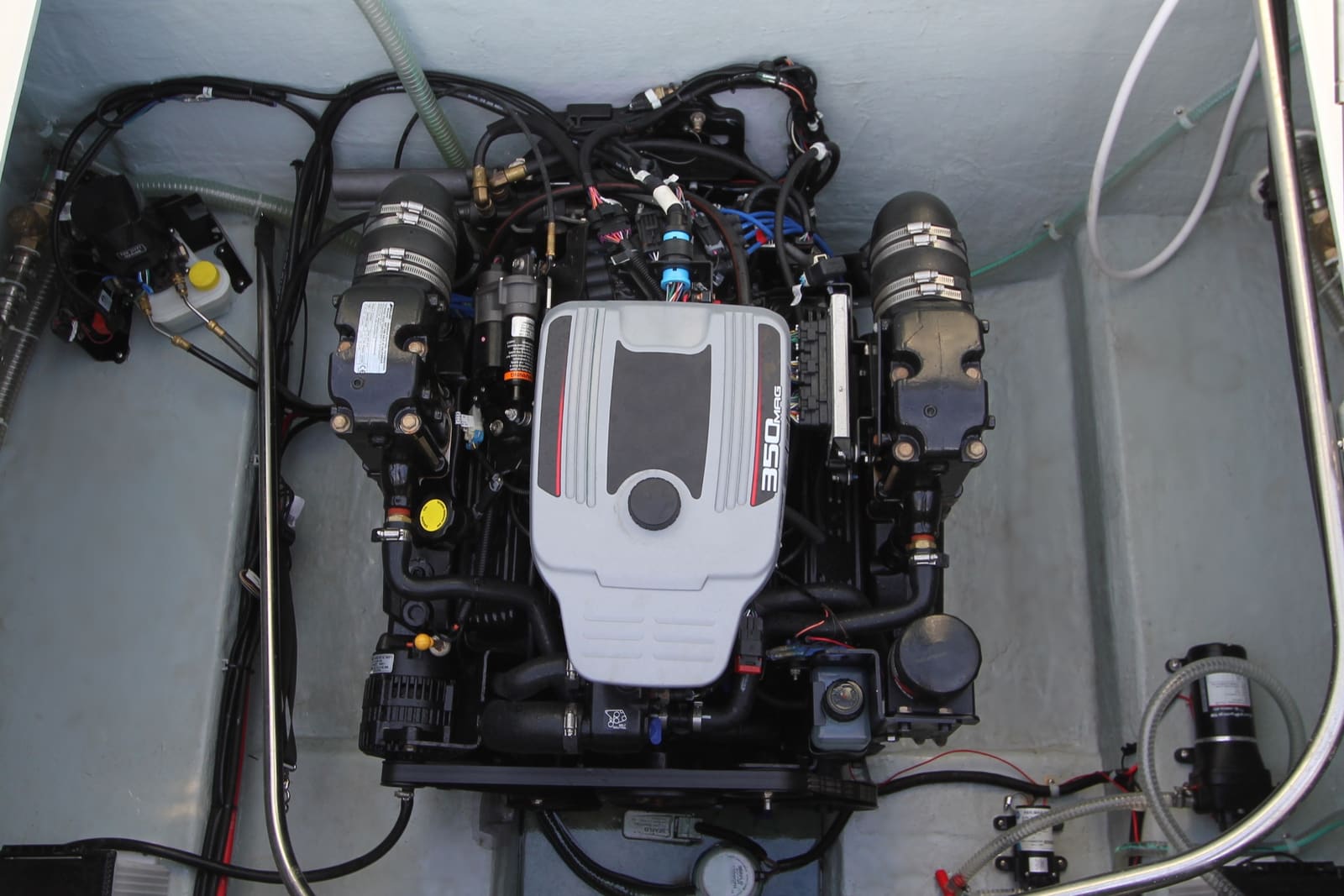
Federal rules (33 CFR 183.410) require electrical parts on gasoline boats to be ignition protected, meaning they won't ignite fuel vapor around them, unless they're isolated from fuel sources. An engine room is the last place to cut corners. Look for a heater made for engine compartments and labeled as meeting USCG ignition protection and UL 1500. For example, Caframo says its Pali engine-compartment heater meets those standards, uses a self-regulating element that can't overheat, and turns itself on and off with a sealed thermostat.
Household heaters, even "marine" cabin heaters, are not built for this. Diesel boats have less vapor risk, but the fire risks from tipping, lint, oil-soaked rags and cords are the same, so use an engine-room heater there too.
Engine-room heaters are rated for a compartment size and outside temperature. Measure your engine compartment (length x width x height) and choose a heater rated for it. A big cruiser may need two smaller units rather than one large one. Bigger is not better: more watts means more load on the shore power cord and inlet, the place where most dockside electrical fires start.
A heater runs for hours, which stresses every connection between the pedestal and the outlet.
- Use a marine shore power cord only. Replace it if the plug blades are pitted or darkened, the jacket is cracked, or the plug feels warm in use.
- Check the boat's shore power inlet. BoatUS fire claim analysis found that on boats over 10 years old, the back of the inlet, where the boat's wiring connects, is a high-risk spot. If the inlet is original on an older boat, have it inspected or replaced.
- Never plug the heater into a household extension cord or power strip. Caframo, for one, says not to use an extension cord with its heater.
Water and 120V power together can kill. Plug the heater into a boat outlet protected by a GFCI, and if possible, make sure the whole boat has an ELCI (a whole-boat leakage detector, now required by ABYC on new boats with shore power). Test the GFCI with its button before each cold season. If the GFCI or ELCI trips, don't keep resetting it: something is leaking current to ground. BoatUS's electric shock drowning advice applies here too: keep people out of the water around docks with shore power.
- Mount the heater with the maker's bracket so it can't tip over from a wake or wind.
- Keep it off the bilge floor and above the highest water level the bilge ever reaches. Caframo warns against placing its heater low where water collects.
- Keep it clear of fuel lines, hoses, wiring bundles, insulation, rags, cardboard and anything else that can melt or burn. Follow the clearances in the heater manual.
- Aim the airflow at the parts most likely to freeze: the raw-water side of the engine, the strainer, the water heater and plumbing.
Run the heater cord so it can't be pinched by a hatch, chafed on a sharp edge or soaked in bilge water. Don't run it through a door or hatch that closes on it. Coil any extra loosely. Check that the plug is fully seated in the outlet; a loose plug overheats.
On a cool day, turn on shore power and confirm the heater cycles on. Know your heater's built-in thermostat point first: Caframo says its Pali's sealed thermostat switches on at about 45°F, so on a mild afternoon it may sit idle and look "dead" when it's working as designed. Test when the engine room is below the switch-on point, or follow the maker's test procedure. Use a thermometer or a wireless sensor to check the engine room actually stays above freezing. Smell for hot plastic and feel the cord and plug after an hour of running: they should be barely warm, never hot.
Assume the power will fail in the worst storm of the year. Your backup plan:
- Winterize what you can. Drain or add antifreeze to anything you don't need, such as the water heater, washdown and head plumbing.
- Remote monitoring. A boat monitor can text you if shore power drops, the temperature falls or the bilge water rises.
- Someone close by. Arrange for a marina staffer or neighbor to check the boat and close seacocks or drain the engine if a freeze is coming and power is out.
- Keep batteries charged so bilge pumps keep working if the shore power fails.
Check the boat after every hard freeze and every storm: heater running, cord cool, no burned smell, bilge dry, pumps working, lines and fenders in place. Look for condensation and mold too. BoatUS notes heaters can increase mildew by causing condensation on cold surfaces such as metal portlights and hatches, so keep some ventilation open.
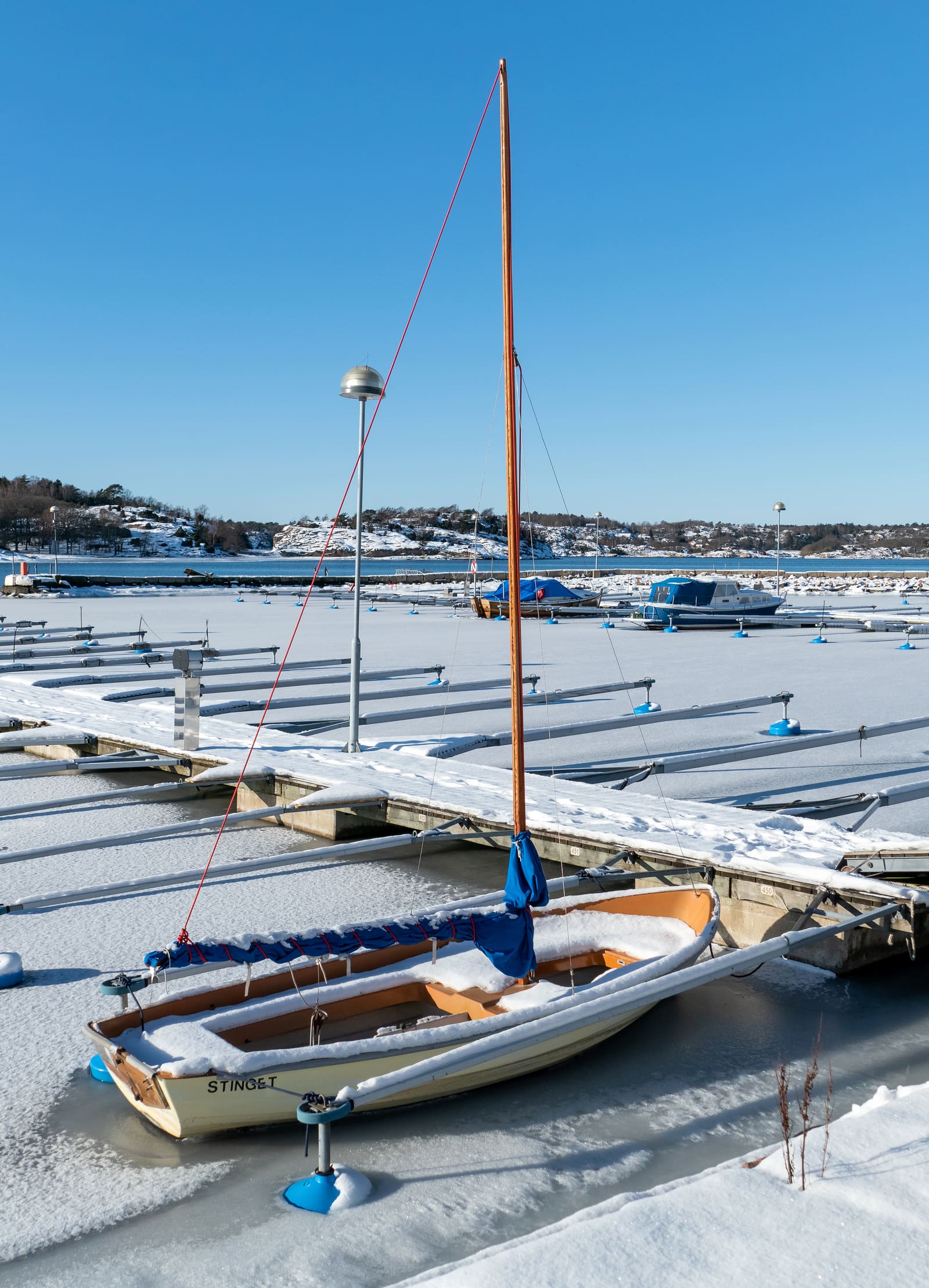
A boat left afloat in a frozen marina. If the power fails during a cold snap like this, only winterizing protects the engine. Photo: W.carter / Wikimedia Commons · CC BY-SA 4.0 When you finally winterize fully or haul out, unplug and remove the heater. Store it dry and check it for damage before next season.
Common mistakes
- "I'll just put a space heater down there." A tipped household heater or one with a sparking thermostat in an engine room can burn the boat and the boats beside it.
- Using a work light or heat lamp as a heater. BoatUS has seen engine-room light bulbs start fires.
- Running the heater on a worn shore power cord or a household extension cord. Old damage in a cord is a common start point for heater fires.
- Counting on the heater instead of winterizing. The power goes out during ice storms, and the engine freezes anyway.
- Placing the heater on the bilge floor. Bilge water and electrical heaters don't mix.
- Resetting a GFCI or ELCI that keeps tripping. It's telling you there's a fault.
When to call a pro
- You smell fuel or burning, or see scorch marks on a plug, inlet or outlet: unplug at the pedestal if it's safe, get off the boat and call 911 if there is smoke or fire
- The GFCI or ELCI trips repeatedly, or the shore power cord or inlet runs warm
- You need a new dedicated circuit or outlet for the heater: an ABYC-certified marine electrician should do that wiring
- You aren't sure how to winterize your engine and plumbing: book a yard well before the first freeze
- Ice has formed around the boat or water is coming in: see the winter in-water and de-icer guides, and call your tow service or marina
Tips
- Write the heater model and the date you tested it in your BoatMend maintenance log.
- A cheap wireless thermometer in the engine room lets you check temperatures from the cockpit or your phone.
- Talk to your marina about how often they walk the docks in winter and whether they'll call you if power to your slip trips.
- Keep a fire extinguisher at the companionway, not inside the engine room.
Official references
We read these to write this guide. Your engine's own manual always wins.
- BoatUS Magazine – Electric Heaters
- BoatUS Magazine – Should You Winterize Your Boat? (2025)
- BoatUS Magazine – Analyzing Onboard Fire Claims (2021)
- eCFR – 33 CFR 183.410, Ignition protection
- Caframo (SEEKR) – Pali Bilge/Engine Compartment Heater
- BoatUS Magazine – Avoid Electric Shock Drowning
- SpinSheet – Winter Boat Safety, Heaters and Other Hazards
- Caframo (SEEKR) – Extend Your Boating Season with the Pali Engine Compartment Heater
Safety: BoatMend is for information only and does not replace a certified marine technician. You are responsible for your safety and your boat. Read the full disclaimer.
Last updated 2026-10-25
Related guides
How to Keep Your Boat in the Water Over Winter (De-Icers, Covers and Checks)
Wintering afloat can be safe if you still winterize every water system, keep the bilge pump and batteries working, use a de-icer correctly on a GFCI-protected circuit, respect the shock and thin-ice risks, and visit the boat regularly.
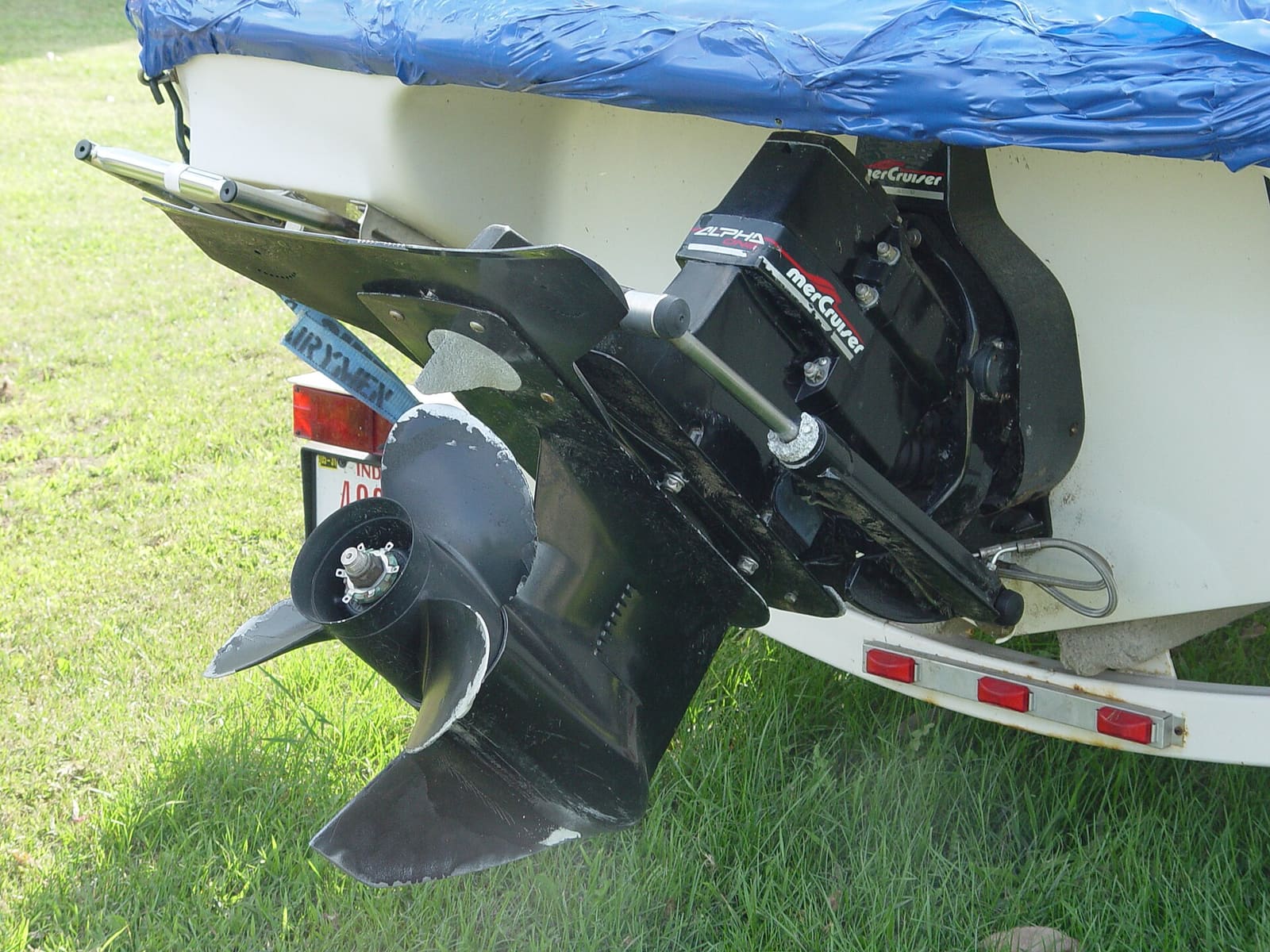
How to Winterize a Sterndrive (MerCruiser, Volvo Penta and Similar)
Get the water out of your sterndrive engine, protect it with antifreeze, and service the drive before storage. A cracked block or manifold from one missed drain plug can cost thousands, and doing it yourself saves a shop bill of several hundred dollars.
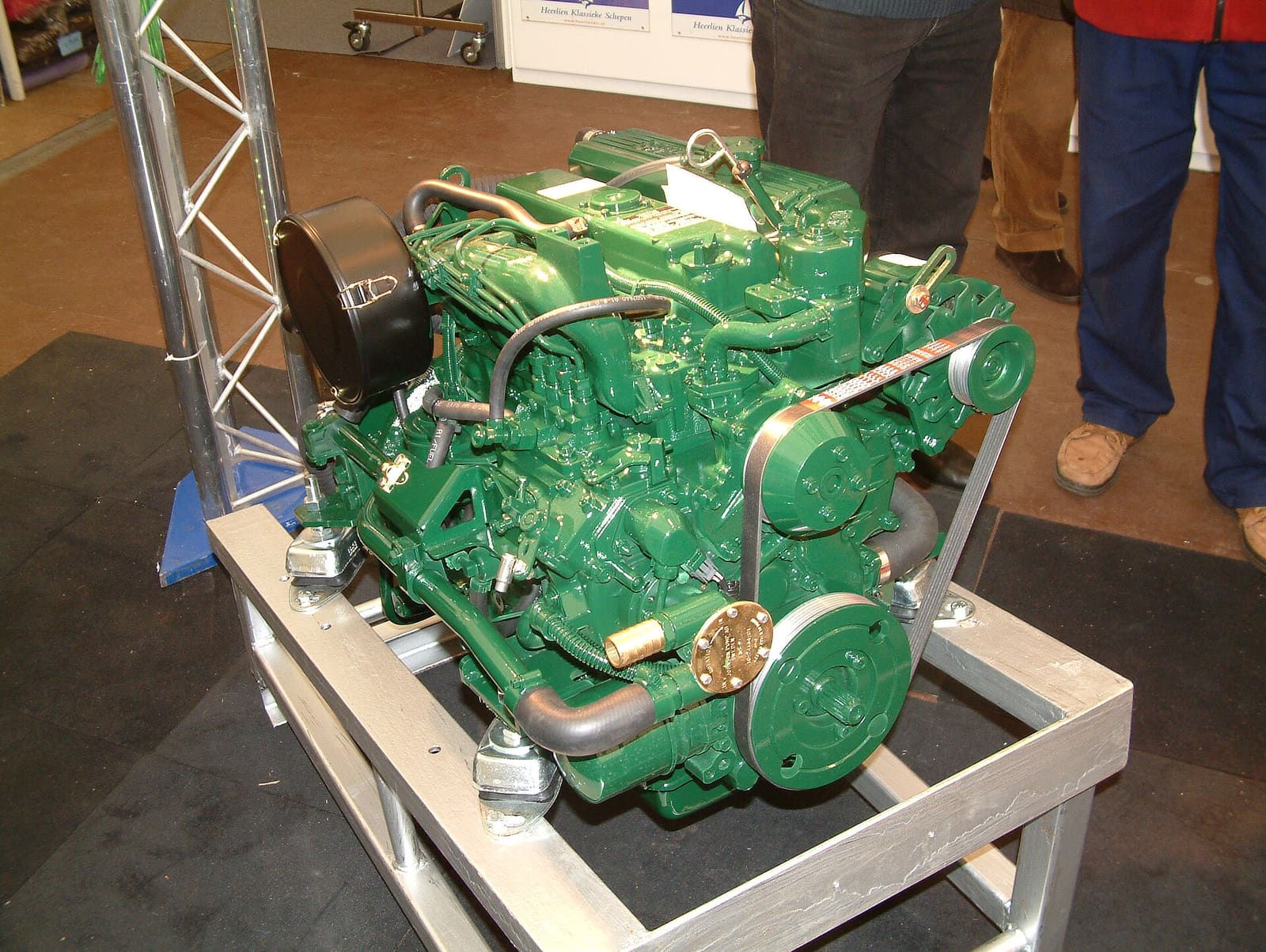
How to Winterize a Marine Diesel Inboard (Sailboat or Trawler)
Lay up a marine diesel for winter the way the engine makers describe it, covering fresh oil, a full and treated fuel tank, antifreeze through the raw-water side, the impeller out, the coolant checked, openings plugged and the battery cared for. Freeze damage to a diesel's raw-water circuit is one of the most expensive and most avoidable winter repairs.
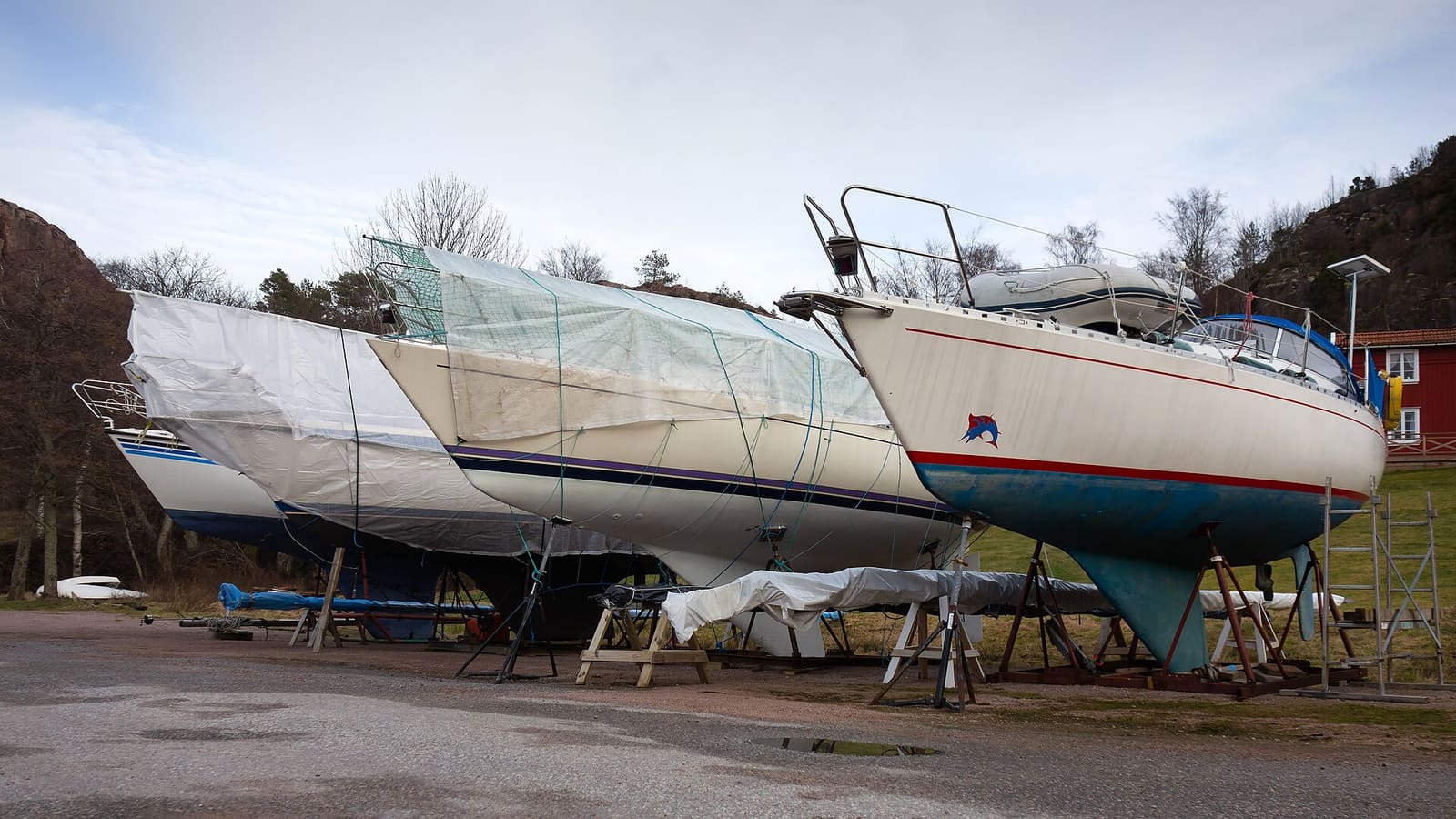
How to Winterize a Sailboat: Rig, Sails, Engine, Plumbing and Storage
A sailboat-specific winter layup plan, from deciding whether the mast comes down to getting sails, running rigging and canvas off, protecting the diesel or saildrive, plumbing and head, and leaving the boat well supported, covered and ventilated. Each engine and water job links to its detailed BoatMend guide.
Cabin Heater Safety Aboard: Diesel, Propane and Electric Heaters
Heat your cabin without poisoning the crew or burning the boat. Covers carbon monoxide alarms, exhaust and through-hull checks for diesel and propane heaters, fuel and ventilation, why household and camping heaters don't belong in a closed cabin, and how to use electric space heaters on shore power safely.
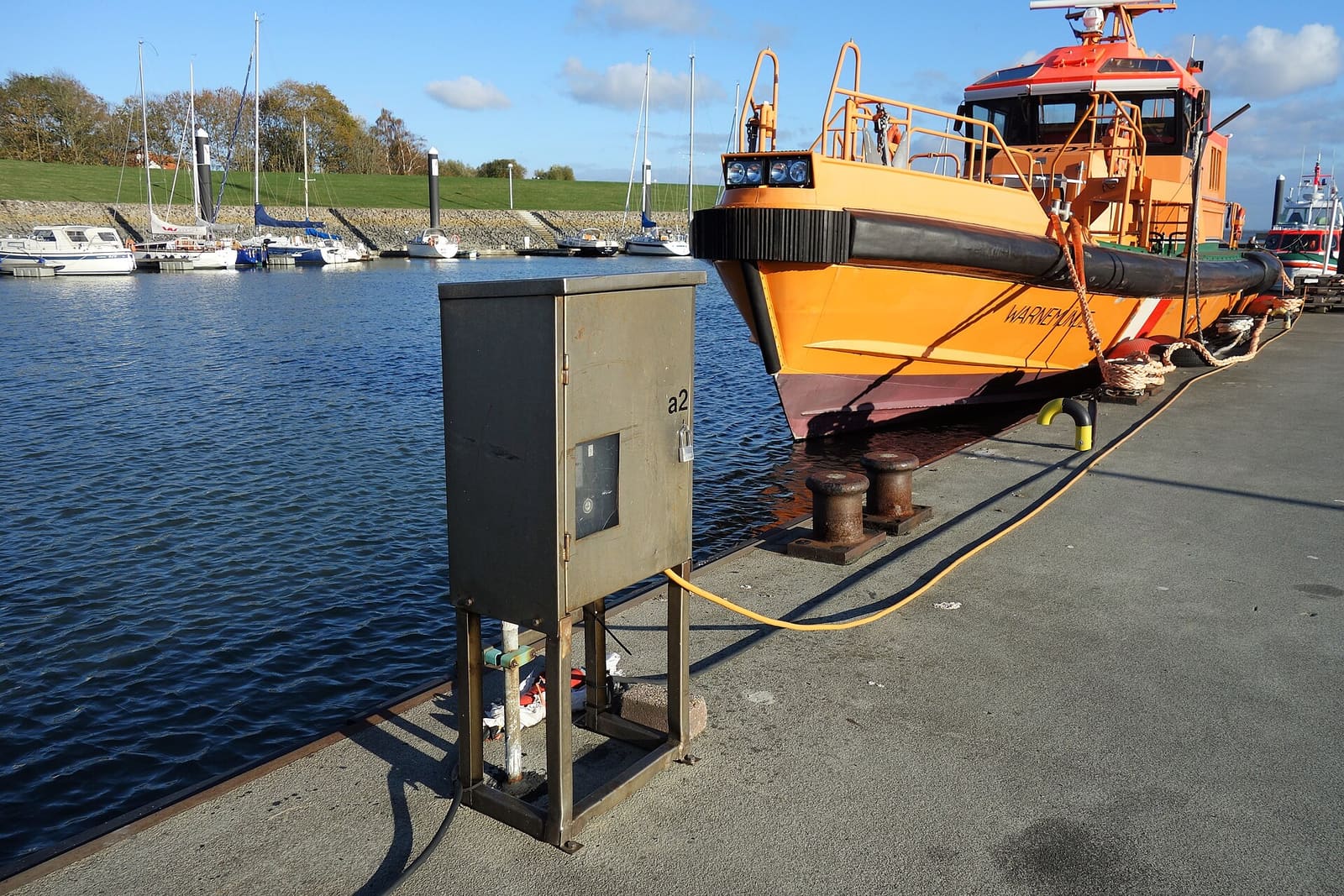
Shore Power Safety: Cords, Inlets, Burned Plugs and Electric Shock Drowning
An owner's inspection routine for your shore power cord, plugs, boat inlet, galvanic isolator and ground-fault protection, plus the right way to plug in and the facts about Electric Shock Drowning. This guide is for looking and testing only; any electrical repair belongs to an ABYC-certified marine electrician.
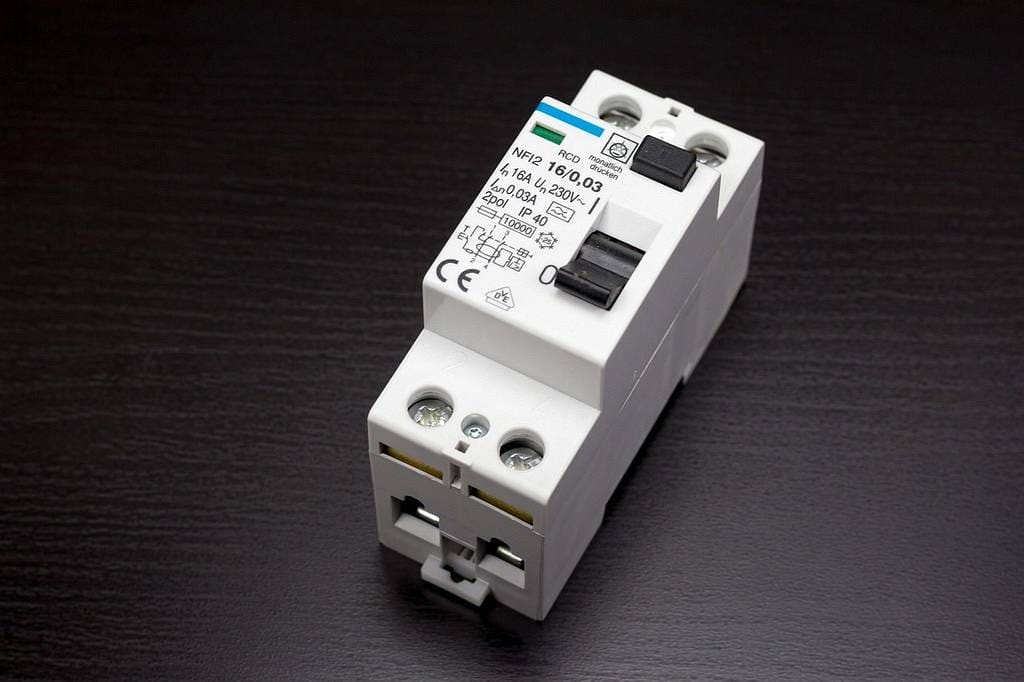
ELCI Retrofit: Adding Whole-Boat Shock Protection to an Older Boat
What an ELCI (equipment leakage circuit interrupter) is, why ABYC now requires one on new boats with shore power, what a retrofit involves and costs, and what to do when one trips. You plan, test and troubleshoot; an ABYC-certified marine electrician does the wiring.
Remote Boat Monitoring: Bilge, Battery, Shore Power and GPS Alerts on Your Phone
Choose, install and set up a system that texts you when your unattended boat is taking on water, losing battery or shore power, or moving without you. Covers cellular versus satellite, what each sensor really tells you, wiring it so it stays on, sensible alert settings and what happens to your location data.
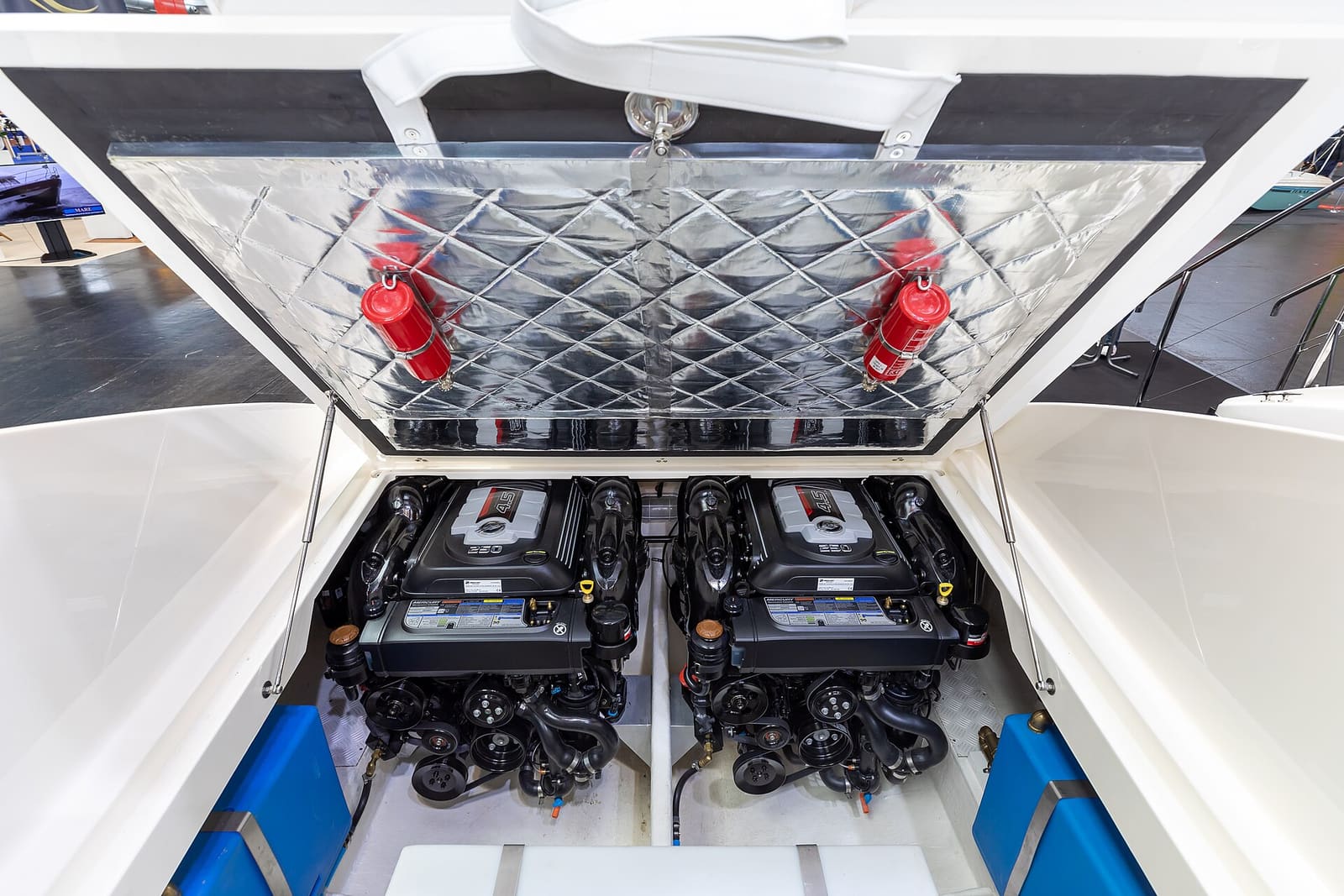
Bilge Blower and Engine Compartment Ventilation on Gas Inboards and Sterndrives
Learn why gas boats have a "run the blower 4 minutes" label, how to check that the blower and vent ducts actually move air out of the engine compartment, and how to replace a blower safely with an ignition-protected marine unit.
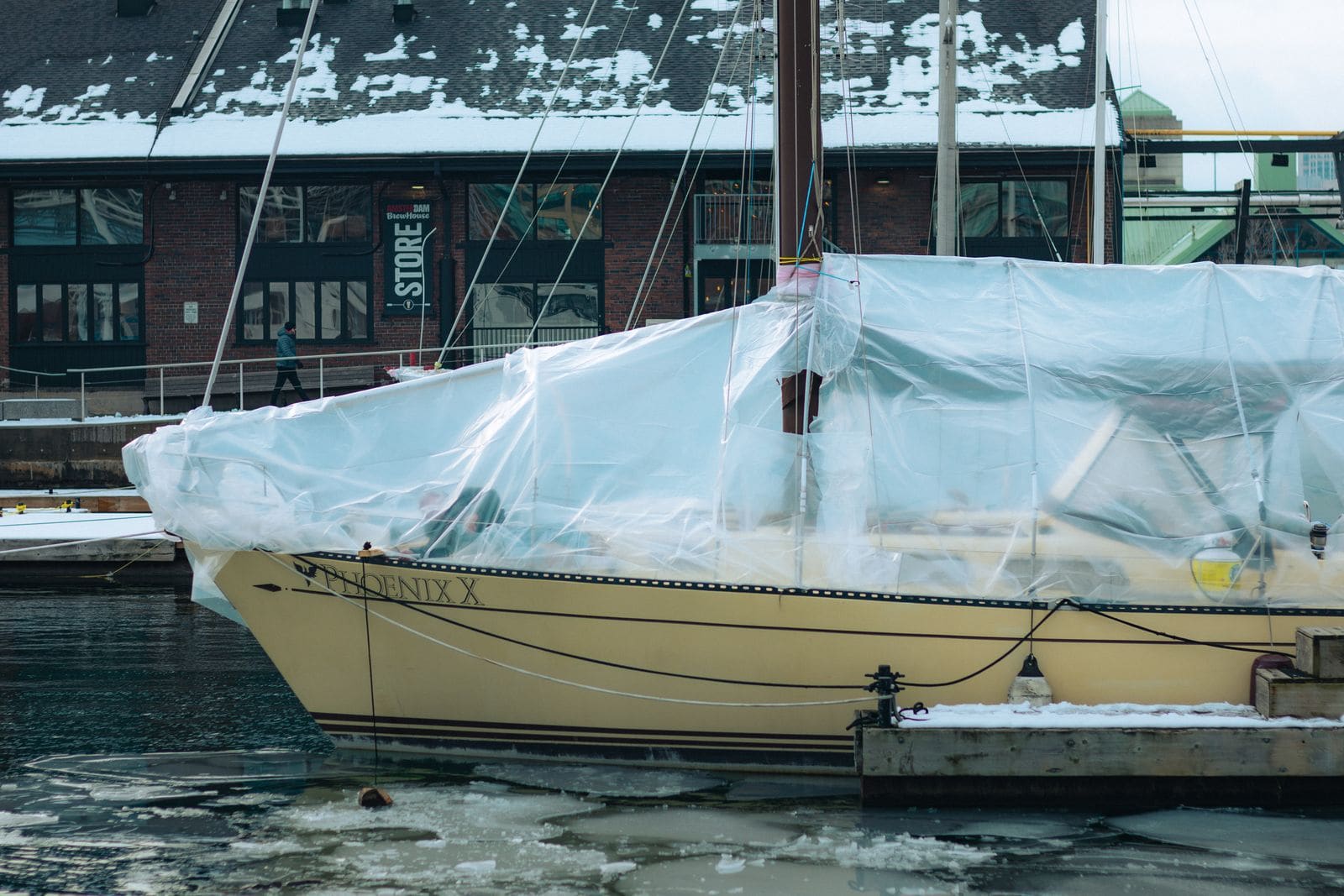
Winter Layup Master Checklist (Step-by-Step, With Links to Each Job)
One ordered checklist for putting any boat away for winter, from booking storage and treating the fuel to winterizing the engine, water systems, head and batteries, then blocking, covering and securing the boat. Each step links to the detailed BoatMend guide for that job.
Ignition-Protected Parts: Why Car Starters and Alternators Don't Belong in a Gas Boat
On a boat with a gasoline inboard, sterndrive or generator, every spark-producing part in the engine space must be ignition protected so it can't set off fuel vapors. Learn what the term means under 33 CFR 183.410, which parts need it, how to read the markings, why cheaper automotive parts are dangerous, and how to check what's already in your engine compartment.