Get Your Boat Ready for the Road: Pre-Trailering Checklist
Most trailering trouble starts in the driveway: an engine left without support, a loose strap, a cover that balloons at 60 mph, gear that blows out or tongue weight that makes the rig sway. Work through this checklist before every trip and do a quick walkaround at each stop.
Time
30 min
Applies to
All engines
Safety first: Never tow with the coupler unlatched, the safety chains unhooked or the trailer lights dead. If the trailer starts to sway, do not slam on the brakes or jerk the wheel: ease off the gas, hold the wheel steady and let the rig slow down. If you have a blowout, breakdown or crash on the highway, get well off the road, turn on your hazards and call 911 if anyone is hurt or traffic is at risk. Keep a towing service number (such as BoatUS Trailer Assist or your auto club) in your phone.
Owners often ask
- Should I trailer my outboard tilted up on the tilt support lever or use a transom saver?
- How much tongue weight should my boat trailer have, and how do I check it?
This guide walks you through it. Still stuck? Ask the AI Mechanic about your engine.
Tools
- Tire pressure gauge
- Wheel chocks
- Lug wrench that fits the trailer wheels
- A helper (for the light check)
- Bathroom scale and short board, or access to a truck scale (for checking tongue weight)
Parts & supplies
- Transom tie-down straps and a bow strap or safety chain in good condition
- Outboard or drive support bracket (transom saver) if your engine maker recommends one
- Spare bulbs and fuses for the trailer lights
- Spare trailer tire on a rim, and a jack rated for the loaded trailer
Before you start
This guide is the "about to leave" checklist. The deeper maintenance jobs (bearings, tires, brakes, lights, winch and straps, jack and coupler) have their own guides, linked at the bottom.
Know your numbers before the first trip:
- The trailer's capacity plate (GVWR and tire load ratings) and your tow vehicle's towing and tongue weight limits from its owner's manual.
- The real loaded weight of boat, engine, fuel, gear and trailer. The BoatUS Foundation suggests keeping boat plus gear to no more than about 85 percent of the trailer's rated capacity as a safety margin.
- Whether your state requires trailer brakes at your weight. The BoatUS Foundation notes many states require brakes on all wheels at 1,500 pounds GVWR or more; check your state's rules.
Engine and drive position is set by the engine maker, not by habit. Read the trailering section of your outboard, sterndrive or jet manual before you set it up the first time.
Steps
Follow the same order each time (Mercury's pre-tow checklist lays it out):
- Raise the tongue above the hitch ball and back the vehicle until the ball is directly under the coupler.
- Lower the coupler fully onto the ball until the weight moves from the jack to the hitch.
- Close the latch and put the pin or lock through it.
- Raise and swing up the jack.
- Cross the safety chains under the tongue and hook them to the hitch with enough slack to turn but not so much that they drag.
- If the trailer has brakes, clip the breakaway cable to the vehicle (not to the safety chains or ball mount).
- Plug in the light connector.
Our trailer jack and coupler guide and safety chain guide cover the details.
Too little weight on the ball makes the trailer sway at highway speed; too much makes steering light and loads the vehicle's rear axle. The BoatUS Foundation's guideline is that roughly 5 to 10 percent of the total loaded weight should sit on the ball with the coupler level (other sources give somewhat higher figures, so also respect your tow vehicle's and hitch's limits).
How to check:
- Truck scale: BoatUS suggests weighing the tow vehicle with the trailer hitched but with the trailer wheels off the scale, then weighing the vehicle alone. The difference is the tongue weight.
- At home: a tongue weight scale, or a bathroom scale for light trailers. For heavier tongues, BoatUS shows a beam-and-pivot setup that keeps the load on the scale within its range.
To change tongue weight, move heavy gear forward or aft, empty water tanks, or move the winch post so the boat sits farther forward or back on the trailer. Do that at home, not on the shoulder.
- Outboards: Mercury notes that towing with the engine straight down puts the least strain on the motor and transom, but most rigs do not have the ground clearance. If yours must be tilted, an outboard support bracket (transom saver) between the lower unit and the trailer takes the bouncing load off the tilt rams and transom. Mercury recommends asking a marine professional which size and type fits your setup.
- Do not trailer on the tilt support lever. Yamaha's FAQ says its tilt support lever is for storage only, was not built for the strain of transport and could break; Yamaha sells a separate trailering support. Suzuki's FAQ says the same about its tilt support lever (storage only; it can break under trailering loads) and points owners to a transom saver instead. Other makers have similar warnings: check yours.
- Sterndrives and jets: use the trailering position and any support your manual specifies, and check road clearance under the drive.
- Make sure the prop and skeg will clear the road on bumps and driveway dips.
- Bow: the winch strap should be tight with the winch locked, and the winch safety chain (if fitted) hooked to the bow eye. The BoatUS Foundation warns that winches are for loading, not for holding the boat on the road, and recommends a separate bow strap or line from the bow eye to the trailer.
- Stern: run a heavy transom strap on each side from the stern eyes to the trailer frame and tighten until the boat cannot shift.
- Check webbing for cuts, fraying and sun damage, and hooks for bending or rust. Our winch strap and safety chain guide shows what to replace.
- A twist or two in a long flat strap reduces humming and vibration at speed.
A loose cover can balloon, tear off, and slap the boat hard enough to damage gelcoat or windshields.
- Only tow with a cover the maker says is designed for trailering, fitted snug, with every strap tight and tucked. If you are not sure, take it off and stow it.
- Fold and secure the Bimini top in its boot or remove it; the BoatUS Foundation says to stow or firmly secure tops and similar items.
- Fold down antennas and outriggers to their travel position, as Mercury's checklist reminds you.
- Engine covers too. Mercury separates outboard covers by job: its vented splash covers are for use on the water and are not meant for trailering, while its tow-and-store covers have a soft lining and a leg strap to stay put on the highway. Whatever brand you use, only trailer with a cover made for towing, strapped on.
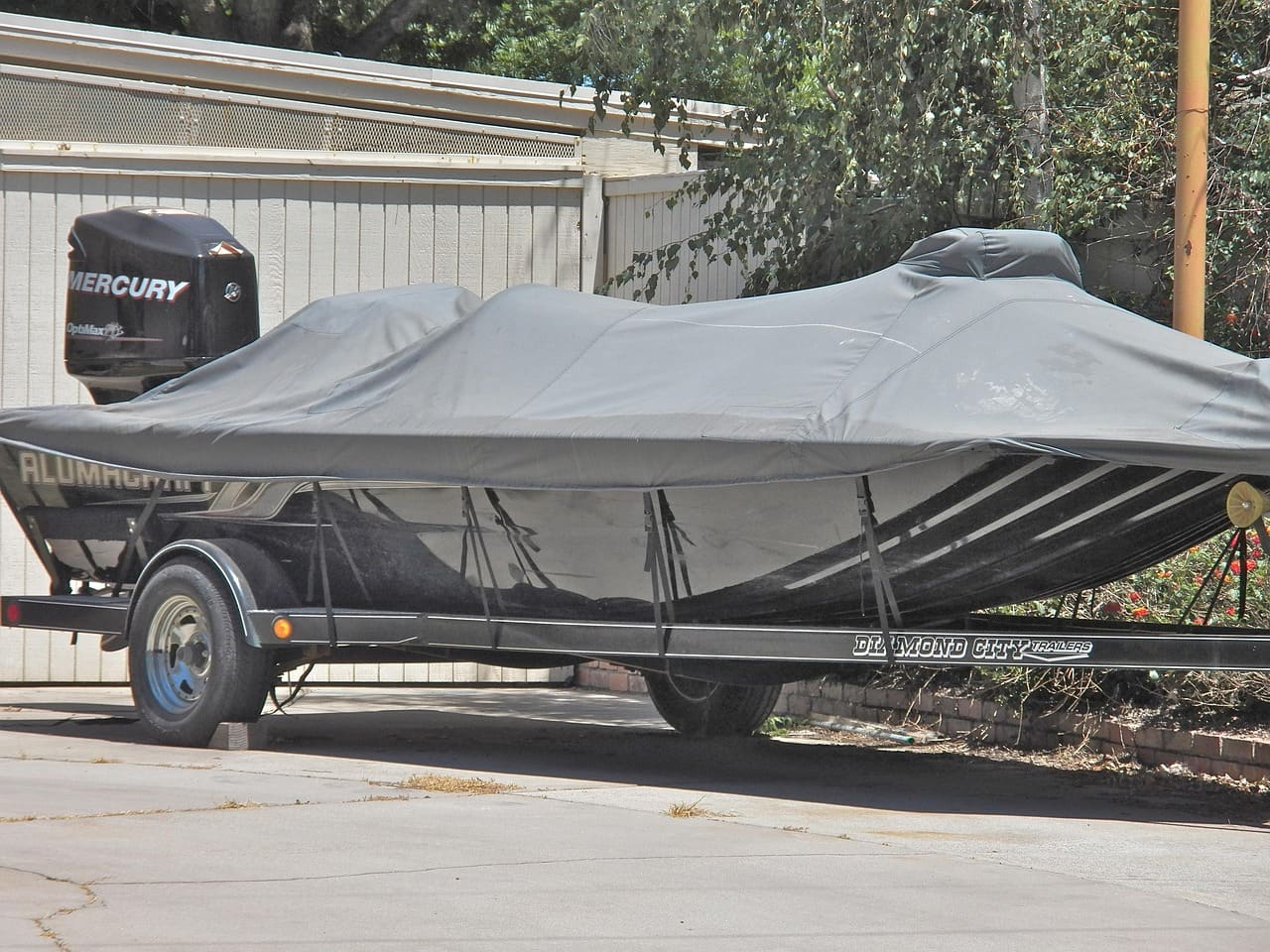
A snug cover with straps cinched under the hull is less likely to balloon. Photo: babylass / Pixabay Anything loose in the boat can blow out onto the highway. Put cushions, life jackets, towels and trash in closed lockers, lash coolers and tackle boxes down, and take out anything you do not need. Watch weight: water in livewells, ballast tanks or a pooled cover adds weight and can shift. The BoatUS Foundation suggests emptying water tanks to help manage tongue weight.
Put the drain plug, boat keys, kill-switch lanyard and registration in the tow vehicle, as Mercury suggests, so they are not left at home or lost from the boat.
Owners on the forums tell the same stories every season: life jackets, cushions and even brand-new canvas sucked out of a boat at highway speed, and a small outboard set loose on the transom and never seen again. If something can't be locked away or tied down, put it in the tow vehicle. A portable outboard rides clamped and locked to its bracket or inside the vehicle, never loose.
- With a helper, check tail, brake, turn and marker lights every time you hook up. Mercury calls trailer lights notorious for failing.
- Make sure the wiring is secured along the tongue and not dragging. The BoatUS Foundation suggests securing exposed wire about every 18 inches.
- Electric brakes: set the brake controller for the loaded weight.
- Surge brakes: confirm the fluid level, and that the reverse lockout works (see our surge brake guide).
- Pull ahead slowly and brake gently once in the driveway to feel that the trailer brakes engage smoothly.
- Check pressure in all trailer tires, including the spare, when cold, using the pressure on the tire sidewall or trailer placard. Trailers sit for weeks between uses, and Mercury notes towing on low pressure is very common.
- Look for cracks, bulges and worn tread.
- Make sure the lug nuts are tight.
- Glance at the hubs for grease leaks or a missing bearing protector cap.
Walk all the way around the rig one last time:
- Coupler latched and pinned, chains crossed and hooked, breakaway cable attached, lights plugged in
- Jack fully up and locked in its towing position
- Bow and transom straps tight, winch locked
- Engine supported, cover and Bimini secured, nothing loose in the boat
- Mirrors adjusted or extended so you can see past the boat
- Leaving the ramp: pull weeds and mud off the boat, trailer, bunks and axles, and drain the livewell, bait well and bilge before you hit the road. Discover Boating notes this keeps invasive species from spreading, and many states have laws and inspection stations for it, especially at western lakes.
BoatUS suggests checking the rig after about the first 50 miles and at every stop. At each stop look at:
- Hitch, ball, coupler and chains
- Lights
- Lug nuts
- Hubs (feel for one that is much hotter than the others, or grease spraying out)
- Tires (heat, bulges, unusual wear)
- Transom straps, and whether the load inside the boat has shifted
- The engine or lower unit still tilted and supported, with the transom saver secure
MasterCraft's trailer advice adds two details: do this walk-around after hitching and again at every fuel or rest stop, and look hardest at the right-hand (passenger) side, where most road-hazard damage happens. On a trailer with a swing-away tongue, check that the pivot and keeper pins are in and that the brake hose isn't pinched or kinked, which can make the brakes drag and overheat.
Fueling stops: BoatUS's advice for gas stations with a boat in tow is to pick a roomy station with enough overhead clearance at the pumps, pull up on the outside of the row so you can leave in either direction, and avoid parking with the outboard or drive facing the store's parking spots, where cars backing out can hit it. Don't hop curbs with the trailer; BoatUS shows a brake line fitting broken that way. When you're done, pull away from the pump, and have someone walk behind the boat to guide you out.
- Leave much more following distance and brake earlier: a trailer adds stopping distance even with brakes.
- Take turns wider so the trailer wheels clear the curb.
- Use a lower gear on long downhills instead of riding the brakes.
- Expect a push and pull from passing trucks and gusty wind; keep both hands on the wheel.
- If the trailer sways, BoatUS says to take your foot off the pedal, stay in your lane and let the speed bleed off; low-tongue-weight sway typically stops as you slow. Then pull over and shift weight forward.
Common mistakes
- Trailering an outboard on its tilt support lever or tilt lock instead of a proper support.
- Relying on the winch strap alone to hold the bow.
- Towing with an ordinary mooring or storage cover that balloons and shreds at highway speed.
- Leaving cushions, life jackets or towels loose in the boat.
- Checking the lights at home but never again during the trip.
- Forgetting the drain plug at home, or forgetting to put it in at the ramp.
- Hooking the breakaway cable to the safety chains, so it would not pull if the trailer came loose.
- Never weighing the rig and finding out about low tongue weight through sway on the freeway.
When to call a pro
- The rig sways even after you shift weight forward and check tire pressure
- The trailer brakes pull, grab, drag or do not engage
- You are not sure your tow vehicle, hitch or trailer is rated for the load
- Wiring problems you cannot trace to a bulb, ground or connector
- You need an outboard support bracket fitted or a sterndrive's trailering setup confirmed: ask your engine dealer
- A breakdown or crash on the highway: get to safety, call 911 if needed, then a towing service
Tips
- Laminate a short checklist and keep it in the tow vehicle's door pocket.
- Take a quick photo of your setup (straps, chains, engine support) once it is right, so anyone who tows the boat can copy it.
- For PWCs, Sea-Doo's set-up guide reminds you to check that the winch and transom straps are tight and the hitch pin, lights and chains are connected before leaving the driveway.
- Carry a basic trailer kit: spare bulbs, fuses, a roll of electrical tape, zip ties, a lug wrench, a jack rated for the trailer and wheel chocks.
- At the ramp, do the road prep in reverse before you back in: take off the outboard support bracket (trimming down against it can damage the bracket, the trim system or the transom), remove the transom straps, and put the drain plug in. Many owners also unplug the trailer lights before backing in, since hot incandescent bulbs can crack when they hit cold water, and plug them back in after pulling out.
Official references
We read these to write this guide. Your engine's own manual always wins.
- Mercury Marine – Pre-Tow Checklist for Hauling Your Boat
- Mercury Marine – Quick Tip, Protect Your Boat and Outboard from the Stress and Strain of Trailering
- Yamaha Outboards – Outboards FAQs (tilt support lever and trailering)
- BoatUS – Tips For Towing A Boat Trailer
- BoatUS – Tongue Weight DIY
- BoatUS Foundation – Boat Transportation & Trailering
- Discover Boating – How to Tow a Boat
- Sea-Doo – Complete Set-Up and Inspection Guide of Your PWC
- Mercury Marine – Protect Your Engine on the Water, on the Road and in the Driveway (engine covers)
- BoatUS – Fill 'er Up! (fueling with a boat in tow)
- MasterCraft – Knowledge Center, Walk-Around Trailer Inspection
- Suzuki Marine – FAQs (tilt support lever is for storage only)
- MasterCraft – Knowledge Center, Swing Tongue
Safety: BoatMend is for information only and does not replace a certified marine technician. You are responsible for your safety and your boat. Read the full disclaimer.
Last updated 2026-10-24
Related guides
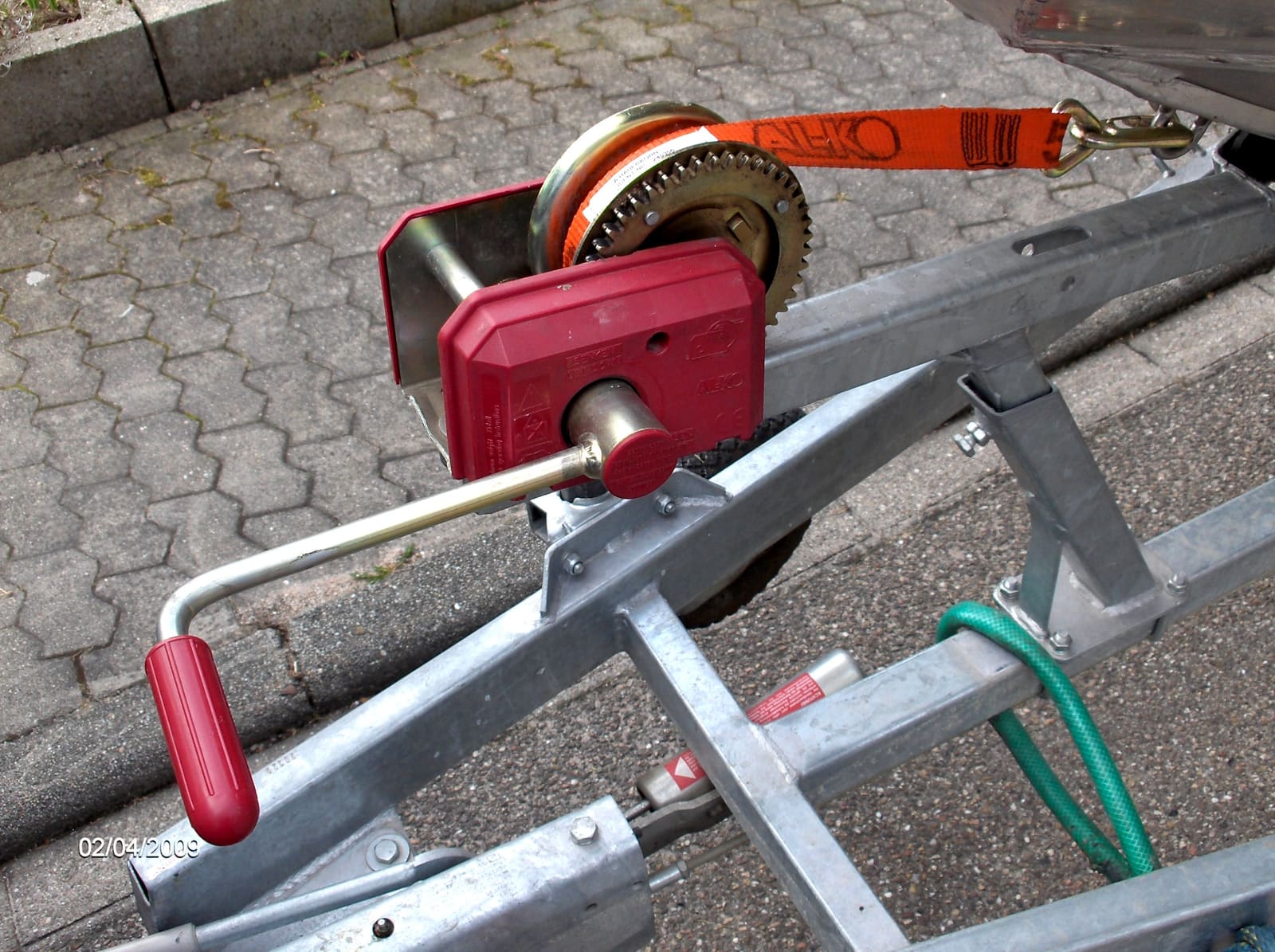
How to Inspect and Use the Trailer Winch, Strap, Tie-Downs and Safety Chains
Check the winch, strap or cable, bow safety chain, transom tie-downs and the safety chains to your vehicle, and learn how each one is meant to be used. These parts keep the boat on the trailer and the trailer behind your truck.
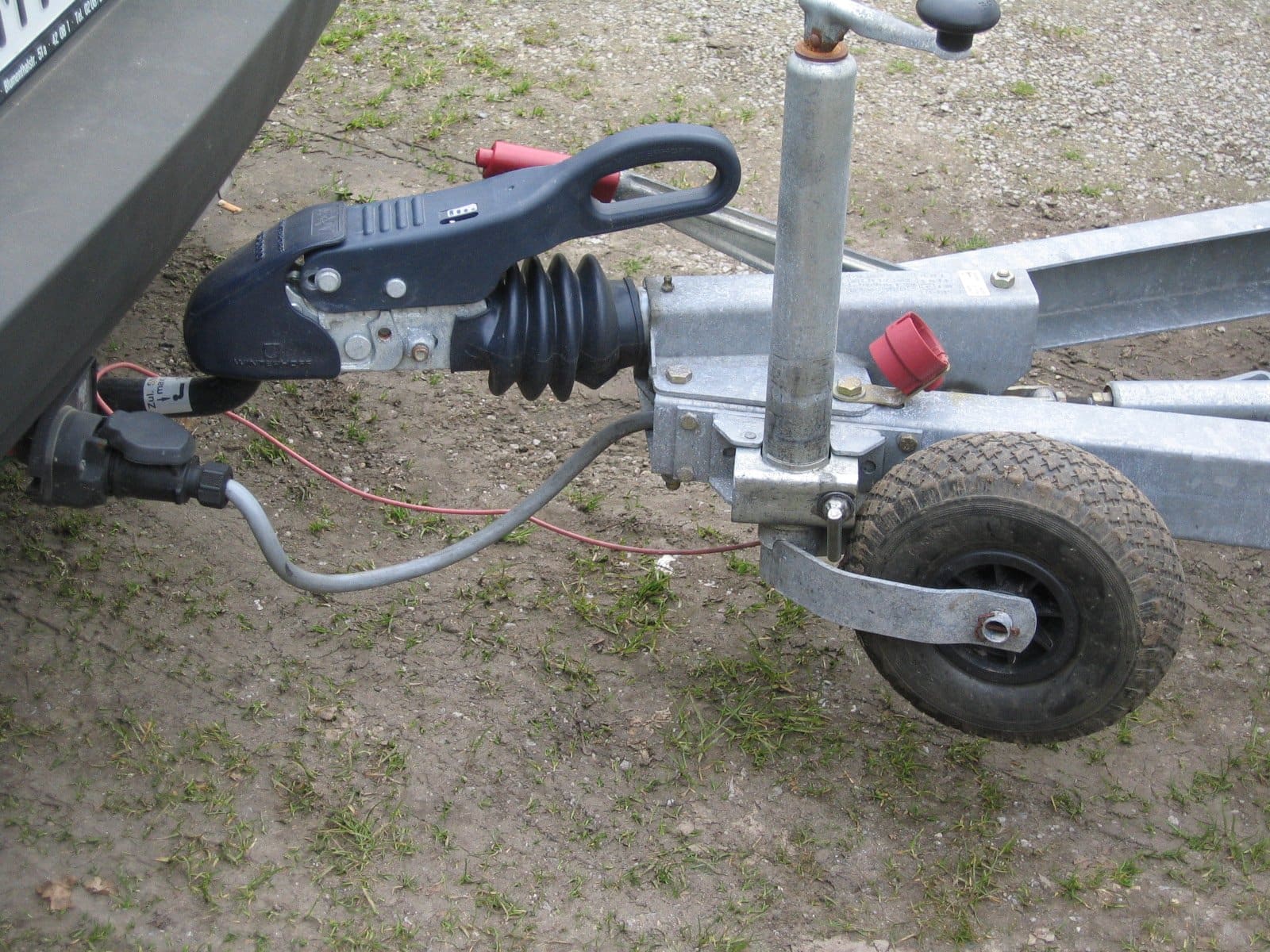
Trailer Tongue Jack and Coupler Care: Grease, Adjust and Know When to Replace
The tongue jack and coupler take a beating from weight, road grit and launch-ramp dunking. A few minutes of cleaning and grease a couple of times a season keeps the jack cranking smoothly and the coupler locking tight on the ball, and tells you when either part is worn out.
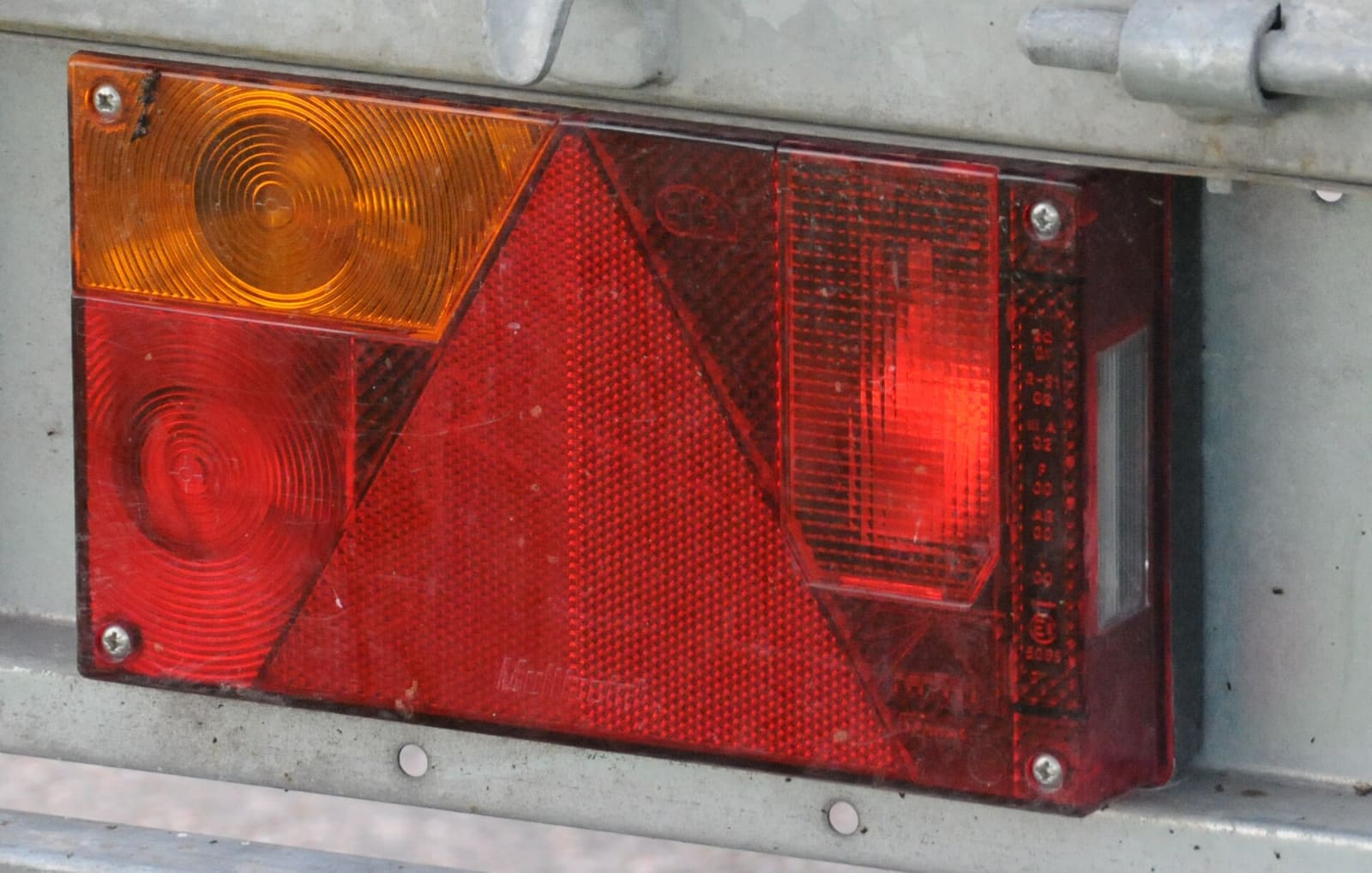
How to Fix Boat Trailer Lights That Flicker, Dim or Don't Work
Track down the real cause of dead or flickering trailer lights, from a bad ground to a corroded plug, and fix it so the repair lasts. Working brake, turn and tail lights are required by law and keep the driver behind you from rear-ending your boat.
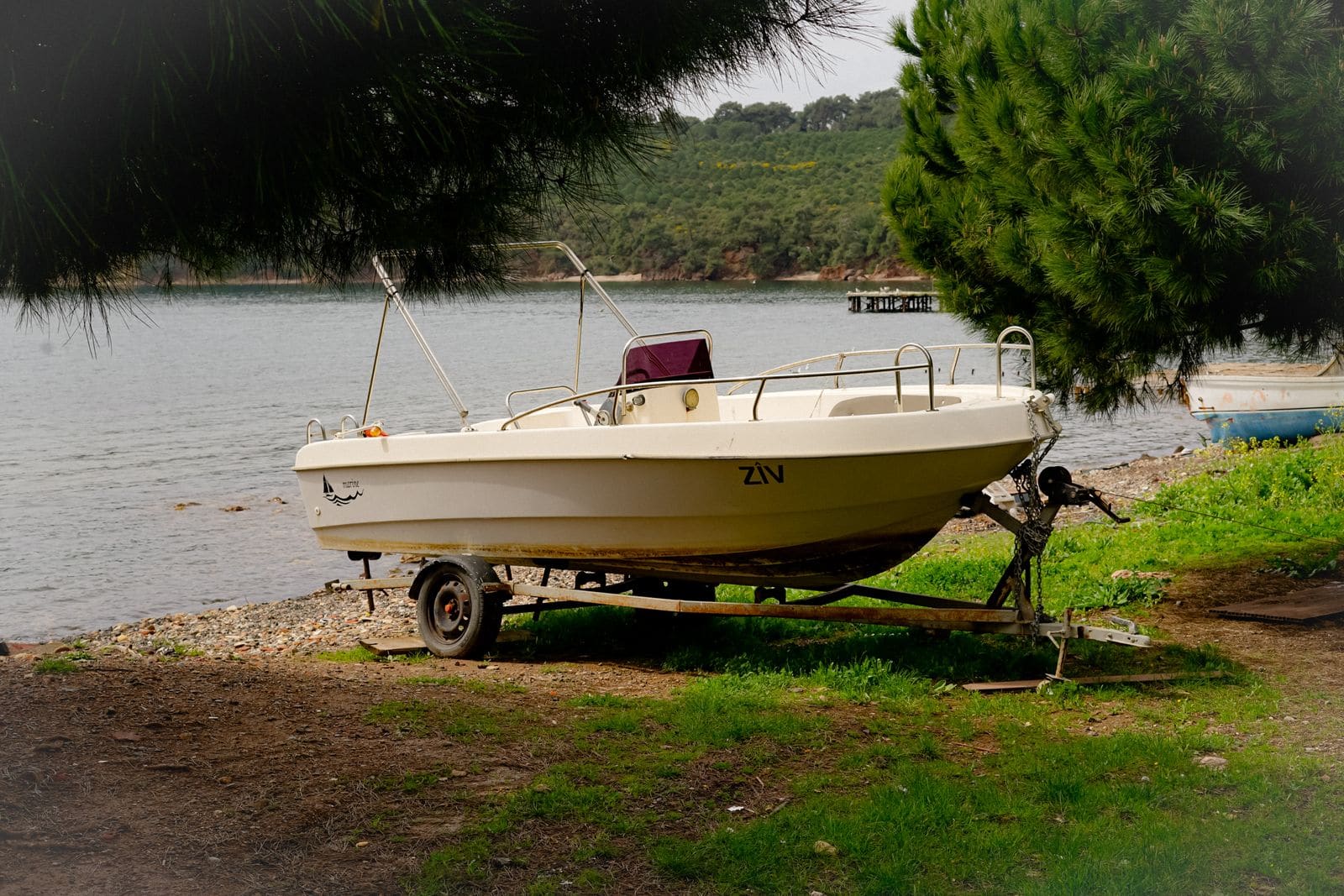
How to Inspect, Inflate and Replace Boat Trailer Tires
Check your trailer tires the way the pros do: the right type (ST), the right load range, the right cold pressure, and an honest look at their age. Tires are the number one reason boat trailers end up on the side of the highway.
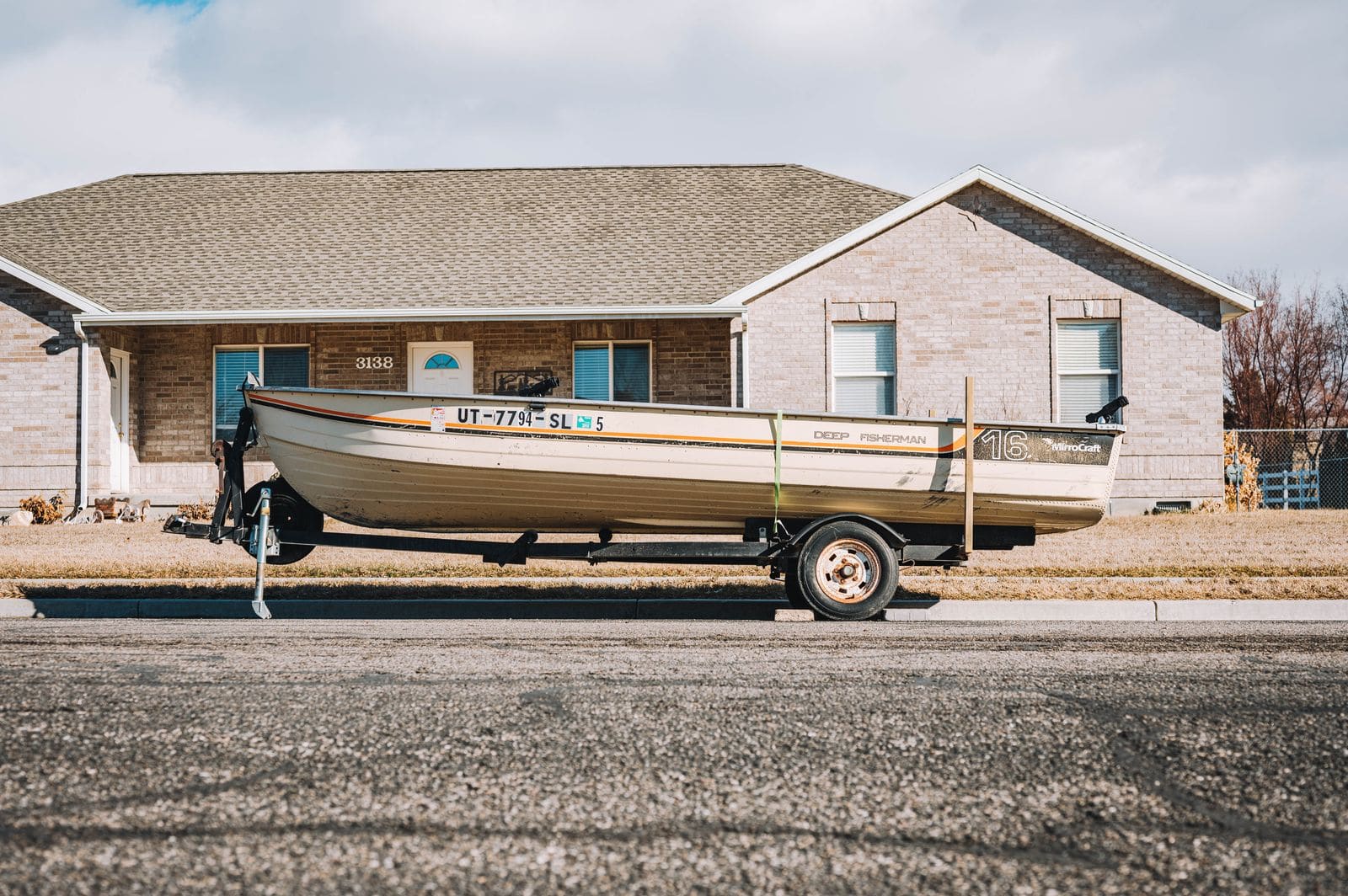
How to Inspect and Repack Boat Trailer Wheel Bearings
Check, clean and repack your trailer's wheel bearings so a seized hub does not leave you stranded on the highway. Boat trailers get dunked in water every launch, which makes their bearings fail far more often than those on dry utility trailers.
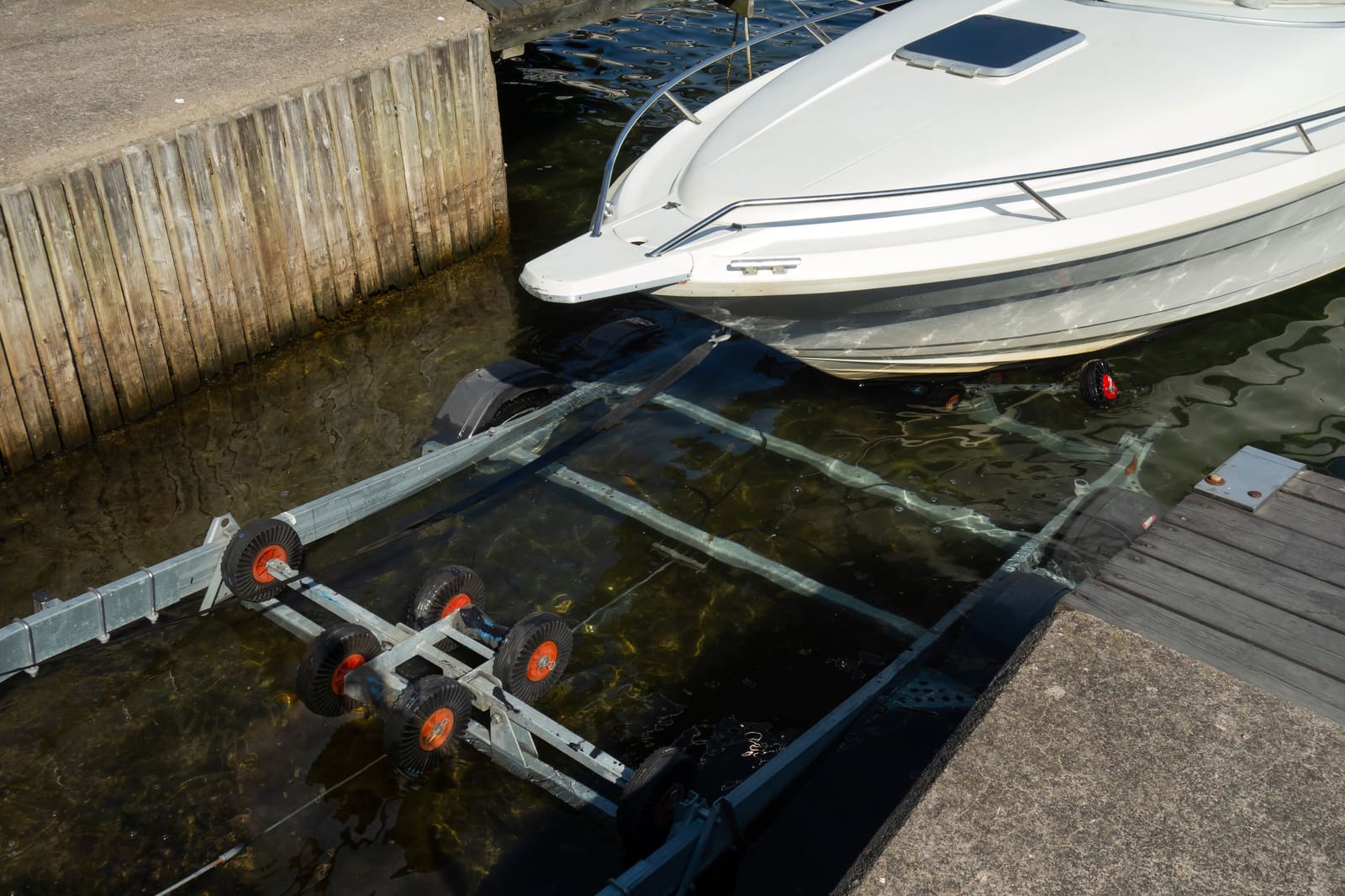
How to Check and Care for Boat Trailer Surge Brakes
Understand how the hydraulic surge brakes on your boat trailer work, check the fluid, use the reverse lockout correctly and rinse salt out of them after every dunk. Simple habits that keep the brakes from seizing, dragging or failing when you need them.
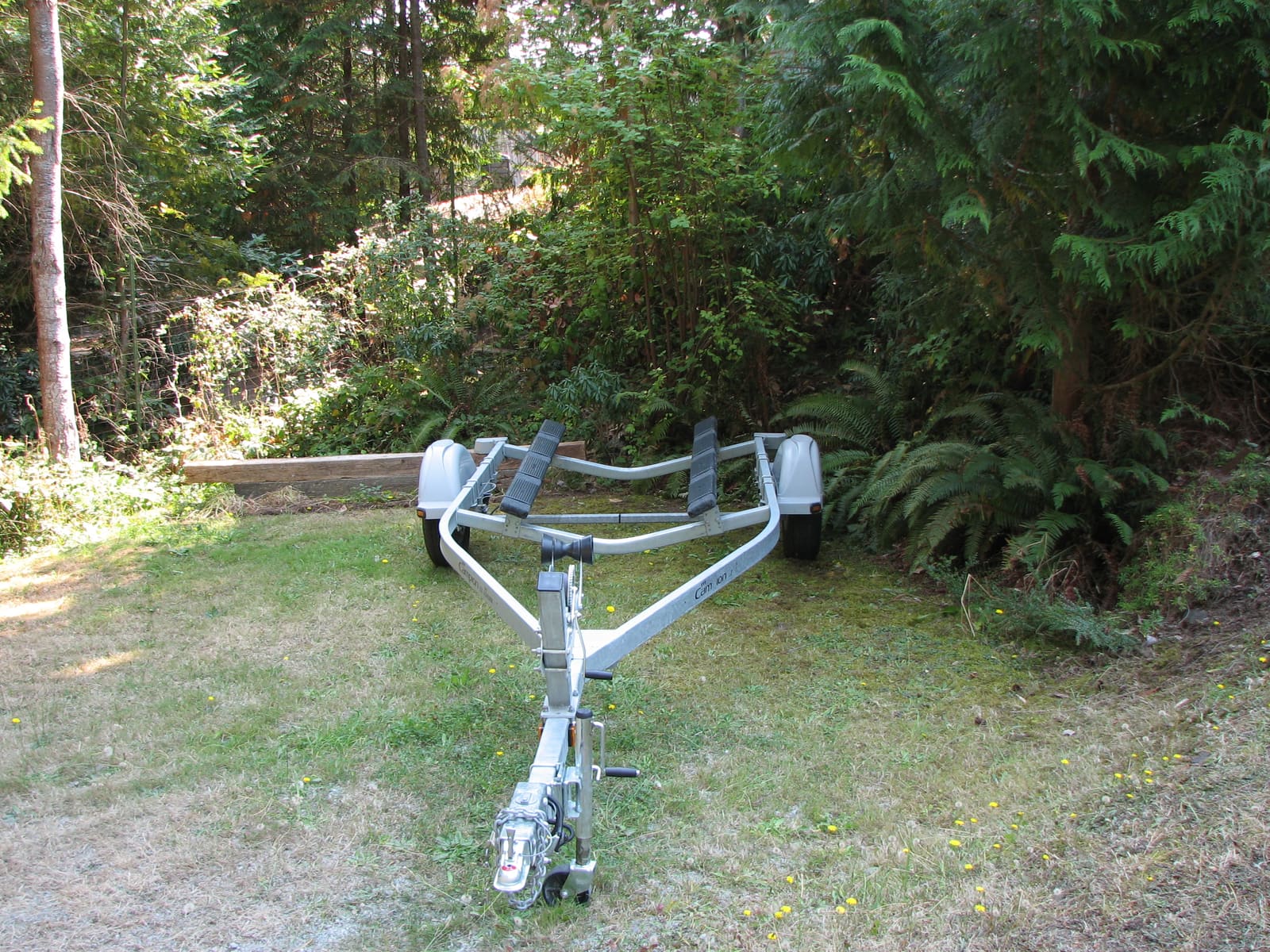
How to Adjust and Replace Trailer Bunks and Rollers So Your Boat Sits Right
Set up your boat trailer so the hull is supported in the right places: bunks and rollers clear of the strakes, the transom fully supported, the bow snug against the winch stop and the weight balanced on the tongue. Also covers replacing rotten bunk boards and worn carpet or rollers.
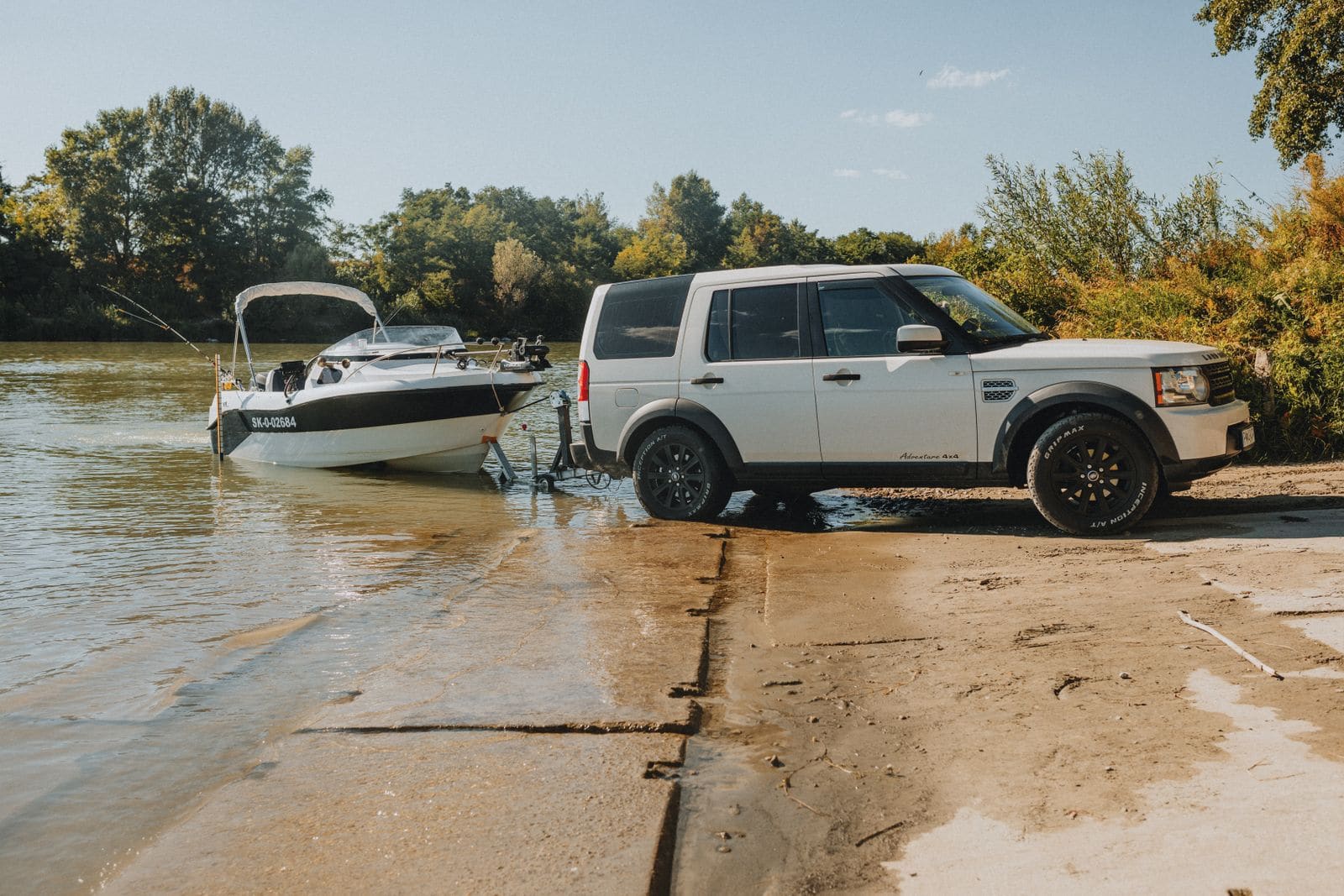
Launch Day and Haul-Out Checklist for Trailer Boats
A step-by-step checklist for getting your boat off the trailer and back on again safely and quickly, from the drain plug and tie-downs to the blower and ramp etiquette. Following it in order prevents the classic mistakes that sink boats and back up the ramp.