Harmful Algae Blooms: How Boaters Spot Them, Check Advisories and Clean Up Afterward
Blue-green algae and red tide can sicken people and kill dogs within hours. Learn what a bloom looks like, where to check state advisories before you launch, how to run the boat around one, and how to rinse the hull, trailer, gear and your dog afterward. Includes what health agencies say about eating fish from bloom areas.
Time
30 min
Applies to
All engines
Safety first: If a person or pet gets sick after contact with discolored or scummy water, rinse them with clean tap water and get help right away: call 911 or Poison Control (1-800-222-1222) for people, and a veterinarian immediately for a dog. The CDC says animals can die within hours. Never drink, cook with, or make ice from lake or river water, and remember that boiling does not remove algae toxins.
Owners often ask
- Is it safe to take my boat out on a lake with a blue-green algae advisory?
- My dog jumped in a lake with green scum. What should I do?
This guide walks you through it. Still stuck? Ask the AI Mechanic about your engine.
Tools
- Phone with your state's algae advisory page bookmarked
- Garden hose with spray nozzle (tap water)
- Soft brush and boat soap
- Disposable gloves
- Old towels for the dog
Parts & supplies
- Bottled or tap water for drinking and rinsing (never lake water)
Before you start
What a harmful algal bloom (HAB) is. The CDC describes it as a fast overgrowth of algae or cyanobacteria that can harm people, animals or the environment. In lakes and rivers the usual culprit is cyanobacteria (blue-green algae); in salt water it's usually dinoflagellates or diatoms, such as Florida's red tide. The CDC says blooms have been reported in all 50 states.
Not every bloom is toxic, and you can't tell by looking. Oregon's health agency points out that the size of a bloom says nothing about how much toxin it's making, and toxins can be in the water even when no bloom is visible. The CDC's rule of thumb is "When in doubt, keep out."
Why boaters in particular should care:
- Dogs that swim, drink lake water or lick their fur afterward are the most likely to die from it (CDC).
- High-speed boating, skiing and wakeboarding throw spray you can breathe in. Oregon's health agency recommends avoiding these activities during an active bloom or where a health advisory is posted.
- Blooms pile up where boaters spend time: Oregon lists the water's edge, coves, backwaters and the arms of reservoirs, often right at launch ramps and swim coves.
- Fish and shellfish can carry toxins with no taste or smell, and cooking doesn't remove them (CDC).
When it happens: warm, slow-moving, nutrient-rich water, mostly summer into fall. NOAA's Lake Erie forecast, for example, typically runs from July to October.
Steps
The CDC's first prevention step is to check swimming, fishing and shellfish advisories before you go. Where to look:
- Your state's HAB page. Most states post them through the health department or the environmental agency (search "[your state] harmful algal bloom advisory"). Oregon and New York, for example, keep lists of current blooms, and Oregon offers email and text alerts.
- Forecasts for big waters. NOAA publishes a Lake Erie HAB forecast with satellite images of where the bloom is during the season.
- Signs at the ramp or beach.
No advisory doesn't mean safe. The CDC notes agencies can't monitor every lake, and Oregon says most of its waterbodies aren't monitored at all.
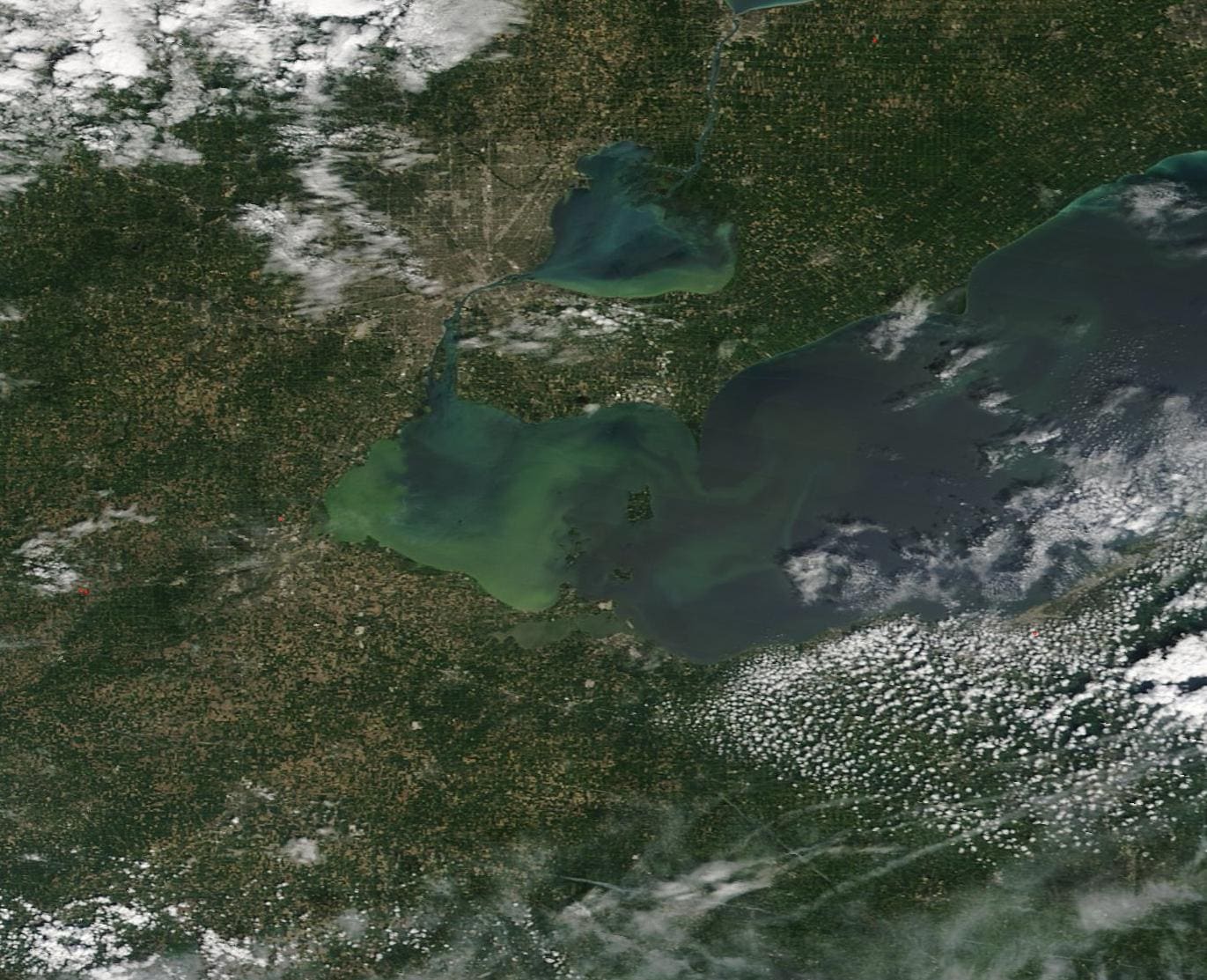
A blue-green algae bloom across western Lake Erie in August 2019, seen from space. NOAA tracks it each season. Photo: NASA GSFC MODIS Land Rapid Response Team / Wikimedia Commons · Public domain At the ramp and on the water, look for what the CDC and state agencies describe:
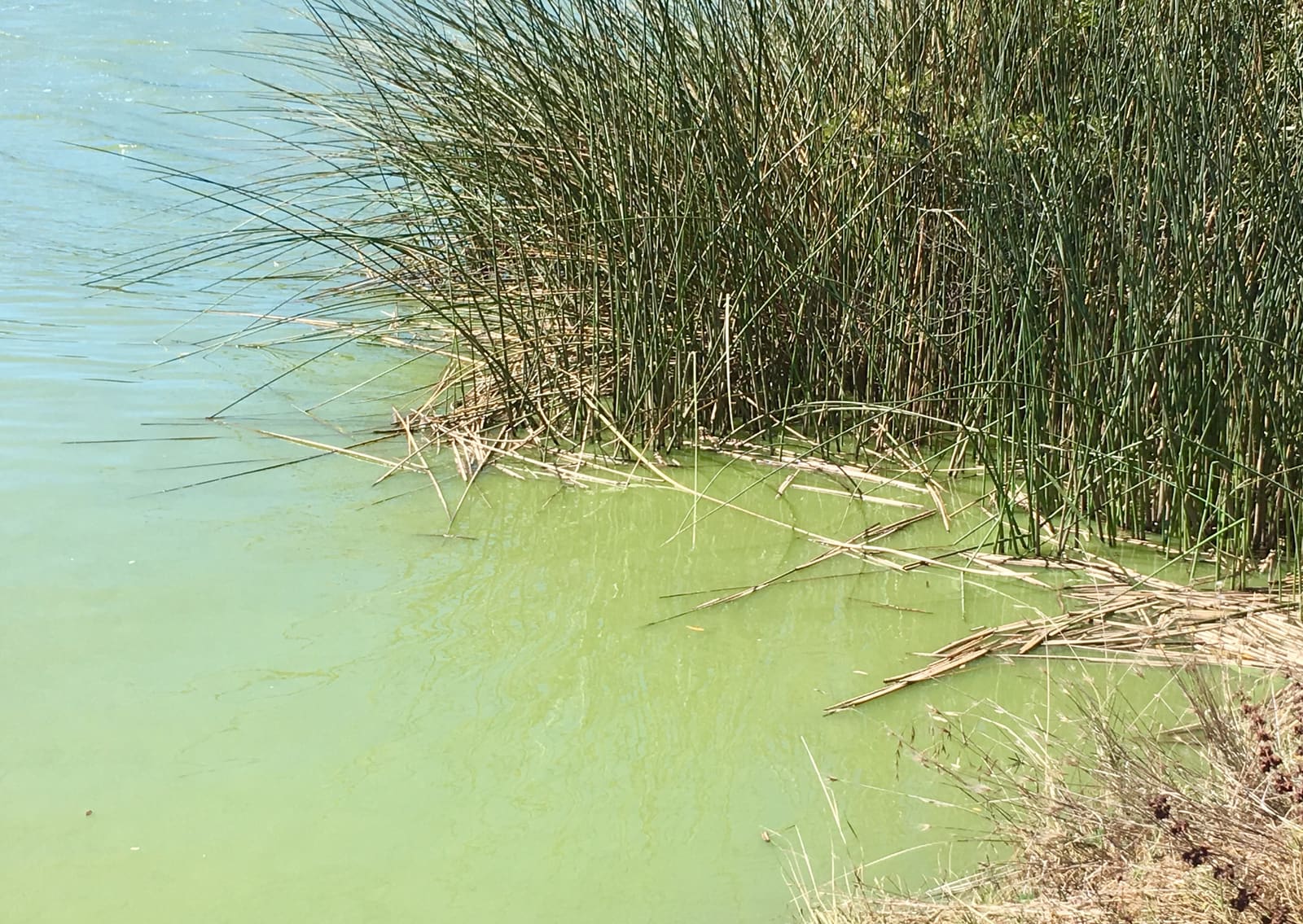
- Spilled-paint look, scum, foam, or floating mats or globs
- Water color that's pea-green, blue-green, brown, yellow, orange, red or even white
- A bad smell like rotten eggs or rotting plants as the bloom decays
- Dead fish or animals on the shore
- Mats on rocks or the bottom in clear water (benthic blooms); bits can break off, float, and dry along the shoreline, still toxic
Oregon notes scums are often thickest early in the day and can be pushed by wind into one corner of a lake. The bloom you saw at 8 a.m. in the cove may be across the lake by afternoon.
If the ramp area is scummy or an advisory is posted:
- The simplest choice is another lake or another ramp upwind of the bloom.
- If you go out, stay out of the water: no swimming, wading, skiing, tubing or wakeboarding in or near the bloom (CDC, Oregon).
- Run at idle speed through any discolored water so you don't throw spray into the boat, and keep people seated away from the spray.
- Don't anchor or raft up in a scummy cove.
On the coast: red tide. In Florida and Texas, red tide is caused by the microscopic alga Karenia brevis. NOAA's National Centers for Coastal Ocean Science (NCCOS) says these blooms can cause breathing irritation and eye irritation in people, kill marine life and lead to shellfish closures. The irritation comes through the air, so you can feel it on the boat even if nobody touches the water. NCCOS publishes a regular red tide forecast for Florida and Texas and says the risk of respiratory irritation is highest when the wind blows onshore or along the shore. Blooms are patchy and change through the day. If people aboard start coughing, sneezing or getting itchy eyes, move the boat away from the discolored water and upwind of it; anyone with asthma or other lung problems should keep clear of red tide areas altogether and go ashore if symptoms don't ease.
This is the biggest risk on board. The CDC's advice for pets: don't let them drink the water, swim or play in it, eat near it, eat algae, or eat dead fish on the shore, and don't let them lick their fur if they do get wet. Bring a water bowl and fresh water so a thirsty dog isn't tempted by the lake. Our pet guide covers life jackets and boarding.
The CDC says to wash the animal off immediately with clean water so it can't lick cyanobacteria off its fur. Wear gloves, use tap water from your boat's freshwater tank or bottles, and towel the dog dry. Then call a vet right away if you see any of these within a day or so (CDC list): low energy, not eating, vomiting, stumbling or falling, foaming at the mouth, diarrhea, drooling, tremors or seizures. Don't wait to see if it gets better; there's no antidote and death can come within hours. The ASPCA Animal Poison Control Center (1-888-426-4435) and the Pet Poison Helpline (1-855-764-7661) can help; both charge a fee.
- Rinse off right away with tap water (sink, shower, hose); the CDC recommends this after any contact with possibly bloomed water. Use soap if you have it (Oregon).
- Watch for the symptoms New York lists: diarrhea, nausea or vomiting; skin, eye or throat irritation; allergic reactions or breathing trouble.
- Call Poison Control (1-800-222-1222) with questions, and see a doctor if symptoms appear. Say the person was in a bloom.
Algae mats and scum can load up a raw-water strainer just like weeds do. After running through a heavy bloom:
- Watch your temperature gauge and outboard telltale; a weak stream can mean a clogged intake.
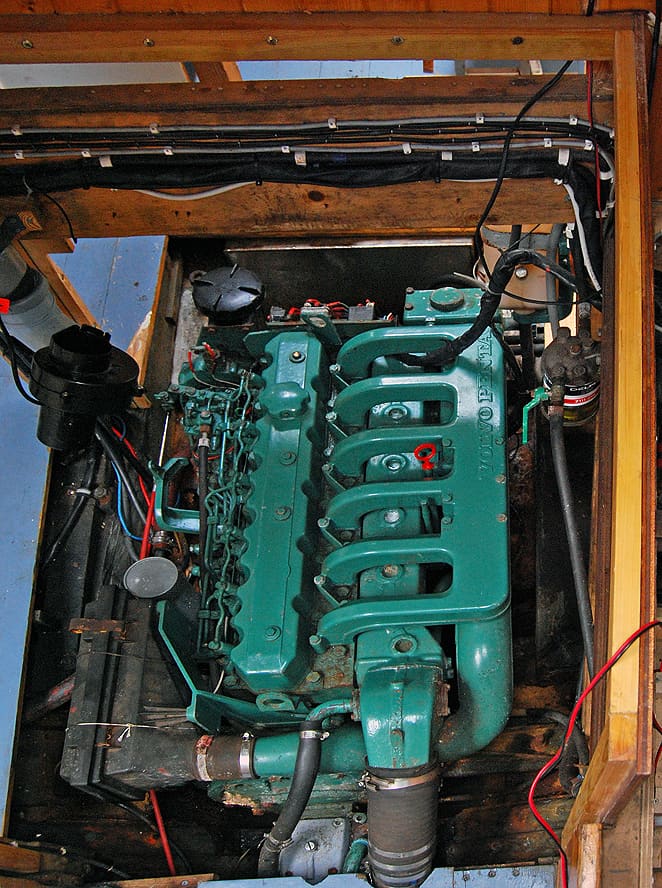
- With the engine off and the seacock closed (inboard/sterndrive), check and clean the raw-water strainer as in our strainer guide. Wear gloves.
- Don't fill the livewell or washdown from bloom water, and don't run a watermaker in a bloom (New York says never to drink or make ice with untreated surface water; Oregon says personal filters can't remove the toxins).
- Never top up your freshwater tank from a lake hose or spigot that draws untreated lake water.
There's no special federal decontamination procedure for boats that have been in a bloom. Health agencies tell you to rinse with clean water after contact (CDC, New York), so fold it into the clean-drain-dry routine you already do for invasive species:
- Pull the drain plug and drain bilge, livewells and ballast at the ramp's drain area, not into a storm drain.
- Rinse the hull, trailer bunks, rollers and lights with tap water, and scrub off any green film near the waterline with boat soap and a soft brush.
- Rinse ropes, fenders, anchor, tubes, life jackets and fishing gear, and let them dry in the sun.
- Wear gloves, and keep kids and dogs away from the dirty runoff.
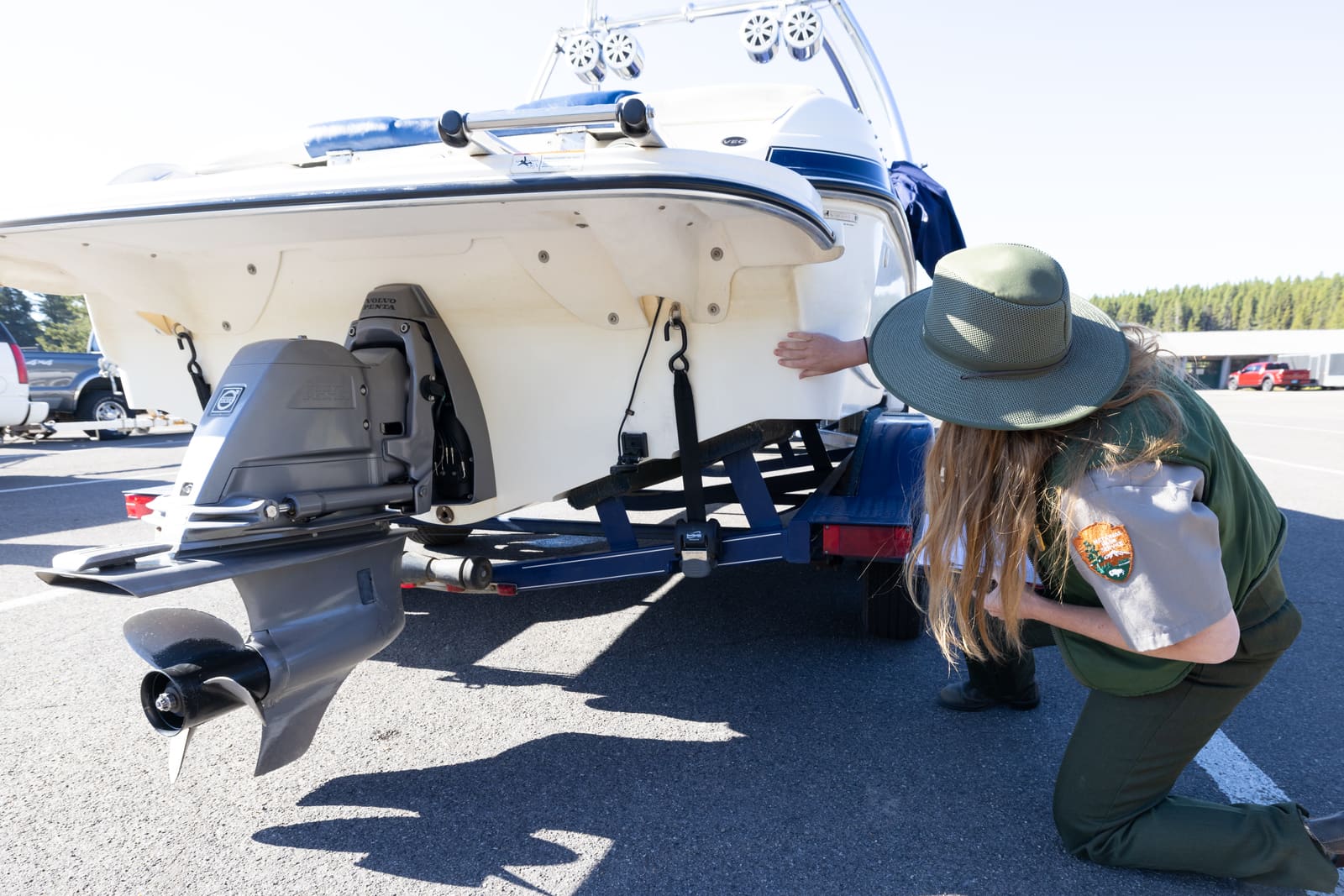
Our clean-drain-dry and hull-cleaning guides cover the details, and the inspection-station guide explains what to expect if a state checkpoint stops you.
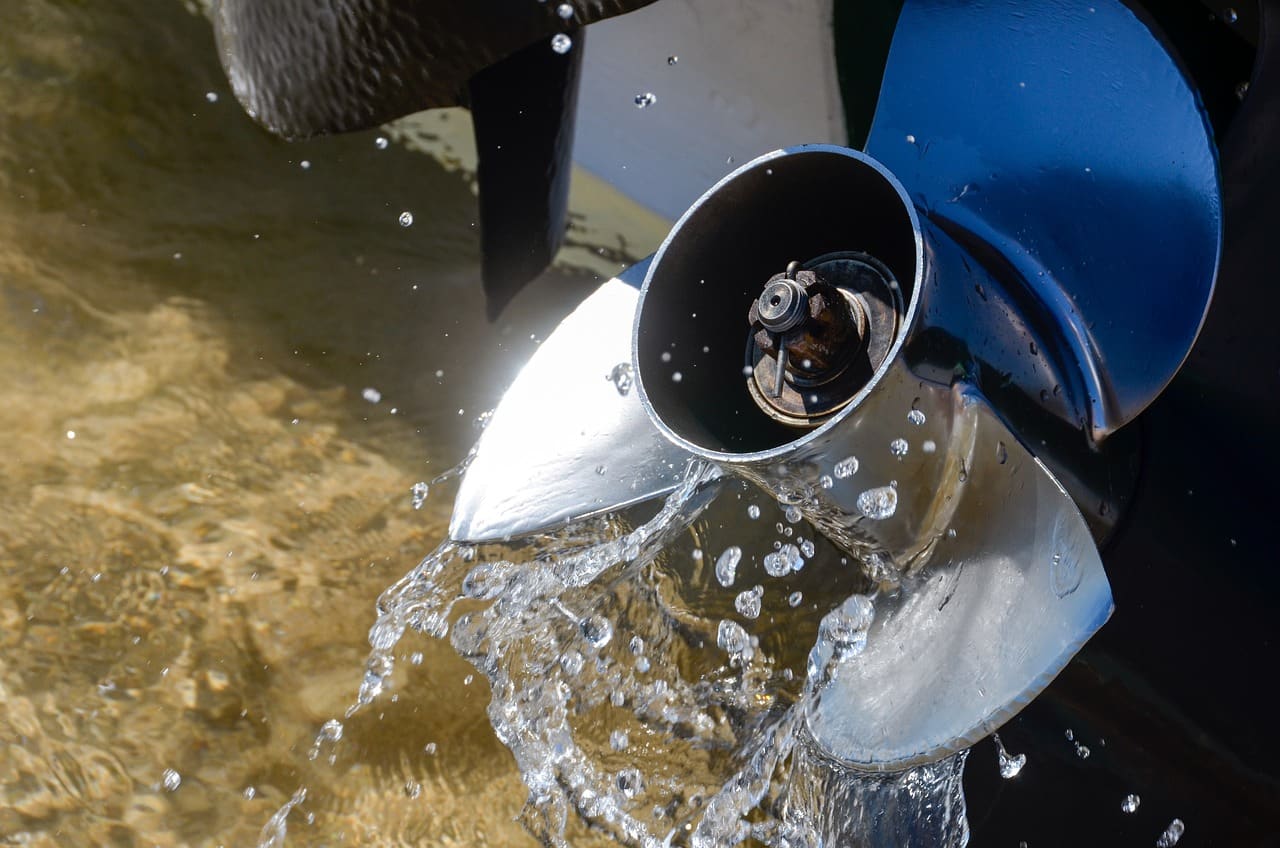
Flush the engine with fresh water after a day in bloom water, the same way you would after salt water. Outboards run only on external flush muffs or in a test tank; a built-in flush port is used with the engine off unless your owner's manual says otherwise. Inboards and sterndrives never run dry. See our freshwater flush guide.
- Follow the advisory. The CDC says to check and follow local fish and shellfish advisories, and that toxins have no taste or smell and survive cooking.
- Oregon's position: the risks aren't fully known, so it recommends not eating fish or shellfish from an area with an active bloom. If you do, the safer choice is to remove all fat, skin and organs before cooking and rinse fillets with clean water.
- New York's health department says simply: don't eat fish caught from areas with blooms, and don't swim, fish, boat or wade in them.
- Shellfish in salt water: states close harvest areas when testing shows they're unsafe. Never harvest from a closed area.
Clean fish at home or a fish-cleaning station with tap water, not in the lake.
The CDC asks you to report blooms and illnesses to your health department, and most state HAB pages have an online report form (Oregon has separate forms for human and animal illness). A photo and the GPS position from your chartplotter help agencies decide where to sample.
Common mistakes
- Assuming a lake is fine because there's no sign at the ramp. Most lakes aren't tested.
- Letting the dog drink from the lake or swim off the back of the boat "just for a minute."
- Pulling a skier or tube through green water; the spray gets breathed in.
- Boiling lake water or running it through a camping filter to make it safe. Oregon says neither works, and boiling can make it worse by breaking cells open.
- Rinsing the boat at a home driveway so the runoff goes down a storm drain.
- Ignoring a rising temperature gauge after crossing a scummy cove.
When to call a pro
- A person has trouble breathing, a seizure or confusion: 911; otherwise Poison Control (1-800-222-1222).
- Your dog shows any symptom after being in or near the water: veterinarian now, and tell them about the bloom.
- Your engine overheats after running through algae and clearing the strainer doesn't fix it: stop, anchor if safe, and call TowBoatUS, Sea Tow, or the Coast Guard on VHF 16 if you're in danger.
- Your boat's drinking-water tank was filled from untreated lake water: have the system cleaned and sanitized (see our water tank guide) before anyone drinks from it.
Tips
- Bookmark your state's advisory map and NOAA's forecast if you boat on Lake Erie or other big waters, and sign up for alerts where offered.
- Keep a gallon jug of tap water and a towel aboard just for rinsing a wet dog or kid.
- Late summer launch? Pick a ramp on the windward side of the lake; wind tends to pile scum on the downwind shore.
- Photograph a bloom and the advisory sign; it's useful if you need to explain a sick pet or skip a paid launch day.
Official references
We read these to write this guide. Your engine's own manual always wins.
- CDC – Harmful Algal Blooms and Your Health
- CDC – How to Recognize a Harmful Algal Bloom
- CDC – Preventing Illnesses Caused by Harmful Algal Blooms
- CDC – Preventing Pet and Livestock Illnesses Caused by Harmful Algal Blooms
- CDC – For Veterinarians, Harmful Algal Bloom-Associated Illnesses
- Oregon Health Authority – Cyanobacteria Blooms, Frequently Asked Questions
- New York State Department of Health – Harmful Blue-Green Algae Blooms
- NOAA NCCOS – Lake Erie Harmful Algal Bloom Forecast
- NOAA NCCOS – Gulf Coast Harmful Algal Bloom Forecast (Florida and Texas red tide)
- NOAA Ocean Service – What is a red tide?
- US EPA – Learn about Harmful Algae, Cyanobacteria and Cyanotoxins
Safety: BoatMend is for information only and does not replace a certified marine technician. You are responsible for your safety and your boat. Read the full disclaimer.
Last updated 2026-10-26
Related guides
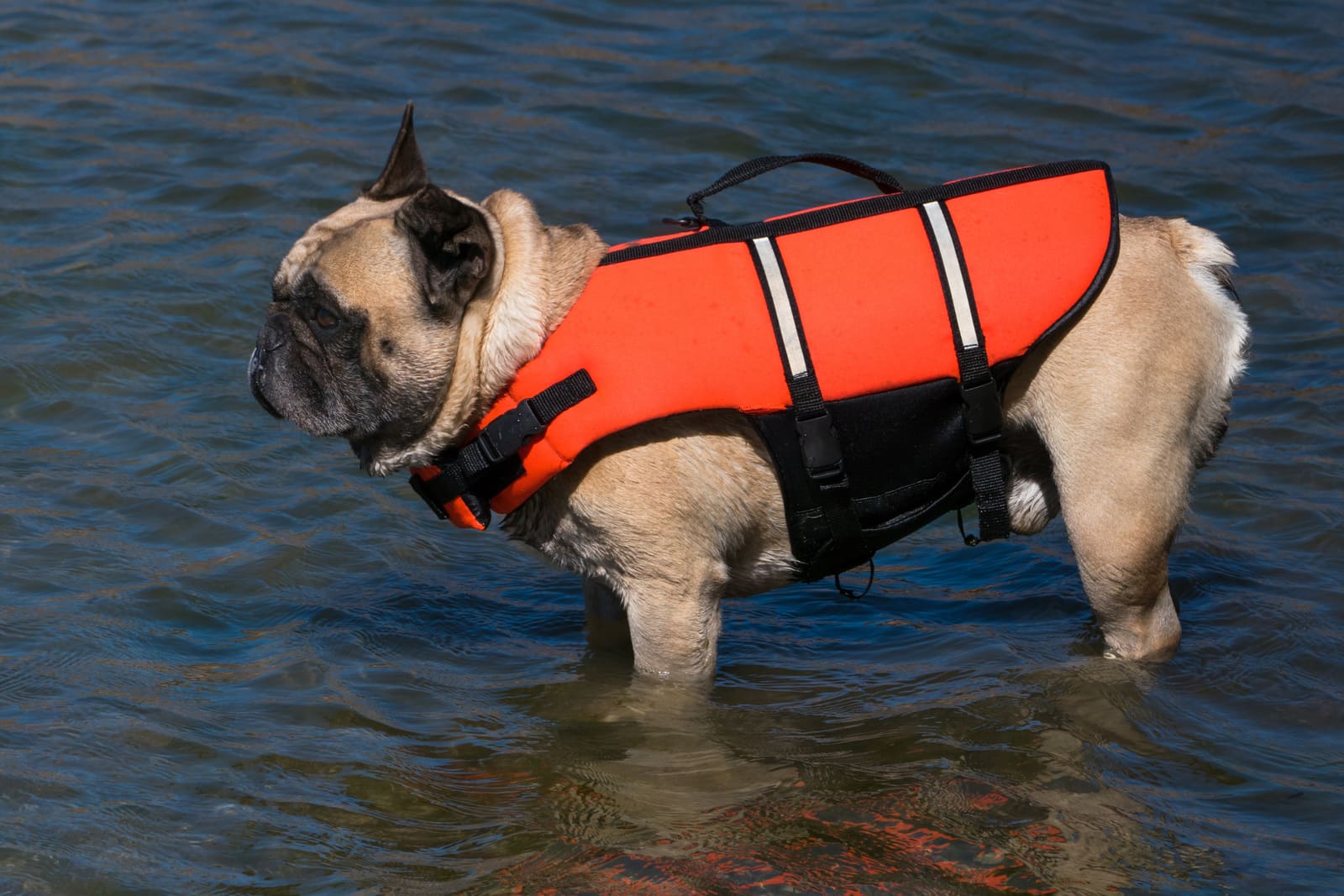
Dogs and Pets Aboard: A Safety Checklist for Boat Owners
Set your boat and your dog up for a safe day on the water, from a well-fitted pet life jacket with a handle to shade, fresh water, safe boarding and a plan for getting a dog back aboard if it goes over the side.
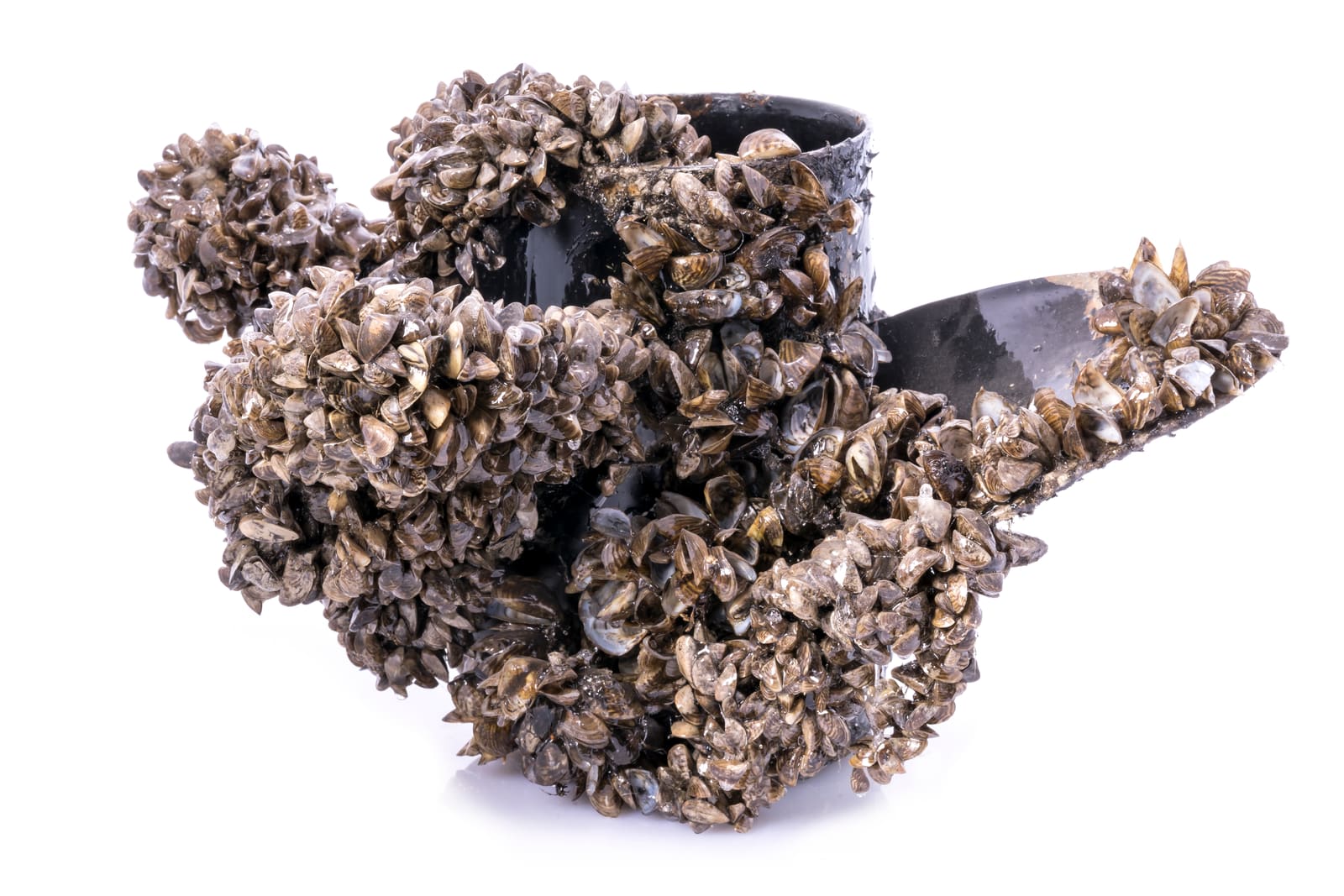
Clean, Drain, Dry: Stopping Zebra and Quagga Mussels and Other Invasive Species
What Clean, Drain, Dry means in practice for your boat, trailer and motor, what to drain before you leave the ramp, what happens at a watercraft inspection or decontamination station, and examples of state rules you may run into when you trailer between lakes.
How to Get Through Aquatic Invasive Species Boat Inspection Stations
Many states, especially in the West, make you stop at an inspection station before you launch or when you cross the state line, to keep zebra and quagga mussels out. Learn what inspectors check, when they decontaminate, what decals, courses and seals you may need, and how to arrive clean, drained and dry so you're through fast.
How to Inspect and Clean a Raw-Water (Sea) Strainer
The sea strainer is the cheap screen that keeps weeds, shells and plastic out of your engine, generator and A/C pumps. Learn how to clean it safely with the seacock closed, reseal the lid so it can't suck air, spot a cracked bowl before it floods the boat, and winterize it.
How to Flush Your Engine With Fresh Water
Rinse salt, silt and sand out of your outboard or sterndrive cooling system using the built-in flush port, flush muffs or a flush bag. Flushing after every saltwater trip is one of the easiest ways to prevent corrosion and overheating.

How to Clean, Remove Oxidation and Wax Your Boat's Gelcoat (Plus Pontoon Tubes)
Wash your hull the right way, bring back chalky, faded gelcoat with compound, and seal it with wax so it stays glossy and protected from the sun. Includes how to clean and protect the aluminum tubes on a pontoon boat.

Watermaker Care: Pre-Filters, Flushing, Pickling and Production Checks
Keep a reverse osmosis watermaker making good water for years by changing pre-filters on time, flushing or pickling the membrane whenever it sits, staying out of dirty harbor water and checking every batch with a TDS meter before it goes in the tank.
Livewell, Baitwell and Washdown Pumps - Clean, Troubleshoot and Winterize
Find out why a livewell or washdown pump runs but moves no water, from a closed valve or clogged pickup to an airlock, then clean the system and winterize both sides of every pump so nothing cracks over the winter.
The Pre-Departure Safety Briefing: What to Tell Every Passenger (with a Printable Checklist)
A five-minute talk before you leave the dock turns guests into a crew that can help in an emergency. Cover life jackets, the engine cut-off switch, the fire extinguisher, how to call for help on the VHF, what to do if someone falls overboard, staying seated, seasickness and carbon monoxide near the stern, then use the printable checklist every trip.