Fuel Smell on Board: What to Do and How to Find the Source
A gasoline smell on a boat is a fire and explosion warning. Learn what to do in the first minutes, the most common sources (fill and vent hoses, tank fittings, fuel lines, carburetors and injectors, overfilling), how to look safely, and when to stop and call a pro.
Time
1 h
Shop would charge
$150-800
Applies to
All engines
Safety first: Gasoline vapor is heavier than air, collects in the bilge and needs only one spark to explode. If you smell gas: do not start the engine or generator, do not flip switches, do not smoke, put life jackets on everyone and open hatches. If the smell is strong, or you see liquid fuel in the bilge, get everyone off the boat and away from it, and call 911 (on the water, VHF channel 16, TowBoatUS or Sea Tow). Do not go back aboard until the smell is gone and the leak is found.
Fuel smell, water coming in, CO alarm or smoke? Stop, get everyone in life jackets and call USCG on VHF 16 or 911. For a tow: Sea Tow or TowBoatUS.
Owners often ask
- I smell gas in my boat. Is it safe to start the engine?
- My boat smells like gas after I fill up. Where is it coming from?
This guide walks you through it. Still stuck? Ask the AI Mechanic about your engine.
Tools
- Non-sparking flashlight rated for hazardous areas, or a flashlight switched on outside the boat
- Clean white rags or paper towels
- Absorbent pads
- Mirror on a handle for looking behind tanks
- Approved fire extinguisher within reach
Parts & supplies
- Replacement fuel hose, clamps or gaskets only as a pro or the boat builder specifies
Before you start
This guide is for gasoline boats first. Diesel smells are much less explosive, but diesel leaks still make people sick and are a fire risk near hot engine parts; BoatUS notes that atomized diesel from an injector or high-pressure leak can be highly flammable. LPG/propane smells (rotten eggs) are a different emergency; see Propane System Safety.
Fuel systems on US boats are built to strict Coast Guard rules (33 CFR Part 183): tanks and the whole system are pressure tested for leaks, hose clamps and fittings have requirements, and the fill must be placed so overflow does not run into the boat. A gas smell inside the boat means something in that system is not doing its job, or fuel was spilled.
BoatUS points out that the engine blower is not a cure. If fuel is leaking, it makes new vapor as fast as the blower clears it.
Steps
- Engine running? If the smell is strong, shut down the engine and any generator.
- Do not touch the ignition, bilge pump switch, lights, radio or battery switch if they are in the area that smells. Only switch off the main battery if the switch is well away from the fumes.
- Everyone puts on a life jacket. No smoking, no flames.
- Open hatches, doors and ports to let air flow.
- At the dock, get everyone off. On the water, if the smell is strong or you see fuel, prepare to abandon the boat and call for help on VHF 16 or 911.
Only look for the source if the smell is faint, there is no liquid fuel in the bilge, and the boat has aired out. If the smell stays strong after airing out, or keeps coming back each time you open a hatch, assume there is an active leak. Stop here and call a marine mechanic or have the boat towed.
The smell's timing is your best clue:
- Right after fueling: overfill, a spill on deck, fuel burping out of the vent, or a leak in the fill or vent hose.
- After a hot day: fuel expands. BoatUS says fuel pumped from a cool underground tank can expand by as much as 10 percent as it warms, pushing fuel out of a full tank's vent.
- Only with the engine running: a leak on the engine side (pump, filter, carburetor, fuel rail, hoses).
- Every time you open the boat: a slow, constant leak or old hose letting vapor through.
- Engine oil smells like gas: see Oil Level Rising.
With a flashlight switched on before you lean in (or a light rated for hazardous areas), look into the bilge, under the tank and around the engine. Look for:
- A rainbow sheen on bilge water
- Wet or stained spots, drips at fittings, or white crusty residue
- Wet fuel on the deck near the fill
Do not run the bilge pump if there is fuel in the bilge. It pumps fuel overboard and the pump or switch can spark. Fuel that leaves a sheen on the water must be reported to the National Response Center at 1-800-424-8802. See Bilge Oil and Fuel Spill Cleanup.
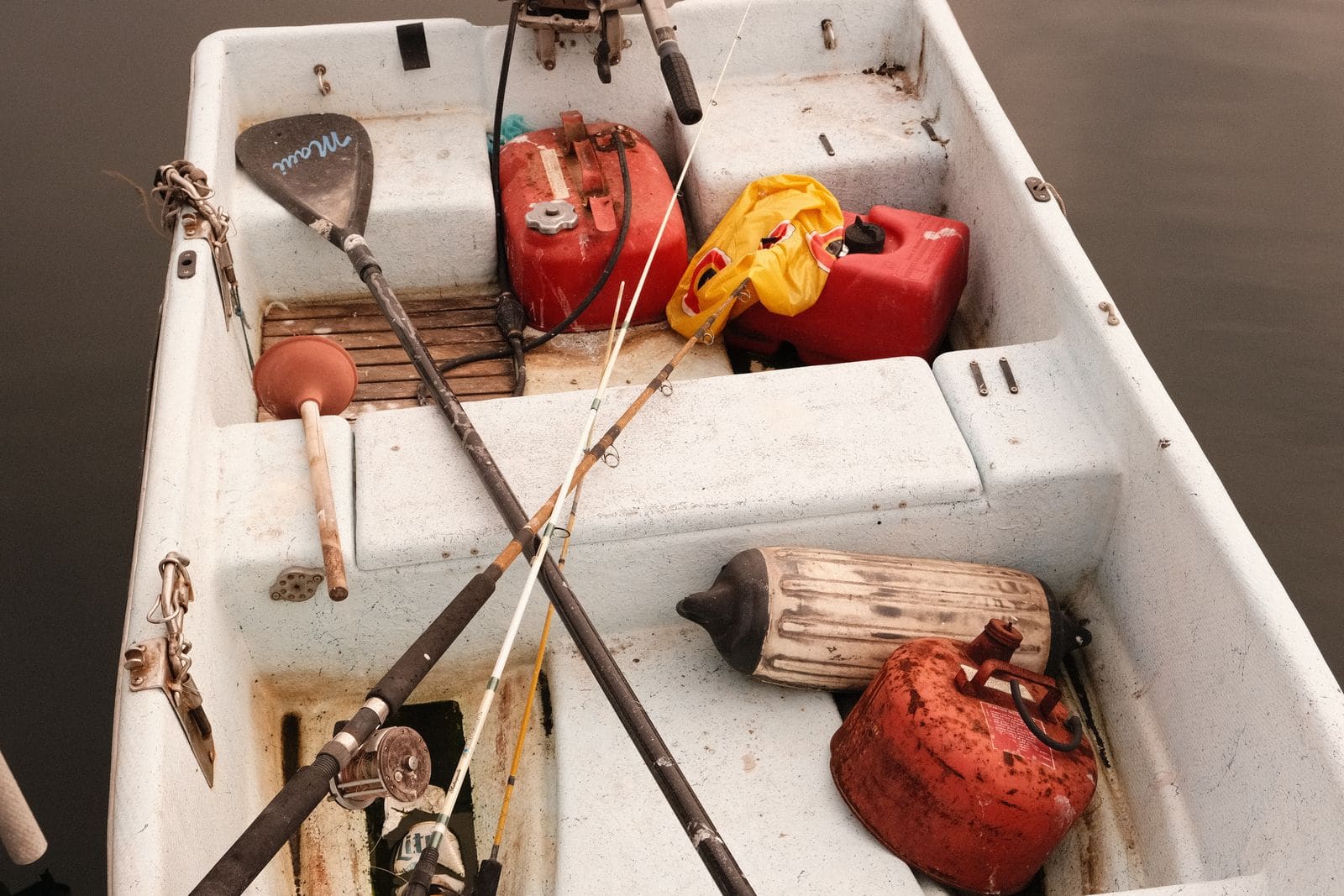
On outboard boats, portable tanks cause many fuel smells. Check:
- The cap seal and vent. A tank left in the sun with a closed vent builds pressure and can seep at the cap and fittings. On older tanks with a manual vent screw, open it before running and close it for storage. BoatUS notes newer EPA-compliant portable tanks have a self-sealing vent that opens and closes on its own, so there is no screw to forget.
- The quick connectors at both ends; a torn O-ring leaks.
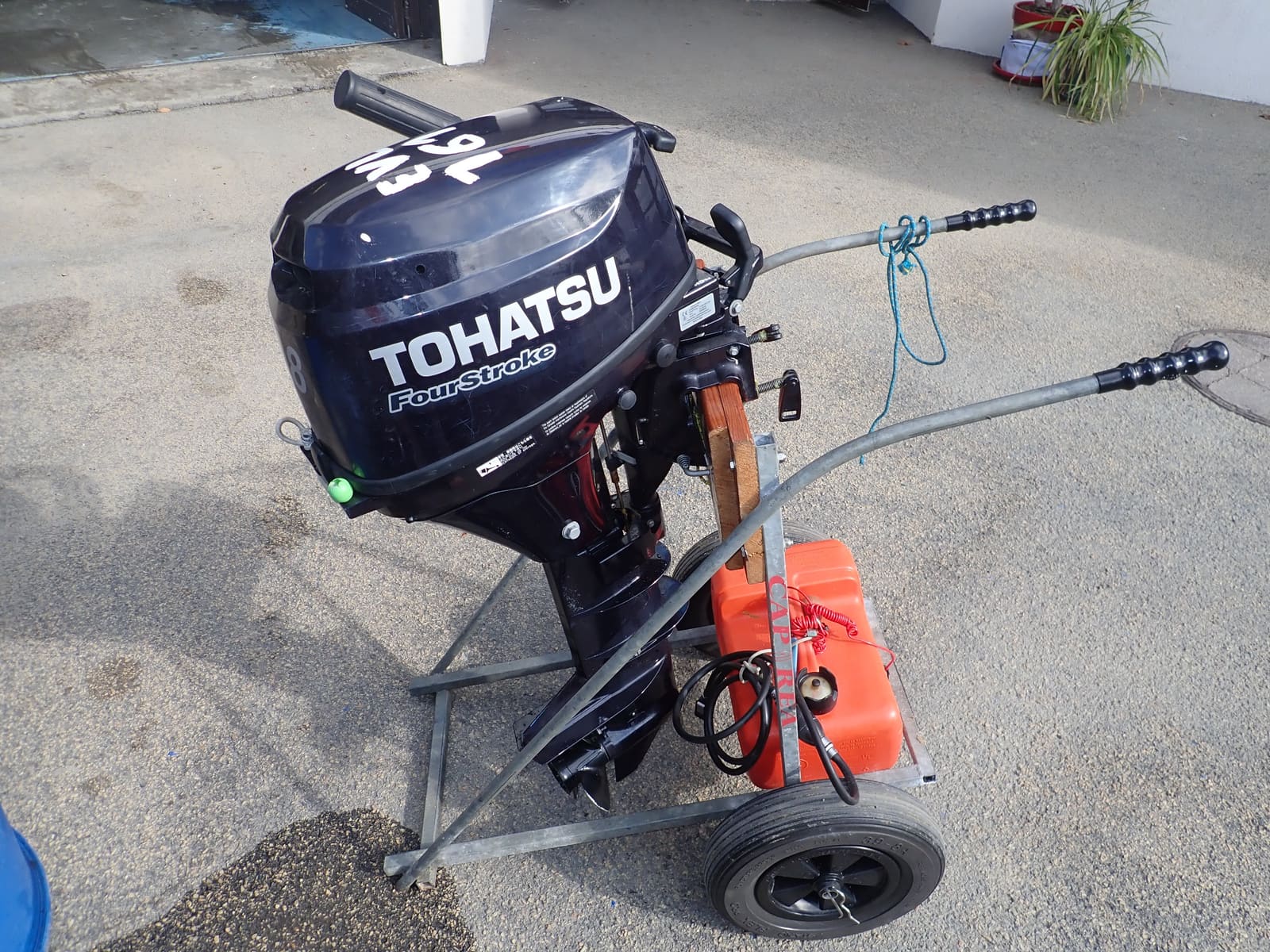
- The primer bulb and hose for cracks, soft spots or wetness. Yamaha's check: if the bulb never gets firm when you squeeze it before starting, look for a leak in the fuel system; if there is none, replace the bulb. BoatUS adds that a bulb that has gone hard or stiff is aging inside too: its one-way valves wear out, and old bulbs and hoses can leak vapor even when you see no liquid. Replace it with a quality bulb (or a full fuel-line kit) and fit it with the arrow pointing toward the engine. Never start a siphon by mouth.
- Where the tank sits. Never stow a portable tank in a closed cabin or compartment.
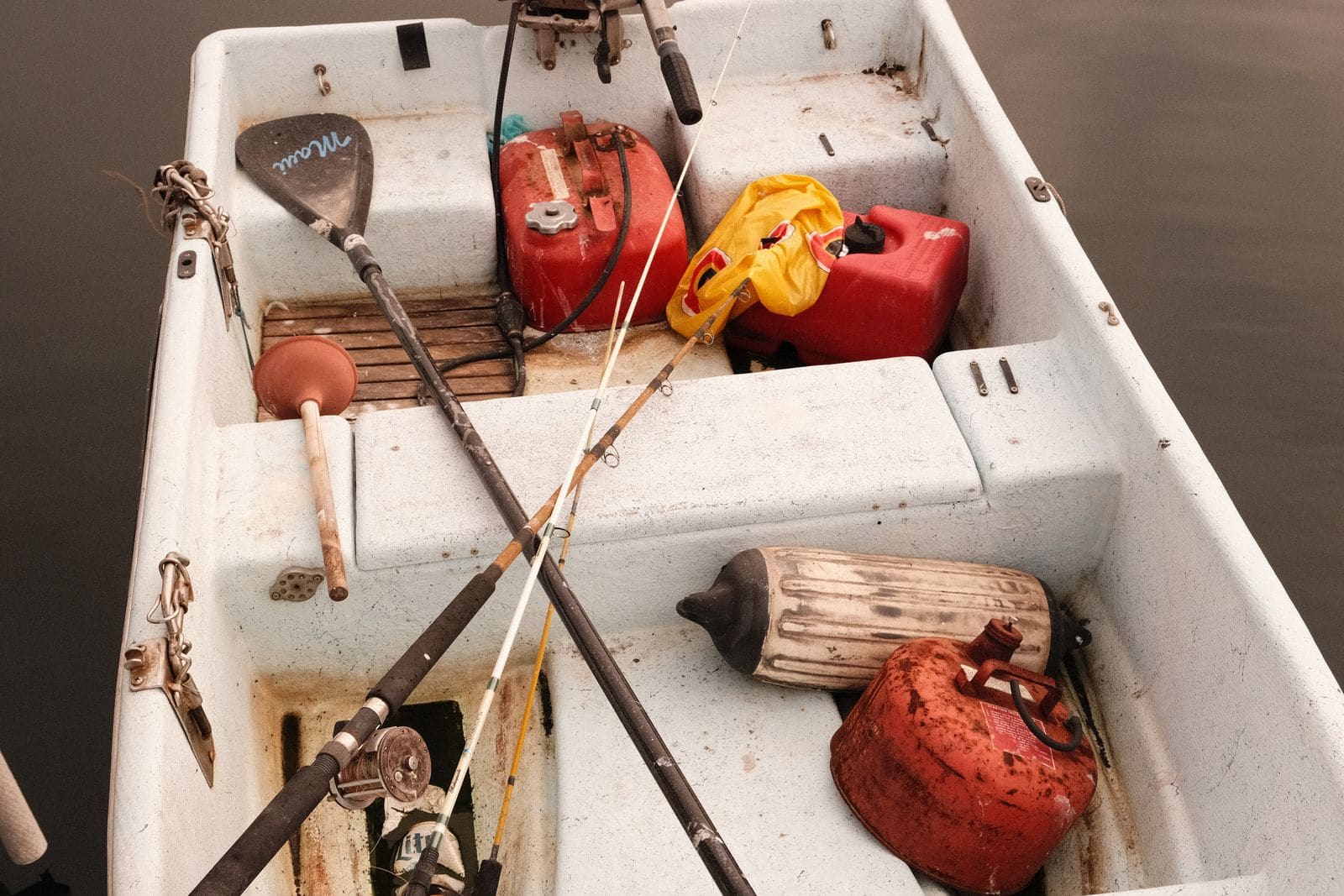
Portable tanks, their caps and vents, the fuel line and its connectors are the first places to look on a small outboard boat. Photo: Jake Ryan / Pexels · Pexels License These are out of sight and often forgotten. BoatUS surveyors report finding fill hoses so cracked they pulled apart by hand, with hose clamps rusted to paste. Open the access panels and check:
- The fill hose from the deck fill to the tank: cracks, softness, loose or rusted clamps
- The vent hose from the tank to the hull vent: kinks, cracks, loose ends
- The deck fill cap O-ring
A cracked fill hose often leaks only when the tank is full or the boat heels.
Wipe each fuel hose with a clean, dry rag, then smell the rag outside the boat. BoatUS says a rag that smells of gas means the hose is breaking down and needs replacing. Hoses also stain, swell or go hard with age. BoatUS also notes that the general rule is to replace rubber fuel hoses older than about 10 years, no matter how they look. See Fuel Line Replacement.
Look at everything on top of the tank: the fill and vent fittings, the fuel pickup and anti-siphon valve, and the fuel gauge sender. The sender gasket is a common slow leak. BoatUS notes the same gasket lets water into the tank when rain or washdown water pools on top of it, and that the top of an old plastic (poly) tank can sag into a dish that keeps the sender from sealing. Use a mirror to see the back and sides. If a cheap anti-siphon valve at the tank outlet seems to starve the engine, BoatUS warns not to pull the check valve out of it: that valve keeps fuel from siphoning into the bilge if a line fails. Replace it with a quality valve instead. On aluminum tanks, look for white powder, pitting or blistered paint where the tank touches wet foam or chocks. A weeping tank must be replaced, not patched. See Fuel Tank Inspection and Fuel Gauge Sender.
With the engine off and cool:
- Fuel filter or water separator: a weep at the gasket, a loose filter, or an old gasket stuck under the new one
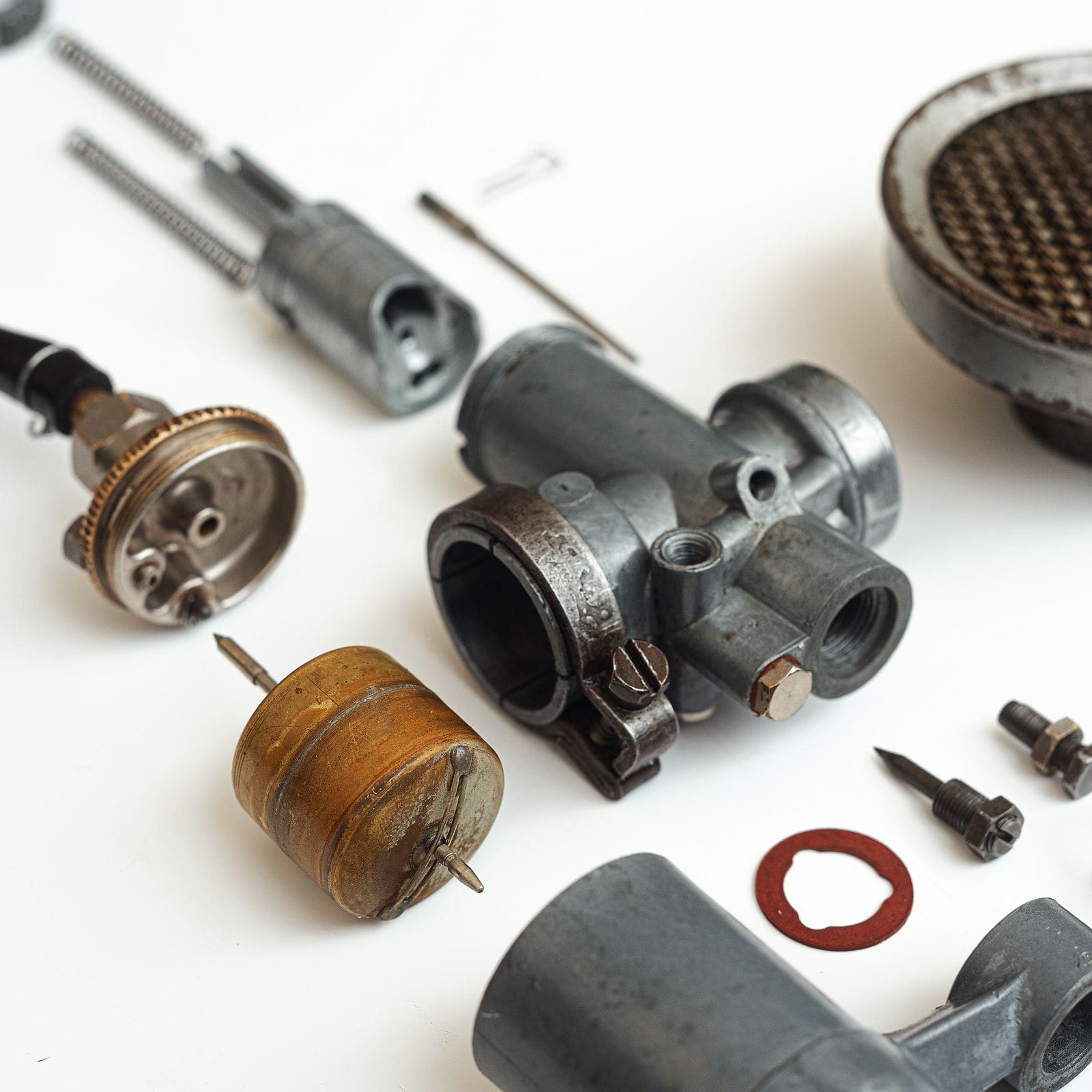
- Carburetor: fuel dripping from the carb or a strong raw-fuel smell after shutting down can mean a stuck float or needle. See Carburetor Cleaning.
- Fuel pump and hoses on the engine. On outboards, take the cowl off and look for shiny, wet fuel lines and sniff for raw gas. BoatUS reports that about one in ten outboard fires starts with a fuel leak, most often a hose clamp that vibration has loosened. Tighten loose clamps and replace the small spring-clip type if it is damaged.
- EFI fuel rail, injectors and vapor separator: these run at high pressure. Look only; do not loosen anything. See EFI Vapor Separator.
Generators have their own fuel lines, filters and pumps, often tucked away in a corner of the engine room. Check them the same way.
Replacement fuel hose must be the right USCG-rated type for its location, and clamps and fittings must meet the boat's original standards. Never use automotive or garden hose, tape or sealant on a fuel leak. Anything involving the tank, EFI system, or work inside a closed engine compartment is a job for a qualified marine technician.
After any repair, air the boat out, run an ignition-protected marine blower for at least 4 minutes on inboards and sterndrives (BoatUS and Discover Boating both use this guideline), then do a sniff test in the bilge and engine compartment before turning the key. If you still smell gas, do not start. See Bilge Blower and Ventilation.
BoatUS recommends a gasoline vapor detector for boats with enclosed spaces, mounted low in the bilge but above normal bilge water, because vapor settles low. It is an extra layer, not a replacement for your nose and regular inspections.
Common mistakes
- Turning the key "to see if it starts" with a gas smell. Many boat explosions happen right at ignition.
- Re-cranking an engine that stalls or won't start right after fueling. BoatUS describes a cruiser that exploded leaving the fuel dock when the owner restarted a stalled engine: fumes from the fueling had collected in the engine compartment. Stop, air out, sniff and look first.
- Believing the blower makes it safe while a leak is still active.
- Running the bilge pump with fuel in the bilge.
- Topping the tank to the brim on a cool morning, then wondering why it smells by afternoon.
- Taping a cracked hose or using automotive hose as a "temporary" fix.
- Storing a portable tank in a closed console or cabin.
- Ignoring a faint smell that has been there "forever." A constant smell means a constant leak or failing hose.
When to call a pro
- Any strong gas smell or liquid fuel in the bilge: get off the boat and call 911, or VHF 16 on the water
- The smell keeps coming back after airing out
- A leaking or corroded fuel tank, sender or tank fitting
- Any EFI, fuel rail or injector leak, or a fuel pump leak
- Fill, vent or fuel hoses that need replacing in tight or enclosed spaces
- Fuel sheen on the water: report it to the National Response Center (1-800-424-8802)
Tips
- Make the sniff test part of every start: after fueling and before starting, smell the bilge and engine compartment.
- Fill to about 90 percent, especially on hot days, to leave room for expansion.
- Ask the Coast Guard Auxiliary for a free Vessel Safety Check; they look at fuel system basics too. See Vessel Safety Check.
- Write the date on new fuel hoses with a paint pen so you know their age later.
- Make sure everyone who fuels the boat knows which deck fitting is the gas fill. BoatUS insurance sees claims every year from fuel pumped into a rod holder or the water tank.
Official references
We read these to write this guide. Your engine's own manual always wins.
- BoatUS – Dangerous Gases Aboard
- BoatUS – CO and Fume Detectors
- BoatUS – Marine Exhaust and Fuel Hoses
- BoatUS – The Proper Way to Fill a Fuel Tank
- Discover Boating – Boat Refueling 101
- eCFR – 33 CFR Part 183, Subpart J (Fuel Systems)
- BoatUS – Fuel System Checkup (primer bulbs, clamps, anti-siphon valves)
- BoatUS – Causes of Fires on Outboard-Powered Boats
- BoatUS – Preventing Fuel Spills
- BoatUS – Boat Fuel Systems (EPA low-emission tanks and portable tank vents)
- Yamaha Outboards – Maintenance Matters, Fuel and Fuel System
- BoatUS – Outboard Primer Bulbs (2023)
- BoatUS – Gasoline Refueling Dangers (explosions right after fueling)
- BoatUS – How To Stop Water From Entering Your Boat Fuel (sender gaskets, poly tank tops)
Safety: BoatMend is for information only and does not replace a certified marine technician. You are responsible for your safety and your boat. Read the full disclaimer.
Last updated 2026-10-25
Related guides
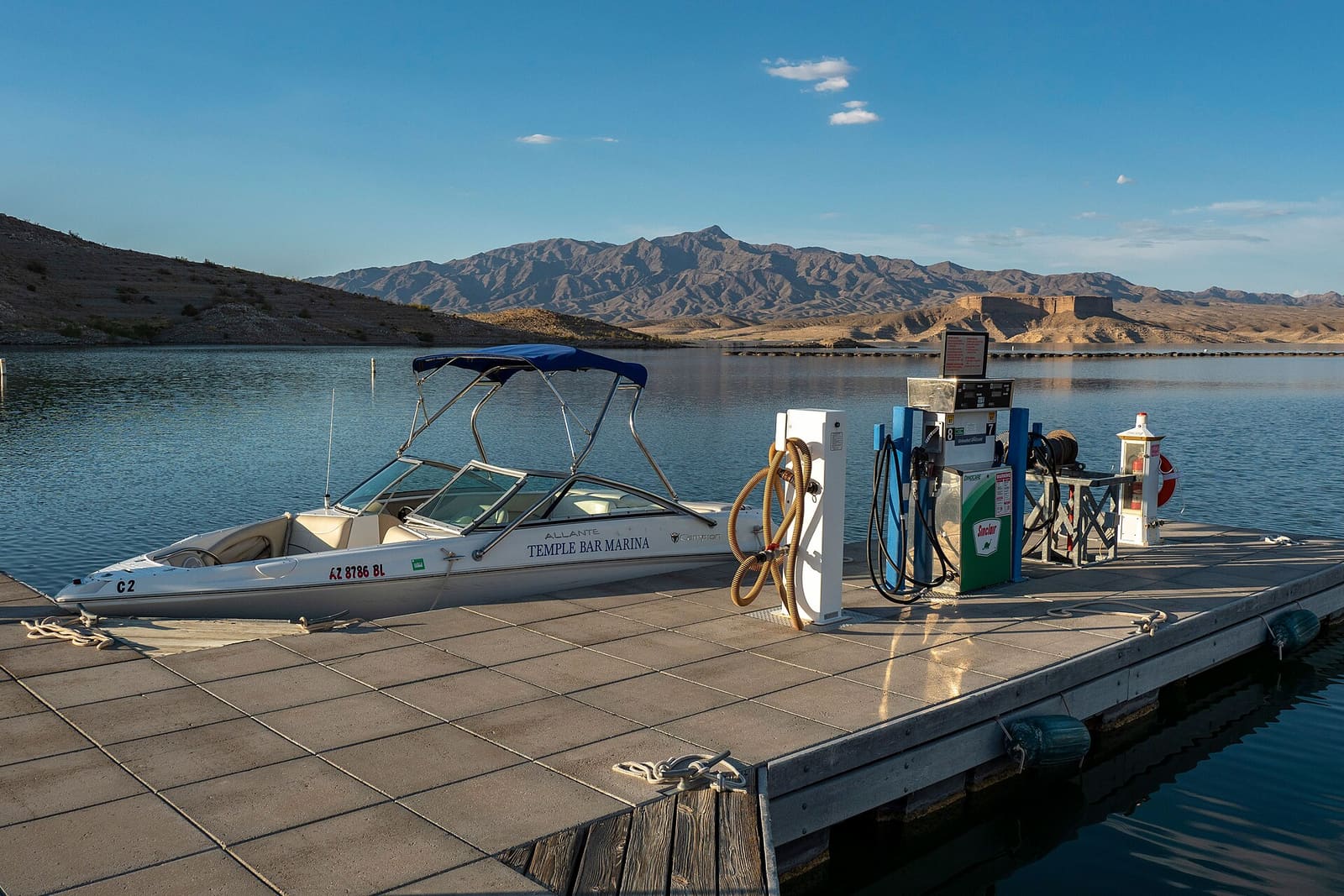
How to Refuel a Boat Safely (Gas Dock, Gas Station and Portable Tanks)
A step-by-step fueling routine that keeps gasoline vapor out of your bilge and fuel out of the water: shut everything down, close up, keep the nozzle in contact, stop short of full, ventilate, run the blower and sniff before you start. Includes portable tanks, personal watercraft and what to do about a spill.
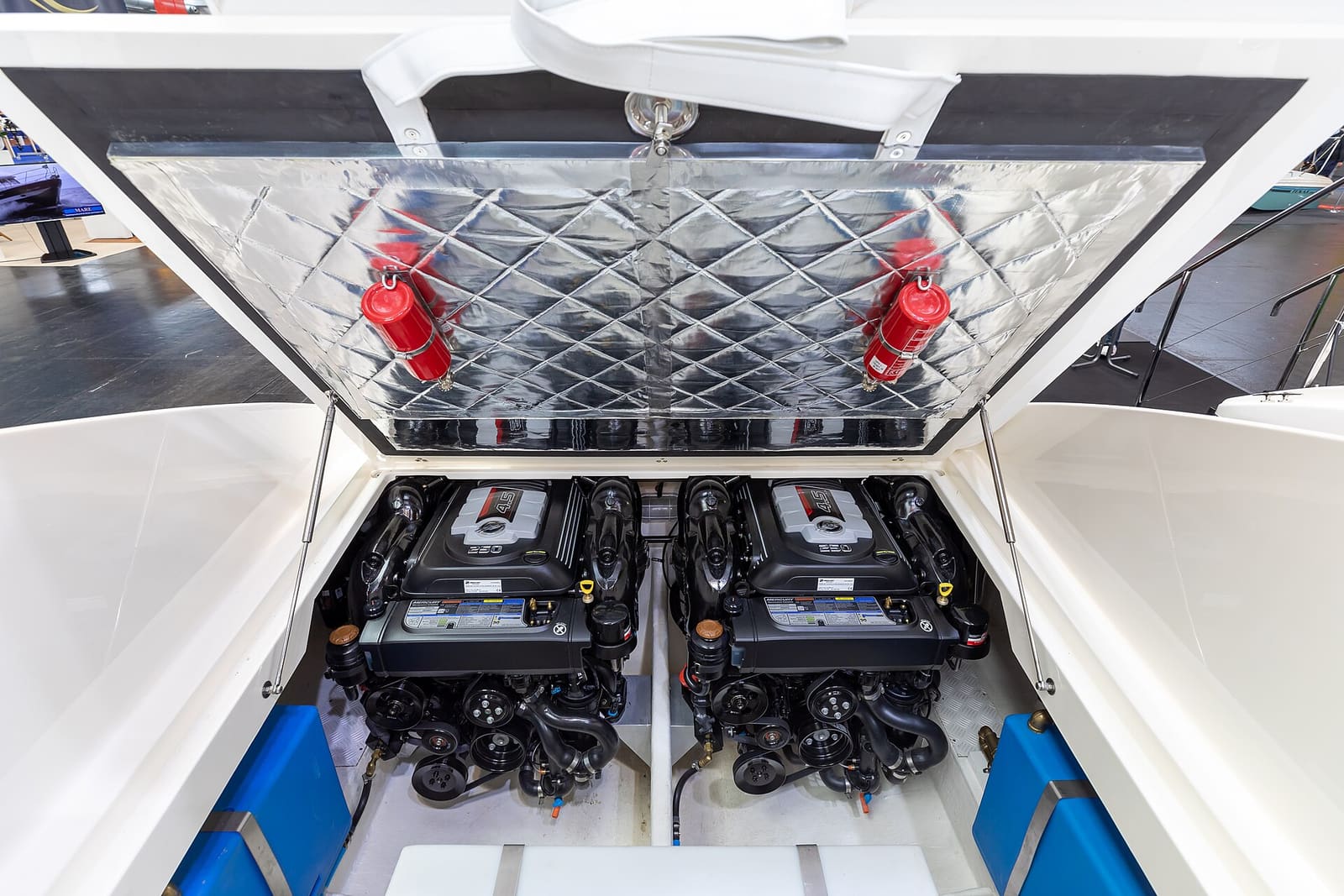
Bilge Blower and Engine Compartment Ventilation on Gas Inboards and Sterndrives
Learn why gas boats have a "run the blower 4 minutes" label, how to check that the blower and vent ducts actually move air out of the engine compartment, and how to replace a blower safely with an ignition-protected marine unit.
How to Inspect Your Boat's Fuel Tank, Fill, Vent and Hoses
A leaking gas tank is one of the most dangerous problems a boat can have, and it usually starts out of sight. Learn how to inspect portable and built-in tanks, spot aluminum tanks corroding from below, know the ethanol risk for old fiberglass tanks, and check the fill, vent, hoses, clamps and sender, plus why tank replacement is a job for a pro.
How to Replace an Outboard Fuel Line and Primer Bulb
A cracked hose or a stiff primer bulb can leak gasoline, starve your engine or shed rubber into the fuel. Learn how to choose Coast Guard-rated fuel hose, the right connectors for your engine brand and good stainless clamps, install the bulb pointing the right way, leak-test the job and get rid of the old parts safely.
Fuel Gauge Reads Wrong or Empty? How to Test the Gauge, Sender and Wiring
Find out why your boat's fuel gauge reads empty, full, backward or jumps around, working from the free checks at the dash to testing the tank sender and replacing it safely. Most problems are a stuck float, a bad ground or a sender that doesn't match the gauge.
How to Clean the Carburetor on a Small or Older Outboard
Old fuel turns to varnish and plugs the tiny jets in a carburetor, so the engine only runs on choke, surges or will not idle. Learn when the carburetor really is the problem, how to drain and clean it, and when a rebuild kit or a replacement makes more sense.
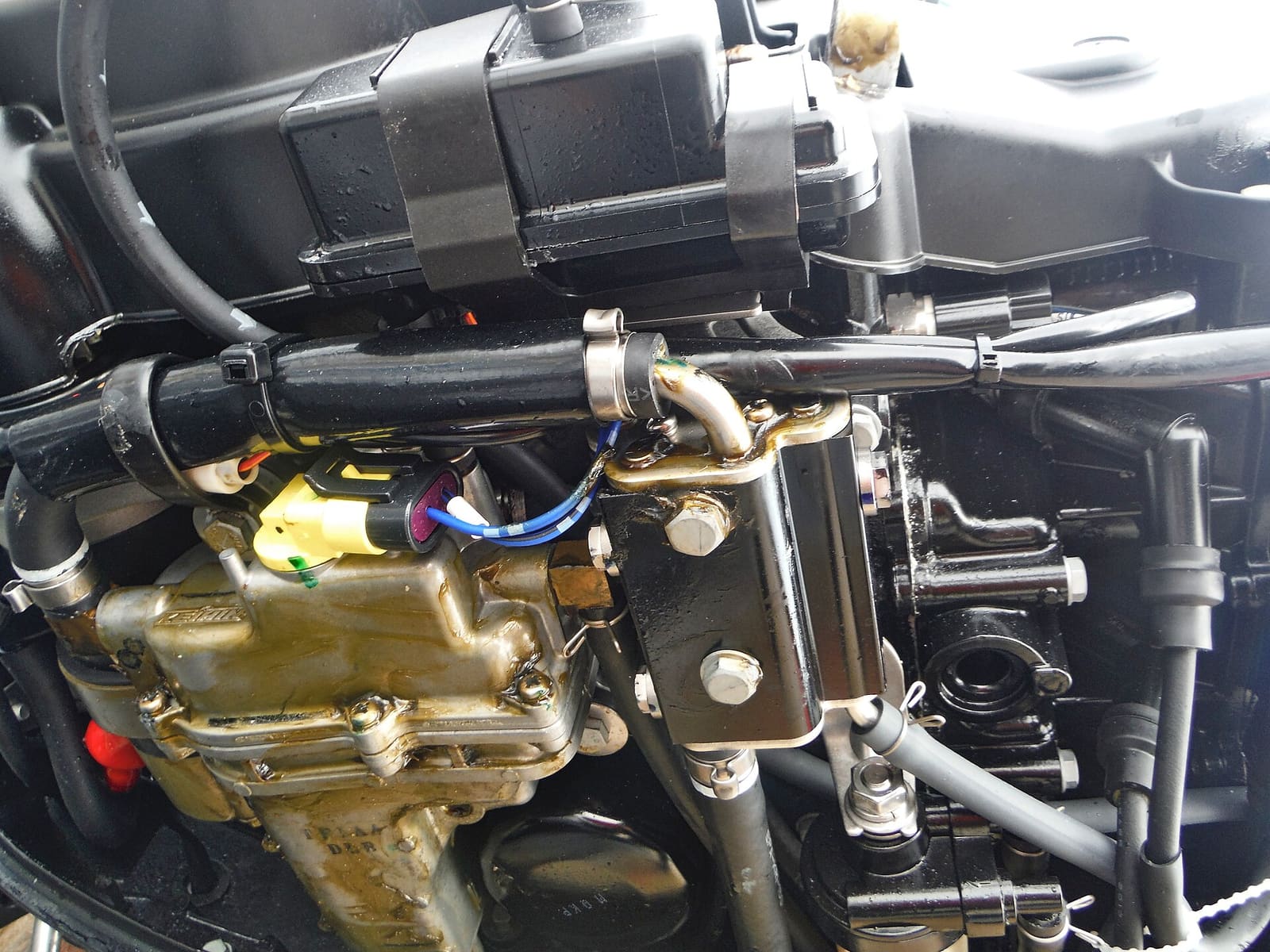
EFI Outboard Vapor Separator Tank (VST) and Injectors - Symptoms, Filters and When It's a Dealer Job
On a fuel-injected outboard, the vapor separator tank holds fuel right at the engine and feeds the high-pressure pump and injectors. Learn why ethanol varnish and debris clog its filter, how a starving VST feels (stalls at speed, won't hold RPM), what you can safely maintain yourself, and when it's time for the dealer.
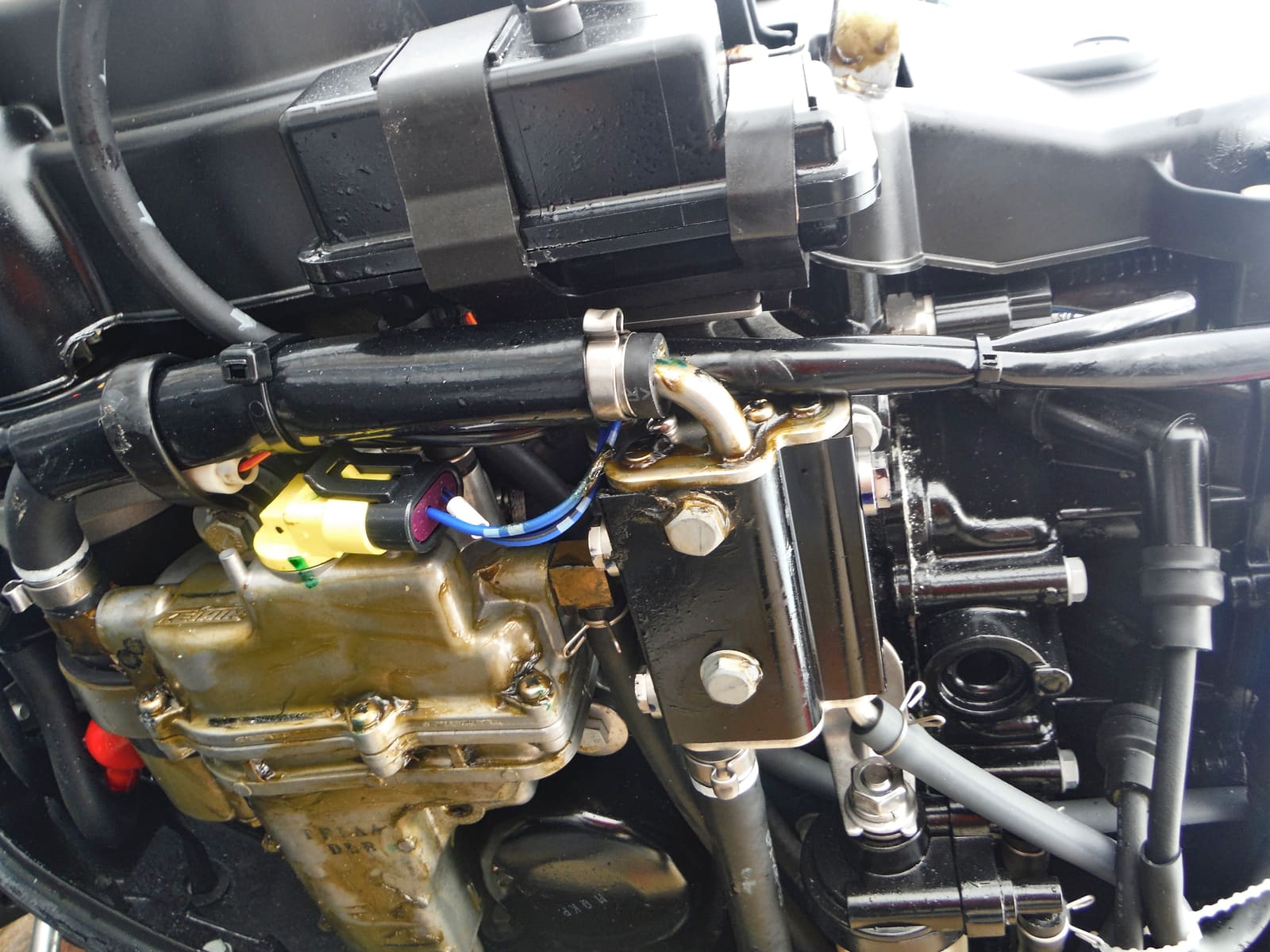
Four-Stroke Outboard Oil Level Rising or Smelling Like Gas: What It Means and What to Do
If the oil on your four-stroke outboard's dipstick keeps going up or smells like gasoline, fuel is probably getting into the crankcase. Learn how to check the level the right way, why lots of idling, trolling, short runs and cold water cause it, what you can do yourself, and when a fuel-system fault needs a dealer.
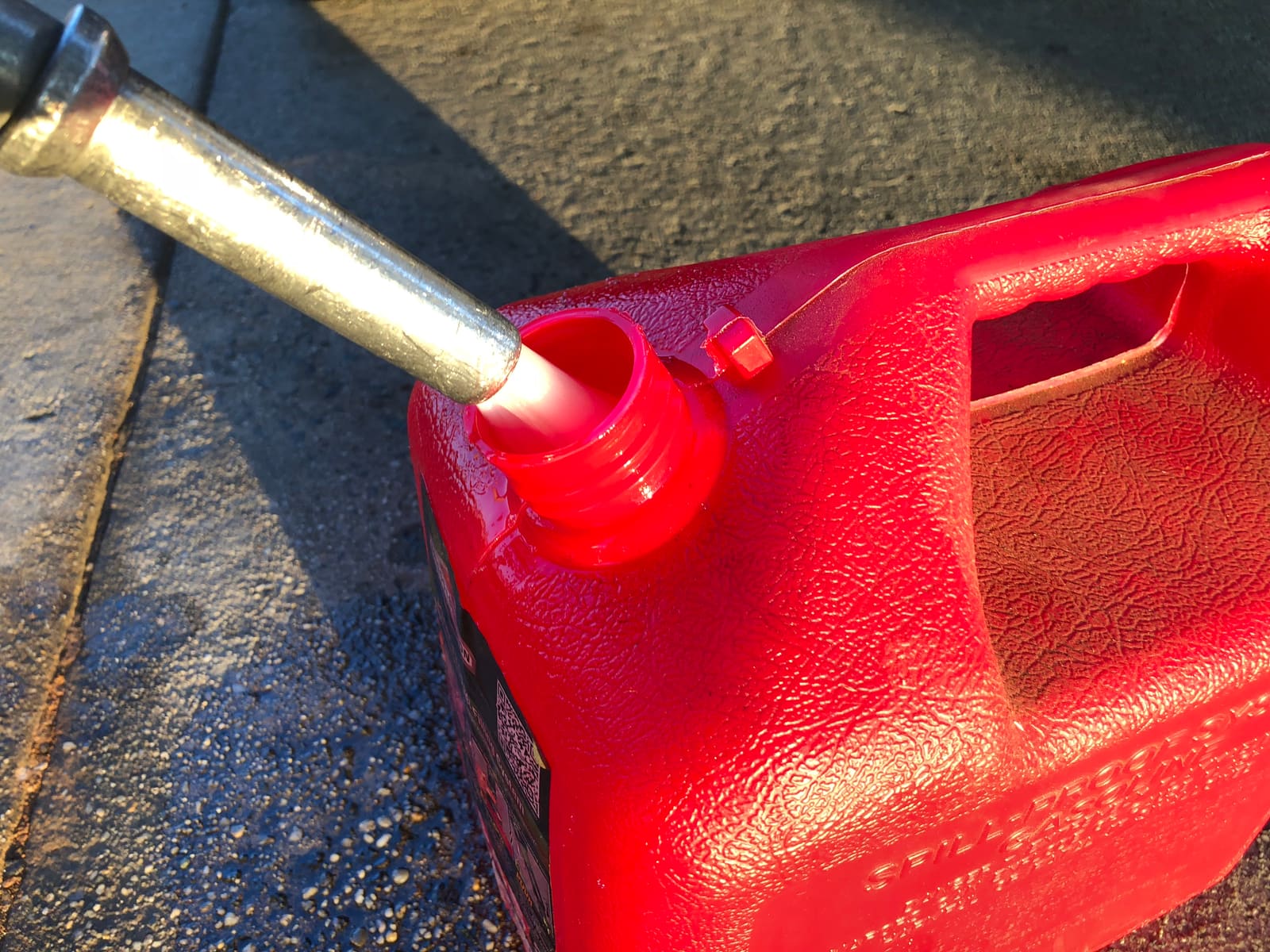
Portable Gas Cans and Fuel Storage: Filling, Storing at Home and Aboard, and Getting Rid of Old Gas
Gas cans and portable boat tanks are handy and dangerous in equal measure. Learn what makes a modern can compliant, why you always fill it on the ground, how to store gasoline at home and on the boat, how long ethanol fuel really lasts, and how to dispose of old gas legally.
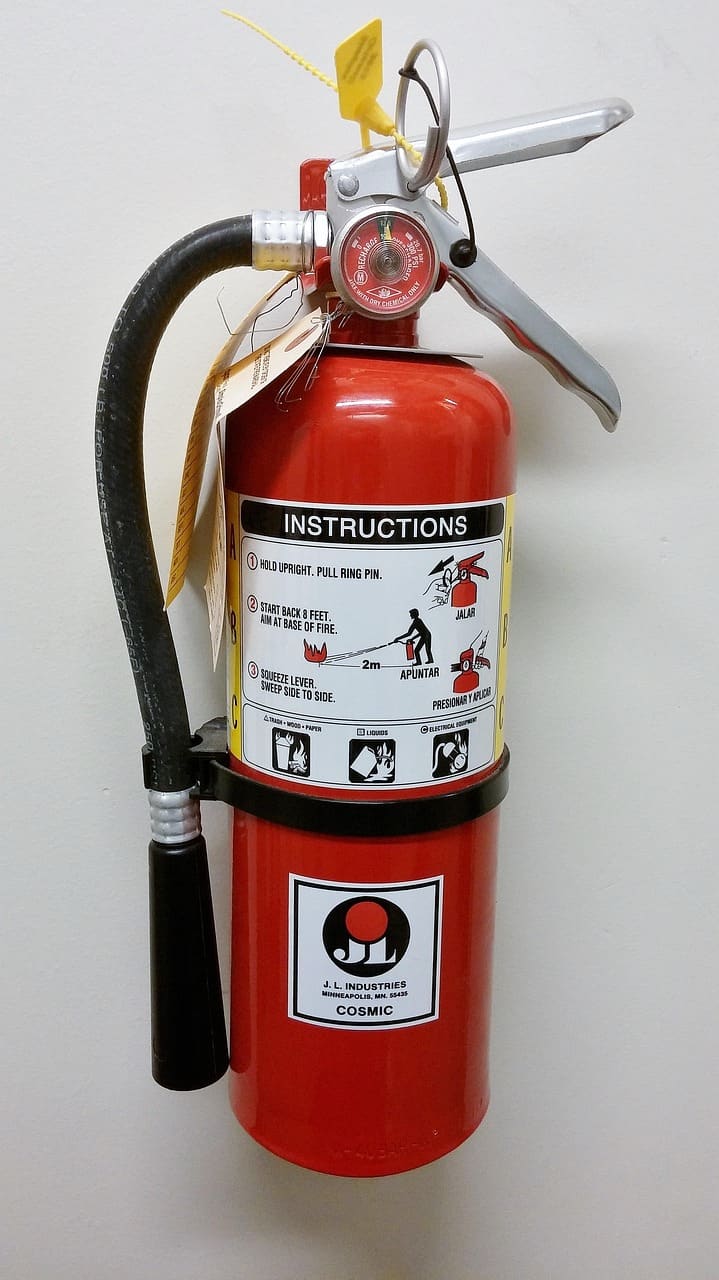
How to Check, Mount and Replace Boat Fire Extinguishers
A monthly five-minute check of every fire extinguisher aboard, plus how the 2022 Coast Guard rule changes affect you, where to mount them, and when to recharge or replace. A boat fire spreads in seconds, and an extinguisher with a dead gauge, missing pin or expired date will not help you or pass a boarding.

Oil or Fuel in the Bilge: Safe, Legal Cleanup
What to do when you find oil, diesel or gasoline in your bilge. Soak it up with oil-only absorbents, keep it from being pumped overboard, dispose of it properly, report any sheen on the water to the National Response Center, and find the leak so it does not happen again.