Repair & maintenance guides
Plain-English, step by step, written for owners. Pick your engine to see the guides that apply to it.
111 of 509 guides · page 3 of 5
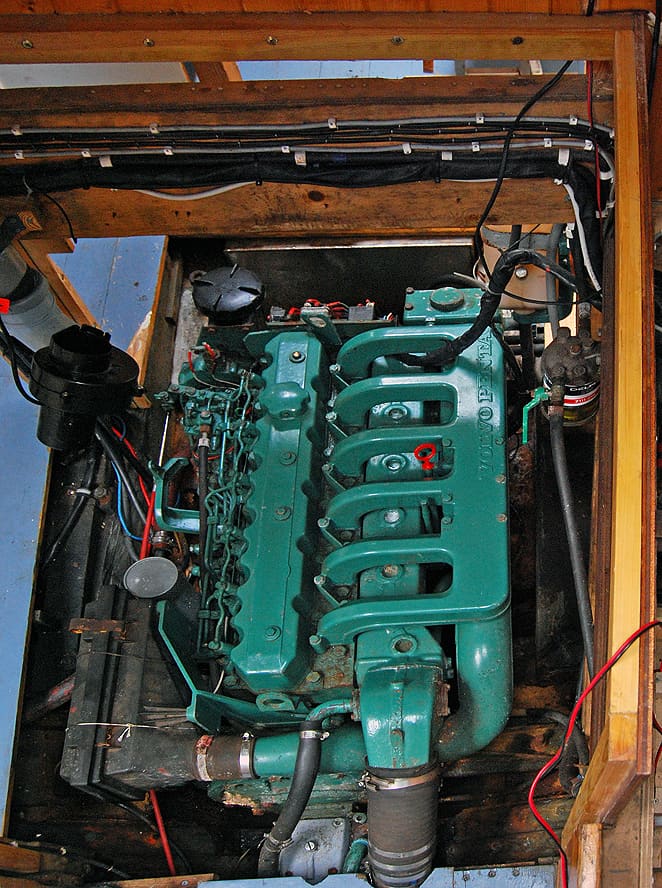
How to Inspect, Clean and Replace Vented Loops (Anti-Siphon Valves)
A vented loop is a small, easy-to-forget fitting that stops seawater from siphoning into your engine or through your head and into the boat. Learn where they live, why they must sit well above the waterline, how to clean a sticky or clogged valve, when to replace it, and how to spot the hydrolock damage a failed one can cause.
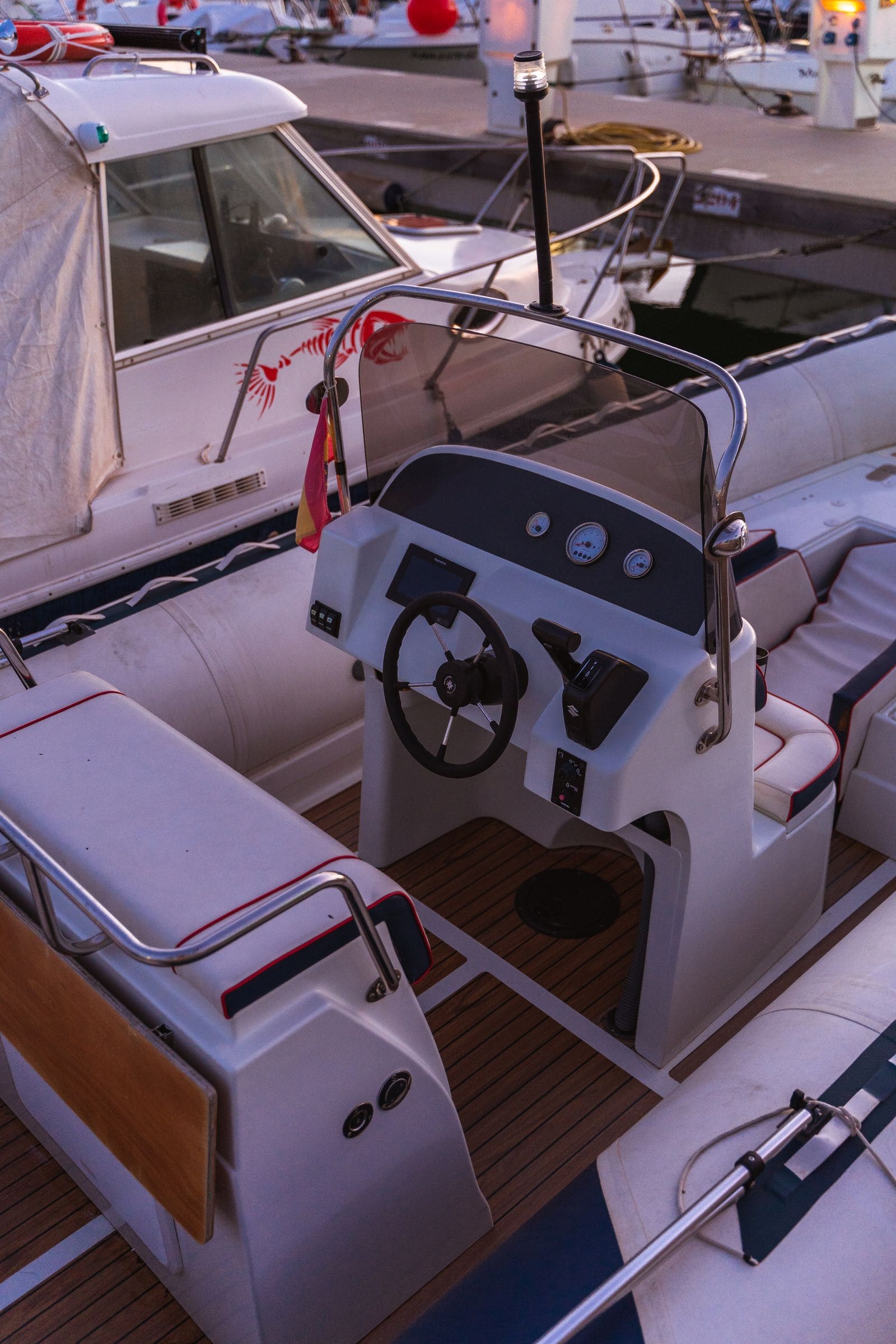
How to Install an Inspection Port (Deck Plate) in a Deck or Bulkhead
Add a screw-out or pry-out deck plate so you can reach hidden nuts, wiring, hoses and through-hulls, or check a deck core for rot. Learn where it is safe to cut, how to pick and size the port, how to seal a cored deck with epoxy, and how to bed the ring so it never leaks.
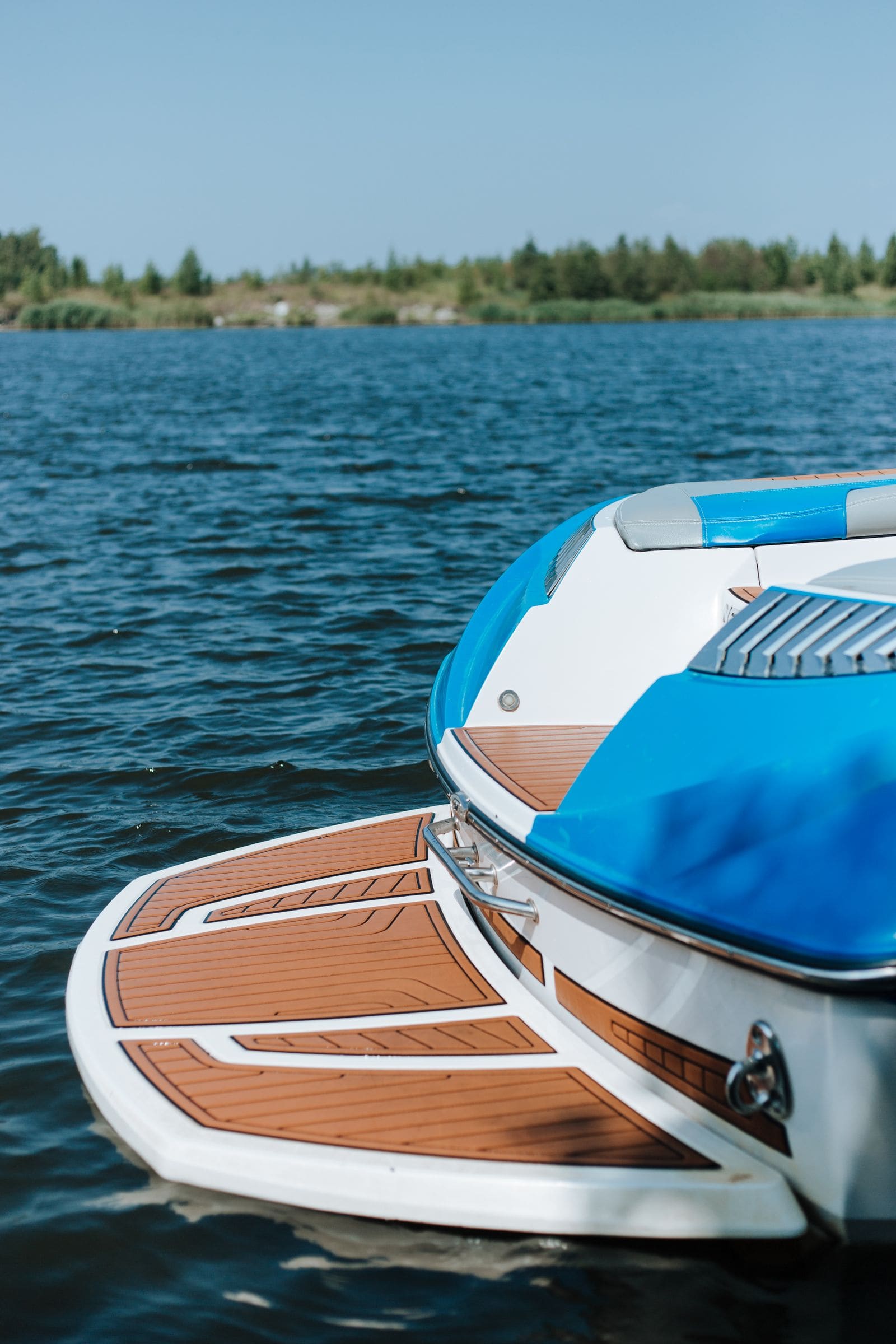
How to Install EVA Foam Decking (SeaDek-Style Pads) on Your Boat
Closed-cell foam decking makes a hard fiberglass deck grippy and comfortable underfoot. Learn when a peel-and-stick DIY job makes sense, how to template, cut and prep, the temperature and gap rules, how to lay pads without trapped air, and how to clean, repair and eventually remove them.
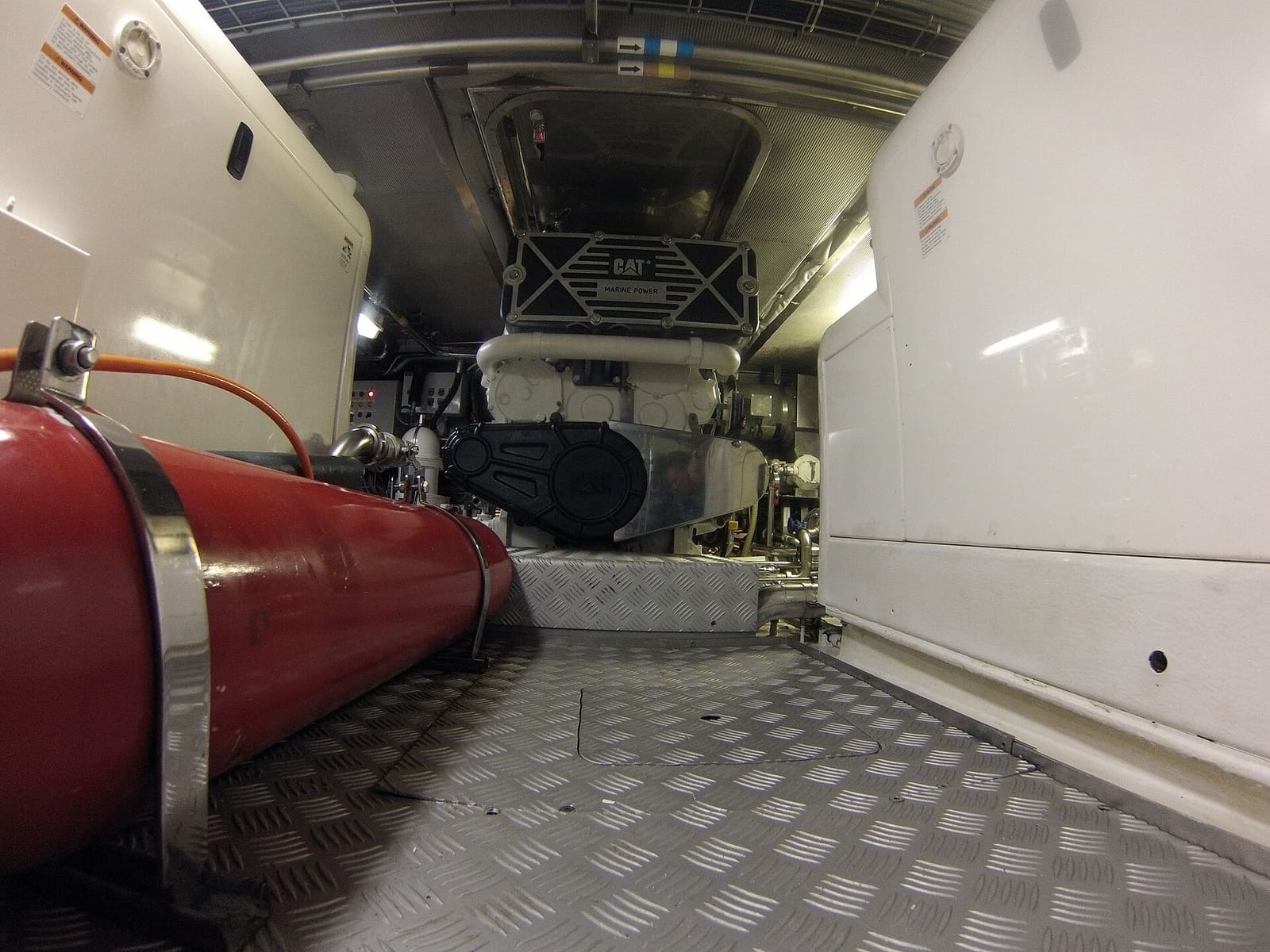
How to Keep a Dry Bilge, Including Dry Bilge Pump Systems
Standing water in the bilge causes odors, mildew and corrosion, and hides new leaks. Learn why your main pump leaves water behind and how to get rid of the last inch: cut the sources, clear limber holes, route AC condensate and showers to a sump, and add a small self-priming diaphragm pump if needed.
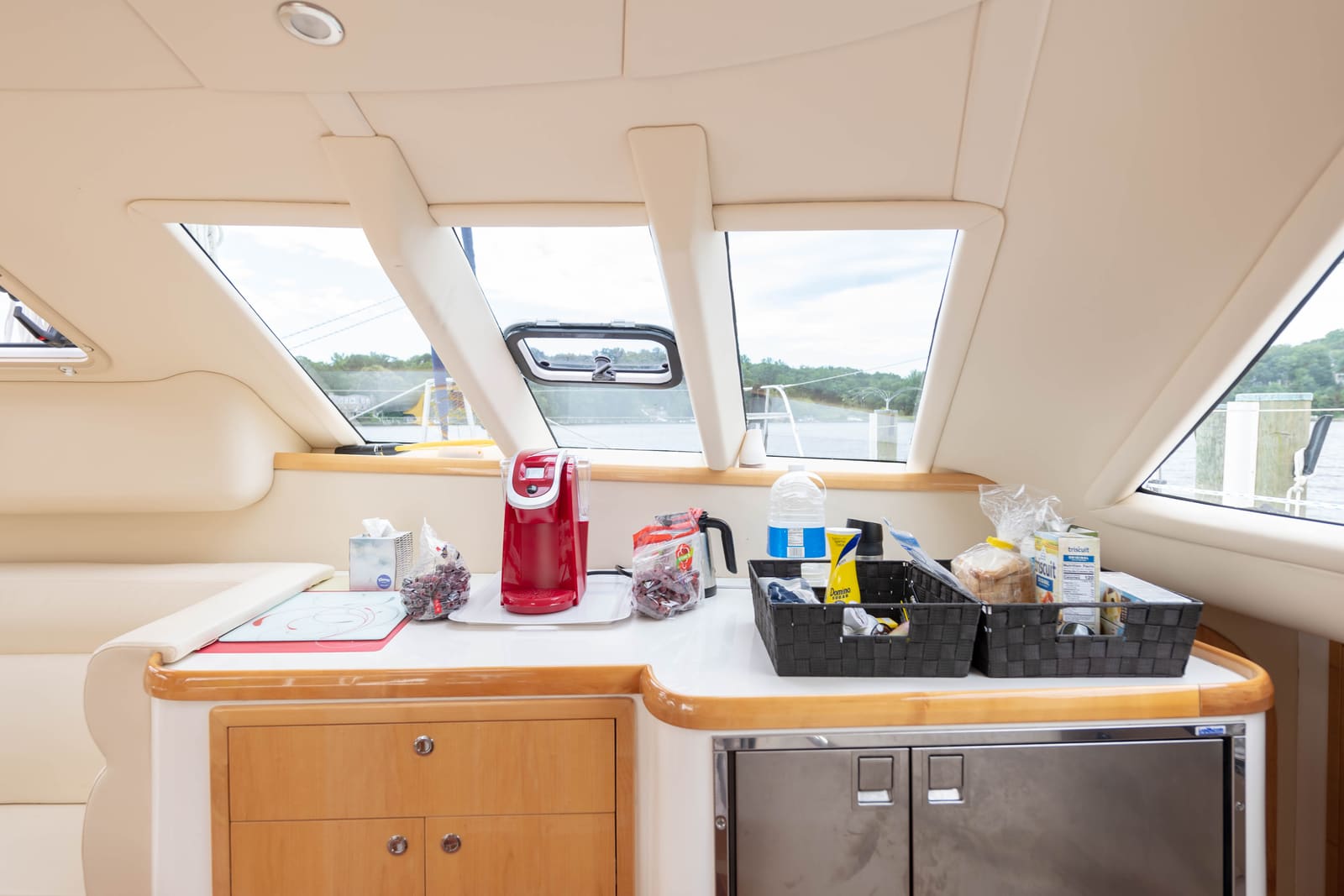
How to Keep Your Boat Fridge, Freezer or Icebox Cold (and Off Your Batteries' Back)
Most boat fridge problems are not a dead compressor: they are trapped heat, low voltage, leaky seals or too much frost. Learn the owner checks for air-cooled, water-cooled and keel-cooled units, how to estimate power draw, and how to store the system for winter.
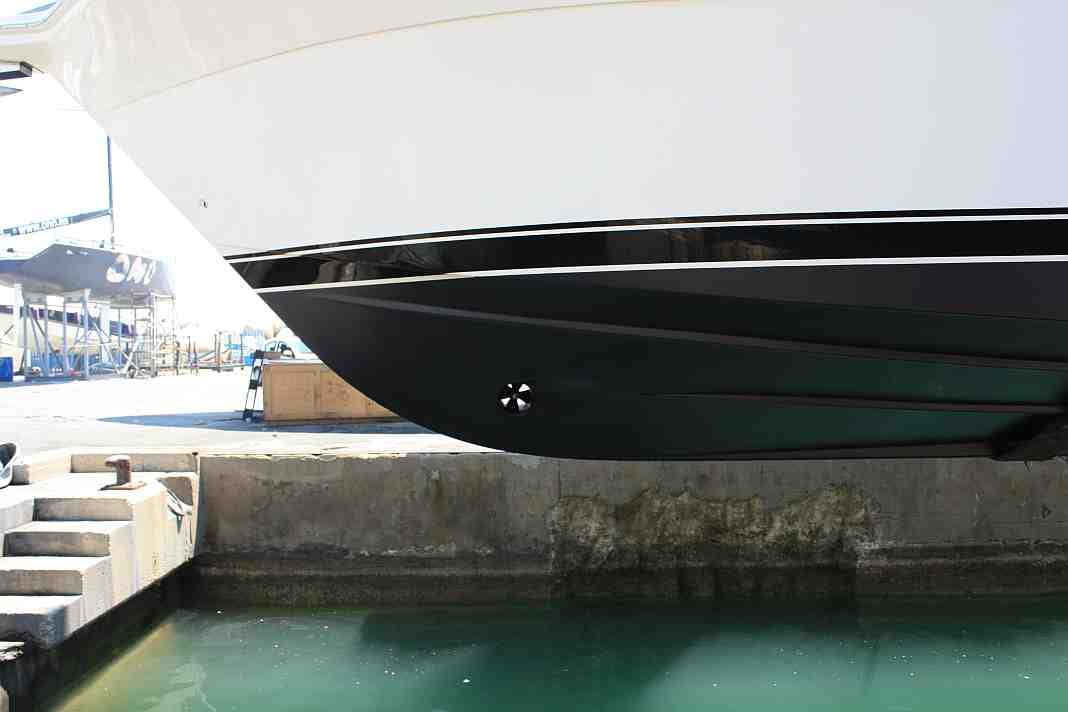
How to Maintain a Bow Thruster (Anode, Prop, Shear Pin, Gear Leg and Batteries)
Keep your electric bow or stern thruster ready for the moment you need it, with seasonal checks of its anode, prop and shear pin, gear leg oil, motor compartment, batteries and heavy cables, plus how to avoid overheating it. Most thruster failures build slowly from corrosion and weak batteries.
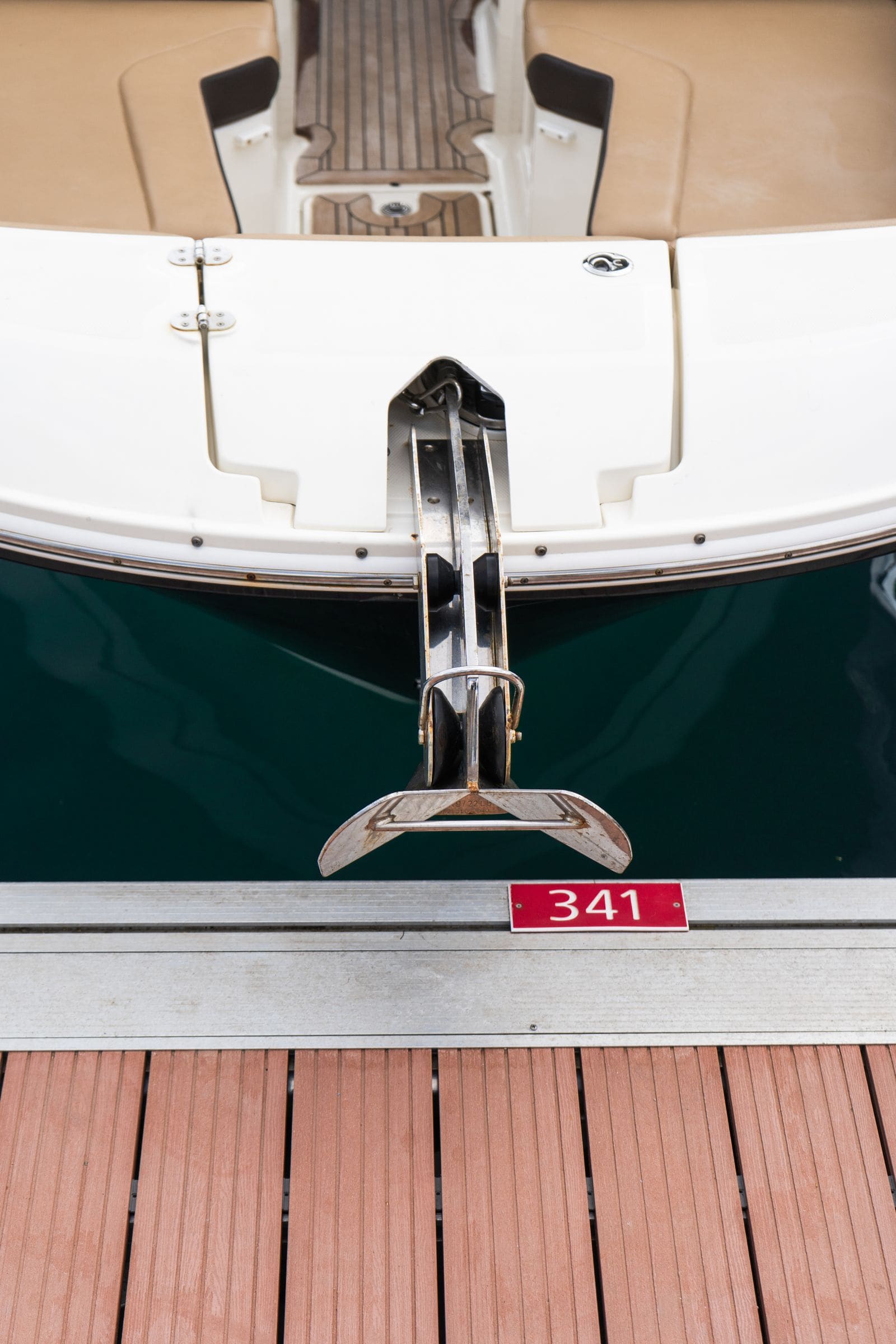
How to Maintain an Anchor Windlass and Inspect and Mark Your Anchor Rode
Keep your electric windlass working with a seasonal clean-and-grease, sort out a dead or slow windlass from the breaker and solenoid to the motor, and inspect, mark and splice your chain and rope rode. Your anchor is a safety system; this guide keeps every link of it ready.

How to Maintain Your Boat's Air Conditioning Seawater System
Keep seawater flowing through your marine A/C by cleaning the strainer, checking the pump and overboard discharge, descaling the condenser coil when flow drops, cleaning the air filter, and winterizing the seawater circuit before a freeze. Most "A/C not cooling" calls are a water-flow problem.
How to Match Gelcoat Color for Small Repairs
Get a chip or screw-hole repair to blend in with your hull instead of standing out as a bright patch. Learn to polish first so you see the real color, find your builder's color code or a matched gelcoat, tint by tiny steps, test cured samples in daylight, and allow for sun fading.
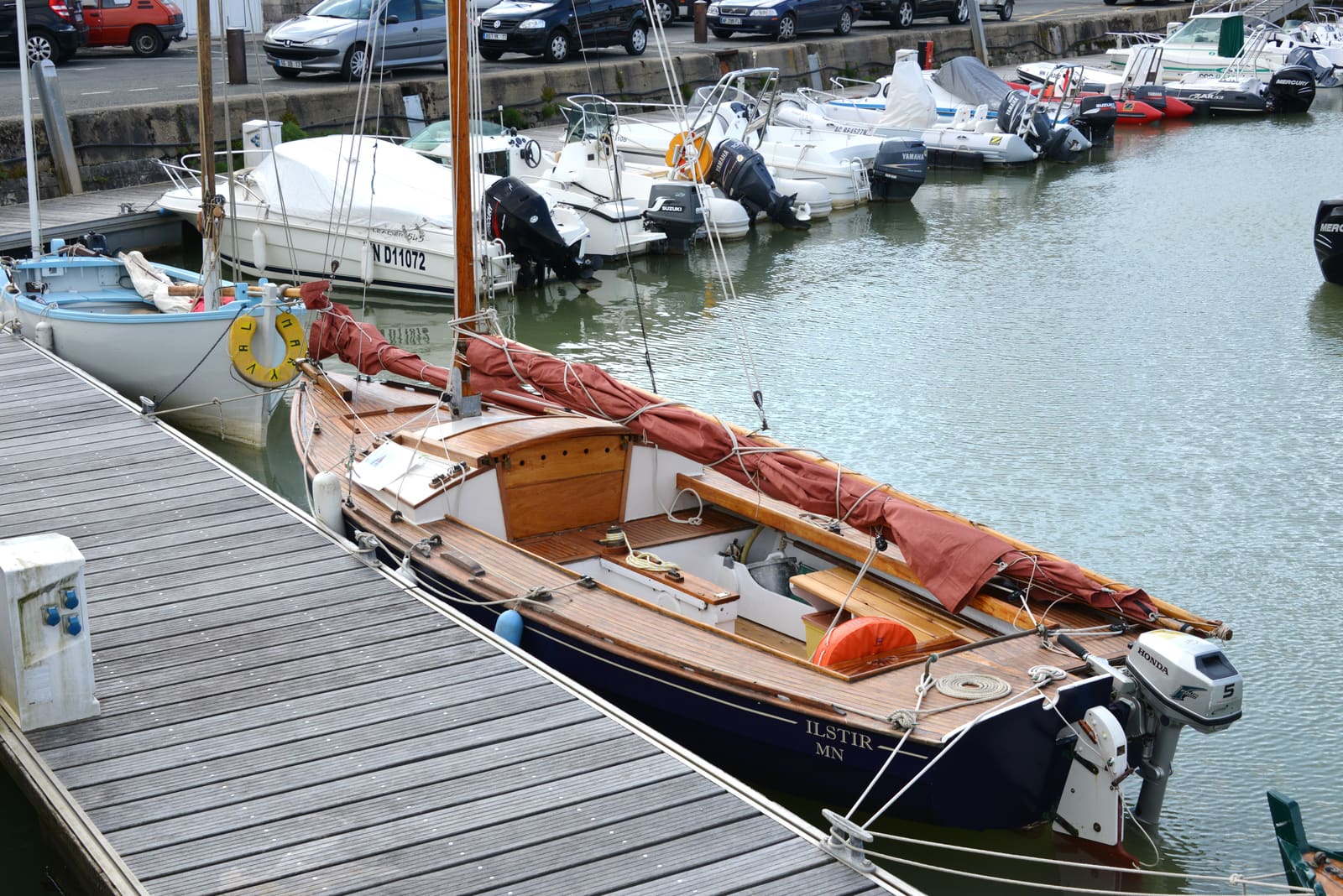
How to Mount and Maintain a Kicker Motor Bracket
Set up a small auxiliary outboard (a kicker) the right way: choose a manual or spring-assisted bracket, through-bolt it to a sound transom with a backing plate, add a safety cable, sort out steering and fuel, and keep the bracket working season after season.
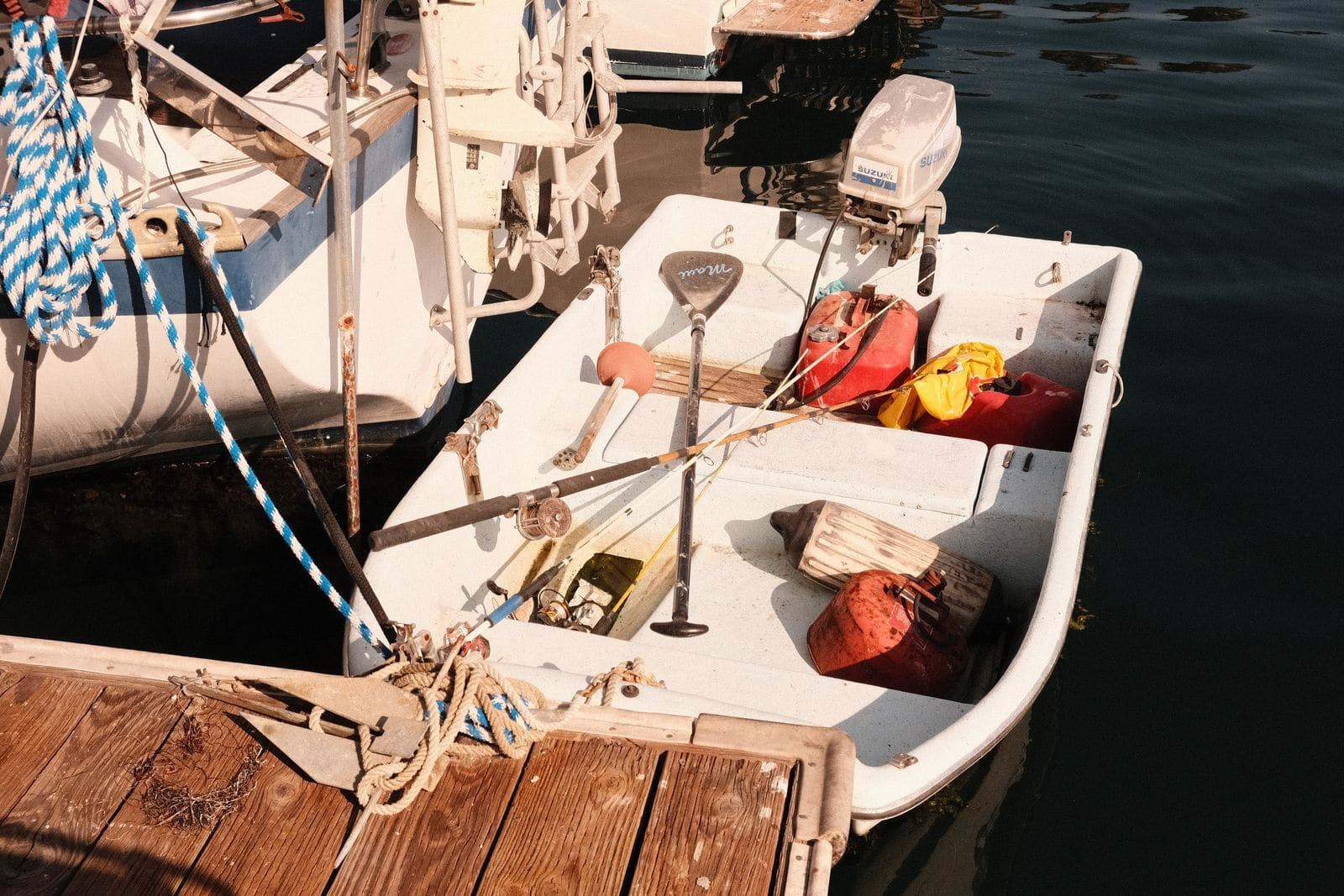
How to Mount or Re-Tighten an Outboard on the Transom
A loose outboard can steer badly, crack the transom or fall off the boat. Learn how to center the motor, check engine height, tighten clamp screws, seal and bolt through the transom with backing plates, add a safety cable on small motors and spot transom flex before it becomes a costly repair.
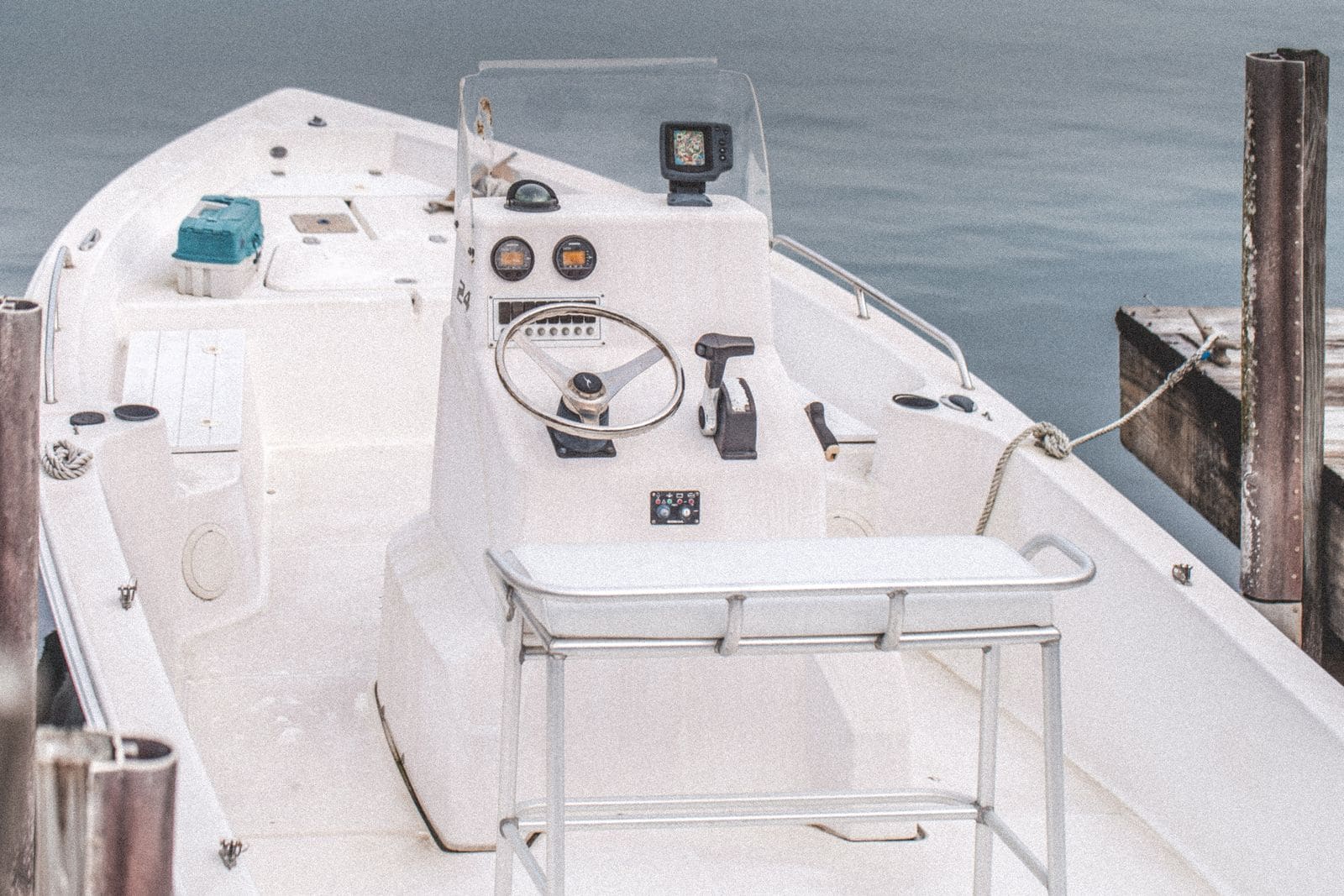
How to Mount Rod Holders, Fish Finders, Cleats and Antennas Without Causing Leaks
Add accessories to your boat the right way, with through-bolts, backing plates, sealed core and proper wire pass-throughs, so every new hole stays dry and strong. Also learn where you should never drill.
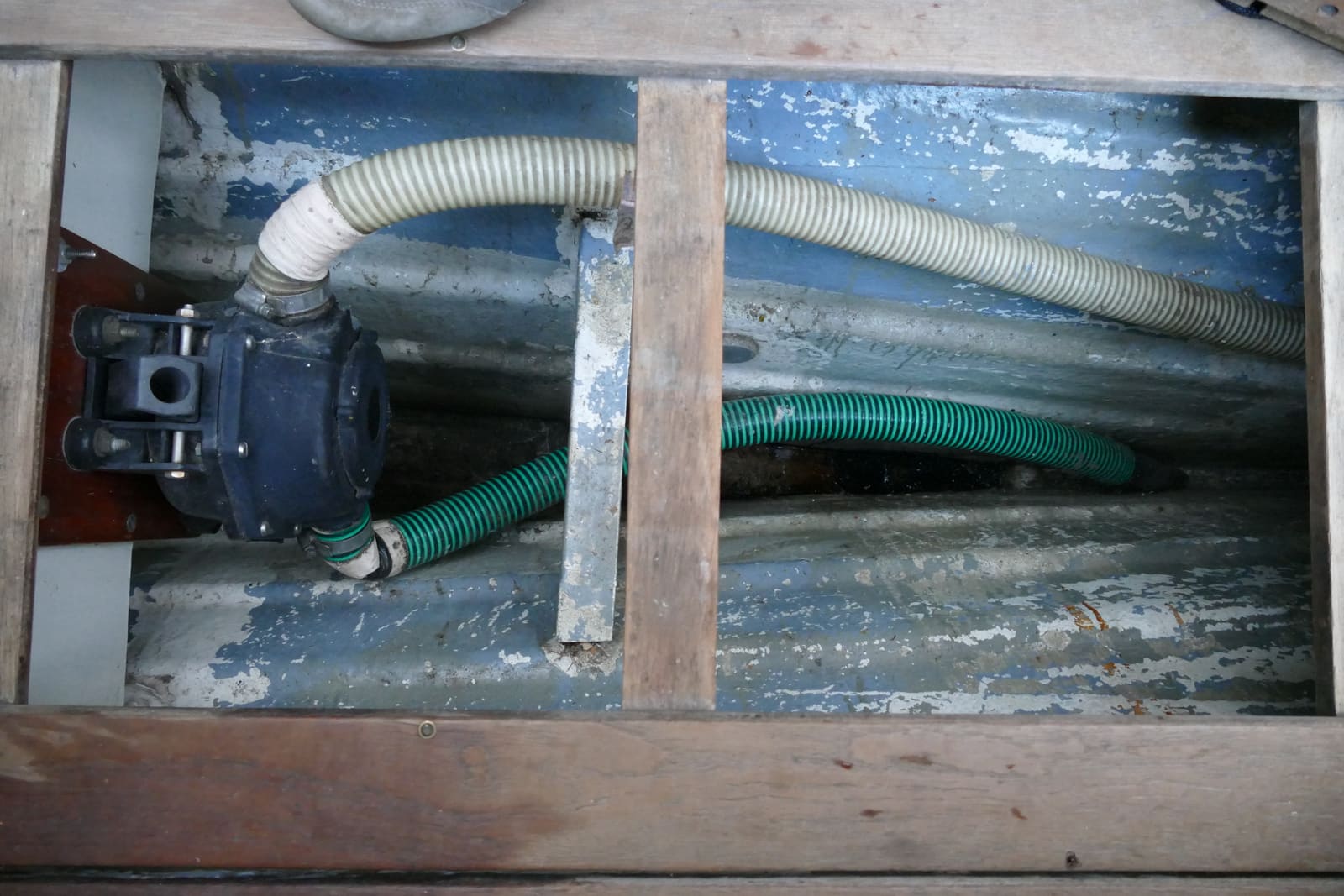
How to Paint a Boat Bilge (Prep, Paint Choice and What to Leave Bare)
A freshly painted bilge is easier to keep clean and makes small fuel, oil, coolant and water leaks easy to spot. Learn how to degrease and sand, pick between alkyd bilge paint and epoxy coatings, ventilate safely, and keep paint off the parts that must stay bare.
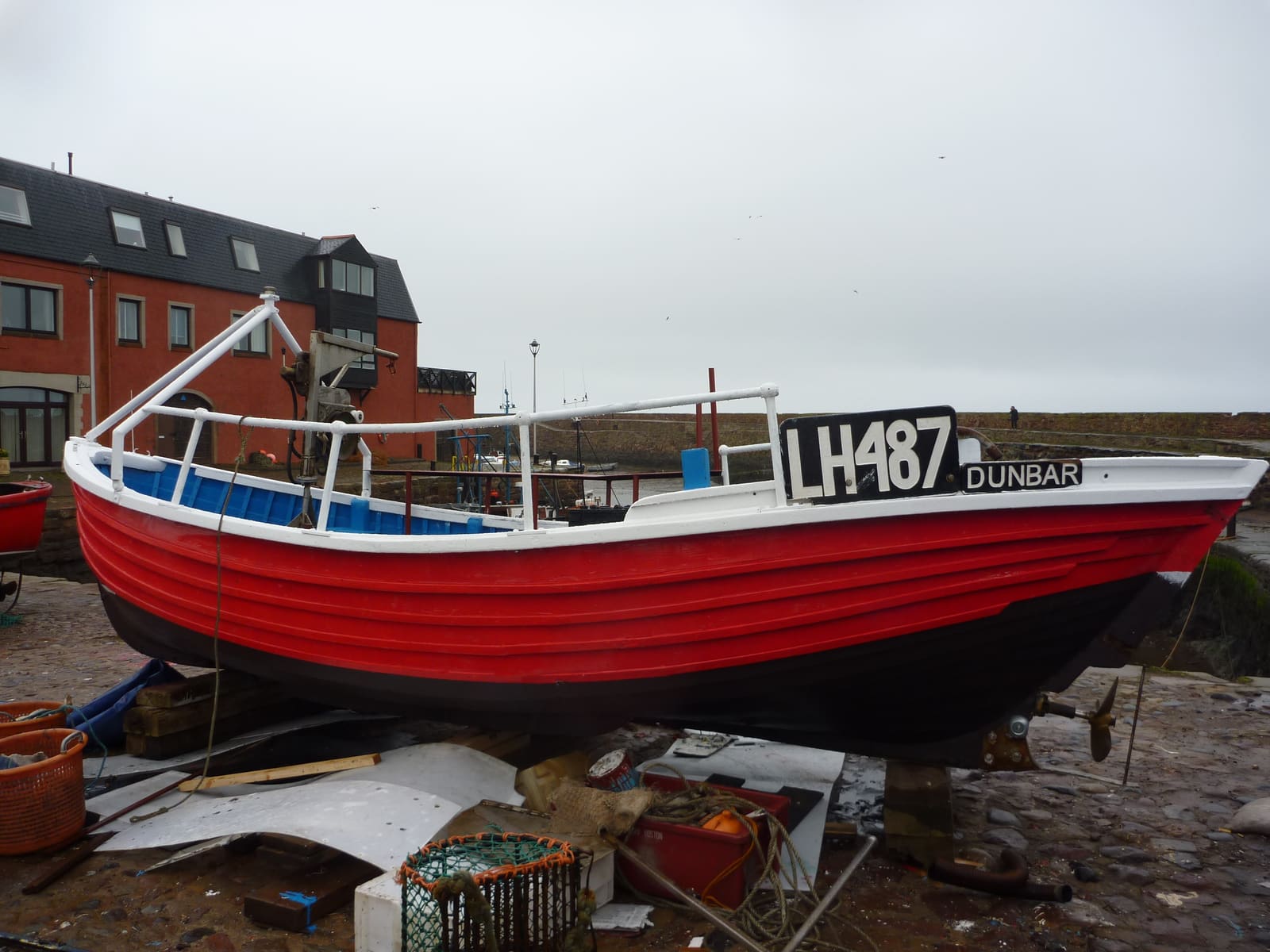
How to Paint Your Boat's Topsides (Roll and Tip)
When the gelcoat above the waterline is too chalky or crazed to polish back, a one-part or two-part polyurethane paint can bring back the shine. This guide covers choosing the paint, prep, weather windows, roll-and-tip technique and the safety gear two-part paints demand.
How to Prevent and Remove Mold and Mildew on Your Boat
Stop the musty smell and black spots before they start. Find and fix the water source, keep air moving, control humidity safely, and clean mold off gelcoat, vinyl and cabin surfaces with products that won't damage them.
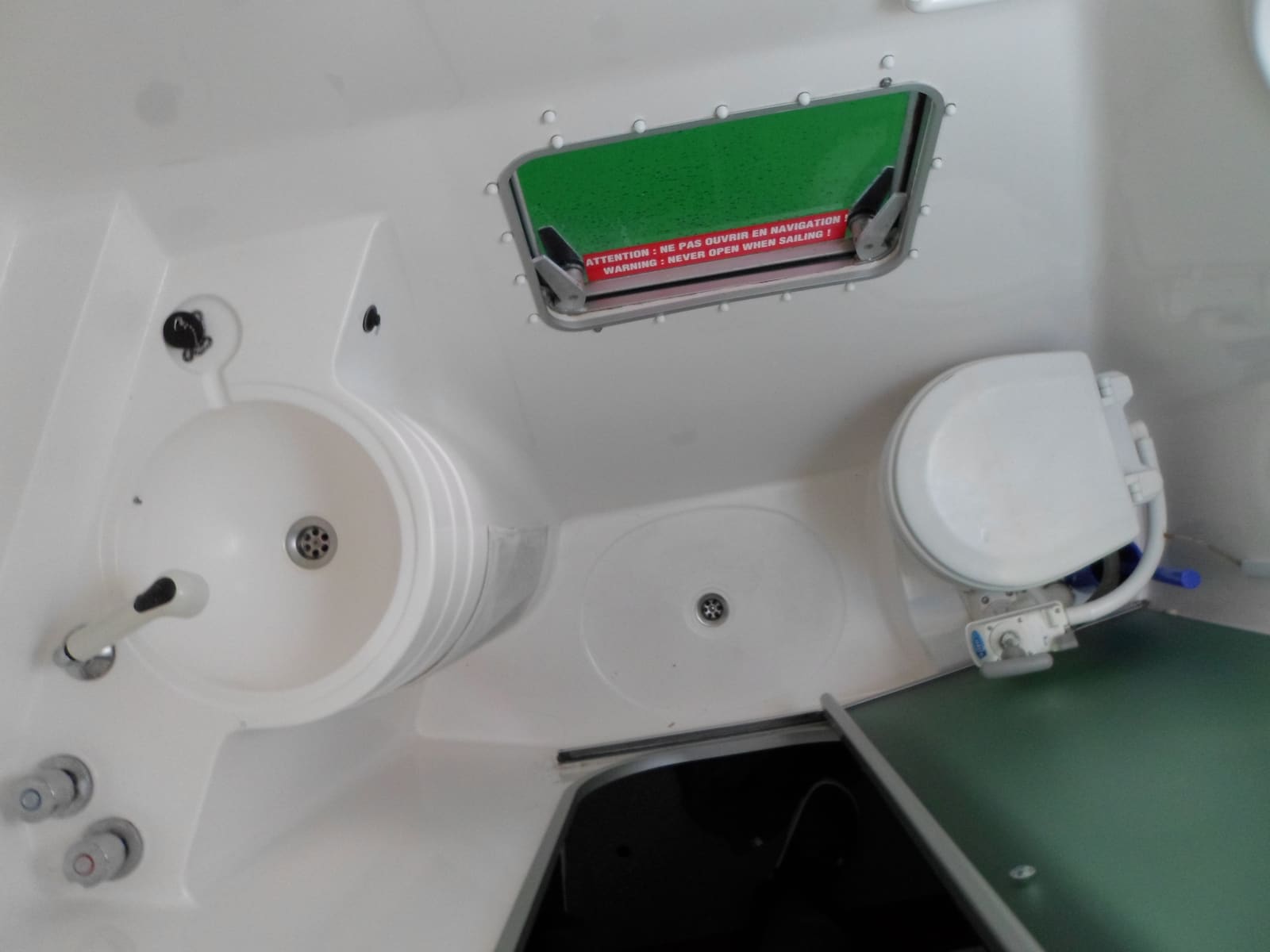
How to Prevent and Remove Scale in Marine Toilet Discharge Hoses
A head that gets harder to pump, flushes slowly or lets water creep back into the bowl often has mineral scale building up inside the discharge hose. Learn a simple monthly vinegar routine, when to use a maker-approved descaler, what never to pour in, and when replacing the hose or switching to a freshwater flush is the real fix.
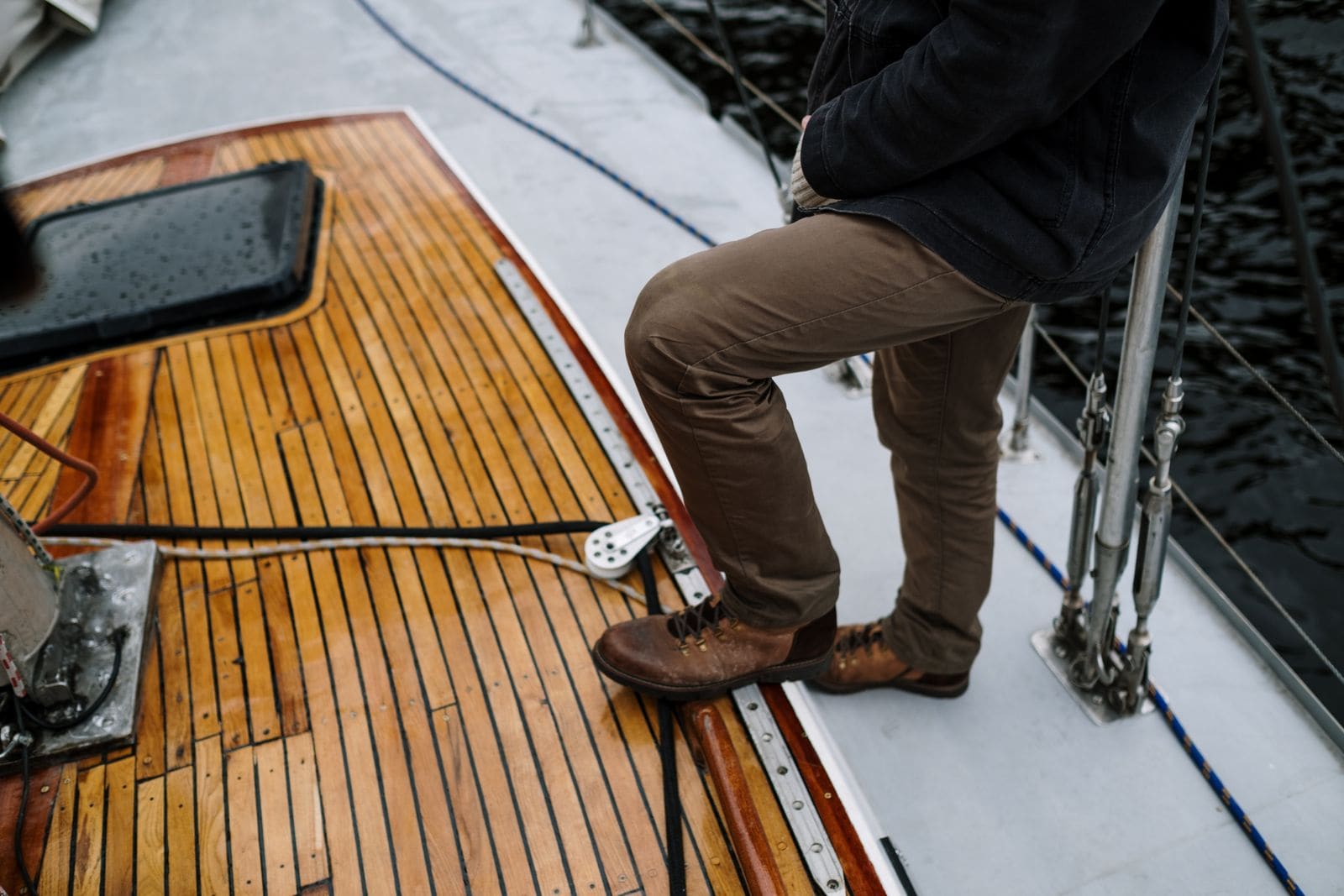
How to Re-Caulk Teak Deck Seams (and When the Deck Is Beyond Saving)
Spot failing teak deck seams, reef out the old caulk, prep and bond-break the seams, lay in a teak-specific caulk and sand it flush. Done right, fresh seams stop deck leaks and add years to the deck; this guide also shows the signs that a deck is too worn to recaulk.
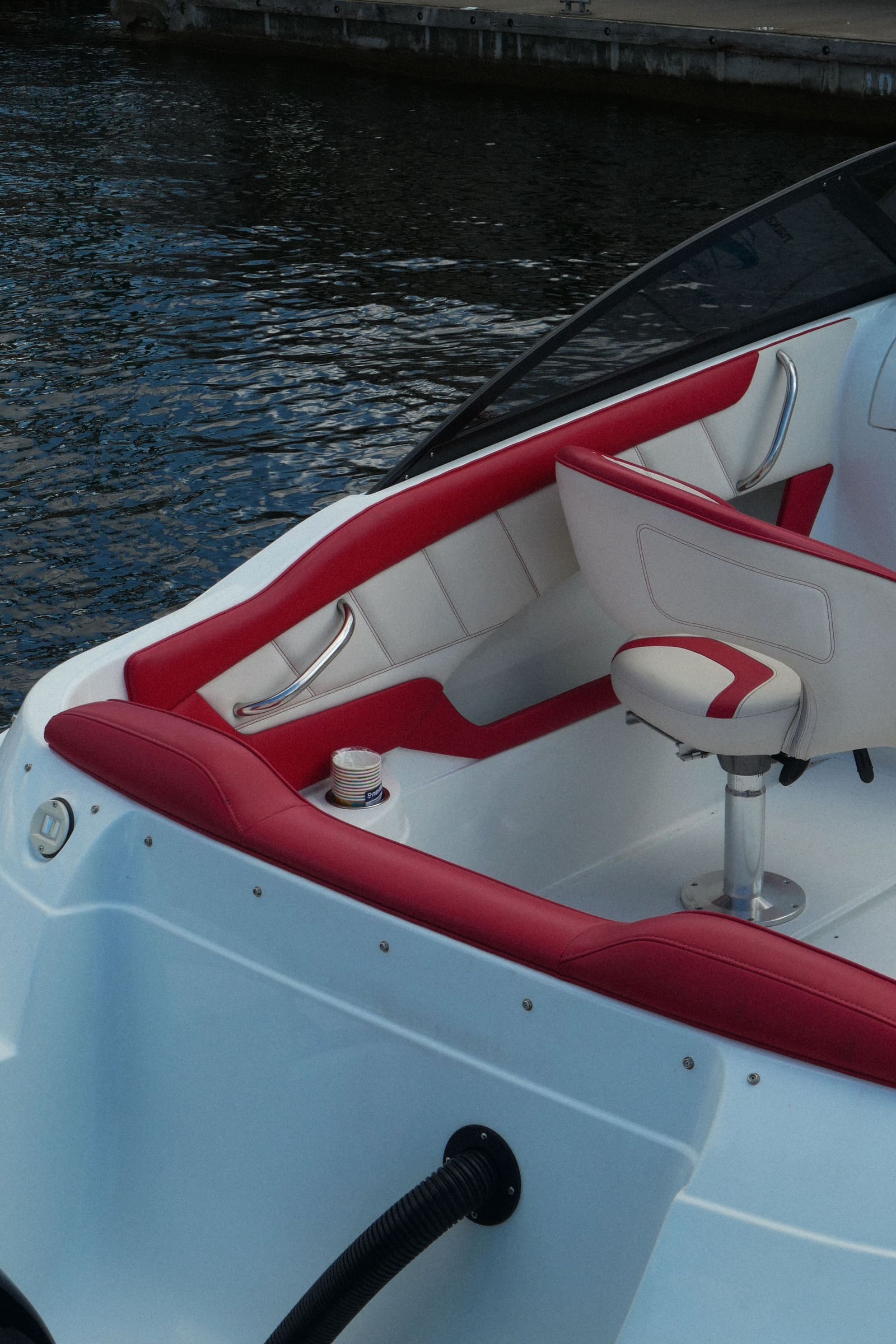
How to Re-Cover Boat Cushions and Seats (DIY Sewing vs. Upholstery Shop)
Cracked, faded or split cushion covers can be replaced without buying new seats. Learn how to choose marine vinyl or acrylic fabric, which thread survives the sun, how to use the old cover as a pattern, where zippers and drain vents go, and when a walking-foot machine at home makes sense versus paying an upholstery shop.
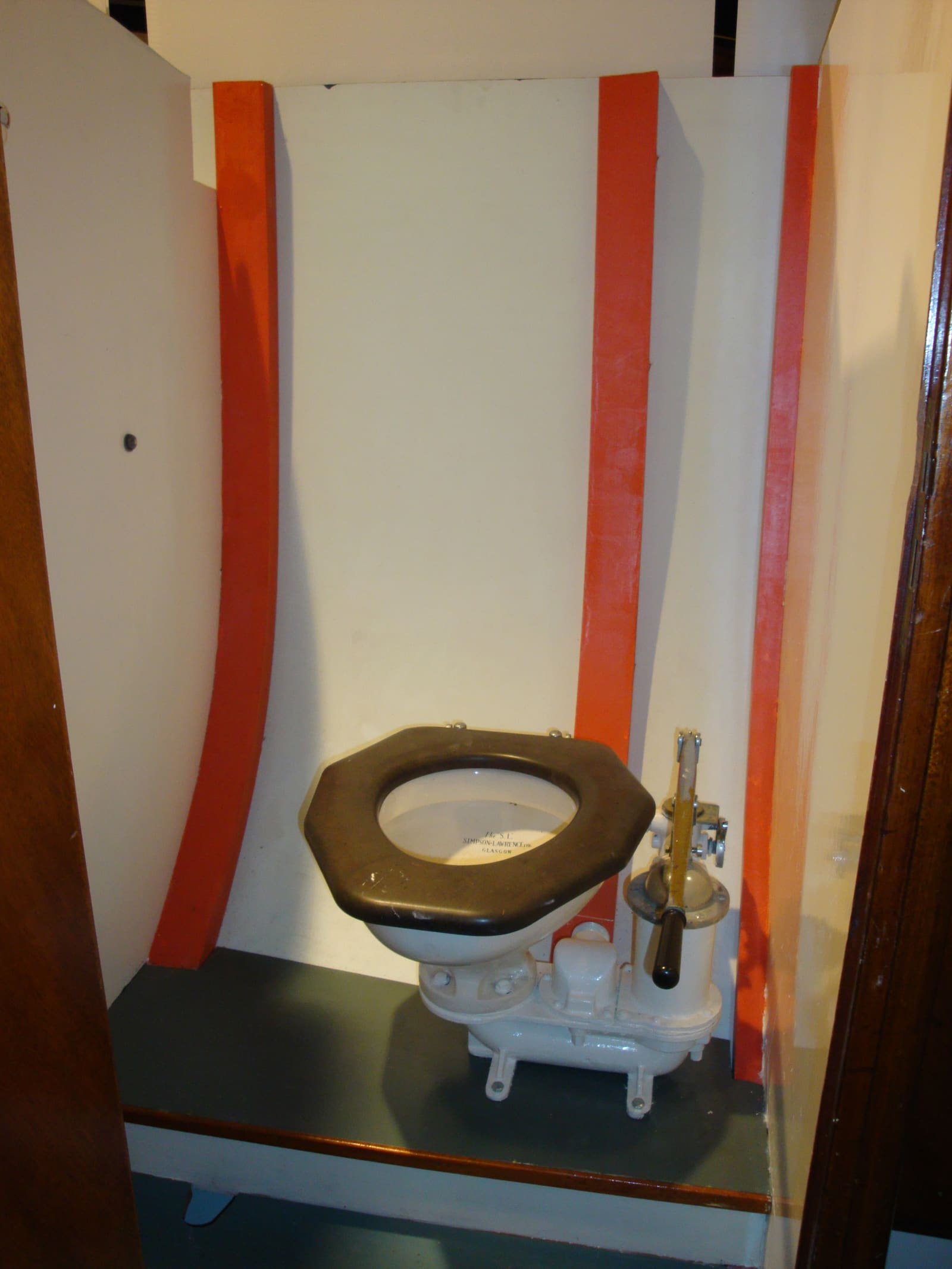
How to Rebuild a Manual Marine Toilet (Hand-Pump Head)
A manual head that's hard to pump, lets water flow back into the bowl or leaks at the pump shaft usually just needs new valves and seals. Learn how to diagnose the symptom, pick the right service kit, replace the joker valve, flapper and piston seals safely and hygienically, and keep the pump working afterward.

How to Remove and Apply Boat Names, Graphics and Registration Decals
Take off old vinyl names and graphics without scratching the gelcoat, clean up the glue and the "ghost" outline, then apply new lettering straight and bubble-free, and display your registration numbers the way federal rules require.
How to Repair or Repaint Worn and Cracked Non-Skid Decks
Bring back grip where the molded non-skid is chipped, cracked, patched or worn smooth. Choose between a molded patch that copies the original pattern, non-skid paint with grit, or textured gelcoat, fix the cracks and soft spots underneath first, and mask for clean, safe edges.
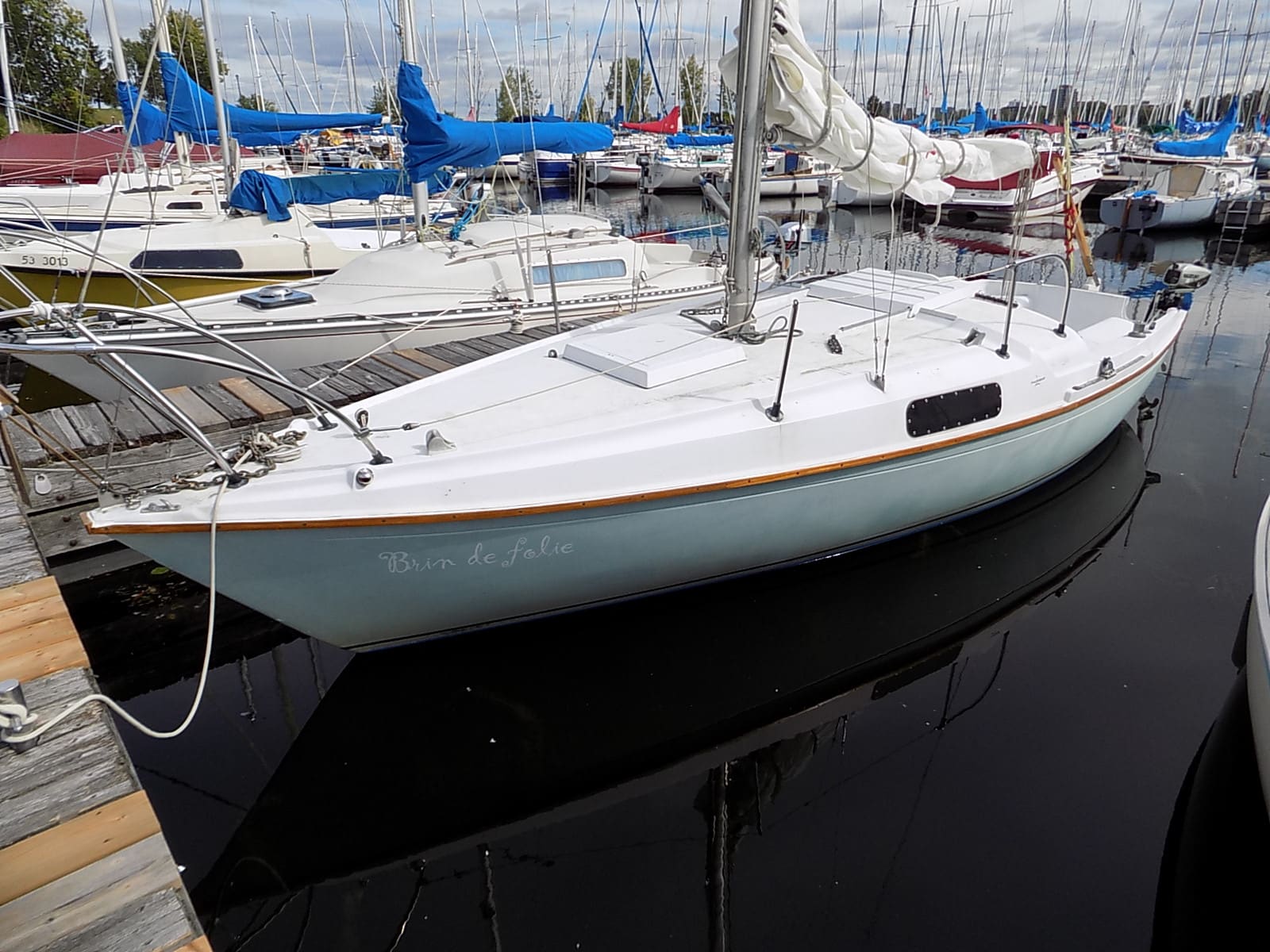
How to Repair or Replace Your Boat's Rub Rail
Replace a torn rub rail insert or the whole rail, reseal the hull-to-deck joint and its fasteners while the rail is off, and stop the deck-joint leaks that often hide behind a worn rail.
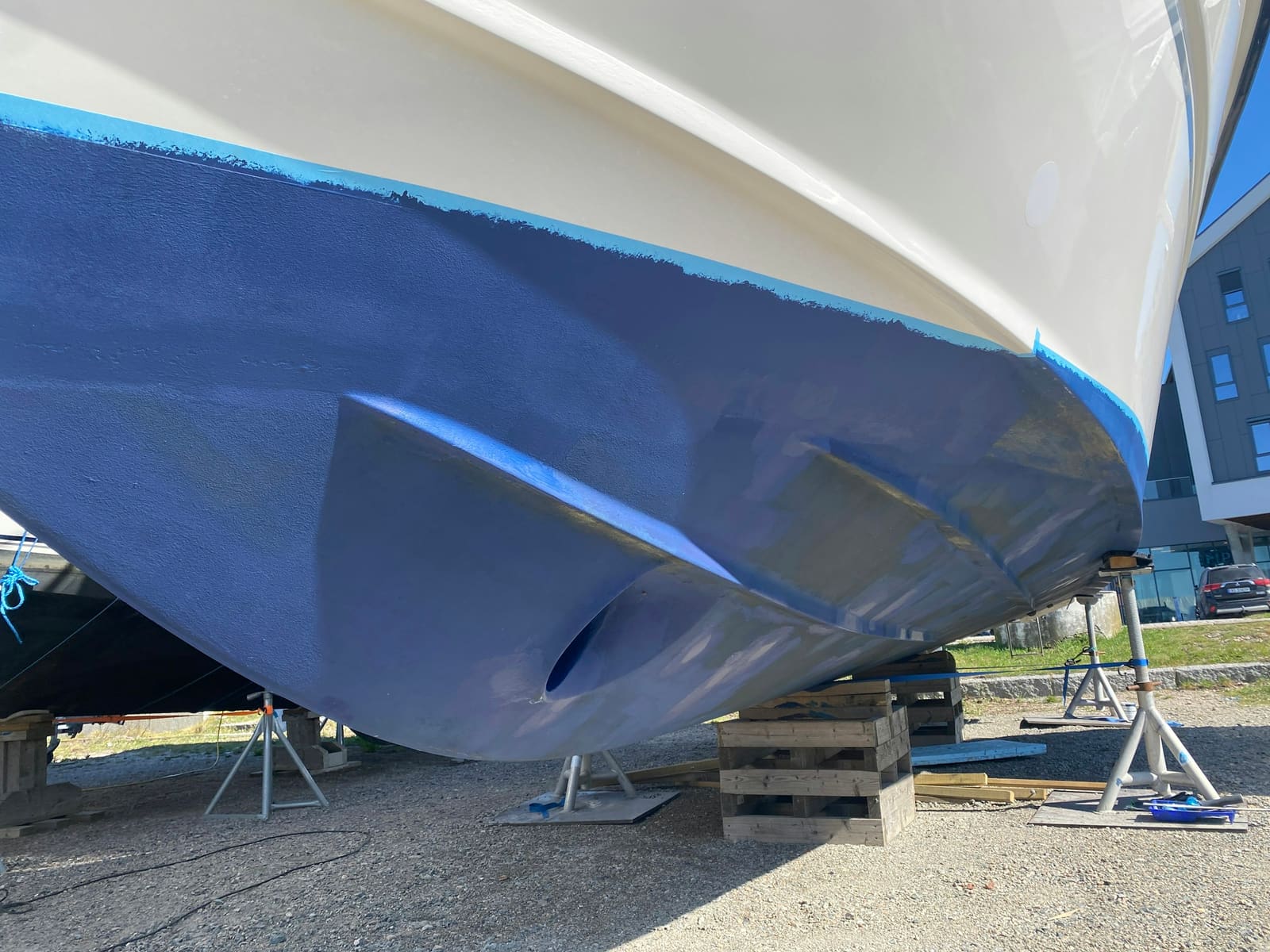
How to Repair Small Gelcoat Chips and Scratches
Fill and blend small chips, dings and scratches in your boat's gelcoat with a repair kit so they stop letting water into the fiberglass and look close to new. Also learn to spot damage that is structural and needs a pro.
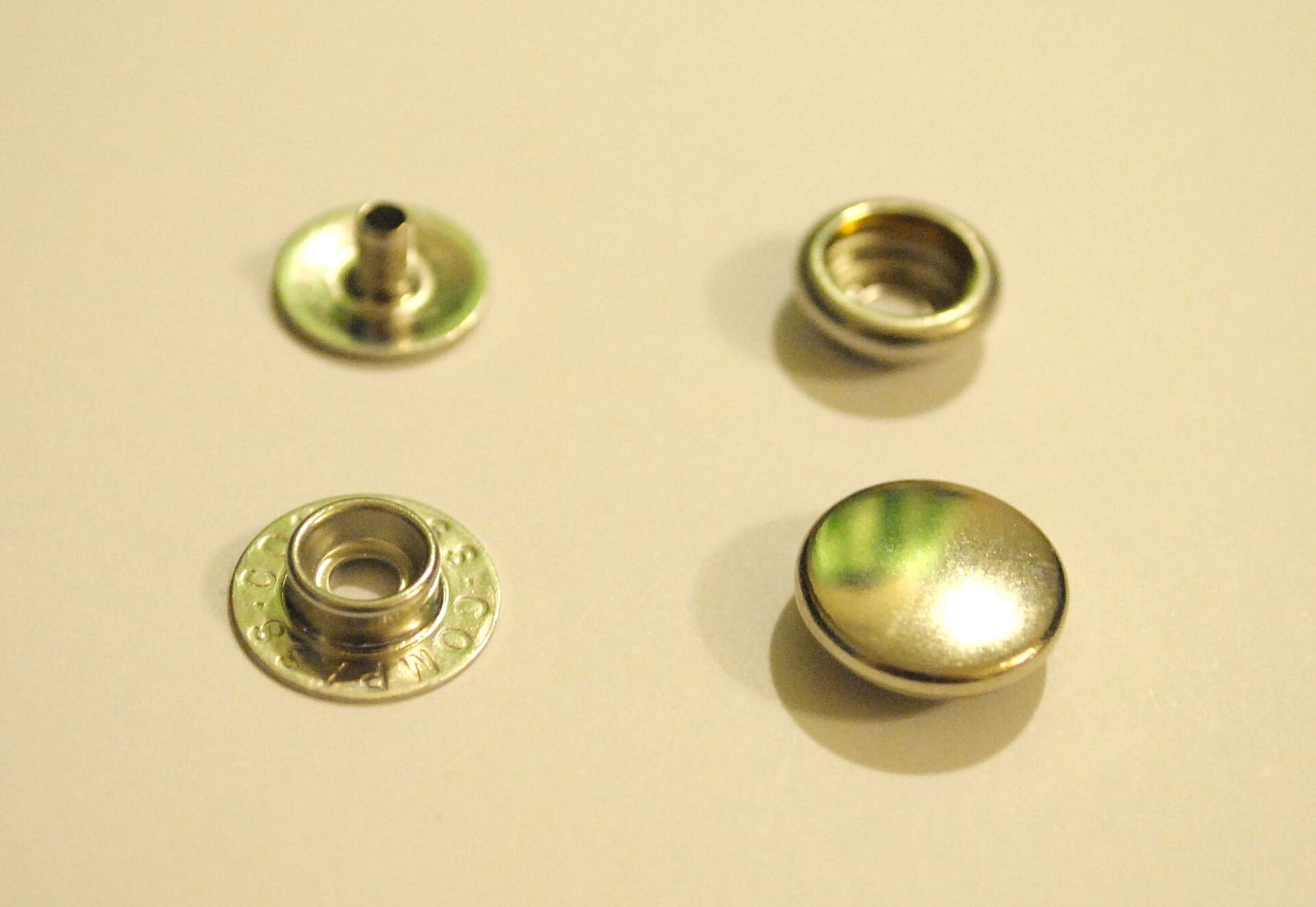
How to Repair Torn-Out Canvas Snaps, Fasteners and Zippers
Fix snaps that have pulled out of your bimini, cover or enclosure, reinforce the torn fabric, choose the right snap metal and setting tool, free stuck snaps, replace Lift-the-Dot and twist fasteners, and swap a worn zipper slider.
Safety: BoatMend is for information only and does not replace a certified marine technician. You are responsible for your safety and your boat. Read the full disclaimer.