How to Prevent and Remove Mold and Mildew on Your Boat
Stop the musty smell and black spots before they start. Find and fix the water source, keep air moving, control humidity safely, and clean mold off gelcoat, vinyl and cabin surfaces with products that won't damage them.
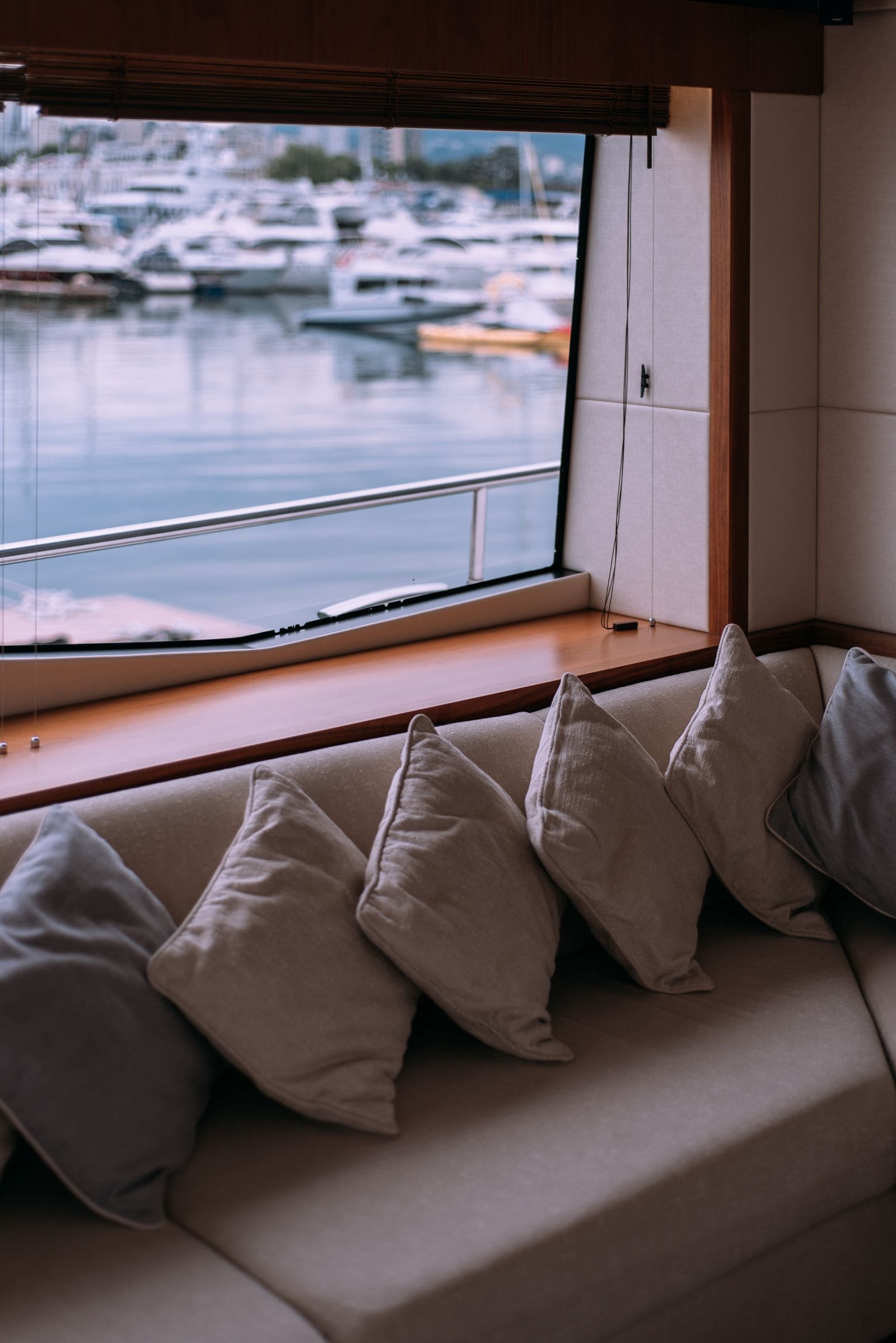
Time
3 h
Shop would charge
$200-1500
Applies to
All engines
Safety first: Never mix bleach with ammonia, vinegar, acids or other cleaners: it makes toxic gas. Ventilate the cabin while cleaning, and wear gloves and eye protection. If anyone aboard has asthma or mold allergies, let someone else do the cleanup. Running an electric dehumidifier or heater on an unattended boat is a fire risk unless the boat has a properly installed, inspected shore power system and a unit made for unattended use; if you smell burning, see heat damage at the shore power inlet or trip breakers, unplug from the dock end and call a marine electrician.
Owners often ask
- Every spring my cabin smells musty and has black spots. How do I stop mold on the boat?
- Is it safe to leave a dehumidifier running on my boat at the dock?
This guide walks you through it. Still stuck? Ask the AI Mechanic about your engine.
Tools
- Flashlight and a small mirror for looking into lockers and behind cushions
- Spray bottles and buckets
- Soft brushes, sponges and microfiber cloths
- Wet/dry shop vacuum and sponges for drying the bilge
- PPE: rubber gloves, safety glasses, and an N95 mask for heavy cleaning
- Inexpensive hygrometer (humidity gauge) for the cabin
Parts & supplies
- Marine mildew cleaner safe for gelcoat and vinyl
- White vinegar and household chlorine bleach (hard, nonporous surfaces only)
- Moisture absorber tubs or bags (calcium chloride type)
- Mold and mildew retardant spray
- Marine paste wax for gelcoat lockers and compartments
- Mesh or grate locker liners
- Passive or solar-powered vents (optional)
Before you start
Why boats get moldy: mold spores are already on every boat. They grow when they get moisture, warmth and still air. A closed boat makes its own moisture through condensation as air, water and hull temperatures change day and night. Add a small leak or a damp locker and you have a mold farm. Storing the boat out of the water doesn't stop this on its own.
The plan, in order:
- Stop the water (leaks, wet bilge, damp gear).
- Move the air (vents, open lockers, fans).
- Lower the humidity (absorbers or a dehumidifier).
- Clean what is there with surface-safe products.
- Make surfaces easy to keep clean (wax, liners, retardants).
Insurance note: many boat policies don't cover mold damage. Prevention is cheaper than replacing cushions, headliners and carpet.
Steps
Look for drips and stains around portlights, windows, hatches, stanchion bases, cleats, rails and windlass, and (on sailboats) chainplates and the mast step. Check after a heavy rain or melting snow. Make sure cockpit scuppers and drains are clear; clogged drains can send water into the cabin. A leak through a cored deck can also rot the core, so don't ignore it.
Leaking deck hardware and portlights usually need to be removed and rebedded with the right marine sealant. If you see water coming in below the waterline, at a through-hull, or the bilge pump runs more than usual, treat it as urgent: see our seacocks and bilge pump guides, and call a pro. If the boat is taking on water faster than the pump can handle, call TowBoatUS, Sea Tow, or the USCG on VHF 16 or 911.
Pump and sponge the bilge dry. Wipe up condensation. Take wet towels, foul weather gear, life jackets and lines out, dry them ashore, and bring them back only when fully dry.
For storage, remove bedding, mattresses, pillows, clothing, towels, paper goods and food. These soak up moisture and feed mold. Stand cushions on edge so air reaches all sides, or take them home.
Prop open lockers, drawers, cabinet doors, the head and the engine compartment (if safe) so air can circulate. Under shrink-wrap or a full cover, consider leaving cabin doors open if security allows.

Covers keep rain and snow out, but without vents they also trap damp air inside. Photo: Tom Fisk / Pexels Passive vents (cowl vents, louvers, vent plates) only work if air actually moves. Solar-powered vents work without shore power and can run all day, some all night on a battery. A common rule of thumb is to change the cabin air about once an hour; larger boats may need one vent pulling air in and one pushing it out. Shrink-wrap and winter covers should have vents built in. If you visit on a sunny winter day, open the boat up for a few hours, then close it again.
- Moisture absorbers: calcium chloride tubs or hanging bags are cheap, safe and need no power. Put them in lockers and the cabin, and empty or replace them when full. Keep them where they can't tip over; the collected liquid is salty and can stain.
- Electric dehumidifier: works well on a boat with reliable shore power, but only through a properly installed marine shore power system (see our shore power guide), never a household extension cord run through a hatch. Choose a unit with automatic shutoff, route its drain hose to a sink or the bilge, and check it on every visit.
- Heaters: warm air causes condensation on cold surfaces like hatches and portlights; ventilation still matters.
A small hygrometer helps you see whether your plan is working. The EPA's home guidance is to keep relative humidity below 60 percent, ideally 30 to 50 percent, and to dry anything that gets wet within 24 to 48 hours, before mold can take hold. A boat won't always reach those numbers, but they are a useful target.
Small patches on hard surfaces are a normal DIY job. The US EPA suggests that areas larger than about 10 square feet (roughly 3 feet by 3 feet), or mold after a lot of water damage such as a sinking or flooding, call for professional cleanup. Also call a pro if mold is inside headliners, cored panels or air-conditioning ducts.
Start with a marine mildew cleaner made for gelcoat and follow the label. For tougher spots, BoatUS suggests:
- Vinegar: 3 parts white vinegar to 2 parts water, sponged on; stronger if needed.
- Bleach: diluted with about 3 parts water, on hard, nonporous surfaces only, with plenty of ventilation.
- Borax: about half a cup in a gallon of hot water, as a cleaner and preventive.
Use one at a time, never mixed, and rinse well between products. Test each on a small hidden area first.
- Vinyl seats and headliners: use a marine vinyl cleaner or mildew remover made for vinyl. Skip bleach; it can weaken stitching and damage the finish (see our canvas and vinyl guide).
- Acrylic canvas: follow the fabric maker's mildew method (Sunbrella has a diluted bleach-and-soap recipe for its fabrics).
- Life jackets: never use bleach; it can damage the fabric and the flotation inside. Use mild soap, rinse and air dry.
- Wood: bleach works poorly on wood and can damage finishes; use a cleaner made for that wood and finish.
- Carpet and cushion foam: if mold has grown deep inside, replacing is often the only real fix.
A coat of paste wax on gelcoat inside lockers, the anchor locker and below-waterline compartments won't stop mold, but it lets you wipe it off with a rag. Mesh or grate liners under stowed gear keep air moving underneath, which is where mold usually starts.
After cleaning and drying, spray or wipe a mold and mildew retardant on compartment surfaces, liners and the undersides of hatches. Most only last up to about 90 days, so put a reminder in BoatMend to reapply.
A smell that comes back right after cleaning may not be mold at all. Permeated head hoses, a dirty holding tank vent, or stagnant bilge water smell similar. See our marine head and holding tank guide.
Common mistakes
- Cleaning the mold but not finding the leak. It will be back in weeks.
- A sealed cover with no vents. Covers and shrink-wrap keep water out but trap humid air in.
- Mixing bleach with other cleaners in a small cabin. That can make toxic gas.
- Bleach on vinyl, life jackets or cushion fabric not rated for it. It weakens thread and fabric.
- Running a household dehumidifier on an extension cord through a hatch. That is a shore power fire waiting to happen.
- Leaving wet gear, towels and bedding aboard between trips.
- Expecting one treatment to last all season. Retardants and wax need renewing.
When to call a pro
- Mold covers more than about 10 square feet, or follows a sinking, flooding or long-term leak
- Mold is inside headliners, cored panels, air-conditioning ducts or behind built-in furniture
- Deck or cabin areas near the leak feel soft or spongy (possible core rot)
- Leaks come from portlights, hatches or deck hardware you can't rebed yourself
- Anyone gets sick or has breathing trouble from the musty air
- You want a dehumidifier or vents wired into the boat's electrical system; use a qualified marine electrician
Tips
- Open the boat and let fresh air through every time you visit, even for 10 minutes.
- Wipe down the inside of hatches and portlights after cold nights; that condensation feeds mold.
- Keep a spray bottle of mildew cleaner and a microfiber cloth aboard to catch spots early.
- Store spare cushions and canvas at home in breathable bags, not sealed plastic.
Official references
We read these to write this guide. Your engine's own manual always wins.
Safety: BoatMend is for information only and does not replace a certified marine technician. You are responsible for your safety and your boat. Read the full disclaimer.
Last updated 2026-10-23
Related guides

How to Clean and Protect Boat Canvas, Bimini Tops and Vinyl Seats
Wash your bimini, covers and enclosure the right way, beat mildew without wrecking the stitching, keep vinyl seats soft and stain-free, look after zippers and snaps, and store everything so it comes out clean next spring.
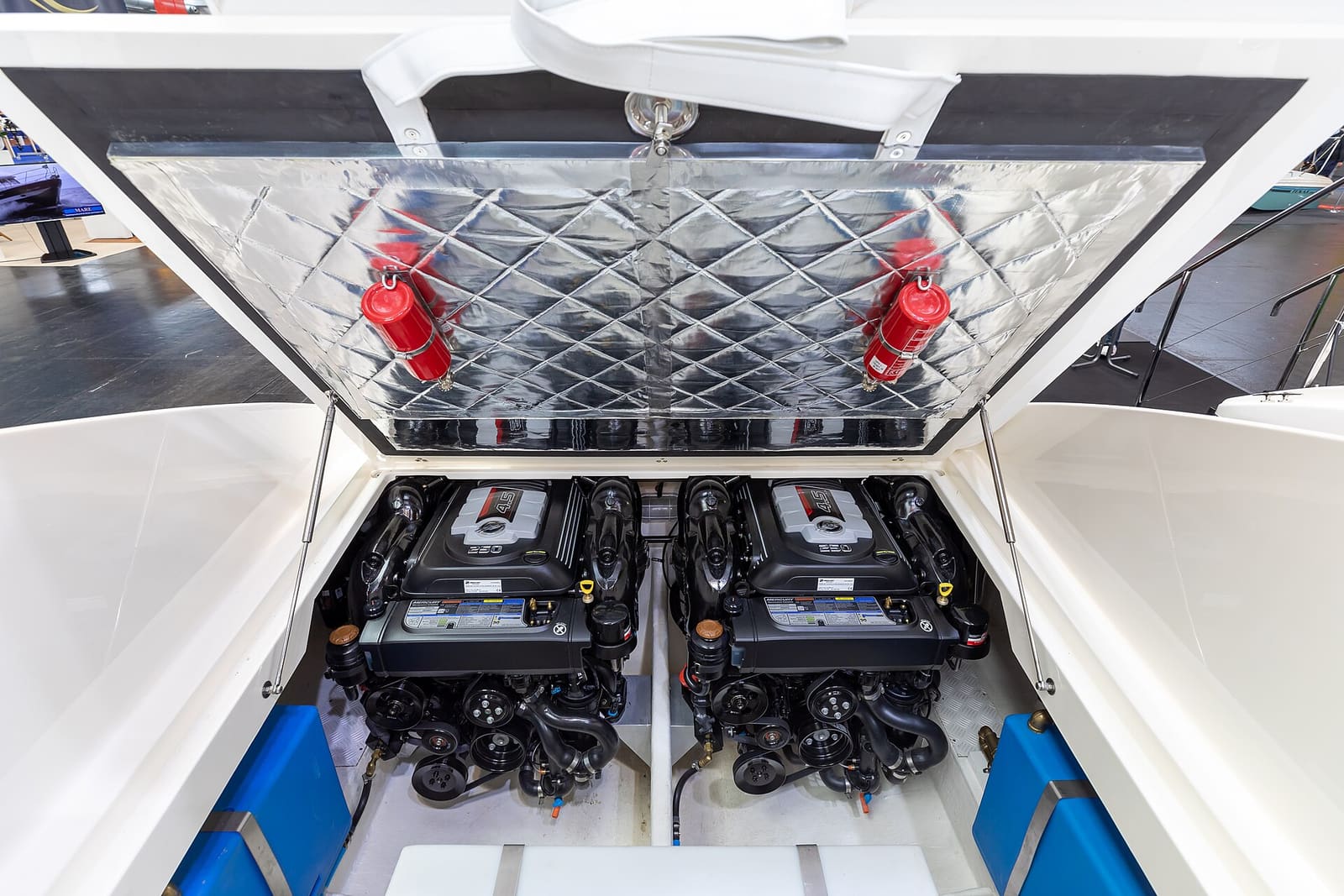
Bilge Blower and Engine Compartment Ventilation on Gas Inboards and Sterndrives
Learn why gas boats have a "run the blower 4 minutes" label, how to check that the blower and vent ducts actually move air out of the engine compartment, and how to replace a blower safely with an ignition-protected marine unit.
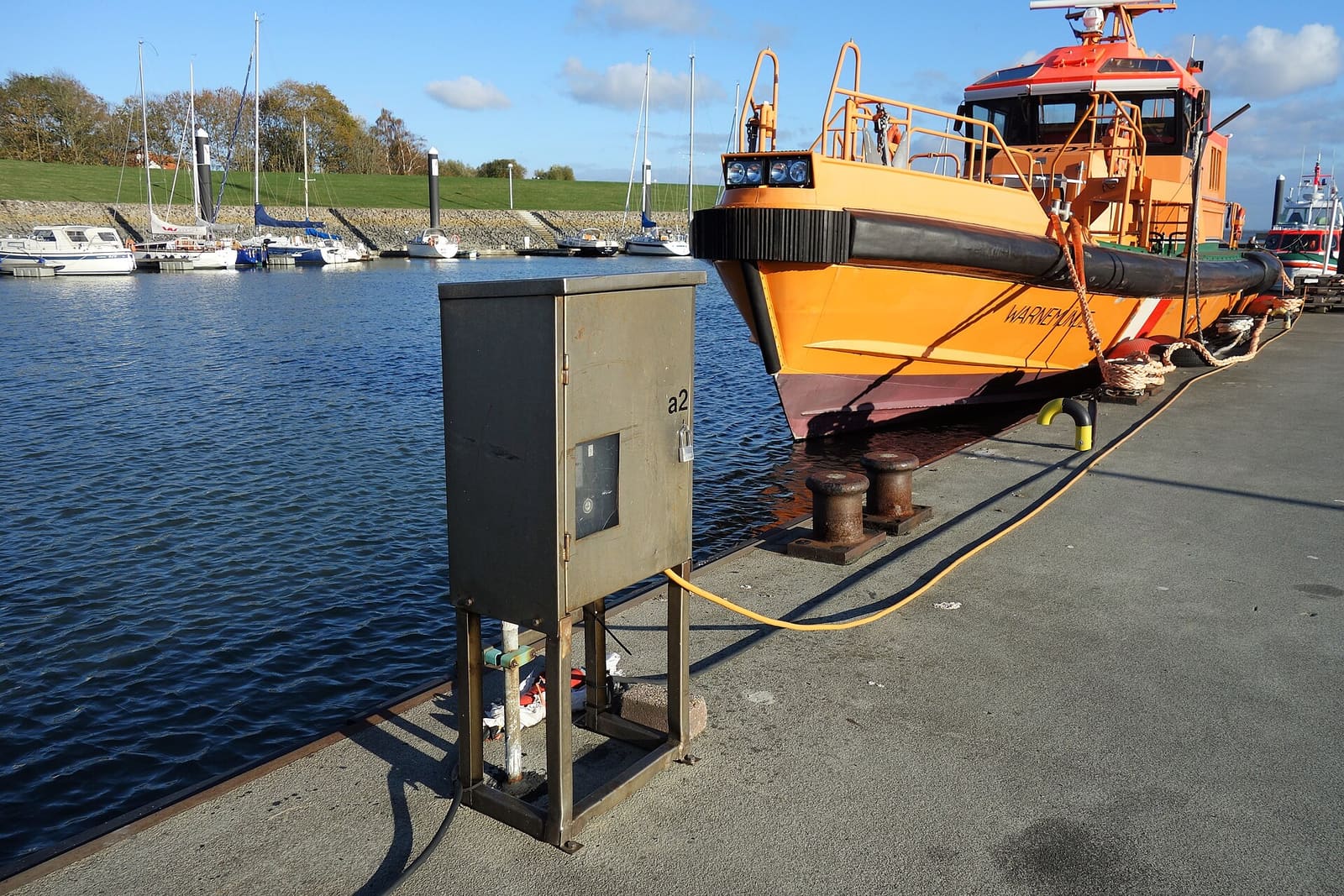
Shore Power Safety: Cords, Inlets, Burned Plugs and Electric Shock Drowning
An owner's inspection routine for your shore power cord, plugs, boat inlet, galvanic isolator and ground-fault protection, plus the right way to plug in and the facts about Electric Shock Drowning. This guide is for looking and testing only; any electrical repair belongs to an ABYC-certified marine electrician.
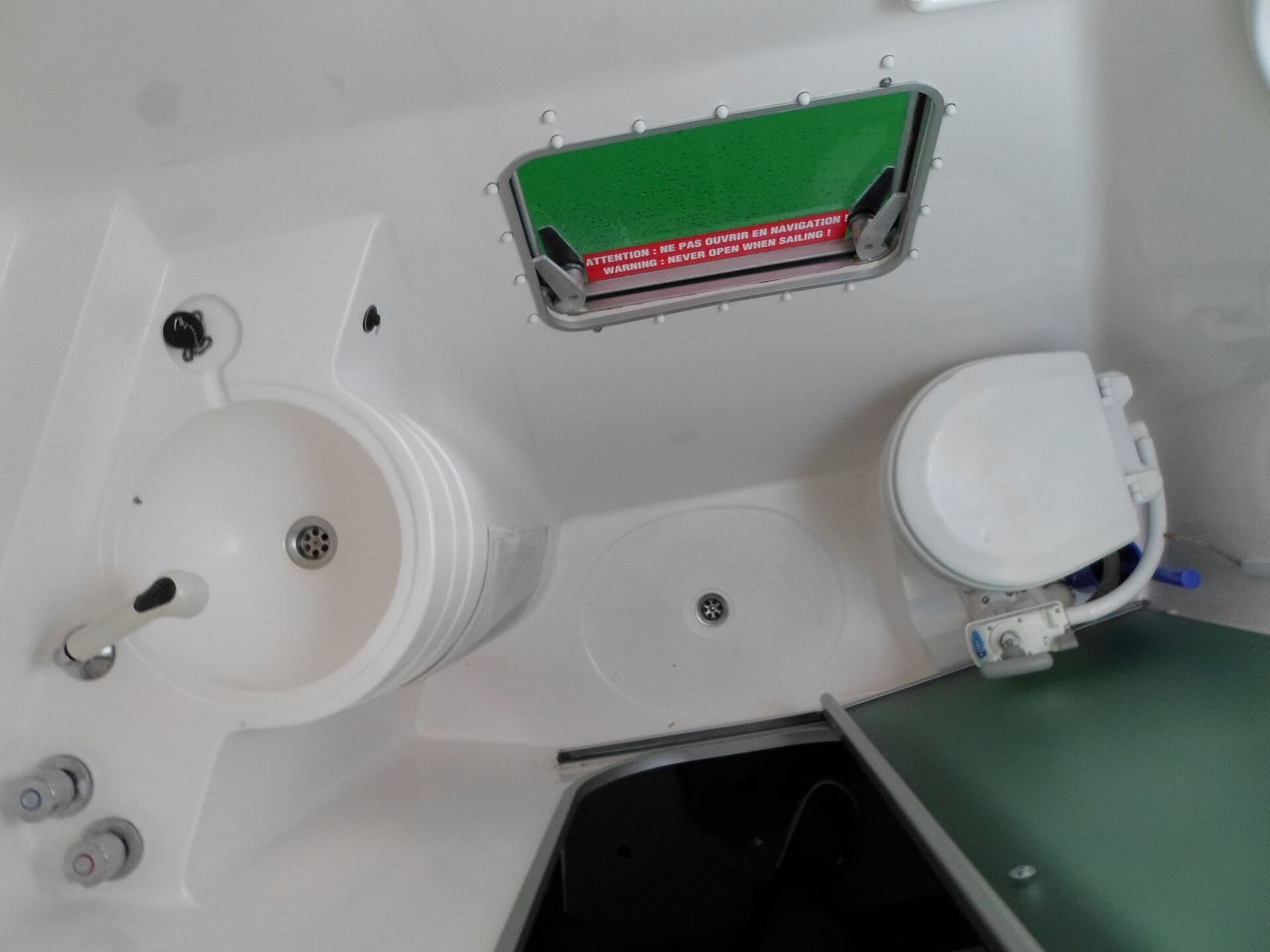
Marine Head and Holding Tank Care: Odors, Clogs, Pump-Outs and Winterizing
Keep your boat's toilet and holding tank working and odor-free, clear common clogs, pump out the right way, and winterize the system. Also covers the Y-valve and the federal no-discharge rules every owner with a head needs to follow.
Teak Deck and Trim Care: Clean, Oil, Seal or Leave It Natural
Keep teak decks, rails and trim looking good without wearing them away. Choose between a natural gray look, oil, sealer or varnish, and learn how to clean teak gently so you don't destroy it with harsh cleaners or a pressure washer.