Repair & maintenance guides
Plain-English, step by step, written for owners. Pick your engine to see the guides that apply to it.
400 of 509 guides · page 4 of 17
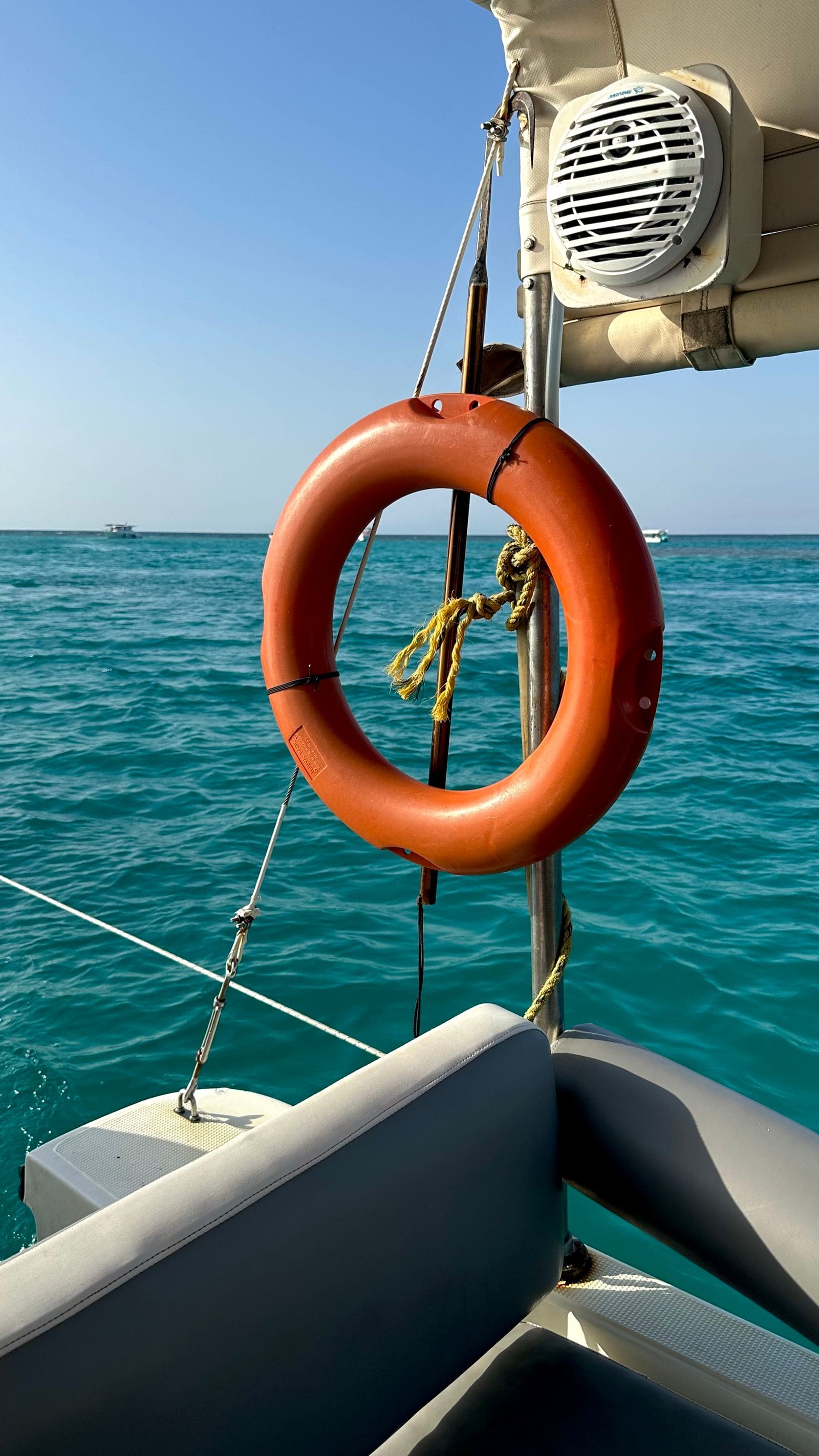
Emergency Drills for Your Crew: Engine Failure, Fire, Steering Loss and Man Overboard
Practice what everyone aboard does when the engine quits, a fire starts, the steering fails or someone falls in. A few short drills each season turn panic into a plan, and teach your crew to anchor, call for help on VHF 16 or DSC, and get a tow.
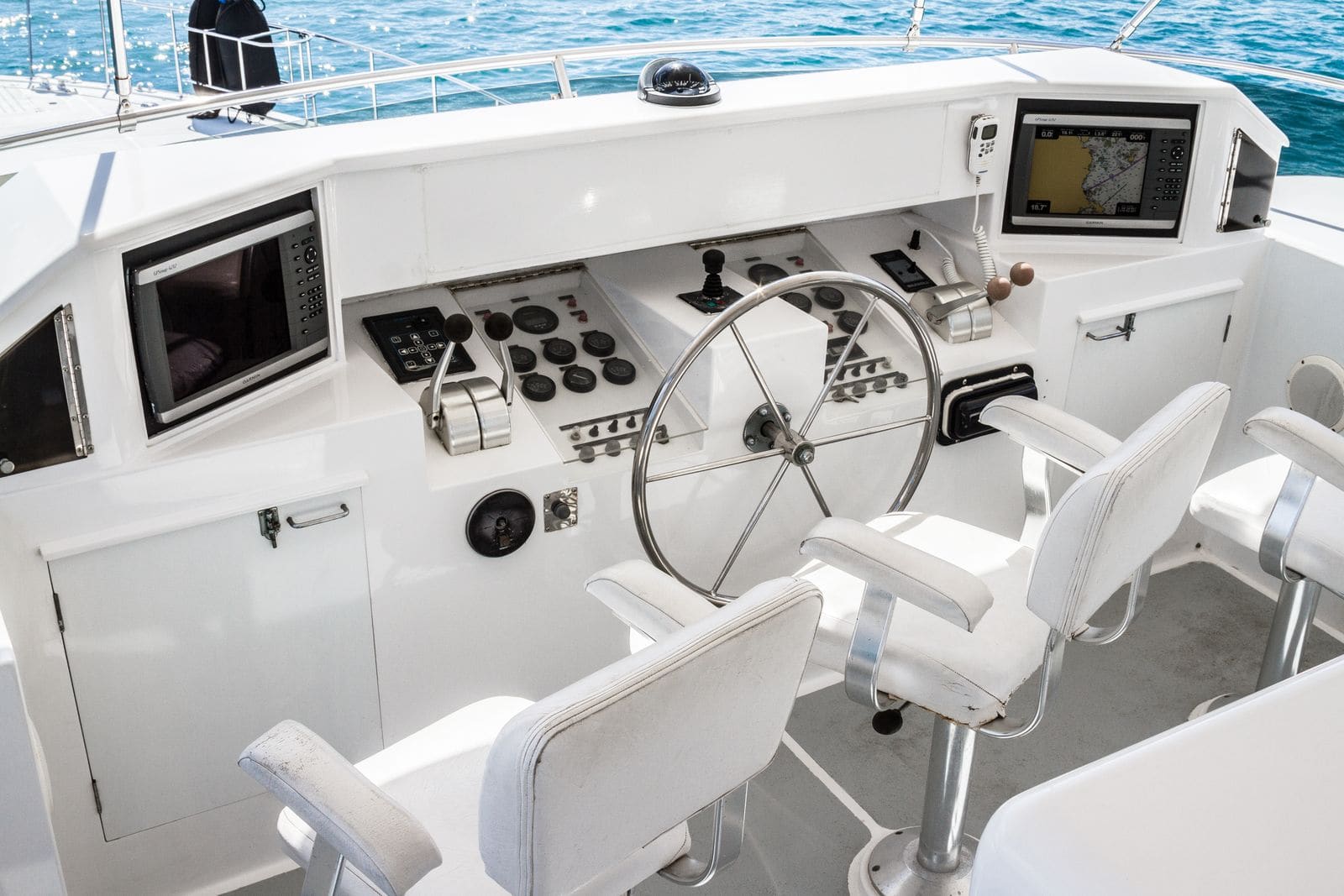
Emergency Steering: What to Do When Your Boat's Steering Fails
A plan for the day the wheel goes slack or locks up - stop safely, find the problem, then steer home with an emergency tiller, twin engines, a drogue or a bridled bucket - plus how to build the gear and practice it before you need it, on outboard, sterndrive and inboard boats.
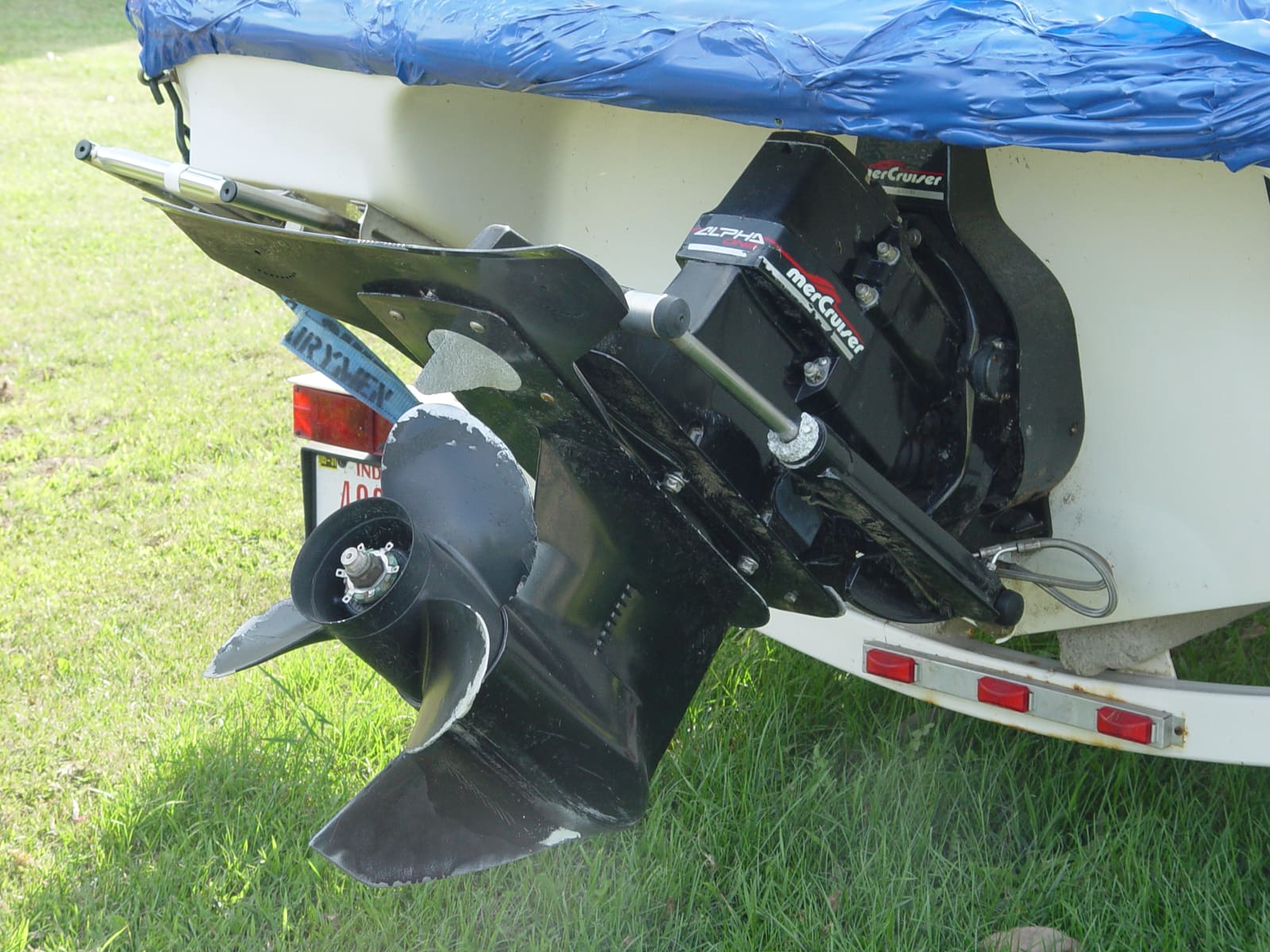
Engine Alignment on Sterndrives and Inboards: What to Check and When
A sterndrive engine must line up with its gimbal bearing and coupler, and an inboard engine with its prop shaft. When it drifts out of line you get vibration, noise and worn-out couplers, bearings and seals. Learn the warning signs, the checks you can do yourself and why the alignment itself is a job for a pro with special tools.

Engine and Gearbox Oil Analysis: How to Take a Clean Sample and Read the Report
A lab oil analysis is like a blood test for your engine, transmission or lower unit. Learn how to pull a clean sample, what the lab measures, what wear metals, coolant, sea water and fuel in the oil can mean, and why the trend over several samples matters more than any one number.
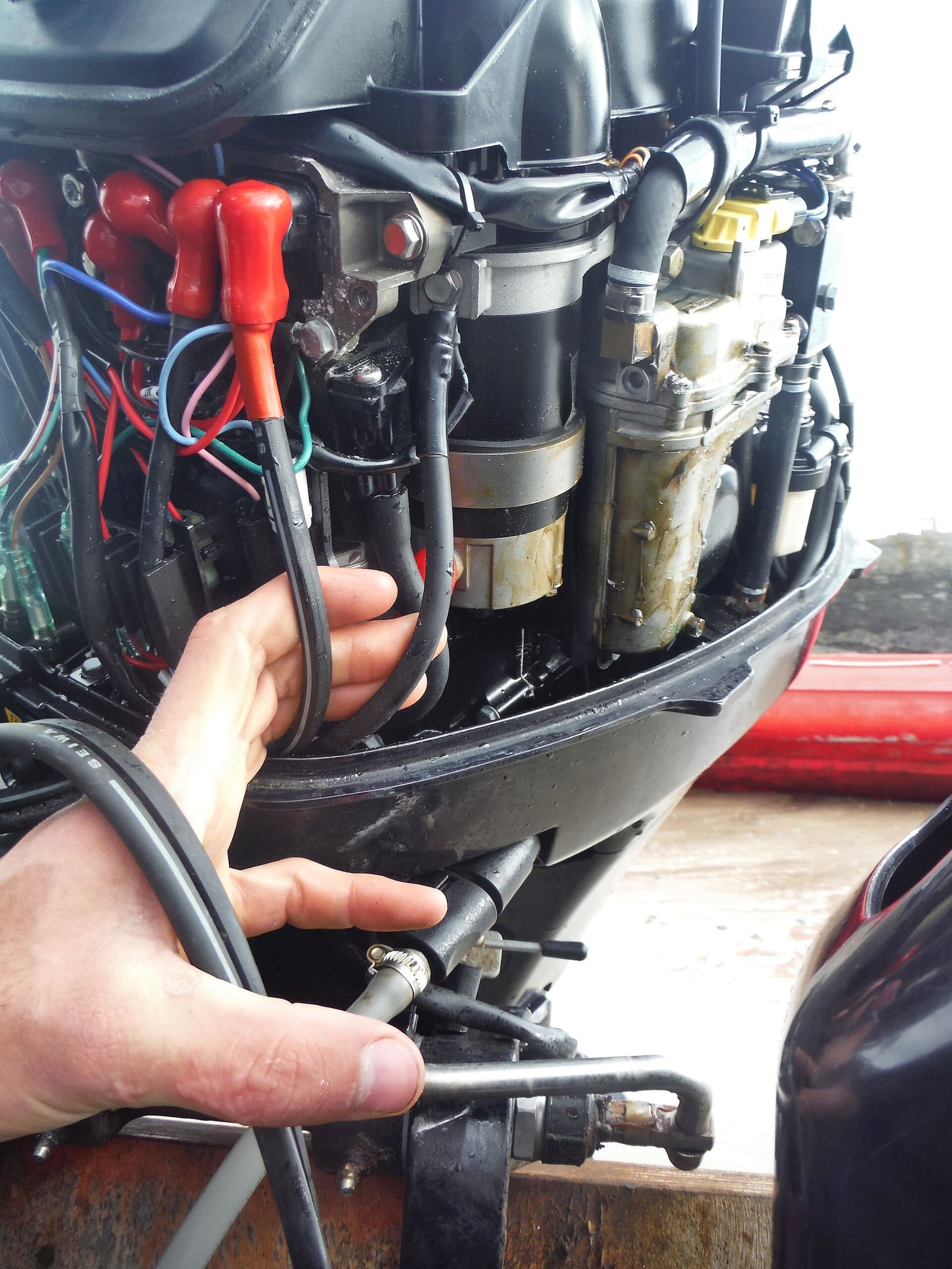
Engine Clicks but Won't Crank - Testing the Battery, Cables, Neutral Switch, Solenoid and Starter
A click (or nothing) when you turn the key is usually a power delivery problem, not a dead engine. Work from the battery and cables through the neutral switch, start relay and solenoid to the starter motor using simple voltage-drop tests, and learn how to jump-start safely when gasoline vapor may be around.
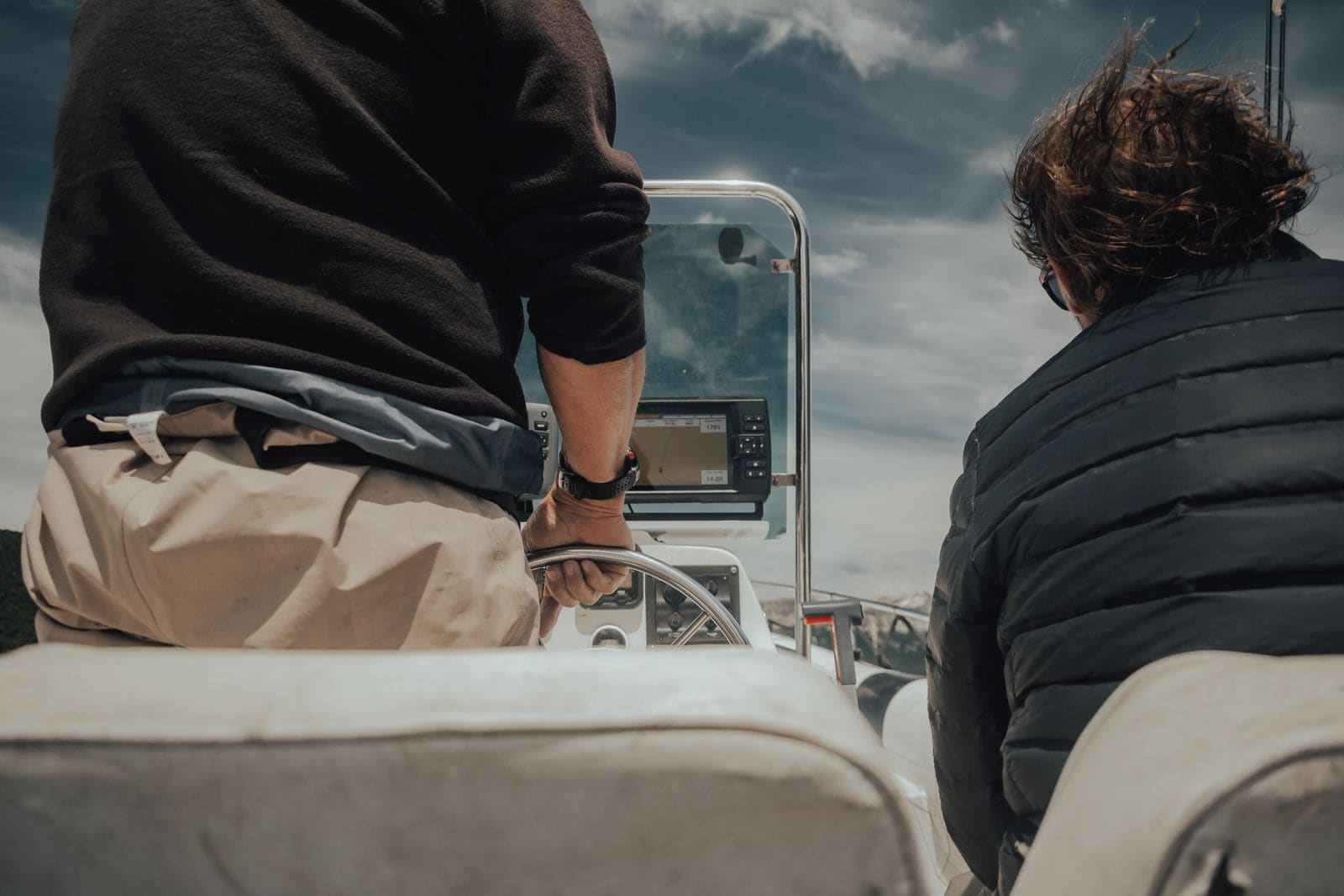
Engine Cut-Off Switch (Kill Switch) and Lanyard: The Law, Testing and Daily Use
How the engine cut-off switch (ECOS) and its lanyard or wireless fob work, when federal law requires you to wear it (boats under 26 feet, 3 hp or more, on plane), how to test it before every trip, and why a spare clip aboard matters.
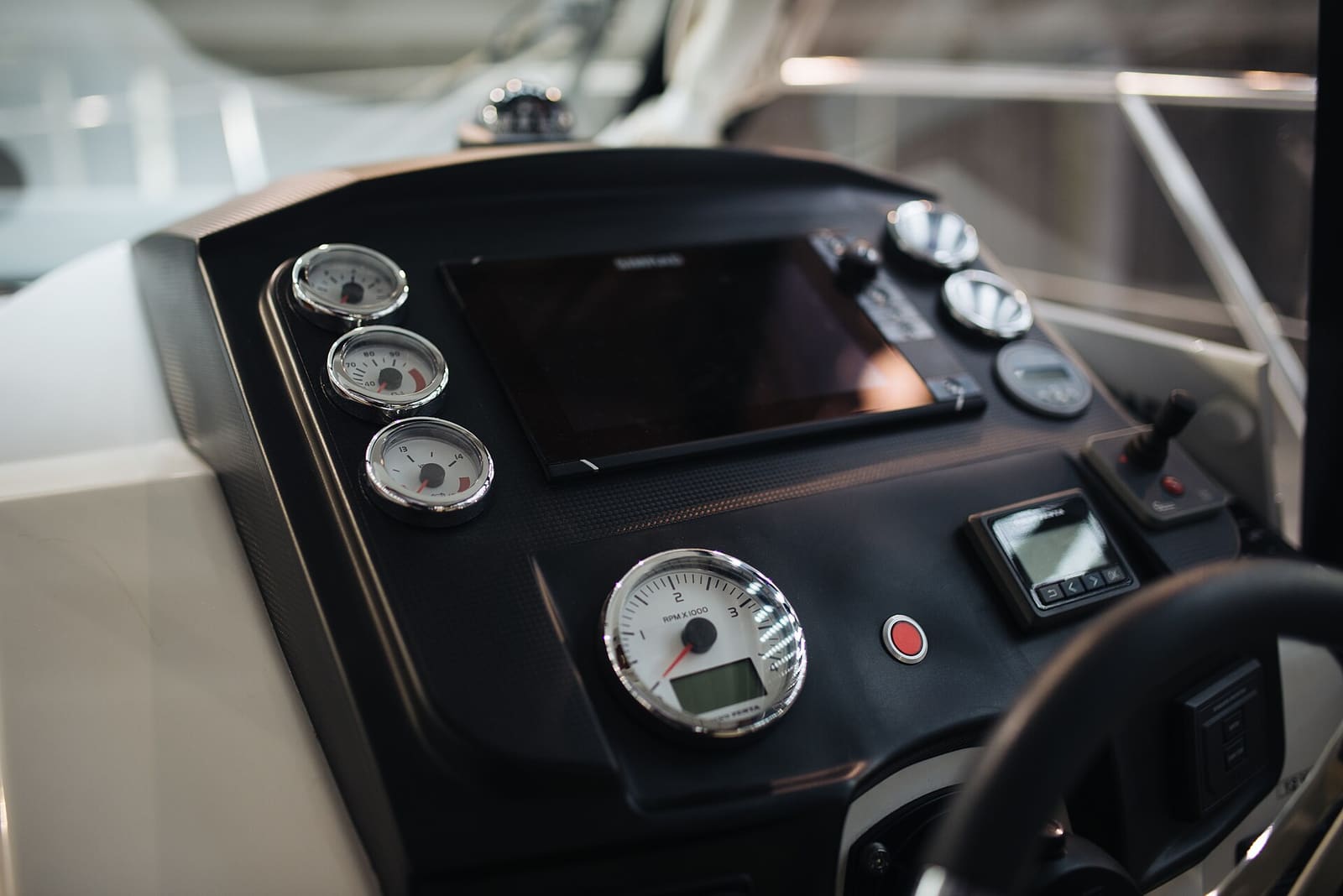
Engine Hour Meters: Why Hours Matter, How to Verify Them and How to Replace a Meter Honestly
Engine hours set your service schedule and a big part of your boat's resale value. Learn the difference between analog meters and engine-computer hours, how to verify the real hours on a used boat, and how to replace a dead or broken meter while keeping an honest record of the old hours.
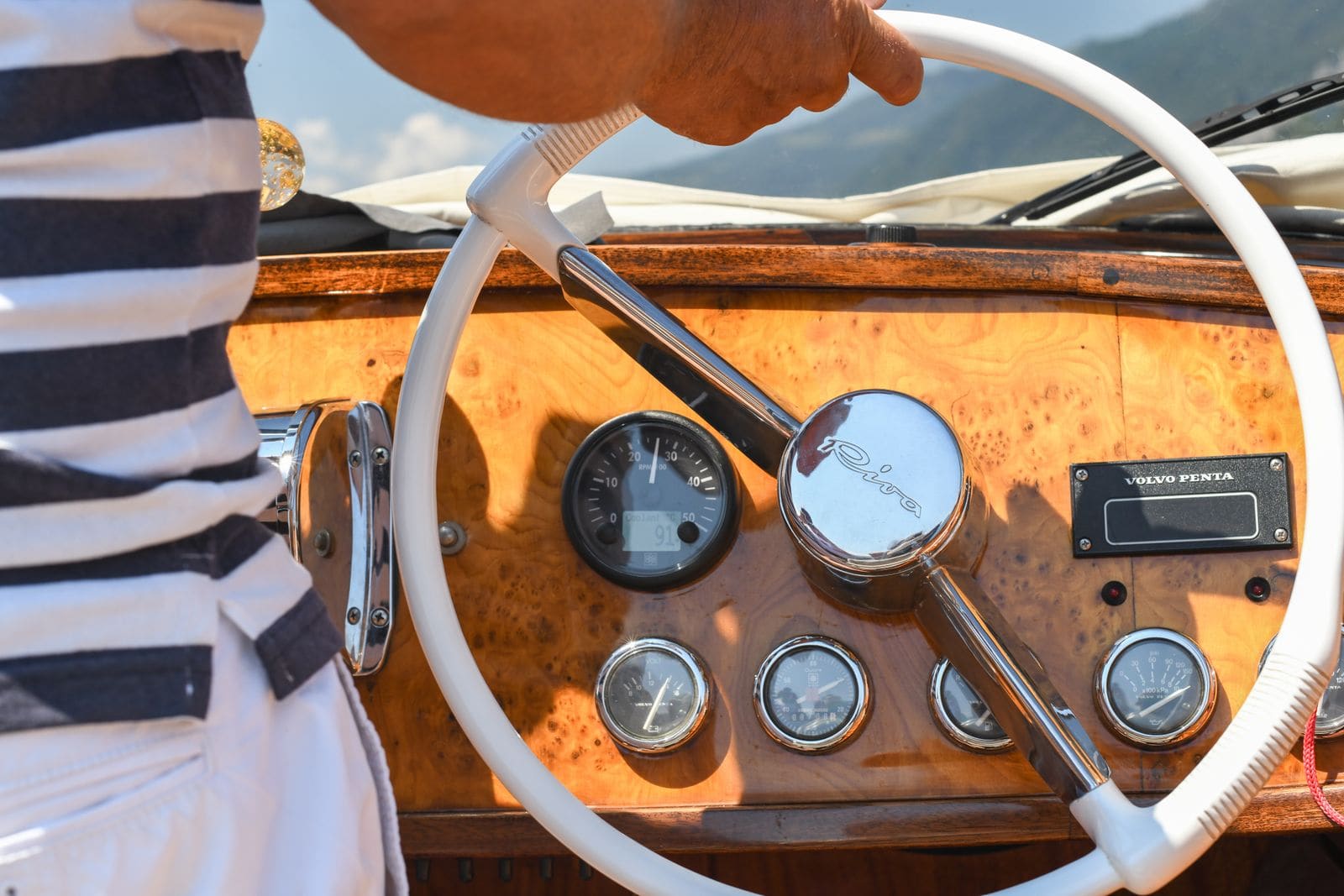
Engine Overheating - Troubleshooting Guide
Work through the most likely causes of a hot engine or overheat alarm, from a blocked water intake to a worn impeller or stuck thermostat. Acting fast and in the right order can save your engine and often gets you home without a tow.
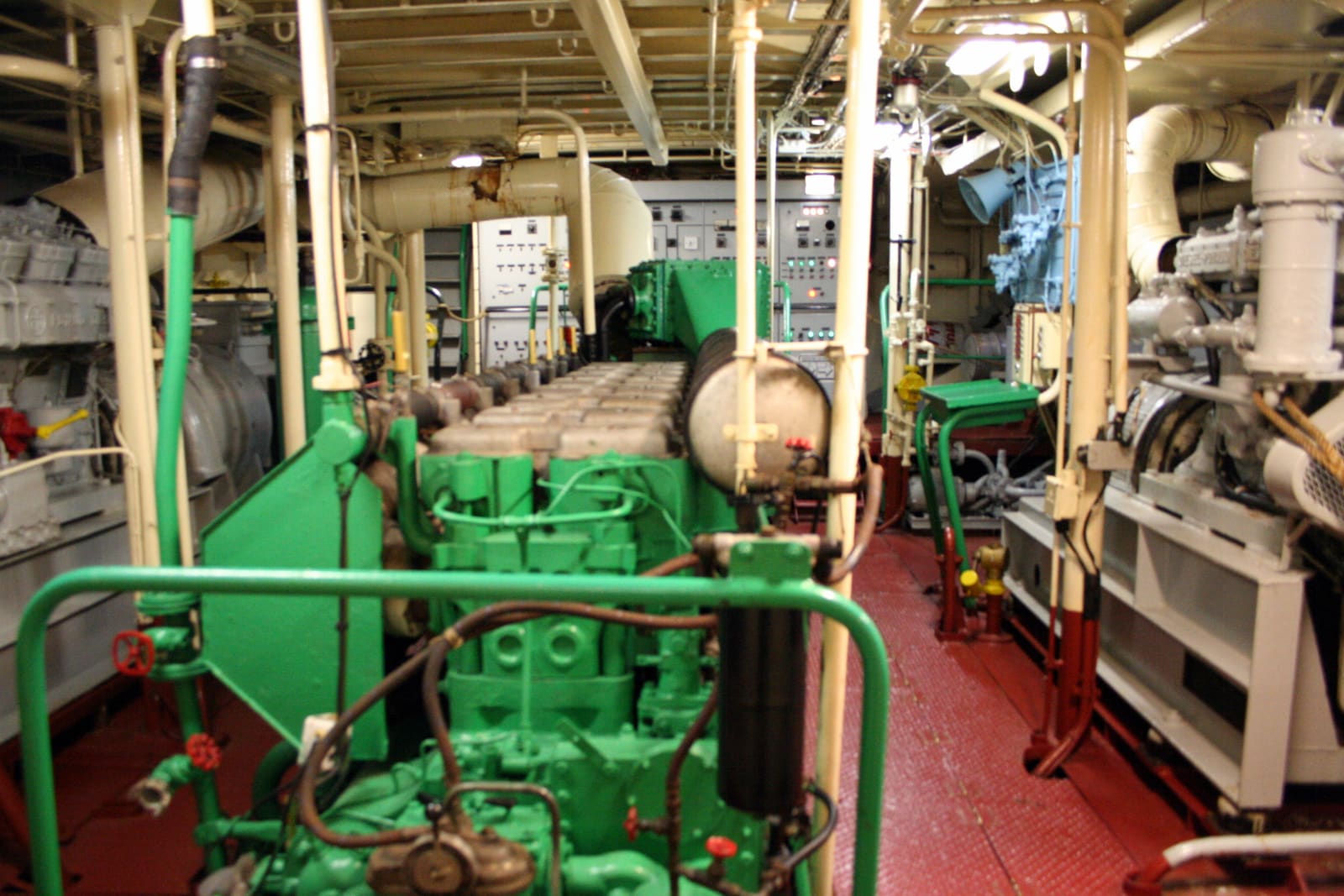
Engine Room Ventilation: Combustion Air, Blowers and Keeping Salt Out
Inboard engines, diesels above all, breathe huge amounts of air, and a hot or starved engine room quietly costs power, fuel and turbo life. Learn how engine-room air works, how to inspect vents, ducts, fans and salt-spray filters, the warning signs of too little air, and the separate gasoline blower rule.
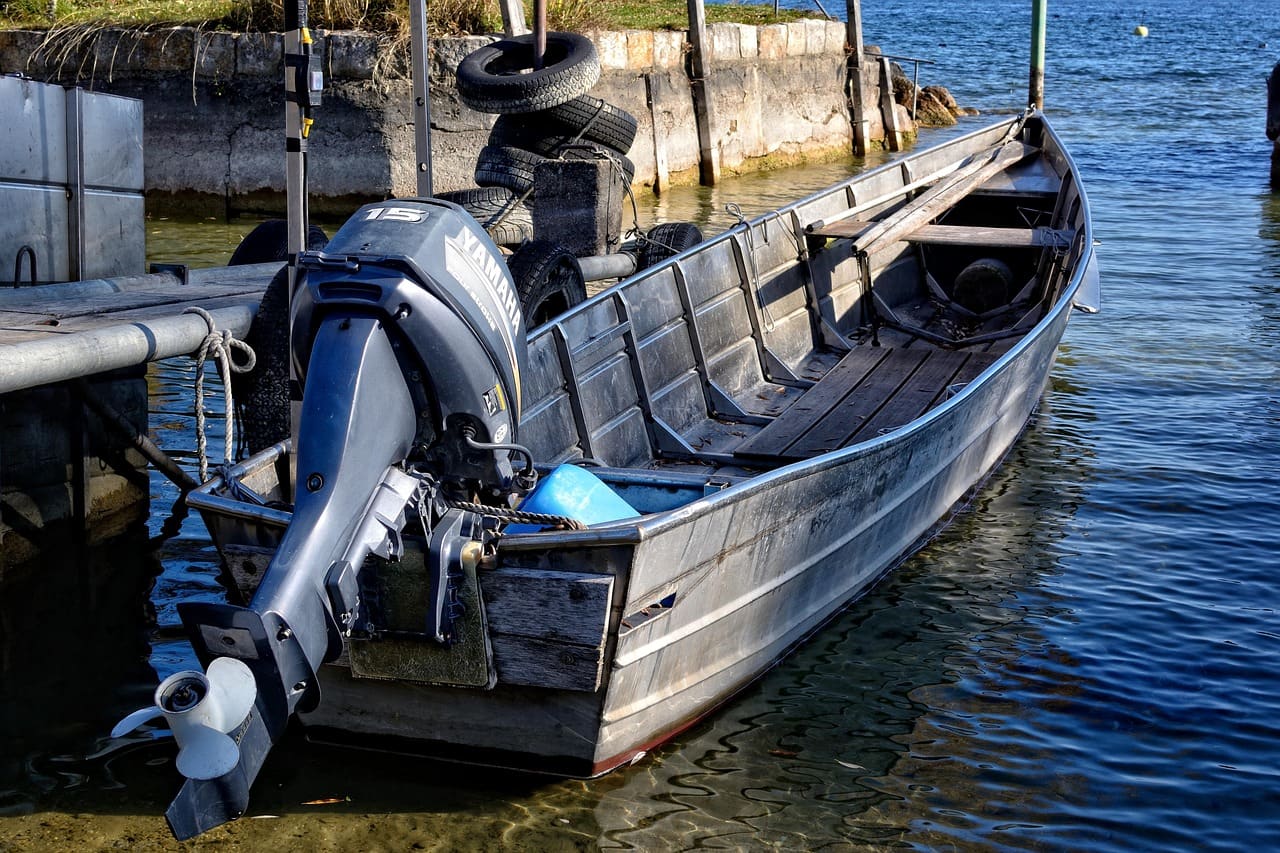
Engine Starts Then Dies - Troubleshooting Guide
Track down why your boat engine fires up and then stalls, whether at idle, when you shift into gear, or after a few minutes of running. Most causes are in the fuel supply and can be checked with no special tools.
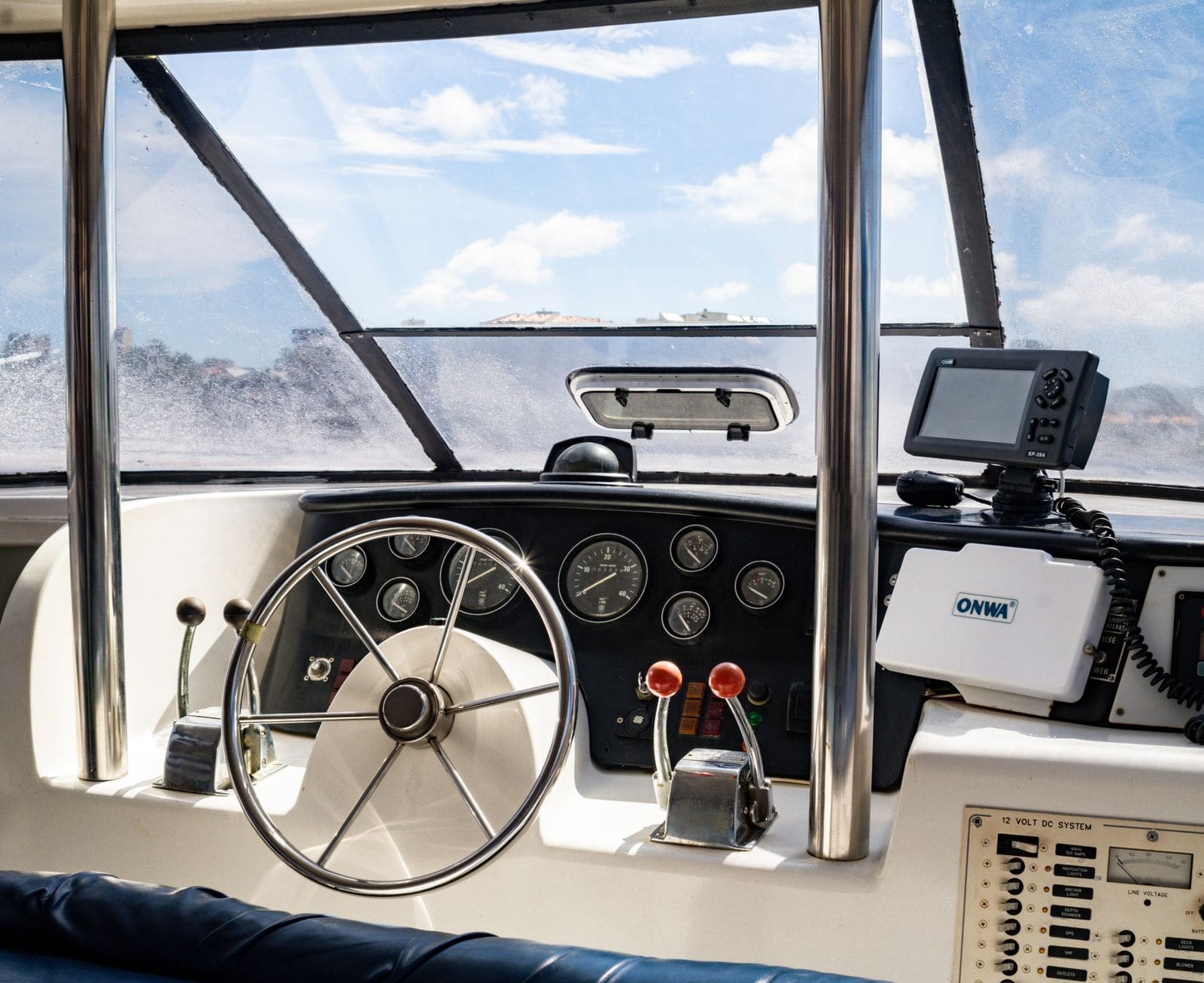
Engine Warning Horn and Dash Lights: What They Usually Mean and What to Do
Learn what a warning horn, beeps or a dash light usually mean on a boat engine, from overheating and low oil pressure to water in the fuel and reduced-power (limp) mode. Find out what to do right away and when to stop the engine. Patterns differ by brand, so match what you hear and see to your owner's manual.
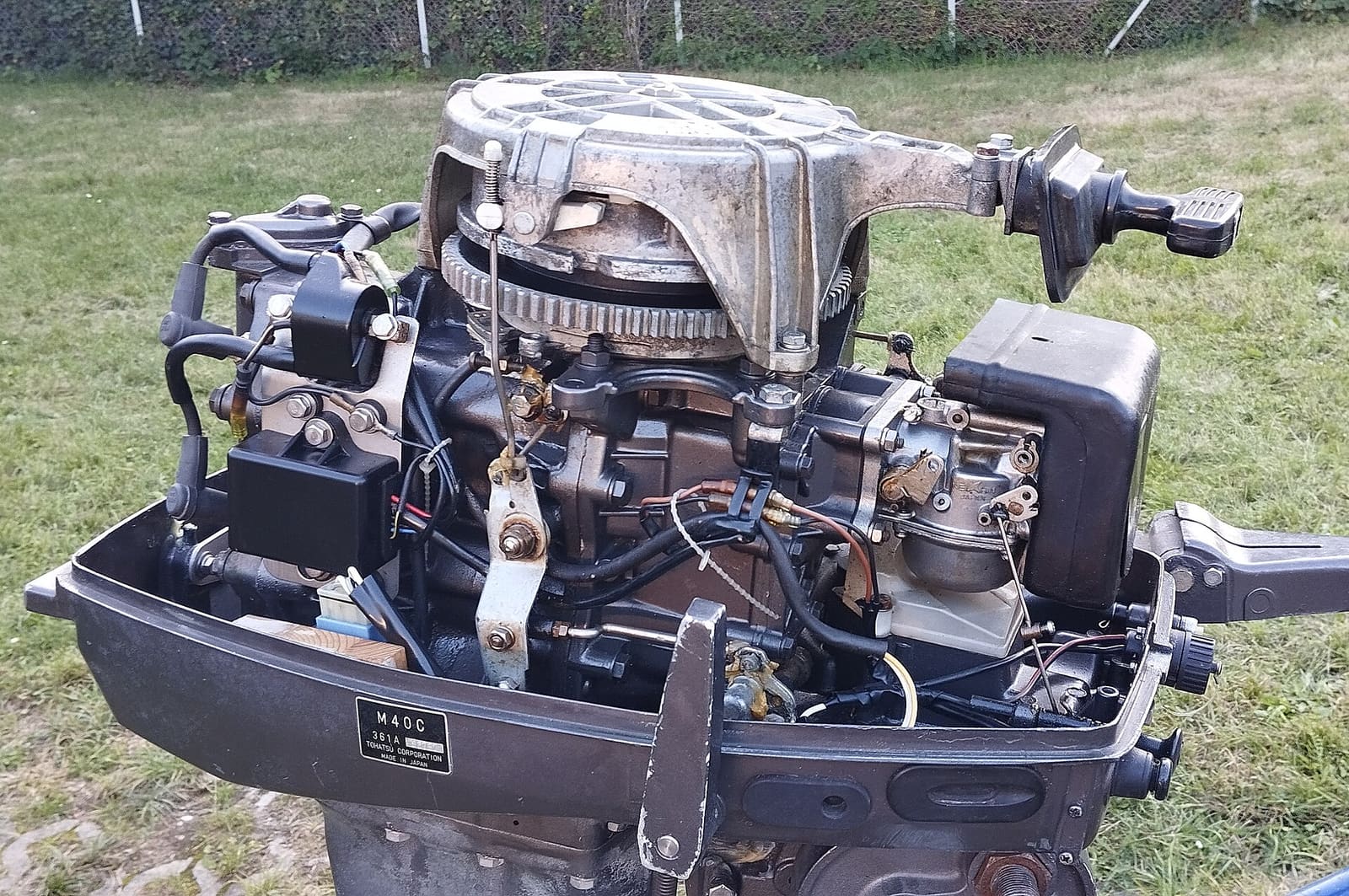
Engine Won't Start or Won't Crank - Troubleshooting Guide
Find out why your boat engine will not turn over or will not fire, starting with the simple things owners miss most, like the kill switch lanyard and battery switch. Many no-starts are fixed at the ramp in minutes without a tow.
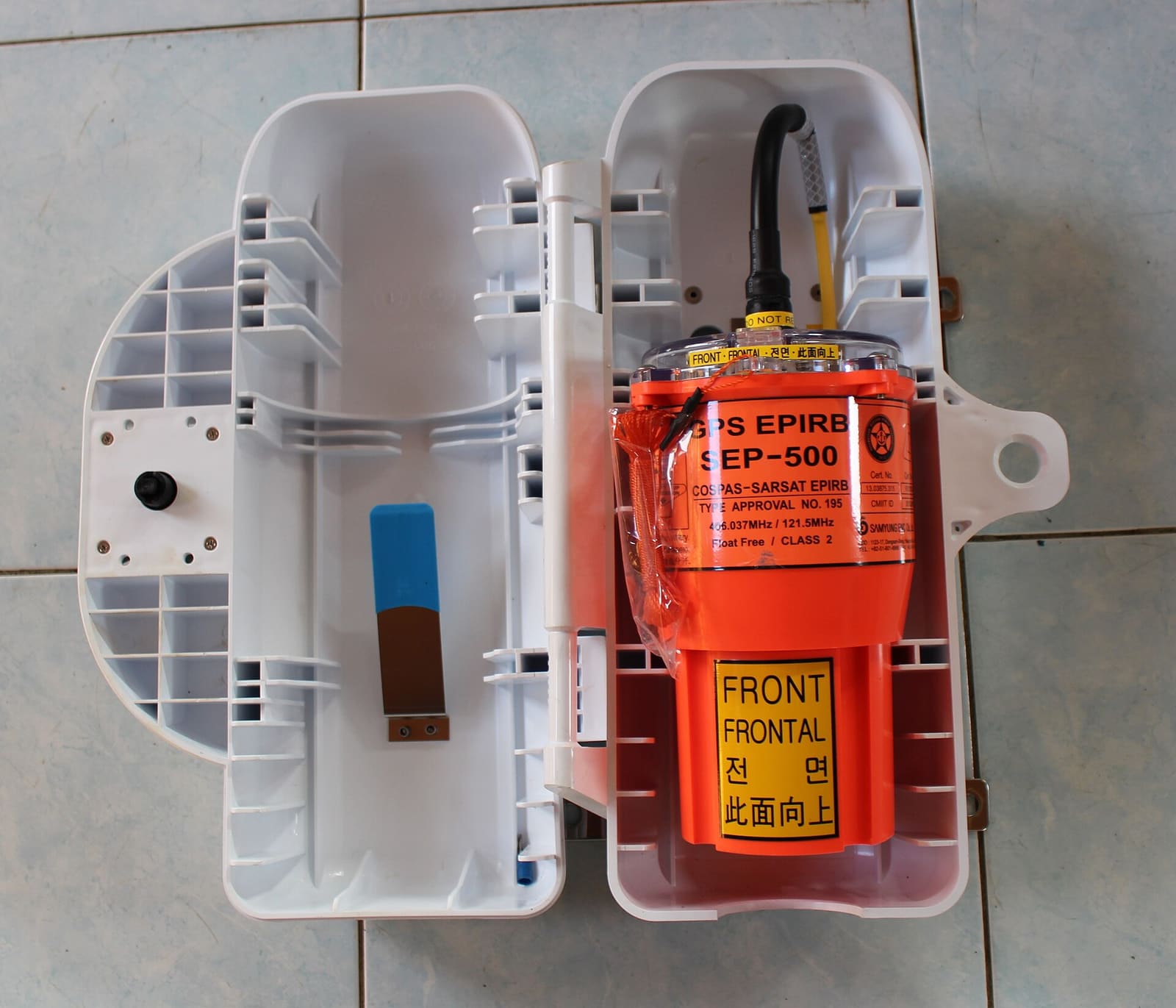
EPIRB and PLB Care: Registration, Batteries, Self-Test and Mounting
Keep your 406 MHz emergency beacon ready to work on the worst day of your life. Register it free with NOAA and renew every two years, track the battery and hydrostatic release dates, run the self-test without triggering a false alert, and know what happens after you press the button.

Epoxy and Two-Part Paint Safety: How to Avoid Becoming Allergic
Epoxy and isocyanate-cured paints can make you allergic for life, sometimes after many jobs with no problem at all. Learn how sensitization happens, which gloves and clothing to wear, how to get epoxy off skin without solvents, when you need a respirator, and how to handle sanding dust and leftovers safely.
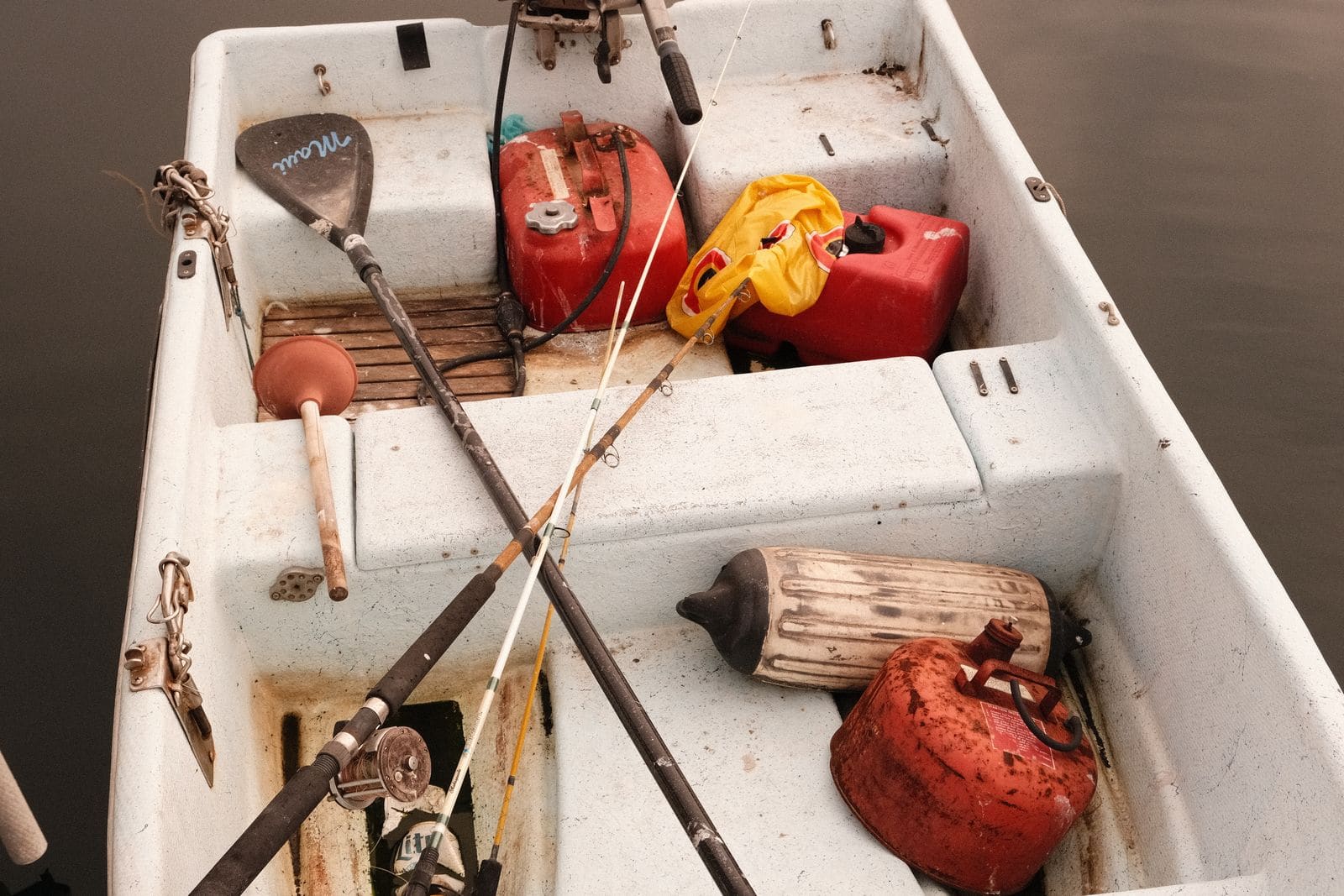
Ethanol (E10) Fuel Care: Stabilizer, Phase Separation, Fuel Lines and Tank Vents
Keep E10 gasoline from damaging your boat engine. Learn how to use stabilizer, test for water and phase separation, and inspect the fuel lines, primer bulb, anti-siphon valve and tank vent. Most fuel-related breakdowns start with one of these.
Extended Warranties and Service Plans for Boat Engines: Factory Plans vs Third-Party Contracts
Decide whether an extended service plan is worth it: how factory plans such as Mercury Product Protection and Yamaha Y.E.S. differ from third-party contracts, what they usually cover and exclude, why maintenance records decide claims, how deductibles, transfers and cancellations work, and the questions to ask before you sign. Practical guidance, not legal or financial advice.
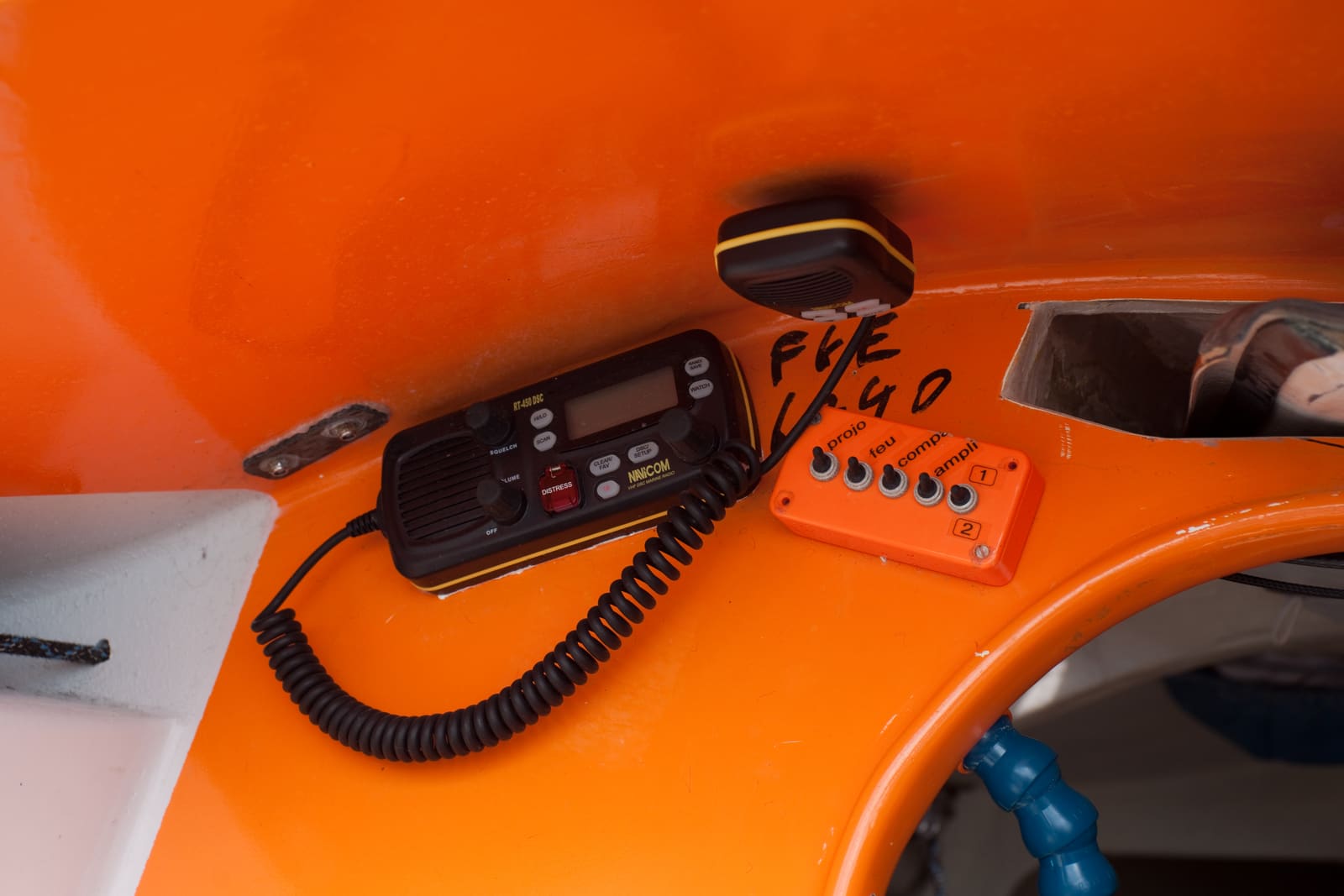
FCC Ship Station License vs. a Free MMSI: Which One Your Boat Needs, and How to Keep It Current
Most U.S. recreational boats that stay in U.S. waters don't need an FCC radio license, but every DSC radio and AIS needs a registered MMSI. Learn when an FCC ship station license and operator permit are required (foreign ports, SSB/HF, satellite), how to get an MMSI from BoatUS, America's Boating Club or Shine Micro, and what to do when you sell, buy or rename a boat.

Financing a Boat: Loan Terms, Survey and Insurance Requirements, Liens and the True Cost of Ownership
Understand a boat loan before you sign: typical terms and down payments, what lenders check, why they want a survey and insurance, how the lien is recorded (Coast Guard preferred mortgage for documented boats, state title for the rest), how the payoff works when you sell, and how to add up the real yearly cost beyond the monthly payment. Practical guidance, not financial advice.
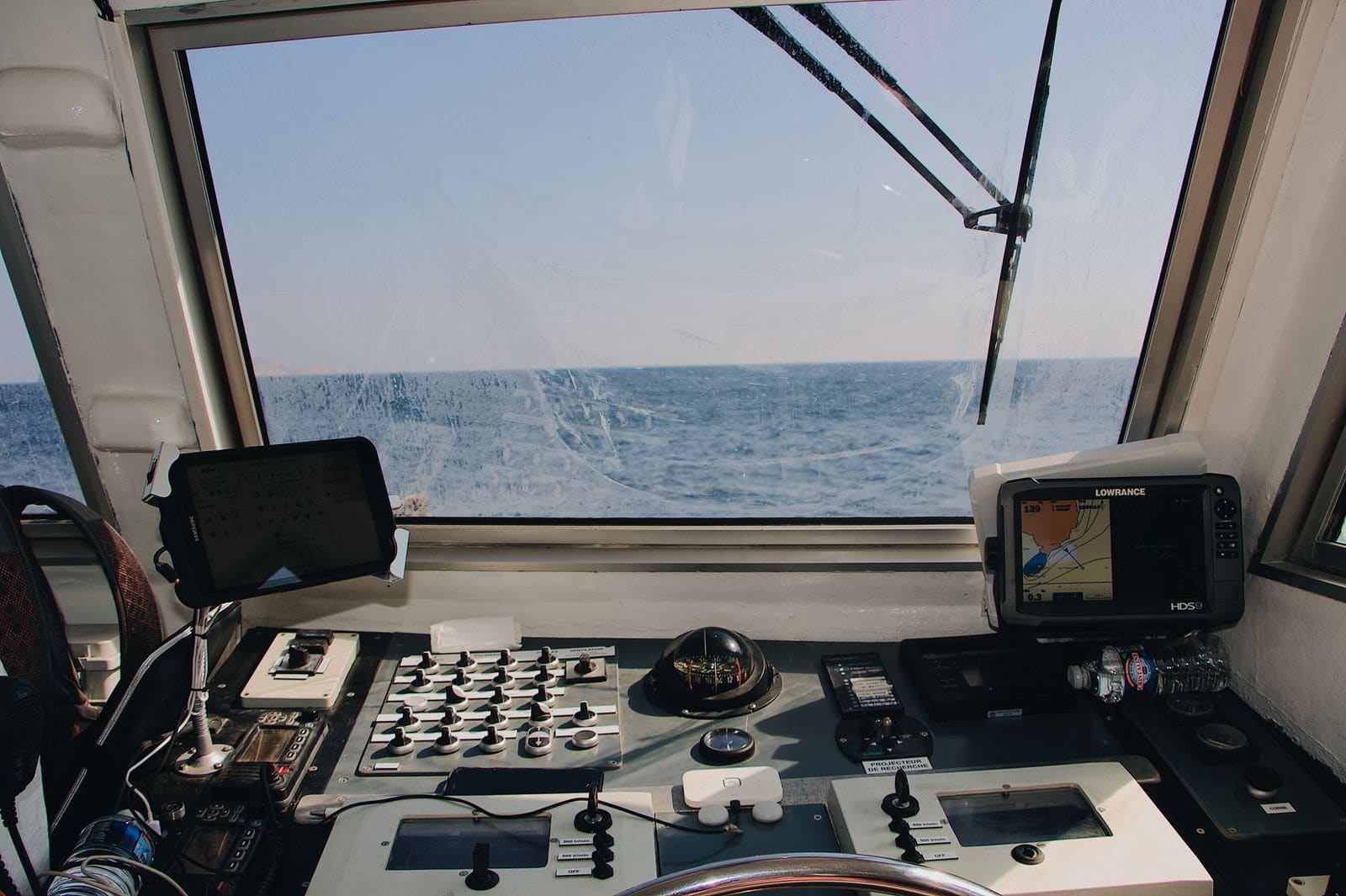
Fish Finder and Depth Sounder Transducers: Mounting, Fixing Bad Readings and Cleaning
Where and how to mount a transom-mount transducer so it reads cleanly at speed, how to track down lost bottom readings and noisy screens, how to clean and paint a transducer without ruining it, and why thru-hull transducers are a haul-out job for a pro.
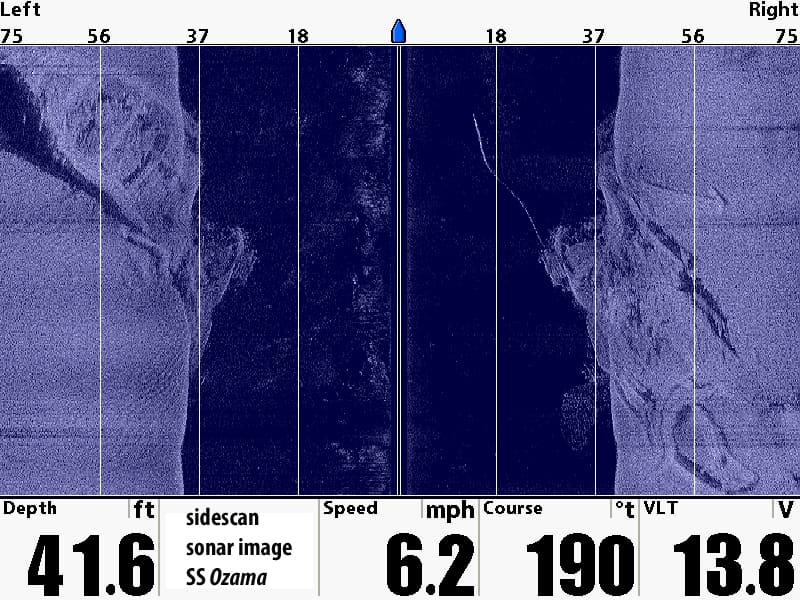
Fish Finder Settings: How to Tune Your Sonar for a Clearer Picture
Get more out of your fish finder by setting frequency, gain (sensitivity), range, contrast, color palette and noise filters on purpose instead of leaving everything on auto, plus how to set the depth offset and track down interference from other electronics.
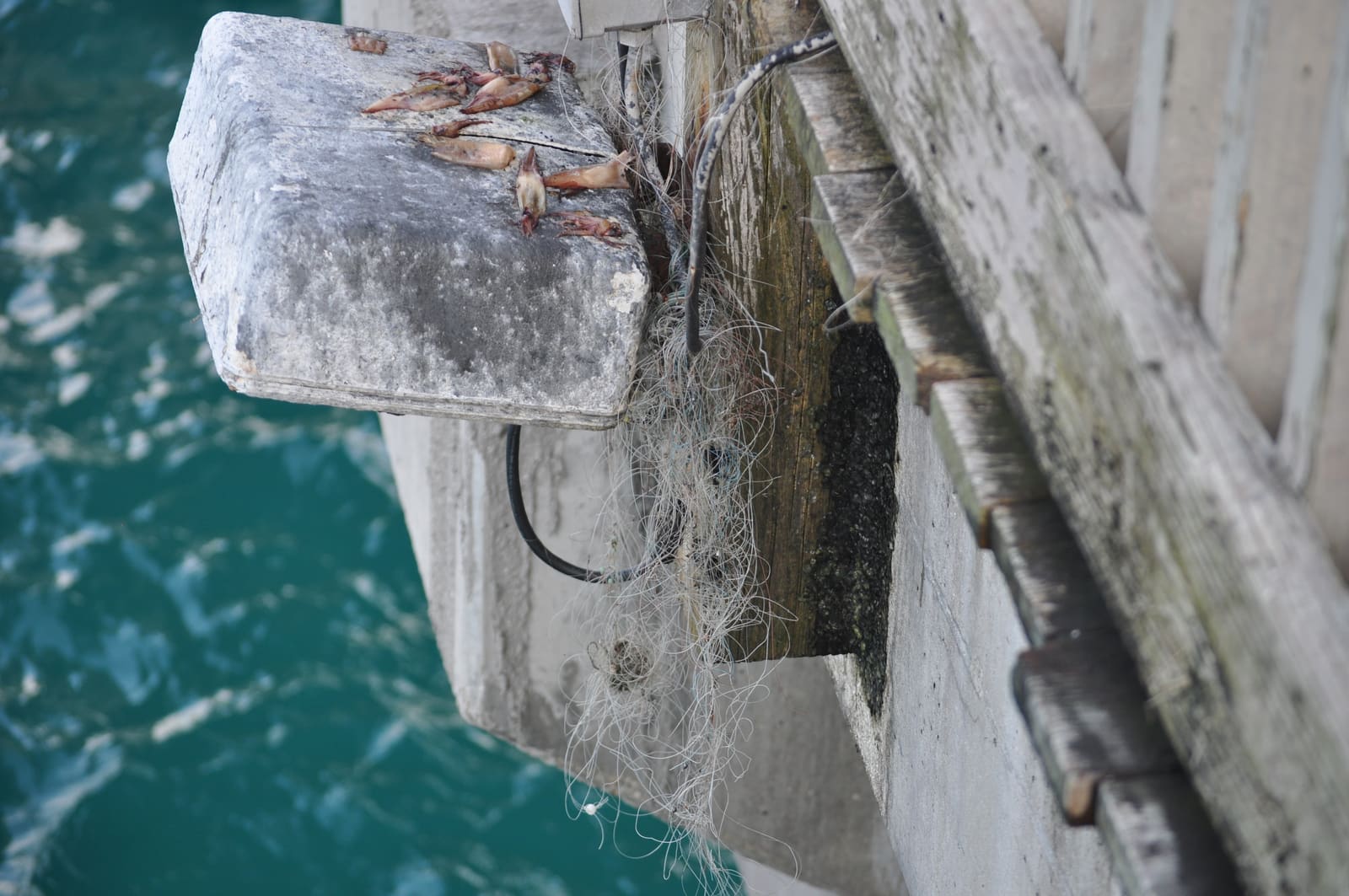
Fishing Line Behind the Prop: How It Ruins Gearcase Seals and How to Catch It Early
Fishing line that wraps behind your propeller can melt into a sharp ring that cuts the prop shaft seals and lets water into the gearcase. Learn the quick after-trip check, how to pull the prop and clear line safely, the signs that a seal is already damaged, and when to get a pressure test.
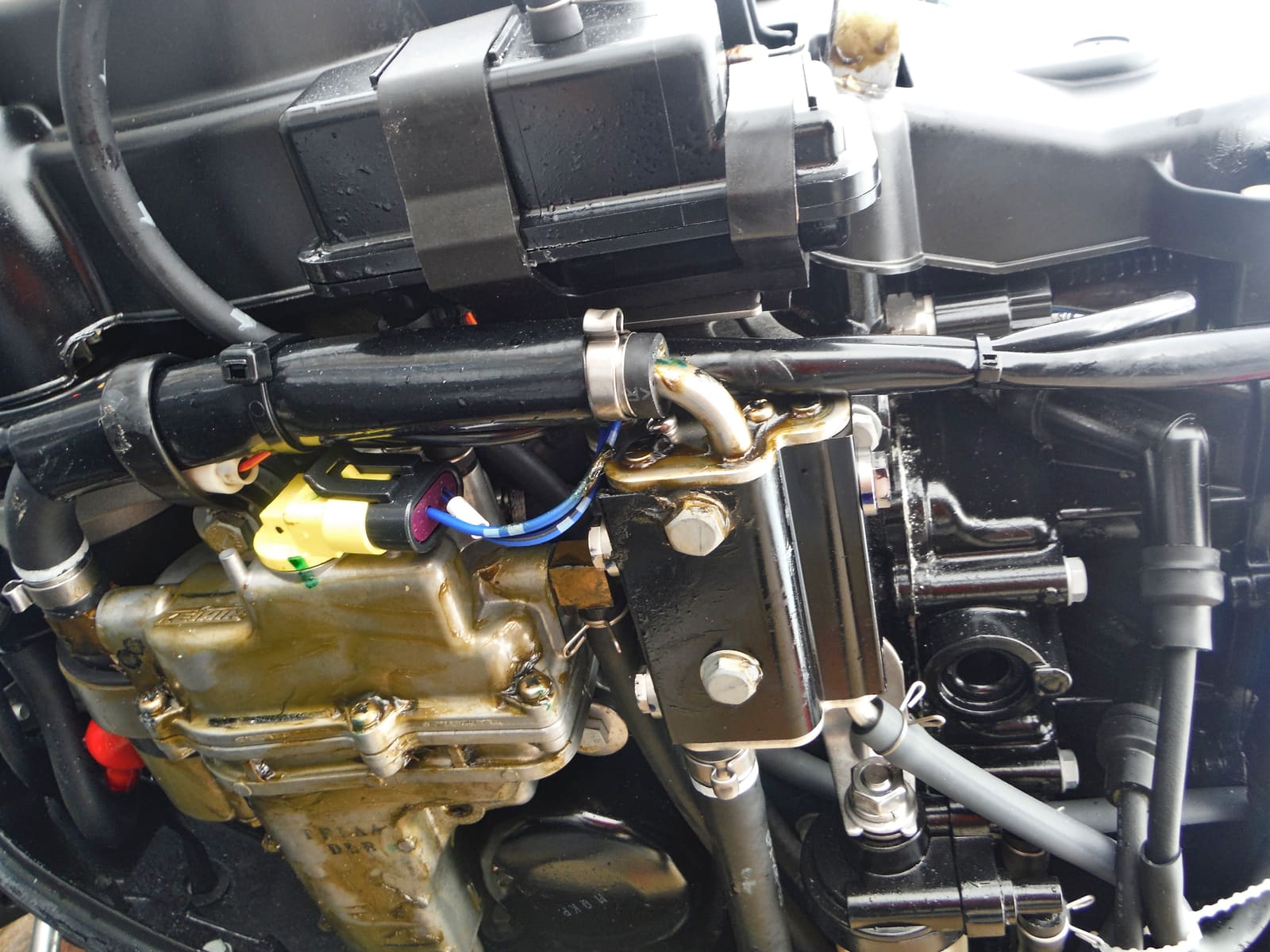
Four-Stroke Outboard Oil Level Rising or Smelling Like Gas: What It Means and What to Do
If the oil on your four-stroke outboard's dipstick keeps going up or smells like gasoline, fuel is probably getting into the crankcase. Learn how to check the level the right way, why lots of idling, trolling, short runs and cold water cause it, what you can do yourself, and when a fuel-system fault needs a dealer.
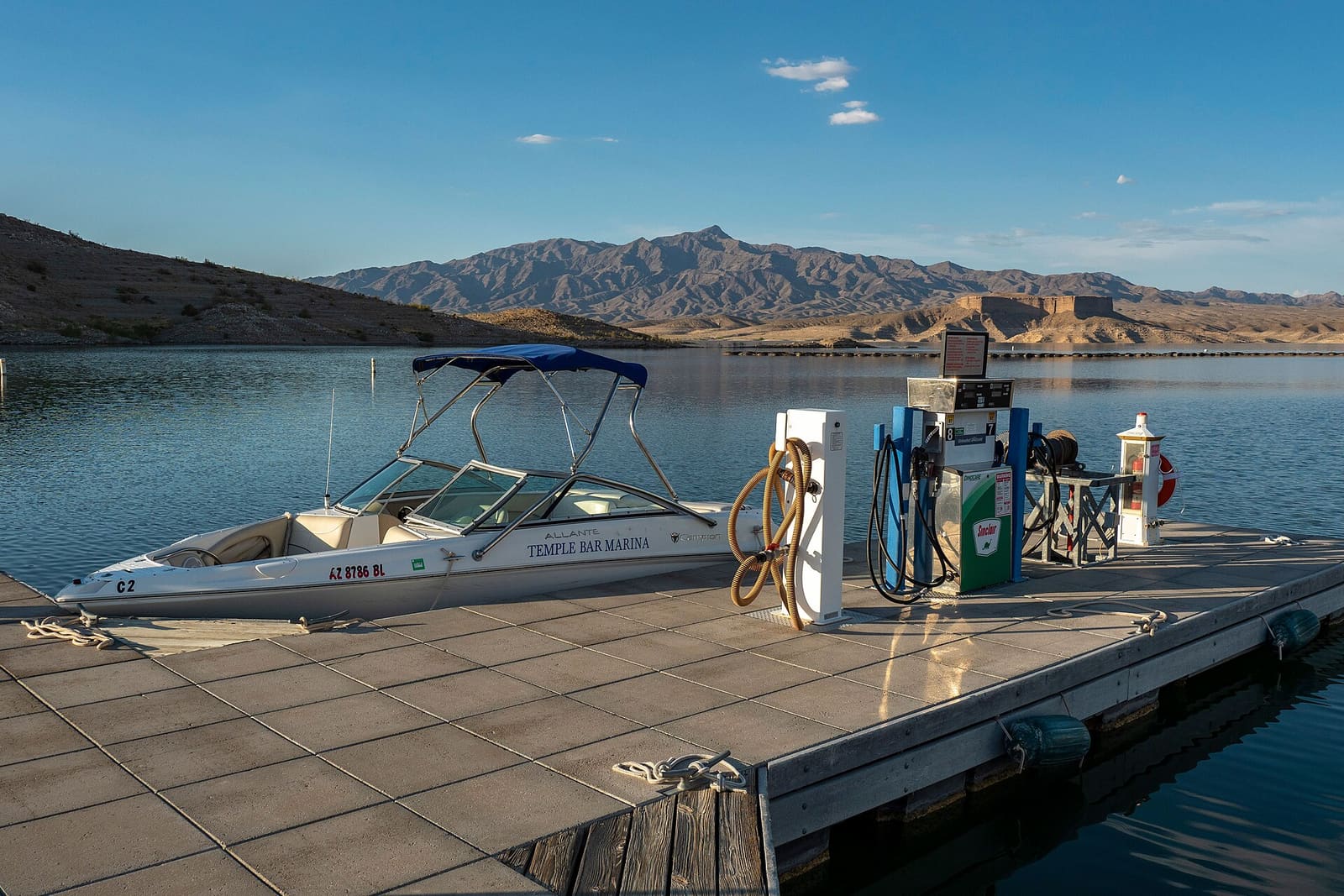
Fuel Anti-Siphon Valve: Diagnosing a Sticking Valve and Replacing It Safely
The anti-siphon valve at your built-in fuel tank stops gasoline from draining into the bilge if a fuel line breaks, but a cheap or sticky one can starve the engine at speed. Learn how to tell a restricted valve from a blocked vent or filter, how to clean or replace it with a quality valve of the right type, and why you should never pull the check ball out.
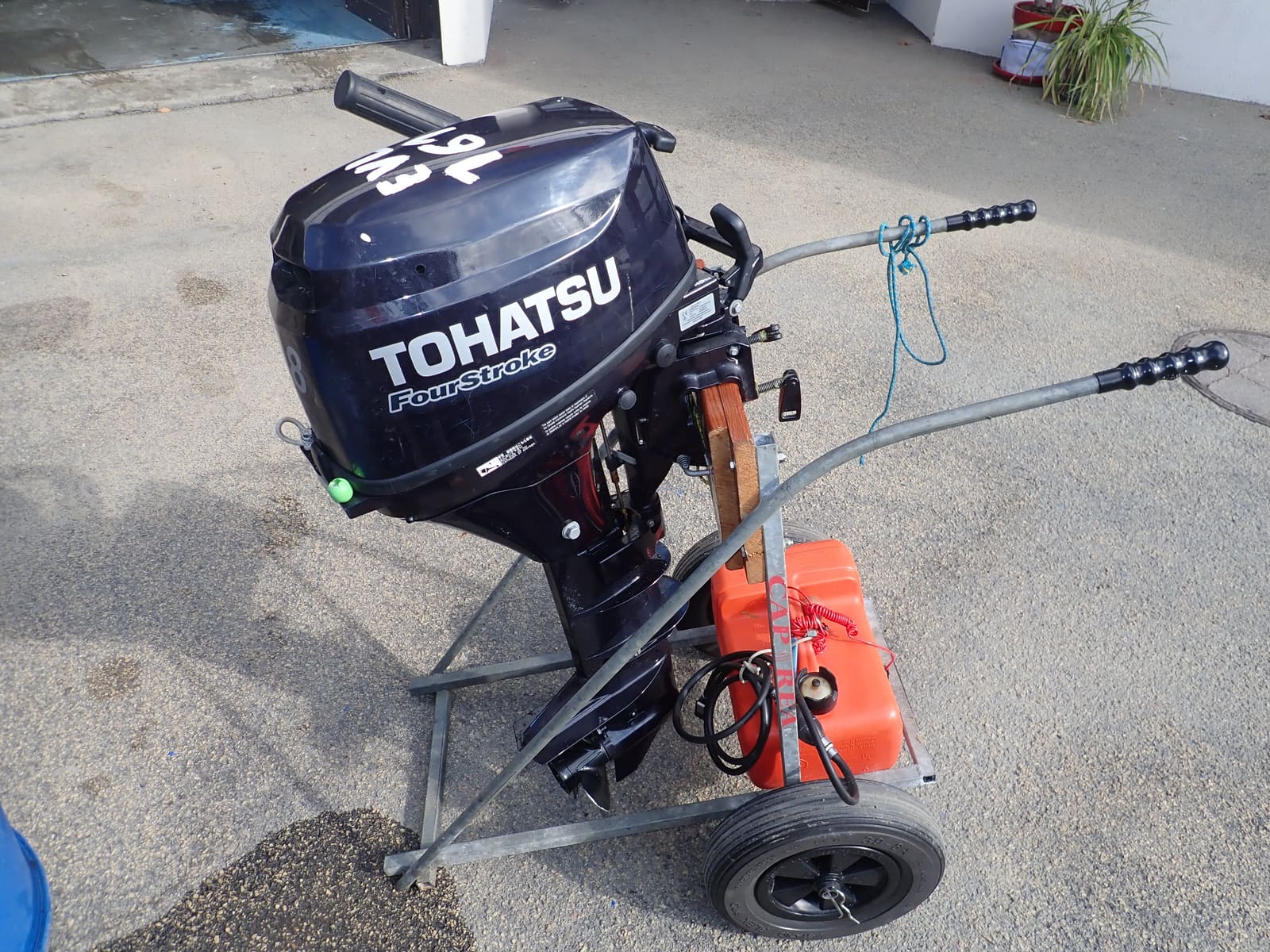
Fuel Demand Valves: Troubleshooting the Valve That Holds Back a Sealed Tank
Modern EPA-compliant fuel tanks stay sealed and build pressure in the sun, and a fuel demand valve keeps that pressure from pushing gasoline into the engine when it's off. Learn how it differs from an old-style ball anti-siphon valve, the symptoms of one that sticks closed or leaks through, how to rule out cheaper causes first, and why the replacement must be the same type, never a ball valve.
Safety: BoatMend is for information only and does not replace a certified marine technician. You are responsible for your safety and your boat. Read the full disclaimer.