Engine Warning Horn and Dash Lights: What They Usually Mean and What to Do
Learn what a warning horn, beeps or a dash light usually mean on a boat engine, from overheating and low oil pressure to water in the fuel and reduced-power (limp) mode. Find out what to do right away and when to stop the engine. Patterns differ by brand, so match what you hear and see to your owner's manual.
Time
30 min
Applies to
Outboard, Sterndrive (I/O), Gas inboard, Jet boat
Safety first: When an alarm sounds, your first job is the boat, not the engine. Slow down, look around for traffic and hazards, and only stop where it's safe. If you lose power near rocks, a channel or bad weather, anchor if you can, put on life jackets, and call TowBoatUS, Sea Tow or the Coast Guard on VHF channel 16. If you smell fuel or see smoke or fire, shut the engine off and treat it as an emergency.
Owners often ask
- Is the overheat alarm real or could it be a bad temperature sensor?
This guide walks you through it. Still stuck? Ask the AI Mechanic about your engine.
Tools
- Your engine owner's manual (or a saved copy on your phone)
- Phone camera (to record the display, lights and sounds)
- Flashlight
- Short piece of stiff wire or a small zip tie (to clear an outboard telltale)
- Clean rags
Parts & supplies
- Engine oil of the type your manual specifies (to top up)
- Spare water-separating fuel filter
- Spare fuses
Before you start
How warning systems work: most modern outboards and sterndrives watch sensors for engine temperature, oil pressure (or oil level on two-strokes), engine speed, battery voltage and more. When a sensor reports a problem, the engine sounds a horn or buzzer, shows a light, message or code, and often cuts engine power to protect itself. Brands use different names: Mercury calls it Engine Guardian, Suzuki has a caution system with a monitor gauge, and Yamaha notes that most outboards have an RPM reduction mode for overheating.
General patterns (check your manual for the exact meaning on your engine):
- Short beep or two when you turn the key on: a normal self-test on many engines. It shows the horn works.
- Continuous horn: usually serious and urgent. Overheating and low oil pressure are the most common.
- Repeating or intermittent beeps: often a less urgent fault, a sensor problem or a reminder. Some engines also use beeps for a low oil tank or a maintenance reminder. Suzuki, for example, beeps to remind you of the first oil change at 20 hours and then on its regular service schedule; that reminder does not cut RPM, but it keeps beeping until the reminder is reset. Some Honda outboards send a "maintenance due" message to an NMEA 2000 display from their hour counter, which is reset after the service.
- Small diesels and generators: on many panels the alarm sounds as soon as the key is on and stops once the engine runs and oil pressure builds. That is normal. An alarm that stays on after the engine is running is not. Westerbeke also notes its generators have a safety shutdown for low oil pressure, high coolant temperature and high exhaust temperature (a sign of lost raw-water flow), so a generator that starts and then stops itself is telling you something.
- Power drops and the engine won't rev above a fast idle: the engine's protection mode (often called limp mode).
Get ready now, not on the water: find the warning section in your owner's manual and save a copy on your phone. Turn the key on at the dock and listen for the self-test so you know your horn works. If it never beeps at key-on, have it checked; a dead horn can't warn you.
Steps
Ease the throttle back to idle (or neutral if it's safe) as soon as you hear the alarm. Then look at the gauges or display: which light is on, what message or code is showing, and what the temperature and oil gauges read. Take a photo or video of the display and the horn pattern. It will help you and your mechanic later.
An overheat warning (temperature light, "Overheat" message or a hot gauge) is one of the most common alarms.
- Outboard: look for a strong telltale (pee hole) stream. Sterndrive or inboard: look for water coming out with the exhaust.
- If the water flow is weak or missing, or you see steam, stop the engine as soon as it's safe. BoatUS notes the temperature can keep climbing after shutdown, so don't restart until it has cooled.
- Don't leave it idling in neutral "to let the water cool it." A June 2026 Coast Guard safety alert describes a fatal fire that started exactly this way: the raw-water pump had failed, so no cooling water was moving even at idle, the engine and exhaust hose kept heating, and the hot exhaust set fire to a compartment behind the engine room. If there is no normal water flow, shut it down.
- If the flow looks normal, the problem may be the sensor or gauge, but keep watching. If the temperature keeps rising anyway, shut down.
- After any overheat, open the engine hatch and check the spaces the exhaust runs through for heat, smoke or a burning smell before you restart. BoatUS insurance claims show overheated exhaust hoses are a real fire source.
Tilt the outboard or look over the transom for a plastic bag, weeds or mud on the water intakes. Shifting briefly into reverse often blows debris off an intake. On inboards, close the seacock and check the raw-water strainer. Clear a blocked outboard telltale outlet with a piece of wire. Then restart and watch the temperature. If it still runs hot, follow the overheating guide and head in slowly, or call for a tow.
A low oil pressure warning means the engine may not be getting enough oil. Suzuki's monitor system, like most, cuts engine speed for oil and overheat problems. Stop the engine as soon as it is safe, wait a few minutes and check the oil level on the dipstick.
- Oil low: top up with the correct oil, restart and see if the warning clears. Then find out where the oil went.
- Oil level is fine but the warning stays on: don't keep running it. Call for a tow. Running with real low oil pressure can destroy an engine in minutes.
Many oil-injected two-strokes have a separate oil tank and warn you when it gets low. Refill it with the two-stroke oil your manual specifies. A warning that the oil pump isn't working is serious; slow down and get the engine checked before running it hard.
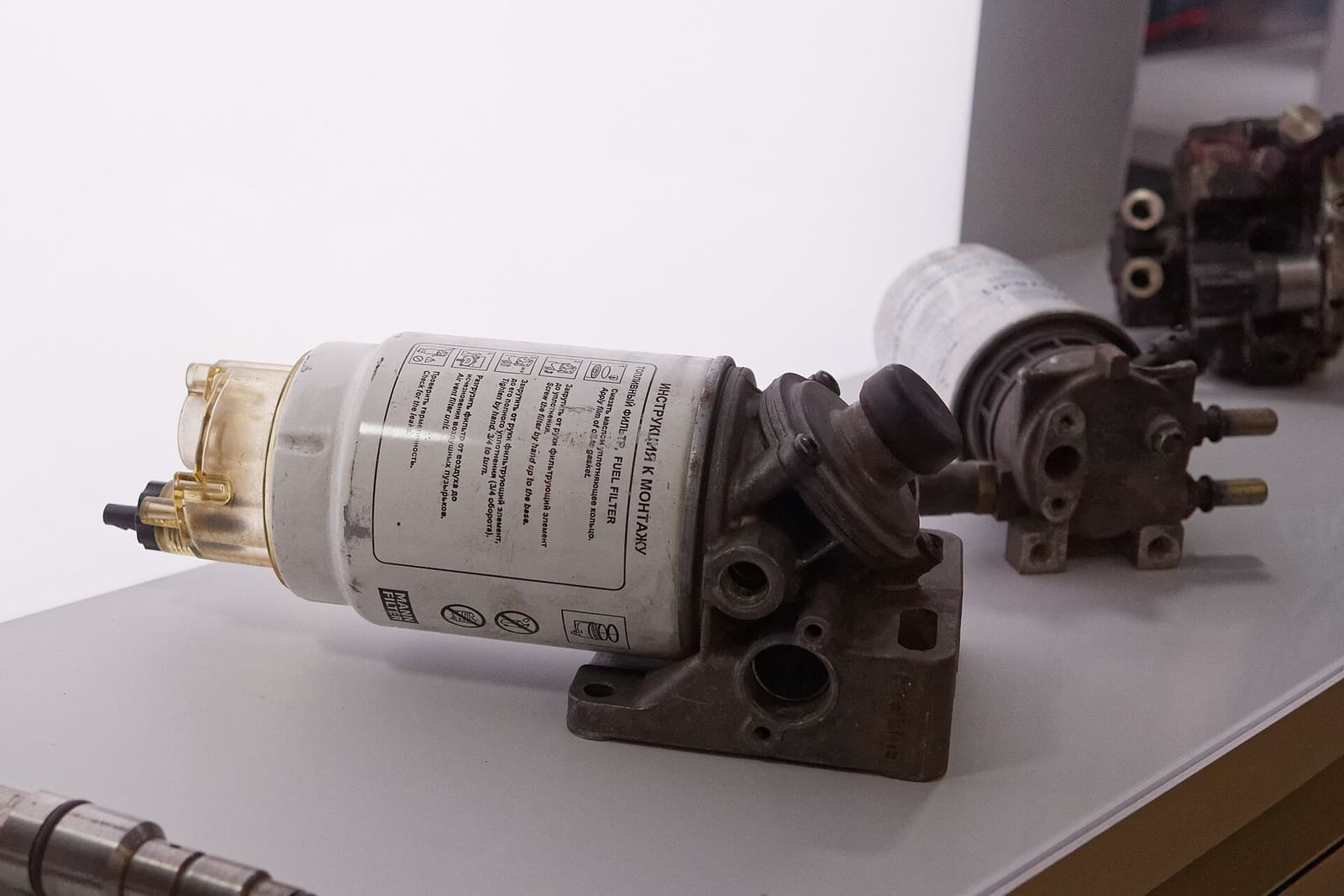
Many engines have a water-in-fuel sensor in the fuel filter or water separator, which triggers a light or beeps. The engine may also run roughly or won't rev. Yamaha notes that a floating red ring in its see-through on-engine filter means there's water in the trap.
Slow down or stop. Check and drain the filter bowl if it has a drain, or swap in your spare filter (see the fuel-water separator guide). If the warning returns quickly, you probably have water in the tank and should call for a tow rather than keep feeding water to the engine. See the ethanol fuel care guide for prevention.
An over-rev alarm means the engine went past its maximum RPM. Common causes: trimmed out too far so the prop sucks air, the prop coming out of the water in waves, a prop with too little pitch, or a spun prop hub. Trim down, slow down and see if it clears. Have the prop checked if it keeps happening.
A low-voltage or charging light usually means the battery isn't being charged. Check that the battery cables are tight and clean, and on sterndrives and inboards that the alternator belt is in place. Turn off accessories you don't need and head in. A broken belt on an inboard can also stop the water pump, so watch the temperature too.
If the engine suddenly won't rev above a fast idle and shows a "check engine" light, a fault code or a reduced power message, its computer has found a problem and is protecting itself. Note the code. Return the throttle to idle; on many engines the power limit only resets after you come back to idle or restart, once the problem has cleared. If the warning keeps coming back, you can usually idle home slowly while watching the temperature and oil warnings, but get it diagnosed. Most codes need a dealer's diagnostic tool to read in detail.
Some sterndrives monitor the drive lube level with a reservoir in the engine compartment. If it warns of low drive lube, check the reservoir. If it's low or milky, water may be getting into the drive; get it checked before long runs. Other warnings can come from the power steering or trim systems; check your manual.
Suzuki's advice is a good rule for every brand: if you can't figure out why the buzzer sounded, check with a dealer before you keep running the engine. Low oil and overheating can seriously damage an engine. Idle back slowly if you must, watching the gauges, or call for a tow.
Write down what happened, the code, the engine hours and what you did. Find the root cause before the next trip: a weak impeller, a clogged filter, water in the fuel or a loose sensor wire. Have a dealer read the stored fault codes; modern engines keep a history that helps find intermittent problems.
Common mistakes
- Ignoring the horn and running hard to get home. Many engine failures start this way.
- Unplugging the horn or a sensor to silence an alarm that "keeps going off."
- Restarting an engine right after an overheat shutdown, while it's still hot.
- Shifting to neutral and letting an overheating engine idle, assuming the water pump will cool it. If the pump or impeller has failed, nothing is cooling it.
- Assuming it's a bad sensor without checking water flow and oil level first.
- Never testing the horn at key-on, so a dead horn goes unnoticed for years.
- Topping up oil and carrying on without finding out why the level was low.
When to call a pro
- Low oil pressure warning with the oil level correct
- Overheat warnings that keep coming back after you clear the intakes
- Water in fuel warnings that return after you change the filter
- Any fault code or limp mode you can't explain
- Fuel smell, smoke, unusual knocking or metal-on-metal noises with an alarm
- The horn doesn't sound at key-on, or sounds all the time with no warning light
Tips
- Save your engine's warning chart as a photo on your phone, next to your BoatMend boat profile.
- Carry a spare impeller, fuel filter, the correct oil and fuses so you can deal with the most common alarms.
- If your engine has a digital display or app, learn where it shows fault messages before you need it.
- A false alarm is still worth investigating: corroded sensor wires and connectors are a common cause and easy to fix early.
Official references
We read these to write this guide. Your engine's own manual always wins.
- Suzuki Marine – FAQs (warning buzzer and monitor gauge)
- Yamaha Outboards – Maintenance Matters, Additional Tasks (RPM reduction on overheat)
- Yamaha Outboards – Maintenance Matters, Fuel and Fuel System (water in the fuel filter)
- BoatUS – What If Your Temperature Gauge Spikes?
- BoatUS – 4 Steps to Take if Your Outboard Quits
- Mercury Marine – Service and Support FAQs
- Honda Marine – Maintenance and Operation Information (hour counter reset)
- Westerbeke – Troubleshooting FAQs (generator safety shutdown)
- US Coast Guard – Safety Alert 07-26, Responding to an Engine High Temperature Alarm (June 2026)
- BoatUS – Analyzing Onboard Fire Claims
Safety: BoatMend is for information only and does not replace a certified marine technician. You are responsible for your safety and your boat. Read the full disclaimer.
Last updated 2026-10-24
Related guides
Engine Overheating - Troubleshooting Guide
Work through the most likely causes of a hot engine or overheat alarm, from a blocked water intake to a worn impeller or stuck thermostat. Acting fast and in the right order can save your engine and often gets you home without a tow.
How to Replace a Fuel/Water Separating Filter (and Check for Water in Your Fuel)
Swap the spin-on fuel/water separator on your gas boat and learn to spot water and ethanol phase separation before it stalls the engine. It is one of the cheapest jobs on the boat and one of the best protections for a fuel-injected engine.
Loss of Power, Hesitation or Misfire - Troubleshooting Guide
Figure out why your engine bogs down, stumbles, will not reach full rpm or runs rough. Work from simple checks like trim, prop and fuel filter to ignition and engine protection modes before paying for diagnostics.
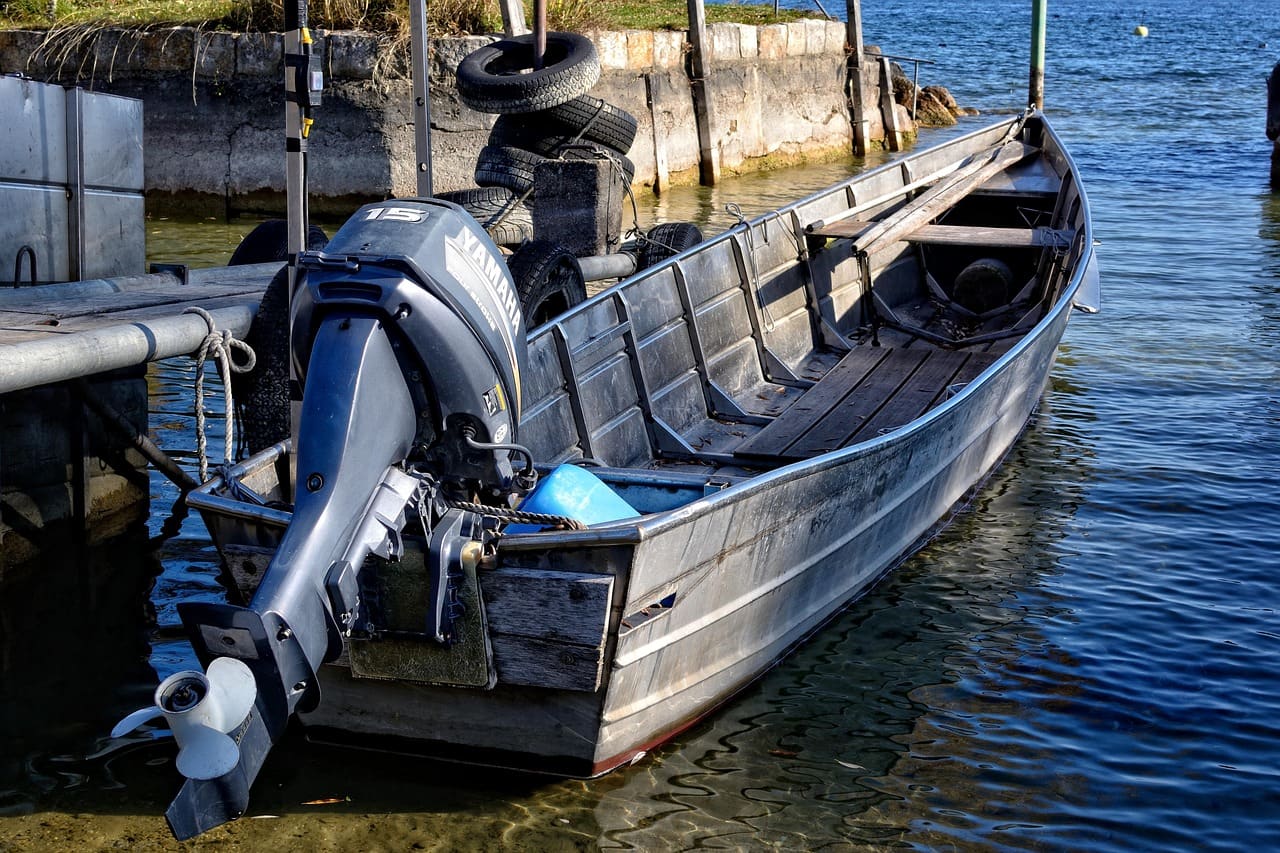
Engine Starts Then Dies - Troubleshooting Guide
Track down why your boat engine fires up and then stalls, whether at idle, when you shift into gear, or after a few minutes of running. Most causes are in the fuel supply and can be checked with no special tools.
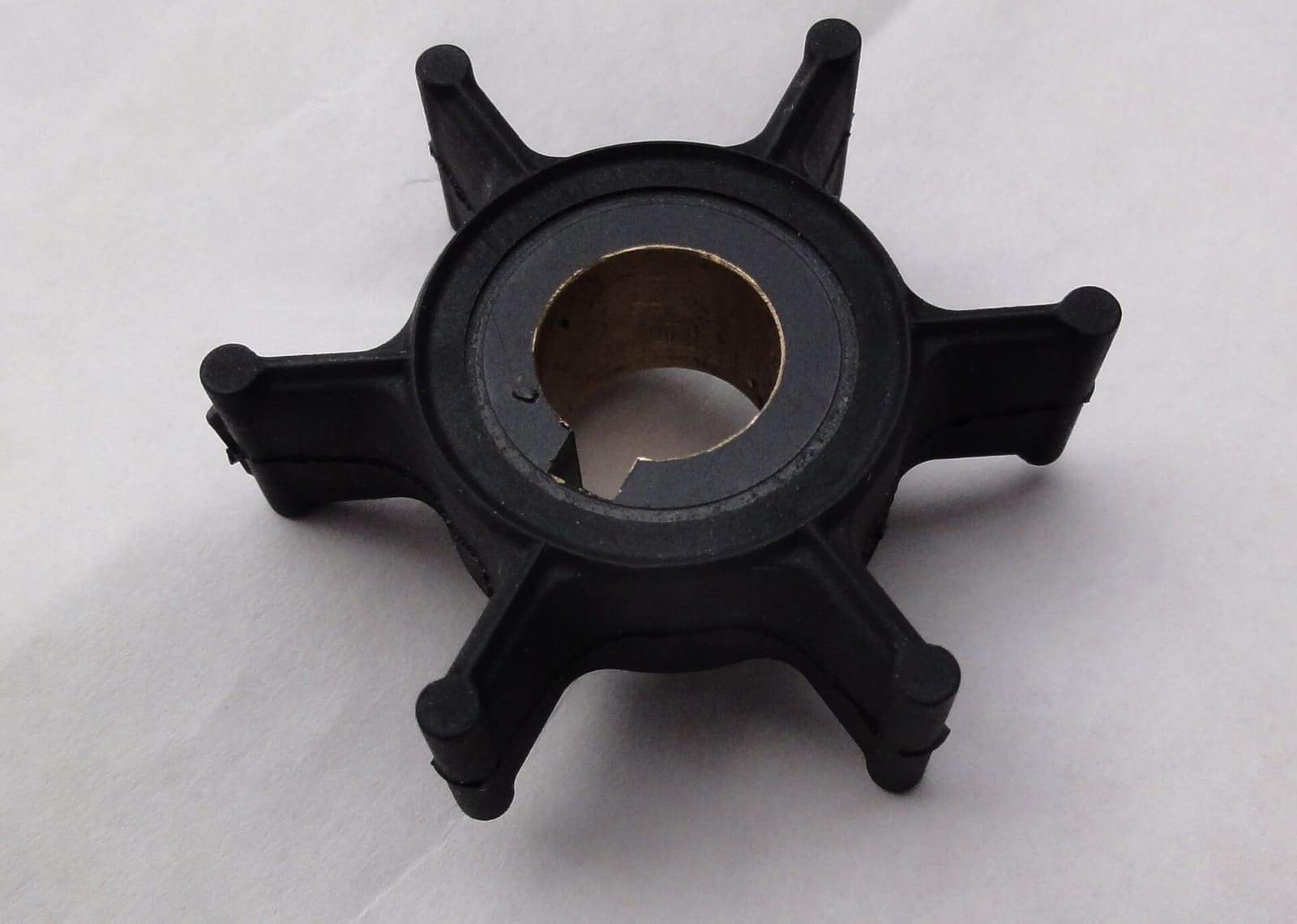
How to Replace the Water Pump Impeller
Replace the rubber impeller that pumps cooling water through your engine, the part most often behind overheating. On many outboards it is a two-hour driveway job that saves a shop bill of several hundred dollars and prevents far costlier heat damage.
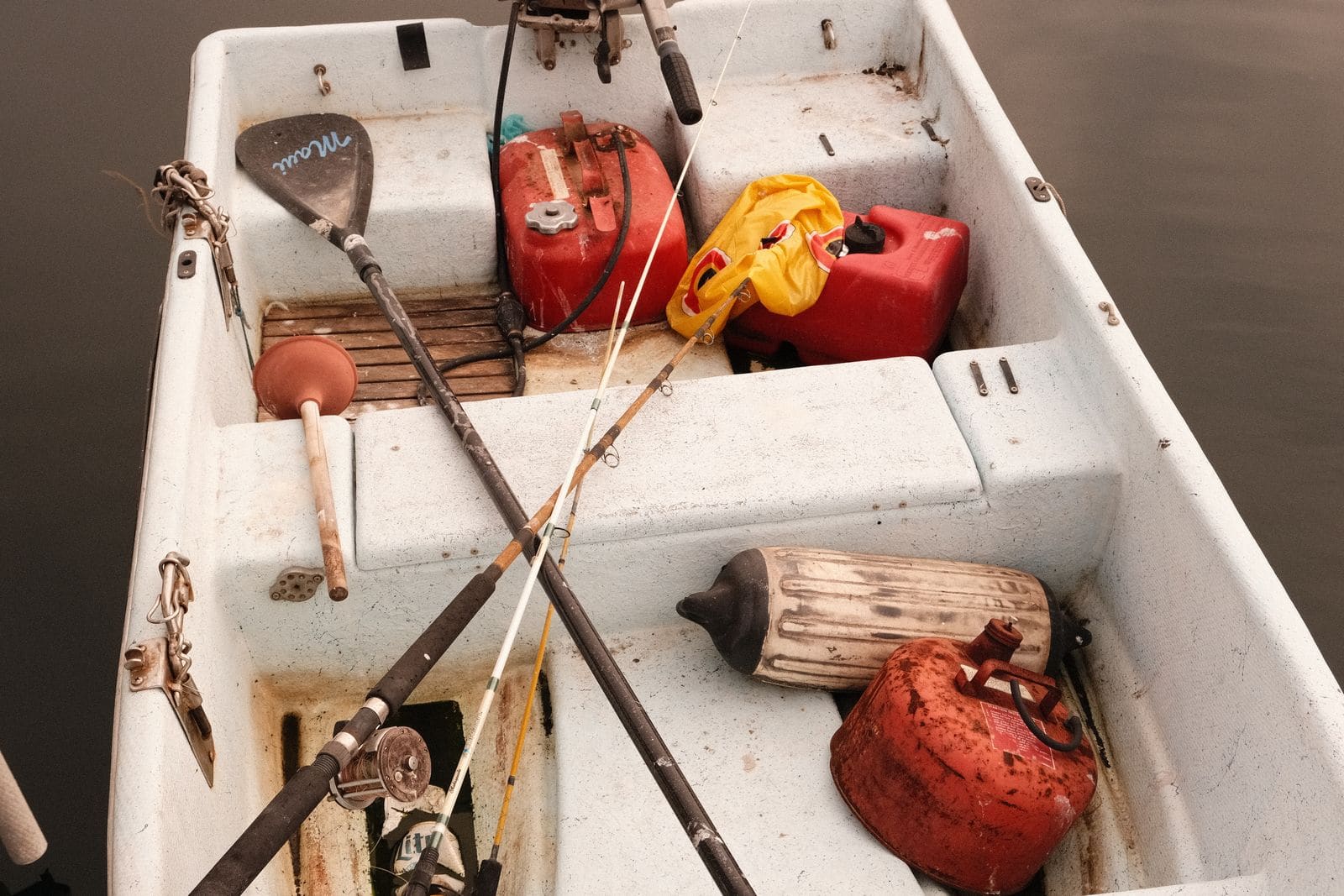
Ethanol (E10) Fuel Care: Stabilizer, Phase Separation, Fuel Lines and Tank Vents
Keep E10 gasoline from damaging your boat engine. Learn how to use stabilizer, test for water and phase separation, and inspect the fuel lines, primer bulb, anti-siphon valve and tank vent. Most fuel-related breakdowns start with one of these.
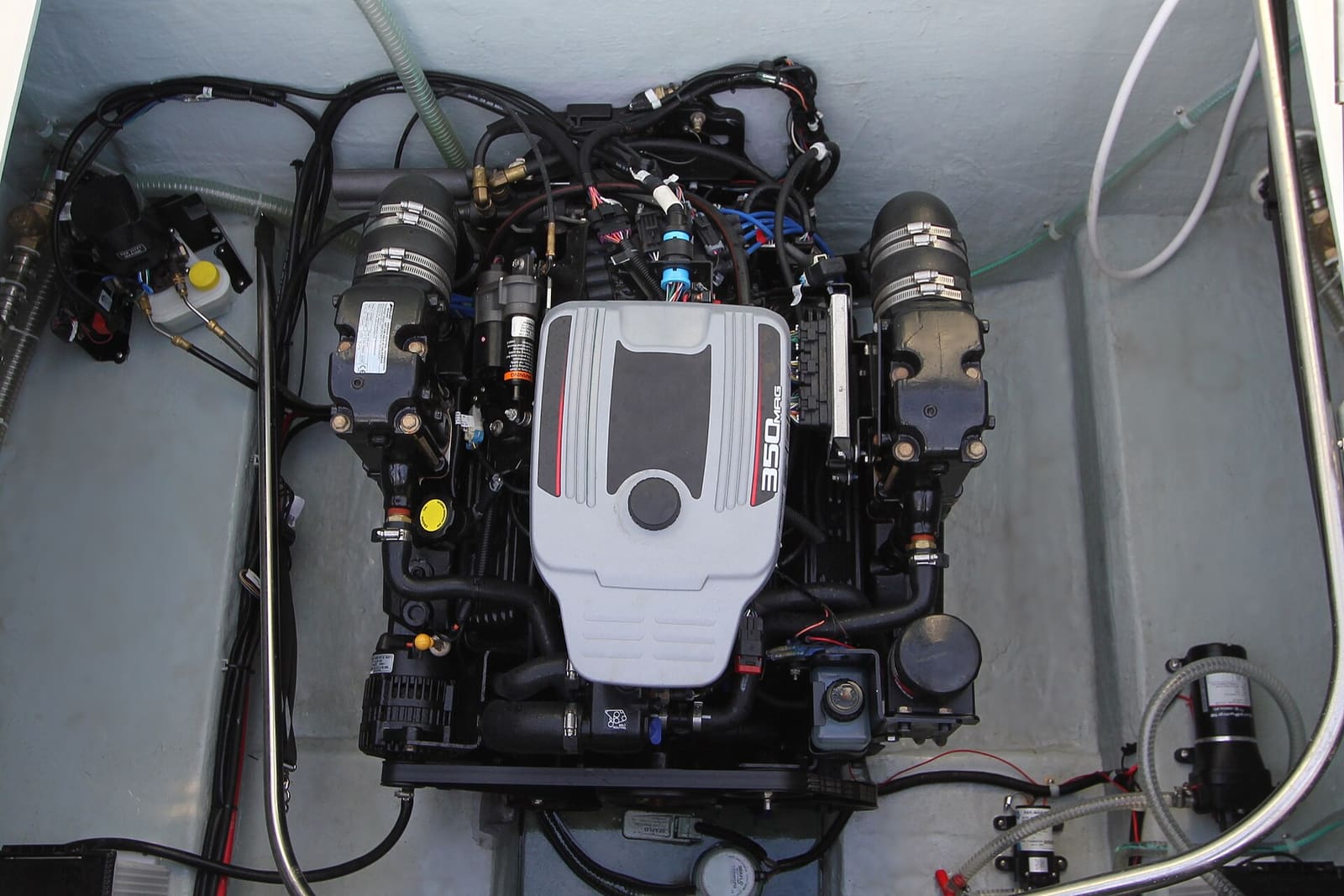
How to Test and Replace the Engine Thermostat
Find, test and replace the thermostat that controls your engine's operating temperature. A stuck thermostat can make an engine overheat or run too cold. On most outboards and many sterndrives it is a one-hour job with basic tools.