Engine Hour Meters: Why Hours Matter, How to Verify Them and How to Replace a Meter Honestly
Engine hours set your service schedule and a big part of your boat's resale value. Learn the difference between analog meters and engine-computer hours, how to verify the real hours on a used boat, and how to replace a dead or broken meter while keeping an honest record of the old hours.
Time
1 h
Shop would charge
$100-300
Applies to
Outboard, Sterndrive (I/O), Gas inboard, Marine diesel, Jet ski / PWC
Safety first: Disconnect the battery (or turn the battery switch off) before you work behind the dash; a short on an unfused wire can melt insulation and start a fire. Use marine-grade wire and protect every new connection with a fuse. If you smell burning insulation or gasoline while working at the helm, stop, turn the battery switch off and ventilate before doing anything else.
Owners often ask
- The hour meter on the used boat I want says low hours, but the engine computer shows more. Which one is right?
- My hour meter stopped working. If I replace it, how do I keep track of the real engine hours?
- There's a soft click behind my dash about once a minute with the key on, and the voltmeter twitches. What is it?
This guide walks you through it. Still stuck? Ask the AI Mechanic about your engine.
Tools
- Digital multimeter or 12-volt test light
- Screwdrivers and nut drivers for the dash panel
- Wire stripper and crimper with heat-shrink terminals
- Phone camera (photograph the old reading and wiring)
- Your boat's wiring diagram and the engine owner's manual
Parts & supplies
- Replacement hour meter (or tachometer with built-in hour meter) suited to your engine
- Marine-grade tinned wire and heat-shrink terminals
- Inline fuse holder and fuse if the meter's circuit isn't already protected
Before you start
Why hours matter: Boats count time, not miles. Discover Boating explains that each hour the engine runs is counted no matter how fast you go, and that most maintenance (oil changes, impellers, filters) is scheduled by hours. Yamaha, for example, sets an initial service at 20 hours on a new outboard and regular services at 100 and 300 hours, and engine and lower unit oil changes every 100 hours (typical; confirm the intervals for your engine in its owner's manual). Without an accurate count, you're guessing.
Hours and resale: Discover Boating gives a rough guide: about 1,000 to 1,500 hours is the average life for many gasoline engines, some well-kept ones run past 2,000, and diesels often last 5,000 hours or more. Both Discover Boating and BoatUS stress that how the hours were put on, and the service history, matter as much as the number. A well-maintained engine with 1,200 hours can be in better shape than a neglected one with 600.
Where hours live on your boat:
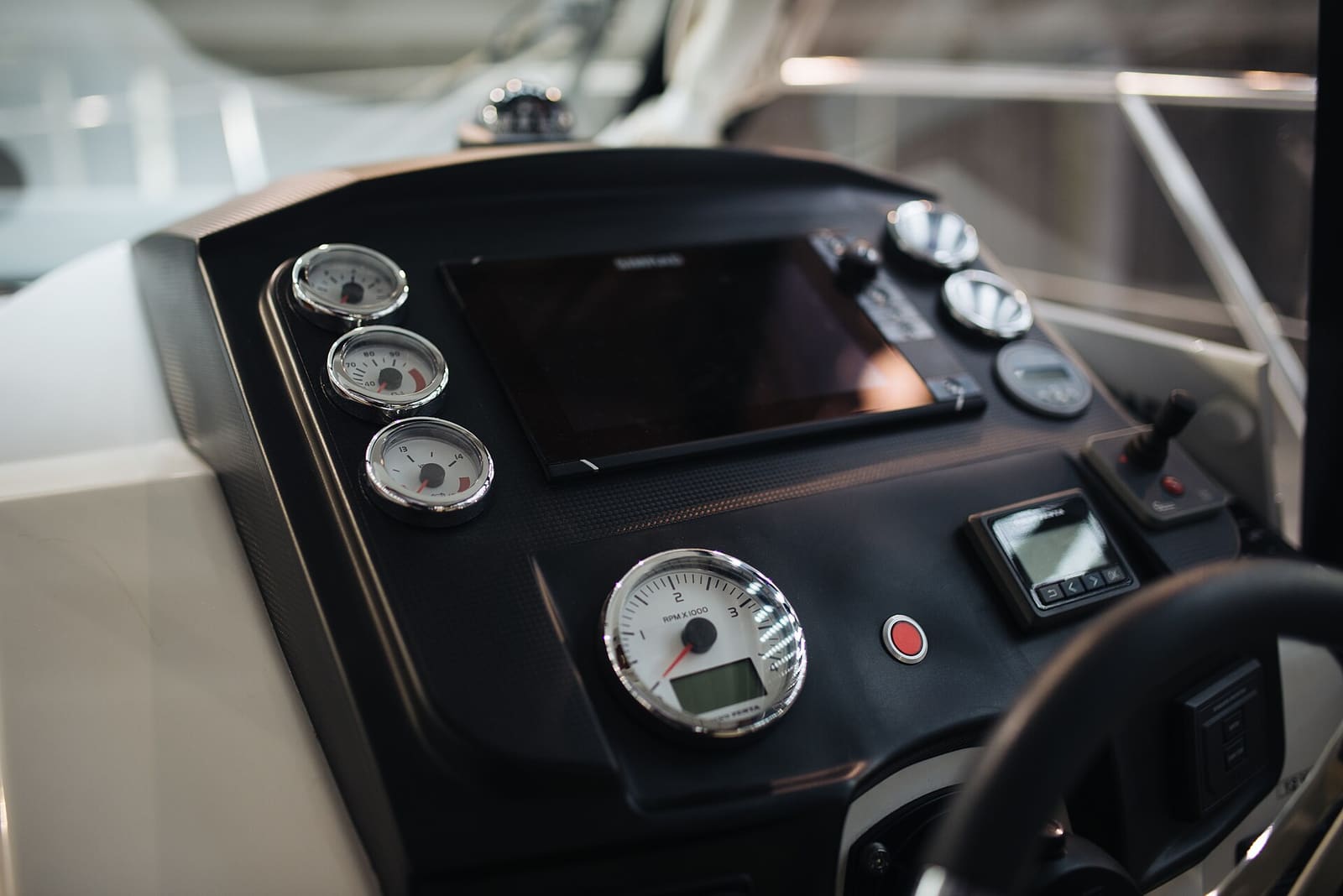
- Analog or digital hour meter on the dash: a small gauge with a counter, or a counter built into the tachometer.
- Engine computer (ECU/ECM): most modern fuel-injected outboards, sterndrives, inboards and PWCs record running hours in the engine's computer. These show on digital gauges or multifunction displays, or a dealer reads them with a diagnostic tool.
- Older carbureted engines with no meter: often only the owner's logbook and receipts.
Steps
Check the dash, the tachometer face, the digital gauge menus and the multifunction display's engine pages. Discover Boating notes that newer boats with digital displays usually track hours automatically, while older boats may have an analog meter near the helm or the engine. Write down every number you find, with the date.
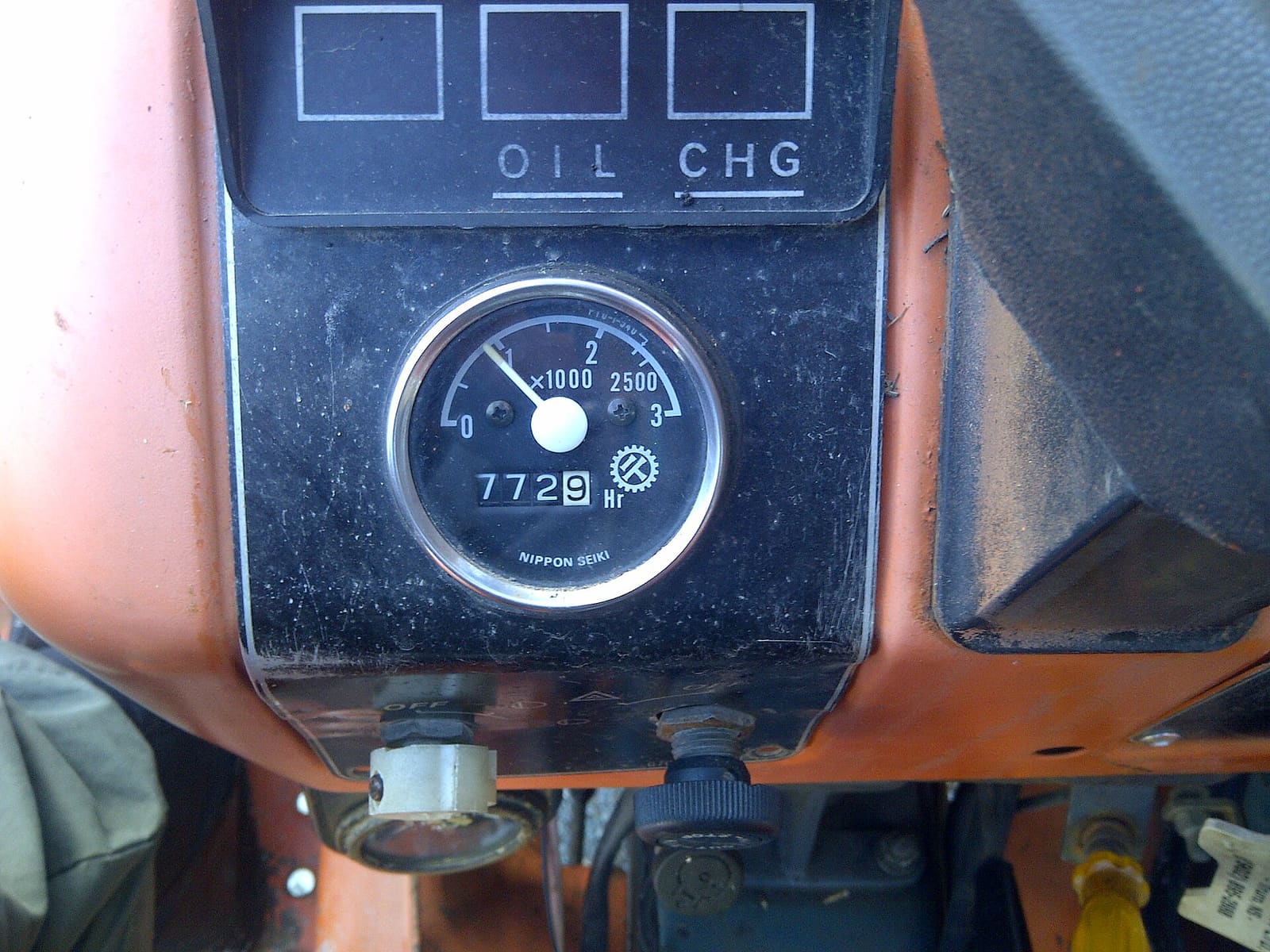
A mechanical hour counter built into a tachometer (this one is on a small tractor). Analog marine hour meters look and work much the same way. Photo: NSEasternShoreChemist / Wikimedia Commons · CC BY-SA 4.0 Not all meters measure the same thing:
- Key-on meters run whenever the ignition is on, even if the engine isn't running. Leave the key on while you listen to the radio and the hours climb.
- Engine-running meters start counting only when they sense the engine is running (from the tach signal, the alternator or an oil pressure switch).
- ECU hours come from the engine computer and count actual run time. Some engines also record time in different RPM ranges, which Discover Boating notes can show how hard the engine was used.
Yamaha's owner FAQ is a good example of how factory gauges handle this: the total hours on its digital multifunction tachometer (counted while the engine runs) and on its Command Link tachometer (read straight from the engine computer) cannot be reset. What you can reset is a trip meter, and on Command Link a maintenance-interval reminder. If someone says they "reset the hours," ask exactly which number they mean.
If your boat has both a dash meter and ECU hours, they may not match. That doesn't automatically mean someone lied; see step 4.
Before you buy, cross-check:
- The dash meter or digital display.
- A dealer or technician scan of the ECU on engines that store hours. Discover Boating says a technician or dealer can pull the hours with diagnostic tools and may provide a report of use across RPM ranges. Ask the seller for a recent printout or arrange one; it's a common part of a pre-purchase inspection.
- Maintenance records and receipts. Discover Boating suggests comparing logged hours with the current reading to spot inconsistencies. Shop invoices often list the hours at each service.
- The engine serial number. Make sure the scanned engine is the one in the paperwork (see the engine serial number guide).
- The engine's condition: a compression test, clean fluids and a sea trial tell you more than any number, as BoatUS notes for older boats.
Common honest reasons the numbers disagree:
- The gauge or meter was replaced. Discover Boating notes a reading can reset in rare cases such as an instrument panel replacement.
- The meter is key-on and has counted time with the engine off.
- The meter stopped working for a season or more.
- The engine was replaced or rebuilt. ECU hours belong to the engine; a dash meter belongs to the boat.
Red flags: very low hours on an old, worn boat; a brand-new meter with no explanation; receipts that show higher hours than the meter; or a seller who won't allow a scan. Ask questions and get the scan before you pay. If the hours can't be verified, price the boat as though they're higher than shown.
Before you buy a new meter, test the old one (see the gauges and tach troubleshooting guide):
- Check the fuse or breaker for the gauge circuit.
- With the key on, check for 12 volts at the meter's positive terminal and a good ground at its negative terminal.
- Look for green corrosion on the terminals and loose ring connectors.
- On meters that sense the engine running, the sensing wire (often from the tach signal or an oil pressure switch) may be the problem.
If power and ground are good and the meter doesn't count, it's dead.
A soft click behind the dash? Owners sometimes chase a faint click about once a minute with the key on. On many meters that's the hour meter's counter stepping, which is normal. It draws very little current, so if your voltmeter needle jumps each time it clicks, have the battery load-tested and check the gauge ground and connections.
This is the most important step. Photograph the old meter clearly showing the hours, with the date. If the old meter is stuck or unreadable, write down the best evidence you have: the last service invoice, logbook entries, or an ECU scan. Keep this photo forever; it's the bridge between the old and new numbers.
- Match the type to your boat: a simple 12-volt meter, an engine-running meter, or a tachometer with a built-in hour meter. A tachometer must also match your engine's tach signal setting.
- Match the size of the hole in your dash and the style of your other gauges. Check the new meter's instructions for the cutout size.
- On engines with digital gauges or SmartCraft, Command Link and similar networks, the hours come from the engine computer. Replacing a display usually doesn't change the engine's stored hours, but ask your dealer before swapping networked gauges.
Follow the meter maker's instructions and your boat's wiring diagram. In general:
- Battery off first.
- Positive: a fused circuit that is live only when the ignition is on (an ignition-switched or accessory terminal). Confirm with your meter or test light that it's hot with the key on and dead with the key off.
- Ground: to the gauge ground or the boat's negative bus, not to a random screw.
- Engine-running meters: connect the sensing wire to the source the maker specifies. Don't connect a plain 12-volt meter to a tach signal or coil wire; those don't carry steady 12 volts.
- Use tinned marine wire, crimp and heat-shrink every connection, and support the wires so they can't chafe.
Reconnect the battery. Turn the key on and, if your meter counts only with the engine running, start the engine with the boat in the water (an outboard may also run on external flush muffs; never run any engine dry). Watch for the counter or the hourglass icon that many meters show while counting. Check after a run that it has added time.
A new meter starts at zero (or at whatever it came with). Make the history easy to follow:
- Put a small label inside the console or in your logbook: "Hour meter replaced on [date]. Old meter read [hours]. Add [hours] to the new reading for total engine hours."
- Keep the photo of the old reading and the receipt for the new meter in your boat file.
- When you sell, tell buyers about the swap and show the paperwork. Discover Boating notes that hour meters are designed not to be reset so the number can be trusted; a replaced meter with clear records keeps that trust. Misrepresenting hours to a buyer can expose you to fraud claims.
Hours also matter for coverage, not just resale. Mercury's service FAQ, for example, says its factory-backed extended service plan (Mercury Product Protection) is only sold for recreational engines with fewer than 500 engine hours at the time of purchase, and many maintenance items in the same FAQ are scheduled by hours. If you're thinking about an extended plan, or a warranty question comes up, a clear record of the true hours (including any meter swap) saves arguments.
Write down the hours at every fuel-up, oil change and service. If a meter fails again, the log fills the gap, and it makes your service schedule easy to follow. Yamaha suggests tracking maintenance history in its connected-boat app; a paper log or a phone note works too.
Common mistakes
- Replacing a meter without photographing the old reading first.
- Wiring a key-on meter to a constant-power wire, so it counts 24 hours a day.
- Tapping a meter into the tach signal or coil wire.
- Trusting a low dash reading on a used boat without an ECU scan or service records.
- Assuming a mismatch means fraud, when the gauge may simply have been replaced.
- Leaving the key on for hours while at anchor on a key-on meter, then wondering why the oil change is "due" so soon.
- Forgetting that a repowered boat's new engine has its own hours.
When to call a pro
- Reading ECU hours or getting an hours-by-RPM report: a dealer with the right diagnostic tool.
- Networked digital gauges or a multifunction display that stopped showing engine data.
- Any burning smell, melted wire or blown fuse that keeps blowing behind the dash.
- Before buying a used boat: a marine surveyor or engine technician for a scan, compression test and sea trial.
Tips
- Note the hours on the receipt every time you buy fuel; it's an easy running log.
- Take a photo of the hour meter at the start and end of each season.
- If you buy a boat with no working meter, install one right away and start a log with your best estimate of the starting hours, clearly marked as an estimate.
Official references
We read these to write this guide. Your engine's own manual always wins.
- Discover Boating – How Do You Check Boat Engine Hours?
- BoatUS – The Value Proposition (hours, service history and condition on older boats)
- Yamaha Outboards – Maintenance Matters (100-hour service)
- Yamaha Outboards – Owner FAQs (total hours on Yamaha tachometers can't be reset)
- Mercury Marine – Service and Support FAQs (Mercury Product Protection eligibility)
- Yamaha Outboards – What to Consider When Repowering a Boat (break-in, 20-, 100- and 300-hour service)
Safety: BoatMend is for information only and does not replace a certified marine technician. You are responsible for your safety and your boat. Read the full disclaimer.
Last updated 2026-10-25
Related guides
How to Troubleshoot Dash Gauges, a Dead Tachometer or a Wrong Fuel Gauge
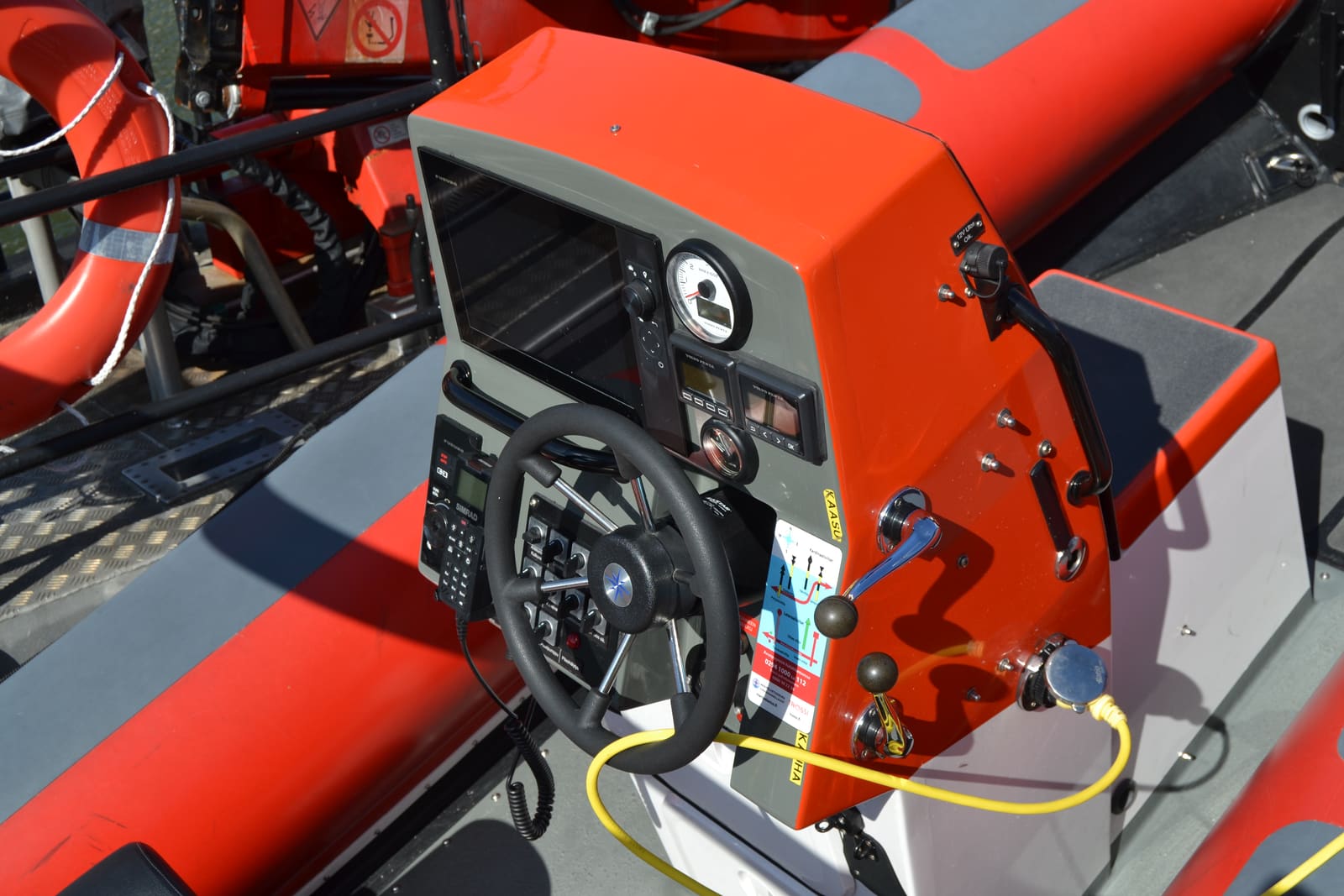
Work through dead or wrong dash gauges from the cheapest check to the most involved: fuses and breakers, power and ground, the gauge-versus-sender test, the tachometer's pulse setting and the extra checks for digital network gauges. Most gauge problems turn out to be a bad connection, not a bad gauge.
How to Inspect a Used Boat Before You Buy
A step-by-step checklist for looking over a used boat, from paperwork and the hull ID number to the transom, engine, compression test, sea trial and trailer. Know what to check yourself, what the red flags mean, and when to pay a marine surveyor.

How to Get Your Boat Ready to Sell (Records, Title and Prep)
Prepare your boat for sale the way buyers and surveyors expect: gather the title, registration and HIN paperwork, organize your maintenance records and receipts, fix the small stuff, detail the boat, get it ready for a sea trial and buyer's survey, and close the deal with the right documents.
How to Find Your Engine's Serial Number, Model and Year (and Get the Official Manual)
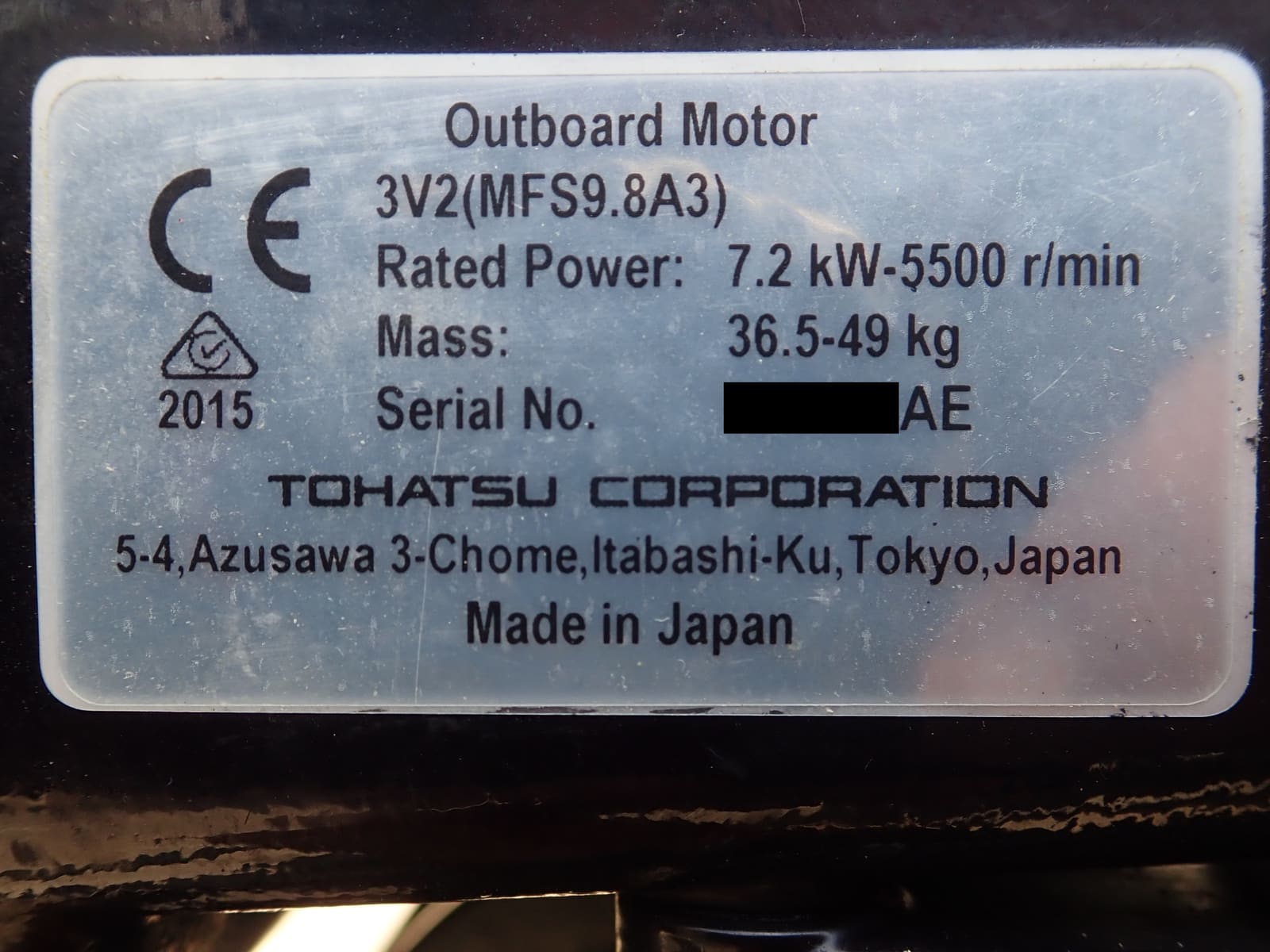
Find the ID label on your outboard, sterndrive, inboard diesel or PWC, read the model and serial number correctly, tell it apart from the boat's HIN, and use it to open the free official owner's manual. It's the first step for ordering the right parts and following the right maintenance plan.
12-Volt Boat Wiring Basics: Circuits, Color Codes, Fuses and Wire Size
Learn how your boat's 12-volt system is laid out, what the ABYC wire colors mean, how fuses and breakers protect the wiring, why voltage drop and tinned wire matter, and how to read a wiring diagram, so you can troubleshoot smarter and know which jobs belong to a marine electrician.

Fuse Keeps Blowing? How to Troubleshoot a Boat Fuse Block or Breaker Panel
Work through a blown fuse or tripping breaker the safe way: confirm it, tell a short from an overload, isolate the device or wire at fault, replace a worn breaker or panel switch with the same rating, and label every circuit, without ever fitting a bigger fuse.
How to Do a Compression Test on an Outboard, Sterndrive, Inboard or PWC
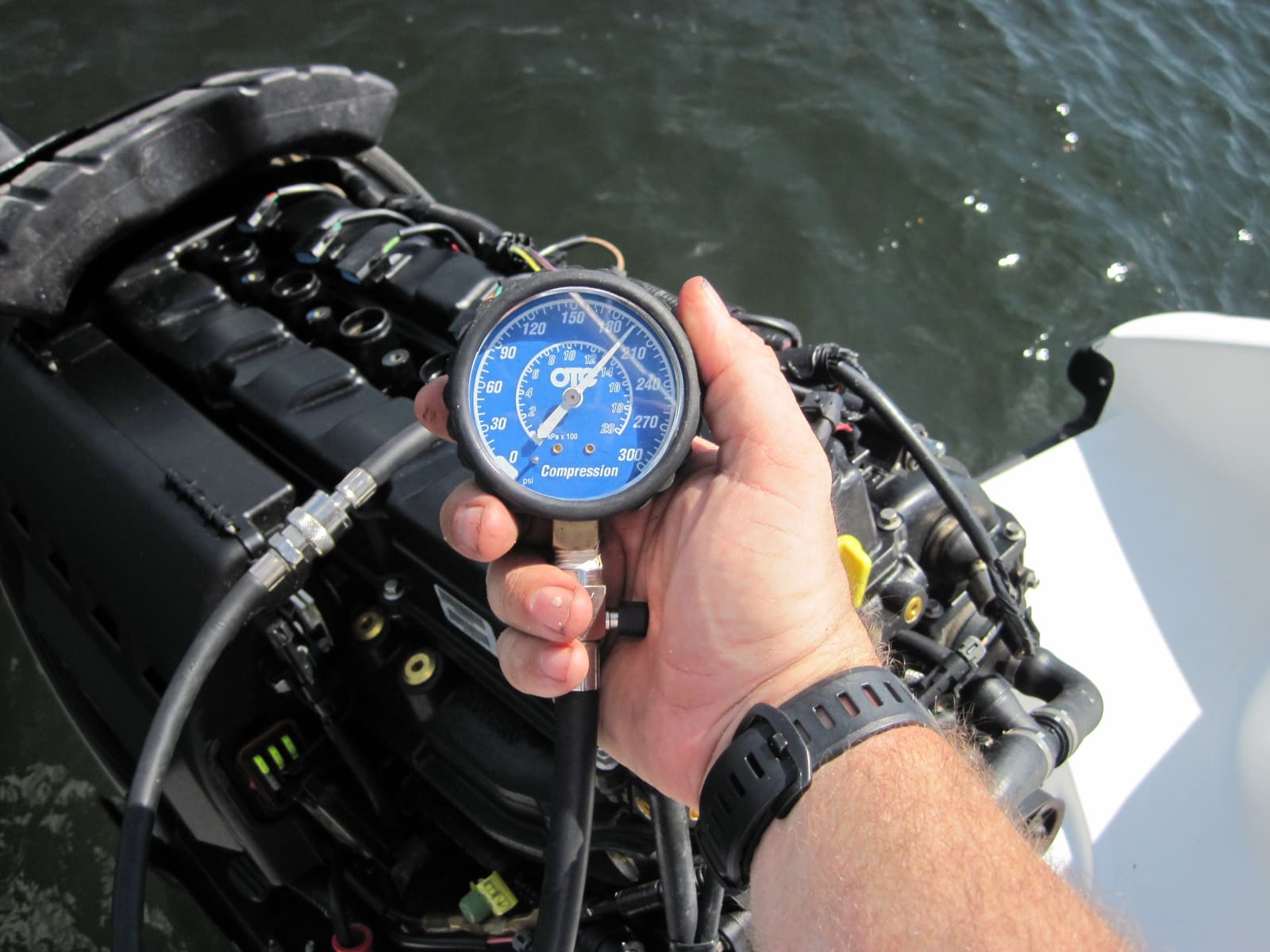
A compression test tells you whether the pistons, rings, valves and head gasket in each cylinder are sealing. Learn when to do one, how to do it safely, how to read the numbers by comparing cylinders, and what a wet test and a leak-down test add.
How to Break In a New or Rebuilt Boat Engine
The first hours on a new or rebuilt engine decide how well its piston rings seat and how long it lasts. Learn how to follow your maker's hour and RPM schedule, why you should keep changing the throttle, what to avoid (constant RPM, early full throttle, long idling), what to check every trip and when to do the first oil change.
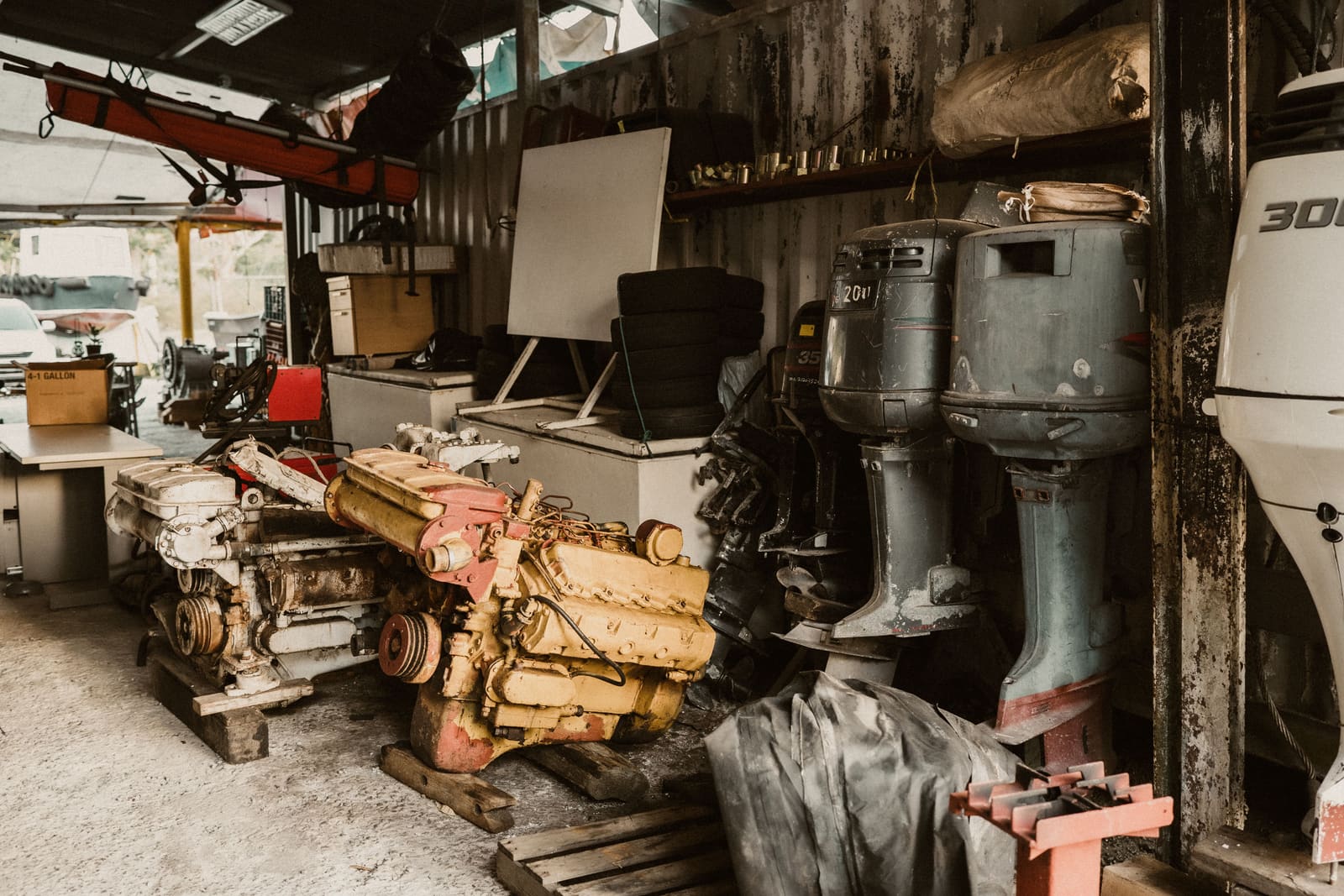
Planning a Repower: Horsepower Limits, Transom, Rigging, Prop and Costs
Putting a new engine on a boat you love can cost far less than a new boat, but only if the plan is right. Learn how to read the capacity plate for maximum horsepower and weight, check the transom, sort out controls, gauges and rigging, budget for the prop and the extras, and decide between a dealer installation and doing it yourself.
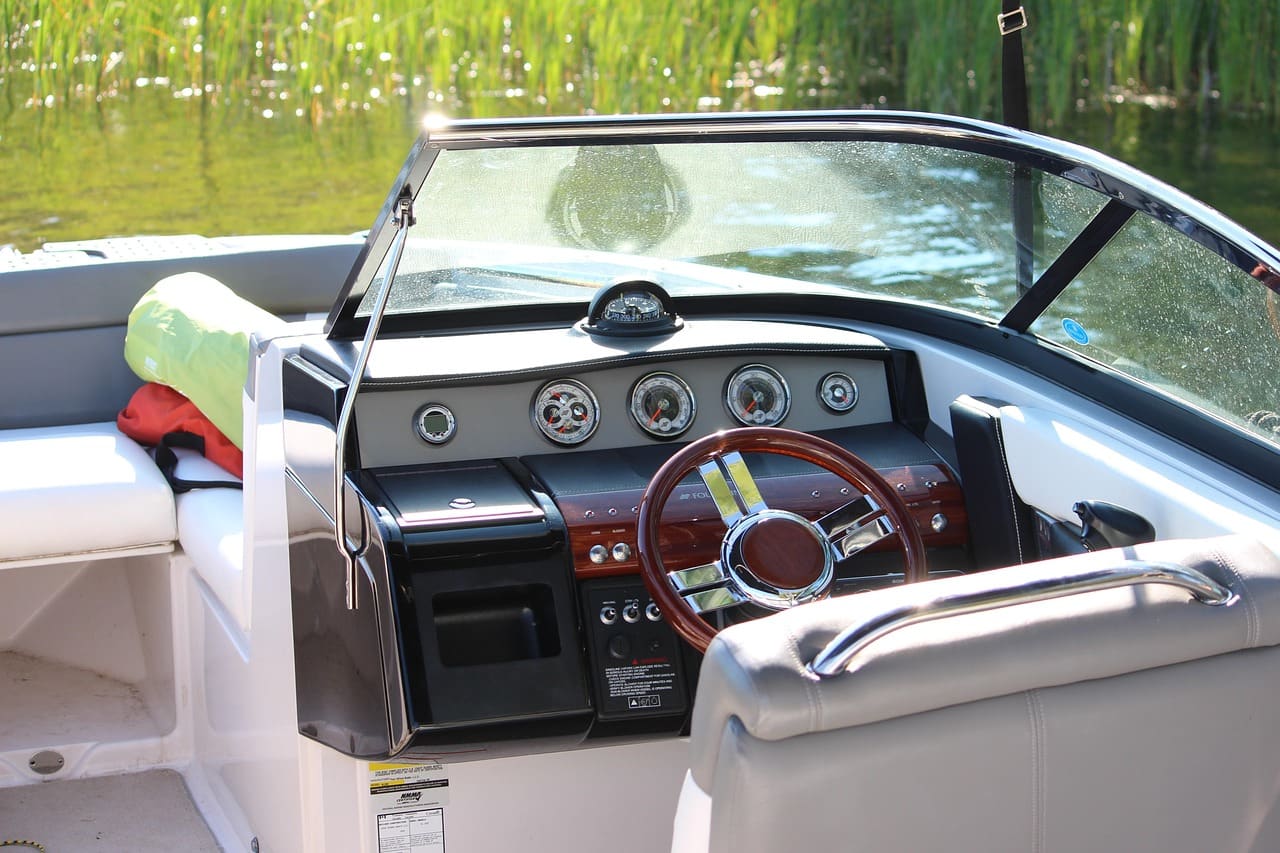
Boat Ignition Key Switch: Diagnosing No-Crank and Intermittent Problems and Replacing It Right
A worn or corroded key switch can leave you with no crank, an engine that cuts out over bumps, or one that won't shut off. Learn how to rule out the battery, neutral switch and kill-switch lanyard first, test the switch with a meter, and replace it with the engine maker's switch wired exactly like the original.