Extended Warranties and Service Plans for Boat Engines: Factory Plans vs Third-Party Contracts
Decide whether an extended service plan is worth it: how factory plans such as Mercury Product Protection and Yamaha Y.E.S. differ from third-party contracts, what they usually cover and exclude, why maintenance records decide claims, how deductibles, transfers and cancellations work, and the questions to ask before you sign. Practical guidance, not legal or financial advice.
Time
1 h
Applies to
Outboard, Sterndrive (I/O), Gas inboard, Marine diesel, Jet ski / PWC
Safety first: This is practical background, not legal or financial advice. A service plan is a contract; only its written terms count, not the brochure or the salesperson. Terms, eligibility and prices change often and vary by state. Read the full contract before you pay, keep a copy, and never let a coverage question delay fixing a fuel leak, overheating or water intrusion; stop the boat and get help first, then sort out who pays.
Owners often ask
- Is an extended warranty on a new outboard worth the money?
- Will doing my own oil changes void my engine warranty or service plan?
This guide walks you through it. Still stuck? Ask the AI Mechanic about your engine.
Tools
- Engine serial number, model and hours
- Factory warranty start date and terms
- Full written contract (not the brochure) for each plan you're comparing
- Maintenance log and receipts
Before you start
Warranty vs service contract. BoatUS draws the key line: a true warranty comes with the product, gives broad coverage and has state and federal warranty law behind it. An "extended warranty" is usually a service contract, which BoatUS describes as an insurance policy, generally underwritten by a third party rather than the manufacturer and regulated as insurance in most states. The FTC makes the same point for cars: a service contract you buy separately isn't a warranty under federal law.
Three kinds of plans you'll see:
- Factory-backed plans from the engine maker, sold through its dealers. Mercury describes Mercury Product Protection (MPP) as a factory-backed extended service contract for Mercury and MerCruiser engines, administered by Mercury. Yamaha's is Yamaha Extended Service (Y.E.S.); Yamaha's 2026 promotion terms note that Florida dealers offer a Yamaha Extended Limited Warranty in its place.
- Third-party contracts sold by dealers, lenders or online, written by independent companies (sometimes carrying the manufacturer's name).
- Promotional coverage included free with a new engine during a sales event (Yamaha regularly adds Y.E.S. years this way).
BoatUS's bottom line: factory-backed programs usually perform more like warranties, because the factory has agreements with its dealers and is ultimately responsible. Third-party contracts vary a lot and deserve a close read.
Steps
Find the engine's warranty start date (usually the registration date), length and terms. BoatUS notes most defects in new boats and engines show up during the factory warranty, and that a third-party contract bought with a new boat won't pay during the factory warranty period anyway. Example from BoatUS: a three-year contract on a boat with a one-year warranty may effectively cover only two years. Don't pay twice for the same months.
Plans have purchase windows:
- Mercury Product Protection must be bought before the Mercury Limited Warranty expires, for an engine manufactured in the current or prior four calendar years, used recreationally, with fewer than 500 hours at purchase, owned by a U.S. or Canadian resident who boats there (per Mercury's U.S. page). Coverage starts the day the limited warranty ends.
- Third-party contracts: BoatUS says many offer a sign-up window of roughly nine months to a year.
So there's no need to decide at the closing table. BoatUS's advice is to avoid buying a contract the same day you buy the boat; take the paperwork home and compare.
Ask for the plan's coverage list, not a summary. Using Mercury's U.S. page as an example of a factory plan:
- Gold covers mechanical failures from defects in materials or workmanship, including labor.
- Platinum adds electrical failures, plus Mercury and Quicksilver engine accessories like controls and instruments (propellers excluded).
- Up to $200 per claim toward on-water towing, and up to $200 toward haul-out for boats 26 feet or longer, for approved repairs.
- Service at any authorized Mercury dealer in the U.S. and Canada, not just the selling dealer, using genuine parts.
- Total coverage of up to eight years combined with the limited warranty, depending on the engine.
For any plan, ask about: electrical and electronic parts, fuel systems, trim and tilt, steering, controls and gauges, the drive or lower unit, the cooling system and water pumps, and diagnostic time.
BoatUS highlights what service contracts often don't pay:
- Consequential damage. BoatUS's example: the contract may pay for a failed $650 alternator, but not for the $1,300 engine control unit it damaged.
- Engine removal or hauling the boat if needed for the repair.
- Typical exclusions to look for in any plan: wear items and routine maintenance, damage from neglect, overheating from a clogged intake, water or fuel contamination, corrosion, impact and grounding, freeze damage, improper winterizing, modifications, racing and commercial use.
Mercury's page, for instance, excludes commercial, professional, rental-style and government use, and used engines imported from outside the U.S. or Canada.
BoatUS says service contracts usually carry a deductible per incident (it cited $25 to $50 in 2019; check the current figure in your contract). Ask:
- Is the deductible per visit or per repair?
- Does the shop need preauthorization before starting work? BoatUS says independent contracts generally require it, and some require their own network of shops, which may not include one near you.
- Who pays the shop: the plan directly, or you, waiting for reimbursement?
- Is there a "declining value" limit? Mercury states MPP is non-declining: coverage value doesn't drop over the contract's life.
BoatUS notes factory plans usually work like warranties: bring the engine to the dealer and the dealer handles the paperwork.
A claim can be denied if the plan administrator thinks the failure came from missing maintenance. The FTC's car advice applies to boats too: keep records of every service, because they show you maintained the vehicle and help a claim. For boats, keep:
- Dated receipts for oil, filters, gear lube, impellers, plugs and anodes, with engine hours
- Part numbers and fluid specs you used (match the owner's manual)
- Photos of DIY work and fluid levels, and an engine-hour log
- Winterizing and commissioning records
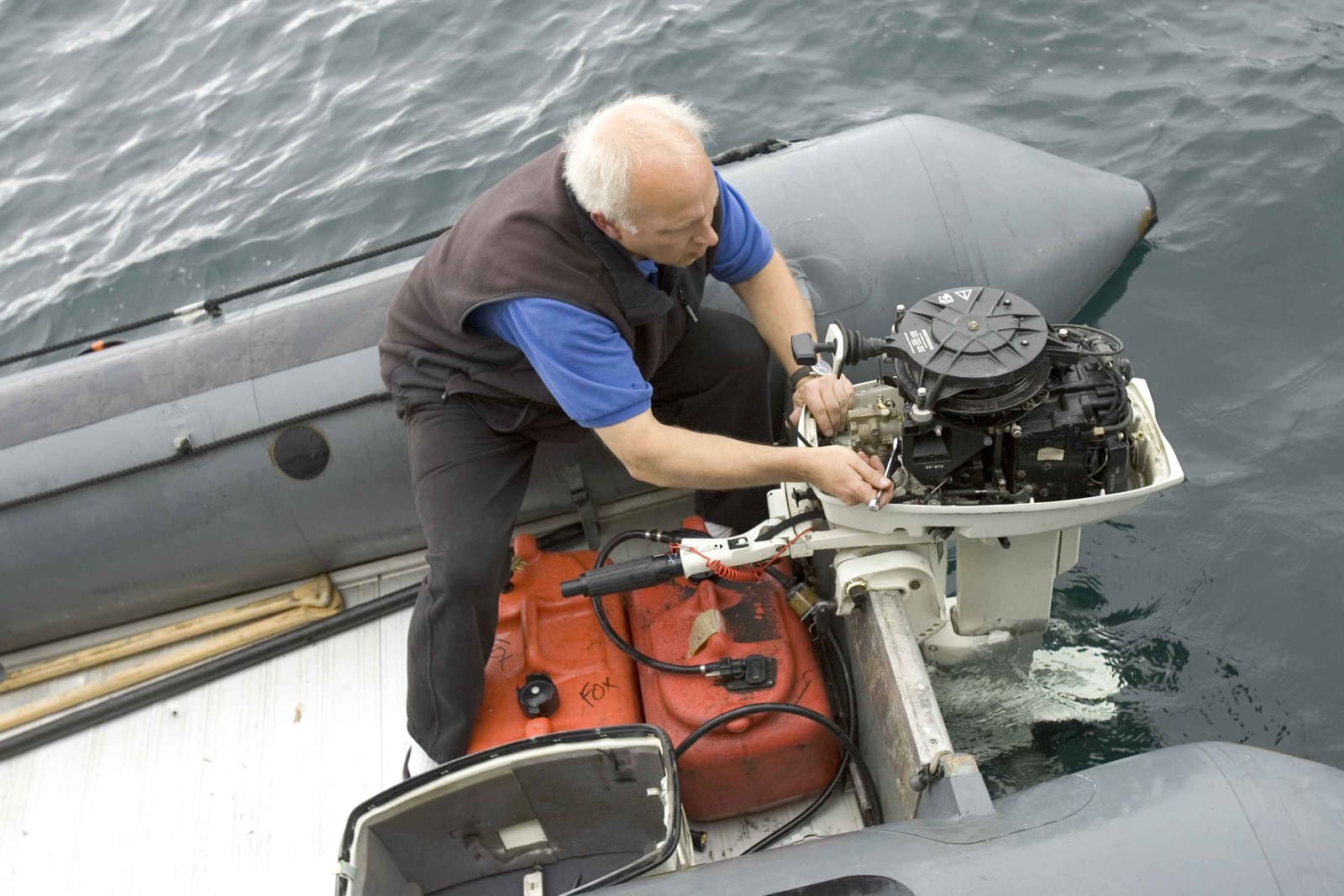
Whoever does the work, keep dated receipts, engine hours and photos. Photo: Steve Hillebrand, U.S. Fish and Wildlife Service / Wikimedia Commons · Public domain Can you do your own maintenance? For new-car warranties, the FTC says a dealer can't deny coverage just because routine maintenance was done by someone else, unless the warranty itself requires specific shops, but it can deny coverage for damage an improperly installed or defective part caused. That FTC guidance is written for cars; your boat engine warranty and any service contract may set their own conditions (some require dealer service or specific parts). Discover Boating also cautions DIY owners to make sure their work doesn't invalidate a warranty. Read the maintenance section and follow it exactly.
A transferable plan can help resale. Mercury says MPP is transferable to a later recreational owner, with transfer required within 30 business days of the sale, and engines bought from anyone other than a recreational owner or an authorized dealer aren't eligible. For Y.E.S. and other factory plans, ask the dealer for the current transfer terms in writing. BoatUS says most service contracts are transferable for a fee, and a prorated refund to the seller may be part of the negotiation. Ask: Is there a fee? A deadline? What paperwork does the buyer need? Our sale-records guide covers what to hand over.
Buying a used boat that's still under factory warranty? You may still be able to add a factory plan, but plan for an inspection. A Yamaha blog post says you can buy Y.E.S. on a used outboard still under its original warranty if a Yamaha dealer inspects the motor and transfers the warranty first, and that the dealer can check remaining coverage from the engine's Primary ID number. Mercury says it may require a dealer inspection, paid by the customer, before transferring remaining warranty, and can refuse engines bought at auction, from a salvage yard, a liquidator or an insurance company. Ask before you bid on a "still under warranty" auction boat.
BoatUS says you can often cancel within about 30 days of buying, typically for a prorated refund minus a fee, and warns some companies use the "rule of 78s," a refund formula that leaves you with less. Mercury's U.S. page also mentions a 30-day cancellation. Ask how refunds work if you sell the boat, repower or pay off a loan early, especially if the contract was rolled into financing.
For a third-party contract, find out:
- The company that administers claims and the insurer that backs it
- Whether it's licensed in your state
- How long it's been in business, and its complaint record with your state insurance department and consumer protection office
BoatUS warns that manufacturers and dealers usually won't step in if a third-party company doesn't pay.
BoatUS notes service contracts are moneymakers for dealers, with some independent plans letting retailers mark up more than 100%, and that the price is a negotiable part of the deal. Get quotes from more than one dealer for factory plans, and don't roll a contract into a long boat loan without seeing what it costs with interest (our financing guide explains why).
A plan may make sense if:
- Your engine model has a below-average reliability history (BoatUS suggests checking this)
- You keep boats a long time and can't absorb a big repair bill
- It's a factory plan with broad coverage, dealer support near you, and a fair price
It may not if most coverage overlaps the factory warranty, you'll sell within a few years, or you'd rather put the same money into a repair fund (our budget guide shows how). Many owners do exactly that and come out ahead; others are glad they had coverage when a powerhead failed. Base it on the actual contract, not fear.
If something fails during coverage:
- Make the boat safe first. Stop using it if continuing could cause more damage.
- Call the dealer or administrator before any repairs if preauthorization is required.
- Give your maintenance records and engine hours.
- Get the diagnosis, the covered and non-covered parts, and your deductible in writing before work starts.
- Keep the replaced parts if the contract allows; ask before the shop discards them.
Common mistakes
- Buying a third-party contract at closing that mostly overlaps the free factory warranty.
- Missing the factory plan's purchase deadline (for MPP, before the limited warranty ends).
- Assuming "extended warranty" means "everything is covered"; consequential damage, haul-out and removal often aren't.
- Losing maintenance receipts, or not recording engine hours, then having a claim questioned.
- Letting a shop start work before the administrator approves it.
- Forgetting to transfer the plan when selling, and losing a selling point.
- Paying sticker price for a contract when the price was negotiable.
When to call a pro
- A claim is denied and you think the contract covers it: ask the administrator for the denial in writing with the contract section cited, then contact your state insurance department or consumer protection office, or a consumer attorney
- You're not sure your DIY maintenance meets the plan's requirements: ask the dealer or administrator before the season, not after a failure
- You're buying a used boat with a plan: confirm with the manufacturer or administrator that it's active and transferable before closing
- Any fuel leak, overheating or water intrusion: stop and get help first; call TowBoatUS, Sea Tow, or the Coast Guard on VHF 16 / 911 if anyone is at risk
Tips
- Register a new engine promptly; the warranty and any plan eligibility usually start from that record.
- Ask the dealer whether a current promotion adds factory plan years free; manufacturers run these several times a year.
- Store the contract, receipts and hour log together in BoatMend's boat file.
- Set a calendar reminder a few months before the factory warranty ends so you can decide calmly.
- Read your plan's maintenance section once a year and compare it with your log.
Official references
We read these to write this guide. Your engine's own manual always wins.
- BoatUS – Extended Service Contracts (2019)
- Mercury Marine – Mercury Product Protection (USA)
- Yamaha Outboards – "Ready for Reliability" sales event (Y.E.S. coverage terms, 2026)
- Federal Trade Commission – Auto Warranties and Auto Service Contracts
- Discover Boating – Affordable Boating, Budgeting for Your Boat
- Discover Boating – Costs to Expect as a Used Boat Owner
- Mercury Marine – Mercury Limited Warranty and Mercury Product Protection Transfer
- Yamaha Outboards – Outboard Warranties Are Like Insurance for Your Motor
Safety: BoatMend is for information only and does not replace a certified marine technician. You are responsible for your safety and your boat. Read the full disclaimer.
Last updated 2026-10-25
Related guides
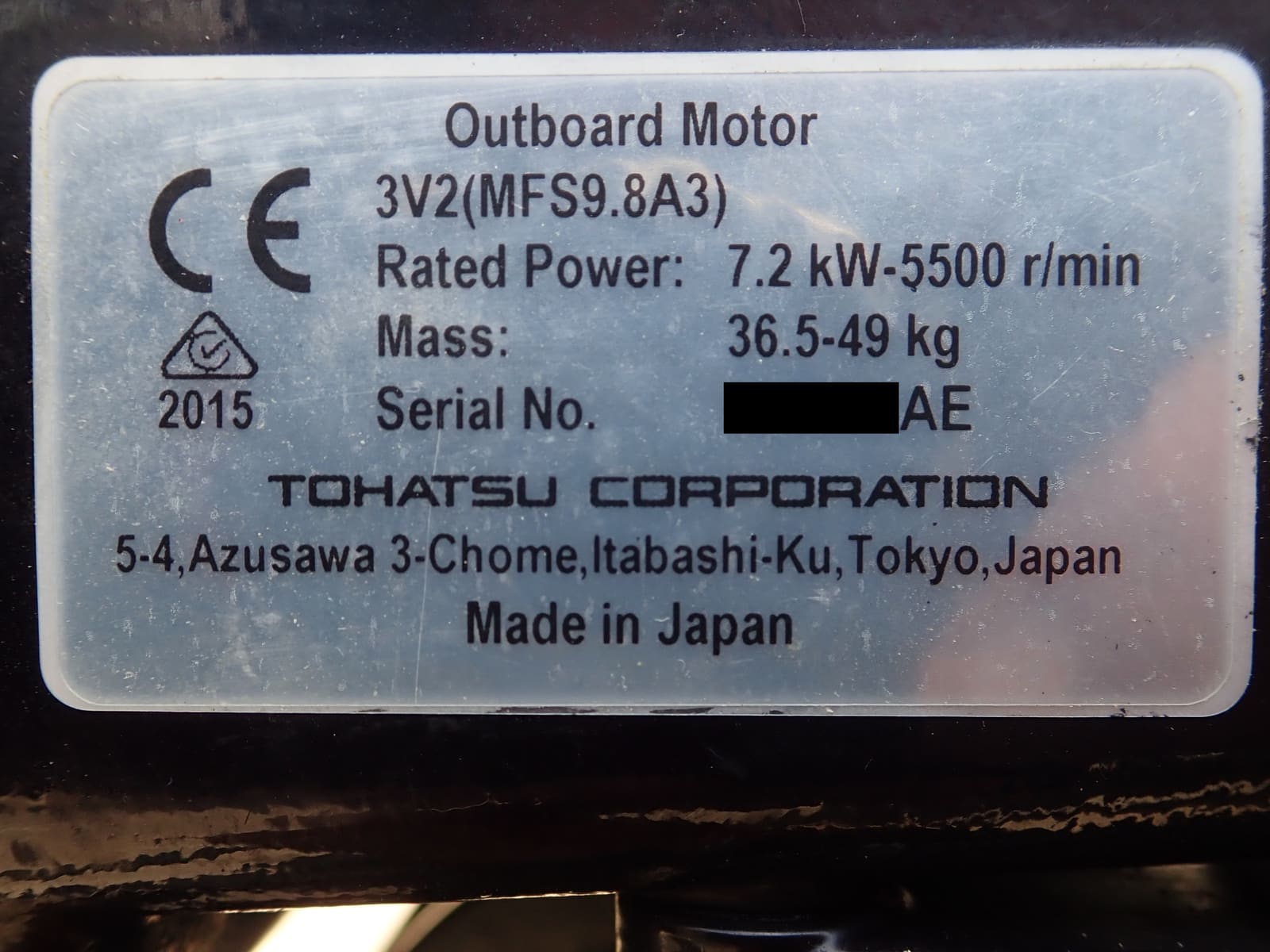
How to Find Your Engine's Serial Number, Model and Year (and Get the Official Manual)
Find the ID label on your outboard, sterndrive, inboard diesel or PWC, read the model and serial number correctly, tell it apart from the boat's HIN, and use it to open the free official owner's manual. It's the first step for ordering the right parts and following the right maintenance plan.
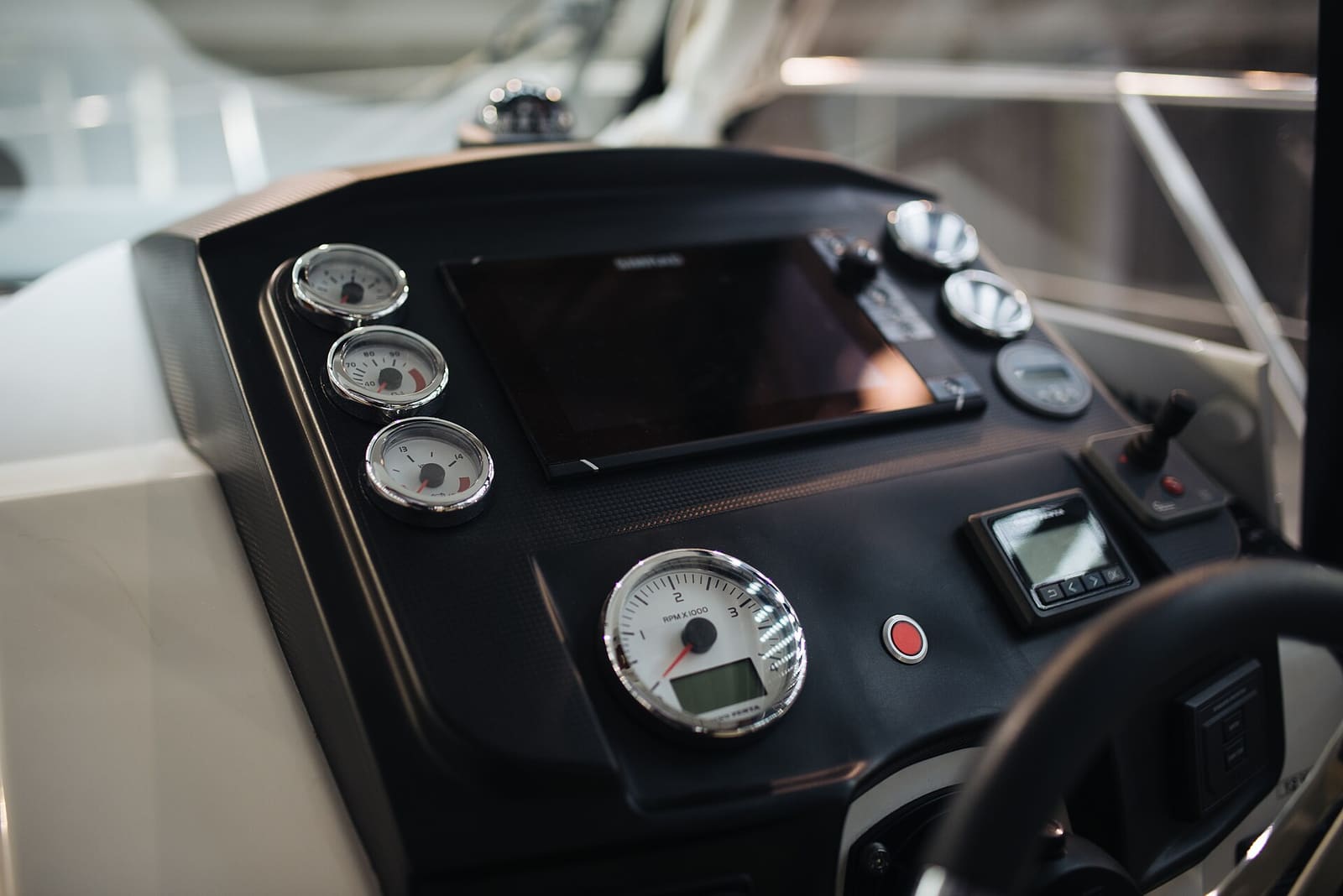
Engine Hour Meters: Why Hours Matter, How to Verify Them and How to Replace a Meter Honestly
Engine hours set your service schedule and a big part of your boat's resale value. Learn the difference between analog meters and engine-computer hours, how to verify the real hours on a used boat, and how to replace a dead or broken meter while keeping an honest record of the old hours.
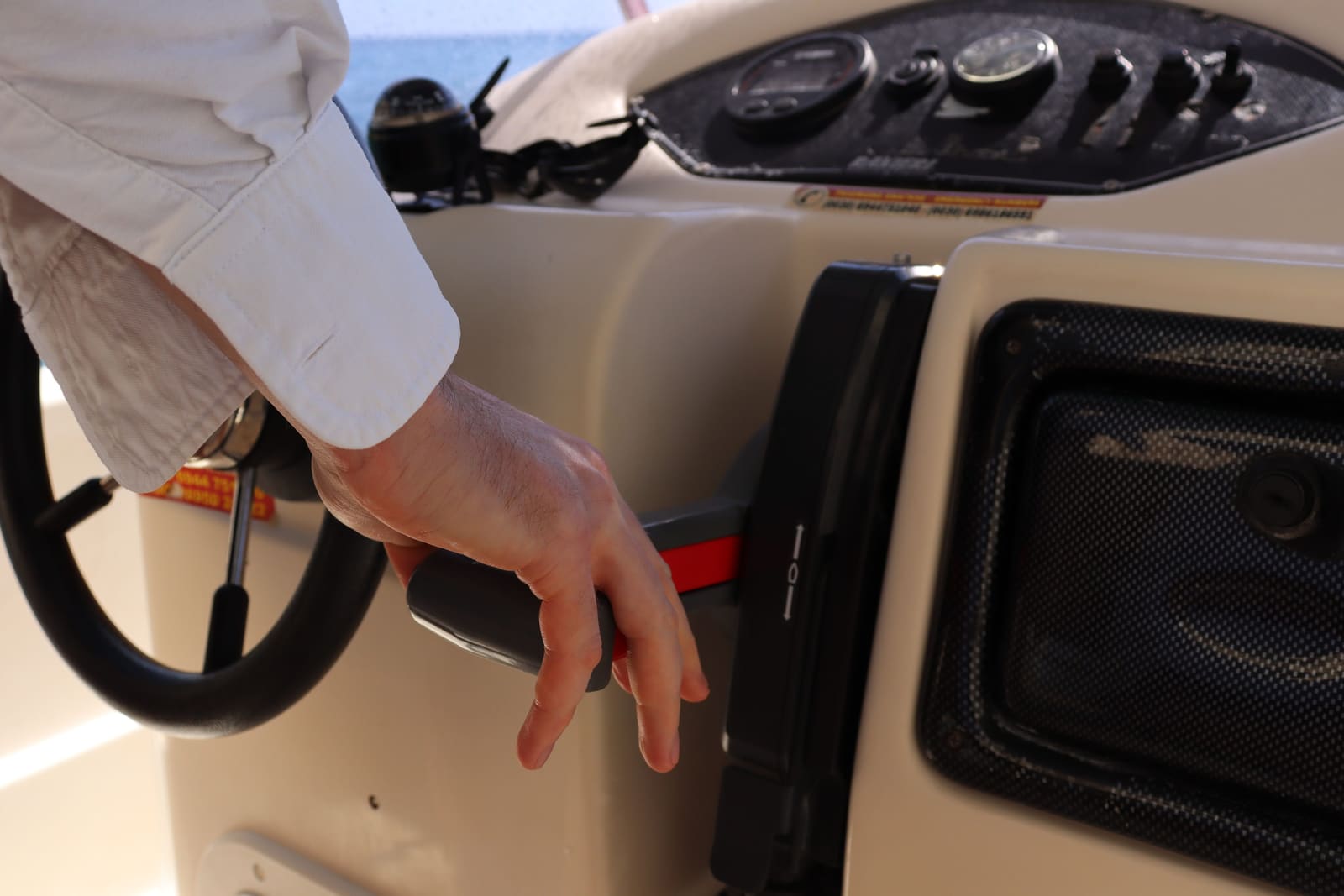
How to Break In a New or Rebuilt Boat Engine
The first hours on a new or rebuilt engine decide how well its piston rings seat and how long it lasts. Learn how to follow your maker's hour and RPM schedule, why you should keep changing the throttle, what to avoid (constant RPM, early full throttle, long idling), what to check every trip and when to do the first oil change.

Engine and Gearbox Oil Analysis: How to Take a Clean Sample and Read the Report
A lab oil analysis is like a blood test for your engine, transmission or lower unit. Learn how to pull a clean sample, what the lab measures, what wear metals, coolant, sea water and fuel in the oil can mean, and why the trend over several samples matters more than any one number.
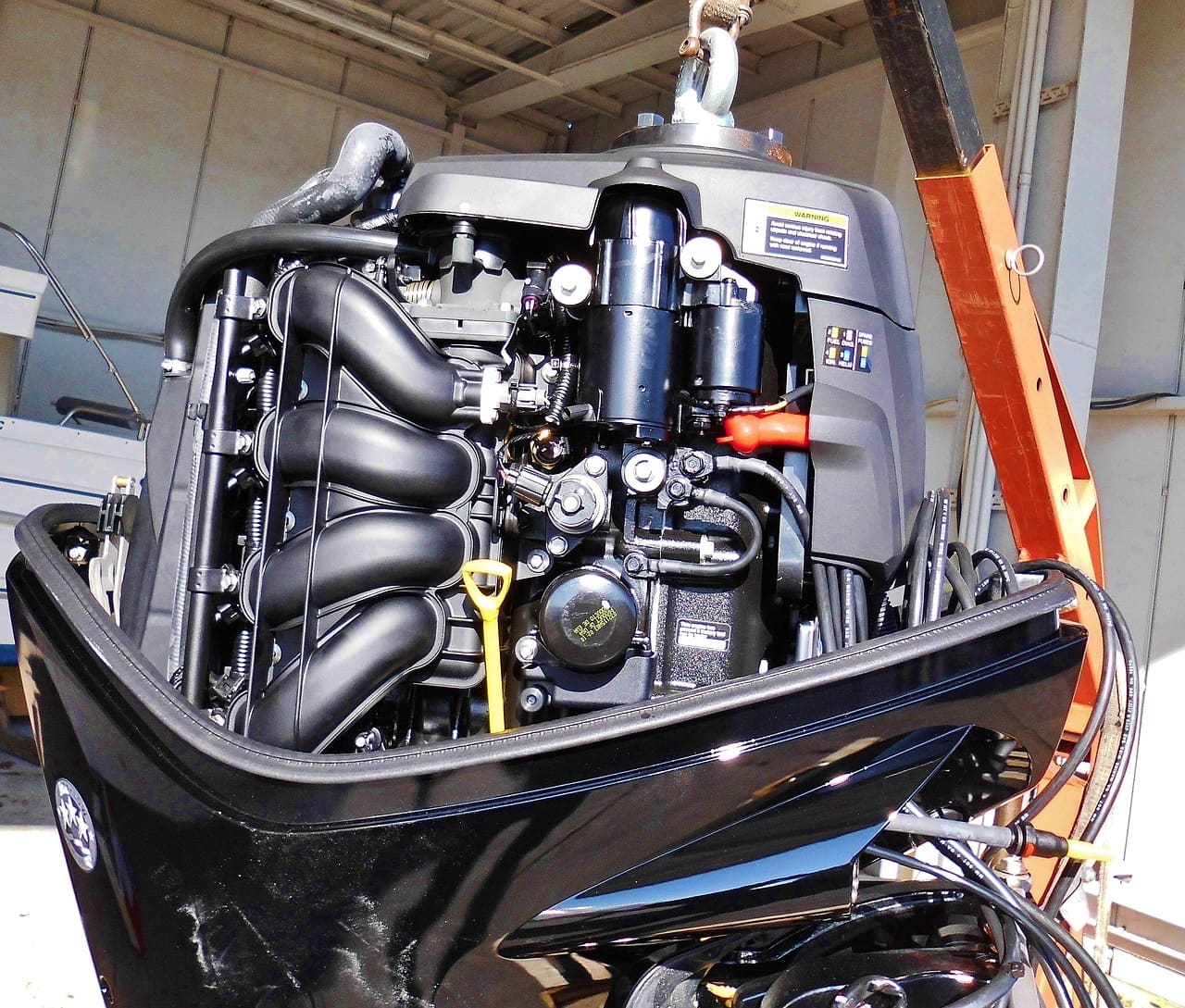
How to Change the Oil and Filter on a 4-Stroke Outboard
Drain the old oil, swap the filter and refill with the right marine oil on your 4-stroke outboard. It is the most common service job, takes about an hour, and costs a fraction of the dealer price.
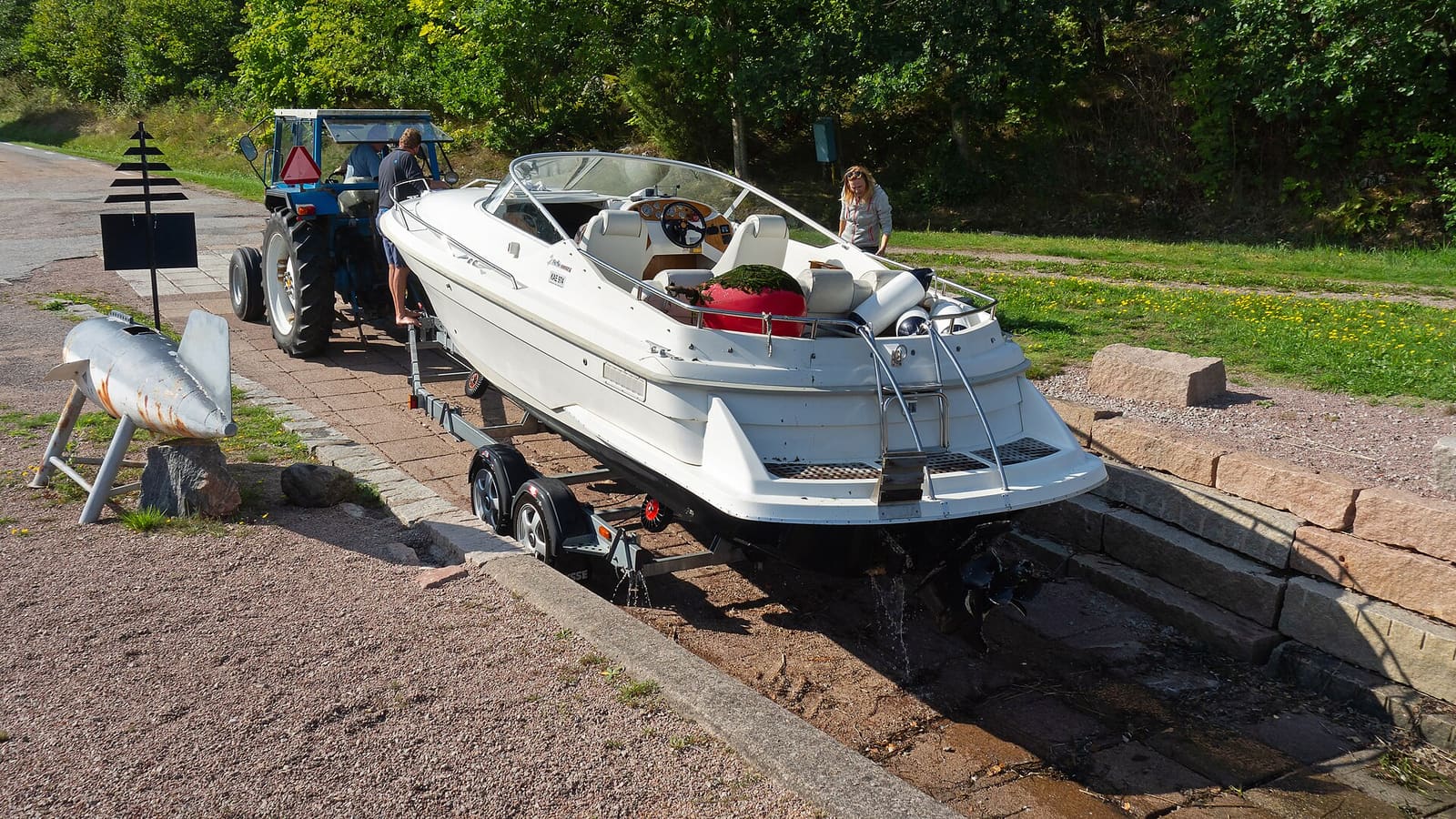
The Real Cost of Owning a Boat: Building a Yearly Budget and Cutting Costs with DIY
Add up what a boat really costs each year (storage, insurance, fuel, maintenance, winterizing, registration, depreciation and the surprise repair), check it against the common rules of thumb, and find the places where do-it-yourself work and smarter choices save real money. Practical planning help, not financial advice.
Financing a Boat: Loan Terms, Survey and Insurance Requirements, Liens and the True Cost of Ownership
Understand a boat loan before you sign: typical terms and down payments, what lenders check, why they want a survey and insurance, how the lien is recorded (Coast Guard preferred mortgage for documented boats, state title for the rest), how the payoff works when you sell, and how to add up the real yearly cost beyond the monthly payment. Practical guidance, not financial advice.

How to Get Your Boat Ready to Sell (Records, Title and Prep)
Prepare your boat for sale the way buyers and surveyors expect: gather the title, registration and HIN paperwork, organize your maintenance records and receipts, fix the small stuff, detail the boat, get it ready for a sea trial and buyer's survey, and close the deal with the right documents.
Planning a Repower: Horsepower Limits, Transom, Rigging, Prop and Costs
Putting a new engine on a boat you love can cost far less than a new boat, but only if the plan is right. Learn how to read the capacity plate for maximum horsepower and weight, check the transom, sort out controls, gauges and rigging, budget for the prop and the extras, and decide between a dealer installation and doing it yourself.
How to Inspect a Used Boat Before You Buy
A step-by-step checklist for looking over a used boat, from paperwork and the hull ID number to the transom, engine, compression test, sea trial and trailer. Know what to check yourself, what the red flags mean, and when to pay a marine surveyor.