Sailboat Spring Commissioning: Rig, Sails, Bottom, Engine and First Sail
A sailboat-specific spring checklist: inspect the rig before it goes up, bend on the sails, check through-hulls and the bottom, recommission the diesel or saildrive, bring the head and freshwater back, test electronics and safety gear, and shake it all down on a first sail. Each system links to its detailed BoatMend guide.
Time
8 h
Shop would charge
$500-1500
Applies to
All engines · Sailboat
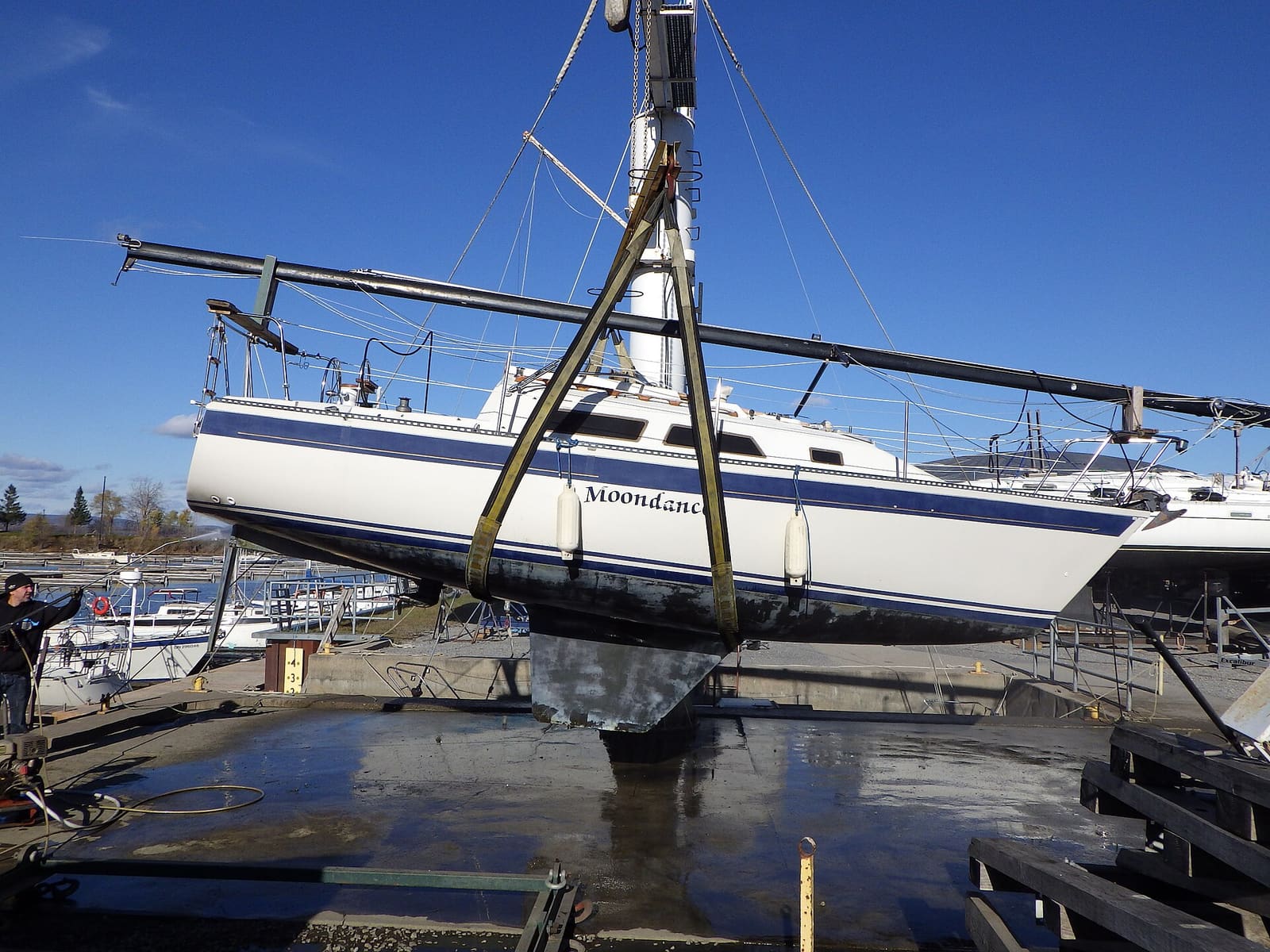
Safety first: Never stand under a boat in the slings or a mast on a crane. Going aloft takes a proper bosun's chair or climbing harness, a halyard you've inspected, and a second line or person tending a backup; never go up on a boat still on stands unless the yard allows it. Watch for overhead power lines whenever a mast is moving. After launch, check every through-hull and hose for leaks right away; if water comes in faster than you can stop it, call the Coast Guard on VHF 16 or 911, or the yard if you're still at the lift.
Owners often ask
- What should I check on my sailboat rigging before the mast goes back up in spring?
This guide walks you through it. Still stuck? Ask the AI Mechanic about your engine.
Tools
- Your fall "remove before start" list and photos
- Binoculars (for checking the rig from deck)
- Basic hand tools, rigging tape, cotter pins or rings
- Rig tension gauge if you tune the rig yourself
- Multimeter, flashlight or headlamp
- Garden hose (for deck-leak and freshwater checks)
- Bucket, sponges, rags, nitrile gloves
Parts & supplies
- Raw-water impeller and pump gasket (if removed for winter)
- Zincs/anodes for the shaft, saildrive or heat exchanger as needed
- Bottom paint and supplies, if due
- Flares, inflatable life jacket rearming kits and first aid items to replace expired ones
- Spare hose clamps, wooden bungs for each through-hull
Before you start
Start with your fall list. Everything you removed, plugged or drained last fall (impeller, intake bags, drain plugs, halyards, batteries) has to go back. If you used the BoatMend sailboat winterizing guide, your list is ready.
Split the work into "ashore" and "afloat." Practical Sailor's spring checklist suggests approaching the boat like a hired inspector, and some items can only be checked hauled out. SpinSheet notes many jobs suit cool weather while bottom painting needs warmer days (it mentions temperatures above 50°F; check your paint's label), so plan around the forecast.
Book the crane early if your mast was unstepped. Use the time before stepping for rig work at ground level.
New-to-you boat, or no fall list? A BoatUS editor who bought a used 45-footer suggests:
- Go over the boat slowly with a notepad and light, even if you saw it during the survey, and list every system.
- If you can't tell whether a cheap job was done (an oil change, the anodes), do it again. The cost is small compared with guessing wrong.
- Check the previous owner's logs, draw a fuel sample if you can, and start the season with an empty, rinsed holding tank.
- Reread the Coast Guard carriage rules for your boat's length. A bigger boat may need more extinguishers, different placards, a different sound signal, and (39 feet and up) a printed copy of the Navigation Rules aboard.
- Note new tools and spares the boat needs: different socket sizes, filter types or systems you didn't have before.
- Put surveyor, insurer and safety items at the top of the list, then group the rest by material or mess (all the sealant jobs together, all the plumbing together) to save trips to the store.
Steps
With the mast on horses, check everything you can't easily reach later. BoatUS's sailboat list: inspect swage fittings for cracks and heavy rust, check wire halyards and running backstays for "fishhooks" (broken strands) and rust, and make sure masthead sheaves and blocks turn freely. Practical Sailor adds spreader tips (wire secured, chafe boots in place), cracked terminals, and cotter pins or rings taped or guarded. Look at mast wiring and lights now. Any crack in a fitting is a replace-before-launch item. See the rigging inspection guide.
A surveyor's photo trick: in BoatUS's 2026 rigging article, a marine surveyor suggests polishing each terminal with a Scotch-Brite pad, looking at it with a magnifying glass, then taking a close-up phone photo of every fitting, noting which one it is. Zoomed in on a laptop at home, hairline cracks are much easier to spot. Pay special attention to the spot where the wire enters the terminal (broken strands show up there), bent or stretched fittings, elongated pin holes, and split locknuts. A crack running around a fitting (from metal fatigue) is even more serious than one running lengthwise.
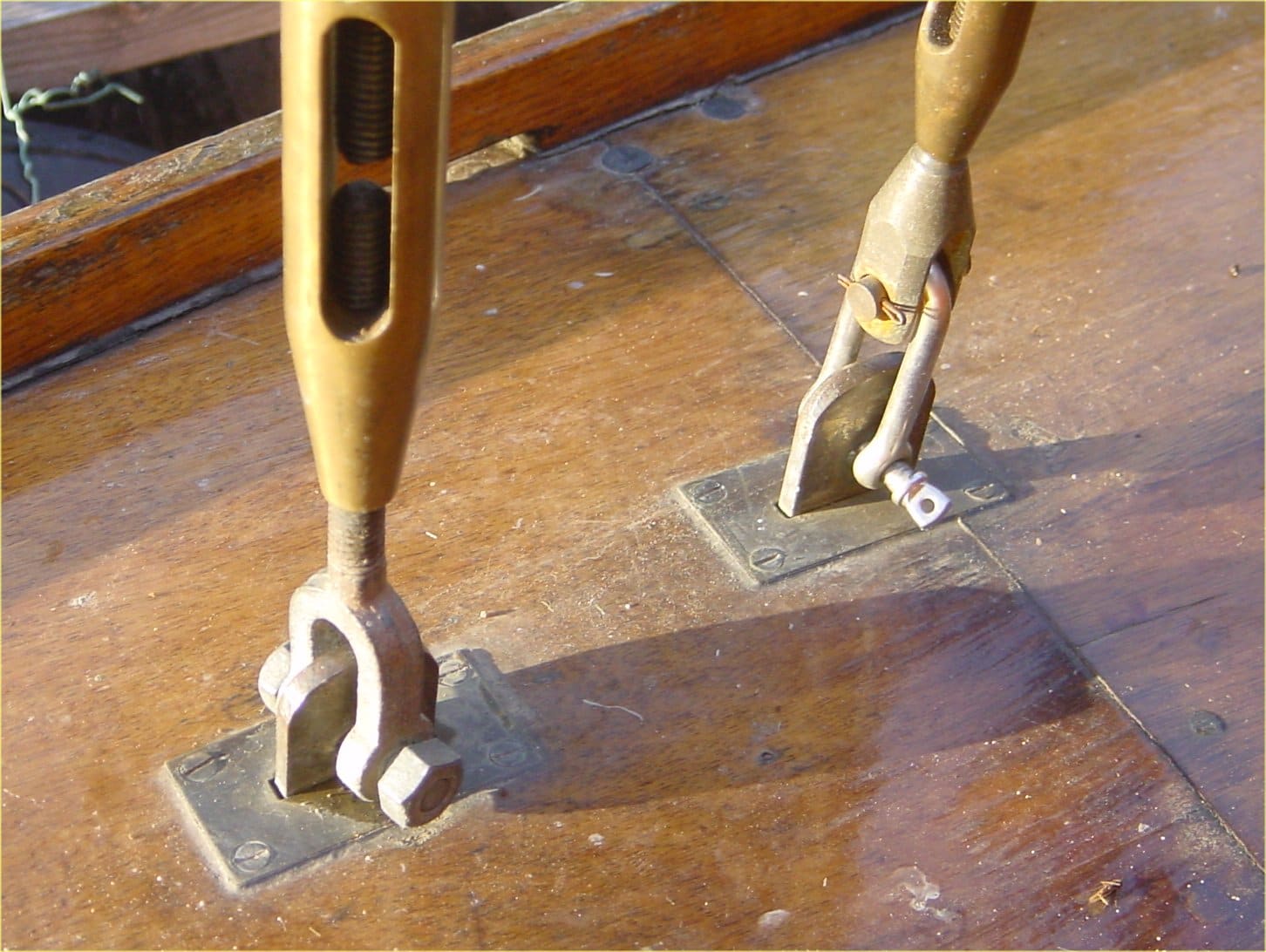
Photo: Sastognuti / Wikimedia Commons · CC BY-SA 3.0 BoatUS says to remove old tape from turnbuckles, lubricate the threads, then retape so water can still drain out. SpinSheet says to check chainplates for rust, pitting and cracks, and to look below deck too: water stains at a chainplate's base mean a leak and possible hidden corrosion. BoatUS adds that if you suspect the core around a chainplate is damp, the chainplate should come out for inspection and repair. The same surveyor explains why: stainless steel needs oxygen to keep its protective film, so the part of a chainplate sealed inside a wet deck can corrode badly while the visible parts above and below deck look perfect. Rust streaks running from a chainplate or fitting are a warning sign, and painting over chainplates only hides it.
Step the mast with the yard crane or your own gin pole system (see the mast stepping guide), pin everything, and connect the wiring. SpinSheet says to tune the rig using your boat's tuning guide. Practical Sailor's check: under way in a good breeze, leeward shrouds shouldn't go completely slack and the mast should stay straight with no pumping. Westerbeke notes that engine alignment to the prop shaft should be checked after launch with the mast stepped and rigging tuned, because rig loads can change the hull's shape slightly.
Reeve halyards and lines using last fall's messenger lines. SpinSheet says to check every sheet and halyard for wear, UV damage and even animal damage, and to look in sail bags for critters that spent the winter there. Bend on the sails on a calm day, check stitching, batten pockets and the furler, and make sure the furling line wraps cleanly. See the sail care, running rigging and roller furler guides.
SpinSheet and Practical Sailor both list deck hardware: blocks, tracks, cleats, stanchions, lifelines and pulpits. Look for spider cracks around fasteners (a sign of movement and possible leaks). Practical Sailor suggests servicing winches that haven't been opened in years; see the winch service guide. BoatUS suggests hosing hatches and ports to find deck leaks and renewing sealant where needed.
Look over the hull for blisters, cracks and damage. Practical Sailor says to check the keel joint and keel bolts for leaks, rust weeps or cracks, and look for grounding damage on the keel's leading edge and bottom. BoatUS's list includes gripping the prop to feel for a worn shaft bearing, checking the rudder stock and steering for play, and making sure the stuffing box is adjusted (it should drip no more than two or three drops a minute when the shaft turns). Replace zincs, clean the prop and paint the bottom if due. See the bottom paint, anode and cutless bearing guides.
BoatUS says to work every seacock, check hoses for stiffness, rot or cracks, look for rusty clamps, and tie a correctly sized wooden bung to each valve. It also recommends double clamping below the waterline where possible, as Practical Sailor's checklist does. Reinstall any drain plugs you pulled. See the seacocks and through-hulls guide.
On a saildrive, check the leg's oil level and color (milky means water got past a seal), the hull seal (diaphragm) for cracks or damage, and the anode. Follow your drive maker's seal-replacement schedule; see the saildrive care guide. Any doubt about the seal is a pro job before launch.
Work through your "remove before start" list: refit the raw-water impeller and gasket, remove intake and exhaust plugs, reconnect the shaft coupling if it was split, check belts, hoses and clamps. SpinSheet says to change the oil and filter now if you didn't in the fall, replace the fuel filters if due and check belt tension. Open the raw-water seacock before starting, and confirm water flows from the exhaust within seconds, as the USCG CO checklist says. Run the engine until warm, watch for leaks and check temperature. See the diesel raw-water impeller and engine alignment guides.
Right after launch, before the slings go slack, check every through-hull, the stuffing box or dripless seal, the saildrive seal and the engine hoses. BoatUS also says to check through-hulls for leaks after launch. Burp a dripless shaft seal if your seal maker calls for it.
SpinSheet says to flush the antifreeze out of the freshwater system and fill with fresh water. Run every faucet until the water runs clear, refill and sanitize the tank as the freshwater winterizing guide shows. Practical Sailor's check: does the pressure pump cycle with nothing open? That's a leak. Flush the head, check for leaks at hoses and fittings, and make sure the holding tank vent and Y-valve are set correctly.
Reinstall and charge batteries, clean and tighten connections (BoatUS says to clean both ends of the battery cables). Practical Sailor suggests checking that battery positives are covered and every circuit is protected by a fuse or breaker. SpinSheet says to power up electronics and test the chartplotter. Do a radio check on a working channel, not channel 16, and confirm the MMSI is programmed (BoatUS). Turn on the navigation lights at dusk. Inspect the shore power cord and inlet for burn marks (BoatUS).
BoatUS and SpinSheet: check fire extinguishers, flare dates (BoatUS notes pyrotechnic flares expire 42 months after manufacture), life jackets for each person, and inflatable life jacket cylinders and auto-inflators. Practical Sailor adds harnesses and tethers, the LifeSling or throwable, and smoke and CO alarms. Restock the first aid kit. Check registration for the boat and dinghy. A free Vessel Safety Check is a good final step.
Pick a light-air day and stay close to home. Check the engine under load, shifting forward and reverse, and the bilge after an hour of running. Raise every sail, furl and reef, and watch the rig under load for slack leeward shrouds or a mast out of column. Listen for new noises and check the stuffing box, saildrive seal and through-hulls once more back at the dock. The sea trial guide has a fuller checklist.
Common mistakes
- Stepping the mast before inspecting the masthead and spreaders, then paying to go aloft later.
- Starting the engine with the seacock closed or the impeller still on the workbench.
- Leaving old turnbuckle tape on, or retaping so water can't drain.
- Skipping the post-launch leak check while the boat is still in the slings.
- Forgetting the drain plugs, intake bags or rags listed in the fall.
- Not rechecking engine alignment after the boat settles and the rig is tuned.
- Expired flares and unarmed inflatable life jackets aboard on opening day.
When to call a pro
- Cracked swage fittings, chainplates or a damaged mast step
- Damp core around chainplates or deck hardware
- Keel bolt weeping, a cracked keel joint or grounding damage
- Milky saildrive oil, a damaged saildrive seal or a shaft seal that won't stop leaking
- Engine alignment and shaft coupling work if you've never done it
- A periodic professional survey: Practical Sailor suggests hiring a surveyor every 5 to 10 years to catch what you miss (your insurer may require one), and a rigger for any doubt aloft
Tips
- Keep the fall and spring checklists together in your BoatMend log so nothing gets missed.
- Do ground-level rig work while the mast is down; it's the cheapest time.
- Carry a spare impeller, belts and fuel filters aboard from day one.
- Photograph the rig tuning (turnbuckle thread showing) once it's right.
Official references
We read these to write this guide. Your engine's own manual always wins.
- BoatUS – Time-Tested Spring Boat Launch Checklist (with sailboat rigging section)
- Practical Sailor – Spring Inspection Checklist for Boats
- SpinSheet – Sailboat Spring Commissioning Checklist
- Westerbeke – Maintenance and Use FAQs (lay-up, shaft coupling and alignment after launch)
- USCG Boating Safety – Carbon Monoxide Checklist
- BoatUS – Spring Commissioning (when you don't have a list)
- BoatUS – Keep Your Rig Standing (2026)
Safety: BoatMend is for information only and does not replace a certified marine technician. You are responsible for your safety and your boat. Read the full disclaimer.
Last updated 2026-10-25
Related guides

How to Winterize a Sailboat: Rig, Sails, Engine, Plumbing and Storage
A sailboat-specific winter layup plan, from deciding whether the mast comes down to getting sails, running rigging and canvas off, protecting the diesel or saildrive, plumbing and head, and leaving the boat well supported, covered and ventilated. Each engine and water job links to its detailed BoatMend guide.
Spring Commissioning - Getting Your Boat Ready for the Season
Wake your boat up after storage with a step-by-step check of the battery, fuel system, engine, drive and safety gear. Catching a cracked hose or dead battery in the driveway beats a tow on opening weekend, and saves a typical shop commissioning fee.

How to Inspect Your Sailboat's Standing Rigging
A step-by-step owner's inspection of the wires, fittings, turnbuckles, pins, chainplates and mast that hold your rig up, plus how to decide when it is time for a rigger and new rigging. Includes what insurers commonly expect for older rigs.

Stepping and Unstepping a Sailboat Mast: Trailer Sailers and Yard Cranes
How to raise and lower a sailboat mast safely, whether you step a trailer sailer's mast at the ramp or help the yard crane do it, including power-line checks, mast wiring, basic tuning afterward, and when to leave the job to the yard.

Sail Care and Winter Storage: Rinse, Dry, Inspect, Fold and Store
Keep your sails out of the sun, rinse and dry them before they go away, catch small tears and rotten stitching early, and fold and store them so they come back in spring without mildew or hard creases. Good habits can add years to an expensive set of sails.
Running Rigging Care: Inspecting Halyards, Sheets and Dyneema Lines
Check your halyards, sheets and control lines for chafe, sun damage, glazing and cover slip, wash them the right way, end-for-end them to spread the wear, and know when a line has to go. A halyard that parts drops a sail; a sheet that parts in a gust can be worse.

Roller Furler Care: Inspection, Drum and Swivel Service, and Halyard Wrap
Keep your headsail roller furler turning easily with a yearly unroll-and-inspect, fresh-water rinses of the drum and swivel, a correct halyard angle and a clean furling line lead. A neglected furler can jam with the sail half out, and a halyard wrap can damage the forestay.
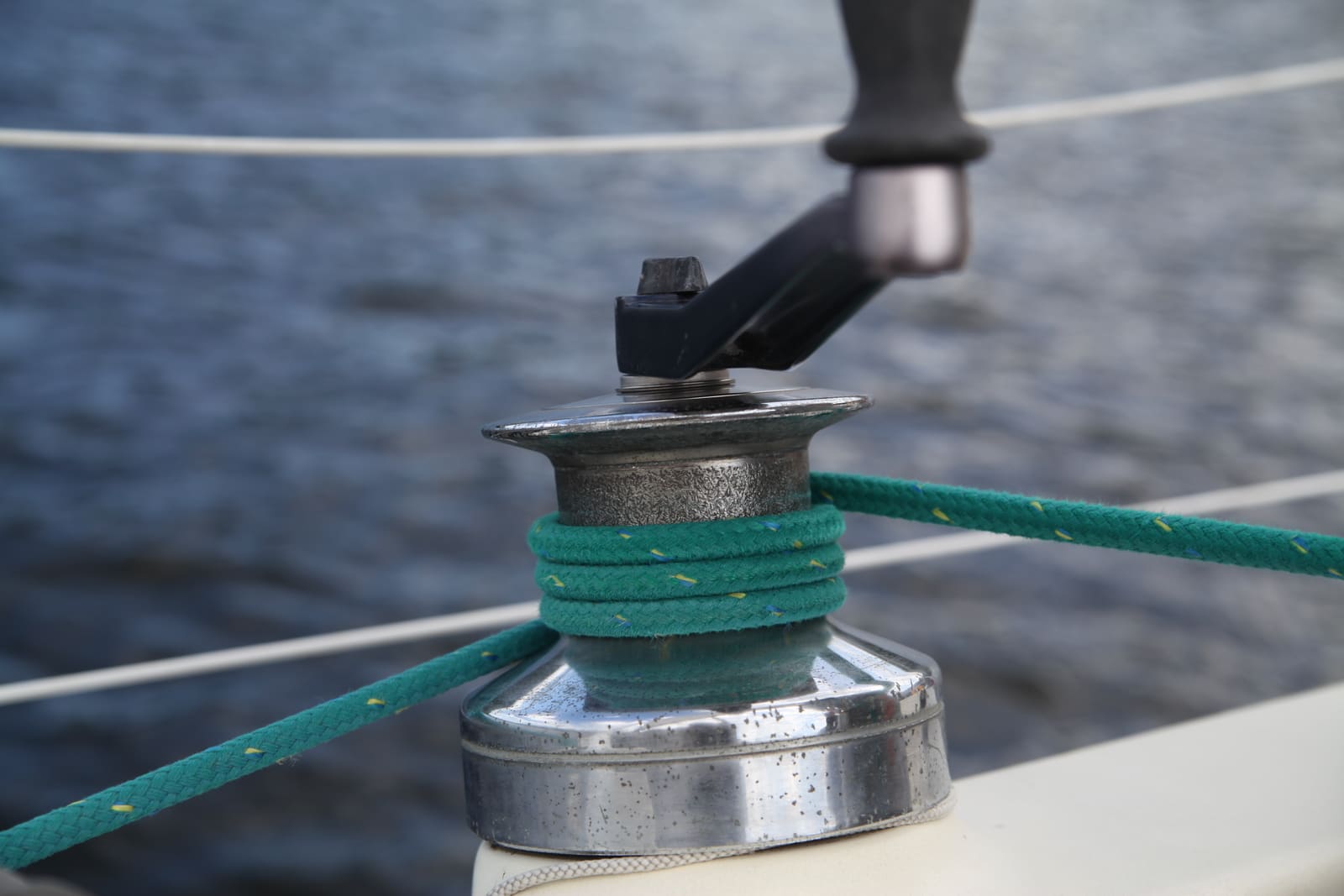
How to Service Sailboat Winches (Clean, Oil the Pawls, Grease the Gears)
Take your sheet and halyard winches apart, clean out old grease and salt, oil the pawls, lightly grease the gears and bearings, and put them back together. A serviced winch turns easily and, more importantly, its pawls catch every time so the drum can't spin backward under load.

How to Inspect and Exercise Seacocks, Through-Hulls and Hose Clamps
Check every hole in your hull below the waterline, work each seacock open and closed, and inspect the hoses and clamps attached to them. A single failed fitting or hose is one of the most common reasons boats sink at the dock.

Bottom Paint (Antifouling): Do You Need It, Which Type, and How to Repaint
Learn whether your boat needs antifouling bottom paint, how ablative and hard paints differ, and how to prep and roll on a fresh coat safely, without poisoning yourself or the water and without ruining an aluminum hull.
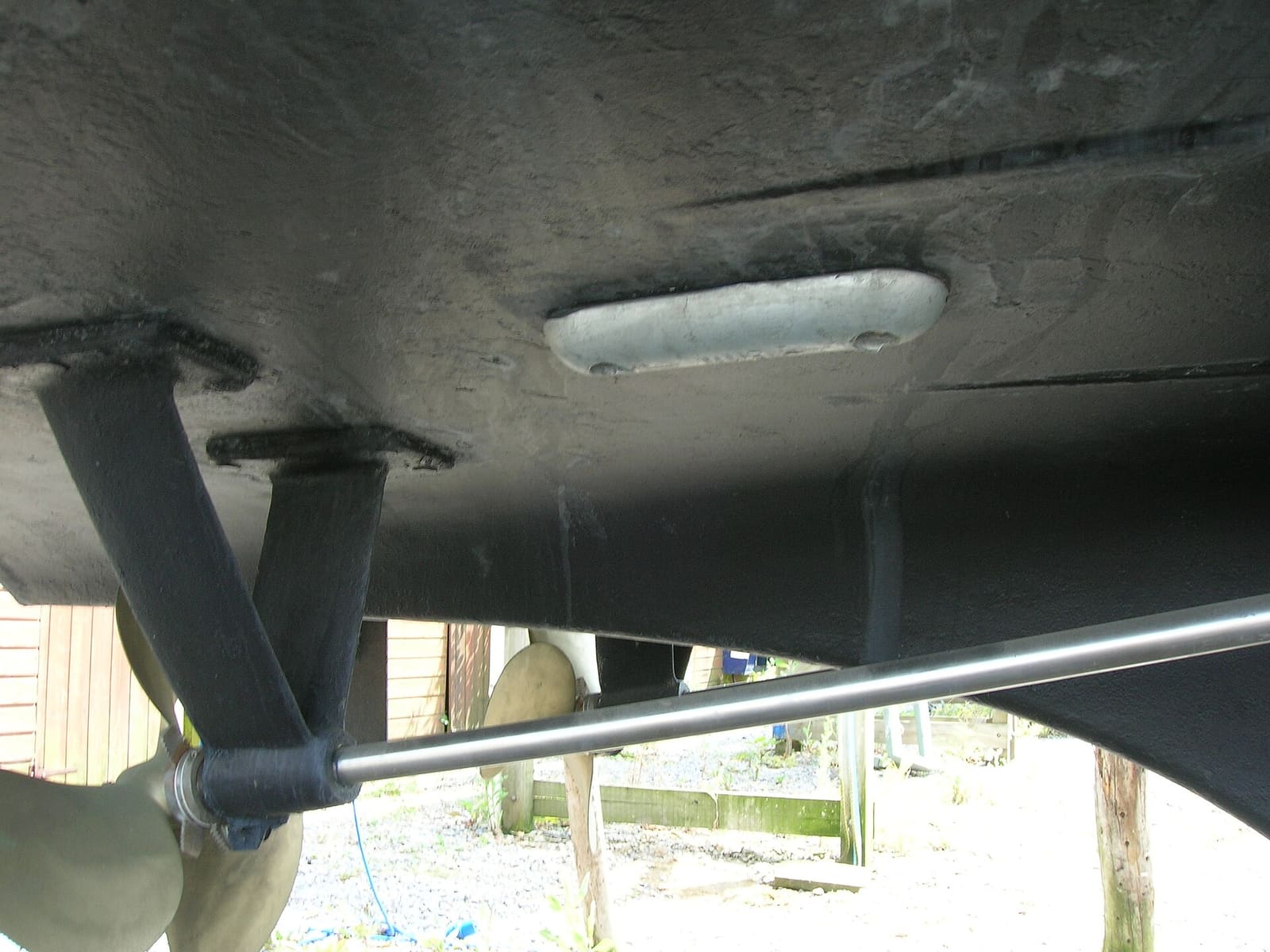
How to Inspect and Replace Sacrificial Anodes (Zincs)
Check the anodes on your outboard, sterndrive or inboard running gear, replace them when they are half gone, and choose the right metal for the water you boat in. Fresh anodes are cheap insurance against expensive corrosion damage to your lower unit, drive and prop.
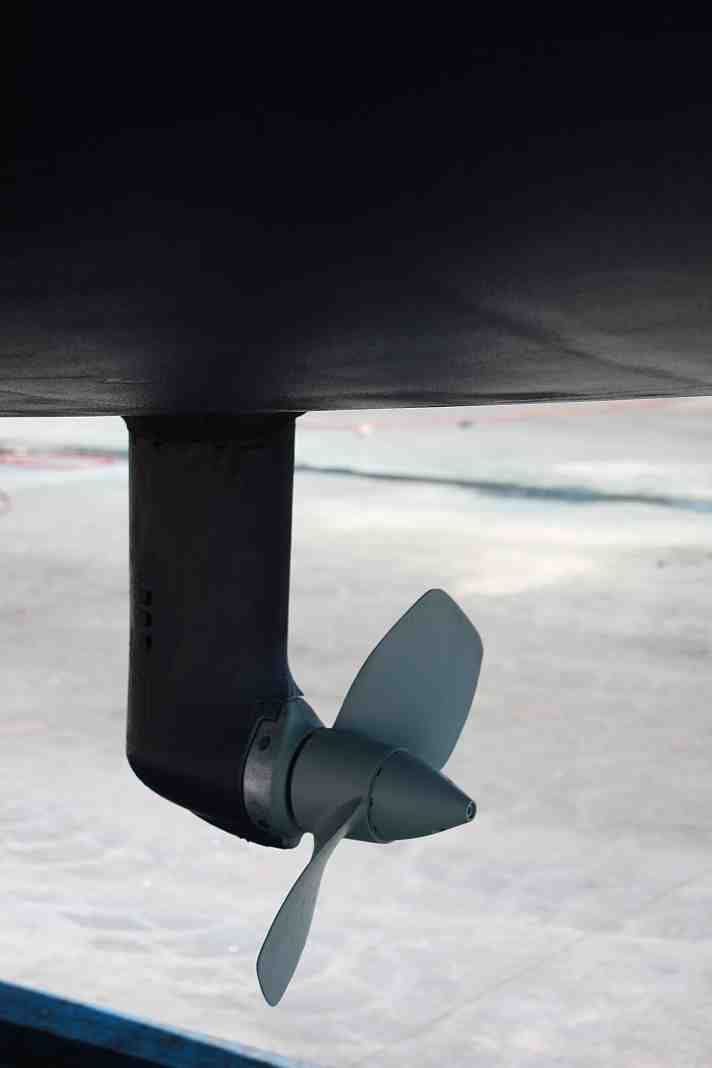
Saildrive Care: Leg Oil, Hull Seal, Anodes and Prop
Keep a Volvo Penta or Yanmar saildrive healthy with simple owner checks (leg oil level and color, anodes, paint, fishing line) and plan the big items, like the rubber hull diaphragm, before they become an emergency. The saildrive seal is one of the largest holes in a sailboat's hull, so it deserves attention.
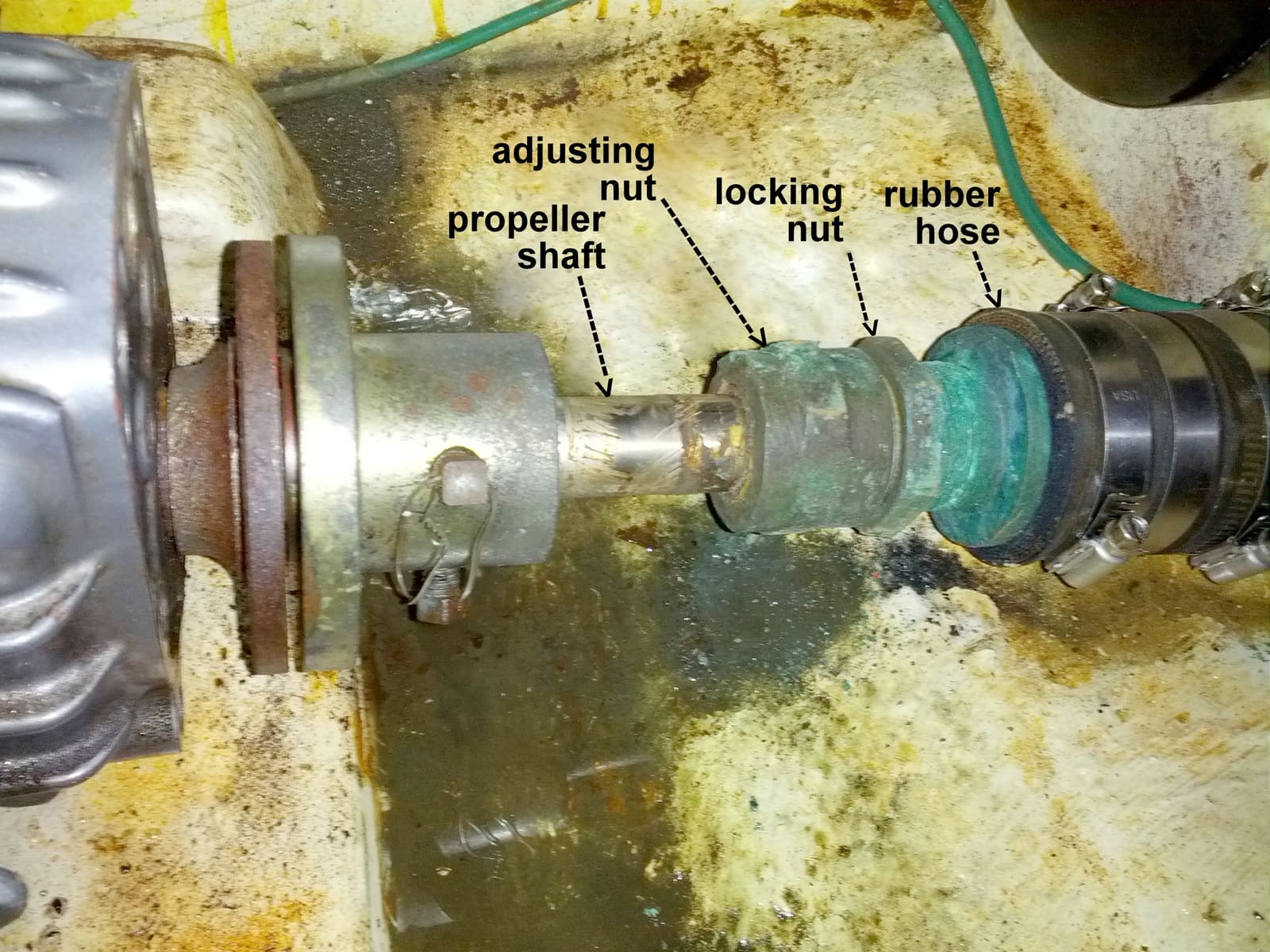
How to Check, Adjust and Repack a Stuffing Box (and Care for a Dripless Shaft Seal)
Learn the right drip rate for a traditional packing gland, how to adjust it safely, when to repack it, and how to inspect and service a dripless shaft seal. The shaft seal is one of the few holes in an inboard boat that moves, and a neglected one can sink a boat at the dock.

How to Check the Cutless Bearing, Prop Shaft and Strut
Find out if new vibration or rumbling from the stern is a worn cutless bearing, a bent shaft, a loose strut or poor engine alignment, using simple checks you can do at the dock and at haul-out. Catching bearing wear early protects the shaft, the seal and the transmission.
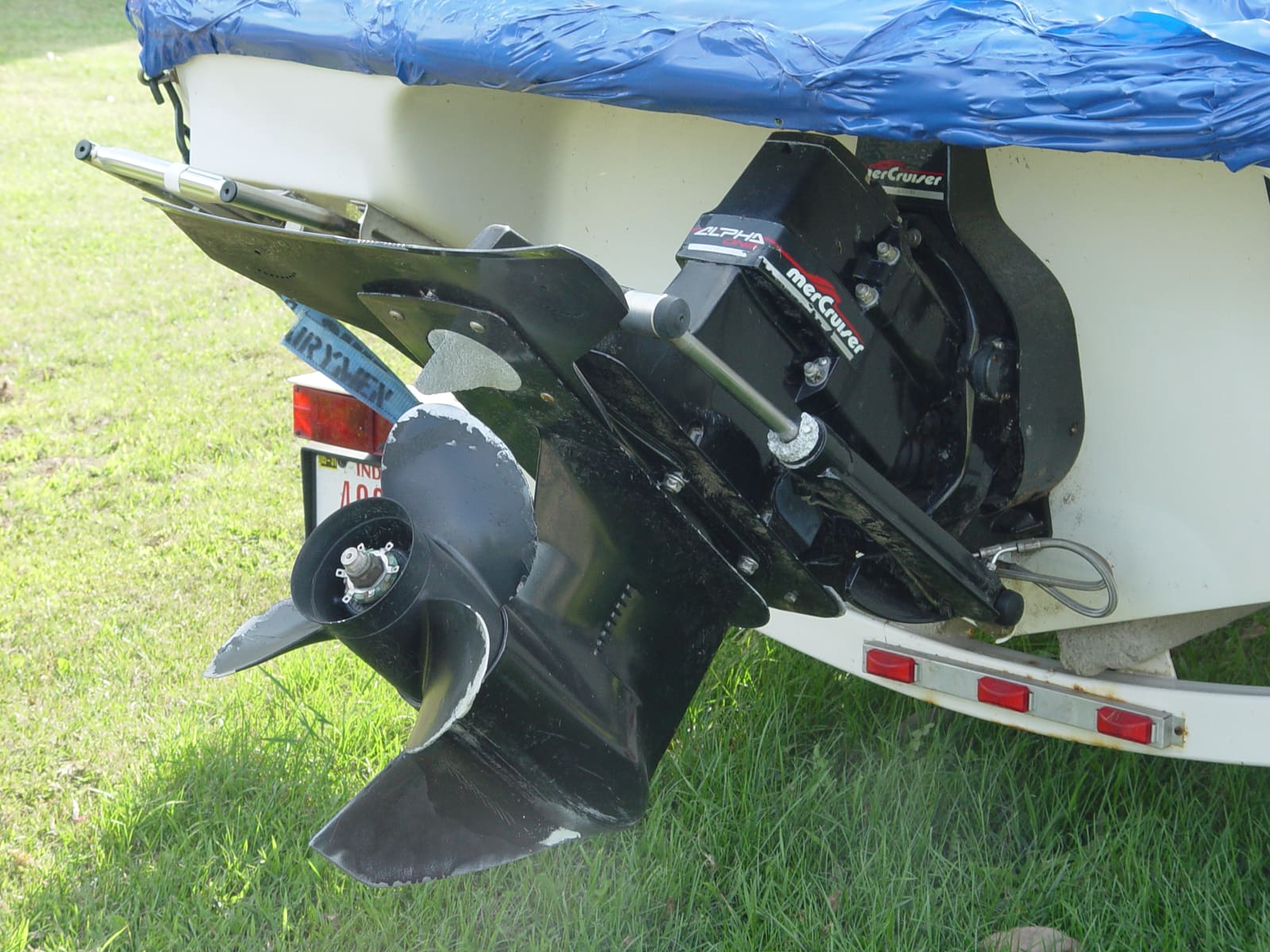
Engine Alignment on Sterndrives and Inboards: What to Check and When
A sterndrive engine must line up with its gimbal bearing and coupler, and an inboard engine with its prop shaft. When it drifts out of line you get vibration, noise and worn-out couplers, bearings and seals. Learn the warning signs, the checks you can do yourself and why the alignment itself is a job for a pro with special tools.
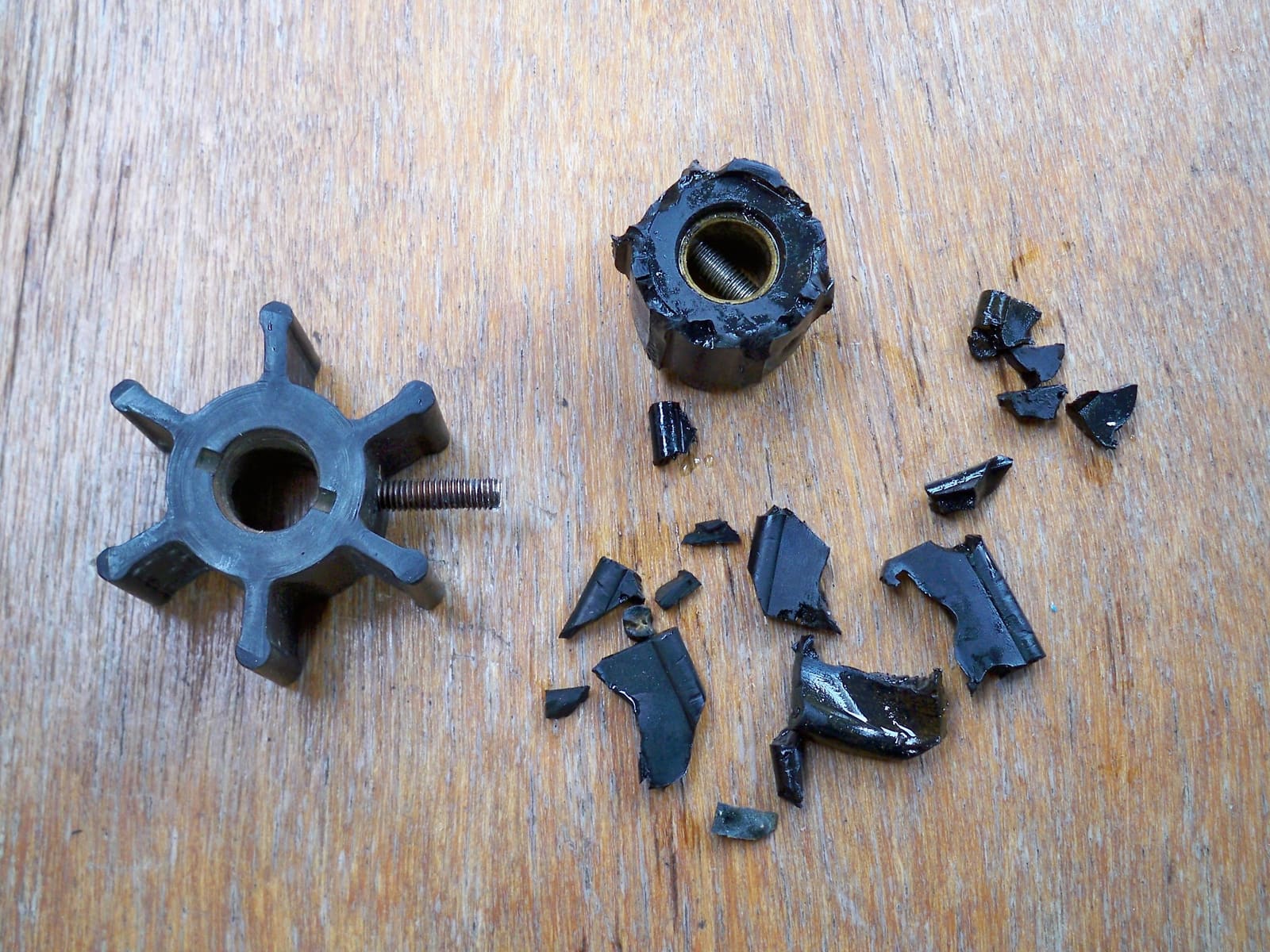
How to Clean the Raw-Water Strainer and Replace the Impeller on a Marine Diesel
Clean the sea strainer and swap the rubber impeller in the raw-water pump of a Yanmar, Volvo Penta, Westerbeke, Beta or similar inboard diesel. A worn impeller is one of the most common reasons a diesel overheats, and this job takes about an hour with basic tools.

How to Winterize (and Recommission) Your Boat's Freshwater System
Protect the tank, pump, water heater, faucets and showers from freeze damage with non-toxic antifreeze, then flush and sanitize everything in the spring so the water is clean again. A cracked pump or split fitting is a common, avoidable winter repair bill.
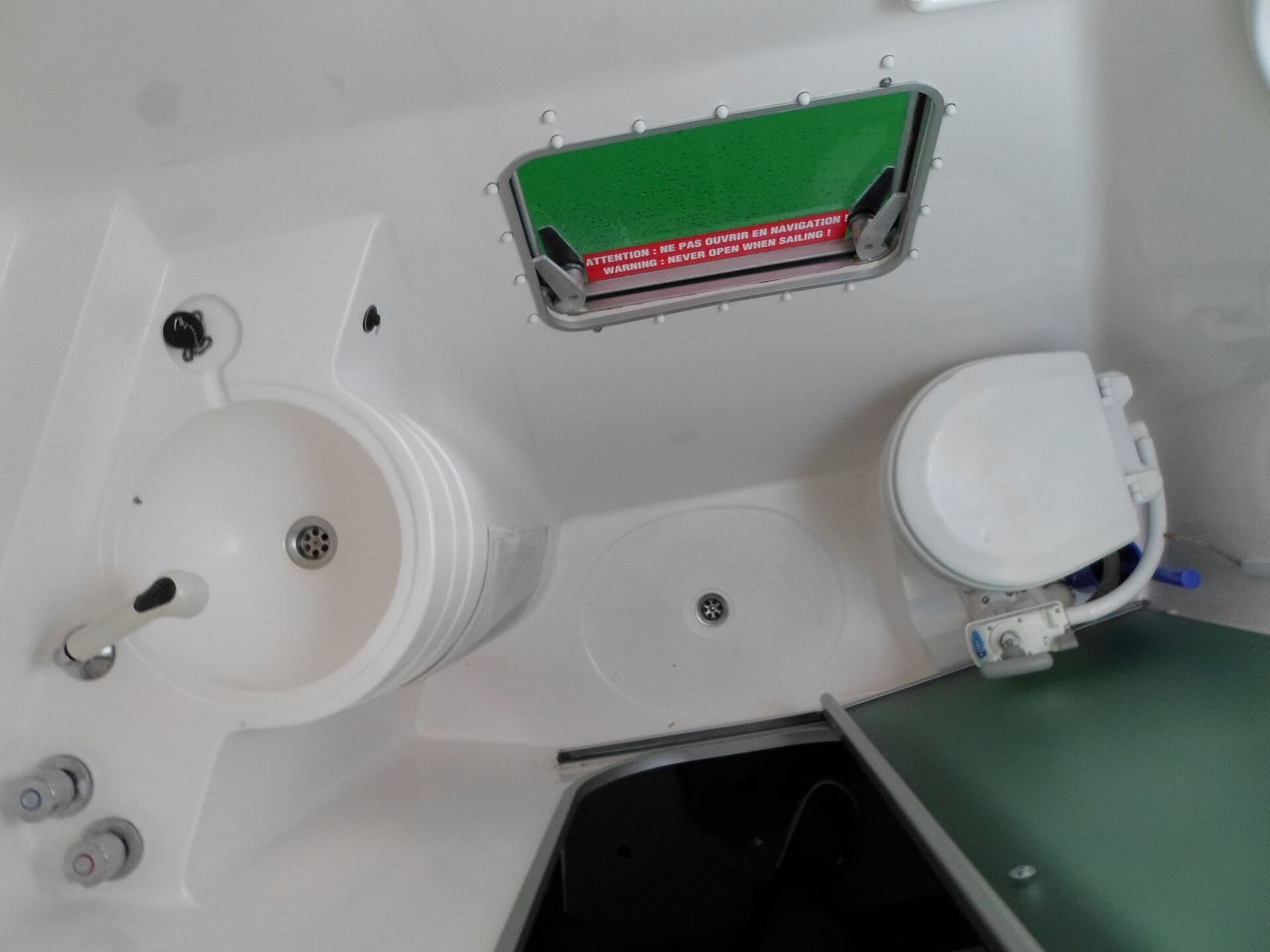
Marine Head and Holding Tank Care: Odors, Clogs, Pump-Outs and Winterizing
Keep your boat's toilet and holding tank working and odor-free, clear common clogs, pump out the right way, and winterize the system. Also covers the Y-valve and the federal no-discharge rules every owner with a head needs to follow.
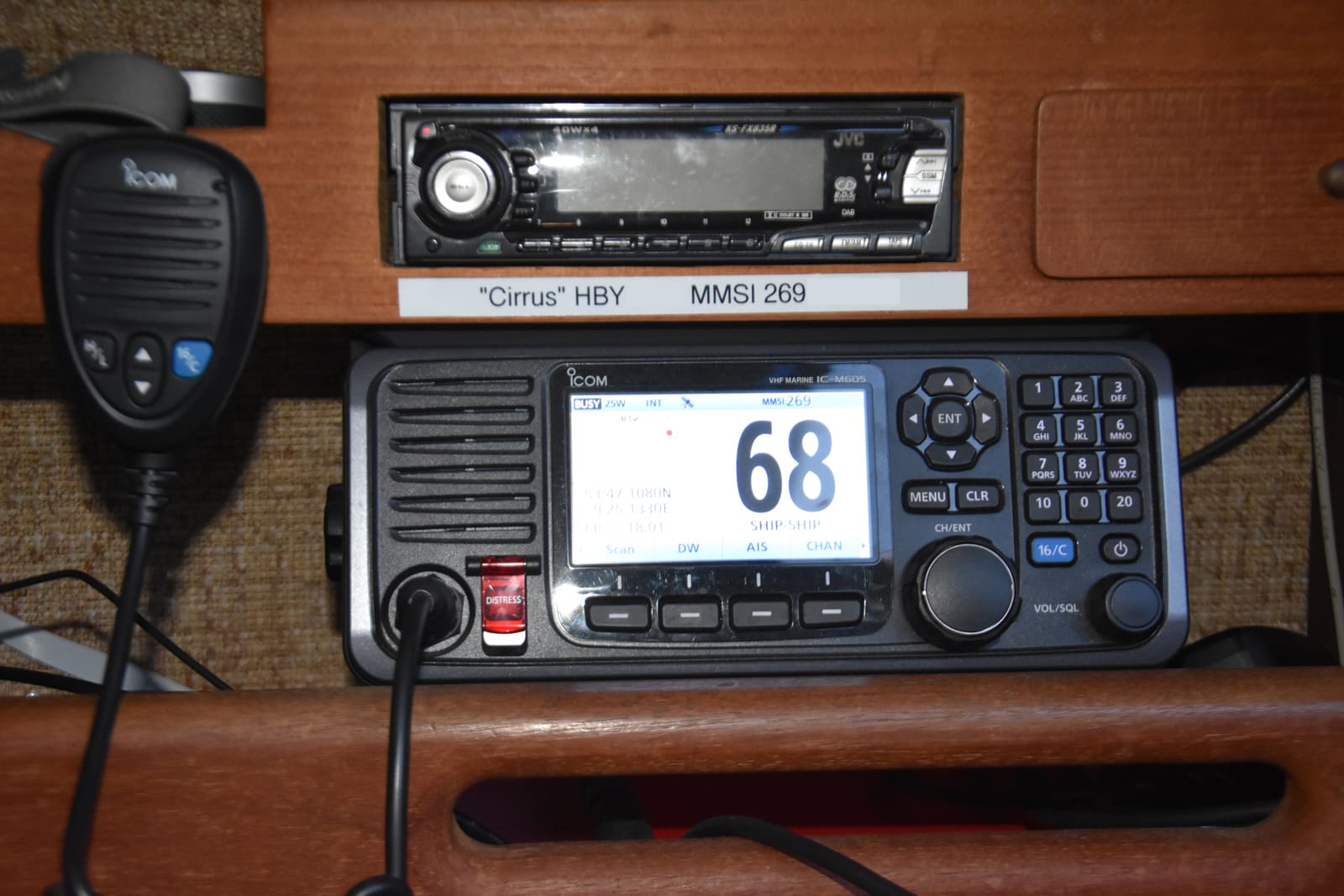
Set Up Your VHF Radio: MMSI, DSC, GPS Hookup and Radio Checks
Get a free or low-cost MMSI number, program it into your DSC radio, connect your GPS so a distress alert sends your exact position, check the antenna, and learn the Channel 16 rules and the right way to do a radio check.
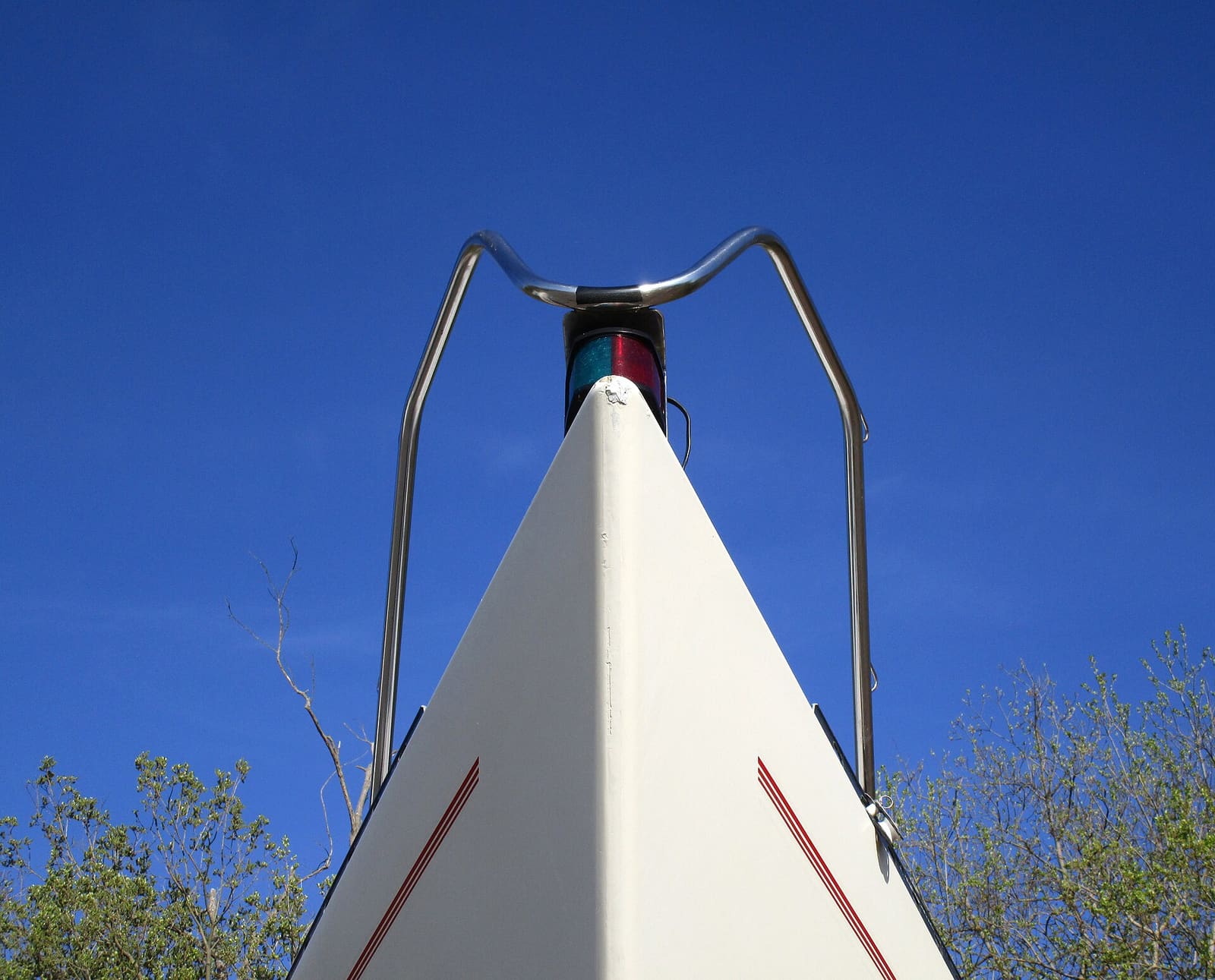
How to Test and Fix Your Boat's Navigation Lights
Learn which navigation lights your boat must show and when, then test them and fix the usual culprits such as corroded sockets, loose pole-light plugs and blown bulbs. Working lights are legally required at night and in poor visibility and are how other boats see which way you are heading.

USCG Required Safety Equipment Check by Boat Length
Walk through your boat and confirm you carry every piece of safety gear the US Coast Guard requires for your boat's length and type, and that none of it is expired or worn out. Missing or expired gear is one of the most common tickets on the water, and it is the gear you need when things go wrong.
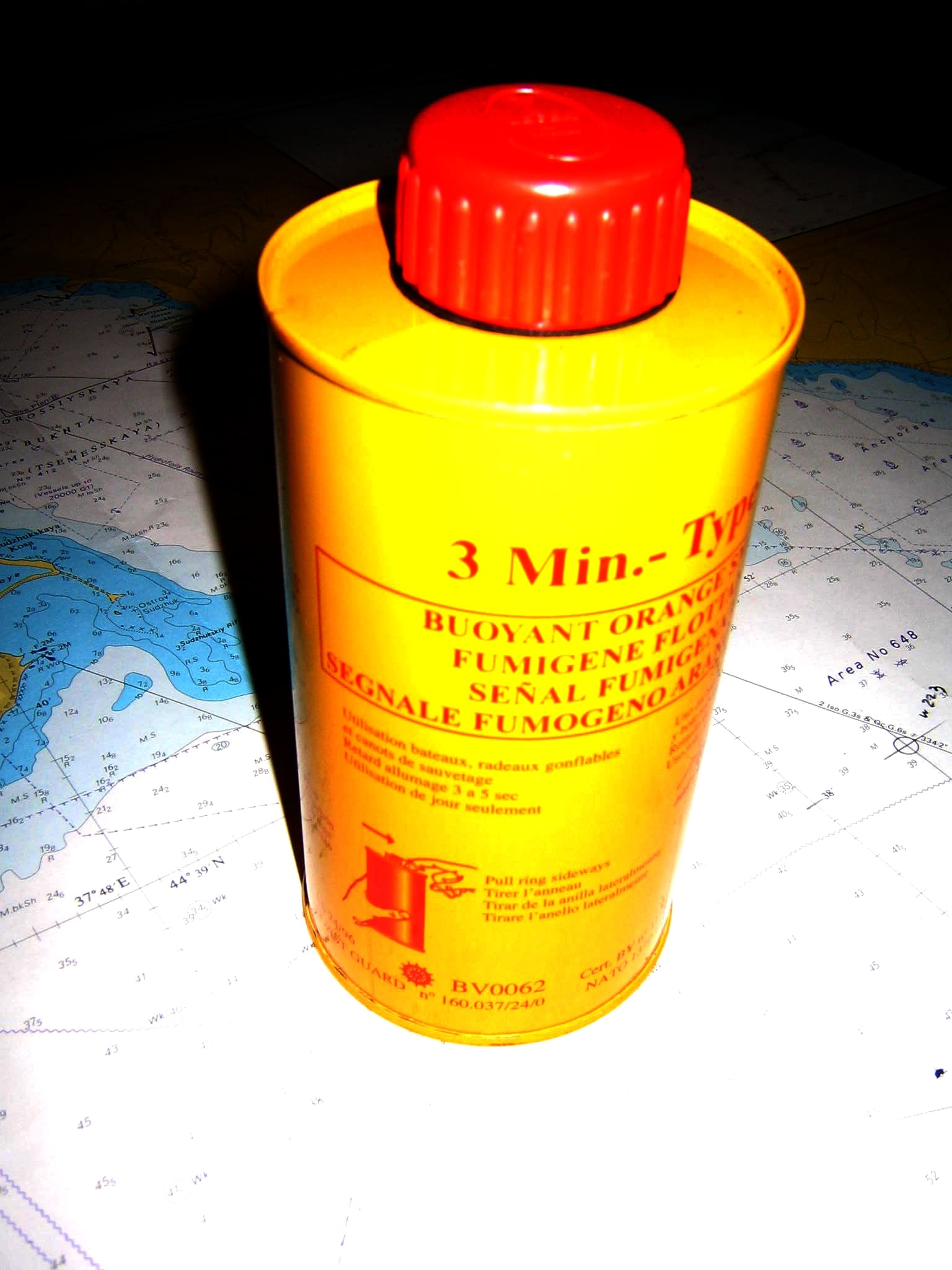
Visual Distress Signals: Flare Expiry, Storage, Practice and Safe Disposal
Make sure your flares, smoke signals, distress flag or electronic distress light meet the Coast Guard rules for day and night, are not past their 42-month date, and are stored where you can grab them. Then get rid of expired flares the safe and legal way instead of letting them pile up in a locker.

Inflatable Life Jacket Care: Inspect, Test and Rearm
An inflatable life jacket only saves a life if the cylinder is full, the inflator is armed and the bladder holds air. Learn the quick check before every trip, the overnight leak test, how to read replacement dates and how to rearm it after it fires.
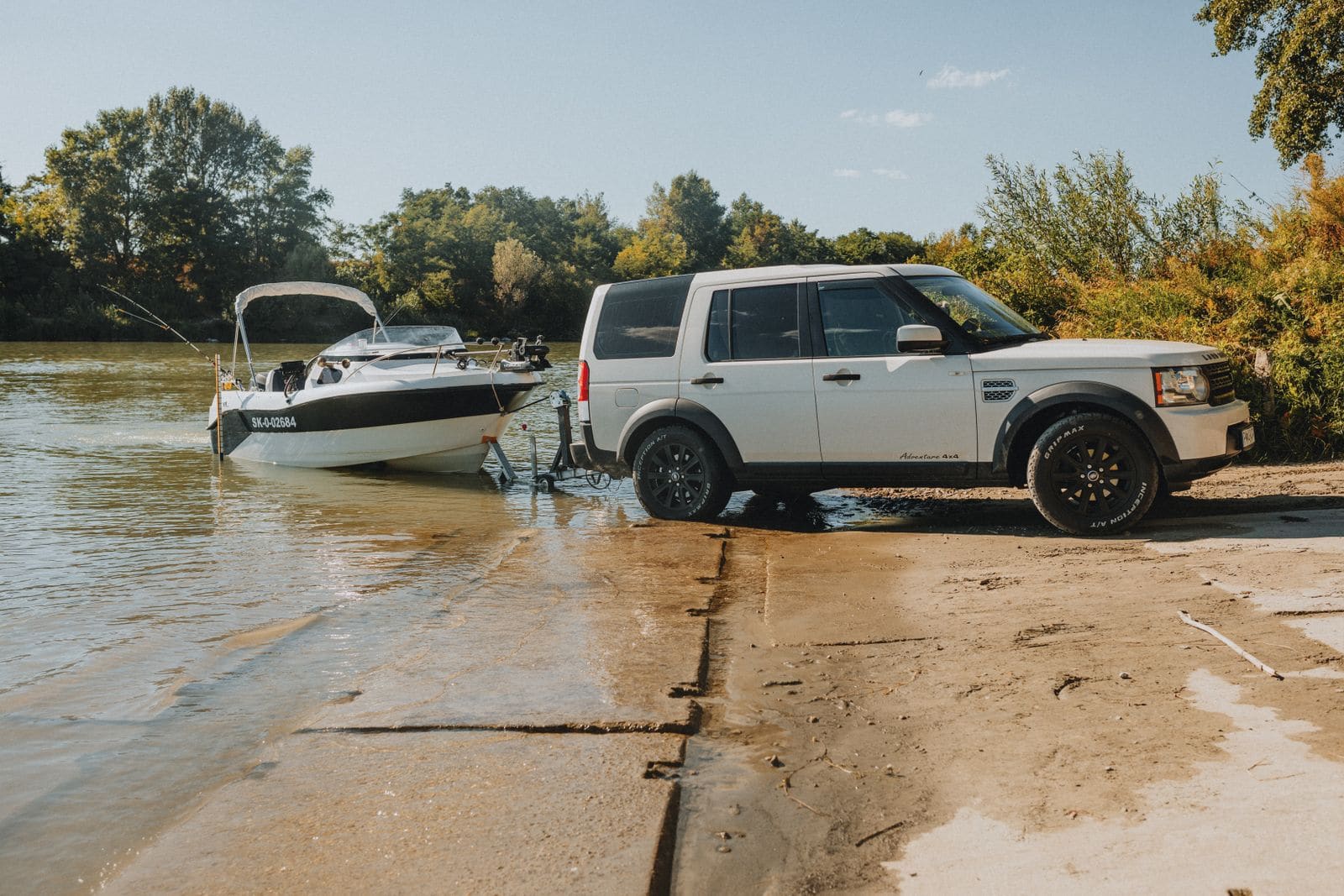
Launch Day and Haul-Out Checklist for Trailer Boats
A step-by-step checklist for getting your boat off the trailer and back on again safely and quickly, from the drain plug and tie-downs to the blower and ramp etiquette. Following it in order prevents the classic mistakes that sink boats and back up the ramp.

How to Sea Trial Your Boat After Maintenance or Repair
A step-by-step test run after service work: dock checks first (leaks, fluids, steering, kill switch), then a gradual climb through the RPM range while you watch temperature and pressure, a wide-open-throttle check against your engine's spec, shifting and trim tests, and a bilge check afterward. Catch a loose clamp or a missed step at the dock, not miles out.