Repair & maintenance guides
Plain-English, step by step, written for owners. Pick your engine to see the guides that apply to it.
387 of 509 guides · page 10 of 17
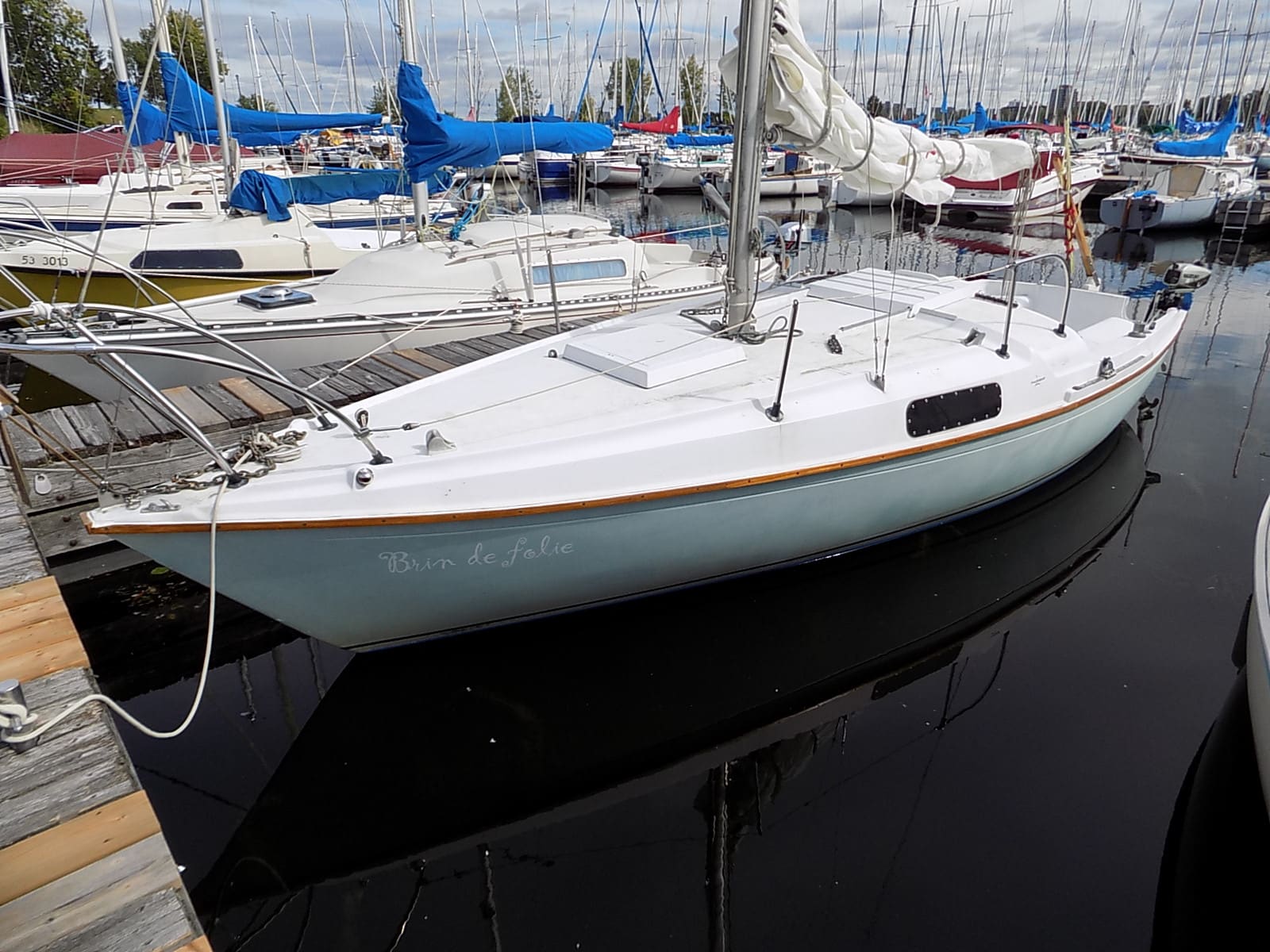
How to Repair or Replace Your Boat's Rub Rail
Replace a torn rub rail insert or the whole rail, reseal the hull-to-deck joint and its fasteners while the rail is off, and stop the deck-joint leaks that often hide behind a worn rail.
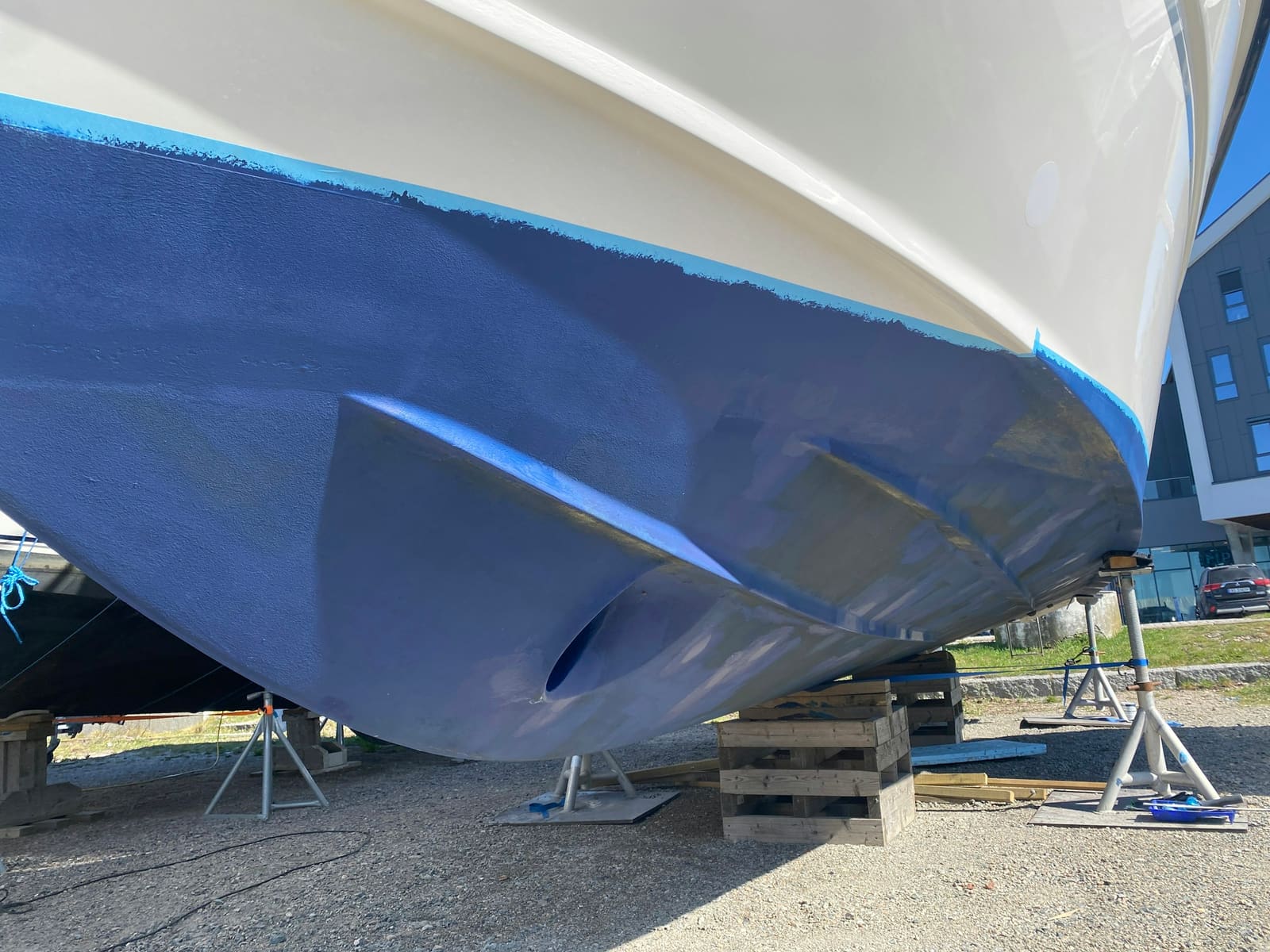
How to Repair Small Gelcoat Chips and Scratches
Fill and blend small chips, dings and scratches in your boat's gelcoat with a repair kit so they stop letting water into the fiberglass and look close to new. Also learn to spot damage that is structural and needs a pro.
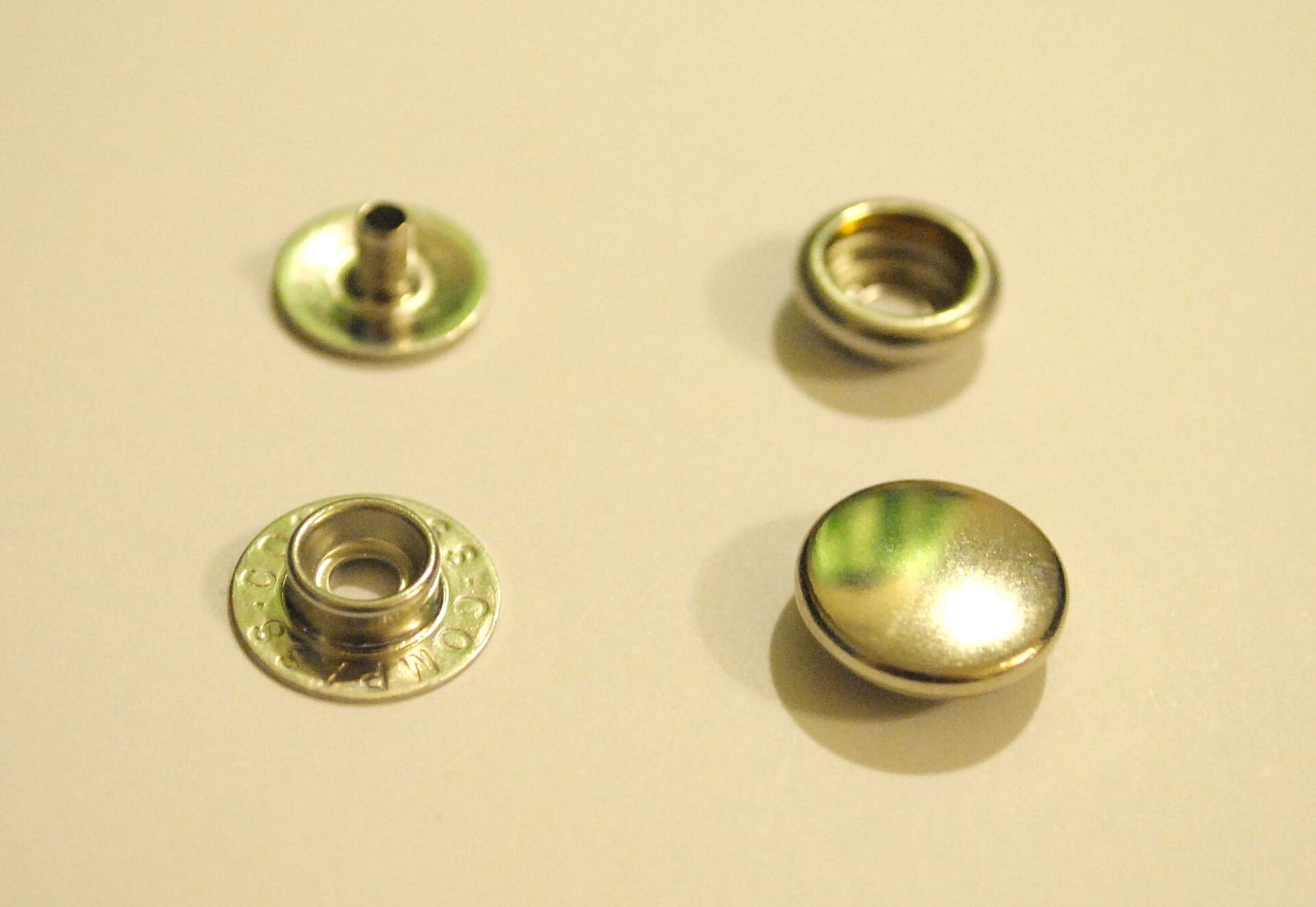
How to Repair Torn-Out Canvas Snaps, Fasteners and Zippers
Fix snaps that have pulled out of your bimini, cover or enclosure, reinforce the torn fabric, choose the right snap metal and setting tool, free stuck snaps, replace Lift-the-Dot and twist fasteners, and swap a worn zipper slider.
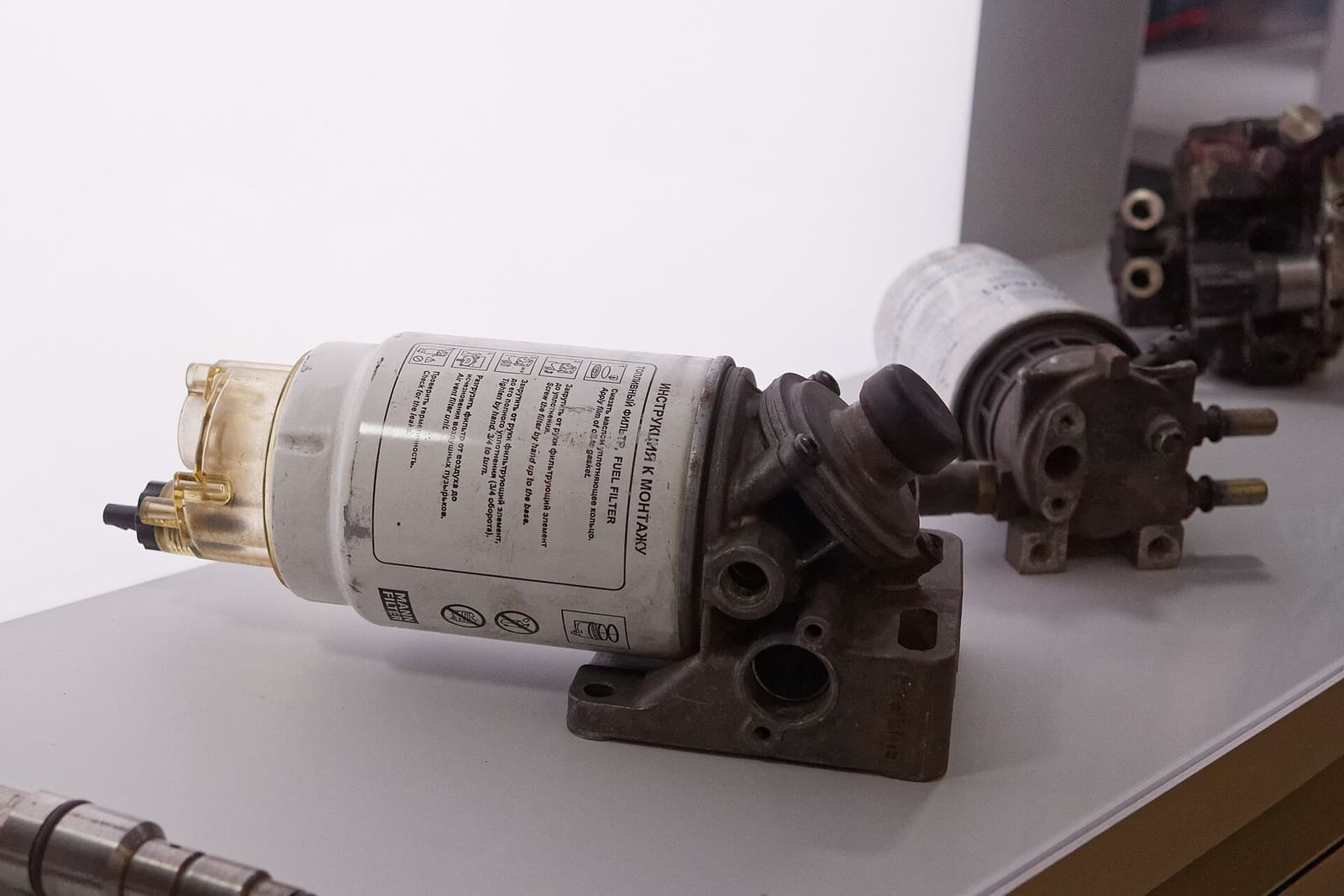
How to Replace a Fuel/Water Separating Filter (and Check for Water in Your Fuel)
Swap the spin-on fuel/water separator on your gas boat and learn to spot water and ethanol phase separation before it stalls the engine. It is one of the cheapest jobs on the boat and one of the best protections for a fuel-injected engine.
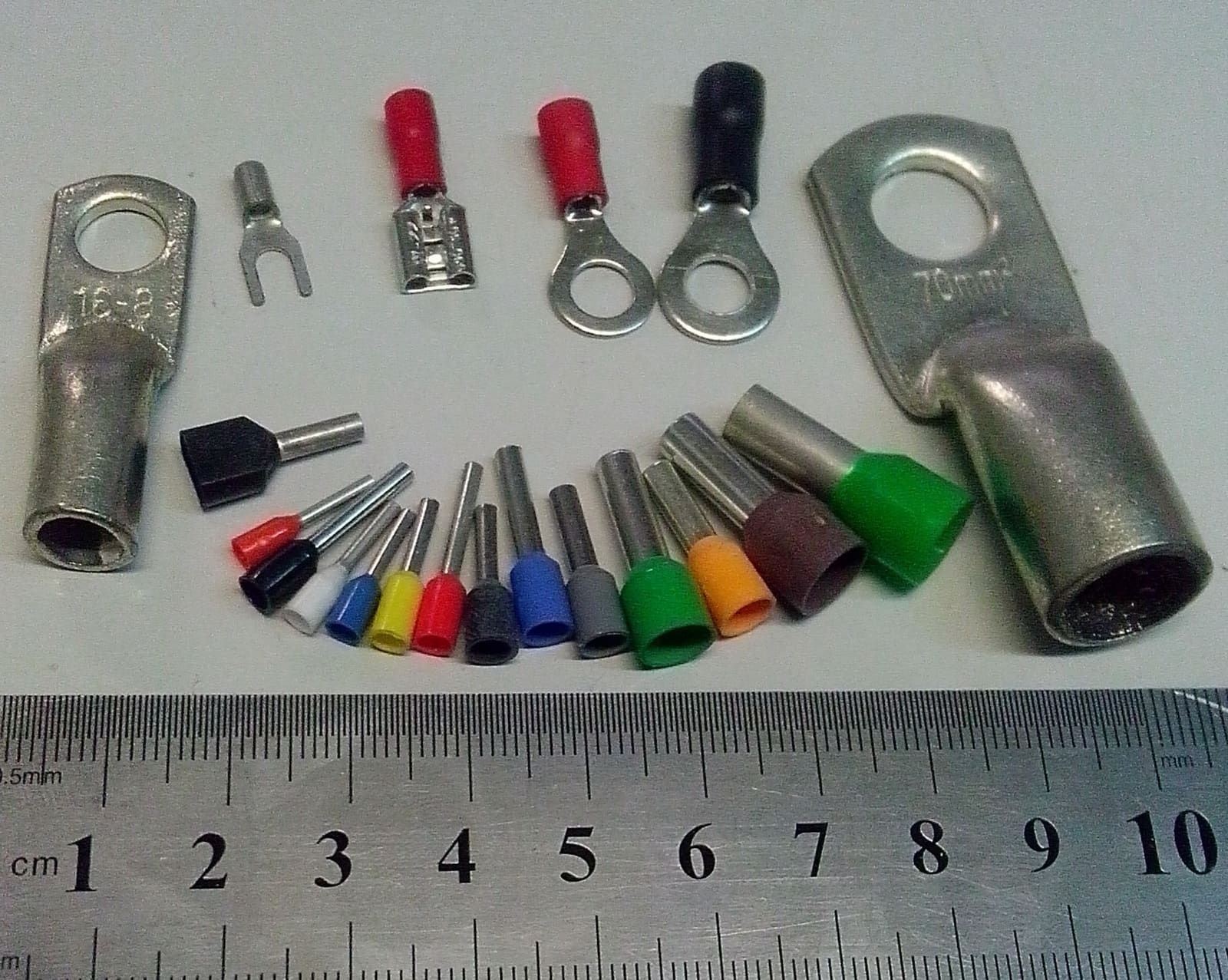
How to Replace Boat Battery Cables the Right Way
Swap corroded, cracked or undersized battery cables for tinned marine cable sized from a chart for its real length and load, with crimped lugs, adhesive heat shrink, terminal boots, solid support and a fuse close to the battery.
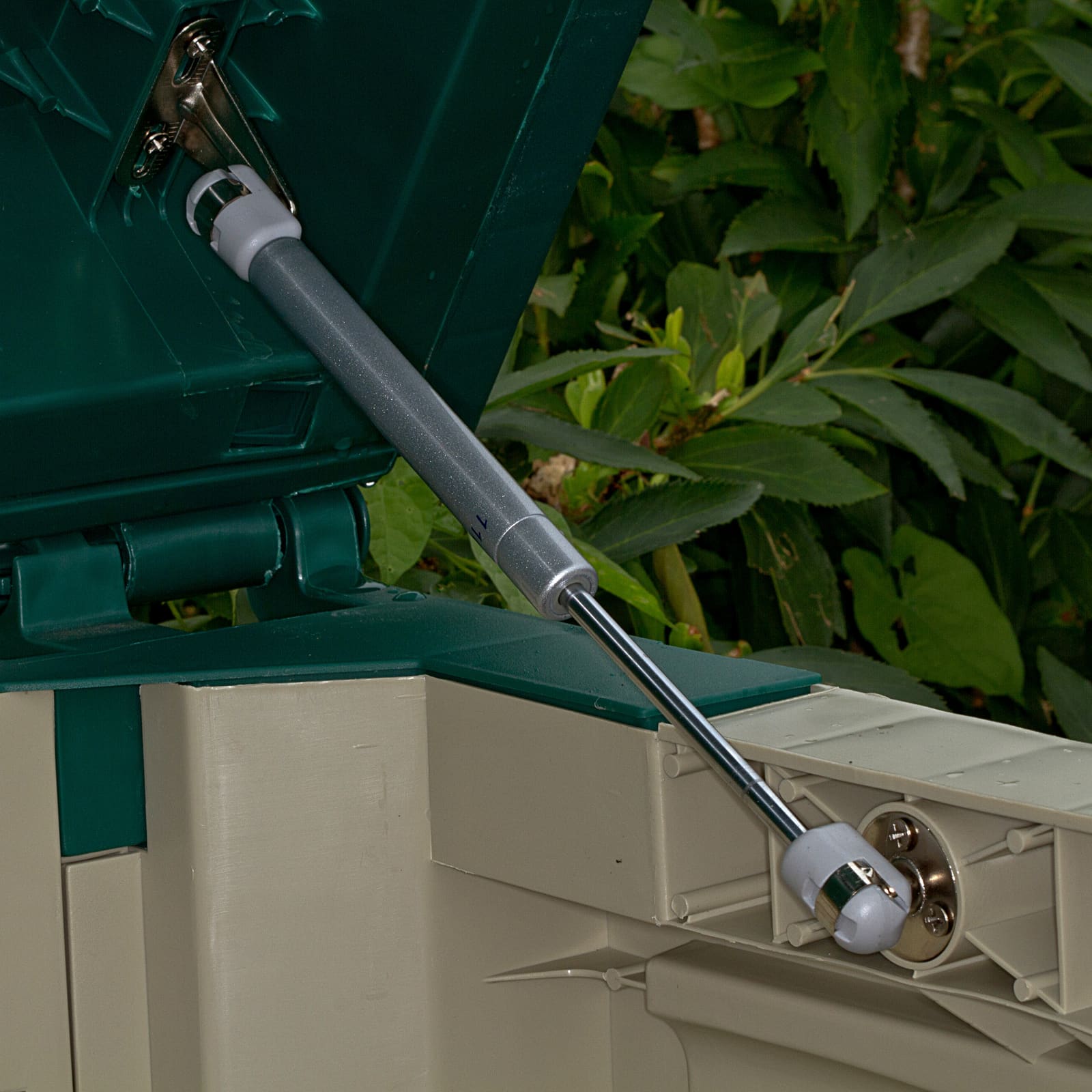
How to Replace Gas Struts on Boat Hatches, Seats and Consoles
Measure, buy and fit the right gas struts (lift supports) so hatches, seat lids and console doors stay open safely instead of dropping on your head or fingers.
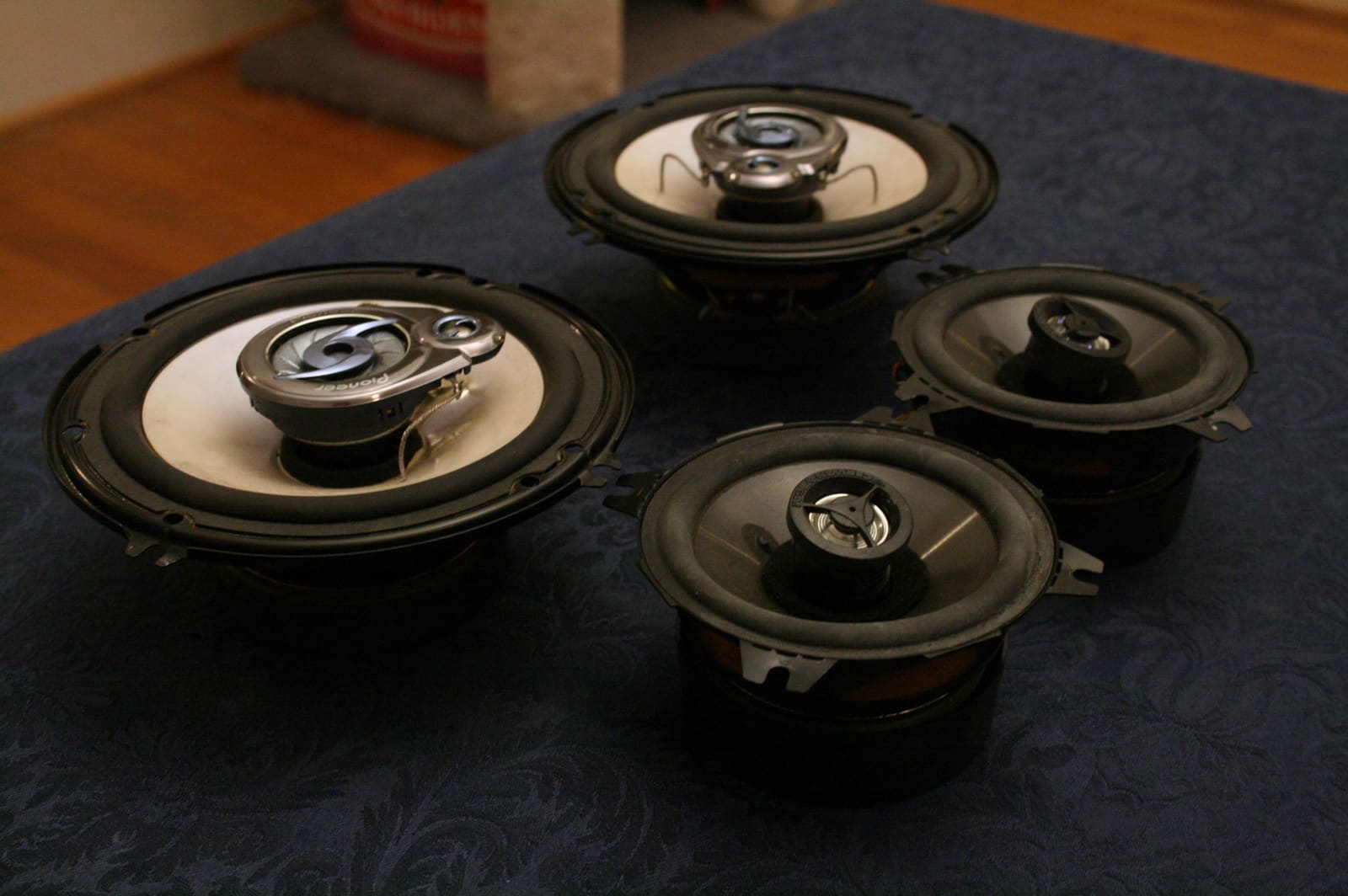
How to Replace Marine Speakers (Including Tower Speakers)
Pick replacement speakers that fit the cutout, match your stereo or amplifier's power and impedance, survive sun and spray, and don't throw off your compass. Then wire them with the right polarity and seal them so water can't reach the back.
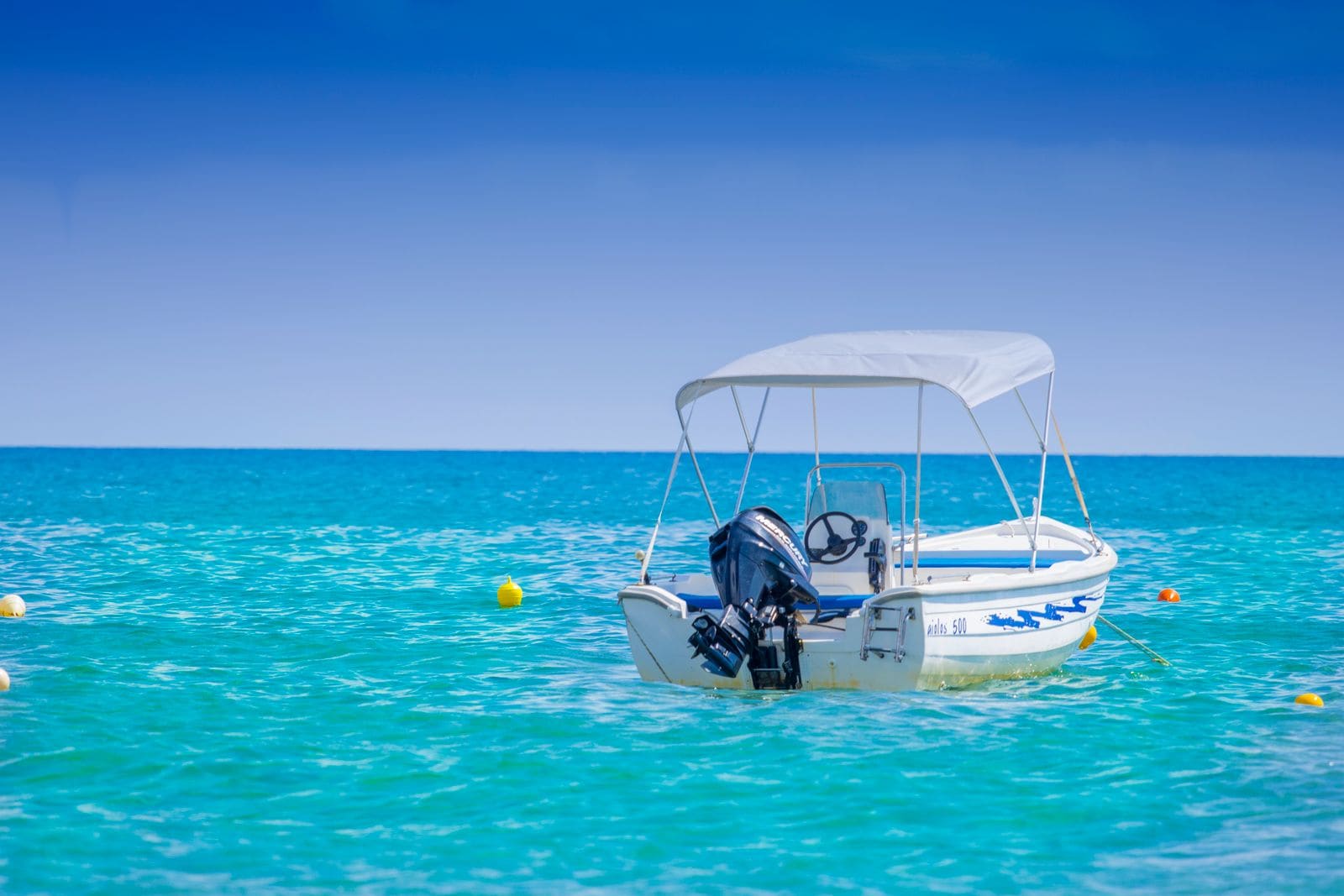
How to Replace or Re-Cover a Bimini Top
Decide whether you need new canvas or a whole new top, measure your frame the right way, pick a fabric that will last in the sun, check the frame and hardware, and swap the canvas yourself or brief a canvas shop.
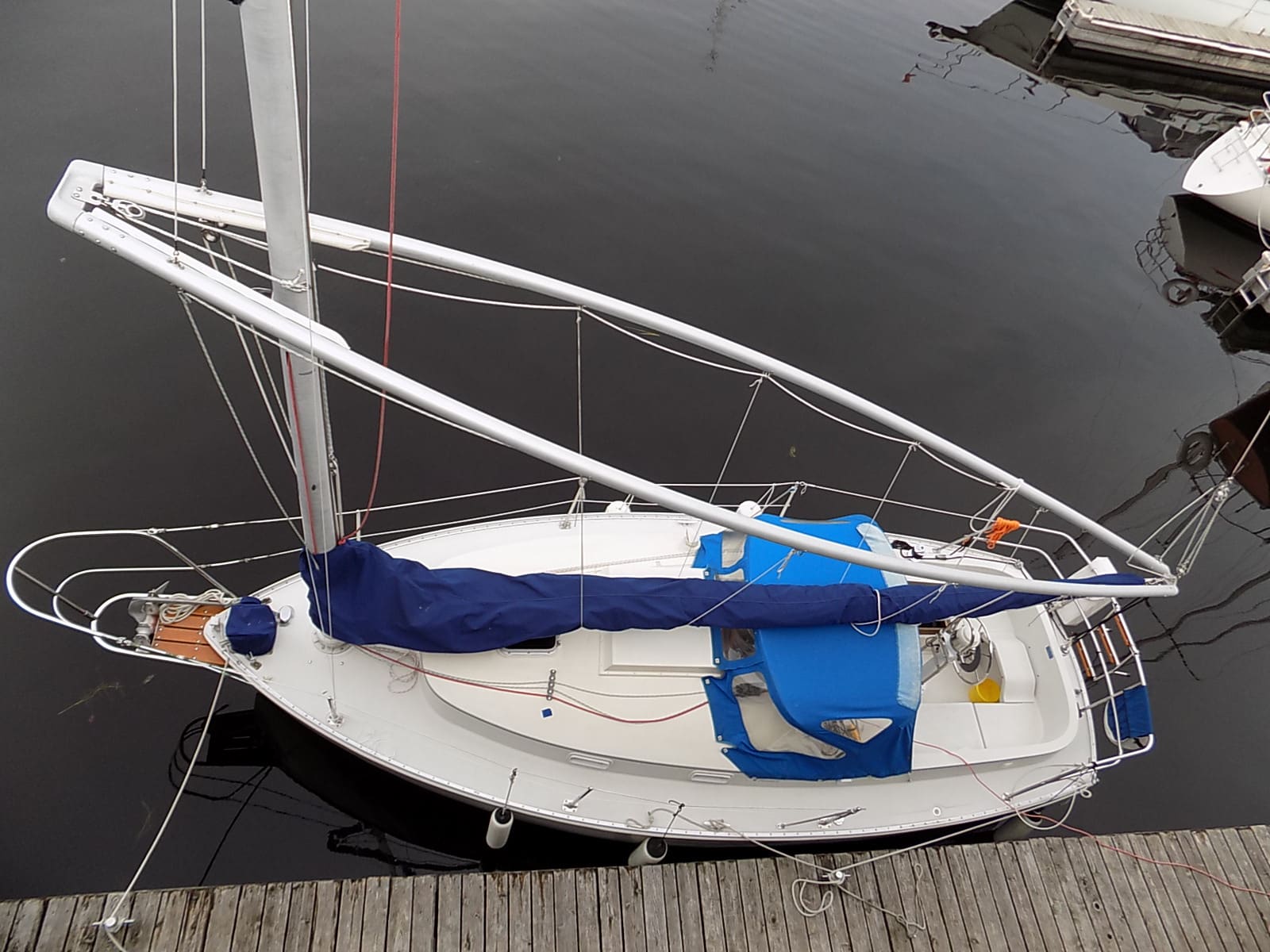
How to Replace Sailboat Lifelines with Dyneema or Swageless Wire Terminals
Replace worn lifelines yourself, either with spliced Dyneema-type rope and lashings or with stainless wire and mechanical (swageless) or hand-crimped terminals, and get the measuring, chafe protection, tension and follow-up inspections right.
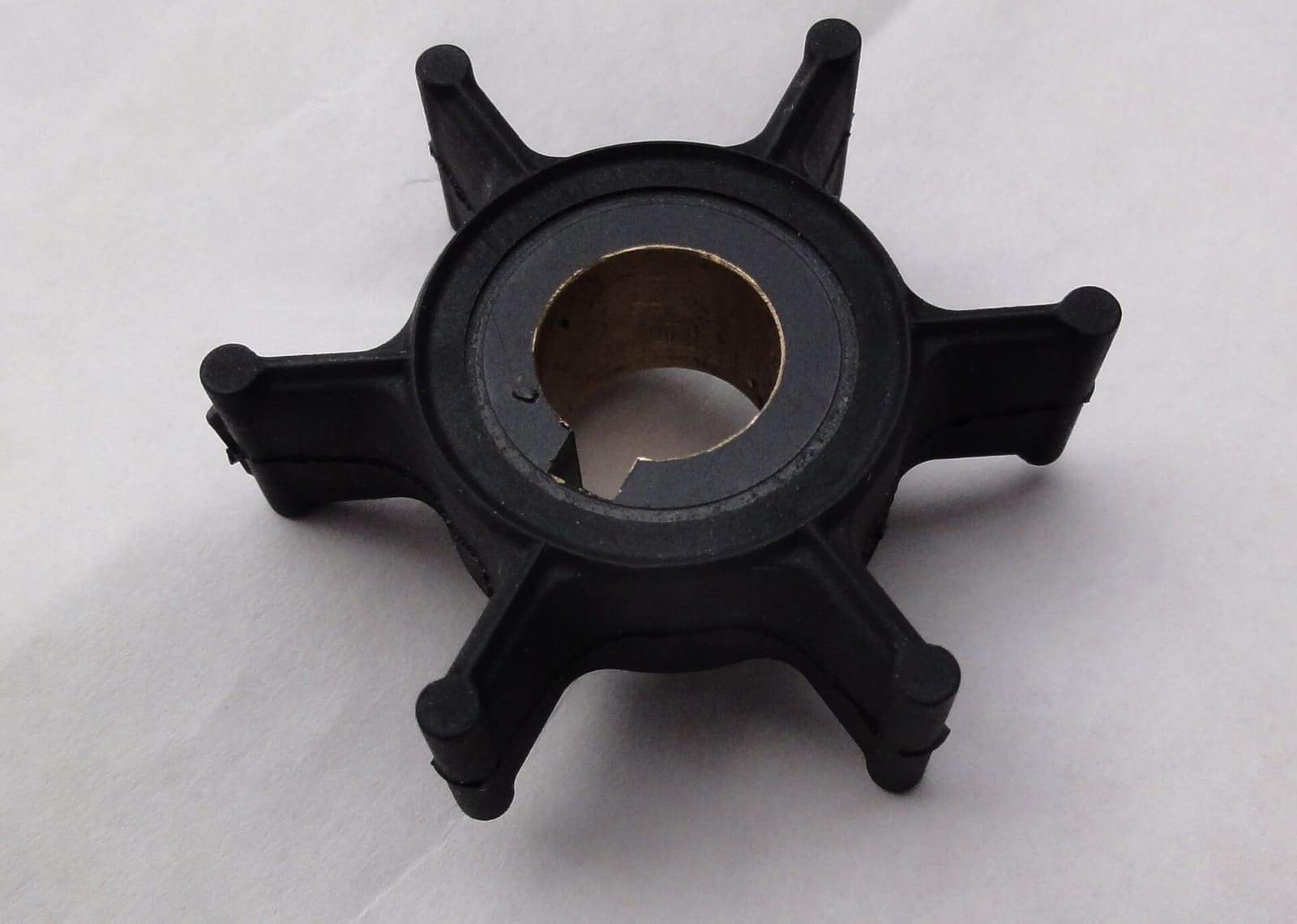
How to Replace the Water Pump Impeller
Replace the rubber impeller that pumps cooling water through your engine, the part most often behind overheating. On many outboards it is a two-hour driveway job that saves a shop bill of several hundred dollars and prevents far costlier heat damage.
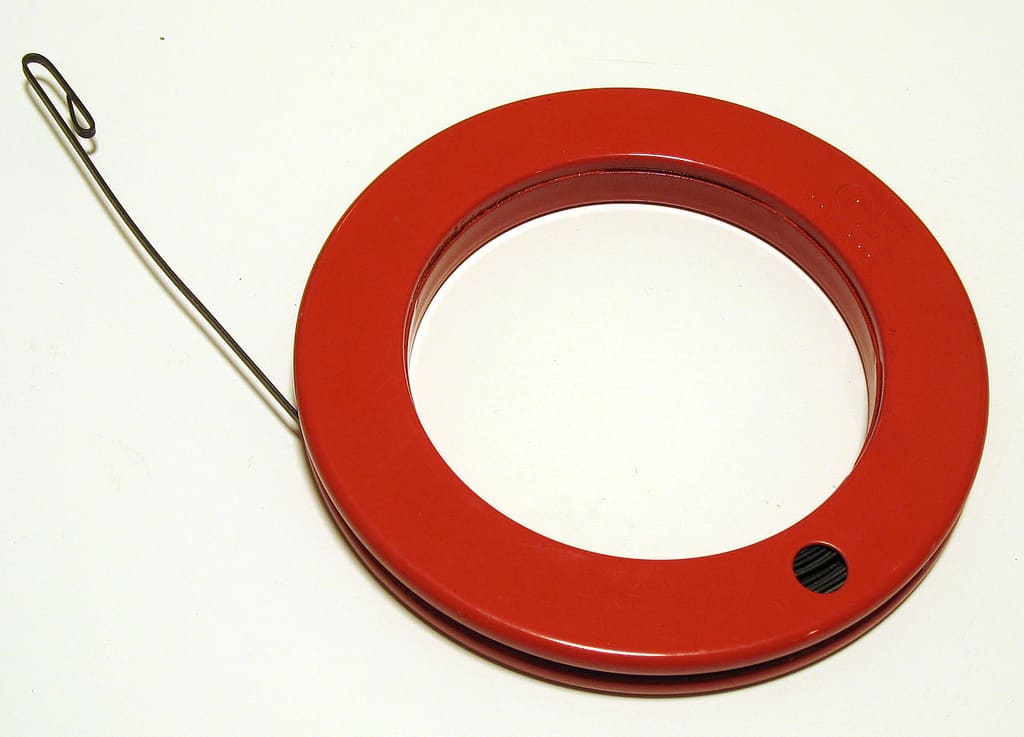
How to Run New Wires Through a Boat (Chase Tubes, Pull Lines and Deck Penetrations)
Get a new transducer cable, light or power wire from the stern to the helm or up through the deck without a fight: use the chase tube and a fish tape or pull string, protect the wire from chafe and heat, support it every 18 inches, seal every penetration and label both ends.
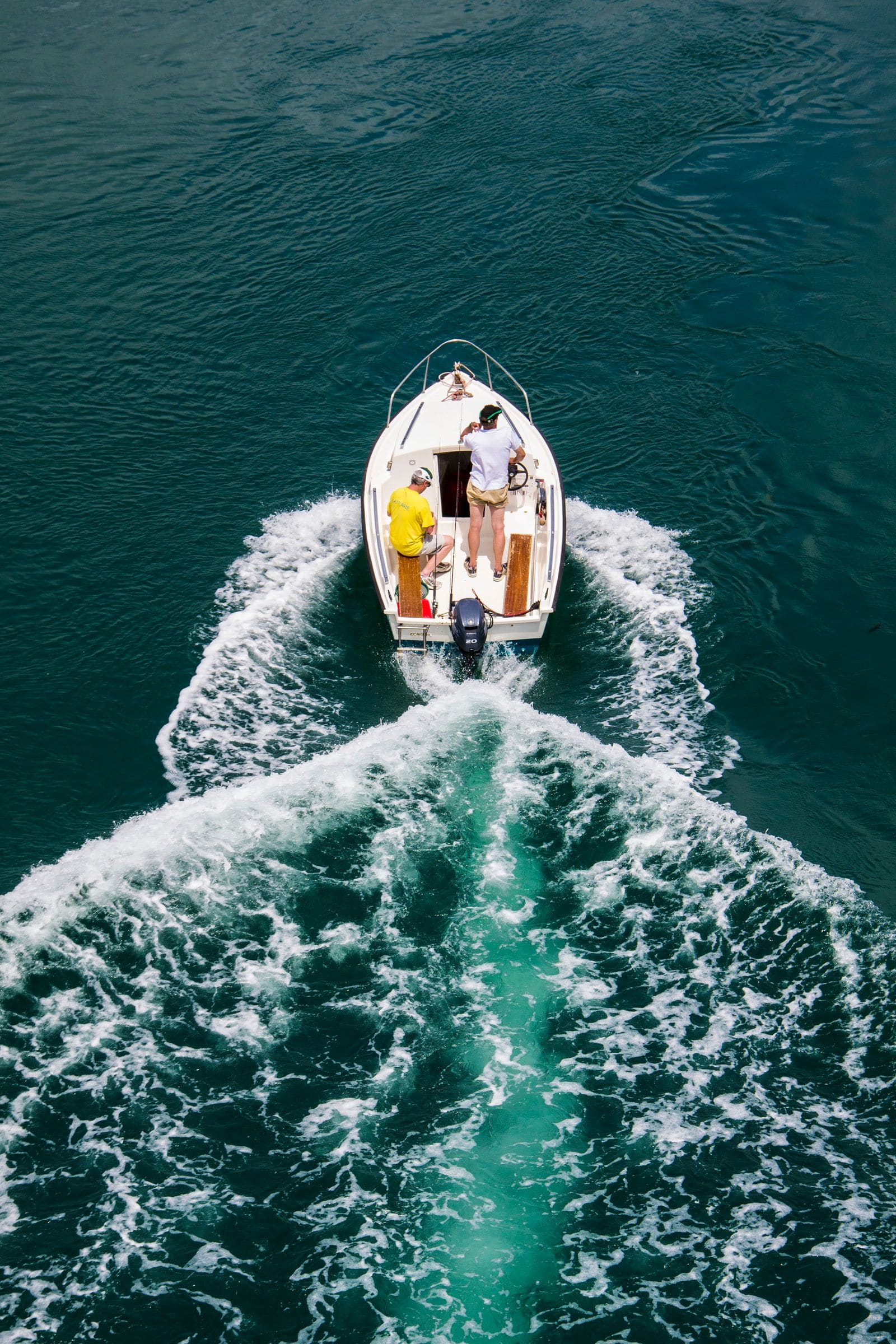
How to Sea Trial Your Boat After Maintenance or Repair
A step-by-step test run after service work: dock checks first (leaks, fluids, steering, kill switch), then a gradual climb through the RPM range while you watch temperature and pressure, a wide-open-throttle check against your engine's spec, shifting and trim tests, and a bilge check afterward. Catch a loose clamp or a missed step at the dock, not miles out.
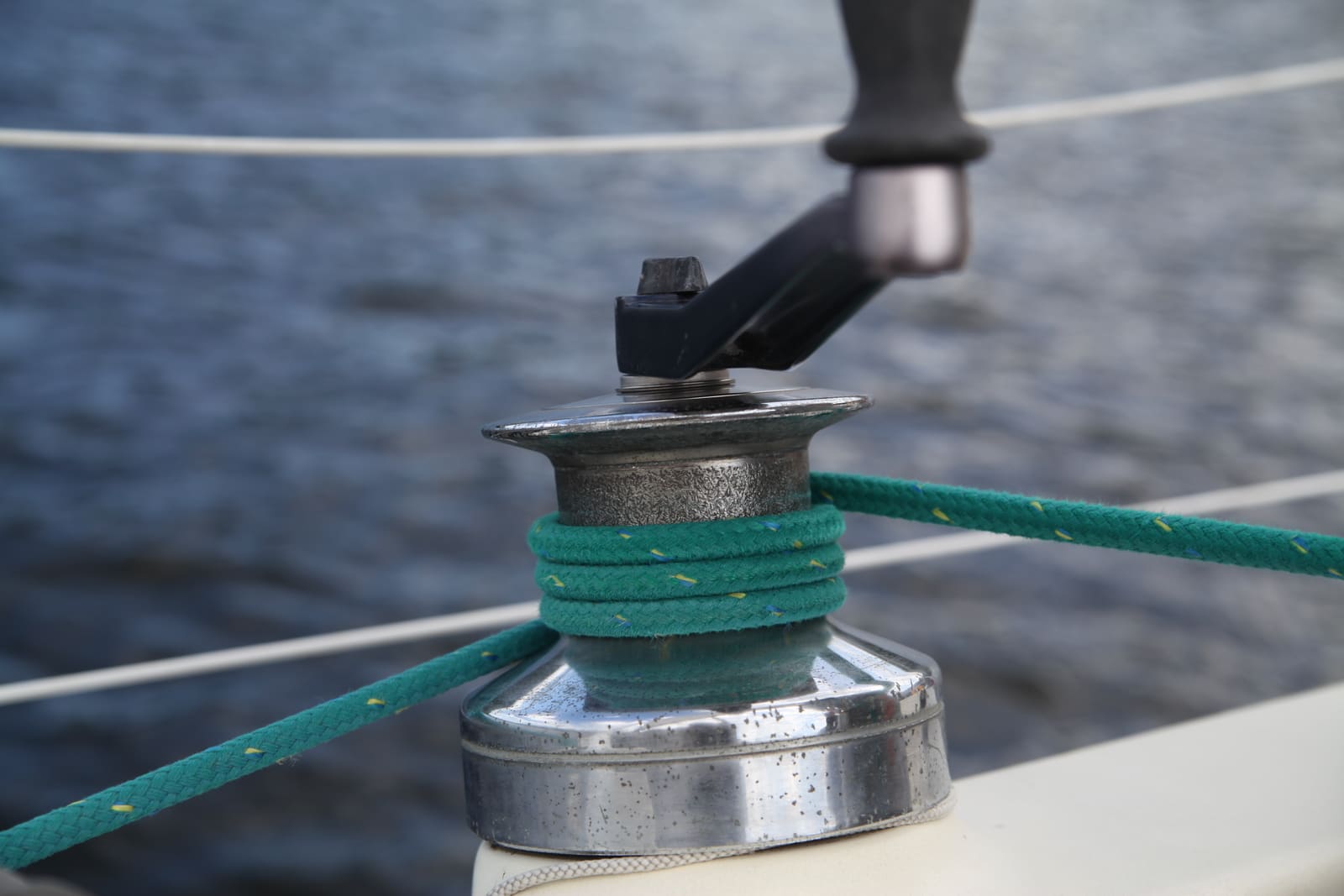
How to Service Sailboat Winches (Clean, Oil the Pawls, Grease the Gears)
Take your sheet and halyard winches apart, clean out old grease and salt, oil the pawls, lightly grease the gears and bearings, and put them back together. A serviced winch turns easily and, more importantly, its pawls catch every time so the drum can't spin backward under load.

How to Size a House Battery Bank: Load List, Usable Capacity and Charging
Work out how many amp-hours your boat really uses in a day, how much of a battery's rated capacity you can actually use with lead-acid, AGM or lithium, how much reserve to add, and how your charging sources change the answer, so you buy the right house bank the first time.
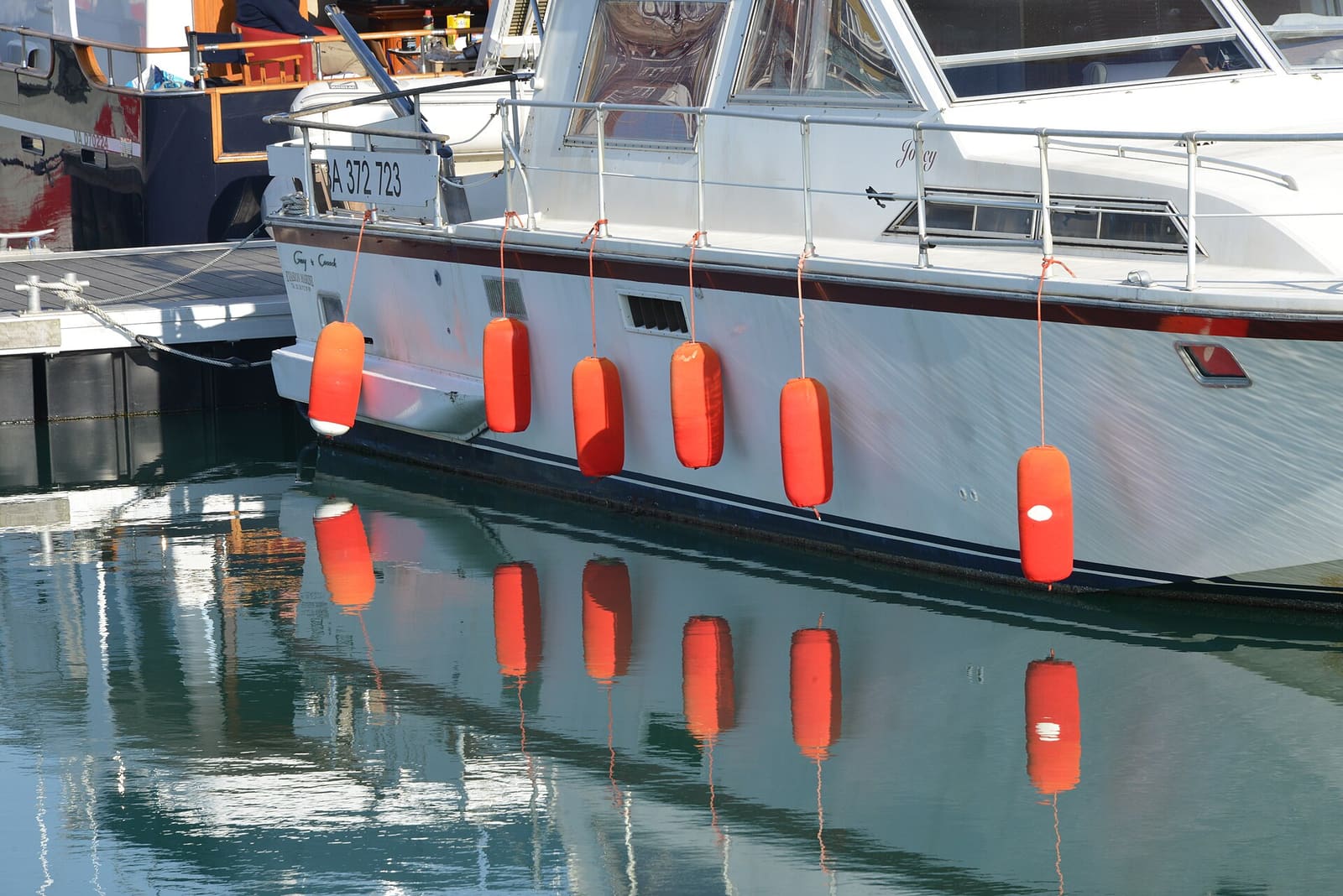
How to Size, Rig and Inspect Dock Lines and Fenders
Pick the right dock line diameter and fender size for your boat, set up bow, stern and spring lines in a slip, add chafe gear, inspect for wear and UV damage, and double everything up before a storm.
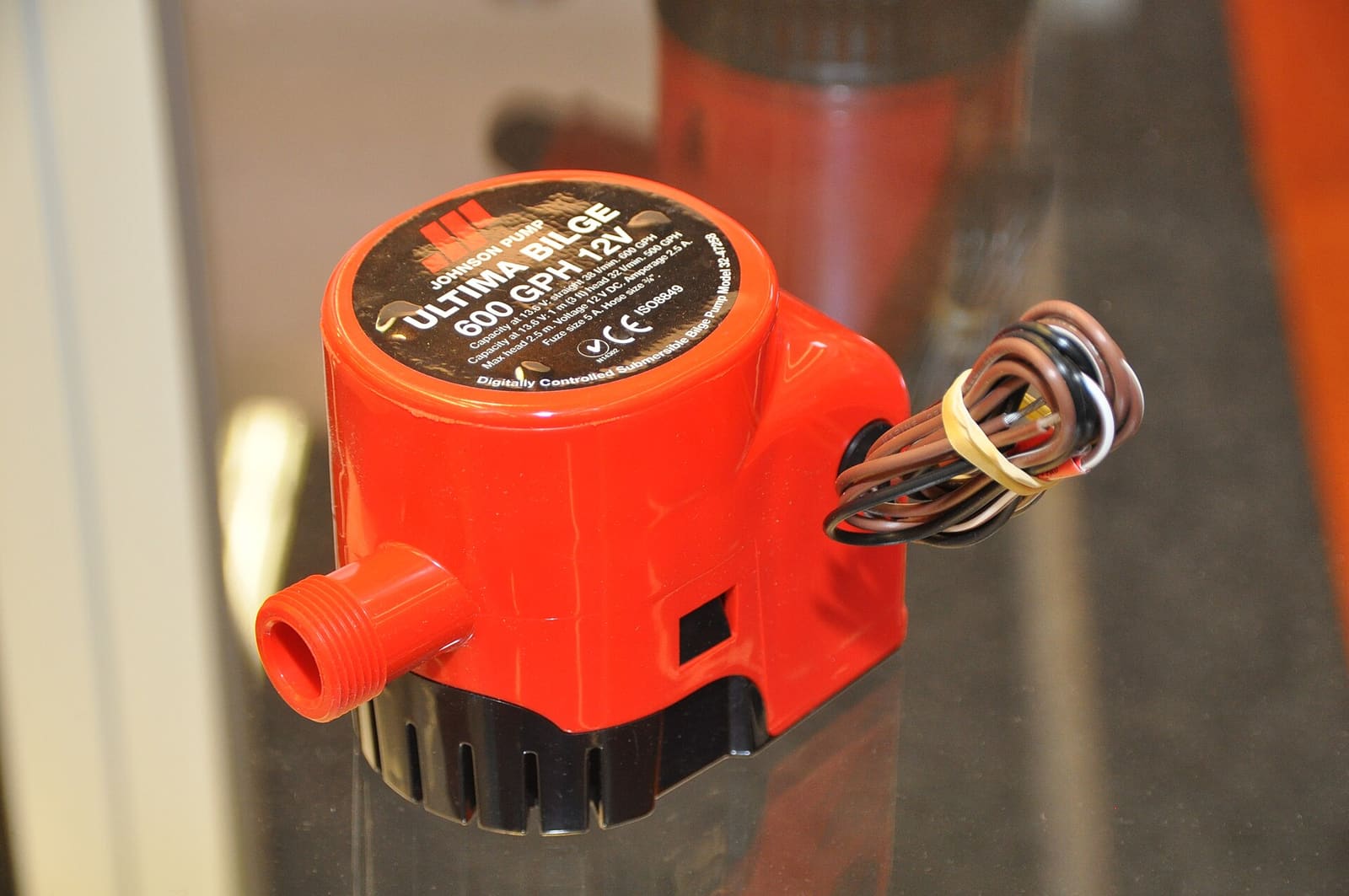
How to Test and Clean Your Bilge Pump and Float Switch
Make sure your bilge pump actually moves water overboard, both on the manual switch and automatically through the float switch. A working bilge pump is one of the most important safety systems on any boat that stays in the water.
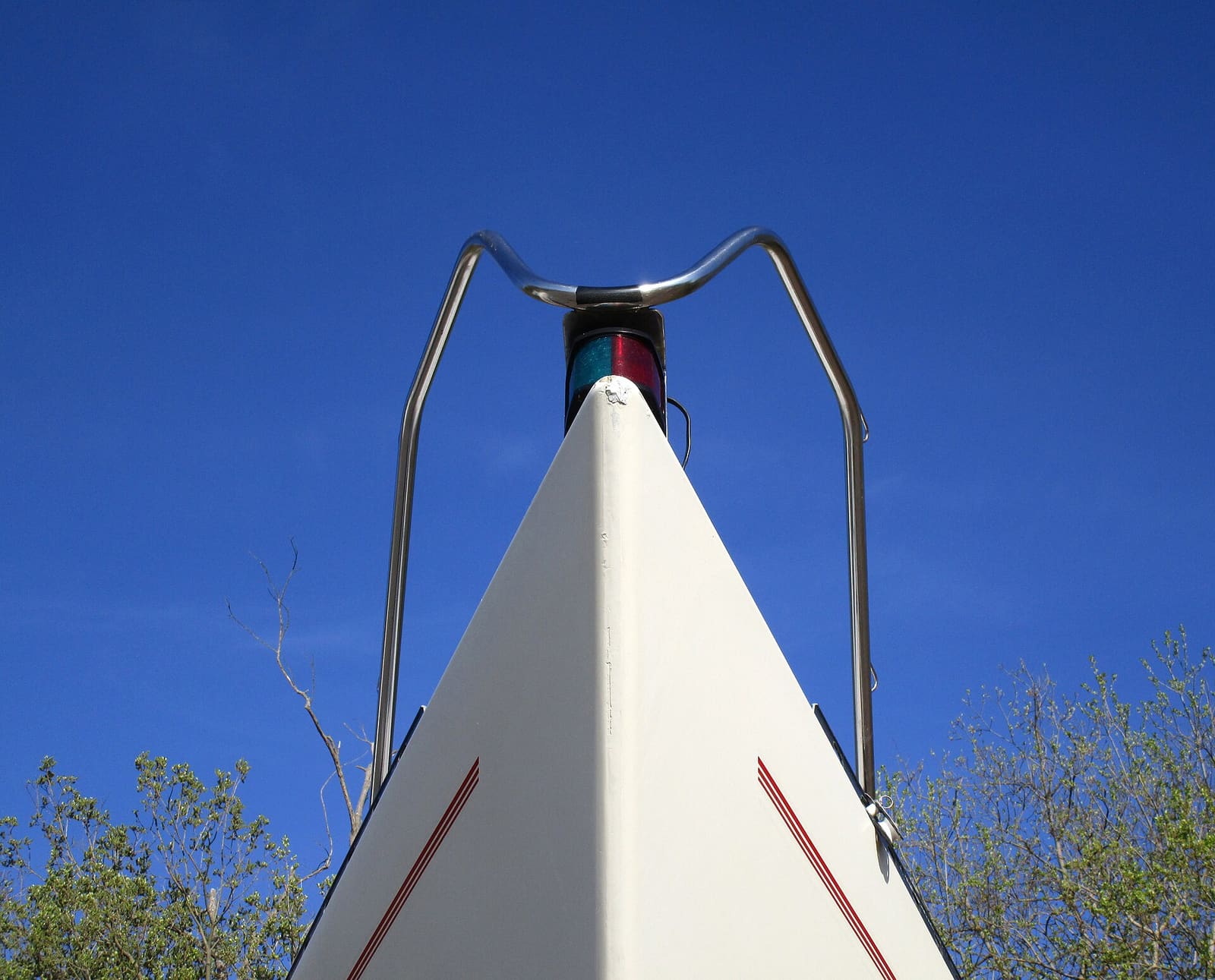
How to Test and Fix Your Boat's Navigation Lights
Learn which navigation lights your boat must show and when, then test them and fix the usual culprits such as corroded sockets, loose pole-light plugs and blown bulbs. Working lights are legally required at night and in poor visibility and are how other boats see which way you are heading.
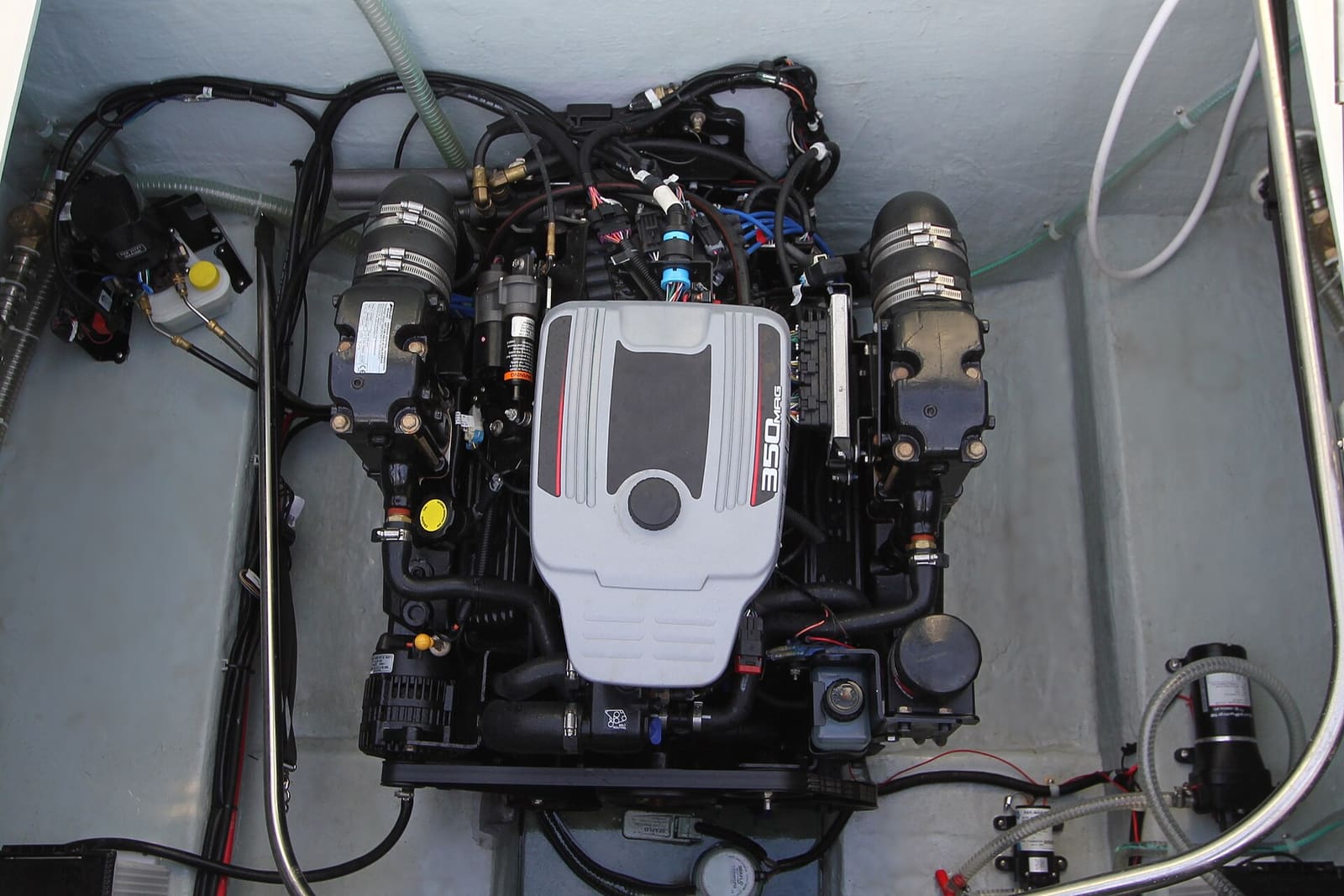
How to Test and Replace the Engine Thermostat
Find, test and replace the thermostat that controls your engine's operating temperature. A stuck thermostat can make an engine overheat or run too cold. On most outboards and many sterndrives it is a one-hour job with basic tools.
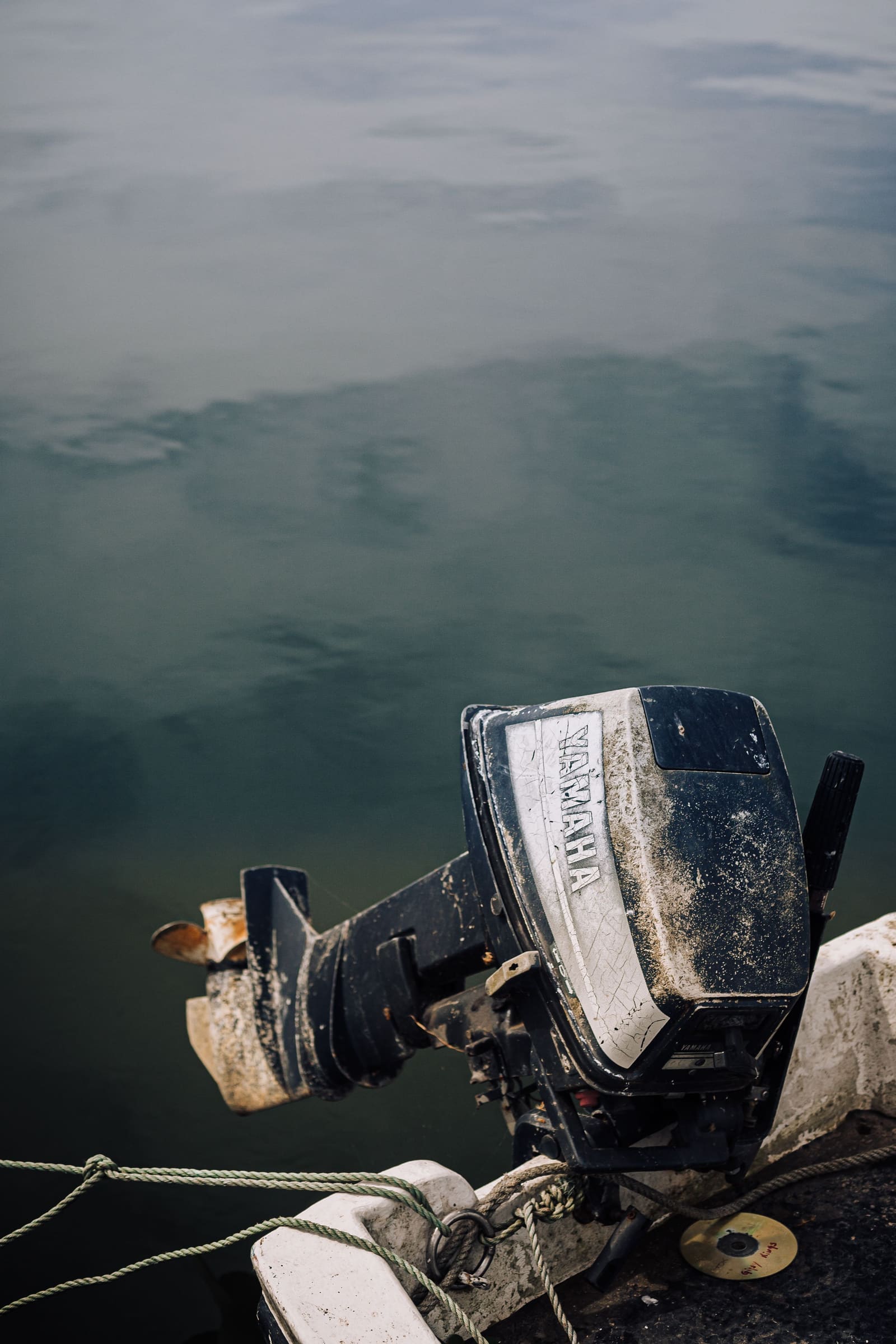
How to Touch Up Paint and Corrosion on an Outboard or Sterndrive
Bare aluminum on a lower unit or sterndrive corrodes fast, especially in salt water. Learn how to find the cause, clean off corrosion, prime and repaint with the right products, and what must never be painted, such as anodes and sensors.
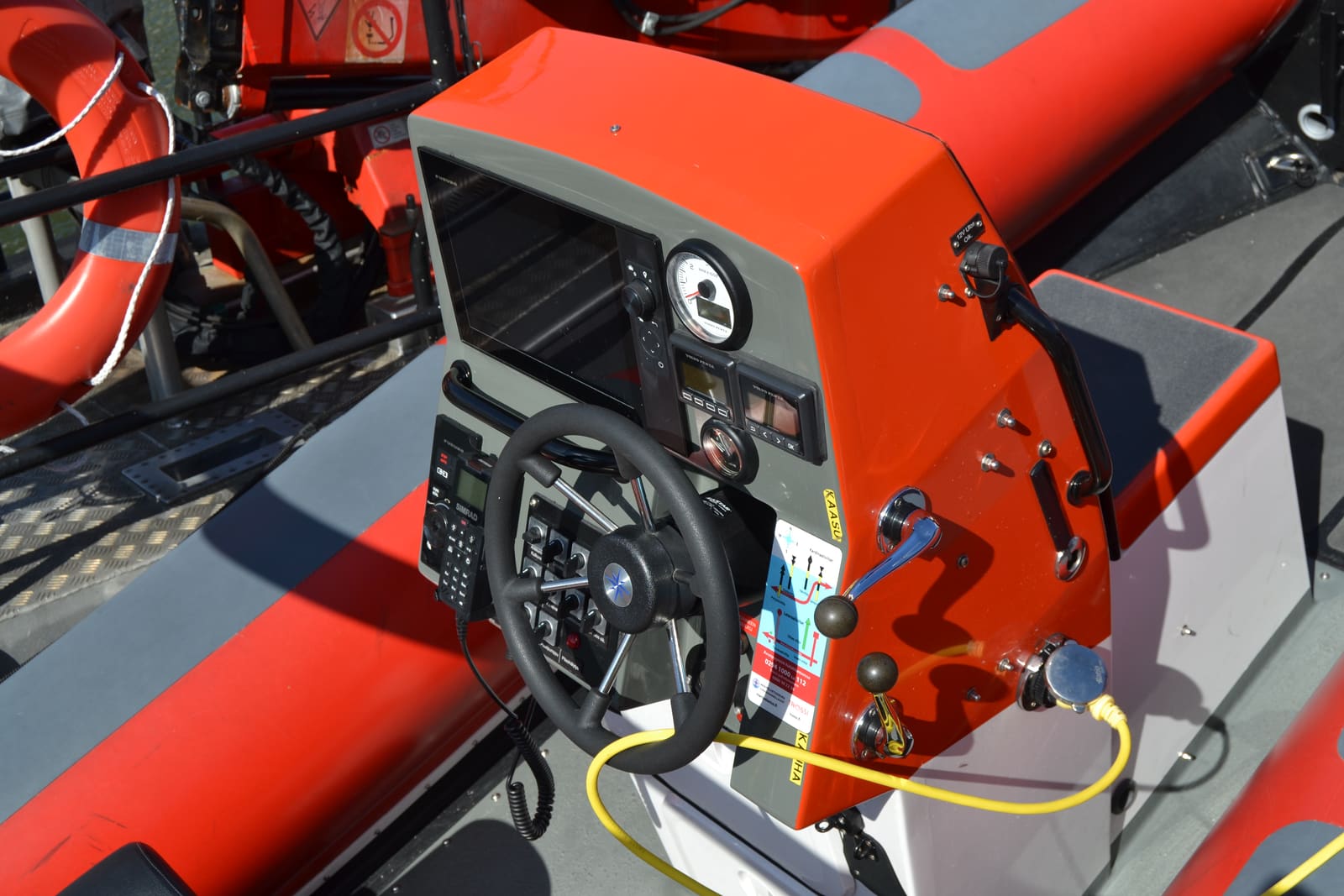
How to Troubleshoot Dash Gauges, a Dead Tachometer or a Wrong Fuel Gauge
Work through dead or wrong dash gauges from the cheapest check to the most involved: fuses and breakers, power and ground, the gauge-versus-sender test, the tachometer's pulse setting and the extra checks for digital network gauges. Most gauge problems turn out to be a bad connection, not a bad gauge.

How to Upgrade Your Boat's Lighting to LED (and Keep Your Nav Lights Legal)
Switch cabin, cockpit and courtesy lights to LED to cut battery drain and bulb changes, choose navigation lights that are actually USCG-certified (not just LED bulbs), check voltage range and dimmers, seal every connection, and run the Coast Guard's simple VHF test to make sure the new lights aren't deafening your radio or AIS.
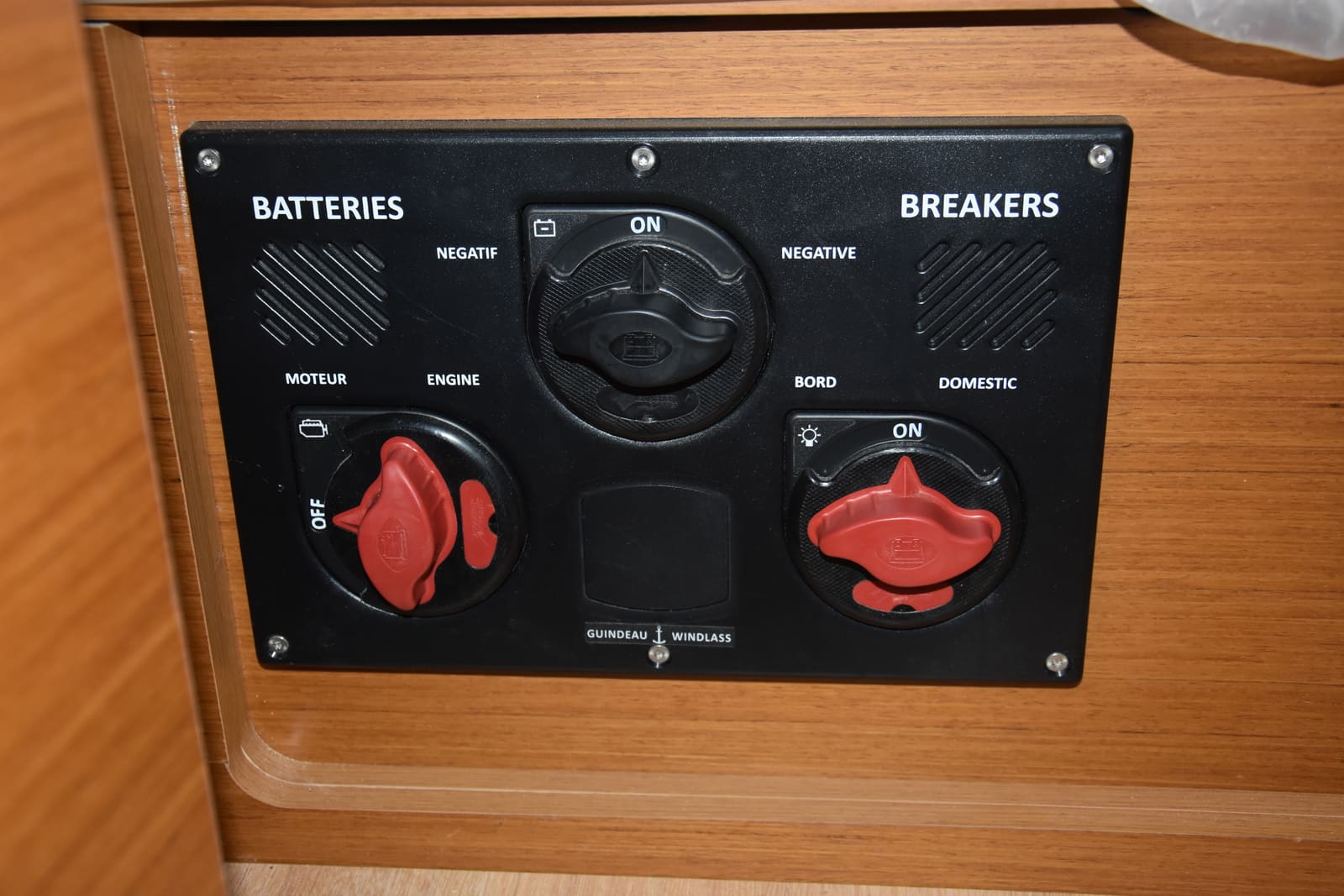
How to Use a 1-2-Both Battery Switch and Run Two Batteries
Learn what the 1, 2, Both and Off positions really do, a simple routine that keeps one battery ready to start the engine, how to check that both batteries are charging, and when an automatic charging relay makes life easier. Rewiring high-current cables is a job for a marine electrician.
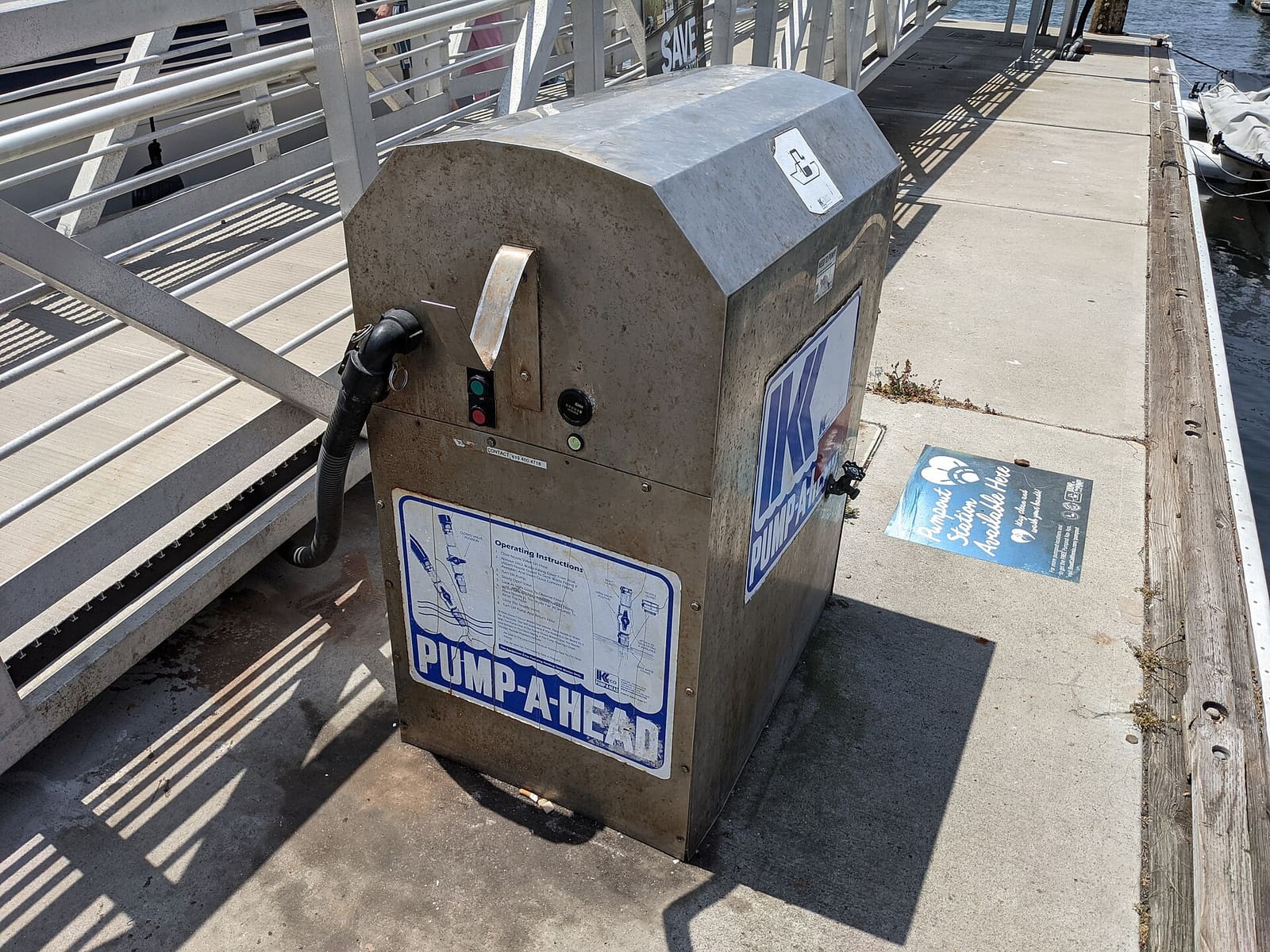
How to Use a Pump-Out Station: Finding One, Hooking Up and Rinsing the Tank
Find a pump-out near you with state maps and free apps, hook up to the deck fitting without spills, rinse the holding tank, leave the station clean for the next boat and know the rules for no-discharge zones and mobile pump-out boats.
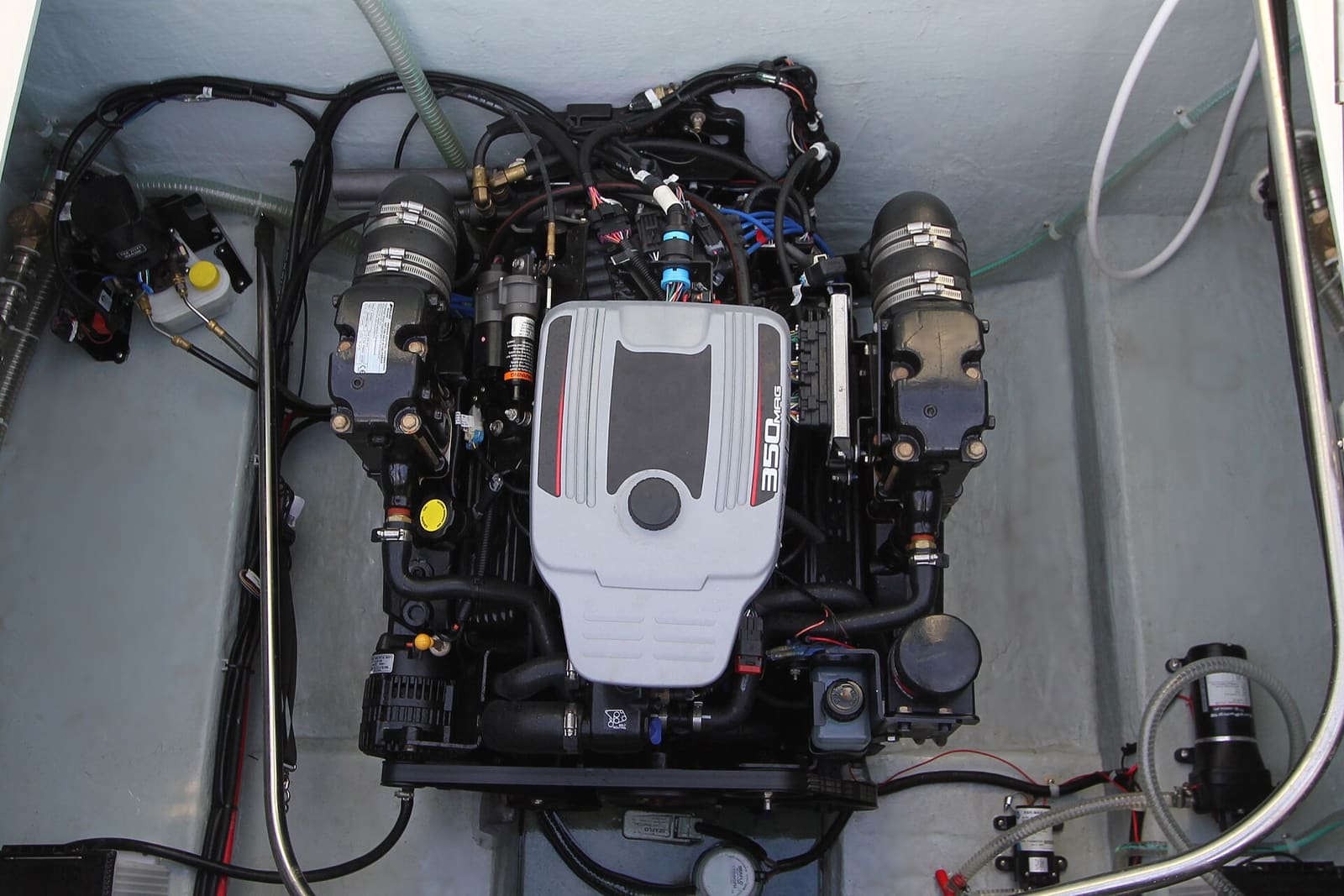
How to Use an Oil Extractor Pump for Boat Oil Changes
Change engine oil cleanly through the dipstick tube with a manual or electric extractor: know which engines it suits, warm the oil first, get as much out as you can, then refill to the dipstick, recycle the old oil and clean the pump so it's ready next time.
Safety: BoatMend is for information only and does not replace a certified marine technician. You are responsible for your safety and your boat. Read the full disclaimer.