Repair & maintenance guides
Plain-English, step by step, written for owners. Pick your engine to see the guides that apply to it.
307 of 509 guides · page 7 of 13
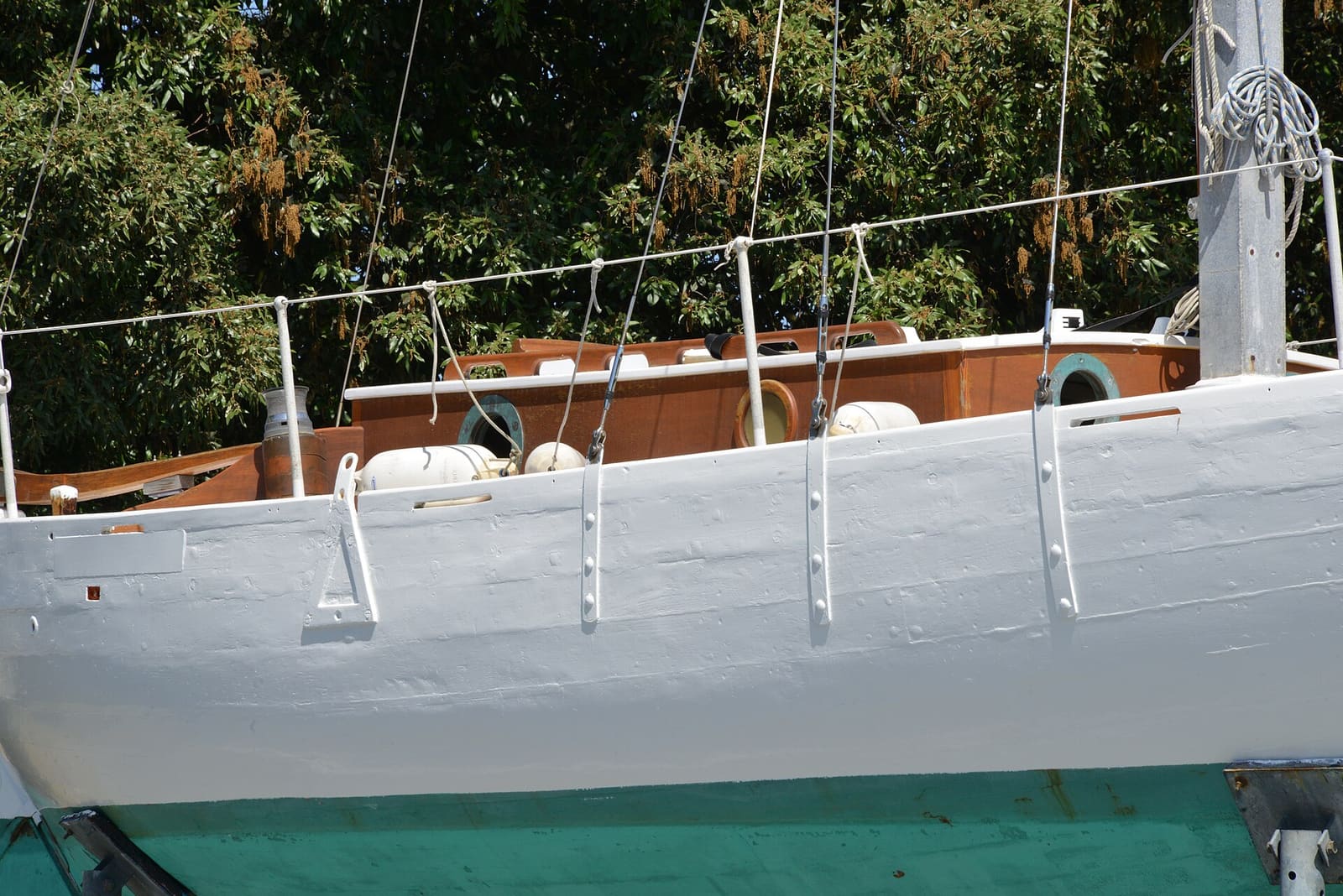
How to Inspect Sailboat Lifelines, Stanchions and Gates
Check the wire or rope, swaged ends, gate hooks, stanchion bases and pulpits that make up your lifeline system, and know when to replace them. Lifelines keep people aboard, but only if every link is sound, and they are never a place to clip a safety tether.
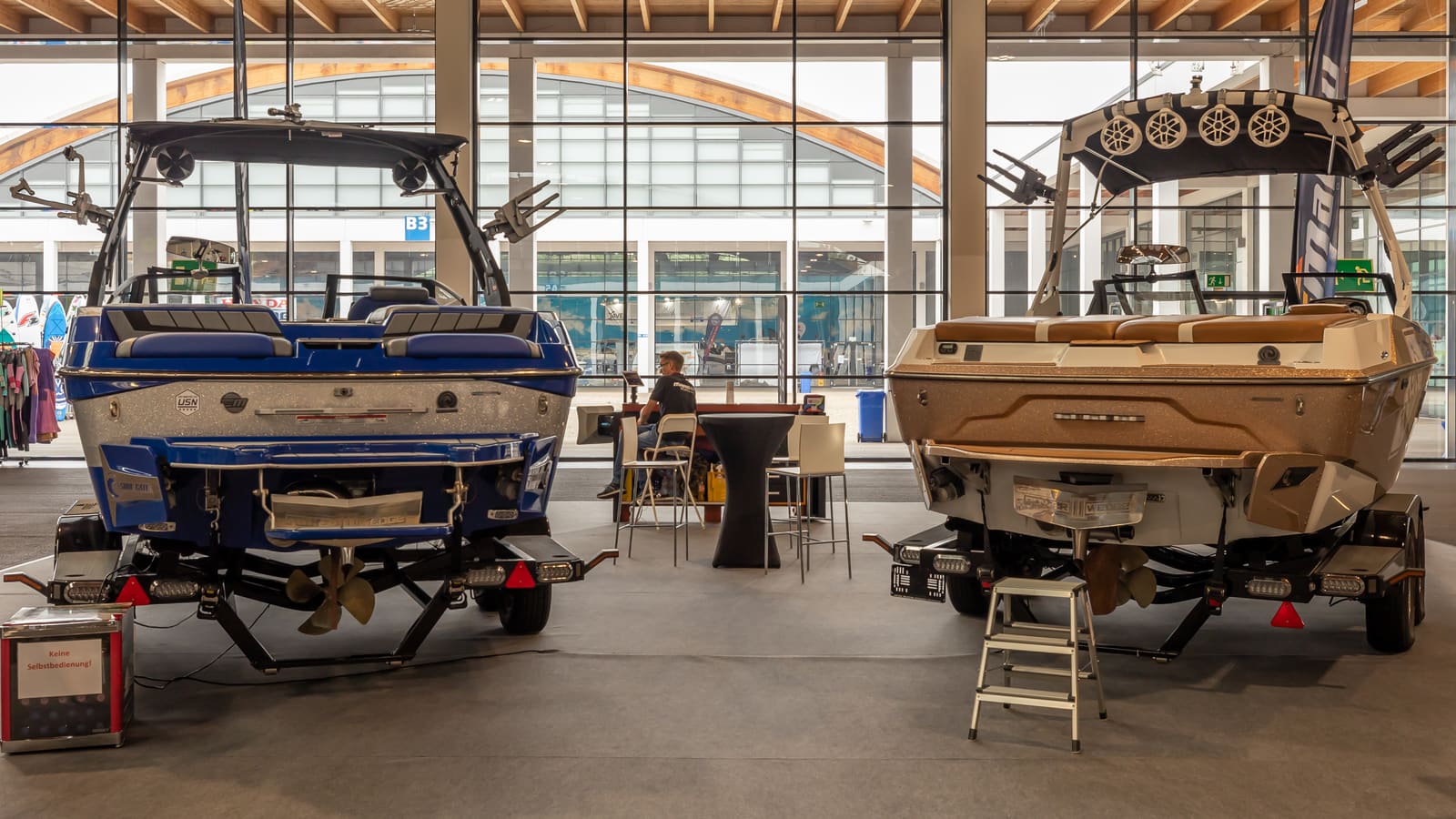
How to Inspect Wakeboard Tower, T-Top and Bimini Hardware
Towers, T-tops and biminis carry tow ropes, speakers, boards, electronics and wind loads, all on a handful of bolts. Learn how to check the welds, bases, backing plates, bolts, folding hinges and accessory loads before a crack or a loose bolt becomes an accident.
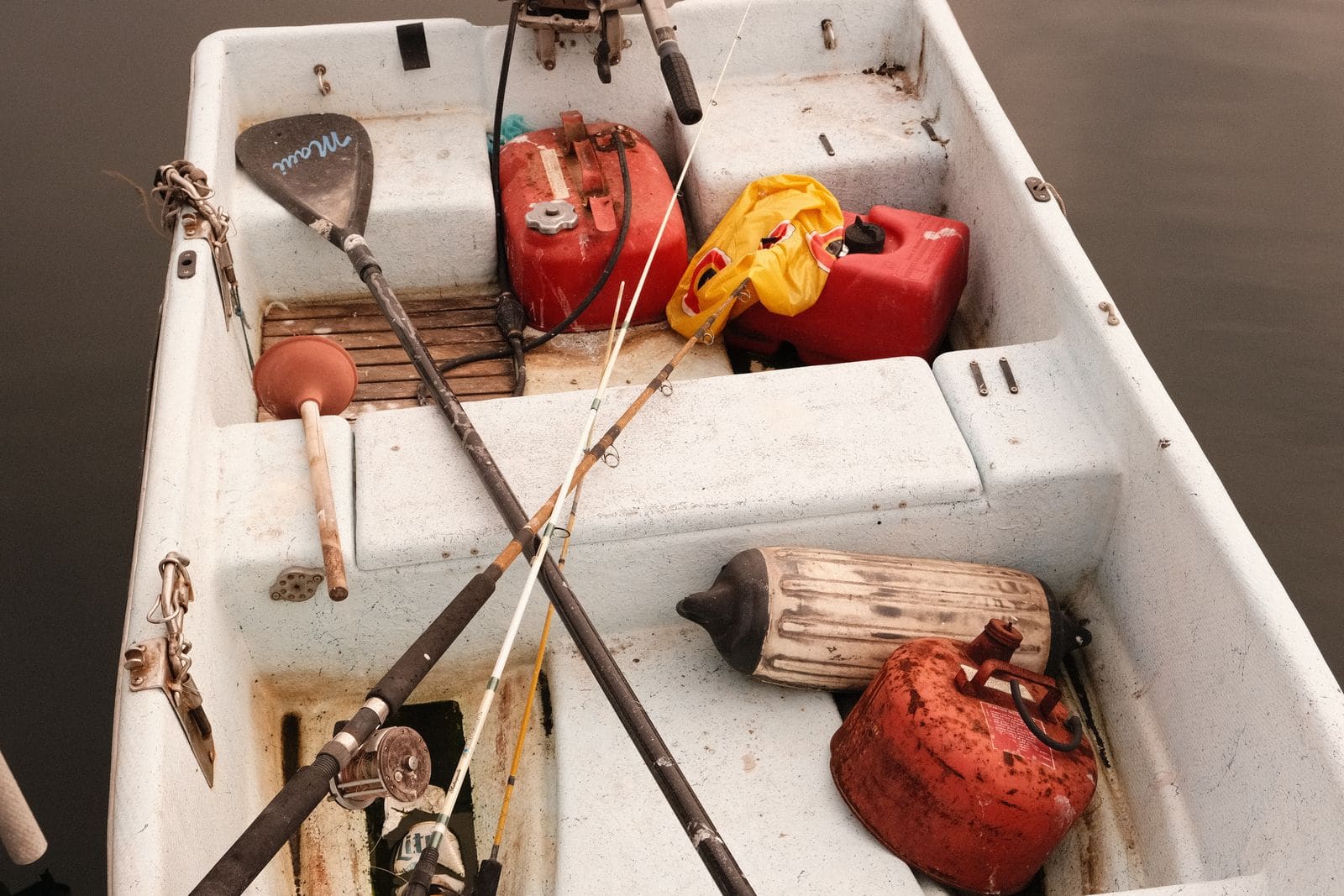
How to Inspect Your Boat's Fuel Tank, Fill, Vent and Hoses
A leaking gas tank is one of the most dangerous problems a boat can have, and it usually starts out of sight. Learn how to inspect portable and built-in tanks, spot aluminum tanks corroding from below, know the ethanol risk for old fiberglass tanks, and check the fill, vent, hoses, clamps and sender, plus why tank replacement is a job for a pro.

How to Inspect Your Sailboat's Standing Rigging
A step-by-step owner's inspection of the wires, fittings, turnbuckles, pins, chainplates and mast that hold your rig up, plus how to decide when it is time for a rigger and new rigging. Includes what insurers commonly expect for older rigs.
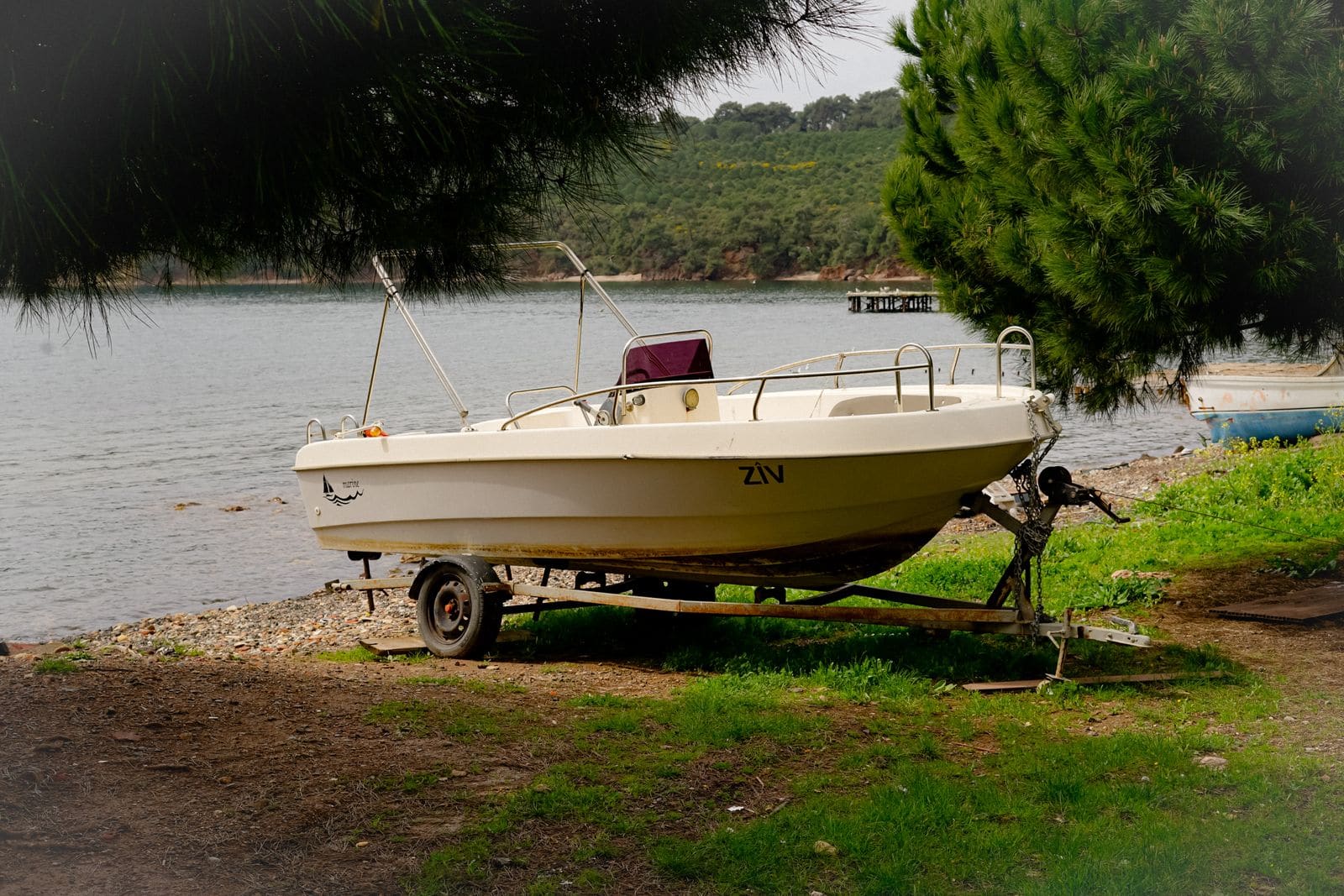
How to Inspect, Inflate and Replace Boat Trailer Tires
Check your trailer tires the way the pros do: the right type (ST), the right load range, the right cold pressure, and an honest look at their age. Tires are the number one reason boat trailers end up on the side of the highway.
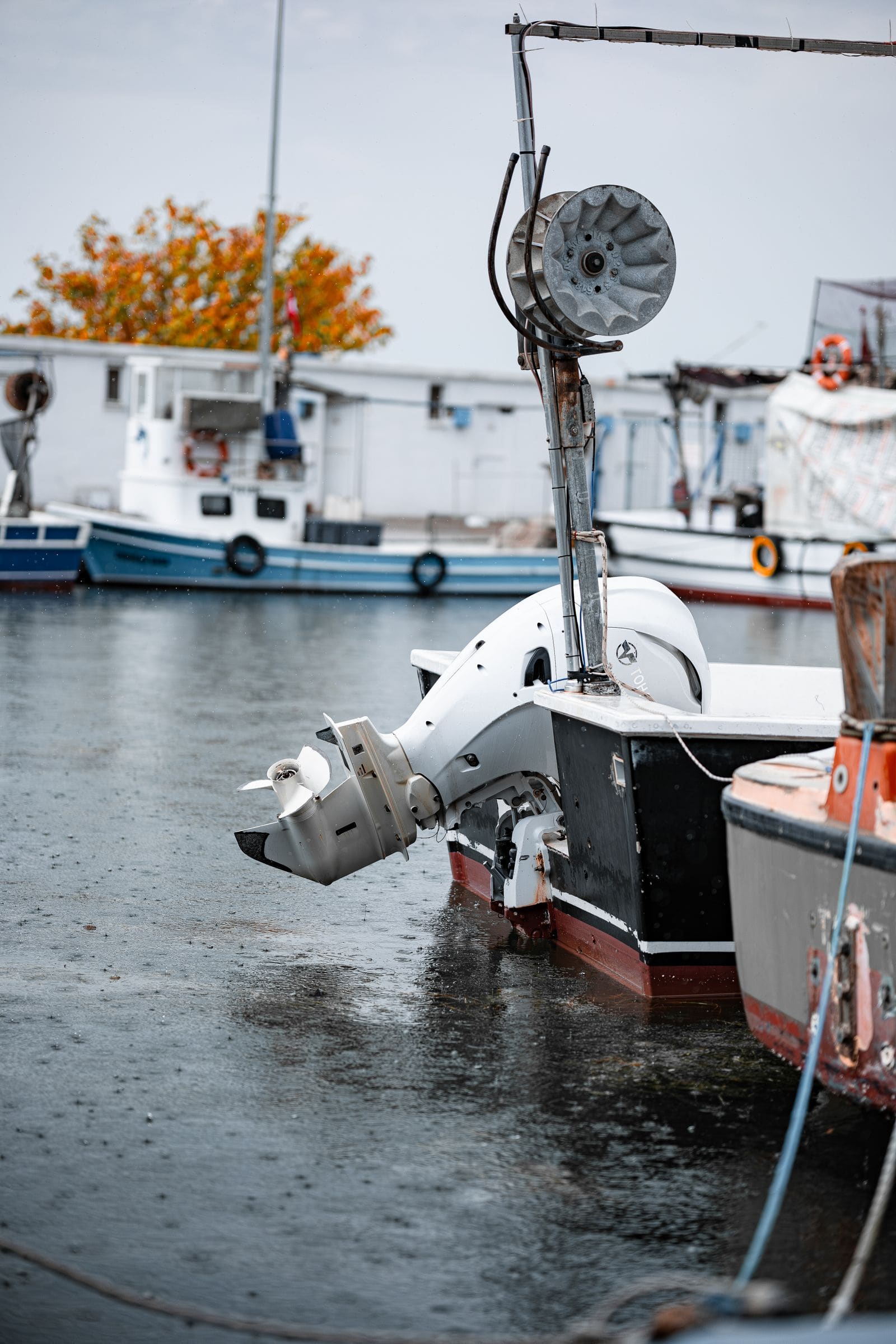
How to Install a Backup Bilge Pump and High-Water Alarm
Add a second, larger automatic bilge pump mounted above the primary, with its own overboard discharge and a loud high-water alarm wired so it works even with the battery switch off, then test it every month so it buys you real time if the boat starts taking on water.
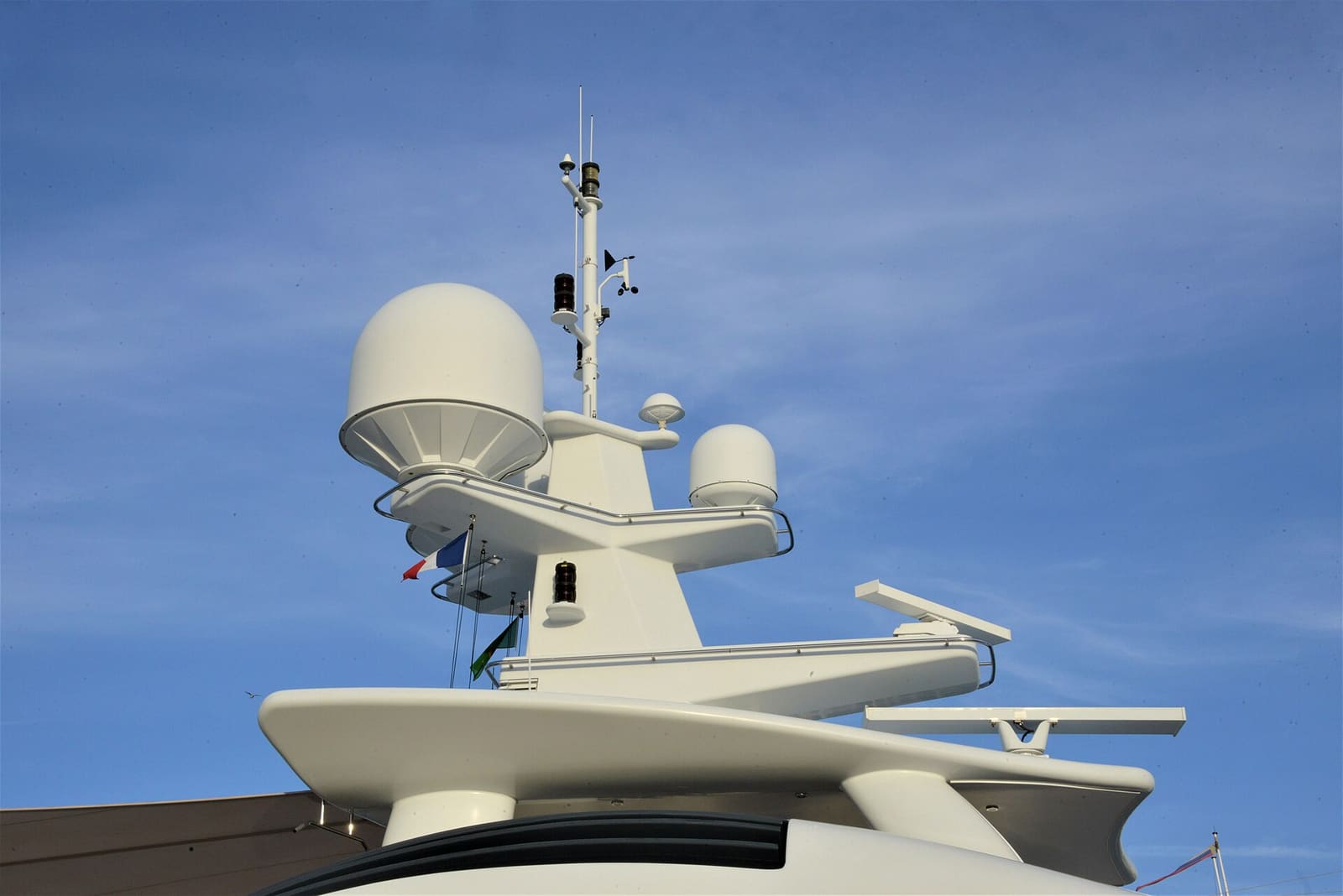
How to Install a Boat Radar Antenna (Radome or Open Array)
Plan and install a radar the right way: choose a mounting spot high enough and clear of obstructions, keep the beam above people's heads, give an open array room to spin, bolt it down with backing plates, route the cable without damaging it and seal every deck pass-through. Know when the job belongs to a certified installer.
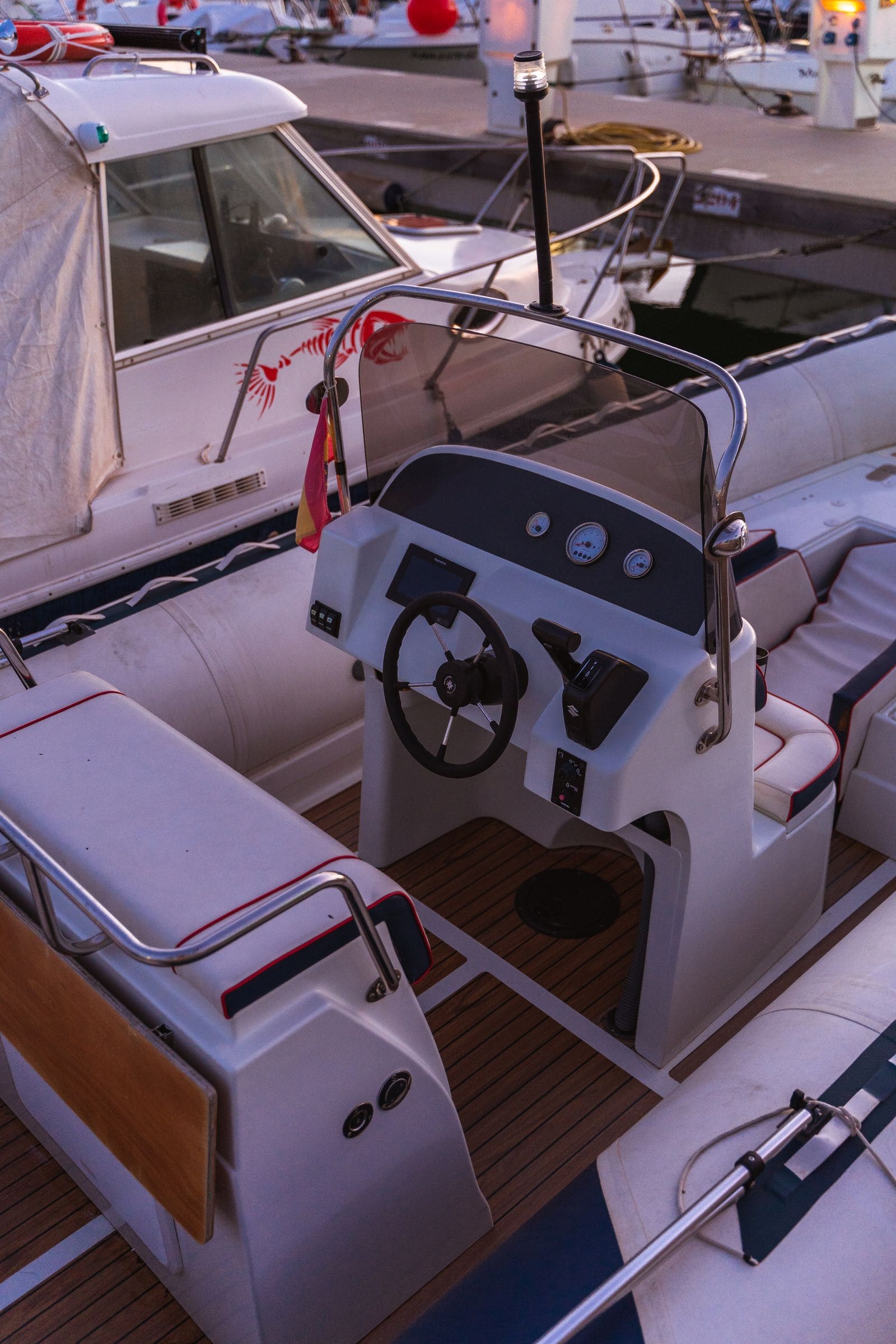
How to Install an Inspection Port (Deck Plate) in a Deck or Bulkhead
Add a screw-out or pry-out deck plate so you can reach hidden nuts, wiring, hoses and through-hulls, or check a deck core for rot. Learn where it is safe to cut, how to pick and size the port, how to seal a cored deck with epoxy, and how to bed the ring so it never leaks.
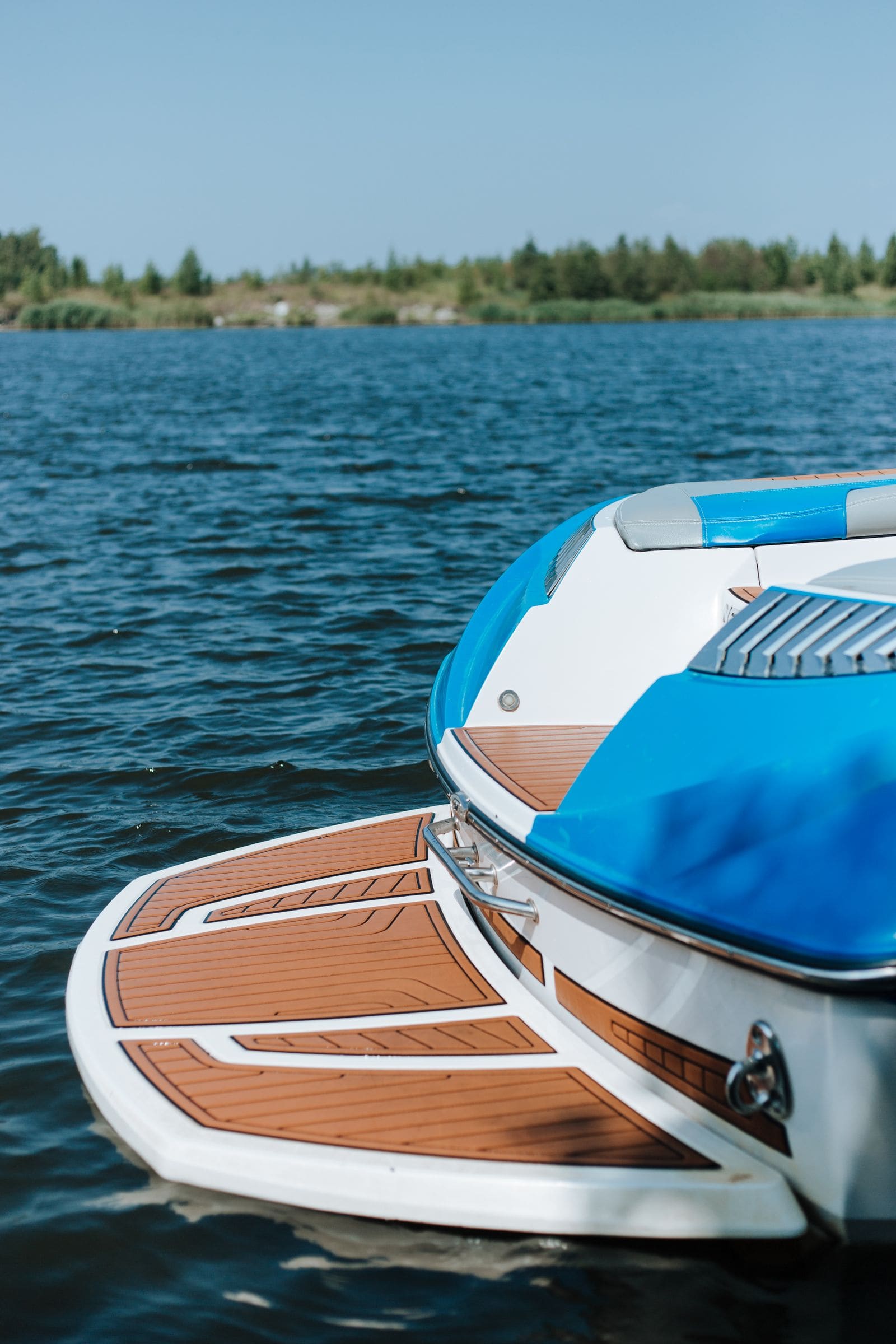
How to Install EVA Foam Decking (SeaDek-Style Pads) on Your Boat
Closed-cell foam decking makes a hard fiberglass deck grippy and comfortable underfoot. Learn when a peel-and-stick DIY job makes sense, how to template, cut and prep, the temperature and gap rules, how to lay pads without trapped air, and how to clean, repair and eventually remove them.

How to Keep a Boat Maintenance Log and Organize Your Receipts
Set up a simple maintenance log that records the date, engine hours, work done, parts and who did it, and keep receipts and photos organized. Good records help with warranty and insurance claims, show buyers the boat was cared for and reveal wear patterns before something fails.
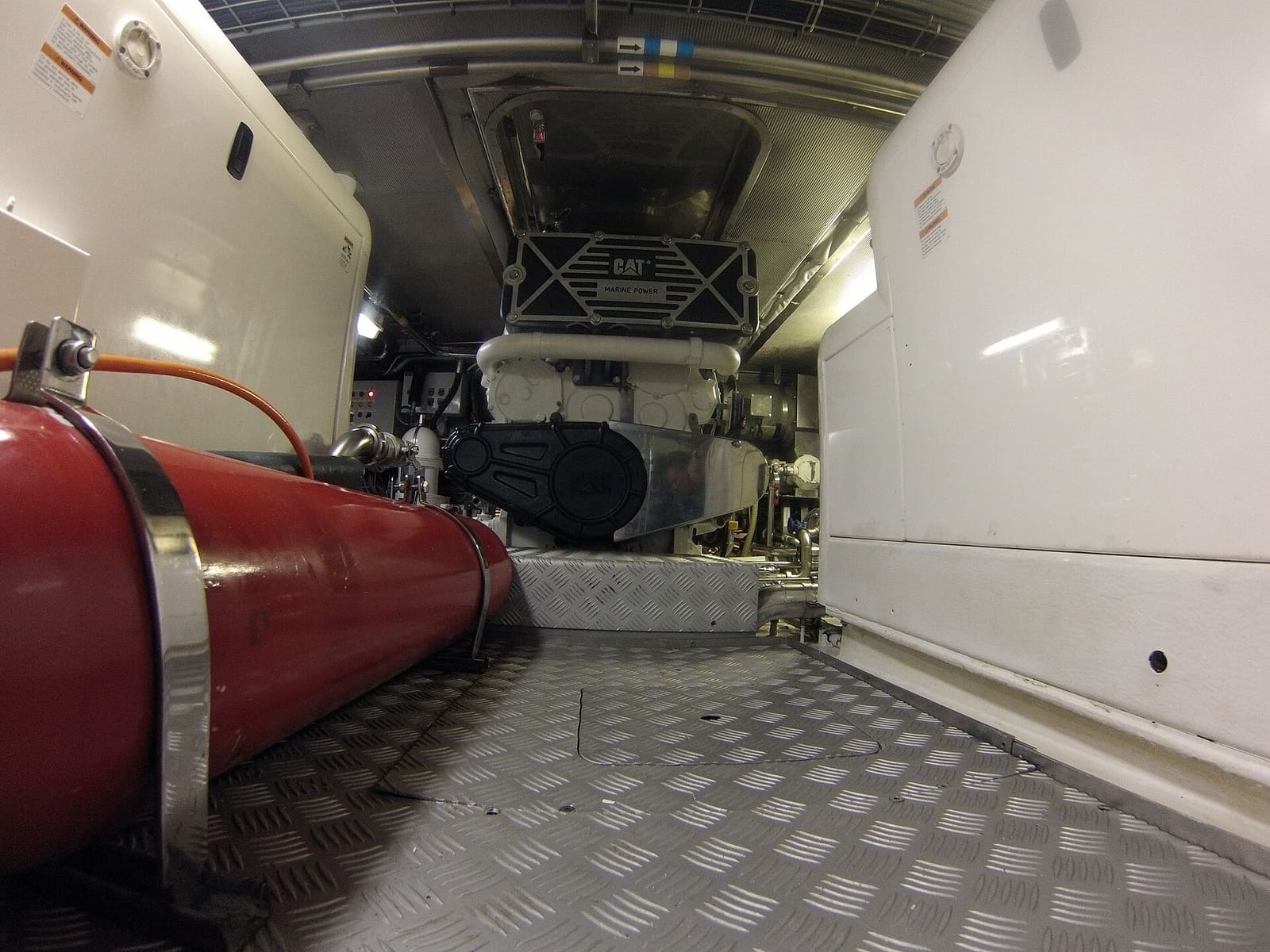
How to Keep a Dry Bilge, Including Dry Bilge Pump Systems
Standing water in the bilge causes odors, mildew and corrosion, and hides new leaks. Learn why your main pump leaves water behind and how to get rid of the last inch: cut the sources, clear limber holes, route AC condensate and showers to a sump, and add a small self-priming diaphragm pump if needed.

How to Keep Mice and Rodents Off Your Stored Boat
Mice love a stored boat: dry, quiet and full of soft nesting material and tasty wire insulation. Learn how to remove what attracts them, close their way in, choose deterrents and traps that actually work, avoid the risks of poison, and check the wiring safely in spring.
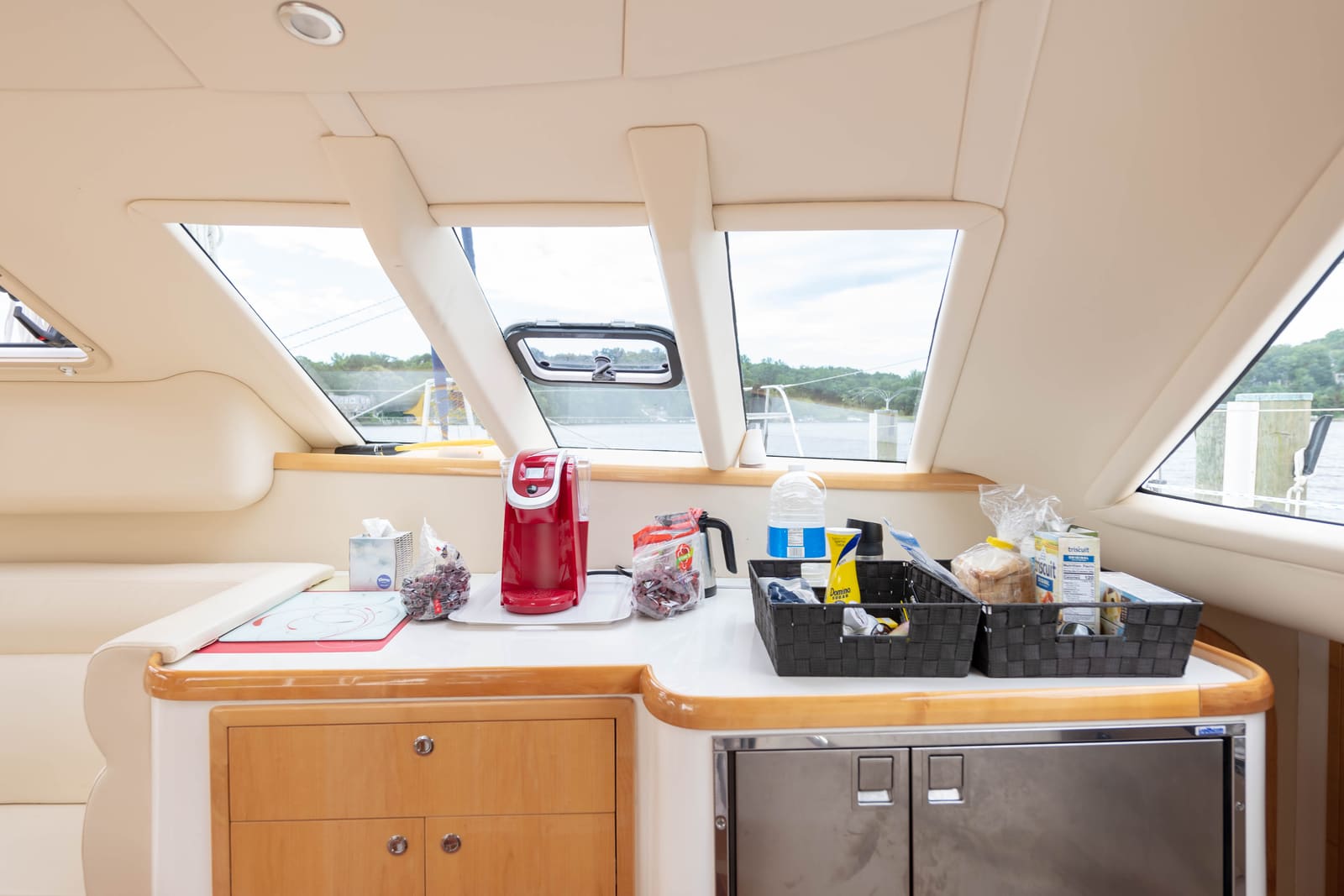
How to Keep Your Boat Fridge, Freezer or Icebox Cold (and Off Your Batteries' Back)
Most boat fridge problems are not a dead compressor: they are trapped heat, low voltage, leaky seals or too much frost. Learn the owner checks for air-cooled, water-cooled and keel-cooled units, how to estimate power draw, and how to store the system for winter.
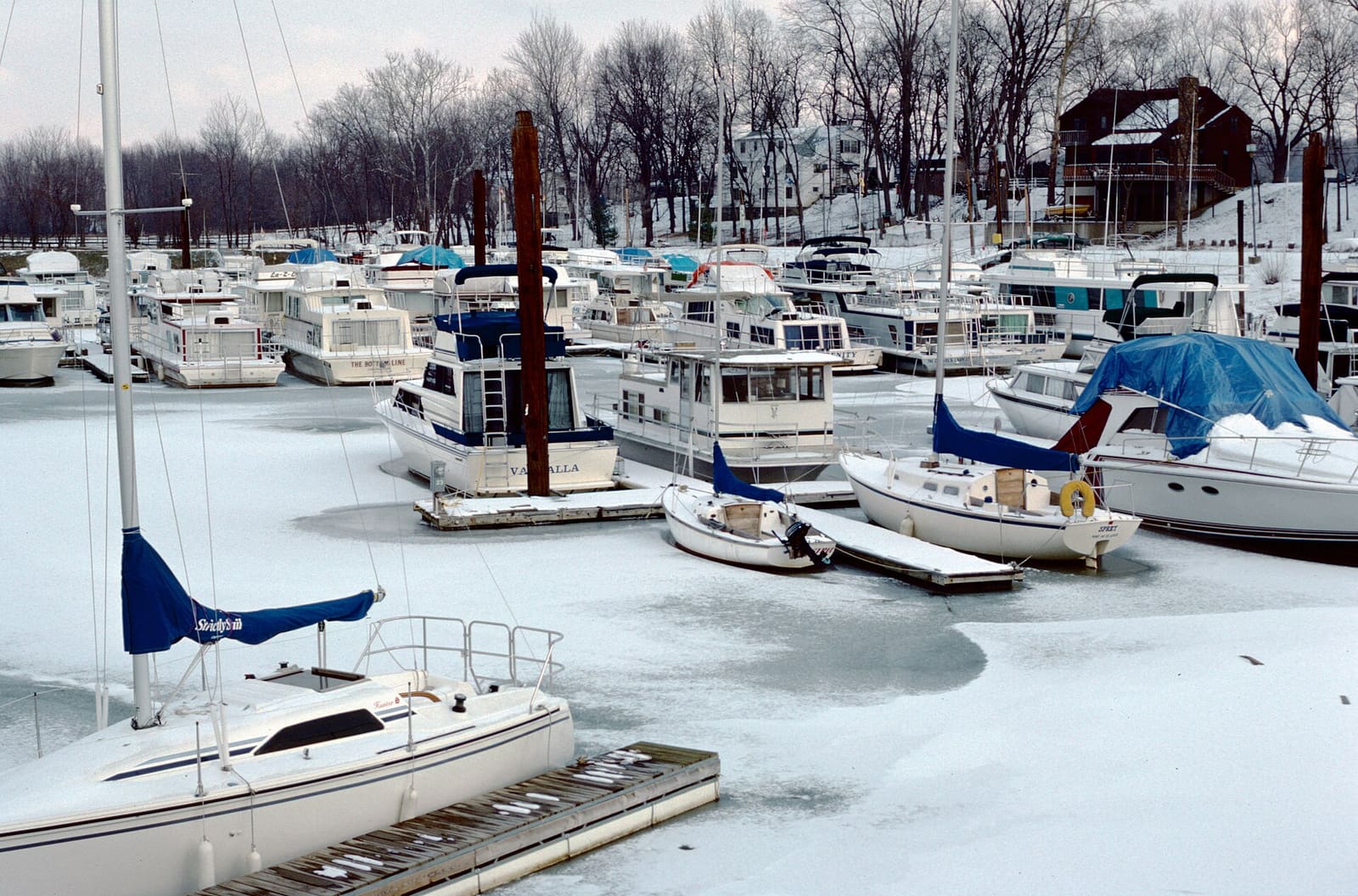
How to Keep Your Boat in the Water Over Winter (De-Icers, Covers and Checks)
Wintering afloat can be safe if you still winterize every water system, keep the bilge pump and batteries working, use a de-icer correctly on a GFCI-protected circuit, respect the shock and thin-ice risks, and visit the boat regularly.
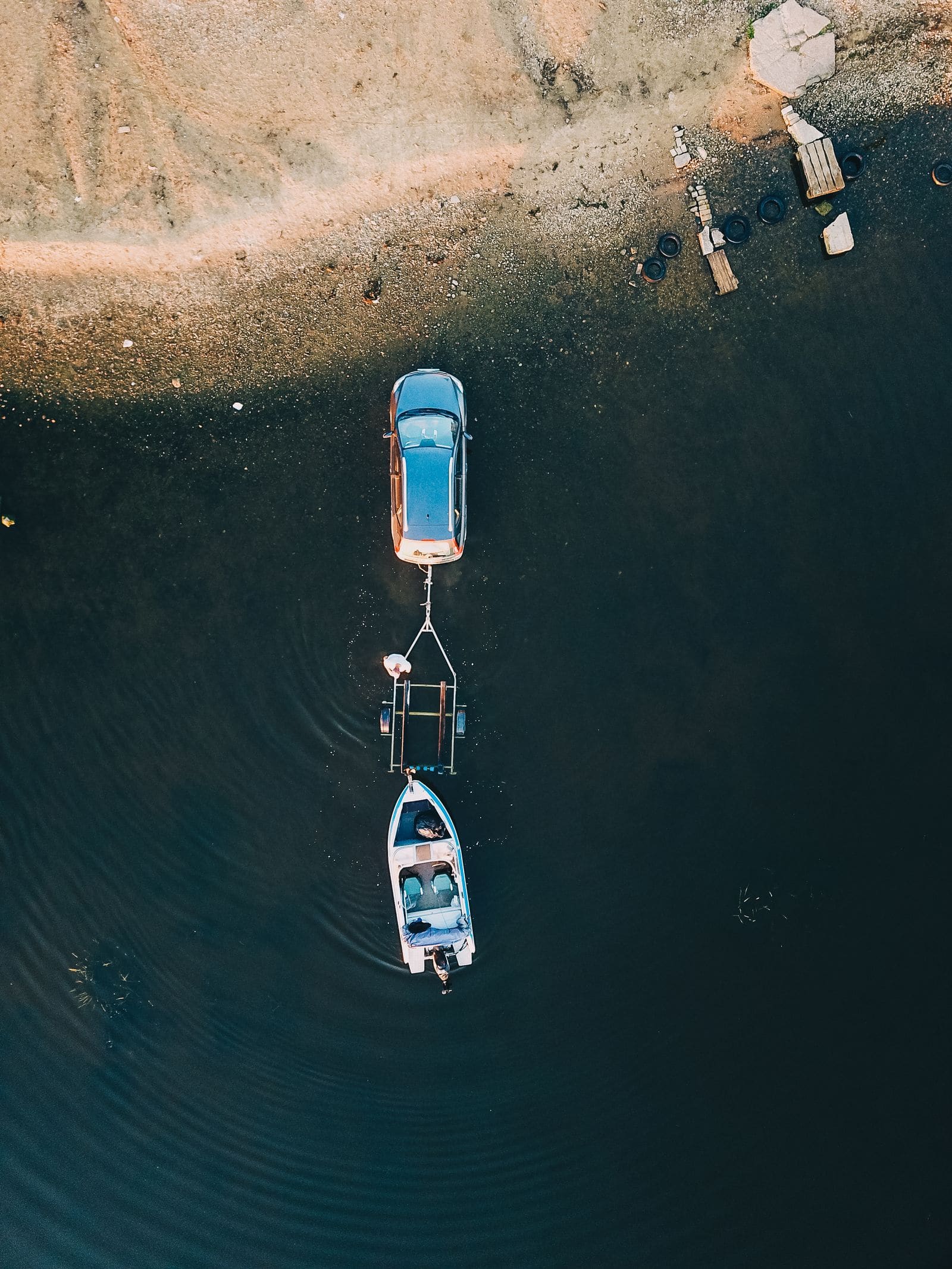
How to Launch and Retrieve Your Boat Alone
A repeatable routine for putting a trailer boat in and taking it out by yourself: what to do in the staging area, how to rig one long line so you can control the boat from the dock, when power loading is off-limits, and the safety habits that keep you, your boat and the next boater out of trouble.

How to Load Your Boat Safely: Capacity Plate, Balance and Stability
Too much weight, or the right weight in the wrong place, is behind most small-boat capsizes and swampings. Learn to read the capacity plate (persons, weight and horsepower), add up your real load, balance it side to side and fore and aft, and adjust for rough water, water aboard and towing riders.
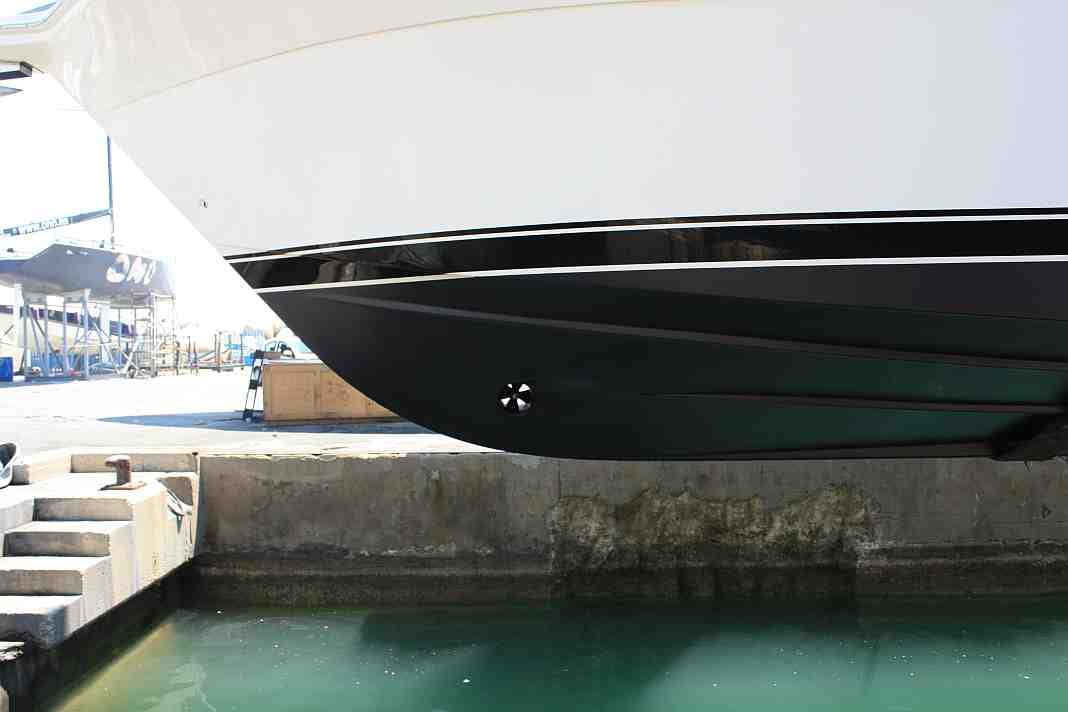
How to Maintain a Bow Thruster (Anode, Prop, Shear Pin, Gear Leg and Batteries)
Keep your electric bow or stern thruster ready for the moment you need it, with seasonal checks of its anode, prop and shear pin, gear leg oil, motor compartment, batteries and heavy cables, plus how to avoid overheating it. Most thruster failures build slowly from corrosion and weak batteries.
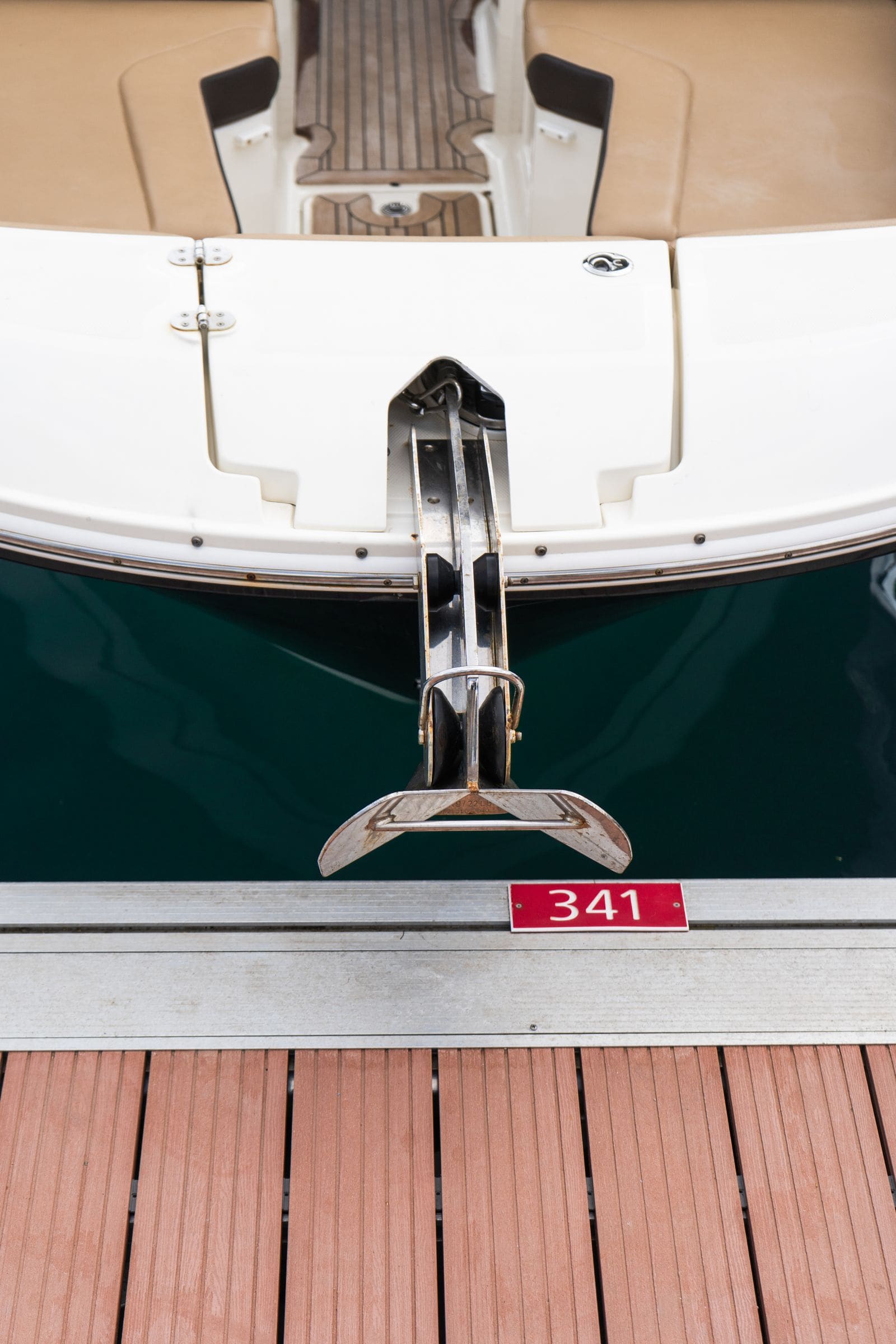
How to Maintain an Anchor Windlass and Inspect and Mark Your Anchor Rode
Keep your electric windlass working with a seasonal clean-and-grease, sort out a dead or slow windlass from the breaker and solenoid to the motor, and inspect, mark and splice your chain and rope rode. Your anchor is a safety system; this guide keeps every link of it ready.

How to Maintain Your Boat's Air Conditioning Seawater System
Keep seawater flowing through your marine A/C by cleaning the strainer, checking the pump and overboard discharge, descaling the condenser coil when flow drops, cleaning the air filter, and winterizing the seawater circuit before a freeze. Most "A/C not cooling" calls are a water-flow problem.

How to Maintain Your Mainsail Reefing System and Practice a Reef at the Dock
Check the reef lines, blocks, hooks and cringles of a slab (jiffy) reefing system, keep in-mast and in-boom furling mains running smoothly, and practice tucking in a reef at the dock so it is quick and safe when the wind comes up.
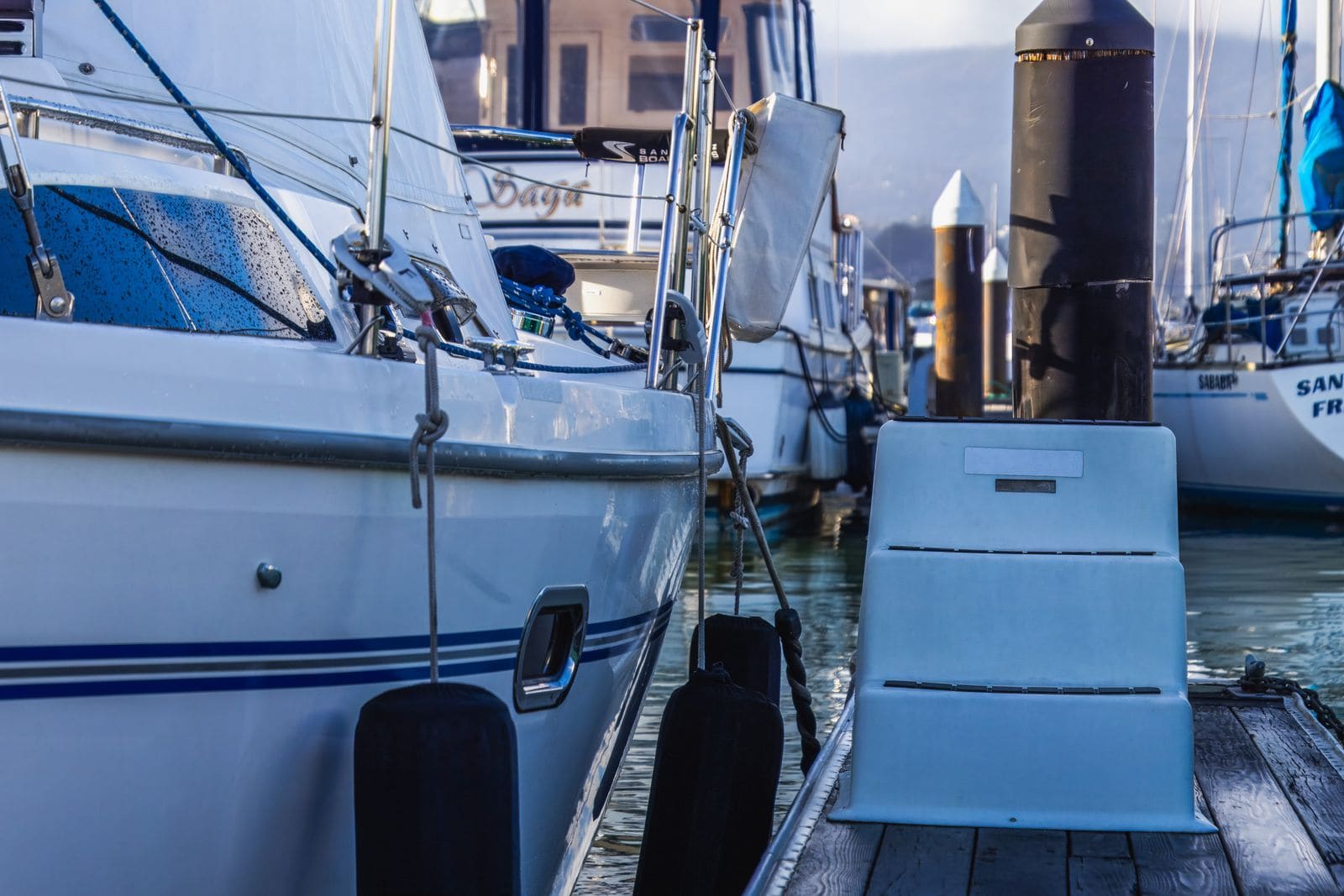
How to Match Gelcoat Color for Small Repairs
Get a chip or screw-hole repair to blend in with your hull instead of standing out as a bright patch. Learn to polish first so you see the real color, find your builder's color code or a matched gelcoat, tint by tiny steps, test cured samples in daylight, and allow for sun fading.
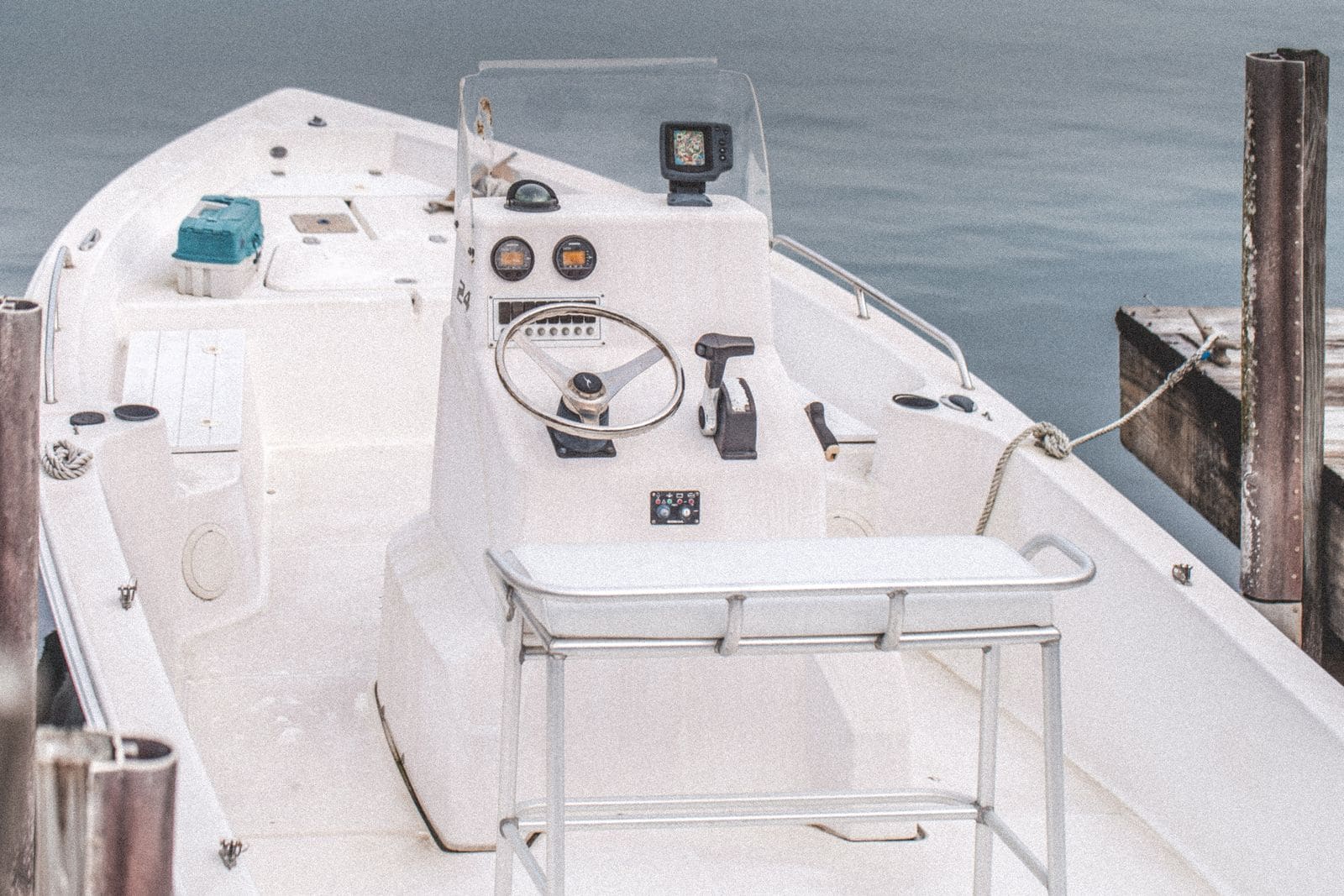
How to Mount Rod Holders, Fish Finders, Cleats and Antennas Without Causing Leaks
Add accessories to your boat the right way, with through-bolts, backing plates, sealed core and proper wire pass-throughs, so every new hole stays dry and strong. Also learn where you should never drill.
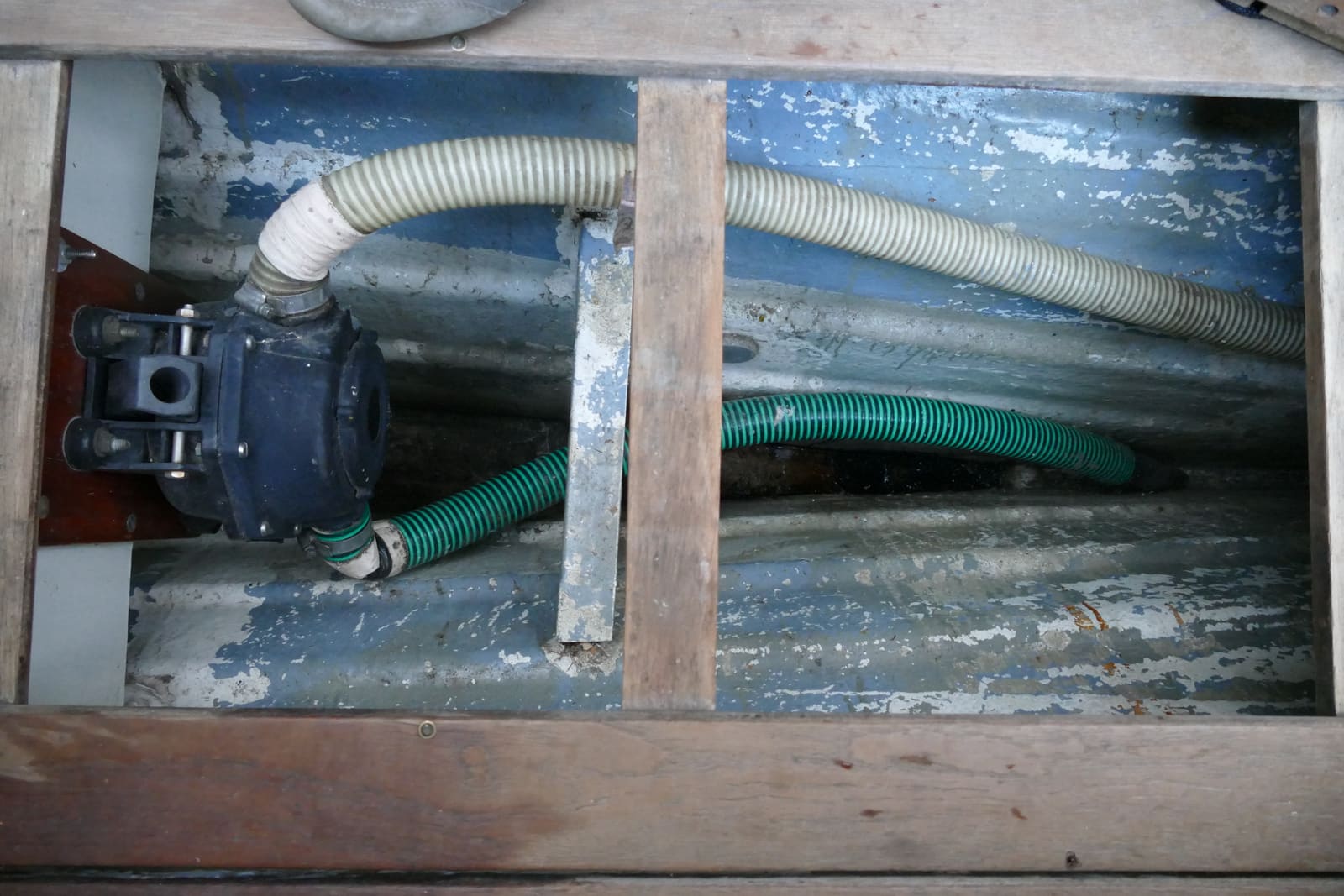
How to Paint a Boat Bilge (Prep, Paint Choice and What to Leave Bare)
A freshly painted bilge is easier to keep clean and makes small fuel, oil, coolant and water leaks easy to spot. Learn how to degrease and sand, pick between alkyd bilge paint and epoxy coatings, ventilate safely, and keep paint off the parts that must stay bare.
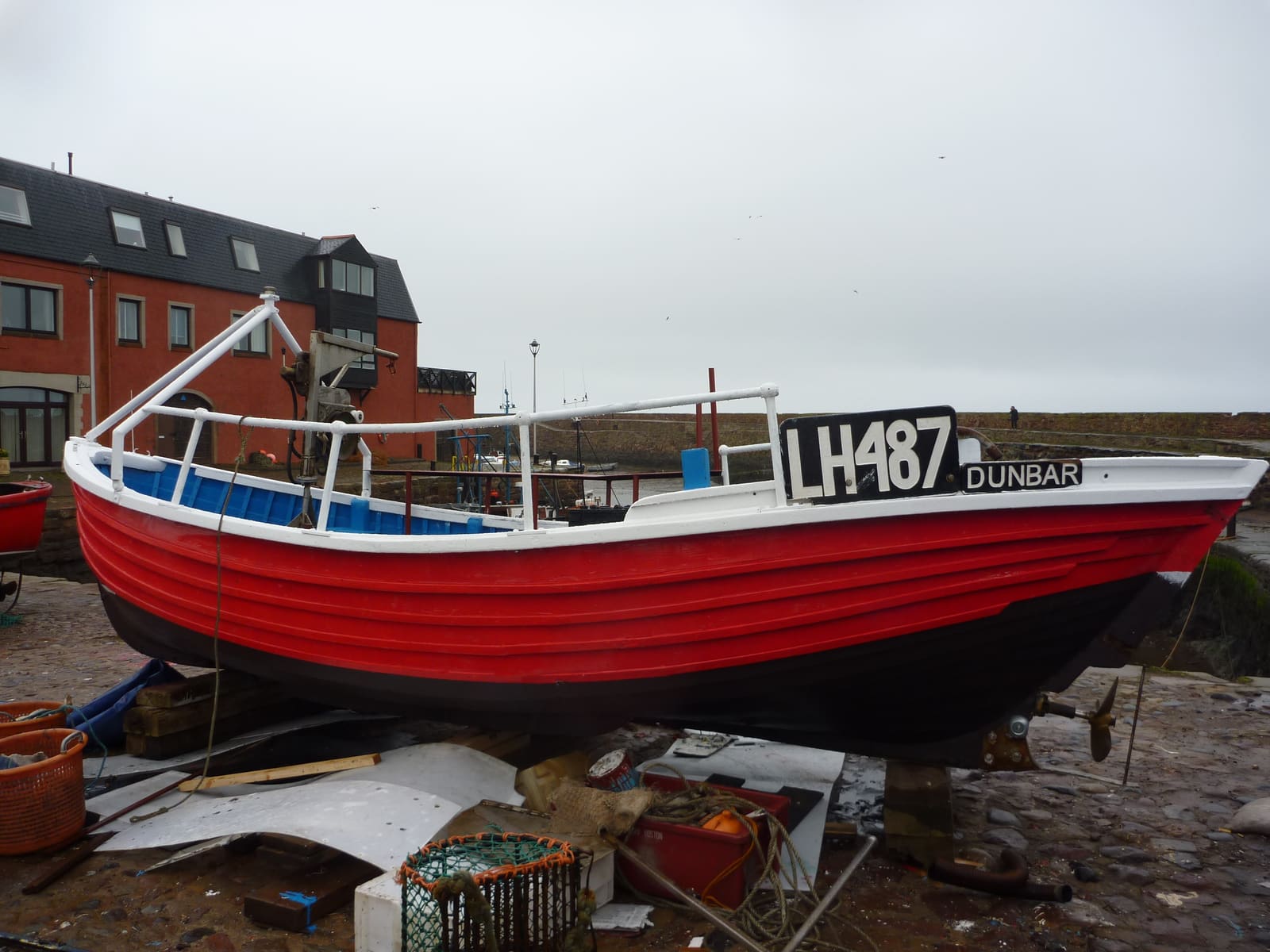
How to Paint Your Boat's Topsides (Roll and Tip)
When the gelcoat above the waterline is too chalky or crazed to polish back, a one-part or two-part polyurethane paint can bring back the shine. This guide covers choosing the paint, prep, weather windows, roll-and-tip technique and the safety gear two-part paints demand.
Safety: BoatMend is for information only and does not replace a certified marine technician. You are responsible for your safety and your boat. Read the full disclaimer.