How to Inspect Wakeboard Tower, T-Top and Bimini Hardware
Towers, T-tops and biminis carry tow ropes, speakers, boards, electronics and wind loads, all on a handful of bolts. Learn how to check the welds, bases, backing plates, bolts, folding hinges and accessory loads before a crack or a loose bolt becomes an accident.
Time
1 h
Shop would charge
$100-400
Applies to
All engines
Safety first: Never climb on, stand on or hang from a wakeboard tower or a bimini frame, and never let anyone else do it; Monster Tower warns it is dangerous and can damage the boat. Work from a ladder on firm ground or from the deck. Folding towers are heavy and can drop suddenly: have a helper hold the weight and keep fingers out of hinges and pinch points. If a tower, T-top or tow point shows a crack or a loose base, do not tow riders or run fast until it is repaired. If you hear cracking underway or a structure starts to move, slow down, get everyone clear and head in.
Owners often ask
- How often should I check the bolts on my wakeboard tower or T-top?
- There are cracks in the gelcoat around my tower base. Is that serious?
This guide walks you through it. Still stuck? Ask the AI Mechanic about your engine.
Tools
- Socket set, box wrenches and hex (Allen) keys that fit your tower hardware
- Torque wrench (if your tower manual gives torque values)
- Flashlight, inspection mirror and a magnifying glass
- Sturdy step ladder (for working from the ground beside the boat)
- Mild boat soap, soft brush and microfiber towels
- Paint pen or marker for witness marks
Parts & supplies
- Marine anti-seize compound or the corrosion inhibitor your tower maker recommends
- Replacement stainless bolts, washers and lock nuts matching the originals
- Replacement quick-release knobs or pins from the tower maker (if worn)
Before you start
Know what you have:
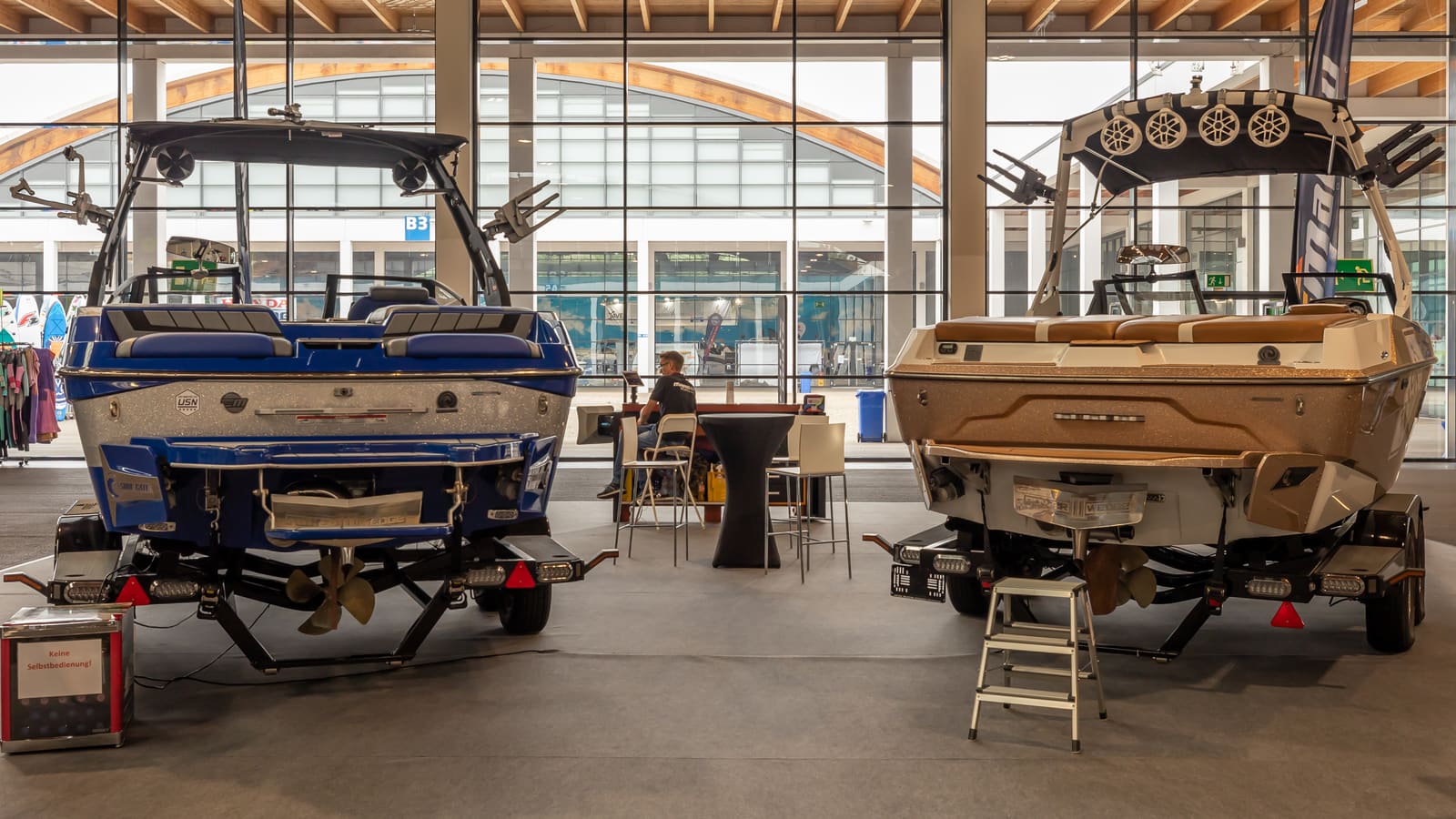
- Wakeboard / tow tower: an aluminum frame (fixed, folding or powered) with a tow point on top and often board racks, speakers and lights. Wakeboarding Magazine notes most are aluminum tubing with an anodized, powder-coated or painted finish.
- T-top or hardtop: a frame over the console of a fishing boat, usually through-bolted to the console and fastened to the deck, often carrying electronics, antennas, lights and rod holders.
- Bimini top: a folding fabric top on a light frame with deck hinges, straps and fittings.
Find the manual from your boat or tower maker. It lists the bolt torque (if any), how to fold the tower, what the tow point and accessories are rated for, and how often to check the hardware. Monster Tower, for example, suggests checking its tower hardware about every 30 hours of use; your maker's schedule may differ. Do this full inspection at least at the start of the season and after any hard impact, rough-water day or long trip on the trailer.
Steps
You cannot see cracks through salt and grime. Wash the frame with mild soap and water, rinse, and dry it. Monster Tower recommends rinsing after every outing, especially in salt water, because salt can pit aluminum and start corrosion. Avoid chlorine or phosphorus cleaners, scouring pads and powders on the frame; Monster Tower says they can etch it.
With a flashlight and magnifier, go over each weld, bend and joint. Sport Fishing Magazine's checklist singles out cracks around T-top welds and says to repair them before they grow or the frame breaks. Look for:
- Hairline lines in the metal or the coating, especially at welds and where legs meet bases
- Paint or powder coat that bubbles, flakes or shows white powder underneath (corrosion)
- Dents, kinks or bends in the tubing, often from a garage door, a bridge or a dropped tower
- Cracks around holes that were drilled for wiring or accessories
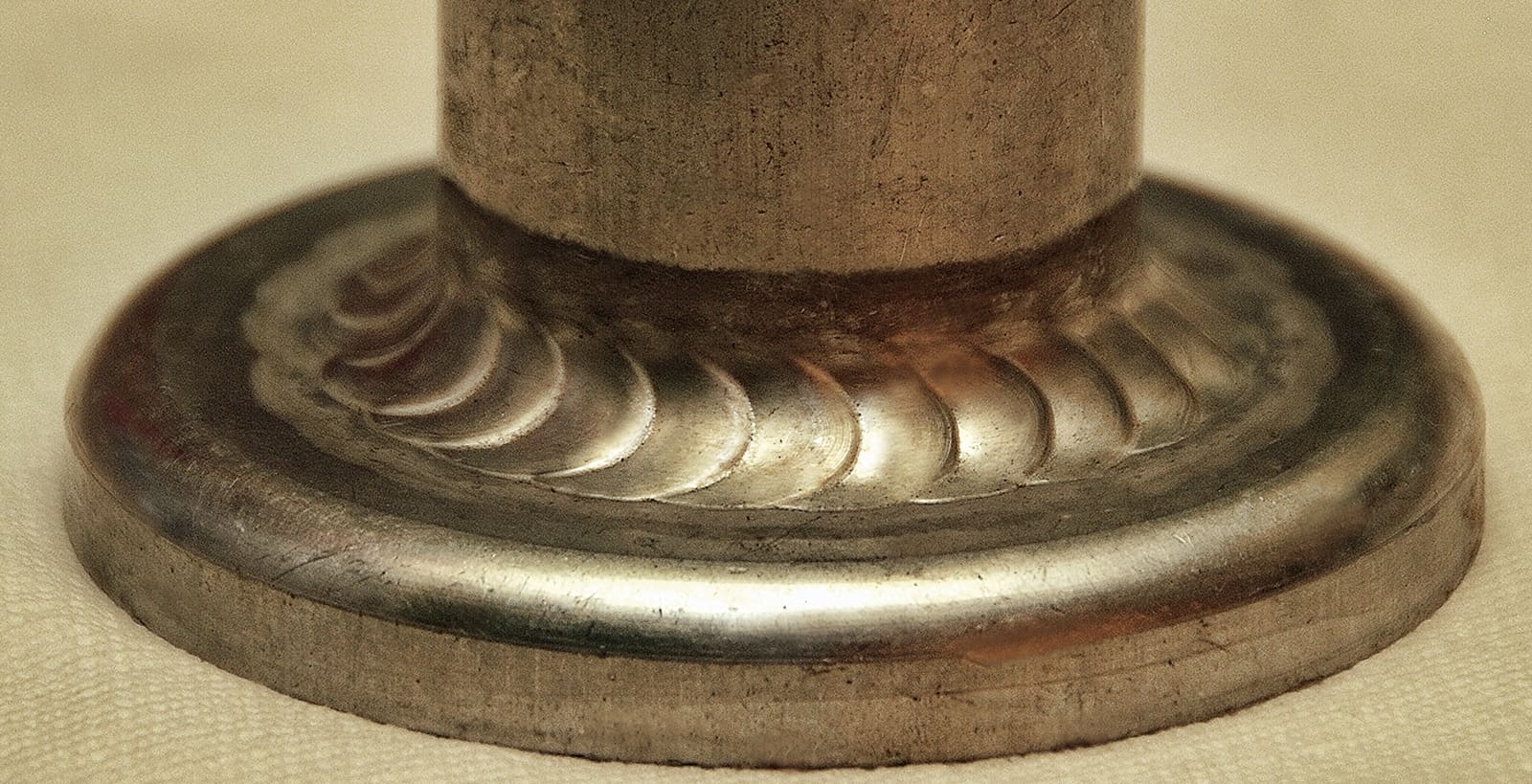
Tower legs are welded to their mounting feet. Check this joint closely for hairline cracks and corrosion. Photo: Chris Yarzab / Wikimedia Commons · CC BY 2.0 Look closely at each foot or base plate and the fiberglass around it:
- Star-shaped or spider cracks in the gelcoat radiating from a base mean the deck is flexing there.
- Gaps or failed sealant under a base let water into the deck core.
- Push the frame firmly fore and aft and side to side by hand (do not hang on it). The bases should not shift, creak or rock.
Monster Tower notes the more accessories you load on a tower, the more stress reaches the boat, and that most gelcoat damage comes from abuse. Small gelcoat cracks can be repaired (see the gelcoat guide), but find and fix the cause first.
Most towers and T-tops are through-bolted with backing plates under the deck or console to spread the load. Monster Tower supplies backing plates with its towers and recommends reinforcing thin decks, and Salt Water Sportsman says installers through-bolt with backing plates wherever they can reach. Open hatches, side panels or the console door to reach underneath and check:
- Every plate is present, flat and not cracked or bent
- Nuts are tight with washers, and threads show past the nut
- No rust streaks, water stains or wet, soft or crumbling core around the bolts (a sign water is getting in)
- Wood or plywood reinforcement is not dark, soft or rotten
Where no one could reach underneath, installers sometimes use screws bedded in adhesive sealant. Check these from above: a screw that spins without tightening, or a loose base, needs a pro.
Check the top-section and base hardware for tightness, as Monster Tower recommends, including quick-release knobs. Tighten with hand tools, to the torque in your manual if it gives one. Do not crank bolts down until the base dents the deck: crushing the fiberglass or core weakens it. After checking, draw a thin paint-pen line across each nut and its base; if a line breaks later, that nut has moved.
Stainless bolts in aluminum frames can seize and corrode where they touch, especially in salt water. Salt Water Sportsman's tower builder says anti-seize is required whenever stainless is threaded into aluminum and recommends treating fasteners regularly, or the connections lock up and have to be replaced. Look for white powder or swelling around bolts. When you remove and reinstall a bolt, clean the threads and apply a thin film of anti-seize or the compound your maker specifies. Replace rusted, bent or stretched bolts with the same size and grade.
For folding or powered towers, lower and raise the tower with a helper, following the manual. Check:
- Hinge pivots and pivot bolts for wear, slop or cracks around the holes
- Locking pins, cams and knobs: they must fully engage and stay locked
- Gas struts, springs or actuators: the tower should not drop fast or feel much heavier than before
- Rod-end (Heim) joints at the bases: Monster Tower suggests spraying them with a light corrosion inhibitor after saltwater use
Before towing anyone, confirm the tower is fully up and locked.
Inspect the tow point or swivel for wear, sharp edges or grooves that can cut a rope, a swivel that binds, and loose knobs or pins. Check that the rope attaches only where the tower maker says to. See the tow rope and watersports gear guide for the rope itself.
Board racks, speakers, lights, electronics, rod holders and even a bimini add weight and leverage, and everything high up gets whipped around in waves. Use only racks and mounts made for your tower's tube size and shape, and stay within the weight and quantity limits the tower or accessory maker publishes. Do not drill new holes in tower tubing except where the maker allows it (Monster Tower, for example, specifies where wiring holes may go relative to the welds). Check every clamp, rack and speaker bracket for tightness, cracks and corrosion, and make sure wiring is secured and not chafing at the tube entries.
On a T-top or hardtop, check the antenna and radar mounts, light fixtures, outrigger bases and rod holders. Sport Fishing Magazine and Salt Water Sportsman both stress solid backing under heavy accessory bases. Look for loose screws, cracked mounting pads and water stains on the underside of a hardtop.
Inspect deck hinges, jaw slides, eye straps and their screws for cracks or loose fasteners; check straps and buckles for UV damage. Monster Tower rates its own over-the-top biminis for use up to about 45 mph and says to fold and stow them above that, in strong wind, and always for trailering; check your bimini maker's rating. See the canvas and vinyl care guide for the fabric.
Before trailering, fold and strap the bimini (Monster Tower calls open biminis on the highway one of the most common causes of damage), remove loose boards and gear, and fold a folding tower if your manual calls for it. Know your total height for garages, storage buildings and bridges.
Log the date, any loose hardware you tightened, and photos of any cracks in BoatMend. Comparing photos over time shows whether a hairline crack is growing.
Common mistakes
- Climbing on the tower, hanging from it or using it as a handhold to board the boat.
- Adding extra speakers, boards or a heavy rack without checking the maker's load limits.
- Drilling holes in the tubing for wires or accessories anywhere the tower maker does not allow. Some towers come pre-drilled, and makers that allow drilling say exactly where (Monster Tower's knowledge base gives set distances from the welds); check yours before you drill, because a hole in the wrong spot can start a crack.
- Overtightening base bolts until the deck crushes, or never checking them at all.
- Threading stainless into aluminum with no anti-seize, so bolts seize and break later.
- Trailering with the bimini open, or pulling into a garage with the tower up.
- Painting over a crack to make it look better instead of having it welded.
- Using harsh cleaners or scouring pads that strip the anodizing or coating.
When to call a pro
- Any crack in a weld, tube, base, hinge or the tow point.
- A base that moves, screws that spin, or wet, soft or rotten core under a mount.
- Gelcoat cracks radiating from bases, or water stains under the deck near the mounts.
- A folding mechanism that drops suddenly, will not lock, or a powered actuator that struggles.
- Seized or broken bolts in an aluminum frame (extracting them can damage the frame).
- Installing a new tower or T-top, or moving one to another boat: Wakeboarding Magazine recommends the tower maker's dealer network, which knows how to reinforce mounting areas.
Tips
- Wax the frame once or twice a season; Monster Tower says it helps protect the finish.
- Keep a spare set of quick-release knobs and pins for your tower model aboard.
- Remove boards from the racks for long highway trips; they add a lot of wind load at road speed.
- Take a photo of each base and backing plate at the start of the season to compare later.
Official references
We read these to write this guide. Your engine's own manual always wins.
- Monster Tower – How to Maintain My Monster Tower
- Monster Tower – Knowledge Base (installation, reinforcement and accessories FAQ)
- Monster Tower – Tower Bimini Maintenance Guide
- Wakeboarding Magazine – How to Choose the Right Tow Tower
- Salt Water Sportsman – Adding a T-Top, Tower or Poling Platform to a Boat
- Salt Water Sportsman – T-Top for Boats (hard or soft)
- Sport Fishing Magazine – Boat Maintenance Checklist
Safety: BoatMend is for information only and does not replace a certified marine technician. You are responsible for your safety and your boat. Read the full disclaimer.
Last updated 2026-10-24
Related guides
How to Clean and Protect Boat Canvas, Bimini Tops and Vinyl Seats
Wash your bimini, covers and enclosure the right way, beat mildew without wrecking the stitching, keep vinyl seats soft and stain-free, look after zippers and snaps, and store everything so it comes out clean next spring.
How to Repair Small Gelcoat Chips and Scratches
Fill and blend small chips, dings and scratches in your boat's gelcoat with a repair kit so they stop letting water into the fiberglass and look close to new. Also learn to spot damage that is structural and needs a pro.
Tow Ropes, Tubes and Watersports Gear: Inspect, Rig and Retire
Check ski, wakeboard and tube ropes, handles, towable tubes and your boat's tow points before every outing, rig them the right way, and know when to throw gear out. Includes the safety basics (spotter, flag, life jackets, prop and carbon monoxide) that vary from state to state.
Wake Boat Ballast Systems - Care, Troubleshooting, Weight Limits and Winterizing
Keep your wake boat's ballast tanks, bags and pumps working: fill and drain them the right way, stay under the boat's weight capacity, fix tanks that won't fill or empty, change the pump impellers, stop invasive species from riding along, and protect the system from freezing.

Get Your Boat Ready for the Road: Pre-Trailering Checklist
Most trailering trouble starts in the driveway: an engine left without support, a loose strap, a cover that balloons at 60 mph, gear that blows out or tongue weight that makes the rig sway. Work through this checklist before every trip and do a quick walkaround at each stop.
How to Find and Fix Corroded Electrical Connections on a Boat
Track down the green crust and loose terminals behind flickering lights, dead gauges and slow cranking with a simple voltage-drop test, then remake the connection the marine way: tinned wire, a proper crimp, adhesive-lined heat shrink and a protective coating.
How to Check a Boat for Transom and Stringer Rot
Many older fiberglass boats have wood inside the transom, stringers and deck, and water that gets in slowly rots it. Learn the tap test, the flex test, how to read a moisture meter and the other warning signs, and why a rotten transom or stringer is a structural job for a pro, not a weekend patch.