Repair & maintenance guides
Plain-English, step by step, written for owners. Pick your engine to see the guides that apply to it.
317 of 509 guides · page 4 of 14
Extended Warranties and Service Plans for Boat Engines: Factory Plans vs Third-Party Contracts
Decide whether an extended service plan is worth it: how factory plans such as Mercury Product Protection and Yamaha Y.E.S. differ from third-party contracts, what they usually cover and exclude, why maintenance records decide claims, how deductibles, transfers and cancellations work, and the questions to ask before you sign. Practical guidance, not legal or financial advice.
FCC Ship Station License vs. a Free MMSI: Which One Your Boat Needs, and How to Keep It Current
Most U.S. recreational boats that stay in U.S. waters don't need an FCC radio license, but every DSC radio and AIS needs a registered MMSI. Learn when an FCC ship station license and operator permit are required (foreign ports, SSB/HF, satellite), how to get an MMSI from BoatUS, America's Boating Club or Shine Micro, and what to do when you sell, buy or rename a boat.

Financing a Boat: Loan Terms, Survey and Insurance Requirements, Liens and the True Cost of Ownership
Understand a boat loan before you sign: typical terms and down payments, what lenders check, why they want a survey and insurance, how the lien is recorded (Coast Guard preferred mortgage for documented boats, state title for the rest), how the payoff works when you sell, and how to add up the real yearly cost beyond the monthly payment. Practical guidance, not financial advice.
Fishing Line Behind the Prop: How It Ruins Gearcase Seals and How to Catch It Early
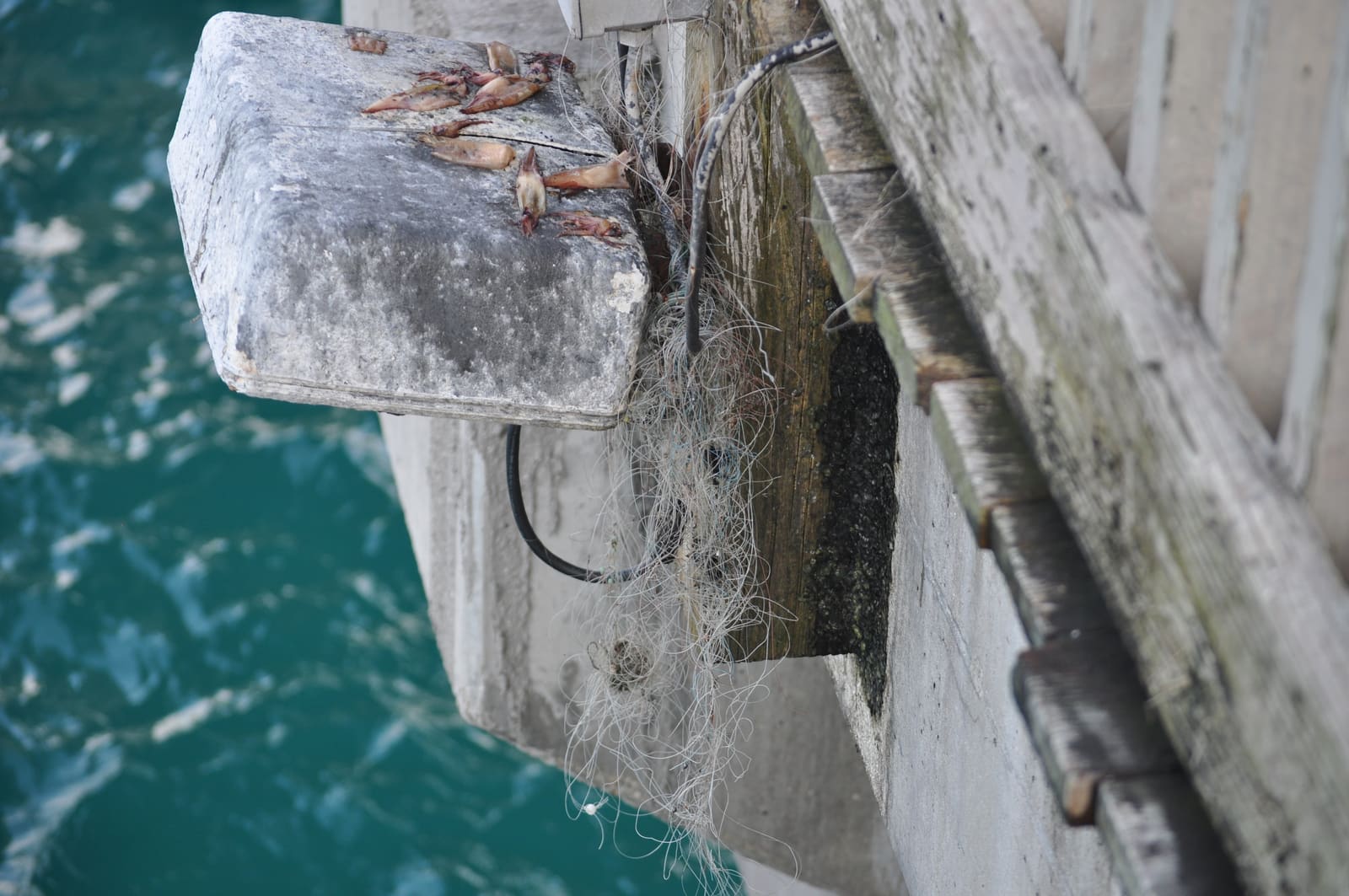
Fishing line that wraps behind your propeller can melt into a sharp ring that cuts the prop shaft seals and lets water into the gearcase. Learn the quick after-trip check, how to pull the prop and clear line safely, the signs that a seal is already damaged, and when to get a pressure test.
Fuel Anti-Siphon Valve: Diagnosing a Sticking Valve and Replacing It Safely
The anti-siphon valve at your built-in fuel tank stops gasoline from draining into the bilge if a fuel line breaks, but a cheap or sticky one can starve the engine at speed. Learn how to tell a restricted valve from a blocked vent or filter, how to clean or replace it with a quality valve of the right type, and why you should never pull the check ball out.
Fuel Demand Valves: Troubleshooting the Valve That Holds Back a Sealed Tank
Modern EPA-compliant fuel tanks stay sealed and build pressure in the sun, and a fuel demand valve keeps that pressure from pushing gasoline into the engine when it's off. Learn how it differs from an old-style ball anti-siphon valve, the symptoms of one that sticks closed or leaks through, how to rule out cheaper causes first, and why the replacement must be the same type, never a ball valve.
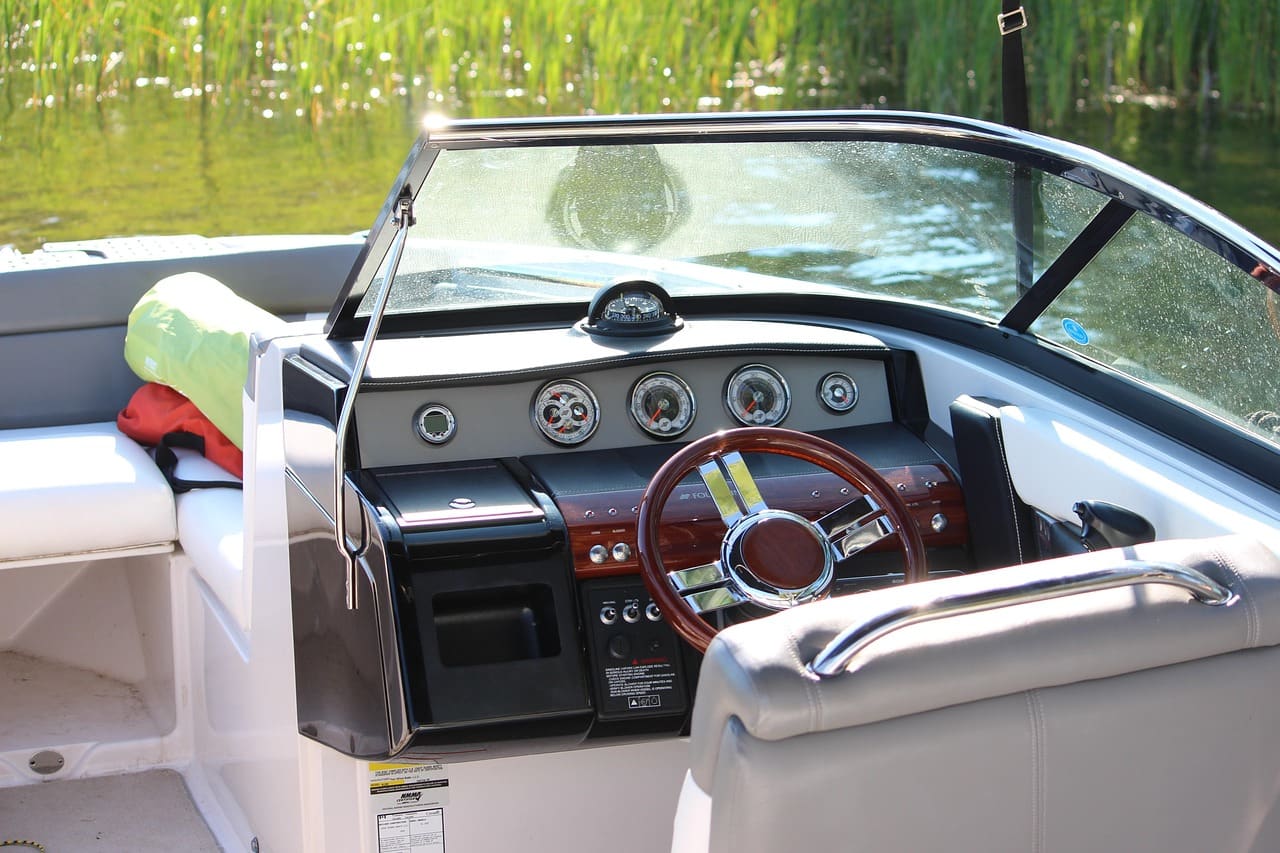
Fuel Gauge Reads Wrong or Empty? How to Test the Gauge, Sender and Wiring
Find out why your boat's fuel gauge reads empty, full, backward or jumps around, working from the free checks at the dash to testing the tank sender and replacing it safely. Most problems are a stuck float, a bad ground or a sender that doesn't match the gauge.
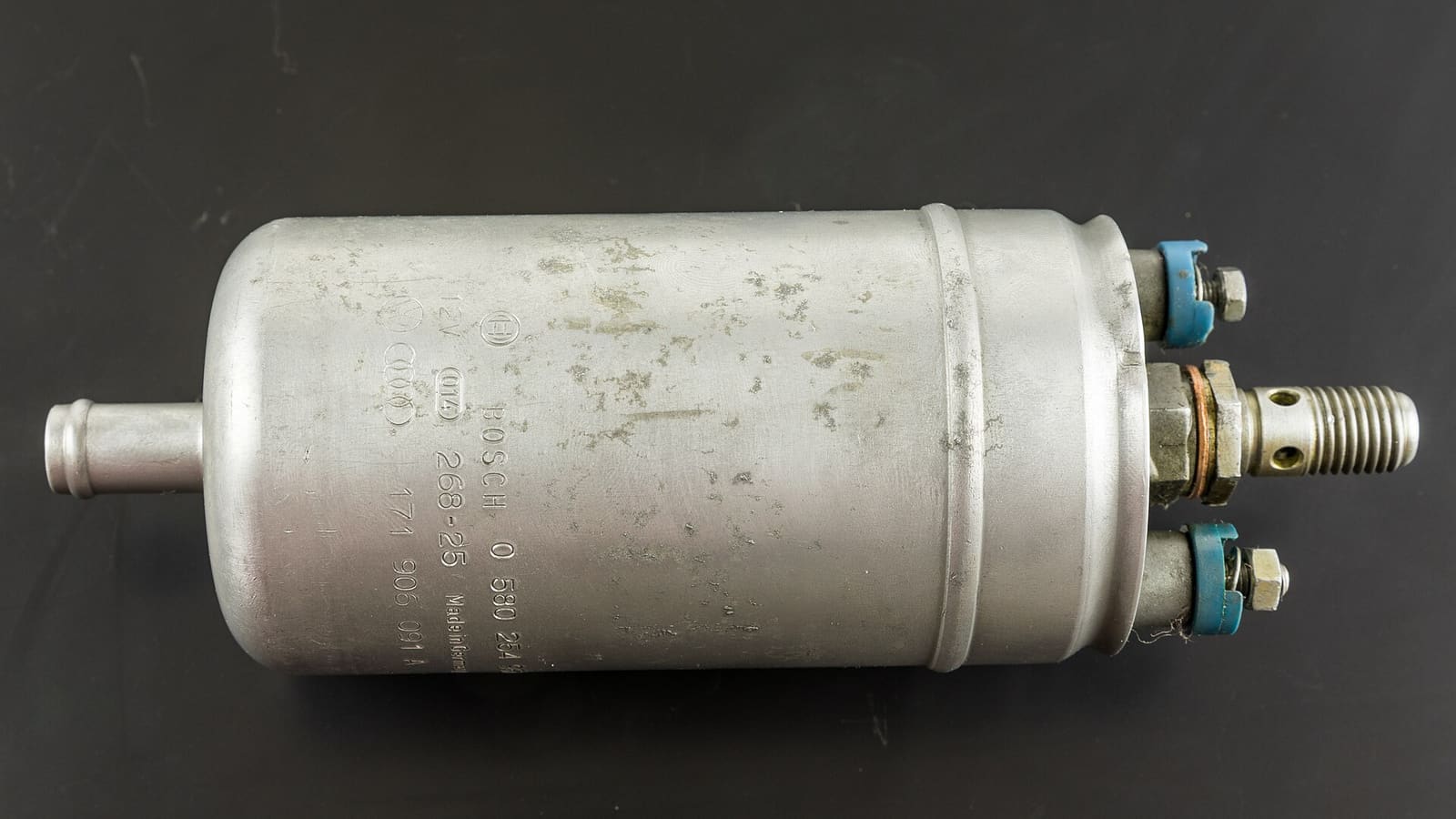
Fuel Pump Checks - Is It the Pump or Something Starving It?
Bogging at speed, surging or dying after a few minutes is often blamed on the fuel pump, but vents, filters, primer bulbs and anti-siphon valves cause the same symptoms. Learn how mechanical, pulse and electric pumps work, the safe checks you can do, what the primer bulb is telling you, and why a real pressure test needs the right gauge and the factory spec.
Fuel Smell on Board: What to Do and How to Find the Source
A gasoline smell on a boat is a fire and explosion warning. Learn what to do in the first minutes, the most common sources (fill and vent hoses, tank fittings, fuel lines, carburetors and injectors, overfilling), how to look safely, and when to stop and call a pro.

Fuse Keeps Blowing? How to Troubleshoot a Boat Fuse Block or Breaker Panel
Work through a blown fuse or tripping breaker the safe way: confirm it, tell a short from an overload, isolate the device or wire at fault, replace a worn breaker or panel switch with the same rating, and label every circuit, without ever fitting a bigger fuse.
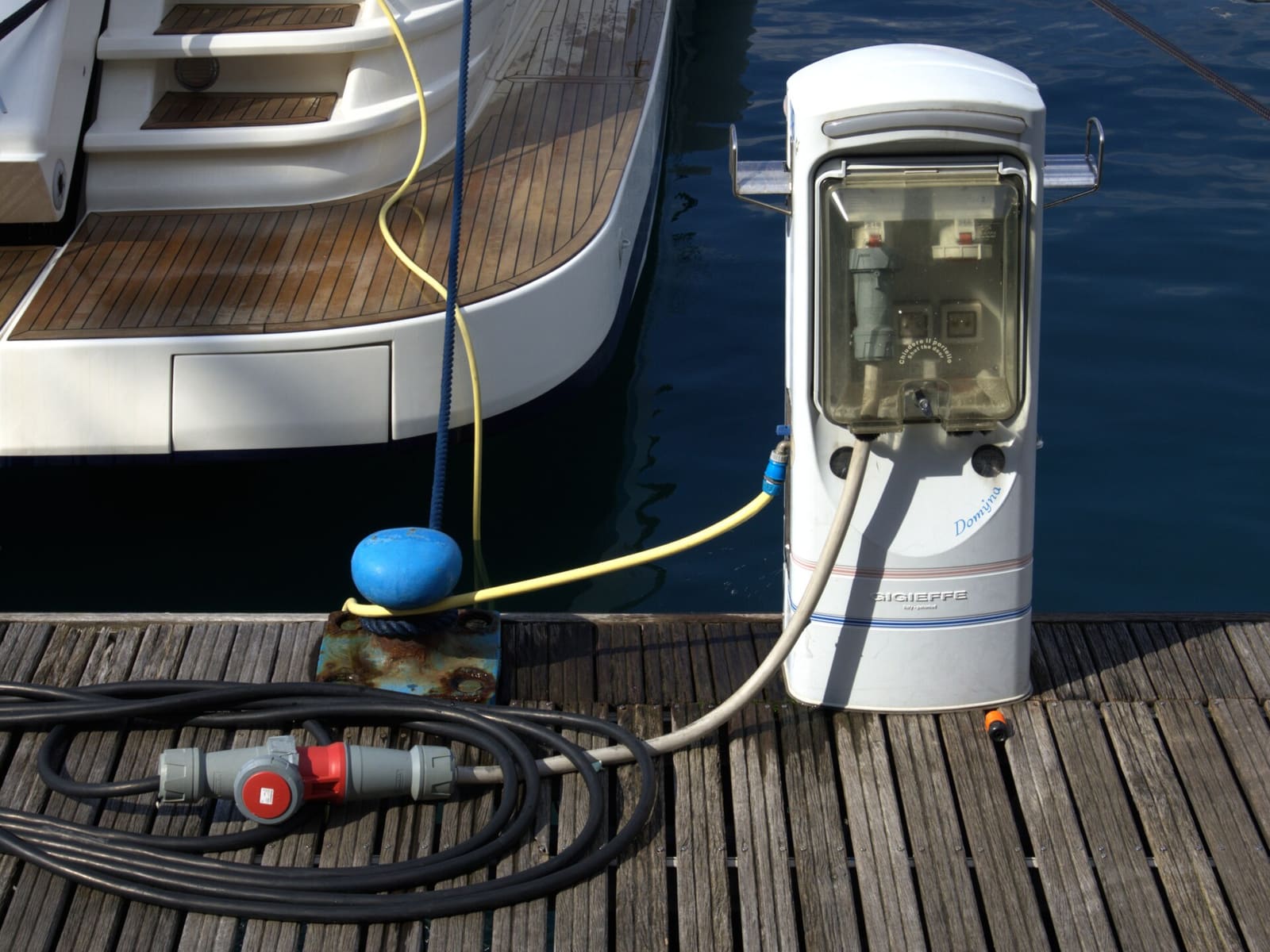
Galvanic Isolator: Why Shore-Powered Boats Need One and How to Tell If It's Working
A galvanic isolator (or an isolation transformer on bigger boats) keeps stray DC current from the marina's ground wire from eating your anodes, drive and running gear, without cutting the safety ground. Learn what it does, the owner-level checks you can do, what failure looks like, and why the actual meter test is usually a job for a marine electrician.
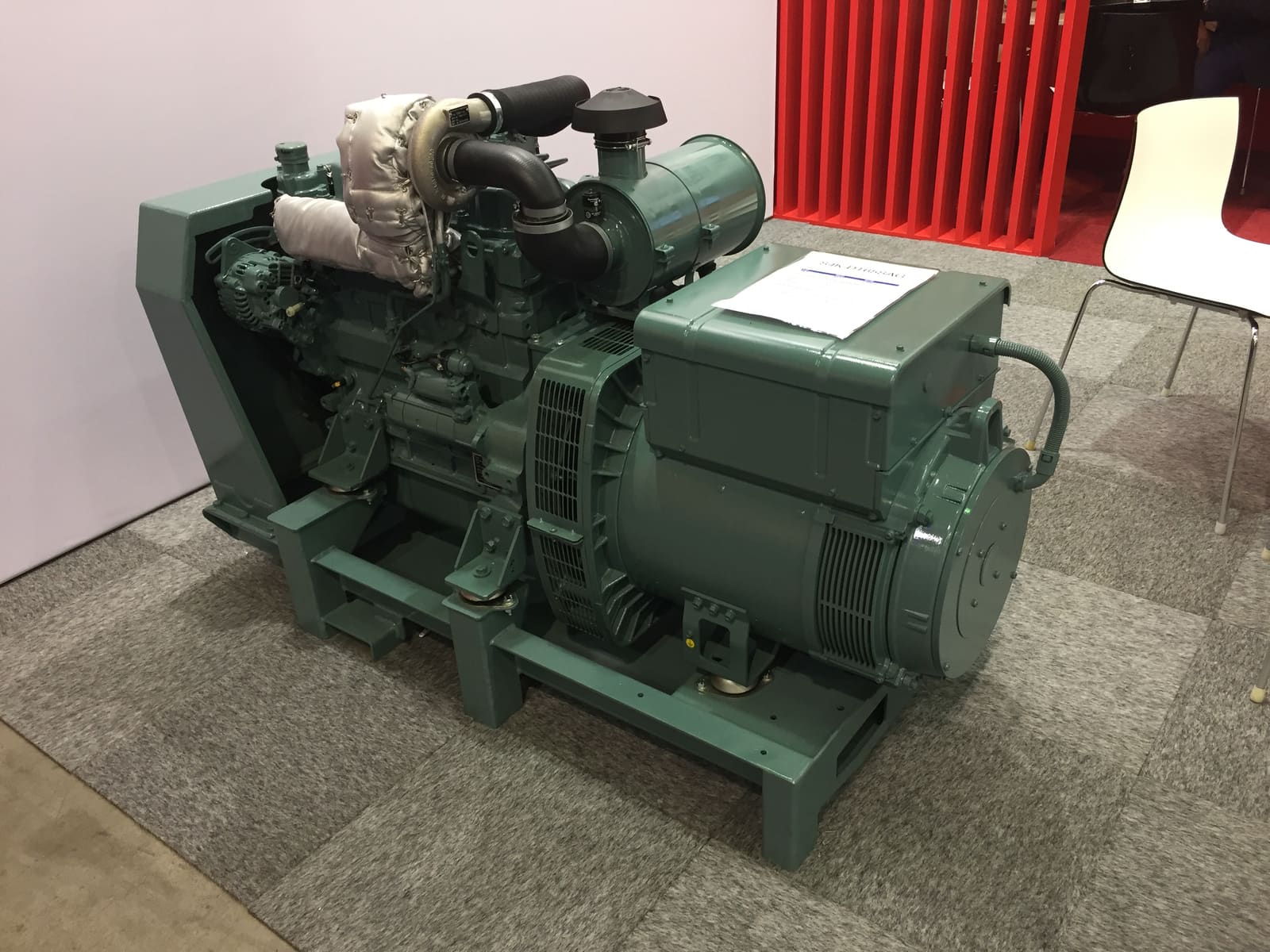
Generator Pre-Trip Check: What to Inspect and Test Before a Cruise
A marine generator that quits on the first hot night of a cruise usually gave warning signs at the dock. Use this pre-departure checklist, based on generator makers' own advice, to inspect the oil, coolant, belt, raw-water side, exhaust and CO alarms, run the set under real load, and pack the right spares.

Get Your Boat Ready for the Road: Pre-Trailering Checklist
Most trailering trouble starts in the driveway: an engine left without support, a loose strap, a cover that balloons at 60 mph, gear that blows out or tongue weight that makes the rig sway. Work through this checklist before every trip and do a quick walkaround at each stop.
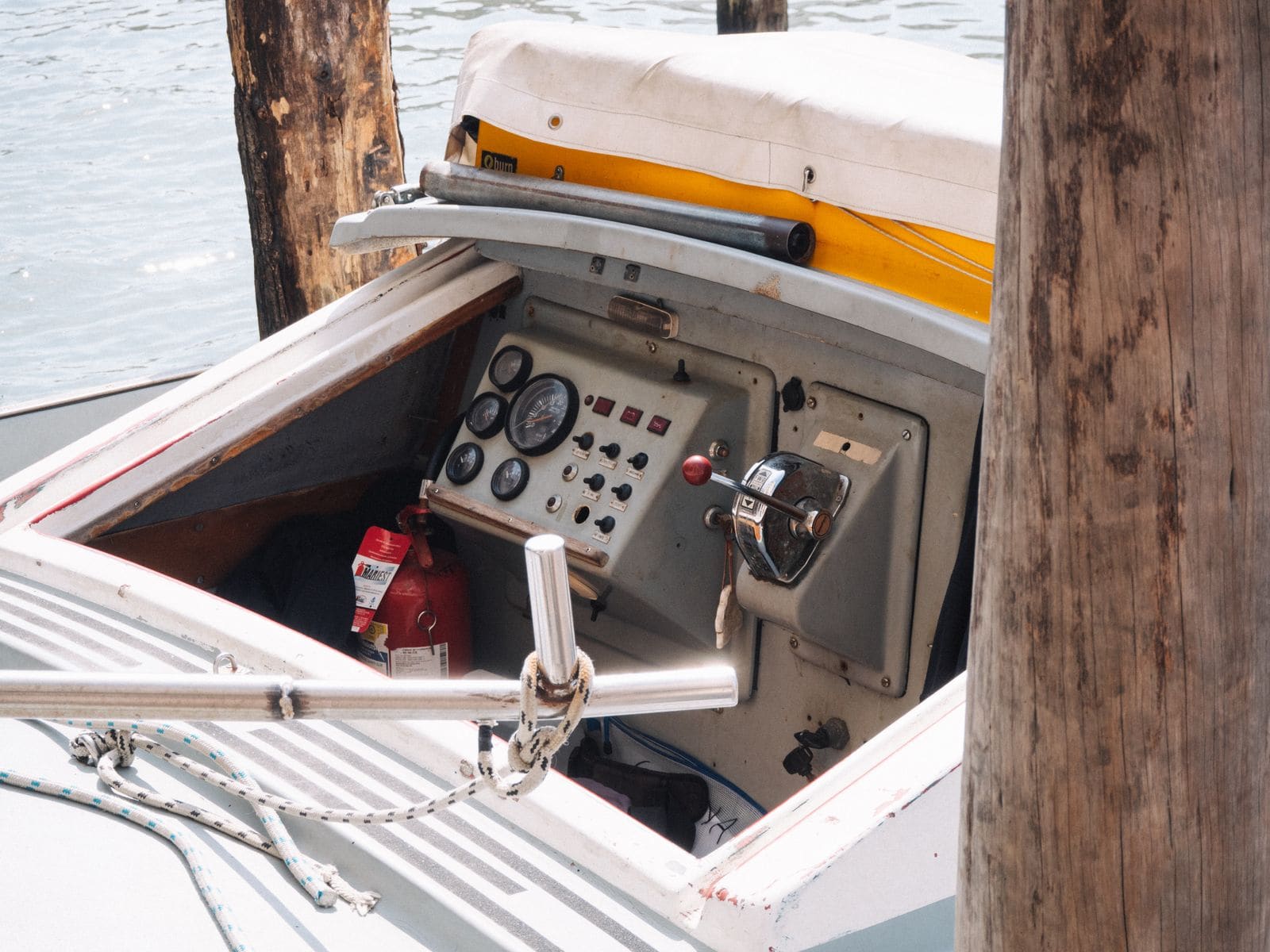
Guardian, Limp Home and Reduced Power Modes: Why Your Engine Cut Power and What to Do
Modern outboards and inboards cut power on their own when a sensor reports trouble. Learn what usually triggers Mercury's Engine Guardian, Yamaha's RPM reduction and other brands' limp-home modes, how to read the warning, and how to decide between idling home and stopping to call for help.
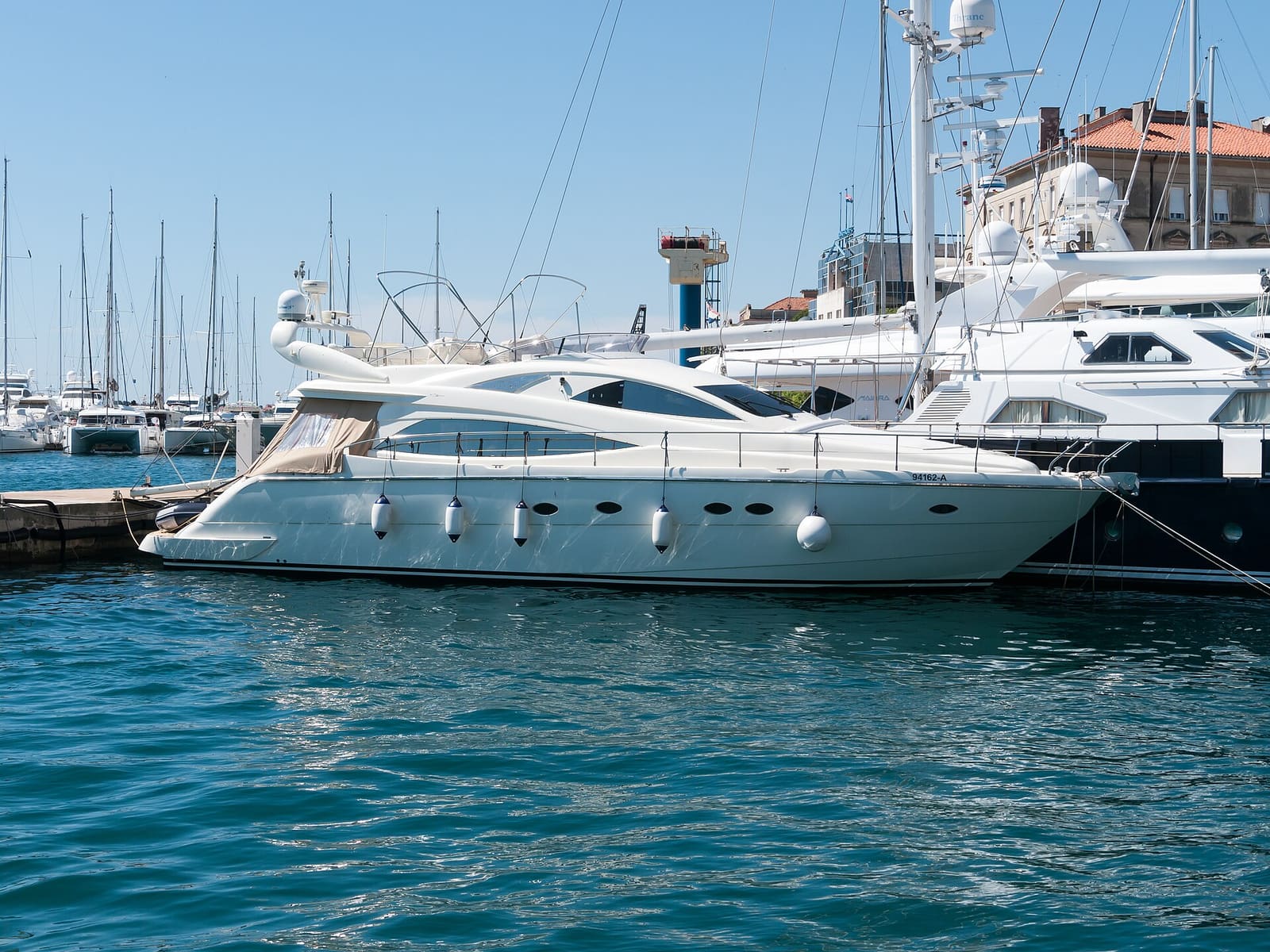
Gyro Stabilizer Care: Owner Checks for Seakeeper and Other Boat Gyros
A gyro stabilizer needs little from you, but what it needs matters. Learn how to start and shut it down correctly, keep its seawater cooling and zinc in shape, rinse it, read its hours and alarms, winterize it, and know which jobs belong to a certified dealer.
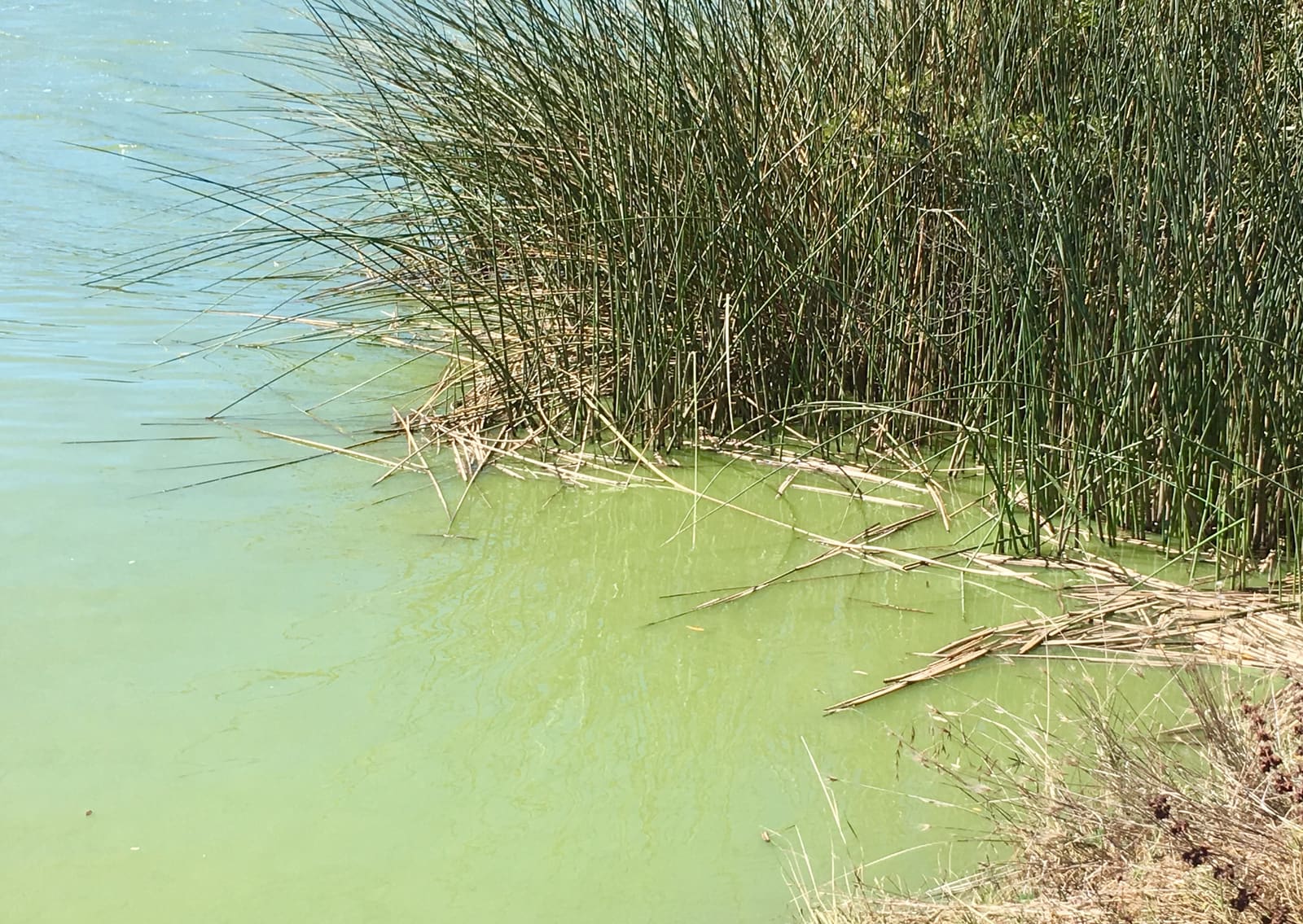
Harmful Algae Blooms: How Boaters Spot Them, Check Advisories and Clean Up Afterward
Blue-green algae and red tide can sicken people and kill dogs within hours. Learn what a bloom looks like, where to check state advisories before you launch, how to run the boat around one, and how to rinse the hull, trailer, gear and your dog afterward. Includes what health agencies say about eating fish from bloom areas.
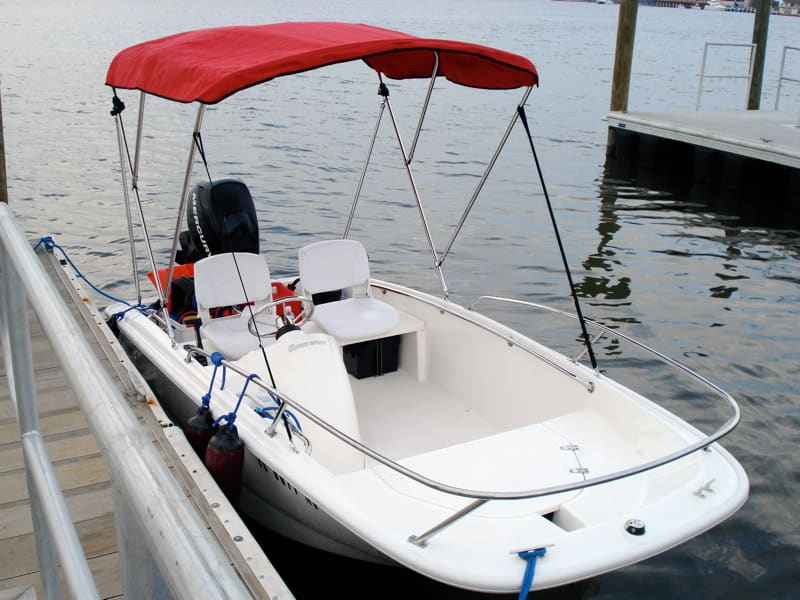
Heat Exhaustion and Heat Stroke on a Boat: Prevention, Warning Signs and What to Do
Sun, reflected glare, little shade and too little water make boats a classic place for heat illness. Learn how to prevent it, how to tell heat exhaustion from heat stroke, how to cool someone down aboard, how to protect kids and pets, and when to call 911 or the Coast Guard. General first-aid information only, not medical advice.
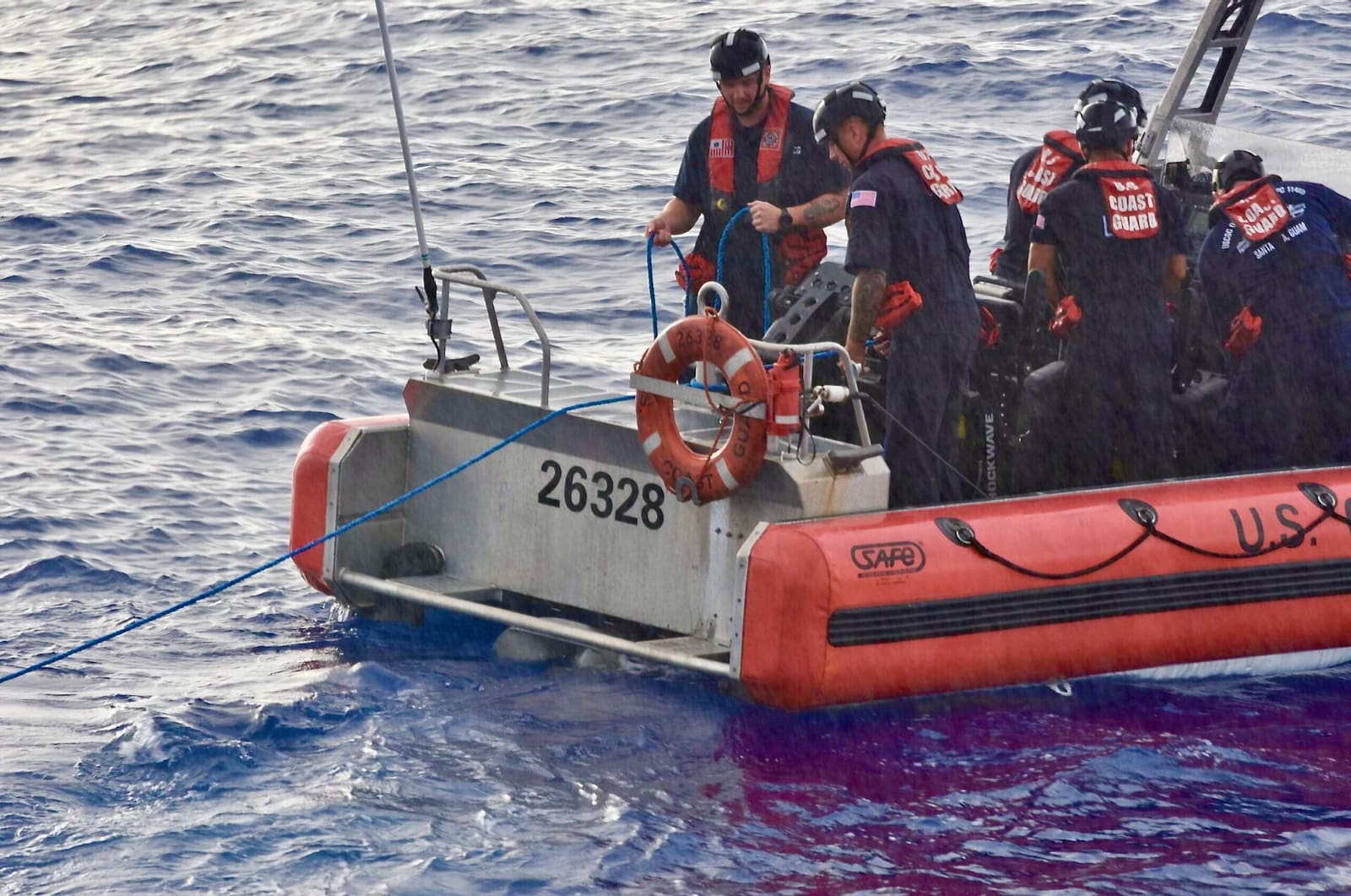
Helping Another Boater: Your Duty to Assist, Safe Approaches, and When Not to Tow
What the law expects when you come across a boater in trouble, how to approach a disabled or sinking boat safely, how to take people aboard, the basics of a short tow, and when to stand by and call the Coast Guard, Sea Tow or TowBoatUS instead. People first, boats second.
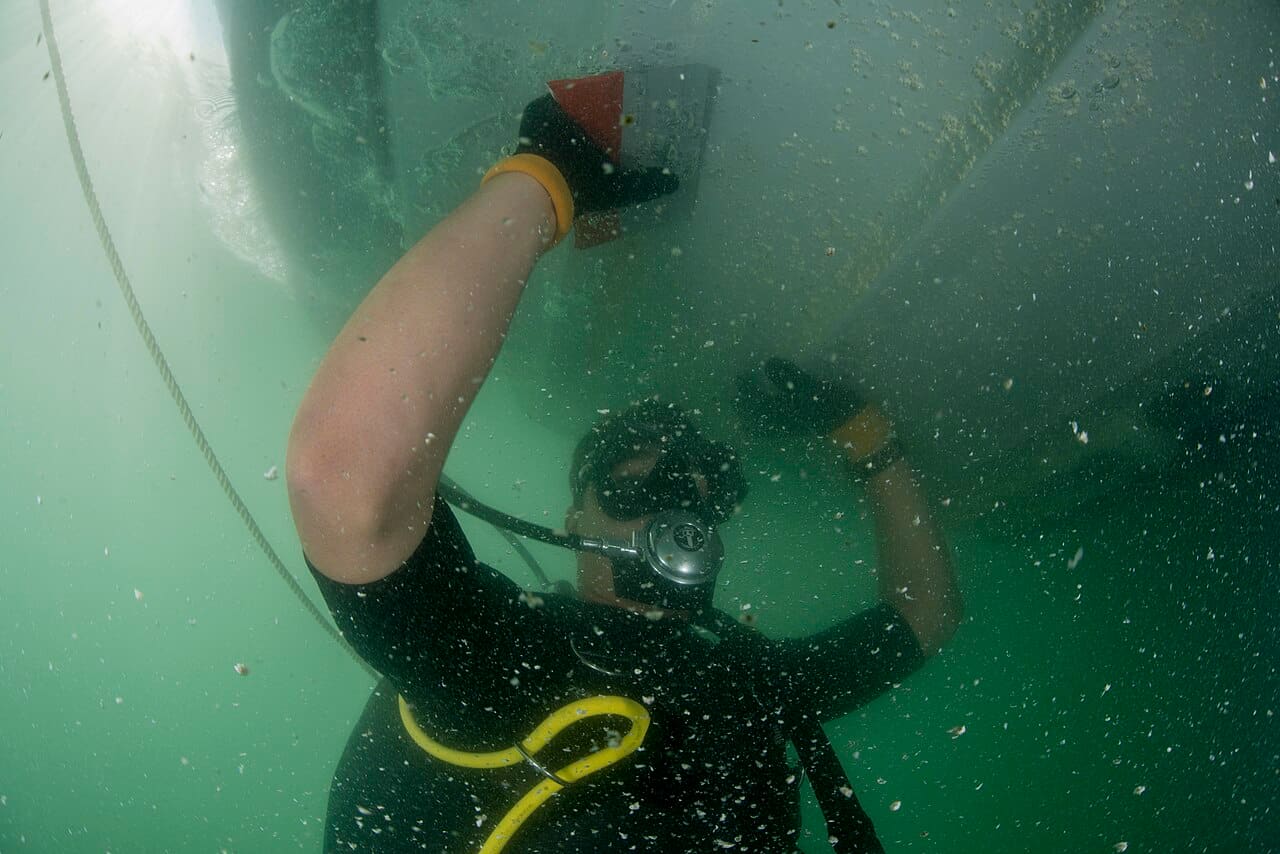
Hiring a Diver for In-Water Hull Cleaning: How Often, What It Does to Your Paint, and What to Ask
If your boat lives in the water, a hull-cleaning diver keeps growth off the bottom, prop and through-hulls between haul-outs. Learn how often to schedule cleanings, why scrubbing wears away ablative paint, the local rules some harbors (like San Diego and Marina del Rey) put on in-water cleaning, and what a good diver report should tell you about zincs, the prop and the paint.
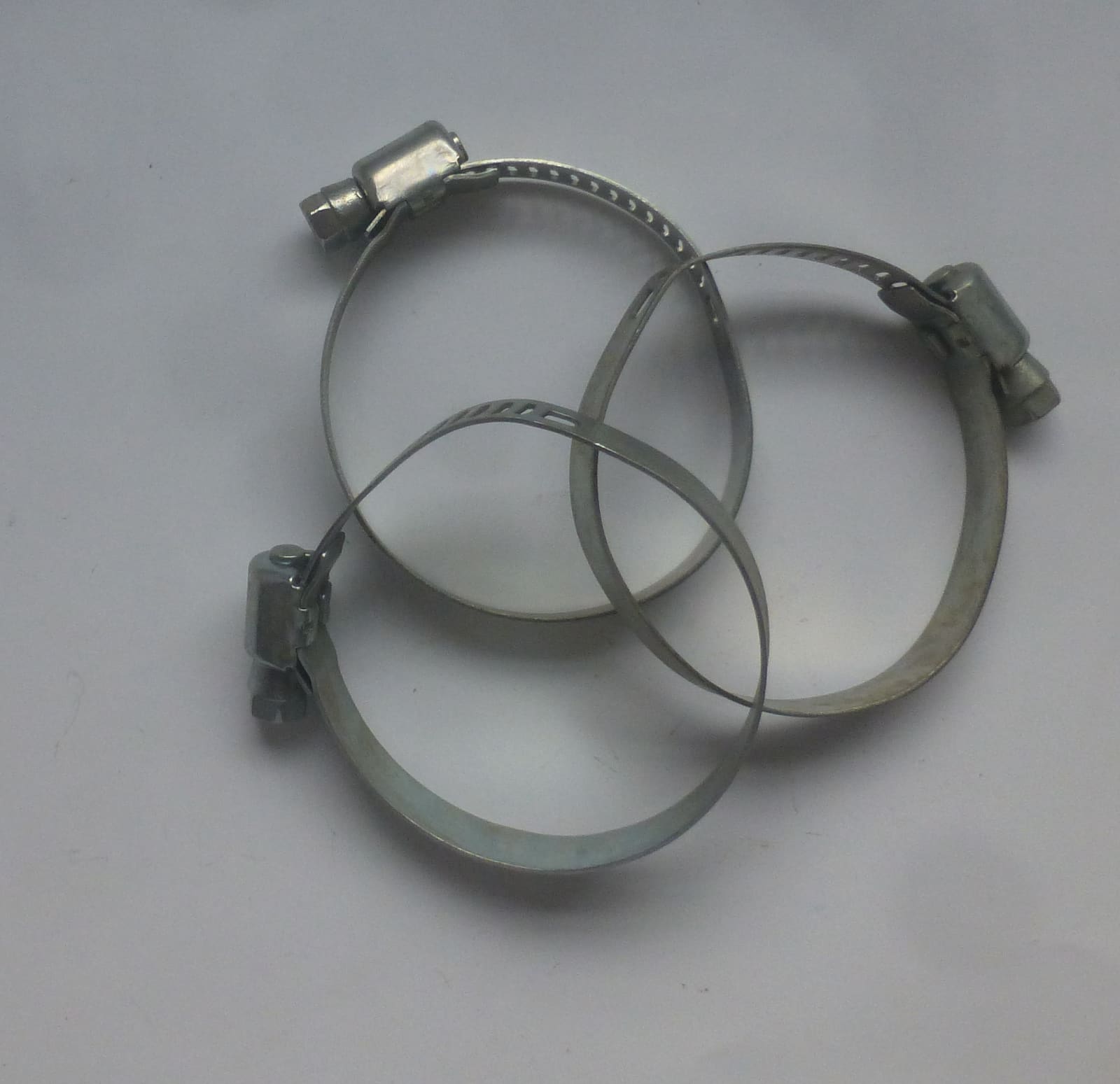
Hose Clamps on Boats: Choosing, Installing and Inspecting Them
A rusted or wrong hose clamp can sink a boat at the dock, leak fuel or let exhaust into the cabin. Learn which clamps belong on a boat (all-316 stainless, embossed band, T-bolt where needed), when to double them, how tight is tight enough, and how to find the ones that are about to fail.
How Much Is a Used Boat Worth? Pricing Guides, Comps and Condition
Work out a realistic price for a used boat, whether you're buying or selling: check sold and listed comps, read J.D. Power, BUCValu and ABOS values the right way, value the engines separately, adjust for hours, condition, upgrades and location, and know when a valuation survey is worth paying for.

How to Add or Replace a Swim Platform on Your Boat
A swim platform makes swimming, fishing and climbing back aboard far easier, but it hangs off the most heavily loaded part of the hull, right next to the propeller and the exhaust. Learn the bolt-on options, how to check the transom and engine clearance, how to through-bolt with real backing plates, and the propeller and carbon monoxide rules that come with it.
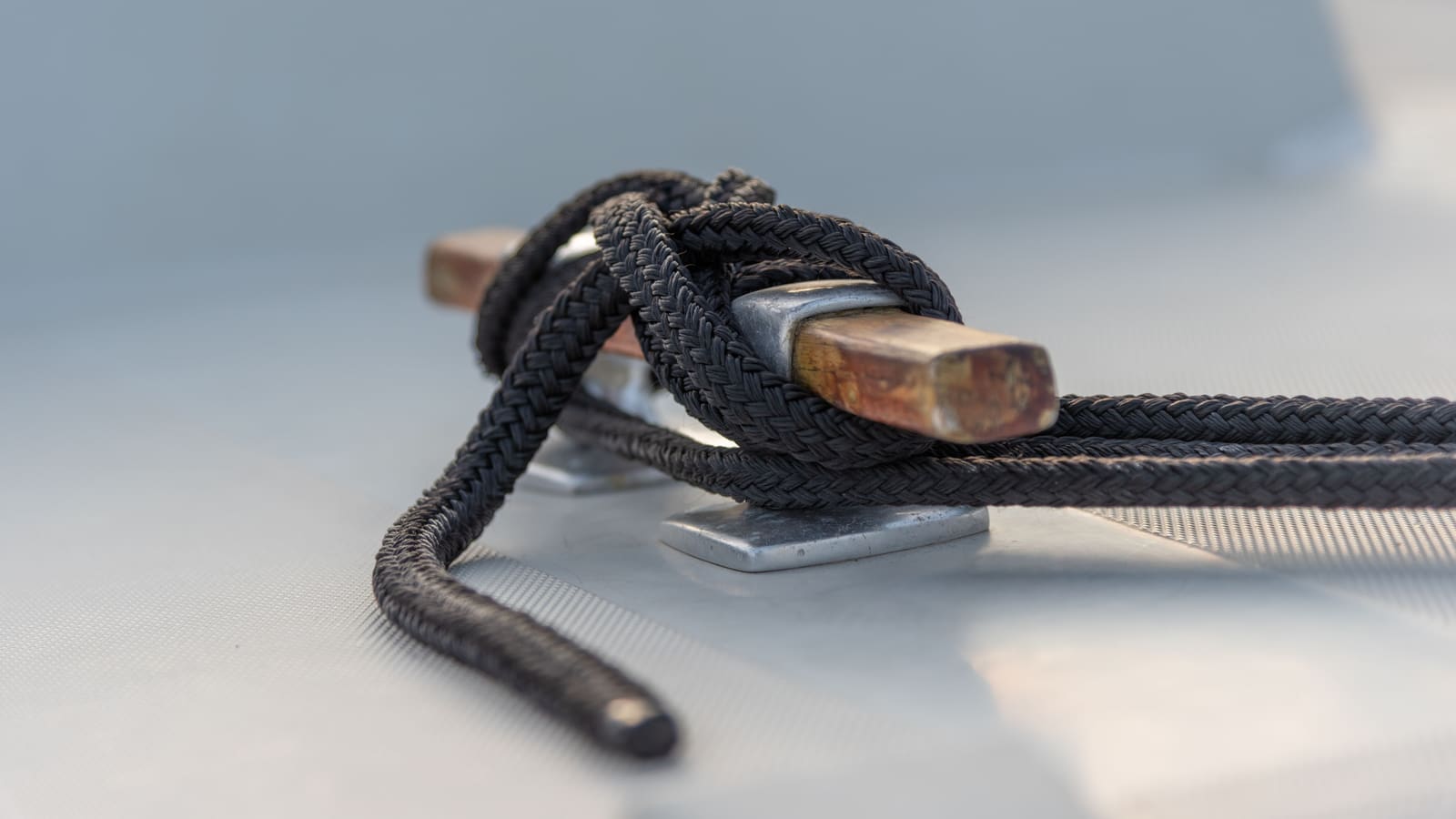
How to Add or Upgrade Boat Cleats (Sizing, Placement and Backing Plates)
Most cleats that fail don't break; they pull out of the deck. Learn how to size a cleat to your dock lines, where to put new cleats for docking and spring lines, how to through-bolt them with real backing plates, how to protect a cored deck, and what's different about pop-up and pull-up cleats.
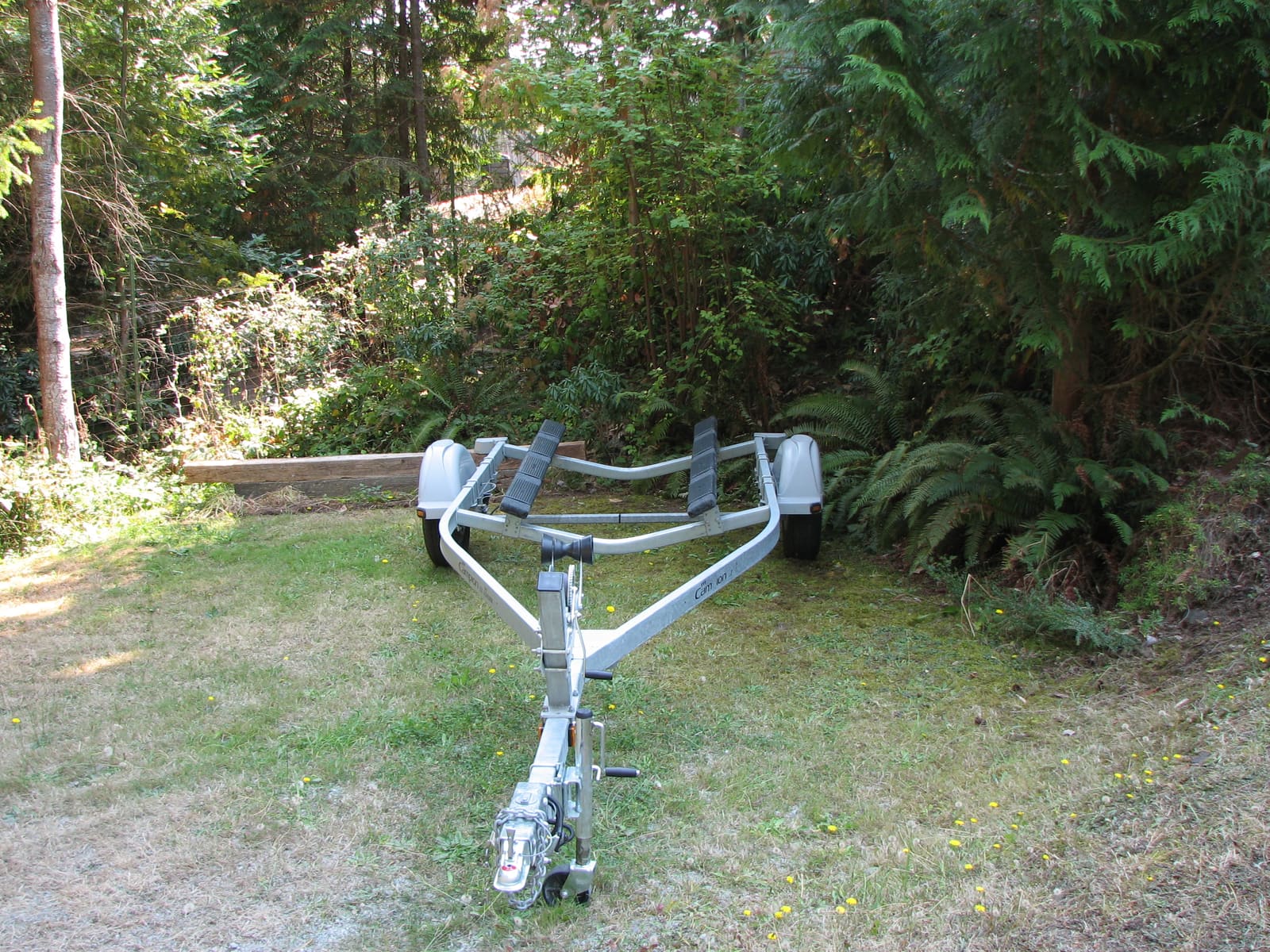
How to Adjust and Replace Trailer Bunks and Rollers So Your Boat Sits Right
Set up your boat trailer so the hull is supported in the right places: bunks and rollers clear of the strakes, the transom fully supported, the bow snug against the winch stop and the weight balanced on the tongue. Also covers replacing rotten bunk boards and worn carpet or rollers.
Safety: BoatMend is for information only and does not replace a certified marine technician. You are responsible for your safety and your boat. Read the full disclaimer.