Repair & maintenance guides
Plain-English, step by step, written for owners. Pick your engine to see the guides that apply to it.
338 of 509 guides · page 3 of 15
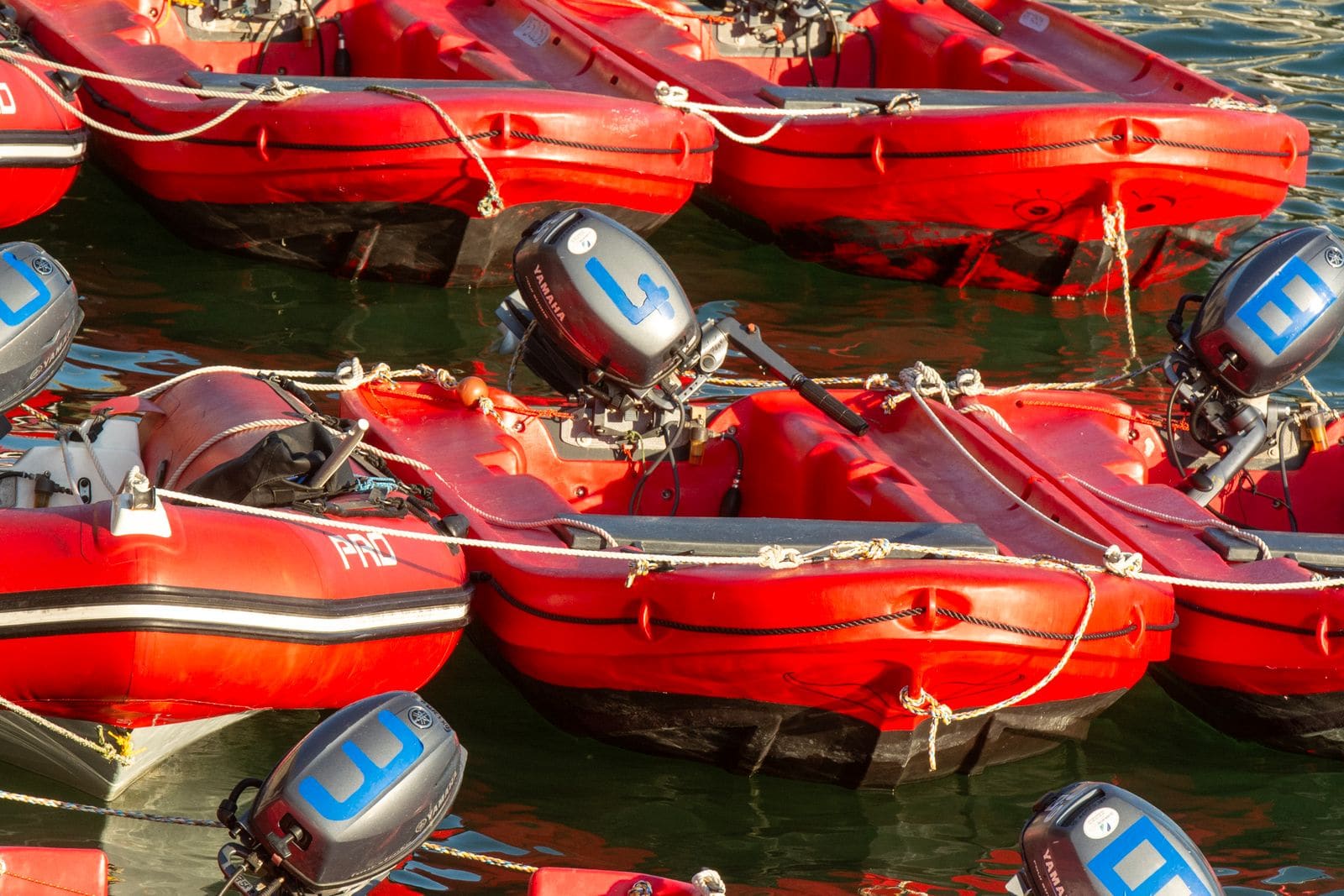
Converting a Pull-Start Outboard to Electric Start: What It Takes
Find out whether your pull-start outboard can take a factory electric start kit, what parts the job really needs (starter, charging coil, rectifier, battery, harness, key or button, neutral safety), and when a dealer install or a newer motor makes more sense.
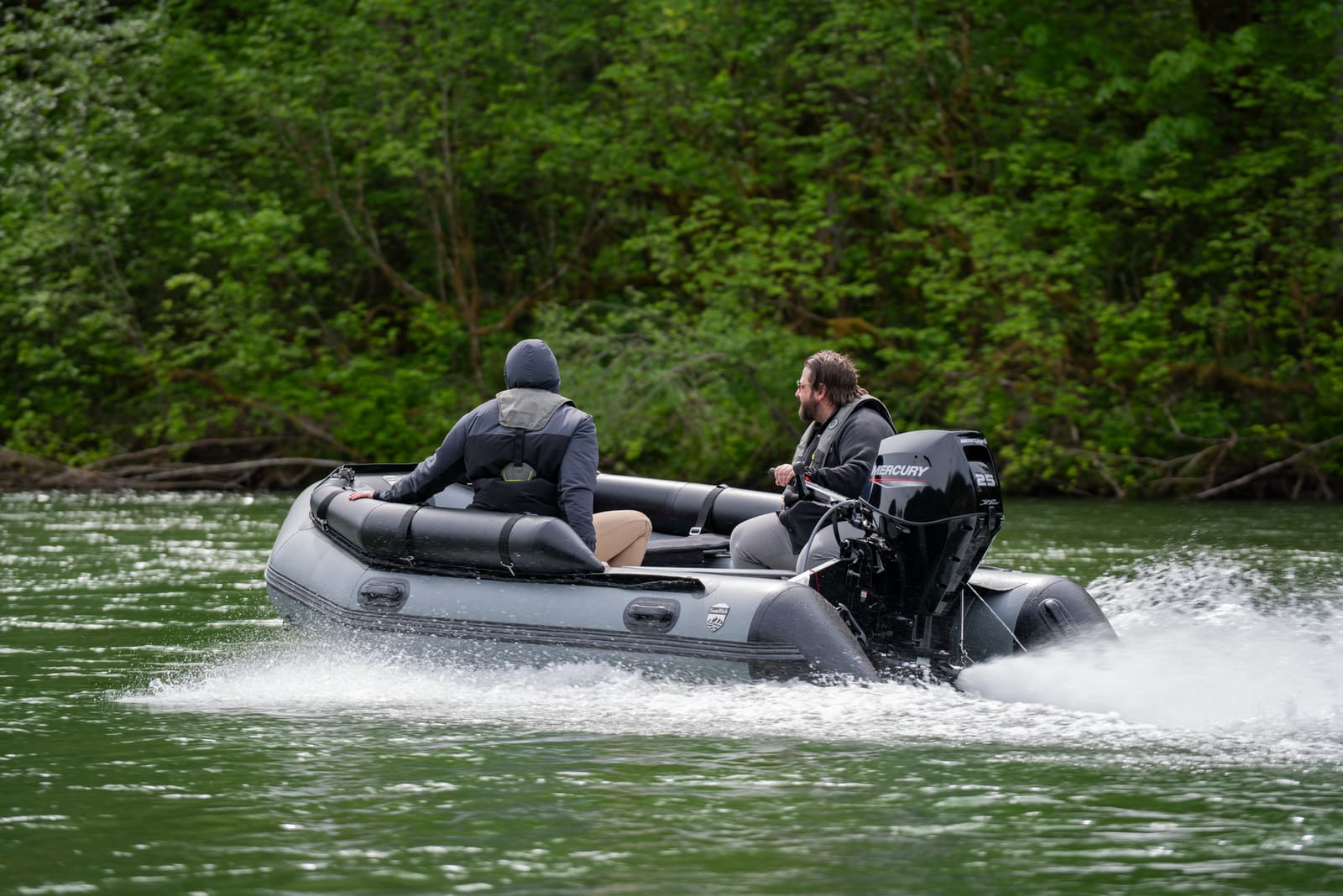
Converting an Outboard from Prop to Jet: Hull Fit, Mounting Height, Power Loss and Cost
Swapping your outboard's gearcase for a jet pump lets you run rocky, ankle-deep rivers, but it costs power and only works on the right hull. Learn which boats suit a jet, why the motor has to go higher on the transom, how much thrust you give up, and when buying a factory jet outboard makes more sense than converting.

Damaged Propeller: Repair It or Replace It?
Decide whether a bent, chipped or spun prop is worth sending to a prop shop or should be replaced, what a shop can actually fix on aluminum and stainless props, and how to keep the boat running the same afterward.
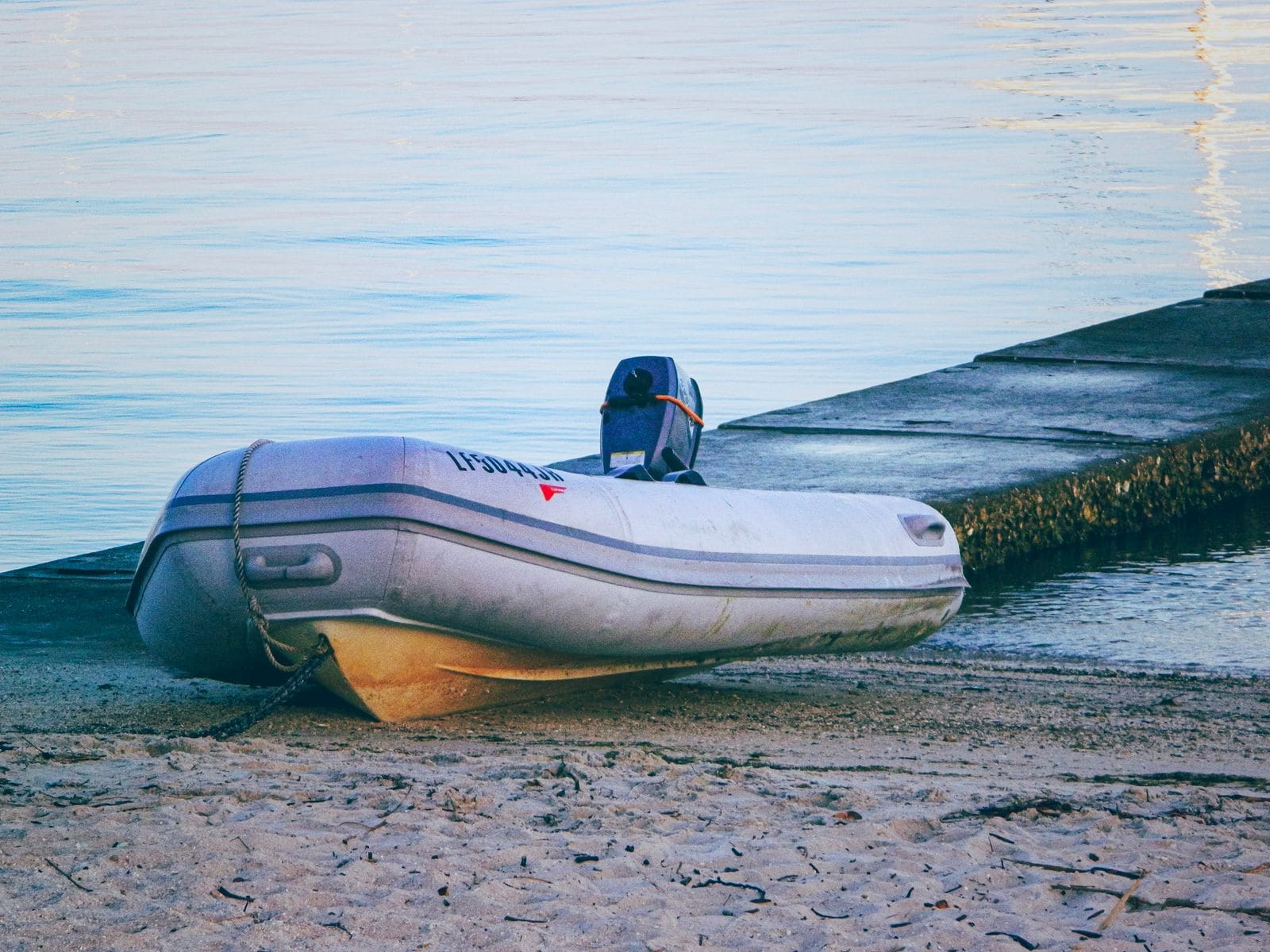
Dinghy and Tender Rules: Lights, Registration, Capacity, Life Jackets and Kill Switch
Your dinghy is a boat in its own right. Learn which navigation lights it needs after dark (rowing or under power), when the outboard means it must be registered, and how capacity plates, life jackets and the kill-switch law apply to a small tender.
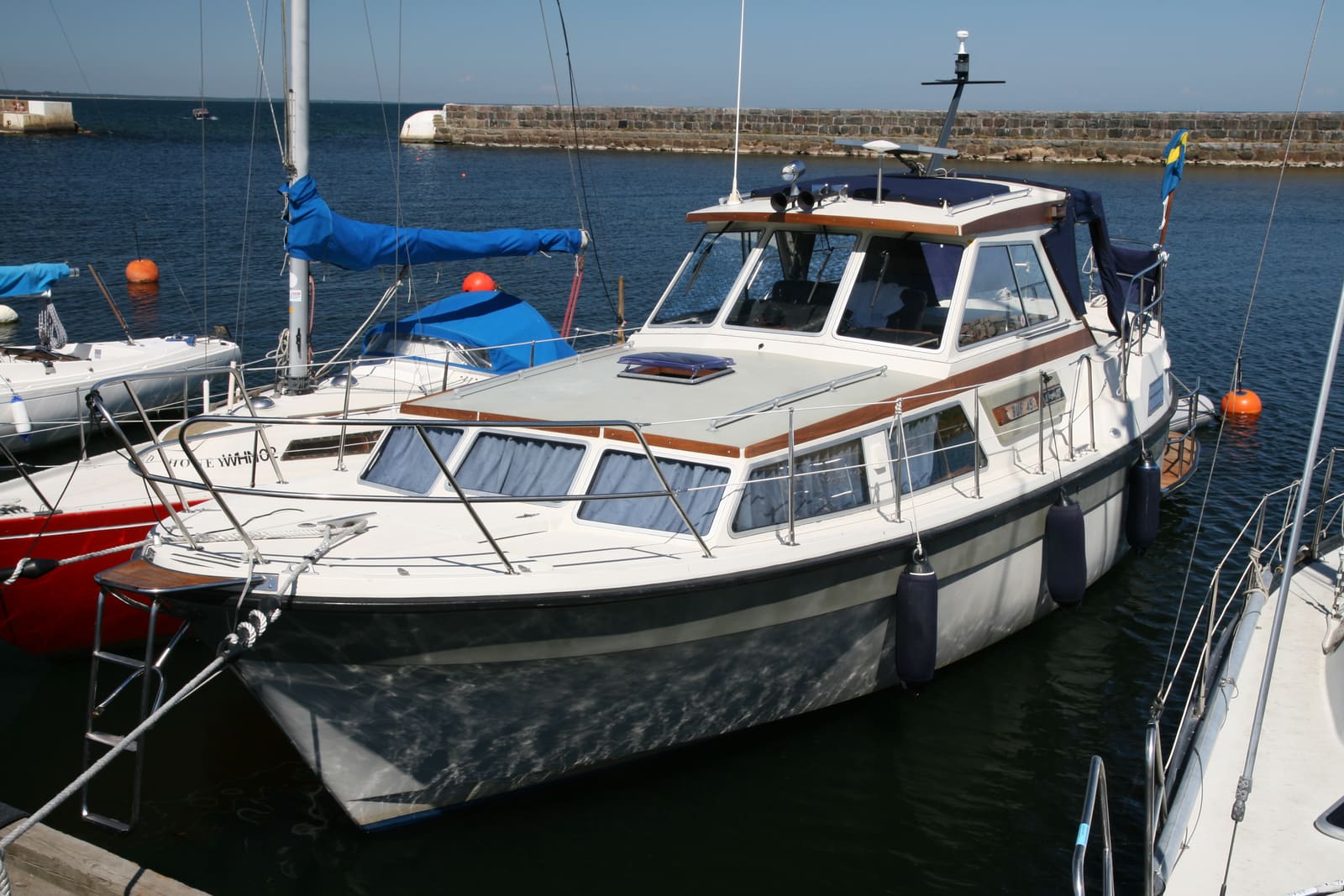
Docking in Wind and Current: Read the Conditions, Use Spring Lines and Know When to Go Around
Wind and current decide most docking jobs. Learn to watch your drift before you commit, approach into the stronger force, set fenders and lines with a clear crew plan, use a spring line to pin the boat to the dock, handle single and twin engines, and back out to try again before it turns into a collision.
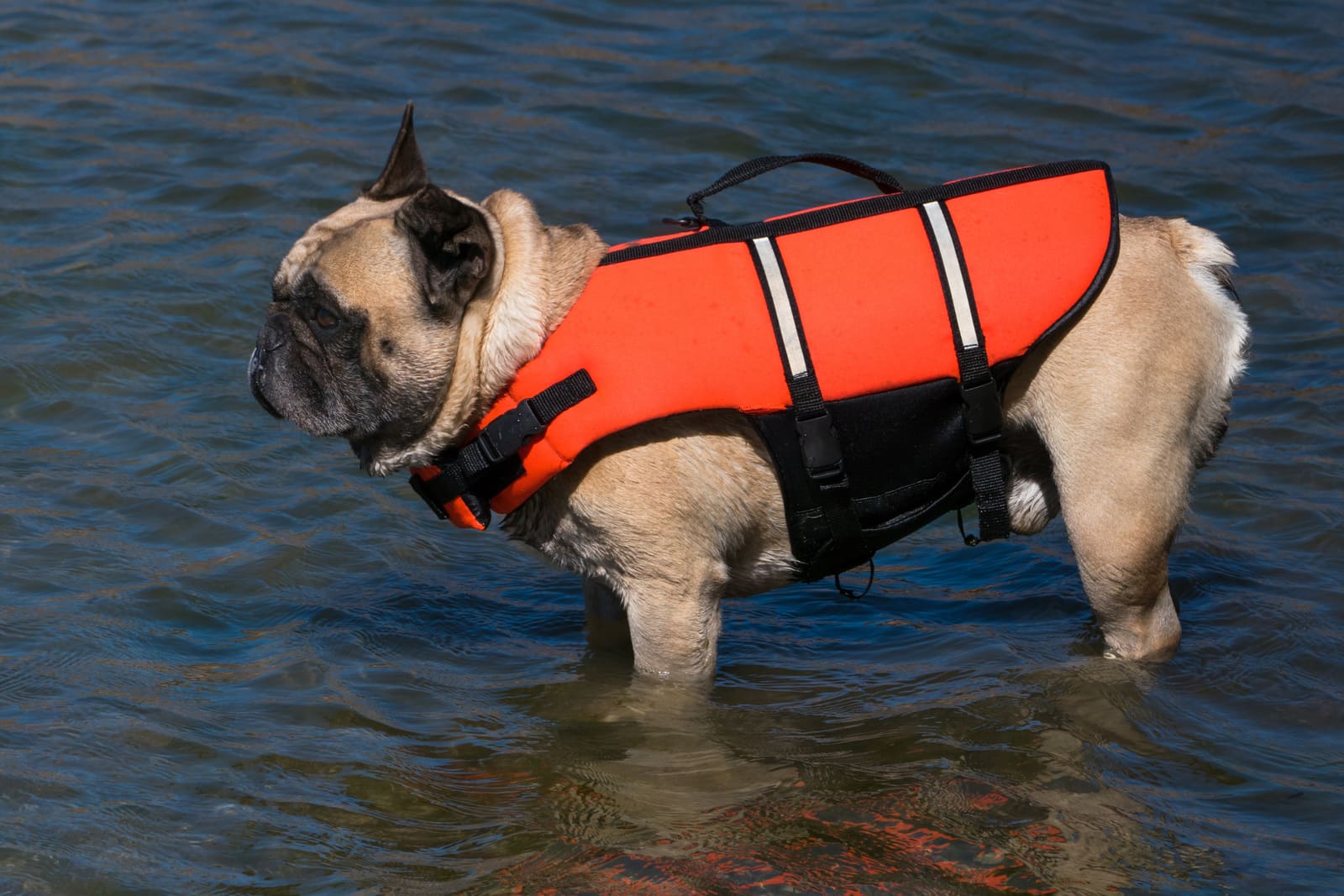
Dogs and Pets Aboard: A Safety Checklist for Boat Owners
Set your boat and your dog up for a safe day on the water, from a well-fitted pet life jacket with a handle to shade, fresh water, safe boarding and a plan for getting a dog back aboard if it goes over the side.
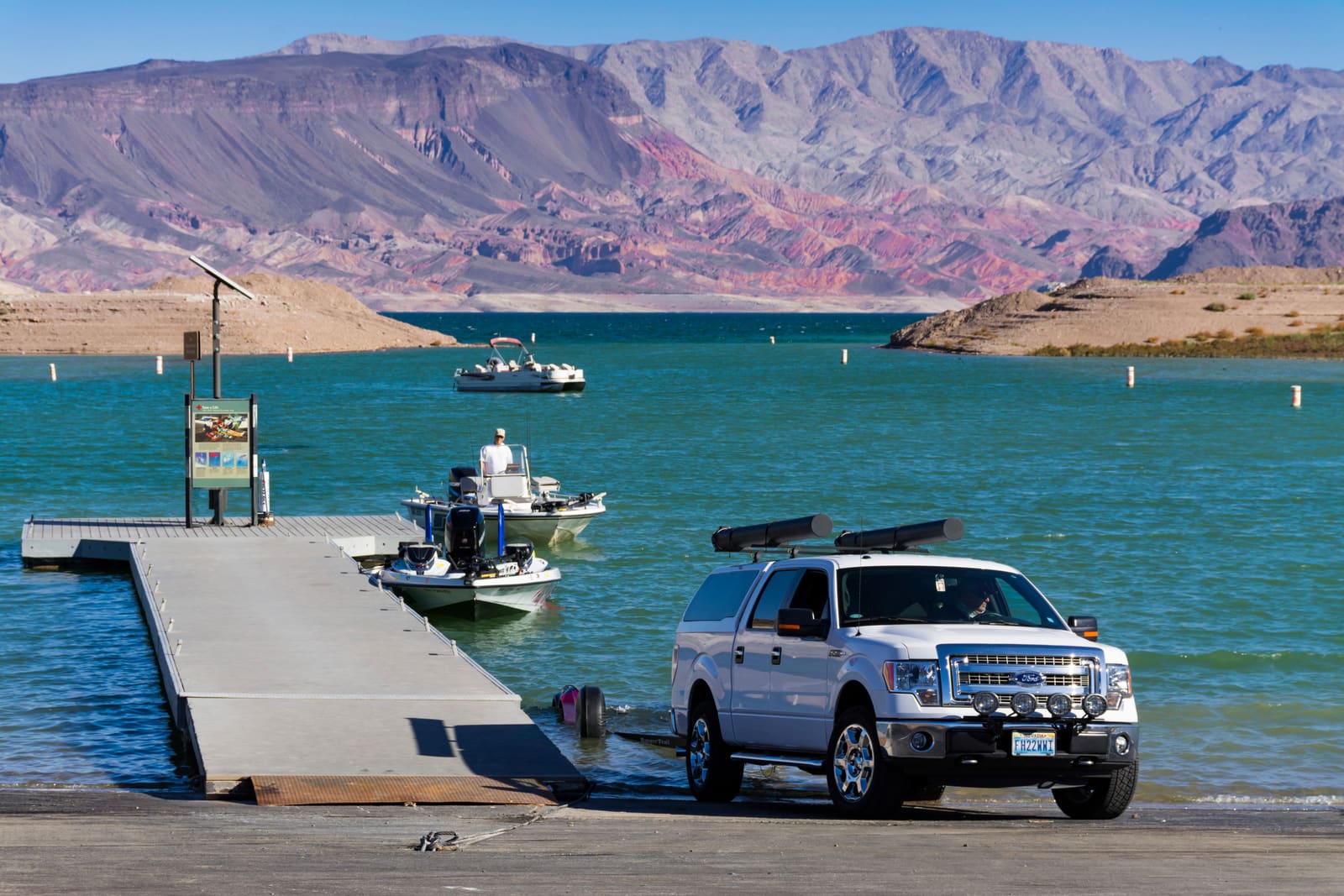
Drain Plugs: Types, Pre-Launch Checks, Spares and Replacing a Garboard Drain
A forgotten or worn drain plug is one of the most common ways a boat floods at the ramp. Learn the plug types, a launch routine that makes it hard to forget, how to look after plugs and fittings, how to replace a garboard drain, and when the plug should come out for storage.
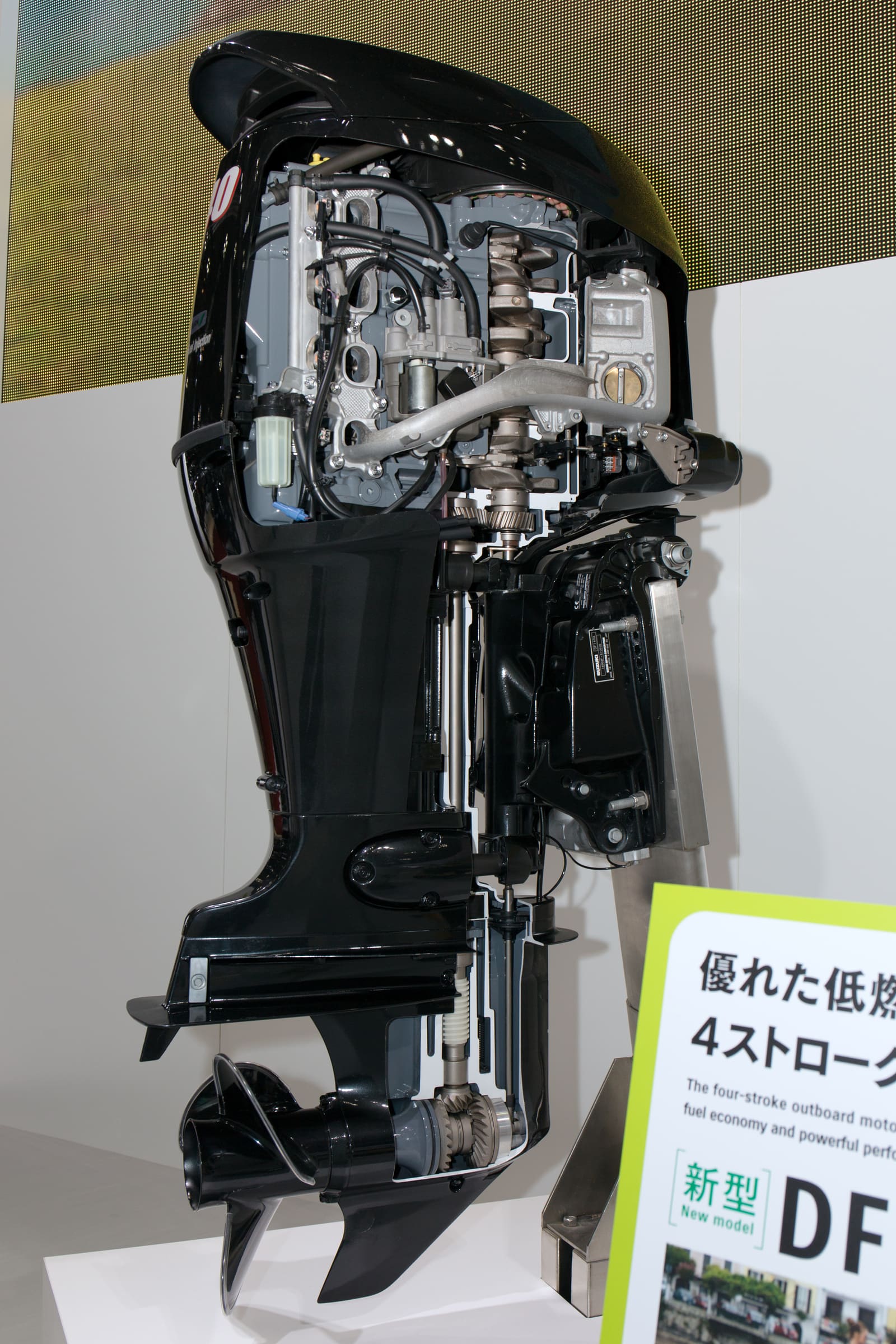
EFI Outboard Cranks but Won't Start, No Key-On Beep or Fuel Pump Hum
When a fuel-injected outboard turns over but stays silent at key-on (no warning-horn chirp, no fuel pump priming), the engine computer usually isn't waking up. Work through the lanyard, battery voltage while cranking, main fuses, relays, harness plugs and grounds before anyone blames the computer.
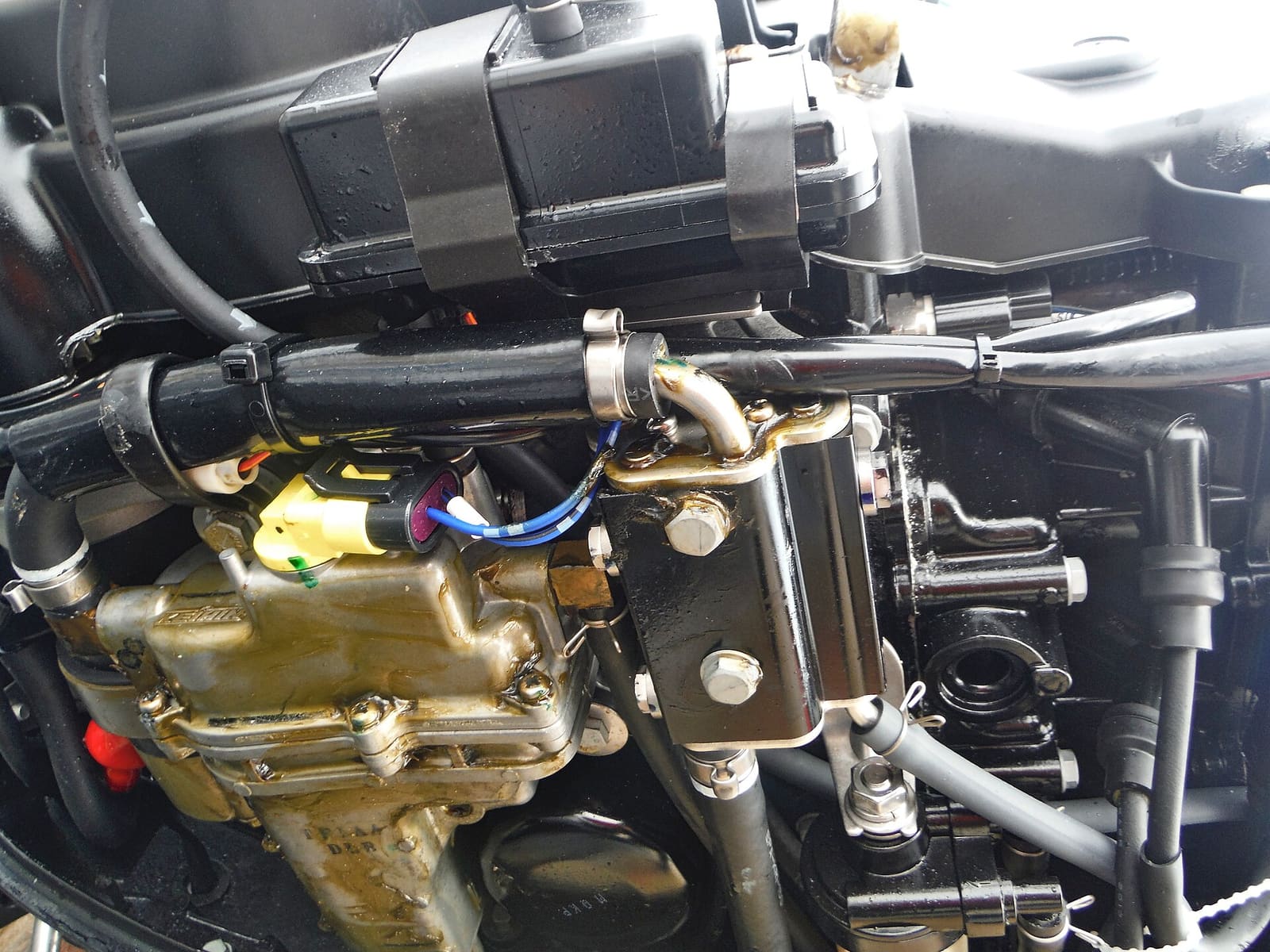
EFI Outboard Vapor Separator Tank (VST) and Injectors - Symptoms, Filters and When It's a Dealer Job
On a fuel-injected outboard, the vapor separator tank holds fuel right at the engine and feeds the high-pressure pump and injectors. Learn why ethanol varnish and debris clog its filter, how a starving VST feels (stalls at speed, won't hold RPM), what you can safely maintain yourself, and when it's time for the dealer.
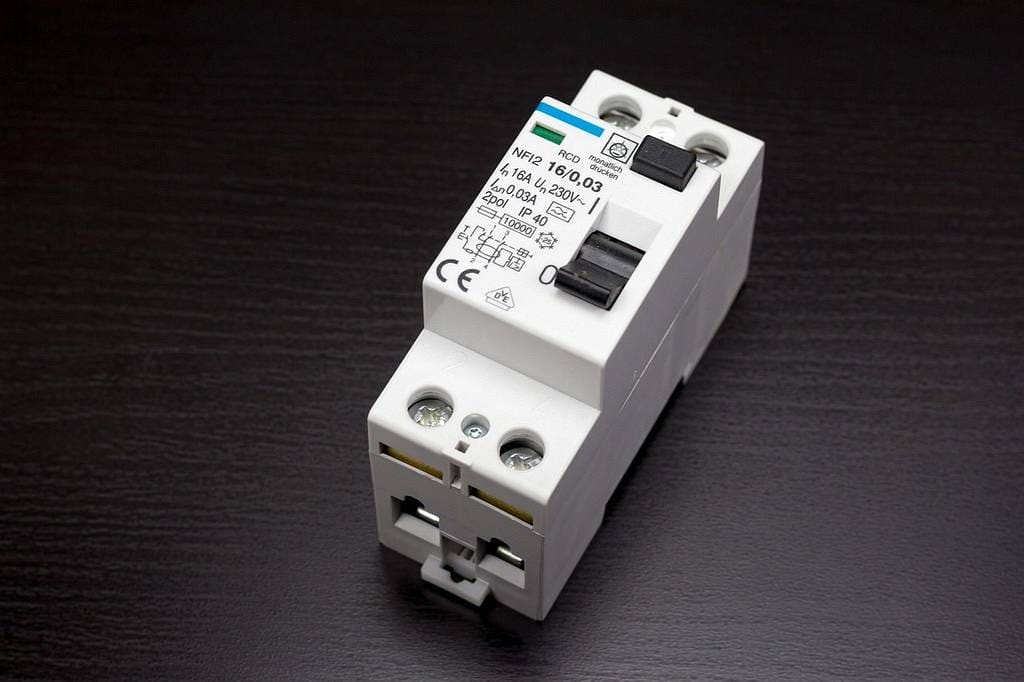
ELCI Retrofit: Adding Whole-Boat Shock Protection to an Older Boat
What an ELCI (equipment leakage circuit interrupter) is, why ABYC now requires one on new boats with shore power, what a retrofit involves and costs, and what to do when one trips. You plan, test and troubleshoot; an ABYC-certified marine electrician does the wiring.
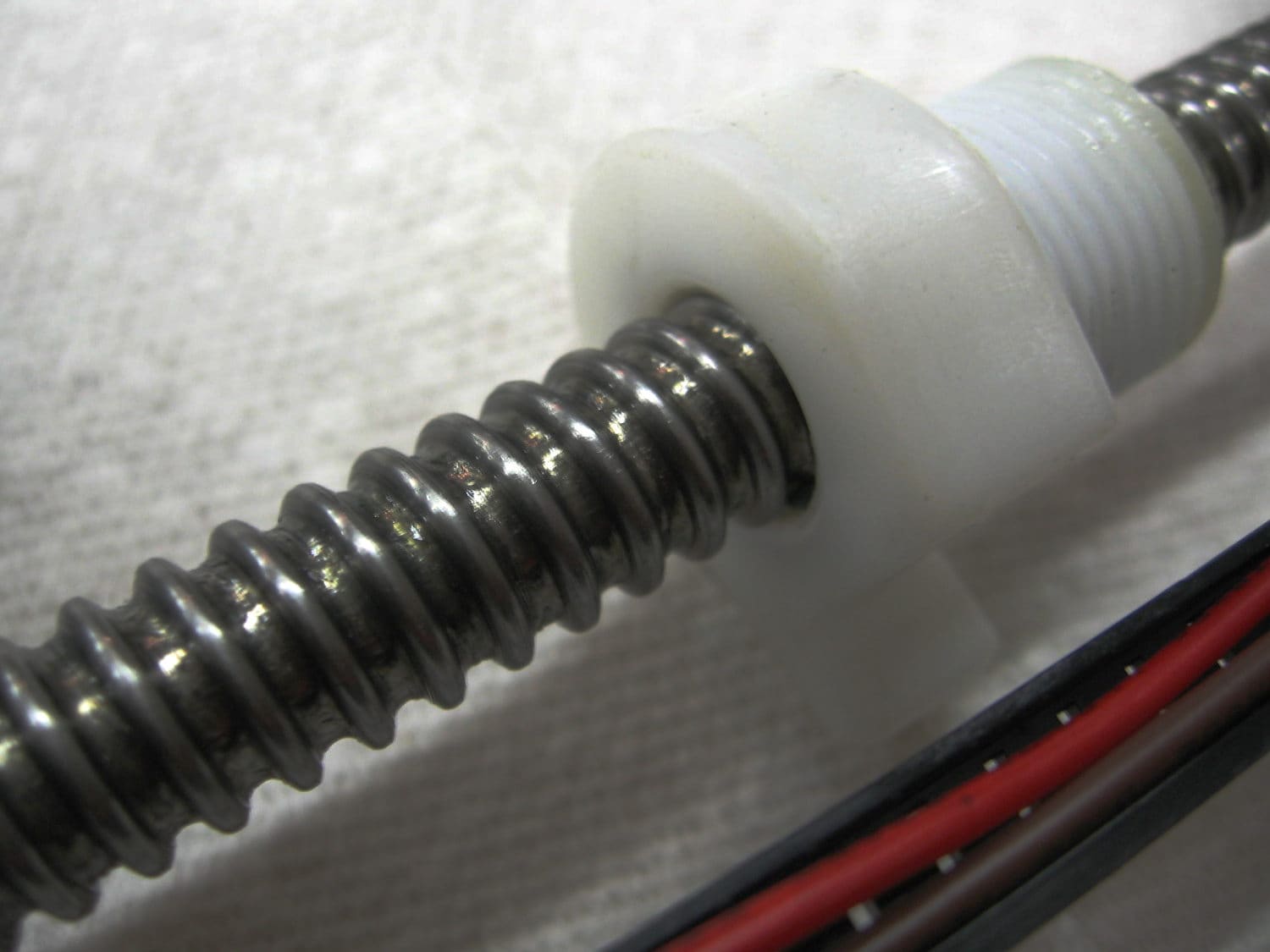
Electric Linear Actuators on Boats: Kicker Lifts, Towers, Hatches, Tables and Seats
Electric actuators raise kicker brackets, fold wake towers, lift engine hatches and move tables and helm seats. Learn how they work, why water and side load kill them, how to fuse and test one directly on 12 volts, and how to replace one safely.
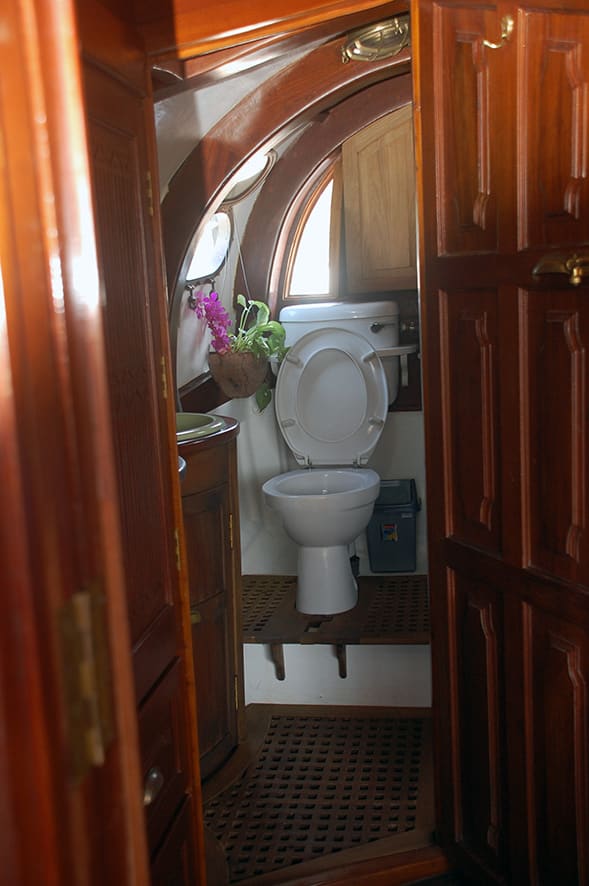
Electric Marine Toilet Troubleshooting: Won't Flush, Weak Flush, Won't Stop Filling
Electric and macerating marine heads fail in a handful of predictable ways. Work from the cheapest checks to the messiest ones to fix a toilet that won't run, flushes weakly, trips its breaker, keeps filling, loses or gains water in the bowl, or backs up, and learn what to keep out of it.
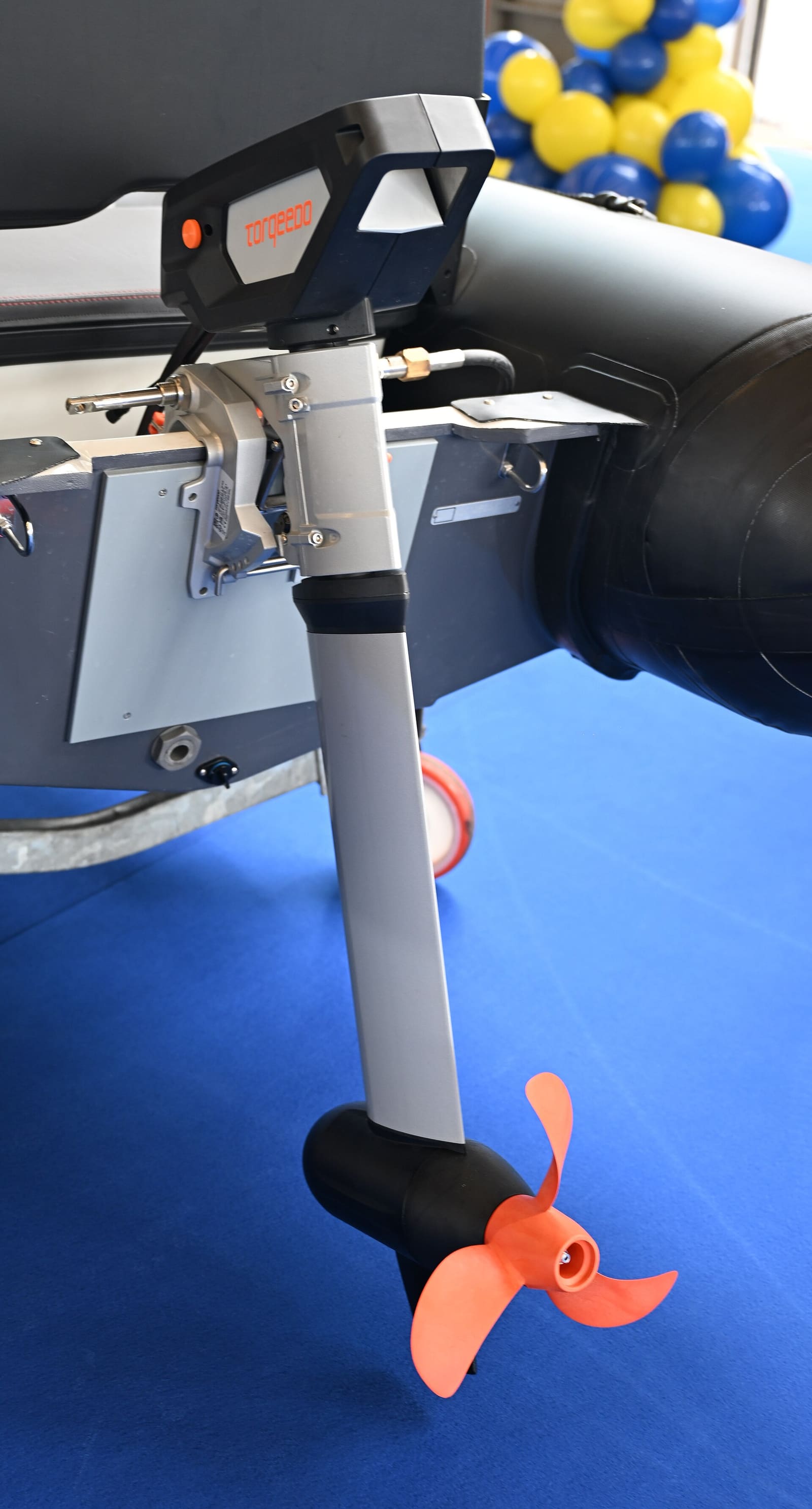
Electric Outboard Care: Battery Storage, Connectors, Saltwater Rinse and Updates
Electric outboards like Torqeedo, Mercury Avator and ePropulsion need far less work than gas engines, but the lithium battery, the connectors and the prop still need care. Charge and store the battery the way the maker says, keep plugs dry and clean, rinse after salt water, check the prop, fin and anodes, install updates, and follow the rules for transporting lithium batteries.
Electric-Over-Hydraulic and Electric Trailer Brakes: Controller Setup, Breakaway and Care
Why most boat trailers use surge or electric-over-hydraulic (EOH) brakes instead of plain electric drums, how to pick a compatible in-cab brake controller and set its gain, how to test the breakaway switch and battery, and how to keep the system working around saltwater.

Electrical Safety at Your Private Dock or Boat Lift: GFCI, Shock Drowning and Annual Checks
Lights, outlets, lift motors and de-icers at a home dock put household current right next to the water, and a hidden fault can kill a swimmer without any warning. Learn the owner checks you can do safely, the protection your dock should have, the no-swimming rule, and which jobs must go to a licensed electrician.
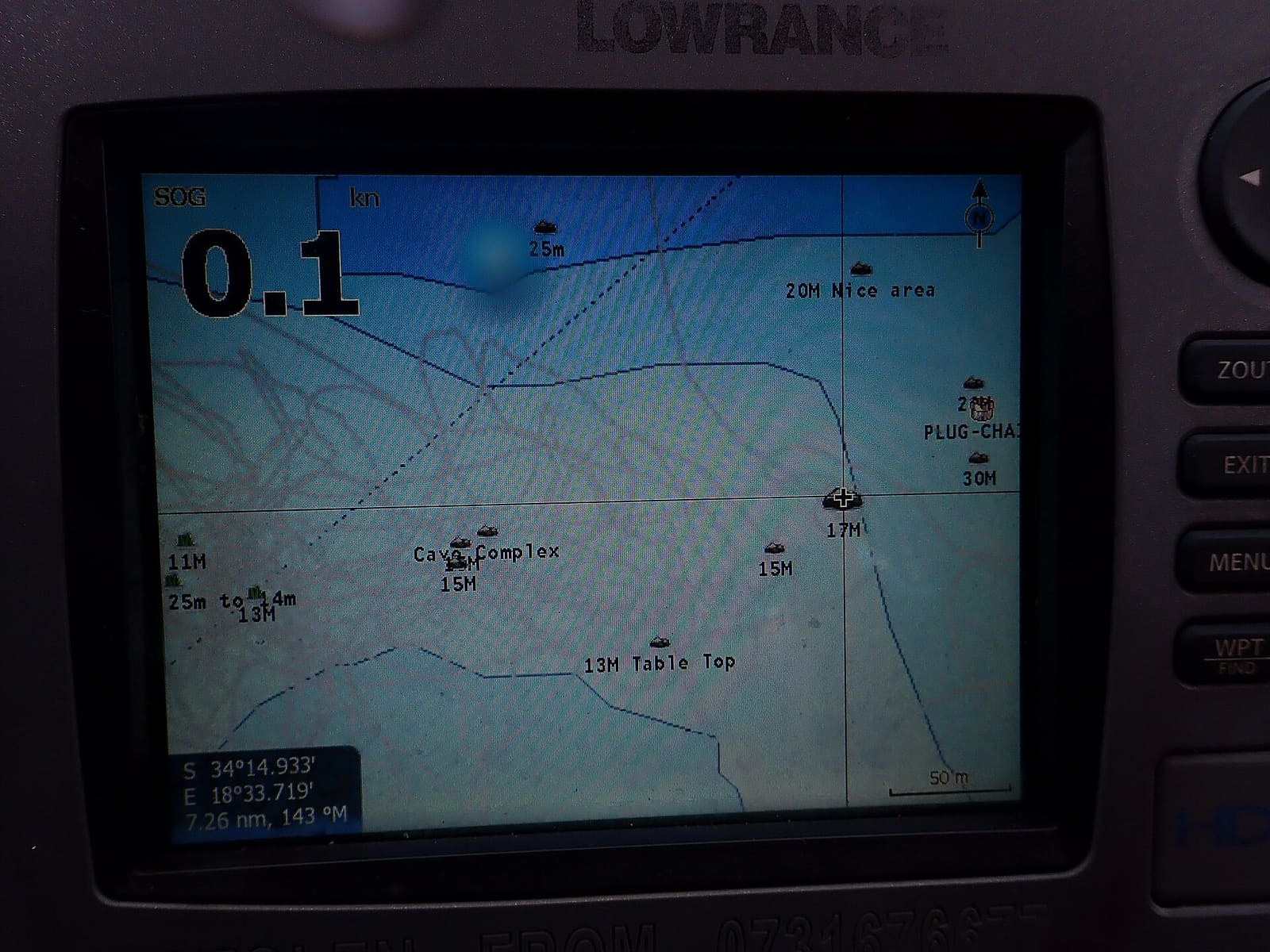
Electronics That Reset or Shut Off When You Start the Engine: Finding and Fixing Voltage Sag
If your chartplotter, fishfinder, VHF or stereo blinks off or reboots when you crank the engine or switch on a big load, the cause is almost always low voltage reaching the device. This guide walks from the cheapest checks (battery, connections, grounds) to the real fixes: a dedicated electronics feed, start isolation between batteries, and voltage-stabilizing converters.
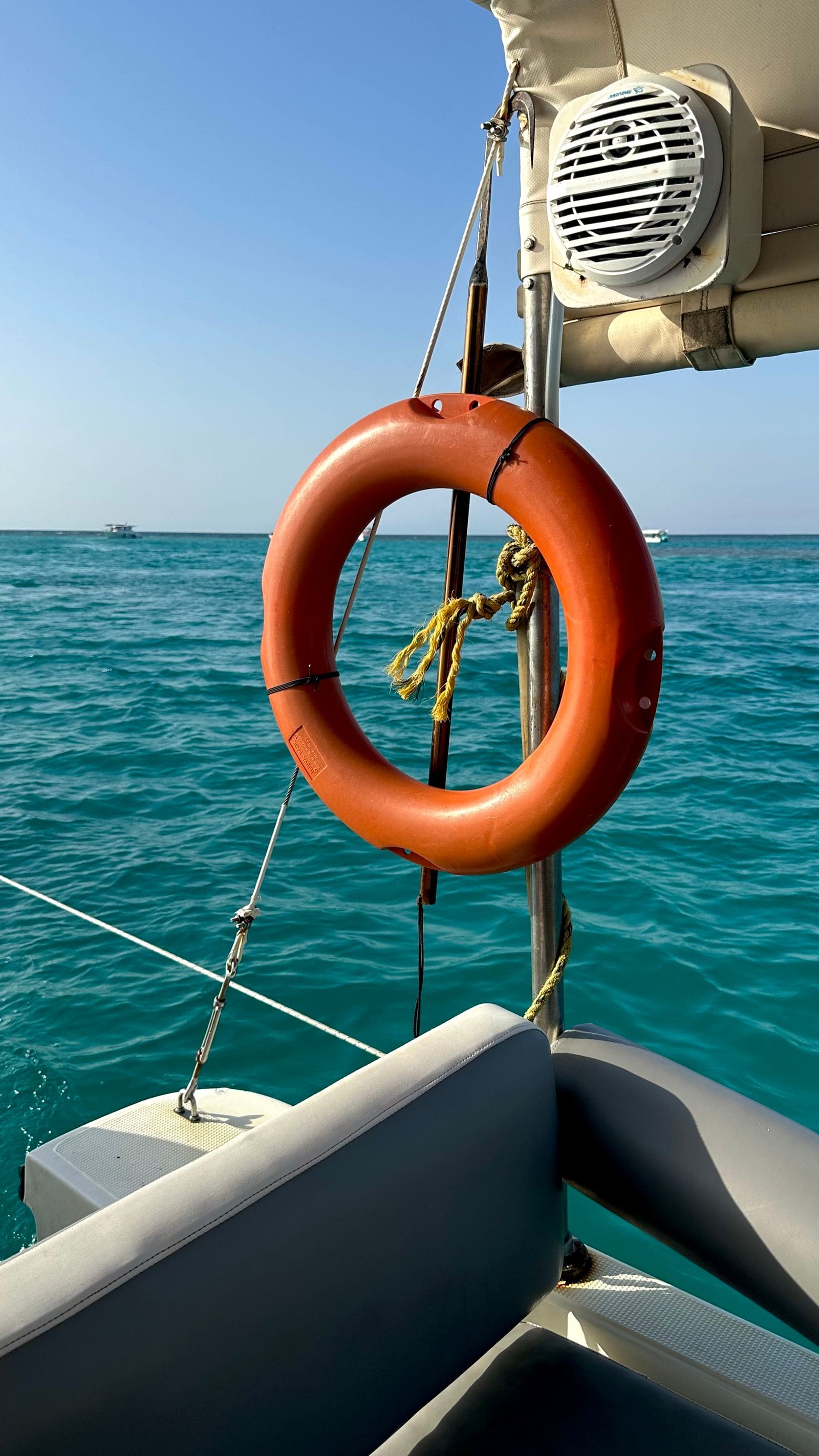
Emergency Drills for Your Crew: Engine Failure, Fire, Steering Loss and Man Overboard
Practice what everyone aboard does when the engine quits, a fire starts, the steering fails or someone falls in. A few short drills each season turn panic into a plan, and teach your crew to anchor, call for help on VHF 16 or DSC, and get a tow.
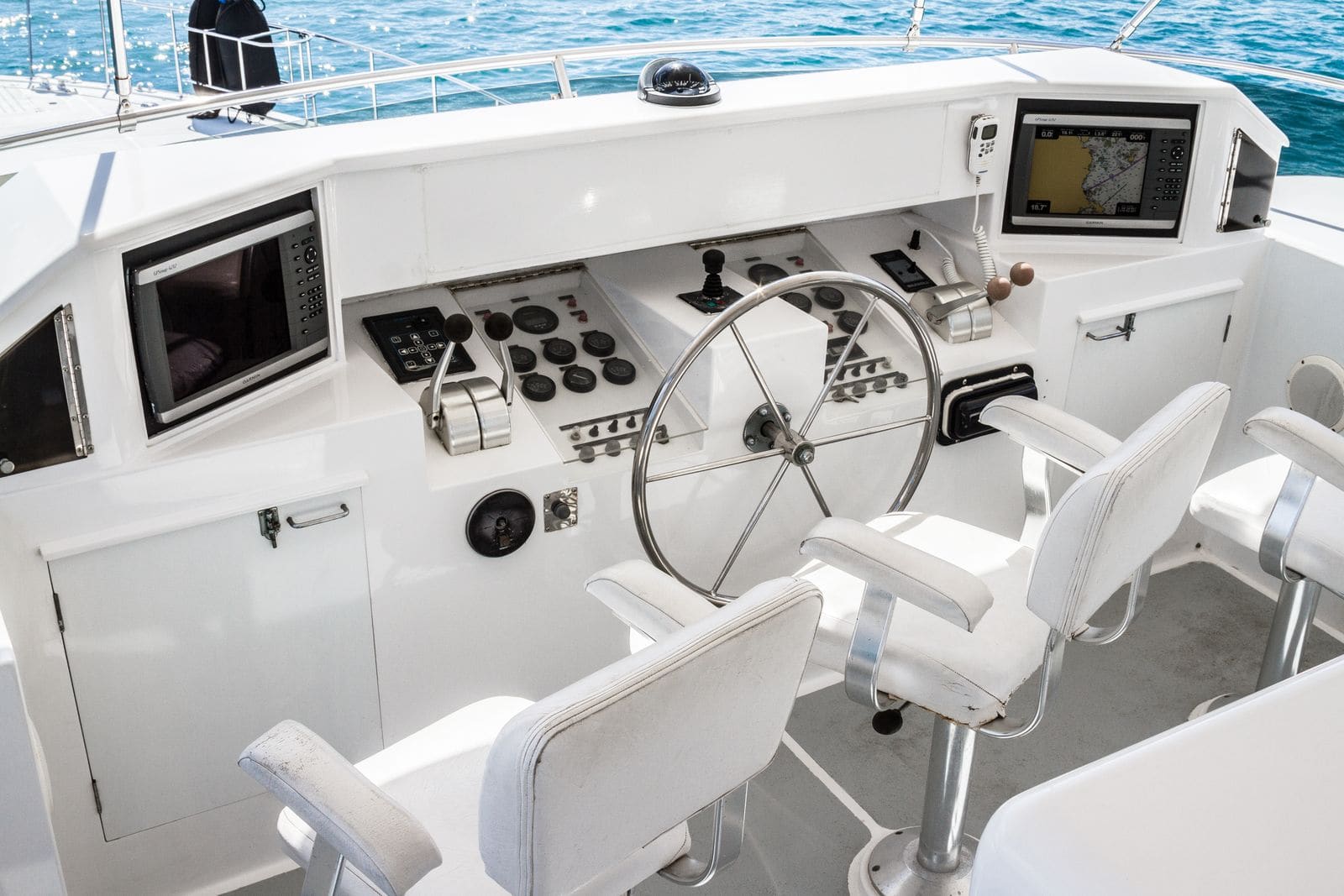
Emergency Steering: What to Do When Your Boat's Steering Fails
A plan for the day the wheel goes slack or locks up - stop safely, find the problem, then steer home with an emergency tiller, twin engines, a drogue or a bridled bucket - plus how to build the gear and practice it before you need it, on outboard, sterndrive and inboard boats.

Engine and Gearbox Oil Analysis: How to Take a Clean Sample and Read the Report
A lab oil analysis is like a blood test for your engine, transmission or lower unit. Learn how to pull a clean sample, what the lab measures, what wear metals, coolant, sea water and fuel in the oil can mean, and why the trend over several samples matters more than any one number.
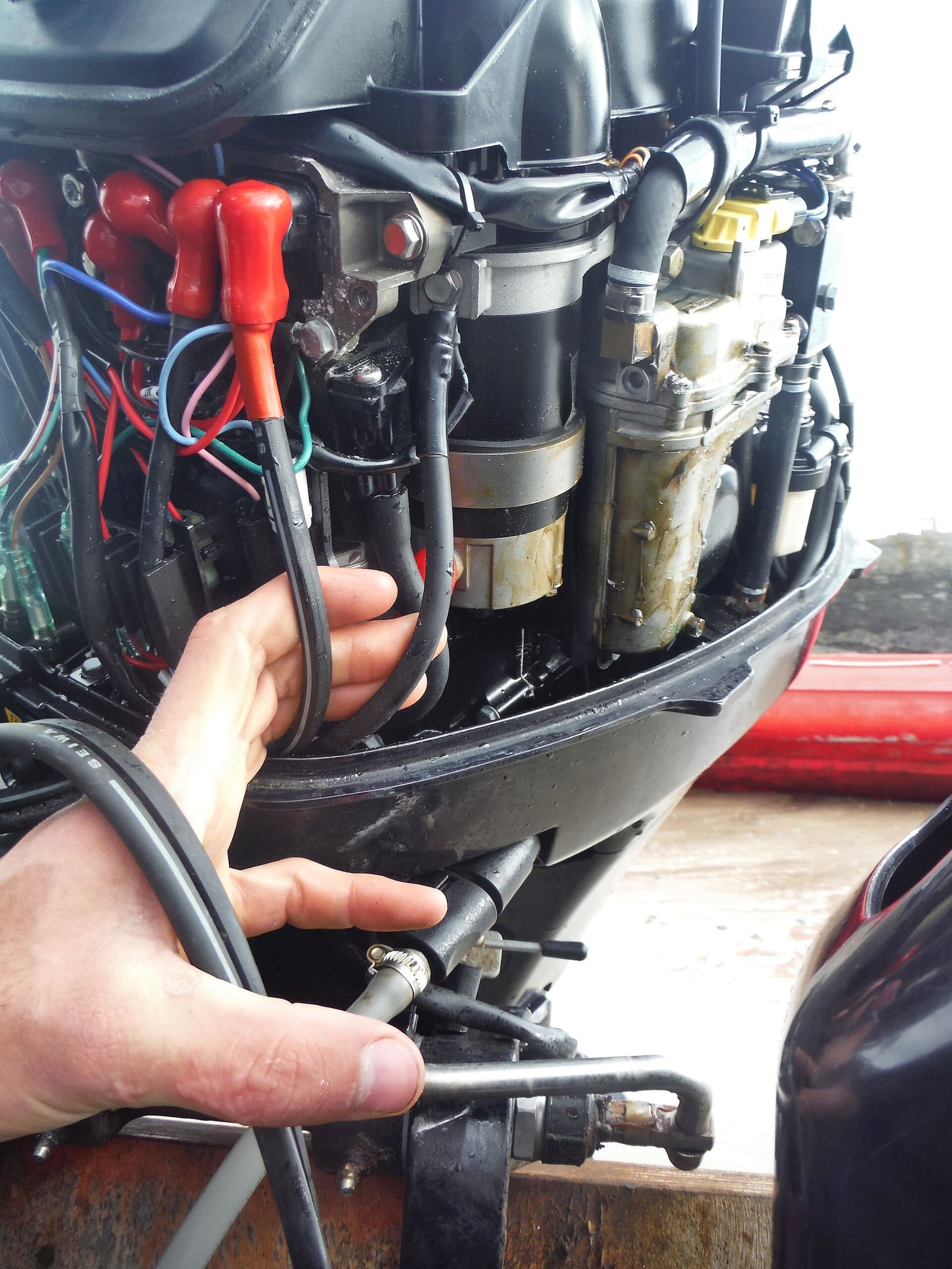
Engine Clicks but Won't Crank - Testing the Battery, Cables, Neutral Switch, Solenoid and Starter
A click (or nothing) when you turn the key is usually a power delivery problem, not a dead engine. Work from the battery and cables through the neutral switch, start relay and solenoid to the starter motor using simple voltage-drop tests, and learn how to jump-start safely when gasoline vapor may be around.
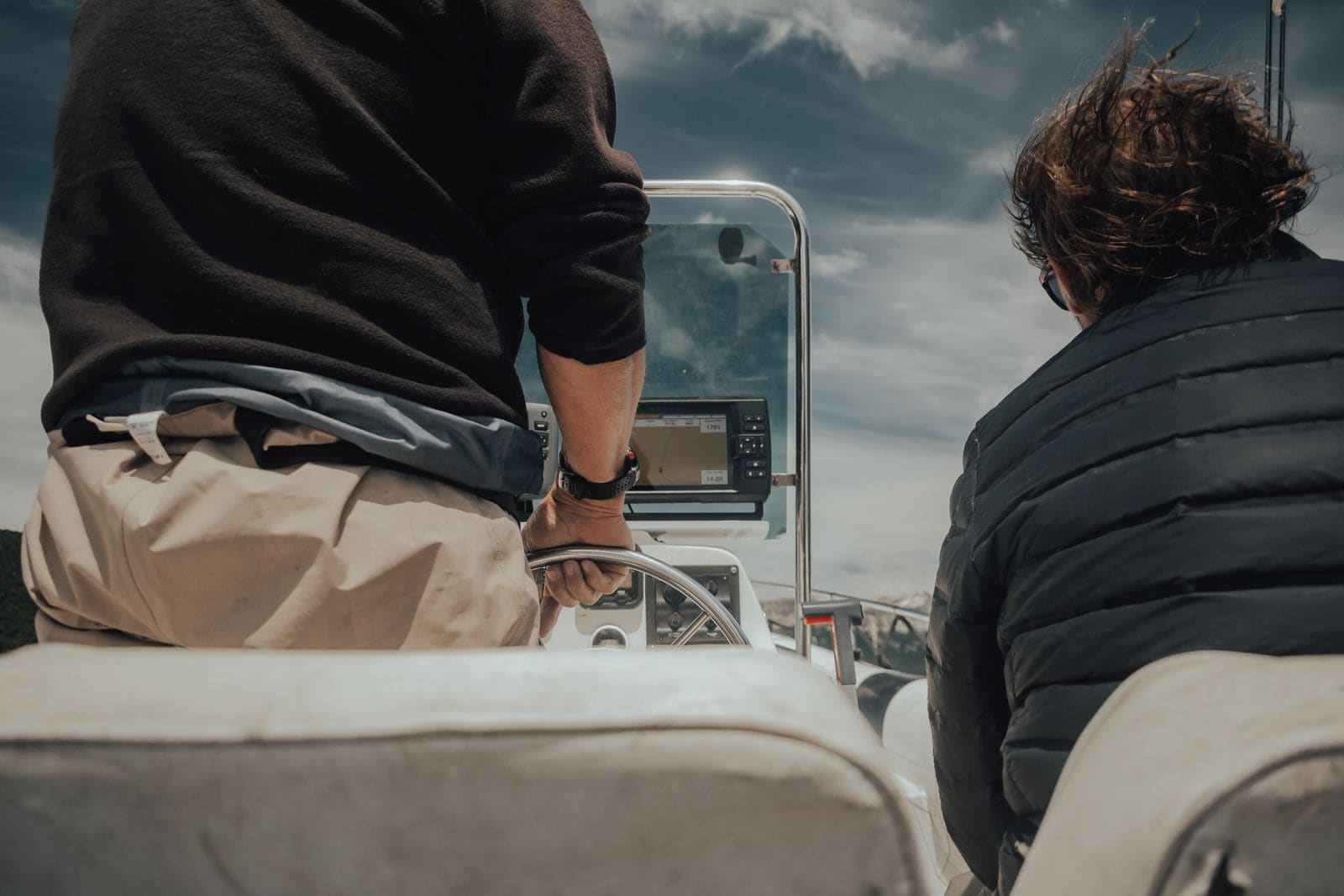
Engine Cut-Off Switch (Kill Switch) and Lanyard: The Law, Testing and Daily Use
How the engine cut-off switch (ECOS) and its lanyard or wireless fob work, when federal law requires you to wear it (boats under 26 feet, 3 hp or more, on plane), how to test it before every trip, and why a spare clip aboard matters.
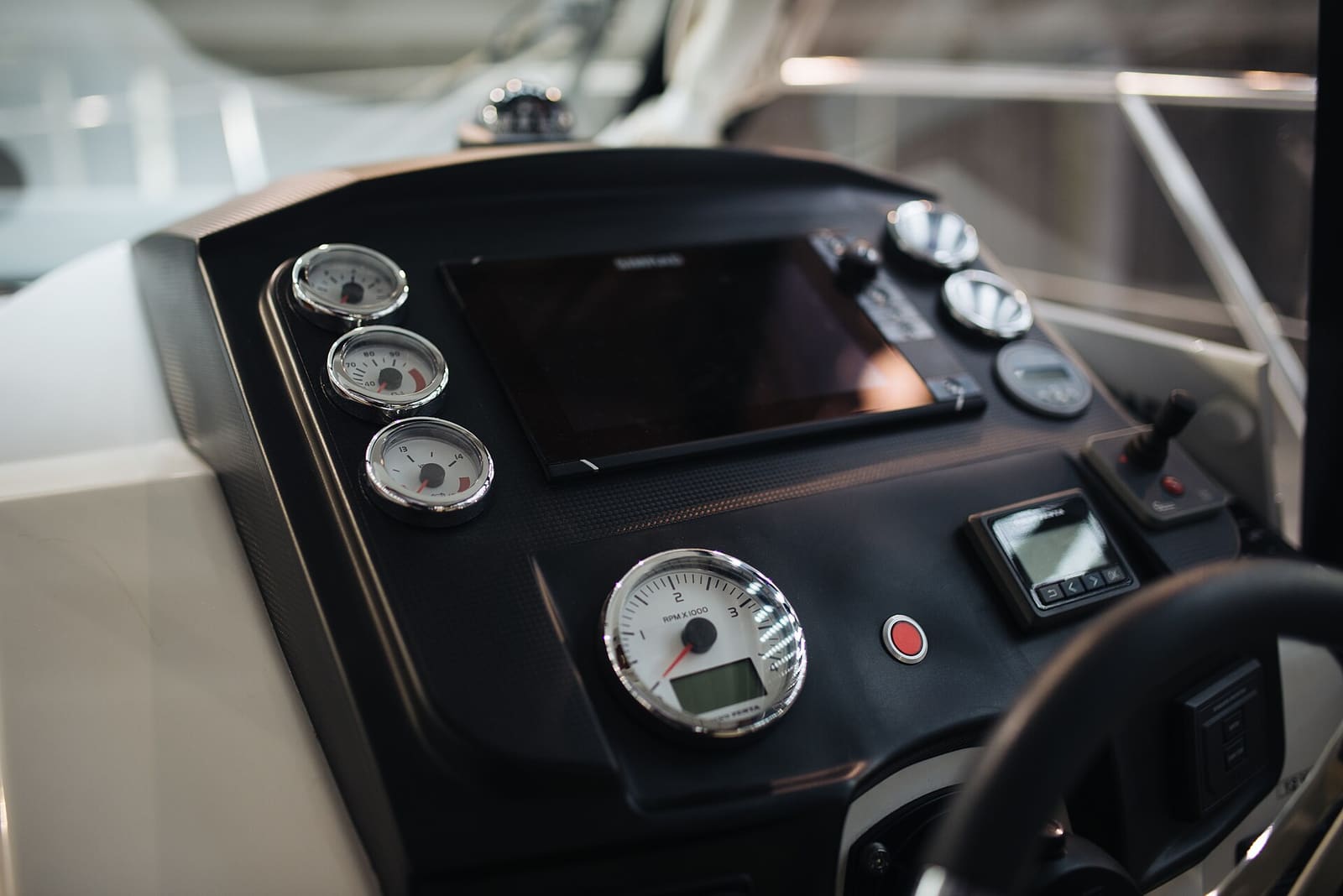
Engine Hour Meters: Why Hours Matter, How to Verify Them and How to Replace a Meter Honestly
Engine hours set your service schedule and a big part of your boat's resale value. Learn the difference between analog meters and engine-computer hours, how to verify the real hours on a used boat, and how to replace a dead or broken meter while keeping an honest record of the old hours.
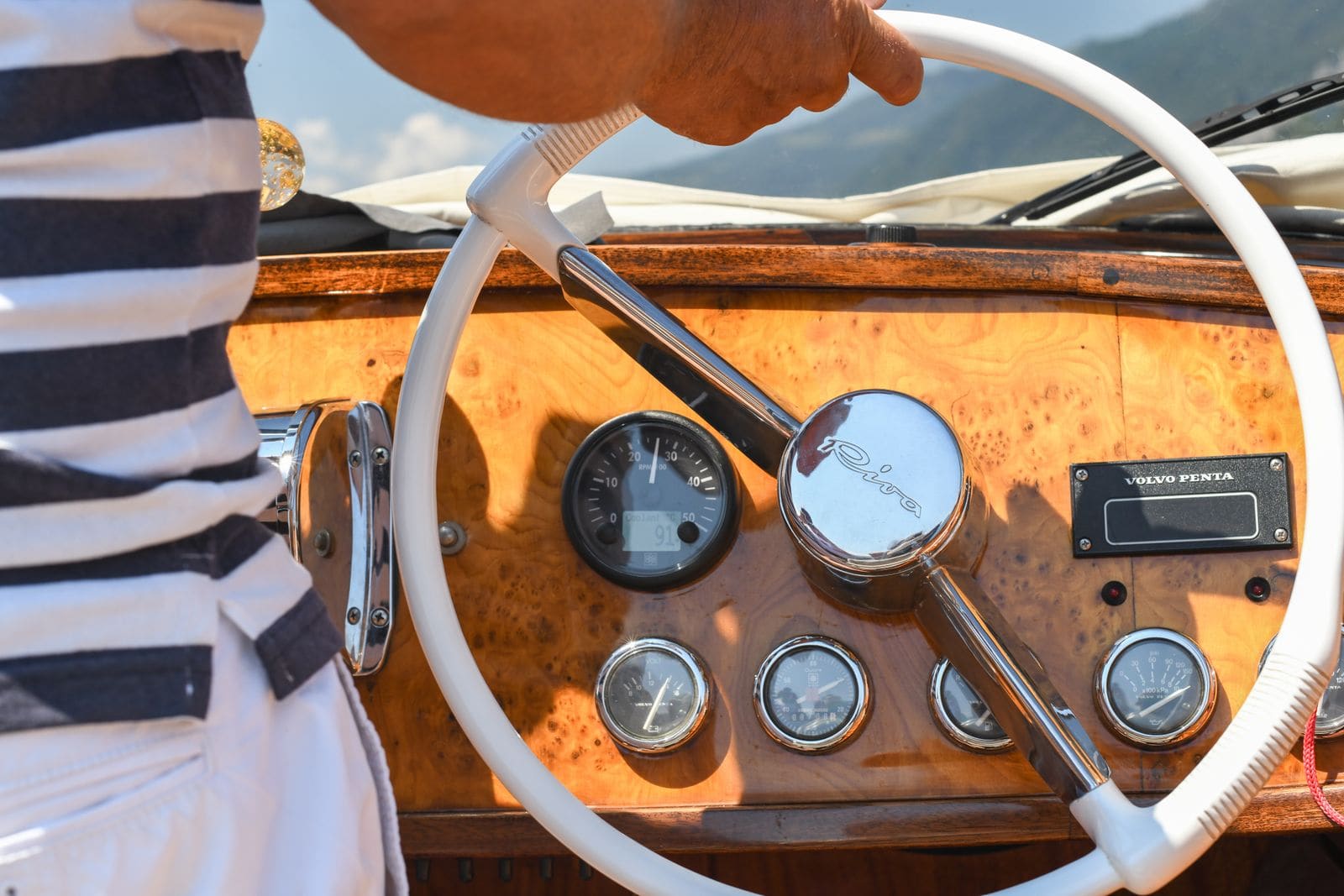
Engine Overheating - Troubleshooting Guide
Work through the most likely causes of a hot engine or overheat alarm, from a blocked water intake to a worn impeller or stuck thermostat. Acting fast and in the right order can save your engine and often gets you home without a tow.
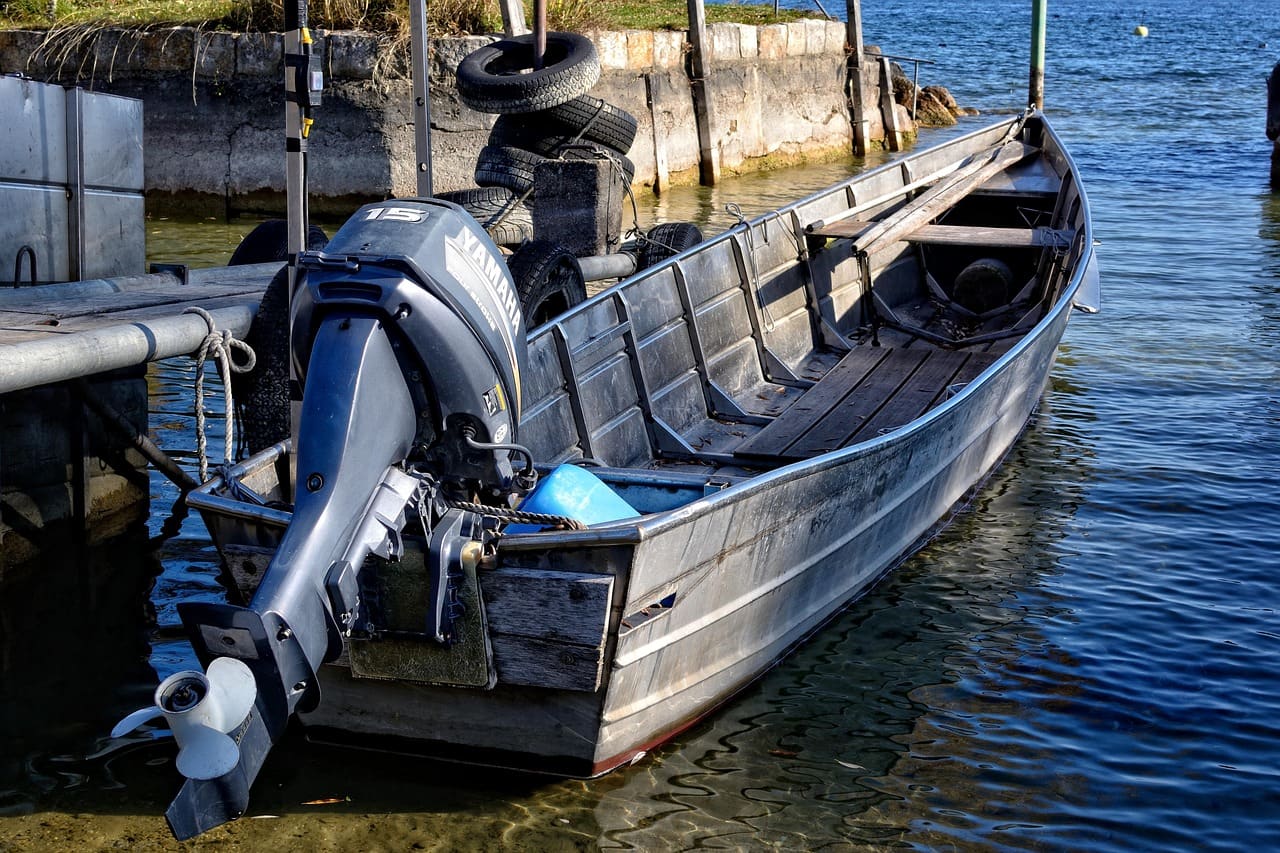
Engine Starts Then Dies - Troubleshooting Guide
Track down why your boat engine fires up and then stalls, whether at idle, when you shift into gear, or after a few minutes of running. Most causes are in the fuel supply and can be checked with no special tools.
Safety: BoatMend is for information only and does not replace a certified marine technician. You are responsible for your safety and your boat. Read the full disclaimer.