Dogs and Pets Aboard: A Safety Checklist for Boat Owners
Set your boat and your dog up for a safe day on the water, from a well-fitted pet life jacket with a handle to shade, fresh water, safe boarding and a plan for getting a dog back aboard if it goes over the side.
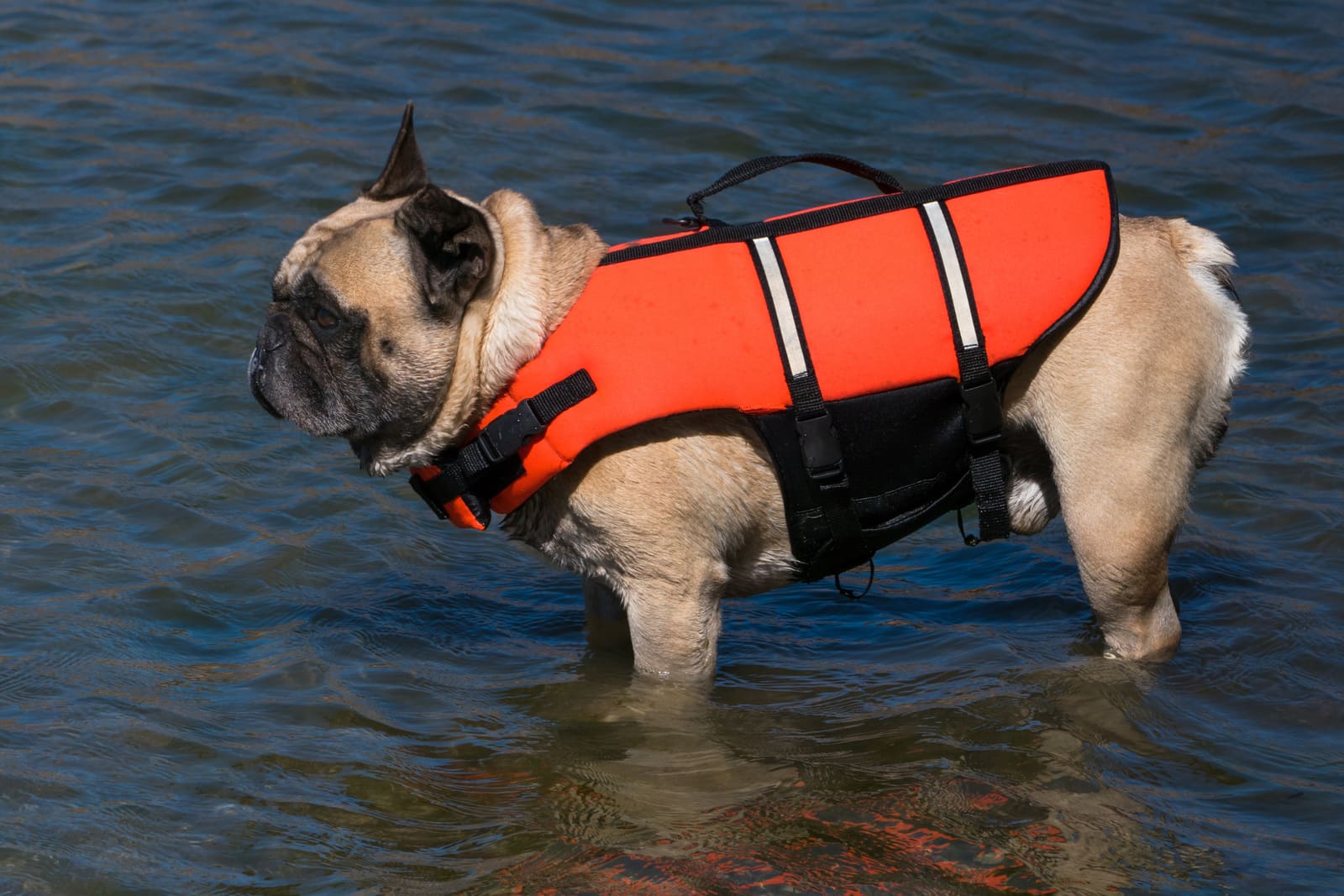
Time
1 h
Applies to
All engines
Safety first: Never jump into the water after a dog that has gone overboard. A panicked dog can claw at you and push you under, and now the boat has two emergencies. Stop the boat, keep the dog in sight and bring it back aboard from the boat. If a person does end up in the water, follow your man-overboard routine and call USCG on VHF channel 16 or 911 if you cannot recover them quickly.
Owners often ask
- Does my dog really need a life jacket if it is a good swimmer?
- What do I do if my dog falls overboard while we are underway?
This guide walks you through it. Still stuck? Ask the AI Mechanic about your engine.
Tools
- Soft tape measure (to size the life jacket)
- Short leash (4 to 6 feet) and a harness
- Collapsible water bowl
Parts & supplies
- Pet life jacket with a sturdy top handle, bright color and reflective trim
- ID tag with your cell number (and ideally the boat name)
- Non-slip mat or carpet scrap for your dog's spot
- Boarding ramp or pet ladder (for dogs too big to carry)
- Pet first-aid kit
- Pet-safe sunscreen (no zinc oxide)
- Waste bags and a lidded container
Before you start
Not every dog is a swimmer. Dogs with low body fat, short legs, flat faces, older dogs and dogs with joint problems can tire or struggle fast, and even strong swimmers get worn out by current, chop or a long day. The BoatUS Foundation recommends a life jacket even for dogs that love the water.
There is no USCG rule for pet life jackets. Discover Boating notes there are no regulations for them, and the BoatUS Foundation points out there are no design or performance standards to test pet devices against. Pick one by fit and features, and treat it as a flotation and retrieval aid, not a guarantee.
Count your dog in the load. On monohull boats under 20 feet, the capacity plate lists a maximum weight in pounds (33 CFR 183.23). A big dog's weight counts along with the people and gear, so a full boat plus a 90-pound retriever may already be over.
Check the rules where you are going. Marinas, parks, beaches and sandbars often have their own pet rules (leashes, where dogs may go ashore, waste pickup). Look them up before the trip.
Steps
Measure your dog's chest girth, neck and back length, and use the maker's size chart (weight alone is not enough). If you can, try it on in the store. It should sit snug around the neck and chest so a front leg cannot slip through the front opening, a problem the American Kennel Club's water-safety expert says she has seen with loose jackets. Check that straps and buckles do not rub the armpits or belly, and that the foam does not stop the dog from sitting or lying down.
The one feature every BoatUS tester agreed on was a sturdy lifting handle on the back. It is how you lift a wet, heavy dog over the side or onto the swim platform. Grab the handle and lift your dog a few inches: the jacket should not slide up, twist or choke. Choose a bright color with reflective trim so you can spot the dog in glare, chop or at dusk.
Let your dog wear the jacket around the house and yard with treats and praise. Then visit the boat at the dock with the engine off. Keep the first outing short and calm. The AKC advises letting a dog progress at its own pace and never forcing a nervous dog into the water.
In calm, warm water with an easy exit, let your dog swim in the jacket while you stand nearby. Practice lifting it by the handle. If your dog panics or will not swim, that tells you to keep it leashed and away from the edges on the boat.
Use a collar tag with your cell number; Boating Magazine suggests a tag that clips flat to the collar so it does not snag. A microchip registered to your current phone number is a good backup. The BoatUS Foundation tells of a dog found paddling a mile off Fort Lauderdale, about 15 miles from where its owners had been looking. His collar tags got him home.
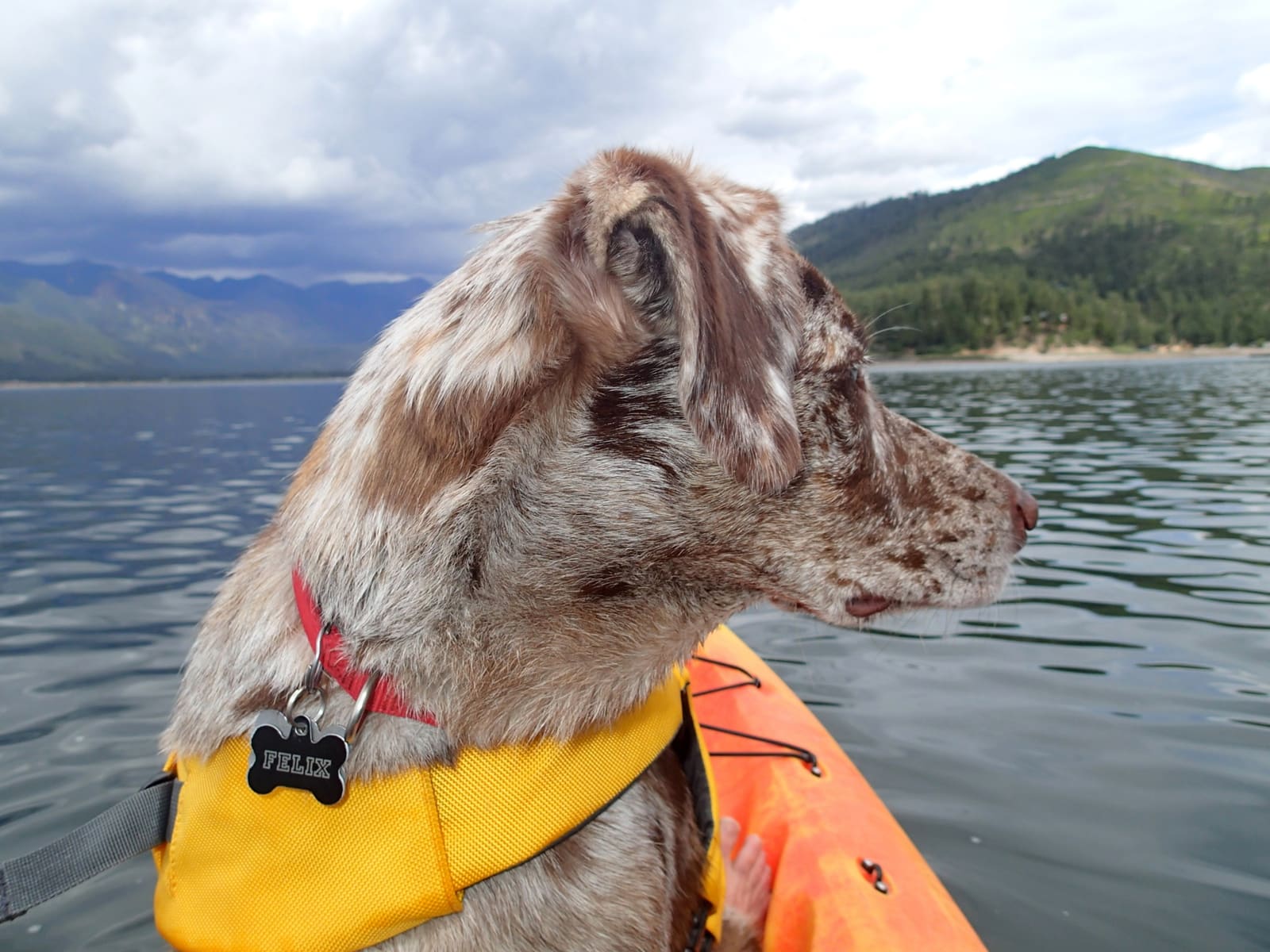
A bright life jacket plus a collar ID tag. Photo: cogdogblog / Wikimedia Commons · CC BY 2.0 Carry small dogs aboard. For larger dogs, Discover Boating recommends a ramp. Boating Magazine suggests a ramp for any pet too big to carry under one arm, since it also helps the dog climb back aboard from the water, a beach or a sandbar. Many swim ladders are hard or impossible for dogs to climb. Lay a non-slip mat where the dog rides, and trim its nails so it grips better and scratches less.
Dogs heat up fast on a boat. Dark coats soak up sun, and hot decks and seats can burn paws. Put up the bimini or rig shade, give the dog a cool mat or wet towel, and bring plenty of fresh water and a bowl. Do not let your dog drink lake or sea water; saltwater makes dehydration worse, and Discover Boating warns that lake water can carry pollution and harmful organisms.
Watch for algae blooms before your dog swims. The CDC says harmful algal blooms can kill dogs, sometimes within minutes to days, and there is no antidote. Blooms are most likely in warm, slow-moving water and can look like green, blue-green or brown scum, foam, mats or spilled paint. Keep your dog out of the water, and from drinking it, wherever you see that or the state has posted an advisory. If your dog does swim in it, rinse it with clean fresh water right away so it can't lick the algae off its fur, and call a veterinarian if it vomits, drools, stumbles or seems weak.
Know the signs of heatstroke: heavy panting, drooling, bright red or pale gums, weakness, stumbling or collapse. Flat-faced breeds, puppies, seniors and overweight dogs are at higher risk. If you see these signs, get the dog into shade, sponge or spray it with cool (not ice-cold) water, and head for a veterinarian. The AKC says a vet visit is still needed even if the dog seems to recover.
Short-haired and light-colored dogs can burn on the nose, ears and belly. Use a sunscreen labeled for pets. Avoid products with zinc oxide, which is toxic to dogs if licked.
Some dogs drool, yawn, shake or vomit in waves. Boating Magazine notes some dogs can take motion-sickness remedies, but only use a product and dose your veterinarian approves. Keep early trips short, run in calm water, and skip a big meal right before you leave.
Keep your dog low and inside the boat when you are on plane. A paw on the gunwale and one good wake can send it over. Use a harness rather than just a collar; Boating Magazine notes a harness gives you something to grab, even with a boat hook. When stopped or fishing, a short tether limits how far the dog can roam. Keep the dog away from the helm, throttle and kill-switch lanyard, where a bump can cause trouble.
Fish hooks, lures, bait, fish fins and fishing line are a real vet-visit risk. Discover Boating recommends teaching a solid "leave it" and taking hooks out of fish well away from your dog. Wipe up fuel and oil spills right away and keep the dog out of the cockpit while fueling. Keep it away from hot engine parts, exhaust and the stern while the engine runs. Turn the engine off before a dog swims near the boat, just as you would for a person.
Plan shore breaks on longer trips. Some dogs learn to use a pee pad, artificial turf or carpet scrap in a set spot on deck; practice at home first. Bag solid waste and carry it ashore in a lidded container instead of throwing it overboard, and follow the marina, park and beach pet rules where you stop.
Before you leave the dock, decide who will do what:
- Spotter: one person points at the dog and never takes their eyes off it. A small head in waves is easy to lose.
- Driver: throttles back, turns around and approaches slowly from downwind. The driver puts the engine in neutral or shuts it off before the dog is near the propeller.
- Retriever: grabs the life jacket handle or harness from the swim platform or the low side and lifts. A boat hook through the handle helps with big dogs. Some owners call the dog to the swim platform with a treat.
Nobody goes in the water after the dog. If the dog went over at speed, it may be stunned and unable to swim well, so move fast but carefully.
Common mistakes
- "My dog is a great swimmer, it does not need a jacket." Current, chop, cold water and fatigue can beat any swimmer, and without a handle it is very hard to lift a soaked dog aboard.
- Loose or wrong-size jacket. A leg slips through the front, or the jacket rides up over the head when you lift.
- Jumping in after the dog. This is how a pet emergency becomes a human one.
- Letting the dog ride on the bow or with paws on the rail while underway.
- No fresh water and no shade. Dogs then drink lake or sea water and overheat.
- Leaving fishing gear where the dog can reach it.
- Waiting until the boat to try the ramp or ladder for the first time.
When to call a pro
- Any sign of heatstroke, near-drowning, a swallowed hook or lure, a hook in the mouth or paw, or a deep cut: get to a veterinarian right away. Call ahead so the clinic is ready.
- If your dog coughs, breathes hard or seems weak after being in the water, see a vet even if it seems fine at first.
- If a person goes into the water and cannot be recovered quickly, call USCG on VHF channel 16 or 911.
- For ongoing seasickness or anxiety, ask your veterinarian about safe medication.
Tips
- Write your boat name and phone number on the life jacket with a marker.
- Bring a towel or two. A wet dog shaking off in the cabin gets old fast.
- Add a pet kit to your first-aid kit: bandages, antiseptic wipes, tweezers, styptic powder and any medicine your dog takes.
- Floating toys keep a swimming dog busy. Toys that sink can get lost.
- Check whether your boat insurance covers a pet injured aboard. Some policies do.
Official references
We read these to write this guide. Your engine's own manual always wins.
- BoatUS Foundation – Doggie Life Jacket Tests (2000, 2012 and 2021 rounds)
- BoatUS – Life Jackets For Dogs (2012)
- Discover Boating – The Top Tips for Taking Your Dog Boating
- Discover Boating – The Top 10 Accessories for Your Boat Dog
- Discover Boating – Fishing with Your Dog, 4 Must-Know Tips
- Boating Magazine – 10 Tips for Boating With Pets
- American Kennel Club – What Every Dog Owner Should Know About Water Safety
- American Kennel Club – Heatstroke in Dogs, Signs, Symptoms, Treatments
- ASPCA – Dogs In Hot Cars and Other Summer Dangers
- CDC – For Veterinarians, Harmful Algal Bloom-Associated Illnesses
- eCFR – 33 CFR 183.23, Capacity marking required
Safety: BoatMend is for information only and does not replace a certified marine technician. You are responsible for your safety and your boat. Read the full disclaimer.
Last updated 2026-10-25
Related guides
Man-Overboard Recovery Gear: Throwables, Lifesling, Ladders and MOB Alarms
Set up and check the gear that gets a person in the water back aboard - a throwable within reach, a floating rescue line or Lifesling-style sling, a boarding ladder someone in the water can pull down, and MOB alarms or AIS beacons - and practice the drill so it works when it counts.
Boat First-Aid Kit and Medical Prep: What to Carry, Day Trips to Offshore
Build and maintain a boat first-aid kit that fits how far from help you go, with the extras boaters actually need for seasickness, fish hooks, cuts, burns, sun, heat and cold, plus a crew briefing, expiration-date checks and training. General preparation only, not medical advice.
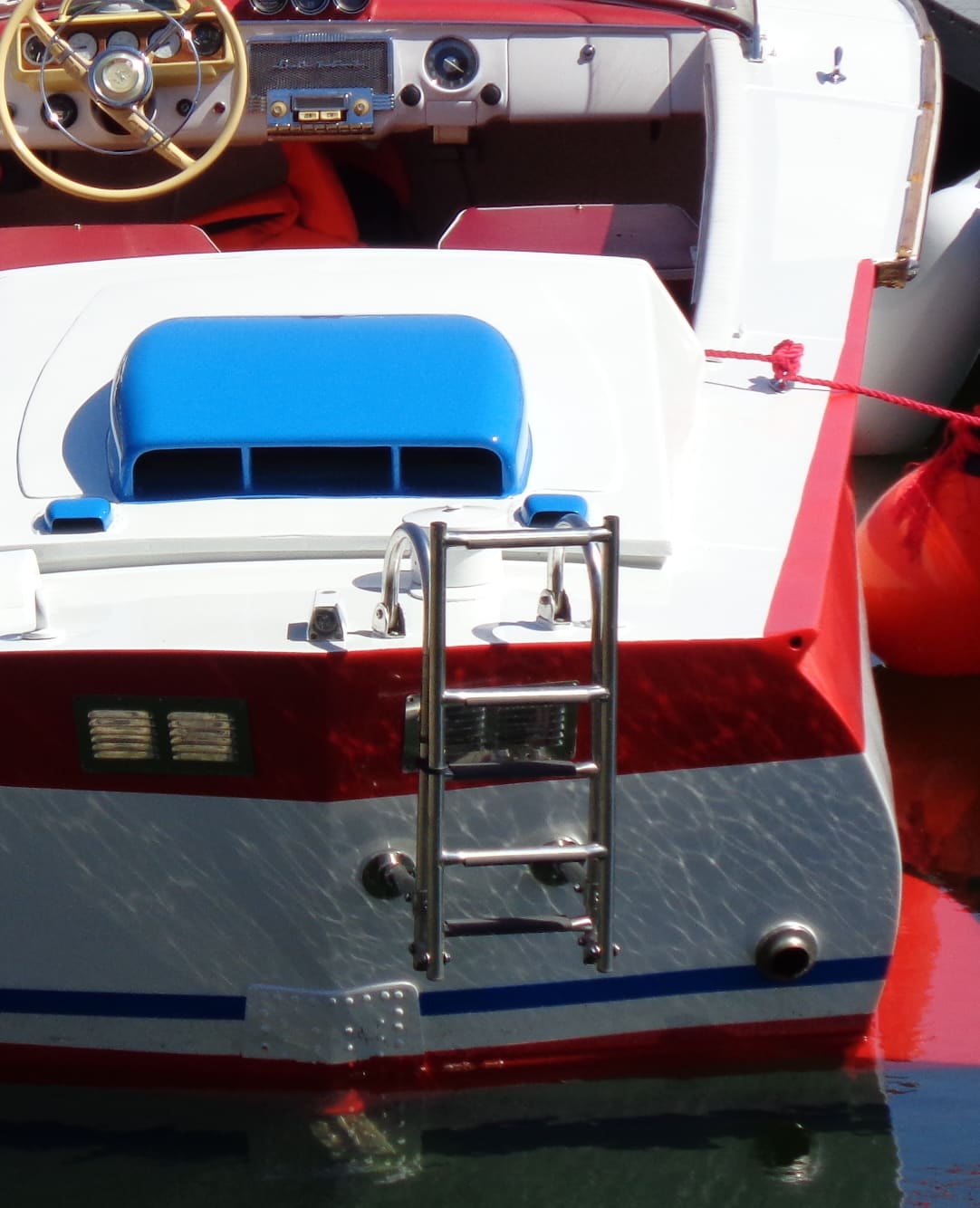
Boarding Ladder Upgrade: A Ladder You Can Reach and Use From the Water
Make sure anyone who ends up in the water - including you, alone - can pull down a ladder and climb back aboard. Compare ladder types, check how deep it reaches, mount it away from the propeller with proper backing, and test it from the water before you need it.
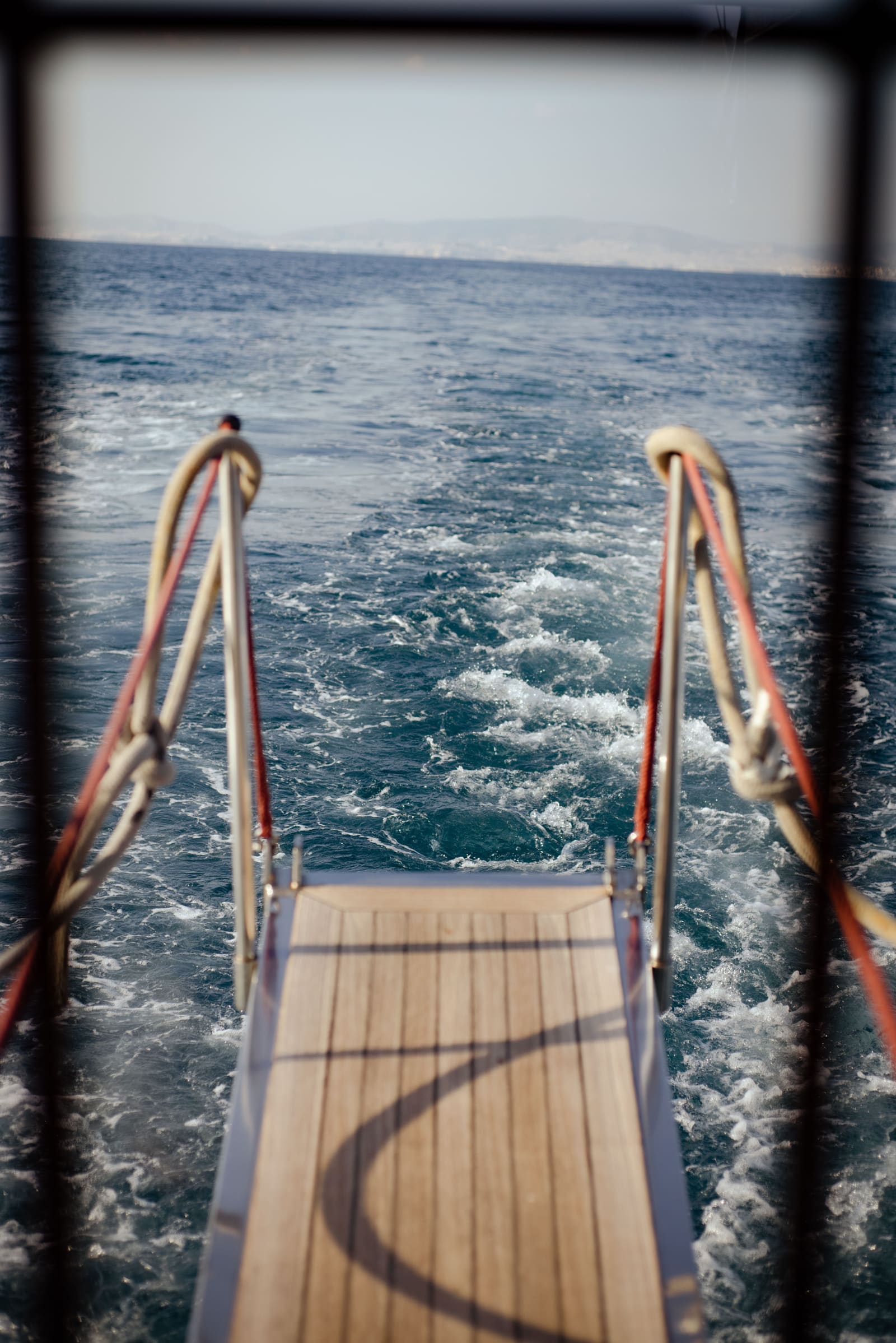
How to Add or Replace a Swim Platform on Your Boat
A swim platform makes swimming, fishing and climbing back aboard far easier, but it hangs off the most heavily loaded part of the hull, right next to the propeller and the exhaust. Learn the bolt-on options, how to check the transom and engine clearance, how to through-bolt with real backing plates, and the propeller and carbon monoxide rules that come with it.
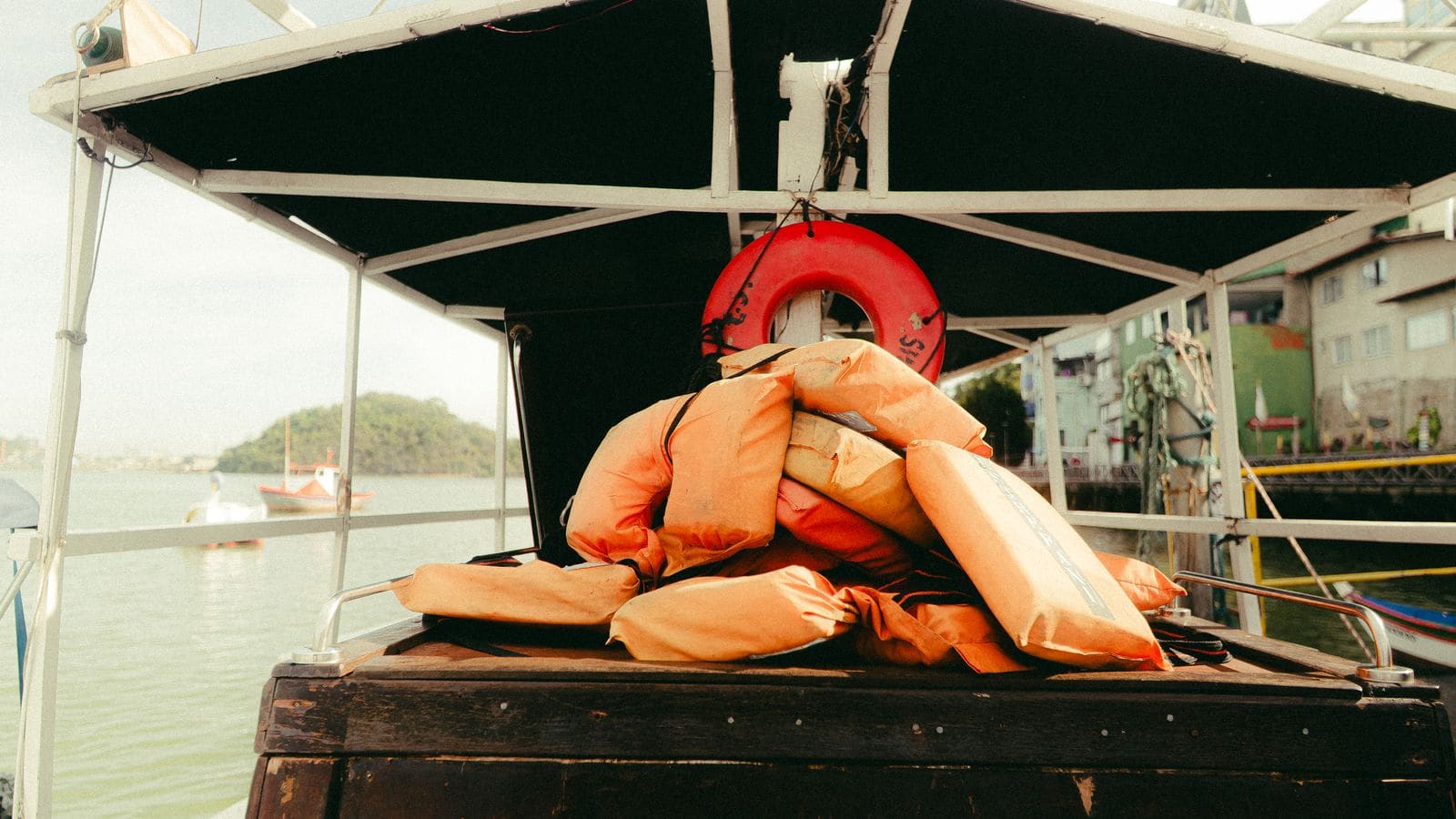
USCG Required Safety Equipment Check by Boat Length
Walk through your boat and confirm you carry every piece of safety gear the US Coast Guard requires for your boat's length and type, and that none of it is expired or worn out. Missing or expired gear is one of the most common tickets on the water, and it is the gear you need when things go wrong.
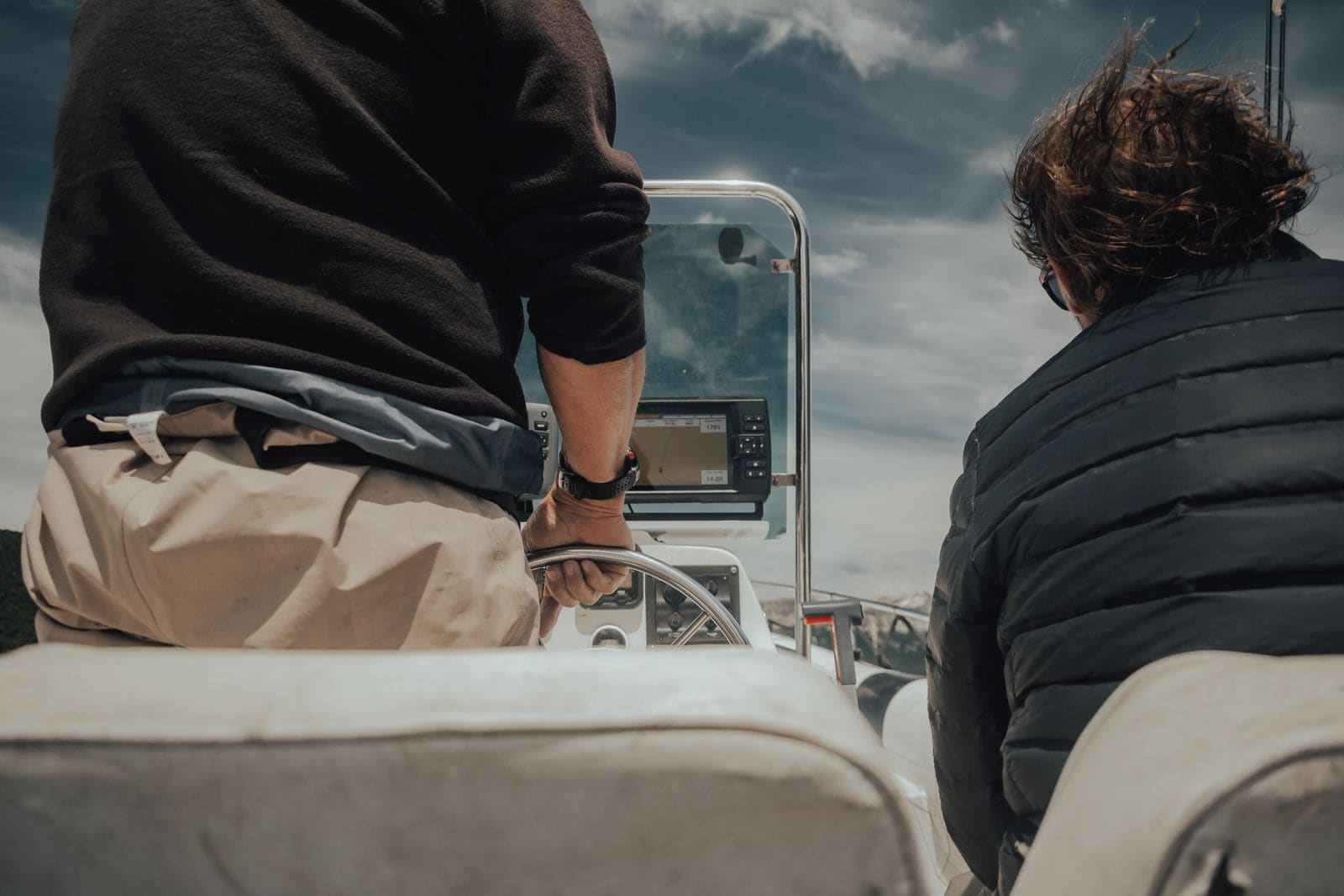
Engine Cut-Off Switch (Kill Switch) and Lanyard: The Law, Testing and Daily Use
How the engine cut-off switch (ECOS) and its lanyard or wireless fob work, when federal law requires you to wear it (boats under 26 feet, 3 hp or more, on plane), how to test it before every trip, and why a spare clip aboard matters.