Repair & maintenance guides
Plain-English, step by step, written for owners. Pick your engine to see the guides that apply to it.
422 of 509 guides · page 12 of 18
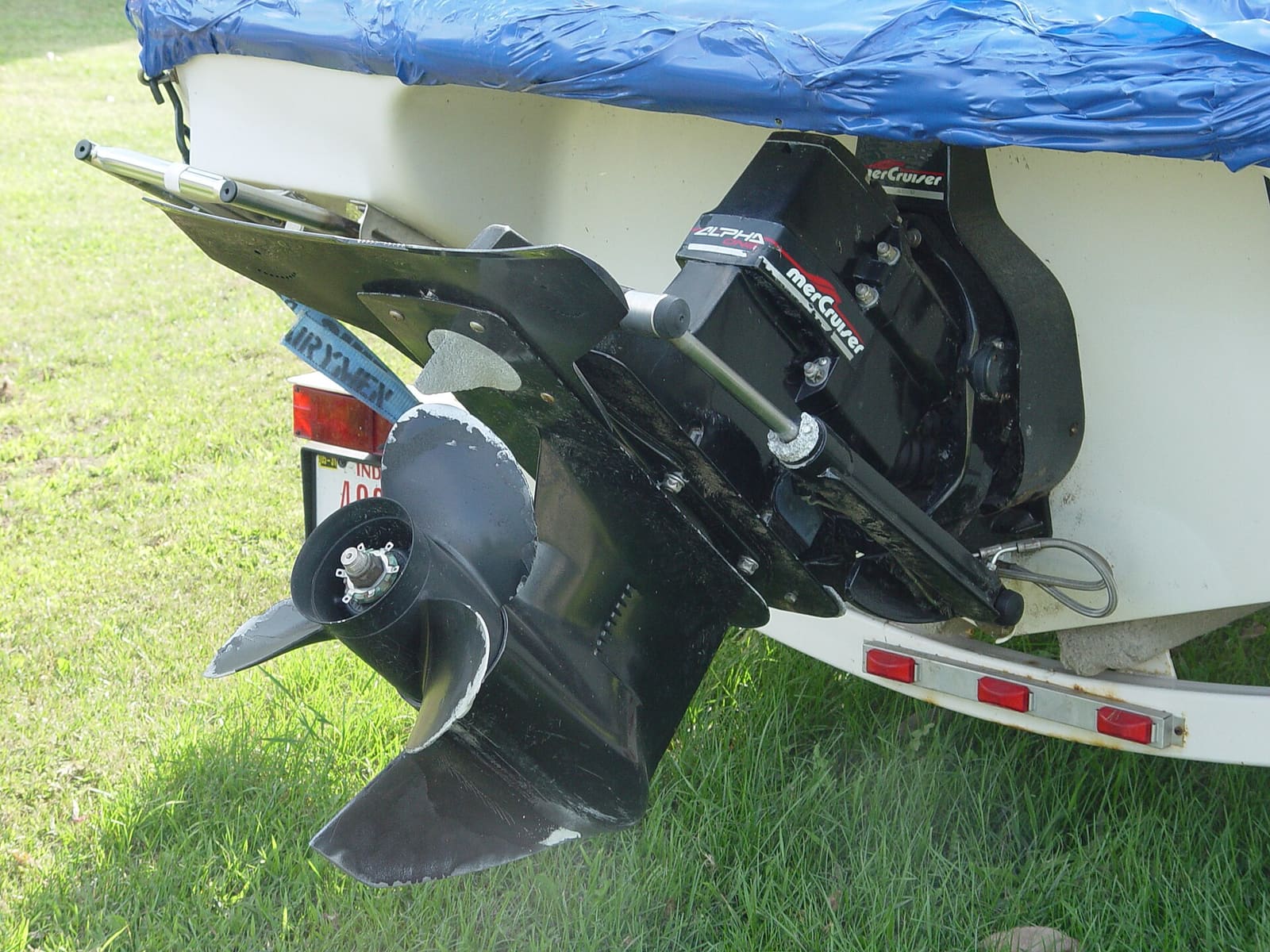
How to Winterize a Sterndrive (MerCruiser, Volvo Penta and Similar)
Get the water out of your sterndrive engine, protect it with antifreeze, and service the drive before storage. A cracked block or manifold from one missed drain plug can cost thousands, and doing it yourself saves a shop bill of several hundred dollars.
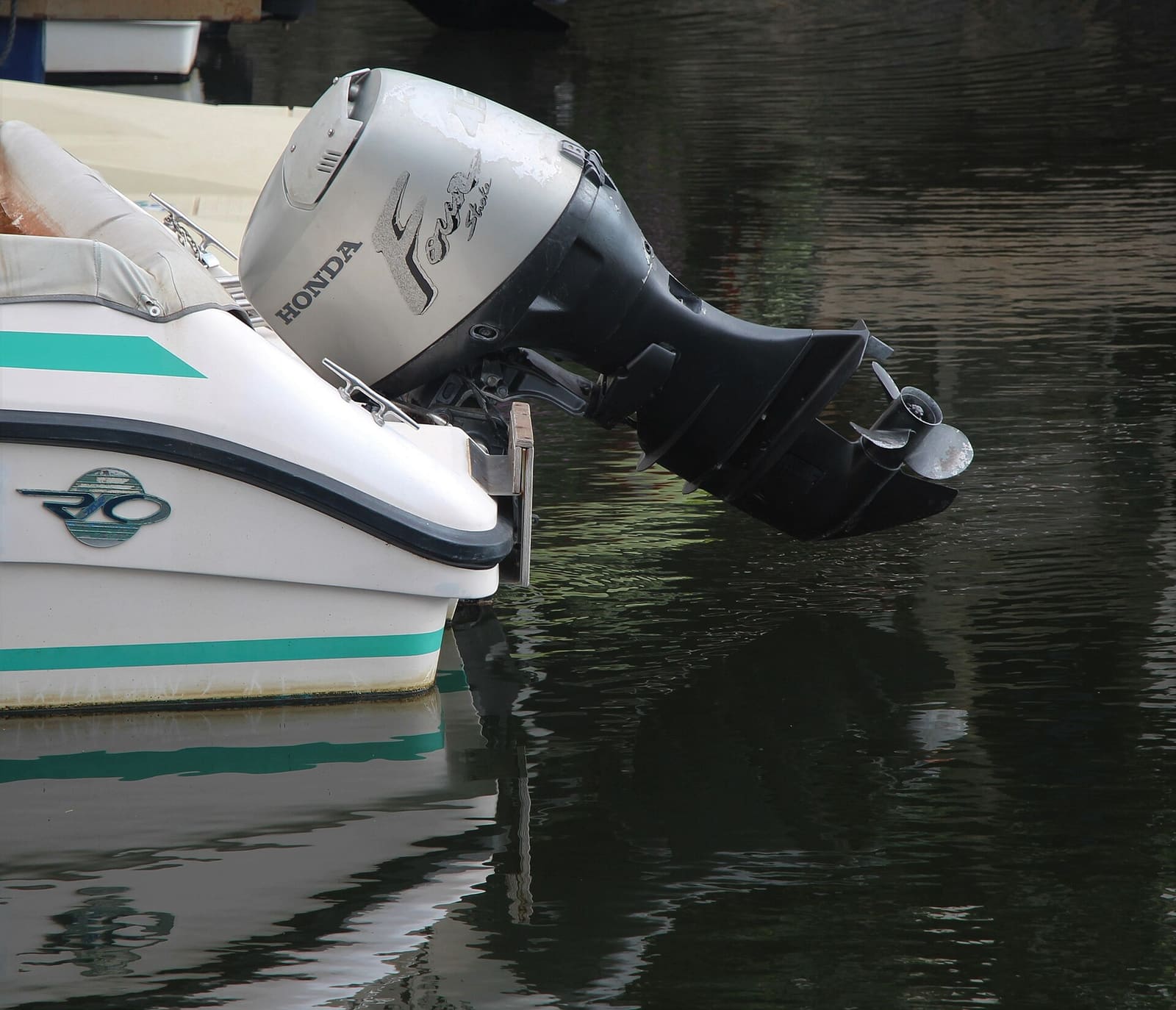
How to Winterize an Outboard Engine
Protect your outboard from freeze damage, stale fuel and internal corrosion over the off-season. Most owners can do it in an afternoon with basic tools, compared with a shop bill that often runs several hundred dollars.
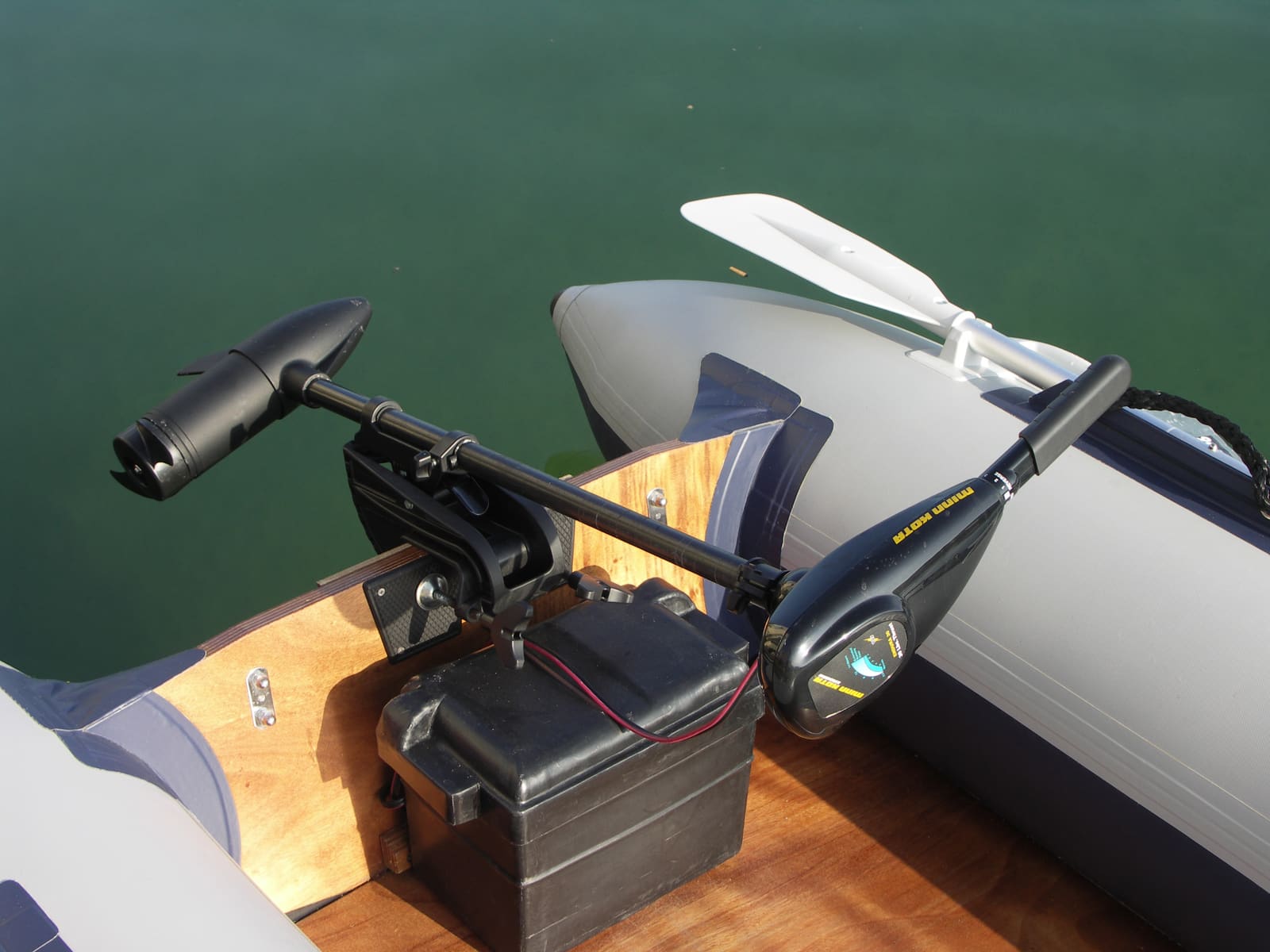
How to Wire a 12, 24 or 36-Volt Trolling Motor and Charge Its Batteries
Set up the battery bank for your electric trolling motor the right way: matched deep-cycle batteries in series or parallel, a circuit breaker sized from the motor maker's chart, a proper plug, and a multi-bank charger that keeps every battery healthy. High-current wiring that runs long distances or ties into other systems is a job for a marine electrician.
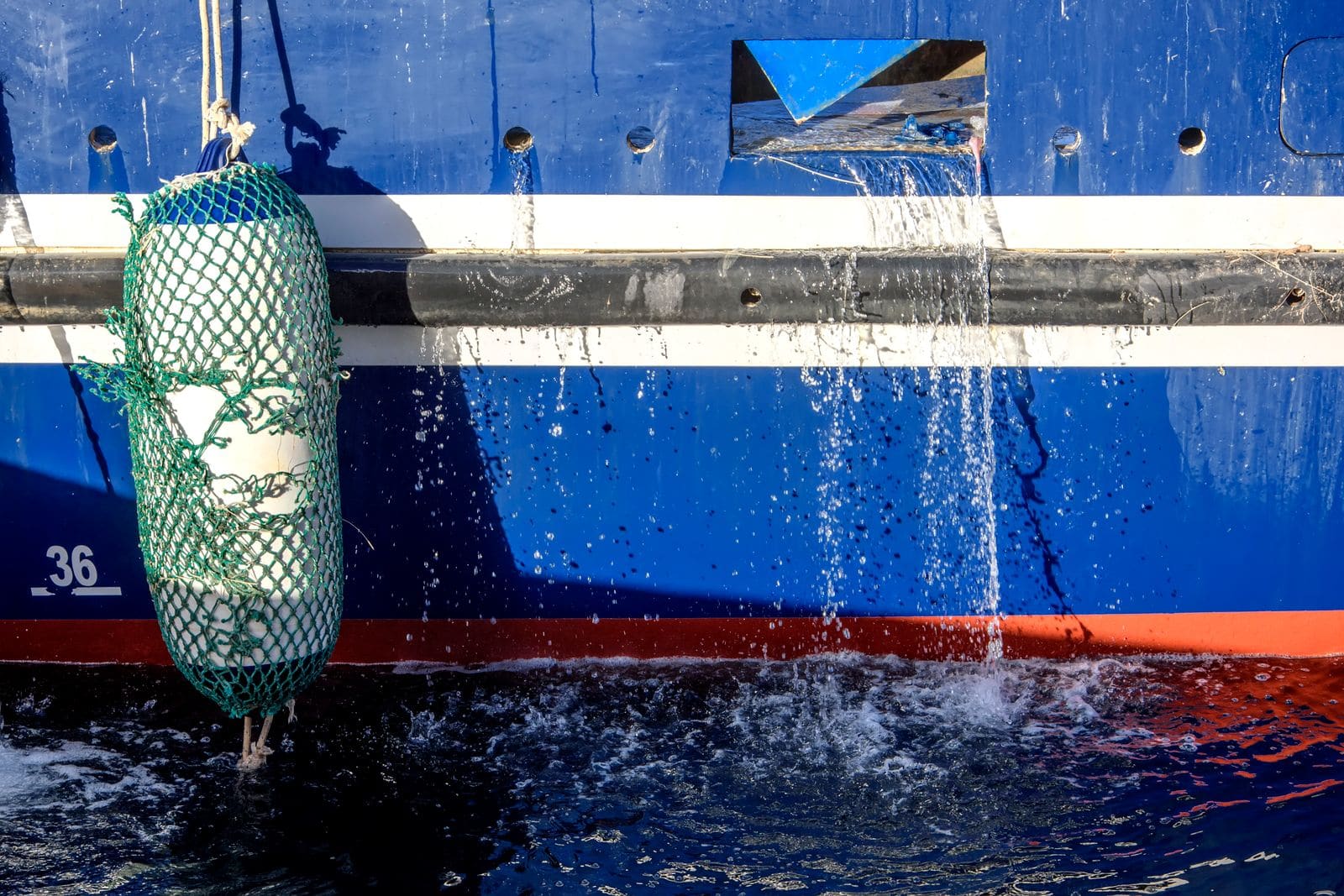
How to Wire a Bilge Pump Correctly (Automatic Float, Panel Switch and Fuse)
Wire your bilge pump so the automatic float works even with the battery switch off, the helm switch gives you a manual override, and every circuit has the right fuse, wire size and connections kept above the bilge water. A pump that is wired wrong can leave the boat unprotected exactly when nobody is aboard.
How to Wire a Marine Stereo, Speakers and Amplifier Safely
Install or fix a boat stereo the way that keeps it working and keeps your battery alive: marine-rated gear, a fused feed from the panel, a solid ground, a plan for the always-on memory wire, UV-proof speakers, and an amplifier fused right at the battery. Plus how to stop the stereo from messing with your VHF and compass.
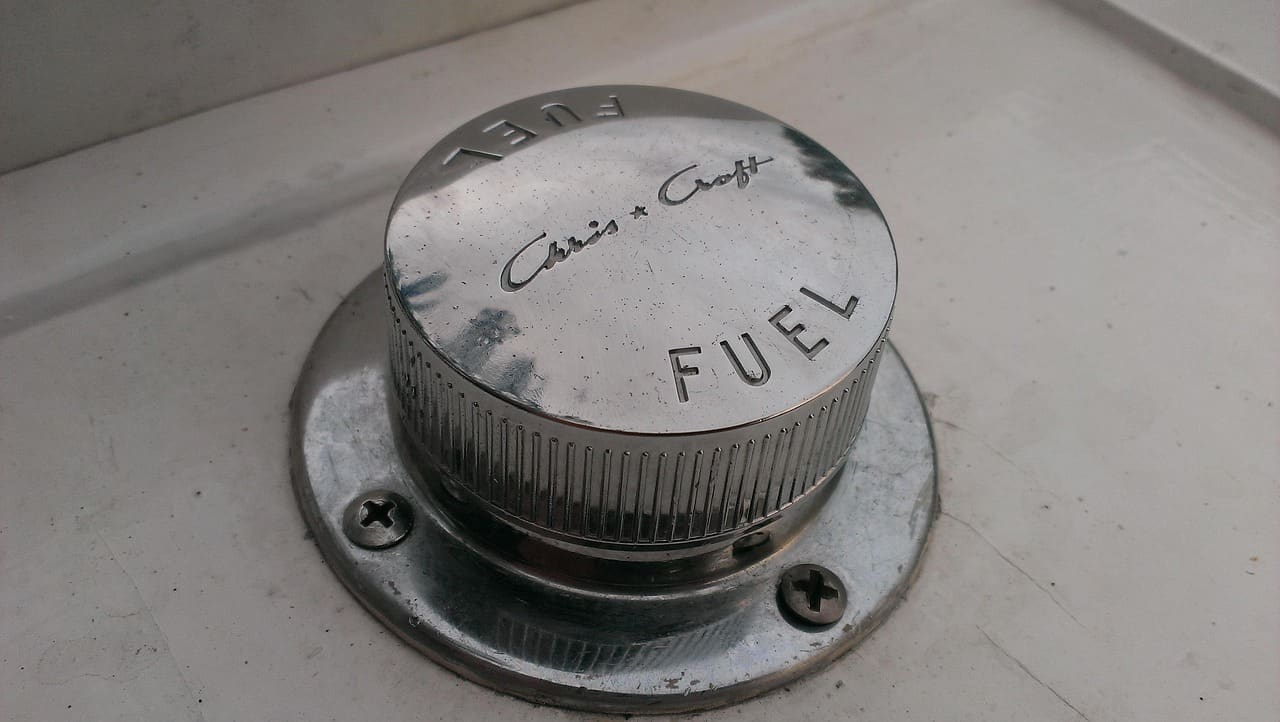
How Water Gets Into Boat Fuel (and How to Stop It)
Water in the fuel is one of the top causes of rough running and dead engines, and it almost always has an entry point you can find. Work from the jar test through the fill cap O-ring, a recessed deck fill, the tank vent, the sending unit gasket and your washdown habits, and learn how much condensation really matters.
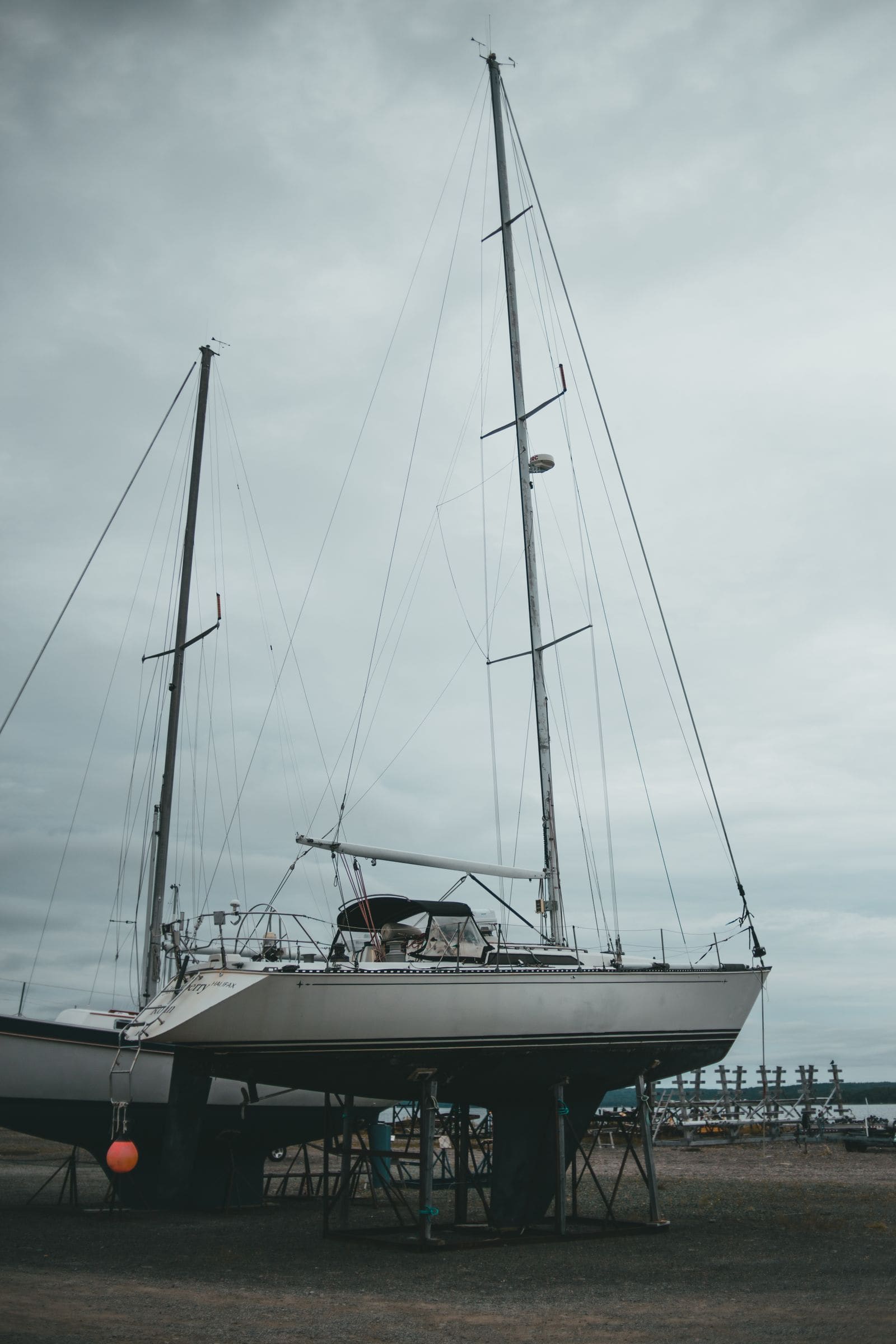
Hull Blisters (Osmosis): How to Tell Cosmetic Pimples From Serious Pox
Learn what osmotic blisters are, how to inspect a fiberglass bottom at haul-out, which blisters you can fix yourself with epoxy, what moisture meter readings can and can't tell you, and when to hire an independent surveyor.
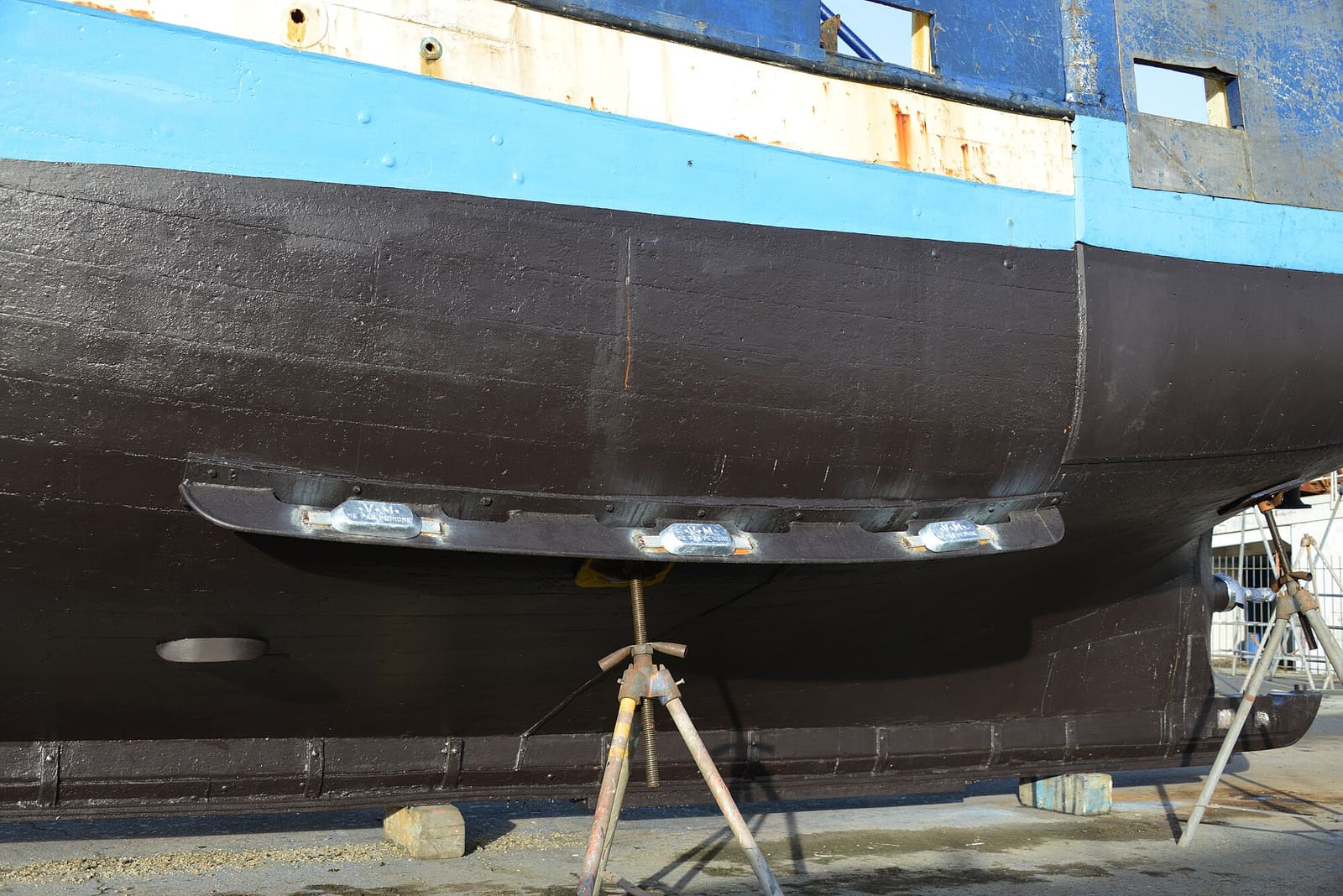
Hull Potential Survey: Checking Corrosion Protection with a Reference Electrode
A silver/silver-chloride reference electrode and an ordinary multimeter show whether your underwater metals are really protected by their anodes, whether every fitting is bonded, and whether shore power or the slip is upsetting things. Learn how to take the readings, what under- and over-protection mean in plain terms, and when to call a marine electrician or corrosion specialist.
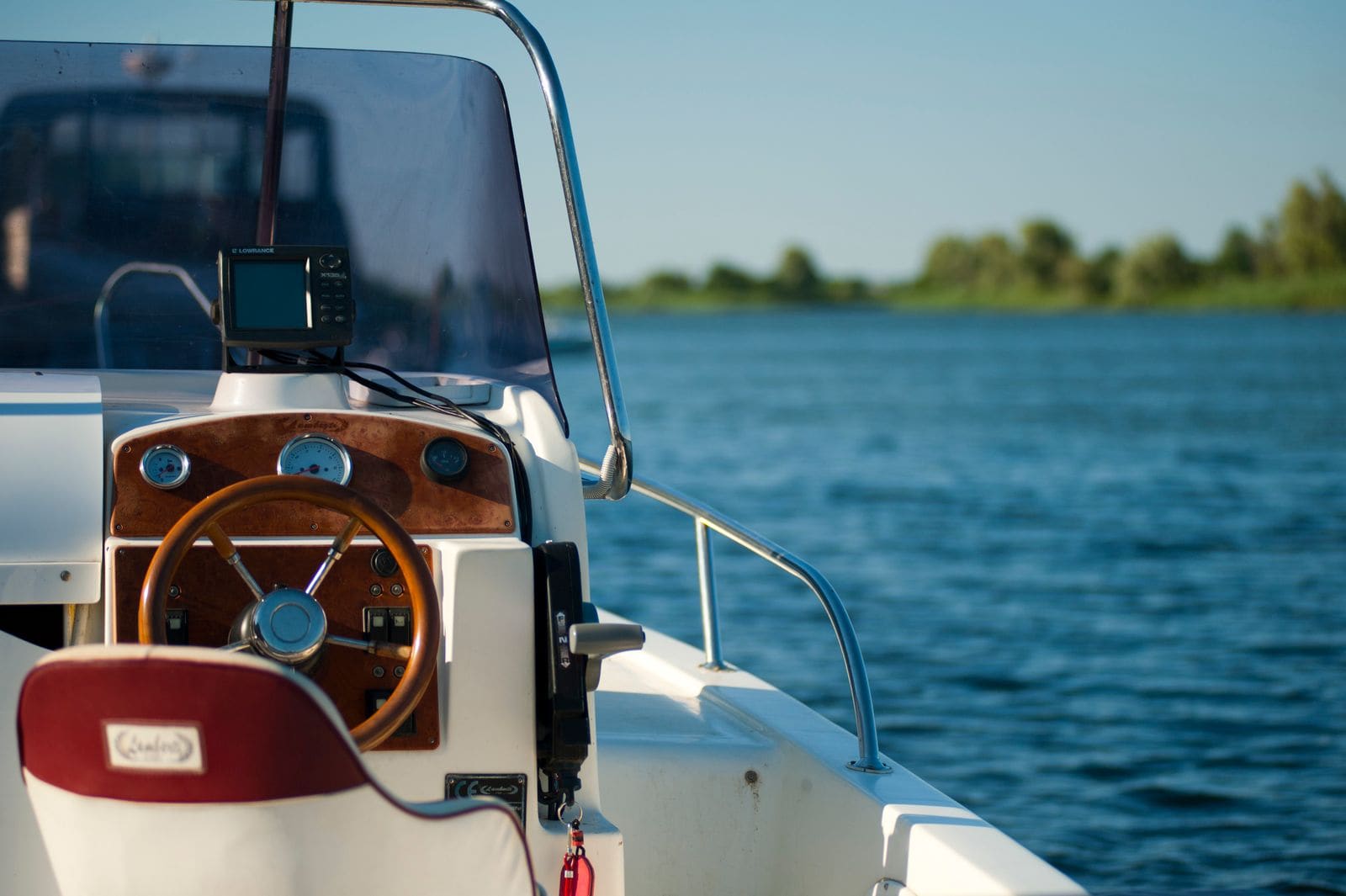
Hydraulic Steering: Check Fluid, Bleed Air and Fix Stiff or Loose Steering
Check the fluid in your hydraulic steering helm, bleed out the air that makes steering spongy, and track down the usual causes of stiff, loose or noisy steering. Includes notes for boats with mechanical cable steering.
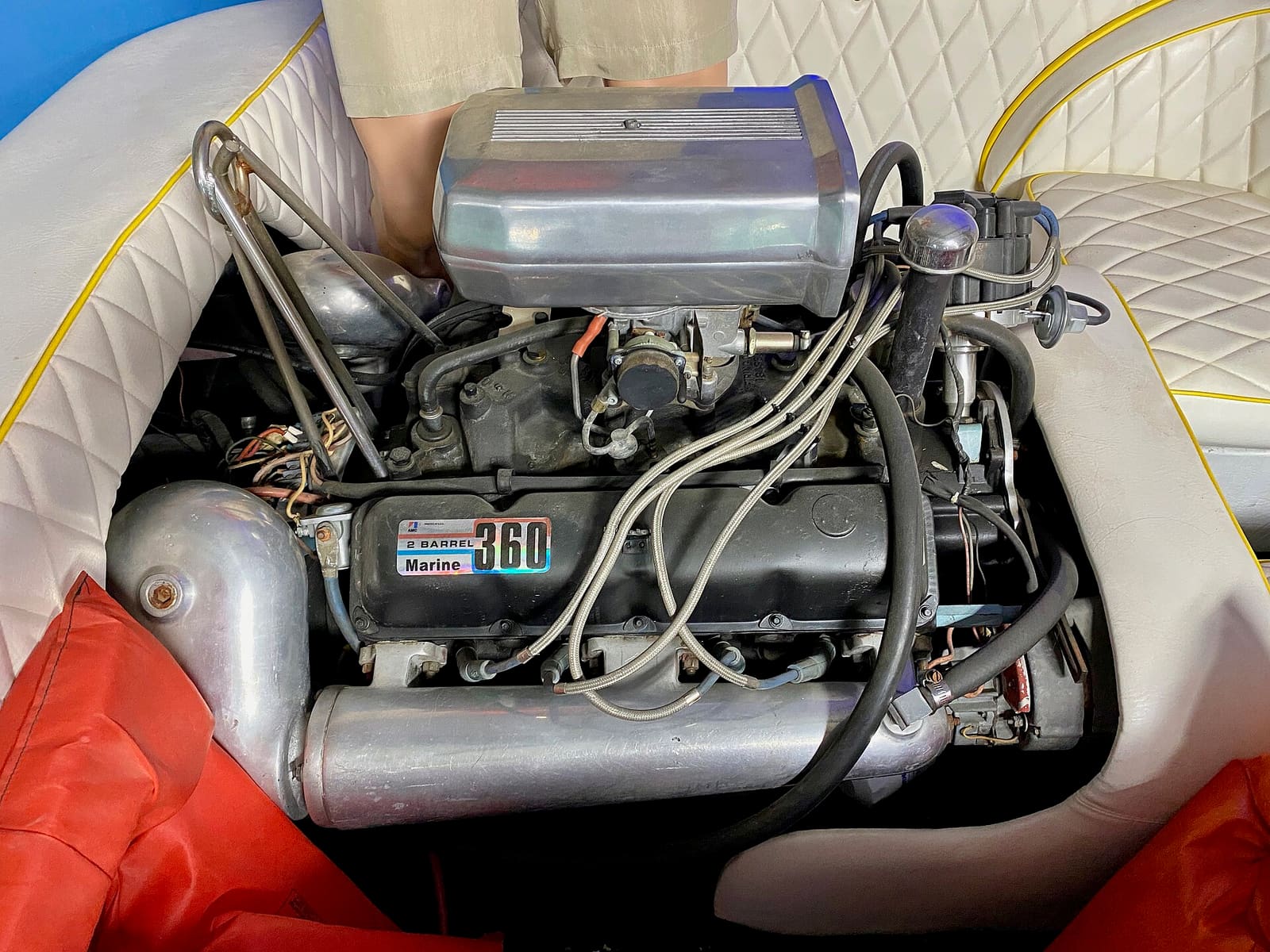
Ignition Tune-Up on an Older Sterndrive or Inboard V6/V8
Older carbureted sterndrive and inboard V6 and V8 engines need regular spark plugs, plug wires, distributor caps and rotors to start easily and run smoothly. Learn the signs a tune-up is due, how to replace these parts one at a time, why only marine ignition-protected parts belong in a gas engine bay, and why ignition timing is a job for a shop.
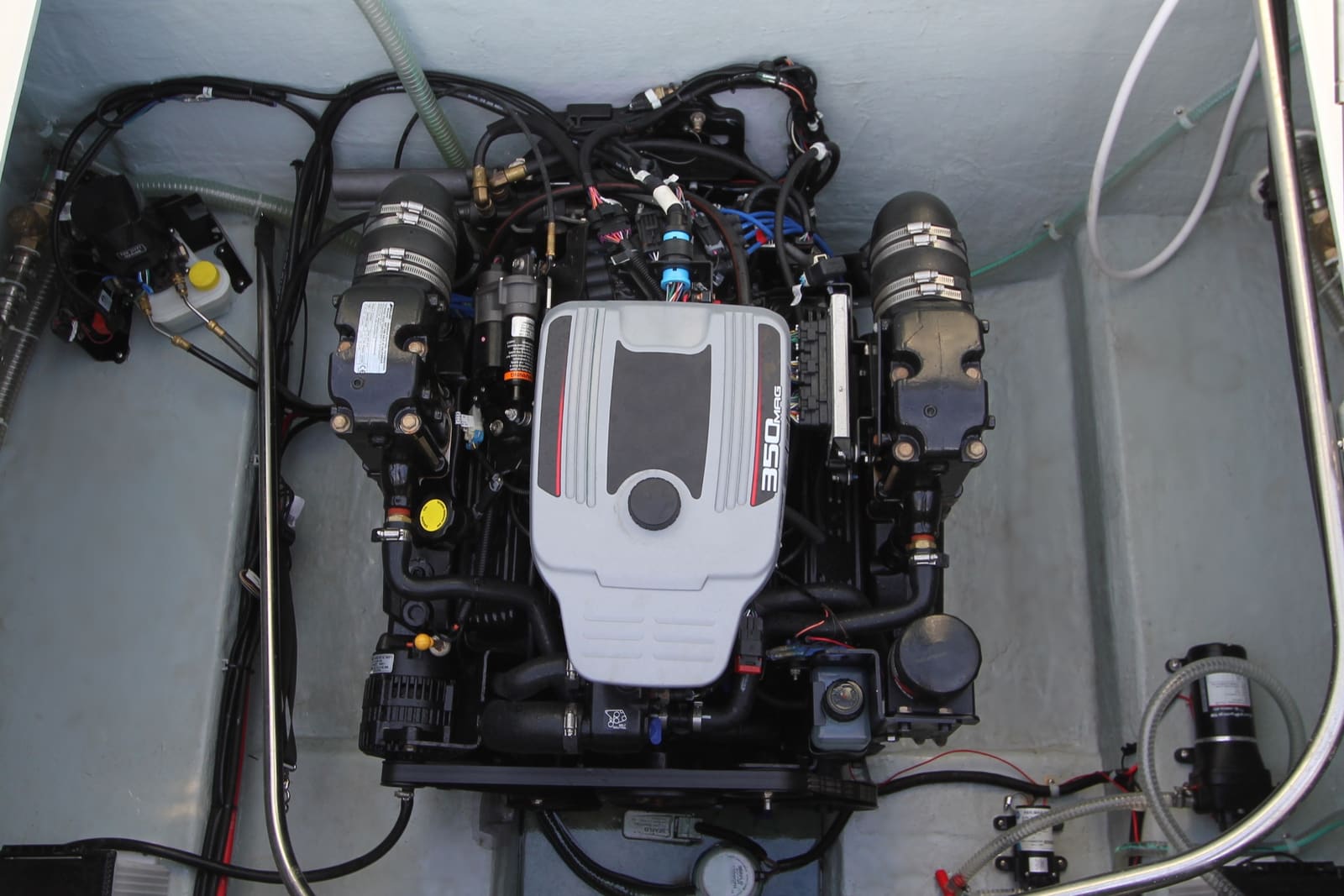
Ignition-Protected Parts: Why Car Starters and Alternators Don't Belong in a Gas Boat
On a boat with a gasoline inboard, sterndrive or generator, every spark-producing part in the engine space must be ignition protected so it can't set off fuel vapors. Learn what the term means under 33 CFR 183.410, which parts need it, how to read the markings, why cheaper automotive parts are dangerous, and how to check what's already in your engine compartment.
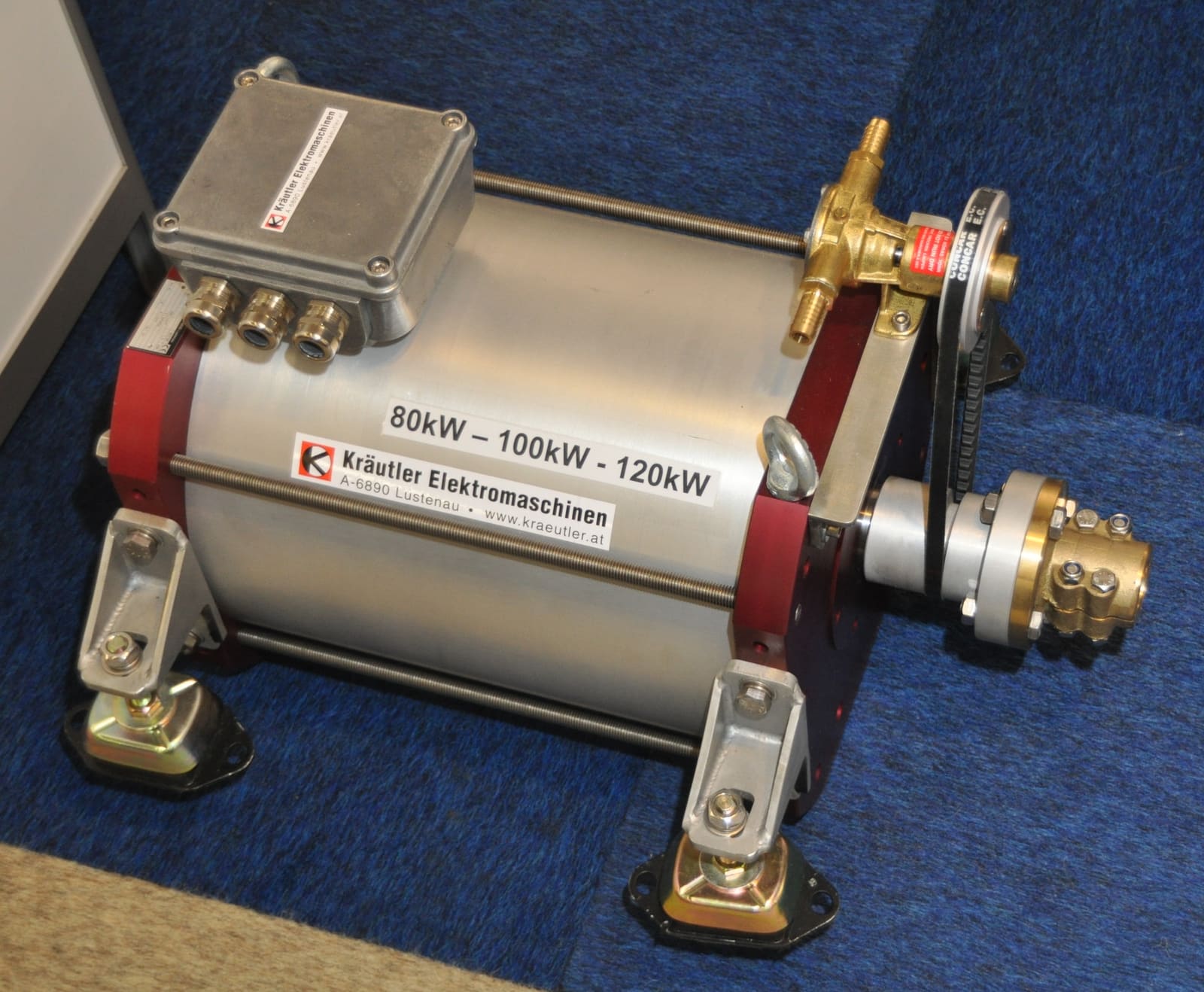
Inboard and Sterndrive Engine Mounts: Signs of Failure and How to Inspect Them
The rubber mounts under an inboard or sterndrive engine soak up vibration and hold the engine in line with the drive. Learn the warning signs of a failing mount, how to inspect all of them in under an hour, and why a mount replacement always ends with an alignment check.
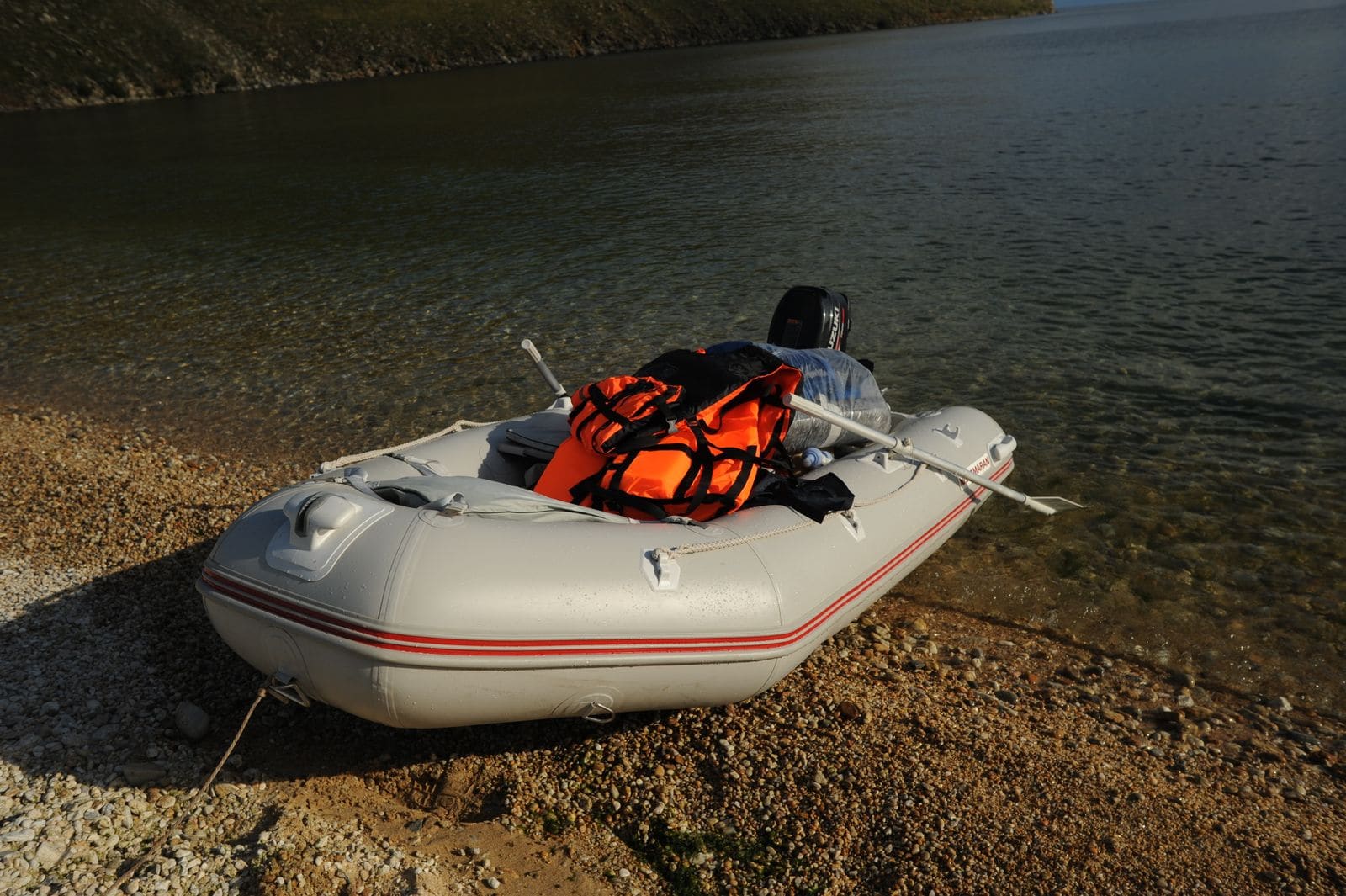
Inflatable Boat and Dinghy Care: Cleaning, UV Protection, Leaks and Storage
Keep your inflatable or RIB tender holding air for years. Rinse and clean it the right way, protect the tubes from sun, check pressure with a gauge, find slow leaks with soapy water, service the valves, patch small holes with the correct glue for PVC or Hypalon, and store it clean and dry.
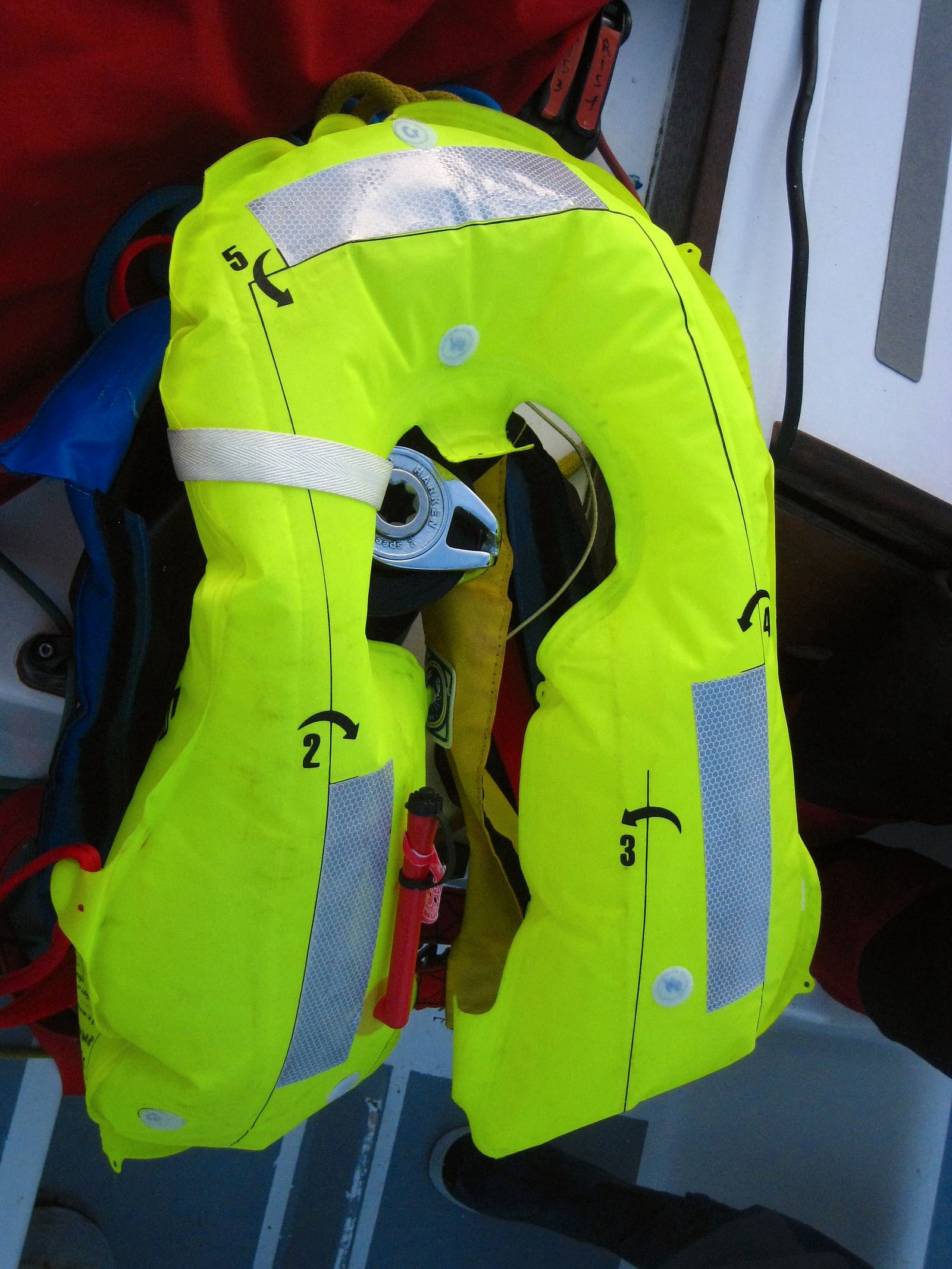
Inflatable Life Jacket Care: Inspect, Test and Rearm
An inflatable life jacket only saves a life if the cylinder is full, the inflator is armed and the bladder holds air. Learn the quick check before every trip, the overnight leak test, how to read replacement dates and how to rearm it after it fires.
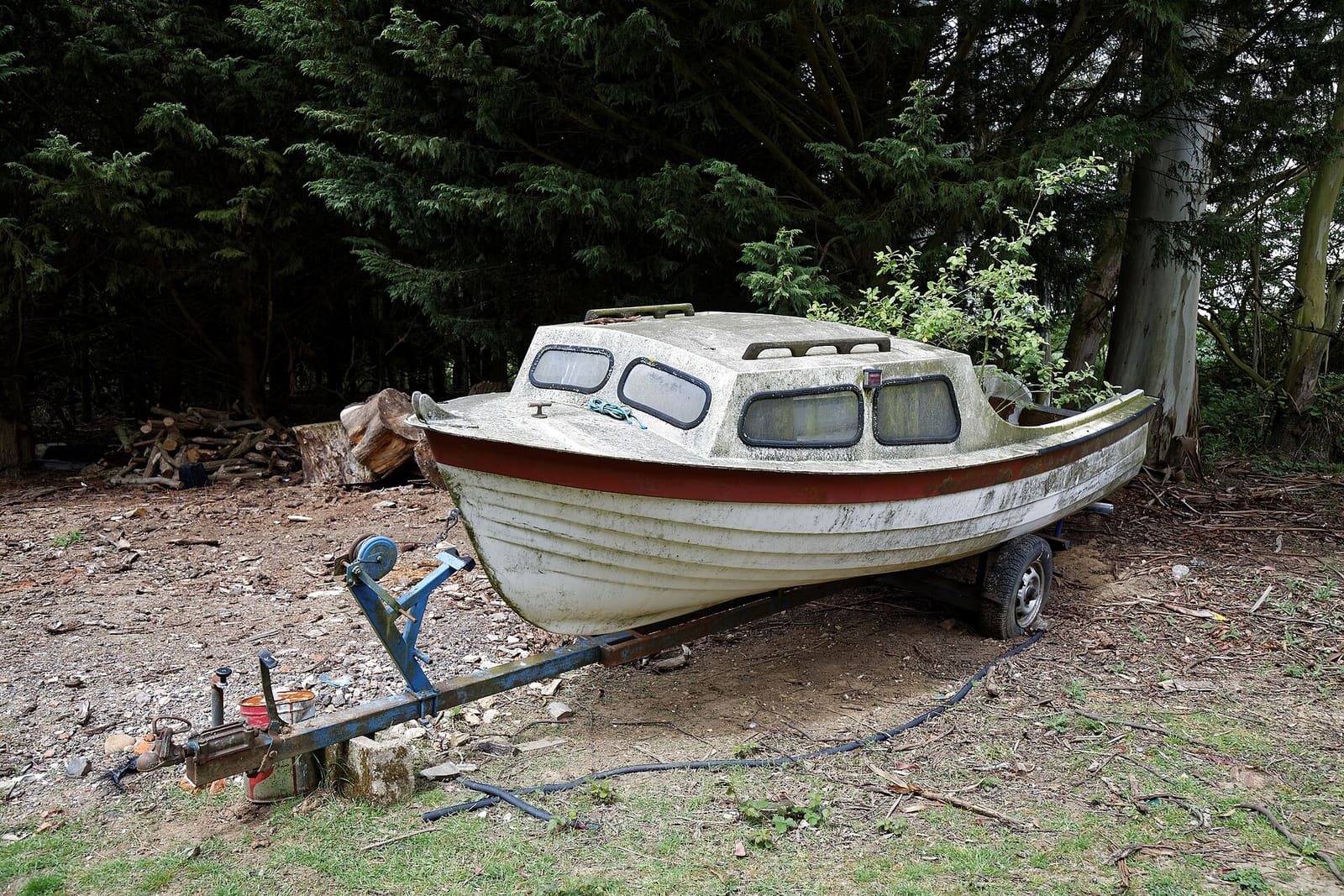
Inheriting a Boat: Title Transfer, Coast Guard Documentation, Insurance, Taxes and Keep-or-Sell
What to do when a boat comes to you from a relative's estate: secure it and keep it insured, find out how ownership passes (joint owner, transfer-on-death, probate or a small-estate affidavit), transfer a state title or a Coast Guard documented vessel, deal with the trailer, liens and taxes, and decide whether to keep or sell. General information, not legal or tax advice.
Installing a DC-to-DC Charger: Charging a Lithium or Second Battery Bank from Your Engine
A DC-to-DC charger lets the engine's alternator refill a lithium (or separate) house bank with the right charge profile while protecting the starting battery and the alternator. Learn why you need one, where it can and can't be mounted, how the fusing and cable sizing work, and which settings matter, so you can plan the job or check a technician's work.
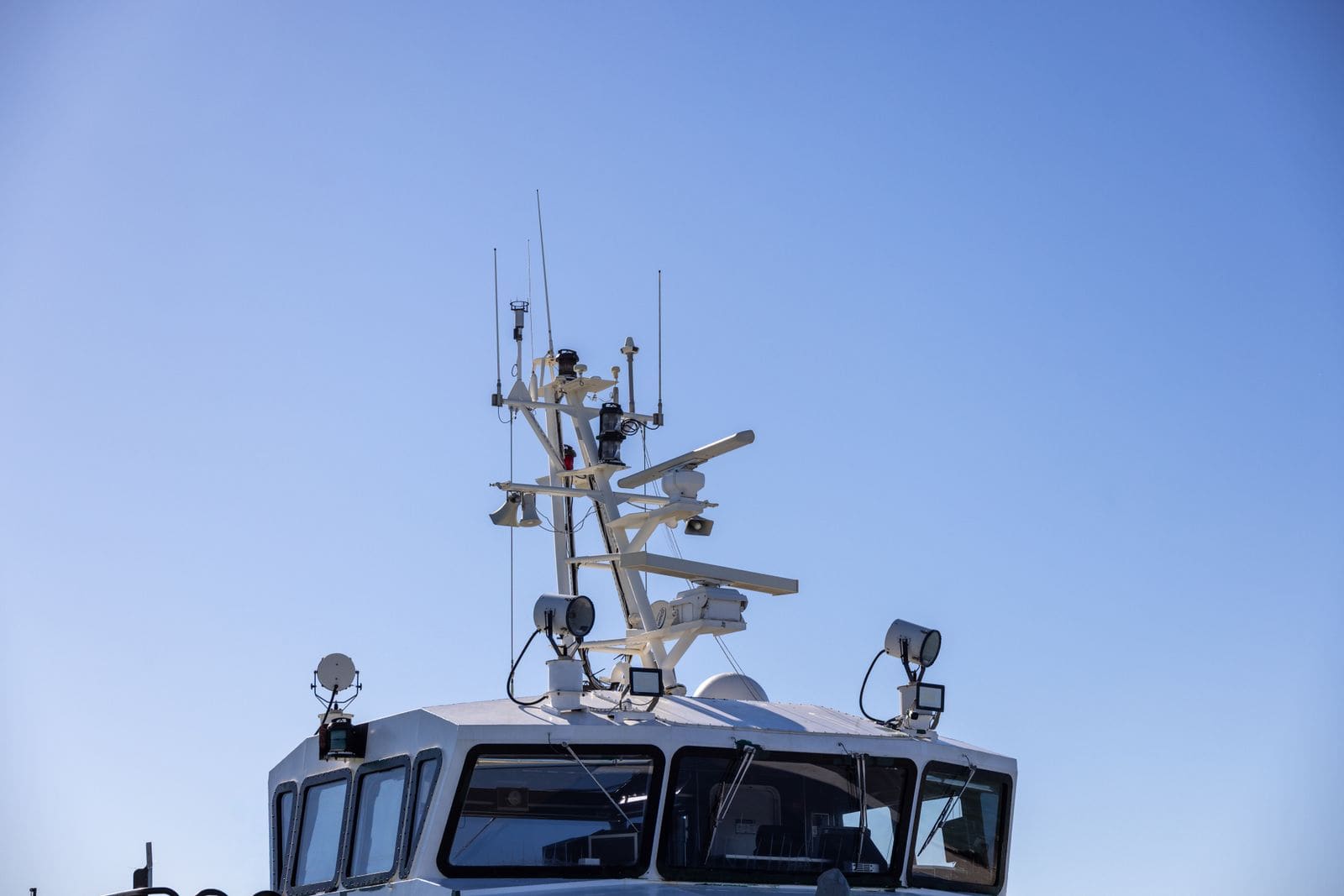
Internet Near Shore: Cellular Routers, Signal Boosters and Marina Wi-Fi Extenders
For boats that stay within sight of land, a cellular router, a legal signal booster or a marina Wi-Fi extender can be a cheaper alternative to satellite. Learn which one fits how you boat, why antenna placement and cable length matter, the FCC rules for boosters, how much power they use and how to test that it actually works.
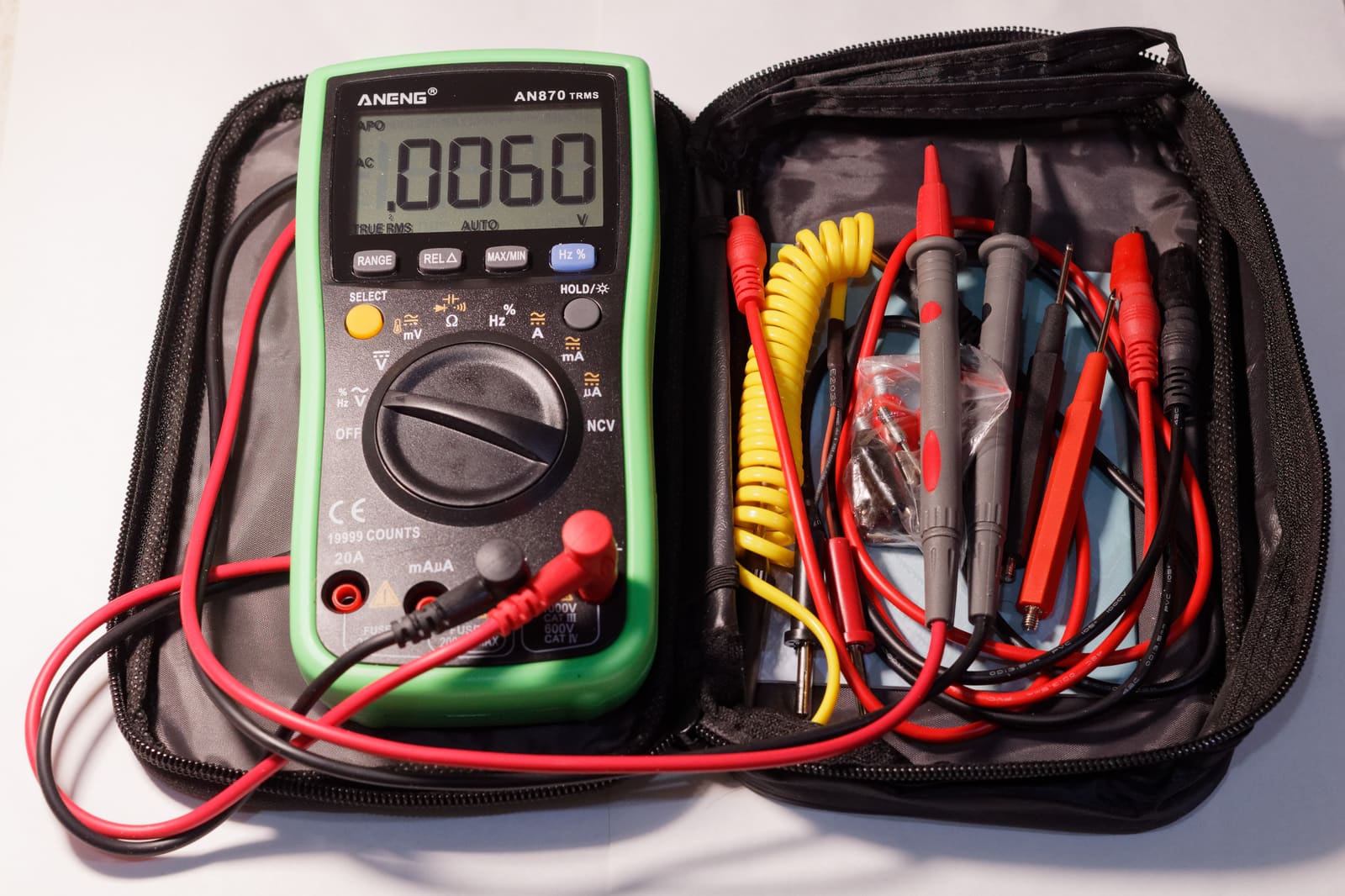
Is My Engine Charging the Battery? Test the Charging System With a Multimeter
A step-by-step way to find out whether your outboard's stator and rectifier/regulator or your inboard's alternator is really charging the battery, what the voltage readings usually mean, and when the problem is just a dirty connection. Exact test specs come from your engine's service manual.

Is My Vehicle Rated to Tow This Boat? Towing Capacity, GCWR and Tongue Weight Explained
The towing number in the ad is only one of several limits. Learn which ratings matter (towing capacity, GCWR, GVWR, axle and tongue limits, hitch class and ball rating), how to weigh your real rig at a truck scale, and when you need trailer brakes and towing mirrors.
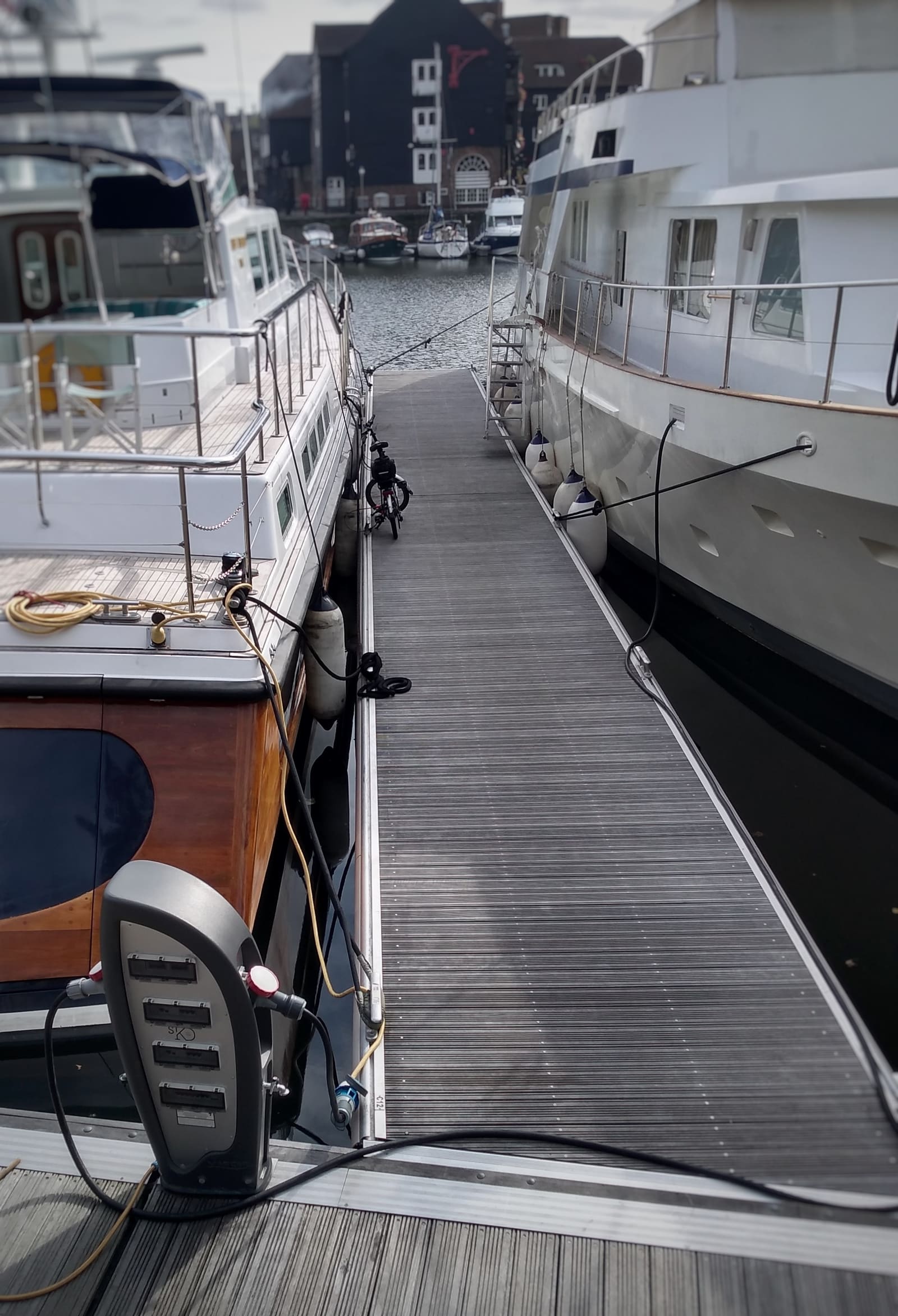
Isolation Transformer vs. Galvanic Isolator: Which Does Your Boat Need?
Understand how a galvanic isolator and an isolation transformer each protect a boat on shore power, when the heavier, pricier transformer is worth it (stray-current marinas, aluminum boats, liveaboards), and what to ask the ABYC-certified electrician who installs it.

Jet Outboard Care: Grease, Intake Grate, Impeller Clearance and Shallow-River Habits
A jet outboard trades the propeller and gearcase for a pump, so it needs different care. Learn how mounting height works, why the pump bearing needs frequent grease, how gravel and a worn impeller steal thrust, how to clear the intake safely, and when an adjustment is a shop job.
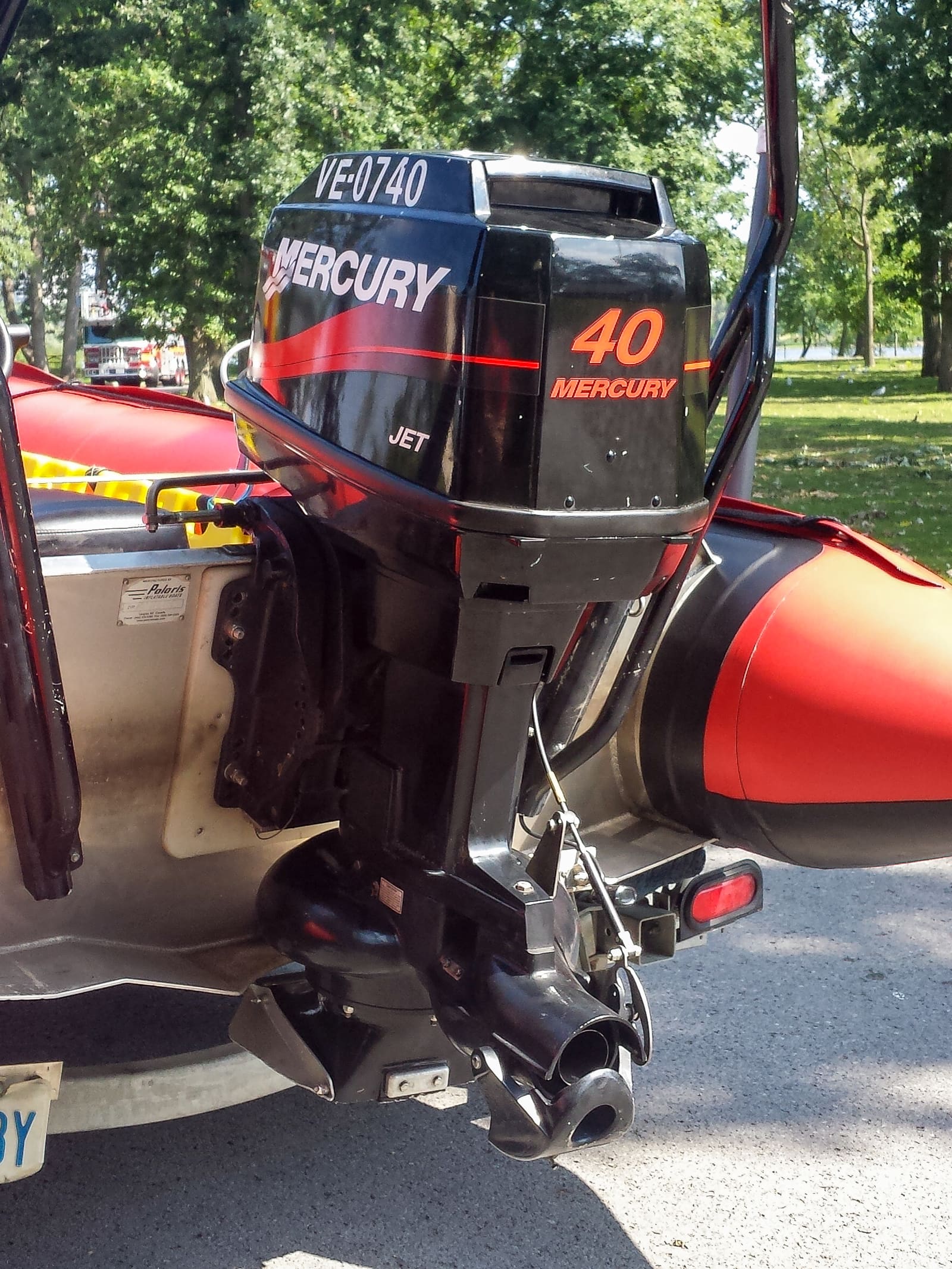
Jet Outboard Impeller Shimming and Sharpening: Win Back Lost Thrust
Gravel and sand slowly round off a jet impeller's edges and open the gap to its liner, and the boat loses push. Learn the signs, how to make the motor completely safe to work on, how moving thin shims closes the gap, and how a light touch-up on dull blade edges can restore performance.
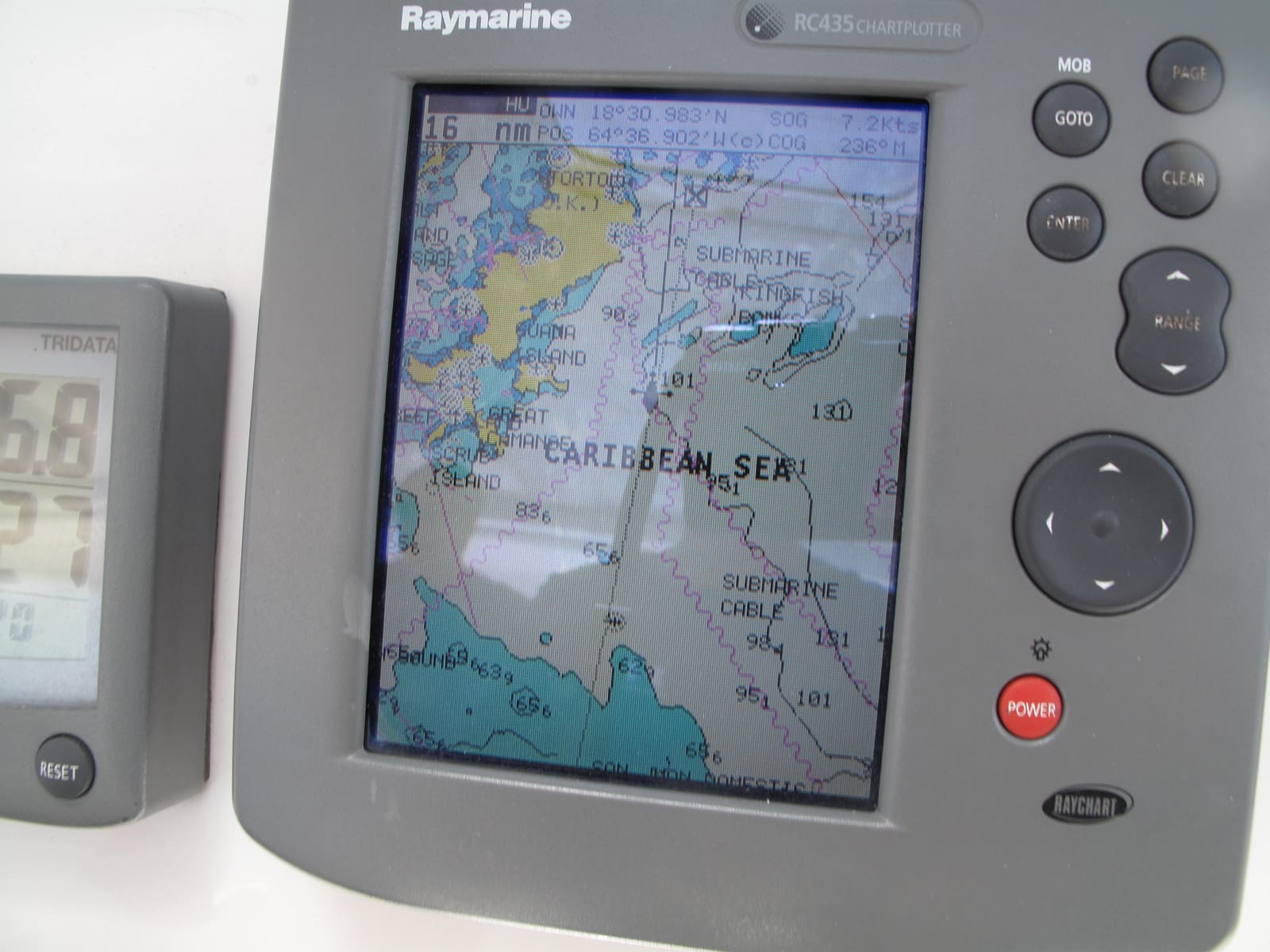
Keeping Chartplotter Charts and Software Current (Garmin, Raymarine, Simrad, Lowrance, Navionics, NOAA)
Old charts can show buoys that moved and shoals that grew. Learn how chart subscriptions and updates work across the big brands, where NOAA's free charts fit in, how to handle SD cards safely, how to back up your waypoints and routes before anything goes wrong, and a simple yearly routine.

Lake Engine Restrictions: Two-Stroke Bans, Horsepower Limits, Electric-Only and No-Wake Lakes
Some lakes ban older two-stroke outboards, cap horsepower, allow only electric motors, or make the whole lake no-wake. Learn the common types of rules (with dated real examples like Lake Tahoe and Ohio's lake list), how to tell what kind of engine you have, and how to check before you tow the boat three hours to a ramp you can't use.
Safety: BoatMend is for information only and does not replace a certified marine technician. You are responsible for your safety and your boat. Read the full disclaimer.