How to Winterize an Outboard Engine
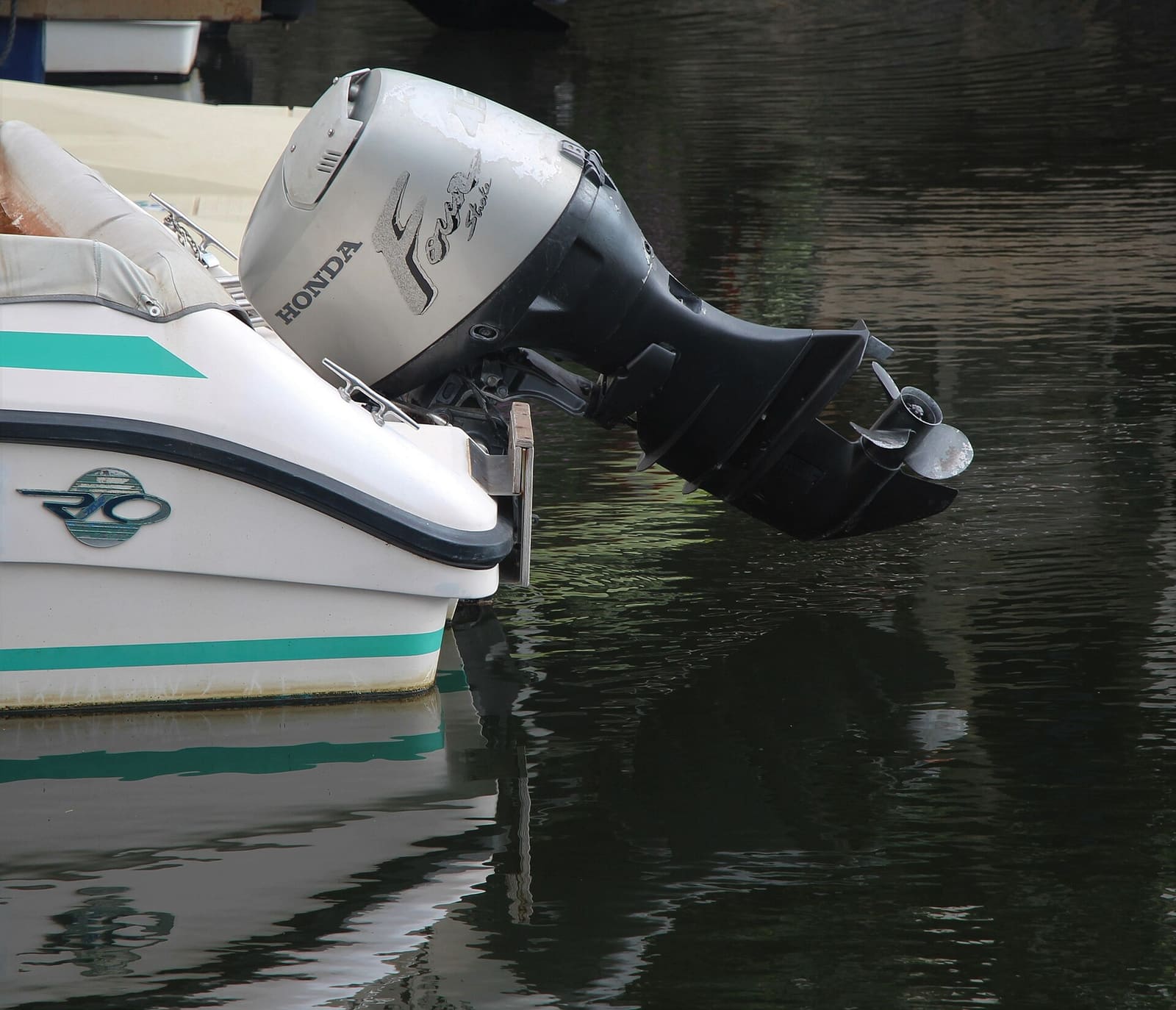
Protect your outboard from freeze damage, stale fuel and internal corrosion over the off-season. Most owners can do it in an afternoon with basic tools, compared with a shop bill that often runs several hundred dollars.
Time
3 h
Shop would charge
$250-500
Applies to
Outboard
Safety first: Never start or crank an outboard without cooling water (flush muffs or a test tank; the built-in flush port is usually for engine-off flushing only, so run on it only if your manual allows it). Running it dry can ruin the water pump in seconds. Only run the engine outdoors, never in a closed garage, because exhaust contains deadly carbon monoxide.
Owners often ask
- How do I winterize my outboard myself?
- My shop wants $500 to winterize. What does that include and can I do it myself?
This guide walks you through it. Still stuck? Ask the AI Mechanic about your engine.
Tools
- Socket and wrench set
- Spark plug socket
- Flushing muffs (ear muffs) for running the engine, plus a garden hose (the flush fitting adapter is for engine-off flushing unless your manual says otherwise)
- Oil drain pan and funnel
- Oil filter wrench (strap or cap type, 4-stroke only)
- Large flat screwdriver for gearcase drain and vent screws
- Gear lube pump that threads into the drain hole
- Grease gun
- Prop wrench or correct socket, plus a block of wood
- Pick or small screwdriver
- Rags, gloves and safety glasses
Parts & supplies
- Marine fuel stabilizer
- Fogging oil (the type your manual calls for)
- Marine engine oil, oil filter and drain plug gasket (4-stroke only)
- Marine gear lube and new drain/vent screw gaskets
- Water-separating fuel filter (if equipped)
- Spark plugs (if due)
- Marine grease
- Corrosion inhibitor spray
Before you start
Do this job before the first hard freeze, not after. A single freezing night can crack a gearcase that still holds water. In warm climates you still need most of these steps, because stale fuel and old oil cause damage even when it never freezes.
Get your owner's manual first. It lists the exact oil type and capacity, gear lube type, spark plug, grease points and the storage procedure for your engine. Many newer engines have a maintenance label under the cowl too.
2-stroke vs 4-stroke:
- 4-stroke: has a crankcase oil and filter to change. Fog with the product your manual names (many brands sell an EFI-specific fogging oil).
- Carbureted 2-stroke: no oil change, but fogging matters even more. The carburetor should be run dry or drained per the manual so fuel does not gum it up.
- Direct-injection 2-stroke (OptiMax, E-TEC, HPDI): these often have their own procedure. Some call for a small shot of 2-stroke oil in each cylinder instead of fogging spray; Evinrude E-TEC engines have a built-in storage (self-winterizing) mode. Follow your manual.
Steps
Treat the fuel with marine stabilizer at the dose on the bottle. Fresh fuel is best: if the gas in your tank is more than about a month old, consider using it up or having it removed.
If your tank is an older vented type, top it off to about 7/8 to 95% full to cut down on condensation, leaving room for expansion. Newer sealed (EPA-style) tanks do not need to be topped off. Never plug the tank vent.
Hook up flushing muffs (or use a test tank) and turn the water on fully before you start. Yamaha and Suzuki both say an engine should only be started out of the water on external muffs made for your engine, not on the built-in flush fitting, which is meant for flushing with the engine off. A few other models (some Mercury and Honda outboards) are designed to idle on their flush port; use it that way only if your manual says so. Engines with two water inlets may need a special adapter; ask your dealer. Run the engine at idle (or the fast idle your manual allows) for about 10 minutes so the stabilized fuel reaches the injectors or carburetor. Keep it in neutral and never leave it running unattended.
Check the telltale (the small "pee" stream). If it is weak or missing, shut down and see the overheating guide before going further.
This also warms the oil and gear lube so they drain better.
With the engine warm and upright, drain the oil, replace the filter and refill to the level in your manual. Use marine FC-W oil, not automotive oil.
Make sure the old filter's rubber gasket came off with the filter. A doubled gasket can leak and starve the engine of oil. See the full oil change guide for details.
Change the water-separating fuel filter (in the boat or on the engine) and any on-engine filter that is due. Lightly oil the new gasket. Check for leaks after restarting.
Fuel is a fire hazard: no smoking, no sparks, wipe up spills and keep a fire extinguisher close.
Fogging coats the inside of the cylinders with oil so they do not rust over winter.
- Most 4-strokes and carbureted 2-strokes: follow the can and your manual. Common methods are spraying into the air intake while the engine runs on muffs until it smokes heavily, or removing the spark plugs and spraying into each cylinder with the engine off.
- Direct-injection 2-strokes: use the method in your manual (some use oil through the spark plug holes, some use a storage mode).
If you spray through the plug holes, disconnect the kill switch lanyard so the engine cannot start, then turn the flywheel by hand (in its normal direction only) to spread the oil.
If plugs are due on your schedule, install new ones gapped to spec. A light coat of anti-seize on the threads helps, unless your manual says otherwise. Do not overtighten; check your manual for the torque.
Drain the lower unit through the bottom drain screw and top vent screw. Look at the old lube: creamy or milky oil means water is getting in, and metal chips mean internal wear. Either one is a dealer visit.
Refill from the bottom hole until lube comes out the top, then reinstall the screws with new gaskets. Never leave the gearcase empty over winter. Full steps are in the lower unit oil guide.
Remove the propeller (wedge a block of wood between a blade and the anti-ventilation plate to hold it). Remove any fishing line wrapped near the prop shaft seal; line can cut the seal and let water in.
Grease the shaft splines with marine grease, then reinstall the prop to the torque in your manual, or store it inside to discourage theft. Send out a bent or chipped prop for repair now.
- Power trim fluid: check the reservoir level with the engine tilted as your manual describes. Milky or pink fluid means water contamination; have it checked.
- Anodes: replace any that are about half gone.
- Grease: pump fresh marine grease into every fitting listed in your manual (steering, tilt tube, swivel). New grease pushes out trapped water.
Wash and dry the engine. Spray a corrosion inhibitor over the powerhead under the cowl and on the outside metal parts. Touch up chips in the paint on the lower unit.
Charge the battery fully. Disconnect it (negative cable first) or remove it and store it somewhere cool and dry, ideally on a maintenance charger. Check flooded batteries for electrolyte level and top up with distilled water if needed.
Turn off the water and remove the muffs. Trim the engine all the way down (vertical) and leave it that way so water drains out of the powerhead and gearcase. A tilted-up engine can trap water that freezes and cracks parts. Check that the water intake screens on the gearcase are not packed with mud or debris, so the water has a way out.
If the boat is stored outside, Yamaha suggests that once the lower unit is fully dry, a tightly sealed plastic bag over it helps keep rain and snow out. Remove it in spring.
Cover the engine. Some owners put dryer sheets under the cowl to discourage mice; leave yourself a note to remove them in spring.
Log the date, engine hours and what you did (oil, filters, gear lube, plugs). It makes spring commissioning faster and helps when you sell the boat.
Common mistakes
- Leaving the engine tilted up for the winter. Water trapped in the gearcase or powerhead can freeze and crack them.
- Storing with old, untreated fuel, or adding stabilizer and never running the engine so it reaches the carburetor or injectors.
- Putting the oil change off until spring. Old oil sits in the engine all winter with its acids and moisture.
- Revving the engine on muffs while running in the stabilizer or fogging. Keep it at idle or the fast idle your manual allows.
- Draining the gear lube and leaving the gearcase empty or reusing the old gaskets.
- Leaving the battery on the boat, half charged, with something slowly drawing it down. A flat battery can freeze.
- Plugging the fuel tank vent to "keep moisture out". The tank needs to breathe.
- Trailering the boat to winter storage with the engine resting on the tilt support lever. Yamaha and Suzuki say that lever is for storage only and can break on the road; use a support (transom saver) made for your engine.
- Shrink-wrapping with no vents. Mercury warns that an unvented cover traps moisture that rusts and corrodes metal parts and grows mildew inside.
When to call a pro
- Gear lube is milky, has water in it, or has metal chips
- The engine overheated, had a weak telltale, or made new noises during the run
- You smell fuel or see a fuel leak you cannot fix by tightening a clamp or fitting
- The engine is under warranty and the manufacturer requires dealer service to keep coverage
- You cannot find the correct storage procedure for a direct-injection 2-stroke
Tips
- Buy the manufacturer's maintenance kit for your engine if one exists; it bundles the oil, filter and gaskets.
- Take a photo of each step as you go. It is a great record for resale.
- Read your insurance policy's freeze damage terms before cold weather arrives. Also check your engine warranty terms; Mercury, for example, does not cover freeze damage caused by improper winterization.
- Store the gearcase drain screw gaskets you remove in a bag labeled "old" so you never reuse them by mistake.
- Boating all winter in a mild climate? Long idle periods do more harm than cold. If you run the engine every few weeks until it is fully warm, many of these storage steps are not needed, but keep the fuel fresh and treated.
Official references
We read these to write this guide. Your engine's own manual always wins.
- Mercury Marine – How to Winterize Your Outboard
- Yamaha Outboards – How to Winterize Your 4-Cylinder Outboard
- Yamaha Outboards – Maintenance Matters, Extended Storage
- BoatUS – How to Winterize Boat Engines and Drives
- Mercury Marine – Service and Support FAQs
- Discover Boating – How to Winterize a Boat
- Yamaha Outboards – Owner FAQs
- Suzuki Marine – FAQs
- Mercury Marine – Owner FAQs (all categories)
Safety: BoatMend is for information only and does not replace a certified marine technician. You are responsible for your safety and your boat. Read the full disclaimer.
Last updated 2026-10-23
Related guides
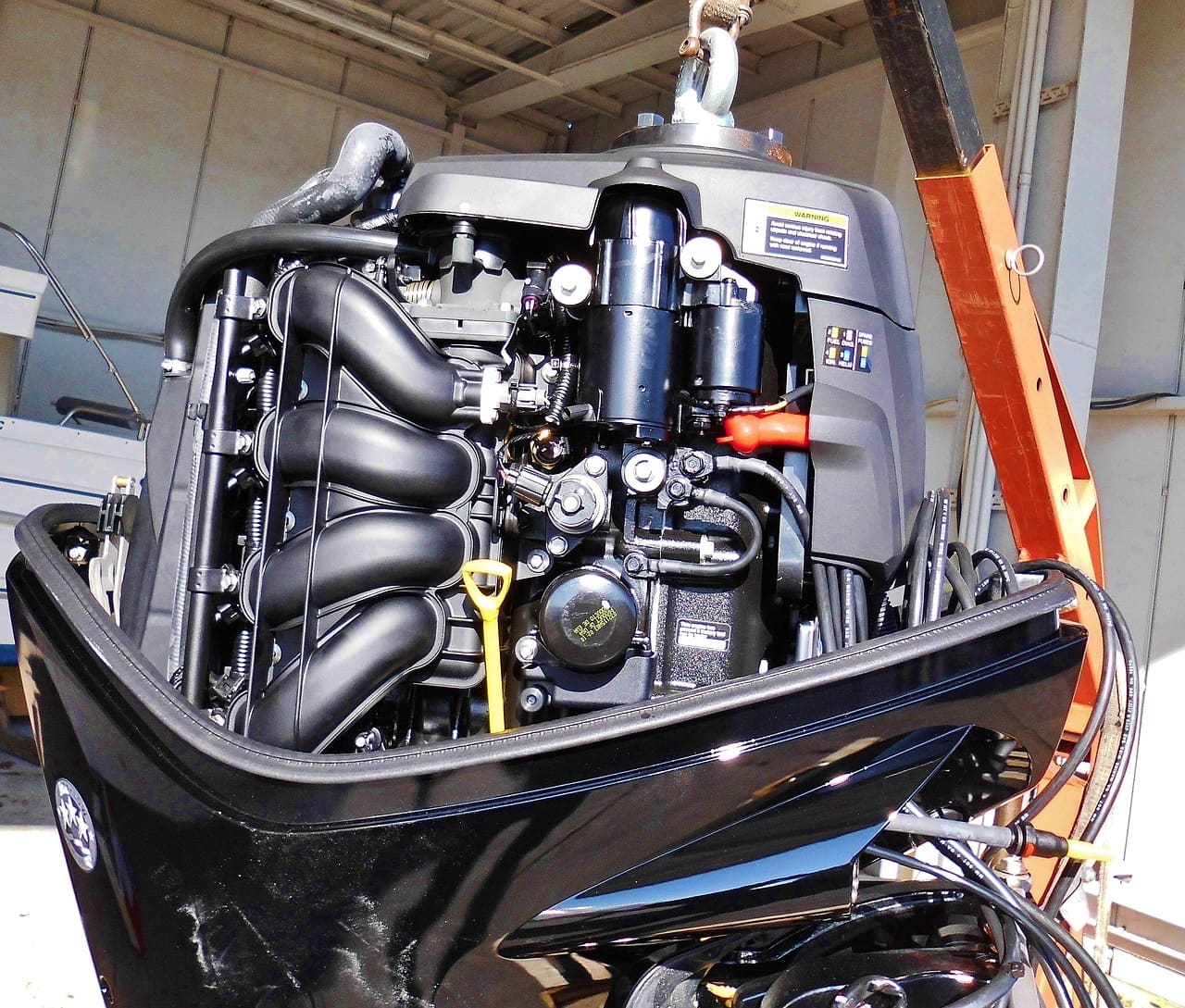
How to Change the Oil and Filter on a 4-Stroke Outboard
Drain the old oil, swap the filter and refill with the right marine oil on your 4-stroke outboard. It is the most common service job, takes about an hour, and costs a fraction of the dealer price.
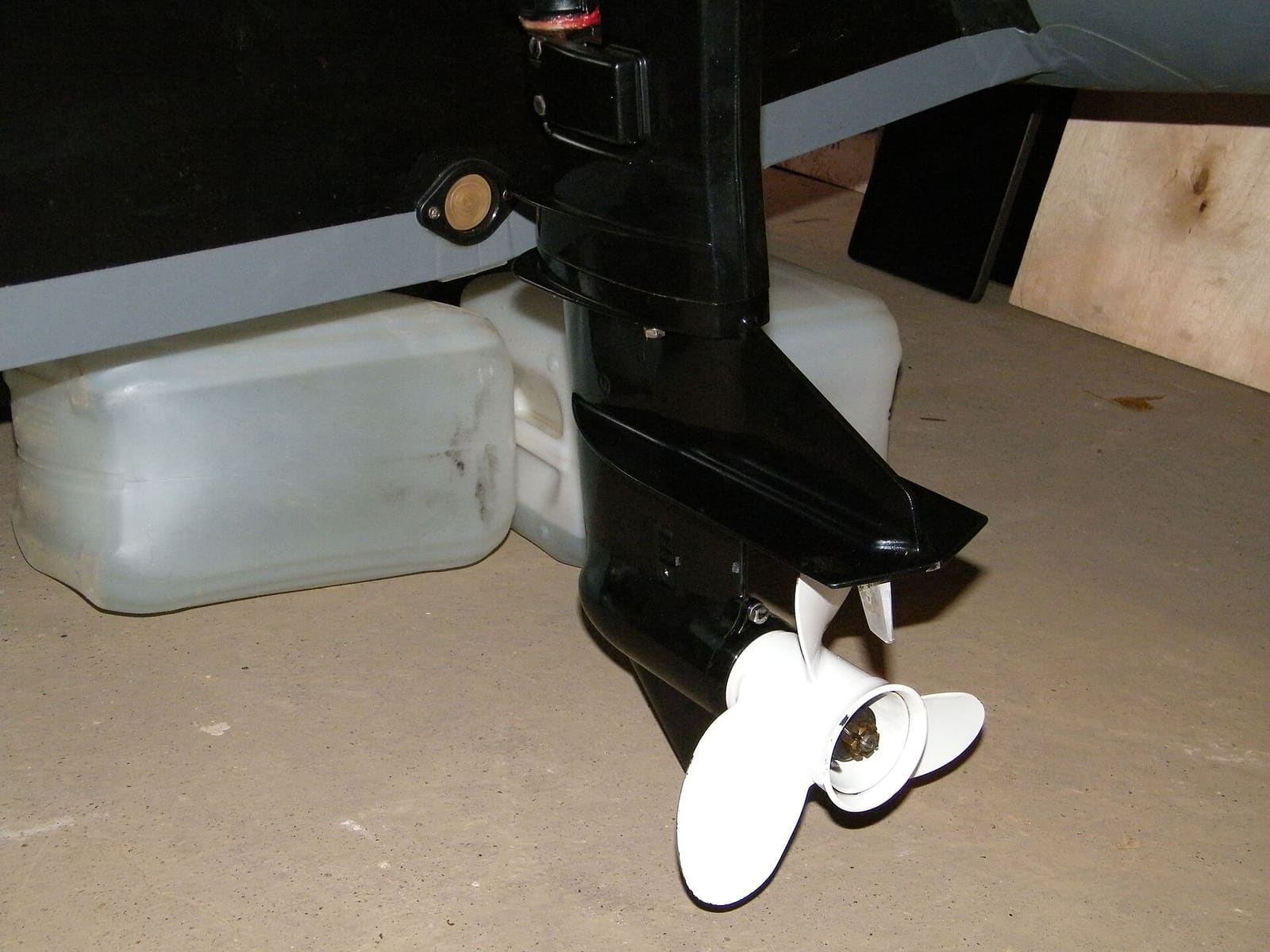
How to Change Lower Unit (Gearcase) and Sterndrive Oil
Drain and refill the gear oil in your outboard lower unit or sterndrive, and learn to spot water intrusion before it destroys the gears. It is a 30-minute job that protects a gearcase costing thousands to replace.
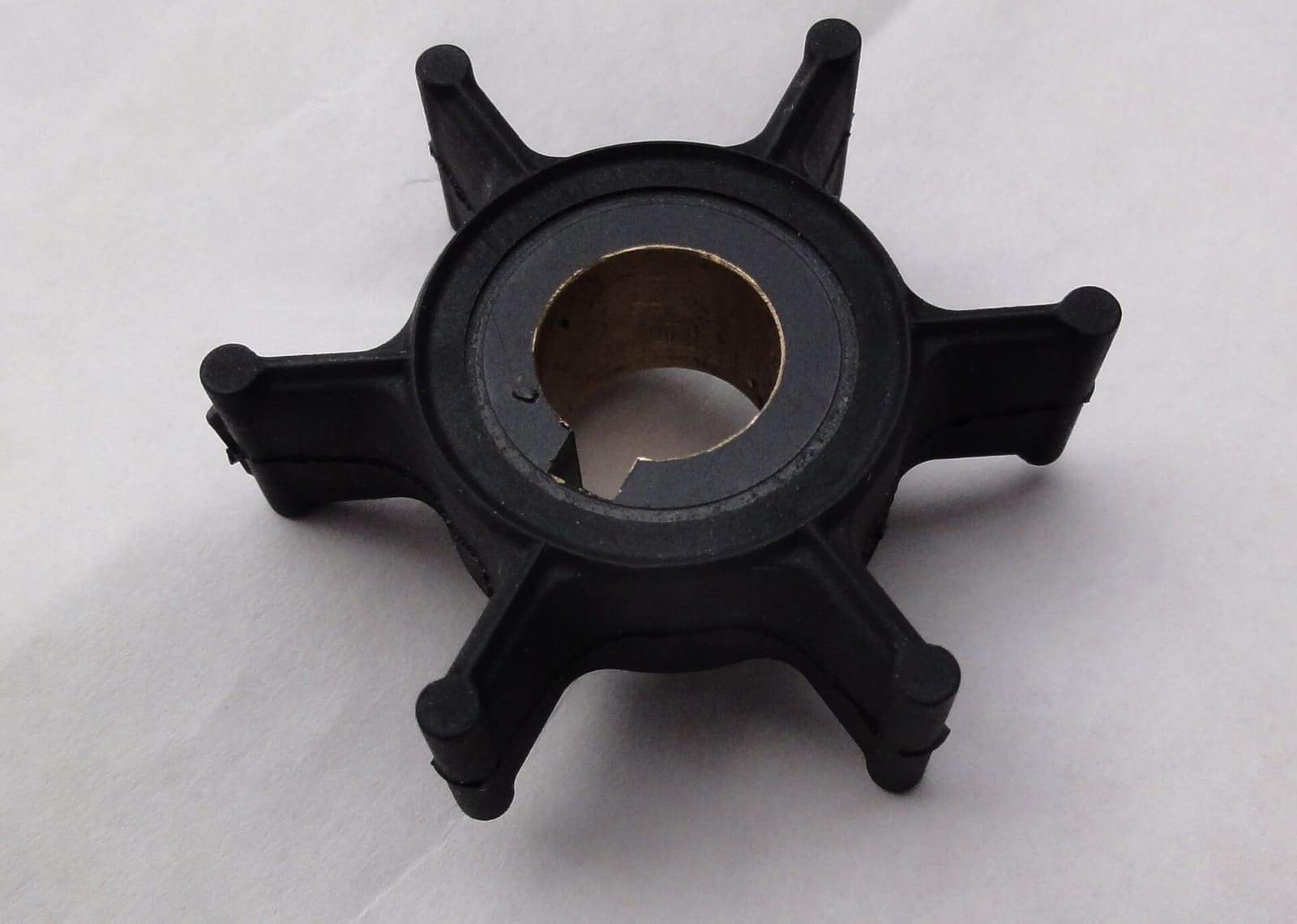
How to Replace the Water Pump Impeller
Replace the rubber impeller that pumps cooling water through your engine, the part most often behind overheating. On many outboards it is a two-hour driveway job that saves a shop bill of several hundred dollars and prevents far costlier heat damage.
Spring Commissioning - Getting Your Boat Ready for the Season
Wake your boat up after storage with a step-by-step check of the battery, fuel system, engine, drive and safety gear. Catching a cracked hose or dead battery in the driveway beats a tow on opening weekend, and saves a typical shop commissioning fee.