How to Winterize a Sterndrive (MerCruiser, Volvo Penta and Similar)
Get the water out of your sterndrive engine, protect it with antifreeze, and service the drive before storage. A cracked block or manifold from one missed drain plug can cost thousands, and doing it yourself saves a shop bill of several hundred dollars.
Time
4 h
Shop would charge
$350-700
Applies to
Sterndrive (I/O)
Safety first: Gasoline vapor collects in the engine compartment. Before starting, sniff the bilge, run the blower for at least 4 minutes, and stop if you smell fuel. Do not run the engine in a closed garage (carbon monoxide), and never run it without cooling water.
Fuel smell, water coming in, CO alarm or smoke? Stop, get everyone in life jackets and call USCG on VHF 16 or 911. For a tow: Sea Tow or TowBoatUS.
Owners often ask
- How do I drain the block and add antifreeze on my sterndrive?
This guide walks you through it. Still stuck? Ask the AI Mechanic about your engine.
Tools
- Socket and wrench set
- Flushing muffs sized for your drive, plus a garden hose
- Antifreeze delivery method (gravity-feed winterizing kit, or a 5-gallon bucket and hose setup)
- Oil drain pump or drain hose kit and oil pan
- Oil filter wrench
- Large flat screwdriver for drive drain and vent screws
- Gear lube pump that threads into the drive drain hole
- Stiff wire or coat hanger for clearing drain holes
- Prop wrench or socket, plus a block of wood
- Antifreeze tester (for closed cooling)
- Flashlight, rags, gloves and safety glasses
Parts & supplies
- Marine fuel stabilizer
- Marine engine oil and oil filter
- Water-separating fuel filter
- Propylene glycol marine/RV antifreeze rated for your coldest temperature (several gallons)
- Fogging oil (if your manual calls for it)
- Drive gear lube and new drain/vent gaskets
- Marine grease
- Corrosion inhibitor spray
Before you start
A sterndrive is an automotive-style engine cooled by lake or sea water (called raw water). Water left in the block, manifolds, risers, hoses or pump will freeze, expand and crack metal. This is the top cause of winter damage claims, so take your time and follow your engine's manual exactly.
Drain or antifreeze?
- Drain only: you open every drain and leave the system dry. It works only if every pocket of water comes out, which is easy to get wrong. Quick-drain systems (single-point or blue plug drains on many MerCruisers) are handy, but check your manual on whether draining alone counts as full winter storage.
- Drain, then fill with antifreeze (recommended by Mercury and BoatUS): after draining, you fill the raw-water side with propylene glycol antifreeze. Any water you missed is diluted, and the antifreeze also slows internal rust.
Raw-water cooled vs closed (freshwater) cooling:
- Raw-water cooled: lake/sea water runs through the whole engine. Everything must be drained and protected.
- Closed cooling: the block runs on coolant like a car, and raw water only passes through the heat exchanger, manifolds/risers and pump. You still have to drain and protect the raw-water side. The closed side just needs the right coolant mix (check it with a tester).
Use the right antifreeze: only propylene glycol (non-toxic, often pink "marine/RV" antifreeze) goes in the raw-water side. Ethylene glycol (car coolant) belongs only in a closed cooling system, mixed as your manual says (Mercury specifies 50/50). Never pour ethylene glycol where it can be pumped overboard.
Drain plug locations and numbers vary a lot between MerCruiser, Volvo Penta, Indmar and others, and between years. Find the drain diagram in your manual before you start.
Steps
Add marine fuel stabilizer to fresh fuel. If you have an older vented tank, fill it to about 95% to limit condensation; newer sealed tanks do not need to be filled.
Some fuel-injected MerCruiser models (MPI) call for a special storage fuel mix run from a portable tank. Follow your manual if yours does. Carbureted and older injected engines usually do not need this.
Attach flushing muffs over the drive's water intakes (some drives also need a side intake taped or covered; see your manual). Turn the water on fully, then start the engine and run it at fast idle until it reaches normal temperature so the thermostat opens. This also warms the oil.
Watch the temperature gauge the whole time. If it climbs, shut down.
Shut down and pump or drain the warm oil. Replace the filter (lightly oil the new gasket and make sure the old one came off) and refill to the level in your manual with marine oil. Old oil holds acids and moisture that attack bearings over winter, so do this even if you used the boat only a few hours.
Swap the filter, wipe up all spilled fuel, and check for leaks on the next run. Keep the blower running whenever fuel is open in the engine compartment.
Carbureted engines are usually fogged by spraying fogging oil into the carburetor at the end of the last run until the engine stalls or smokes heavily. Many fuel-injected engines should not be fogged through the intake; they use the storage fuel mix or another method. Follow your manual.
Shut the engine off. If the boat is in the water, close the seacock (if equipped). Then open every drain your manual lists. Common locations:
- Both sides of the engine block
- Each exhaust manifold
- Low points of raw-water hoses (and the hose to the seawater pump)
- Power steering or fuel cooler, and the heat exchanger on closed-cooled engines
- The seawater pump itself, on some engines
Poke a stiff wire into each drain hole to break up rust flakes; a clogged hole can look drained when it is not. Let it all drain until it stops completely. Tilt or trim the drive down.
Reinstall the drains. Then get propylene glycol through the entire raw-water path, from the pump all the way to the exhaust:
- Gravity-feed kit: fills the system from a hose connection without running the engine. Follow the kit and engine instructions.
- Bucket method: hook the muffs or raw-water intake hose to a bucket of antifreeze, start the engine and run it at idle until antifreeze comes out of the exhaust for 30 seconds or more. You need enough antifreeze; several gallons is typical. Catch what comes out so it does not go in the water.
The thermostat must be open (engine warm) so antifreeze reaches every passage.
Drain first, then add antifreeze. If you skip the drain and just run antifreeze through a block still full of water, the two mix and the protection can end up far weaker than the jug says. If you are unsure, catch a sample at the exhaust and check it with your tester.
With the engine cold, open the coolant cap slowly and test the mix with an antifreeze tester. It should protect below the coldest temperature you expect. If it is rusty, dirty, or past its change interval, replace it. Do not go richer than your manual says; too much concentrate actually protects worse.
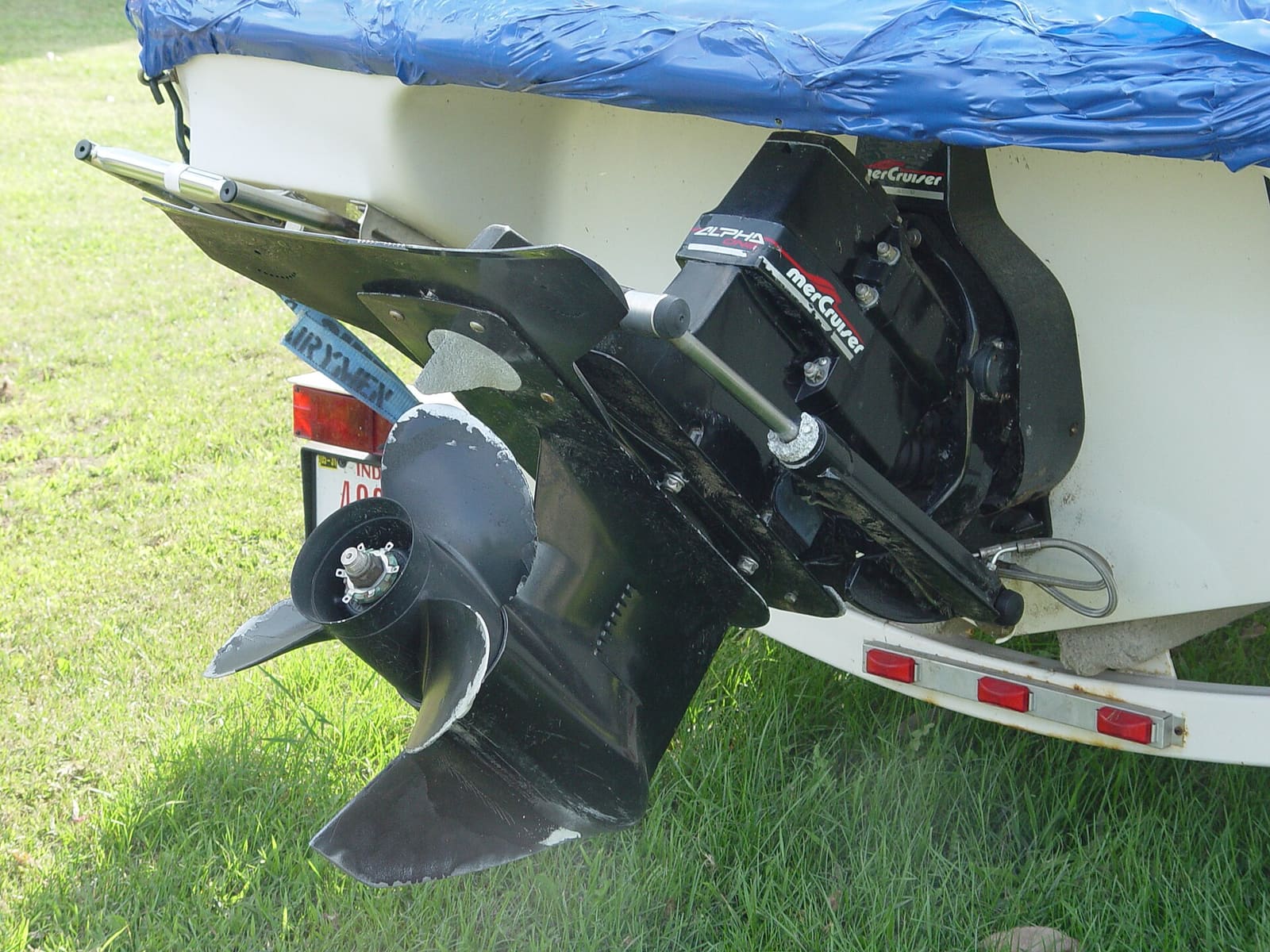
Lower the drive, remove the bottom drain and top vent screws, and drain into a clean pan. Check the oil: creamy or milky lube or water drops mean a seal is leaking and needs a pro. Refill from the bottom until it flows out the vent. If your boat has a gear lube reservoir in the engine compartment, fill it to its mark. Full steps are in the lower unit oil guide.
- Remove the prop, clear any fishing line, grease the shaft and reinstall (torque per manual).
- Inspect the rubber bellows (boots) for cracks; cracked bellows let water into the boat and the gimbal bearing. Replacement is a pro job on most drives. While you are in there, look over the exposed hoses and clamps too; winter is the cheap time to replace them.
- Replace anodes that are about half gone.
- Grease the fittings your manual lists. Engine coupler lubrication is often listed in the annual service.
Charge it fully, disconnect the negative cable first, and store it cool and dry on a maintenance charger if you can.
Leave the drive trimmed all the way down so rain and snow cannot collect inside it. Mercury adds a second reason: a drive stored tilted up for months can permanently deform the rubber bellows, which then fail and let water in. If the boat stays in the water over winter, the drive should also be down so the anodes stay submerged and keep working. Hang a tag at the helm: "Winterized – antifreeze in engine" with the date. Ventilate the cover or shrink wrap so moisture does not build up.
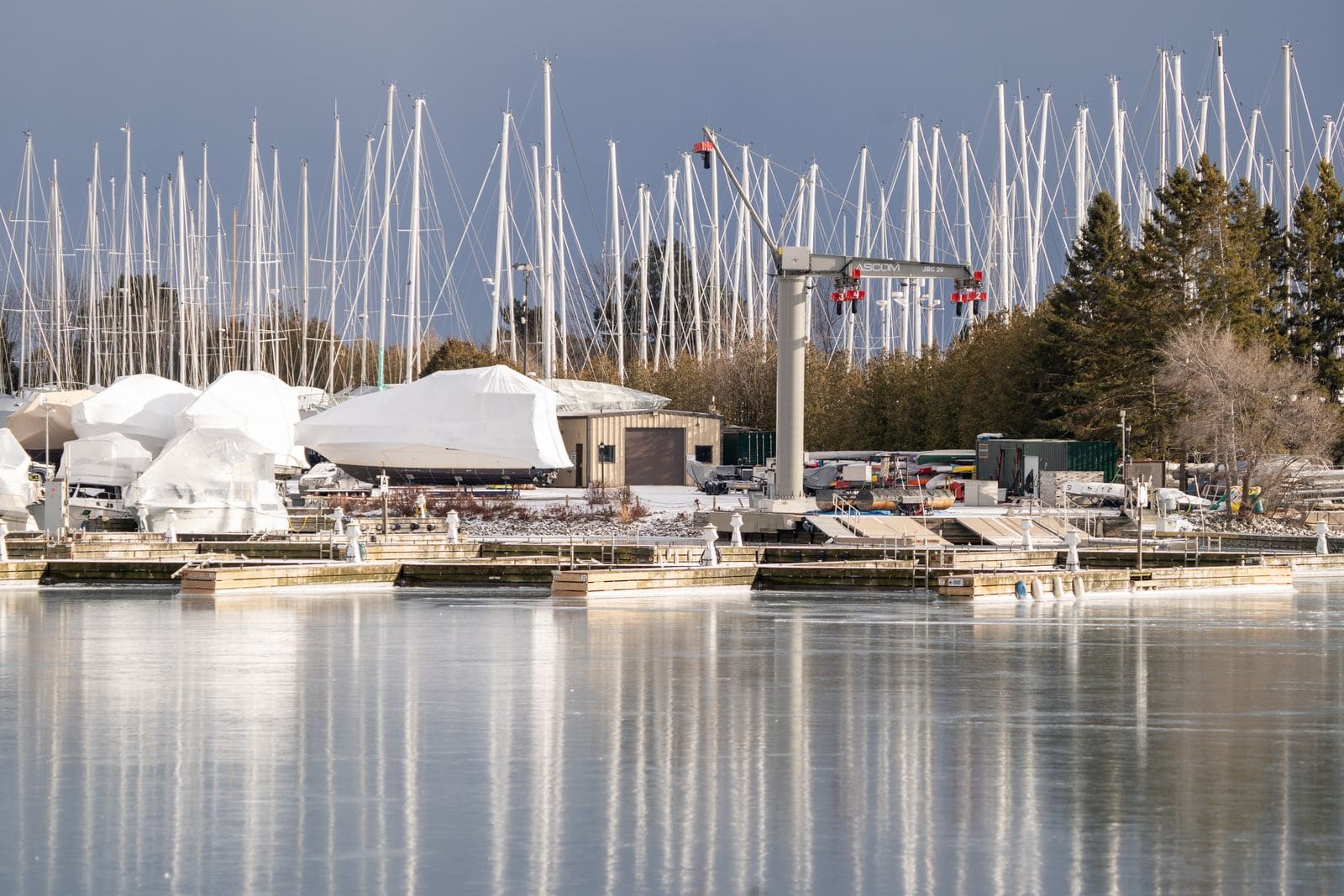
Boats shrink-wrapped for winter storage ashore. Ask for vents in the wrap; sealed plastic traps moisture that rusts metal and grows mildew. Photo: Sonam lama Hyolmo / Pexels · Pexels License
Common mistakes
- Using the bucket method without draining the block first, so the antifreeze is watered down inside the engine.
- Trusting a drain hole that stopped dripping. Rust flakes often plug it; poke each one with a wire.
- Missing a drain, most often on a manifold, a low hose or the seawater pump.
- Running out of antifreeze mid-run, so the pump pulls air or ends with plain water in the last passages. Have more than enough on hand.
- Using car (ethylene glycol) antifreeze on the raw-water side, where it ends up in the lake or sea.
- Forgetting the rest of the boat: freshwater tank and lines, head, livewells, washdown pump, A/C or generator.
- Storing the drive tilted up outside, where rain and snow collect inside it.
- Dumping leftover or drained antifreeze on the ground or in the water. Even "non-toxic" propylene glycol should be caught and taken to a recycling or hazardous-waste drop-off; Washington State's clean boating guidance also says to flush it out and collect it before launch in spring.
- Leaving the drive empty of gear lube after draining it "to check it in spring". Mercury warns moisture collects on the dry gears and bearings and rusts them.
When to call a pro
- You cannot find or identify every drain plug on your engine
- Water or milky lube in the drive, or cracked bellows
- Any fuel smell or fuel leak in the engine compartment: stop, ventilate, and do not start the engine
- Overheating, steam, or no water from the exhaust during the warm-up run
- Your boat has other water systems (head, freshwater tank, livewells, A/C, generator) that also need winterizing and you are not sure how
Tips
- Take a photo of each drain point before you open it, so you can put the right plug back in the right spot.
- Count your drain plugs out and back in. A missing plug means a flooded bilge at launch.
- Read your storage contract if a marina does any part of the job. "Winterize" means different things to different shops.
- Mercury states that freeze damage from improper winterization is not covered by its factory warranty. Check your own engine's warranty terms, and keep receipts and photos.
Official references
We read these to write this guide. Your engine's own manual always wins.
- Mercury Marine – How to Winterize Your MerCruiser Sterndrive
- Mercury Marine – Service and Support FAQs (MerCruiser winterization)
- BoatUS – How to Winterize Boat Engines and Drives
- Discover Boating – How to Winterize a Boat
- Mercury Marine – Owner FAQs (all categories)
- Washington State Parks Boating Program – Boating and the Environment
Safety: BoatMend is for information only and does not replace a certified marine technician. You are responsible for your safety and your boat. Read the full disclaimer.
Last updated 2026-10-23
Related guides
How to Winterize an Outboard Engine
Protect your outboard from freeze damage, stale fuel and internal corrosion over the off-season. Most owners can do it in an afternoon with basic tools, compared with a shop bill that often runs several hundred dollars.
How to Change Lower Unit (Gearcase) and Sterndrive Oil
Drain and refill the gear oil in your outboard lower unit or sterndrive, and learn to spot water intrusion before it destroys the gears. It is a 30-minute job that protects a gearcase costing thousands to replace.
How to Replace the Water Pump Impeller
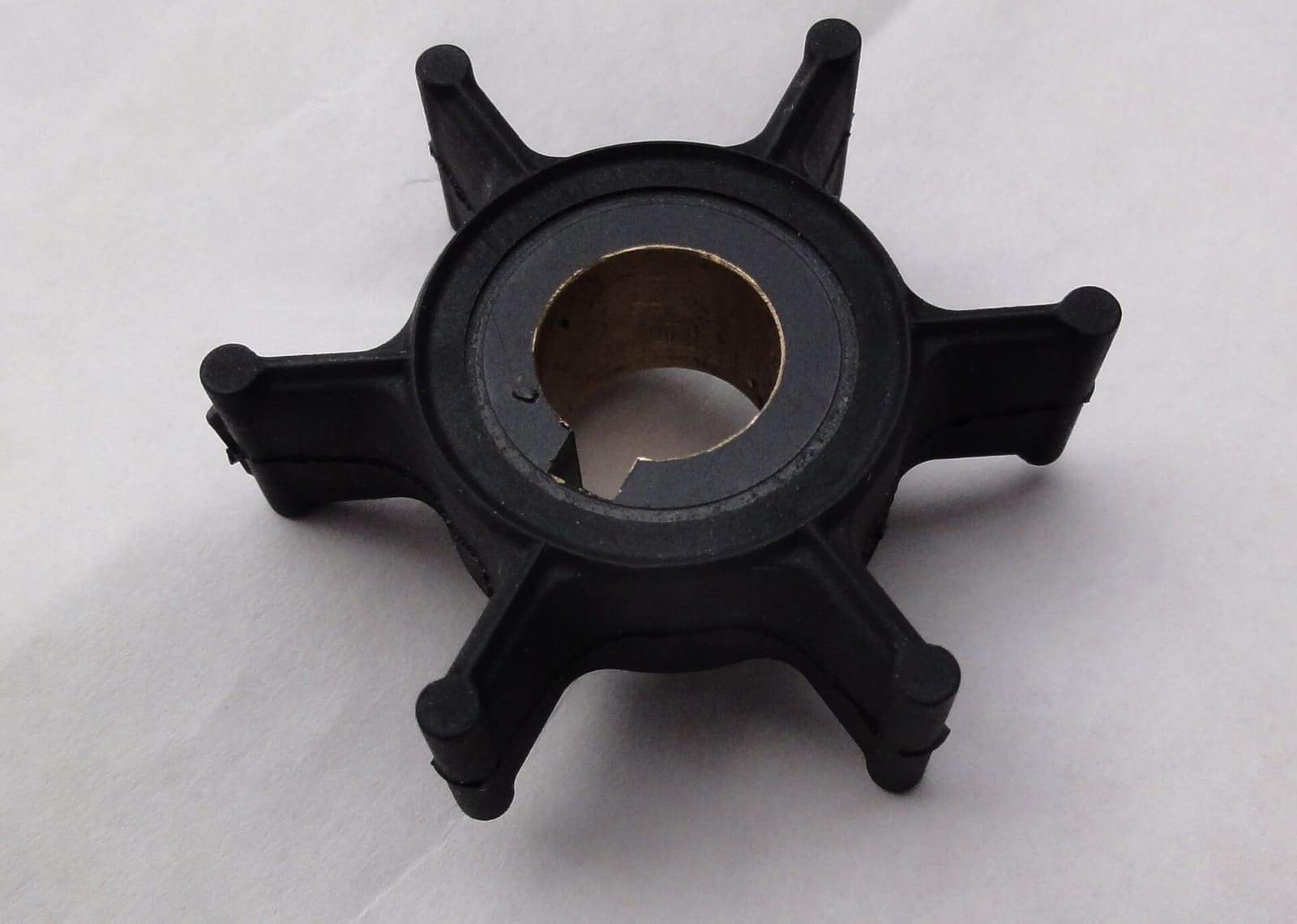
Replace the rubber impeller that pumps cooling water through your engine, the part most often behind overheating. On many outboards it is a two-hour driveway job that saves a shop bill of several hundred dollars and prevents far costlier heat damage.
Spring Commissioning - Getting Your Boat Ready for the Season
Wake your boat up after storage with a step-by-step check of the battery, fuel system, engine, drive and safety gear. Catching a cracked hose or dead battery in the driveway beats a tow on opening weekend, and saves a typical shop commissioning fee.