Repair & maintenance guides
Plain-English, step by step, written for owners. Pick your engine to see the guides that apply to it.
424 of 509 guides · page 15 of 18
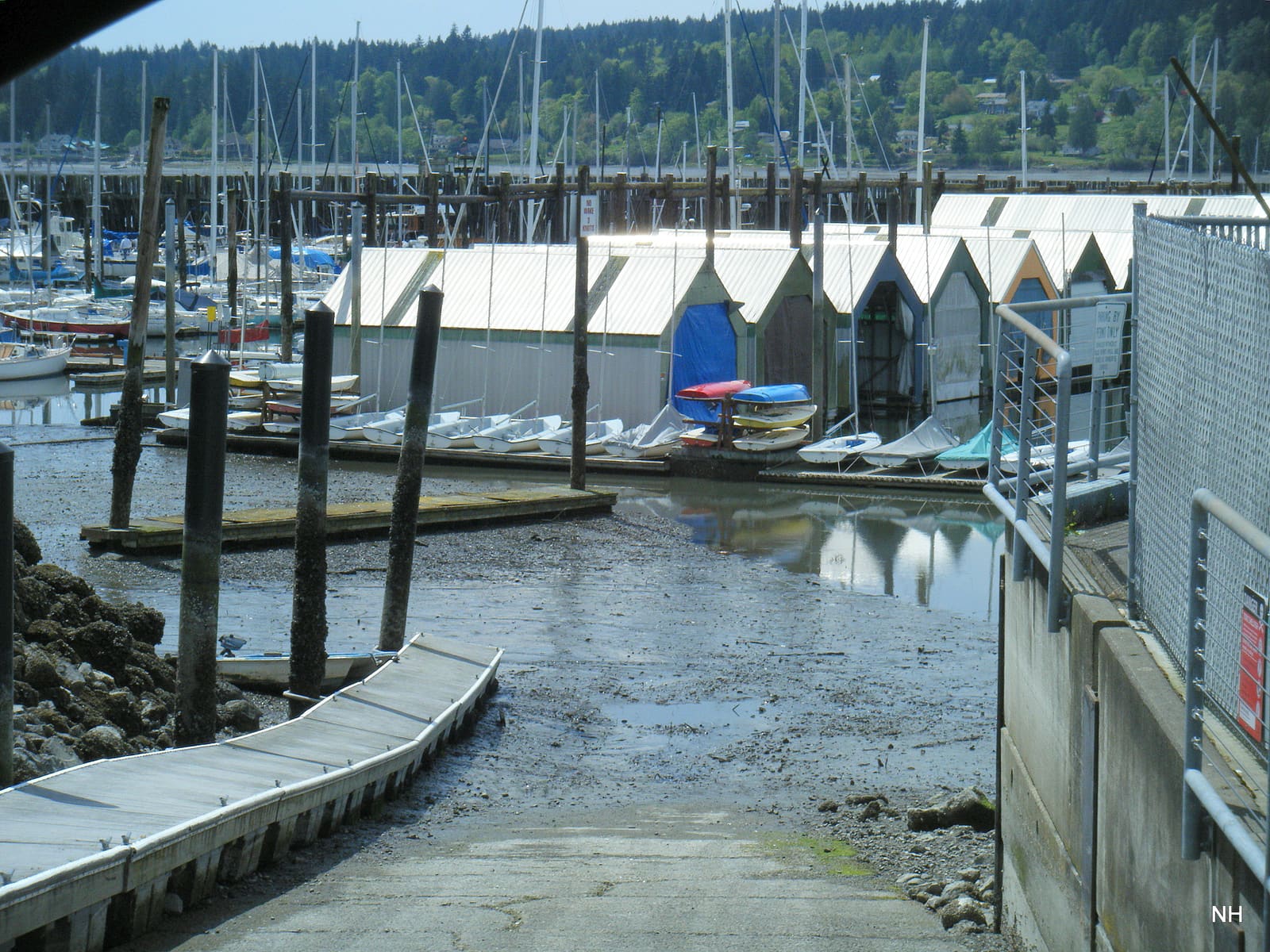
Reading NOAA Tide and Current Predictions for Trip Planning (MLLW, Slack Water and Bridge Clearance)
Tide is the water going up and down; current is the water moving sideways, and their timing doesn't always line up. Learn to find the right NOAA station, read high and low tides against chart datum (MLLW), find slack water and peak current, check bridge clearance against mean high water, and plan launches, anchoring and inlet crossings around them.
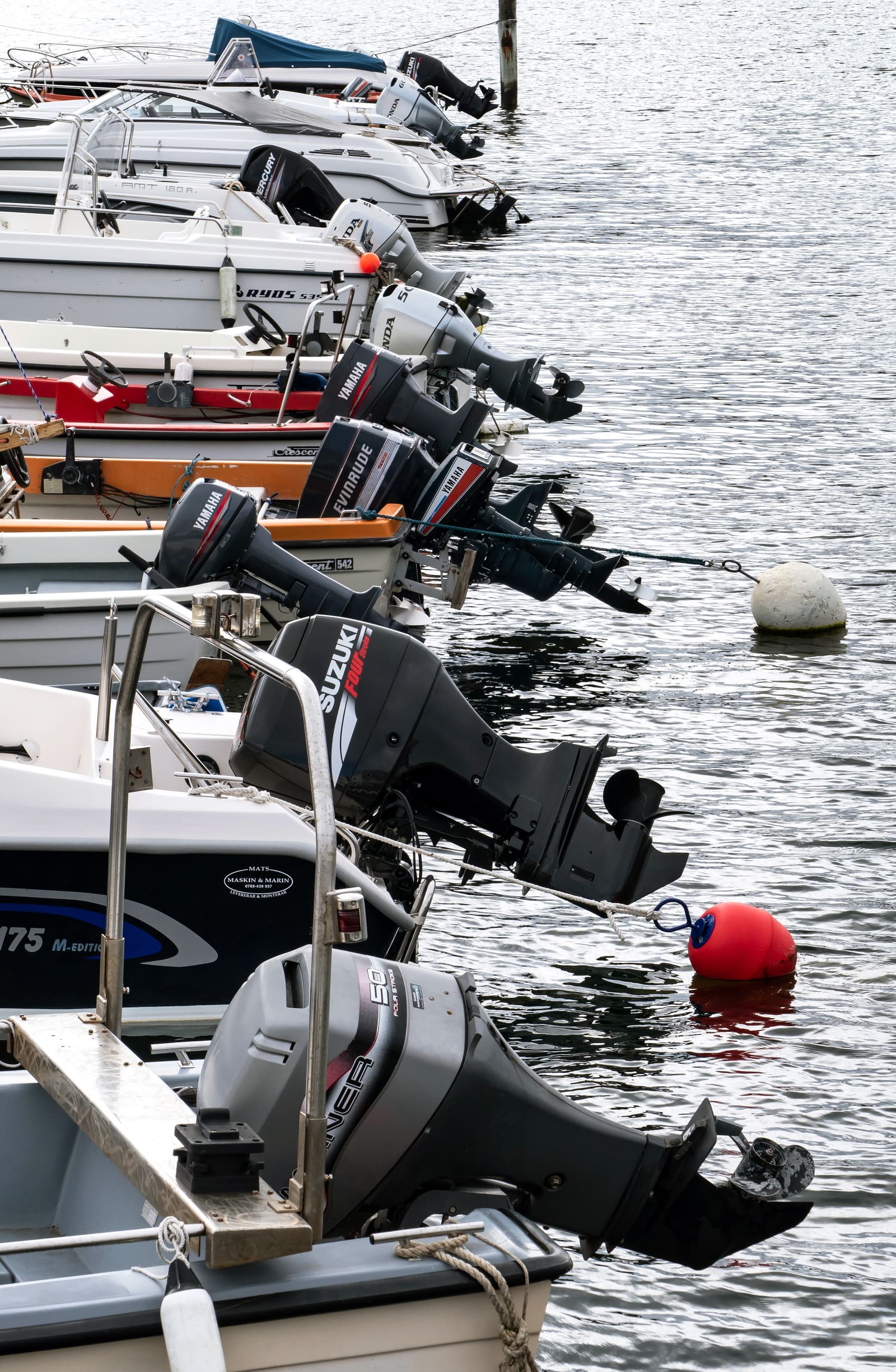
Reading Your Boat's Capacity Label (Old and New 2026 Format) and What It Means for a Repower
Learn to read every line of your boat's capacity plate, including the new ABYC S-7 label the Coast Guard accepted in July 2026 with its maximum outboard motor running weight, and use it to check a load or a repower before you spend money. Practical guidance, not legal advice.
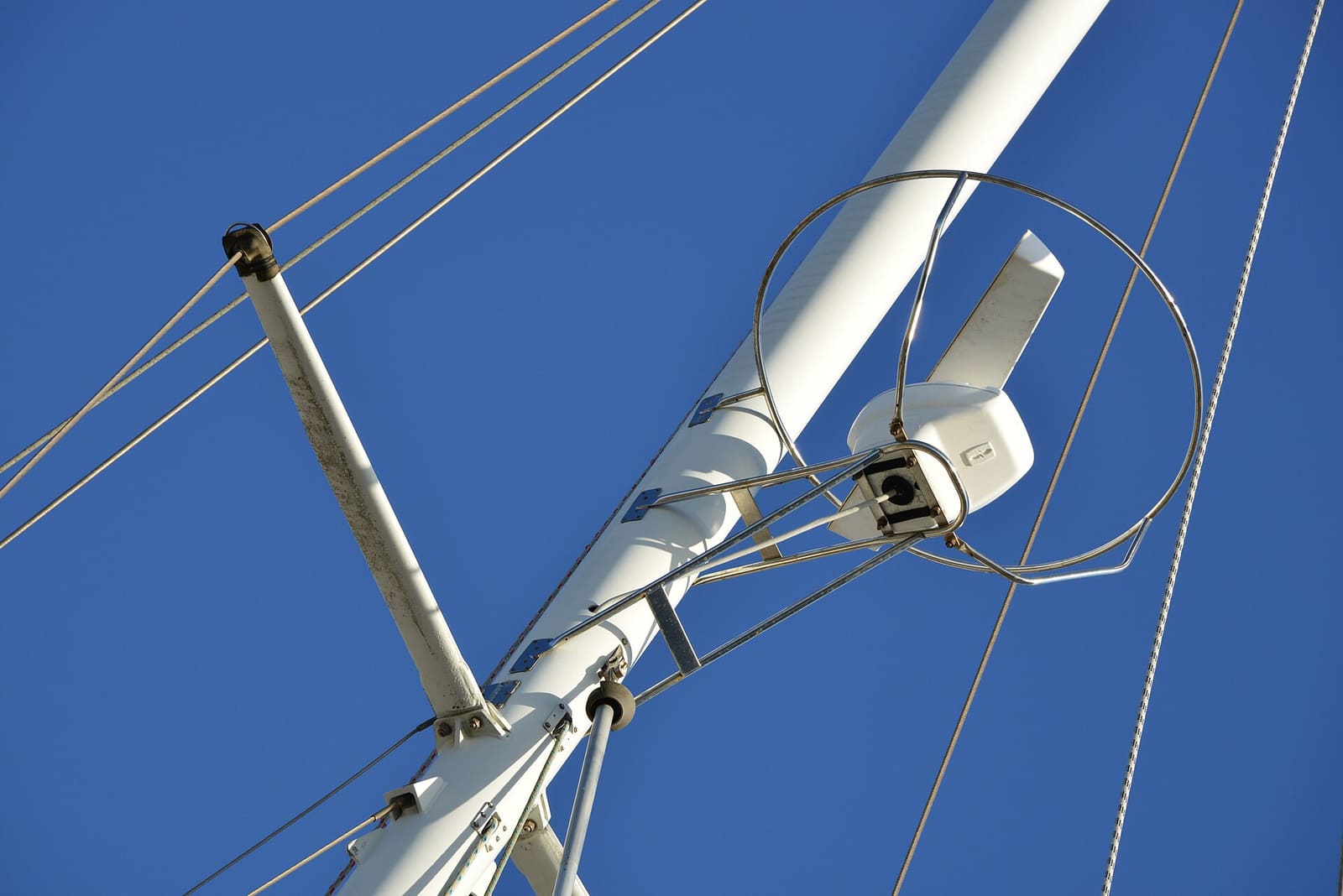
Recreational Radar Care: Radome and Open-Array Cleaning, Mounts, Cables and Alignment
Keep your boat's radar seeing small targets by cleaning the radome or open array the right way, checking the mount, cable and connectors for corrosion, and confirming that targets line up with the bow. Includes the safety rules for working near a radar that might transmit, plus winter care.
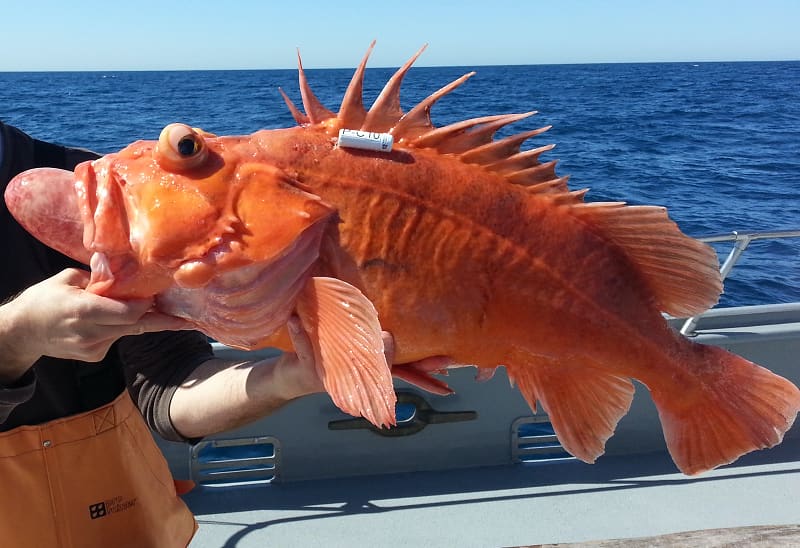
Releasing Deep-Water Fish with Barotrauma: Descending Devices, Venting and the Federal Gear Rules
Snapper, grouper and other bottom fish reeled up from deep water often float off with bulging eyes and a swollen belly. A descending device sends them back down to where the pressure fixes the problem. Here's what federal rules require in the South Atlantic and Gulf (and what changed in 2026), how to rig and use a descender, and where venting fits.
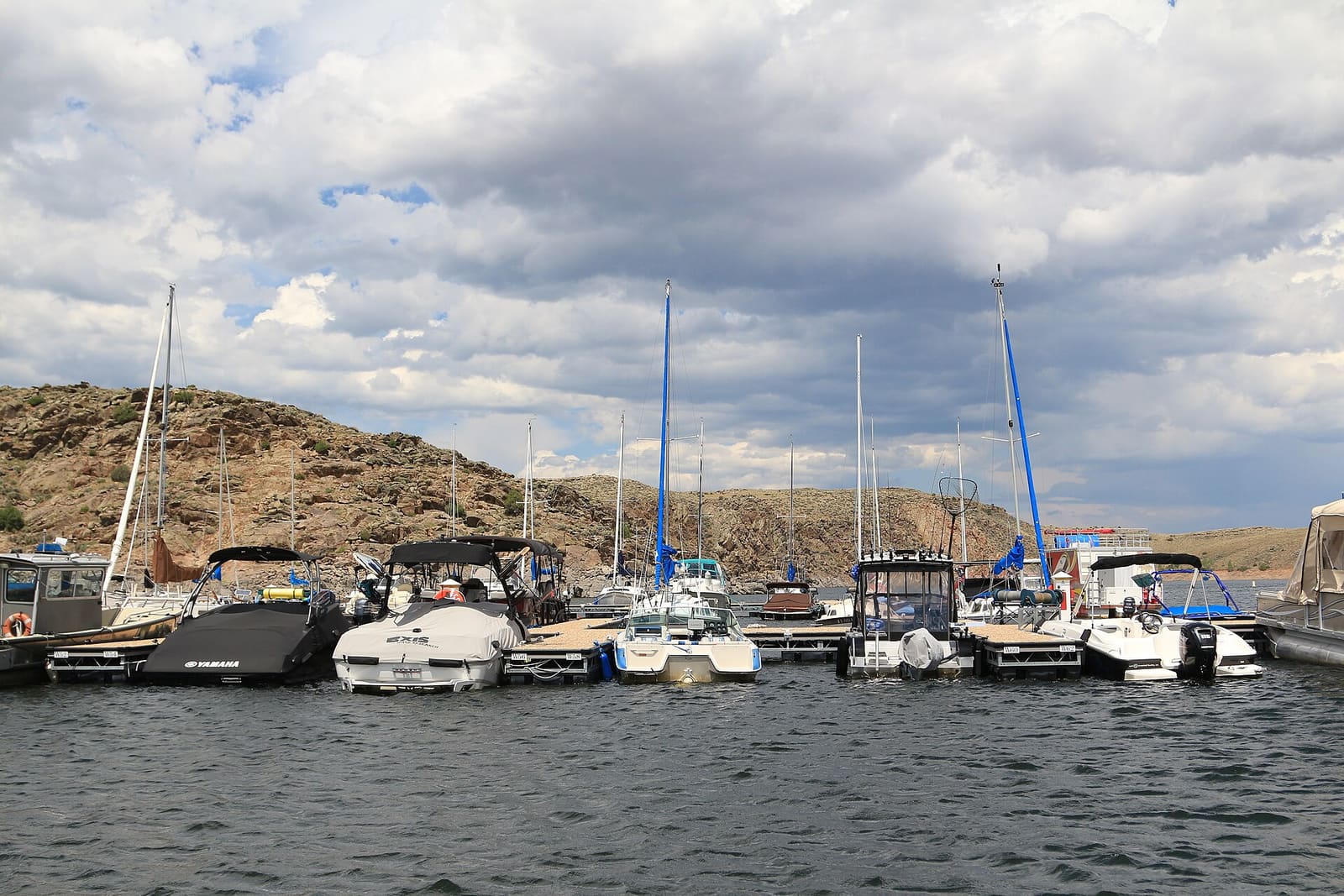
Remote Boat Monitoring: Bilge, Battery, Shore Power and GPS Alerts on Your Phone
Choose, install and set up a system that texts you when your unattended boat is taking on water, losing battery or shore power, or moving without you. Covers cellular versus satellite, what each sensor really tells you, wiring it so it stays on, sensible alert settings and what happens to your location data.
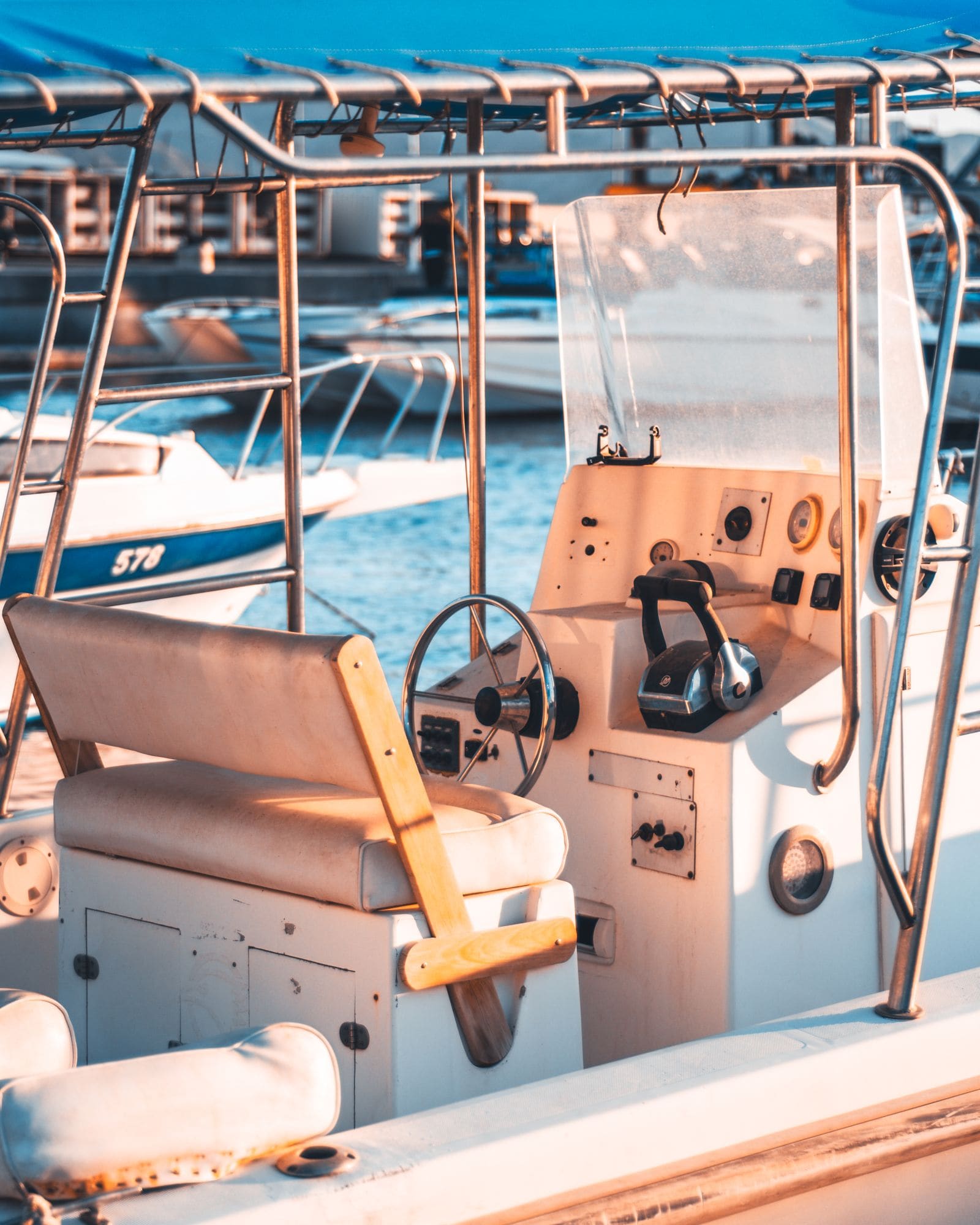
Remote Control Box Troubleshooting: Stiff Lever, Won't Crank, Trim Switch
The throttle and shift control at the helm (side-mount or binnacle) takes a beating. Learn how to find out why the lever is stiff, why the engine will not crank even with a good battery, why the trim button on the handle quit, and when the whole control box should be replaced along with its cables.
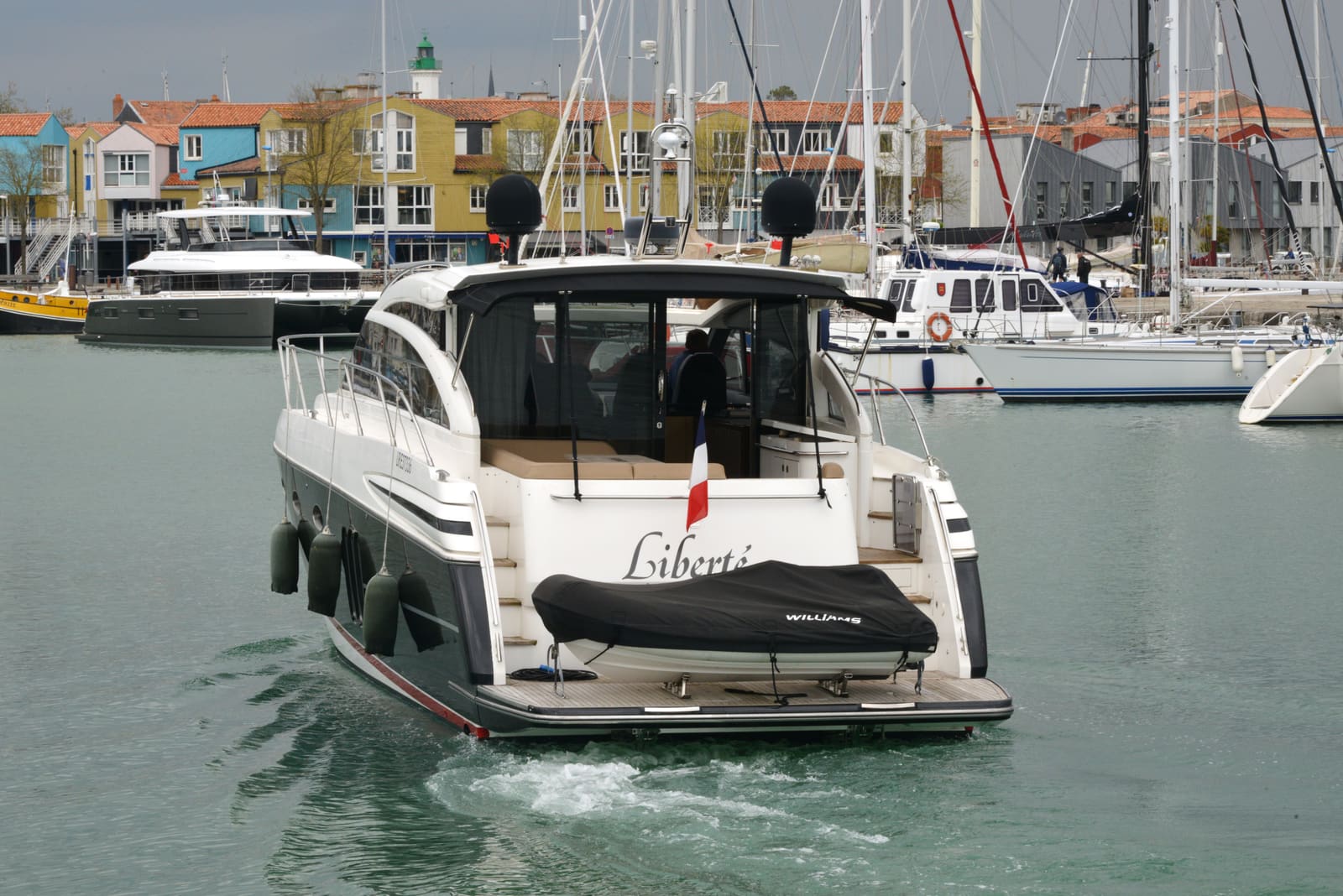
Renaming a Boat: Paperwork, Removing the Old Name and the Optional Ceremony
Change your boat's name the right way: what a state-registered boat needs versus a Coast Guard documented boat (name change and hailing port go through the NVDC before you letter the hull), getting every trace of the old name off, lettering rules for documented boats, who else to tell (insurer, marina, MMSI, EPIRB, AIS), and the traditional renaming ceremony if you want the fun.
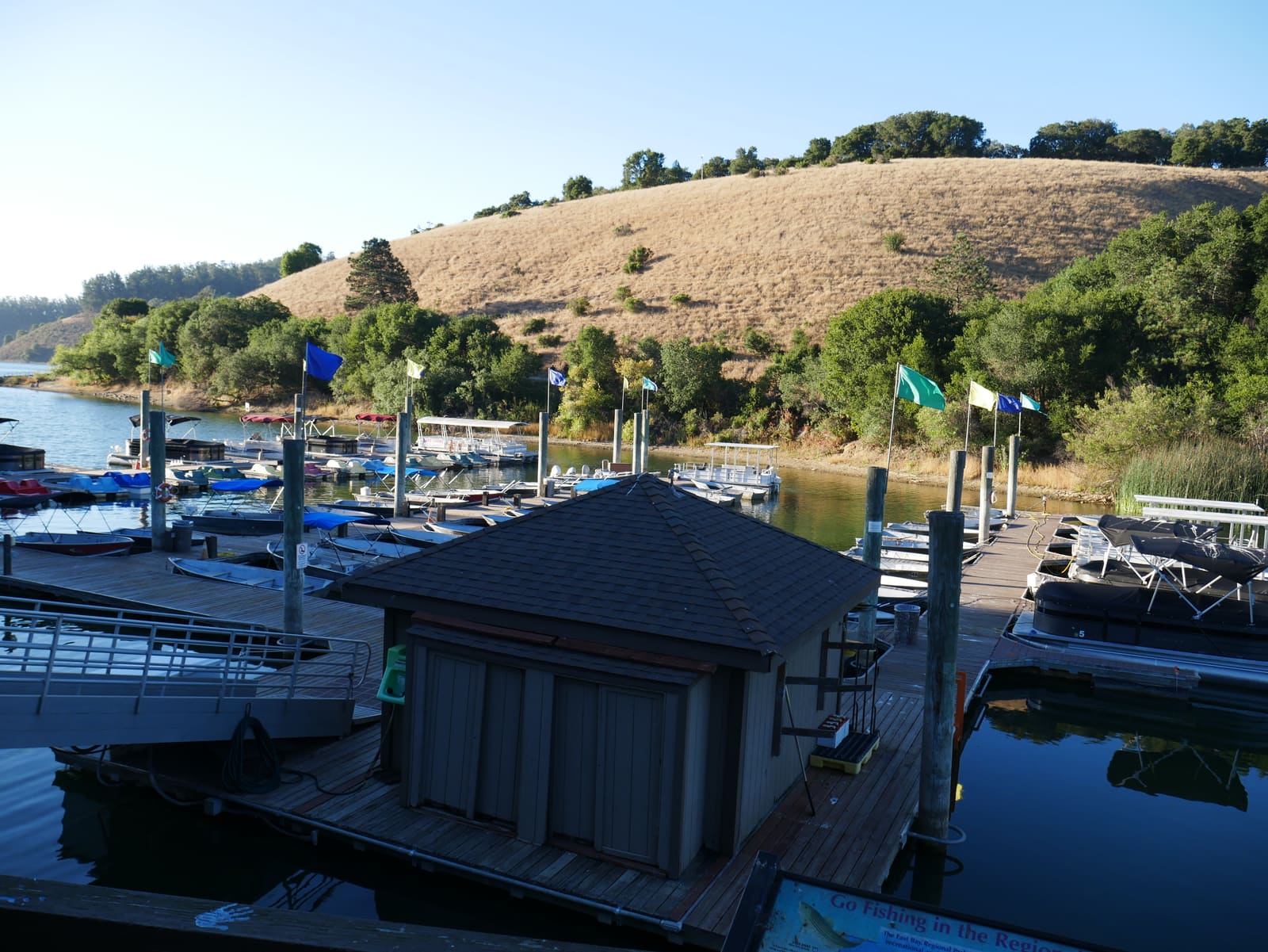
Renting Out Your Boat on Peer-to-Peer Apps: Insurance, Bareboat vs. Captained, State Rental Laws, Taxes and Wear
Thinking of listing your boat on a peer-to-peer rental platform to offset ownership costs? Learn why your personal policy probably won't cover it, what platform insurance does and doesn't do, the legal difference between a bareboat rental and a captained trip, state livery laws like Florida's, how rental income is taxed, and the real cost of extra hours and wear. Practical guidance, not legal, tax or insurance advice.
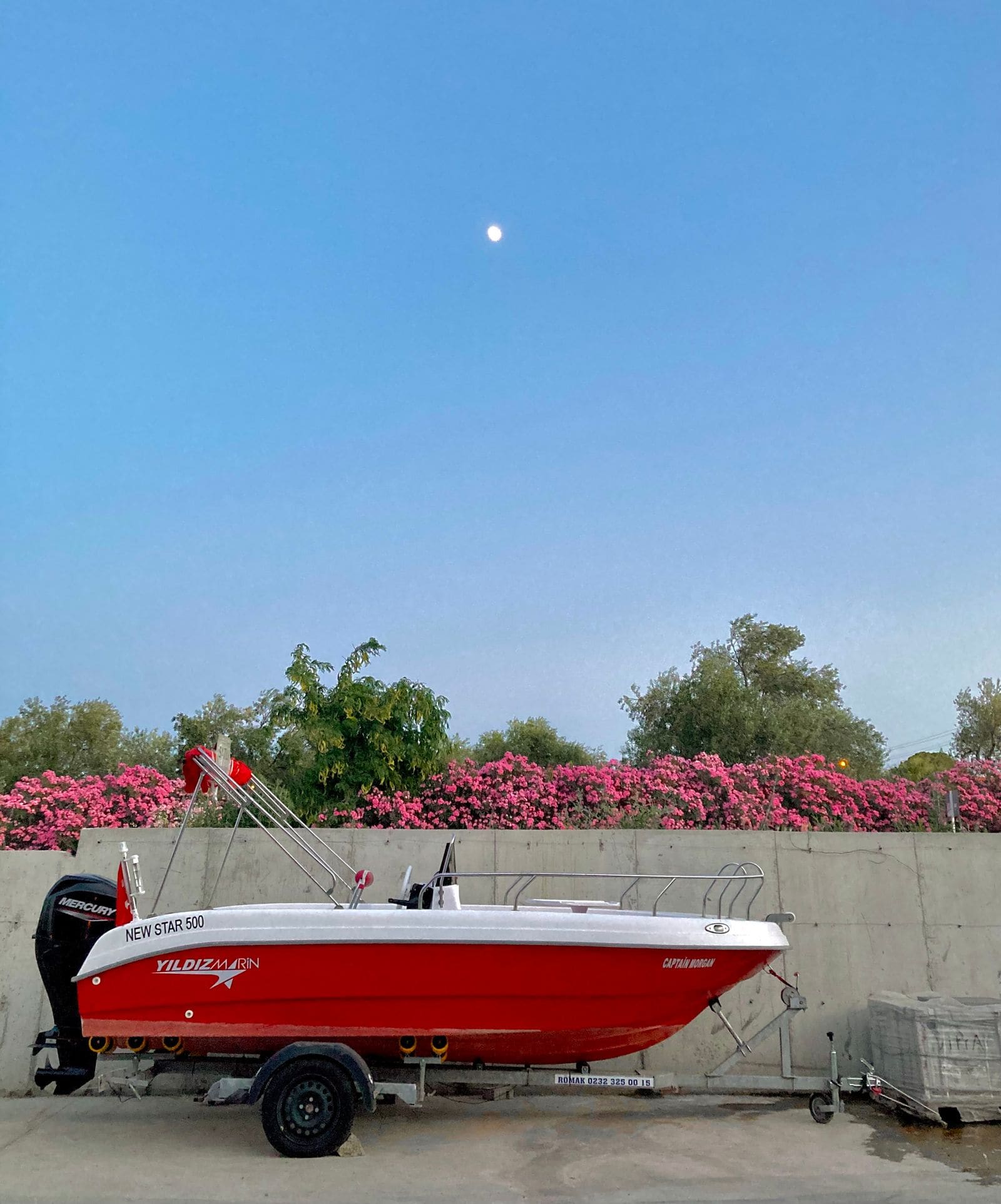
Replacing a Boat Trailer Axle: When You Need One and How to Order the Right Size
A bent, rusted-through or undersized axle can't be fixed with new bearings. Learn the signs, the difference between straight, drop and torsion axles, the measurements a supplier needs (hub face, spring centers), what to specify for saltwater, and why this is usually a trailer-shop job.
Replacing a Built-In Boat Fuel Tank: What's Involved and Why It's Usually a Pro Job
A leaking built-in gas tank is a fire and explosion risk that has to be fixed, not patched. Learn the signs a tank needs replacing, why foamed-in aluminum tanks corrode, what a compliant replacement tank and label look like, how access, grounding, hoses, vents and foam should be handled, and how to plan and check the work.
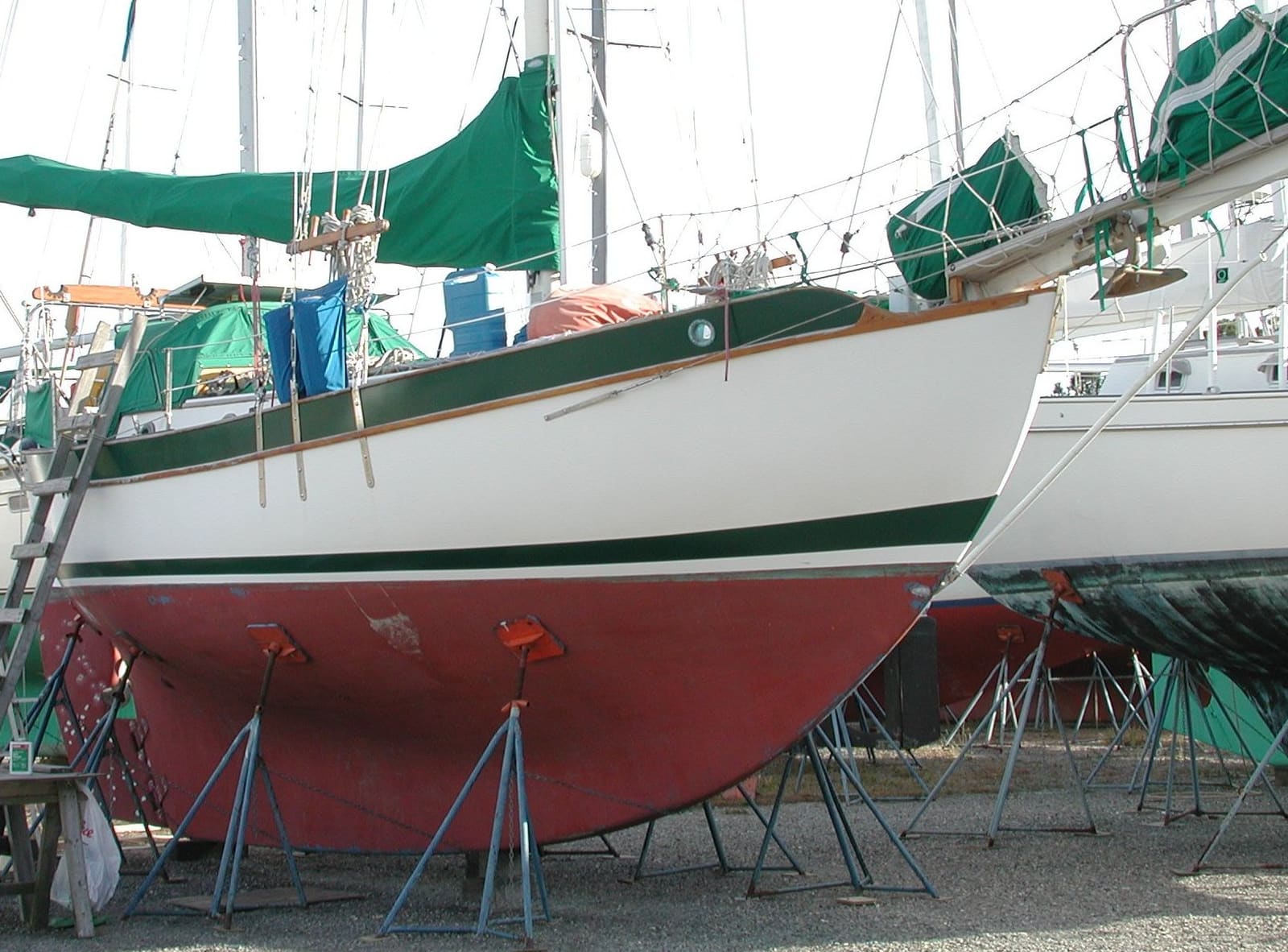
Replacing a Seacock or Through-Hull Fitting
When a seacock is frozen, corroded or really a gate valve, it has to be replaced with the boat out of the water. Learn what a proper seacock is, bronze vs Marelon, why the through-hull and backing block usually get replaced too, how the job is done, and when to hand it to a yard.

Right-of-Way on the Water: The Navigation Rules Every Recreational Boater Should Know
There are no lanes or stop signs on the water, so the Navigation Rules decide who keeps course and who gets out of the way. Learn stand-on and give-way, meeting head-on, crossing, overtaking, sail versus power, narrow channels, big ships, safe speed and keeping a proper lookout, with the rule numbers from the U.S. Inland Navigation Rules (33 CFR Part 83).
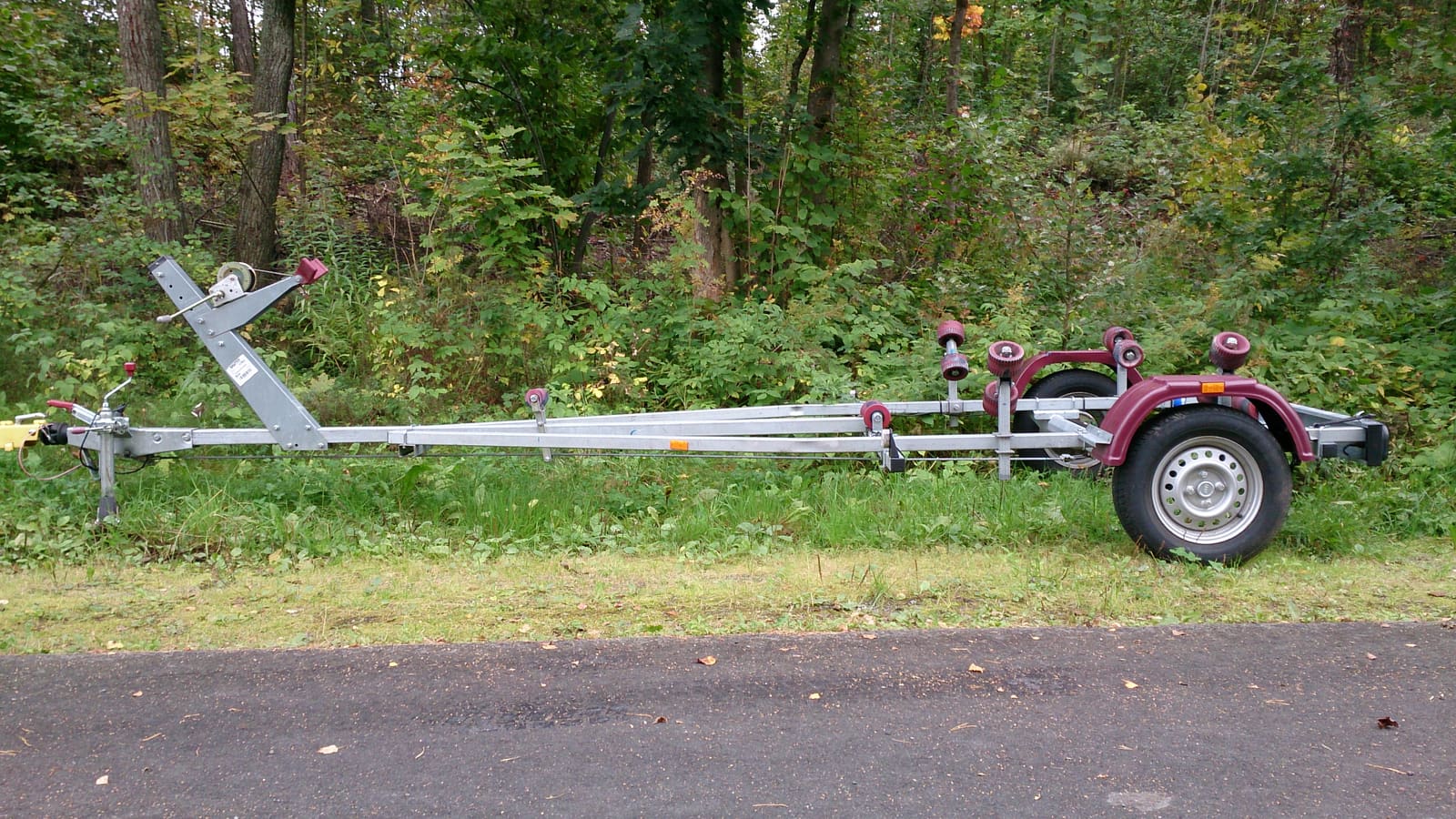
Roadside Trailer Repairs: Carrying a Spare Hub and Changing a Hub or Tire Safely
Why a pre-greased spare hub and a real spare tire belong in every boat-trailer kit, how to pick the right ones, and how to change a failed hub or a flat on the shoulder without getting hurt: getting off the road, warning triangles, chocks, frame jack points, a lug wrench that fits, and the checks to make afterward.

Roller Furler Care: Inspection, Drum and Swivel Service, and Halyard Wrap
Keep your headsail roller furler turning easily with a yearly unroll-and-inspect, fresh-water rinses of the drum and swivel, a correct halyard angle and a clean furling line lead. A neglected furler can jam with the sail half out, and a halyard wrap can damage the forestay.
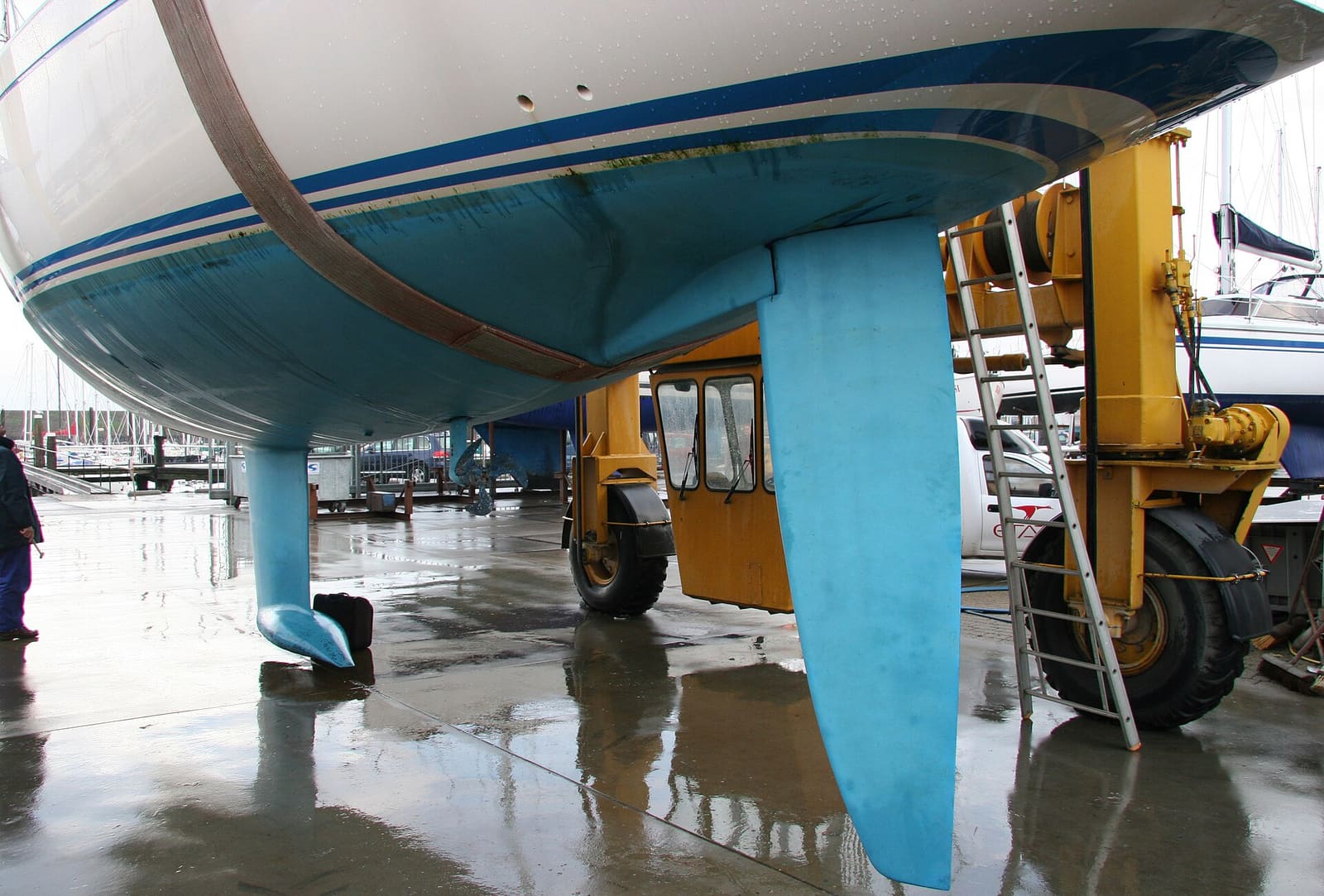
Rudder, Rudder Bearings and Steering Gear Inspection (Sailboats and Inboards)
Check your rudder for play, water inside the blade and stock corrosion, inspect the rudder tube and its seal, and go over cables, sheaves, quadrant and stops so the steering does not fail when you need it. Includes how to find, fit and practice with the emergency tiller.
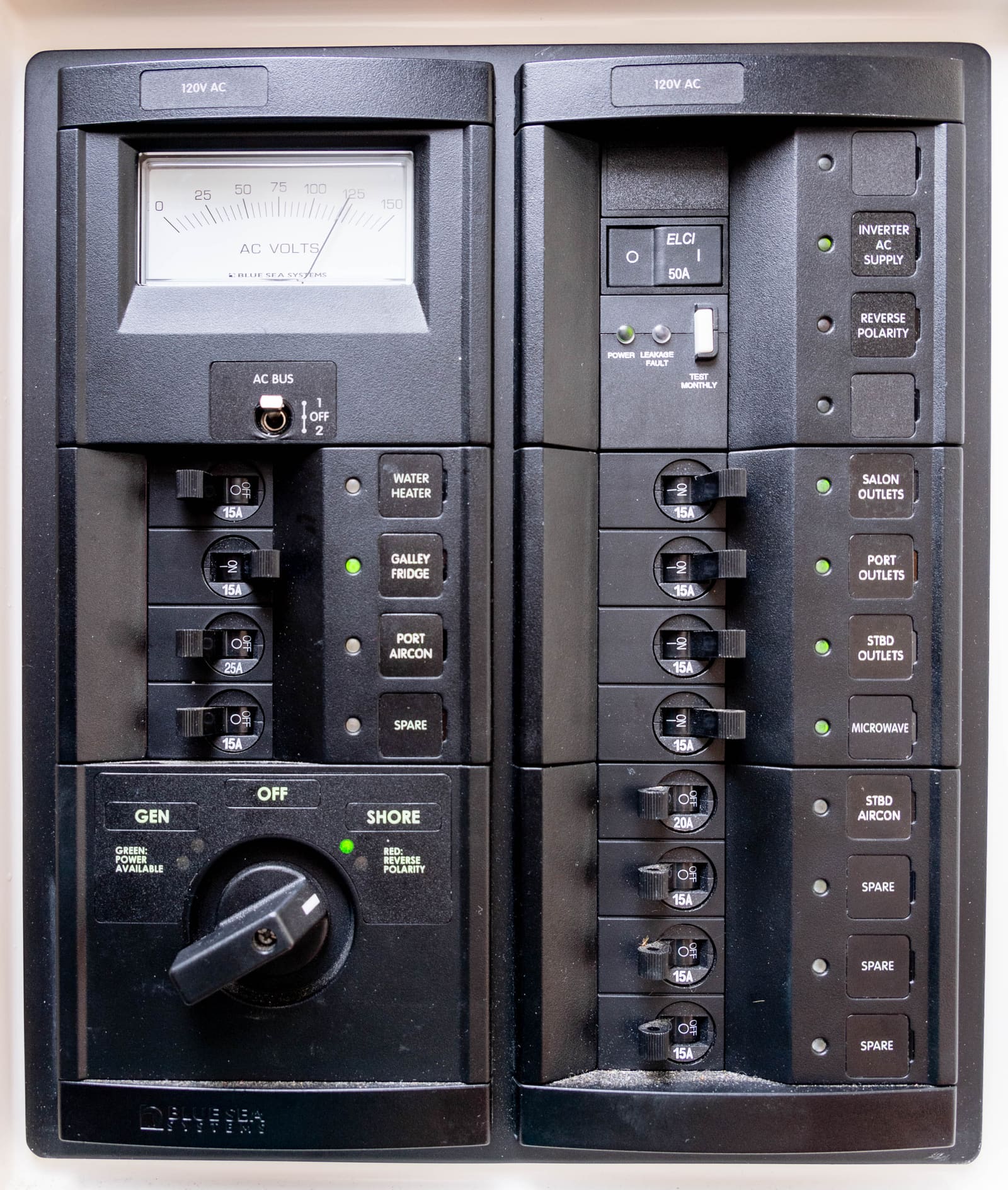
Running a Boat Generator at the Right Load: Switching Sequence, Balancing and Avoiding Wet Stacking
Get more life out of your marine generator by starting and stopping it with the AC loads off, switching sources in the right order, keeping it loaded enough to avoid wet stacking and carbon buildup, and moving small loads to the inverter. Includes a simple monthly exercise routine.
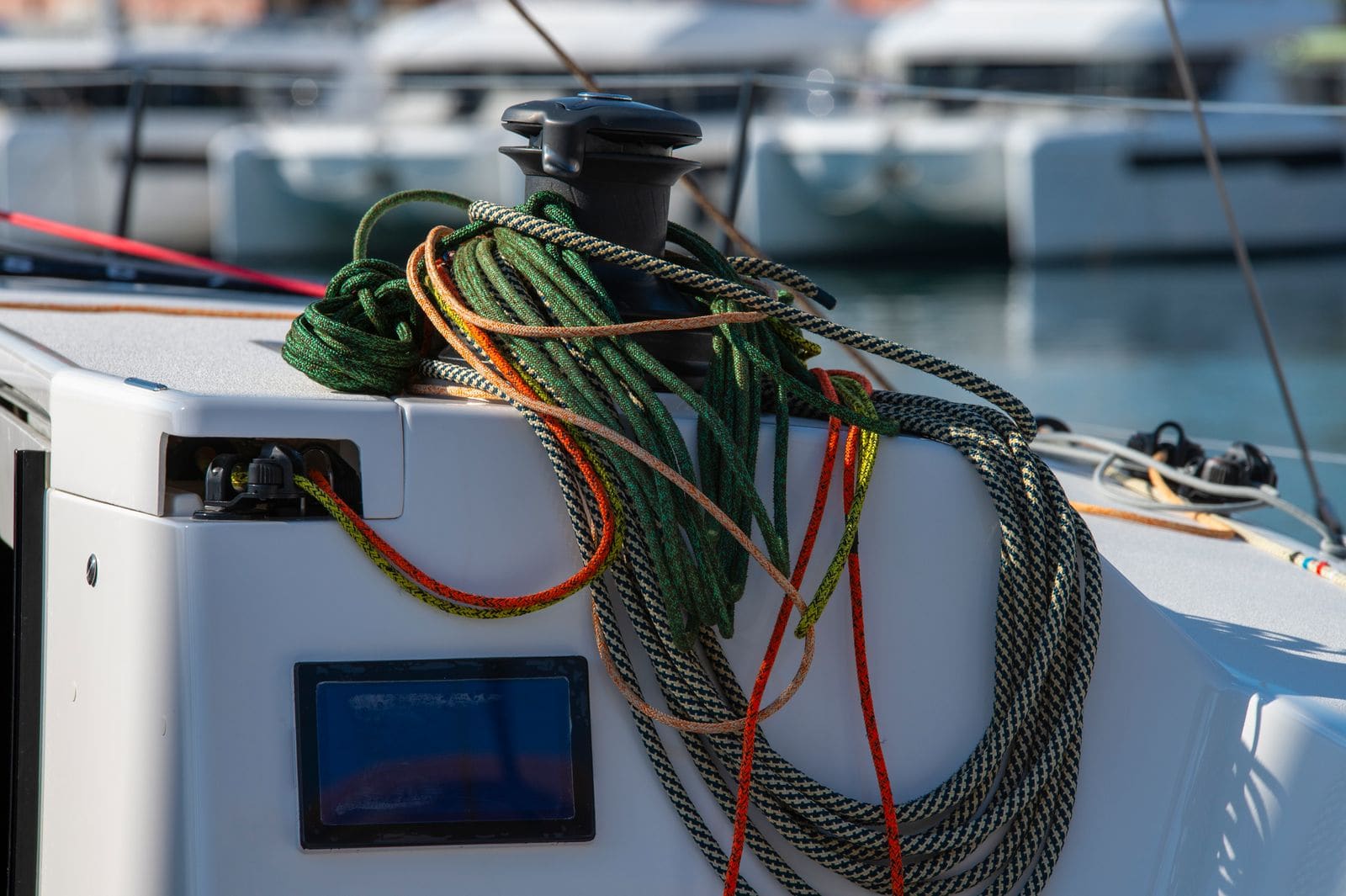
Running Rigging Care: Inspecting Halyards, Sheets and Dyneema Lines
Check your halyards, sheets and control lines for chafe, sun damage, glazing and cover slip, wash them the right way, end-for-end them to spread the wear, and know when a line has to go. A halyard that parts drops a sail; a sheet that parts in a gust can be worse.

Sail Care and Winter Storage: Rinse, Dry, Inspect, Fold and Store
Keep your sails out of the sun, rinse and dry them before they go away, catch small tears and rotten stitching early, and fold and store them so they come back in spring without mildew or hard creases. Good habits can add years to an expensive set of sails.
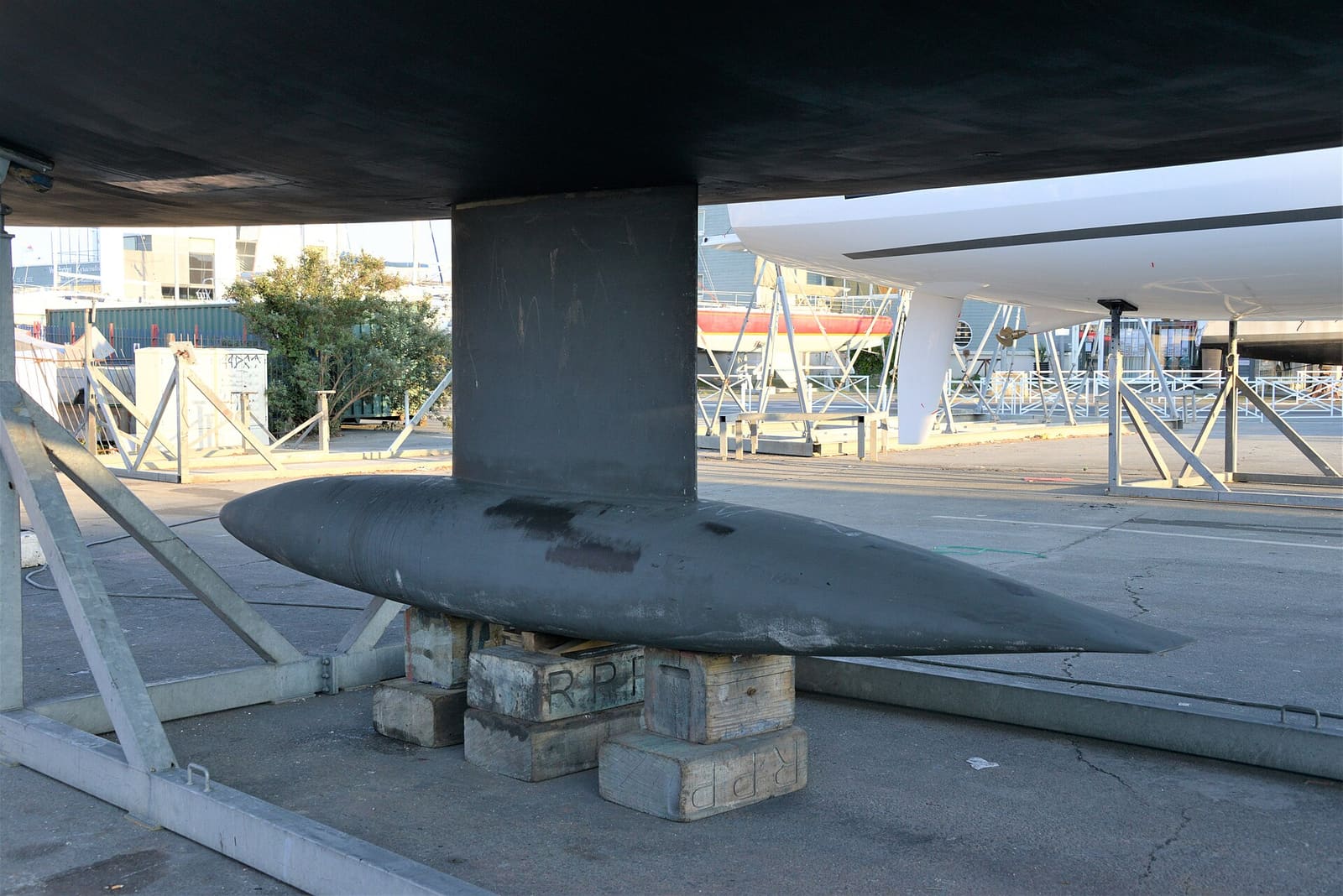
Sailboat Keel Bolts and the Keel-Hull Joint: Signs of Trouble and What to Do
Learn to spot the warning signs at your keel joint and keel bolts, from a "smile" crack and rust weeps to wet bilges and loose nuts, and what to check after any grounding. Explains why re-torquing, pulling bolts and dropping the keel are jobs for a surveyor and a yard.
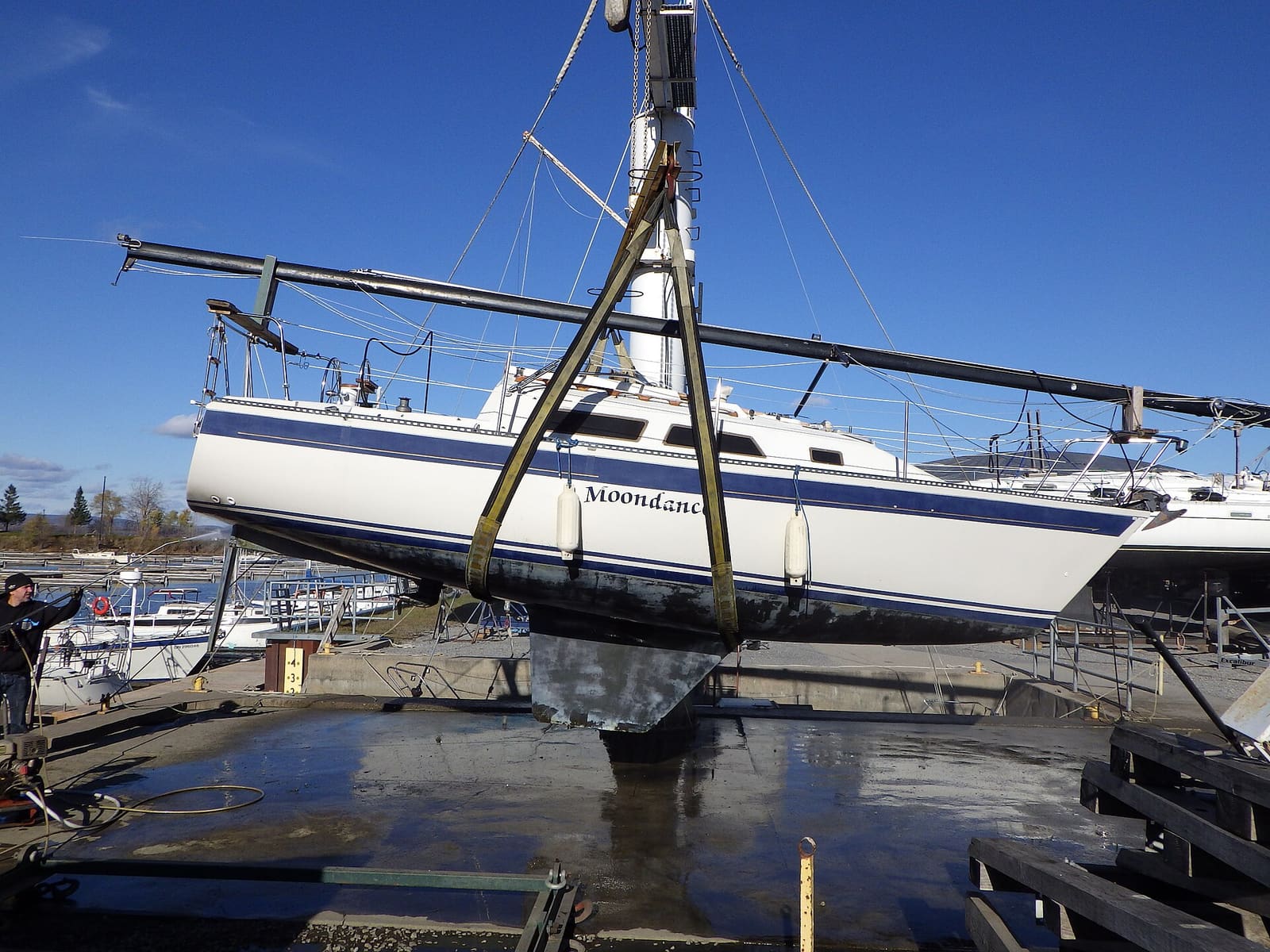
Sailboat Spring Commissioning: Rig, Sails, Bottom, Engine and First Sail
A sailboat-specific spring checklist: inspect the rig before it goes up, bend on the sails, check through-hulls and the bottom, recommission the diesel or saildrive, bring the head and freshwater back, test electronics and safety gear, and shake it all down on a first sail. Each system links to its detailed BoatMend guide.

Sailboat Wheel Steering Cables and Conduit - Service, Tension and Replacement
Keep a sailboat's wheel steering from failing: lubricate the chain, bearings and cables with what the maker specifies, set cable tension, check sheaves, idlers and conduit for wear and chafe, and replace worn cables or conduit before they part. Includes a dockside emergency tiller check.
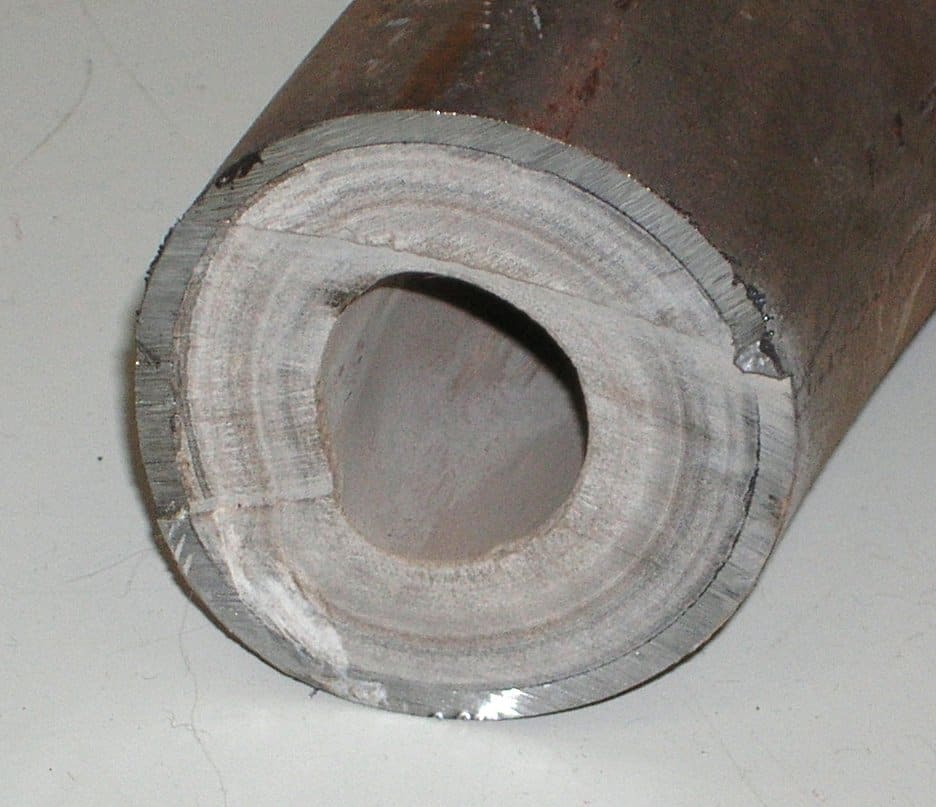
Salt and Scale in Raw-Water Cooling: Flushing Habits, Descaling and When It's a Shop Job
Learn how salt and scale slowly narrow your engine's cooling passages, how to spot the warning signs (a temperature that creeps up over seasons, a weak telltale, thermostats sticking), the flushing habits that prevent it, which descaling products and methods engine makers accept, what never to pour through an engine, and when to hand the job to a shop.
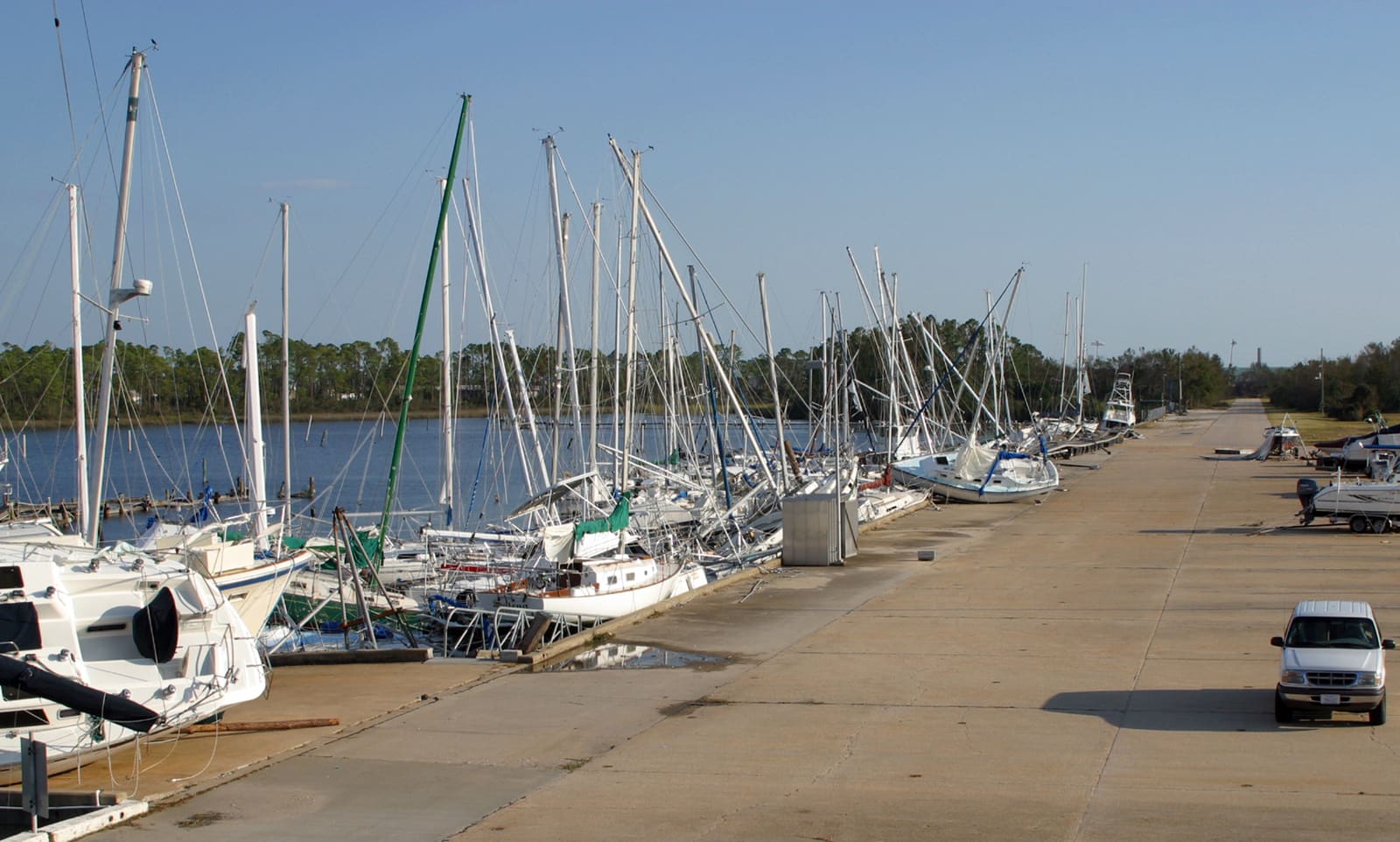
Salvage and Branded Title Boats: What They Mean, the Risks, and How to Check Before You Buy
Understand boats that an insurer declared a total loss: what salvage, rebuilt and hull-damaged title brands mean, why flood and storm boats hide expensive problems, how branded titles affect insurance, financing and resale, how to dig into a boat's history, and what a survey should check. Title branding rules differ a lot by state, and some states don't brand boat titles at all.
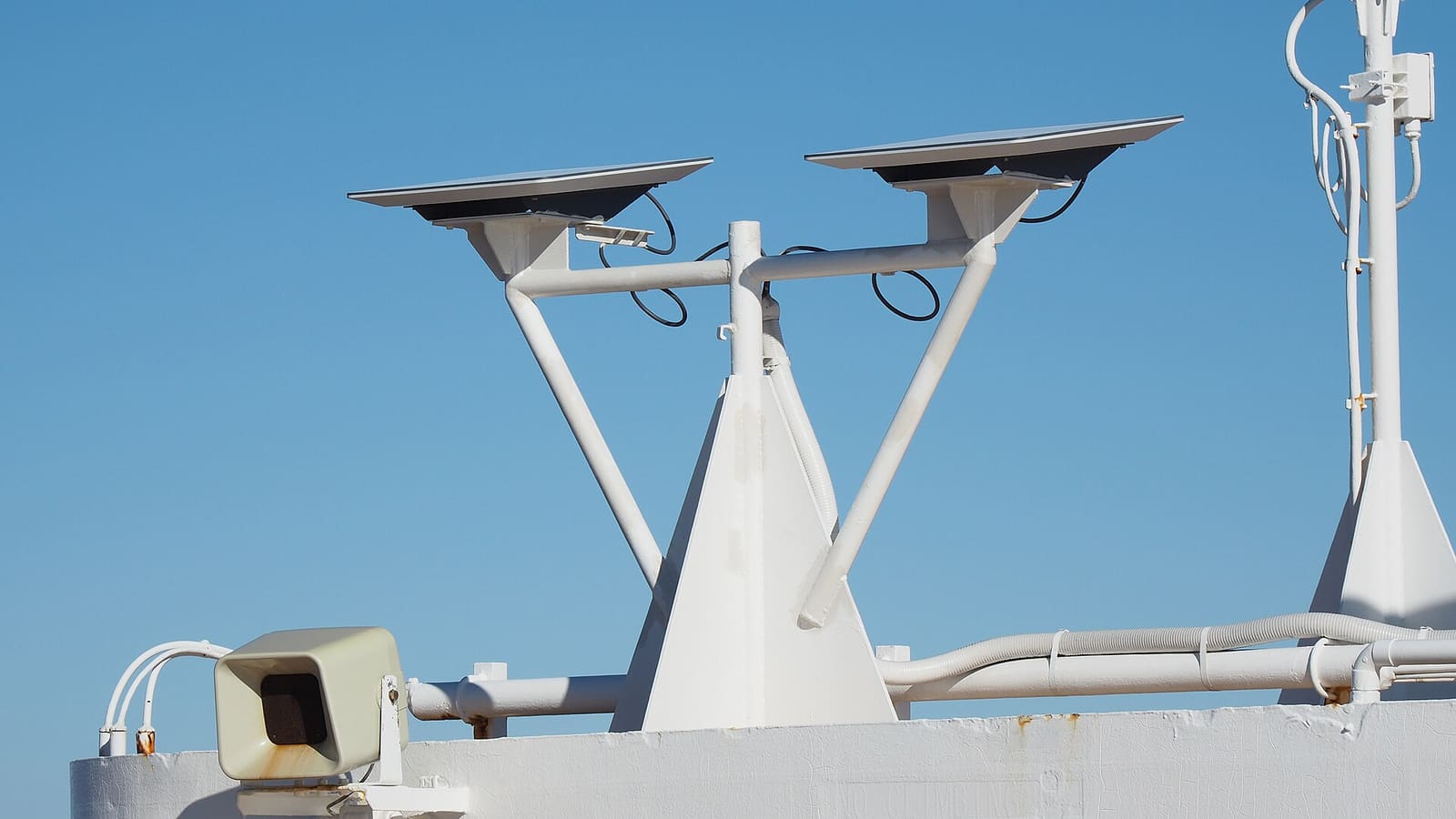
Satellite Internet on Your Boat: Starlink Plans, Mounting, Power and Wiring
An owner's guide to putting Starlink aboard: which plans allow coastal, offshore and in-motion use (as of October 2026), how much battery it eats, 12-volt versus inverter power, where to mount the dish, and how to route and seal the cable without leaks.
Safety: BoatMend is for information only and does not replace a certified marine technician. You are responsible for your safety and your boat. Read the full disclaimer.