Renting Out Your Boat on Peer-to-Peer Apps: Insurance, Bareboat vs. Captained, State Rental Laws, Taxes and Wear
Thinking of listing your boat on a peer-to-peer rental platform to offset ownership costs? Learn why your personal policy probably won't cover it, what platform insurance does and doesn't do, the legal difference between a bareboat rental and a captained trip, state livery laws like Florida's, how rental income is taxed, and the real cost of extra hours and wear. Practical guidance, not legal, tax or insurance advice.

Time
1 h 30 min
Applies to
All engines
Safety first: Renting your boat makes you responsible for strangers operating it. Don't hand the keys to anyone who can't show the boater education card your state requires, and never rent a boat with a known problem (a weak bilge pump, a sticky throttle, a missing kill-switch lanyard). If you provide or require a captain, the trip is a passenger-for-hire operation with Coast Guard licensing rules. This guide is general information, not legal, tax or insurance advice; get written answers from your insurer, the Coast Guard and a tax professional before your first rental.
Owners often ask
- Does my regular boat insurance cover me if I rent my boat out on Boatsetter or GetMyBoat?
- If I rent my boat out, can I be the captain, or does it have to be bareboat?
- If I list my boat on a rental app in Florida, do I need a livery permit?
This guide walks you through it. Still stuck? Ask the AI Mechanic about your engine.
Tools
- Your current boat insurance policy (declarations page and exclusions)
- The platform's owner terms, insurance summary and cancellation policy
- Boat registration or USCG Certificate of Documentation
- Maintenance log and engine hour readings
Parts & supplies
- Full set of required safety equipment for the most people the boat will carry
- Written owner's checklist and pre-departure briefing sheet
Before you start
What peer-to-peer rental is. Discover Boating describes peer-to-peer boat sharing as owners making their boats available to others when they're not using them, much like house or car sharing sites. Owners list the boat on a platform, set dates and prices, approve renters, and the platform handles payment.
Why owners do it: to offset slip fees, insurance and maintenance, and to keep engines from sitting.
What our passengers-for-hire guide already covers: the federal tests for "consideration" and "passenger for hire," the OUPV ("six-pack") license, inspected boats for more than six passengers and the Coast Guard's penalties. Read it first. This guide is about the owner's side of renting: the decisions, paperwork and costs.
Steps
Assume your personal boat policy does not cover rentals until your insurer tells you otherwise in writing. BoatUS Magazine reported in 2020 that most GEICO | BoatUS Marine Insurance policies are for recreational use only, and a claim during a paid charter would be denied. The same article described optional endorsements for limited charter use (for example, a guide endorsement for small boats with the owner as captain, or a limited charter endorsement reviewed by underwriting), each with conditions. Other insurers have their own rules. Ask your agent:
- Is any rental or charter use excluded or suspended?
- Does coverage come back automatically after a rental ends?
- What happens to my policy if a renter damages the boat or hurts someone?
Platforms differ, and their terms change. Boatsetter, for example, says (in its Promise page updated September 30, 2025) that every boat it lists is insured, and that depending on the boat and rental arrangement a trip may be covered by the owner's own commercial charter insurance meeting state and Coast Guard minimums, or (in Florida only) a commercial liability policy through its partner Buoy, with optional extra coverage offered to renters at checkout. Before you list on any platform, get answers in writing:
- Is the coverage hull (damage to your boat), liability (injuries and damage to others), or both? What are the limits and deductibles?
- Is the hull covered at agreed value or actual cash value?
- When does coverage start and stop (at the dock, at the ramp, during a late return)?
- Who handles a claim, and what does the platform require from you (photos, hour readings, check-in forms)?
- Does it cover your trailer, tender and water toys?
Compare that answer with your own policy so there's no gap between the two.
This is the biggest legal choice:
- Bareboat: the renter takes full control of the boat and runs it, or hires a captain of their own choosing. You don't provide or require a particular captain.
- Captained: you, or a captain you provide or require, run the boat with the renters as passengers. Under federal law this is carrying passengers for hire, so the operator must hold a Coast Guard credential (46 CFR 15.605 requires a credentialed operator in "direction and control" of an uninspected passenger vessel), be in a drug testing program, and the boat can't carry more than six passengers for hire unless it's Coast Guard-inspected.
Don't blur the two: a "bareboat" contract where the owner picks the captain is treated as an illegal charter. Our passengers-for-hire guide covers the Coast Guard cases.
The Coast Guard's August 2026 warning names boat-sharing websites and apps as a reason illegal charters are easier to advertise, and tells passengers that a legitimate charter lets them choose their own captain and crew, with the owner not simply acting as the operator. Penalties it lists include up to $5,996 for carrying more than six passengers for hire without a Certificate of Inspection, up to $9,624 when the operator isn't in a drug and alcohol testing program, up to $20,468 for not producing a valid Certificate of Documentation on a vessel over 5 gross tons, and up to $117,608 a day for continuing after a Coast Guard order to stop. If your boat is 5 gross tons or more and you plan any commercial use, ask the National Vessel Documentation Center what documentation and endorsement you need before you list.
States regulate businesses that rent boats, and listing your boat online can put you in that category. Florida is a clear example (Florida Statutes 327.54, as of November 2026): a "livery" is anyone who advertises a vessel for rent and doesn't provide or require a Coast Guard-licensed captain. A livery must:
- Get a no-cost livery permit from the Florida Fish and Wildlife Conservation Commission, renewed every year
- Carry insurance of at least $500,000 per person and $1 million per event, and either insure renters the same way or offer them that coverage (with a signed acknowledgment if they decline)
- Give pre-rental instruction (boat handling, right-of-way, local hazards, emergencies) by someone who has passed an approved boating course, and keep the renter's signed statement
- Use a written rental agreement with the renter's details, number of people and return time
- Not rent powered boats to anyone under 18, not overload the boat or exceed its horsepower rating, and report overdue boats and accidents (the statute says to notify law enforcement when a rented boat is unnecessarily overdue more than 4 hours past the contracted return time)
Note how broadly Florida defines "advertise": describing a vessel or drawing attention to its availability for rent in any medium. A listing on a peer-to-peer app or a social media post counts.
Florida's statute also says an owner who doesn't advertise and loans or rents the boat to someone they know isn't a livery. Other states have their own rules; search your state boating agency's site for "livery" or "boat rental."
Platforms screen renters to different degrees. Your own minimums:
- Proof of the boater education card your state requires (see our boater education guide)
- Experience with a boat of similar size and power
- No alcohol for the operator, ever, and a firm return time
- A maximum number of people well under the capacity plate
- Areas the boat may not go (inlets, offshore, shallow flats)
Turning down a renter is cheaper than a claim.
Treat every rental like a short charter:
- Full required safety gear for the maximum number of people, in good condition (our safety equipment guide lists it), plus a working kill-switch lanyard
- Bilge pumps, navigation lights, horn, VHF and fire extinguishers tested
- A laminated quick-start card: starting, stopping, trim, fuel shutoff, anchor, bilge switch, emergency numbers
- Photos and a short video of the hull, prop, upholstery and electronics before each rental, plus the engine hour reading and fuel level
Walk renters through the boat at the dock and watch them start it, maneuver and dock before they leave alone. Cover life jackets, the kill switch, fueling, local hazards and what to do if something breaks. Our passenger safety briefing guide is a good script. Have them sign the platform's or your own check-in form.
Rental income isn't profit. Count:
- Engine hours: more hours means oil changes, impellers and other hour-based service come due sooner; resale buyers look at hours too
- Cleaning and minor damage after every rental (dings, stains, lost gear, a bent prop)
- Platform fees and payment processing
- Your time for check-in, check-out and cleaning
- Downtime when the boat is in for repairs during peak season
- Security deposits help with small damage; Boatsetter, for example, says it holds a deposit around each trip, but bigger claims go through insurance with deductibles
Add these lines to your ownership budget before you decide the rentals are worth it.
- Income tax: rental income is generally taxable. The IRS says a dwelling unit includes a boat with basic living accommodations (sleeping space, a toilet and cooking facilities). If your cabin boat qualifies and you also use it personally, the IRS personal-use rules (more than the greater of 14 days or 10% of the days rented at a fair price) can limit the expenses you deduct. Platforms may also send you tax forms. Ask a tax professional how to report the income and what you can deduct.
- Sales or rental tax: many states tax the rental of boats or other property. Ask your state revenue department whether you or the platform must collect it.
- Local taxes and registration: a boat used commercially may face different registration, documentation endorsements or property tax treatment. Ask your state boating agency and county assessor.
- Many marina and slip contracts ban commercial use or require written permission and extra insurance.
- A boat loan may require lender approval for rental use.
- If the boat has co-owners or sits in an LLC or trust, get everyone's written agreement, and make sure the insurance names the right owner (our co-ownership and LLC guides cover this).
Log dates, renter, hours out and back, fuel, photos, damage and the signed forms. Keep the platform's messages and booking records. If there's a claim, an accident report or a tax question, these records are your proof. Keep the maintenance log current too (see our maintenance log guide).
Add up income, fees, extra maintenance, repairs, insurance changes and your time. Compare with your budget. Some owners find a few rentals a year cover the slip; others find the wear, scheduling and risk aren't worth it. Decide with real numbers.
Common mistakes
- Listing the boat without telling the insurer, assuming the platform covers everything.
- Calling it "bareboat" while providing yourself or a friend as the captain.
- Ignoring the state livery law because "it's just an app."
- Renting to someone with no boater education card or no experience on a similar boat.
- Skipping the pre-rental photos and hour reading, then having no proof when the boat comes back damaged.
- Treating gross rental income as profit and forgetting the platform fees, wear and taxes.
- Forgetting the marina contract or loan agreement that bans commercial use.
When to call a pro
- Before the first listing: your insurance agent (in writing), your local Coast Guard Sector office if you'll offer captained trips, and a maritime attorney for contracts
- A tax professional before the first tax year with rental income
- After any accident or damage during a rental: follow the platform's claim process, call your insurer, and file any required accident report (see our accident report guide)
- Fuel smell, water coming in, or an electrical problem found after a rental: stop renting and have a marine technician check the boat before the next booking
Tips
- Start with a few rentals to people with strong reviews, and raise your standards rather than lower them.
- Block out your own days and maintenance days first.
- Keep a spare-parts kit (prop, impeller, fuses, lanyard) so a small problem doesn't cancel the next booking.
- Store all rental records in your BoatMend boat profile alongside your maintenance log.
Official references
We read these to write this guide. Your engine's own manual always wins.
- BoatUS Magazine – Illegal Charters (2020; peer-to-peer platforms and charter insurance endorsements)
- Boatsetter – Boatsetter Promise (insurance, security deposit and boat standards; updated September 30, 2025)
- The 2026 Florida Statutes – 327.54, Liveries; safety regulations; penalty
- IRS – Publication 527, Residential Rental Property (a boat with sleeping space, toilet and cooking facilities can be a dwelling unit)
- Discover Boating – Go Boating Today (peer-to-peer boat sharing)
- Cornell LII – 46 U.S. Code 2101, Definitions (consideration, passenger for hire)
- eCFR – 46 CFR 15.605, Credentialed operators for uninspected passenger vessels
- U.S. Coast Guard News – Coast Guard warns boaters, passengers of illegal charter dangers (Aug. 17, 2026)
Safety: BoatMend is for information only and does not replace a certified marine technician. You are responsible for your safety and your boat. Read the full disclaimer.
Last updated 2026-11-06
Related guides
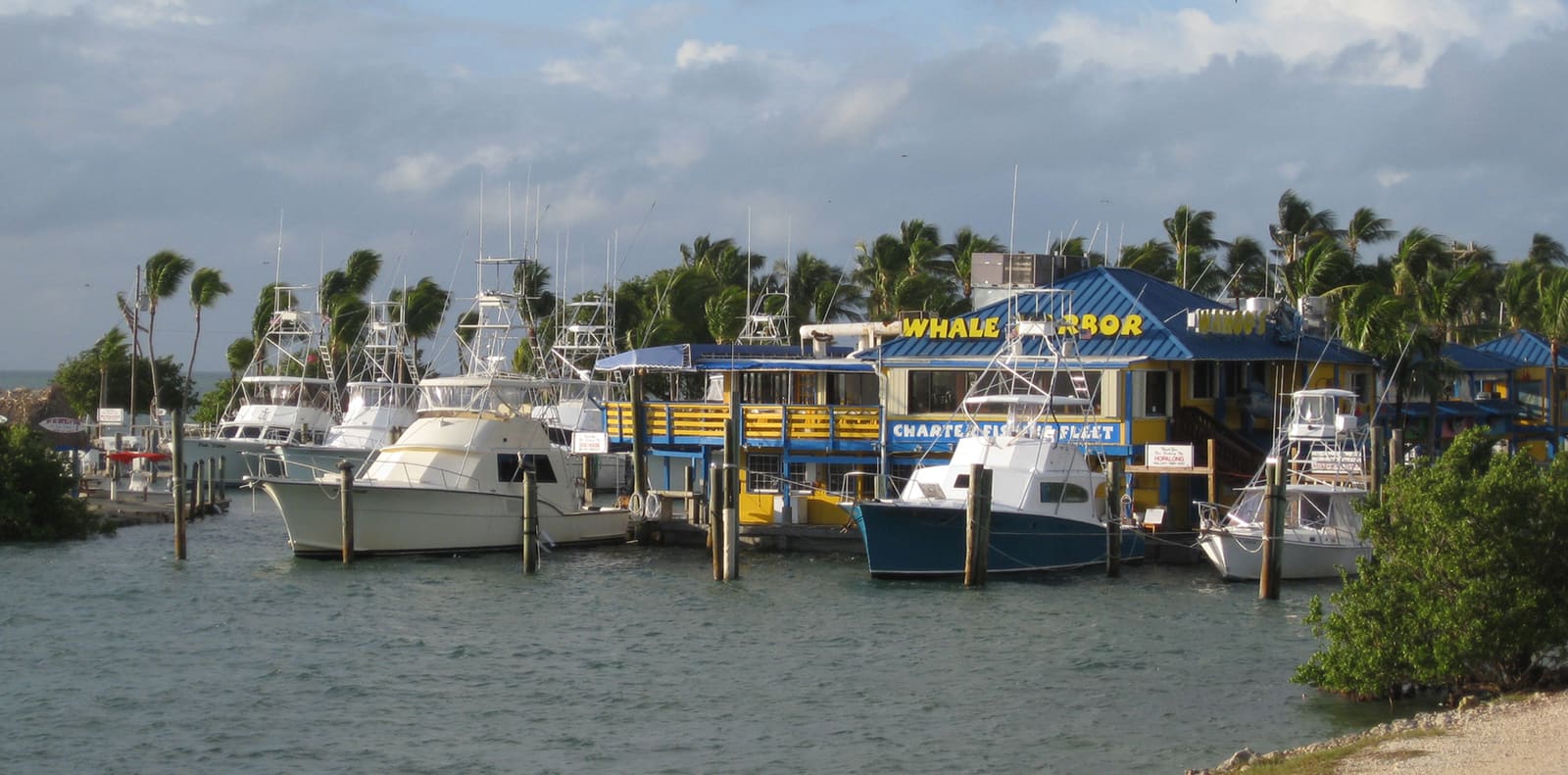
When Guests Chipping In Becomes an Illegal Charter: Passengers-for-Hire Rules for Boat Owners
Friends voluntarily sharing the gas money is fine, but if anyone must pay or bring something as a condition of the trip, your boat is carrying passengers for hire and needs a Coast Guard-credentialed captain, and more than six passengers needs an inspected boat. Learn the legal tests, the six-pack (OUPV) license, what a real bareboat charter looks like, the risks of renting through peer-to-peer apps, and the insurance questions to ask. Practical guidance, not legal advice.
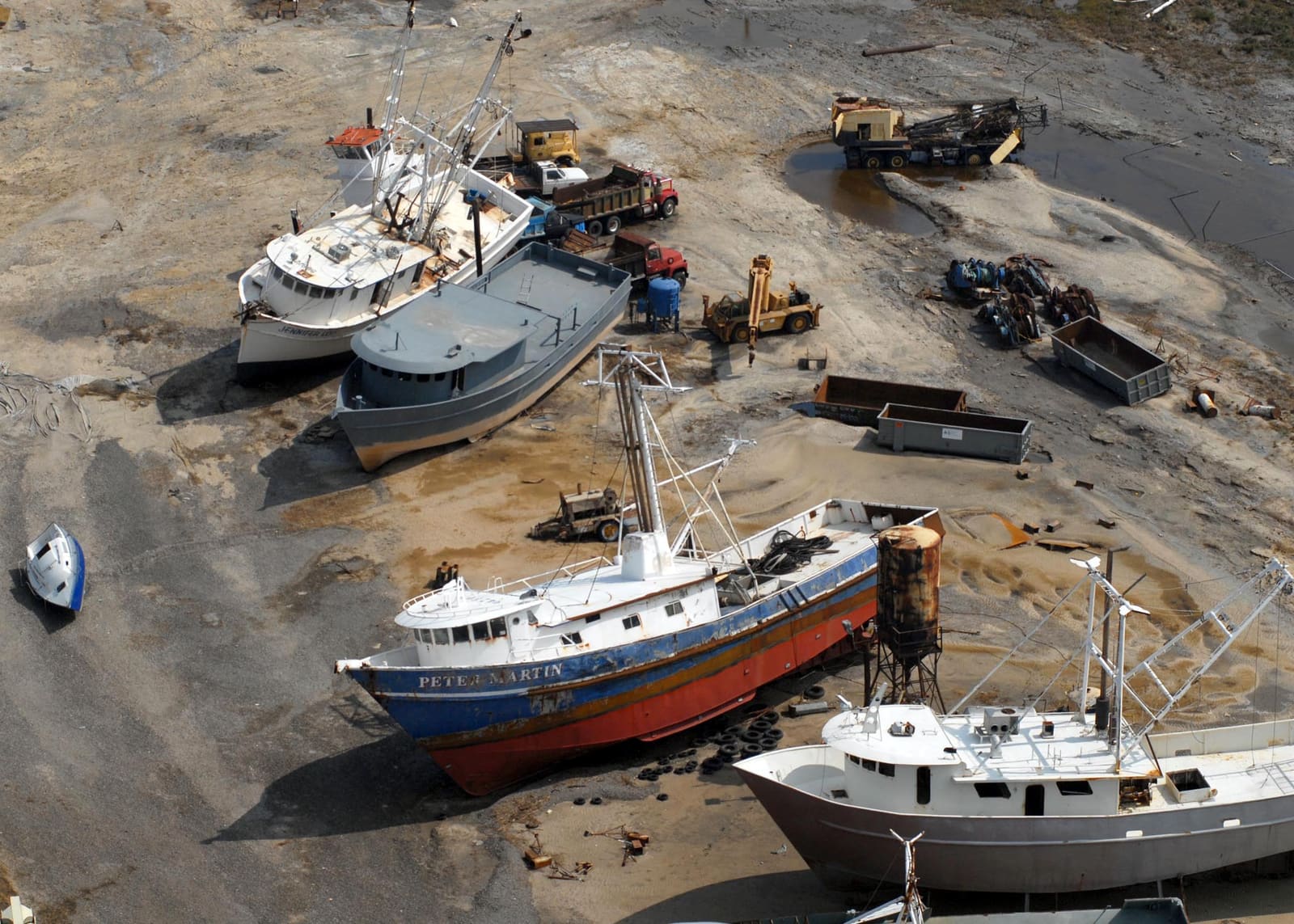
Boat Insurance Policy Basics: Agreed Value vs Actual Cash Value, Navigation Limits, Storm Deductibles and Exclusions
Learn to read a boat insurance policy before you need it: agreed value versus actual cash value, navigation limits and lay-up periods, named storm deductibles, towing, salvage and wreck removal, liability limits, and the exclusions that cause most claim surprises. General information, not legal or insurance advice.
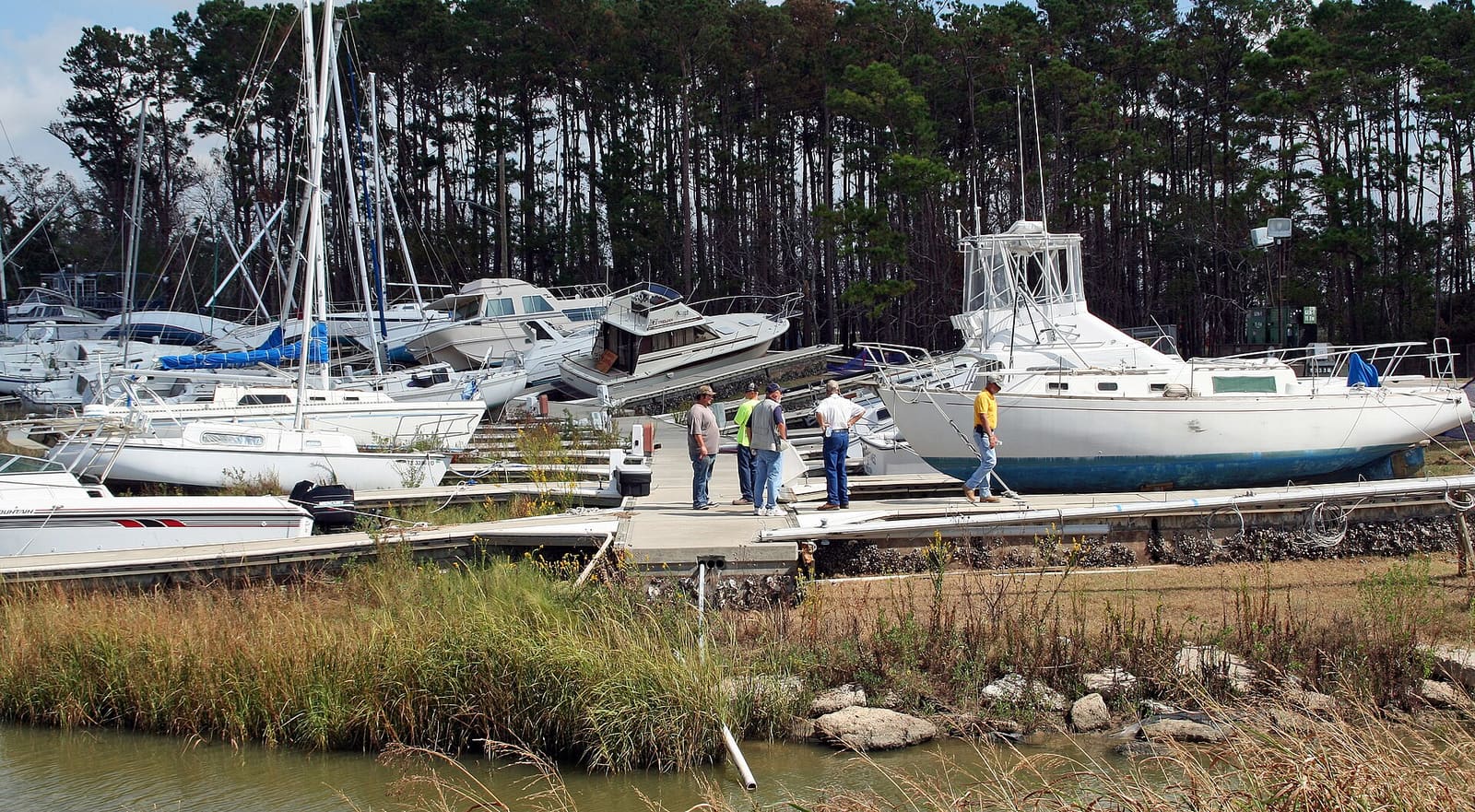
How to File a Boat Insurance Claim: Safety, Mitigation, Documentation and Settlement
What to do from the moment something goes wrong until the check arrives: make everyone safe, stop further damage, report right away, document with photos and your maintenance log, handle towing versus salvage, work with the adjuster or surveyor, and understand agreed value, actual cash value and the common exclusions. Policies differ, so your own policy wording always wins.
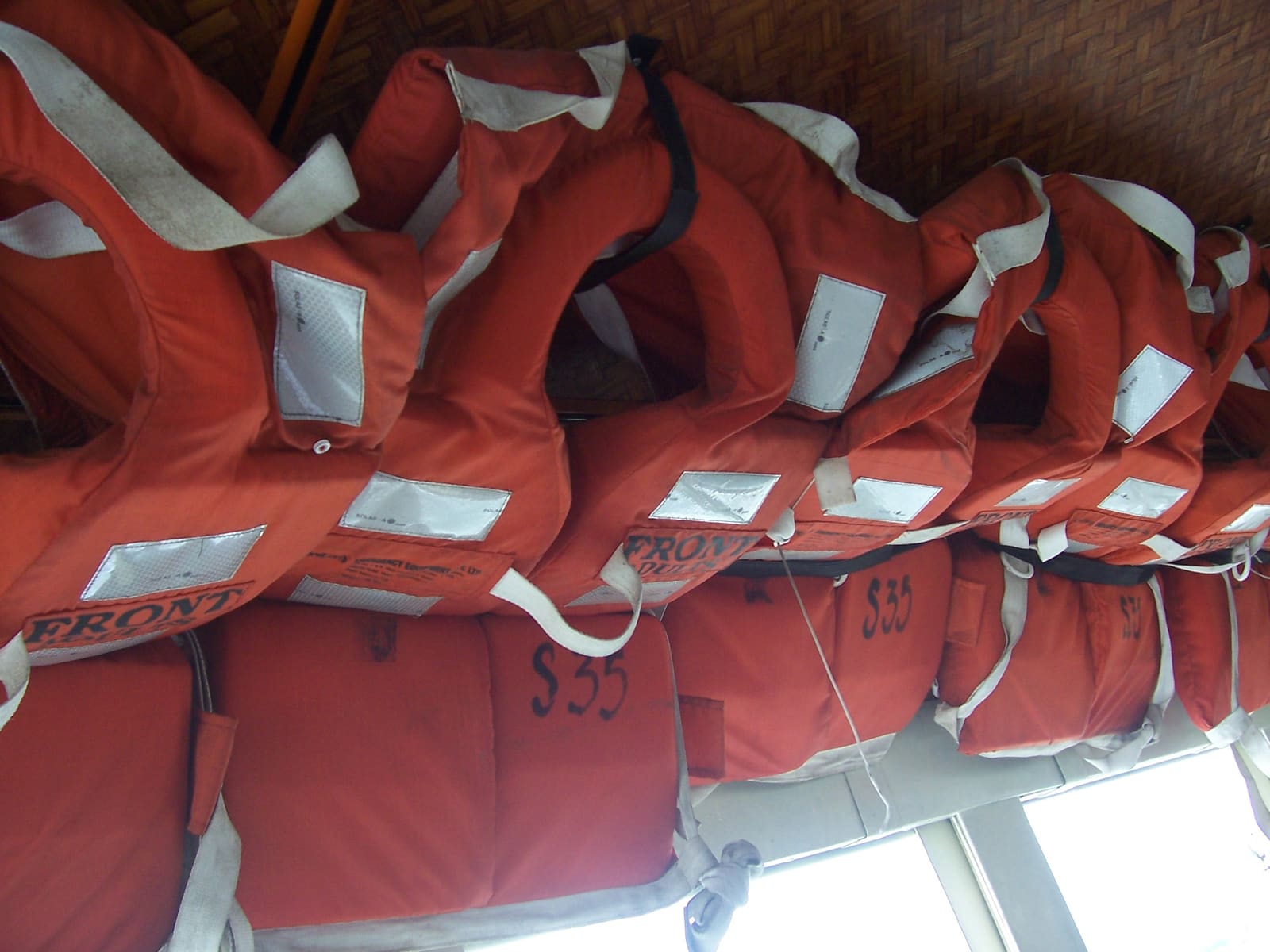
The Pre-Departure Safety Briefing: What to Tell Every Passenger (with a Printable Checklist)
A five-minute talk before you leave the dock turns guests into a crew that can help in an emergency. Cover life jackets, the engine cut-off switch, the fire extinguisher, how to call for help on the VHF, what to do if someone falls overboard, staying seated, seasickness and carbon monoxide near the stern, then use the printable checklist every trip.
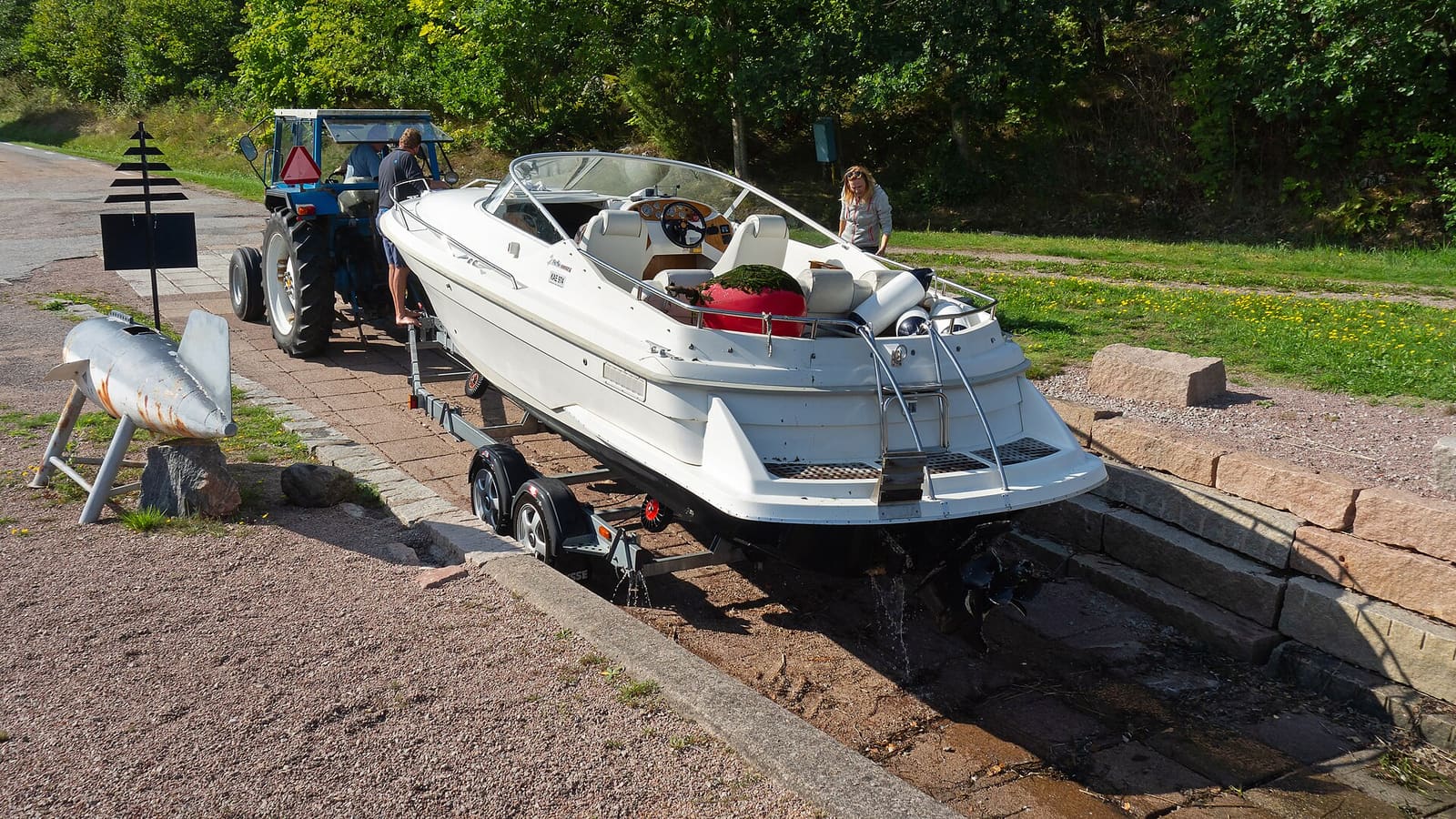
The Real Cost of Owning a Boat: Building a Yearly Budget and Cutting Costs with DIY
Add up what a boat really costs each year (storage, insurance, fuel, maintenance, winterizing, registration, depreciation and the surprise repair), check it against the common rules of thumb, and find the places where do-it-yourself work and smarter choices save real money. Practical planning help, not financial advice.
Boater Education Cards: Who Needs One, How to Get It and When It Works in Other States
Most states require some boat operators to complete an approved boating safety course and carry proof. Learn how to find your state's rule (age, horsepower, boat type), pick a NASBLA-approved course, get the card, use it when you visit other states, and what rental and other exemptions usually look like. Practical guidance, not legal advice.
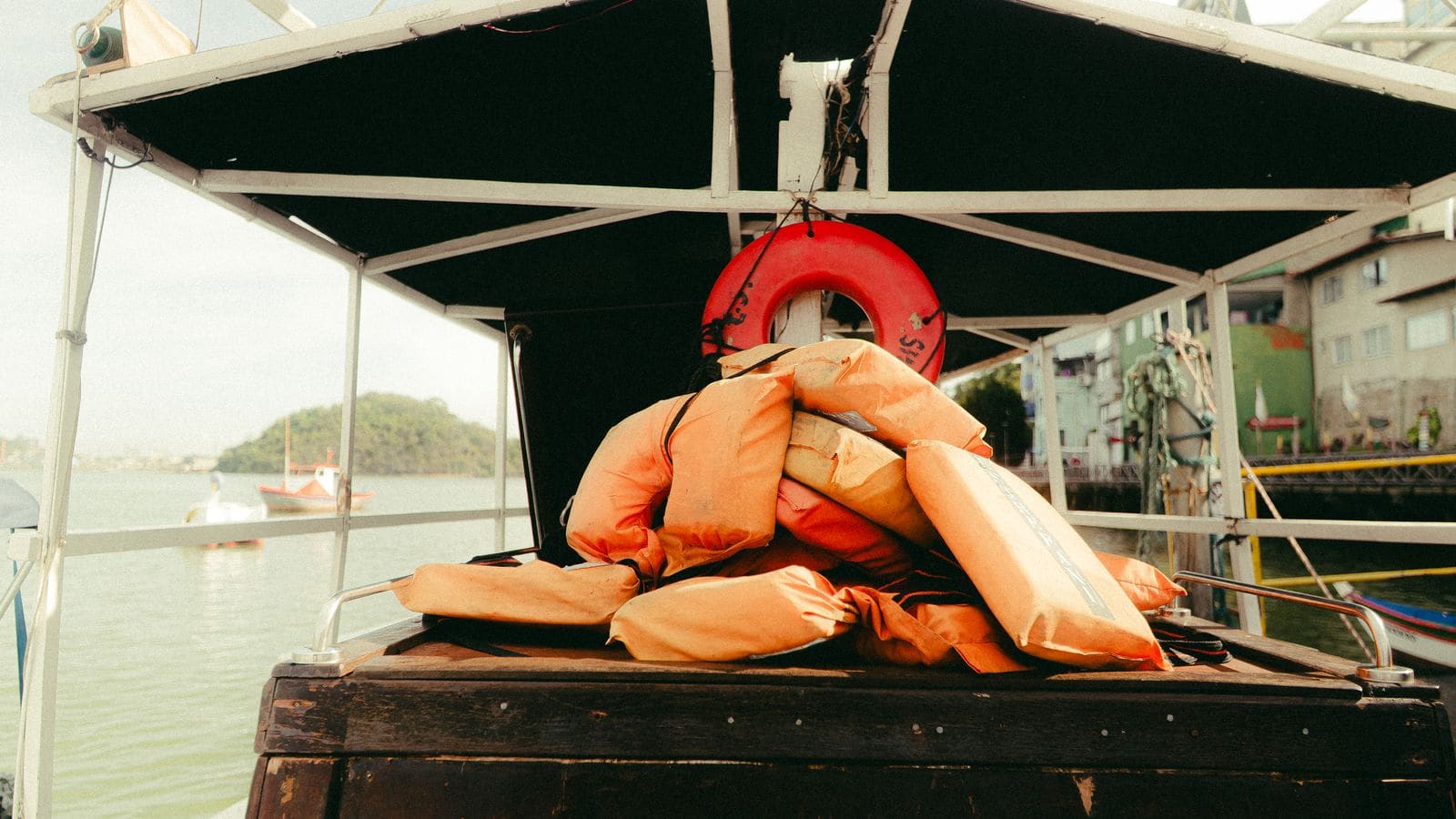
USCG Required Safety Equipment Check by Boat Length
Walk through your boat and confirm you carry every piece of safety gear the US Coast Guard requires for your boat's length and type, and that none of it is expired or worn out. Missing or expired gear is one of the most common tickets on the water, and it is the gear you need when things go wrong.

How to Keep a Boat Maintenance Log and Organize Your Receipts
Set up a simple maintenance log that records the date, engine hours, work done, parts and who did it, and keep receipts and photos organized. Good records help with warranty and insurance claims, show buyers the boat was cared for and reveal wear patterns before something fails.
Sharing a Boat: Co-Ownership Agreements, Partnerships and Boat Club Alternatives
How to share a boat without losing a friend: choosing a partner, what a written agreement should cover (shares, costs, scheduling, maintenance standards, insurance, title, decisions and the exit), how to handle the inevitable disagreements, and when a boat club, rental or peer-to-peer option makes more sense. Practical guidance, not legal or tax advice.
Owning a Boat in an LLC or Trust: Reasons, Registration, Coast Guard Documentation, Taxes and Insurance
Why some owners put a boat in an LLC or a trust, what it does and doesn't do for liability, how it changes state titling and Coast Guard documentation, why states go after out-of-state LLC tax schemes, and how to keep the insurance, loan and paperwork lined up. General information, not legal or tax advice.
Engine Cut-Off Switch (Kill Switch) and Lanyard: The Law, Testing and Daily Use
How the engine cut-off switch (ECOS) and its lanyard or wireless fob work, when federal law requires you to wear it (boats under 26 feet, 3 hp or more, on plane), how to test it before every trip, and why a spare clip aboard matters.