Roadside Trailer Repairs: Carrying a Spare Hub and Changing a Hub or Tire Safely
Why a pre-greased spare hub and a real spare tire belong in every boat-trailer kit, how to pick the right ones, and how to change a failed hub or a flat on the shoulder without getting hurt: getting off the road, warning triangles, chocks, frame jack points, a lug wrench that fits, and the checks to make afterward.
Time
1 h
Shop would charge
$150-400
Applies to
All engines
Safety first: The shoulder of a highway is one of the most dangerous places you can work. If you can't get well clear of traffic, on firm and level ground, don't do the repair: stay away from the traffic side, and call roadside assistance or 911. Never put any part of your body under a trailer held up only by a jack. A hub that's smoking or glowing can start a fire; keep people back and let it cool.
Fuel smell, water coming in, CO alarm or smoke? Stop, get everyone in life jackets and call USCG on VHF 16 or 911. For a tow: Sea Tow or TowBoatUS.
Owners often ask
- Should I carry a spare pre-greased hub for my boat trailer, and which one do I need?
- Where do I put the jack to change a flat on my boat trailer?
This guide walks you through it. Still stuck? Ask the AI Mechanic about your engine.
Tools
- Lug wrench or breaker bar and socket that fit the trailer's lug nuts (often not the same size as the tow vehicle's)
- Bottle jack or trailer jack rated for the loaded trailer, or a tire-changing ramp for tandem axles
- Wheel chocks (two)
- Warning triangles or flares, and a reflective vest
- Flashlight or headlamp
- Channel-lock pliers, needle-nose pliers and a small hammer
- Torque wrench (for the lug nuts, to your trailer or wheel maker's spec)
- Gloves, rags and a trash bag
Parts & supplies
- Spare tire and wheel that match the trailer (size, load range, bolt pattern), properly inflated
- Pre-greased replacement hub (or hub-drum for braked axles) that matches your axle's capacity and spindle
- New cotter pins and a spare grease cap
- Marine wheel-bearing grease
- Spare lug nuts
Before you start
Wheel bearings and tires are the two failures that strand trailer boaters most. Bearings sit in hubs that get dunked at the ramp, and BoatUS explains why: a hot hub plunged into cold water pulls water in past the seals. A worn bearing can overheat and seize, and in the worst case the hub and wheel come off the spindle.
The fix on the road is usually not repacking bearings in the gravel. It's swapping in a complete pre-greased hub. Dexter, a major axle maker, sells pre-greased hub and hub-drum kits with the bearings already packed and the seal installed, plus the cap, spindle hardware and lug nuts, and says that saves about 30 minutes per hub. BoatUS's trailer toolkit list also suggests a spare set of bearings, and a properly inflated spare tire that fits the trailer.
Prepare at home, not on the shoulder:
- Know your axle. Find the axle capacity and the spindle/bearing size (see our trailer axle identification guide). Dexter's pre-greased kits are made for specific axle capacities (its kit page lists the 2,200 to 7,000 lb range as of October 2026).
- Photograph the axle label. On Dexter sprung and Torflex axles, the label is on the side of the axle facing the rear bumper and shows the model, capacity and serial number. If it's worn off, Dexter says the nine-digit serial number is etched into the axle tube near the center on the rear side; rubbing chalk over it helps you read it. Take the photo with you when you buy the spare hub, so the parts counter can match it.
- Brakes or not. An axle with brakes needs a hub-drum (or hub-rotor) that matches the brakes, not a plain idler hub.
- Check the lug wrench. Make sure a wrench in your vehicle actually fits the trailer's lug nuts. Many don't.
- Check the jack. Your vehicle's jack may not lift a loaded trailer. BoatUS suggests packing a hydraulic jack or a suitable trailer jack if it won't.
- Practice once in your driveway, as BoatUS recommends for all emergency gear.
Steps
Stop at the next safe place if you notice:
- A hub much hotter than the others when you check at a fuel stop (BoatUS lists this as a bearing warning; a dragging brake can also cause it)
- Grease slung on the inside of the wheel rim, the fender or the boat's hull near the wheel
- A grease cap that has popped off
- Grinding, growling or squealing from a wheel, smoke, or a burning smell
- The trailer wandering or a wheel visibly wobbling
A wobble or smoke means stop now, not at the next exit.
Signal, slow down gradually and pull as far off the road as you can, onto level, firm ground. An exit ramp, rest area or parking lot is far better than a highway shoulder. Turn on the hazard flashers. Put the vehicle in park, set the parking brake and turn off the engine.
If the failed wheel is on the traffic side and you can't get far enough away from traffic, don't work there. Call for help.
Put on a reflective vest. BoatUS suggests placing warning triangles or flares in a row starting about 100 feet behind the trailer. On a curve or hill, place them farther back so approaching drivers get warning. Keep passengers out of the vehicle on the traffic side, well away from the road.
Look at the problem before you commit:
- Flat tire: usually a roadside job if you have a good spare and a safe spot.
- Failed bearing, hub still on and spindle undamaged: a hub swap is possible if you have the right spare hub and tools.
- Hub came off, spindle is scored, bent or blue from heat, or the bearing has welded itself to the spindle: not a roadside job. The axle or spindle needs replacing. Call a trailer shop or roadside service.
If you have BoatUS Trailer Assist or Sea Tow Trailer Care, now is the time to call; both cover help with trailer flats and breakdowns within their limits (see our towing membership guide).
Chock the wheels on the side that will stay on the ground, front and back, so the trailer can't roll. On a single-axle trailer, chock the opposite wheel. On a tandem, chock the other wheels on the same side and the opposite side. Leave the trailer hitched to the vehicle.
With the wheel still on the ground, break each lug nut loose about a half turn, turning counterclockwise for standard threads. BoatUS reminds owners to loosen the nuts before lifting the wheel. Doing it in the air just spins the wheel.
- Tandem axle: a tire-changing ramp is the simplest and safest option. Drive the good tire on the same side up onto the ramp, and the flat or failed wheel lifts off the ground. BoatUS notes ramps only work on twin-axle trailers.
- Single axle (or no ramp): use a jack under the trailer frame, close to the wheel, on firm ground. Dexter recommends jacking only on the frame, not on springs, hangers or the axle tube, because those can bend and throw the axle out of alignment. Check your trailer maker's instructions for jack points.
- Lift only enough to get the wheel off. Put a jack stand or solid block under the frame if you have one. Never reach or crawl under the trailer.
- Remove the lug nuts and pull the wheel off. Keep the nuts in a pocket or cup.
- Fit the spare, making sure it's the right size and load range.
- Thread all lug nuts on by hand, cone side toward the wheel if your nuts are tapered.
- Snug them in a star (crisscross) pattern.
- Lower the trailer, then tighten in a star pattern to the torque in your trailer or wheel maker's spec. If you don't have a torque wrench with you, tighten firmly with the lug wrench and get them torqued at the first chance.
If you're swapping a hub:
- Remove the wheel (step 8).
- Pry or tap off the grease cap (or bearing protector).
- Straighten and pull out the cotter pin with pliers. Remove the spindle nut retainer (if any), the spindle nut and the washer.
- Slide the hub off the spindle, keeping it level. The outer bearing may fall out; catch it if you can, so you can show the shop.
- Brake axles: back off the brake adjustment if the drum won't slide off, and don't damage the brake wiring.
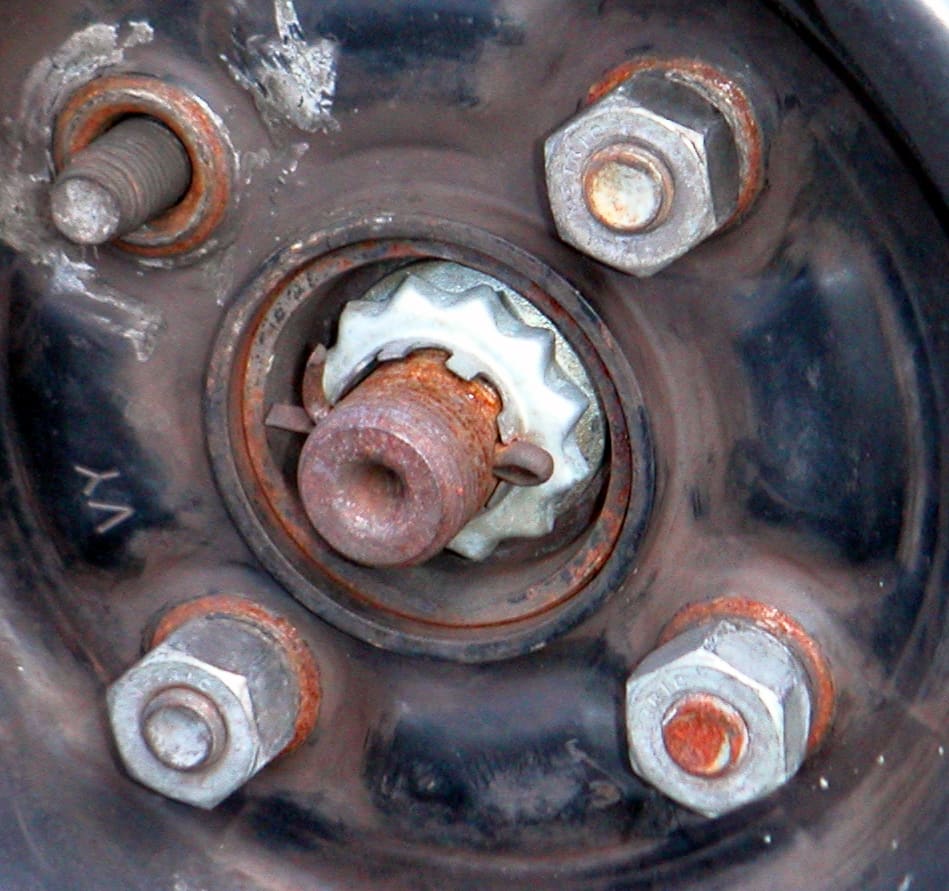
Photo: Polyparadigm / Wikimedia Commons · CC BY-SA 3.0 Wipe the spindle clean and look closely:
- Smooth and evenly colored: OK to fit the spare hub.
- Scored, pitted, bent, blued from heat, or with the old inner bearing or seal stuck on it: stop. BoatUS says spindles and bearings must be perfectly smooth; a damaged spindle will quickly ruin a new hub. Call for a tow or a trailer shop.
Make sure the old inner seal and any bits of bearing came off with the hub.
- Put a light coat of grease on the spindle where the bearings and seal sit.
- Slide the new hub on straight and gently so you don't damage the seal.
- Fit the washer and spindle nut.
- Set the bearing adjustment exactly as the hub kit's instruction sheet says. The general method BoatUS describes: tighten the nut while turning the wheel to seat the bearings, then back it off slightly and lock it with the cotter pin. Don't guess at a tighter setting; overtight bearings overheat.
- Use a new cotter pin and bend its legs over. Tap the grease cap on squarely.
- Refit the wheel and lug nuts as in step 8.
Remove the chocks only after the trailer is back on the ground and everything is tight. Collect the triangles. Then:
- Drive slowly for the first few miles and stop at a safe place.
- Carefully feel near each hub (back of your hand close to it first; a bad hub can be very hot). The new hub should be no hotter than the others.
- Recheck lug nut tightness. Dexter explains that trailer wheels need re-torquing several times after mounting until the torque stabilizes, so follow your trailer or wheel maker's re-torque schedule.
- If a hub runs hot, stop and recheck the bearing adjustment, or get help.
- Replace the spare hub and spare tire before the next trip.
- Have the trailer shop check the other hubs. Bearings of the same age often fail close together.
- Consider bearing protectors or an oil-bath/sealed hub upgrade (see our hub upgrade guide).
- Check the brakes on that wheel if it ran hot.
Common mistakes
- Carrying a spare hub that doesn't match the axle capacity, spindle or brakes.
- Carrying a spare tire that's flat, dry-rotted or the wrong size.
- Finding out on the shoulder that the vehicle's lug wrench doesn't fit the trailer.
- Jacking on the springs or axle tube, or under a trailer on soft ground.
- Lifting the wheel before loosening the lug nuts.
- Reusing an old cotter pin.
- Putting a new hub on a scored or heat-damaged spindle.
- Overtightening the spindle nut "to be safe."
- Ignoring a hot hub at fuel stops until the wheel comes off.
When to call a pro
- You can't get well away from moving traffic
- The hub or wheel came off, or the spindle is scored, bent, blued or welded to the bearing
- Brake parts are damaged or the brake drum won't come off
- Smoke or fire from a hub (call 911 for a fire)
- The jack can't safely lift the loaded trailer, or the ground is soft or sloped
- After any roadside hub swap: have a shop inspect the axle and bearings before the next long trip
Tips
- Keep the spare hub sealed in its box or a plastic bag with new cotter pins and a grease cap, and store it in the tow vehicle, not under the boat.
- Mark the right socket size on the trailer tongue with paint pen.
- Some trailers have a spare tire carrier; check its lock and the spare's pressure at every fuel stop on long trips.
- At every stop, walk around the rig and hold the back of your hand near each hub.
- Photos of your hub, cap and axle label on your phone make ordering the right parts much easier.
Official references
We read these to write this guide. Your engine's own manual always wins.
- BoatUS – Boat Trailer Toolkit (tow-vehicle kit, triangles, ramps, spare bearings)
- BoatUS – Hubs and Bearings (signs of bearing wear)
- Dexter – Pre-Greased Trailer Hub Replacement Kit
- Dexter – Pre-Greased Hub and Hub-Drum Kits
- Dexter – General FAQs (jacking, wheel re-torque)
- Dexter – How to Read an Axle Label
- BoatUS – Boat Towing FAQ (Trailer Assist)
- Sea Tow – Membership Agreement (Trailer Care)
Safety: BoatMend is for information only and does not replace a certified marine technician. You are responsible for your safety and your boat. Read the full disclaimer.
Last updated 2026-10-26
Related guides
How to Inspect and Repack Boat Trailer Wheel Bearings
Check, clean and repack your trailer's wheel bearings so a seized hub does not leave you stranded on the highway. Boat trailers get dunked in water every launch, which makes their bearings fail far more often than those on dry utility trailers.
Upgrading Boat Trailer Hubs: Grease-Through Spindles, Oil Bath, Protectors and Pre-Packed Kits
Choose the right hub setup for how you use your trailer, swap in a pre-packed hub kit, adjust it correctly and know when the axle itself is the real problem. Better hubs mean fewer roadside bearing failures and less time with greasy hands.
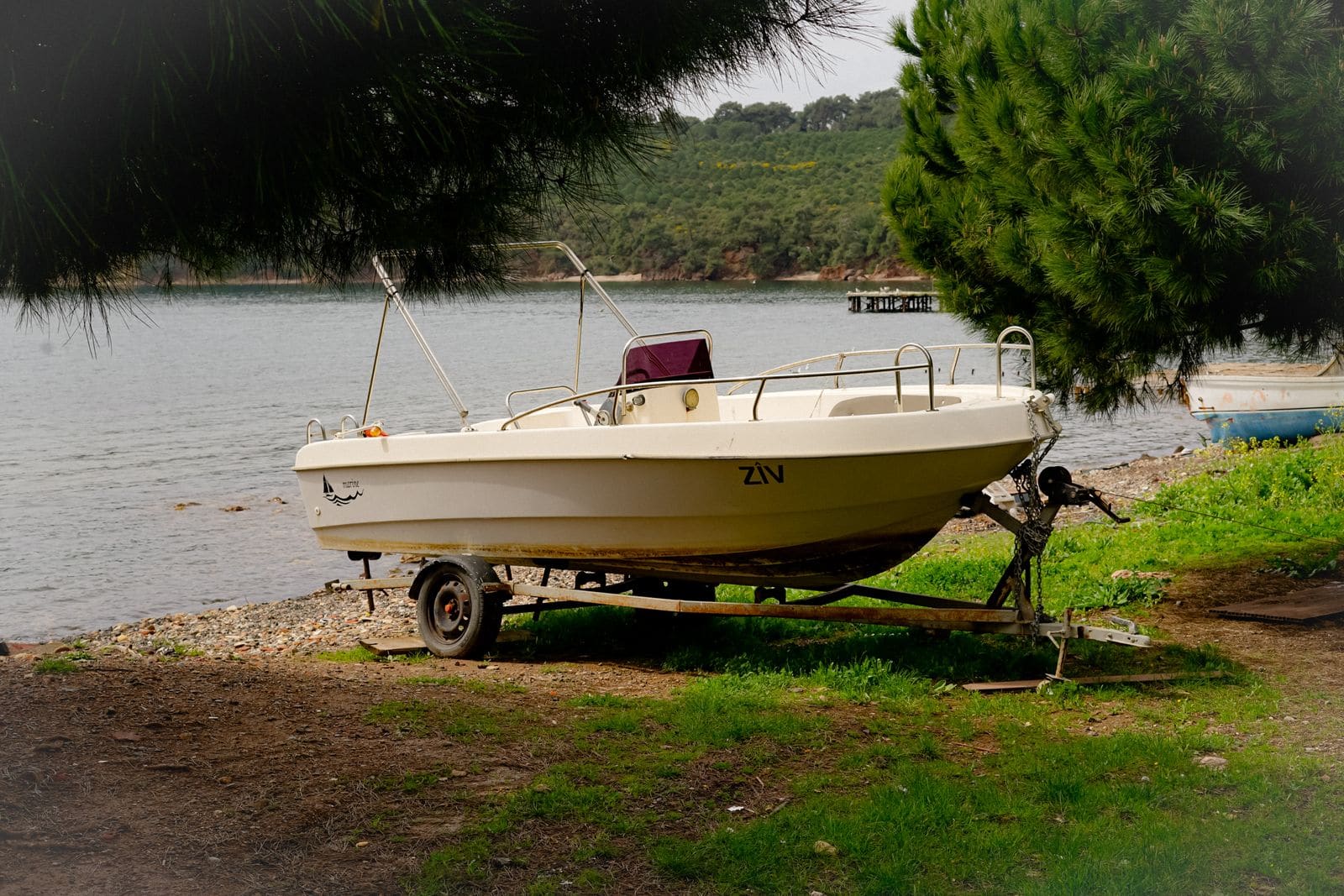
How to Inspect, Inflate and Replace Boat Trailer Tires
Check your trailer tires the way the pros do: the right type (ST), the right load range, the right cold pressure, and an honest look at their age. Tires are the number one reason boat trailers end up on the side of the highway.
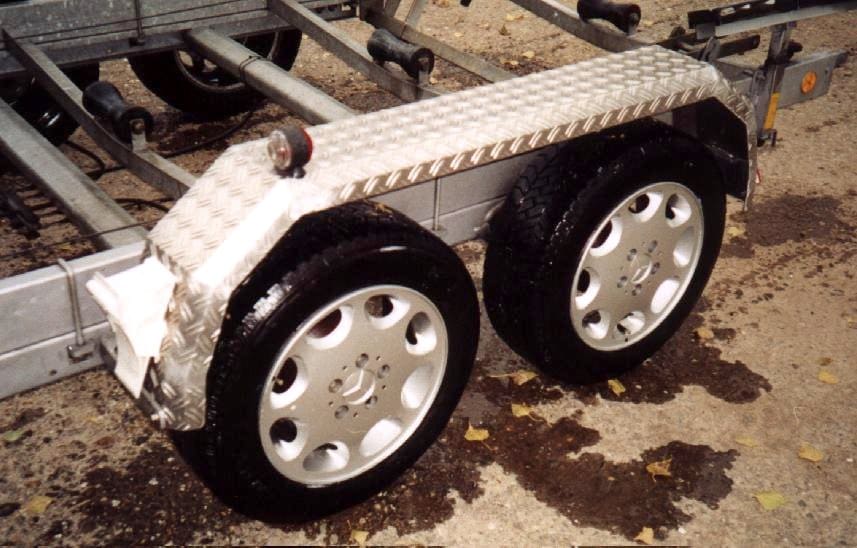
How to Identify Your Boat Trailer Axle and Order the Right Parts
Find your trailer's VIN plate and axle lot number, take the key measurements (hub face, spring centers), read the numbers on your bearings and seals, and figure out the brake and hub type, so the parts store sells you parts that actually fit.
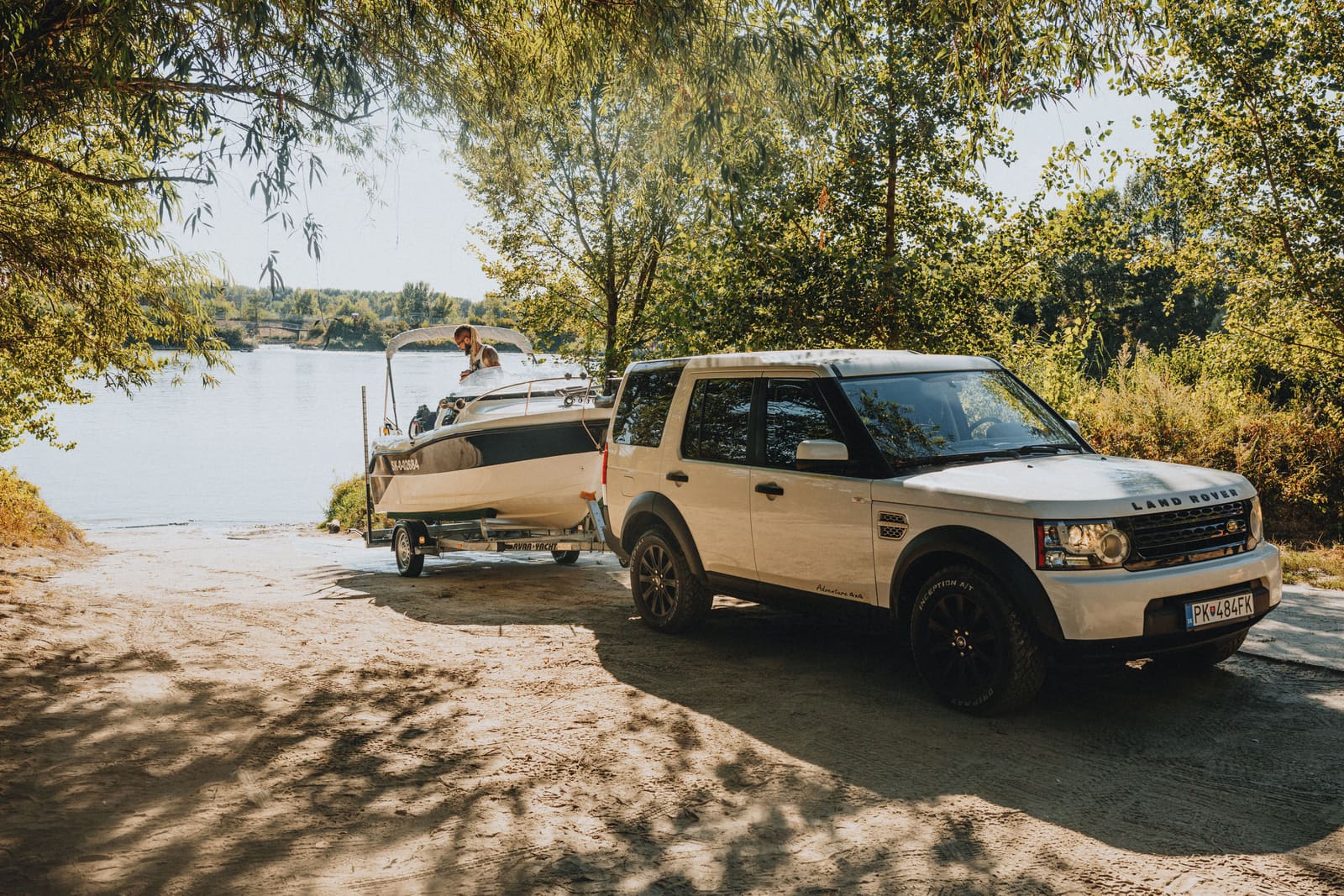
Get Your Boat Ready for the Road: Pre-Trailering Checklist
Most trailering trouble starts in the driveway: an engine left without support, a loose strap, a cover that balloons at 60 mph, gear that blows out or tongue weight that makes the rig sway. Work through this checklist before every trip and do a quick walkaround at each stop.
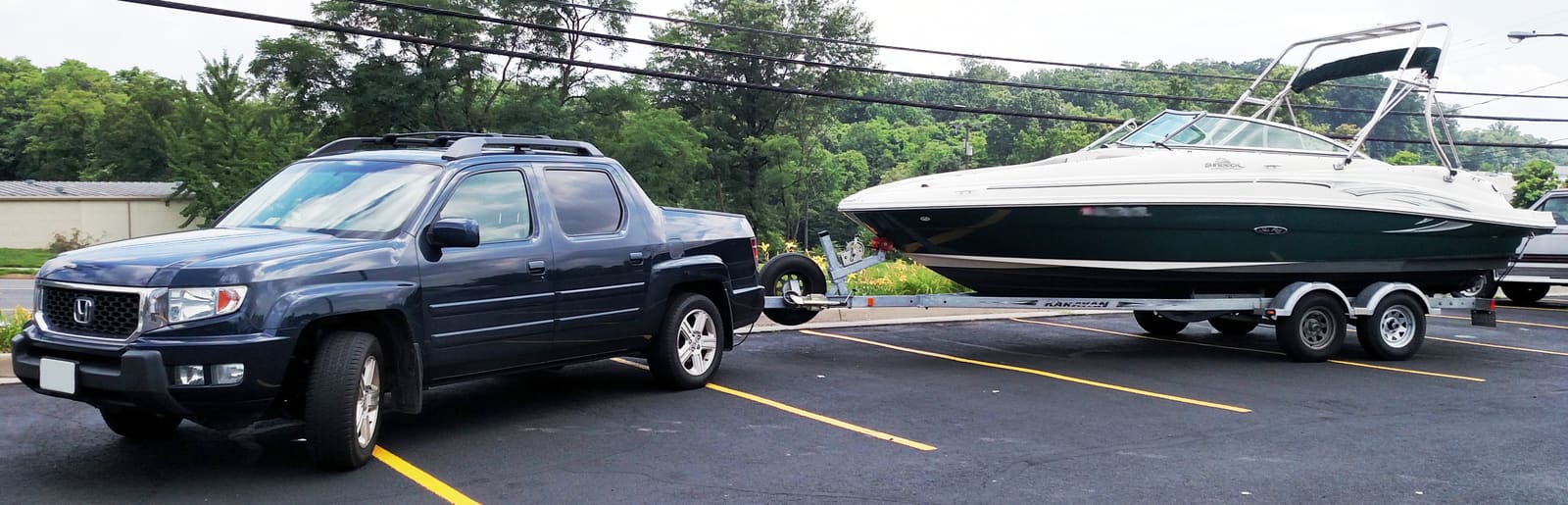
Boat Damaged While Trailering: What to Do on the Road or at the Ramp, Insurance, and Hidden Damage Checks
Step-by-step help after a crash, blowout, sway accident or ramp mishap with your boat on the trailer: making the scene safe, police reports, photos, which insurance usually pays (your auto policy, your boat policy's trailer coverage, or the other driver's insurer), and how to inspect the trailer, hull, drive and bunks for damage you can't see at first. Policies and state rules vary, so your own policy wording and state law win.

On-Water Towing Plans: BoatUS vs. Sea Tow vs. Your Insurance Towing Coverage
Compare a BoatUS or Sea Tow towing membership with the towing coverage on an insurance policy: what each pays for (tows, soft ungroundings, jump-starts, fuel delivery), why hard groundings and sinkings are salvage that only hull insurance covers, how to call for help, and what to have ready when you do.
Onboard Tool Kit and Spare Parts: What to Carry on a Day Boat or a Cruiser
Build a tool kit and spares box that fits your boat and how far you go. A blown fuse, a clogged fuel filter or a dinged prop shouldn't end the day or turn into an expensive tow.
How to Check and Care for Boat Trailer Surge Brakes
Understand how the hydraulic surge brakes on your boat trailer work, check the fluid, use the reverse lockout correctly and rinse salt out of them after every dunk. Simple habits that keep the brakes from seizing, dragging or failing when you need them.
How to Inspect a Used Boat Trailer Before You Buy
A worn-out trailer can turn a good boat deal into hundreds or thousands in repairs, or a breakdown on the way home. Walk through the capacity plate and VIN, frame, axle and springs, hubs, brakes, tires, lights, coupler, winch and bunks, and the title paperwork before you hand over the money.