Repair & maintenance guides
Plain-English, step by step, written for owners. Pick your engine to see the guides that apply to it.
267 of 509 guides · page 11 of 12
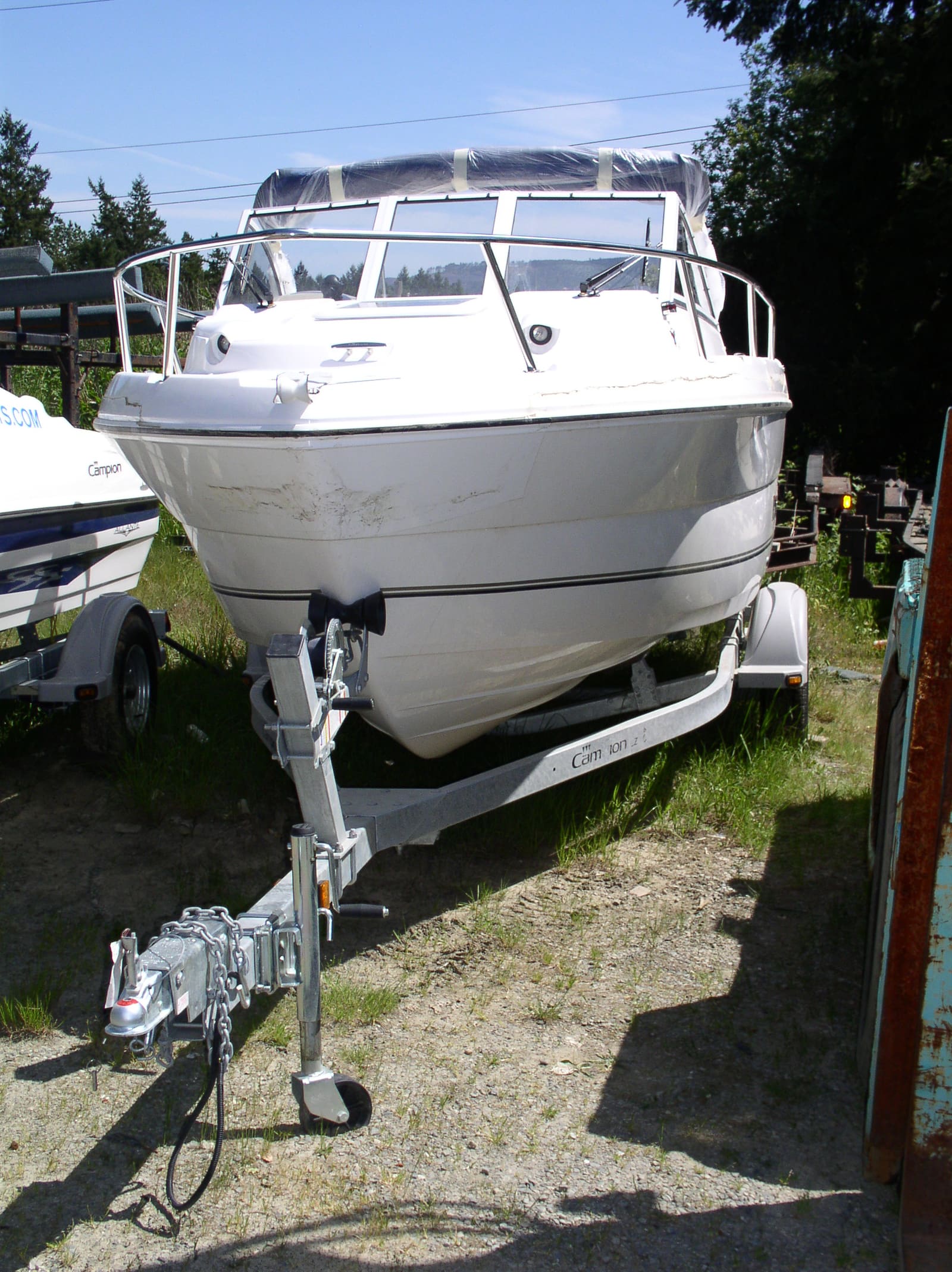
Taking Delivery of a New Boat: Dealer PDI, Paperwork, Sea Trial and First Service
What to check before you sign for a new boat: the dealer's pre-delivery inspection, the HIN and title paperwork, warranty registration, required safety gear, a systems walk-through and a real sea trial. Then break the engine in properly and book the first service so the warranty stays intact.

Taking Your Boat to Another State: Registration Reciprocity, Visitor Time Limits and Nonresident Permits
Your home-state registration lets you boat in other states, but only for a while, and some states add their own visitor permits, use-tax permits and invasive species stickers. Learn how federal reciprocity works, real examples from Texas, Florida, Washington and Oregon, and a checklist for a vacation trip or a season away. General information, not legal advice.
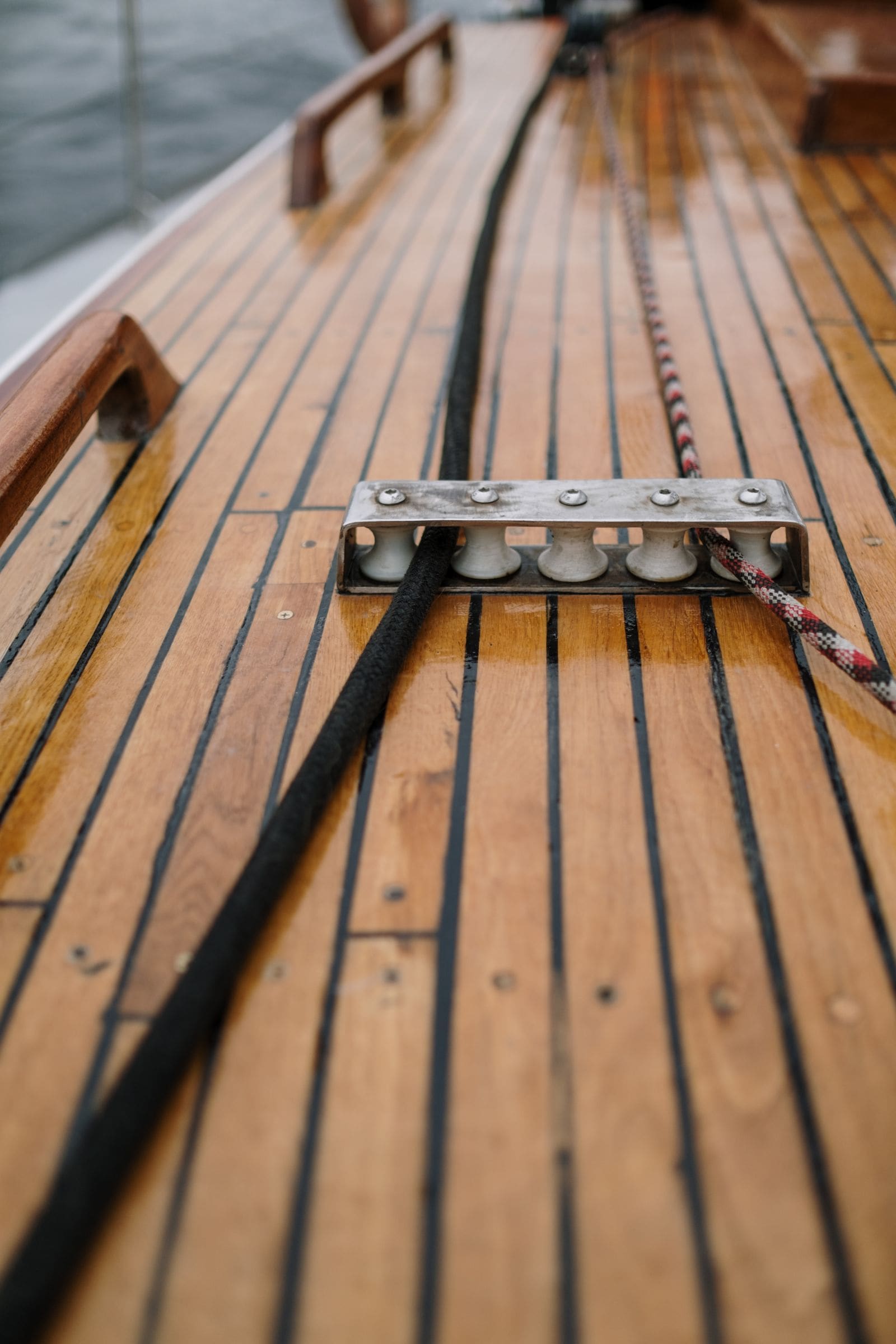
Teak Deck and Trim Care: Clean, Oil, Seal or Leave It Natural
Keep teak decks, rails and trim looking good without wearing them away. Choose between a natural gray look, oil, sealer or varnish, and learn how to clean teak gently so you don't destroy it with harsh cleaners or a pressure washer.
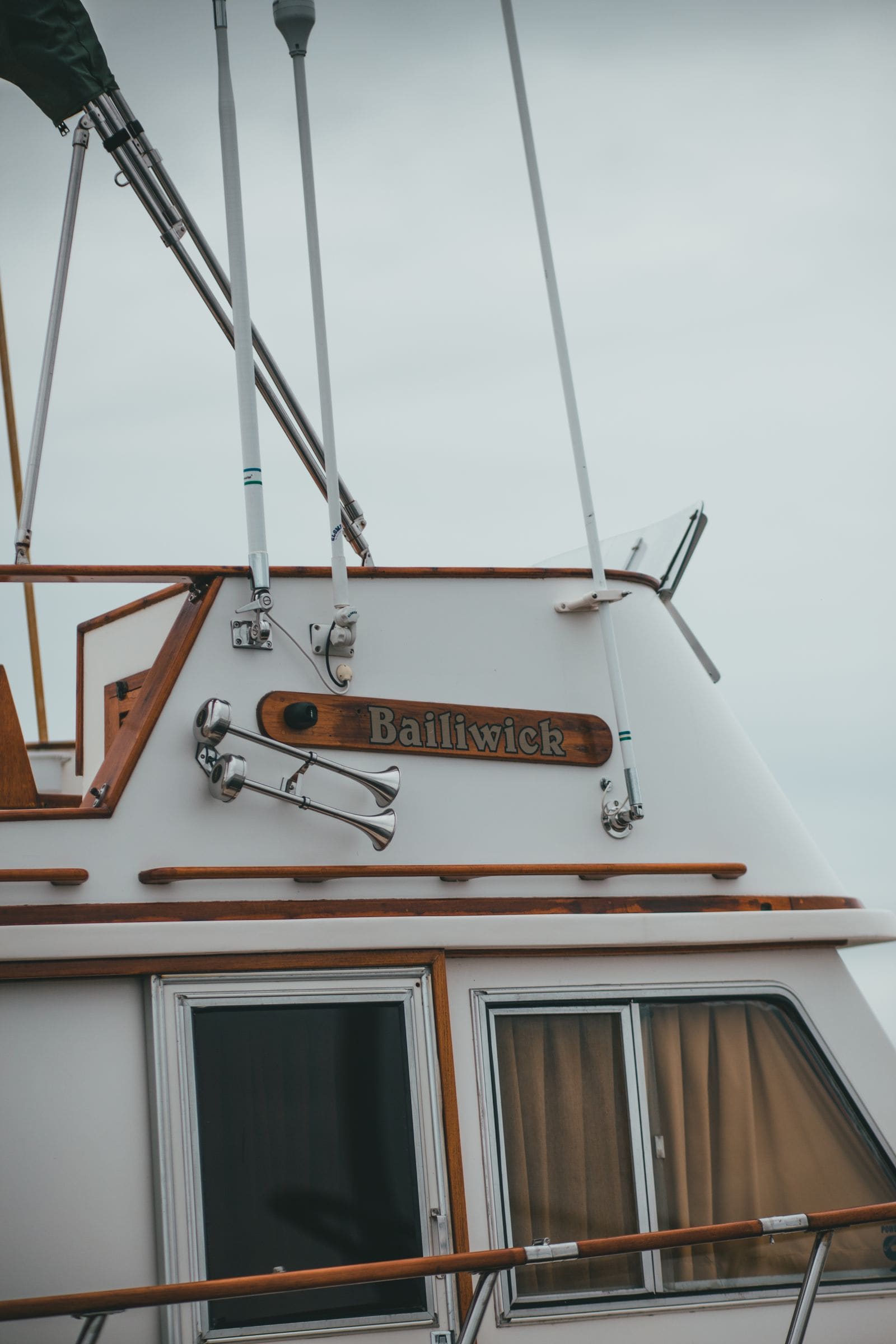
Testing Your VHF Antenna and Coax: Radio Checks, SWR, Connectors and Mounts
Most weak or scratchy VHF radios have nothing wrong with the radio. Learn how to test the whole antenna system, from a proper radio check and a DSC test call to a multimeter and SWR meter, how to find corroded connectors and wet coax, and when to replace the cable, antenna or mount.
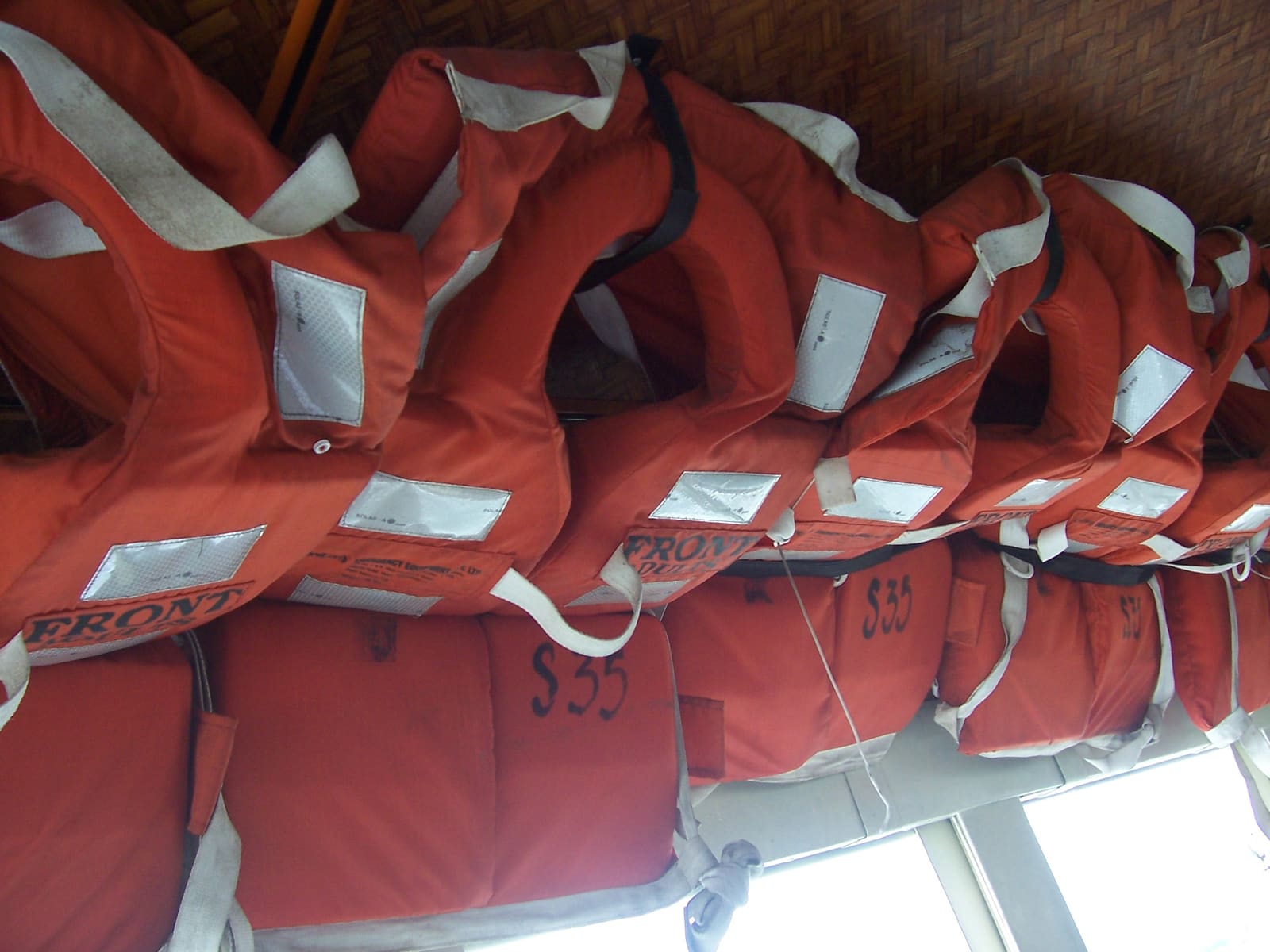
The Pre-Departure Safety Briefing: What to Tell Every Passenger (with a Printable Checklist)
A five-minute talk before you leave the dock turns guests into a crew that can help in an emergency. Cover life jackets, the engine cut-off switch, the fire extinguisher, how to call for help on the VHF, what to do if someone falls overboard, staying seated, seasickness and carbon monoxide near the stern, then use the printable checklist every trip.
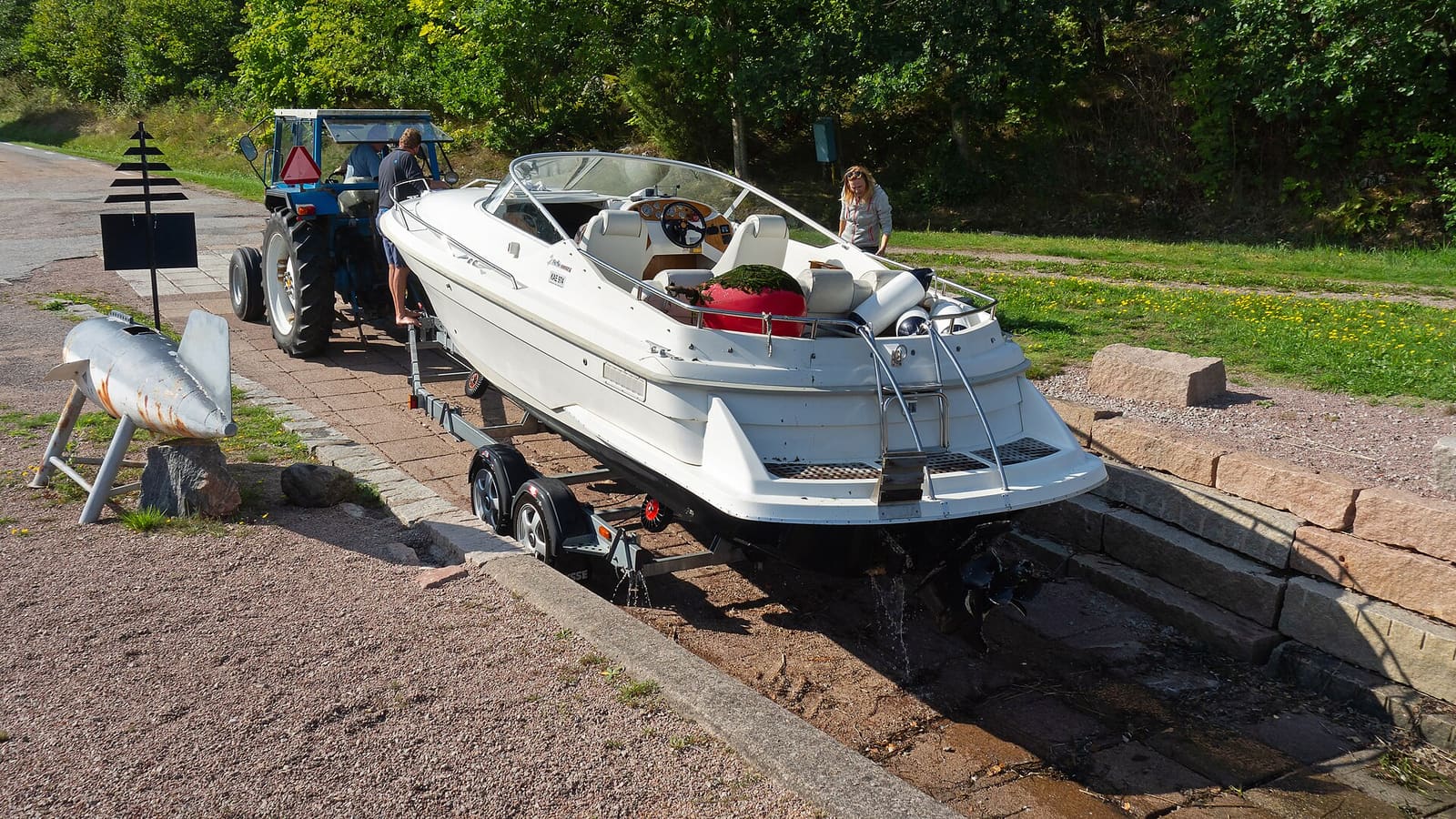
The Real Cost of Owning a Boat: Building a Yearly Budget and Cutting Costs with DIY
Add up what a boat really costs each year (storage, insurance, fuel, maintenance, winterizing, registration, depreciation and the surprise repair), check it against the common rules of thumb, and find the places where do-it-yourself work and smarter choices save real money. Practical planning help, not financial advice.

Tow Ropes, Tubes and Watersports Gear: Inspect, Rig and Retire
Check ski, wakeboard and tube ropes, handles, towable tubes and your boat's tow points before every outing, rig them the right way, and know when to throw gear out. Includes the safety basics (spotter, flag, life jackets, prop and carbon monoxide) that vary from state to state.
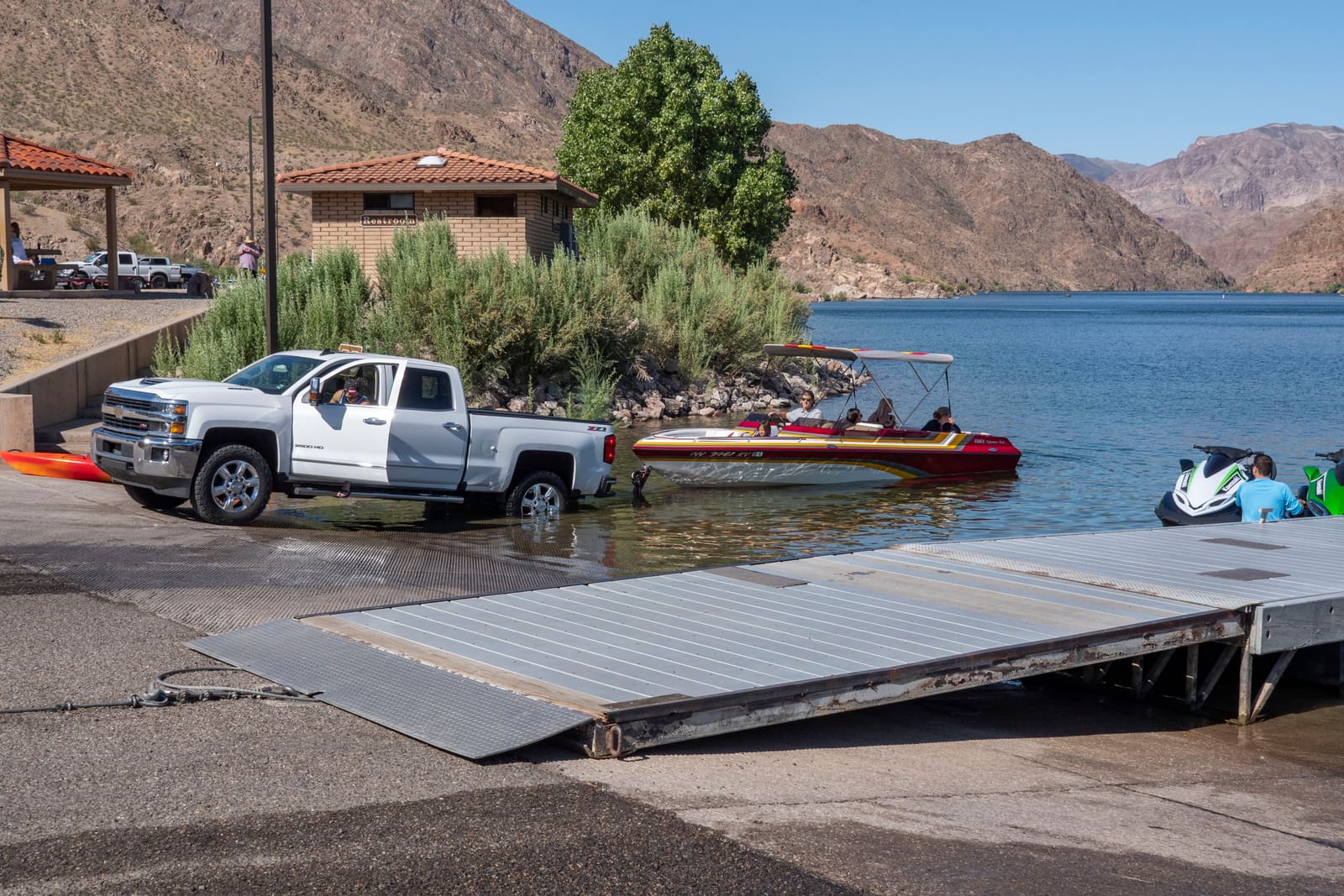
Tow Vehicle Maintenance for Boat Owners (Transmission, Differential, Brakes, Hitch)
Keep the truck or SUV that pulls your boat ready for the job: follow the severe-service schedule, protect the transmission from heat, check the rear differential for ramp water, keep brakes, tires, hitch and wiring in shape, and rinse salt off the underside after every saltwater launch.
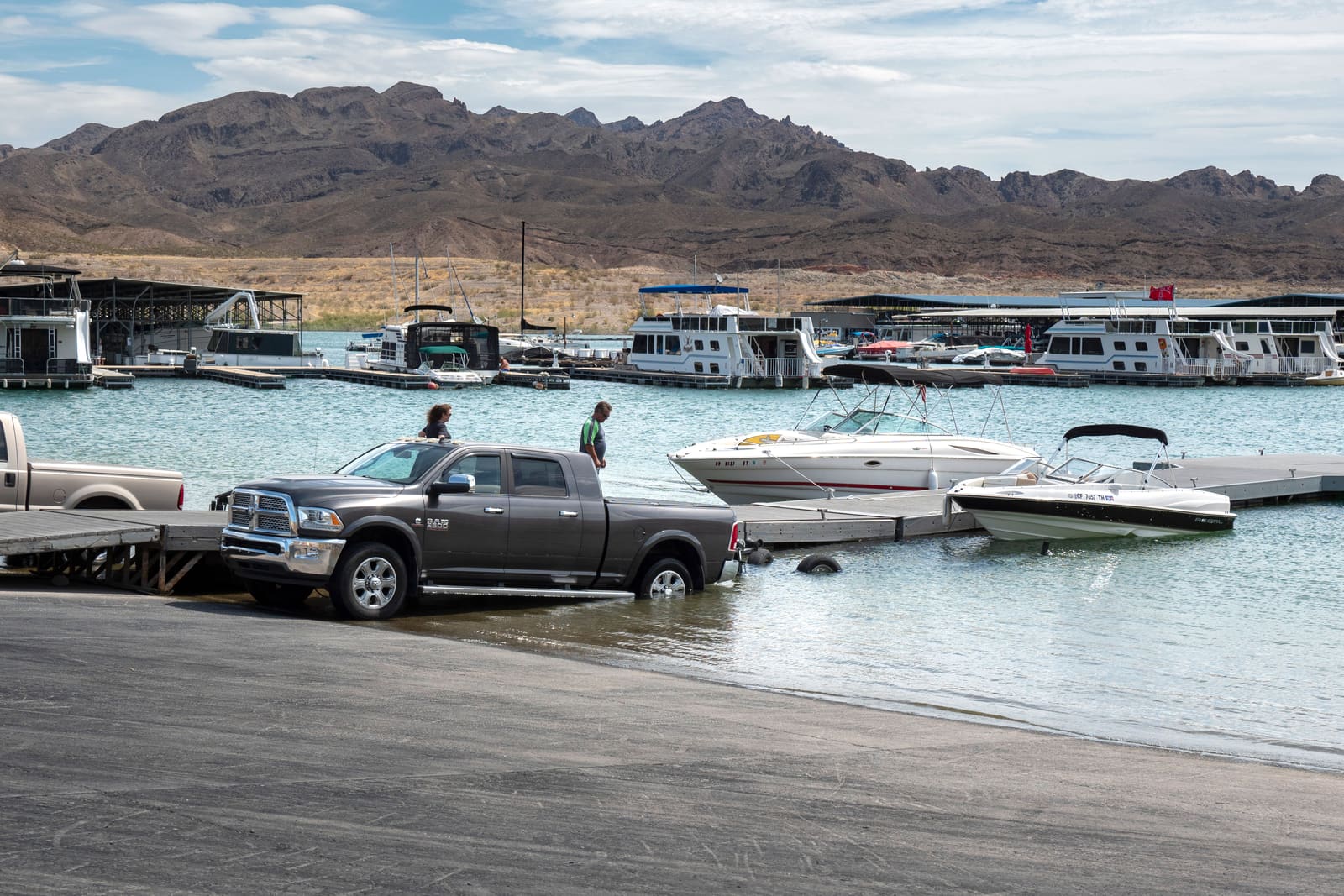
Tow Vehicle Rear Differential Care: Ramp Water, Milky Gear Oil and Limited-Slip Additive
Backing the truck's rear axle into the water at the launch ramp can pull water into the differential through its vent. Learn how water gets in, how to keep the axle dry, how to drain and read the gear oil, why limited-slip axles need friction modifier, when to change the fluid, and when the differential needs a shop.
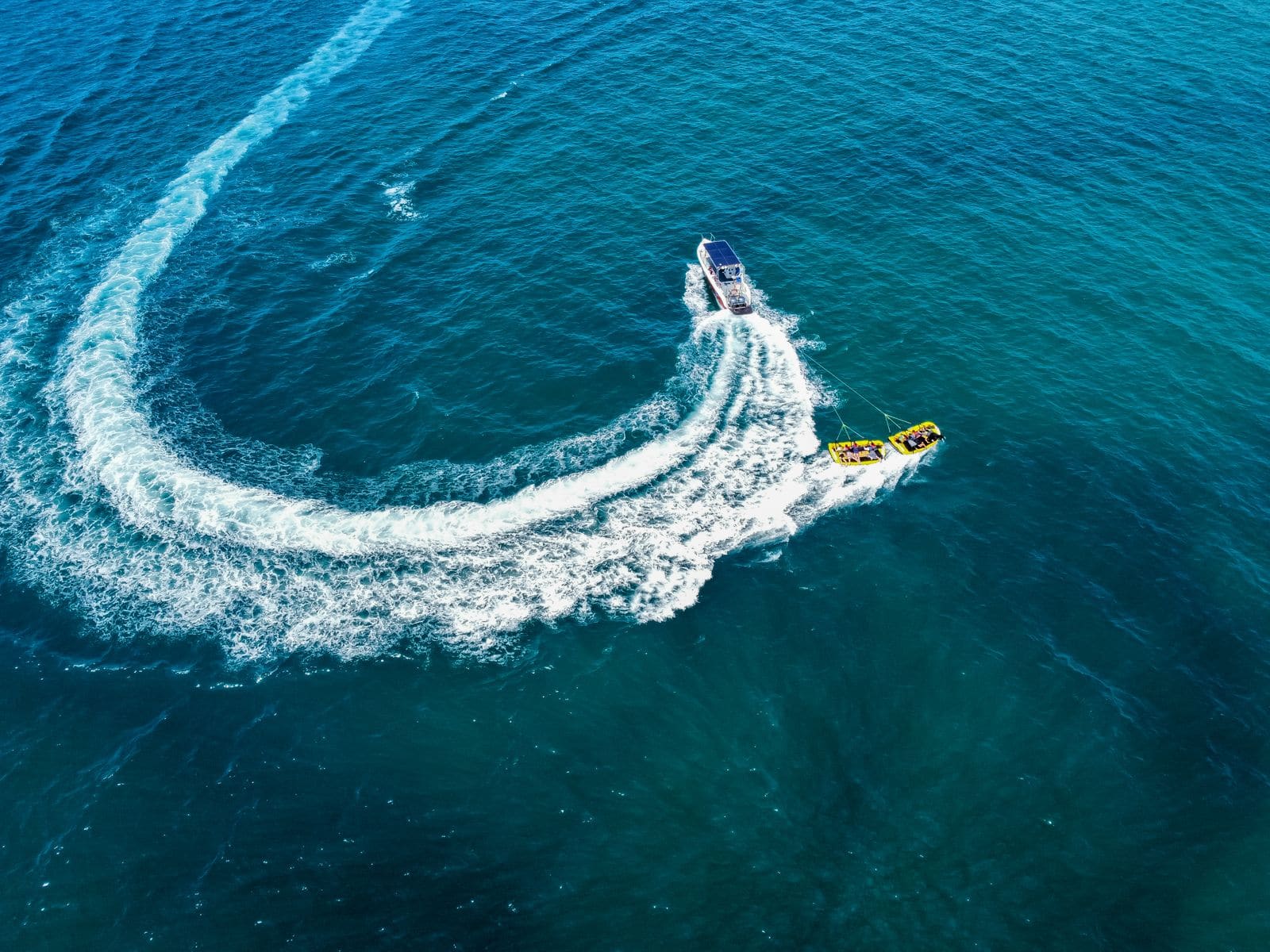
Towable Tube Care and Repair: Find Leaks, Patch the Bladder and Know When to Retire It
Inspect a towable tube's bladder, cover, valves, handles and tow point, find and patch leaks the right way, and dry and store it so it lasts. Also covers rider ratings and the damage that means the tube should be retired, not repaired.
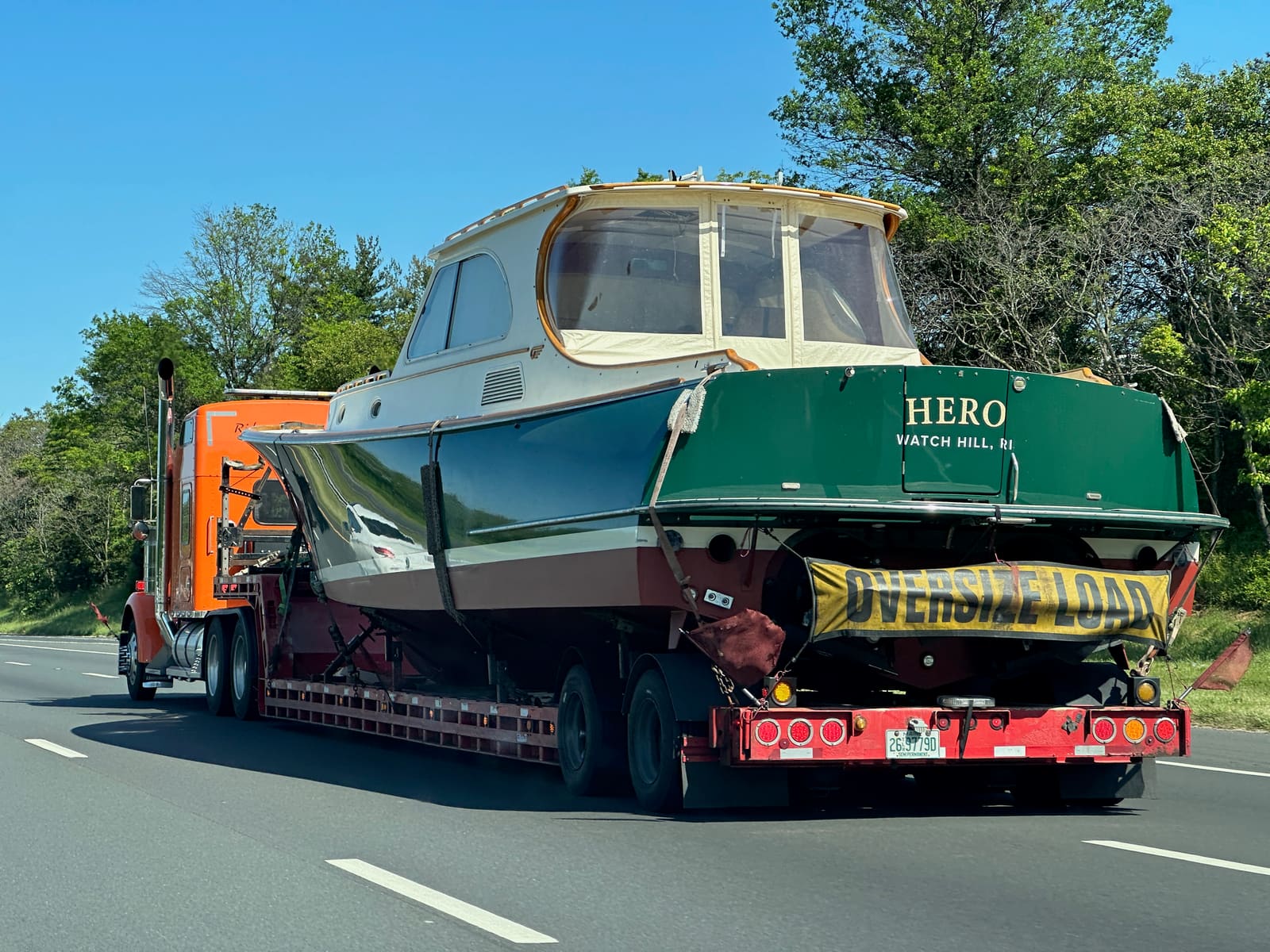
Towing a Wide or Heavy Boat: Width Limits, Oversize Permits and When to Hire a Hauler
In most states a boat or trailer wider than 8 feet 6 inches (102 inches) is a wide load that needs a permit, and some loads also need flags, signs, lights, set travel hours or escorts. Learn how to measure your rig, find each state's rules, get the permits and decide when a professional transporter makes more sense.
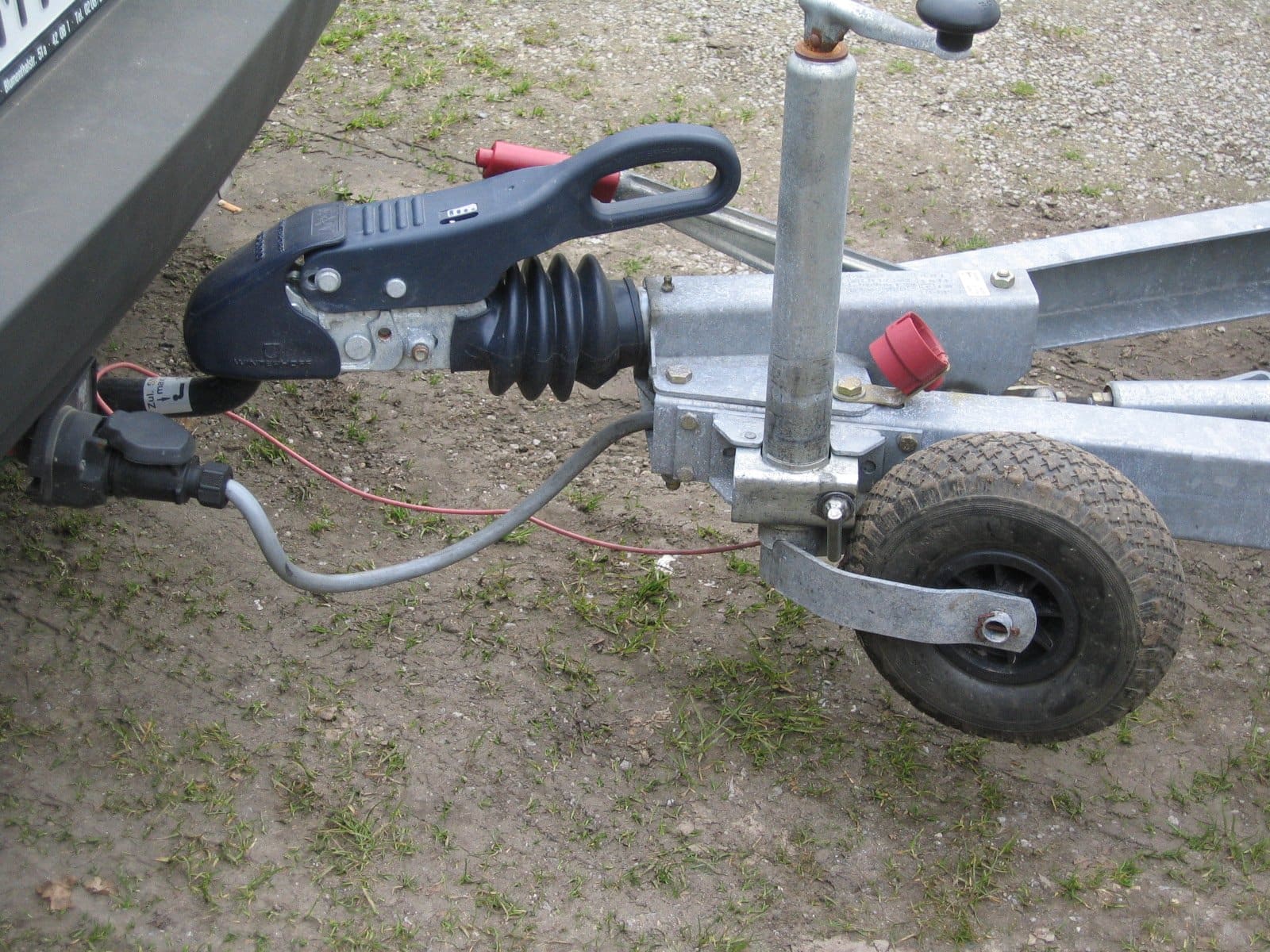
Trailer Tongue Jack and Coupler Care: Grease, Adjust and Know When to Replace
The tongue jack and coupler take a beating from weight, road grit and launch-ramp dunking. A few minutes of cleaning and grease a couple of times a season keeps the jack cranking smoothly and the coupler locking tight on the ball, and tells you when either part is worn out.

Trolling Motor Won't Run, Runs Weak or Cuts Out: How to Troubleshoot It
Work through a dead, weak or on-and-off trolling motor from the cheapest checks to the hardest: battery charge and load test, connections, the breaker, line wrapped behind the prop, stow and deploy problems and GPS anchor glitches. Most problems turn out to be power supply; motor head and steering electronics are a service-center job.
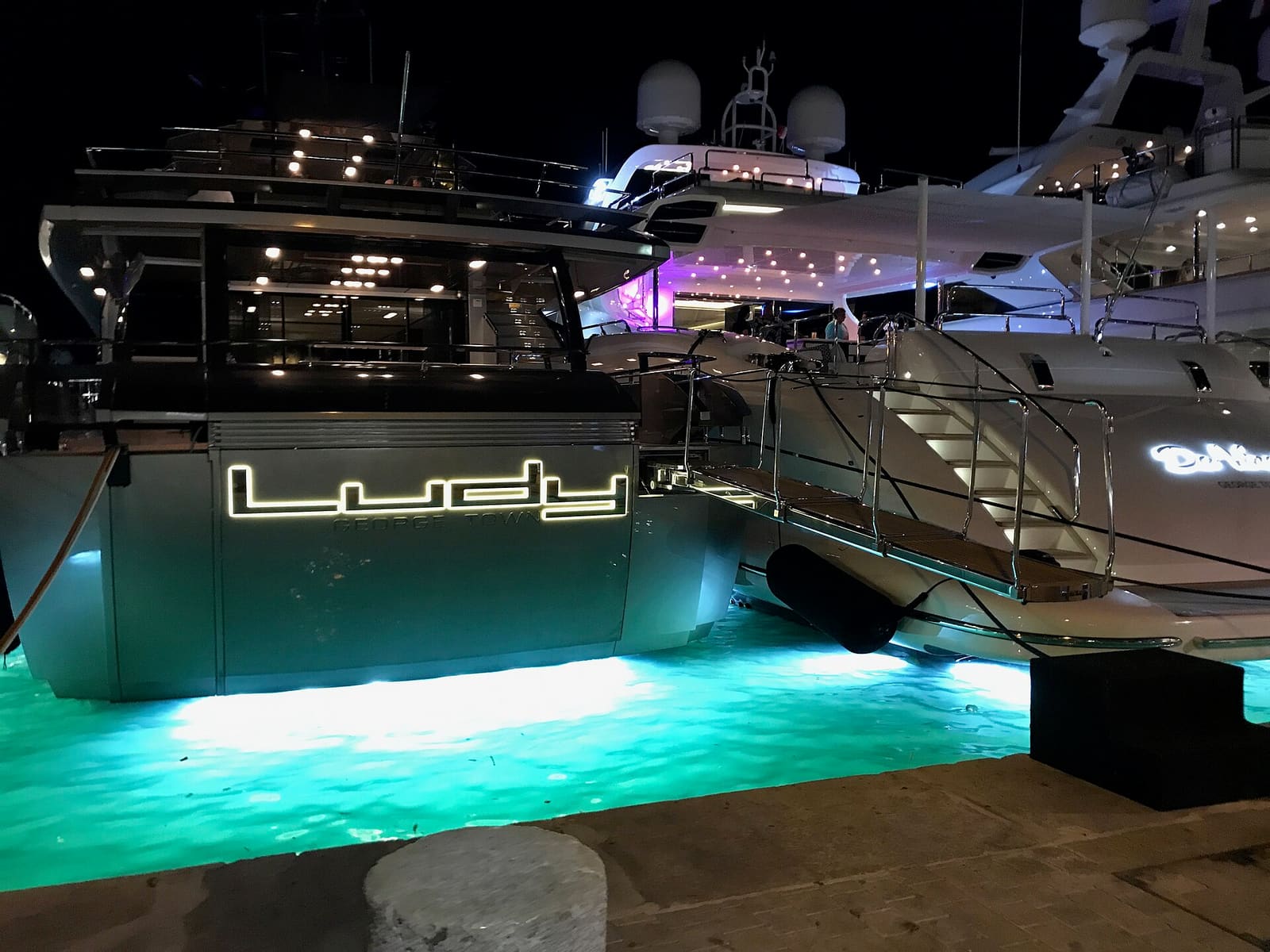
Underwater LED Lights: Care, Leaks, Corrosion, Wiring and the Rules
Keep underwater LED lights bright and your hull dry. Learn the difference between through-hull and surface-mount lights, how to clean growth off the lens without damaging it, what to check for leaks, wiring, fusing and bonding, when the boat has to be hauled, and why the lights should not be on while you're underway.
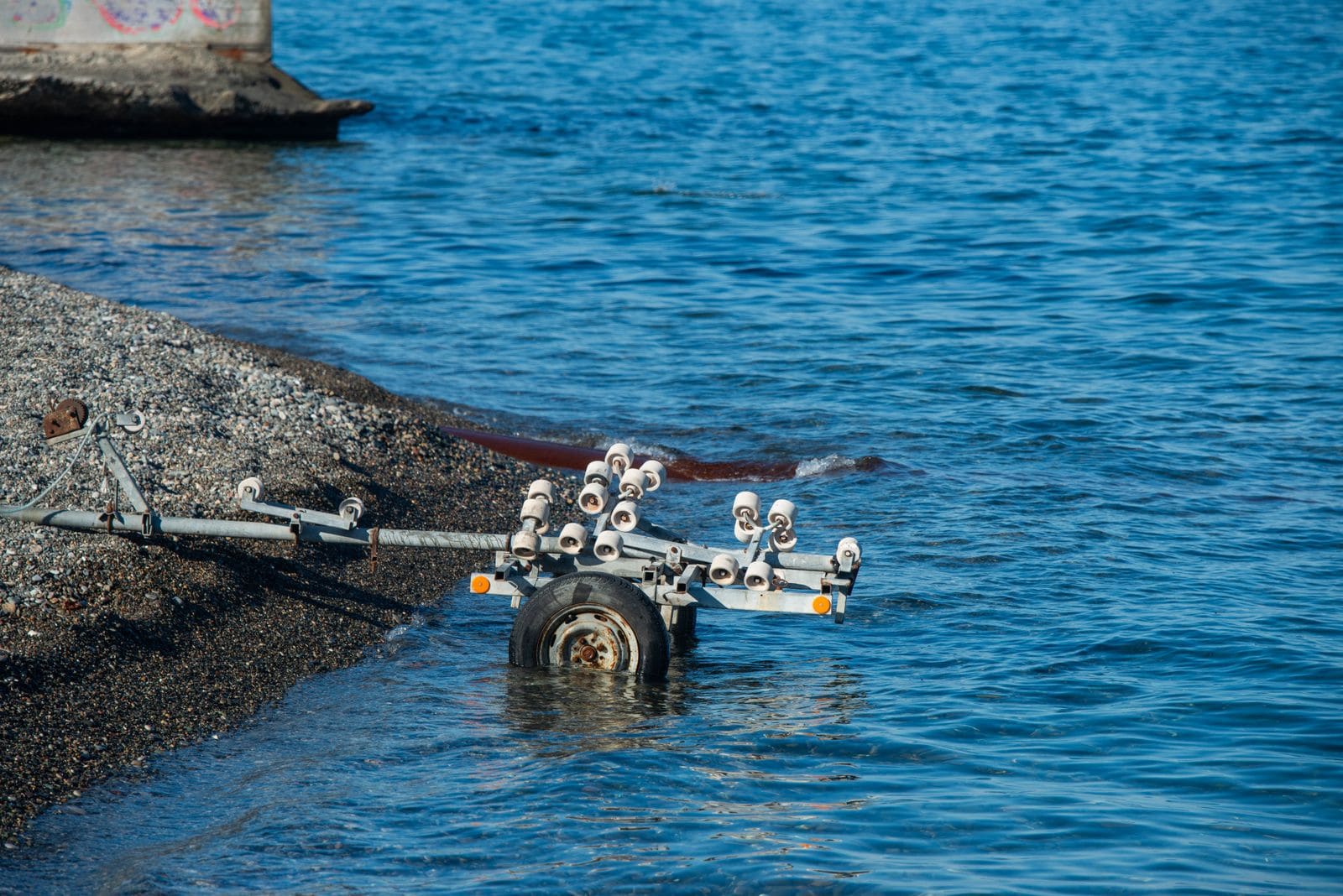
Upgrading Boat Trailer Hubs: Grease-Through Spindles, Oil Bath, Protectors and Pre-Packed Kits
Choose the right hub setup for how you use your trailer, swap in a pre-packed hub kit, adjust it correctly and know when the axle itself is the real problem. Better hubs mean fewer roadside bearing failures and less time with greasy hands.
USCG Documentation Renewal: When, How, What It Costs and How to Avoid Look-Alike Renewal Mailers
Keep your boat's Coast Guard Certificate of Documentation current: how long a recreational certificate lasts (1 to 5 years), the federal fee schedule, renewing directly with the NVDC online, what happens if it lapses, why many states still want registration and a decal, and how to spot the third-party letters that charge several times the real fee.

USCG Required Safety Equipment Check by Boat Length
Walk through your boat and confirm you carry every piece of safety gear the US Coast Guard requires for your boat's length and type, and that none of it is expired or worn out. Missing or expired gear is one of the most common tickets on the water, and it is the gear you need when things go wrong.
Used Boat Paperwork: Titles, Liens, HIN Checks, Bill of Sale and Registration
A practical checklist for the paperwork side of buying a used boat: state title or Coast Guard documentation, checking for liens and theft, verifying the hull ID number, writing a proper bill of sale, the trailer's own title, registering in your name, and transferring warranties and checking recalls. Rules vary by state, so confirm each step with your state agency.
Used Boat Purchase Agreement and Closing: Deposit, Contingencies, Bill of Sale and Who Pays What
A plain-English walk-through of buying a used boat on paper: getting ready before you offer, what the purchase and sale agreement should say, how the deposit is held and when it comes back, survey, sea trial, financing and insurance contingencies, paying off the seller's loan, the bill of sale, closing and transferring the paperwork, and the costs each side usually covers. Practical help, not legal advice; rules vary by state.
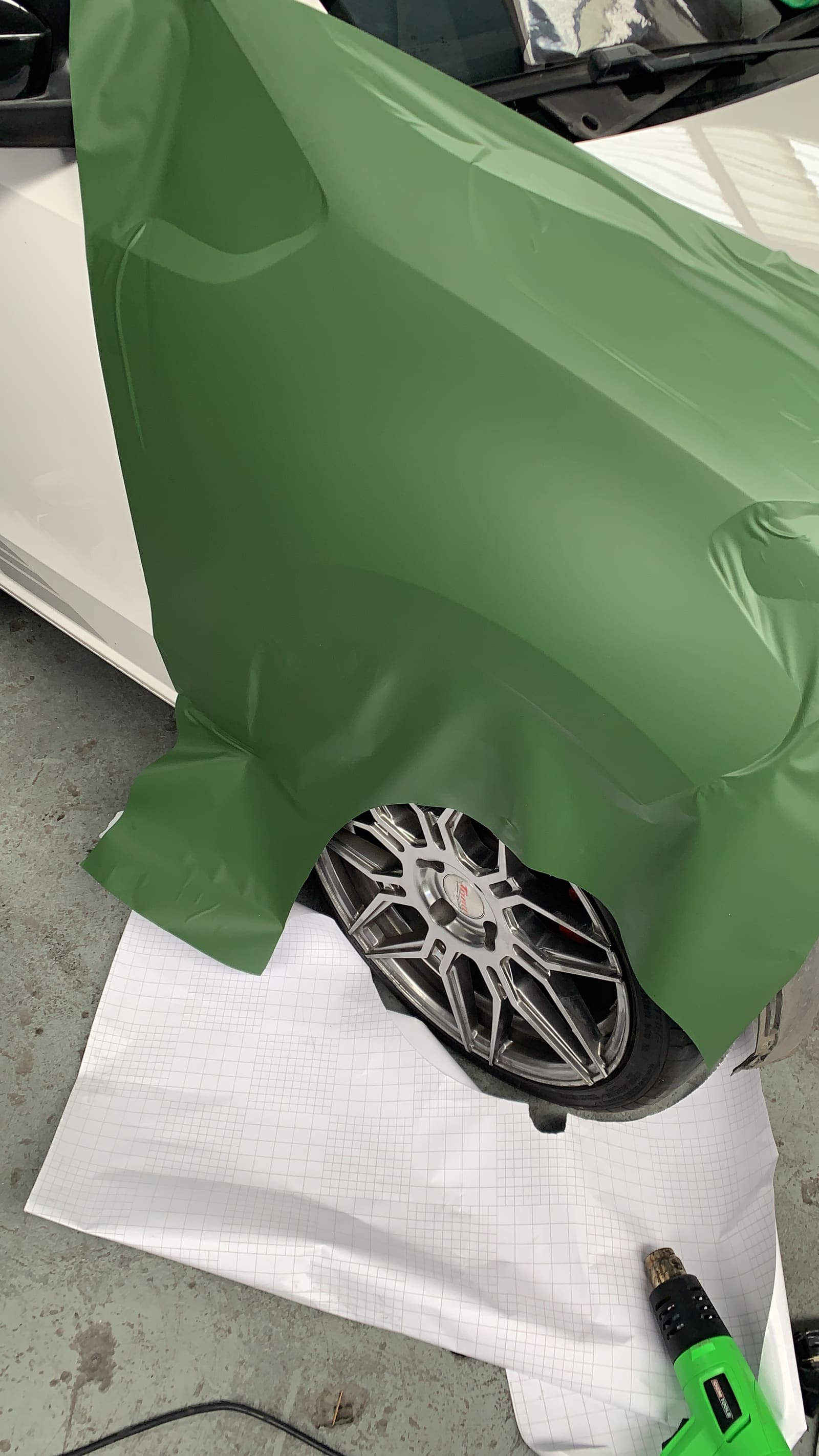
Vinyl Hull Wraps: Pros, Cons, Prep, Care and Removal
Find out whether a vinyl wrap makes sense instead of paint for your hull, how to prep for it, when to hire an installer, how to wash it without ruining it, and why wraps stop at the waterline.
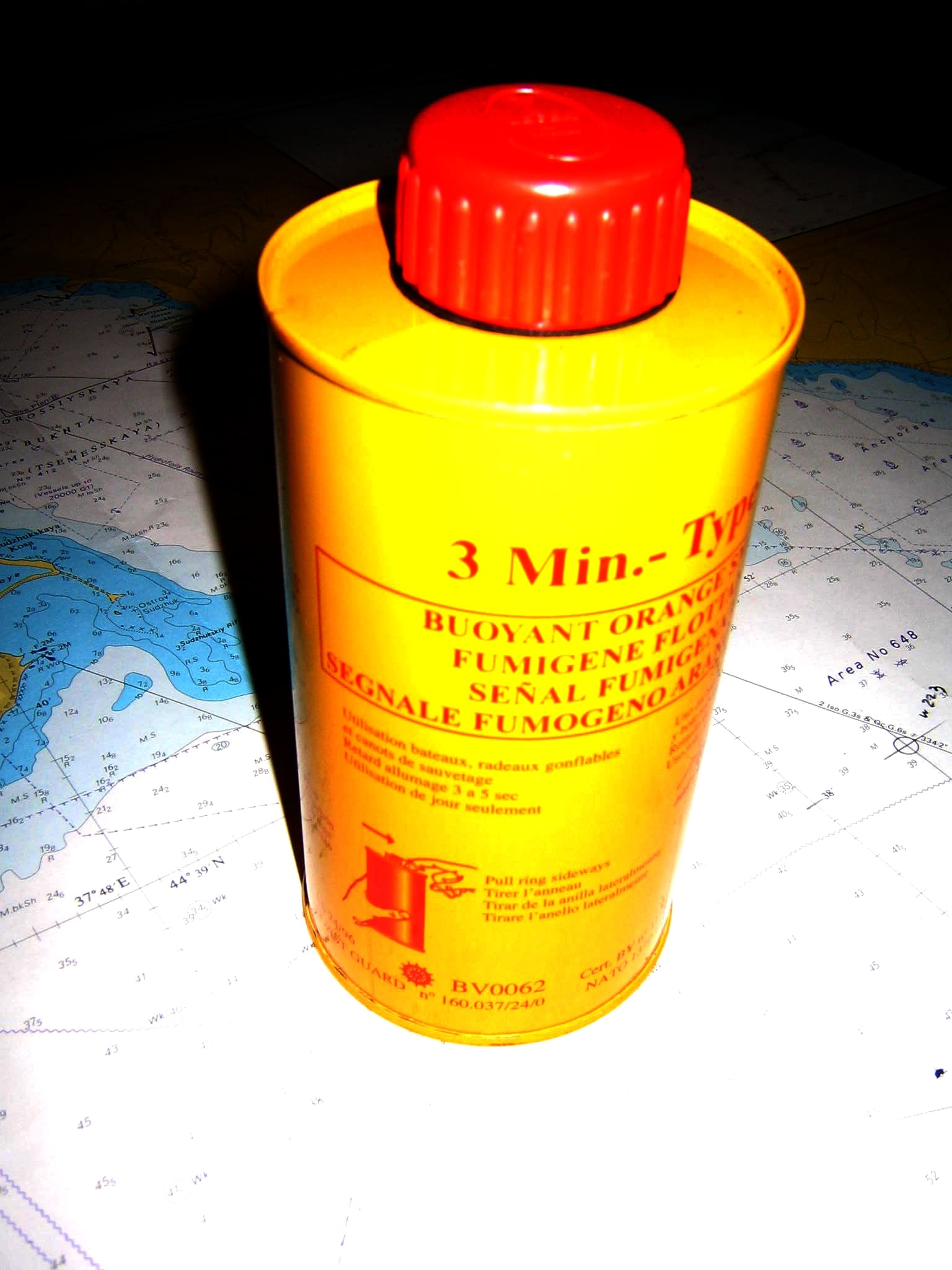
Visual Distress Signals: Flare Expiry, Storage, Practice and Safe Disposal
Make sure your flares, smoke signals, distress flag or electronic distress light meet the Coast Guard rules for day and night, are not past their 42-month date, and are stored where you can grab them. Then get rid of expired flares the safe and legal way instead of letting them pile up in a locker.
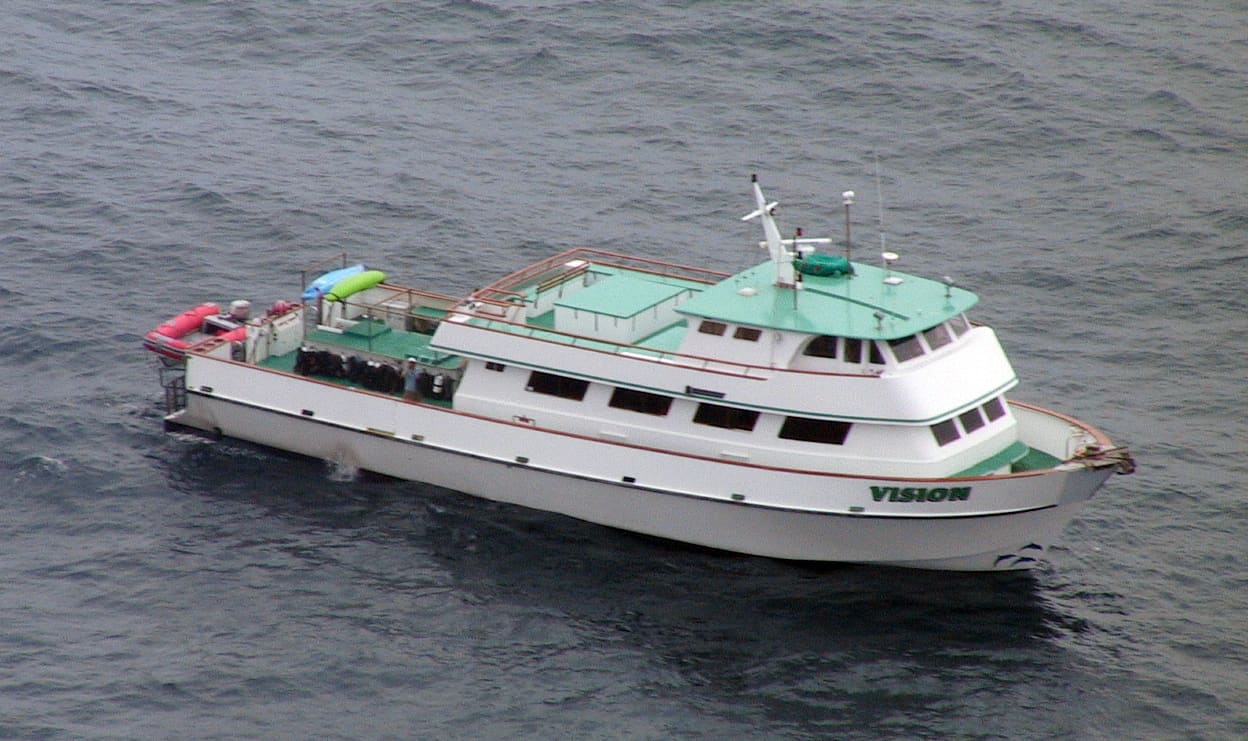
What to Do When Your Boat Is Taking On Water: Emergency Steps and Prevention
A step-by-step emergency plan for water coming into the boat - life jackets on, call for help early on VHF 16, find and slow the leak, pump, and head for shallow water if needed - plus the maintenance checklist that prevents most sinkings.
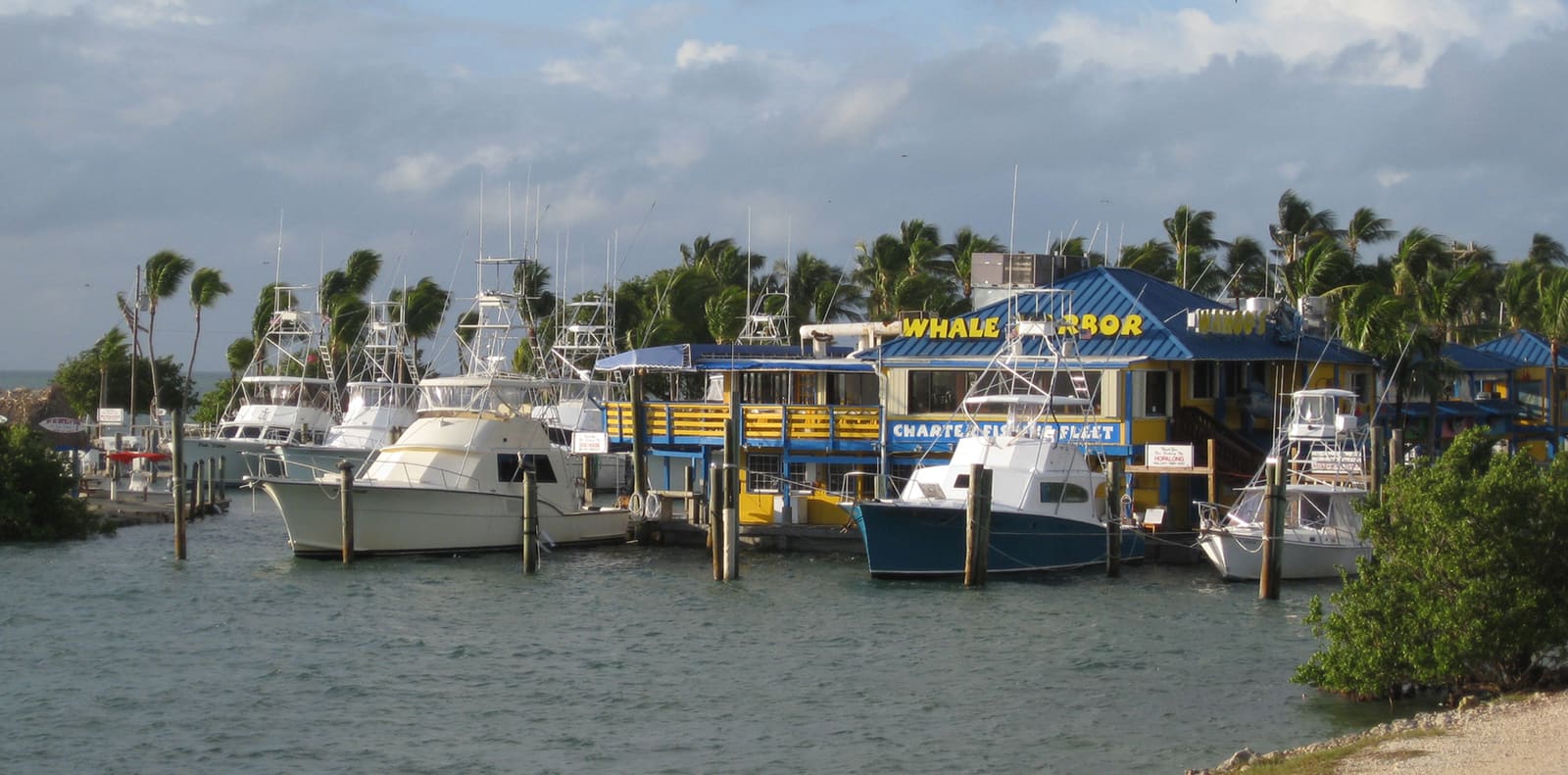
When Guests Chipping In Becomes an Illegal Charter: Passengers-for-Hire Rules for Boat Owners
Friends voluntarily sharing the gas money is fine, but if anyone must pay or bring something as a condition of the trip, your boat is carrying passengers for hire and needs a Coast Guard-credentialed captain, and more than six passengers needs an inspected boat. Learn the legal tests, the six-pack (OUPV) license, what a real bareboat charter looks like, the risks of renting through peer-to-peer apps, and the insurance questions to ask. Practical guidance, not legal advice.
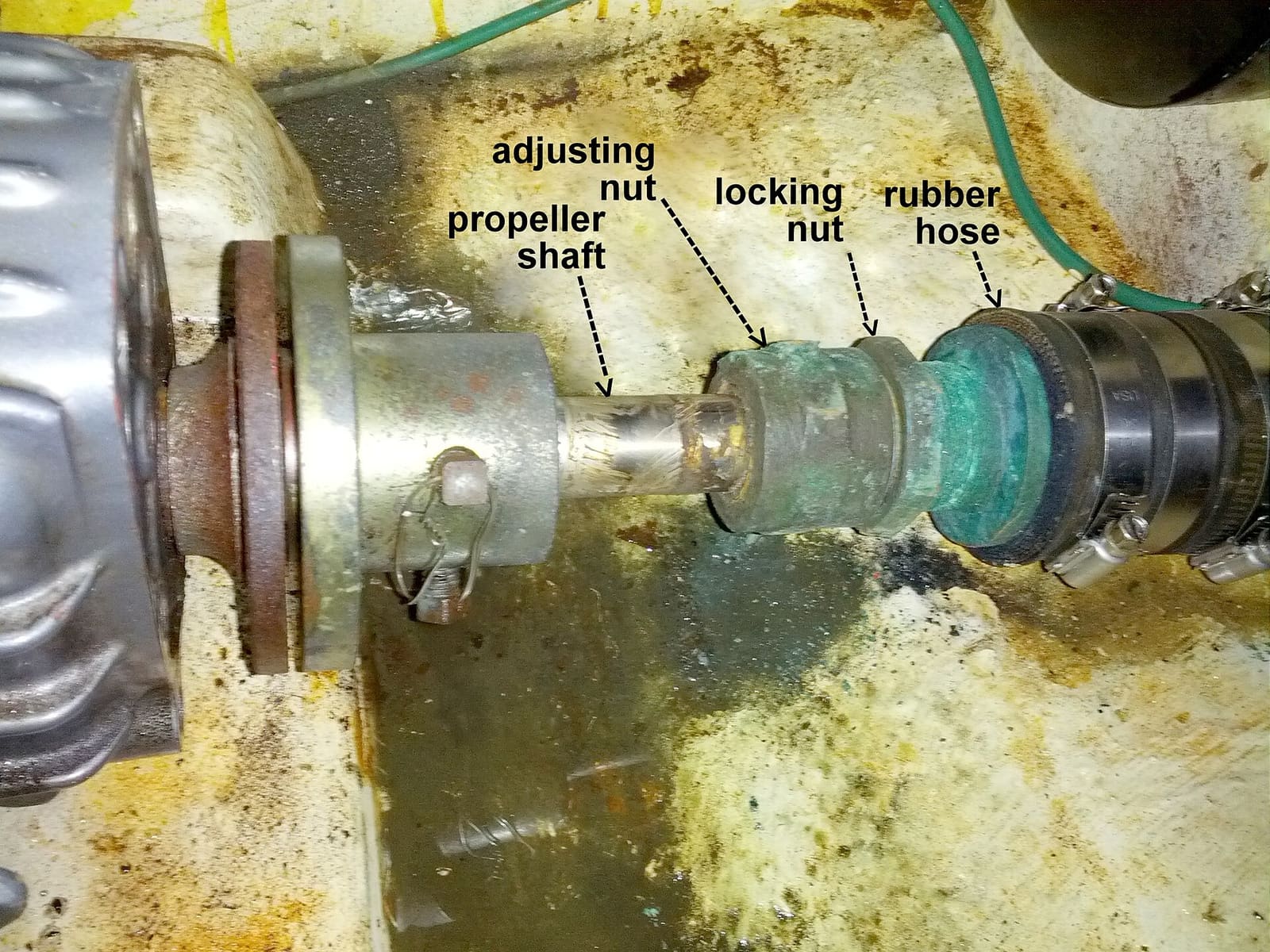
Where Is the Water in My Bilge Coming From? A Step-by-Step Leak Finder
Track down the source of water in your bilge, from the cheapest clues (when it appears, salt or fresh) to the usual suspects: rain and deck drains, the freshwater system, AC condensate, the shaft seal, raw-water hoses and through-hulls. Fix the leak instead of relying on the bilge pump.
Safety: BoatMend is for information only and does not replace a certified marine technician. You are responsible for your safety and your boat. Read the full disclaimer.