Trolling Motor Won't Run, Runs Weak or Cuts Out: How to Troubleshoot It
Work through a dead, weak or on-and-off trolling motor from the cheapest checks to the hardest: battery charge and load test, connections, the breaker, line wrapped behind the prop, stow and deploy problems and GPS anchor glitches. Most problems turn out to be power supply; motor head and steering electronics are a service-center job.

Time
1 h
Shop would charge
$100-400
Applies to
All engines · Fishing boat, Pontoon
Safety first: A trolling motor bank can push a lot of current, and a short across a battery or cable can melt wire and start a fire. Unplug the motor or switch off its breaker before touching the prop or any connection, and keep tools off battery terminals. A spinning prop can break fingers: never turn the motor on while your hand is near it. If a cable, plug or battery gets hot, swells or smells like rotten eggs, disconnect it if you safely can, ventilate and call a marine electrician. Smoke or fire on the water: VHF 16 or 911.
Owners often ask
- My trolling motor runs for a few minutes and then quits. Is the motor bad?
- My trolling motor hums but the prop won't spin. What should I check?
This guide walks you through it. Still stuck? Ask the AI Mechanic about your engine.
Tools
- Digital multimeter
- Battery load tester (or a free test at an auto parts store)
- Wrench or deep socket that fits your prop nut
- Flat screwdriver
- Wire brush or terminal cleaner
- Safety glasses and gloves
Parts & supplies
- Dielectric grease for terminals (optional)
- Replacement drive (shear) pin for your prop, if yours is broken
- Water-based silicone spray for the shaft
Before you start
Most trolling motor "failures" are power problems. Minn Kota's own troubleshooting starts with the batteries, not the motor: a weak battery, a loose or corroded terminal or undersized wire can make a motor run for a few minutes and quit, act erratically or not run at all. Work through this guide in order. The early steps cost nothing and fix the majority of cases.
Know what you have. Note your motor's brand, model, voltage (12, 24 or 36 V) and whether it is a simple hand-tiller motor, a cable-steer foot-pedal motor, an electric-steer motor with a wireless remote, or a GPS model with a "spot lock" or anchor mode. The more electronics, the sooner you will hit a step that belongs to an authorized service center.
Describe the symptom. Write it down before you start: dead (no lights, no sound), lights but no prop, runs weak, runs then shuts off, works at low speed but not high, won't steer, won't stow or deploy, or GPS anchor drifts. Each points to a different step below.
If the wiring itself is new, wrong or you are unsure how the bank is connected, start with our trolling motor wiring guide first.
Steps
Put every battery in the trolling bank on a full charge with a charger made for its type (flooded, AGM or lithium). On a 24- or 36-volt bank, each battery needs its own charge; a series bank charged from one 12-volt charger clipped to a single battery stays out of balance. A "charged" light on a cheap charger is not proof. Retest the motor after a full charge.
What it means: if the motor works now, the batteries were just low. If it dies again early in the day, keep going: the battery may be worn out.
A resting voltage reading can look fine on a dying battery. Minn Kota says each battery should hold at least 12.6 volts under load, and that the load tester's own "Good / Weak / Bad" verdict is the one to trust. Many auto parts stores load test batteries for free. For GPS models, Minn Kota recommends continuing only with batteries that test "Good."
You can also test the whole supply on the water: with a multimeter as close to the motor as possible, read the voltage with the motor off, then running on high. Minn Kota says the drop should be less than about 5 percent (roughly 0.6 V on 12 V, 1.2 V on 24 V, 1.8 V on 36 V).
What it means: a battery that fails the load test (often an older or dropped battery) has to be replaced, ideally as a matched set. A bigger drop than 5 percent with good batteries points to wiring or connections (steps 3 to 5).
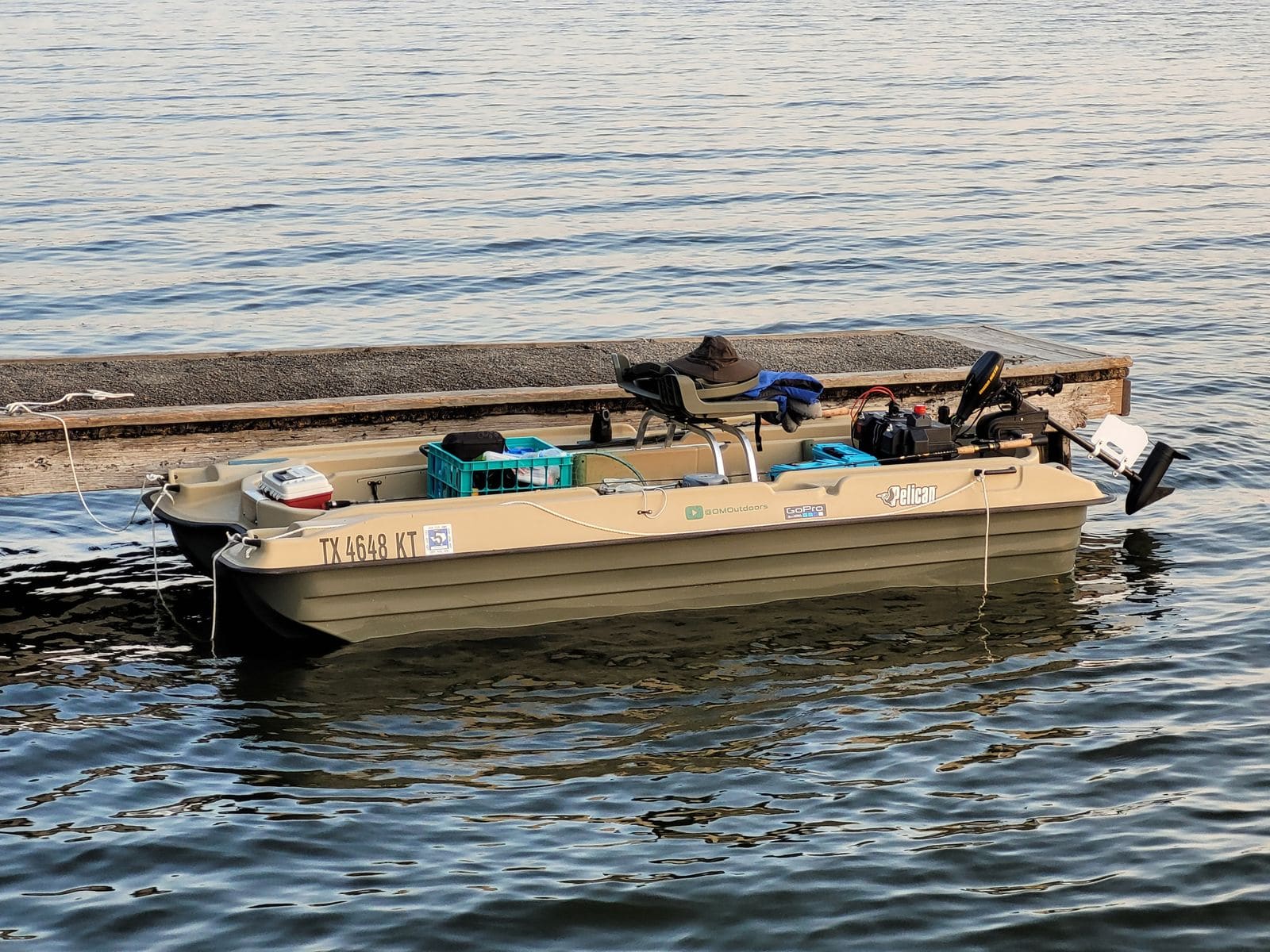
Photo: John Robertson / Pexels Lithium batteries have a built-in management system (BMS) that shuts the battery off if the motor asks for more current than it can deliver. Minn Kota warns that too little continuous discharge current causes exactly the classic "lithium" symptoms: the motor runs a short time and shuts off, turns on but won't spin the prop, steers poorly or the GPS anchor acts up. Compare the battery's continuous discharge rating with your motor's maximum amp draw from the maker's chart.
What it means: if the battery is undersized for the motor, no amount of charging fixes it. See our lithium conversion guide.
With the motor unplugged, check each point in the path: battery terminals, series jumpers, the breaker terminals, the plug and receptacle (or quick-disconnect), and the motor leads. Look for white or green corrosion, a loose nut, a cracked lug or a burned, discolored contact in the plug. Clean to bright metal, reconnect tightly and coat lightly with dielectric grease.
Then run the motor on high for a few minutes and carefully feel the cables, plug and breaker (back of the hand, not a grip). Minn Kota notes that a warm spot shows where a section needs replacing.
What it means: a hot plug or lug is a bad connection; replace that part. A melted or scorched plug is a fire risk and the plug and receptacle should be replaced as a pair.
Make sure the breaker has not tripped (many manual-reset breakers have a lever or button that pops out) and that it is the size the motor maker specifies. A breaker that is too small trips under normal load; one that is too large will not protect the wire.
With a multimeter, measure voltage at three points: the battery terminals, the receptacle (or quick-disconnect), and the motor leads where they enter the motor. Minn Kota says the readings should be the same at all three. If the battery reads 25 volts and the receptacle reads 22, the loss is between them: the breaker, the wire or a connection.
Where the breaker sits matters too. Minn Kota recommends a circuit breaker or in-line fuse on the positive lead, as close to the battery as possible, sized from its wire-gauge and breaker table for your motor's maximum draw. If someone extended the factory battery leads to reach batteries at the stern, the extension has to use the wire size from that table for the total length; Minn Kota suggests a qualified marine technician for extensions longer than about 25 feet. Thin extension wire is a classic cause of a motor that runs weak and a breaker or plug that runs warm.
What it means: voltage missing after the breaker means a tripped or failed breaker. Voltage at the receptacle but not at the motor leads means a bad plug or a damaged motor cable. A breaker that trips over and over is protecting you from something: stop and see steps 6 and 12 before you reset it again.
Unplug the motor first. Minn Kota recommends removing the prop after every use, because line and weeds wrap tightly behind it where you can't see them. That wrap makes the motor work harder (weak, hot, breaker trips) and can cut into the shaft seal and let water into the motor.
- Hold the prop and loosen the prop nut (Minn Kota uses a deep socket or wrench on most models).
- Remove the nut and washer, turn the prop horizontal so the drive pin doesn't drop out, and slide it straight off.
- Pick off all line and weeds behind the prop and around the shaft.
- Check the drive pin. If it is sheared or bent, the motor will hum but the prop won't turn; replace it with the correct pin.
- Reinstall the prop and washer and tighten the nut only as much as your manual says. Minn Kota warns that overtightening can damage the prop and bend the pin.
What it means: if the motor now runs strong, line was the culprit. If you found line deep in the seal area, or water drips from the lower unit, have the seals checked by a service center.
Props and shafts are not perfectly symmetrical. Minn Kota says removing the prop, turning it 180 degrees on the pin and reinstalling it often reduces vibration. Also look for chipped or bent blades. Use the prop the motor maker specifies: Minn Kota warns that aftermarket props can raise amp draw and overheat the motor.
What it means: vibration that stays with a straight, correctly installed prop points to a bent shaft or internal wear: a service-center job.
A bow-mount motor that is stiff to stow or deploy is usually dirty, not broken. Minn Kota suggests rinsing the motor with fresh water (never spraying into the vents on the head) and wiping the shaft with a water-based silicone spray. It specifically advises against oil-based sprays like WD-40, which attract grit. Check that the pull rope or pull cable is not frayed; worn ropes and cables are a replacement part on most models.
Also check the depth collar and any stow-lock collar or hold-down strap. Minn Kota says a loose collar can let the motor deploy by itself while running or trailering, and that damage from accidental deployment is not covered by warranty. Tighten the collar as your manual describes, every time.
If an electric-stow motor won't stow because the remote, app or pedal quit, learn your model's emergency stow before you need it. On Ulterra and Riptide Ulterra motors (not the QUEST versions), Minn Kota describes stowing from the indicator panel at the base of the mount, or a manual stow with a couple of screwdrivers that ends with the lower unit strapped to the mount ramps using the emergency strap supplied with the motor. Keep that strap and the right screwdrivers in the boat.

Photo: Serena Koi / Pexels If a foot pedal stops responding or acts erratically, sand and grit under the buttons are a common cause. Minn Kota describes removing the pedal's heel-toe cover (two Phillips screws on its electric-steer pedals), rinsing out debris and reassembling with the original springs. On cable-steer motors, a stiff pedal can be a dry or kinked steering cable. If the prop won't come on when you press the momentary button, or won't stop when you let go, Minn Kota points to the small reed switch under the button: a magnet in the button triggers it, and the switch sitting too far from the magnet (won't start) or too close (won't stop) is the usual cause. Minn Kota's help article shows how to reseat it; a missing magnet or a dead switch is a replacement part. On wireless remotes, replace the remote's batteries and re-pair it following your manual.
What it means: if a clean pedal and fresh remote batteries don't help, the fault is in the control board or steering motor.
GPS anchor models (Minn Kota i-Pilot and Advanced GPS, MotorGuide Pinpoint and others) are sensitive to power quality, mounting and interference. Following MotorGuide's checklist as a model:
- Give the motor a few minutes after power-up, deployed, to get a satellite fix; power-cycle if it doesn't.
- Stay away from bridges, overhanging structures and other nearby anchors or electronics.
- Check that the motor and mount are tight with no free play.
- Redo the compass and mounting calibrations your manual describes, especially after moving the motor to a new boat or traveling far.
- If work was done in the motor head, make sure cables are routed as the manual shows.
- Many makers describe a "hard reset" that involves disconnecting the motor from the batteries for a set time. Follow your manual's exact steps.
Unplug the motor (or trip its breaker) at the end of each day before charging; MotorGuide says its circuitry needs the chance to reset. And use only batteries that load test "Good": weak power is a top cause of spot lock drifting.
What it means: if the anchor still drifts with good batteries, a solid mount and fresh calibration, look up your model's troubleshooting guide on the maker's help site, then go to an authorized service center.
White powder or pitting on the aluminum lower unit that appears quickly can be electrolysis. Minn Kota explains that if the engine starting battery is shared with a 24- or 36-volt trolling bank, it must be the first battery in the series (the one the motor's negative lead connects to). Wiring a battery selector switch to the middle or top battery of the bank puts 12 or 24 volts between the trolling motor and the outboard underwater and eats the lower unit. Also note that Minn Kota does not cover saltwater corrosion on its freshwater (non-Riptide) motors.
What it means: if your boat's wiring matches the "wrong" case, have it corrected by a marine electrician before you lose the lower unit.
Stop and take it in if, after steps 1 to 11:
- The batteries, wiring and breaker test good but the motor is dead, hums without turning, or shuts off and smells hot.
- Water is in the motor, the shaft is bent or the prop shaft feels gritty.
- An electric-steer motor won't turn one way, the steering is locked or the head shows an error code.
- A breaker keeps tripping with a clean prop and correct wiring.
Minn Kota and MotorGuide both run authorized service networks, and Minn Kota publishes model-specific troubleshooting guides (Terrova, Ulterra, PowerDrive, QUEST error codes). Opening the motor head or lower unit on your own can void the warranty.
Common mistakes
- Replacing the motor's control board when the real problem was a worn-out battery that read fine at rest but failed under load.
- Charging a 24-volt bank from a single 12-volt charger on one battery.
- Running for weeks without pulling the prop, until line cuts the seal and floods the motor.
- Reinstalling the prop without its drive pin, or cranking the prop nut down hard and bending the pin.
- Spraying WD-40 or other oil on the shaft, which collects grit and makes stowing harder.
- Leaving the depth collar loose and having the motor fall into the water at speed.
- Resetting a breaker again and again without finding out why it trips.
- Using a lithium battery whose continuous current rating is below the motor's maximum draw.
When to call a pro
- Any cable, plug, breaker or battery that gets hot, melts, swells or smells
- A breaker that trips repeatedly with a clean prop and correct wiring
- Water inside the motor, a bent shaft, or steering that is locked or turns only one way
- Error codes, or GPS anchor faults that remain after the battery and calibration checks
- Corrosion that looks like electrolysis, or any change to how the trolling bank ties into the boat's main batteries
- Anything that requires opening the motor head or lower unit, especially under warranty
Tips
- Carry a spare drive pin, prop nut and washer and the right wrench in the boat.
- Keep a small multimeter onboard: a 30-second voltage check at the receptacle tells you "battery or motor" right away.
- Write the date on each battery when you install it; deep-cycle batteries slowly lose capacity with age.
- Before a long trip, test the motor at the ramp or dock, in the water, through all speeds. Check your manual before running it out of water at all; many makers limit or forbid it.
- Keep your motor's serial number and manual link in your BoatMend boat profile for warranty calls.
- A deployed or stowed bow-mount can hide the bow navigation light. BoatUS suggests removing a quick-release motor before running after dark, or raising the light on a taller plug-in post so it clears the motor.
Official references
We read these to write this guide. Your engine's own manual always wins.
- Minn Kota Help Center – Troubleshooting Trolling Motor Power Issues
- Minn Kota Help Center – Prop and Lower Unit Maintenance, Troubleshooting, and Replacement
- Minn Kota Help Center – Cleaning and Lubricating Trolling Motors
- Minn Kota Help Center – Properly Securing Your Motor to Prevent Accidental Deployment
- Minn Kota Help Center – Electrolysis
- Minn Kota Help Center – Terrova Troubleshooting (2007-2023) and Service Provider Locator
- Minn Kota Help Center – Trolling Motor Amp Draw, Circuit Breakers, Fuses, and Extending the Battery Leads
- Minn Kota Help Center – Emergency Stow Procedures for Ulterra or Riptide Ulterra (2015-present)
- Minn Kota Help Center – Propeller Will Not Turn On/Off with the Momentary Button (cable-steer motors)
- BoatUS Magazine – Rig a Portable Trolling Motor (2021)
- MotorGuide – Xi Series FAQs (GPS anchor checks, hard reset, storage)
Safety: BoatMend is for information only and does not replace a certified marine technician. You are responsible for your safety and your boat. Read the full disclaimer.
Last updated 2026-10-24
Related guides
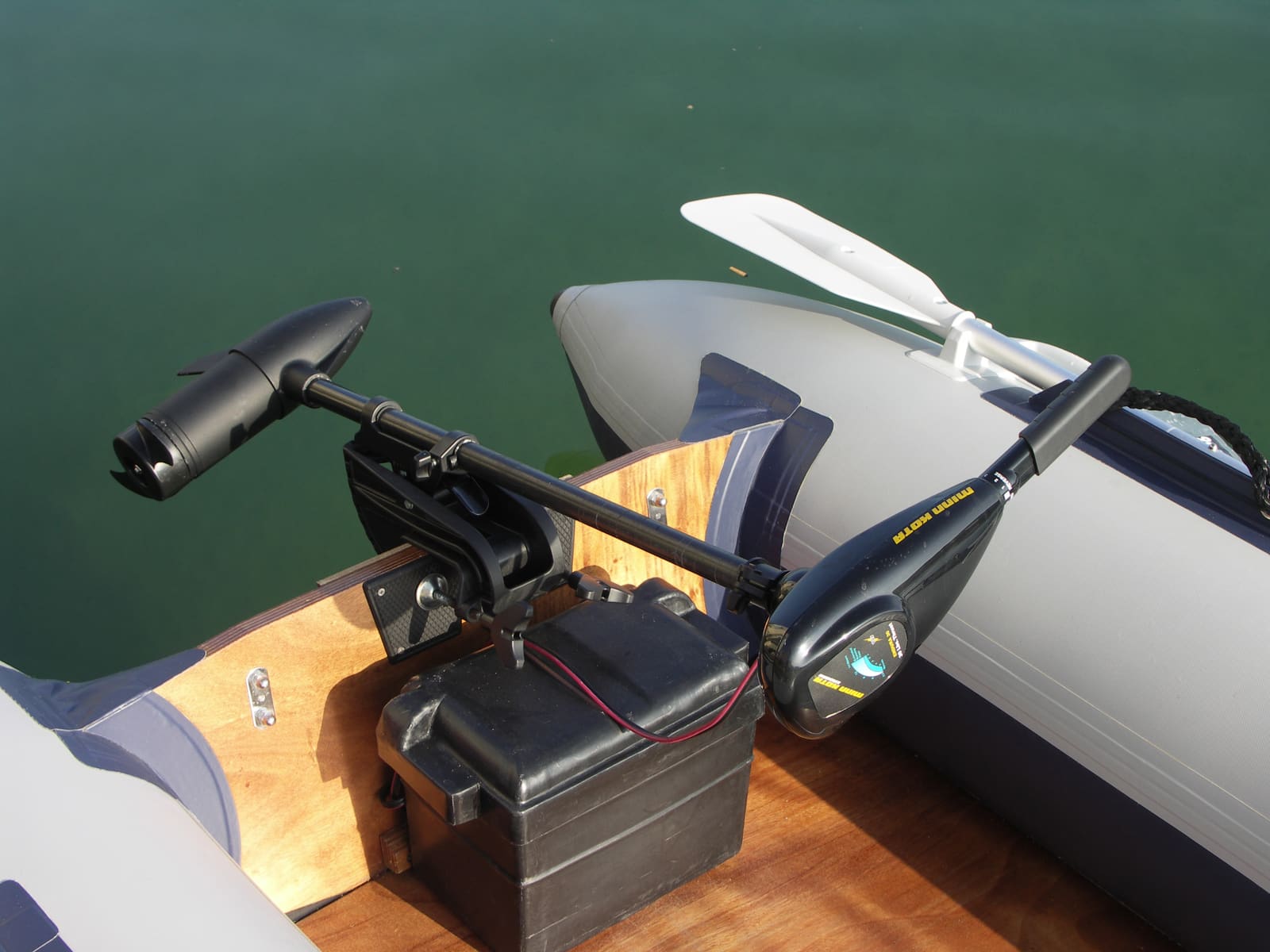
How to Wire a 12, 24 or 36-Volt Trolling Motor and Charge Its Batteries
Set up the battery bank for your electric trolling motor the right way: matched deep-cycle batteries in series or parallel, a circuit breaker sized from the motor maker's chart, a proper plug, and a multi-bank charger that keeps every battery healthy. High-current wiring that runs long distances or ties into other systems is a job for a marine electrician.
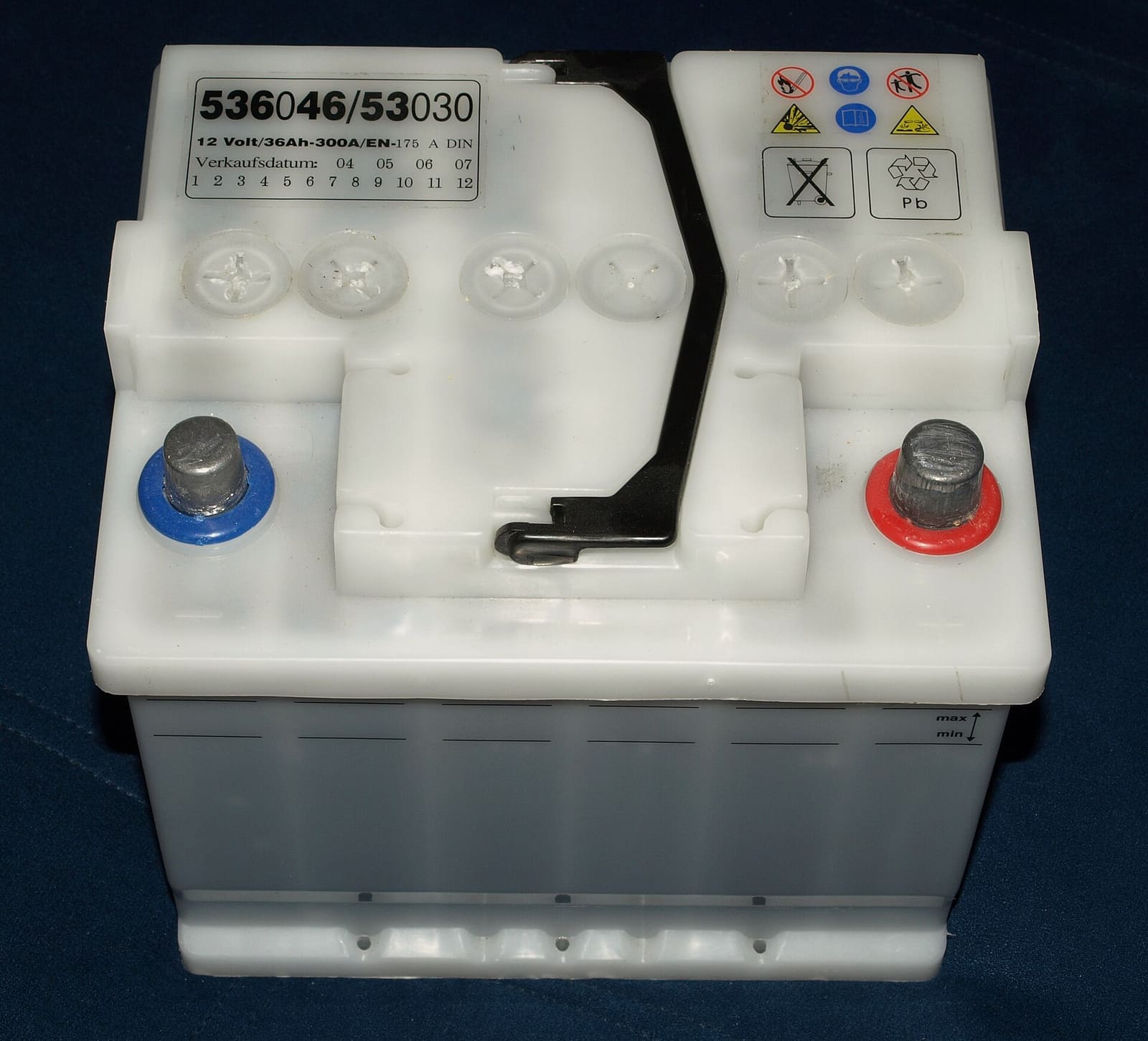
Marine Battery Care: Test, Charge and Store for Winter
Check your boat battery's health, charge it the right way for its type (flooded, AGM or lithium), and store it so it is ready in spring. Most "boat won't start" calls start with a neglected battery.
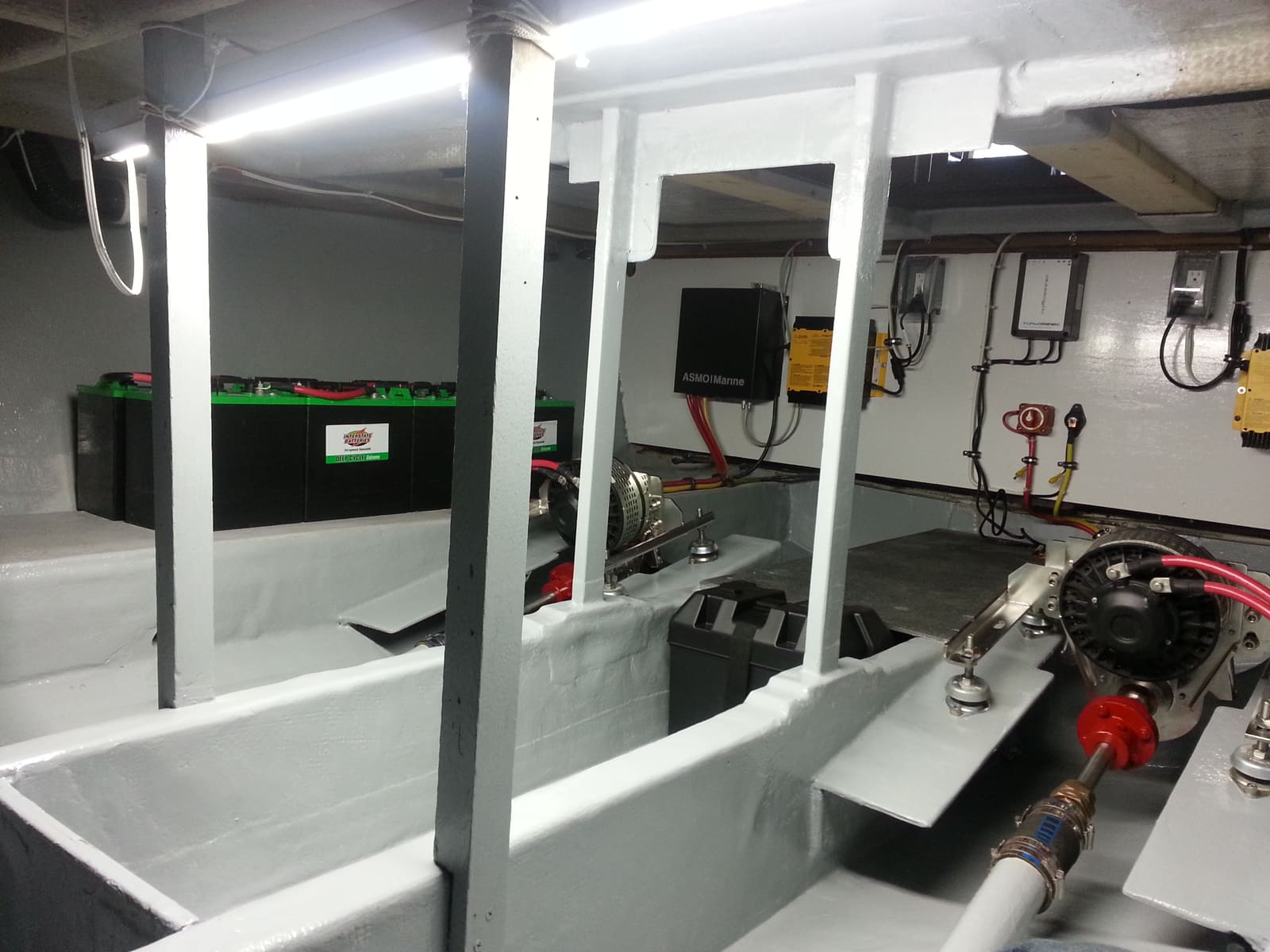
How to Choose, Install and Maintain an Onboard Battery Charger
Pick the right marine charger for your batteries (how many banks, how many amps, flooded, AGM or lithium), mount and fuse it safely, set the charge profile, and use it to keep batteries healthy all season and through the winter. The AC (shore power) side is a job for a marine electrician.
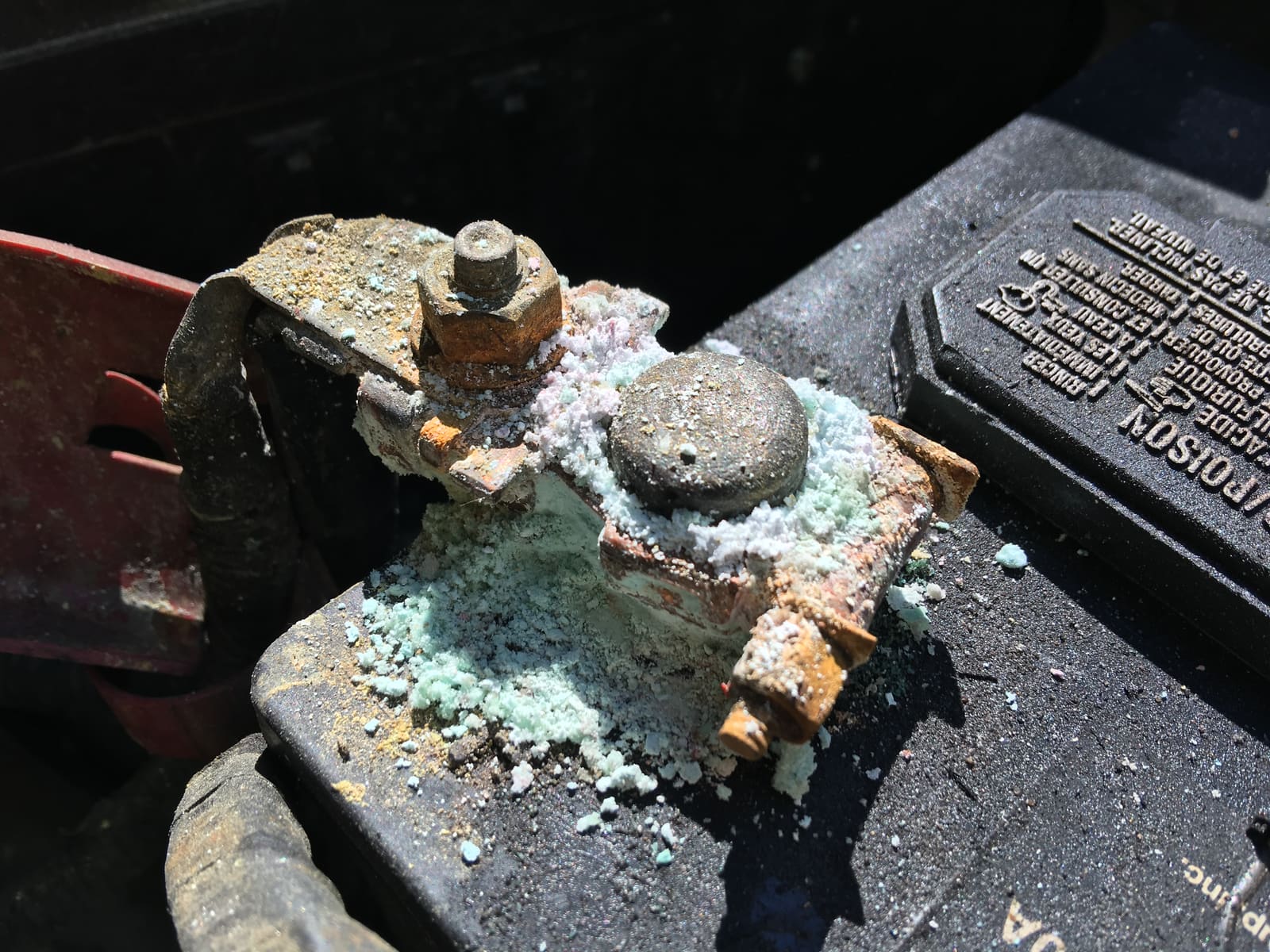
How to Find and Fix Corroded Electrical Connections on a Boat
Track down the green crust and loose terminals behind flickering lights, dead gauges and slow cranking with a simple voltage-drop test, then remake the connection the marine way: tinned wire, a proper crimp, adhesive-lined heat shrink and a protective coating.
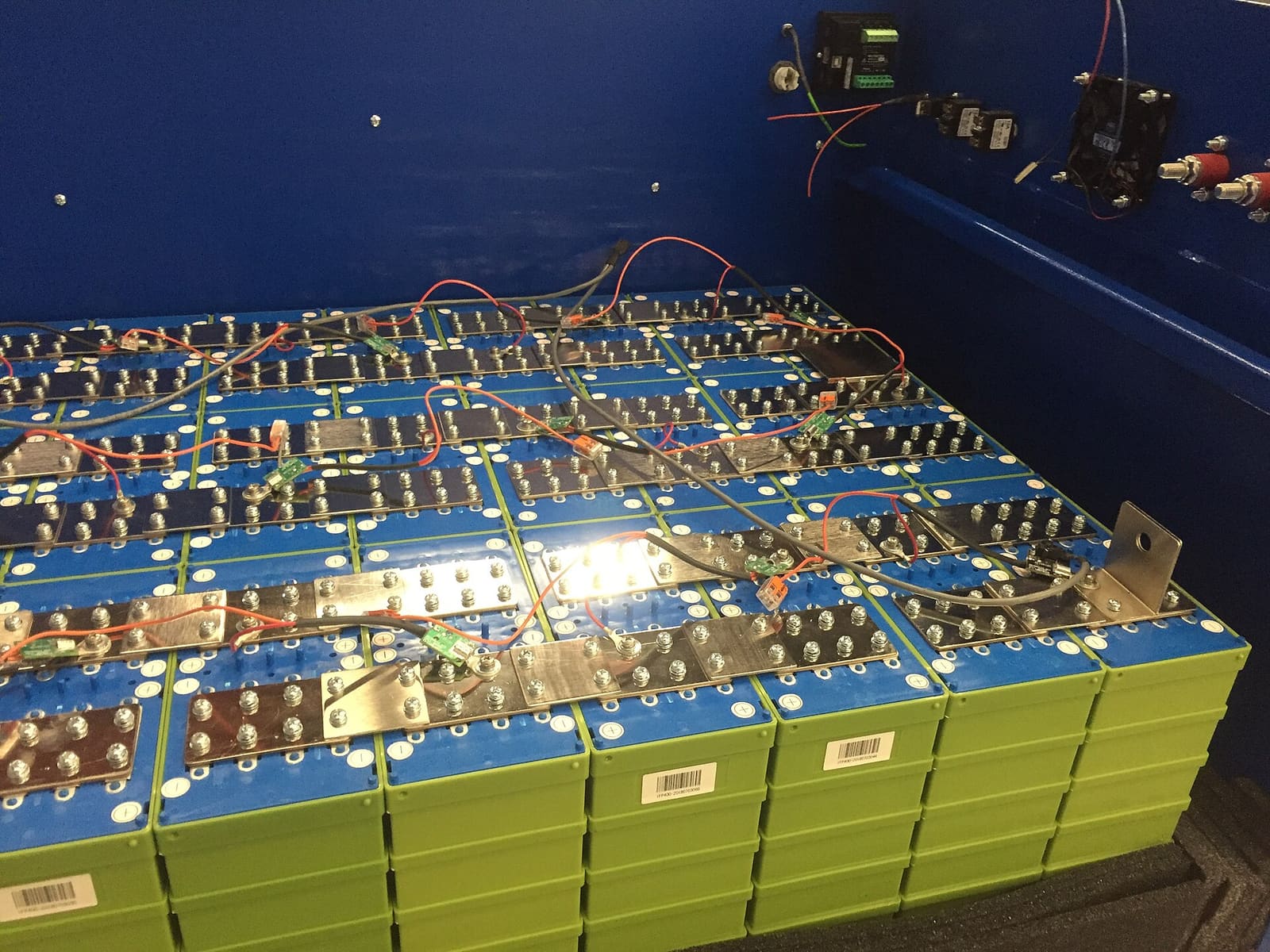
Switching to Lithium (LiFePO4) Boat Batteries: What Changes and When It's Worth It
What really changes when you swap lead-acid for lithium iron phosphate (LiFePO4) batteries on a boat: the battery management system, charger settings, protecting the alternator with a DC-DC charger, not mixing chemistries, cold-weather charging, and which jobs (trolling, house, starting) suit lithium. House-bank conversions should be designed and installed by a qualified marine electrician.
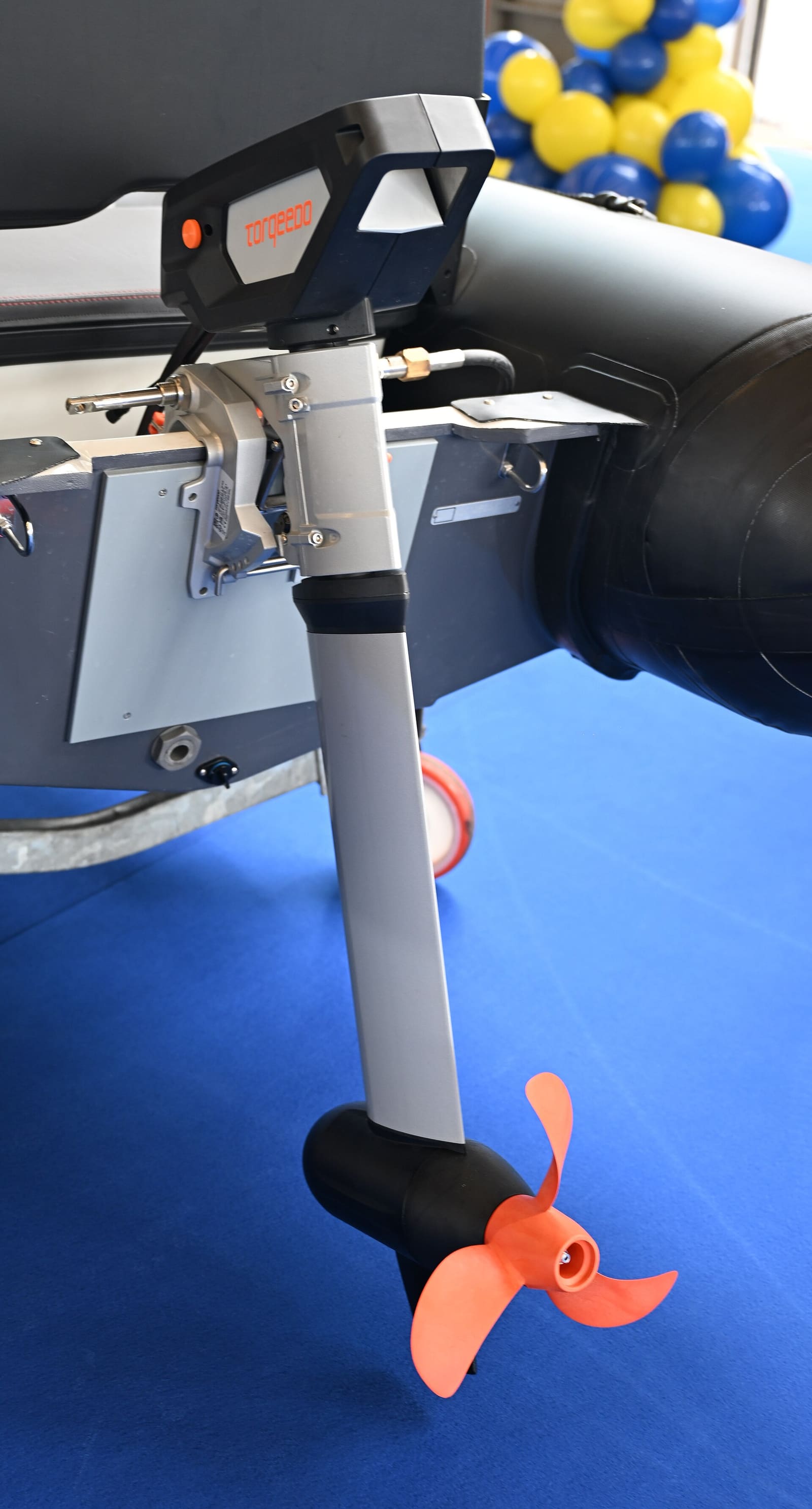
Electric Outboard Care: Battery Storage, Connectors, Saltwater Rinse and Updates
Electric outboards like Torqeedo, Mercury Avator and ePropulsion need far less work than gas engines, but the lithium battery, the connectors and the prop still need care. Charge and store the battery the way the maker says, keep plugs dry and clean, rinse after salt water, check the prop, fin and anodes, install updates, and follow the rules for transporting lithium batteries.
Fish Finder and Depth Sounder Transducers: Mounting, Fixing Bad Readings and Cleaning
Where and how to mount a transom-mount transducer so it reads cleanly at speed, how to track down lost bottom readings and noisy screens, how to clean and paint a transducer without ruining it, and why thru-hull transducers are a haul-out job for a pro.
How to Use a 1-2-Both Battery Switch and Run Two Batteries
Learn what the 1, 2, Both and Off positions really do, a simple routine that keeps one battery ready to start the engine, how to check that both batteries are charging, and when an automatic charging relay makes life easier. Rewiring high-current cables is a job for a marine electrician.