Towing a Wide or Heavy Boat: Width Limits, Oversize Permits and When to Hire a Hauler
In most states a boat or trailer wider than 8 feet 6 inches (102 inches) is a wide load that needs a permit, and some loads also need flags, signs, lights, set travel hours or escorts. Learn how to measure your rig, find each state's rules, get the permits and decide when a professional transporter makes more sense.
Time
1 h
Applies to
All engines
Safety first: This guide is practical background, not legal advice. Size, weight, permit, flag, escort and travel-time rules are set by each state and change; the permit office for each state on your route has the final word. A wide or heavy rig is harder to stop, steer and keep in its lane: if you aren't confident towing it, or your vehicle isn't rated for it, hire a professional. In a crash or breakdown, get off the road, turn on your hazards and call 911 if anyone is hurt or traffic is at risk.
Owners often ask
- My boat is 8 feet 10 inches wide. Do I need a wide-load permit to tow it to the lake?
- Can I tow a wide boat on a weekend with an oversize permit, or are there time limits?
This guide walks you through it. Still stuck? Ask the AI Mechanic about your engine.
Tools
- Long tape measure
- A helper
- Your tow vehicle and trailer manuals (towing limits, GVWR)
- Access to a certified truck scale
Parts & supplies
- Oversize flags, OVERSIZE LOAD or WIDE LOAD banners and amber lights, if your permit requires them
Before you start
The number to remember is 102 inches (8 feet 6 inches). Discover Boating says that in most states a trailer wider than that is a "wide load" and comes with extra rules: special permits, flags or banners, and limits on when you can be on the road, with no weekend travel in some states.
Where the number comes from: federal rules set 102 inches as the width every state must allow on the National Network of major highways (Hawaii keeps a 108-inch limit). But the Federal Highway Administration's FAQ notes that federal limit applies to commercial vehicles. For a private boat on a private trailer, your state's law decides, and most states use the same 8'6" figure. A few states have their own boat-specific rules, looser or stricter, so check each one.
Width isn't the only limit. Discover Boating says maximum trailer length ranges from about 30 to 60 feet depending on the state, and the combined length of vehicle and trailer from about 50 to 85 feet. Height and weight limits apply too.
Steps
Measure at the widest point of the whole load, not just the trailer frame:
- The boat's beam including rub rails, rails, fenders hung over the side and anything bolted on
- Trailer fenders, guide-ons and lights
- Mirrors and side-mounted gear on the boat
Write down the number in feet and inches. If it's anywhere near 8'6", measure twice with a helper holding the tape level across the widest spot.
- Height: measure from the ground to the highest point with the boat on the trailer: windshield, hardtop, T-top, radar arch, antennas, tower or mast. Lowering what folds down counts. BoatUS points out that larger boats often exceed maximum height as well as width, and it's the owner's job to remove anything too tall.
- Length: measure the trailer including the tongue, and the full length of vehicle plus trailer, including any overhang of the bow, swim platform, motor or mast.
Compare with your state's limits and every state on your route.
Discover Boating recommends weighing the boat and trailer at a truck-stop scale with a full fuel tank and your normal gear, then the whole rig for the combined weight. Check that:
- The trailer and tires are rated for the load (capacity plate).
- The tow vehicle is rated for it. For a safety margin, Discover Boating suggests not exceeding 80 percent of the vehicle's maximum towing weight.
- You meet each state's brake rules for that weight.
Over-weight loads can need permits too; Texas, for example, issues oversize/overweight permits for vehicles or loads that exceed its legal size and weight limits.
Discover Boating's advice is to research the laws for your state and any other state you'll tow through, starting with each state's department of transportation. For each state, find:
- The legal width, height, length and weight limits
- Whether you need a permit, and which kind (single trip or annual)
- Required flags, signs and lights
- Travel days and hours
- Escort requirements and at what dimensions they start
Texas's motor vehicle department, for example, says any vehicle or load over its legal size or weight limits must have an oversize/overweight permit, and an authorized route when applicable, before it travels on Texas public roads, and you must know the exact dimensions and weight to apply. Most states work the same way through an online permit system.
Have ready:
- Exact width, height, length and weight
- Tow vehicle and trailer plate numbers and VINs
- Origin, destination and travel dates
- Your proposed route
Apply early. Some states issue simple wide-load permits quickly, but loads that need route surveys or escorts can take longer.
If you tow the same wide boat to the lake all season, ask about longer-term permits. Minnesota's transportation department, for example, issues annual, seasonal and single-trip oversize/overweight permits through an online system, and notes that a permit may include specific route instructions to avoid low bridges, weight limits and construction. Other states have their own options.
Know which agency issues the permit. A state DOT's permit covers state highways; county and city roads can need their own permission. California's Caltrans, for example, says it issues special permits for oversize loads on highways under its jurisdiction, offers single-trip, annual and repetitive permits online, and separates loads by width and height bands, with some routes off-limits to certain permit loads. If your trip starts or ends on local roads (a home driveway, a marina street), call the county or city too.
When the permit arrives, read every condition. Florida's rule, for example, says the vehicle and load must match the configuration on the permit, trip permits are valid only for the routes listed, and an electronic copy is acceptable if it's readily available and legible. Carry the permit (printed or on your phone) for every state.
Requirements depend on the state and on how far over the limit you are. Florida's rule shows the typical pieces:
- Flags: red or fluorescent orange, at least 18 by 18 inches, displayed at the corners and the extreme ends of the load so they wave freely.
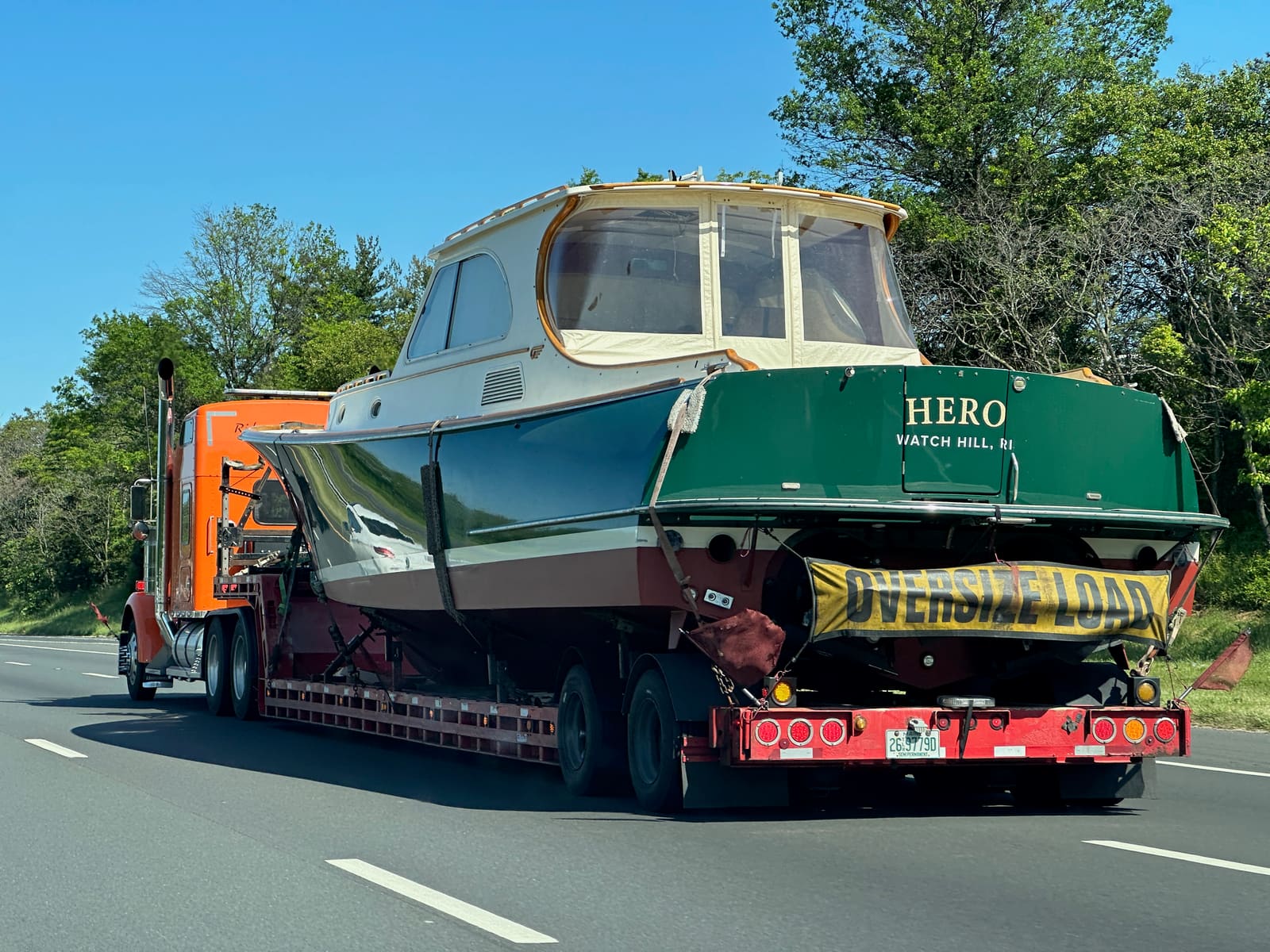
- Signs: a yellow "OVERSIZE LOAD" banner with black letters, front and rear, on wider loads.
- Warning lights: rotating, strobe or flashing amber lights once the load passes certain dimensions (Florida starts this over 10 feet wide).
Separately from permits, BoatUS notes that trailers wider than 80 inches need three red identification lamps across the rear. Make sure the trailer's lights are all working before you leave.
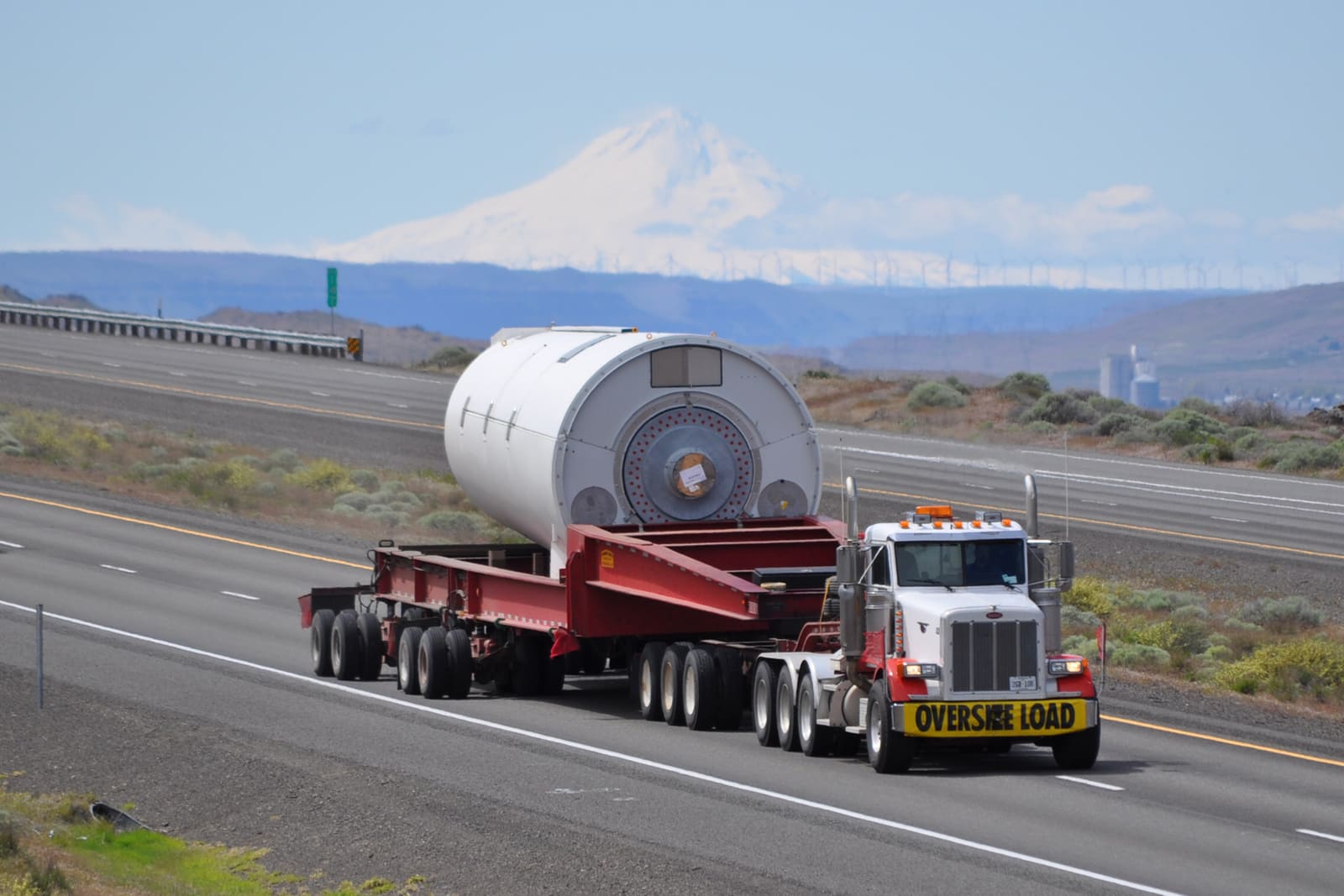
Wide loads typically need signs, flags and amber lights; the exact rules depend on the state and the size. Photo: Oregon Department of Transportation / Wikimedia Commons · CC BY 2.0 Discover Boating warns that some states keep wide loads off the road at certain times, such as weekends. In Florida's rule, unless the permit says otherwise, permitted movements are prohibited on weekends and holidays, the wider classes are limited to daytime hours, and no travel is allowed when visibility drops below 1,000 feet; a load already underway in bad weather must get off the road and wait. Plan fuel stops and overnight stays so you're never caught on the road outside your allowed hours.
Above certain widths, lengths or heights, states require one or more escort (pilot) vehicles. Florida's rule shows what that involves: escort drivers who meet training requirements, escort vehicles with signs, flags and amber lights, radio contact with the load, and rules about where the escort drives on two-lane and divided highways. For a private owner, needing escorts is usually the point where hiring a professional transporter becomes the practical answer (step 12).
- Check bridge heights, posted weight limits, tunnels, tolls and construction on the permit route.
- Avoid narrow, winding two-lane roads where possible.
- Don't leave the permitted route. If a detour forces you off it, contact the permit office.
- Plan where you'll fuel: a wide rig needs a big station with room to pull through and exit without backing up.
- Extend your mirrors so you can see past the boat on both sides.
- Fold or remove anything that adds height or width you don't need.
- Secure the boat and every piece of gear for highway winds, and support the engine or drive for the road.
- Work through our pre-trailering checklist, and check tire pressure on every tire, including the spare.
- Stay centered in your lane and watch both mirrors; oncoming trucks and mailboxes are closer than you think.
- Discover Boating notes some states set a lower speed limit for vehicles towing trailers. Slow down anyway: you'll stop shorter and handle crosswinds better.
- Expect strong side forces from passing trucks and wind on a tall boat.
- Stop after the first few miles and at every stop to check straps, hubs, tires and lights.
Hiring out makes sense when:
- The load needs escorts, route surveys or several states' permits
- Your tow vehicle is near or over its limits
- The boat is tall enough that bridges and overhead lines become a real concern
- You'd need to remove a flybridge, arch or mast to get under height limits
BoatUS points out that most larger boats exceed width restrictions and may be over the height limit, so a good transporter needs experience with state permit agencies. It's also why transporters often ask for a deposit up front, which BoatUS says is often needed to get permits and escorts. See our guide to shipping a boat with a professional transporter.
Common mistakes
- Measuring the trailer instead of the widest point of the boat.
- Getting a permit for your home state and forgetting the states in between.
- Traveling on a weekend, holiday or after dark when the permit doesn't allow it.
- Leaving the permitted route for a "shortcut."
- Forgetting the height: hardtops, arches and antennas that hit a bridge or a gas-station canopy.
- Running flags and banners that don't meet the permit's size or placement rules.
- "Chancing it" because the boat is only a few inches over 8'6". Forum owners ask this often when shopping for a 9-foot-beam boat. Over is over: the permit is usually simple to get, and an unpermitted wide load can bring a ticket, an order to park, and an awkward conversation with your insurer after any accident. Factor the permit (or a hauler) into the decision before you buy.
When to call a pro
- The rig needs escort vehicles, a route survey or more than one state's permits and you're not comfortable managing them
- Your tow vehicle or trailer is at or near its rated limits
- The boat must be partly disassembled (flybridge, arch, mast) to meet height limits
- You're unsure what a permit condition means: call the state permit office before you travel
- A breakdown or crash with a wide load: get to safety, call 911 if needed, then a towing service that can handle oversize loads
Tips
- Save each state's permit office phone number in your phone before you leave.
- Keep a folder (paper or digital) with every permit, your registration and the trailer title.
- Tell your boat insurer about the trip, and ask how the policy treats damage while trailering.
- If the boat is only a few inches over 8'6", ask whether removable items (rails, rub strips, fenders hung over the side) bring it under the limit. Don't guess; measure again after you remove them.
Official references
We read these to write this guide. Your engine's own manual always wins.
- Discover Boating – Boat Trailer Laws, Rules and Regulations
- FHWA Freight Management and Operations – Size and Weight FAQs (vehicle width)
- Texas Department of Motor Vehicles – Oversize/Overweight Permits
- Minnesota Department of Transportation – Oversize/Overweight Permits
- Caltrans – Transportation Permits (Oversize/Overweight Vehicles)
- Florida Administrative Code Rule 14-26.012, Movement Conditions and Restrictions (via Cornell LII)
- BoatUS – Navigating The Asphalt Ocean (transporting a boat overland)
- BoatUS – Buying A Used Trailer (lights on trailers over 80 inches wide)
Safety: BoatMend is for information only and does not replace a certified marine technician. You are responsible for your safety and your boat. Read the full disclaimer.
Last updated 2026-10-25
Related guides
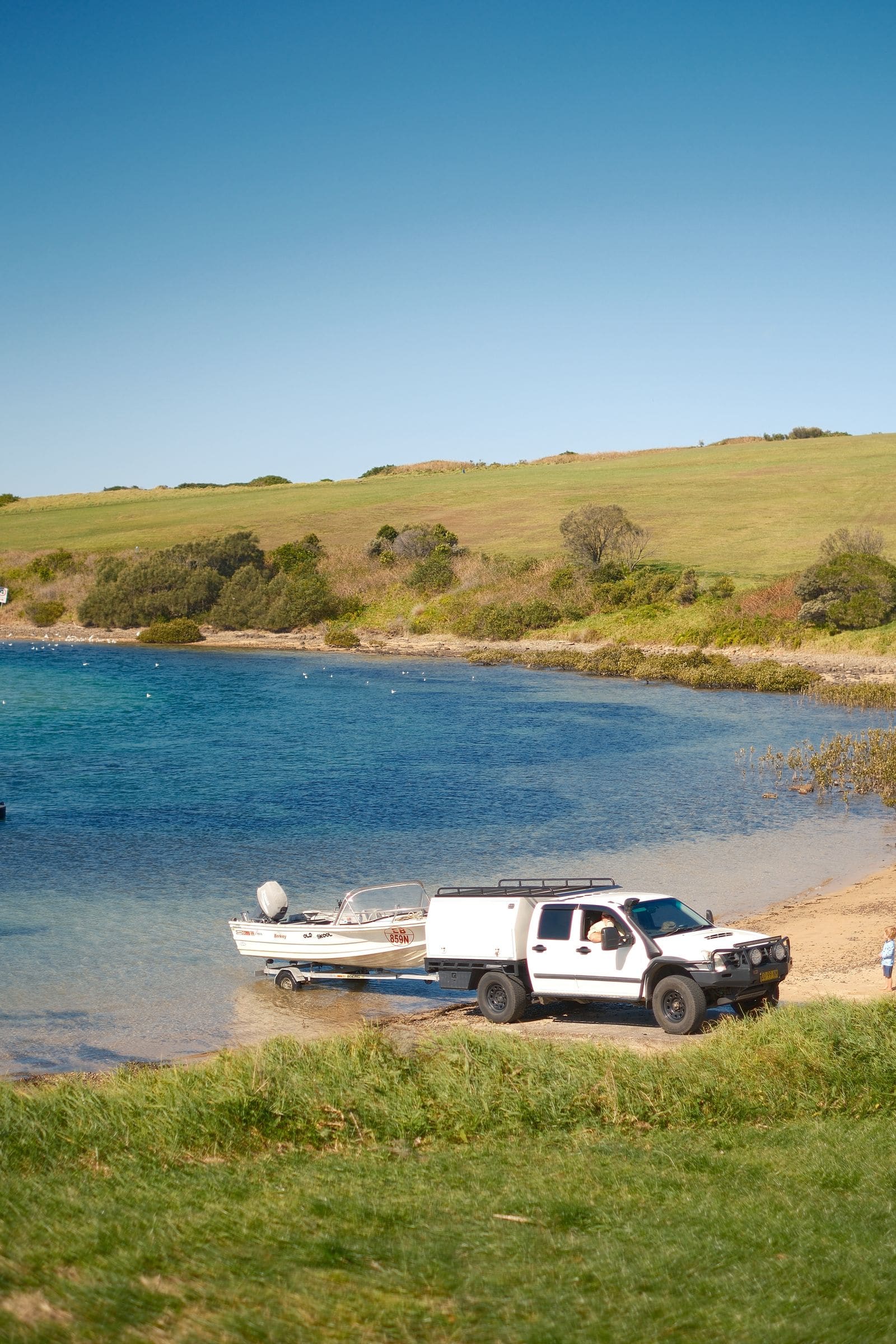
Is My Vehicle Rated to Tow This Boat? Towing Capacity, GCWR and Tongue Weight Explained
The towing number in the ad is only one of several limits. Learn which ratings matter (towing capacity, GCWR, GVWR, axle and tongue limits, hitch class and ball rating), how to weigh your real rig at a truck scale, and when you need trailer brakes and towing mirrors.
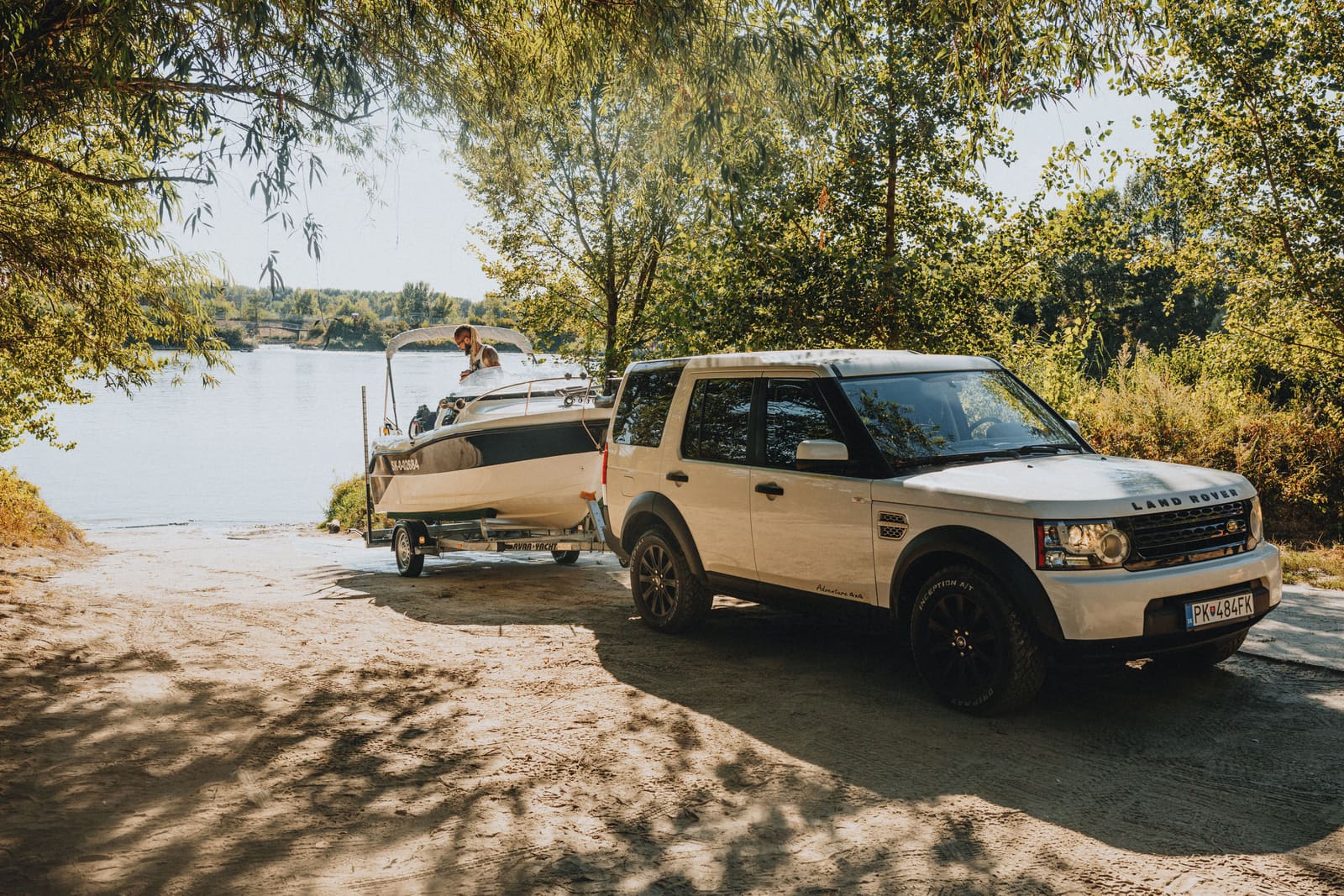
Get Your Boat Ready for the Road: Pre-Trailering Checklist
Most trailering trouble starts in the driveway: an engine left without support, a loose strap, a cover that balloons at 60 mph, gear that blows out or tongue weight that makes the rig sway. Work through this checklist before every trip and do a quick walkaround at each stop.

How to Load Your Boat Safely: Capacity Plate, Balance and Stability
Too much weight, or the right weight in the wrong place, is behind most small-boat capsizes and swampings. Learn to read the capacity plate (persons, weight and horsepower), add up your real load, balance it side to side and fore and aft, and adjust for rough water, water aboard and towing riders.
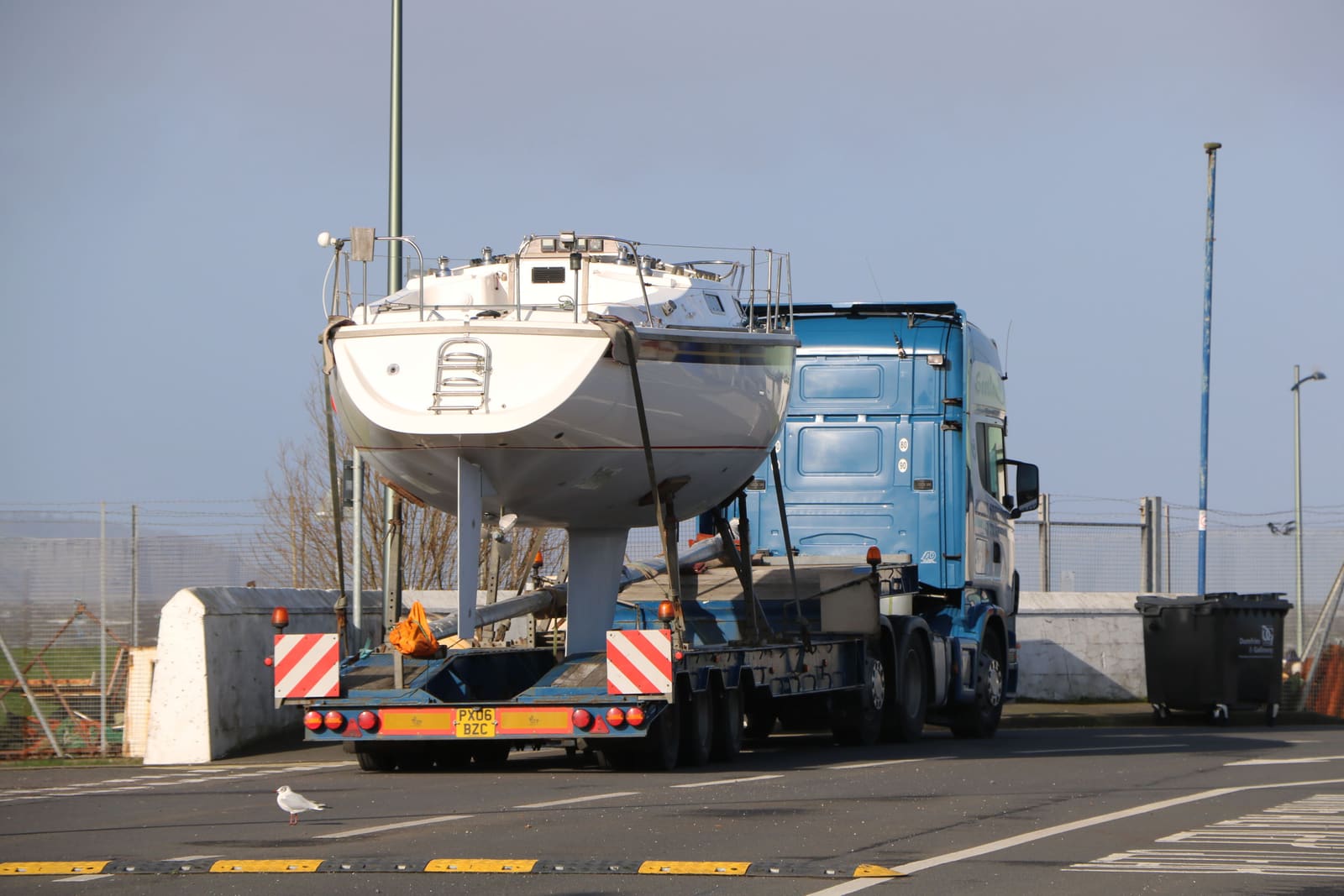
Shipping a Boat with a Professional Transporter: Quotes, Vetting, Prep and Claims
Most boat shipments go fine, but when they don't, the owner who checked the carrier's authority and insurance, prepped the boat properly and documented everything at pickup and delivery is the one who gets paid. Here's how to hire a transporter, prepare the boat and handle damage.
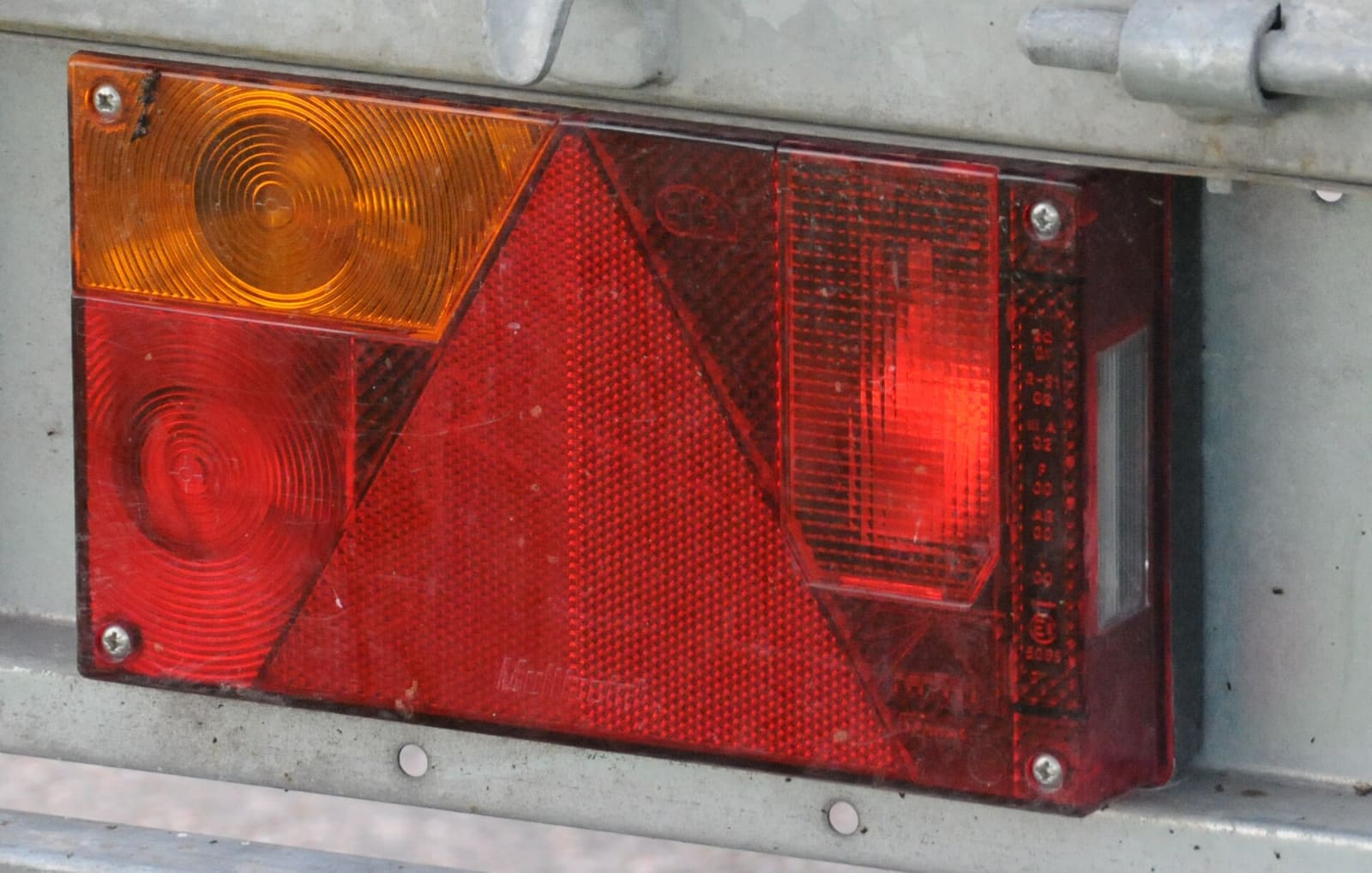
How to Fix Boat Trailer Lights That Flicker, Dim or Don't Work
Track down the real cause of dead or flickering trailer lights, from a bad ground to a corroded plug, and fix it so the repair lasts. Working brake, turn and tail lights are required by law and keep the driver behind you from rear-ending your boat.
Electric-Over-Hydraulic and Electric Trailer Brakes: Controller Setup, Breakaway and Care
Why most boat trailers use surge or electric-over-hydraulic (EOH) brakes instead of plain electric drums, how to pick a compatible in-cab brake controller and set its gain, how to test the breakaway switch and battery, and how to keep the system working around saltwater.
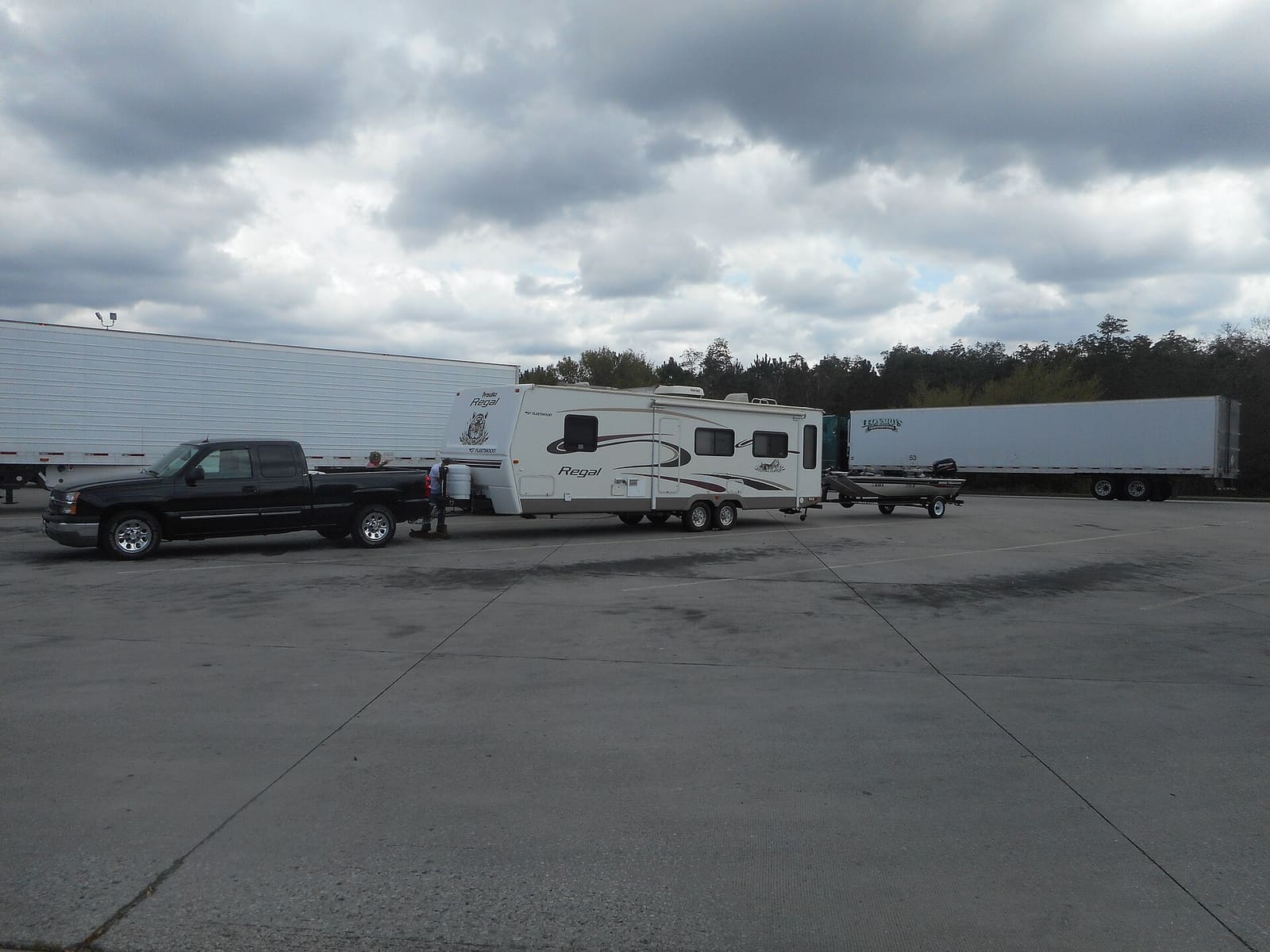
Buying a Boat in Another State: Survey, Paperwork, Taxes, Registration and Getting It Home
A step-by-step plan for buying a boat that is hundreds of miles away: checking it remotely with a local surveyor, matching the HIN and VIN to the title, avoiding long-distance scams, paying the right sales or use tax, registering in your home state, the trailer's own paperwork, temporary permits, and legal towing or professional transport for wide boats. Rules vary by state, so confirm each step with the agencies involved.
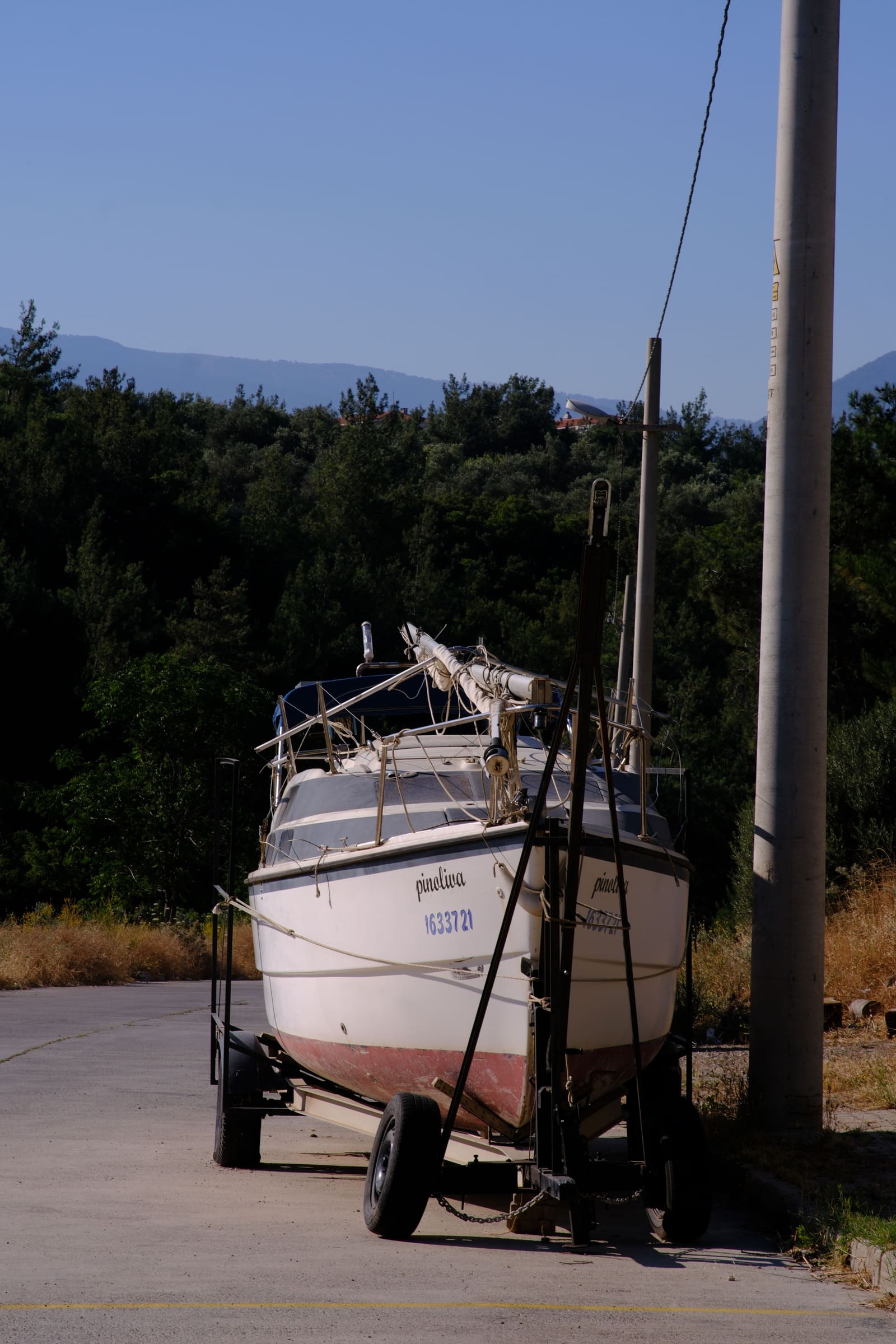
Stepping and Unstepping a Sailboat Mast: Trailer Sailers and Yard Cranes
How to raise and lower a sailboat mast safely, whether you step a trailer sailer's mast at the ramp or help the yard crane do it, including power-line checks, mast wiring, basic tuning afterward, and when to leave the job to the yard.