Repair & maintenance guides
Plain-English, step by step, written for owners. Pick your engine to see the guides that apply to it.
50 of 509 guides · page 2 of 3
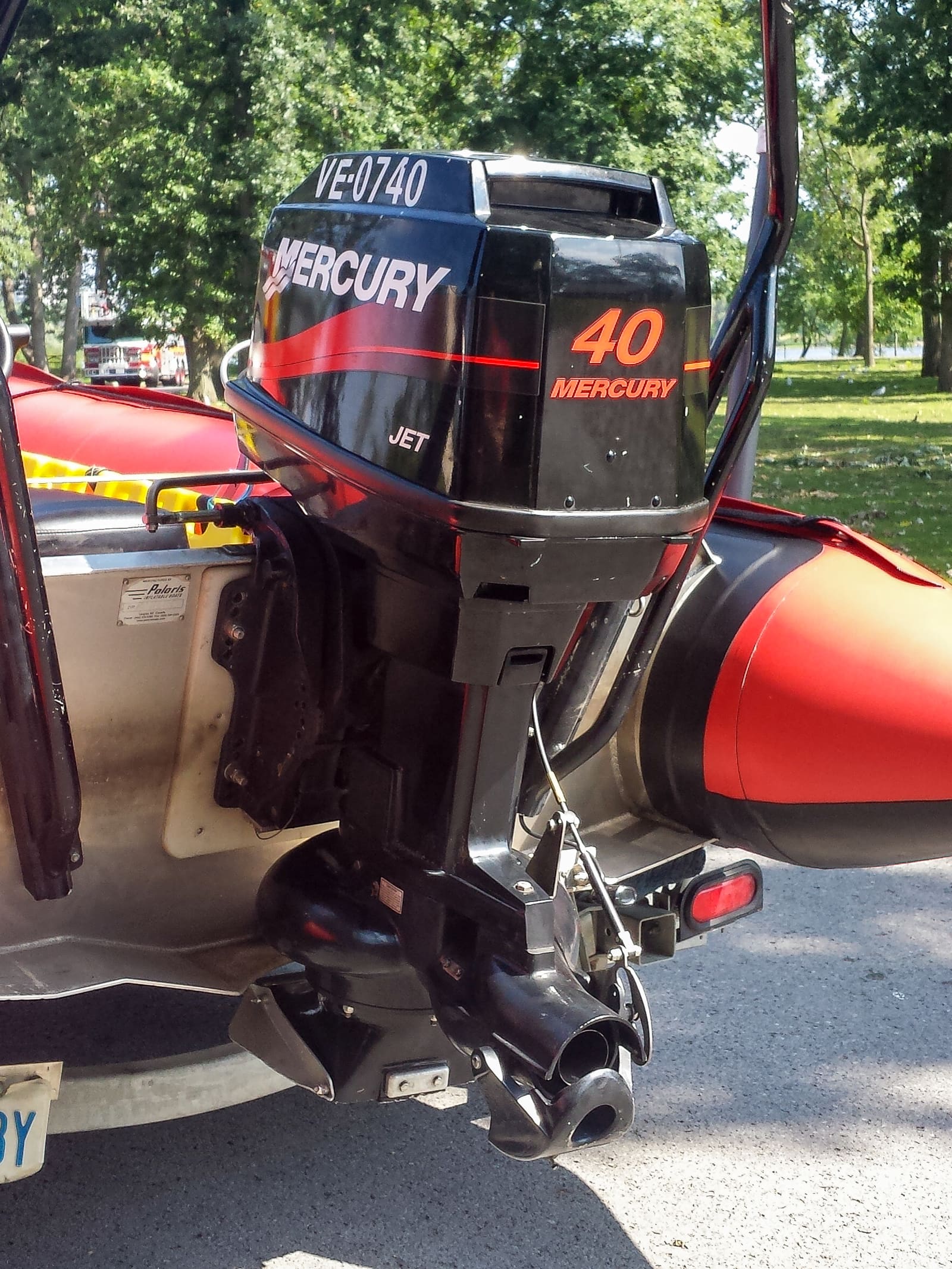
Jet Outboard Impeller Shimming and Sharpening: Win Back Lost Thrust
Gravel and sand slowly round off a jet impeller's edges and open the gap to its liner, and the boat loses push. Learn the signs, how to make the motor completely safe to work on, how moving thin shims closes the gap, and how a light touch-up on dull blade edges can restore performance.
Losing Coolant With No Visible Leak? How to Pressure Test a Closed Cooling System and Its Cap
When the coolant level keeps dropping and you can't find a drip, a simple hand-pump pressure tester can show where it's going. Learn how to test the system and the pressure cap safely on a cold engine, isolate the heat exchanger and coolant-heated appliances, and recognize the signs of a head gasket or internal leak that need a mechanic.
Loss of Power, Hesitation or Misfire - Troubleshooting Guide
Figure out why your engine bogs down, stumbles, will not reach full rpm or runs rough. Work from simple checks like trim, prop and fuel filter to ignition and engine protection modes before paying for diagnostics.
Low Oil Pressure Warning: What to Do on a Sterndrive, Inboard or Diesel
A low oil pressure alarm or a gauge that drops toward zero means the engine may be running without proper lubrication. Learn what to do in the first minute, the simple checks you can make yourself, how to tell a bad sender from a real pressure problem, and why you should never keep running on the alarm.
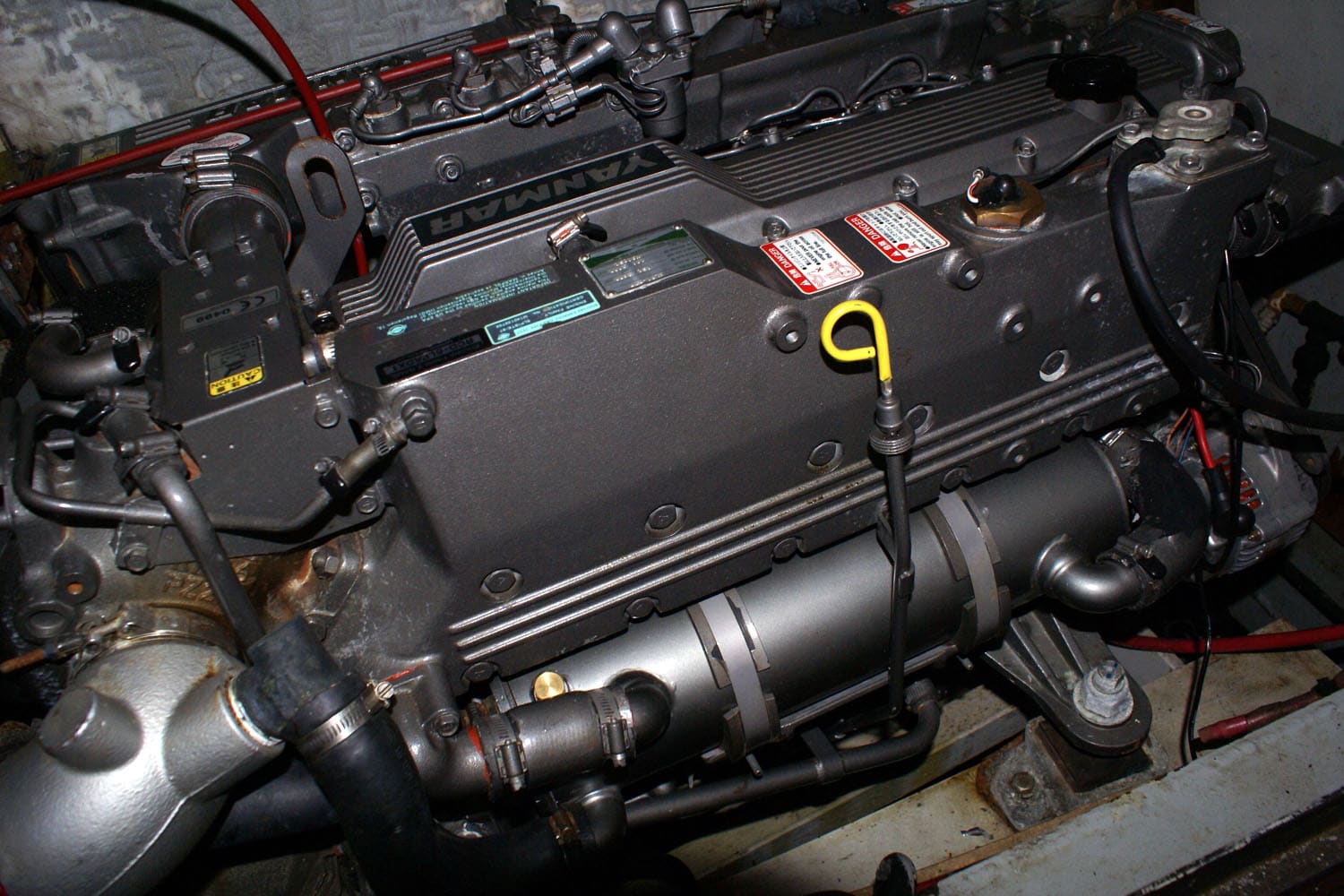
Marine Diesel Won't Start: Troubleshooting From Battery to Fuel
Work through the usual reasons a Yanmar, Volvo Penta, Westerbeke, Beta or similar marine diesel won't crank, or cranks but won't fire, starting with the free and simple checks. Most no-starts come down to the battery, preheat, air in the fuel or a fuel shutoff solenoid.
Marine Stereo Troubleshooting: No Power, Lost Settings, No Sound or Bluetooth Trouble
Track down a boat stereo that won't turn on, forgets its presets, resets when the engine cranks, plays no sound or won't keep a Bluetooth connection. Work from the free checks (switches, resets, fuses) to voltage tests, speaker wiring, water damage and software updates before you buy a new unit.
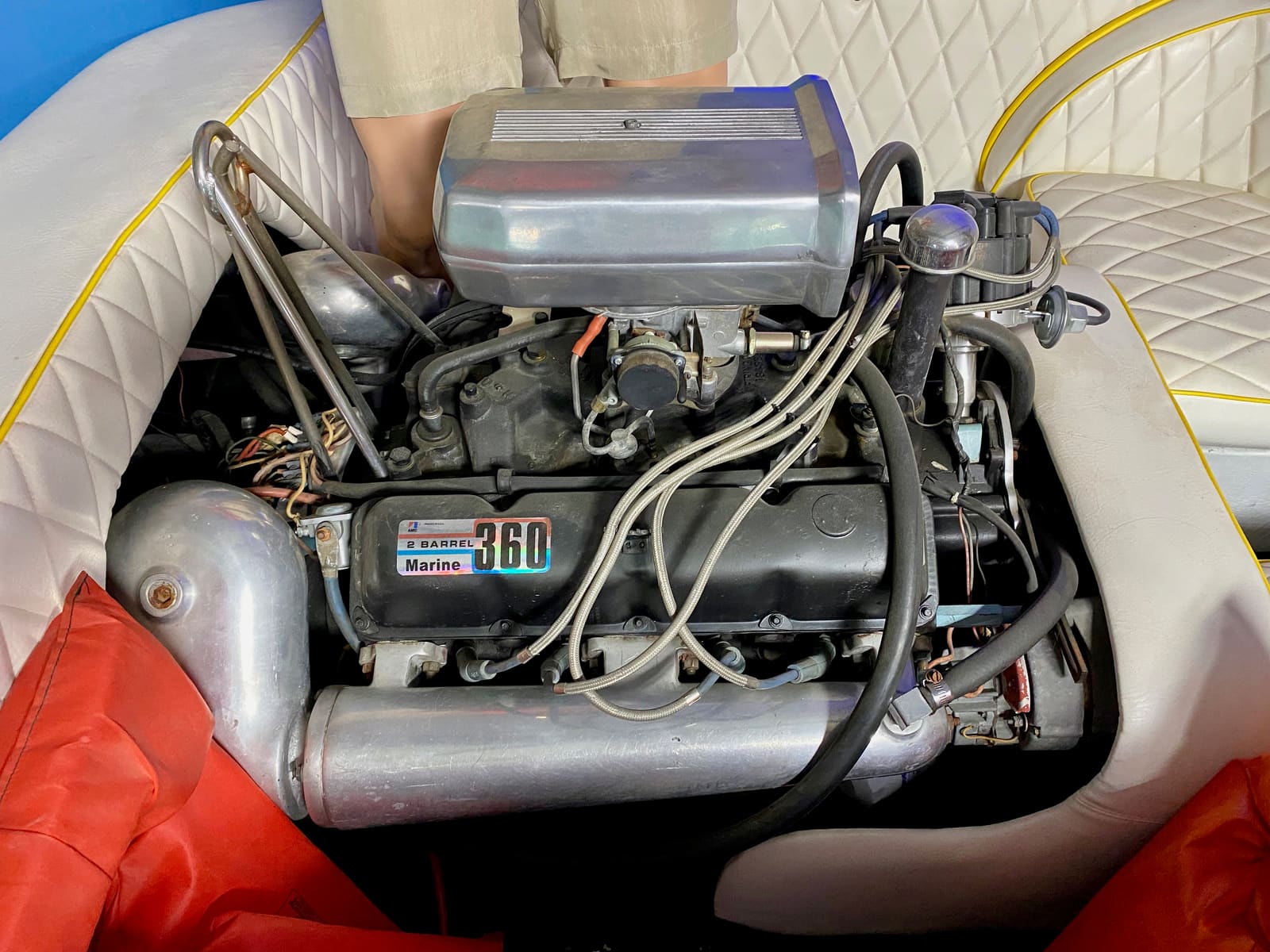
Milky Engine Oil or Water in the Oil - What It Means and What to Do
Milky, creamy or rising engine oil usually means water is getting into the engine. Learn why you should stop running it right away, how to tell harmless condensation from a real leak, and which parts are the usual suspects: head gaskets, exhaust risers and manifolds, intake manifold gaskets, oil coolers and freeze cracks.
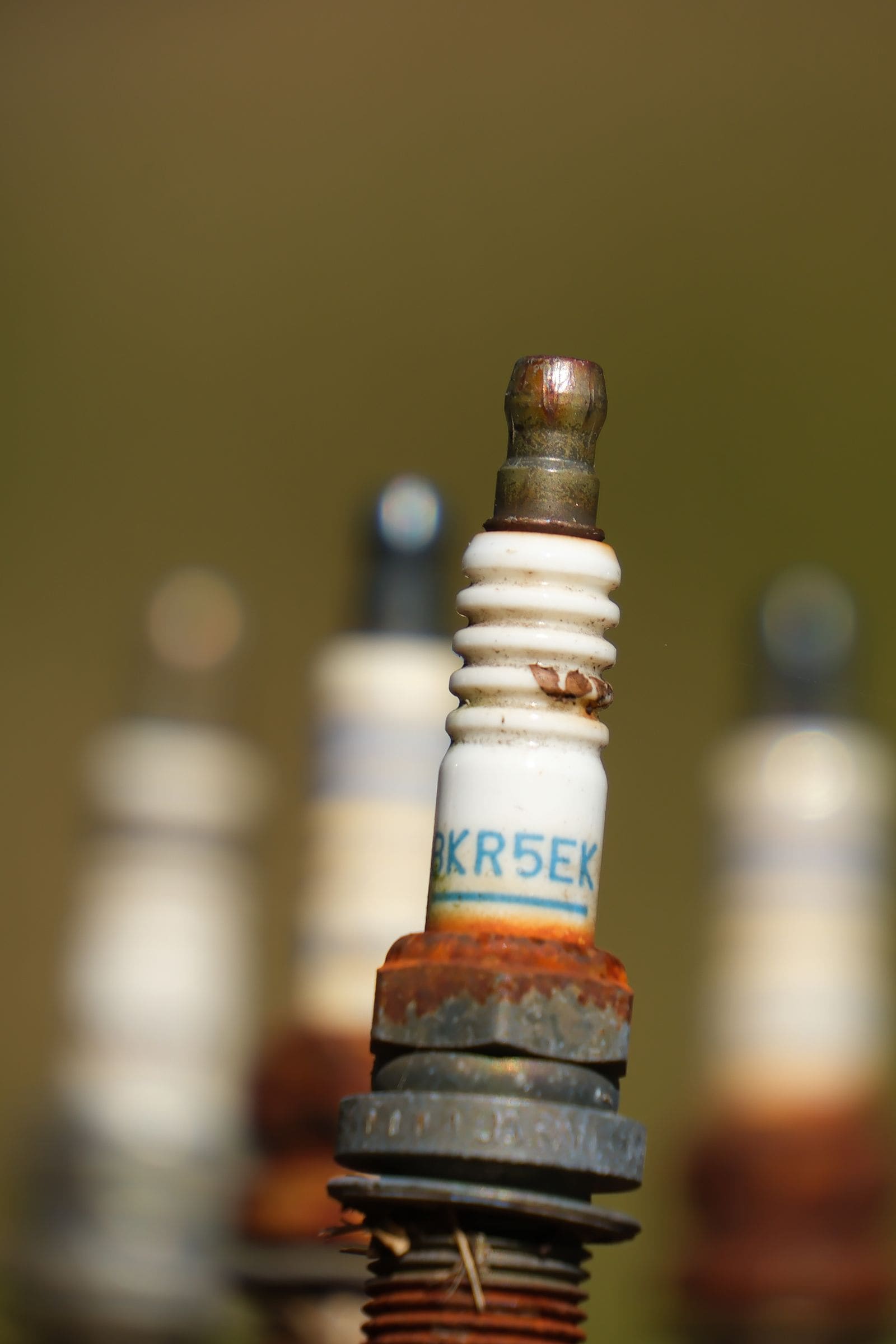
No Spark - Safe Ignition Checks for Outboards, Sterndrives, Inboards and PWCs
Engine cranks but never fires, and you suspect the ignition? Work from the cheap, common causes (kill switch lanyard, key switch, plug wires and caps, plugs, battery) to a proper spark test, and learn what the stator, CDI and coils do and when it is time for a dealer.
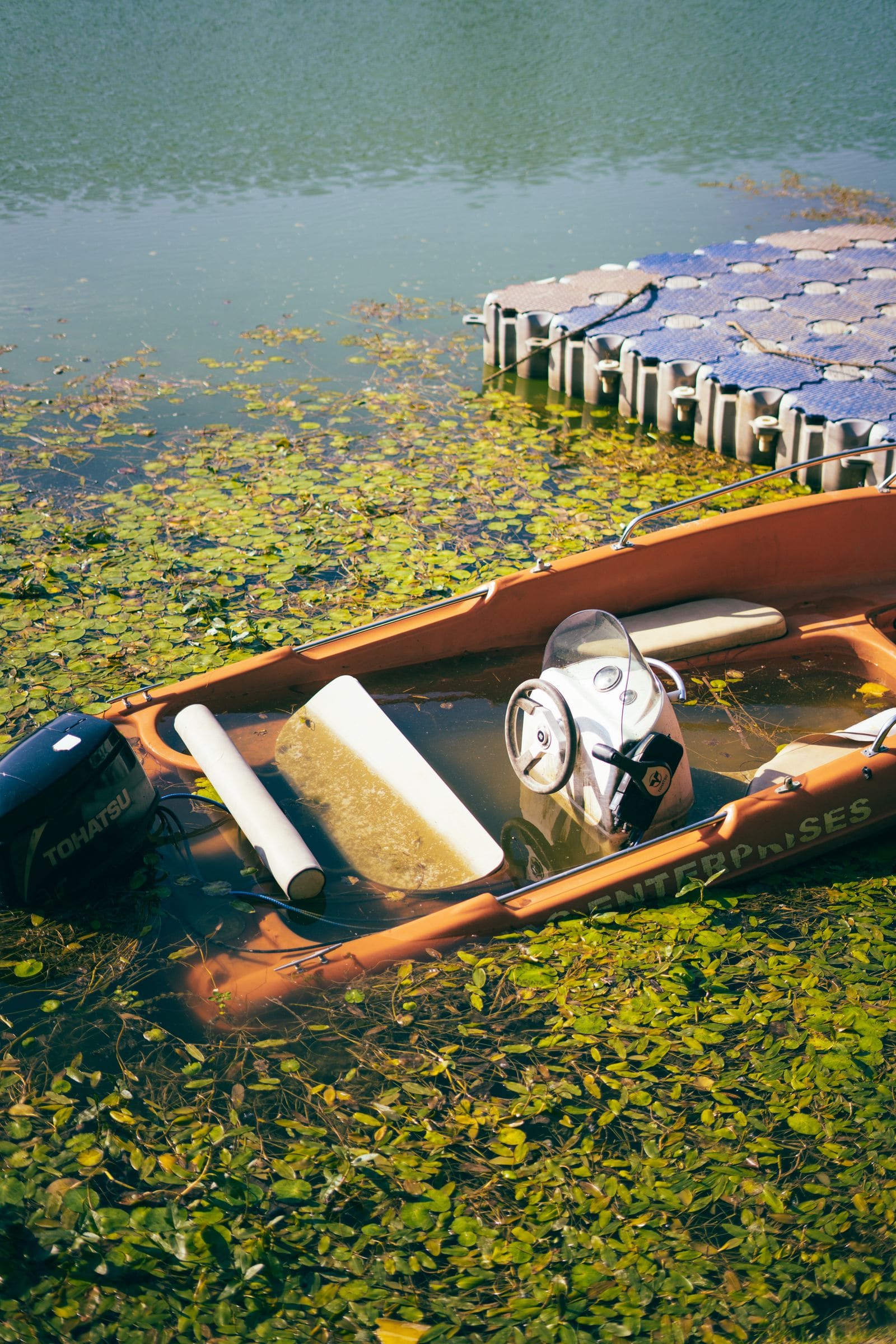
Outboard Fell Overboard or Engine Got Submerged: What to Do in the First Hours
A dunked engine can often be saved, but only if you act fast and in the right order. Learn what to do (and what never to do) in the first hours after an outboard goes overboard or a boat swamps, how to buy time until a shop can take it, and when it is a loss.
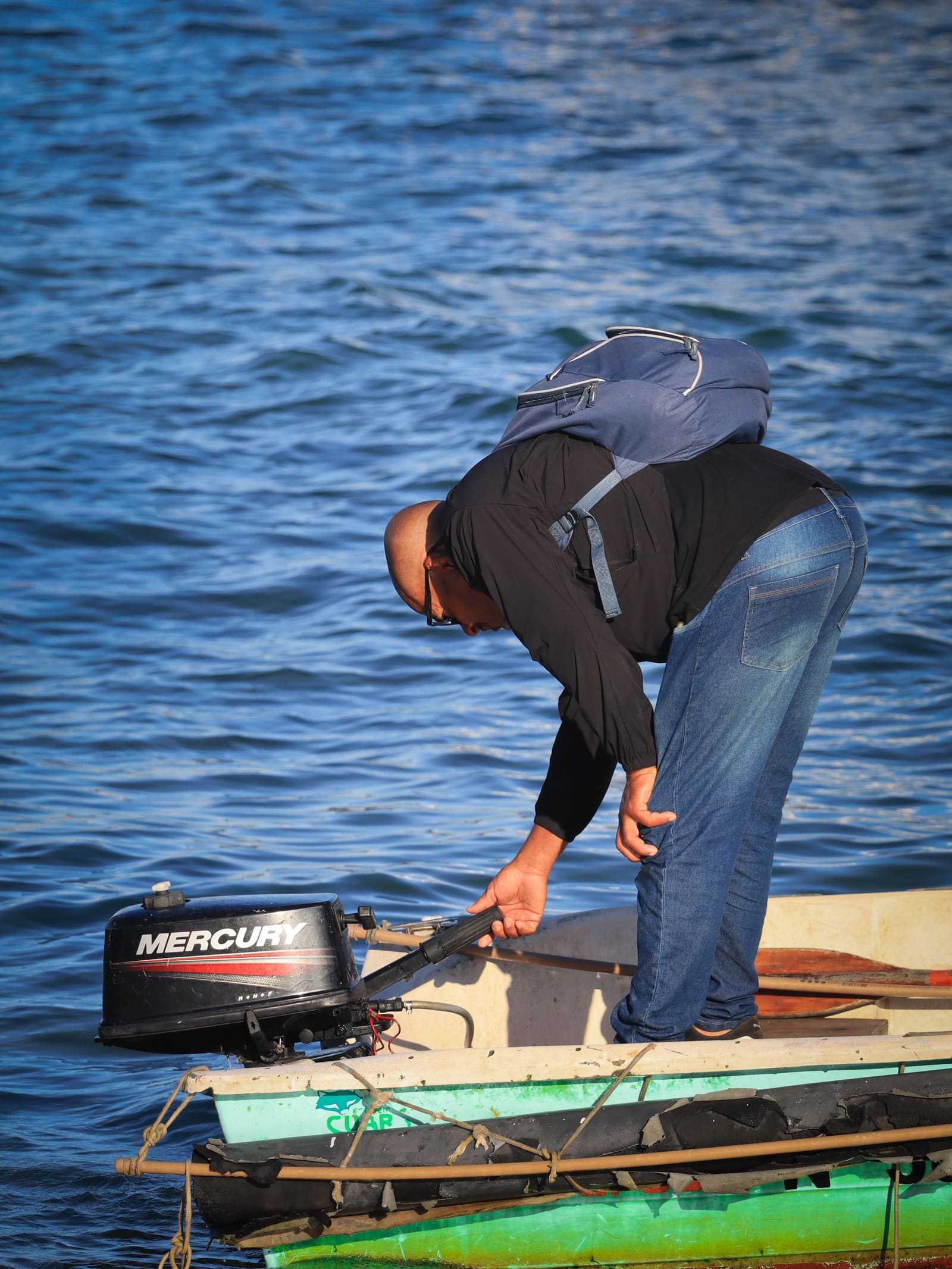
Outboard or Sterndrive Rough or Surging Idle: Find the Cause, Cheapest Check First
An engine that shakes, hunts or surges at idle but runs fine on plane is telling you something specific. Learn how to read the pattern, then work in order from free checks (warm-up, tank vent, primer bulb, fuel) through plugs, air leaks, carburetor idle circuits and the idle air control valve, and know when it's time for a compression test or a dealer scan.
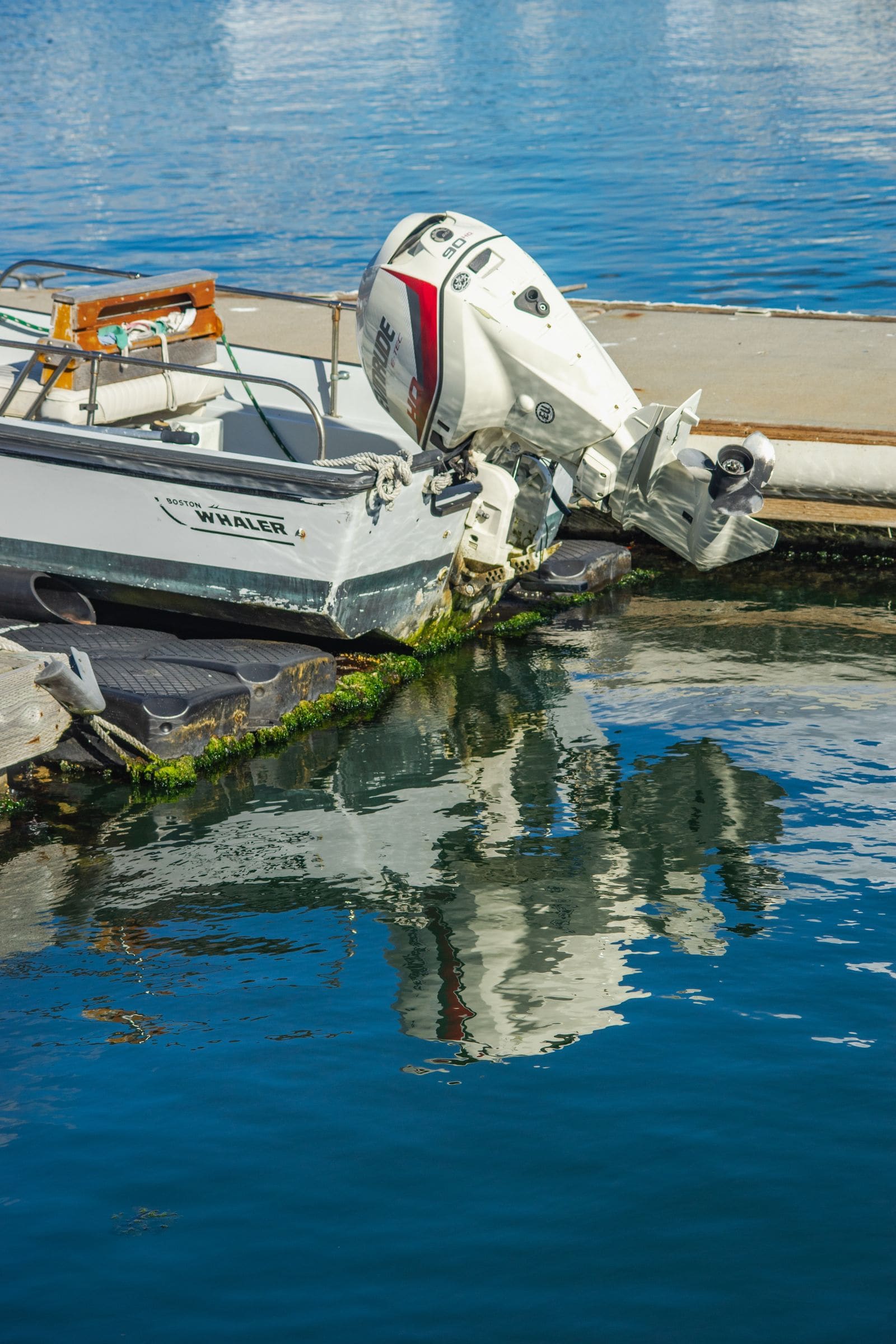
Outboard or Sterndrive Vibration - Troubleshooting Guide
Track down a new shake or buzz by noting when it happens (neutral or in gear, which rpm), then check the prop, hub, shaft, mounting bolts, motor mounts, engine height and misfires in order, from the simplest to the most serious.
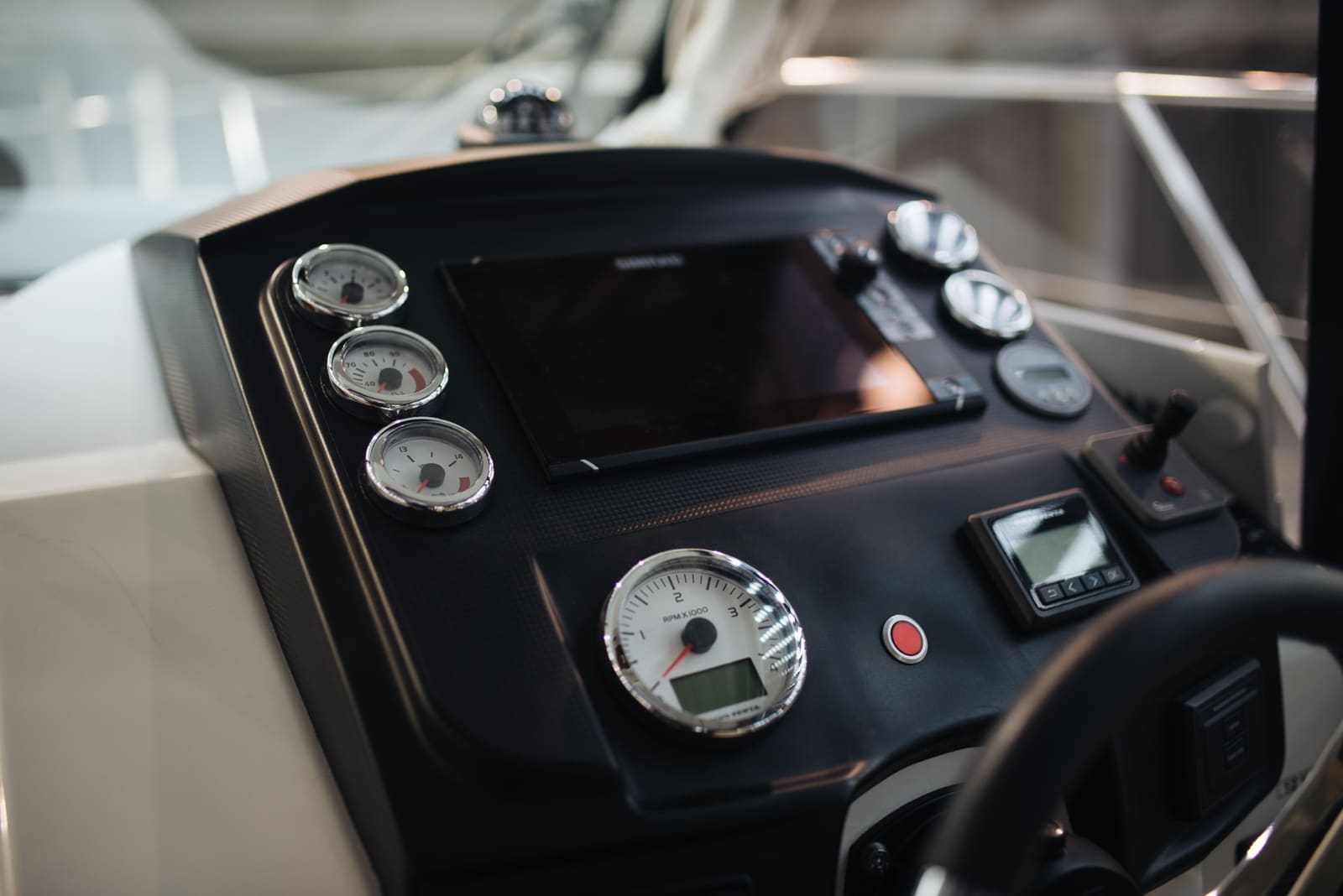
Overheat Alarm: What to Do in the First 60 Seconds
A short, practiced routine for the moment the temperature alarm goes off: take the load off, look for cooling water, shut down if it isn't there, and check every space the exhaust runs through for heat or fire. Based on a June 2026 Coast Guard safety alert about a fatal fire that started with an overheat alarm.
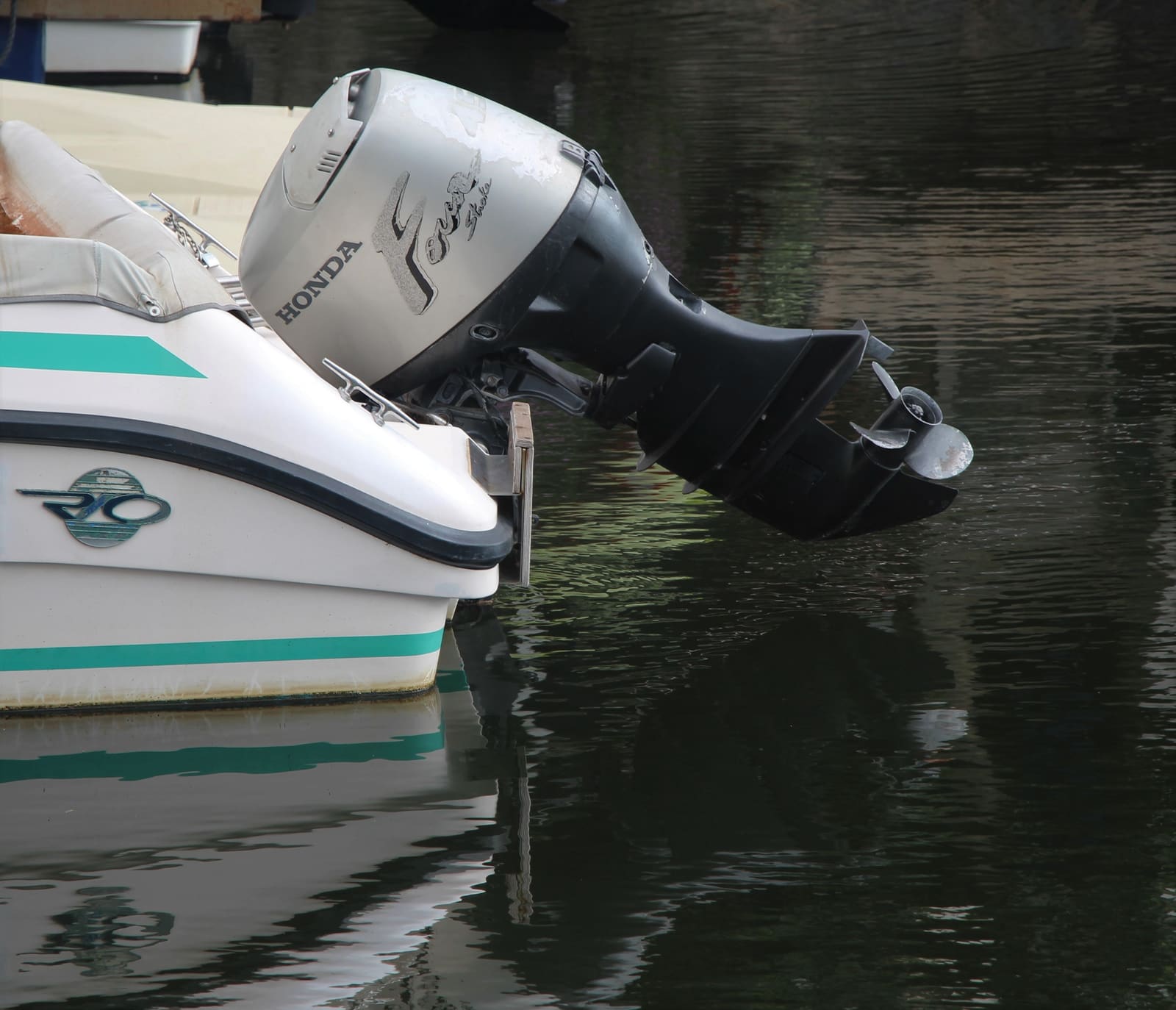
Prop Ventilation vs. Cavitation - Why Your Engine Revs Up and the Boat Loses Grip
Sudden RPM spikes, blowouts in turns, or a prop that slips when you accelerate are usually ventilation, not cavitation. Learn to tell them apart, then work through the fixes in order: trim, load, prop damage, the hull ahead of the prop, engine height, and finally a different prop.
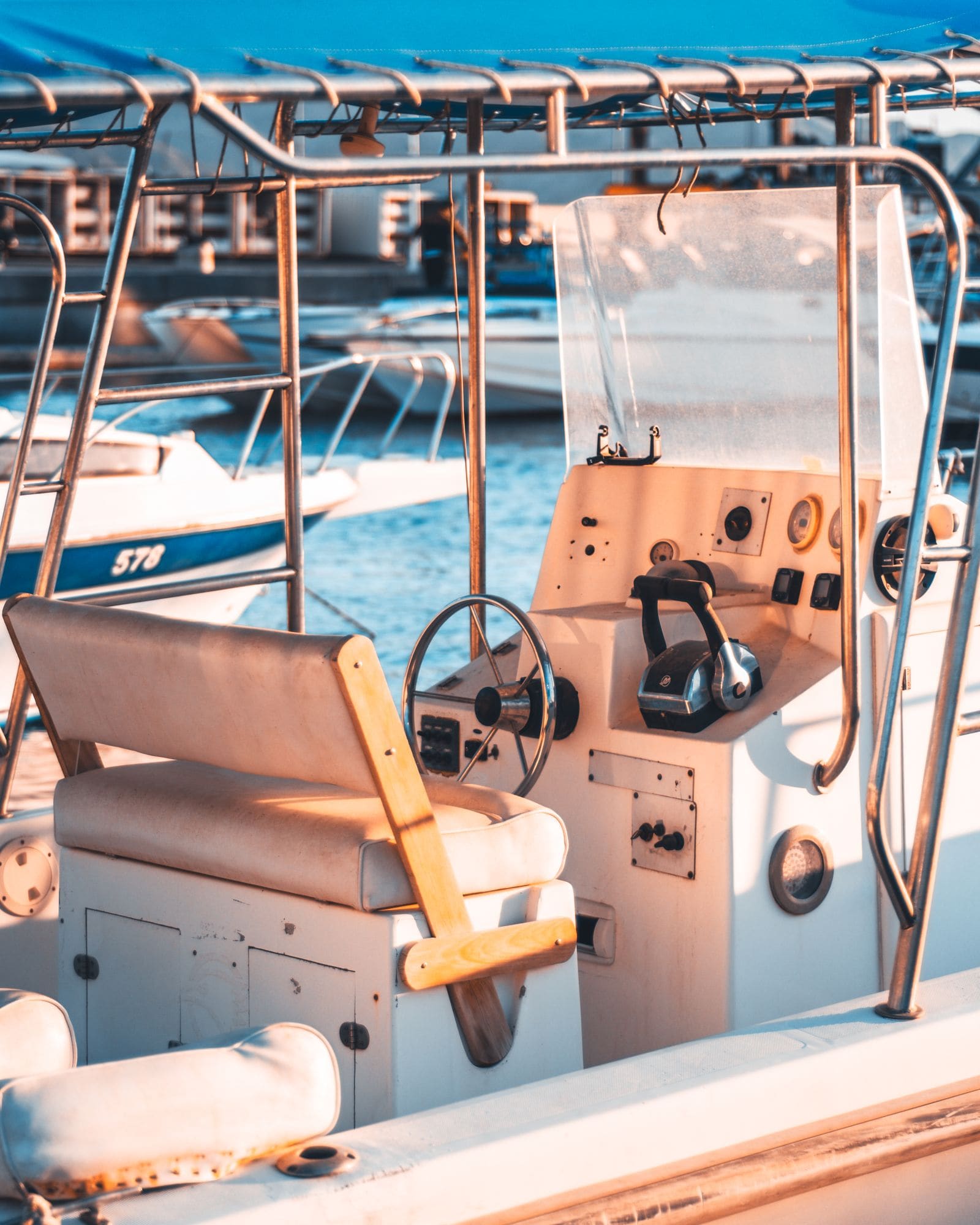
Remote Control Box Troubleshooting: Stiff Lever, Won't Crank, Trim Switch
The throttle and shift control at the helm (side-mount or binnacle) takes a beating. Learn how to find out why the lever is stiff, why the engine will not crank even with a good battery, why the trim button on the handle quit, and when the whole control box should be replaced along with its cables.
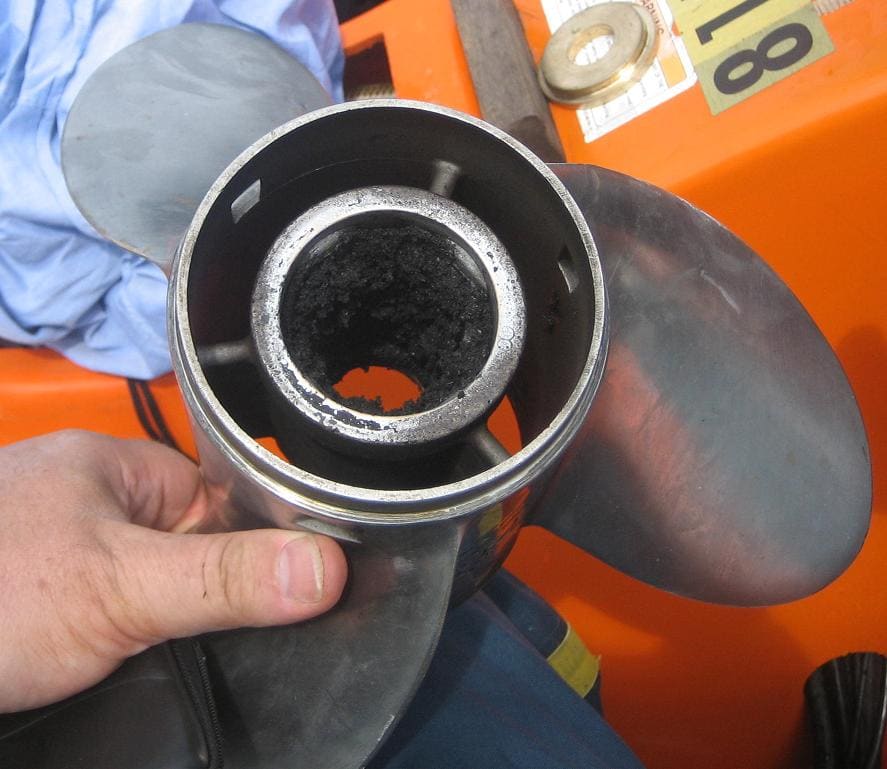
Spun Prop Hub - How to Tell, Quick Marker Test and Repair Options
If the engine revs up but the boat barely accelerates, the rubber or plastic hub inside your propeller may be slipping. Learn how a spun hub feels, how to confirm it with a simple marker test, the difference between pressed rubber hubs and replaceable hub kits, and your repair options.
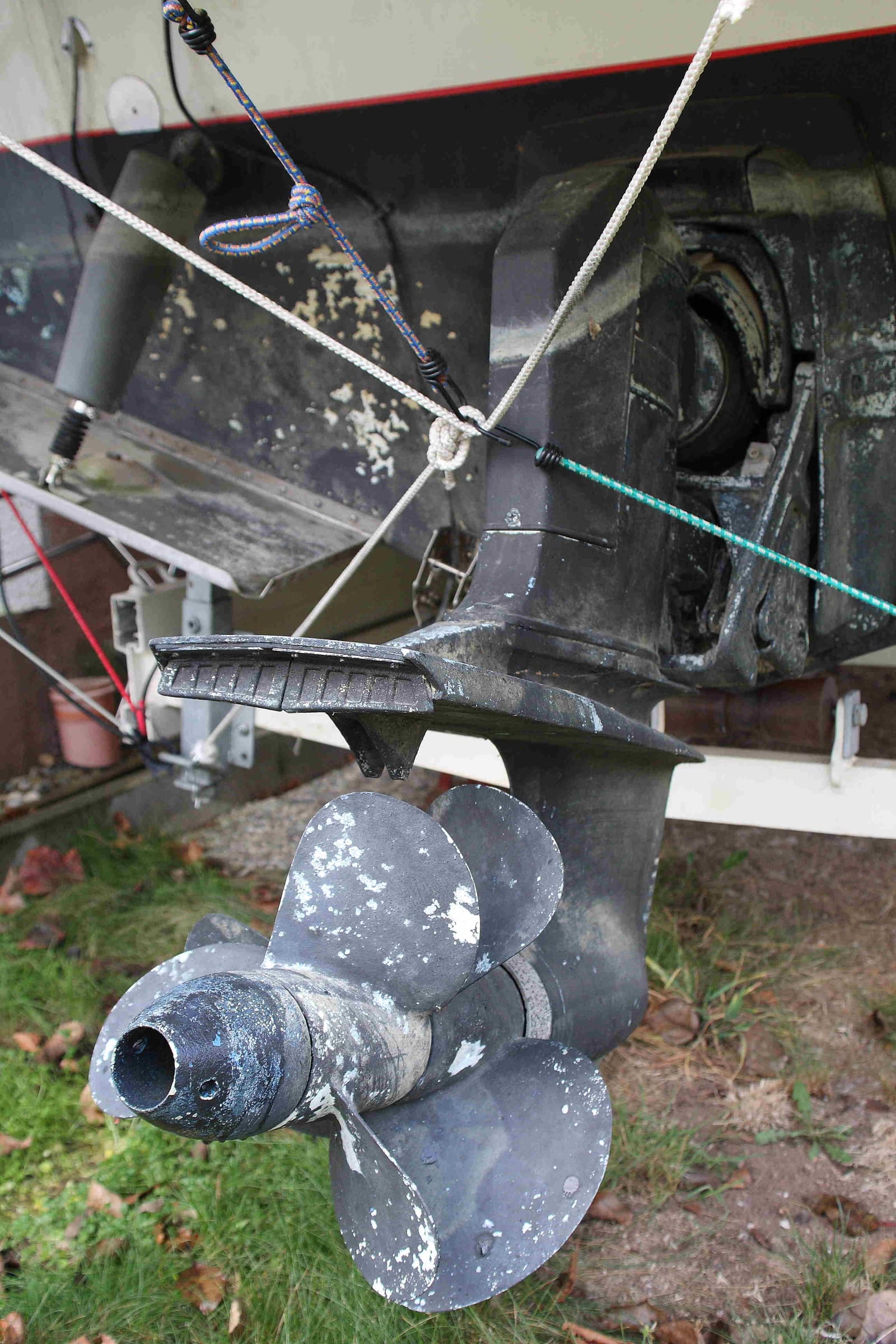
Sterndrive Hard or Clunky Shifting: Cables, Shift Interrupt Switch and Cone Clutches
A sterndrive that bangs into gear, is hard to pull out of gear, stalls when you shift or hesitates and then slams in is telling you something about its shift system. Learn the checks you can do (idle speed, technique, cables, linkage and drive oil), what the MerCruiser shift interrupt switch and Volvo Penta cone clutches do, and when it's a shop job.
Sterndrive Power Steering: Fluid Checks, Hard Steering and Leaks
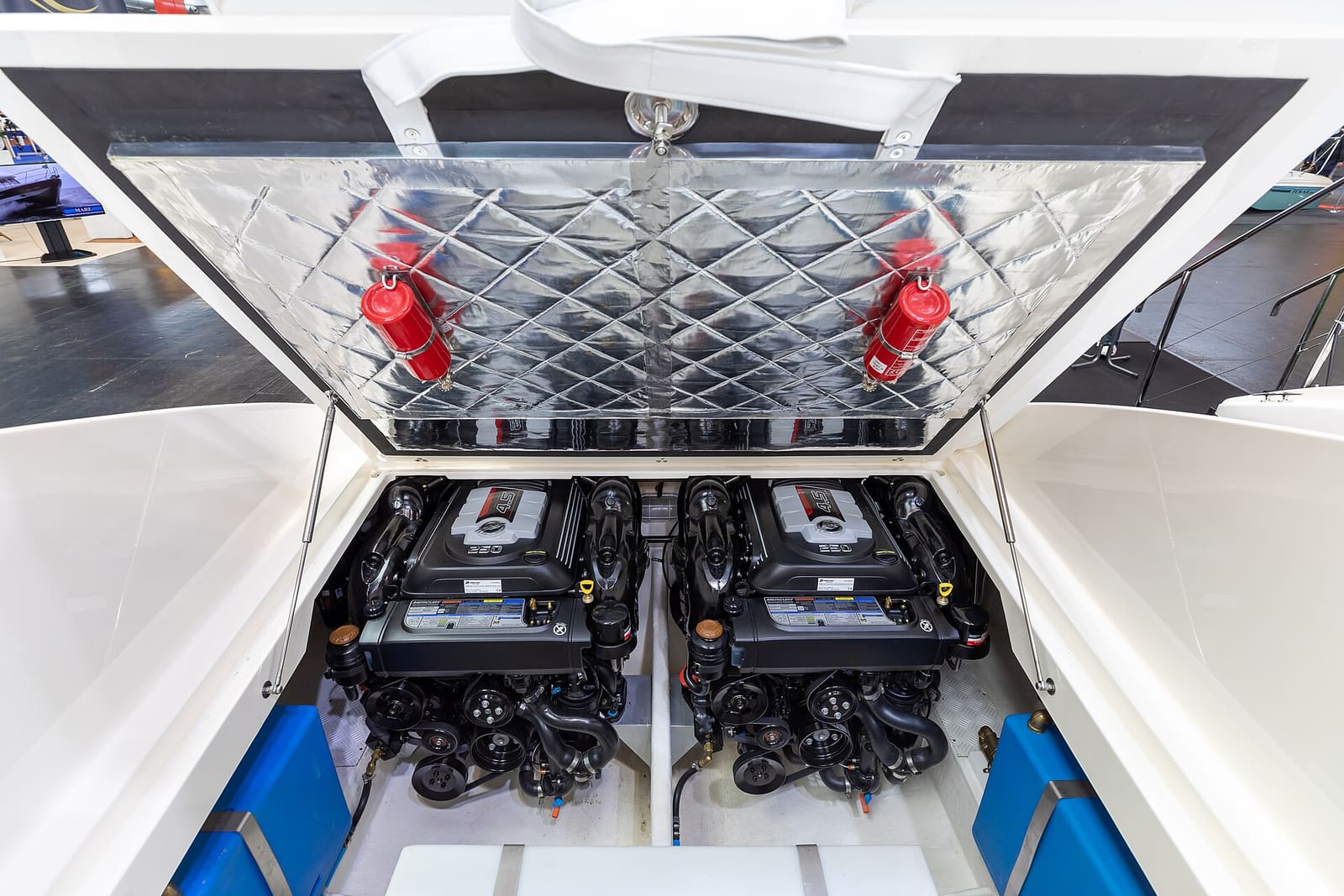
Troubleshoot the engine-driven power steering on a MerCruiser, Volvo Penta or similar sterndrive or inboard, from the free checks (fluid, belt, cable) to the signs that the pump or actuator needs a pro. Steering that suddenly goes heavy at speed is a safety problem, not a comfort problem.
Strange Engine Noises - What a Knock, Tick, Rattle, Whine, Grind or Squeal Can Mean
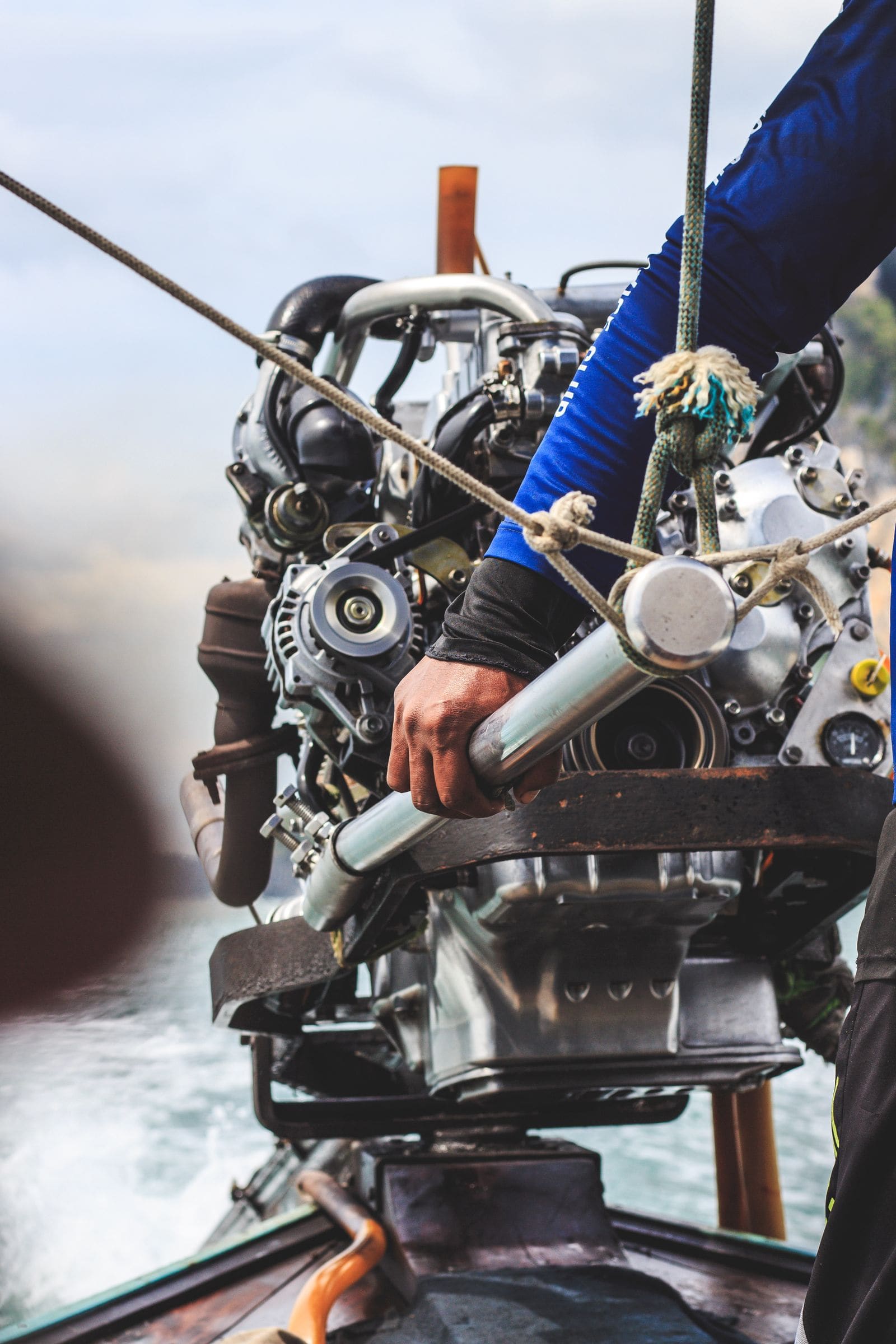
Learn what common boat engine noises often point to, which ones mean shut down now, and the safe checks you can do yourself before describing the problem to a mechanic.
Tilting an Outboard or Sterndrive by Hand: Using the Trim Manual Release Valve
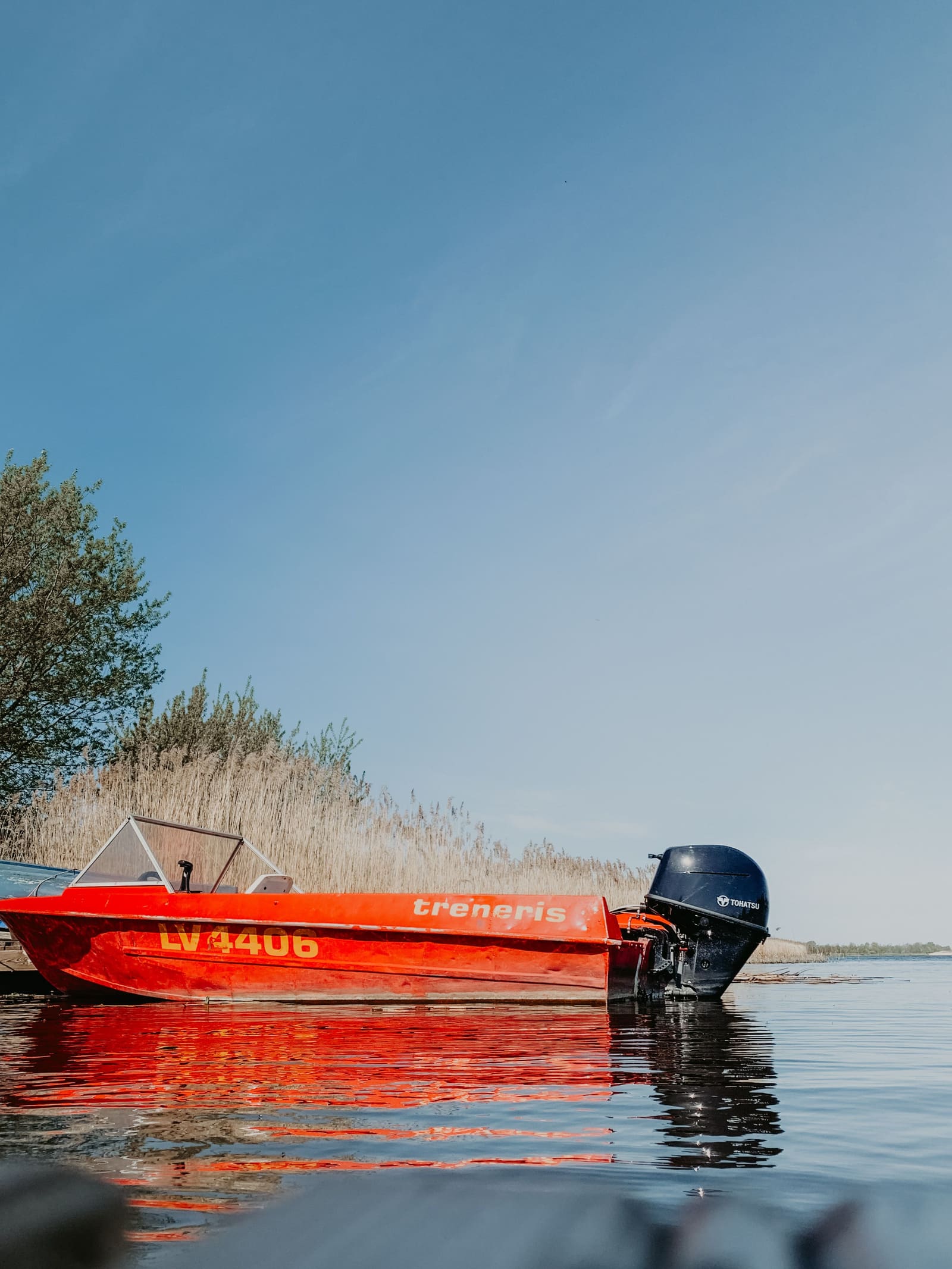
When the power trim quits, a small release valve on the trim unit lets you raise or lower the motor by hand, so you can get off a sandbar, load the trailer or get home. Learn where to find it, how far to open it, how to lift and support the motor safely, and why it must be closed again before you run.
Trim Leaks: When the Motor or Drive Won't Stay Up
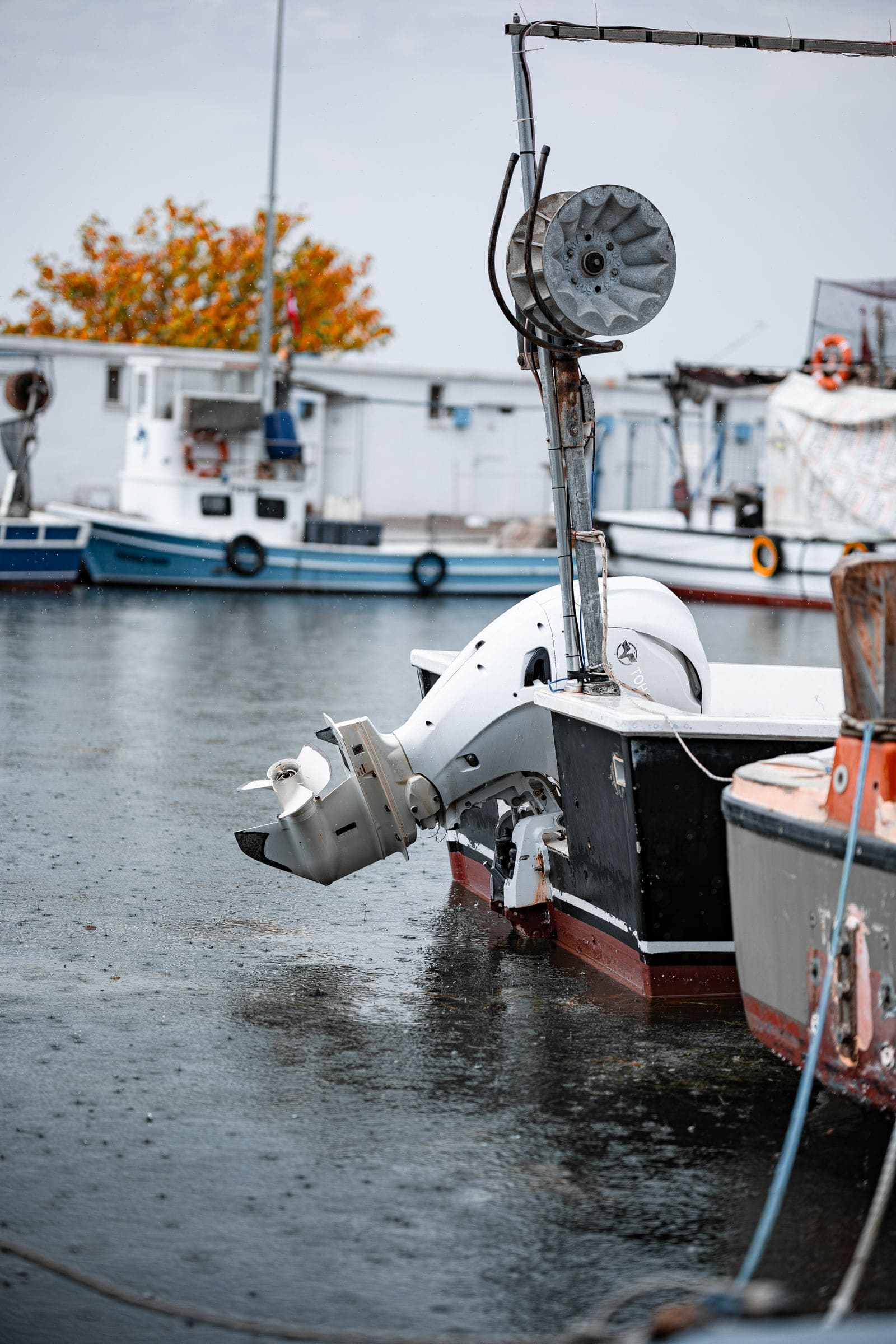
Track down why your outboard or sterndrive slowly sinks, trails down on the trailer or leaks trim fluid. Work from the free checks (release valve, fluid level) to hoses, ram seals and internal leaks, and learn when a rebuild or a new cylinder makes more sense.

Trolling Motor Won't Run, Runs Weak or Cuts Out: How to Troubleshoot It
Work through a dead, weak or on-and-off trolling motor from the cheapest checks to the hardest: battery charge and load test, connections, the breaker, line wrapped behind the prop, stow and deploy problems and GPS anchor glitches. Most problems turn out to be power supply; motor head and steering electronics are a service-center job.
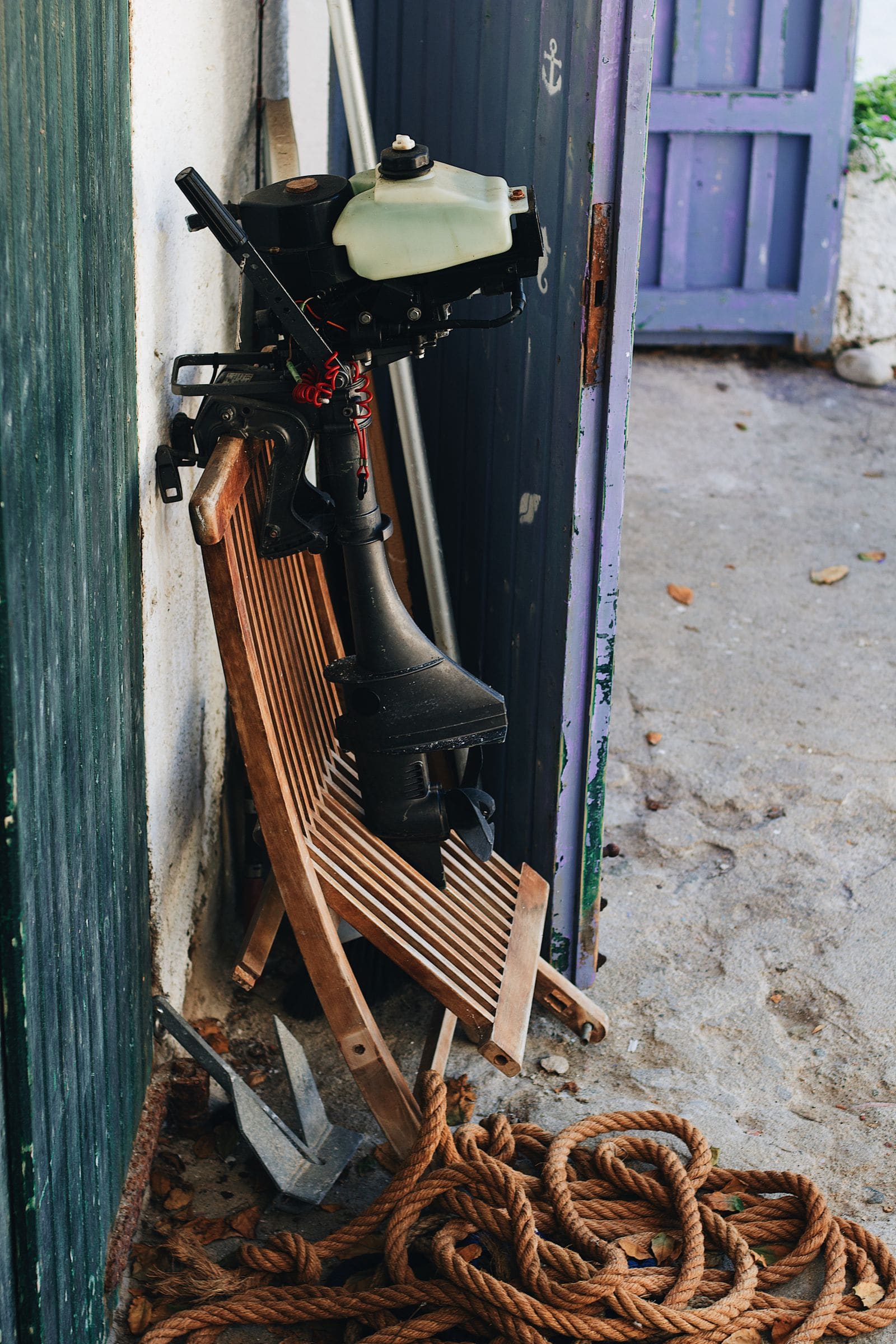
Two-Stroke Smoking More Than Usual - Troubleshooting Guide
Tell normal two-stroke smoke from a warning sign, then work through the usual causes in order, from the oil mix and choke to spark plugs, oil injection, carburetor and overheating, and know when to shut down.
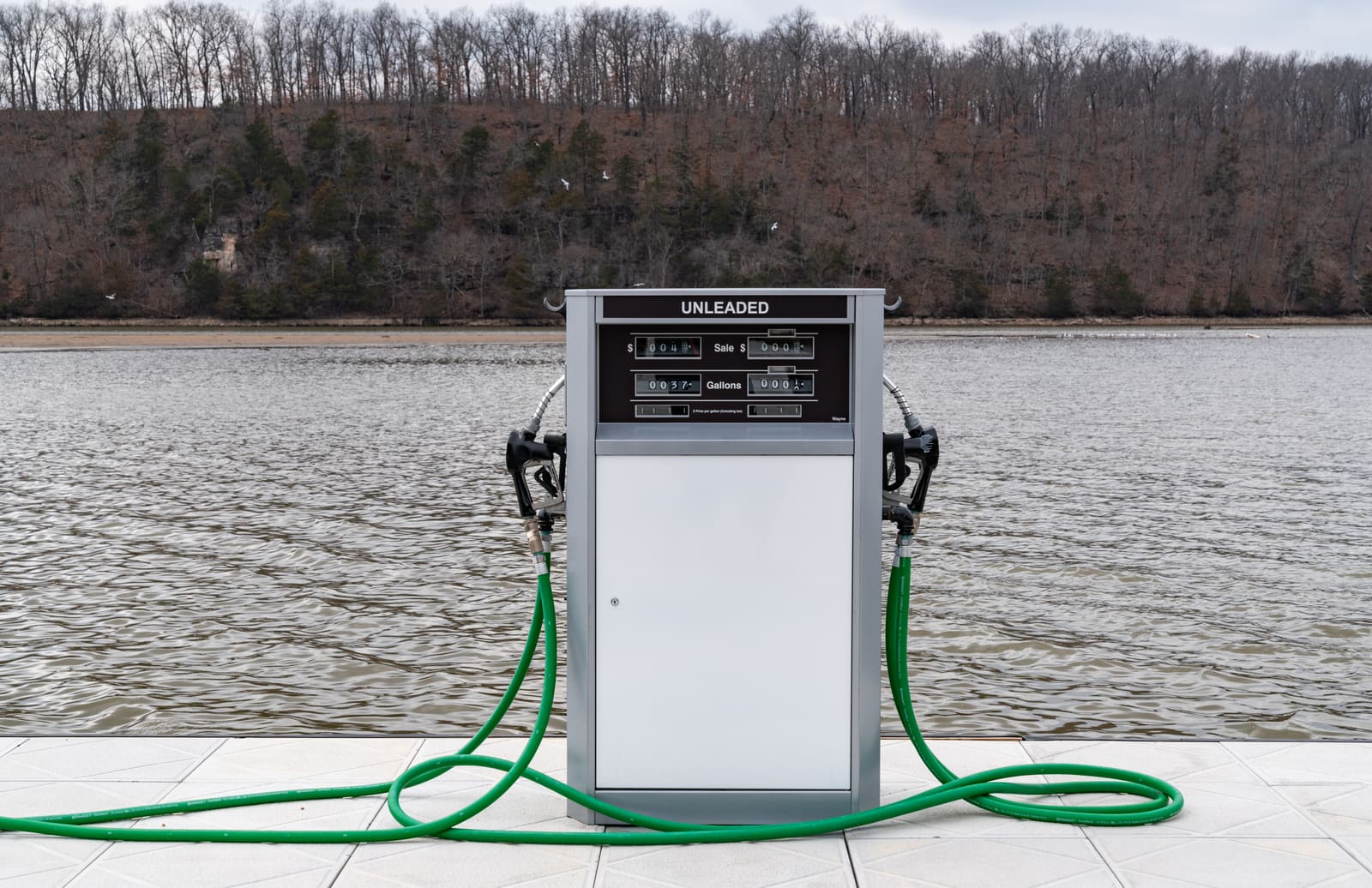
Vapor Lock and Hot Restarts: Why Your Boat Won't Start After a Stop on a Hot Day
On hot days, fuel can boil into vapor in the lines, carburetor or fuel system after you shut down, so the engine cranks but won't start, or starts and dies after a fuel stop. Learn how to recognize heat soak, restart a hot engine the right way, and reduce the problem with fuel choices, ventilation and line routing.
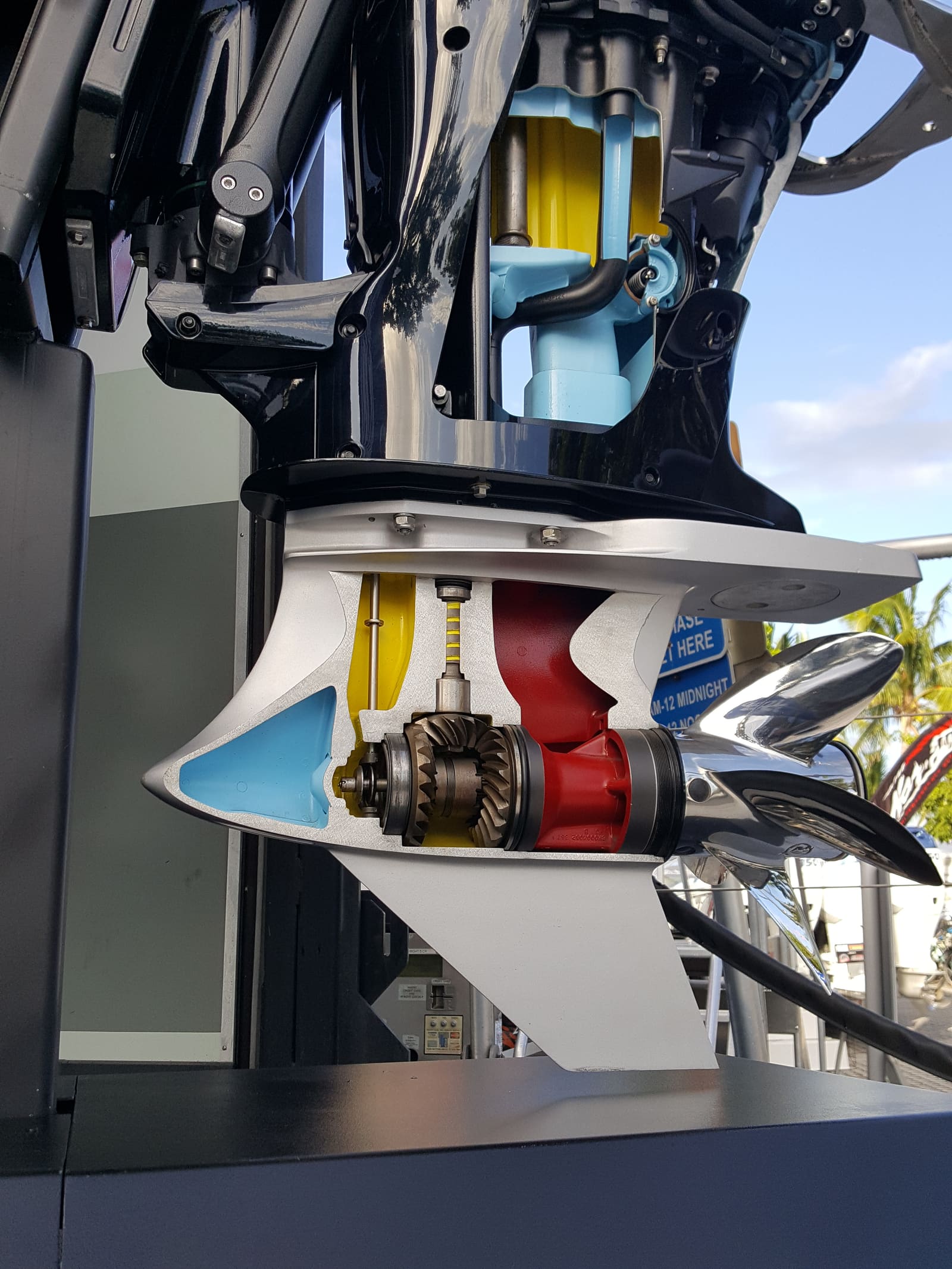
Water in the Lower Unit Keeps Coming Back - Seals and the Pressure Test Explained
Milky gear lube means water is getting past a seal, and changing the oil alone will not stop it. Learn where water gets in (prop shaft seals, driveshaft and shift shaft seals, drain and vent screw gaskets), how a pressure and vacuum test finds the leak, and when to do it yourself or hand it to a shop.
Safety: BoatMend is for information only and does not replace a certified marine technician. You are responsible for your safety and your boat. Read the full disclaimer.